Best Plants for Clay Soil (That Actually Thrive in It)
Heavy, sticky, slow-draining clay frustrates most plants and most gardeners. These flowers and shrubs not only tolerate clay, they prefer it.
Clay soil is the gardening equivalent of a difficult roommate. Heavy, sticky when wet, brick-hard when dry, and slow to drain. Stick a shovel in it after a rain and you can practically build pottery from what comes out. Most plants hate it.
But clay also has a secret upside that almost no one mentions: it holds nutrients and water far better than sandy or rocky soils. Once you stop fighting it and pick plants that actually want what clay offers, you get a low-maintenance garden that looks great with surprisingly little effort.
What clay soil actually is (and why most plants struggle)
Clay particles are roughly a thousand times smaller than sand particles. Pack a thousand grains of sand together and water flows through the gaps. Pack a thousand clay particles together and the gaps shrink to almost nothing. Water sits. Air can't reach roots. In summer the surface bakes into a crust that sheds water sideways instead of soaking it in.
Plants from sandy or rocky native soils (lavender, most herbs, agave, Mediterranean shrubs) rot in clay because their roots evolved to drain fast. Plants from prairie, meadow, and lowland habitats actually evolved to thrive in clay. Once you switch to that second list, the problem solves itself.
Test your clay before you plant
Before you commit, do the squeeze test. Take a handful of moist soil and squeeze it. If it holds a sticky ribbon when you press it between your thumb and finger, it's clay. If it crumbles into a loose ball, it's loam. If it falls apart entirely, it's sand or sandy loam.
Clay isn't always uniform across a yard. Sometimes the front bed is clay and the back yard is loam. Test in two or three spots before you decide what you're working with.
The reliable clay-soil performers
These plants don't just tolerate clay. Many of them grow stronger in clay than they do in "improved" soils with added compost.
Native prairie perennials
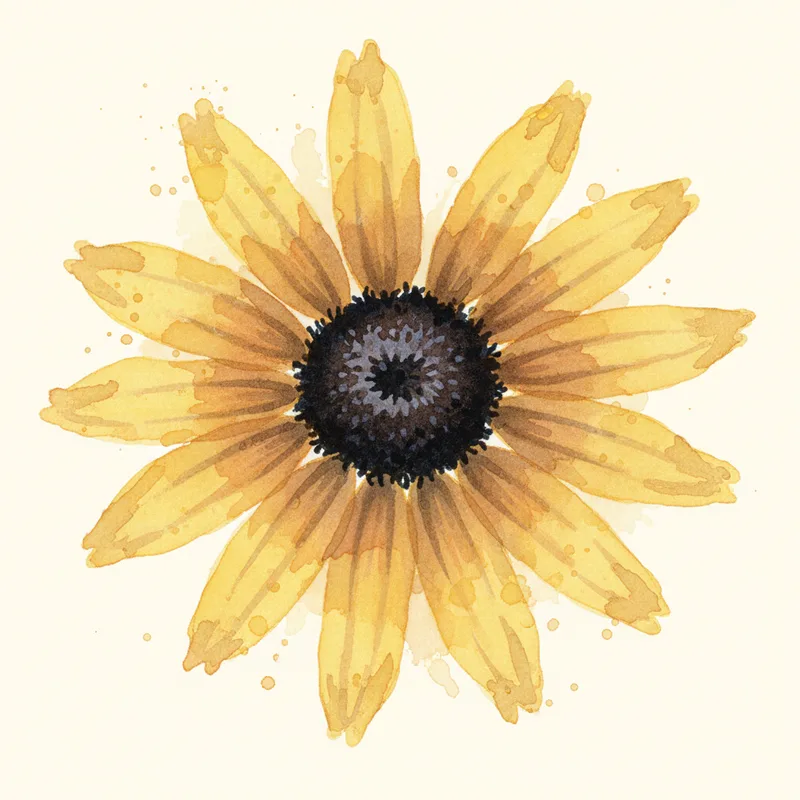
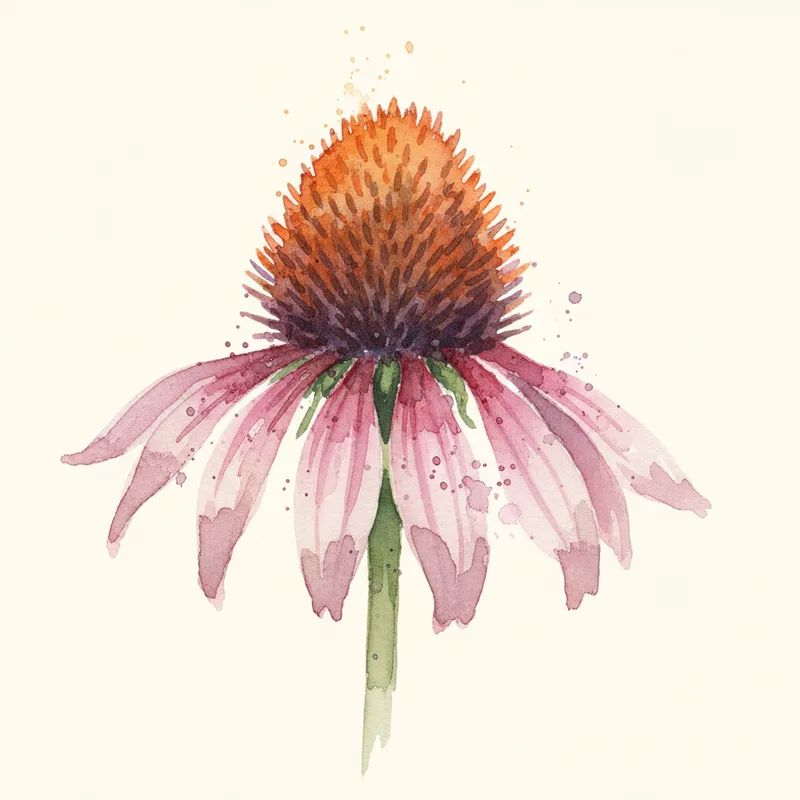
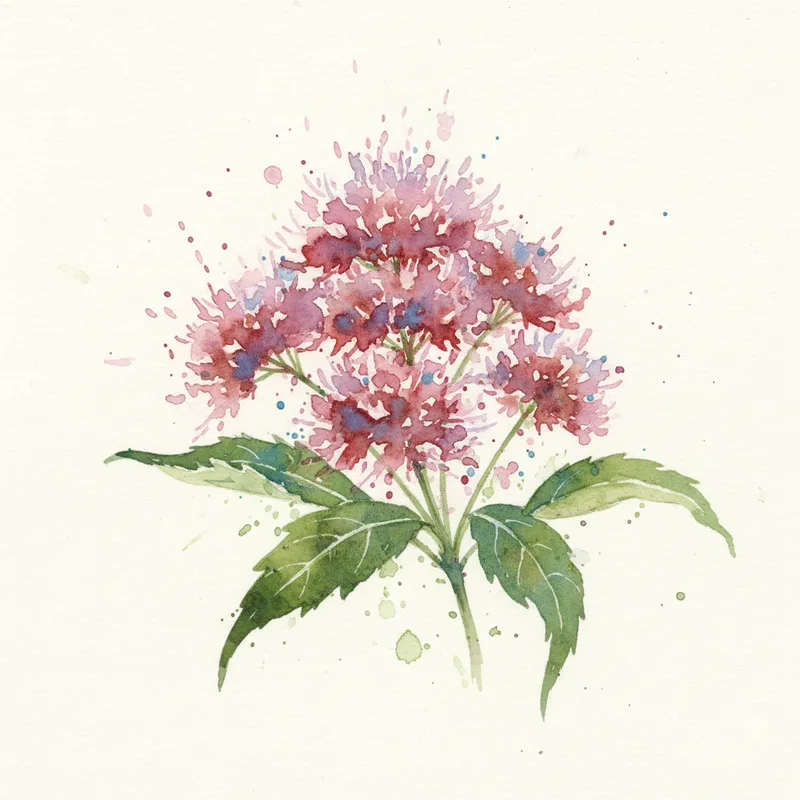
Black-Eyed Susan, Coneflower, and Joe Pye Weed are prairie natives that evolved to push roots through dense, clay-rich Midwestern soils. They handle wet springs, dry summers, and brutal winters without flinching. Joe Pye in particular gets enormous in clay (six to eight feet tall) and pulls in butterflies the entire month of August.
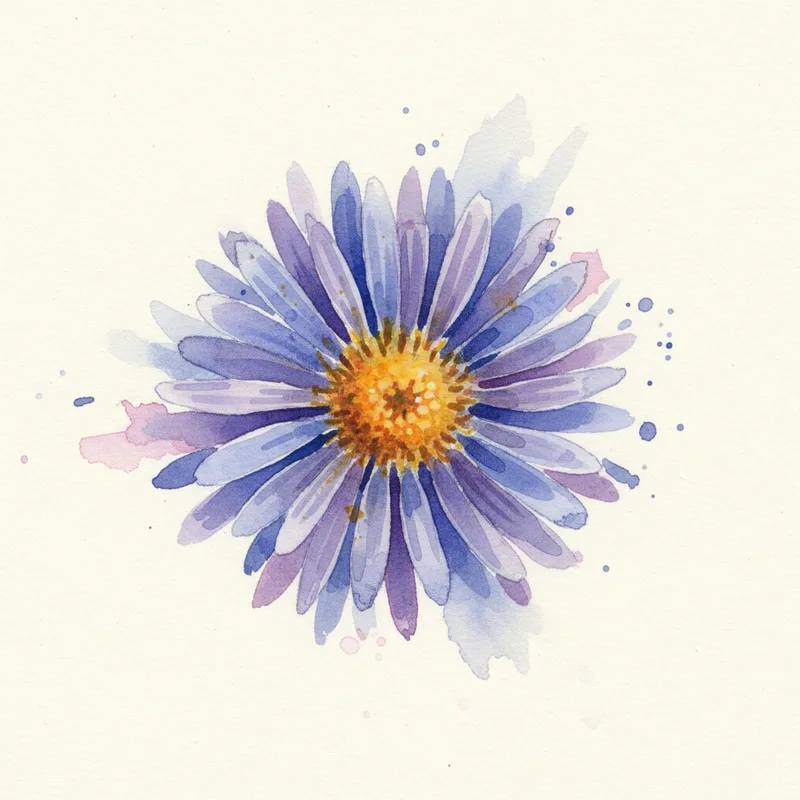
Aster is the unsung hero of fall color in clay gardens. Most asters look mediocre in summer and explode into purple, pink, or white in September and October. They thrive on the moisture-retentive nature of clay.
Tough-rooted classics
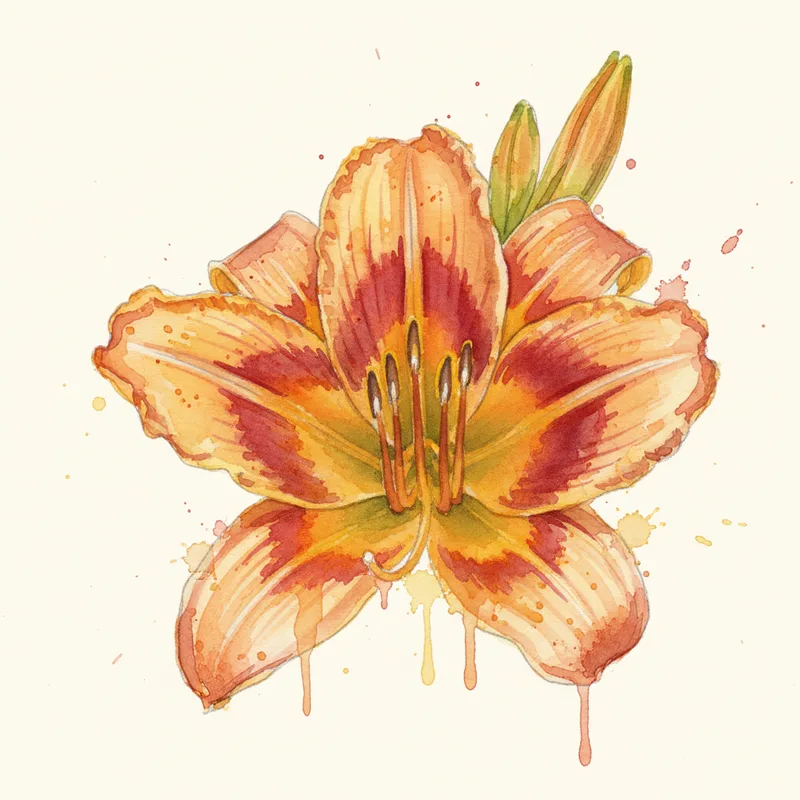
Daylily is essentially indestructible in clay. The fleshy roots hold water and the plant simply does not care about soil quality. Stella de Oro and Happy Returns rebloom from June to frost. Old farmhouse orange daylilies (Hemerocallis fulva) will spread enthusiastically in clay where almost nothing else will.
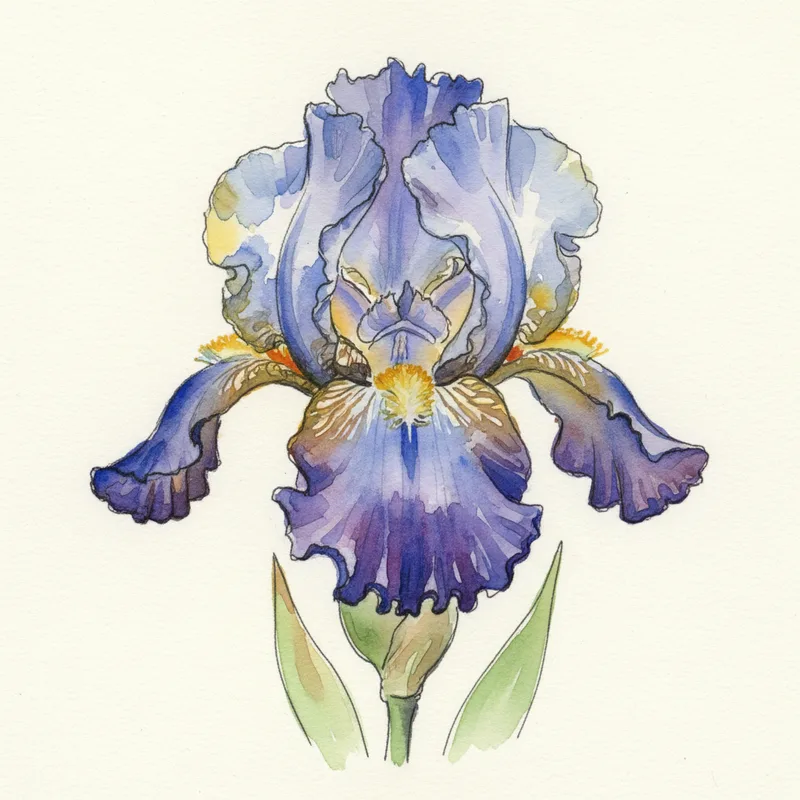
Siberian Iris handles clay better than its bearded cousins. The roots want consistent moisture, which clay provides. Bloom is brief but spectacular.
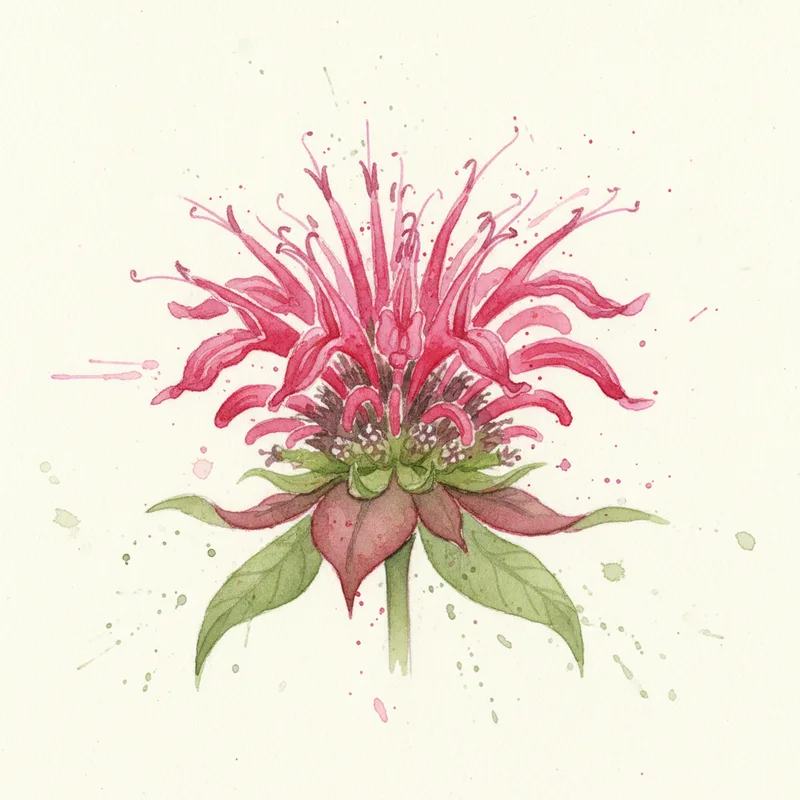
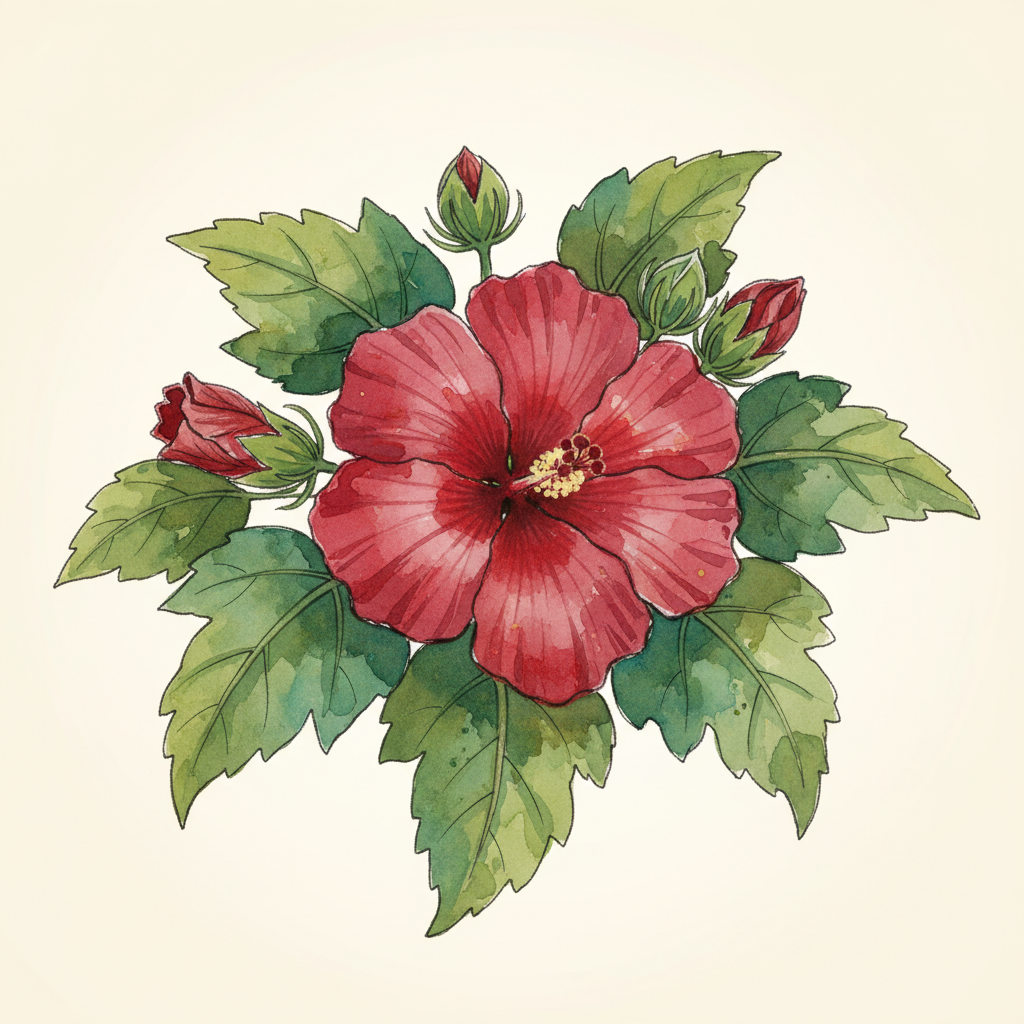
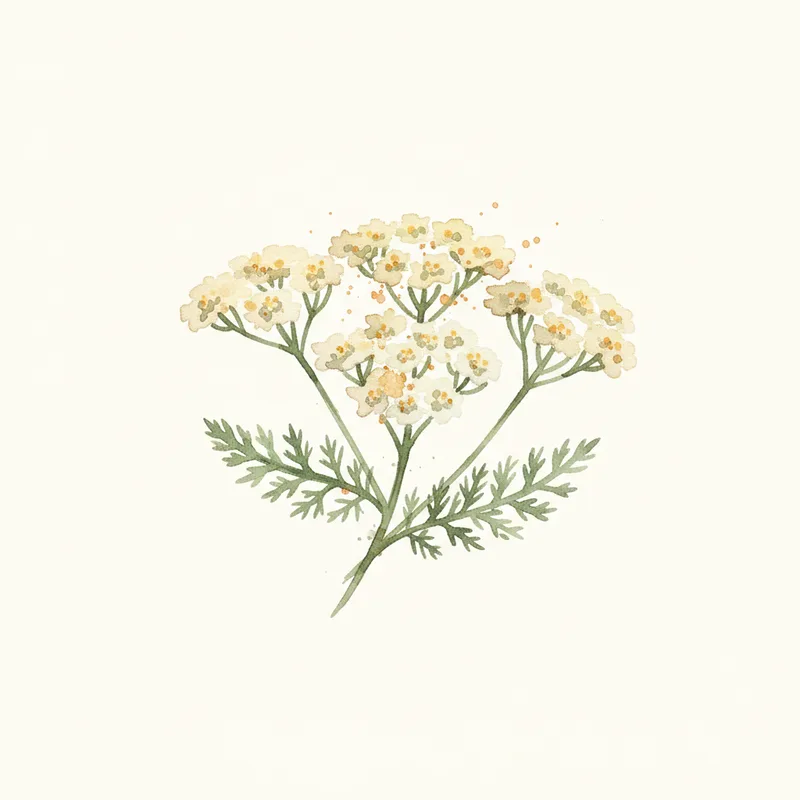
Bee Balm, Hardy Hibiscus, and Yarrow are pollinator-magnet perennials that all do well in clay. Yarrow in particular is sometimes recommended for clay specifically: too rich a soil makes it floppy.
Ornamental grasses for structure
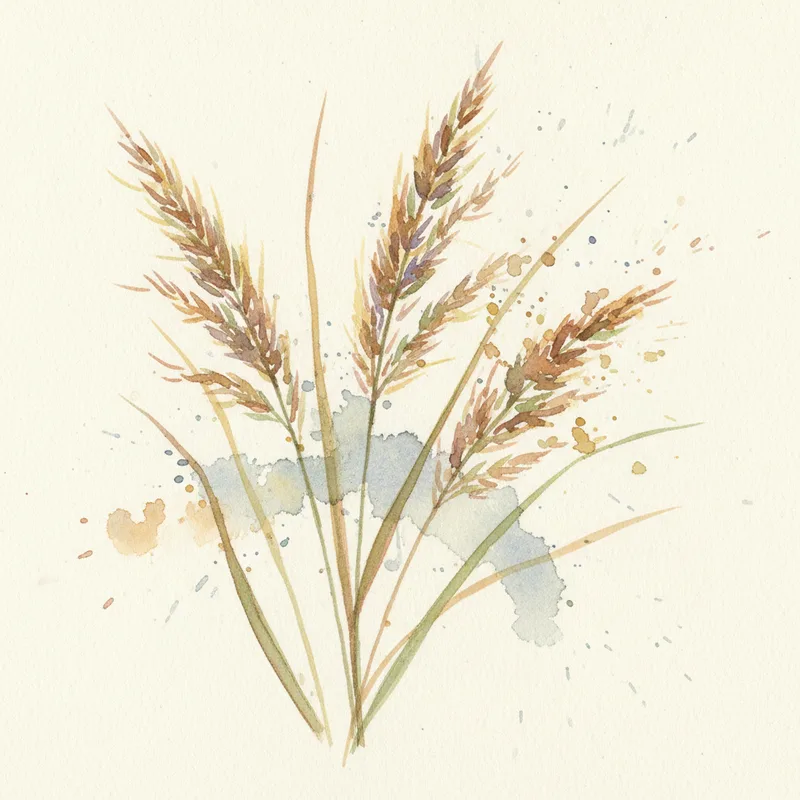
Switchgrass is a North American prairie native designed for clay. It pushes deep, fibrous roots that actually break up compacted clay over time. Use it as a backbone planting and let perennials weave around it.
Russian Sage looks like it should hate clay (it has a Mediterranean look) but actually performs well as long as the spot drains during heavy rain. Avoid the very lowest spot in the yard.
Shrubs that handle clay
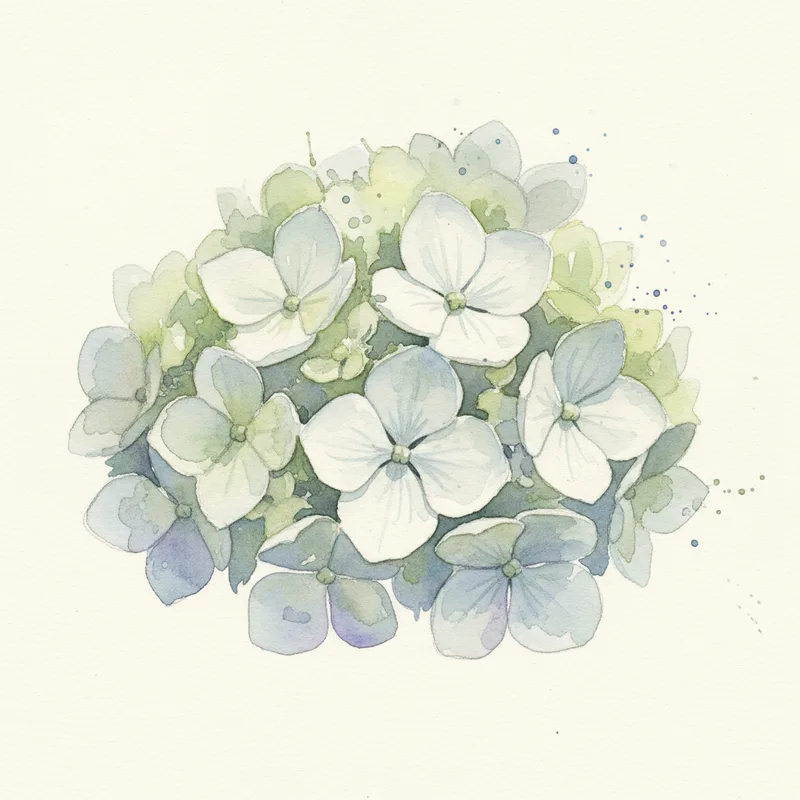
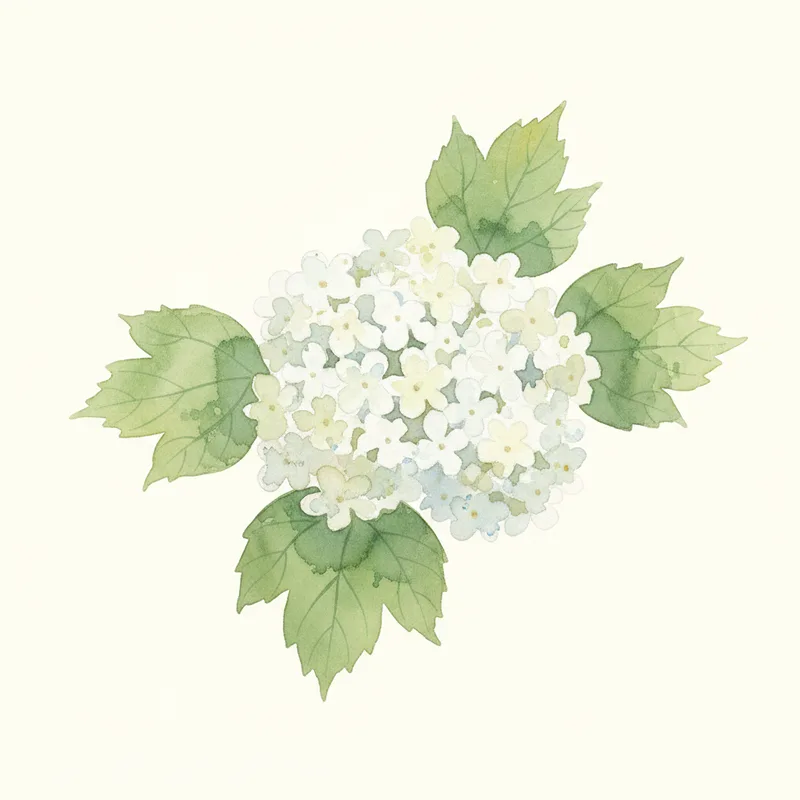
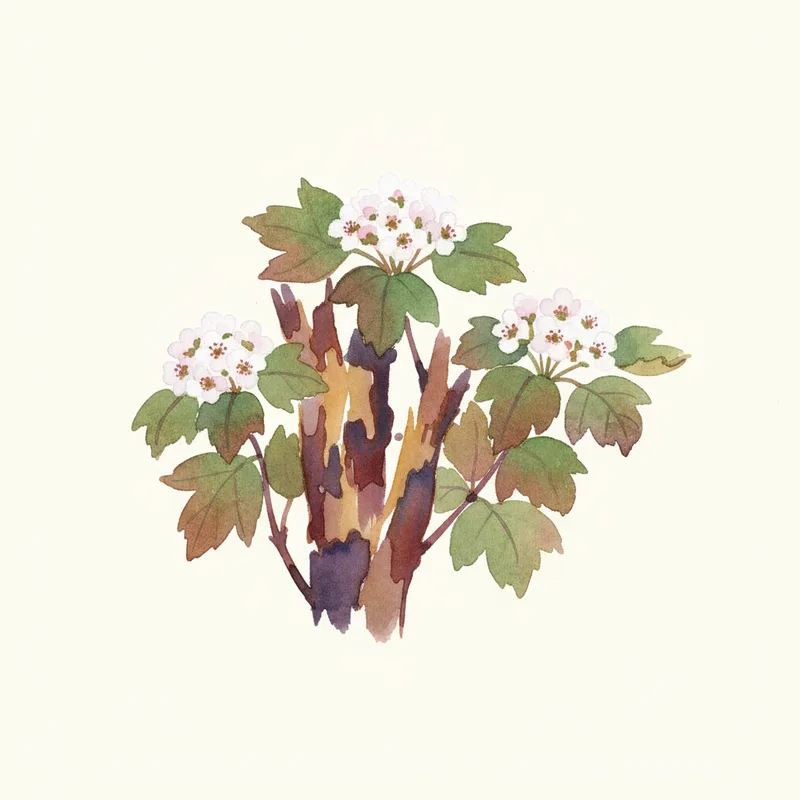
Hydrangeas in general love clay because of the moisture retention. Annabelle Hydrangea in particular is a clay-soil staple in the Midwest. Viburnum is a four-season-interest shrub that grows happily in clay, and Ninebark is a tough native shrub with peeling bark winter interest, also unbothered by heavy soil.
What to skip in clay
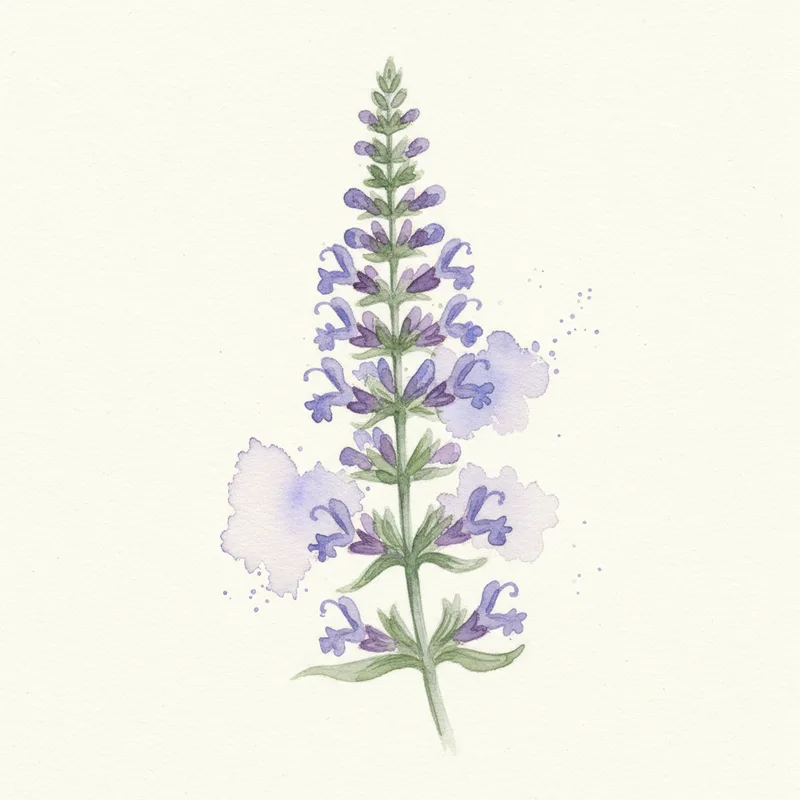
Save yourself the heartbreak. Don't plant lavender, rosemary, sage, agave, sedum, or anything labeled "drought tolerant Mediterranean" directly in clay. They will rot. If you love these plants, build a raised bed or grow them in pots with cactus mix.
Tulips, daffodils, and most bulbs are also frustrating in heavy clay. They rot or rodent-snack their way out of existence. Stick with Allium and Camassia, both of which actually prefer heavier soils.
Improving clay (without trying to "fix" it)
Adding sand to clay does not turn it into loam. It turns it into concrete. Don't do this.
The only thing that actually improves clay is organic matter, applied year after year. A two-inch top dressing of compost in spring, a layer of leaf mulch in fall, and patience. Earthworms pull the organic matter down, soil aggregates form, drainage and aeration improve. After three to five years, clay that started as bricks behaves more like loam.
Most people give up before that. The shortcut is to plant clay-loving plants now, get a great-looking garden immediately, and let the organic matter improve things in the background.
The bottom line
Clay isn't a problem to solve. It's a soil type with a specific plant list. Pick from that list and your garden will thrive on neglect. Pick against it and you'll spend years amending, fighting, and replacing. The choice is yours, and clay is not actually the villain it's made out to be.
For more starter ideas, see our Easiest Perennials for Beginners, or browse native plants (which tend to be clay-tolerant by definition).
What's growing, what's blooming, what's worth planting.
For gardeners who like to stay ahead.