Spring Flowers for Beginners: Zones 5 and 6
The northern temperate zones cover much of the Midwest, Northeast, and Mountain West. These 14 plants laugh at cold winters and reward first-time gardeners with reliable spring color.
Zones 5 and 6 cover a huge swath of the country. Most of the Midwest, big chunks of the Northeast, parts of the Mountain West. If you garden here, you know the deal: winters that mean business, springs that take their sweet time arriving, and a growing season that feels shorter than it should. The good news? Some of the most beautiful spring-blooming plants on earth evolved for exactly these conditions. Cold winters aren't a limitation. They're a requirement. Many of the plants on this list actually need that deep freeze to trigger their best performance.
If you're new to gardening in zones 5 or 6, start here. These 14 plants are forgiving, widely available at local nurseries, and proven performers even in tough springs. No coddling required.
The Earliest Bloomers: Late Winter into Early Spring
There's a particular thrill to seeing flowers when snow is still on the ground. It feels impossible, and yet these plants do it every single year without fail.
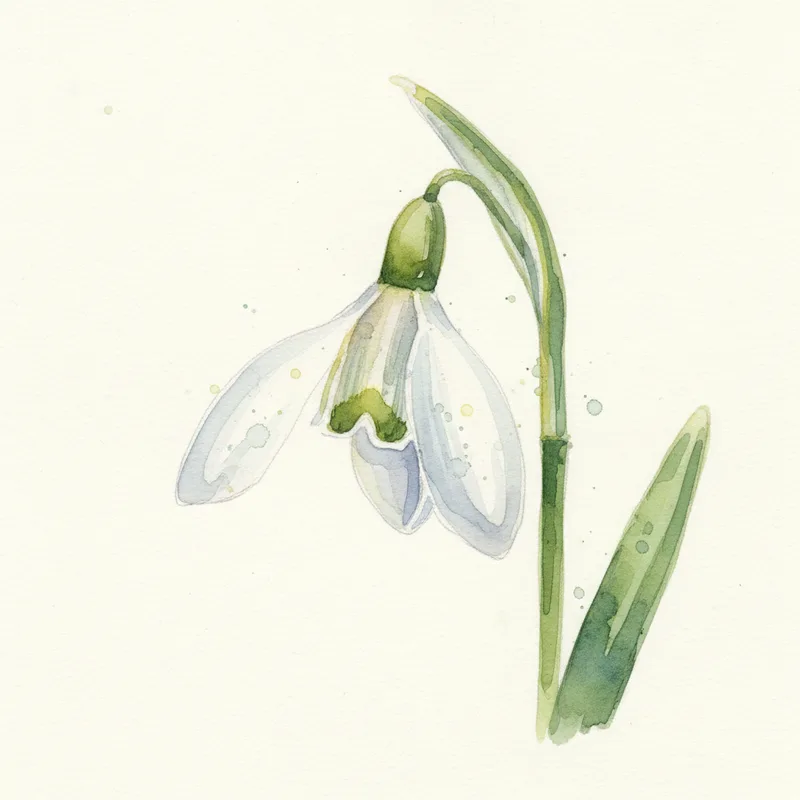
Snowdrops are usually the very first sign of life. We're talking February in zone 6, early March in zone 5. Tiny white bells pushing through frozen ground, sometimes literally through snow. Plant the bulbs in fall, forget about them, and they'll naturalize into bigger drifts year after year. Tuck them under deciduous trees or along a path where you'll actually see them during those bleak late-winter walks.
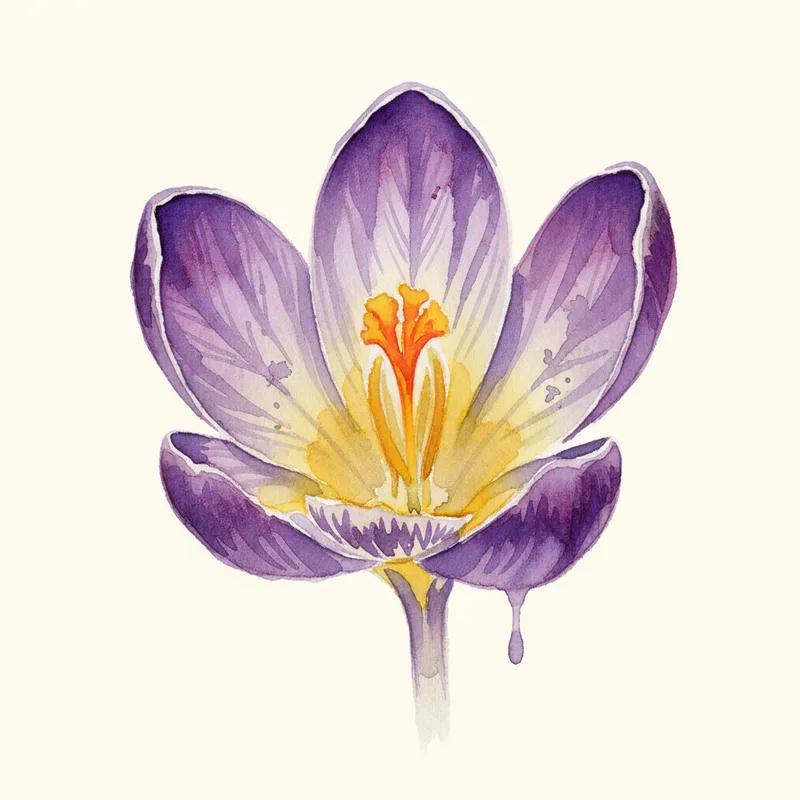
Crocuses follow right behind, sometimes overlapping. Those cheerful purple, yellow, and white cups open flat in the sun and close up on cloudy days. They're one of the first food sources for early pollinators, so you're doing the bees a favor too. Plant them in clusters of 25 or more. A single crocus is easy to miss. Fifty of them carpeting your front yard? That's a statement.
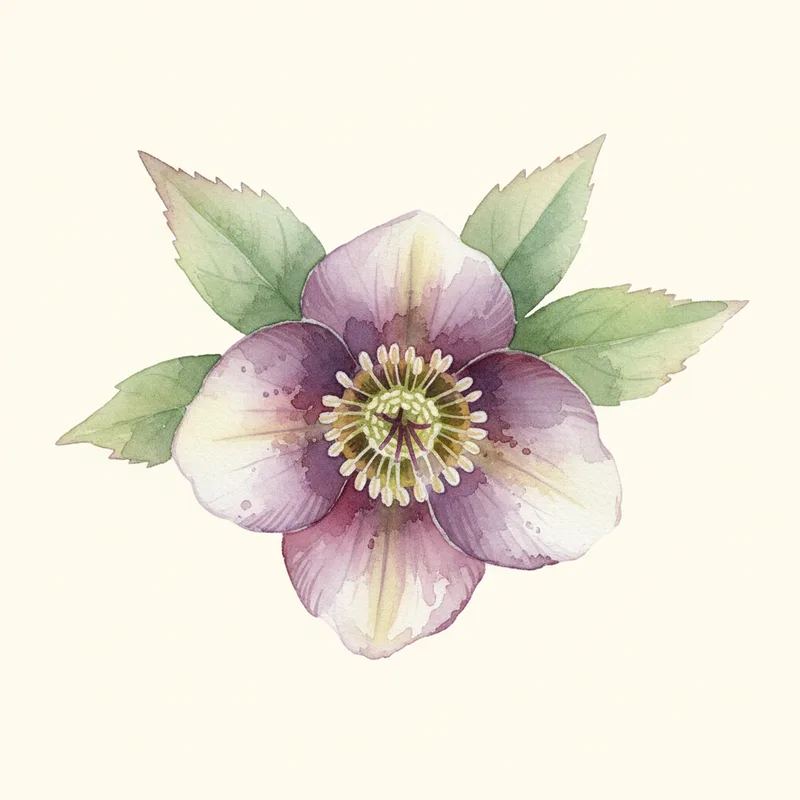
Hellebores are the sleeper pick for early spring, and honestly the plant I recommend most to new gardeners in cold climates. They bloom in late winter to early spring, tolerate shade beautifully, and the foliage stays evergreen through most winters. The nodding flowers come in shades of pink, purple, white, and green, often with gorgeous speckling. They're deer-resistant, low-maintenance, and they get better every year. The only catch: they're slow to establish. Give them two seasons before you judge.
Spring Workhorses: The Reliable Middle of the Show
Once the ground thaws and temperatures start climbing into the 50s, spring really gets going. This is when zones 5 and 6 gardens can become genuinely spectacular, and these plants do the heavy lifting.
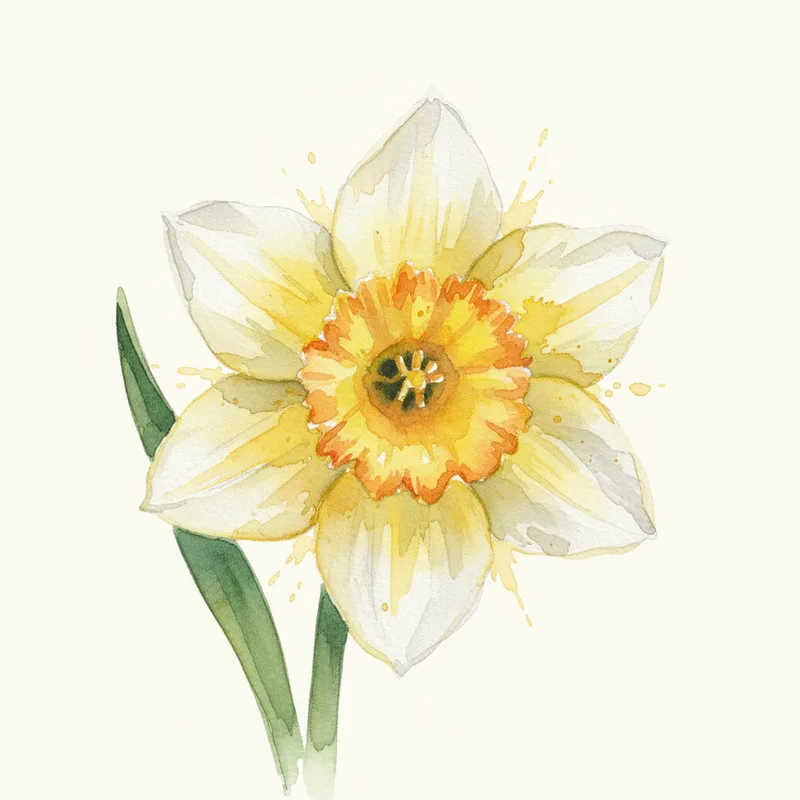
Daffodils are the backbone of spring in cold climates, full stop. They're pest-proof (deer, rabbits, and voles leave them alone), they multiply on their own, and they come in enough varieties to bloom from early through late spring. Plant a mix of early, mid, and late-season types and you'll have daffodils for six weeks or more. If you do one thing this fall, plant 100 daffodil bulbs (here is how to grow daffodils). Future you will be grateful.
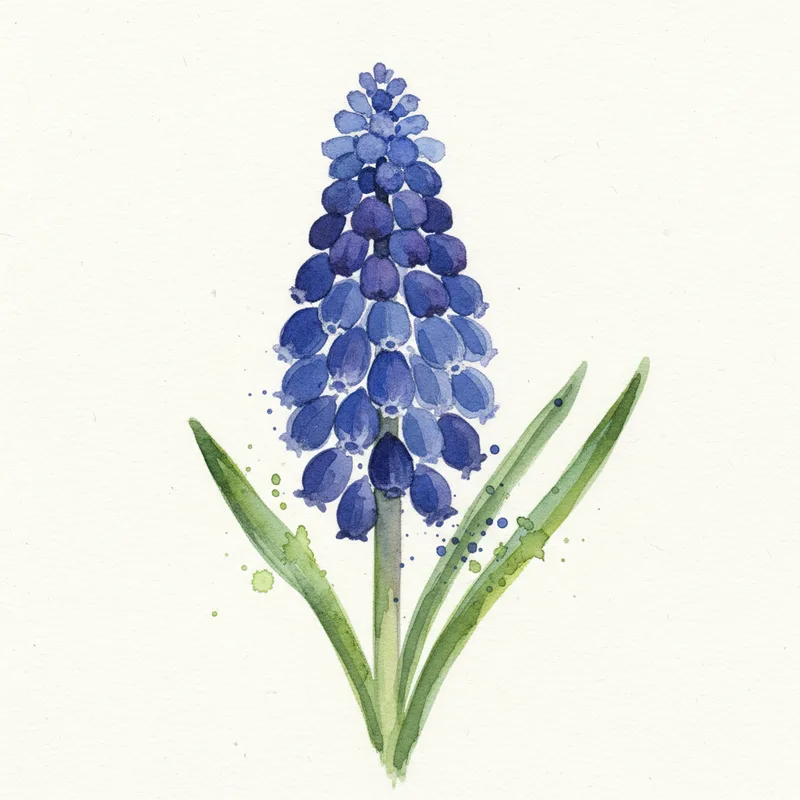
Grape hyacinths are the perfect companion for daffodils (here is how to grow grape hyacinth). Those dense little spikes of cobalt blue flowers fill in around taller bulbs and create a carpet of color that photographs ridiculously well. Fair warning: they spread. Enthusiastically. Some gardeners consider them aggressive, but in a new garden with bare ground to fill, that's a feature, not a bug.
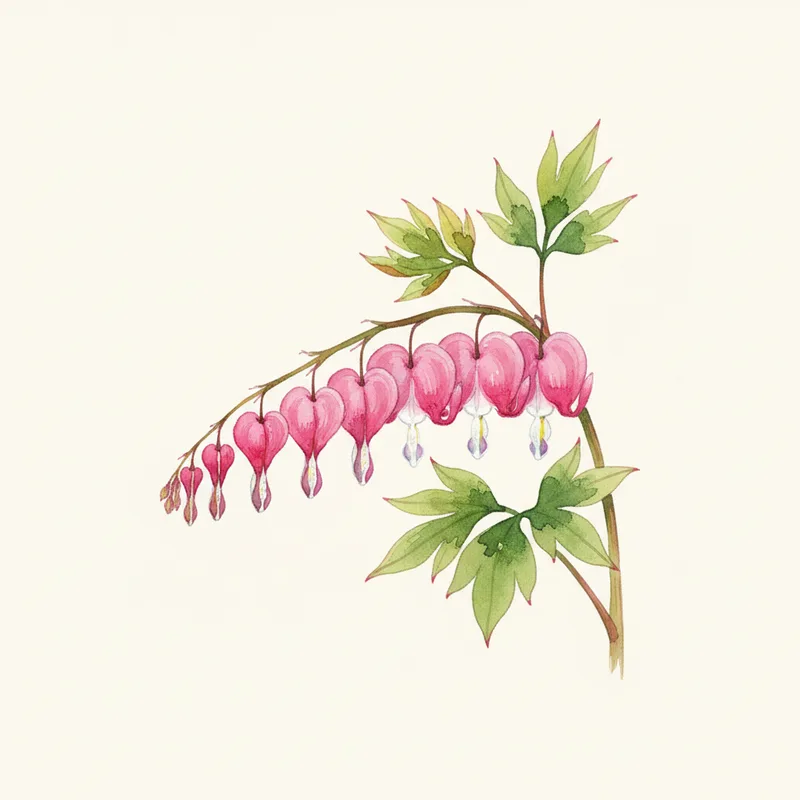
Bleeding heart is one of those plants that makes non-gardeners stop and stare. The dangling heart-shaped flowers on arching stems look like something from a fairy tale. It thrives in part shade, pairs beautifully with ferns and hostas, and asks almost nothing of you. The foliage dies back by midsummer in most zones, which can leave a gap. Plan for it by planting hostas or ferns nearby to fill the space.
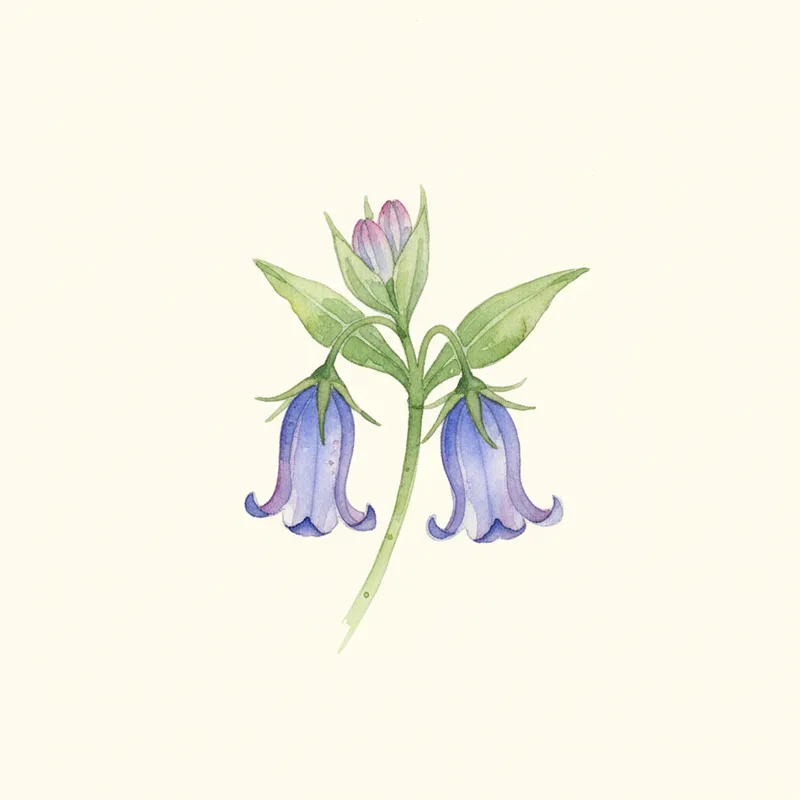
Virginia bluebells are a native woodland wildflower that deserves far more attention than they get. Clusters of true blue, bell-shaped flowers in mid-spring, thriving in shade and moist soil. Like bleeding heart, they go dormant by summer, so pair them with later-emerging perennials. If you have a shady spot under trees with decent moisture, Virginia bluebells will colonize it beautifully and look like they've been there forever.
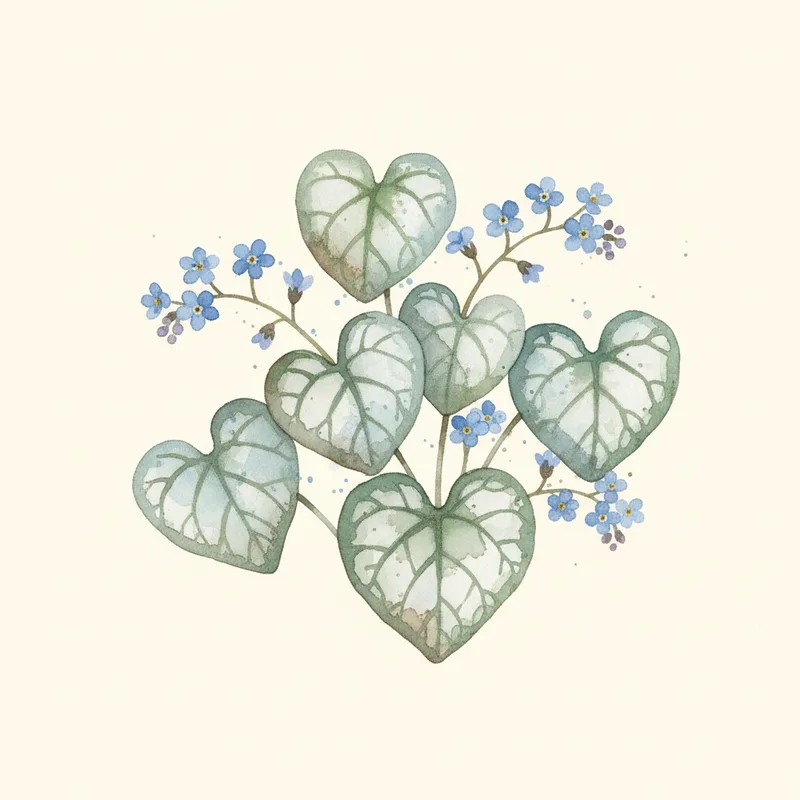
Brunnera gives you clouds of tiny forget-me-not blue flowers over heart-shaped leaves, and it handles dry shade once established. That's a combination very few plants can pull off. The variegated cultivars like 'Jack Frost' add silver-patterned foliage that stays attractive all season long, well after the spring flowers fade. Pair it with bleeding heart and hostas for a shade garden that basically runs itself.
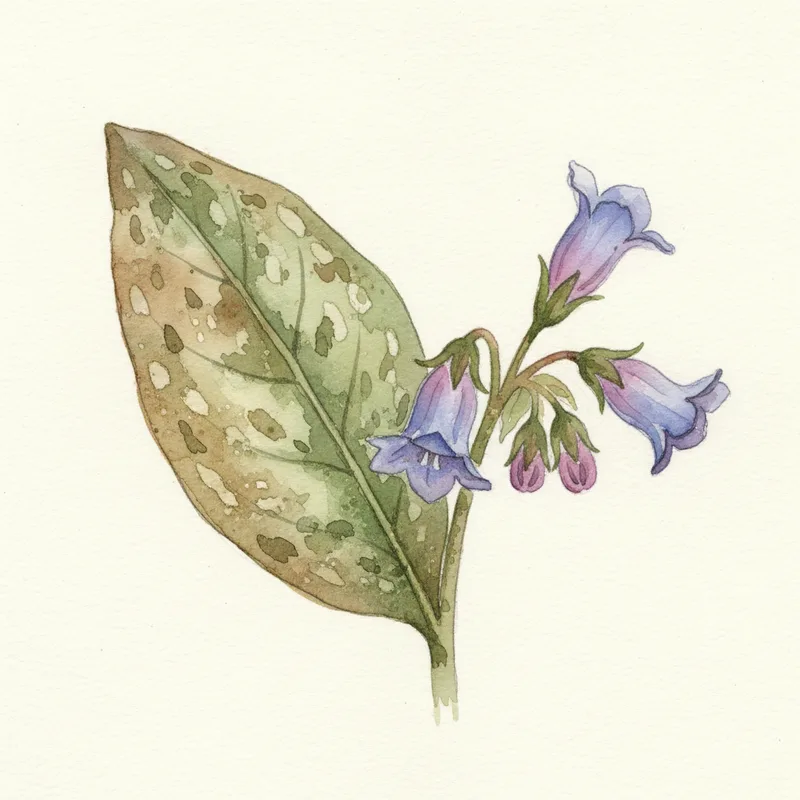
Lungwort is another shade garden hero that blooms early and keeps delivering. The flowers open pink and shift to blue as they age, so you get both colors on the same plant at the same time. The spotted foliage is handsome enough to earn its keep as a ground cover even when it's not blooming. Deer leave it alone, it tolerates dry shade, and it stays compact. Hard to ask for more from a shade perennial.
Shrubs That Signal Spring
A few well-placed spring-blooming shrubs give your garden structure that perennials can't. They're visible from the street, they anchor beds, and they bloom on bare branches before most things have even leafed out.
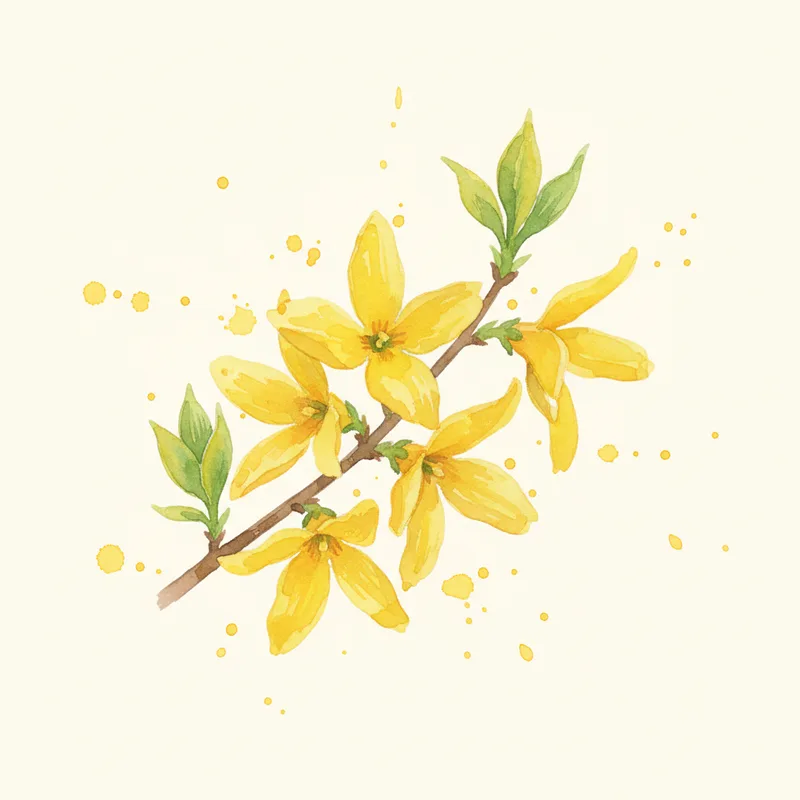
Forsythia is the neon yellow announcement that winter is over. Love it or find it garish, you cannot ignore it. It blooms on bare branches in early spring and is tough as nails in zones 5 and 6. One practical tip: forsythia blooms on old wood, so if you need to prune it, do it right after flowering. Prune in fall or winter and you'll cut off next year's show. Many people learn this the hard way.
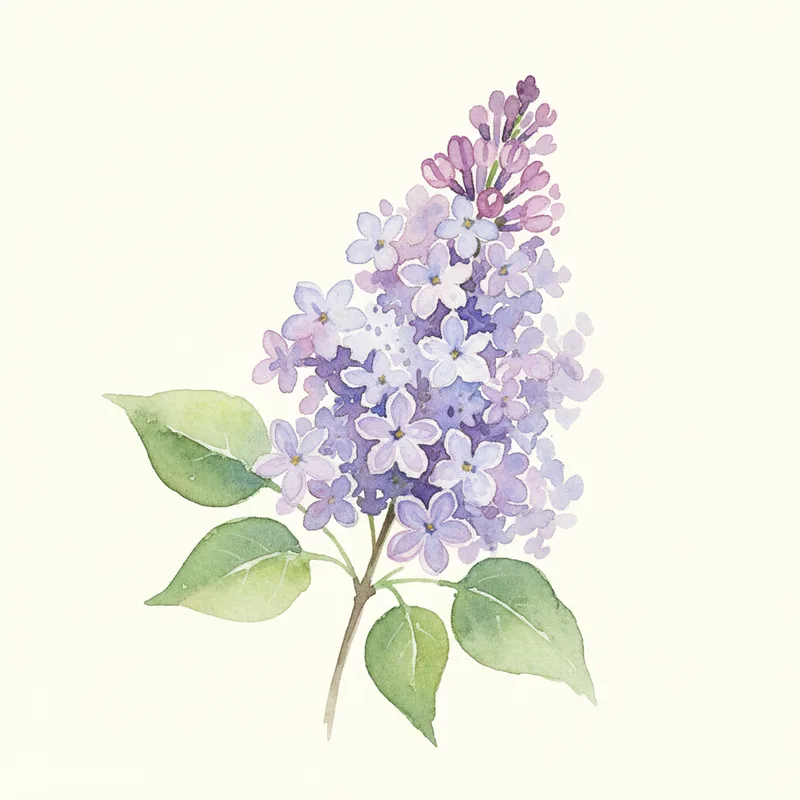
Lilac is peak spring for most zone 5 and 6 gardeners. That fragrance is unmatched. Truly, nothing else smells like a lilac in full bloom on a warm May afternoon. They want full sun and good air circulation (they're prone to powdery mildew in cramped, shady spots). Give them room, don't over-fertilize, and they'll outlive you. That's not an exaggeration. There are lilacs blooming in New England that were planted 200 years ago.
Bridge to Summer: Late Spring Performers
The trickiest moment in a zone 5-6 garden is the gap between spring bulbs fading and summer perennials hitting their stride. These two plants bridge that gap perfectly.
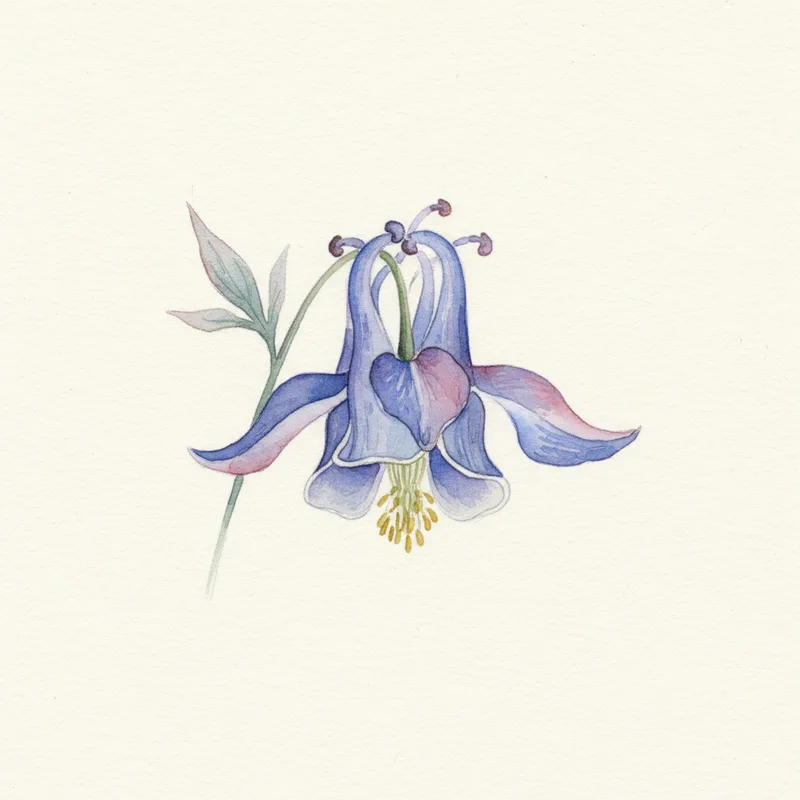
Columbine blooms in late spring with those distinctive spurred flowers that hummingbirds love. The native species come in red and yellow, but garden varieties span the full rainbow. They self-sow gently, tolerate part shade, and look graceful without being fussy. They're also short-lived perennials (three to four years typically), but they drop enough seed to keep the colony going indefinitely. Let them do their thing.
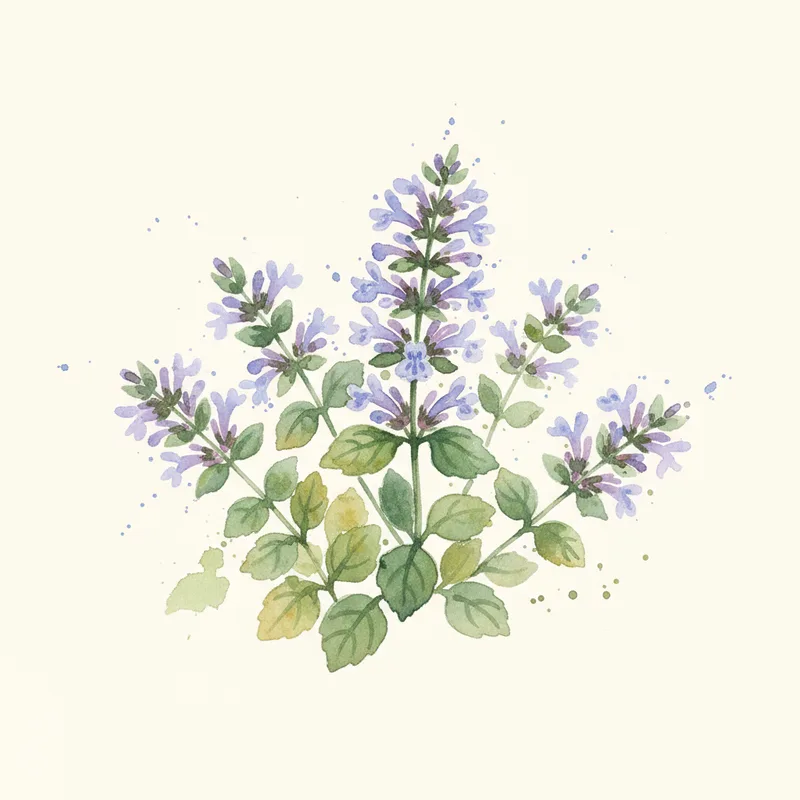
Catmint starts blooming in late spring and keeps going right through summer if you shear it back after the first flush. Those lavender-blue spikes are a magnet for pollinators, the foliage is aromatic and deer-resistant, and the plant itself is nearly indestructible once established. Full sun, average soil, occasional water. That's it. If you need one perennial to tie spring into summer with zero drama, this is the one.
Planning Your Spring Garden
The key to a great spring display in zones 5 and 6 is layering bloom times. Plant snowdrops and crocuses for February and March. Add daffodils and grape hyacinths for April. Fill in with bleeding heart, brunnera, and columbine for May. Tuck in catmint to carry you into June and beyond. Mix bulbs with perennials so the emerging perennial foliage hides the ripening bulb leaves. And plant more than you think you need. Spring gardens that look effortless are always the ones where someone planted generously.
Most of these plants are available at any decent local nursery, and fall is the time to plant spring-blooming bulbs. Perennials and shrubs can go in either spring or fall. Don't overthink it. Get them in the ground, water them in, and let winter do the rest.
Ready to find more plants for your zone? Browse everything that thrives in Zone 5 or Zone 6, or explore our full collections to find plants by color, season, or growing conditions.
What's growing, what's blooming, what's worth planting.
For gardeners who like to stay ahead.