Spring Flowers for Beginners: Zones 9 and 10
South Florida, the Desert Southwest, and coastal California. Forget everything northern gardeners told you. Spring plays by different rules here, and these plants thrive in the heat.
If you moved to zones 9 or 10 and tried to follow gardening advice written for the Midwest, you already know the frustration. You planted in April, watched everything crisp by July, and wondered what you did wrong. The answer: nothing, except listening to people who think frost is the main villain. Down here, frost barely registers. Your real enemies are relentless sun, baked soil, and the kind of dry heat that turns a petunia into a tissue in 48 hours.
Zones 9 and 10 cover a wild range of climates. South Florida's muggy tropics. The bone-dry Sonoran Desert. Coastal Southern California, where it barely rains from May to November. What they share: mild winters, brutal summers, and a gardening calendar that runs backwards from what most books describe. Once you stop fighting that reality, everything gets easier.
Tropical Showstoppers
This is where warm-climate gardening gets fun. Plants that northern gardeners baby indoors all winter just live here, outdoors, year-round. Take full advantage.
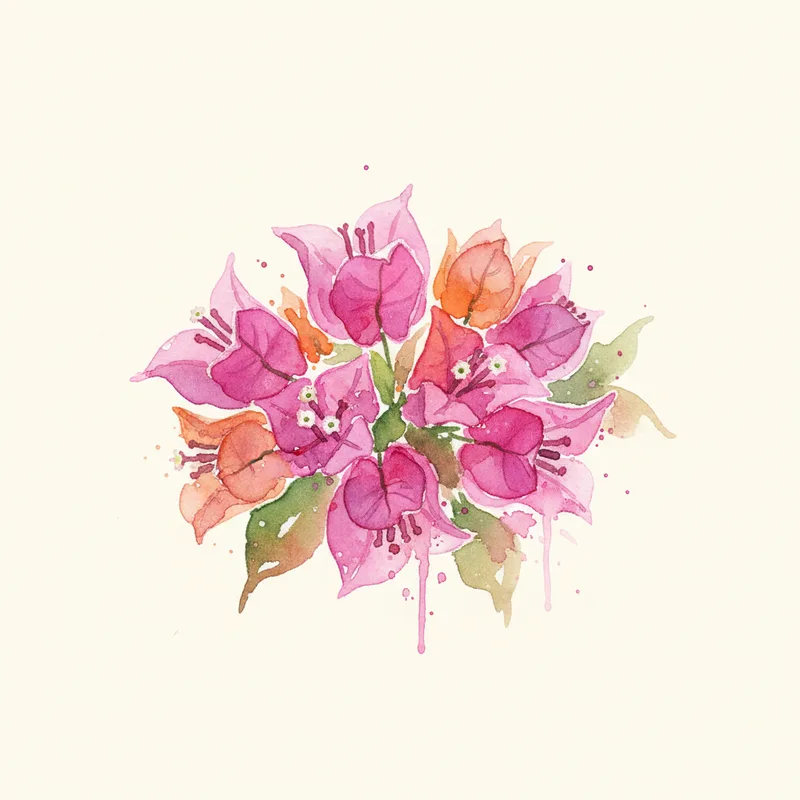
Bougainvillea is the undisputed queen of zones 9-10. Those electric magenta, orange, or white bracts smother entire walls and fences from spring through fall. It thrives on neglect. Seriously. Overwater it and you get leaves. Ignore it and you get an explosion of color. Give it full sun, lean soil, and step back. The only catch: thorns. Wear gloves when you prune, and don't plant it next to a walkway where bare arms will brush against it.
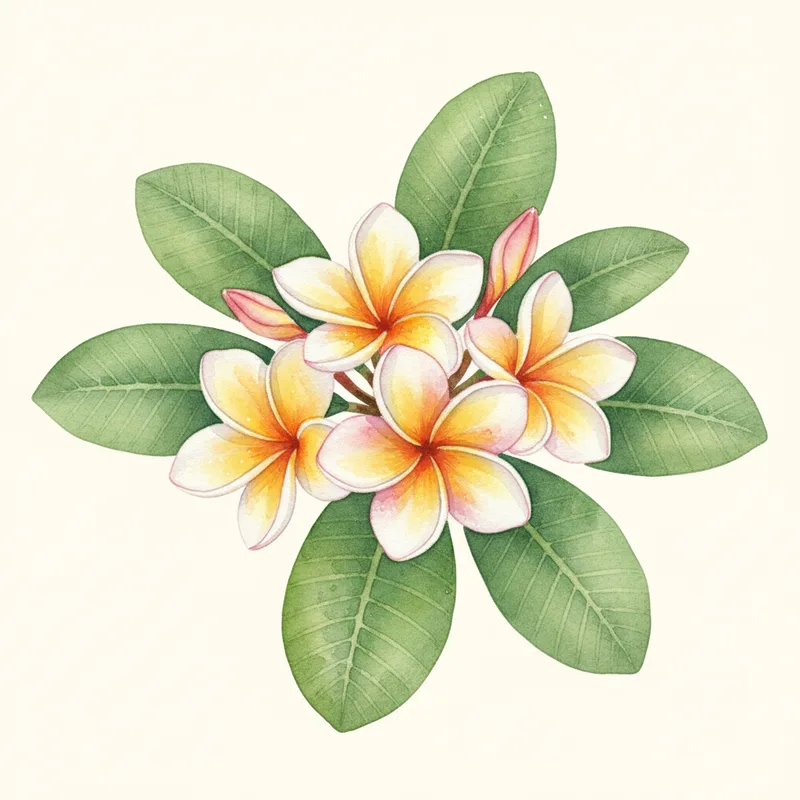
Plumeria is the scent of the tropics distilled into a single flower. If you've ever smelled a lei, you know plumeria. The waxy, pinwheel-shaped blooms come in white, pink, yellow, and every sunset gradient in between. They're deciduous in winter (don't panic when they drop leaves, they're not dead), and they want well-drained soil above all else. In South Florida, they're effortless. In the desert, give them afternoon shade and deep, infrequent watering.
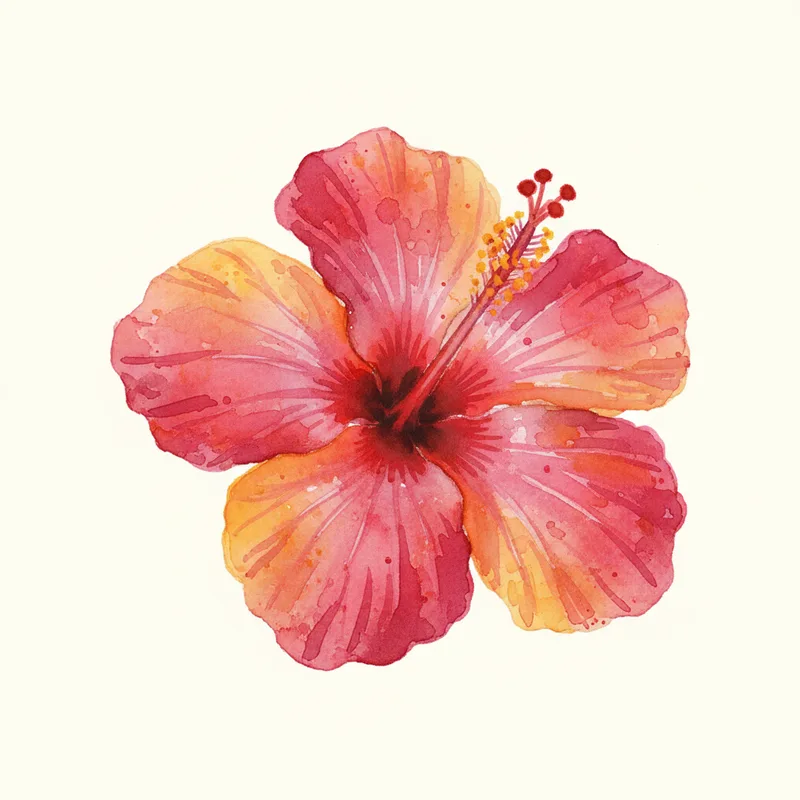
Hibiscus delivers dinner-plate-sized blooms in reds, pinks, oranges, and yellows that last a single day each. Sounds disappointing until you realize a healthy bush produces new flowers every single morning from spring through fall. Feed it regularly, keep the soil consistently moist (not soggy), and watch for whiteflies. Tropical hibiscus is frost-tender, so zone 9 gardeners in colder pockets should keep it in a container they can move.
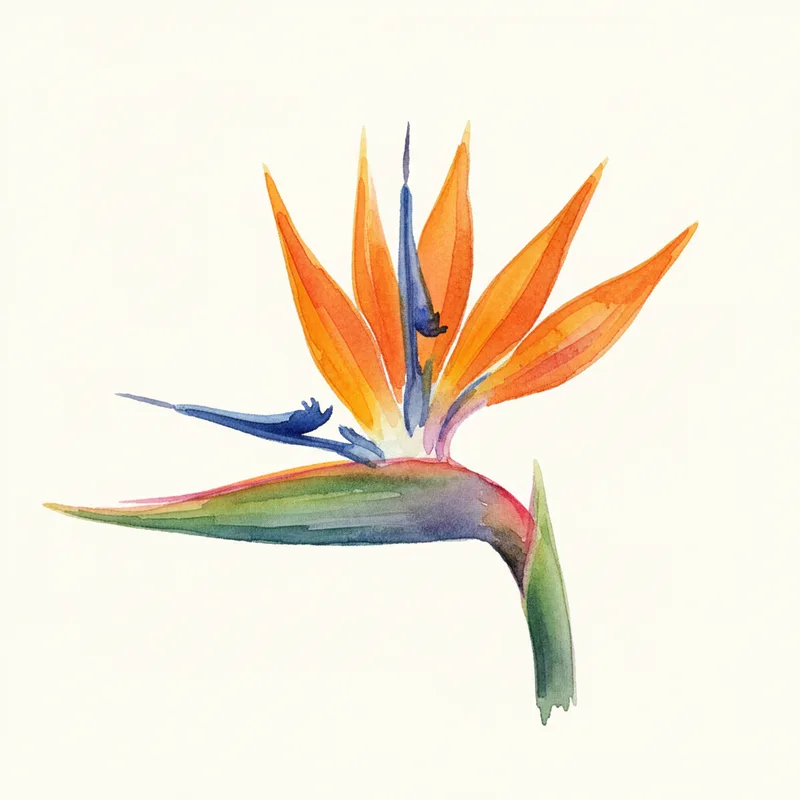
Bird of Paradise looks like something a sculptor invented. Those angular orange-and-blue flowers are unmistakable, and the big, banana-like leaves give structure to any planting. It's slower to establish than you'd expect. A new plant might take two or three years to bloom. Be patient. Once it hits its stride, it's virtually indestructible and blooms for months.
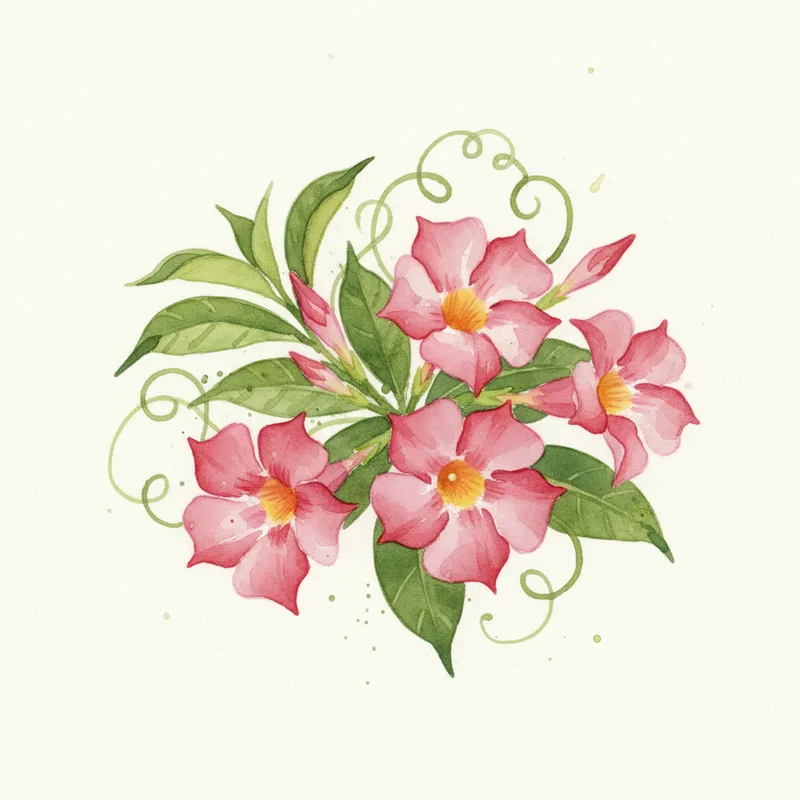
Mandevilla is your answer for vertical color. This tropical vine pumps out trumpets of pink, red, or white all season on a trellis, mailbox, or fence. It climbs fast, blooms hard, and handles heat without flinching. In zone 9, treat it as an annual or bring it inside for winter. In zone 10, it's a permanent fixture. Pair it with a sturdy support structure because a happy mandevilla gets big.
Desert-Adapted Color
Not everyone in zones 9-10 has tropical humidity to work with. If you garden in Arizona, inland Southern California, or West Texas, you need plants that laugh at 110-degree days and three months without rain. These deliver.
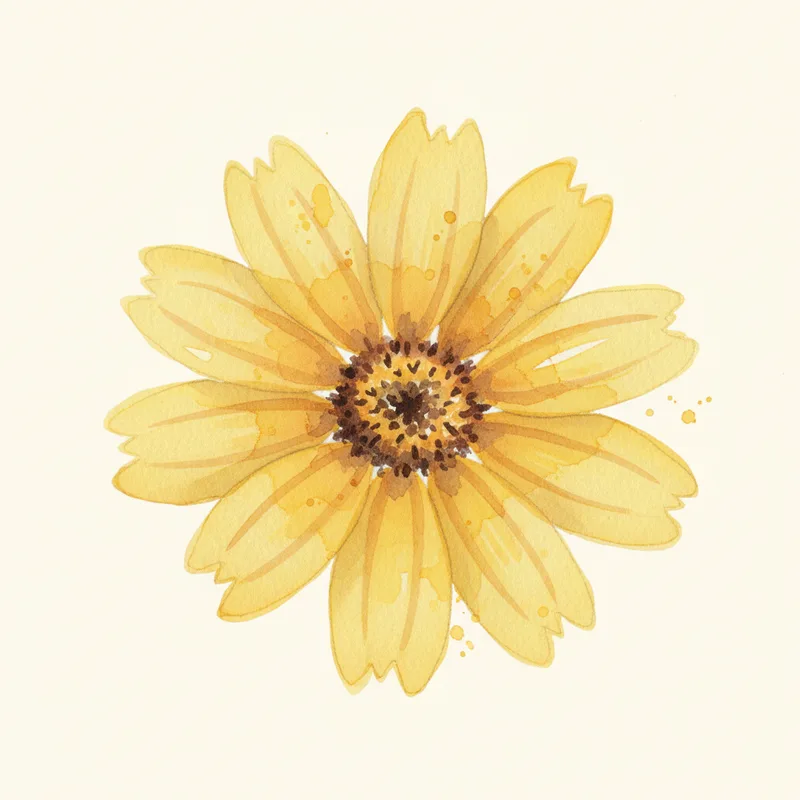
Desert Marigold is a native wildflower that blooms bright yellow for an absurdly long season, often from early spring well into fall. It self-sows freely, tolerates the worst alkaline soils, and asks for almost zero supplemental water once established. If you're building a xeriscape and want cheerful, low-effort color, this is your starting point.
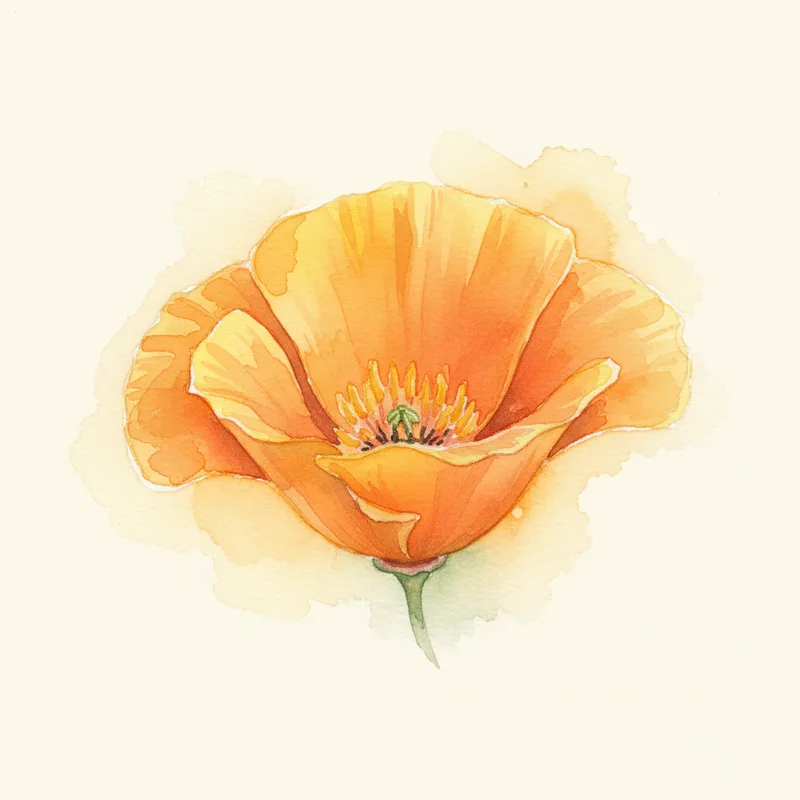
California Poppy is the state flower for a reason. Those silky, orange-gold cups open in sunshine and close at dusk, carpeting dry hillsides and gravel beds with ridiculous color. Direct-sow seeds in fall for a spring show. Don't bother transplanting them. They resent having their roots disturbed. Just scatter, water lightly, and let them do their thing.
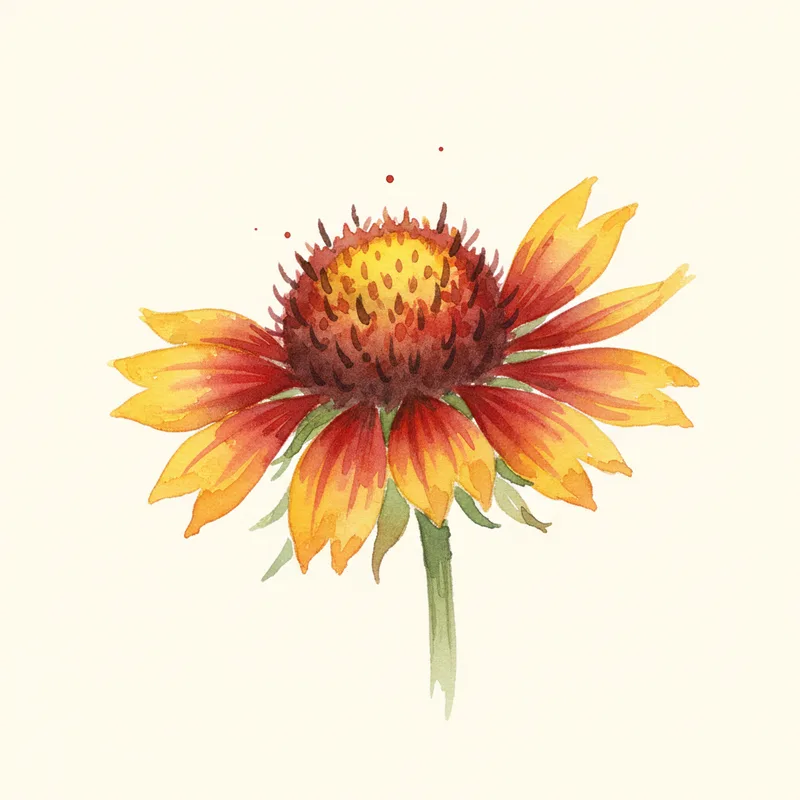
Blanket Flower brings sunset colors to the driest, most neglected corner of your yard. The red-and-yellow daisy-like blooms keep coming from late spring through the first frost (which, let's be honest, might not arrive at all in zone 10). They handle sandy soil, clay soil, and everything in between. Deadhead occasionally to keep the show rolling, but even if you don't, they'll keep trying.
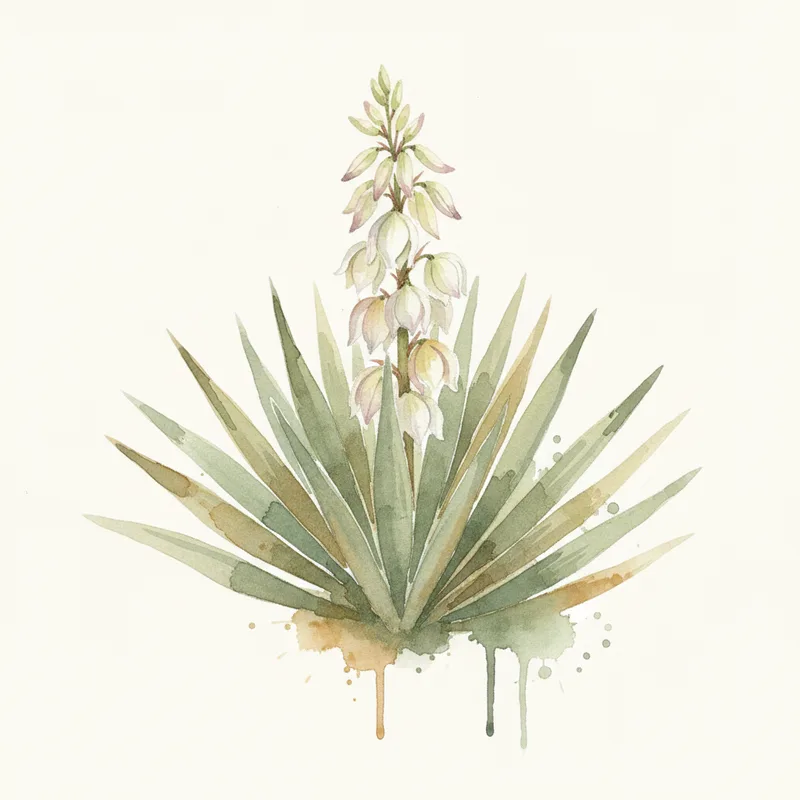
Yucca isn't a flower in the traditional sense, but when it sends up a dramatic spike of creamy white bells, your neighbors will stop and stare. It's architectural. Structural. The sword-shaped leaves give year-round interest, and the plant itself is essentially unkillable in zones 9-10. Perfect for that hellstrip between the sidewalk and street where nothing else survives.
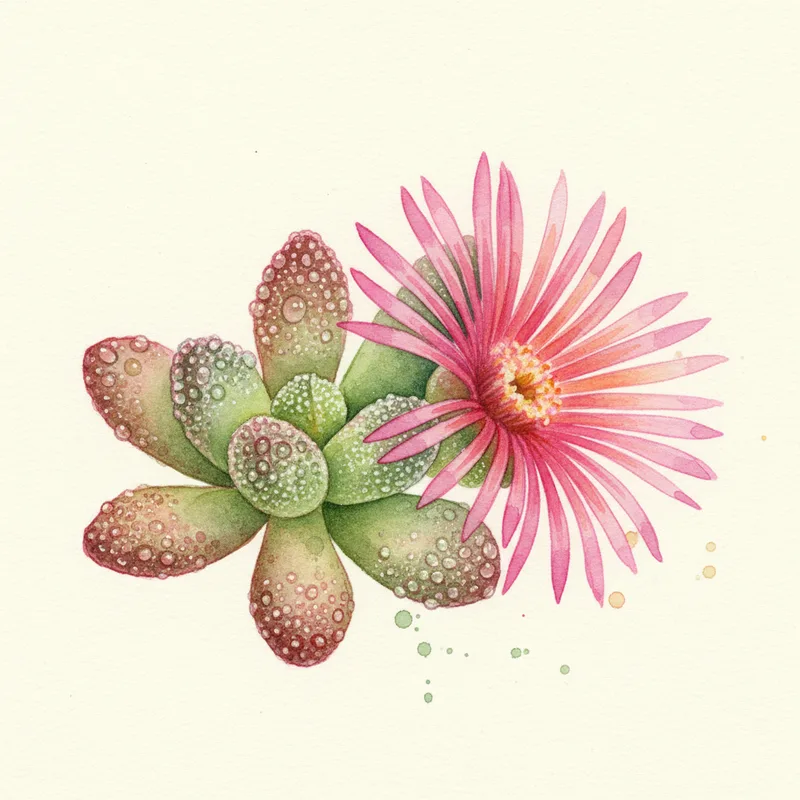
Ice Plant solves the ground-cover problem in dry climates like nothing else. Those succulent leaves spread fast over slopes and bare ground, then erupt in neon-bright daisy flowers, often pink, purple, or magenta. It handles salt spray, poor soil, and drought. Coastal California gardeners, this one's made for you. Just make sure it has good drainage. Sitting in wet soil is the one thing it can't handle.
Reliable Workhorses
Every garden needs a backbone. These are the plants that bloom for months, tolerate heat, and don't demand constant attention. They're not as exotic as plumeria or as dramatic as bird of paradise, but they hold the whole composition together.
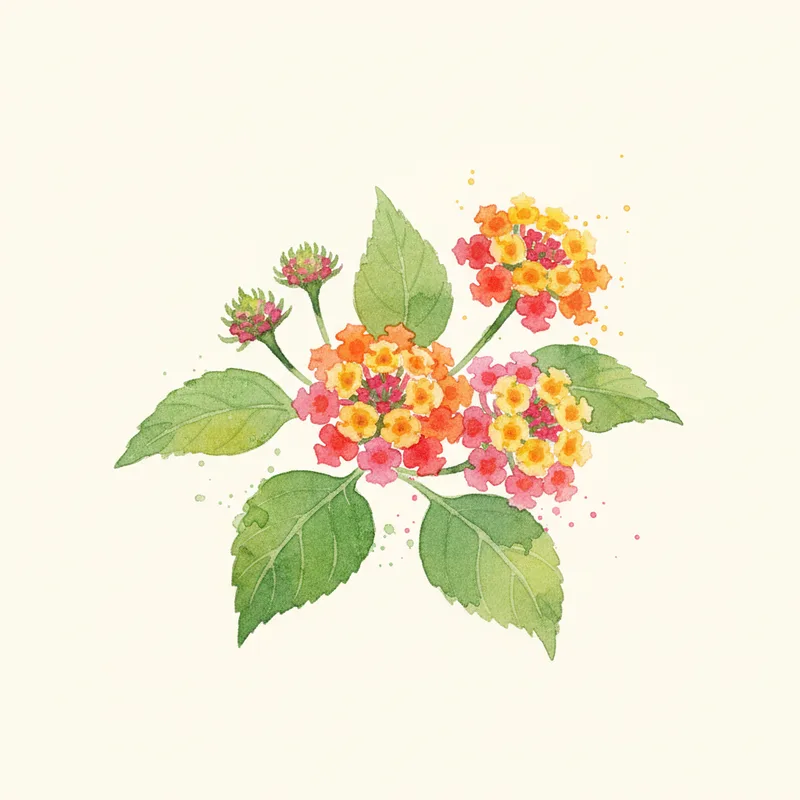
Lantana might be the single best flowering plant for hot climates. It blooms nonstop from spring through fall (and year-round in frost-free areas), attracts butterflies by the dozen, and actively prefers poor soil and infrequent watering. The multi-colored flower clusters shift from yellow to orange to pink as they age, giving each head a tie-dye effect. It can get aggressive. Prune it hard in late winter to keep it in bounds.
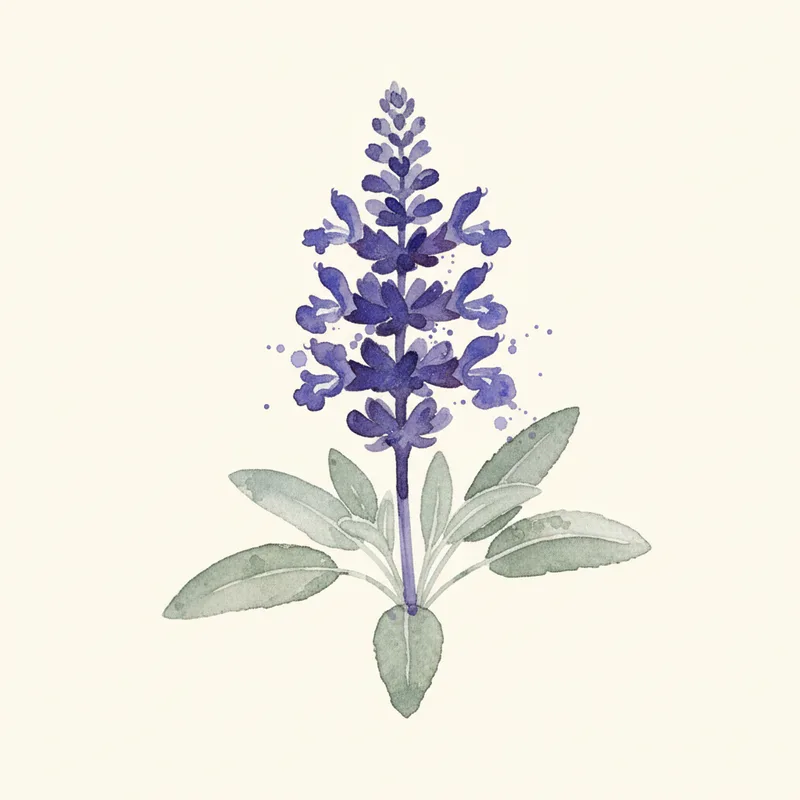
Salvia is a massive genus with options for every situation, but the warm-climate favorites, like autumn sage and Mexican bush sage, are absolute powerhouses in zones 9-10. Hummingbirds go crazy for the tubular flowers. Red, purple, coral, white. Plant several varieties and you'll have something in bloom almost every month. Heat-tolerant, drought-tolerant, and deer-resistant. Hard to ask for more.
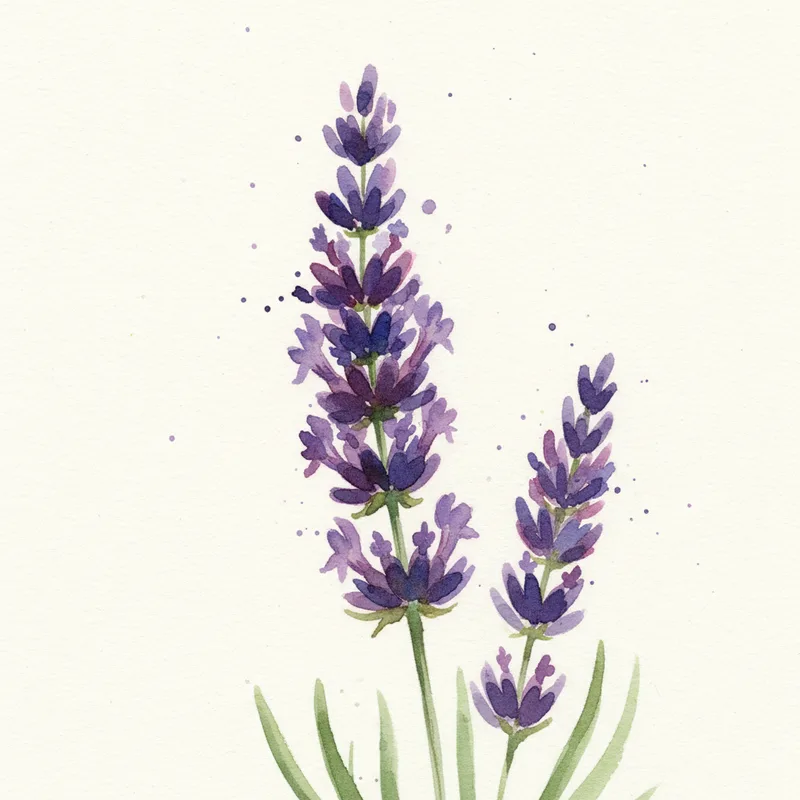
Lavender does beautifully in zones 9-10 if you give it the right conditions. That means full sun, fast-draining soil, and very little supplemental water. Spanish lavender tends to outperform English lavender in warmer zones. The fragrance is reason enough to plant it, but the silvery foliage and purple flower spikes add texture and structure that most gardens desperately need. Don't mulch up against the stems. They hate moisture at the crown.
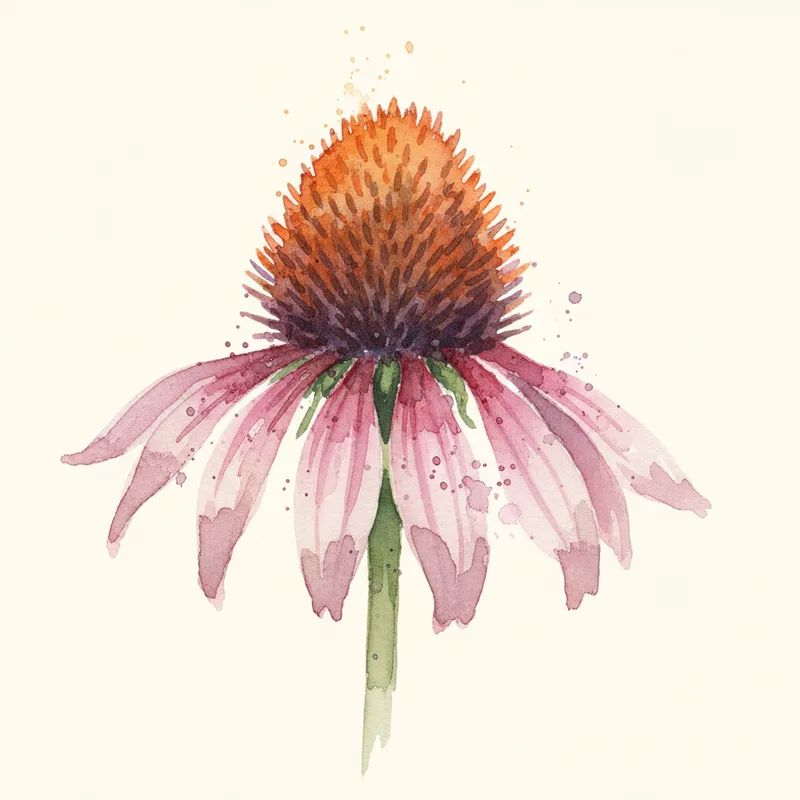
Coneflower is beloved in cooler climates, and it works in zones 9-10 too, though it appreciates some afternoon shade in the hottest areas. The classic purple daisy blooms are pollinator magnets, and they self-sow modestly to fill in gaps over time. Cut them back after the first flush and you'll often get a second round of flowers before fall. Leave the seed heads up in winter for the birds.
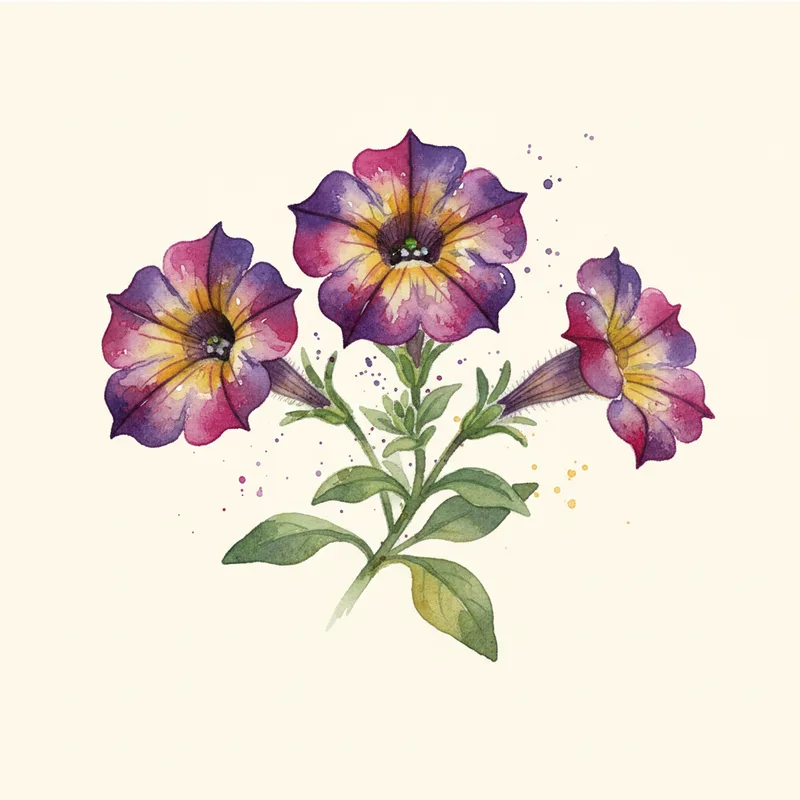
Calibrachoa is what you plant in containers, hanging baskets, and window boxes when you want color that doesn't quit. Think of them as mini petunias that actually handle heat. They come in every color imaginable and bloom from spring through fall with minimal fuss. Feed them every couple of weeks and don't let the soil dry out completely. That's it. That's the entire care sheet.
The Biggest Beginner Mistake: Planting in Spring
Here's the thing nobody tells you when you move south. Fall and winter are your prime planting season, not spring. In zones 9-10, planting in October through February gives roots time to establish in cool, mild soil before the hammer of summer heat arrives. A plant that goes into the ground in November has six months of gentle growing before it faces its first July. A plant that goes in during April has maybe eight weeks.
This is especially true for perennials, shrubs, and trees. Annuals and container plants can go in whenever you like, but anything permanent should ideally be in the ground before temperatures start climbing. Start planning now, order plants in late summer, and get them planted once the worst heat breaks in fall.
For a complete look at what blooms in your specific zone, explore the Zone 9 and Zone 10 planting guides. Filter by season, sun exposure, and water needs to build a combination that works for your exact conditions.
What's growing, what's blooming, what's worth planting.
For gardeners who like to stay ahead.