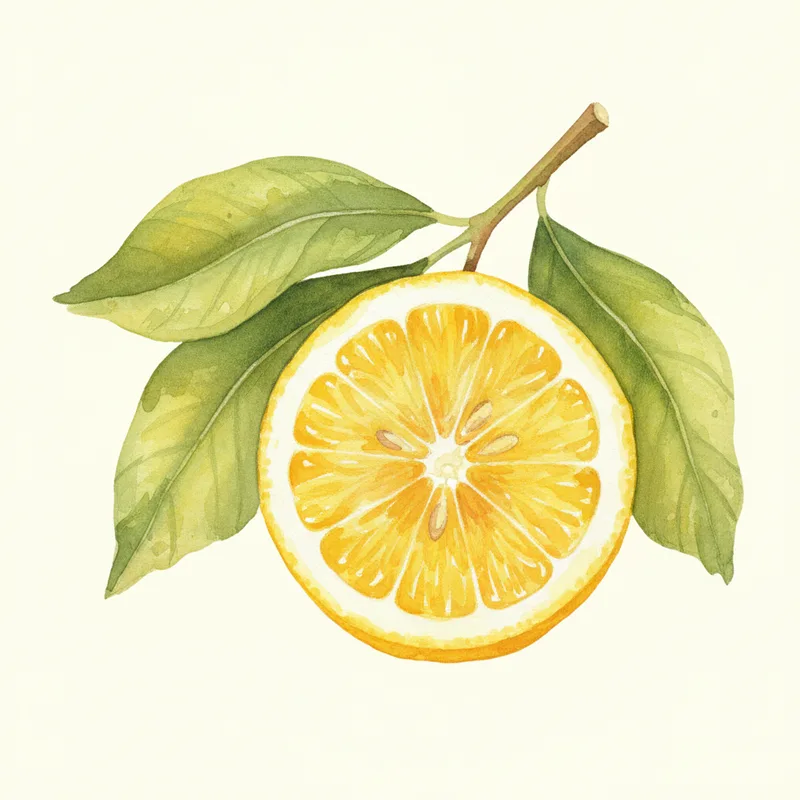
Sweetly scented white blossoms appear intermittently year-round and set thin-skinned lemons.
The ASPCA lists lemon, lime, orange and grapefruit as toxic to cats and dogs, and to horses. The fruit itself is fine to eat; the trouble is the peel, leaves and stems, whose oils can cause vomiting, diarrhoea, listlessness and skin irritation. A Meyer lemon is not listed by name, but it is the same genus, so keep peel, prunings and fallen leaves away from pets.
- Bloom Season
- Jan to Dec
- USDA Zones
- 9-11
- Sun
- Full Sun or Part Sun
- Water
- Moderate - regular watering
- Mature Height
- 4-8'
- Bloom Colors
- White
Companion plants, planting tips, FAQ, and more
Citrus x meyeri is the scientific name used by botanists, nurseries, and seed catalogs to identify Meyer Lemon unambiguously. The genus Citrus places it within a specific plant family, and using the botanical name avoids the confusion that comes with regional common names. If you're shopping for Meyer Lemon, looking up plant care details, or comparing varieties, searching by Citrus x meyeri will give you the most precise results.