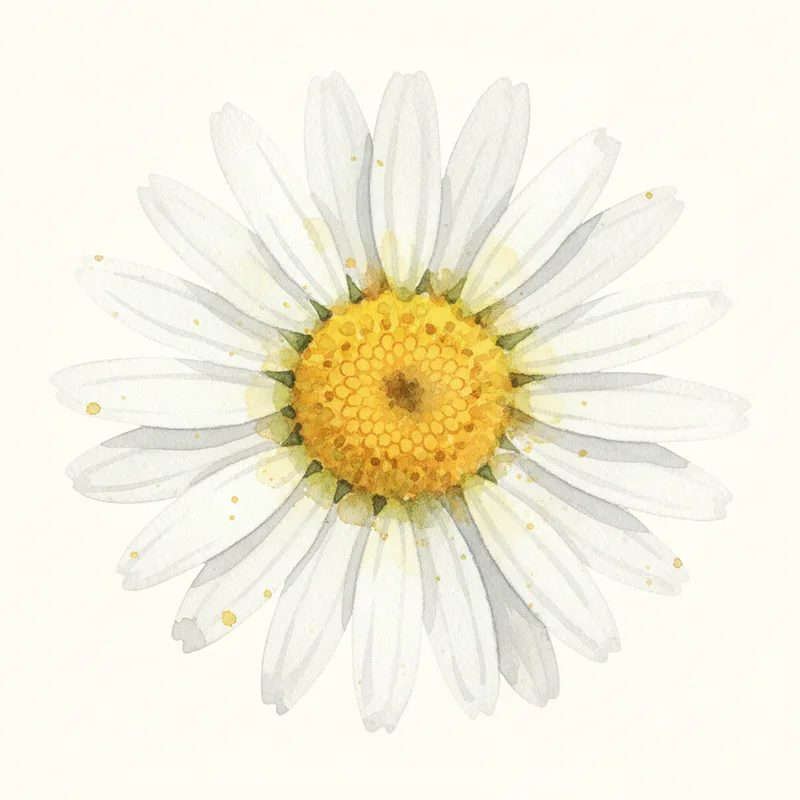
Classic white-and-gold daisies that look fresh from a meadow painting.
NC State Extension lists Shasta daisy as a problem for cats and dogs, and the ASPCA lists chrysanthemums, its close relatives with the same irritants, as toxic to cats. Chewing it can cause drooling, vomiting, diarrhoea and skin irritation.
Eaten, it can cause drooling, mouth irritation, vomiting and diarrhoea, and handling the leaves and flowers can irritate skin. It is a mild risk, but keep it away from children who might chew it.
- Bloom Season
- Jun to Aug
- USDA Zones
- 3-10
- Sun
- Full Sun
- Water
- Moderate - regular watering
- Mature Height
- 2-3'
- Bloom Colors
- WhiteYellow
Companion plants, planting tips, FAQ, and more
Leucanthemum x superbum is the scientific name used by botanists, nurseries, and seed catalogs to identify Shasta Daisy unambiguously. The genus Leucanthemum places it within a specific plant family, and using the botanical name avoids the confusion that comes with regional common names. If you're shopping for Shasta Daisy, looking up plant care details, or comparing varieties, searching by Leucanthemum x superbum will give you the most precise results.