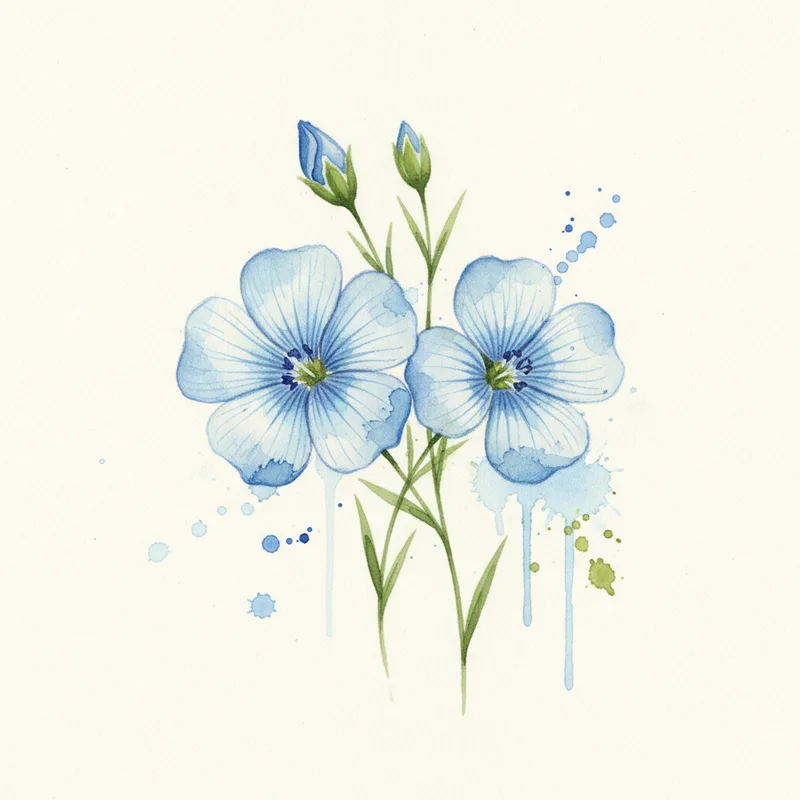
Delicate sky-blue flowers open each morning on airy stems over fine foliage.
NC State Extension rates it medium. The leaves, stems and seeds contain cyanogenic compounds that have poisoned grazing animals, though it is unlikely to be a problem unless a lot is eaten. The sap can irritate skin.
- Bloom Season
- May to Jul
- USDA Zones
- 4-9
- Sun
- Full Sun
- Water
- Low - drought tolerant
- Mature Height
- 12-24"
- Bloom Colors
- Blue
Companion plants, planting tips, FAQ, and more
Linum lewisii is the scientific name used by botanists, nurseries, and seed catalogs to identify Blue Flax unambiguously. The genus Linum places it within a specific plant family, and using the botanical name avoids the confusion that comes with regional common names. If you're shopping for Blue Flax, looking up plant care details, or comparing varieties, searching by Linum lewisii will give you the most precise results.