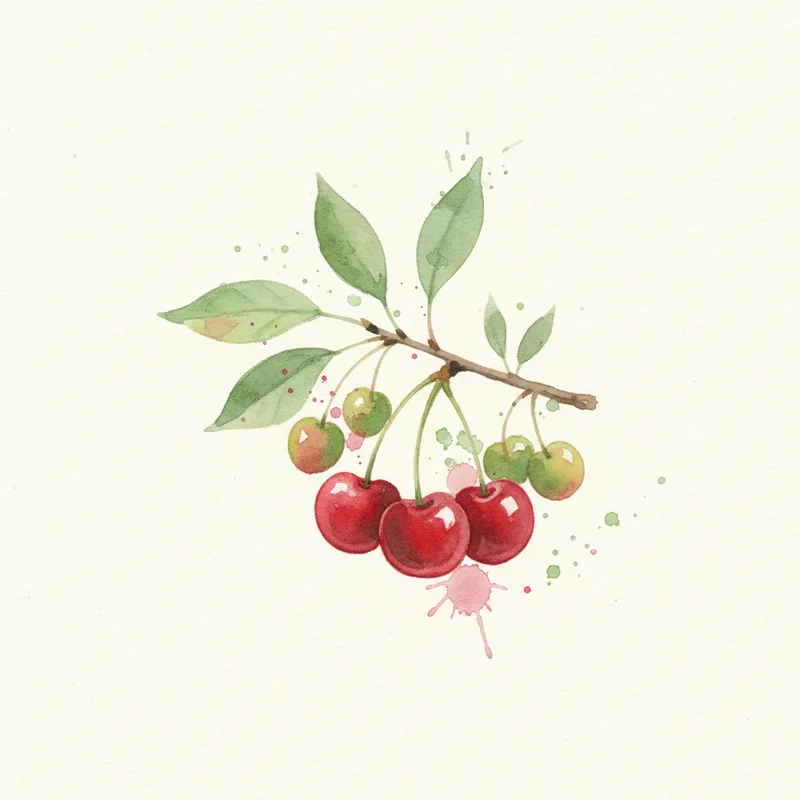
Showy white spring flowers mature into sweet cherries that attract people and wildlife.
The fruit is fine to eat. The pits, leaves, and twigs contain cyanide compounds, so do not chew the pits, and keep wilted prunings away from grazing animals, which they poison readily.
- Bloom Season
- Apr to May
- USDA Zones
- 5-8
- Sun
- Full Sun
- Water
- Moderate - regular watering
- Mature Height
- 20-40'
- Bloom Colors
- White
Companion plants, planting tips, FAQ, and more
Prunus avium is the scientific name used by botanists, nurseries, and seed catalogs to identify Fruiting Cherry unambiguously. The genus Prunus places it within a specific plant family, and using the botanical name avoids the confusion that comes with regional common names. If you're shopping for Fruiting Cherry, looking up plant care details, or comparing varieties, searching by Prunus avium will give you the most precise results.