Annuals to Plant Before Memorial Day: What to Pick Up This Weekend
Memorial Day is the practical end of the spring planting window in most of the country. The annuals you put in the ground this weekend will hit their stride by mid-June. Here are the ones worth your money.
The window between late April and Memorial Day is the single best annual-planting weekend of the year for most of the country. Last frost risk has passed everywhere south of zone 5b. Nurseries are fully stocked because the wholesale shipments hit two weeks ago. Soil temperatures are reaching the 55-65°F range that warm-season annuals actually want.
If you wait until June, three things happen: the best varieties sell out, you lose 30-45 days of bloom time off the front of the season, and the heat that arrives in mid-June stresses any plant going in the ground for the first time. The math says this weekend.
Here are the annuals worth picking up at the nursery in late April through mid-May, organized by what they actually do and where they thrive. If you would rather start from seed than buy six-packs, see our seed-starting guide for the best cutting-garden annuals instead.
The Heat Workhorses (Plant Now, Bloom Until Frost)
These are the annuals that handle summer heat without sulking. They take the heat that hits in late June and they keep flowering until first frost in October or November. If you have one weekend to plant, these are where the money goes.
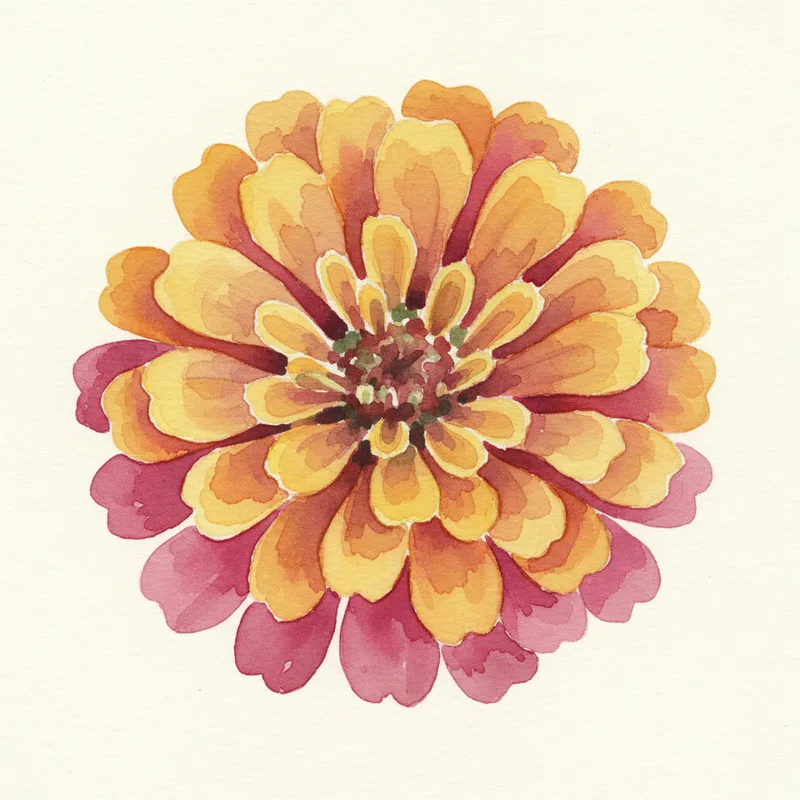
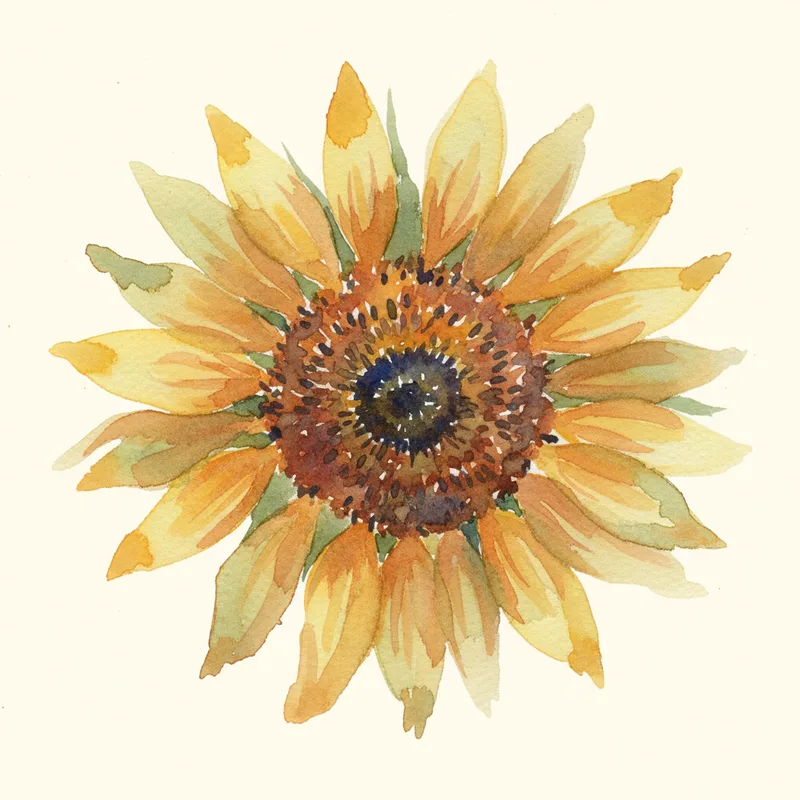
Zinnia
The single best heat-loving annual for most of the country. Plant from seed or 4-inch pots in mid-late April through mid-May. Full sun. Almost no water requirements once established. Cuts beautifully for vases and bouquets, and the more you cut, the more it blooms. The 'Profusion' and 'Zahara' series are the most reliable for beginners; the 'Benary's Giant' series produces the cut-flower-show blooms. For the Queen Lime, Oklahoma, and Zinderella series that flower farmers chase, see our specialty zinnia varieties guide.
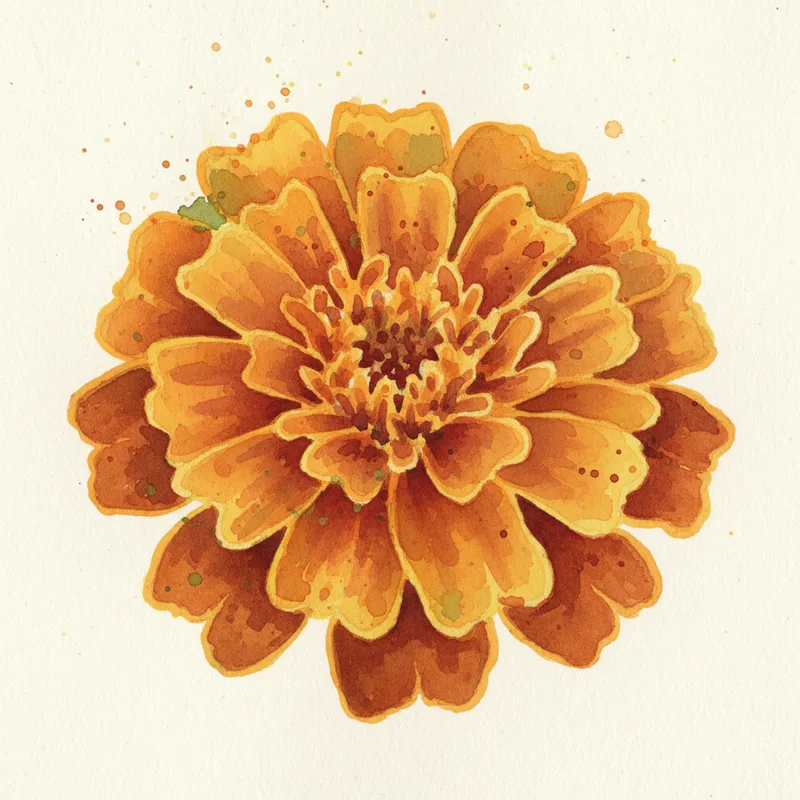
Marigold
The other workhorse. Tough, pest-resistant, blooms for five months. African marigolds (Tagetes erecta) get tall and produce big blooms; French marigolds (Tagetes patula) stay short and dense. Both deter some garden pests and look good as a border or in containers.
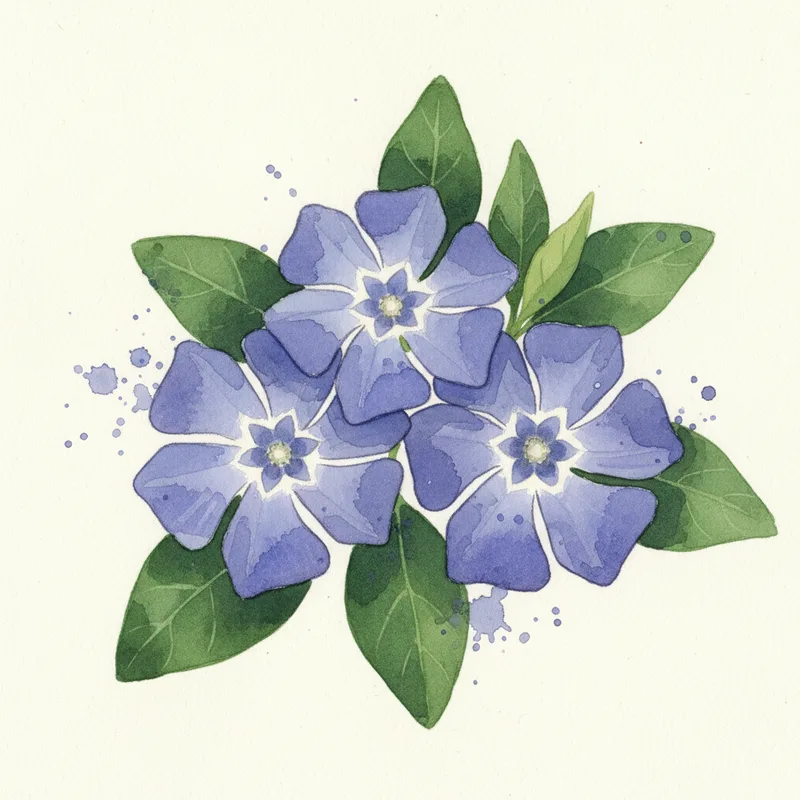
Vinca (Catharanthus roseus, annual)
Underrated. Heat-tolerant, drought-tolerant, blooms reliably from late spring through first frost. Pink, white, and red varieties. Holds up better than petunia in southern states and full-sun exposures. One of the few annuals that actually likes the muggy August conditions of the Southeast.
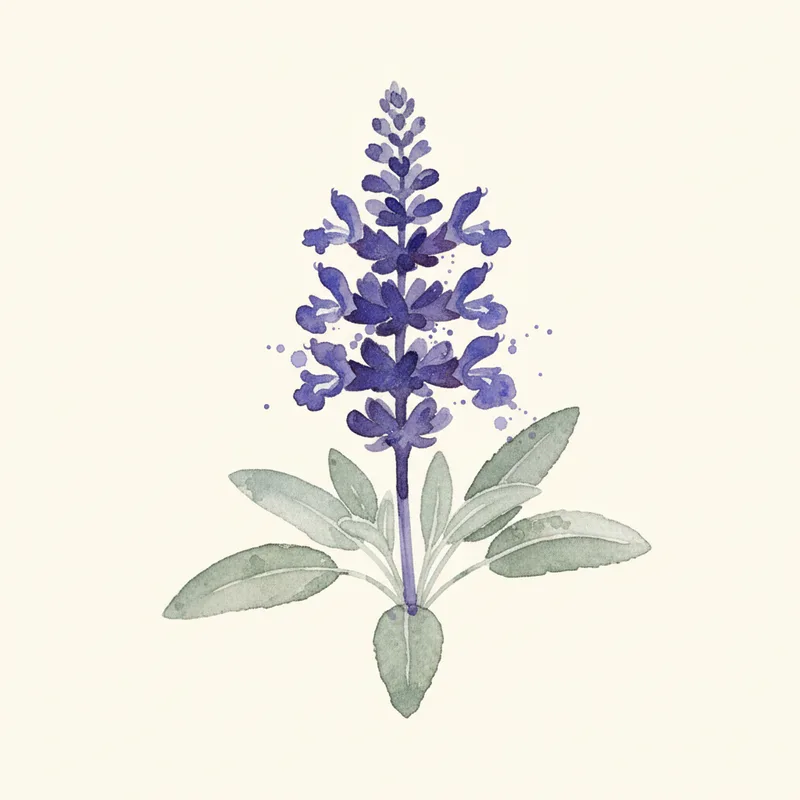
Salvia (annual varieties)
Annual salvias (Salvia farinacea, Salvia splendens, Salvia coccinea) flower from late May until frost. Pollinator magnet, particularly for hummingbirds. The 'Black and Blue' variety is borderline iconic at this point. Tolerates partial shade better than the other heat workhorses.
The Cool-Season Annuals to Get In Now (Before They Burn Out)
These annuals do their best work in the cooler half of the season (April-June and again September-October). Plant them now and you get six to eight weeks of strong performance before summer heat slows them down.
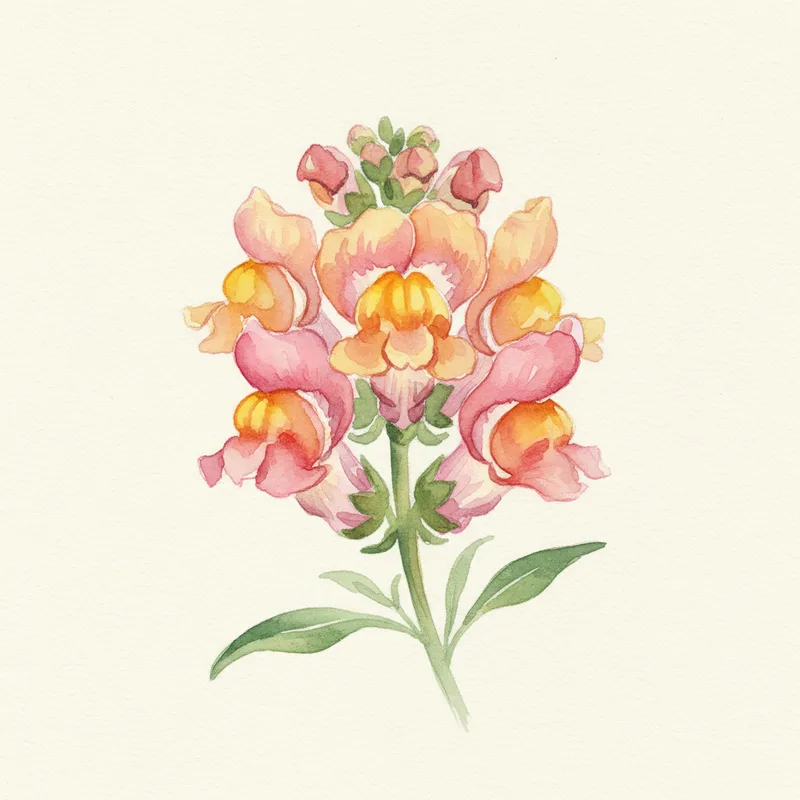
Snapdragon
Cool-season classic. Will bloom through May and June, then take a break in July-August heat, then often return for a second show in fall. Worth the planting effort. The 'Rocket' series is tall and good for cutting; the 'Snaptastic' series stays short and dense.
Stock (Matthiola incana)
If you can find it at the nursery this weekend, buy it. Stock has the most underrated fragrance of any annual flower. Cool-season specifically, so its window is now through early June. Plant in part sun in zones 7+, full sun in zones 6 and below.
Pansies and Violas
Already past peak in southern states but still going strong in zones 5-6. If you have any pansies still flowering, deadhead aggressively to extend the show until early June. Then replace with one of the heat workhorses above.
The Container and Hanging Basket Stars
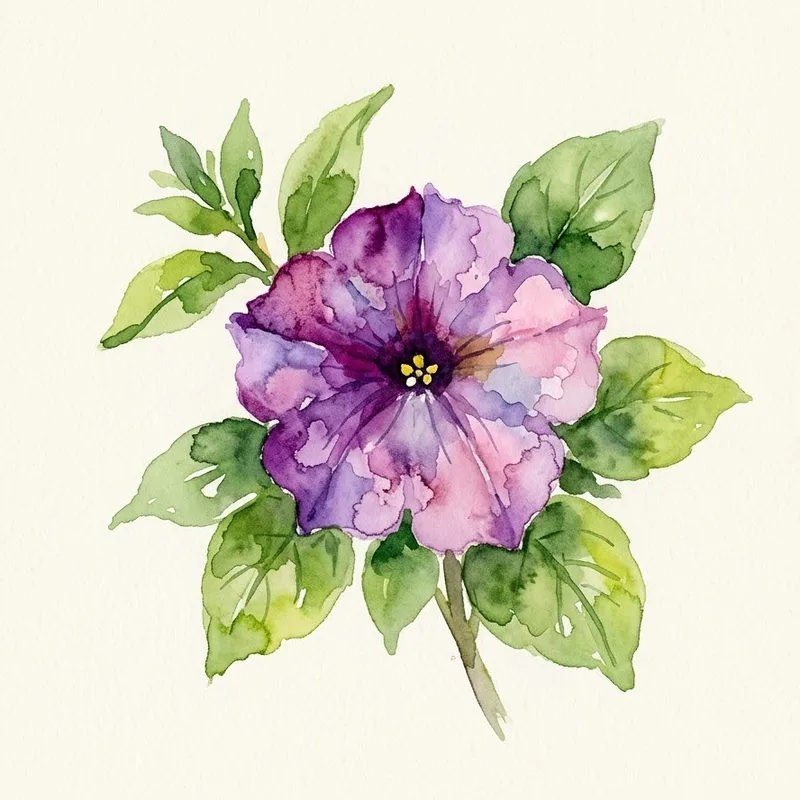
Petunia
The 'Wave' and 'Supertunia' series have made petunias more dependable than ever. Full sun, regular feeding, deadhead weekly (or skip deadheading entirely with the self-cleaning varieties). Spreads to fill a hanging basket or container by July.
Calibrachoa (Million Bells)
The petunia's smaller, more refined cousin. Hundreds of small flowers. Self-cleaning. Excellent in containers and hanging baskets. Loves heat once established but needs consistent watering. Cannot tolerate drying out.
Lantana (annual in cold climates, perennial in zones 8+)
Heat champion. Blooms from late May until frost. Pollinator favorite. Drought-tolerant once established. Used as a "thriller" element in mixed containers in northern states; used as a low shrub in southern states.
The Shade Annuals
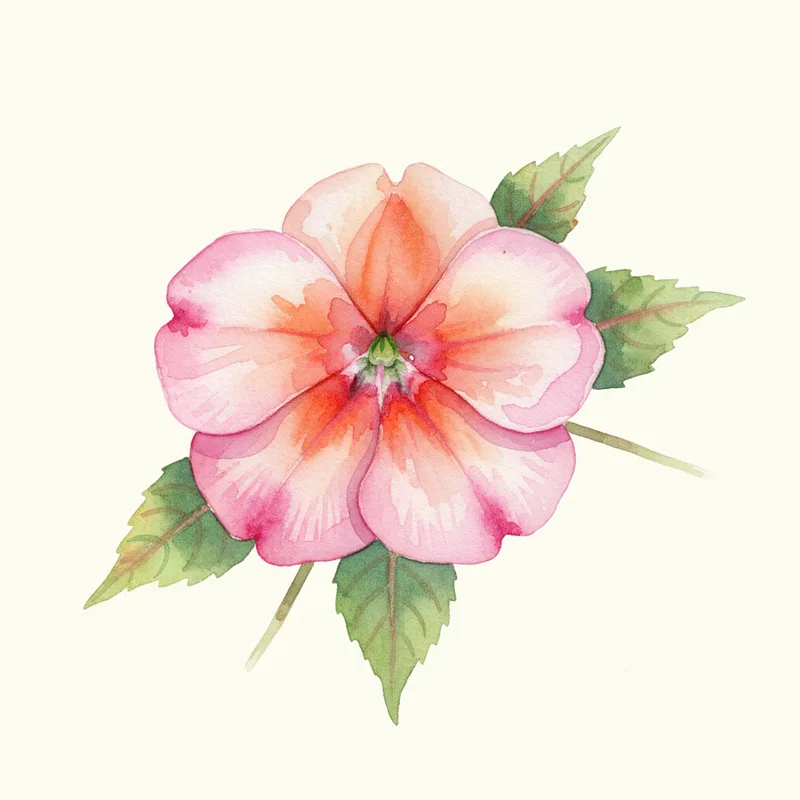
Impatiens
The classic shade annual. The downy mildew that wiped out impatiens in the 2010s is largely solved with newer disease-resistant varieties (the 'Beacon' series, 'Imara XDR'). Plant in part shade to full shade, water regularly, and watch them fill in.
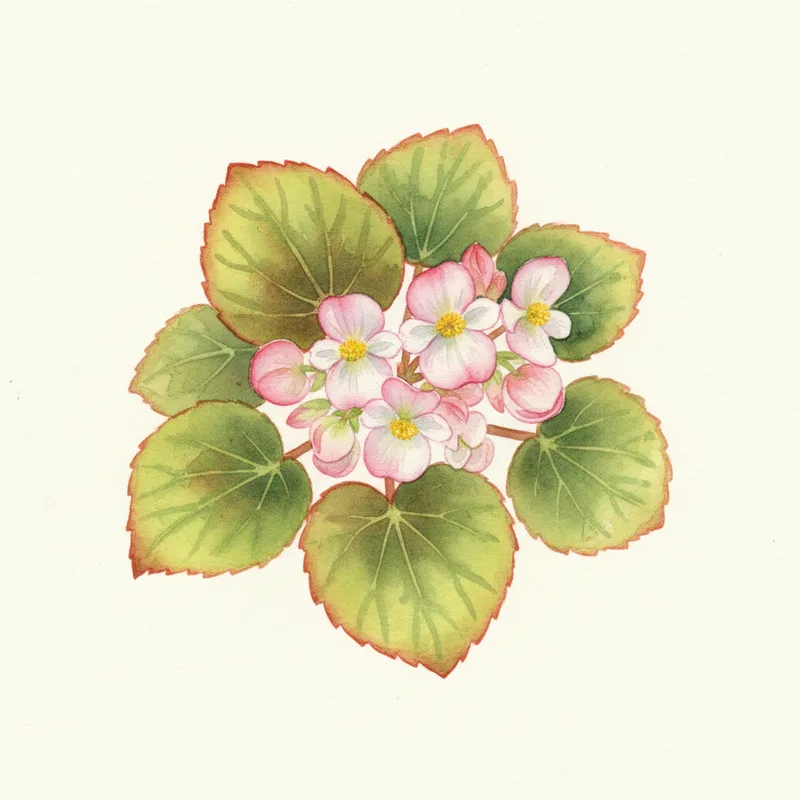
Begonia
Wax begonias and dragon-wing begonias are foolproof in part shade. The wax types stay compact; dragon-wings reach 18-24 inches and produce flowers continuously from May until frost. Tuberous begonias have larger, showier flowers but require more attention to drainage and water.
Coleus
Foliage rather than flower, but the color saturation and pattern range is unmatched. Sun-tolerant varieties (the 'Wasabi', 'Henna', 'Vino') will take full sun in northern states. Classic varieties prefer part shade.
The Pollinator Powerhouses
If you have any interest in bees, butterflies, or hummingbirds, prioritize these:
- Salvia (any annual variety) - hummingbird magnet
- Lantana - butterfly magnet
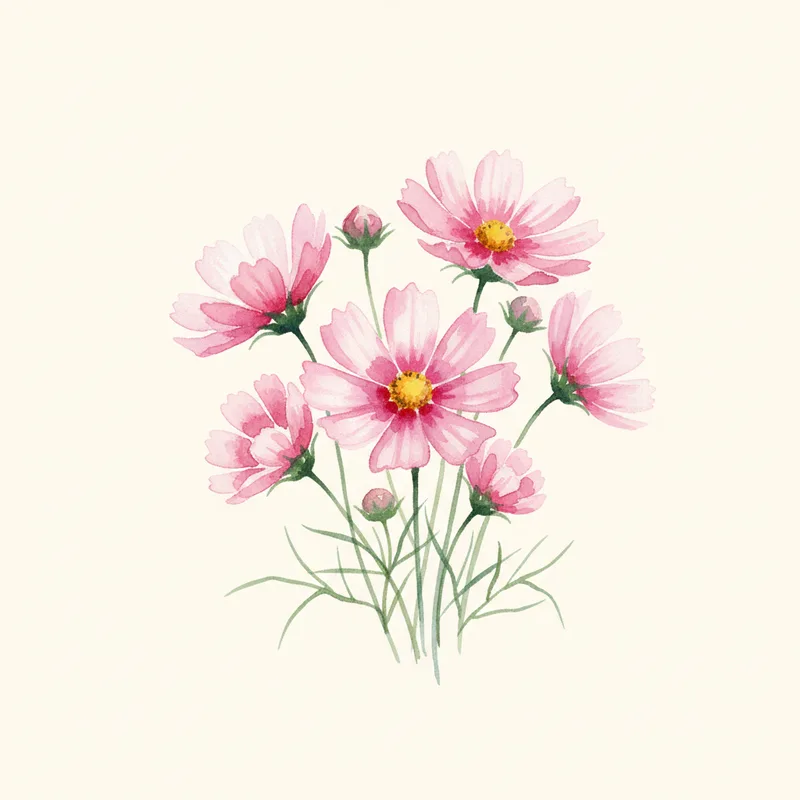
- Cosmos - bees and butterflies
- Zinnia - butterflies and bees both
- Verbena bonariensis - tall, airy, butterfly favorite
- Nicotiana - night-blooming, attracts moths and bats
What to Skip This Weekend
- Anything labeled "houseplant" being sold outdoors. Tropical foliage plants will be killed by the next cool night below 50°F.
- Geraniums in zones 5-6. They will sit and sulk through any cool snap below 45°F. Wait two more weeks if your nights are still in the 30s.
- Dahlia tubers in zones 4-5. Soil is still too cool. Wait until soil hits 60°F at 4 inches deep, usually mid-late May in northern states. When that window opens, see our guide to the best dahlia varieties to plant in May.
- Cosmos seed in zones 6 and below. Soil temperature still risky. Direct-sow once nighttime lows are consistently above 50°F.
Quick Buying Checklist for the Garden Center
- Look for compact, dense plants. Avoid leggy ones that have been on the rack too long.
- Check the soil. Dry or hard-packed nursery soil means the plant has been stressed.
- Skip plants in full bloom in the smallest pot size. They will exhaust themselves and stop flowering. Buy plants with buds, not open flowers.
- Check the bottom of the pot for roots circling tightly. Severely root-bound plants will struggle to establish.
- Buy more than you think you need. Annuals look bigger in the store than in your garden bed.
Planting Conditions This Weekend
For most of the U.S. (zones 6-9), this weekend's soil temperatures should be in the 55-70°F range, which is the sweet spot for most annuals. Things to do:
- Water the plants thoroughly the night before, while still in the pot.
- Plant in late afternoon or evening to reduce transplant shock.
- Water deeply at planting, then keep moist (not soaking) for the first two weeks.
- Skip fertilizer for the first 10-14 days. Let roots establish first.
- Mulch with 1-2 inches of shredded bark or compost to hold moisture and moderate soil temperature.
The Bottom Line
The annuals that go in this weekend will be the ones putting on a show by mid-June and carrying the garden through August heat. Wait until Memorial Day weekend itself and you are competing with everyone else for the best plants and missing the best establishment window. The math is not subtle: plant now, water for two weeks, and the rest of the season takes care of itself.
For zone-specific plant lists, our zone map shows what works where. For continuous-bloom planning, see how to plan for continuous summer blooms. And if your spring annuals are already crashing in the heat, the pivot list is here: heat-tolerant flowers that actually survive summer.
What's growing, what's blooming, what's worth planting.
For gardeners who like to stay ahead.