How to Plan for Continuous Summer Blooms
Most gardens peak in June and crash by August. Here's how to layer early, mid, and late summer bloomers so something is always flowering.
The most common complaint from gardeners is some version of "everything looks great in June and then nothing happens." The garden has a two-week peak and an eleven-month hangover. This is not a gardening problem. It is a planning problem. And it is fixable.
The strategy is simple: divide summer into three windows and make sure you have at least three strong bloomers in each one.
Early summer: June into early July
This is the easy part because nurseries overflow with June bloomers. But choose carefully. You want plants that start in June and keep going, not ones that peak for two weeks and vanish.
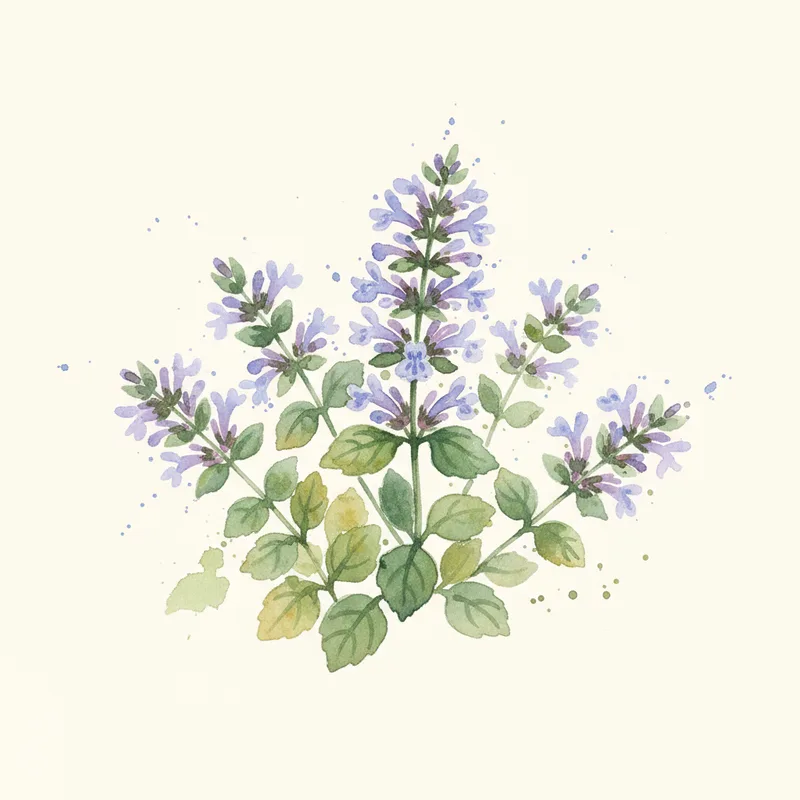
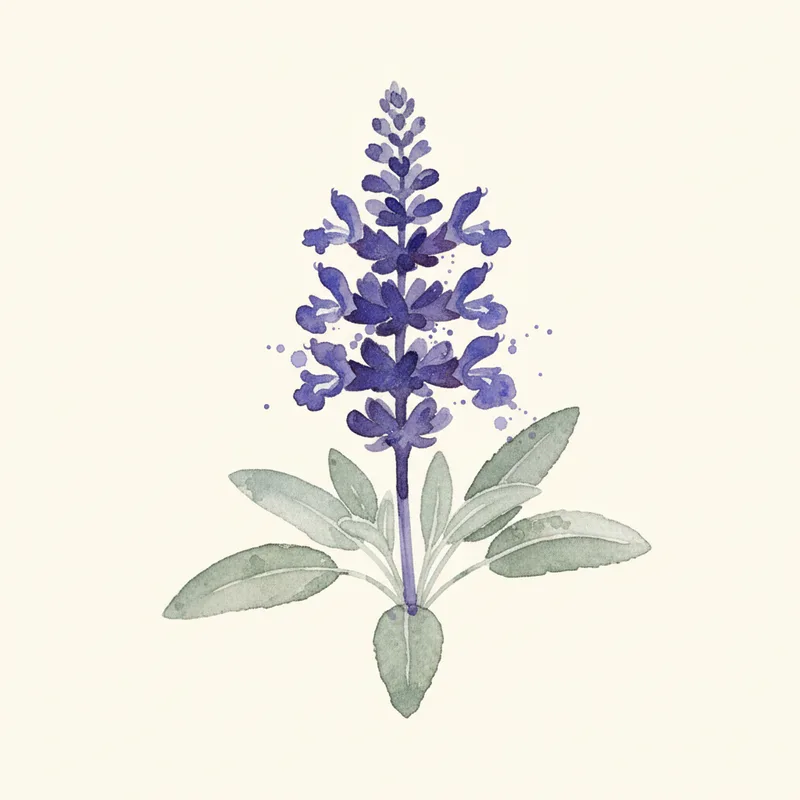
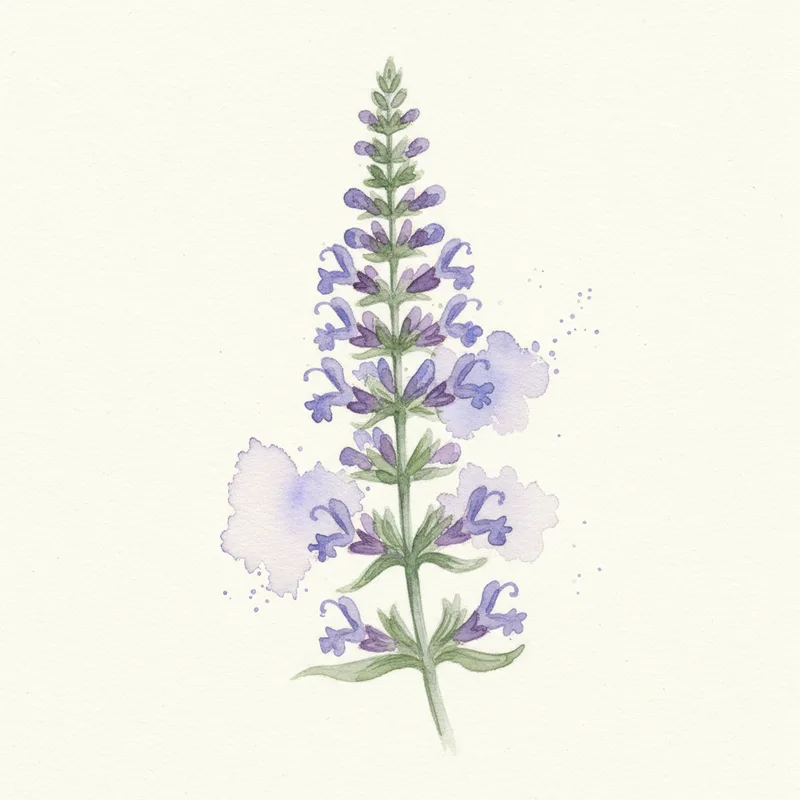
Catmint is the gold standard here. It starts blooming in late May and, if you shear it back hard after the first flush, it reblooms through September. Salvia does the same thing with upright purple spikes that hummingbirds love. Both are drought-tolerant and deer-resistant, which means less work for you.
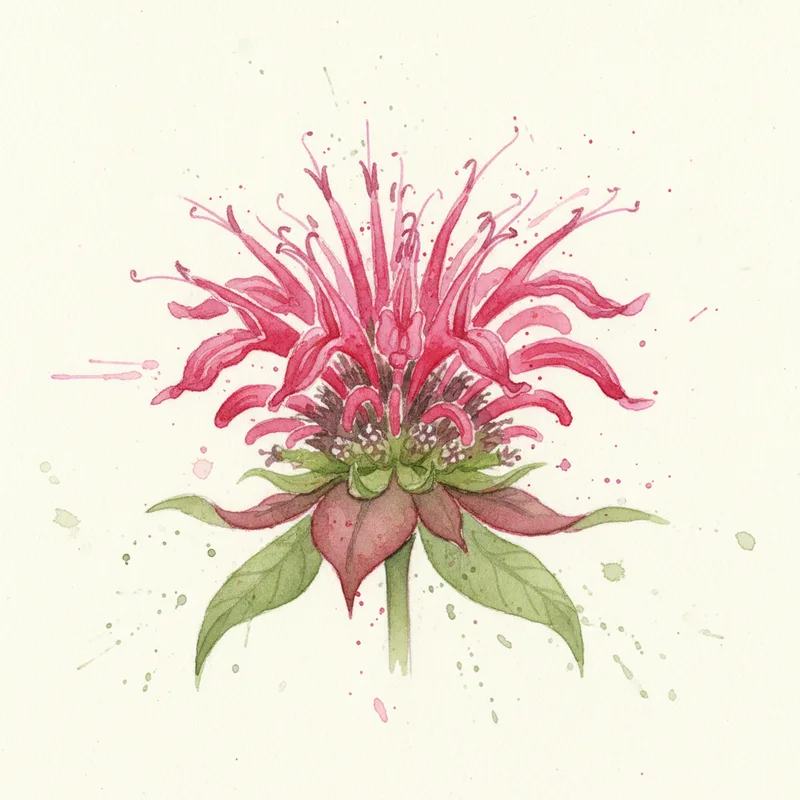
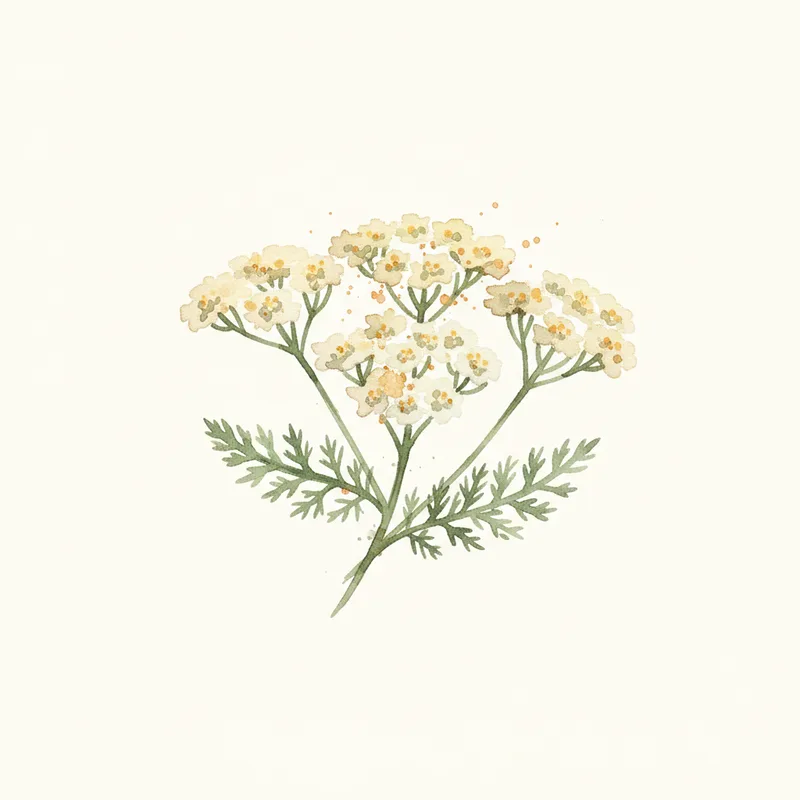
Yarrow opens its flat-topped clusters in June and holds them through July. The spent flowers age to attractive tans if you leave them, or you can deadhead for a second round. Bee Balm joins the party in late June with shaggy red or pink crowns that attract both hummingbirds and butterflies.
Midsummer: July into August
This is where most gardens fall apart. The June show is over and the gardener did not plan for what comes next. Fix this with the prairie workhorses.
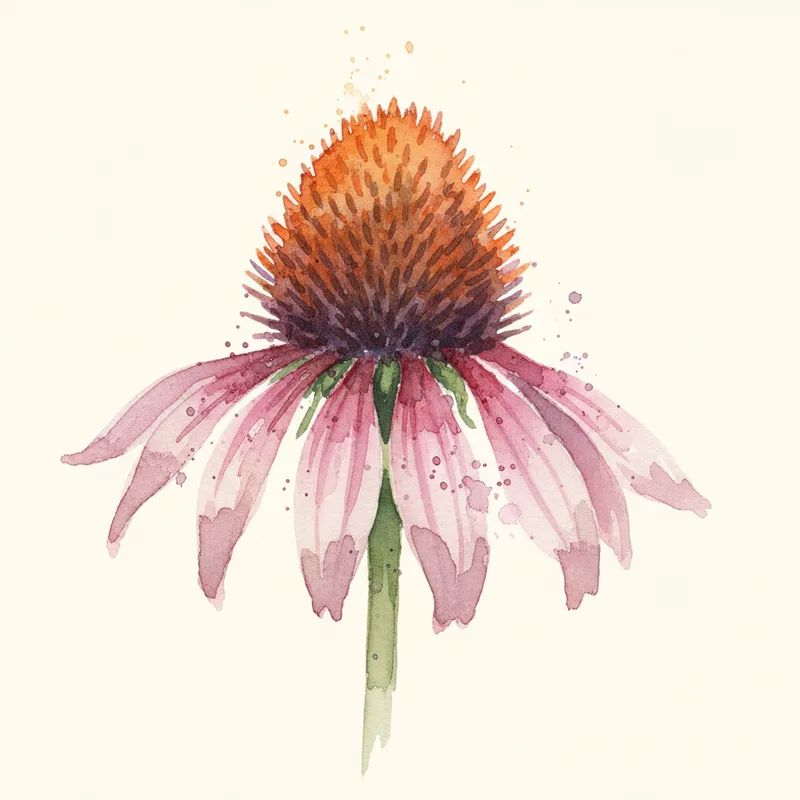
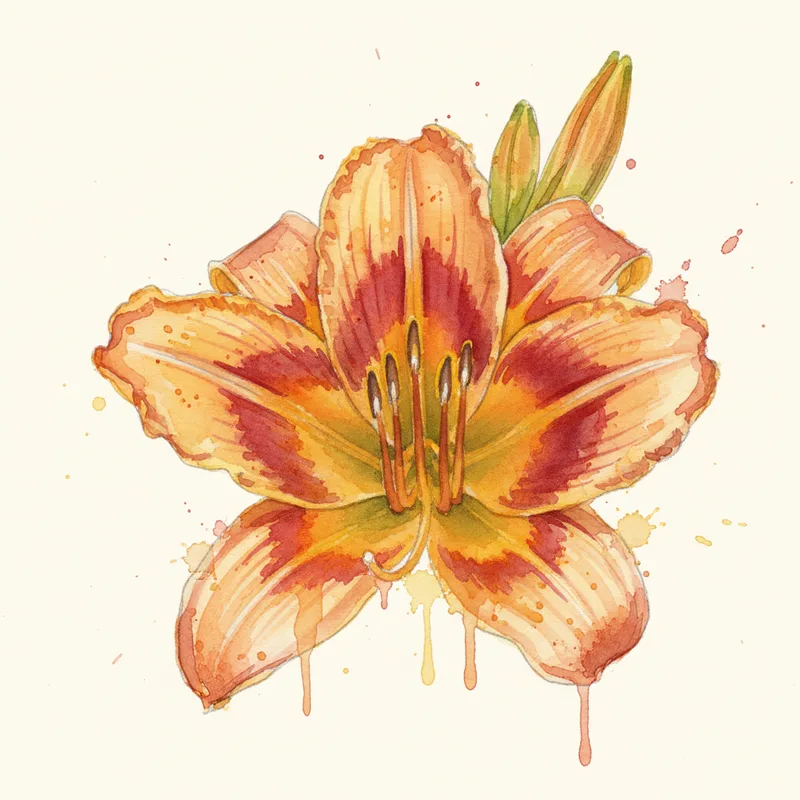
Coneflowers hit their stride in July and keep blooming into September. They handle heat, drought, and poor soil without complaint. Daylilies are another midsummer backbone, with trumpet flowers opening fresh every morning. The standard species blooms for about a month, but reblooming varieties like Stella de Oro and Happy Returns keep going much longer.
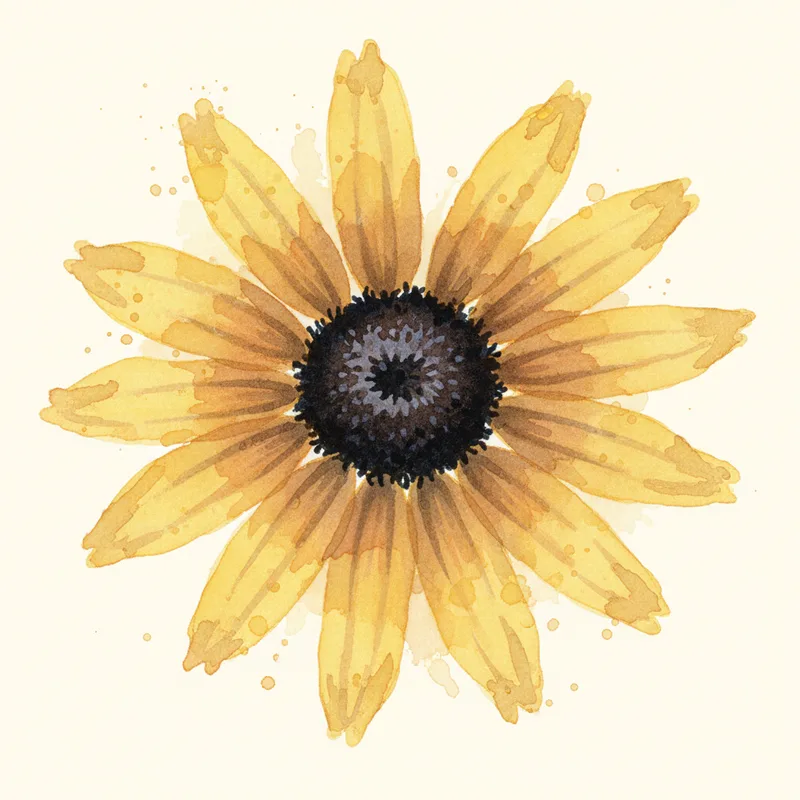
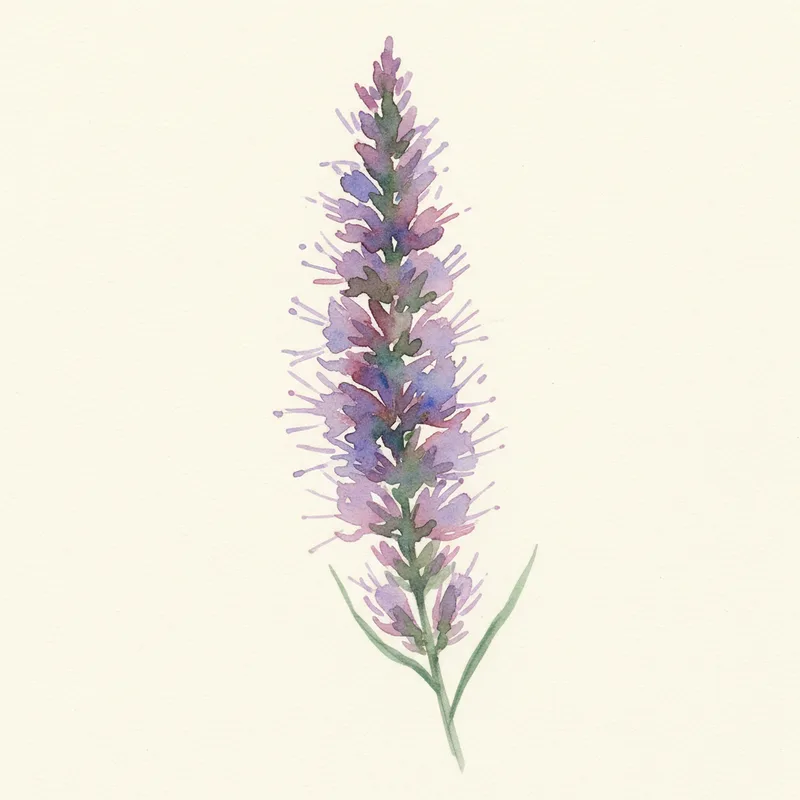
Liatris adds a different shape to the midsummer garden. Its fuzzy purple spikes bloom unusually from the top down, and butterflies cluster on them like landing pads. Pair it with the golden daisies of Black-Eyed Susans and you have the classic midsummer prairie combination.
Late summer: August into September
Late summer is the most underplanted window. Many gardeners have mentally checked out by August, but some of the best perennials are just getting started.
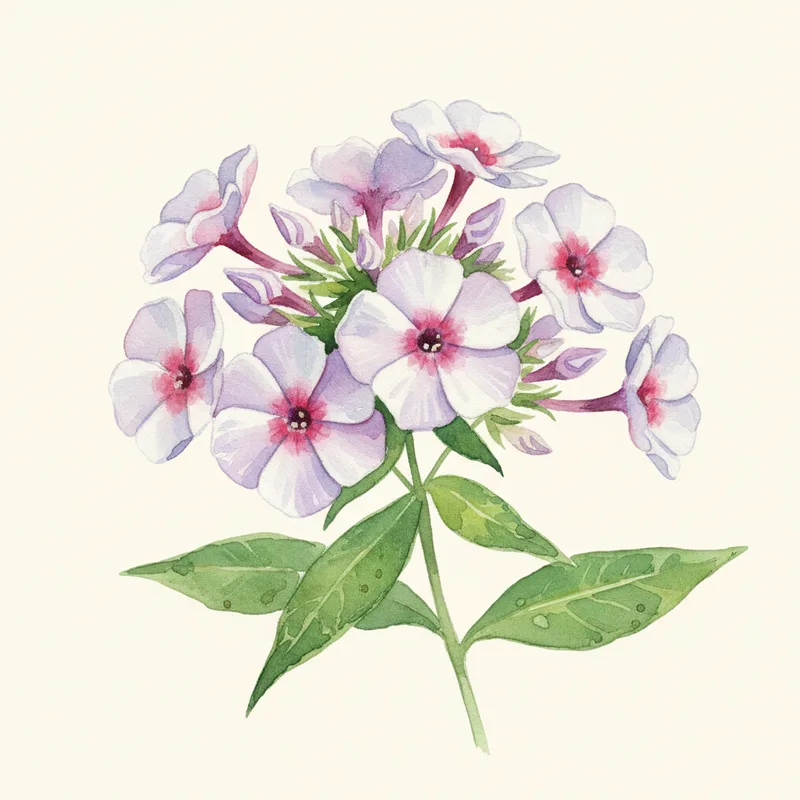
Russian Sage hits peak bloom in August with airy lavender clouds on silver stems. It looks ethereal at the back of a border and needs almost no water. Garden Phlox brings fragrant pink, purple, and white clusters that carry the garden through August with a cottage-garden feel.
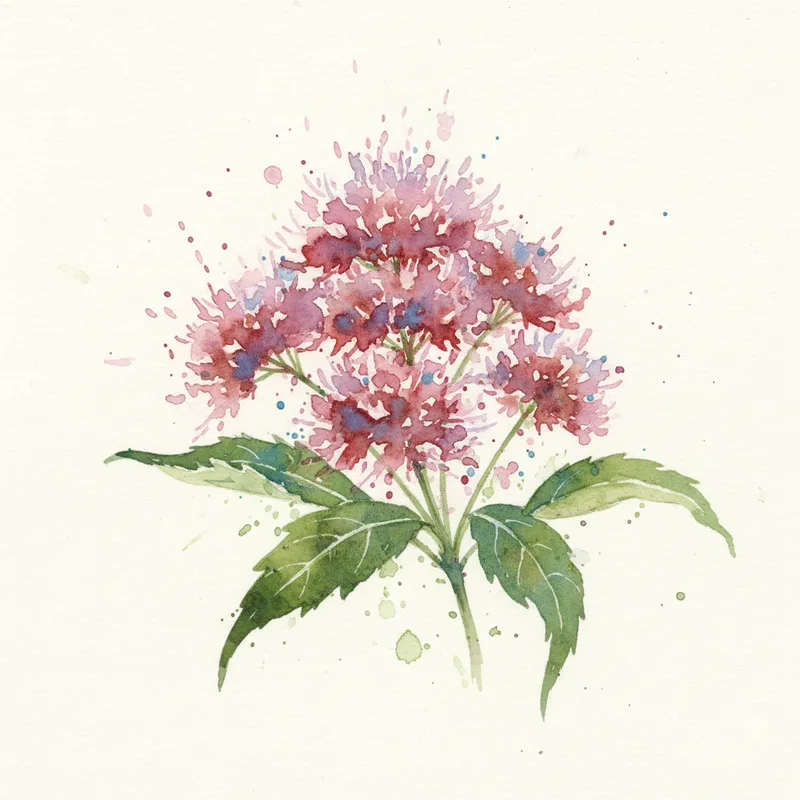
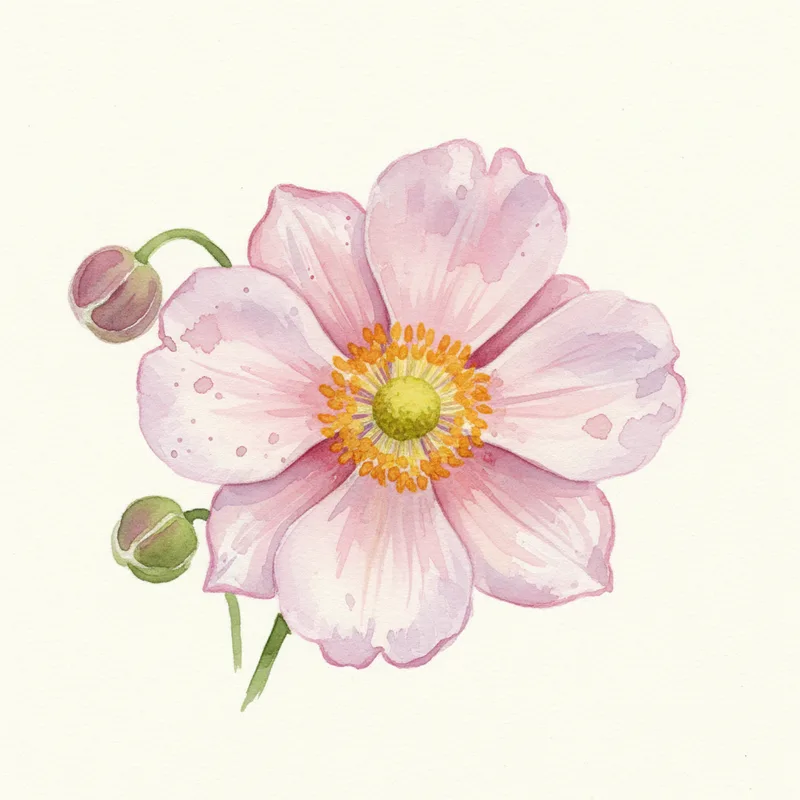
Joe-Pye Weed is the towering native that butterflies swarm in late summer. At four to seven feet tall, it anchors the back of a border and signals that the garden is far from done. And Japanese Anemone starts its elegant, swaying display in late August and keeps going into October, bridging the gap between summer and fall.
Gap detection: the calendar trick
Here is a practical exercise. Write out the months June through September across the top of a page. Under each month, list every plant in your garden that blooms during that month. If any column has fewer than three entries, that is your gap. Use our browse page to filter by bloom month and your zone, and the answer jumps right out.
Most gardens need more August and September plants. Start there.
The layering principle
Timing is only half the equation. Height matters too. Put your tall late-season plants (Joe-Pye weed, Russian sage) in the back. Midsummer bloomers (coneflowers, daylilies) in the middle. Early-season plants and groundcovers (catmint, dianthus) in front. As the front fades, the middle takes over. As the middle peaks, the back is rising. The garden rolls forward like a slow wave, always revealing something new. Browse our Drought-Proof Beauties and Nonstop Color collections. See also our guide to the best perennials for nonstop color, and for a deliberate color framework, our jewel tone garden design guide. Many of the longest-blooming summer plants are also pollinator favorites: see our National Pollinator Month flowers to plant in June. And to carry that nonstop color into pots, our guide to tropical plants for summer containers covers cannas, elephant ears, and more.
Browse summer plants by zone
What's growing, what's blooming, what's worth planting.
For gardeners who like to stay ahead.