Best Ground Covers for Sun, Shade, Slopes, and Between Pavers
The right ground cover smothers weeds, holds soil, and adds bloom. The wrong one takes over your yard. Here is how to pick correctly the first time.
Ground covers do the job that mulch only pretends to do. Mulch lasts a season, fades, washes out, and needs replacing. A good ground cover roots into the soil, smothers weeds permanently, holds the slope, and adds bloom or texture you would never get from a pile of bark chips.
The trick is matching the ground cover to the conditions: sun versus shade, foot traffic versus none, slope versus flat ground, dry versus moist. The wrong choice spreads where you don't want it, dies where you do, or invites the same weeds you were trying to bury.
What "ground cover" actually means
A ground cover is any low-growing plant (typically under twelve inches) that spreads horizontally to form a continuous mat. Some spread fast and aggressively (vinca, English ivy). Some spread politely (epimedium, hellebore foundation plantings). Some only cover ground when planted in mass (creeping phlox).
The fast spreaders are great for hillsides where you need quick coverage. The polite ones are better for foundation beds where you don't want a takeover. Picking the wrong category for the situation is the most common mistake people make.
Best ground covers for full sun
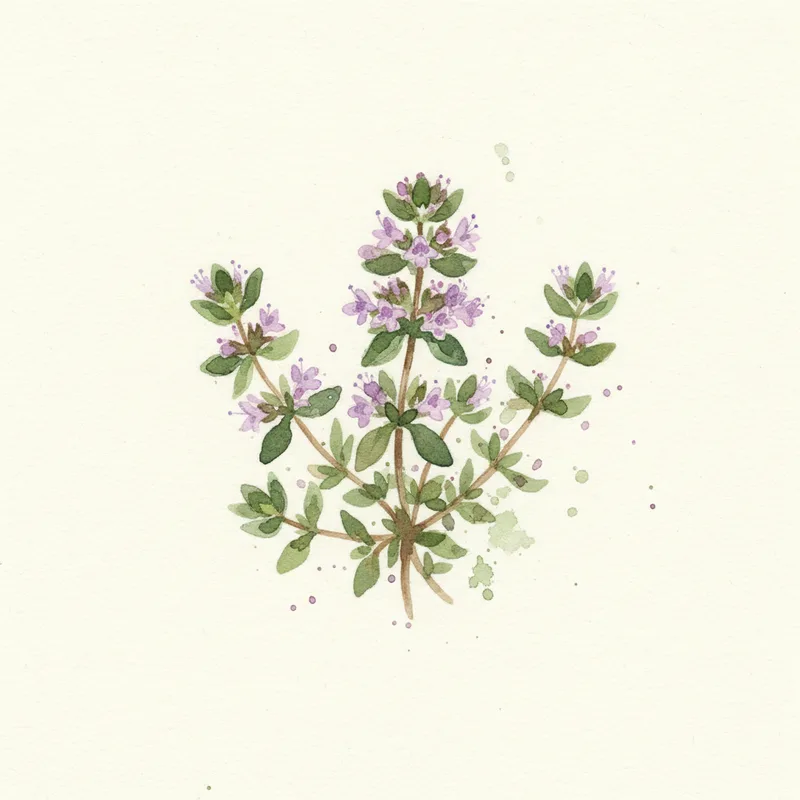
Creeping Thyme is the gold standard for sunny, well-drained sites. Tolerates foot traffic, releases scent when stepped on, blooms purple-pink in early summer, and is genuinely drought tolerant. The fragrant alternative to a lawn between flagstones.
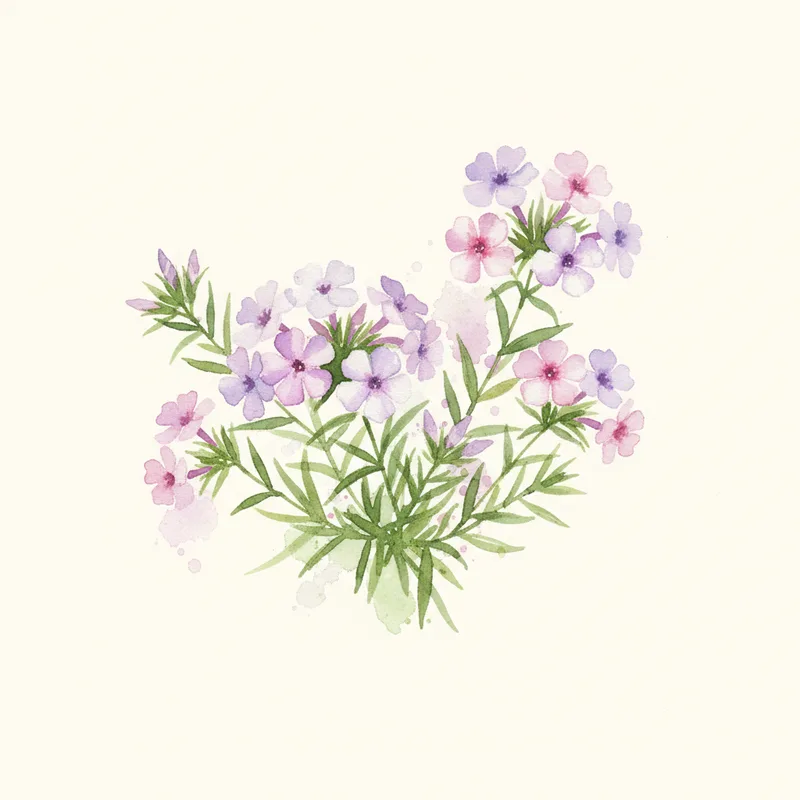
Creeping Phlox is the spring spectacle. April and May explosion of pink, white, lavender, or blue, then quietly green for the rest of the year. Best on slopes or rock walls where its trailing habit shines.
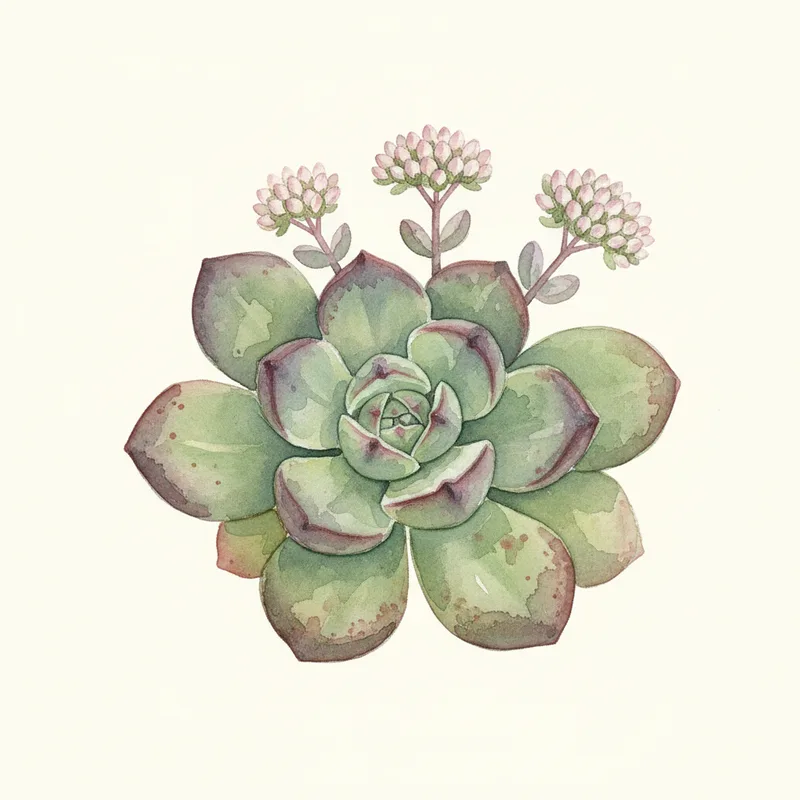
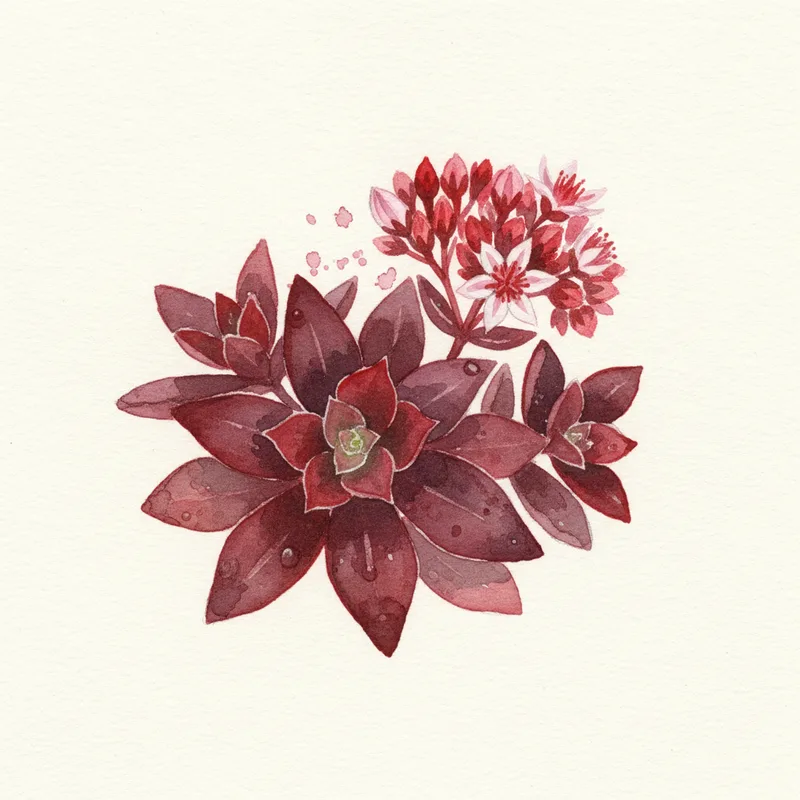
Sedum in its low-growing forms (Angelina Sedum, Dragon's Blood Sedum) is bulletproof in hot, dry, sandy spots where nothing else wants to grow. Roots are shallow but plants knit together fast.
Lamb's Ear is the silver, fuzzy classic. Tolerates poor soil, full sun, and neglect. Watch out: it can look ratty in humid summers and benefits from a midsummer haircut.
Best ground covers for full shade
Sweet Woodruff is the woodland ground cover. Spreads via runners under leaf litter, blooms tiny white star flowers in May, and smells of fresh hay when crushed. Wants moisture and dappled shade.
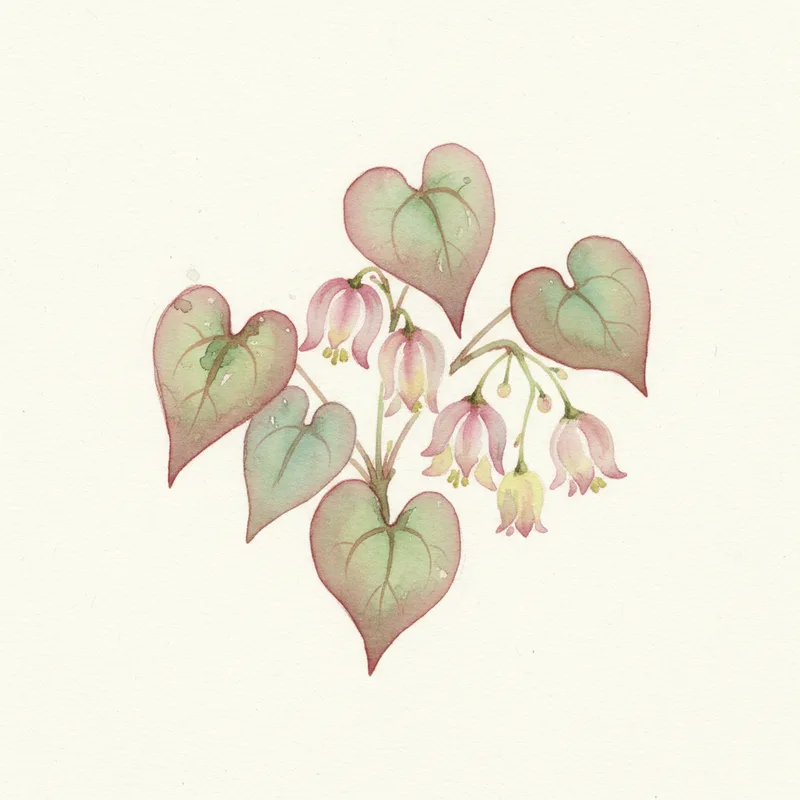
Epimedium is criminally underused. Tough, drought tolerant once established, evergreen in mild zones, dainty spring flowers like tiny dancing fairies. Plants politely without taking over.
Pachysandra is the workhorse for deep shade where nothing blooms. Glossy evergreen, slow-spreading, and forgiving of dry root competition under trees. Boring but reliable.
Wild Ginger has heart-shaped leaves and hidden brown flowers at ground level. Thrives in deep shade and rich woodland soil. Native, deer-resistant, and unique.
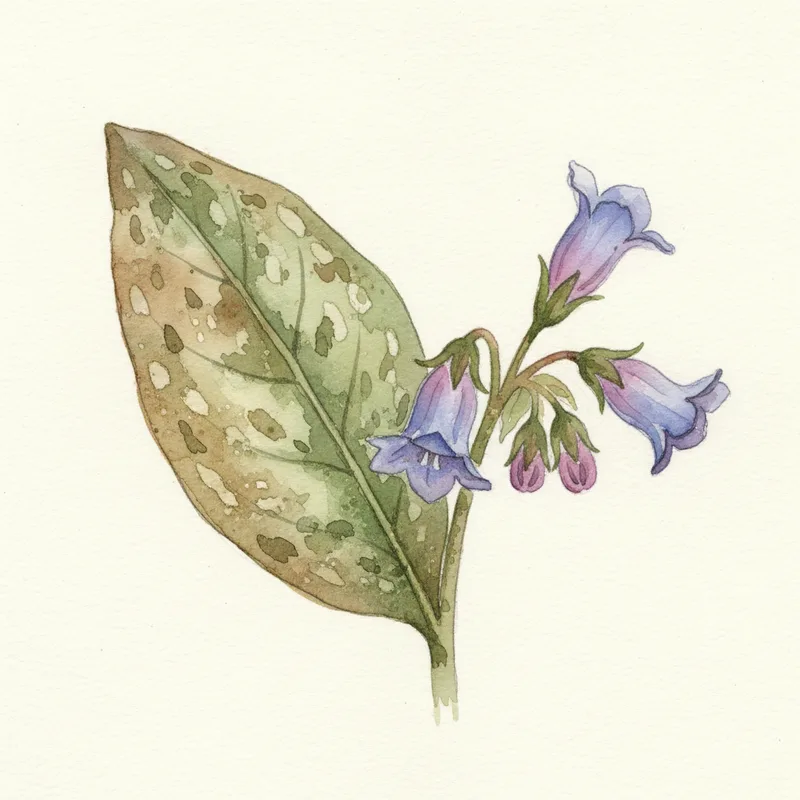
Lungwort works as both a ground cover and an early-spring bloomer. Silver-spotted leaves stay handsome all season; blue and pink flowers in March and April.
Best ground covers for between pavers
This is a specific category. The plant has to handle occasional foot traffic, drought (gravel paths drain fast), and reflected heat from stone.
Creeping thyme is the top pick. Creeping Thyme takes light foot traffic, smells incredible underfoot, and survives the brutal microclimate between hot pavers. Don't use it as a primary lawn replacement (won't survive constant traffic), but for paths and stepping-stone gaps it is unmatched.
Sedums also work beautifully in paver gaps. They handle the heat and the drought and look like little succulent jewels nestled in the joints.
Best ground covers for slopes
Slopes need fast, aggressive root systems to hold soil. The polite spreaders won't cover fast enough to prevent erosion before they take over.
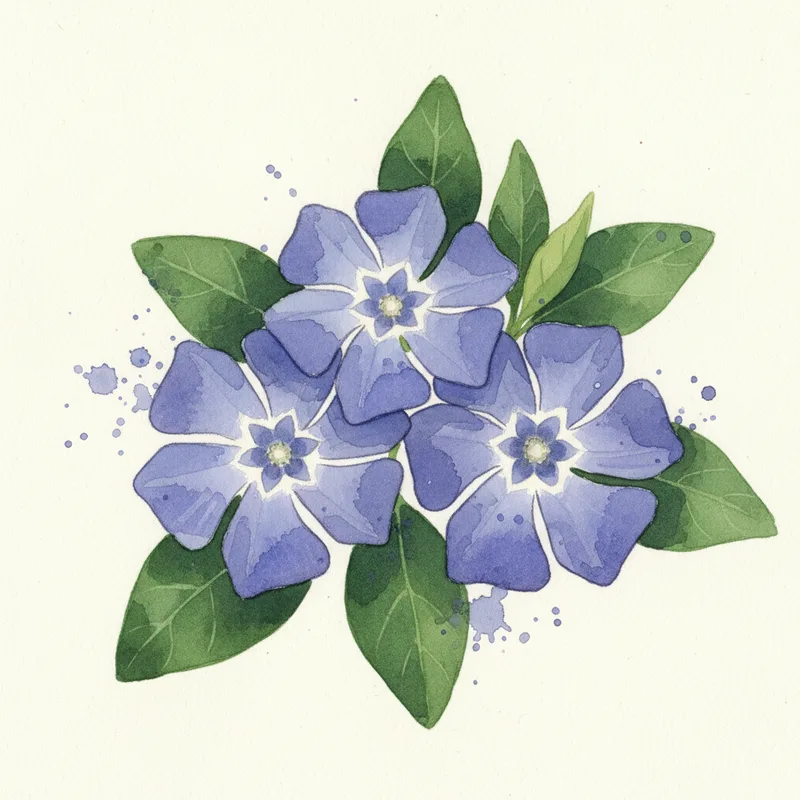
Vinca (Vinca minor, periwinkle) is the classic slope solution. Glossy evergreen leaves, blue or white flowers in spring, spreads aggressively but in a controlled way. Holds steep slopes that would otherwise wash out. Note: in some regions it is considered invasive, so check local guidance.
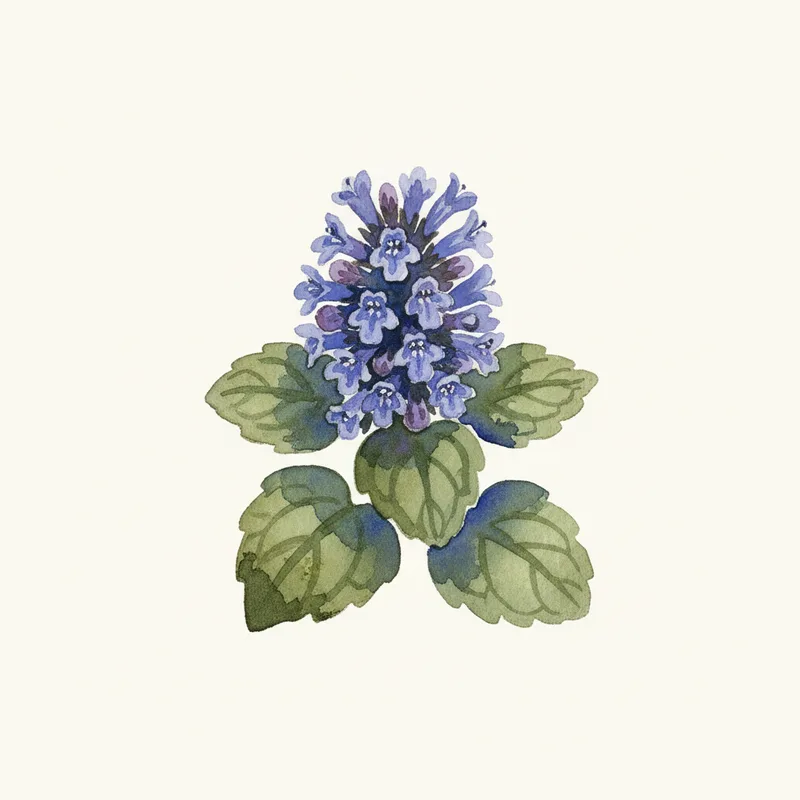
Ajuga spreads via runners and tolerates almost any condition (sun or shade, dry or moist). Blue flower spikes in spring. Handles the worst part of a yard without complaint.
Native alternatives: prairie sedges and low-growing native asters can hold slopes if you have the patience to establish them. They take three to five years to fully cover but require almost no maintenance once settled.
Ground covers as foundation plantings
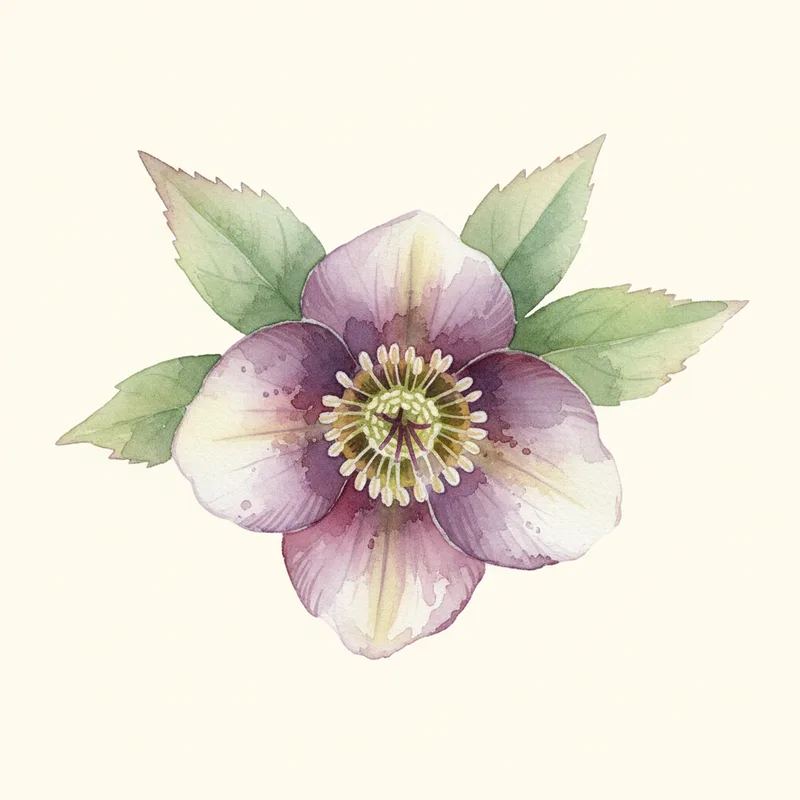
For a polished foundation bed under shrubs, skip the aggressive spreaders. Use the polite ones. Hellebore functions as an evergreen ground cover in mild zones and blooms when nothing else does (February through April). Japanese Painted Fern in shadier spots adds silver and burgundy texture.
Mass these polite plants in groups of five to nine. They will form a flowing under-layer beneath your shrubs without needing to be edged or contained.
What to avoid
Some ground covers come up in old recommendations and shouldn't. English ivy strangles trees and is invasive across much of the US. Bishop's weed (snow-on-the-mountain) is gorgeous and impossible to remove once established. Lily of the valley spreads aggressively into garden beds.
Read the spread rate before you plant. "Vigorous" usually means "you will regret this in three years."
The bottom line
Ground covers solve more problems than mulch ever will. The rule is simple: match the plant to the conditions, pick aggressive only where you need aggressive, and read the fine print on spread rate. Get those right and a few flats of plugs from your local nursery will replace years of bark mulch and bare-soil weed pulling.
For more selection ideas browse all ground cover plants, or pair these with our Best Plants for Full Shade guide.

What's growing, what's blooming, what's worth planting.
For gardeners who like to stay ahead.