Container Garden Ideas for Spring 2026: What to Plant in Pots Right Now
A practical, specific guide to spring container gardening: what actually works in pots, the sizing mistake that kills more plants than anything else, a starter kit under $50, and exactly how much sun and water each pot needs.
Container gardening is the fastest-growing category in American gardening, and it makes sense. You do not need a yard. You do not need good soil. You do not need years of experience. A single well-chosen pot on a balcony can deliver more satisfaction than an unmaintained half-acre. The entry bar is low. The ceiling is high.
Spring 2026 is an especially good moment to start. Nurseries are stocked, prices are reasonable, and what you plant in May will bloom through October if you set it up correctly. But container gardening has a surprisingly steep beginner failure rate, almost always for the same small set of reasons. Here is how to skip the mistakes and get it right the first time.
The number one beginner mistake: pots that are too small
If you do one thing after reading this, go bigger on pots. Beginners almost always buy containers that are a size or two smaller than they should be. A four-inch petunia from the nursery looks fine in a six-inch pot on day one, but by July that plant will be root-bound, wilting daily, and producing half the flowers it could.
Use these minimums, not suggestions:
- Herbs (basil, parsley, cilantro): 8-10 inch pot, minimum 1 gallon
- Annual flowers (petunias, marigolds, zinnias): 12-14 inch pot, 3-5 gallon
- Compact tomato varieties: 15-20 inch pot, 7-10 gallon minimum
- Full-size tomatoes: 20-24 inch pot, 15-20 gallon
- Small shrubs or lavender: 16-18 inch pot, 5-7 gallon
- Combination planters (three plants): 16-18 inch pot, 5-7 gallon
Larger pots dry out slower, hold more root mass, feed plants longer, and forgive watering mistakes. A 14-inch pot will outperform a 10-inch pot holding the same plant by roughly double. The extra five dollars you spend on a bigger pot is the best money in container gardening.
Never use garden soil in a container
Garden soil compacts in pots, starves roots of oxygen, and drains poorly. Plants look fine for two weeks and then collapse. This is the second most common beginner failure, and it is entirely avoidable.
Buy potting mix. The bag will say "potting mix" or "container mix" on the front. It is a blend of peat or coir, perlite, and sometimes bark or compost. It weighs almost nothing compared to garden soil. It drains fast, holds moisture, and lets roots breathe. A 2 cubic foot bag costs around $12-18 and fills roughly two to three medium containers.
Do not buy "topsoil." Do not use "garden soil." Do not dig up soil from the yard. Potting mix only.
If you want to stretch the budget, mix one bag of cheaper potting mix with a small amount of compost (one part compost to four parts mix). Avoid anything containing "native soil" for containers.
Watering: the part nobody gets right at first
Containers dry out two to three times faster than garden beds. In summer, a small pot in full sun may need water twice a day. This catches every first-year container gardener off guard.
The check: stick your finger an inch into the soil. If it feels dry at that depth, water until water runs out the bottom drainage holes. If it feels moist, wait. Watering on a schedule is wrong. Watering based on the soil is right.
Rules of thumb by container size:
- 6-8 inch pots in sun: check daily, often water daily in summer
- 10-12 inch pots in sun: check every day, water every 1-2 days
- 14-18 inch pots in sun: check every 1-2 days, water every 2-3 days
- Large pots (20 inch+): water every 3-5 days in summer
- Shaded locations: roughly half the frequency of sunny ones
If you are going to be away for the weekend, either enlist a neighbor or buy drip irrigation kits. A $30 Rain Bird kit from the hardware store runs ten to twelve pots off a hose bib on a timer. This is the single best upgrade container gardeners ever make.
Sun requirements: read the tag, then downgrade
"Full sun" on a plant tag means six or more hours of direct sun. "Part sun" is four to six hours. "Part shade" is two to four. "Full shade" is under two.
In containers, plants need about an hour more sun than they would in the ground to hit the same performance level, because pots dry out faster and heat up more. A "part sun" plant in a container wants five to six hours, not four.
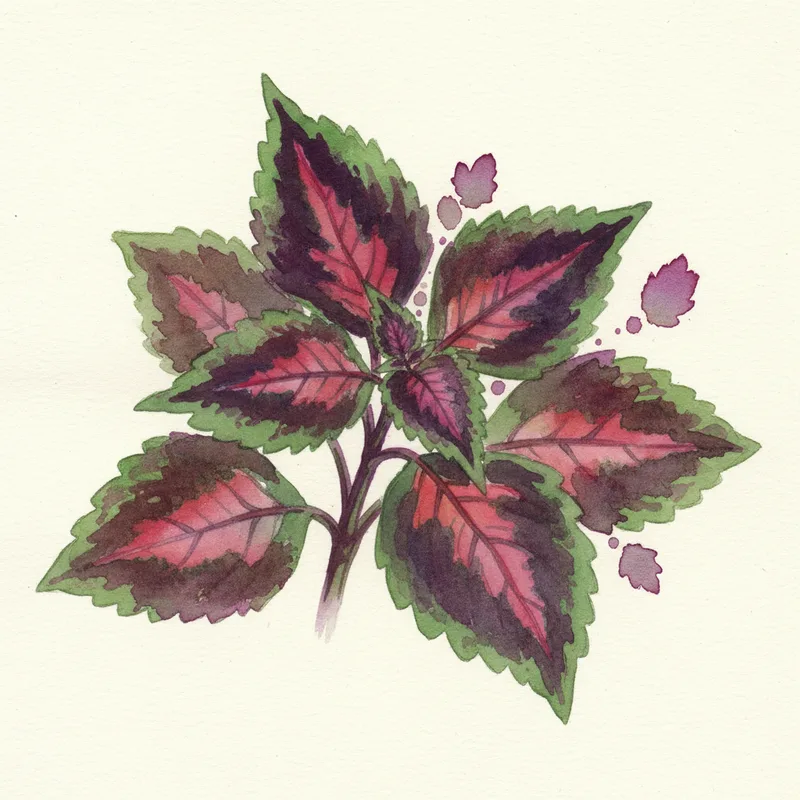
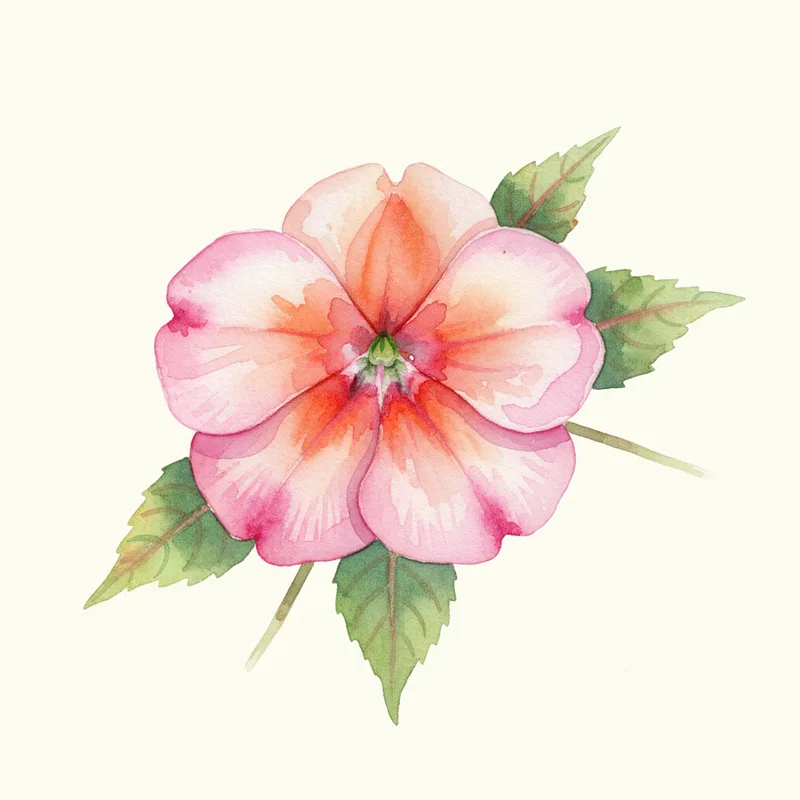
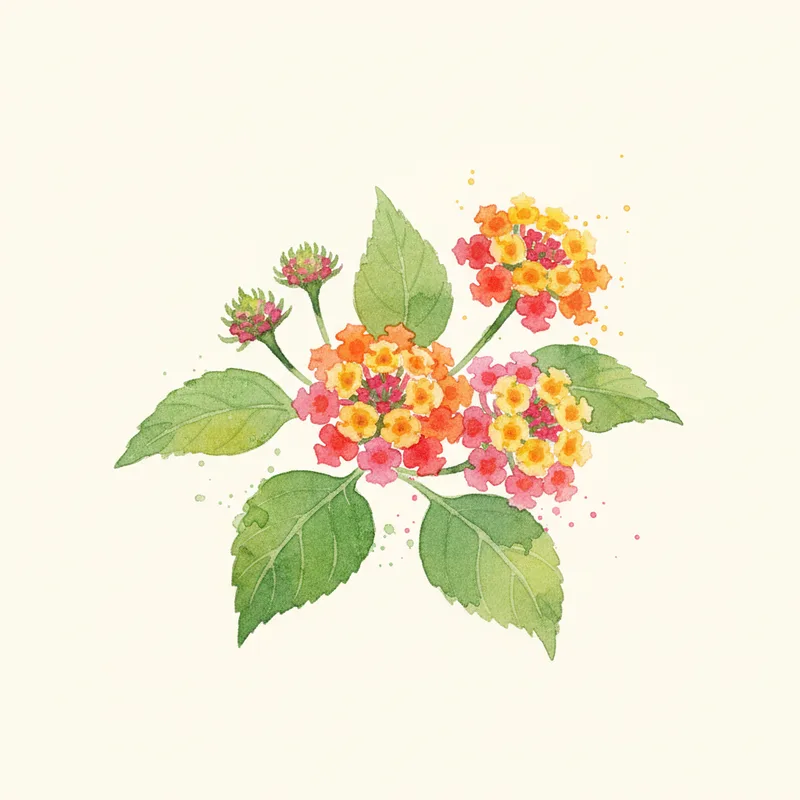
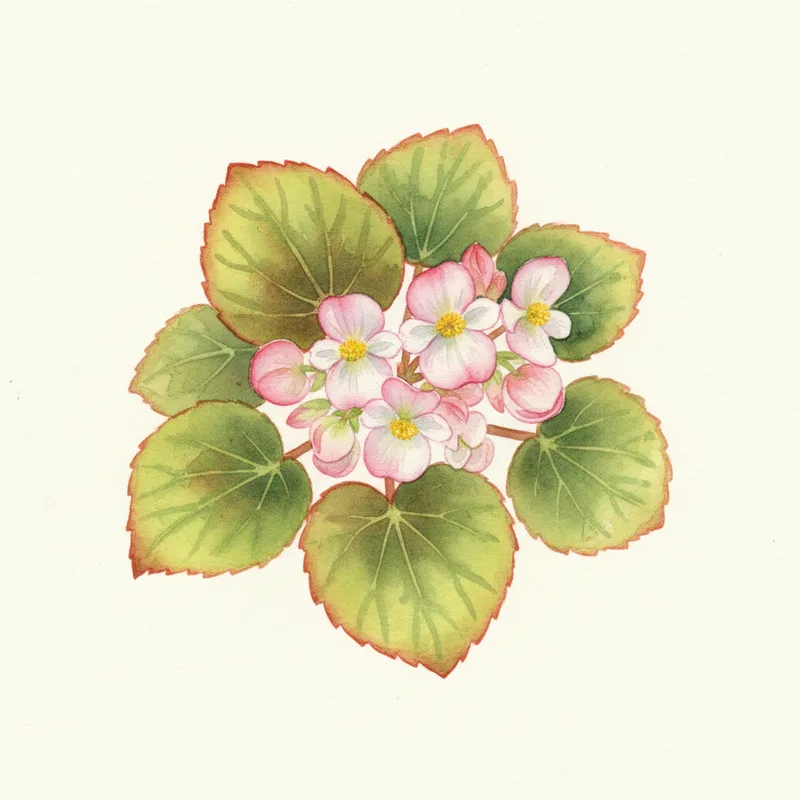
Honest reality check: full-sun annuals like zinnias and lantana will not bloom well on a north-facing balcony that gets three hours of morning sun. They need sun. If your balcony faces east or north, choose shade-tolerant container plants instead: impatiens, coleus, wax begonia, or fuchsia. You will get better results with less fight.
If your container is in a hot, sunny, exposed spot where standard petunias and impatiens give up by July, the full warm-season annual list is here: heat-tolerant flowers for summer. Pentas, lantana, and gomphrena are container all-stars in those conditions.
What works best in containers: the proven list
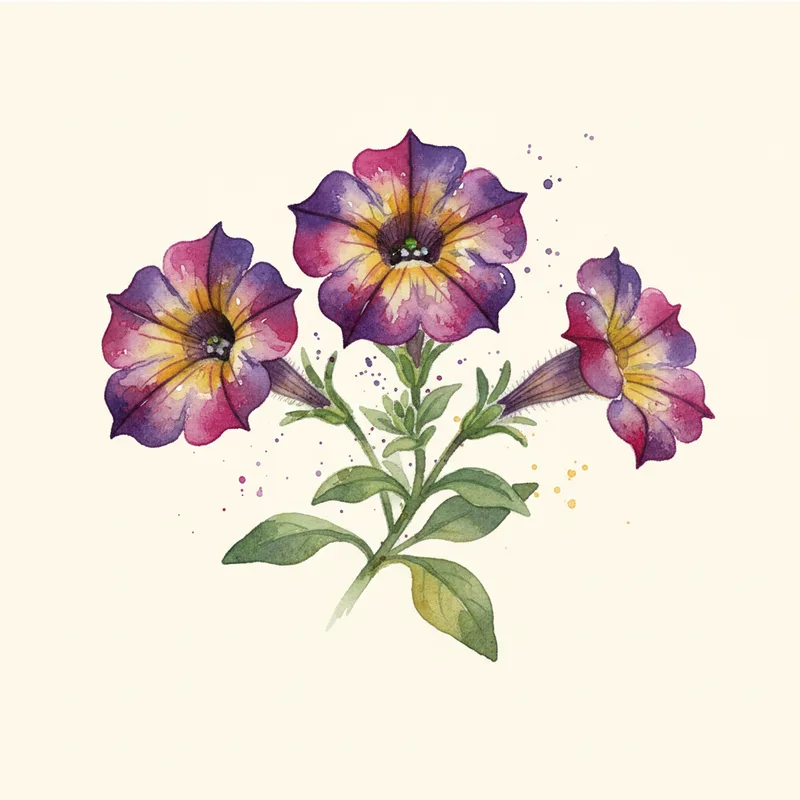
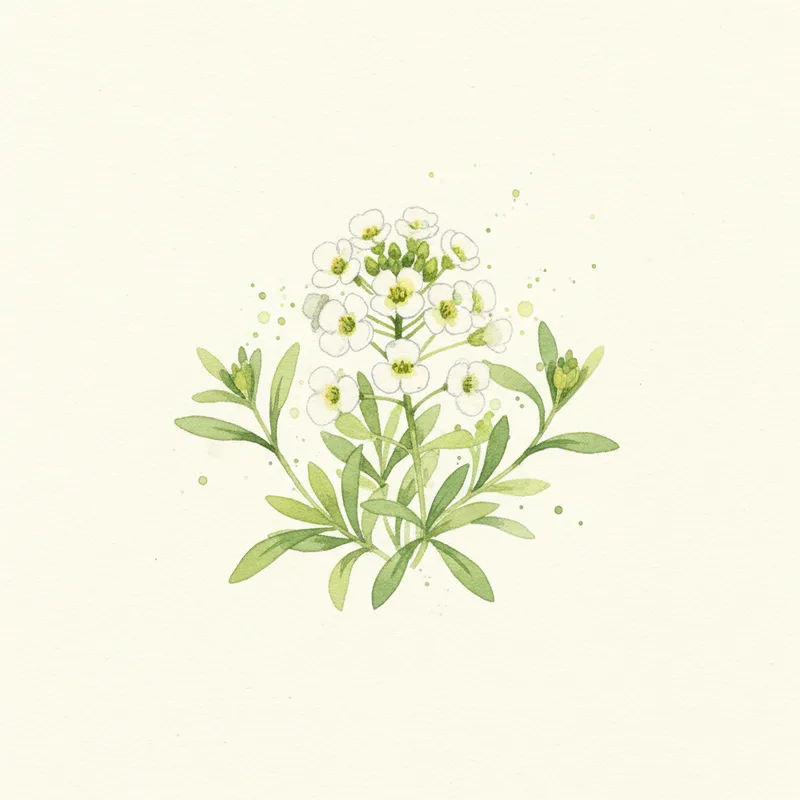
Annual flowers that bloom nonstop: Petunias and calibrachoa (mini-petunia) are the workhorses. Newer varieties like Supertunia and Superbells bloom May through October without deadheading. Zinnias (especially Zahara and Profusion series), marigolds, and cosmos all thrive in pots. Sweet alyssum makes an excellent spillover around taller centerpieces and smells like honey on a warm day.
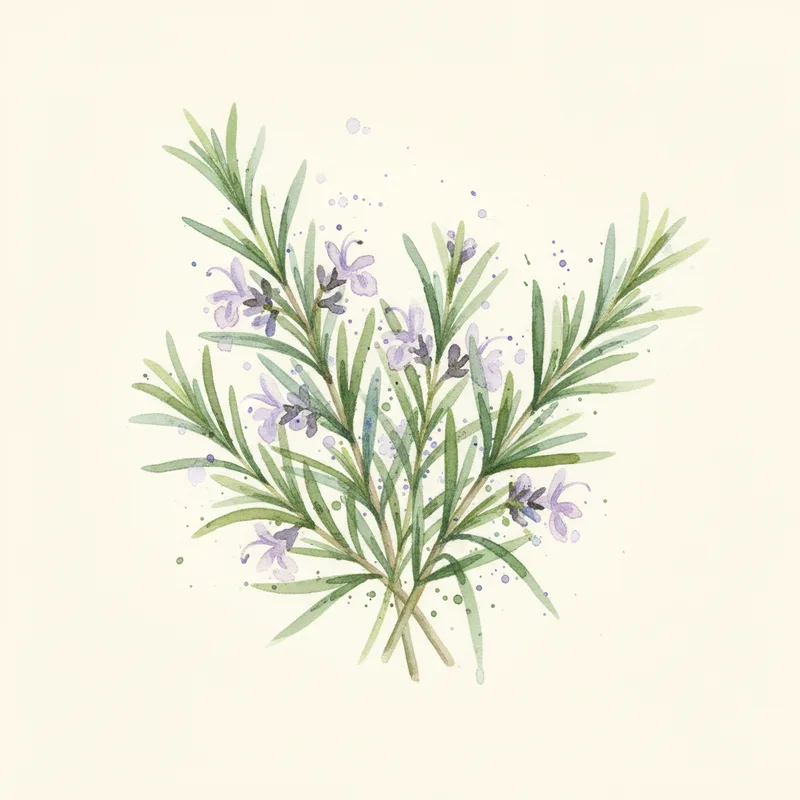
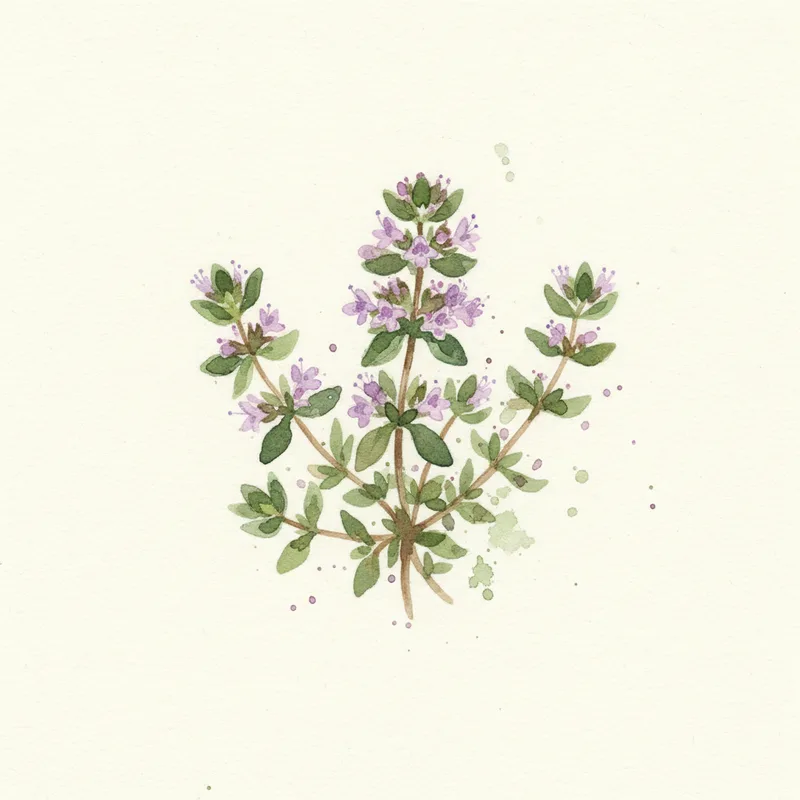
Herbs: Basil, parsley, chives, thyme, oregano, and rosemary all grow happily in containers. Rosemary in particular is ideal for pots in cold zones because you can move it indoors for winter. Creeping thyme spills beautifully over pot edges.
Compact tomatoes: Varieties bred for containers outperform standard tomatoes in pots by a wide margin. Look for: Patio Choice Yellow, Bush Early Girl, Tiny Tim, Tumbling Tom, or Bush Goliath. Regular "indeterminate" tomatoes need five-gallon-plus pots, stakes, and relentless water. Cherry tomatoes and bush varieties are the smart pick for most balconies.
Strawberries: Everbearing types (Ozark Beauty, Albion, Seascape) produce fruit from June through frost in a container. A 14-inch pot holds three plants and will deliver bowls of berries all summer.
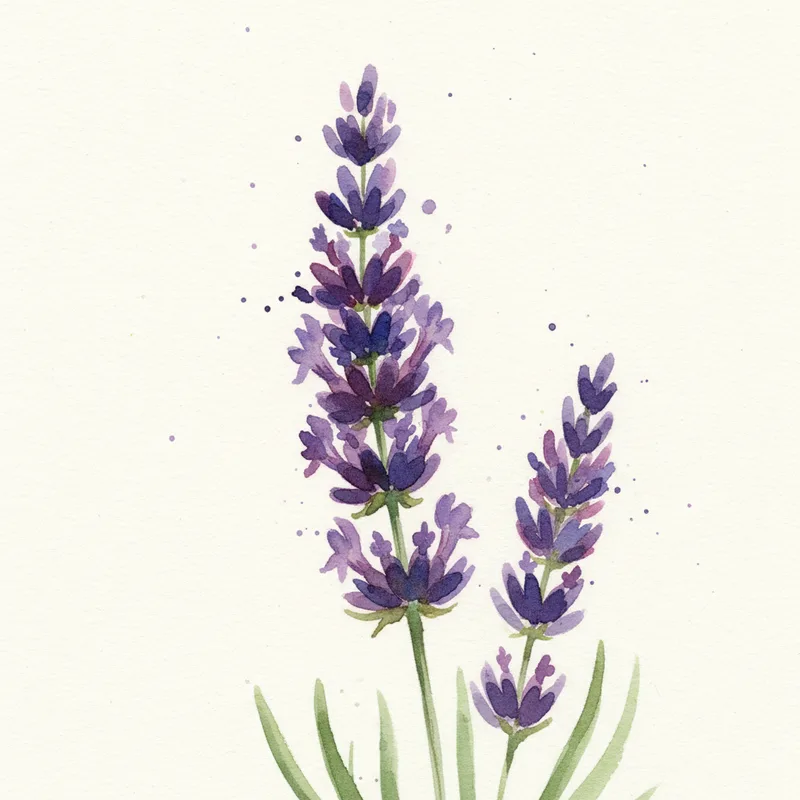
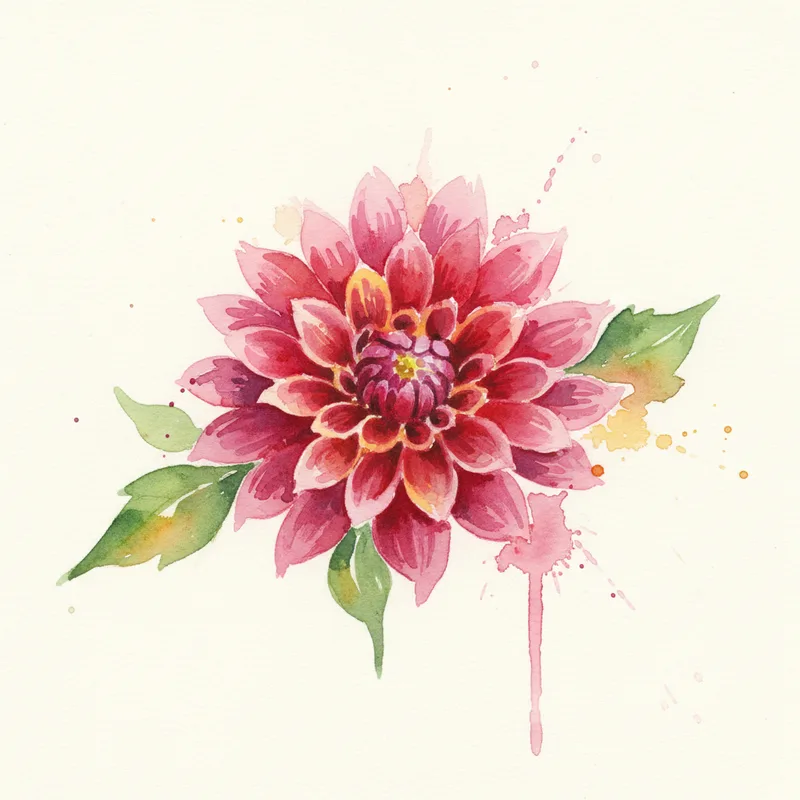
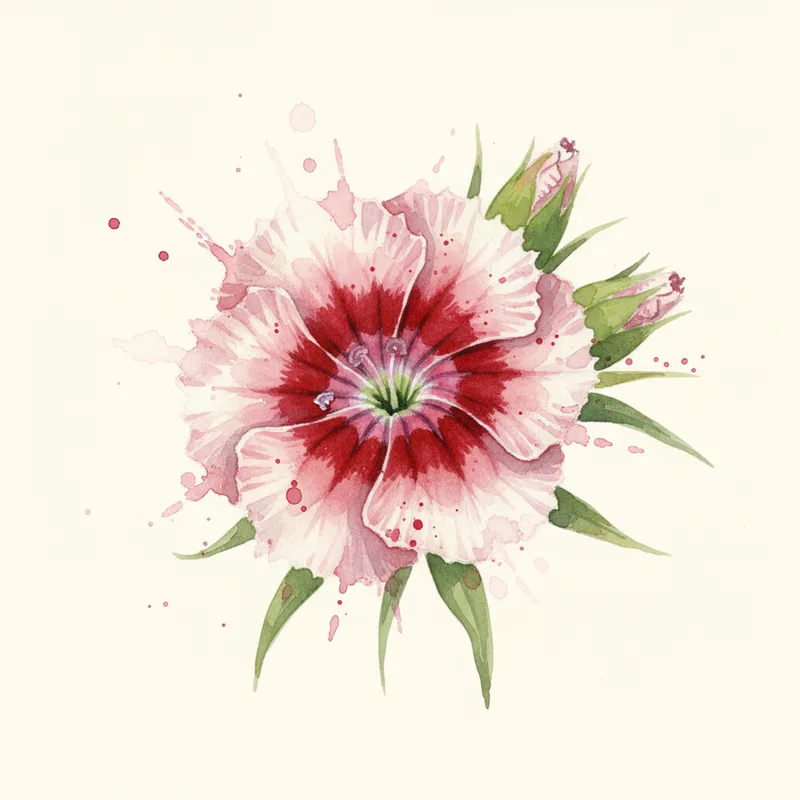
Flowers that keep coming back: Lavender, catmint, salvia, dianthus, and compact dahlias all work as perennial or near-perennial container plants in zones 6 and warmer. In cold zones, treat them as annuals or overwinter indoors.
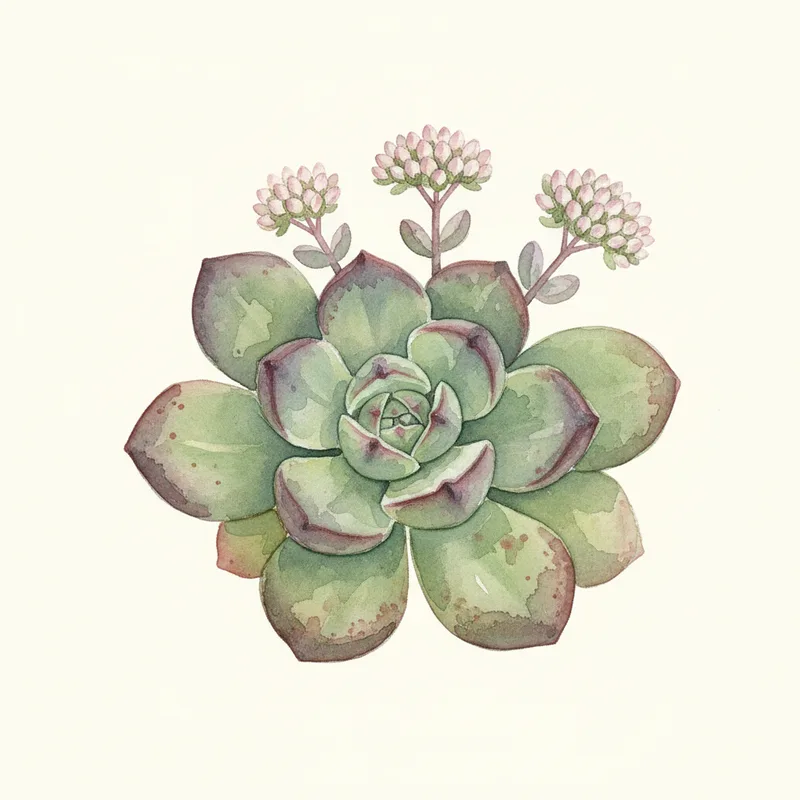
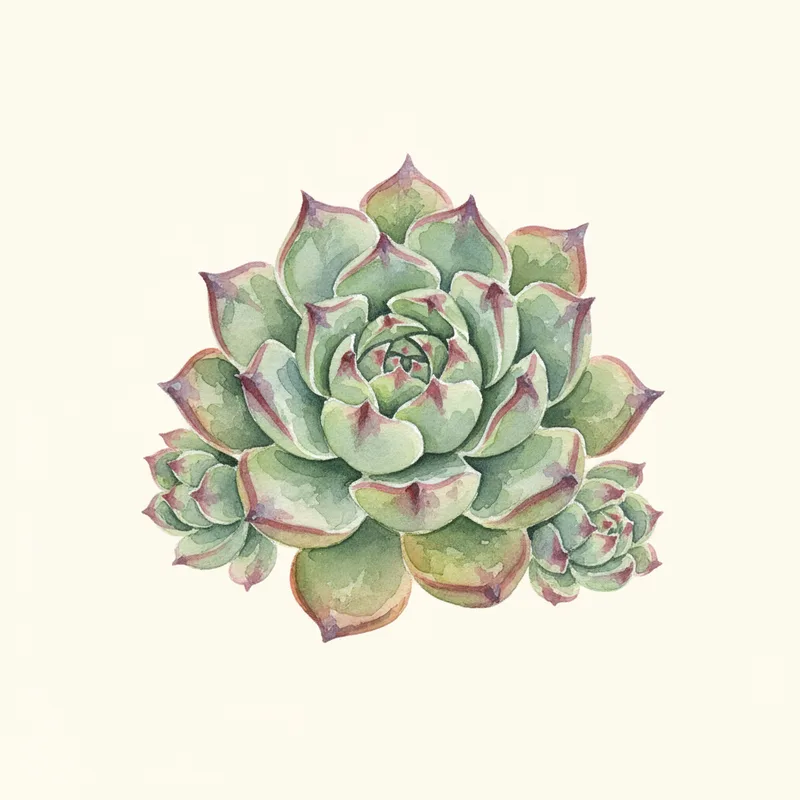
Succulents and "thrillers" for low-water setups: Sedum, Angelina sedum, hens and chicks, and echeveria all thrive on neglect and will not punish you for forgetting to water. Perfect for busy people, travelers, or anyone who has killed houseplants before.
The thriller / filler / spiller formula
Designers build combination containers around a simple rule: one plant for height, one for mass, one that trails over the edge. This is why nursery display pots look better than what most people plant at home.
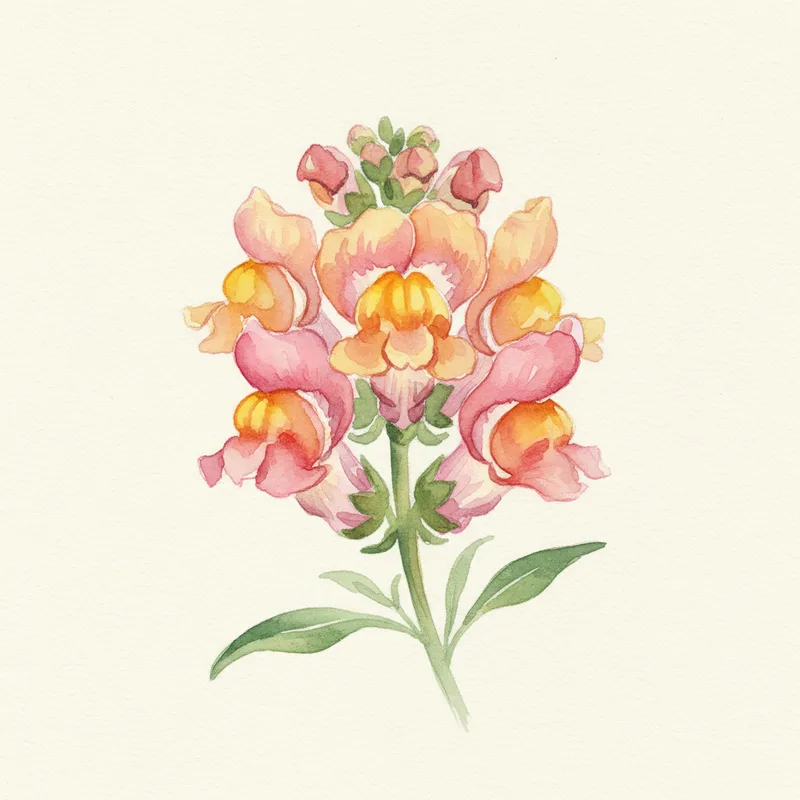
- Thriller (height, center): a tall salvia, grass, snapdragon, or a compact dahlia
- Filler (bulk, sides): petunias, marigolds, wax begonias, coleus
- Spiller (cascades over edge): sweet alyssum, calibrachoa, sweet potato vine, creeping thyme
Pick three plants that hit these three roles and match the same sun and water needs. A foolproof combination for full sun: purple salvia (thriller) + yellow marigolds (filler) + sweet alyssum (spiller). For shade: coleus (thriller) + impatiens (filler) + sweet potato vine (spiller). Each combo fits a 14-inch pot.
Feeding: more than you think you need
Container plants run out of nutrients fast because they drain hard and fast. Water carries fertilizer right through the pot and out the drainage holes. If you plant in May and do not fertilize, your pots will look tired by July.
The simplest system: mix slow-release granules (Osmocote is the standard) into the potting mix at planting, then add a diluted liquid feed (Miracle-Gro, fish emulsion, or similar) every two weeks through summer. This takes about 30 seconds per pot and triples the flowering performance of unfertilized containers. Herb and vegetable growers should use a tomato-specific or vegetable-specific fertilizer instead of all-purpose.
A complete starter kit under $50
Everything you need to start container gardening this spring, priced at typical hardware store or garden center rates:
- Two 14-inch ceramic or resin pots with drainage holes: $20-25
- One 2 cubic foot bag of potting mix: $14
- One small container of slow-release fertilizer: $8
- Six four-inch starter plants (2 thrillers, 2 fillers, 2 spillers): $12-18
- A watering can or a basic hose nozzle: $5-8
Total: approximately $45-55 for two well-stocked planters that will bloom from May through October. Scale up as you go. Most people who start with two pots have twelve by year three.
Overwintering and what happens in fall
Most annuals in containers die at frost. That is normal. Pull them out, dump the top of the pot, and store the pot upside down or in a garage until spring. Perennial container plants (lavender, sedum, ornamental grasses, roses) can overwinter outdoors in zones two cycles warmer than the plant's rated hardiness, because pot roots freeze harder than ground roots. A lavender rated for zone 5 planted in the ground is not reliably hardy in a zone 5 pot. Tuck hardy container perennials against a house wall or move them into an unheated garage for winter in cold zones.
Empty the pot, refill with fresh potting mix, and replant in spring. Potting mix loses structure after a season. Do not reuse it more than two seasons in the same pot.
The bottom line
Container gardening rewards bigger pots, better soil, more frequent water, and more frequent feeding than beginners expect. Get those four things right and almost anything you plant will thrive. Get them wrong and even the toughest plants will fail. The good news: these are all one-time decisions. Once the pot is on the balcony, the soil is right, and the watering habit is set, containers are the easiest, most portable, most satisfying form of gardening there is.
For plants that are proven in containers, see our Container Garden Essentials collection. For what to plant this month, see our What to Plant in May guide. When summer heat kills the spring planting and you need drought-tough replacements, see drought-tolerant annuals for summer containers. For baskets specifically, see hanging basket plants for full sun heat.
Browse container-friendly plants by zone
Find container plants for your zone: Zone 4 · Zone 5 · Zone 6 · Zone 7 · Zone 8 · Zone 9
What's growing, what's blooming, what's worth planting.
For gardeners who like to stay ahead.