The Gravel Garden: Drought-Tolerant Plants That Look Incredible
Gravel gardens use less water, need almost no maintenance, and look stunning year-round. Here is how to build one with the right drought-tolerant plants.
The gravel garden has gone from a niche European idea to one of the biggest trends in American gardening. The appeal is obvious: less watering, less weeding, less work, and a look that gets better with age. If you are tired of fighting your lawn or watching thirsty perennials wilt in July, this is for you.
A gravel garden is not just plants stuck in a pile of rocks. It is a designed planting style where drought-tolerant plants grow through a deep mulch of gravel or crushed stone. The gravel suppresses weeds, retains just enough moisture for adapted plants, and creates the sharp drainage that Mediterranean and prairie plants love.
Site selection
Full sun is ideal. At least six hours of direct sun. The whole concept depends on plants that evolved in open, dry conditions. A gravel garden in deep shade will just be a sad, damp gravel path.
Existing soil does not matter much. The gravel layer creates its own microclimate. Poor, sandy, or rocky soil is actually an advantage here. Rich garden soil encourages lush growth that fights the aesthetic you are going for.
Building the bed
Strip existing vegetation. Lay down a three to four inch layer of washed pea gravel or angular crushed stone (not river rock, which rolls and shifts). Do not use landscape fabric underneath. Fabric prevents self-seeding and creates a soggy layer that defeats the purpose. Just gravel on bare soil.
For planting, push the gravel aside, dig a hole in the soil beneath, plant at the same depth the plant was in its pot, and push the gravel back around the crown. Water once to settle, then leave it alone.
The plant palette
The star performers in a gravel garden are plants adapted to lean, dry conditions. Here are the best categories:
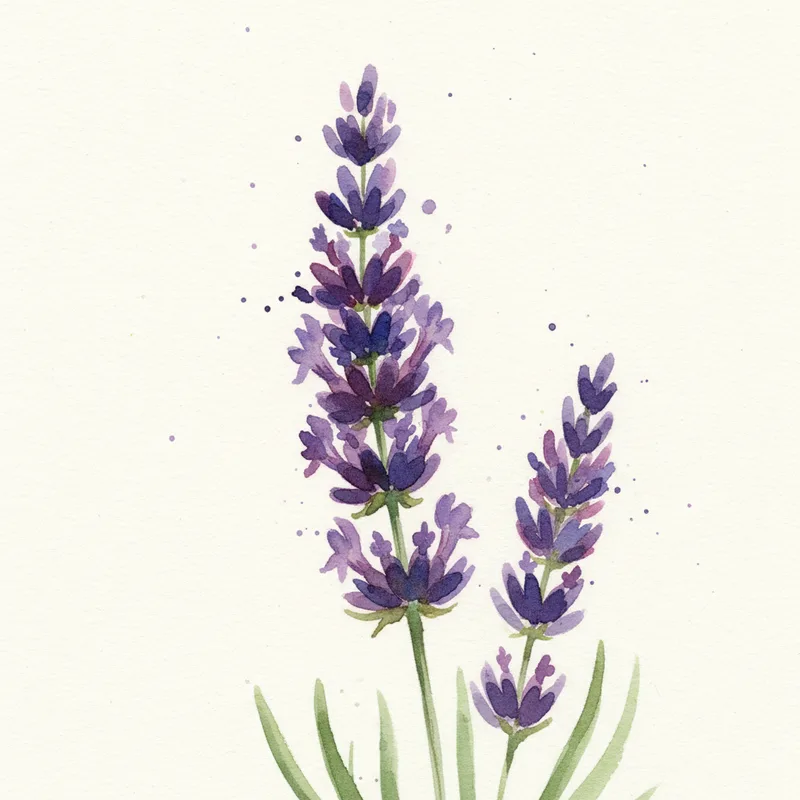
Structural plants. Russian sage, lavender, and fountain grass give height and movement. Plant these as the backbone, spacing them three to four feet apart. They billow and sway in wind, which is half the beauty of a gravel garden. For the lavender variety that holds up best in gravel-garden conditions (heat plus low humidity), see our lavender buying guide.
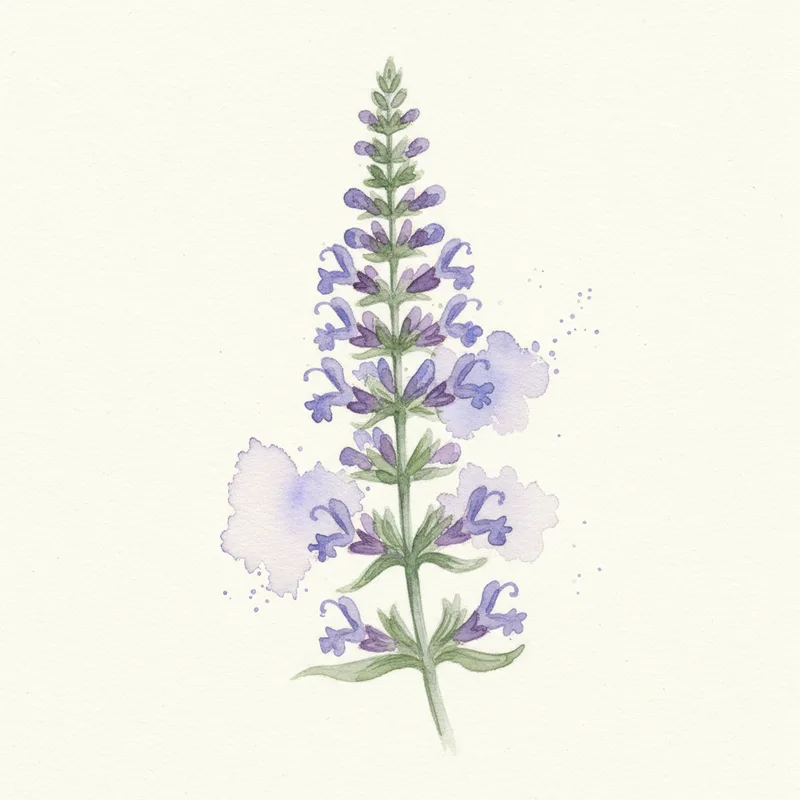
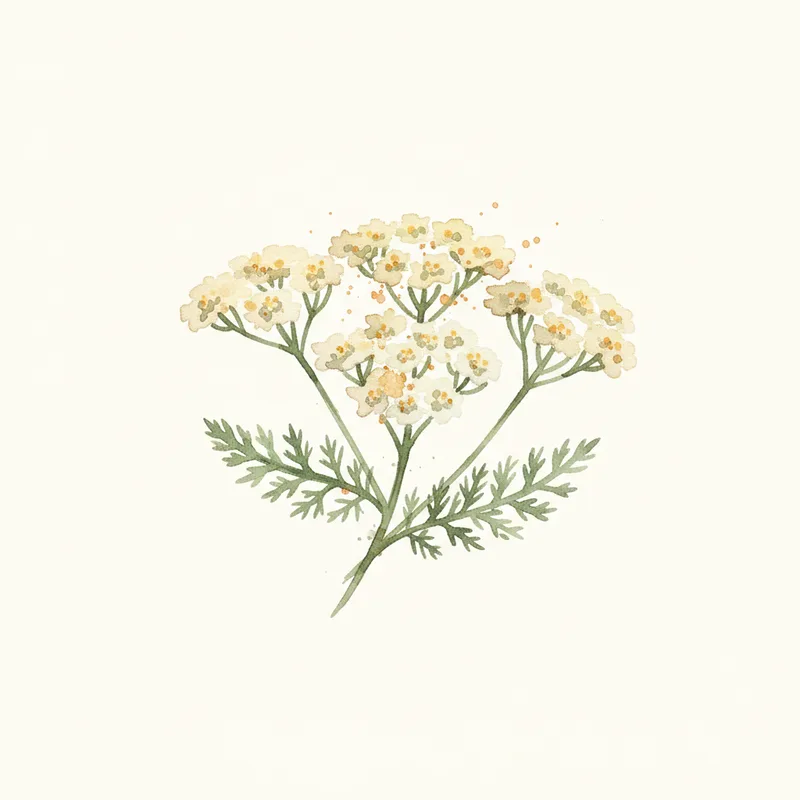
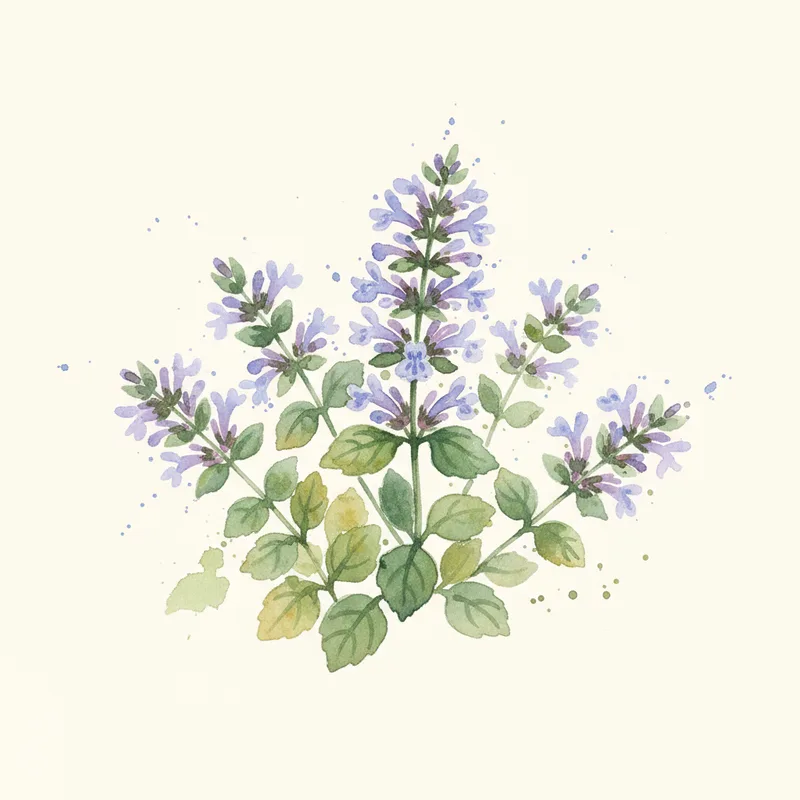
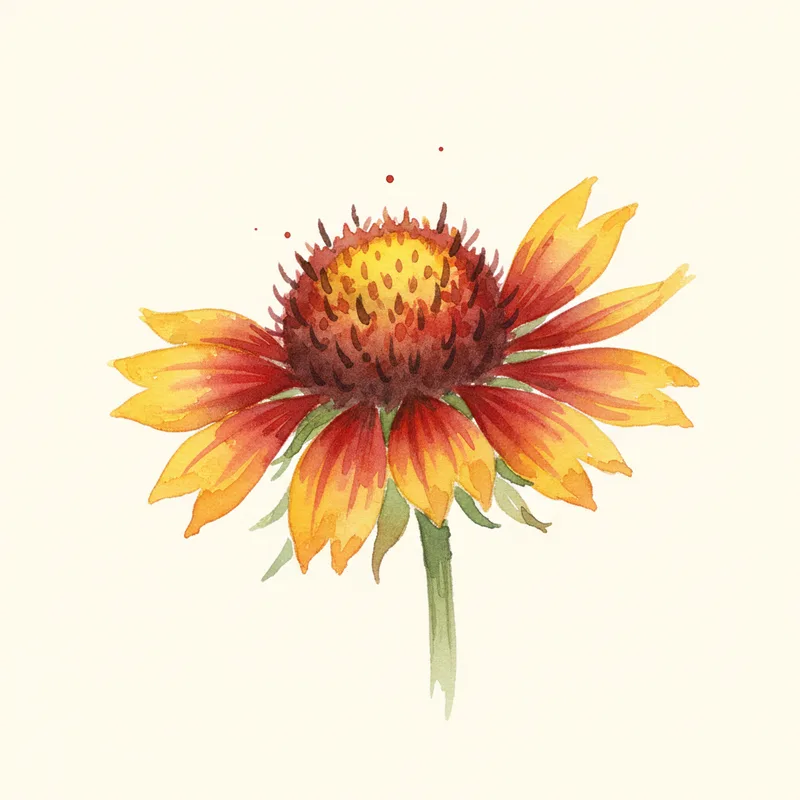
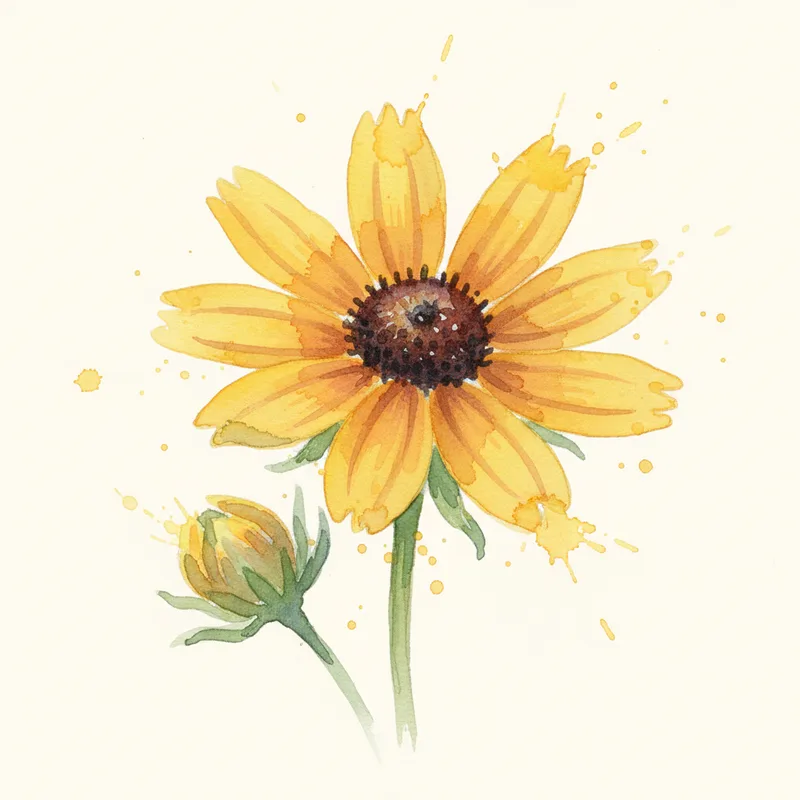
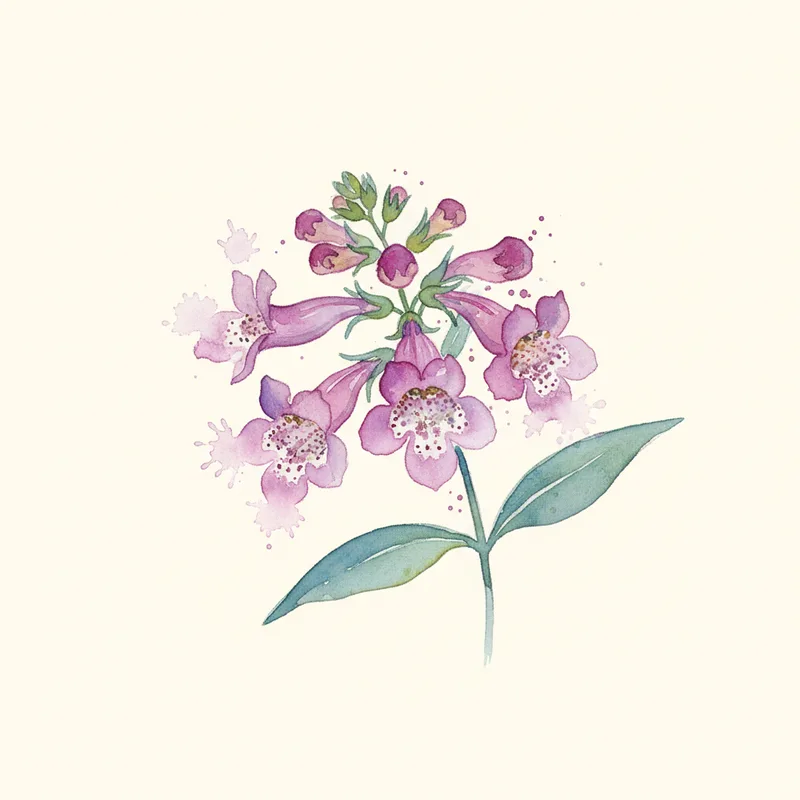
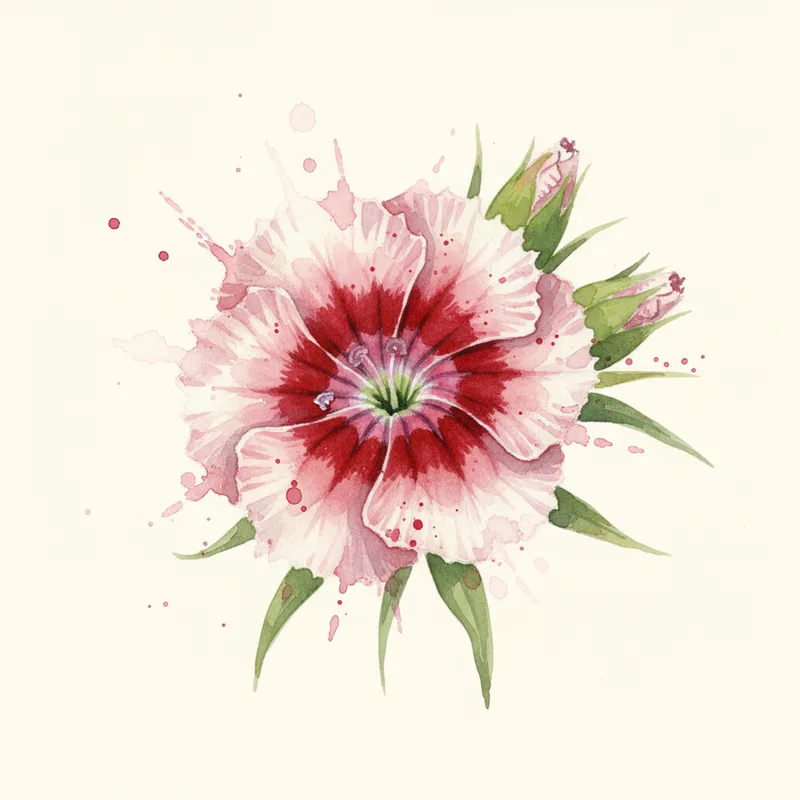
Mid-height fillers. Yarrow, catmint, blanket flower, tickseed, penstemon, and dianthus fill the middle layer with color from late spring through fall. These are all tough plants that actually bloom better in poor soil.
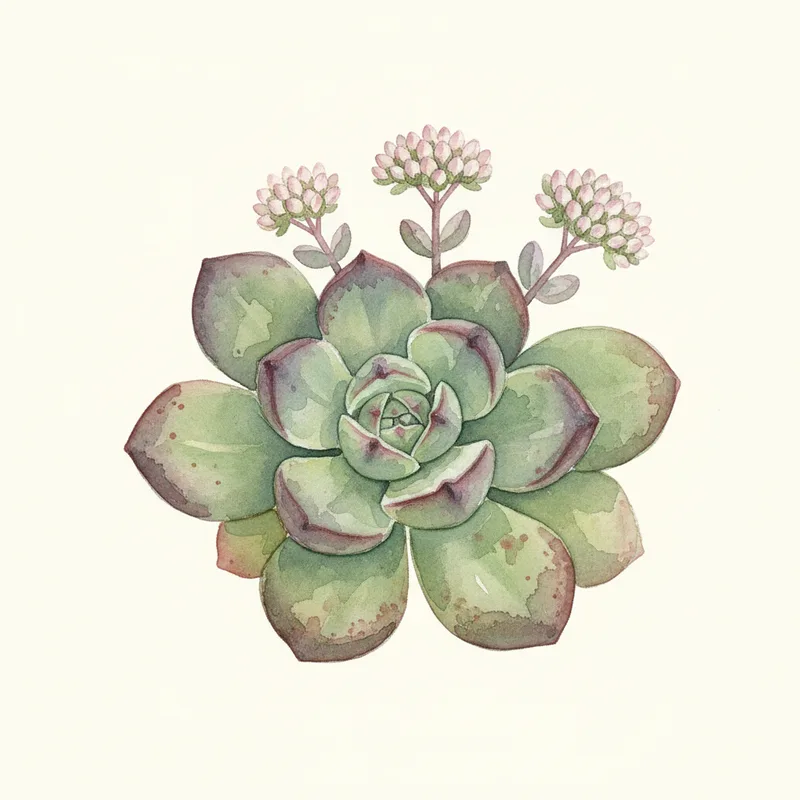
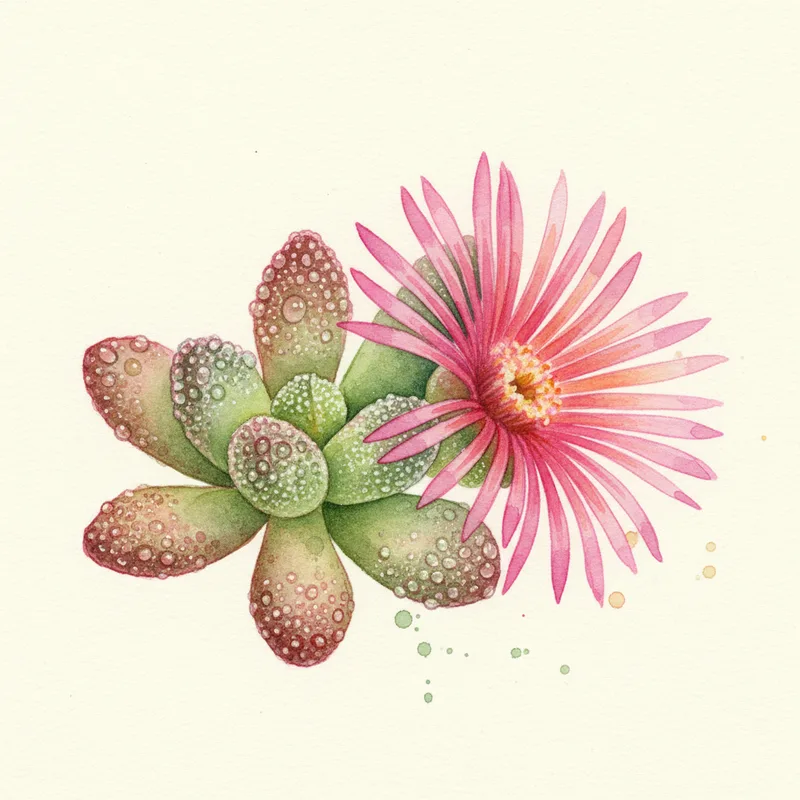
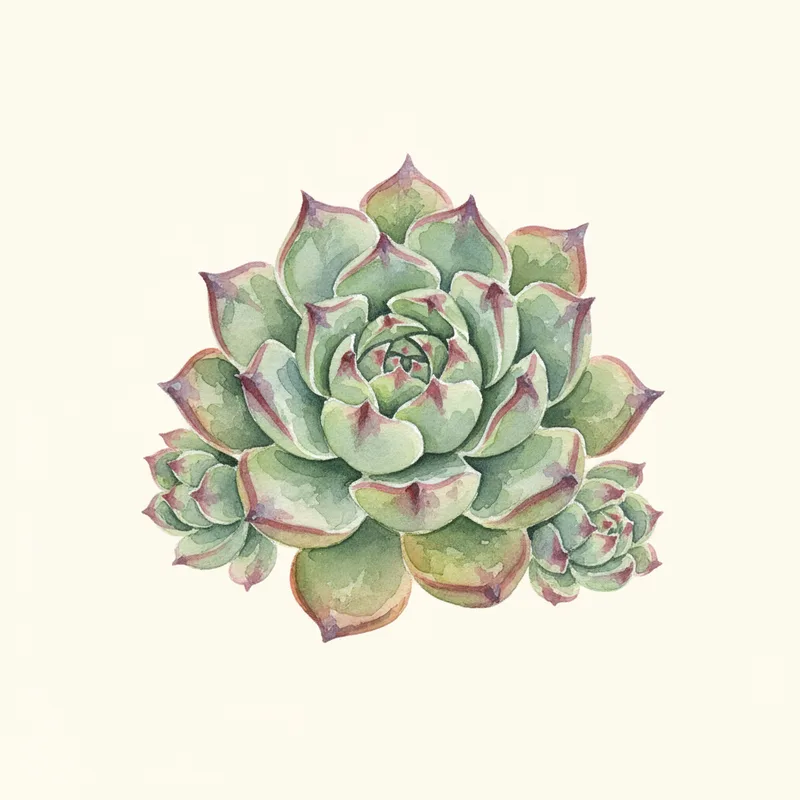
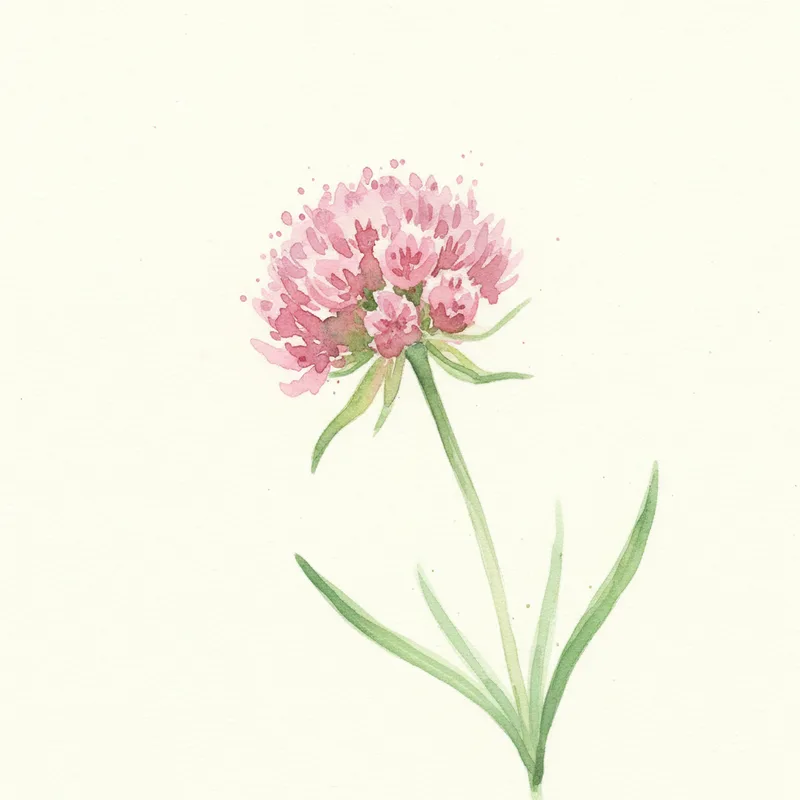
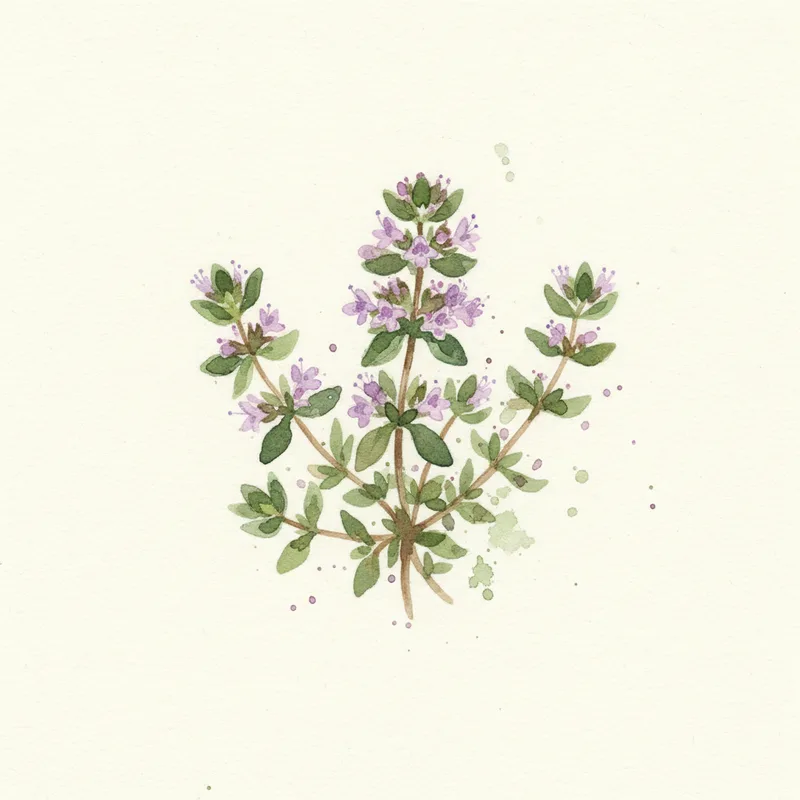
Ground-huggers. Creeping thyme, ice plant, sea thrift, and hens-and-chicks weave between the taller plants and soften the gravel edges. Creeping thyme is especially good because it releases fragrance when you walk on it.
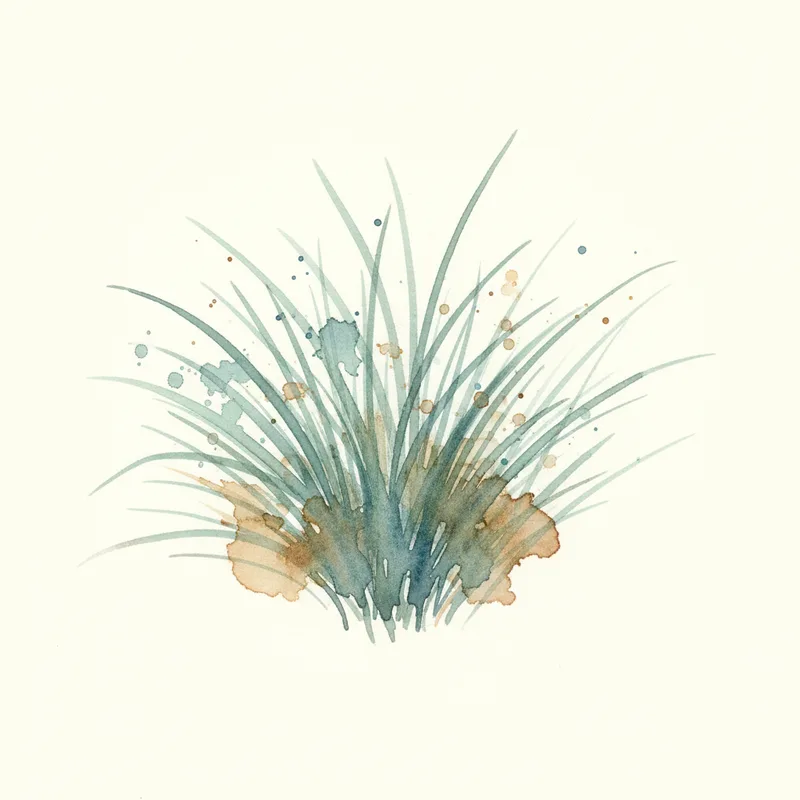
Grasses. Blue fescue forms tight steel-blue mounds that look incredible against warm-toned gravel. Fountain grass adds movement and fall interest. Use these as repeating accents throughout the planting.
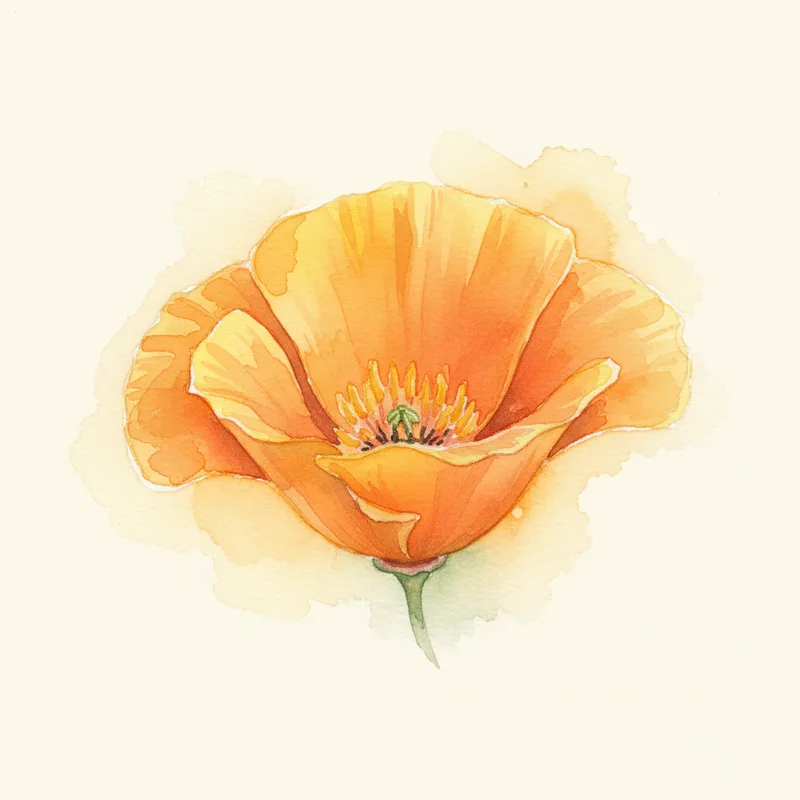
Self-seeders. California poppy is the secret weapon. Scatter seed and it will pop up in the gaps between plants, creating that effortless, naturalistic look. It thrives in the sharp drainage and reseeds itself every year.
Watering
Water regularly for the first growing season while plants establish roots. After that, most gravel garden plants need supplemental water only during extended drought (three or more weeks without rain). Sedum, hens-and-chicks, and ice plant can go even longer. The whole point is that once established, you barely touch the hose.
Year-round interest
A well-planted gravel garden looks good in every season. Spring brings the first flush of catmint and sea thrift. Summer is peak color with yarrow, blanket flower, and Russian sage. Fall brings seedheads and the tawny plumes of fountain grass. Winter is all about structure: the dried stems of Russian sage, the evergreen mounds of lavender, and the frosty rosettes of hens-and-chicks against the gravel.
Leave seedheads standing through winter. They catch frost beautifully and feed the birds. Browse our Drought-Proof Beauties and Fragrant Flowers collections. See also our guide to low-maintenance plants.
Build your gravel garden
Use our garden planner to select drought-tolerant plants for your zone. Filter by low water needs on the browse page to find plants that thrive on neglect.
What's growing, what's blooming, what's worth planting.
For gardeners who like to stay ahead.