Edible Flowers You Can Grow in Your Garden
Some of the prettiest garden flowers are also delicious. Here are the best edible blooms to grow, how to harvest them, and which ones to never eat.
Most gardeners plant flowers to look at them. But dozens of common garden flowers are edible, and some are genuinely delicious. If you are already growing them for beauty, you might as well eat a few.
A few ground rules first. Only eat flowers you have grown yourself or that you know for certain have not been sprayed with pesticides. Grocery store bouquets are not food. Never eat a flower you cannot positively identify. And when trying any edible flower for the first time, start small in case of allergies.
The best-tasting edible flowers
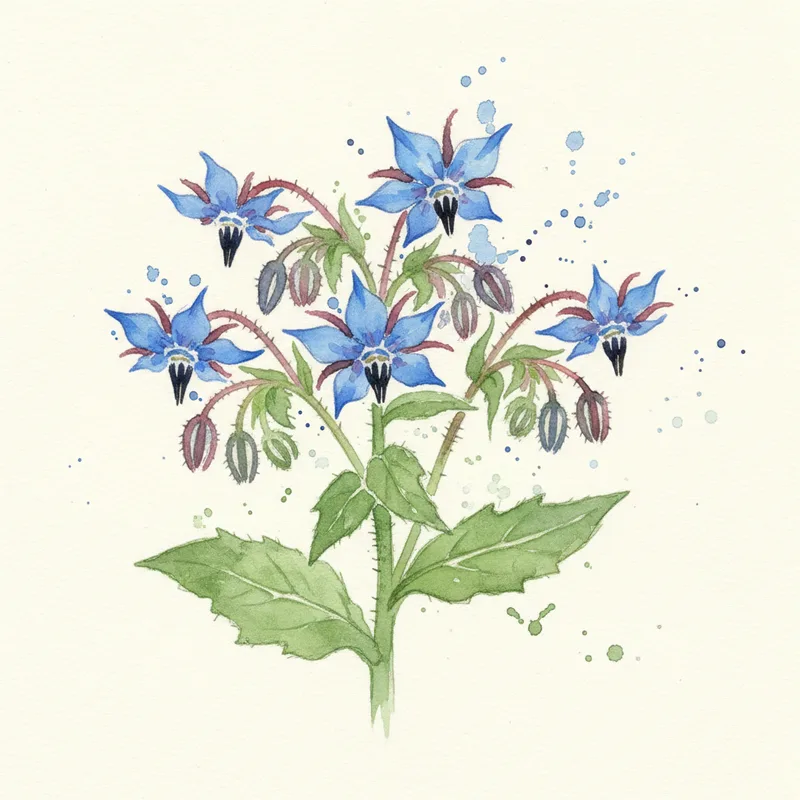
Borage. Tastes like cucumber with a hint of honey. The bright blue star-shaped flowers are stunning in salads or frozen into ice cubes. Self-seeds aggressively, so you will never run out.
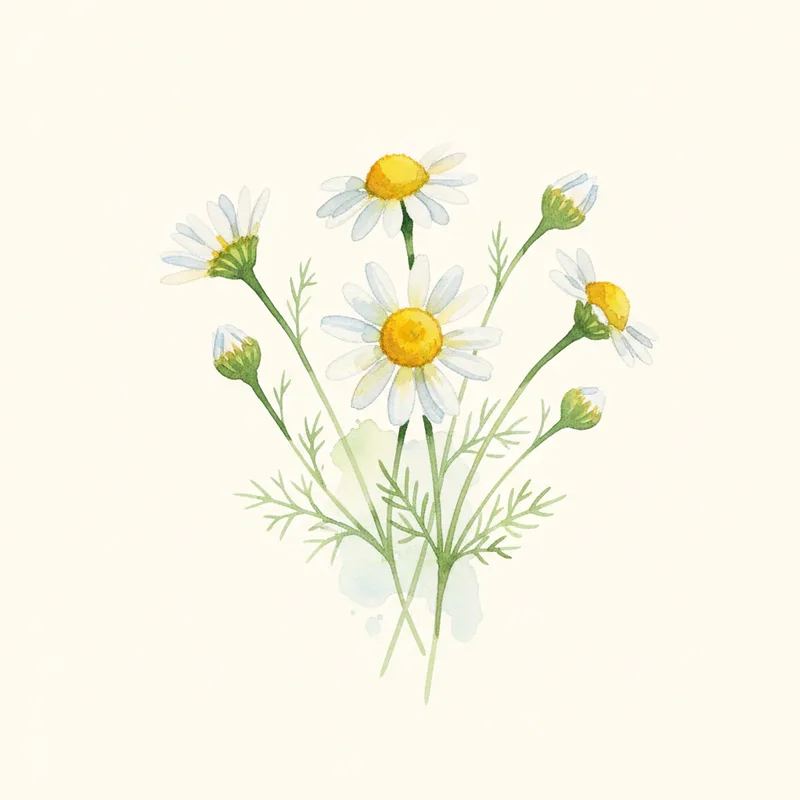
Chamomile. The tiny daisy-like flowers make the best fresh tea you have ever had. Steep a handful in hot water for five minutes. It is calmer and sweeter than anything from a tea bag.
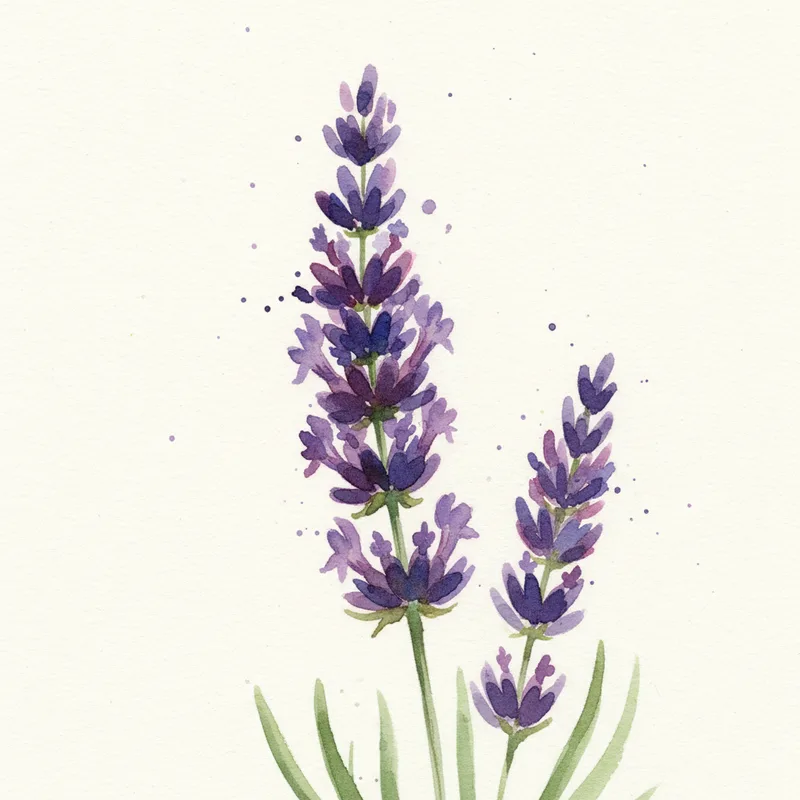
Lavender. Use sparingly. A few buds in shortbread, lemonade, or honey add a floral note that is unforgettable. Too much tastes like soap. English lavender varieties (Hidcote and Munstead specifically) have the best flavor; see our lavender buying guide for the species and varieties worth planting for culinary use.
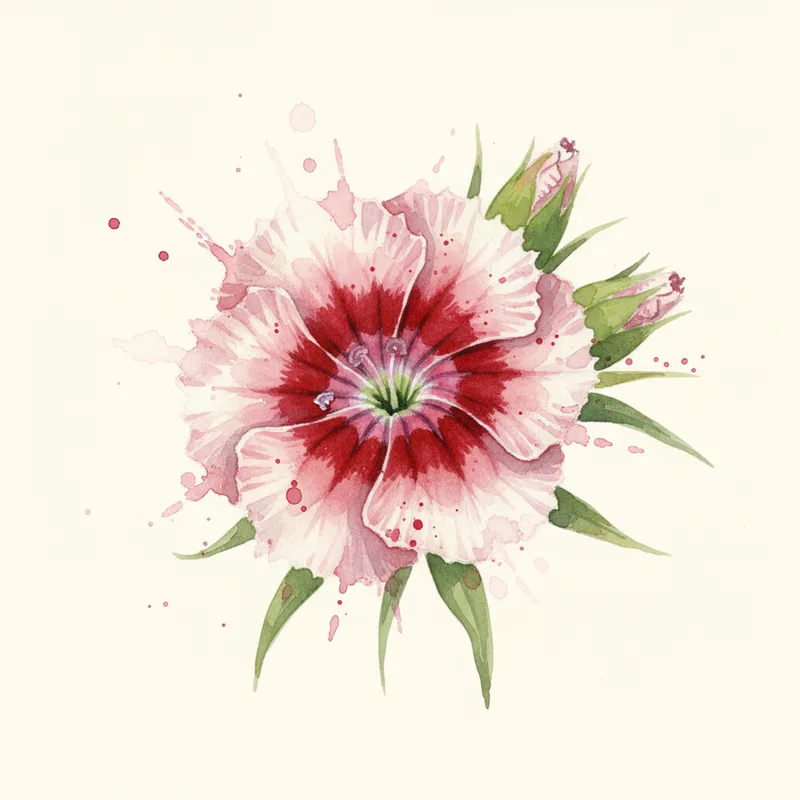
Dianthus. Clove-scented petals that taste mildly spicy. Snip the petals off the bitter white base and scatter them on desserts or salads. The flavor is surprisingly complex.
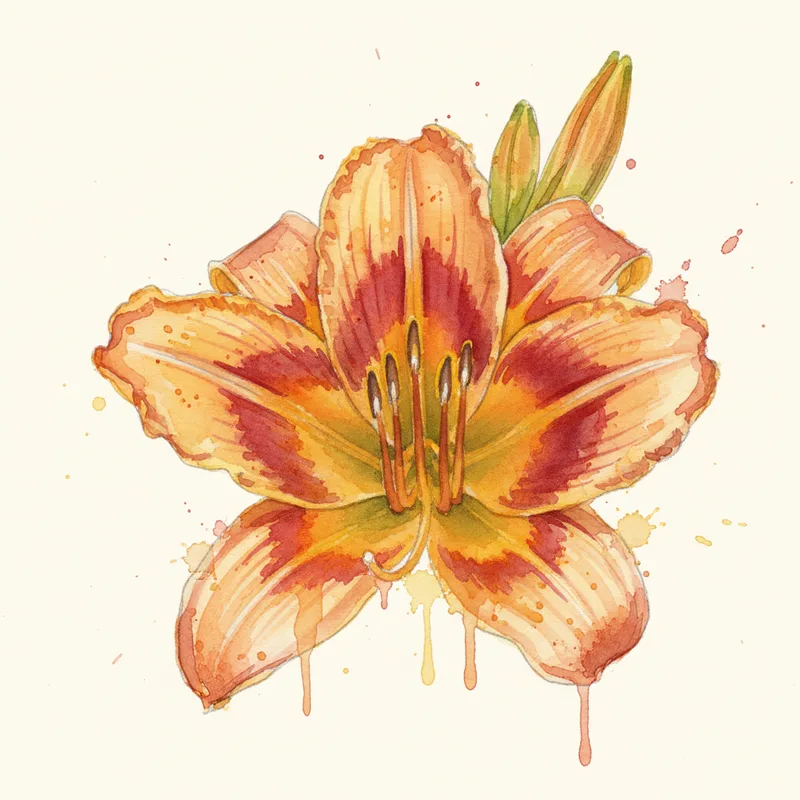
Daylily. The buds taste like a cross between green beans and asparagus. Saute them in butter or batter and fry them. The open flowers are milder and work as edible garnish. Note: only daylilies (Hemerocallis) are edible. True lilies (Lilium) are toxic.
Beautiful and edible
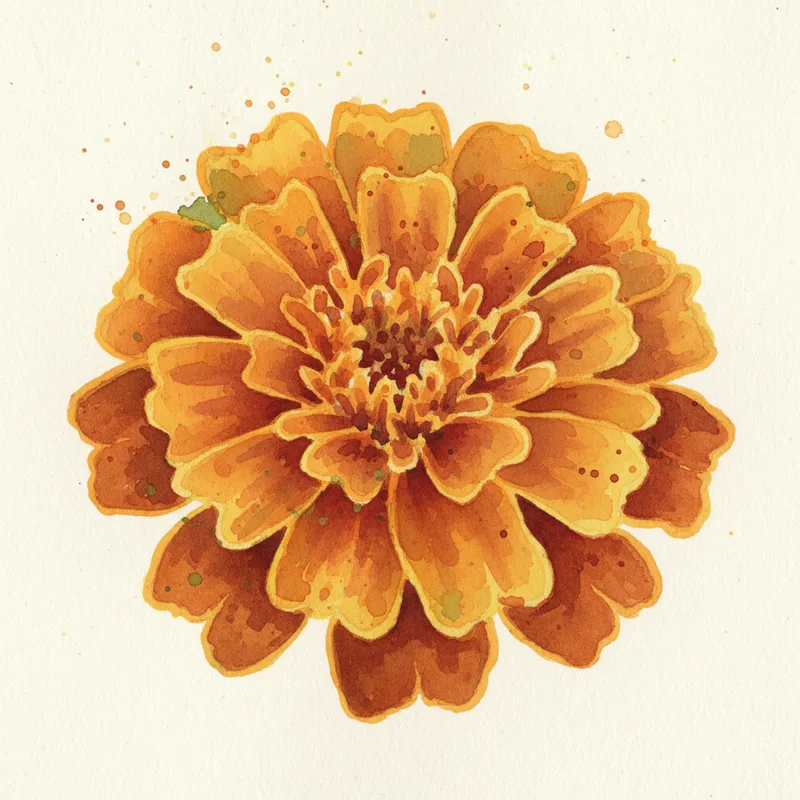
Marigold. Specifically, Tagetes varieties (not ornamental Calendula, though that is edible too). The petals add golden color to rice, soups, and baked goods. Flavor is citrusy and slightly bitter.
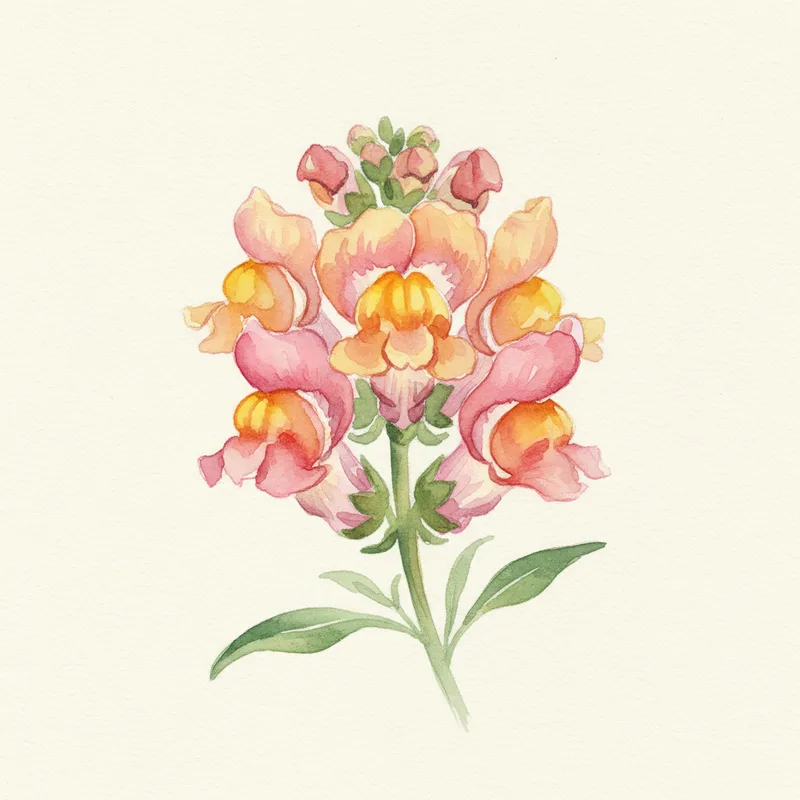
Snapdragon. Mild and slightly bitter, but the real appeal is visual. They look fantastic on cakes and cocktails.
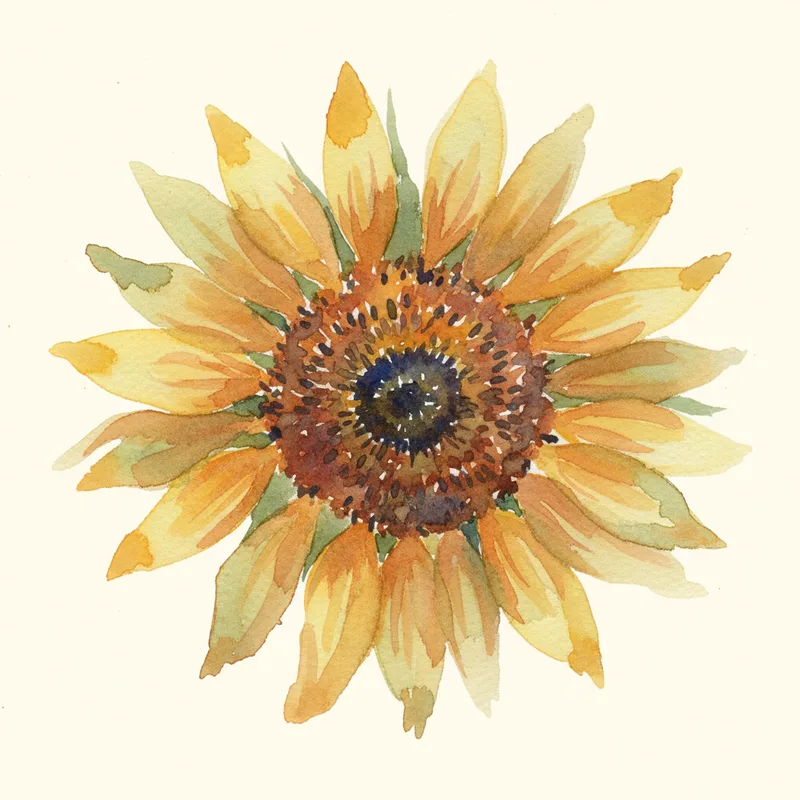
Sunflower. The petals taste mildly nutty. Pull them from just-opened flowers. The unopened buds can be steamed and eaten like artichokes.
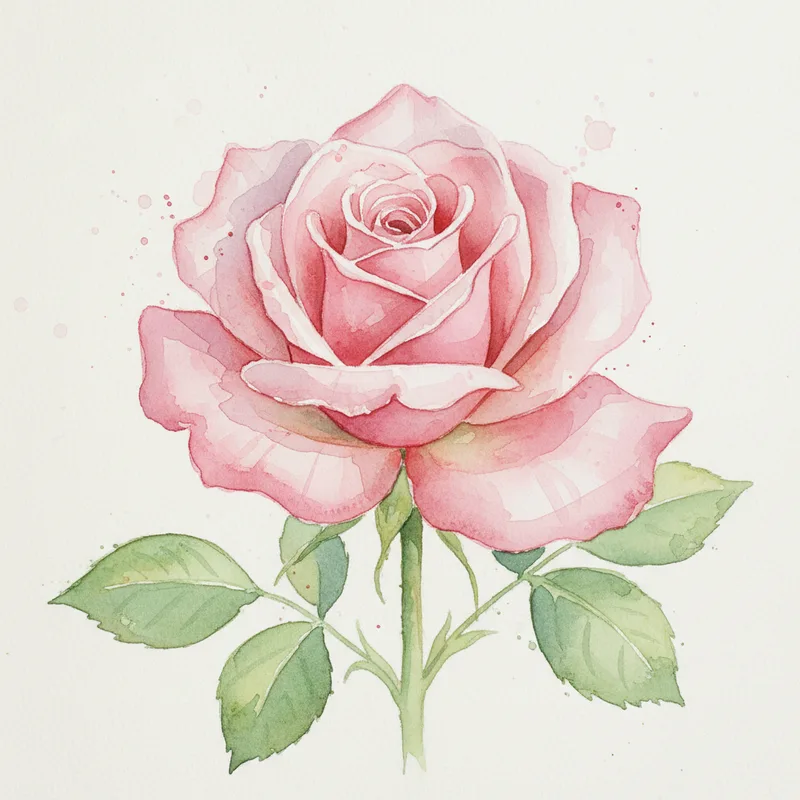
Rose. Fragrant varieties have the best flavor. Use the petals in jam, syrup, or scattered over desserts. Remove the bitter white base of each petal first.
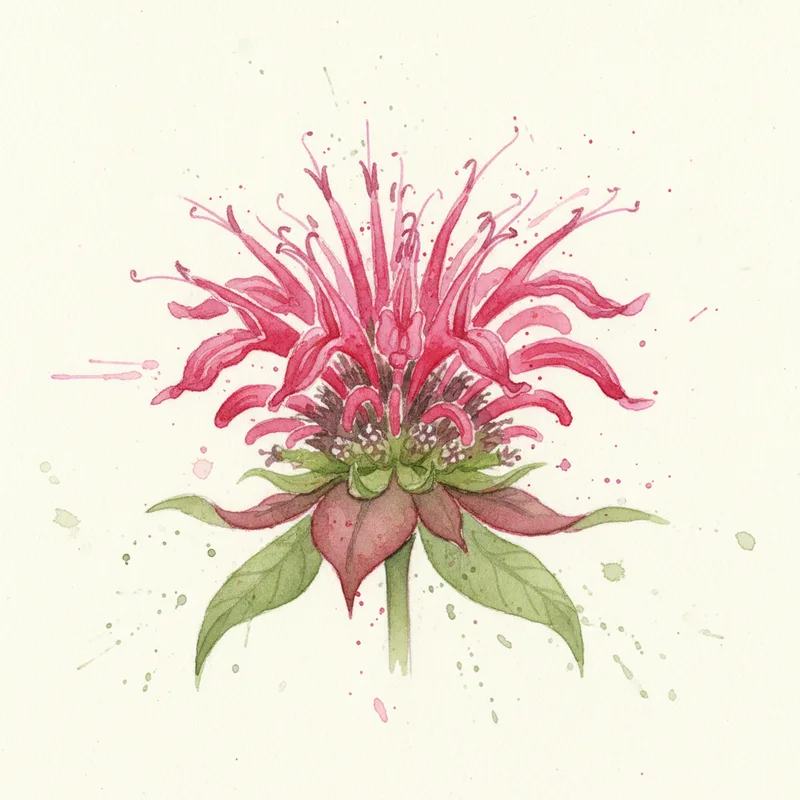
Bee balm. The red tubular flowers taste like oregano with a citrus kick. Perfect in tea, salads, or as a garnish on pizza. The leaves are edible too and make excellent tea.
Herbs that double as edible flowers
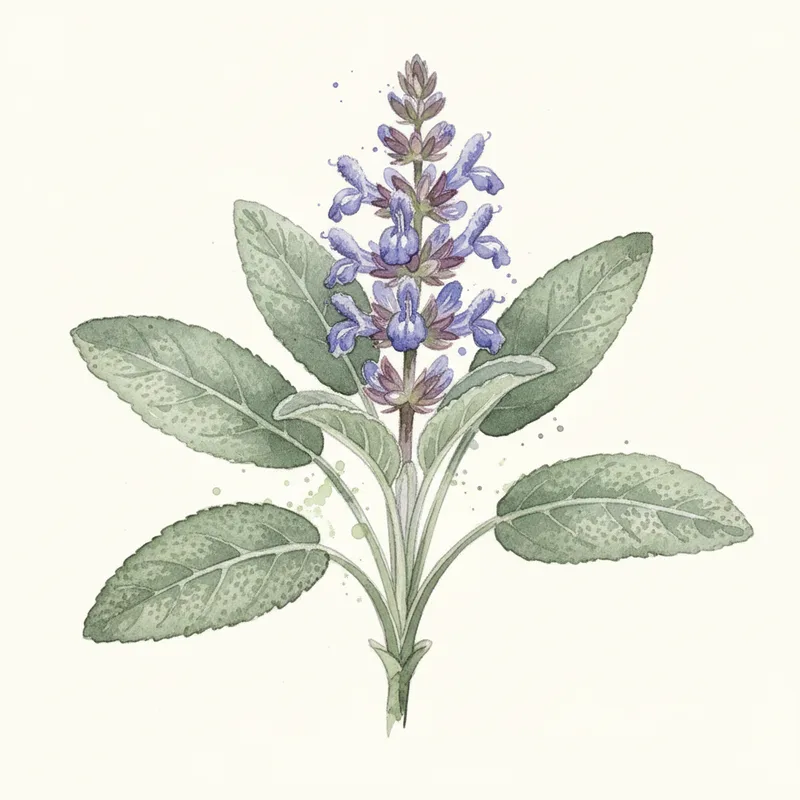
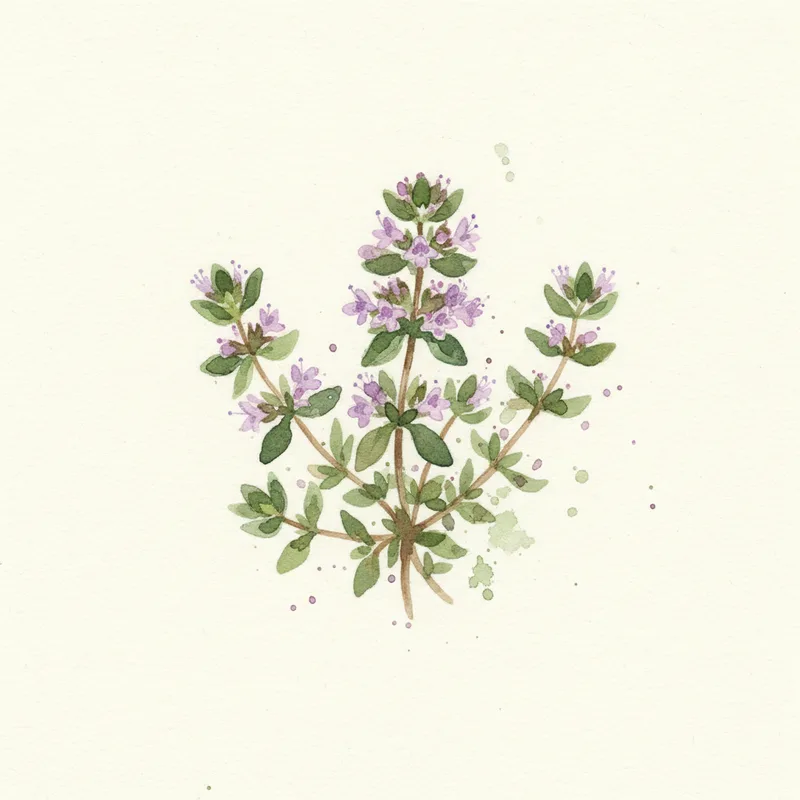
Most herb flowers are edible and taste like a milder version of the leaf. Sage flowers are lovely in pasta. Thyme flowers work anywhere you would use thyme. Let a few of your herb plants bolt and you get a bonus harvest of tiny, intensely flavored blooms.
What not to eat
Several common garden flowers are toxic. Never eat foxglove, lily of the valley, oleander, monkshood, daffodil, or sweet pea. If you are growing these alongside edible flowers, keep them clearly separated and make sure everyone in the household knows the difference.
Harvesting tips
Pick edible flowers in the morning after the dew has dried but before the heat of the day. Use them the same day for the best flavor and texture. If you need to store them, lay them in a single layer on a damp paper towel in a sealed container in the fridge. Most keep for two to three days. Browse our Container Garden Essentials and Fragrant Flowers collections. See also our guide to companion planting.
Grow your edible flower garden
Use our garden planner to build a garden that is beautiful and delicious. Browse all plants with the cut-flower trait for blooms that look as good on a plate as they do in a vase.
What's growing, what's blooming, what's worth planting.
For gardeners who like to stay ahead.