Growing Herbs from Seed in May: 6 That Actually Germinate Fast
May is the last practical window to start herbs from seed if you want them usable by July. Six varieties that germinate in 5-10 days and reward minimal effort.
If you missed the indoor seed-starting window in February and March, you have not missed the herb garden. Most culinary herbs germinate fast in warm soil, and May is the ideal direct-sow window in most of the country. Soil temperatures are above 60°F. Daylength is approaching peak. Watering needs are still moderate.
The catch: not all herbs germinate the same. Some are notoriously slow (parsley, rosemary, lavender) and may not produce usable leaves by July if you start from seed in May. Others germinate in 5-10 days and produce harvestable plants in 4-6 weeks. Here are the six that actually work, and the ones to buy as plants instead.
The Six That Germinate Fast and Reward May Sowing
1. Basil (5-7 days to germinate)
The signature May herb. Direct-sow once soil temperature is above 60°F (most of the country by May 1-15). Germinates in 5-7 days. Harvestable leaves in 4-6 weeks. The 'Genovese' type is the all-purpose choice. Thai basil, lemon basil, and purple varieties (Dark Opal, Amethyst Improved) extend the kitchen range without changing the growing requirements.
Practical tip: pinch the top set of leaves once the plant has 6-8 leaves. This forces lateral branching and dramatically increases total leaf production. Do not let the plant flower if you are growing it for the kitchen; flowering shifts the plant's energy and bitters the leaves.
2. Cilantro (7-10 days to germinate)
Cool-season herb that does its best work in May and early June, then bolts in July heat. Plant seeds every 2-3 weeks (succession sowing) for continuous harvest through June. Once it bolts, let it flower and produce coriander seeds for the spice rack.
Practical tip: cilantro hates being transplanted. Direct-sow only. The taproot is fragile and most transplants stall for 2-3 weeks before recovering, which is most of cilantro's usable life.
3. Dill (7-14 days to germinate)
Self-seeds readily, so once you have it, you have it. Tall (3-4 feet) by midsummer. Pollinator magnet, especially for swallowtail butterflies whose caterpillars use dill as a host plant. Direct-sow in May; harvest leaves through July; let plants flower for seeds (and butterfly caterpillars) into August.
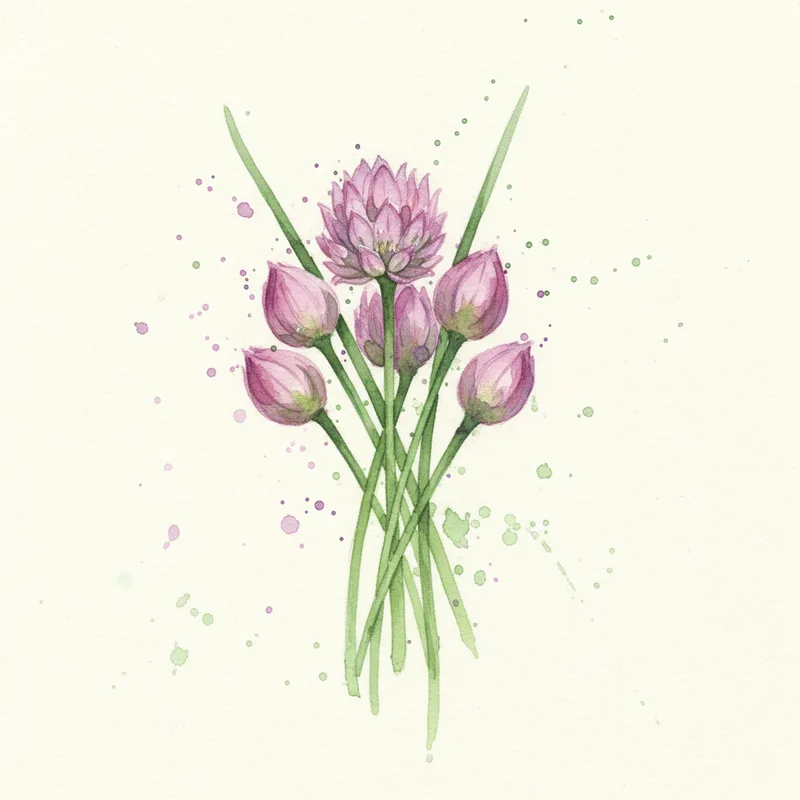
4. Chives (7-14 days to germinate)
Chives are perennials that can be started from seed in May for harvest by August and full strength next spring. Faster path: buy a 4-inch pot for $5-$8 and have usable chives in 2 weeks. But if you are determined to start from seed, May germinates fine. Sow several seeds per cell or planting hole; chives look better as a clump than as individual stalks.
5. Mint (5-10 days to germinate, but use caution)
Mint germinates fast and grows fast. The catch: mint is invasive in any open garden bed. Direct-sow only into containers, raised bed sections that are bordered by hardscape, or completely contained planters. Otherwise, mint will run underground rhizomes through your entire bed within two seasons.
6. Cress (Garden cress, 3-5 days to germinate)
Underrated. Garden cress (Lepidium sativum) is the fastest-germinating herb you can grow. 3-5 days from sowing to first leaves; harvestable in 14-21 days. Peppery flavor similar to watercress. Direct-sow in cool soil. Reseed every 2-3 weeks for continuous spring harvest.
The Slow Herbs to Buy as Plants Instead
These herbs germinate slowly enough that May seed-sowing rarely produces usable plants by July. Buy 4-inch pots from the nursery instead.
Parsley (14-28 days to germinate)
Notoriously slow. Old wives' tales claim parsley "goes to the devil and back nine times" before germinating. Realistically, 21-28 days is normal. May seed-sowing produces a plant ready for harvest in late August. Buy a $5 4-inch pot and have parsley in your kitchen by mid-May.
Rosemary (15-25 days to germinate, low success rate)
Rosemary seed germinates poorly and slowly. Most home growers fail. Buy a 4-6 inch pot ($8-$15) and have an instant rosemary plant. In zones 7+, plant it in the ground; it will become a perennial and grow into a 3-5 foot shrub. In colder zones, treat as annual or overwinter indoors.
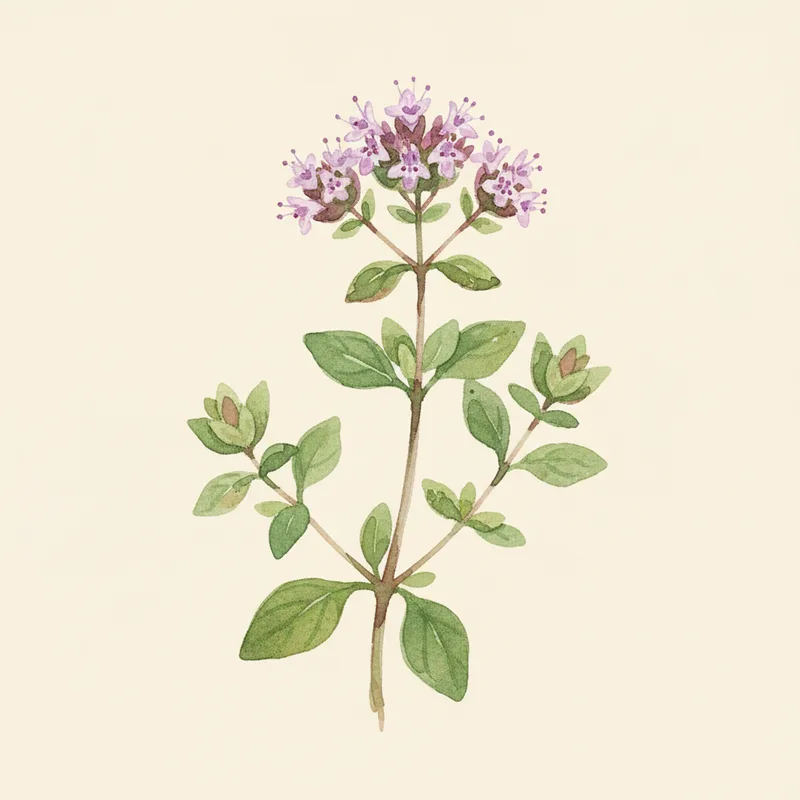
Thyme (14-28 days to germinate)
Slow from seed and even slower to develop into a usable plant. Buy a 4-inch pot. Thyme as a starter plant is $4-$6 and is producing harvestable leaves immediately.
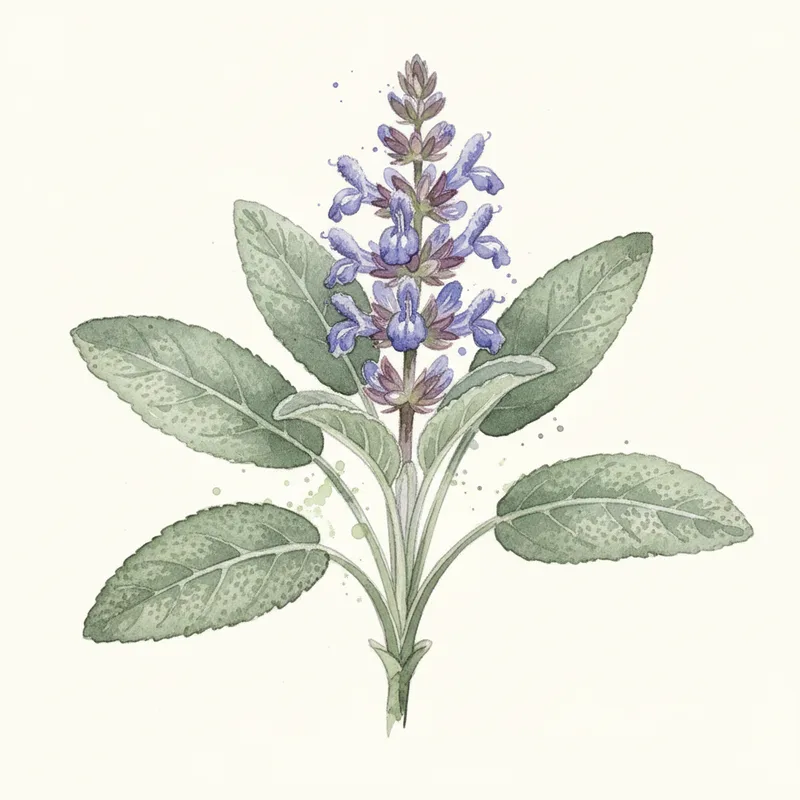
Oregano, Sage, Tarragon
Same story. Slow from seed, fast and inexpensive as starter plants. Buy these.
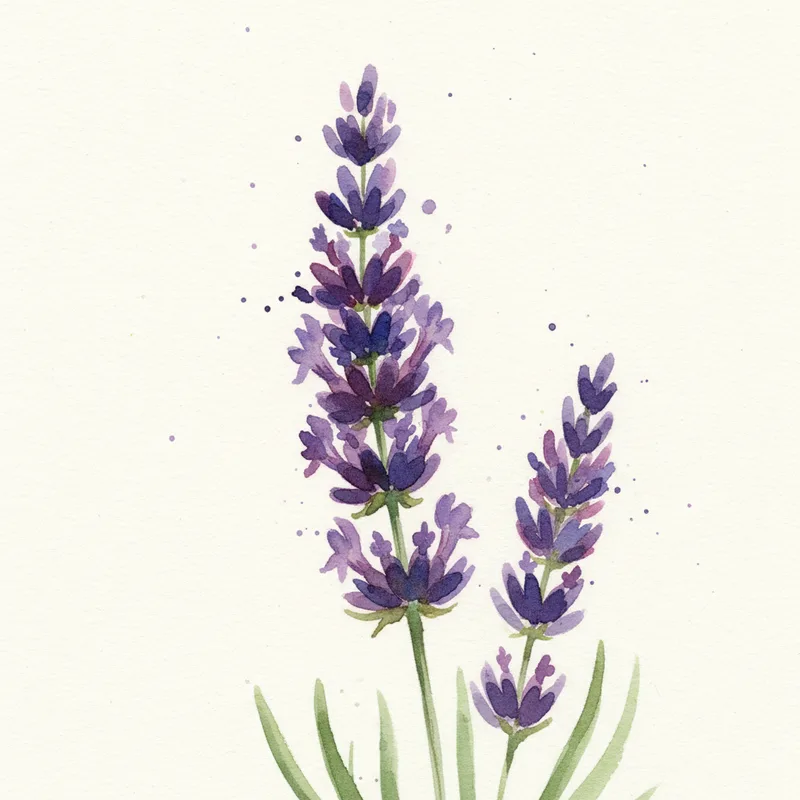
Lavender
Notoriously hard from seed. Cuttings or starter plants only. See our lavender plant page for variety recommendations.
Direct-Sow vs Containers in May
Most of the fast herbs above (basil, cilantro, dill, cress) work either way. A few notes:
- Basil and chives do equally well in containers and ground beds. Containers give you portable kitchen access; beds give you bigger plants.
- Cilantro prefers ground beds because its taproot does not love being root-bound.
- Dill is too tall for most containers (3-4 feet). Plant in the ground.
- Mint must be in a container or completely isolated bed to prevent spread.
- Cress works in any shallow container; even a salad-greens shallow tray works.
Seed-Starting Quick Reference
| Herb | Days to germinate | Days to harvest | Direct sow or transplant? |
|---|---|---|---|
| Basil | 5-7 | 30-45 | Either |
| Cilantro | 7-10 | 30-40 | Direct sow only |
| Dill | 7-14 | 40-60 | Direct sow preferred |
| Chives | 7-14 | 60-90 (year 1 light harvest) | Either |
| Mint | 5-10 | 40-60 | Containers only |
| Garden cress | 3-5 | 14-21 | Direct sow |
Common May-Sowing Mistakes
- Sowing too deep. Most herbs are surface-sowers or barely covered (1/8 to 1/4 inch). If you sow 1 inch deep, the seeds may rot or never reach the surface.
- Letting the soil dry out before germination. The first week is the most critical. Mist daily until you see green.
- Sowing too thickly. Most beginners plant 5-10x more seeds than they need. Thin aggressively after germination.
- Not labeling rows. Cilantro and parsley look almost identical at the seedling stage. Label everything.
- Skipping the harvest pinch. Basil especially needs to be pinched once it has 6-8 leaves. Skipping this means a leggy plant that flowers early and stops producing.
The Kitchen Math
A $3 packet of basil seeds produces 100+ usable basil plants. A 4-inch pot of basil at the nursery costs $4-$6 and gives you one plant. The math on growing herbs from seed only works if you actually want a lot of one variety, you want unusual varieties not sold as starts, or you enjoy the process.
For most home cooks, a hybrid approach makes sense: seed-start the high-volume herbs you cook with constantly (basil, cilantro), and buy 4-inch pots of the slow or low-volume herbs (parsley, rosemary, thyme, sage, tarragon).
The Bottom Line
May is the practical window to start the fast-germinating herbs from seed. Basil, cilantro, dill, mint, and cress will all give you harvestable plants by July if you sow this week or next. Skip seed-starting on the slow herbs (parsley, rosemary, thyme) and buy them as 4-inch pots. By mid-July, your kitchen herb garden will be fully productive and the seed packets you bought this spring will have paid for themselves twenty times over.
What's growing, what's blooming, what's worth planting.
For gardeners who like to stay ahead.