What to Plant in May: Your Last Best Window for Summer Color
May is the transition month when warm-season annuals, vegetables, and heat-loving perennials can finally go in the ground. Here is exactly what to plant right now in your zone.
May is the single most urgent planting month of the year. April was about bare roots, cool-season crops, and dreaming. By May, last frost is behind you in most of the country, the soil is warm, and every warm-season annual, vegetable, and heat-loving perennial can finally go in the ground. Miss this window and you spend the rest of the summer looking at gaps you meant to fill.
The catch: May looks wildly different depending on where you live. In zone 4, last frost is still a week or two away. In zone 9, you are already racing summer heat. Here is exactly what to plant in your zone right now.
Last frost by zone (quick reference)
Your last average frost date is the single most important number in your gardening year. These are approximations. Check your specific zip code for local dates.
- Zone 3: Late May to early June
- Zone 4: Mid to late May
- Zone 5: Early to mid May
- Zone 6: Late April to early May
- Zone 7: Mid April (safe to plant warm-season in May)
- Zone 8: Late March to early April
- Zone 9: February to early March
- Zone 10: No frost most years
Zones 3-5: Transplant warm-season seedlings and direct sow
This is your moment. After being stuck with cool-season plants through April, May is finally when warm-season plants can go in safely. The window is narrow, so move fast. Anything you plant this week has five more weeks of growth than anything you plant at the end of the month, and that matters when your growing season only runs to September.
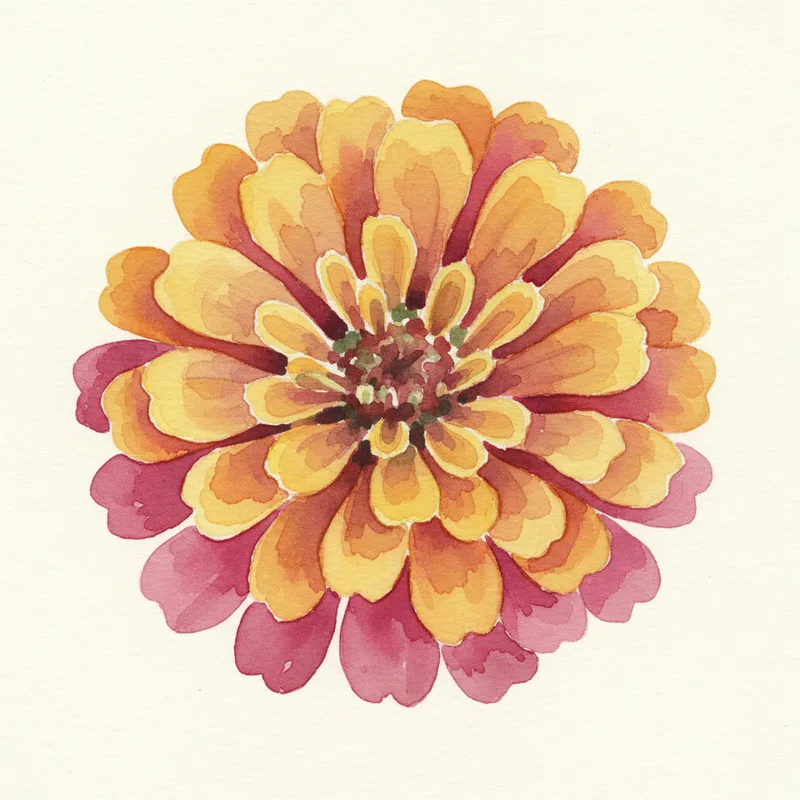
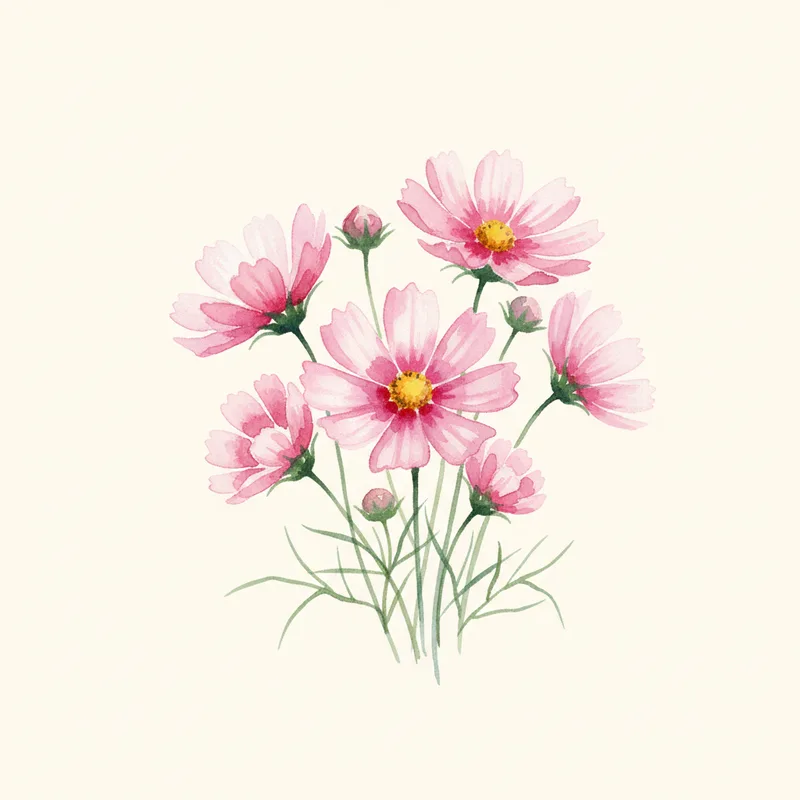
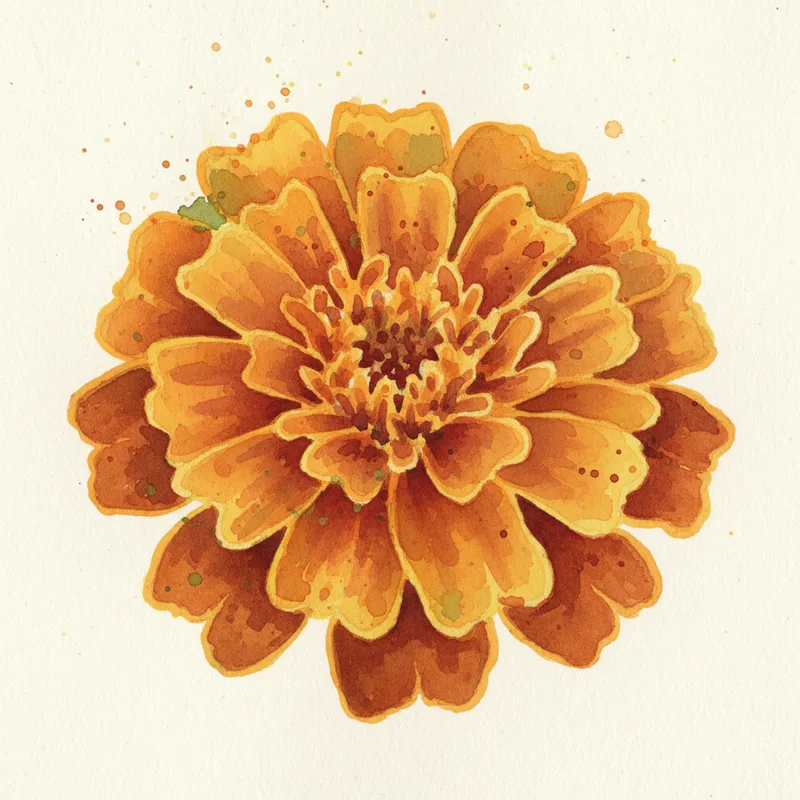
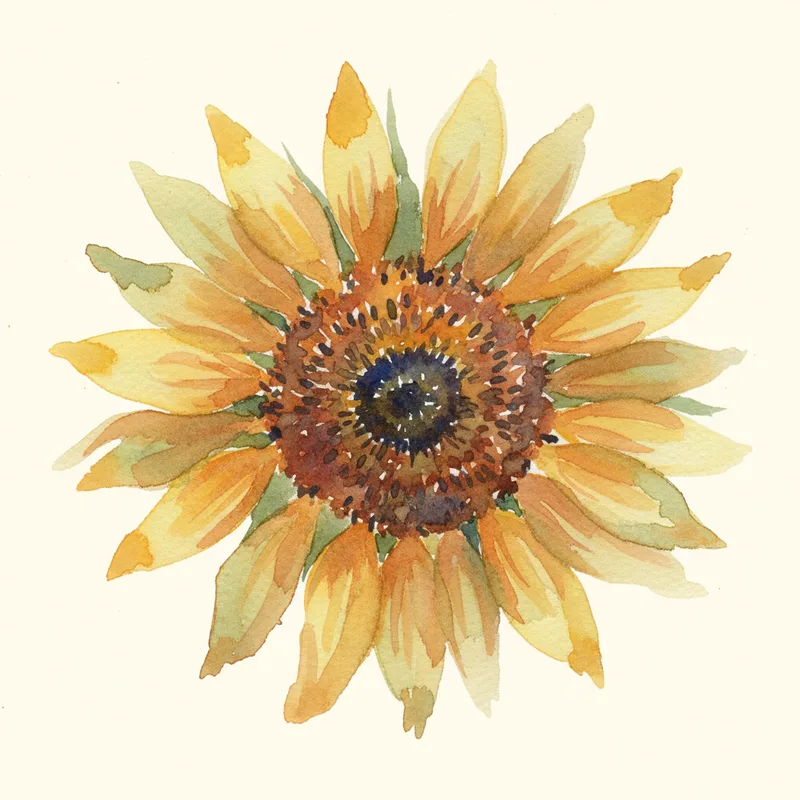
Transplant warm-season annuals you started indoors, or buy them from the nursery. Zinnias, cosmos, marigolds, and sunflowers all go in the ground after your last frost date. These germinate so fast from seed that direct sowing is usually the right call. Zinnias sown in late May will be blooming by early July and will not stop until frost. Direct sow beans, squash, cucumbers, and pumpkins once soil temperatures hit 65 degrees.
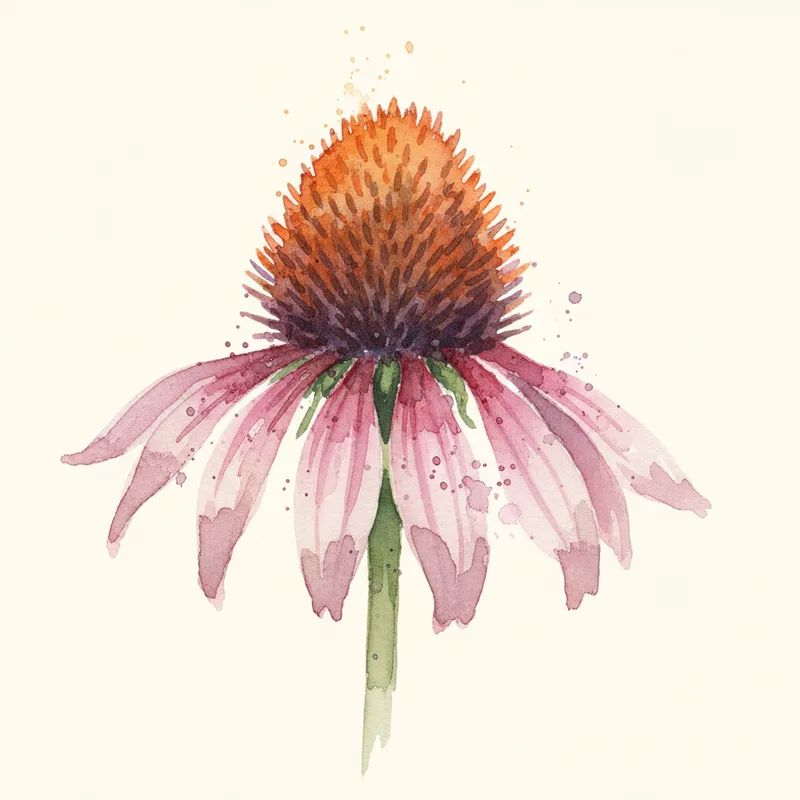
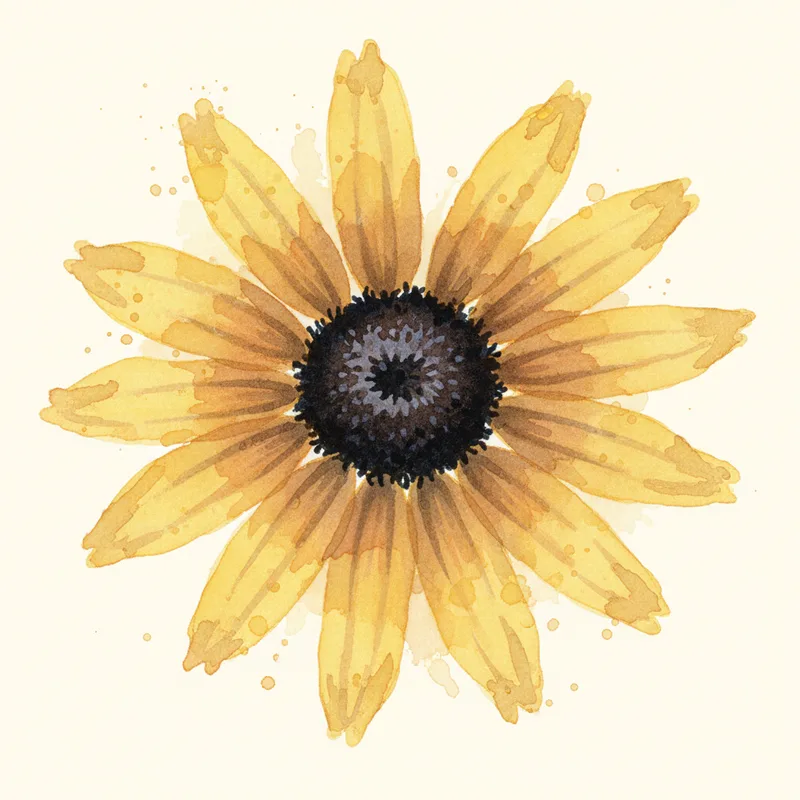
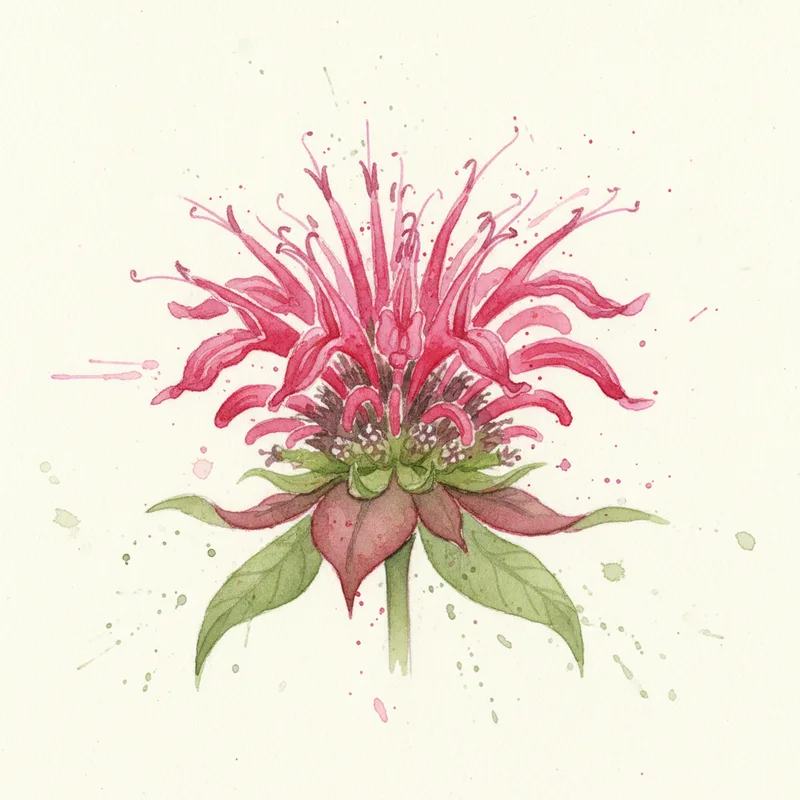
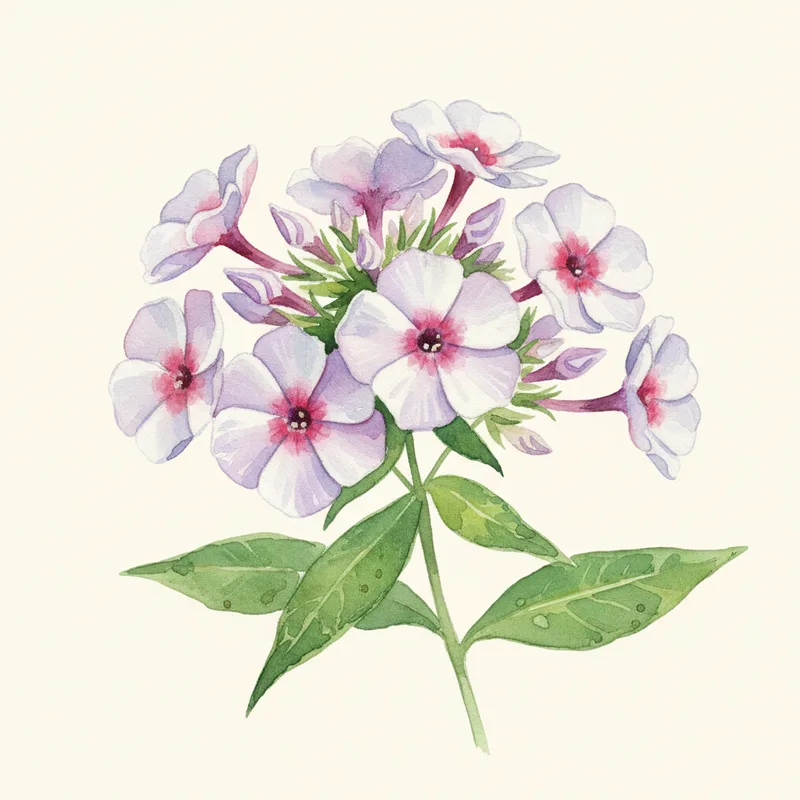
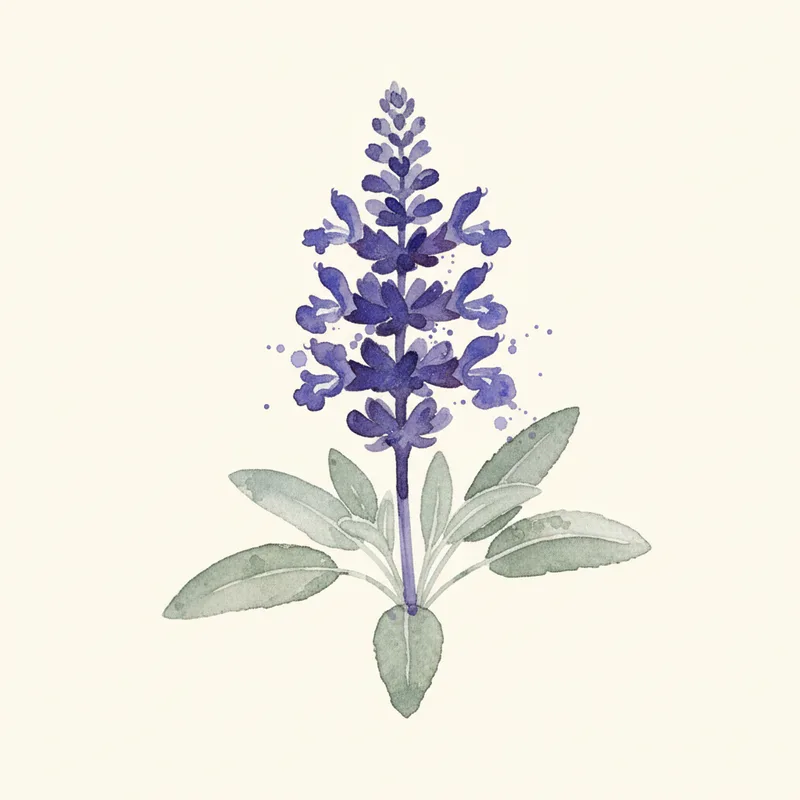
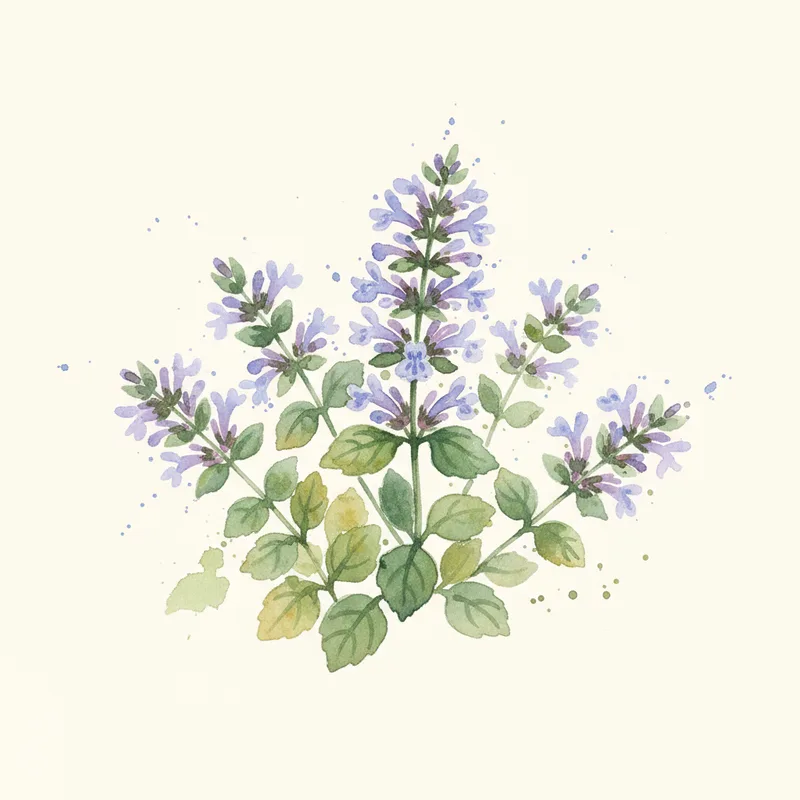
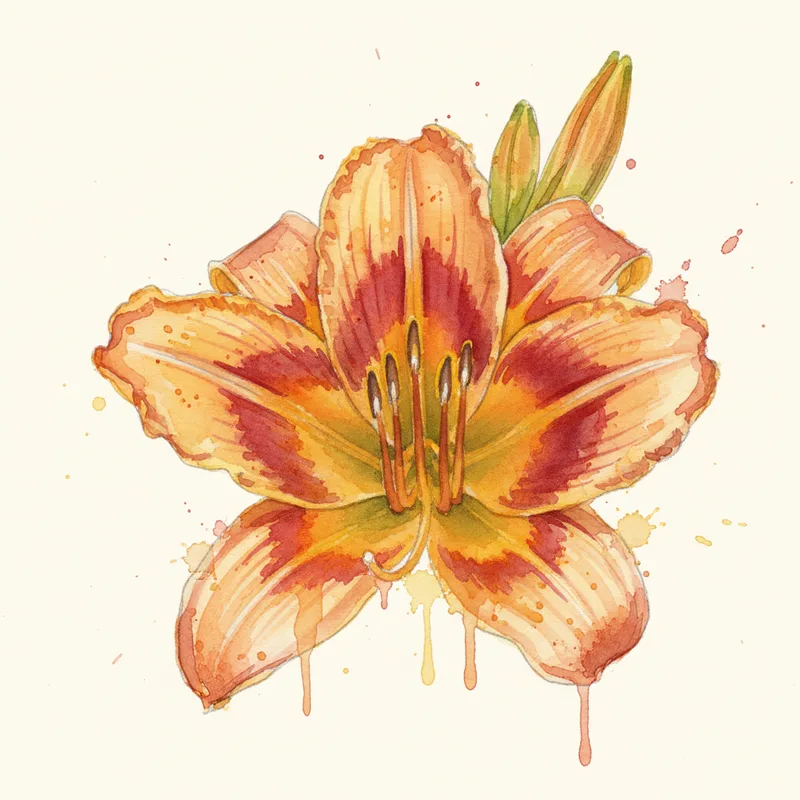
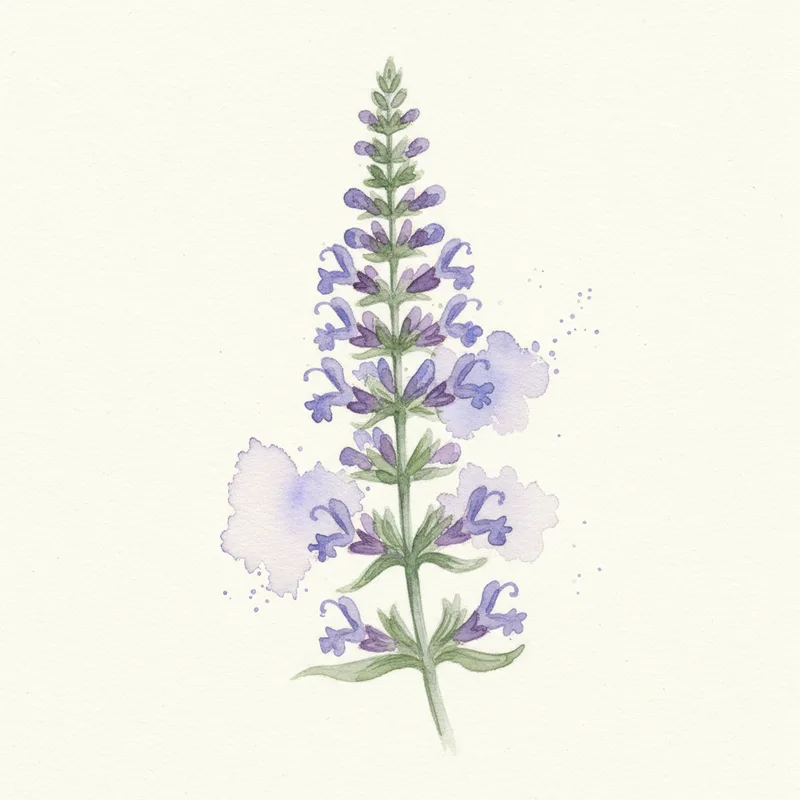
On the perennial front, this is prime planting time for the summer backbone. Coneflower, black-eyed Susan, bee balm, garden phlox, daylilies, and salvia all establish beautifully when planted in May. They will be small this year but fully rooted and blooming hard by July. Catmint is another excellent May planting, especially in cold zones where it will bloom non-stop from June through September.
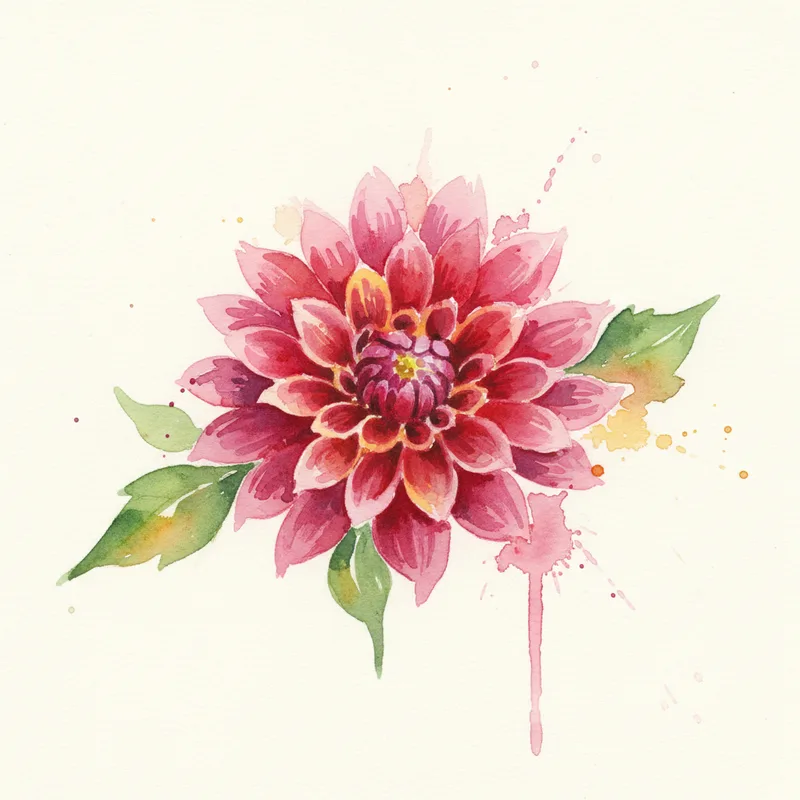
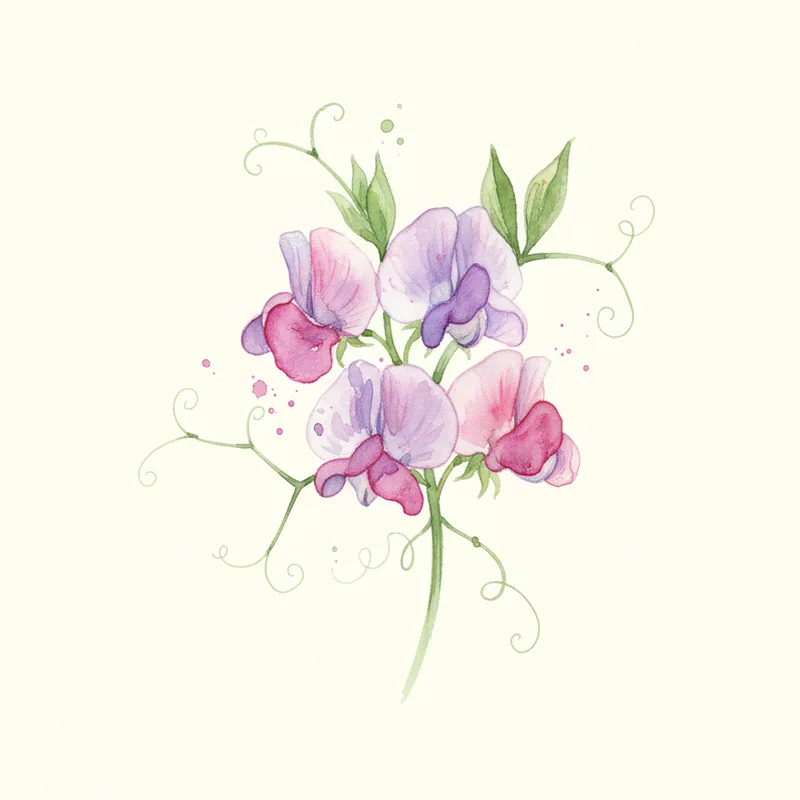
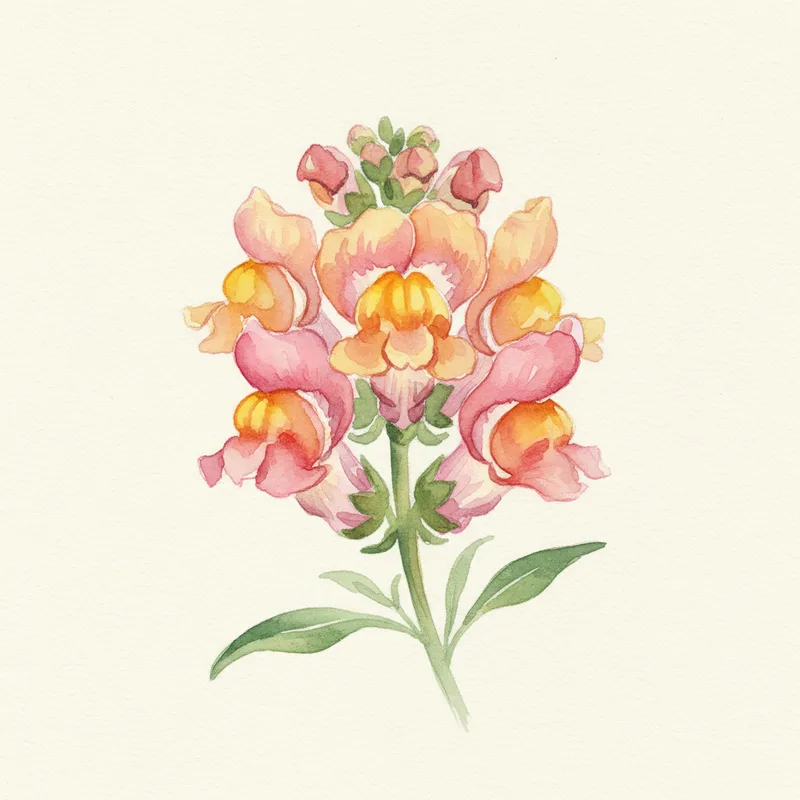
Dahlia tubers can go in the ground once the soil warms to 60 degrees, usually mid to late May in zones 3-5. Plant four to six inches deep with the eye facing up. Mark the spots because they will not show above ground for three weeks. Sweet peas and snapdragons are the exception to the warm-season rule. These cool-season annuals still thrive in zone 3-5 spring and can be direct sown now for June bloom.
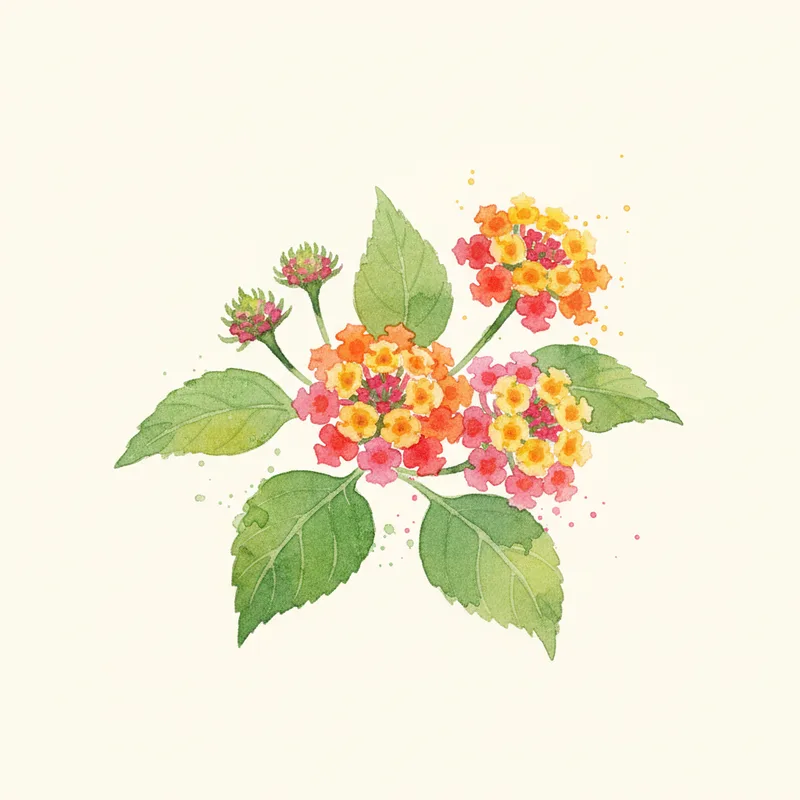
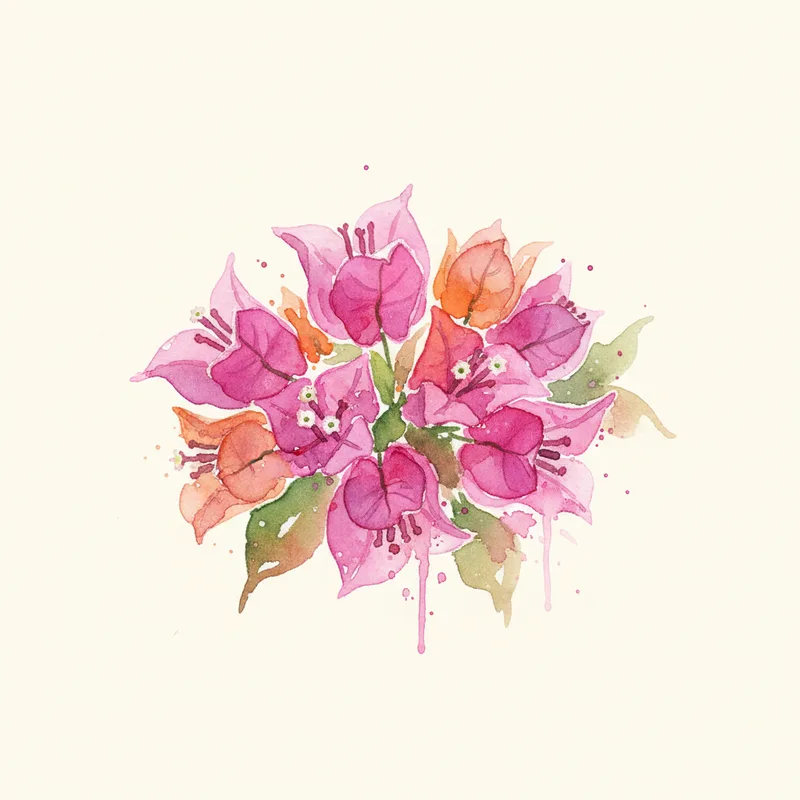
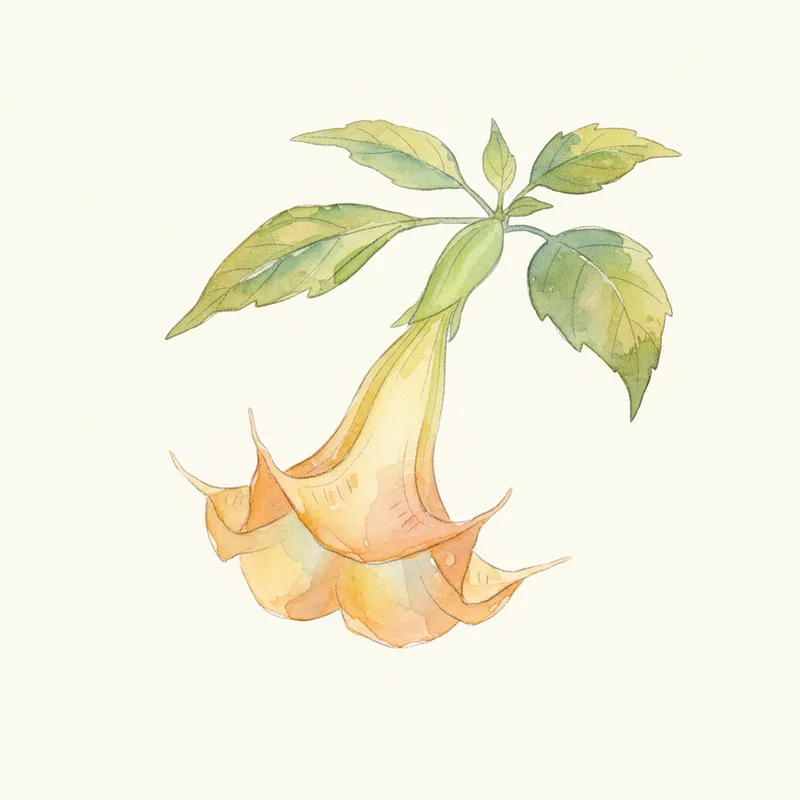
Do not plant heat-loving tropicals like lantana, bougainvillea, or angel's trumpet this far north. The growing season is too short for them to deliver value.
Zones 6-7: The tomatoes-and-peppers moment
May in zones 6 and 7 is the most productive planting month of the year. Your last frost has passed, the soil is warm, and everything can go in. If you have a vegetable garden, this is when tomatoes, peppers, eggplant, basil, and beans all get planted. On the flower side, nearly every annual and perennial you want is plantable right now.
Direct sow warm-season annuals in beds and containers. Zinnias, cosmos, marigolds, and sunflowers germinate in a few days in warm soil and will be blooming by late June. For the fastest color, buy four-inch transplants at the nursery and plant them out. A flat of zinnias planted in early May will be blooming within two weeks. For specific cosmos and sunflower varieties worth direct-sowing now, see our guide to both from seed.
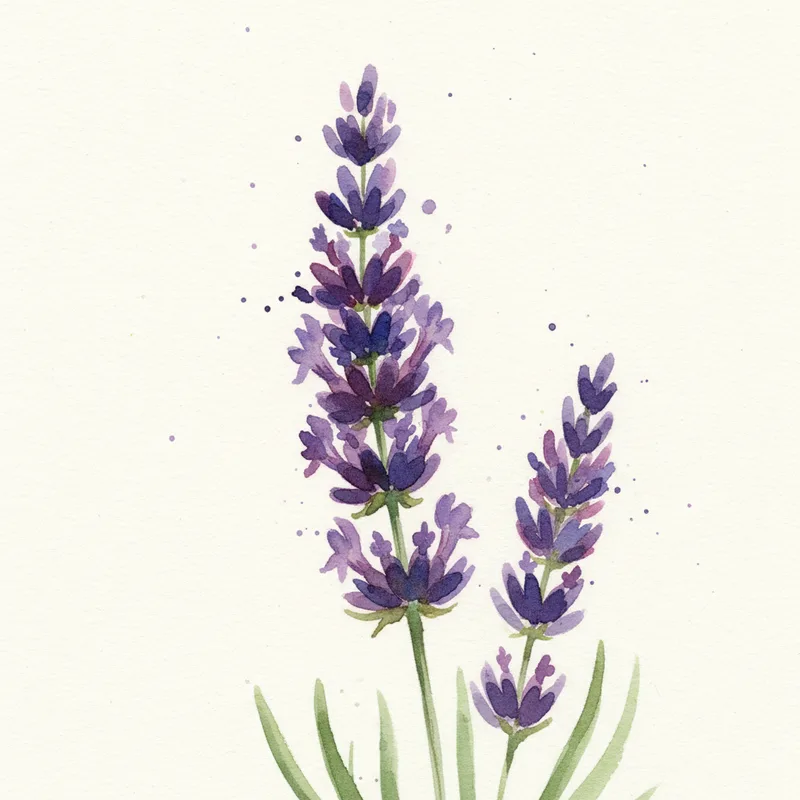
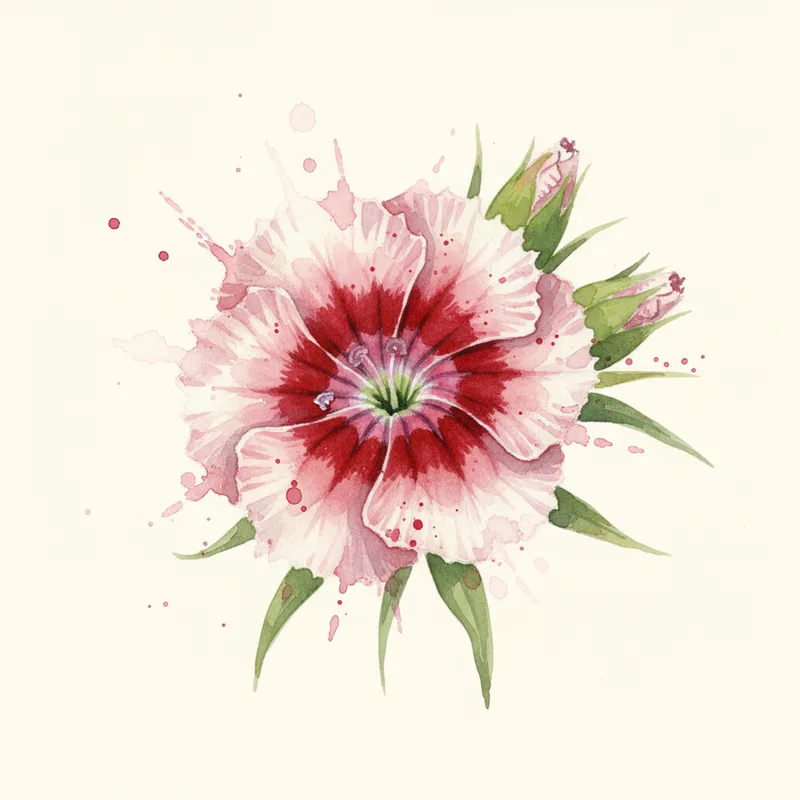
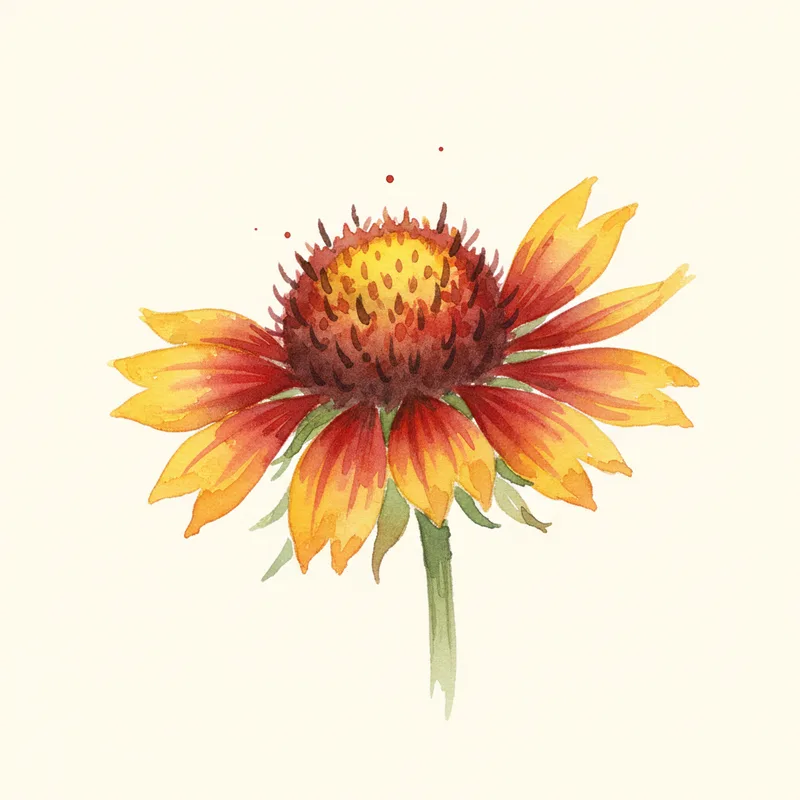
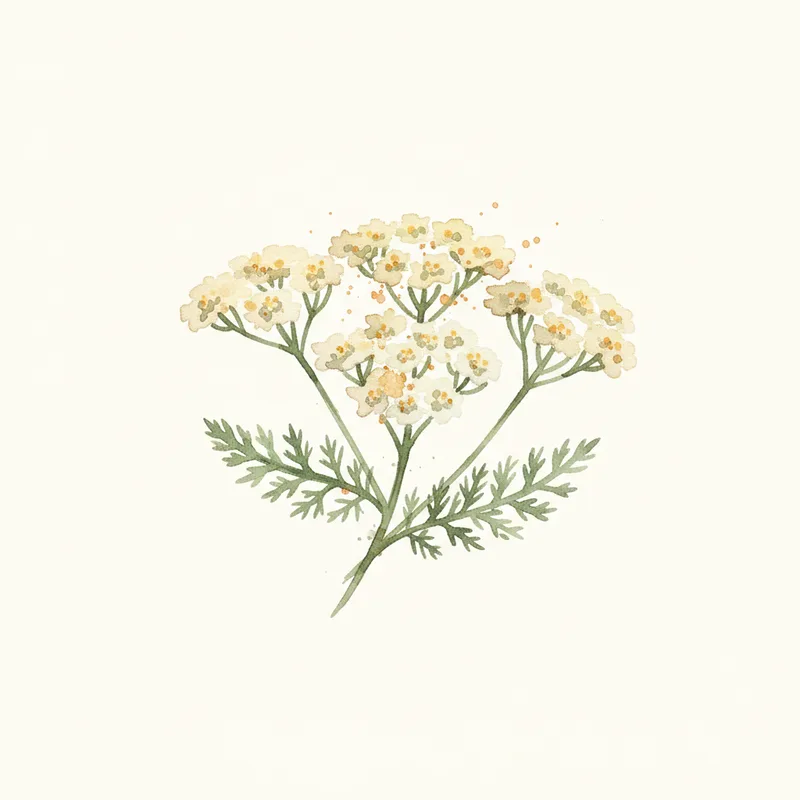
Plant summer perennials aggressively. Coneflower, black-eyed Susan, bee balm, garden phlox, salvia, yarrow, and Russian sage all establish fast in May conditions. Catmint, lavender, and dianthus (see our dianthus growing guide) go in now for edges and front-of-border color. Daylilies, coral bells, and blanket flower are all prime May plantings.
Dahlia tubers can go in the ground immediately in these zones. The soil is warm enough, and every week of growth you give them now pays off in more flowers later. Same for sunflower seeds, which prefer warm soil and grow fast once they germinate. May is also prime time for gladiolus corms, the 2026 Summer Bulb of the Year: plant a handful now and another batch every two weeks for spikes that roll in from July to frost. See our complete gladiolus growing guide for the succession schedule and staking tips.
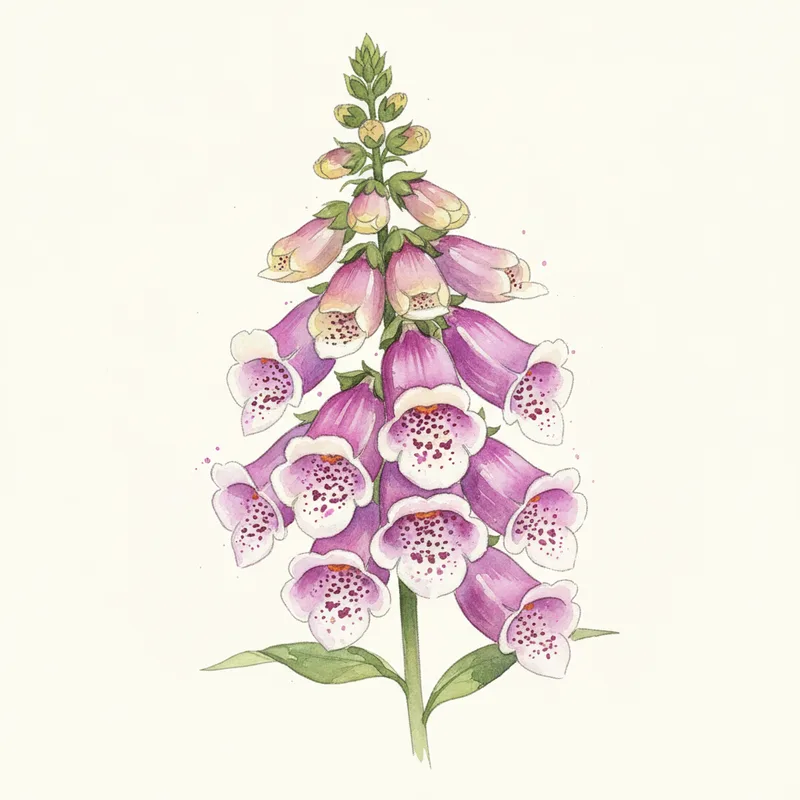
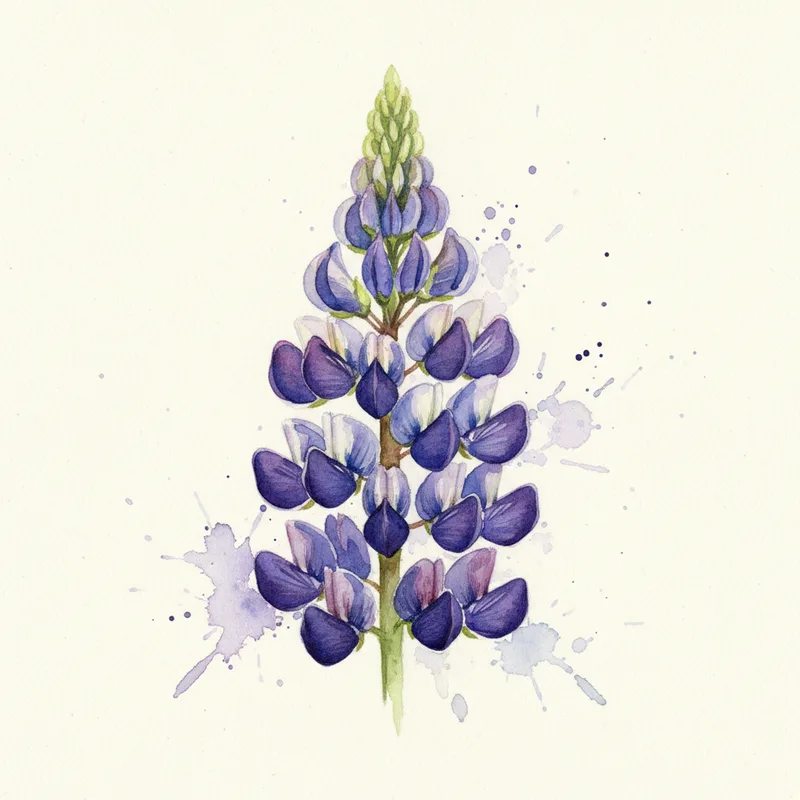
Keep planting cool-season favorites on the margins. Foxglove planted now will give you towering spires by late May or June. Lupines can still go in early in the month but they will struggle once summer heat arrives. Sweet peas are on their last call. Get them in by the first week of May or wait until fall.
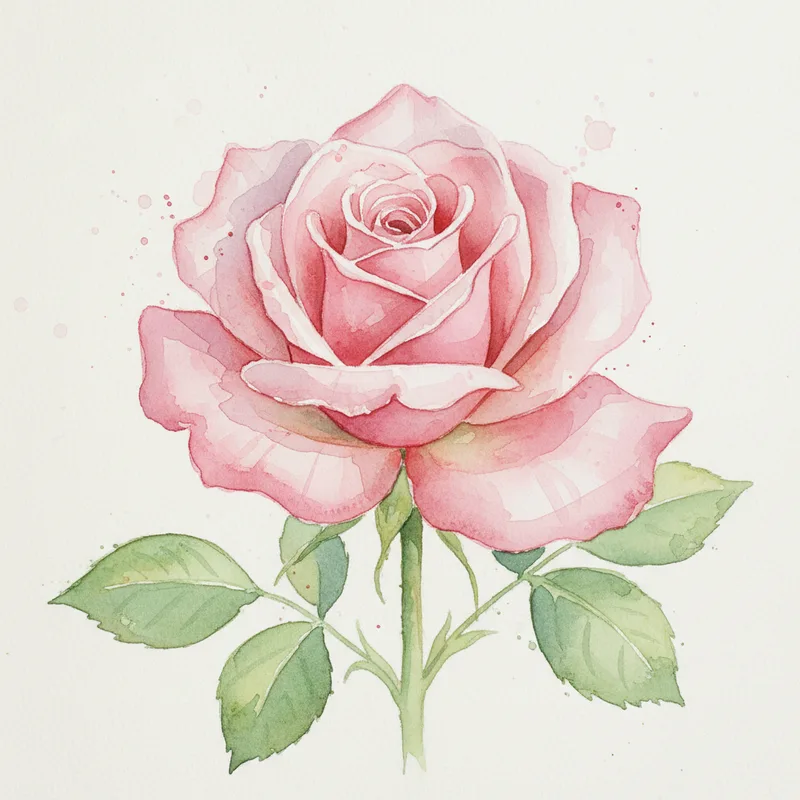
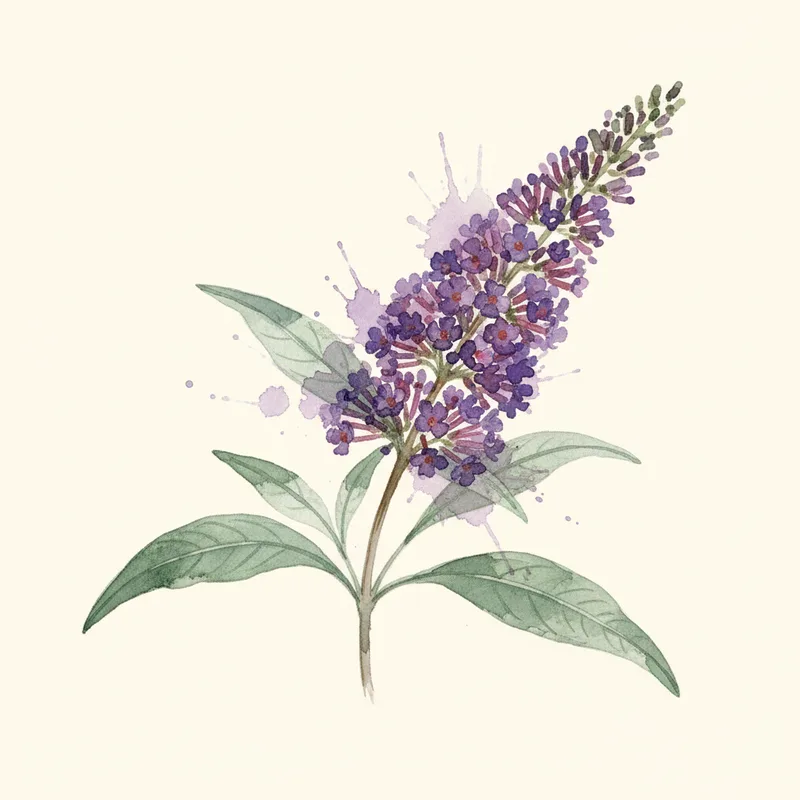
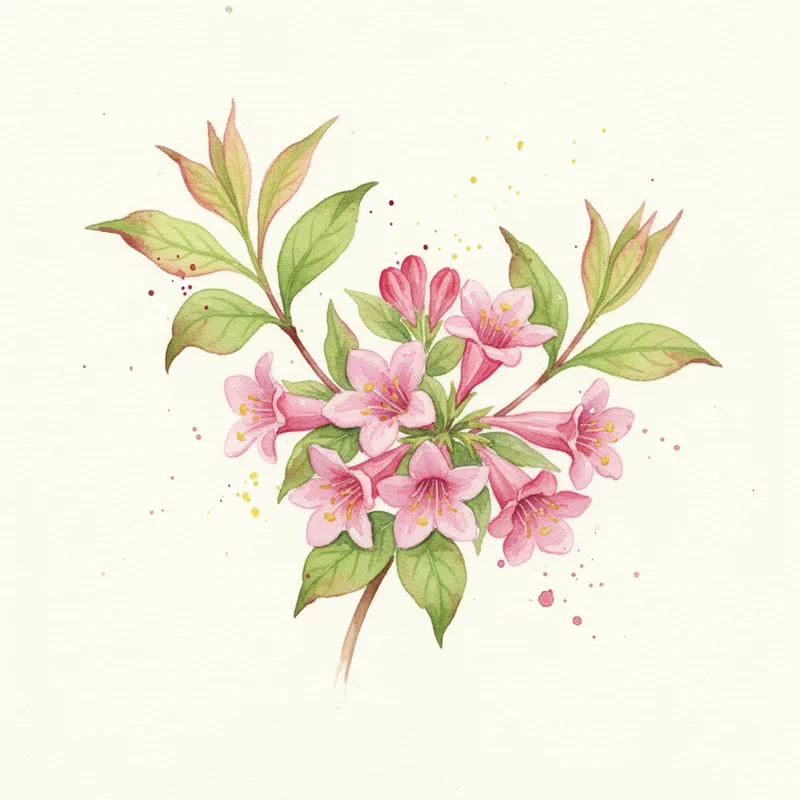
On the shrub front, May is still a safe planting window for roses, hydrangeas, butterfly bush, and weigela (see how to grow weigela). Plant early in the month, water deeply, and mulch heavily. Anything planted in June will need twice the babysitting.
Zones 8-10: Pivot to heat-tolerant varieties
Your spring planting window is closing fast. In zone 8, you have through May. In zones 9 and 10, the clock has been ticking since March, and May is your absolute cutoff for most perennials and shrubs. Anything planted now must get its roots established before the 90-plus temperatures settle in.
This is when variety selection matters more than anything. Skip the tomato varieties that thrive in Vermont and buy heat-tolerant ones: Heatmaster, Solar Fire, Phoenix, Arkansas Traveler. Same principle for flowers. Pick zinnia varieties bred for humidity (Zahara and Profusion series), marigolds bred for heat tolerance, and sunflowers that handle drought.
Plant heat-tolerant perennials first, and only these: salvia, coneflower, black-eyed Susan, bee balm, yarrow, blanket flower, Russian sage, and lantana. Bougainvillea goes in now and will explode once temperatures climb. Angel's trumpet is a zone 9-10 specialty that thrives in heat and humidity.
Direct sow zinnias, cosmos, marigolds, and sunflowers for a quick flush. These grow so fast in warm soil that even a late-May sowing will give you flowers by late June. Plan for succession: sow more seeds in two and four weeks to keep color coming through July.
Vegetables pivot too. Keep planting okra, southern peas, sweet potatoes, peppers, and tomatoes. These love the heat. Skip anything in the cabbage family, lettuces, and peas. Their time has passed for months.
Do not plant hydrangeas, roses, or any shrub you can avoid right now. They will struggle to establish. Wait until fall, which is the better planting season in warm zones anyway.
The strategic play: plant for the gaps
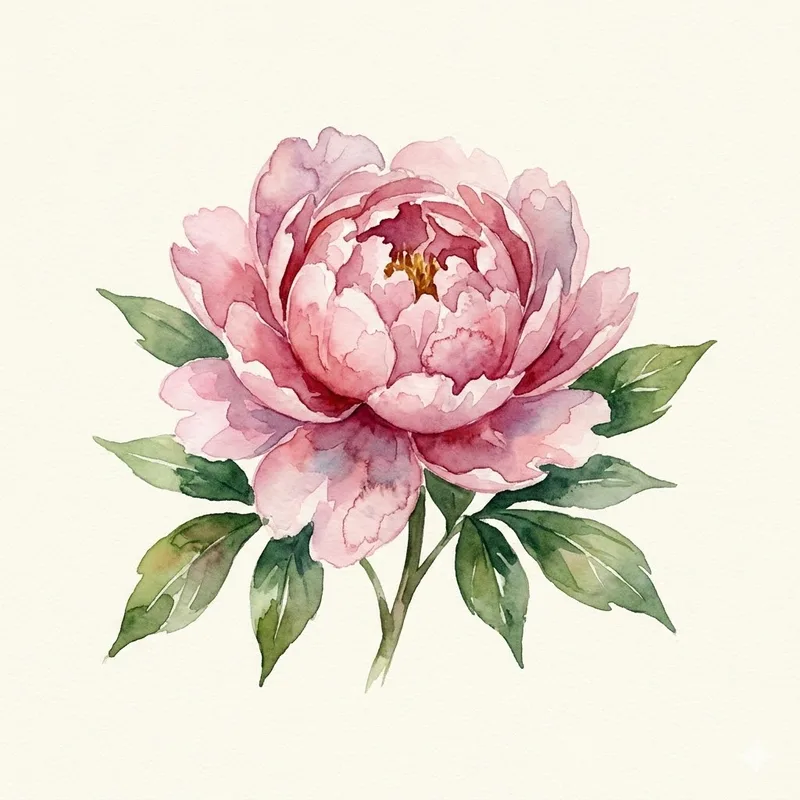
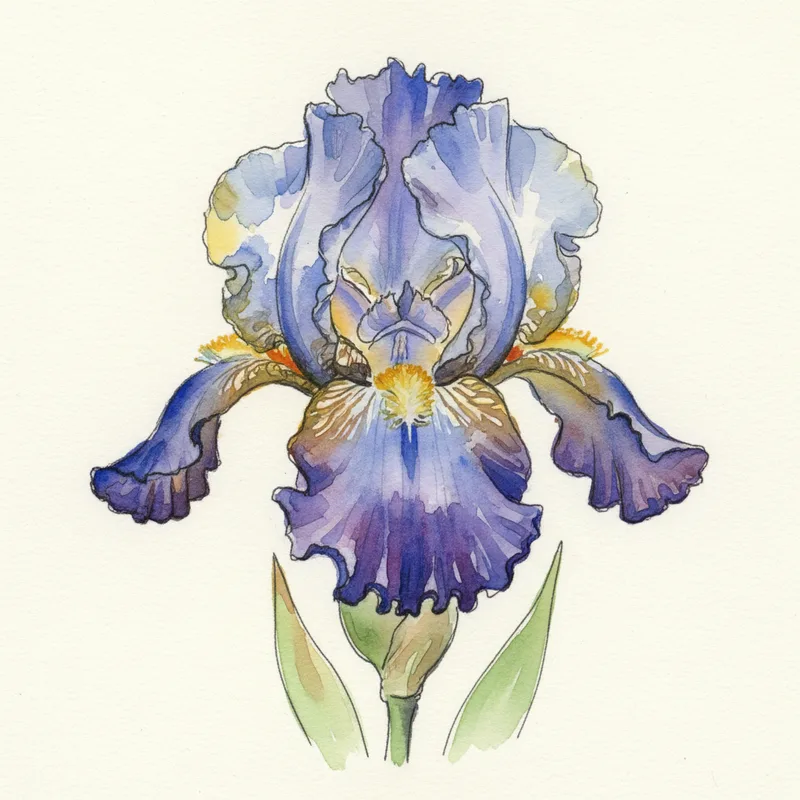
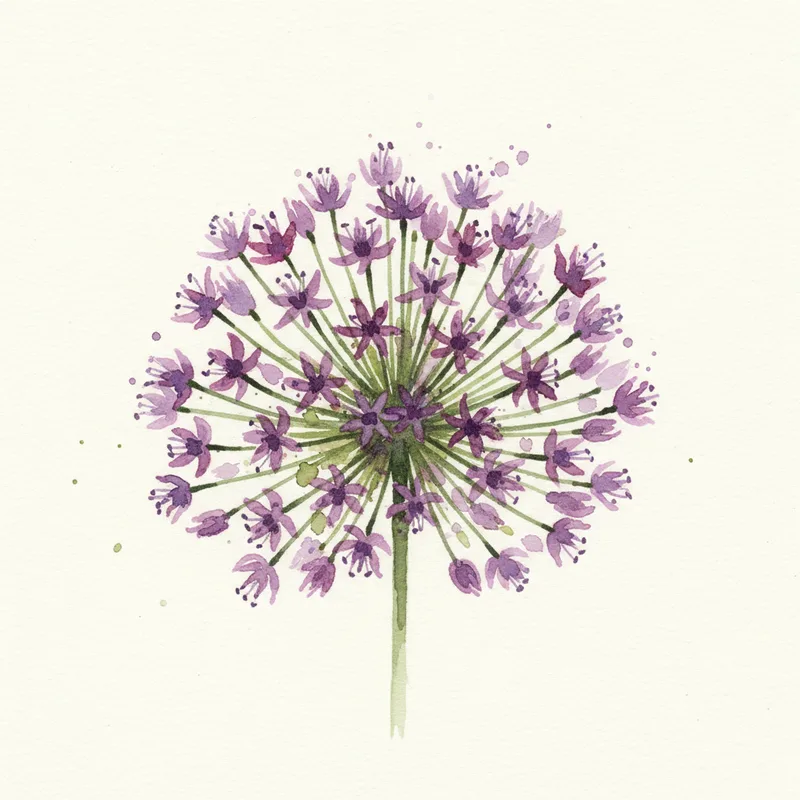
Here is what separates experienced gardeners from nursery shoppers. When you walk into a garden center in May, the most eye-catching plants are the ones blooming right now: peonies, iris, dianthus, catmint, alliums. If your garden already has May covered (and if it is established, it probably does), spending your budget on more May bloomers is a mistake. You will end up with a garden that peaks this week and fizzles by July.
Instead, walk through your own garden before you shop. Note every spot that is bare, or will be bare, in July, August, and September. Then buy for those gaps. Coneflower, daylily, black-eyed Susan, bee balm, garden phlox, and Russian sage are all sitting on nursery benches right now, small and cheap, not blooming. Buy them while everyone else is fighting over the peonies. Plant them, water them in, and ignore them until midsummer when they take over the show.
May tasks checklist
Stake tall perennials before they flop. Peonies, delphiniums, and tall iris all need support installed now while the foliage is still short. After a heavy rain flattens them, it is too late.
Harden off any seedlings still indoors. Move them outside for a few hours each day, increasing the time over a week. Transplanting from a warm windowsill directly into the garden loses plants that did not need to die.
Mulch beds two to three inches deep to conserve moisture going into summer. Keep mulch pulled back an inch from plant stems. Water deeply at planting, then let new plants dry out between waterings to force roots down.
Deadhead spring bulbs but leave the foliage until it yellows naturally. Shear catmint, creeping phlox, and basket-of-gold after their first flush for a smaller second bloom and cleaner foliage.
Most importantly: enjoy the garden. May is one of the best months to sit outside with coffee and watch everything wake up. By July it will be too hot to enjoy the afternoon. Now is the moment.
See what is already blooming in your zone right now with our May bloom guide. Browse our Pollinator Powerhouses and Nonstop Color collections for more ideas, or move ahead to what to plant in June.
For a month-by-month chore checklist tailored to your USDA zone, see our garden chores by zone guide.
See what to plant in your zone
Enter your zip code on the homepage to find plants for your zone: Zone 4 · Zone 5 · Zone 6 · Zone 7 · Zone 8 · Zone 9


What's growing, what's blooming, what's worth planting.
For gardeners who like to stay ahead.