How to Deadhead Flowers (And Which Ones to Leave Alone)
Deadheading is the single most impactful garden chore. It doubles bloom on most plants, and skipping it turns summer borders into August mush. Here is how to do it right.
Deadheading sounds morbid and it is, in a small way. You are cutting off the spent flowers of your plants before they have a chance to go to seed. Why? Because a flower's biological mission is to make seeds, and once it thinks it has succeeded, it stops making more flowers.
Remove the spent blooms and the plant goes back to trying. That simple trick can double the bloom time of most annuals and many perennials, and it is the single most productive hour of garden work you can do in July.
What deadheading actually is
Deadheading means removing faded flowers from a plant before seeds form. You can do it with fingers, scissors, or hand pruners, depending on the plant. For most flowers, you are cutting the stem just below the spent flower, ideally back to a leaf node or a side shoot where new growth is visible.
The plant reads this as "the seed-making mission failed, better try again." It pushes new flower buds instead of investing in seed production. You get more flowers. The plant gets more chances. Everybody wins.
The plants where deadheading changes everything
These are the big wins. Skip deadheading on these and you get two weeks of bloom. Deadhead them faithfully and you get three months.
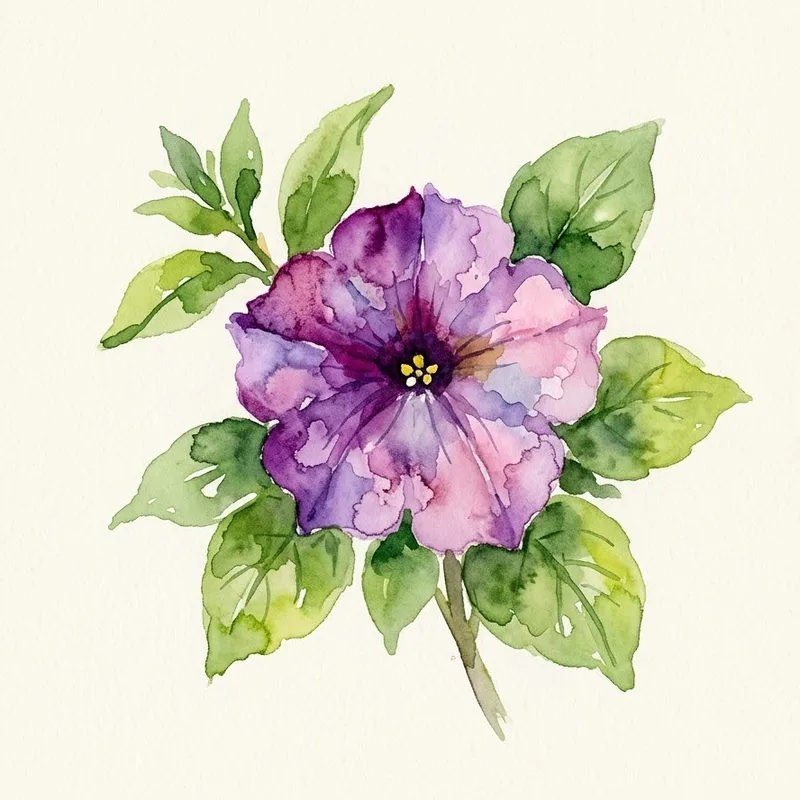
Petunias are the poster child for deadheading. An unheaded petunia bed looks spent by mid-July. A weekly-deadheaded petunia bed blooms until frost. For large plantings, shearing the whole plant back by a third once a month achieves the same effect faster than individual deadheading.
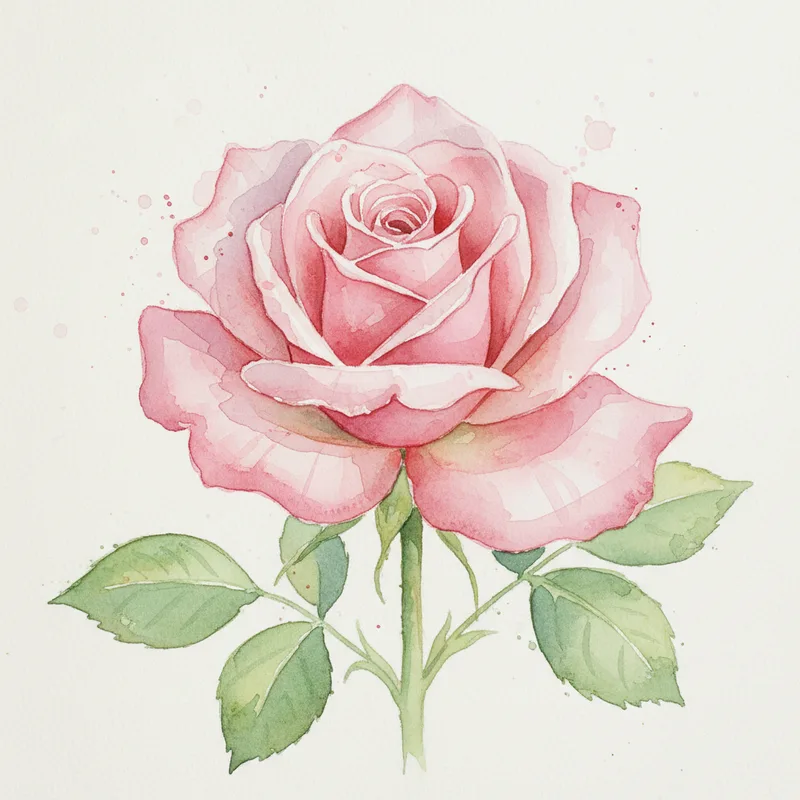
Roses rebloom dramatically when deadheaded. Cut back to an outward-facing five-leaflet leaf for the strongest rebloom. The plant will push new flowering shoots within two to three weeks, and modern repeat-blooming roses will produce three or four full flushes in a season with this treatment.
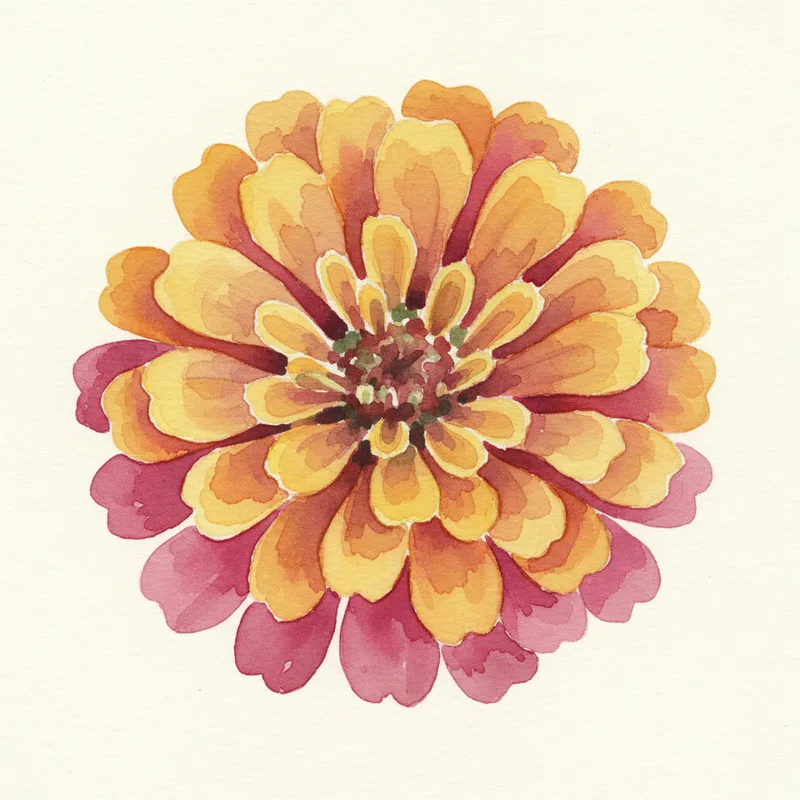
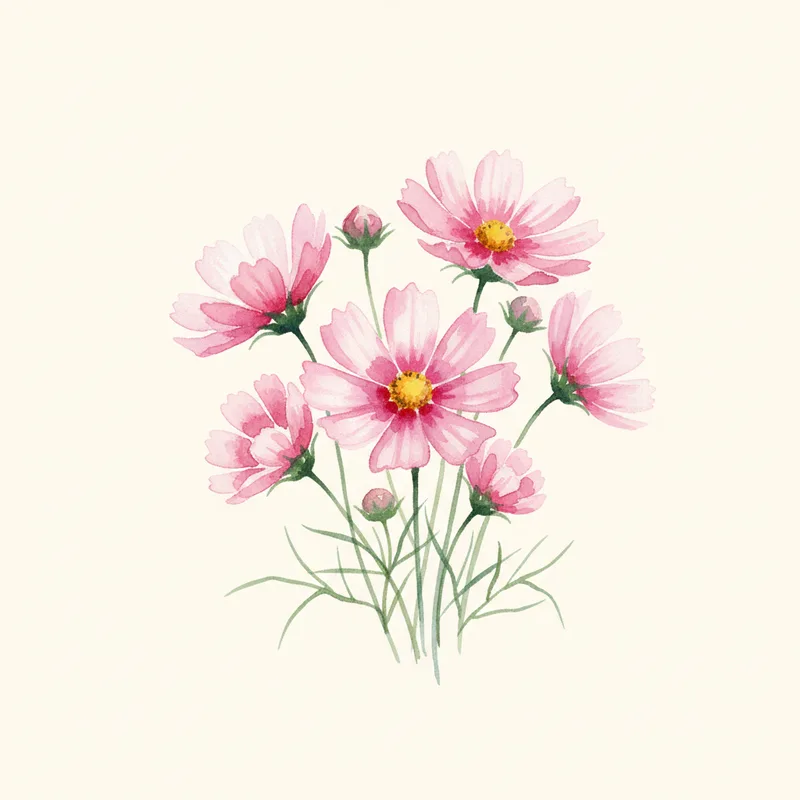
Zinnias and cosmos are cut-and-come-again champions. The more you cut, the more they bloom. Cut a zinnia for a vase and it produces two new stems within a week. A well-tended zinnia bed in July looks like a florist's supply closet.
Salvia and catmint respond to a more aggressive approach. When the first flush of bloom fades in late June, shear the entire plant back by half. You sacrifice two weeks of flowering, but the plant rebuilds and blooms again through August and into September. Without shearing, they fade out and sulk until fall.
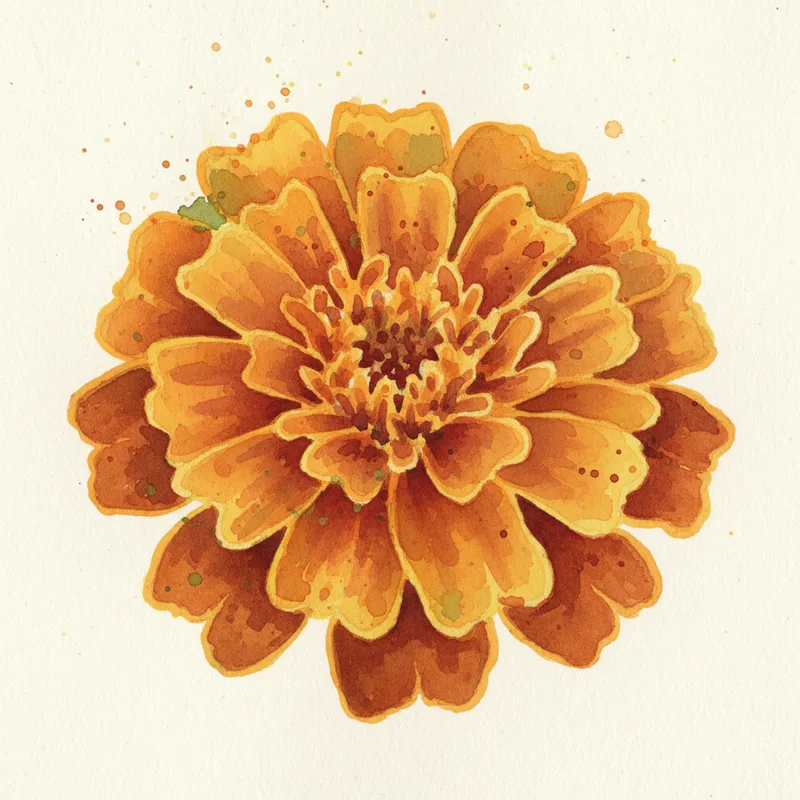
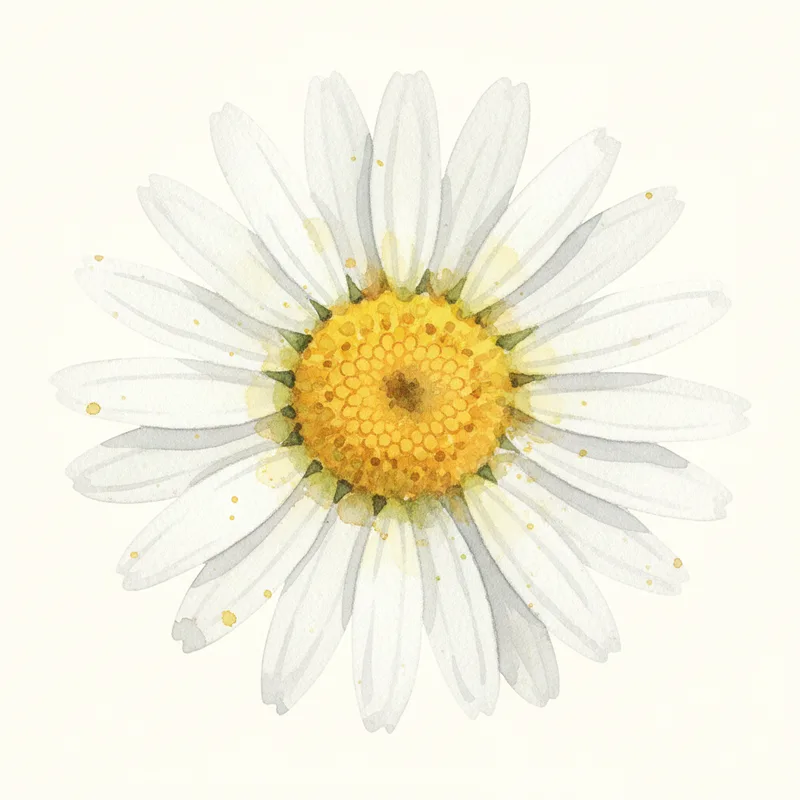
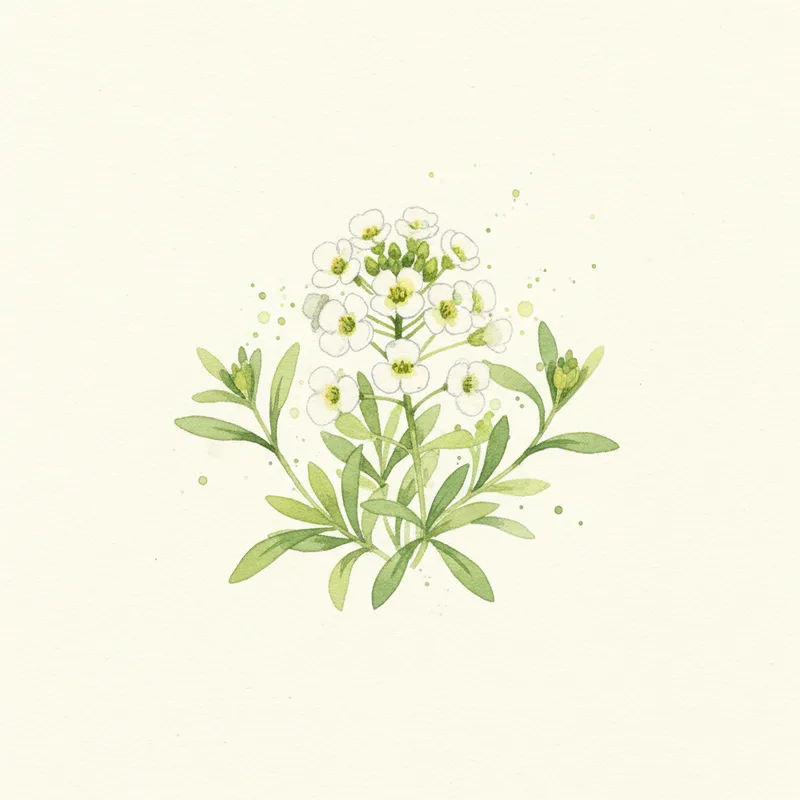
Shasta daisies, marigolds, and sweet alyssum all benefit from regular deadheading or shearing. Marigolds especially can look tired by August if left alone, but a single afternoon of haircuts restores the whole bed.
Plants that need deadheading but tolerate neglect
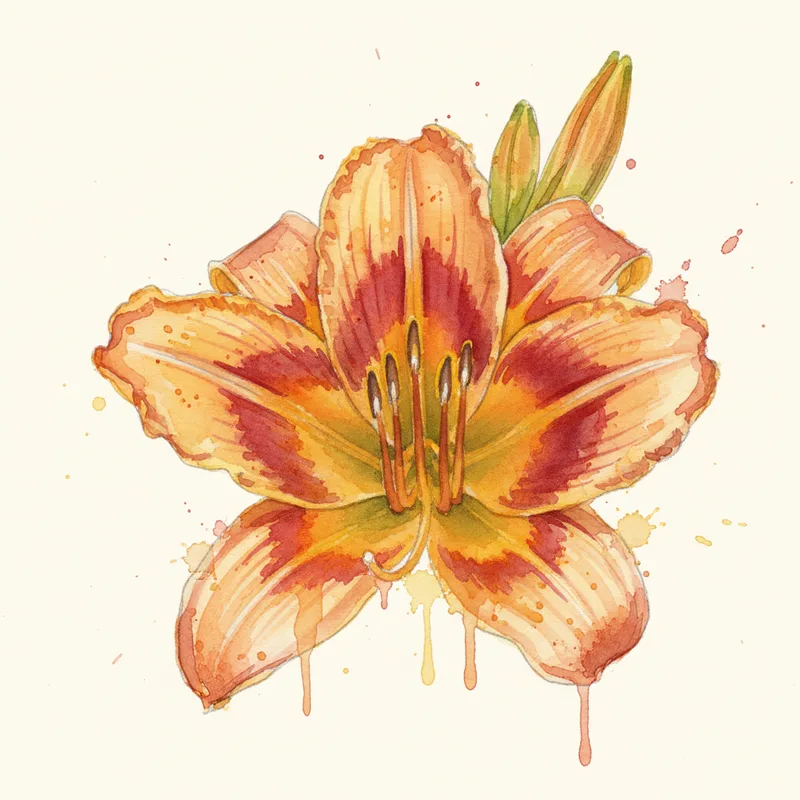
Daylilies open one flower per stem, per day. Pinching off the spent blooms keeps plants looking tidy but does not dramatically extend the bloom season. Some modern rebloomers, like "Stella de Oro," benefit more from deadheading than classic varieties.
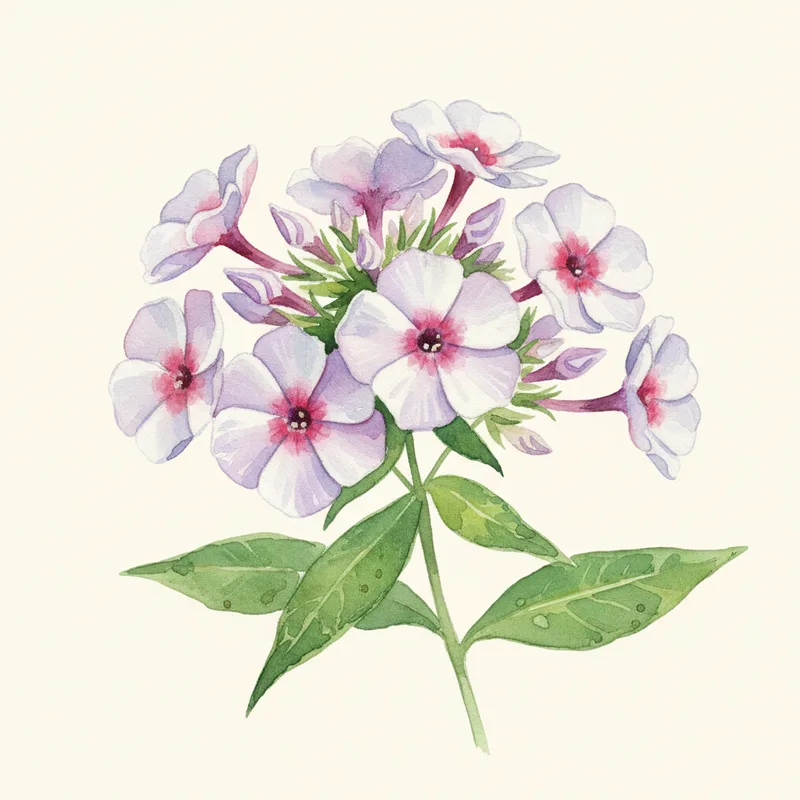
Garden phlox can be deadheaded for a second, smaller flush. After the main bloom in July, cut the flower heads off, and you may get a lighter second wave in late August.
The plants where deadheading is optional
Some plants produce seed heads that are either beautiful, useful to wildlife, or both. Here, deadheading is a choice, not a chore.
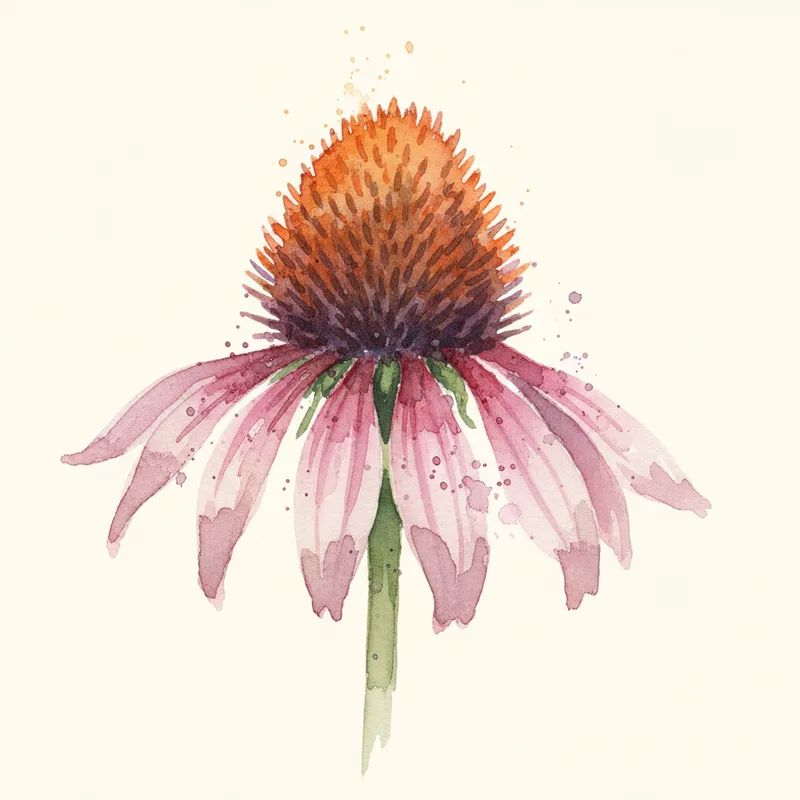
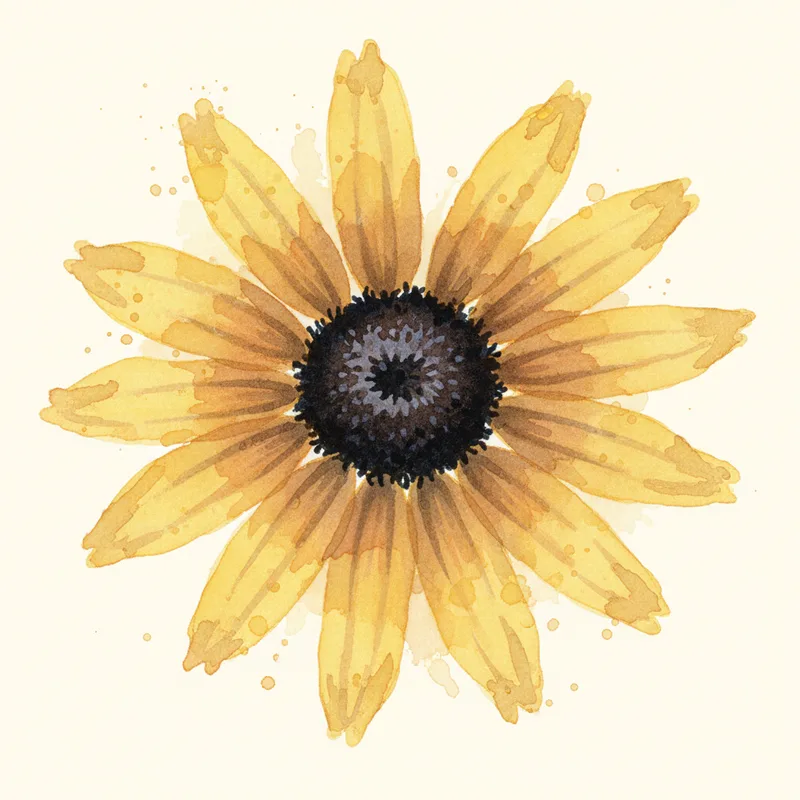
Coneflowers and black-eyed Susans have striking dark seed cones that birds (goldfinches especially) strip through fall and winter. If you deadhead, you get a bit more bloom. If you do not, you get bird food and a skeletal beauty that holds through snow. Either choice is defensible. Many gardeners do a light midsummer deadhead and then leave the late-summer seed heads for the birds.
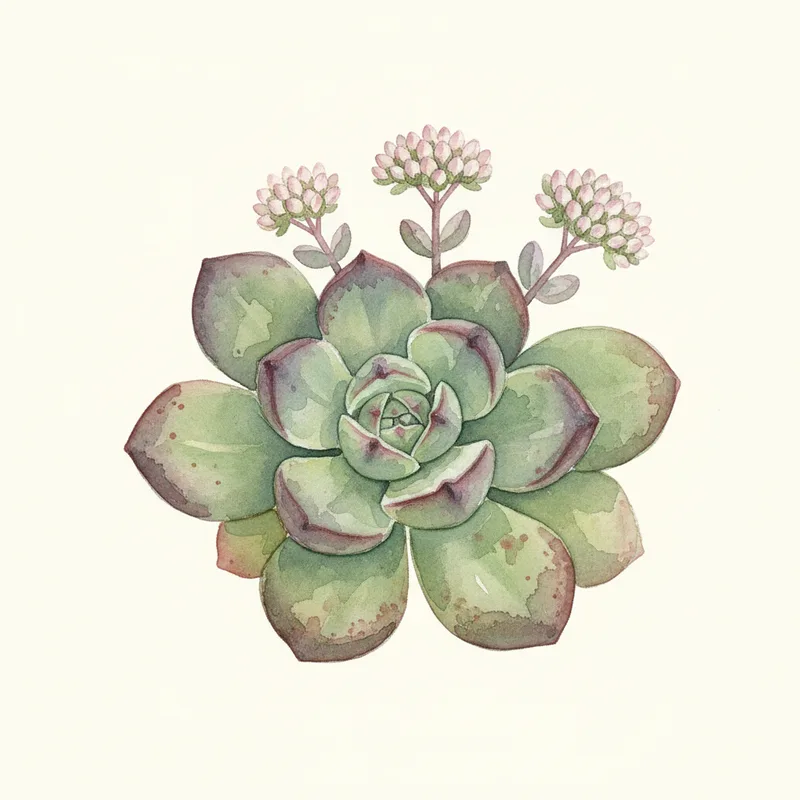
Sedum (autumn joy types) has architectural flower heads that rust through fall and stand upright into winter. Do not deadhead. Just leave it.
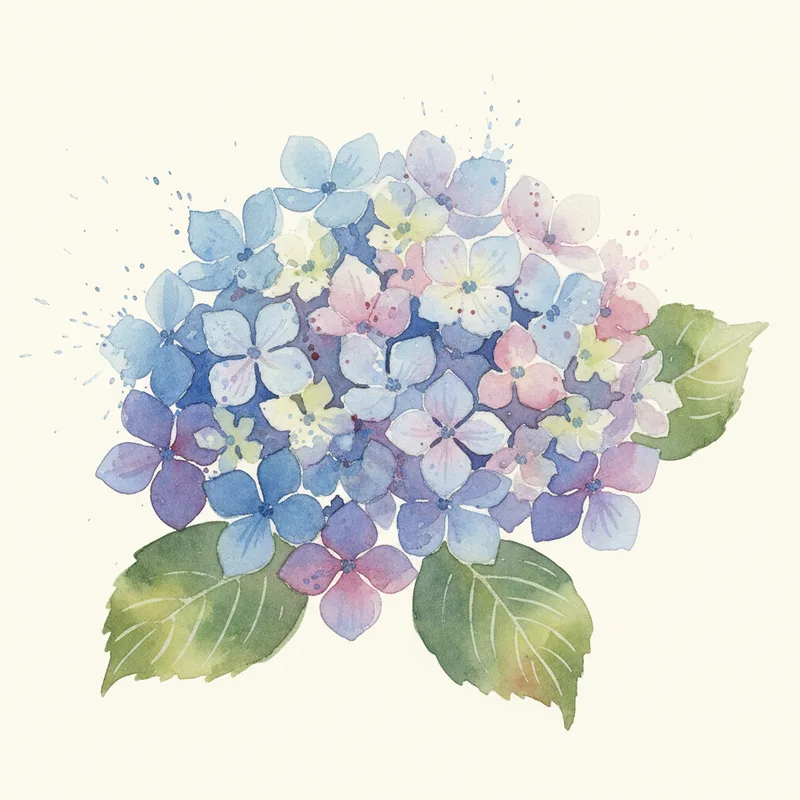
Hydrangeas are more complicated. Big-leaf hydrangeas set next year's buds on old wood, so any deadheading should happen immediately after bloom, cutting just below the flower head without removing stems. Panicle hydrangeas bloom on new wood and can be cut harder. When in doubt, leave them and prune in spring.
Plants to never deadhead
Some plants produce a single flush of bloom per year and cannot be coaxed into more. Deadheading them is a waste of time.
Most spring bulbs fall into this category. Tulip, daffodil, crocus, and hyacinth all bloom once, then store energy for next year. Leave the foliage entirely alone until it yellows, which is typically six weeks after bloom. Cutting foliage early reduces next year's bloom. Cutting the flower stalk after bloom is fine.
Peonies bloom once. Wisteria blooms once. Most magnolias bloom once. Columbines self-sow heavily, so deadheading prevents that spread if it is unwanted, but it does not extend bloom.
A tactical deadheading schedule
Deadheading in small, frequent passes is easier than marathon sessions. A 15-minute walk through the garden every Sunday morning in July with pruners in one hand and a bucket in the other is enough to keep most gardens looking good. If you get behind, a single afternoon of aggressive shearing in mid-July resets everything.
Keep pruners sharp and clean. A dull cut crushes stems and invites disease. Wipe blades with rubbing alcohol between plants if any look diseased.
For what is blooming in your zone right now, check our bloom calendar. For long-bloomers that reward deadheading, browse our Nonstop Color collection and our best perennials for nonstop color guide.
Browse long-blooming plants by zone
Find deadhead-responsive plants for your zone: Zone 4 · Zone 5 · Zone 6 · Zone 7 · Zone 8 · Zone 9


What's growing, what's blooming, what's worth planting.
For gardeners who like to stay ahead.