Fragrant Flowers for Every Season of the Garden
A garden without fragrance is only doing half its job. Here are the best-smelling flowers for every month of the year, from February daphne to October roses.
There is a difference between a garden that looks nice and a garden that smells like something. The first one is a painting. The second one is an experience. Walking past a lilac in May or a gardenia in June is the kind of small sensory moment that makes all the weeding worth it.
Fragrance is easy to plan for and surprisingly easy to achieve year-round. Most fragrant flowers are popular for exactly this reason, so the varieties are well-tested and widely available. The only trick is sequencing them so you always have something in bloom and in scent.
February and March: the first whiff of spring
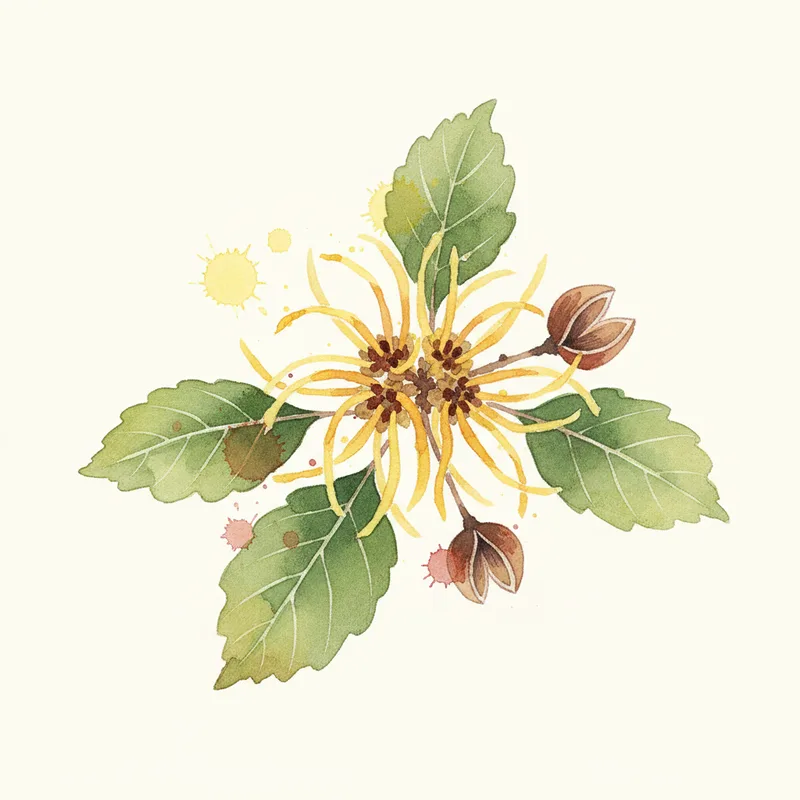
The earliest fragrant bloomers are shrubs that open on bare branches, which makes their scent feel almost impossible. Witch hazel is the classic. Its spidery yellow, orange, or red flowers open in the coldest weeks of February and March, and the scent is spicy and sweet, carrying surprising distance on a still afternoon.
Daphne blooms in March with clusters of tiny pink flowers whose fragrance punches well above its weight. Plant it near a door or path where you will brush past it.
April: hyacinths and viburnum
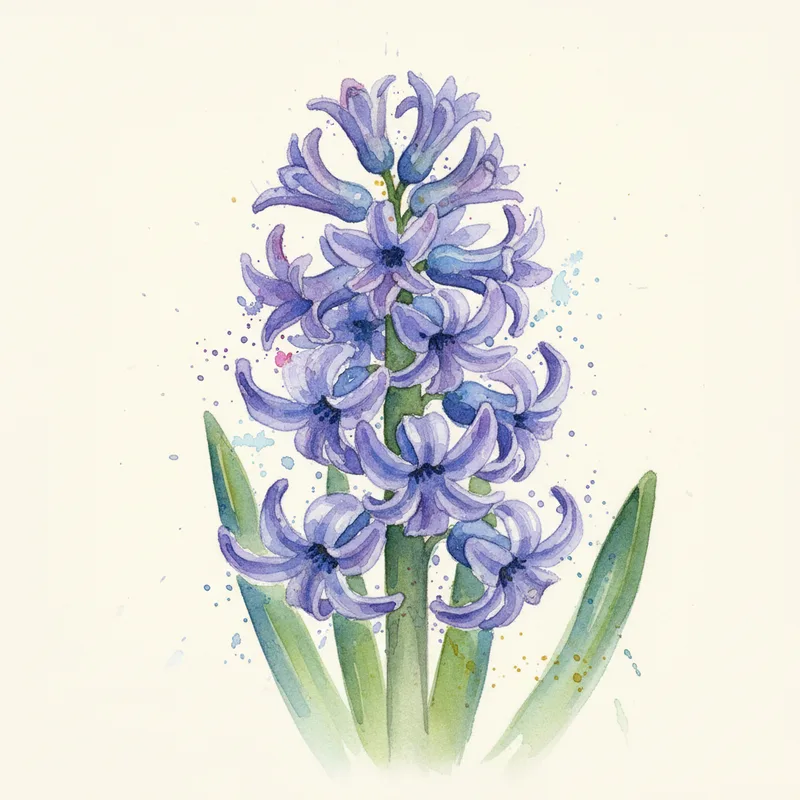
Hyacinth is the fragrance of early April. A single bulb can perfume an entire room, and a planting of a dozen fills an entire yard. The scent is dense and almost too much up close, which is precisely the appeal. Plant hyacinths in groups near paths and benches, not in distant beds.
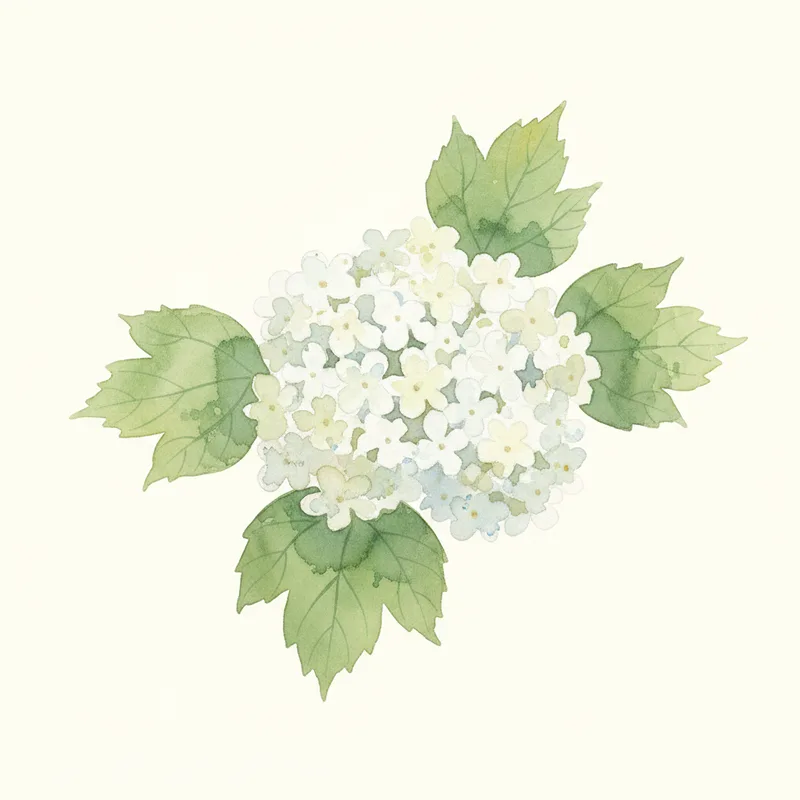
Viburnum species vary widely in fragrance, but Korean spice viburnum and burkwood viburnum are the aromatic stars. Snowball-shaped clusters of pink-flushed white flowers release a clove-like scent that is one of the best garden perfumes in existence. Plant viburnum near windows that open in spring.
May: the peak of fragrant bloom
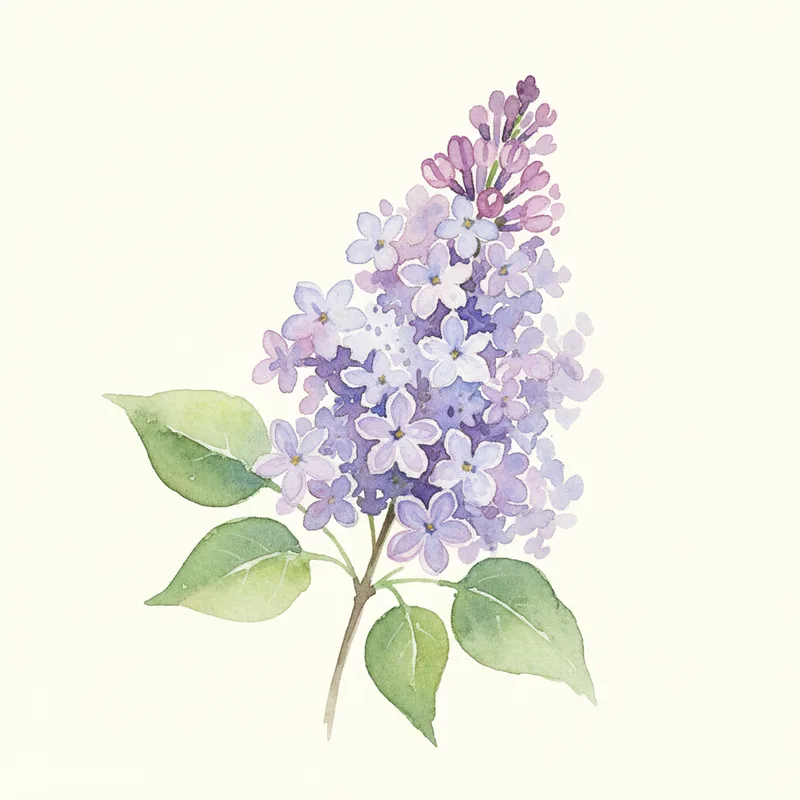
May is when the fragrant garden peaks. Lilacs are the defining scent of the month in northern gardens. A single mature lilac shrub scents a half-acre for two weeks. Plant them where you can smell them from the porch, or cut branches for the house. Grape Ivy hyacinths are stunning plants and so are lily of the valley, which spreads a fragrant white carpet under trees.
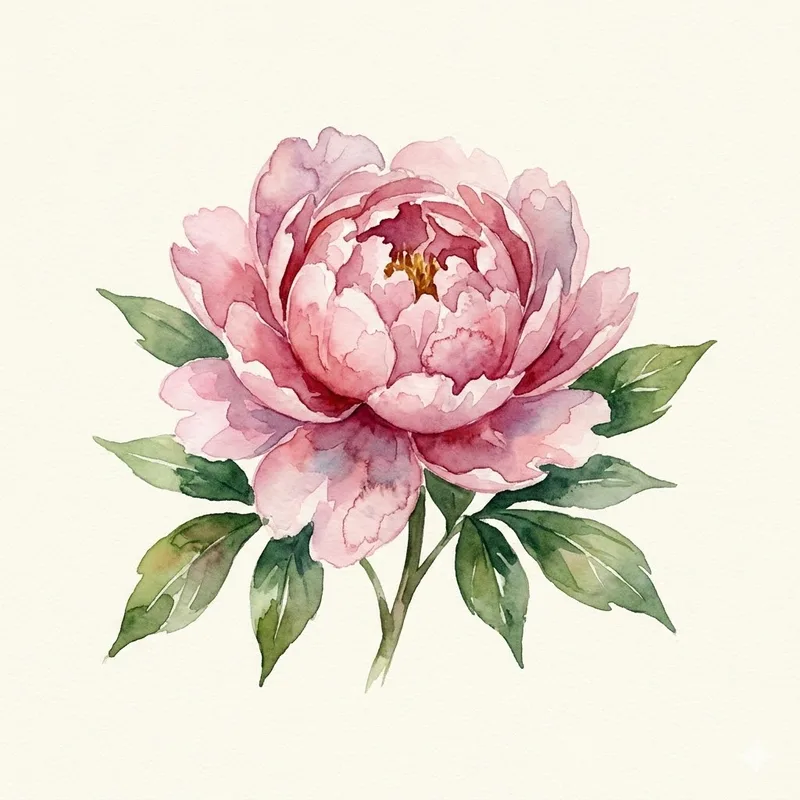
Peonies bloom in late May and early June, and some varieties have incredible fragrance. Not all peonies are fragrant, so look for Festiva Maxima, Sarah Bernhardt, or any labeled fragrant at the nursery. A vase of peonies on a bedside table fills a bedroom with scent overnight. For the full variety lineup and when to order bare roots, see our guide to the best peonies for fall planting.
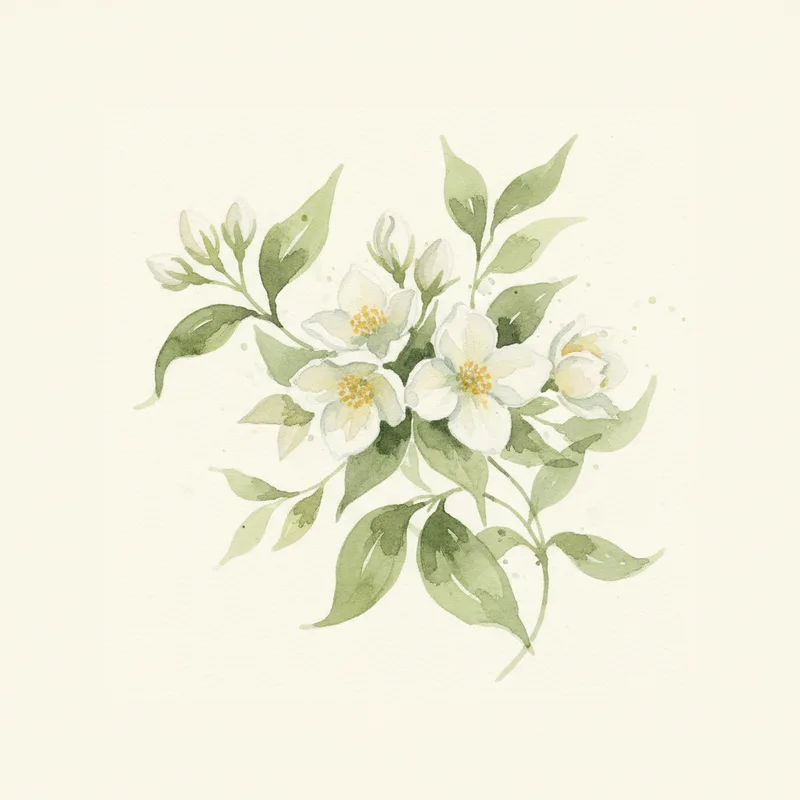
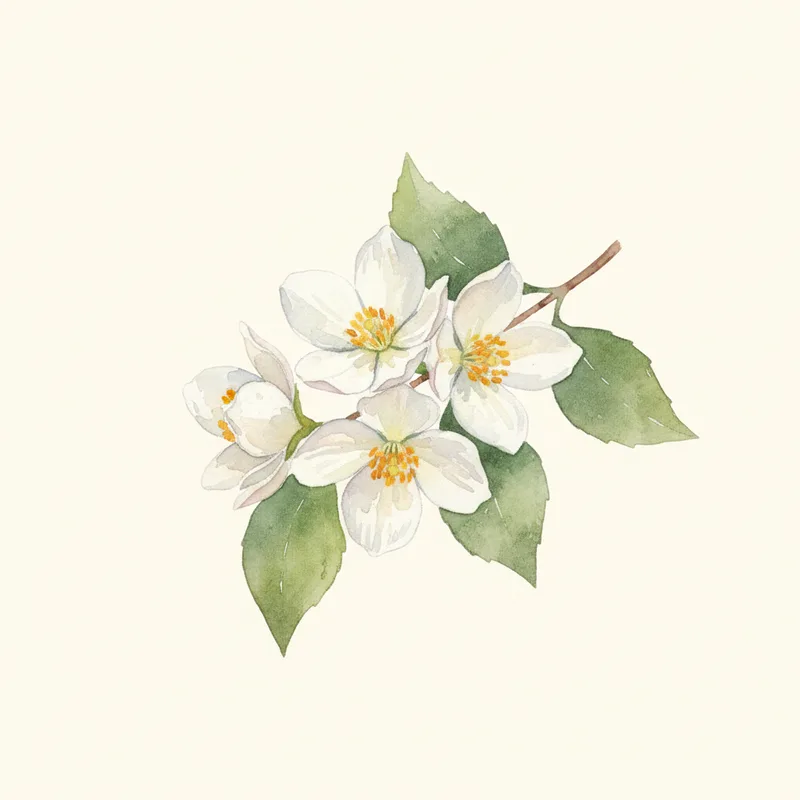
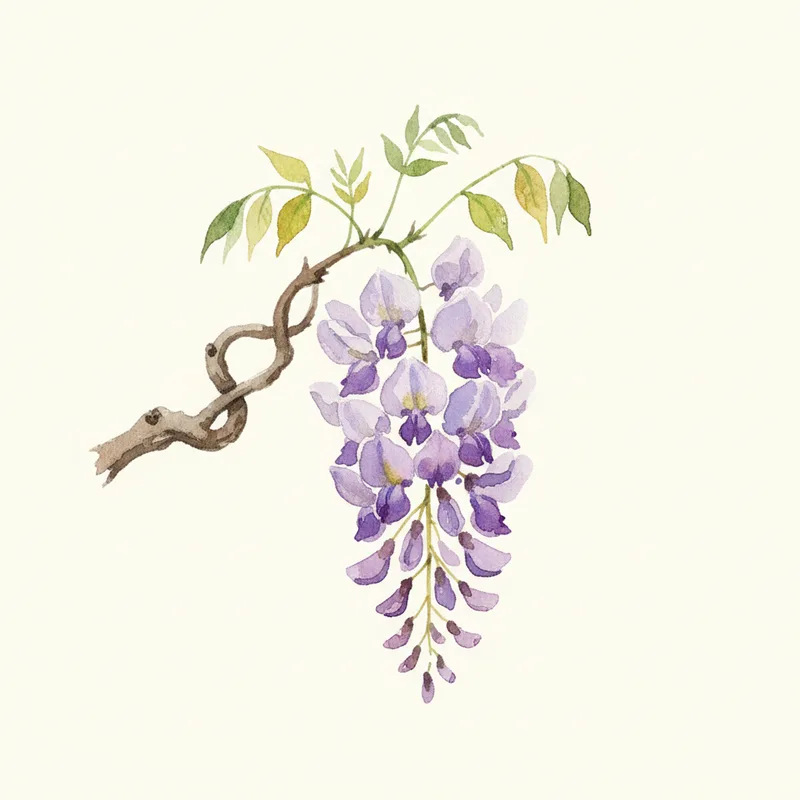
Wisteria drips cascading purple flowers from pergolas and arbors in May, and the scent is heavy and floral. Plant the native American wisteria rather than the Asian types, which grow aggressively and can damage structures. Mock orange blooms in late May with white flowers that smell exactly like orange blossoms. It is one of the best-kept secrets of fragrant shrubs.
June: roses and sweet peas
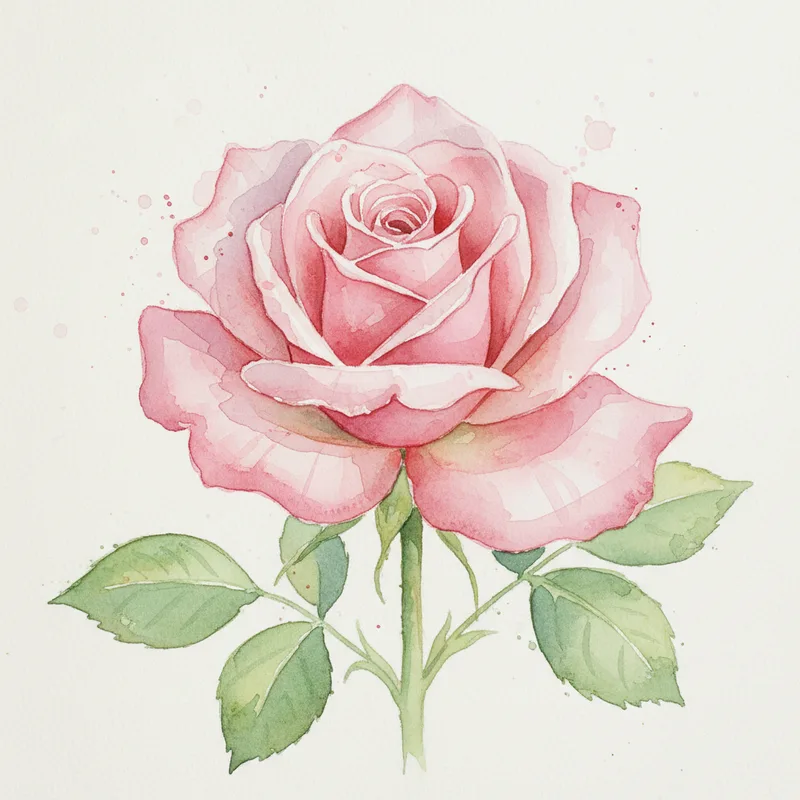
Not all roses are fragrant. Breeders have spent decades trading scent for longer bloom, bigger flowers, and tougher foliage. But old garden roses, damasks, and modern David Austin roses deliver scent in spades. Seek out "Gertrude Jekyll," "Munstead Wood," or any old-fashioned shrub rose. Plant them near a path where you can slow down and actually sniff them.
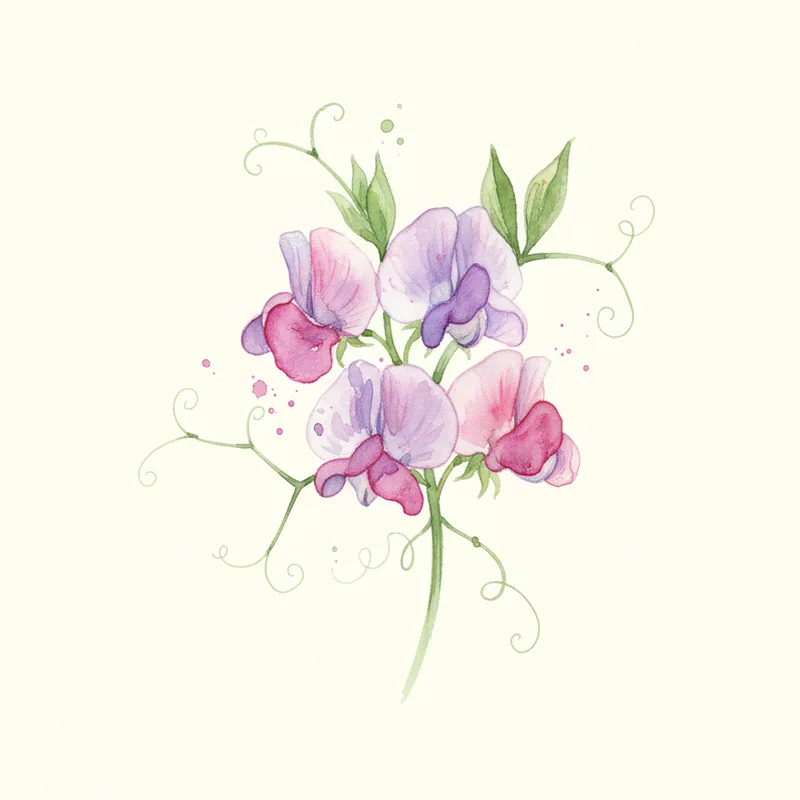
Sweet peas are an annual climber whose fragrance is out of all proportion to the plant. Start seeds indoors in February or direct-sow in March, then harvest cut flowers for the house from May through early July. The scent of a small vase of sweet peas in a kitchen is one of the great early-summer pleasures.
July and August: the heat-lovers
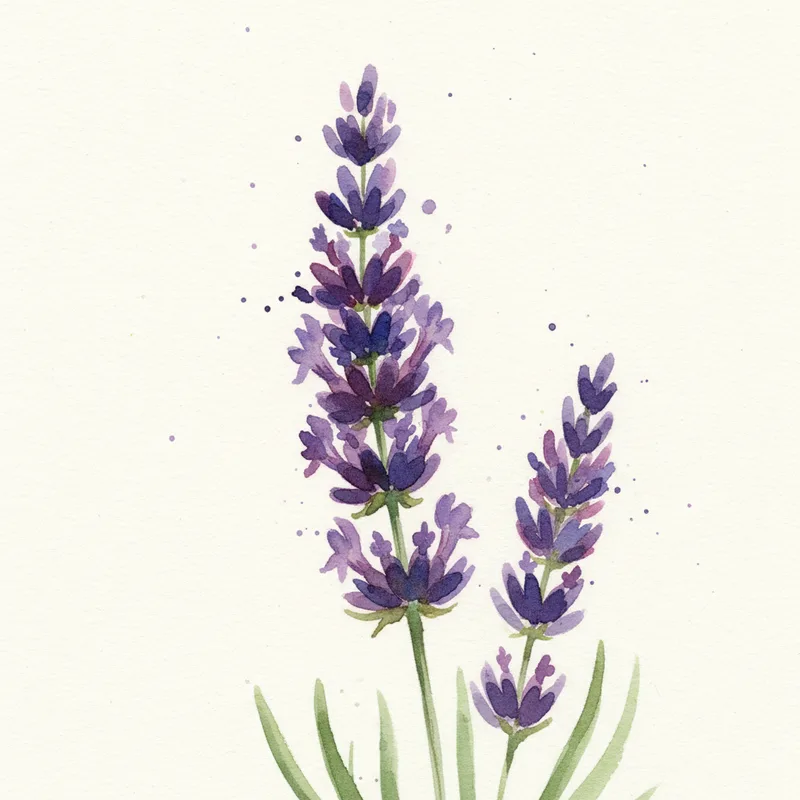
As temperatures rise, the fragrant garden shifts to heat-tolerant plants. Lavender reaches peak bloom and peak fragrance in July. The scent is released by warm sun on the foliage as much as by the flowers, so brushing past a lavender plant is the whole experience. Plant it in the hottest, driest, sunniest spot you have, and it will thrive.
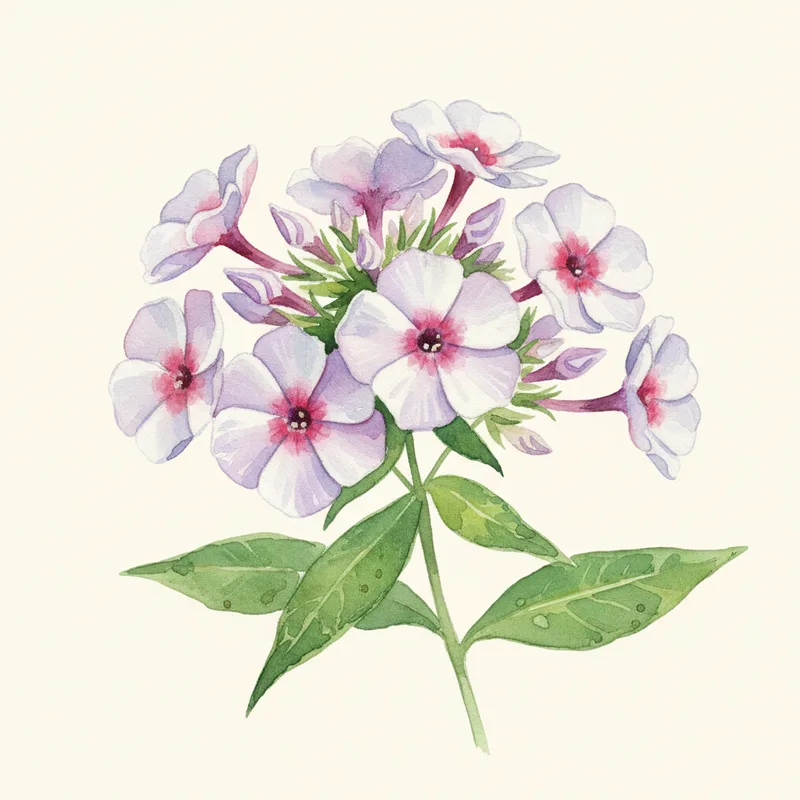
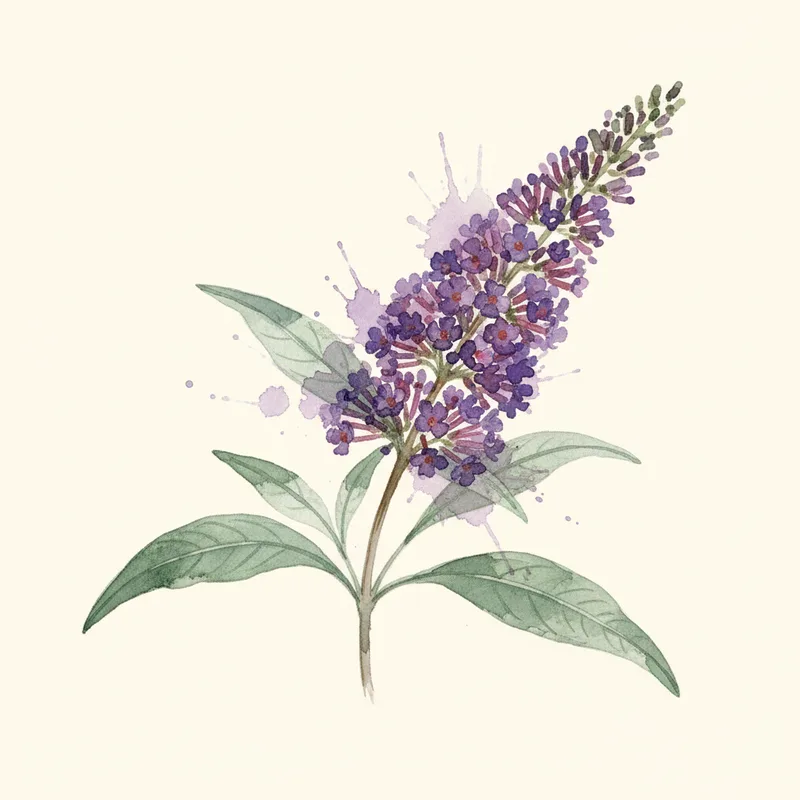
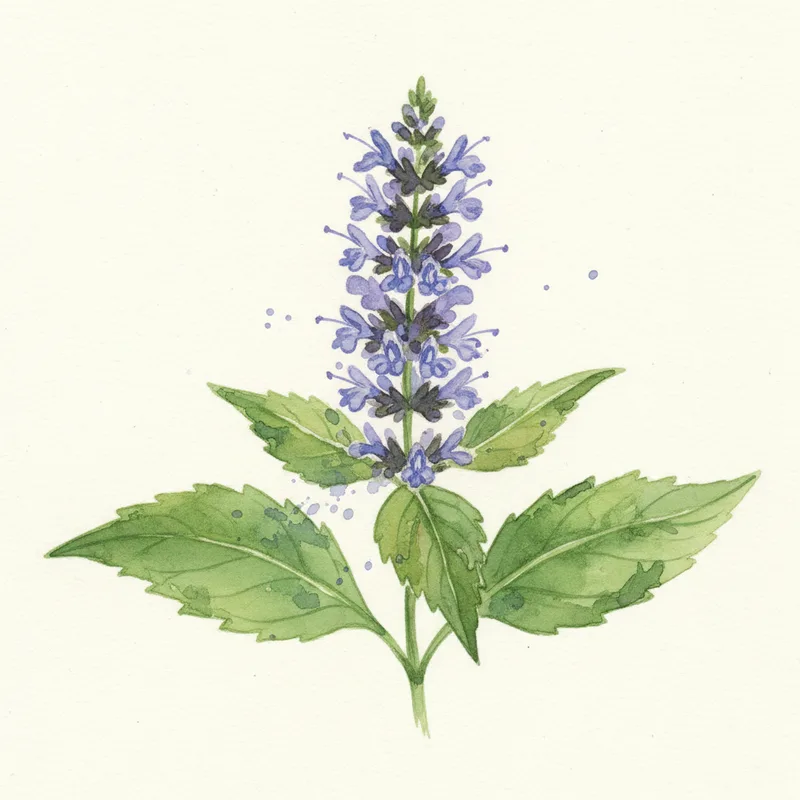
Garden phlox carries the midsummer fragrant torch with billowing clusters of pink, purple, and white flowers that attract butterflies and smell like a cottage garden should. Butterfly bush and anise hyssop join in with their own distinct scents, anise hyssop leaning licorice and butterfly bush leaning honey.
For evening fragrance, plant jasmine near a patio. The scent is intense and carries on the still night air. In zones 7 and warmer, star jasmine and common jasmine are reliable. In colder zones, grow them in pots and overwinter indoors.
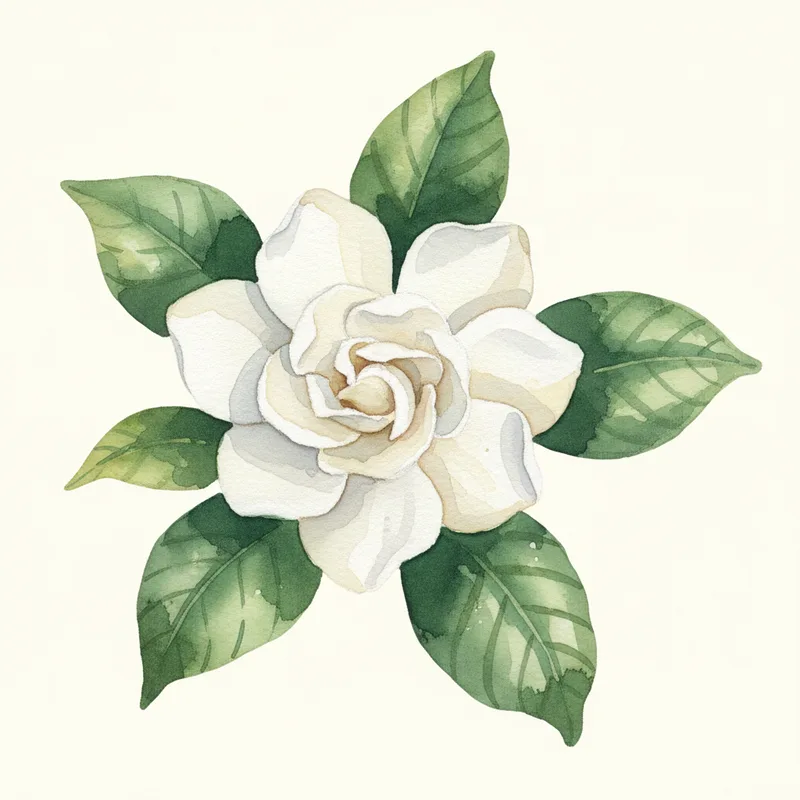
Gardenia is the South's answer to jasmine. Intensely perfumed white flowers that bloom from late spring into summer on glossy evergreen shrubs. Gardenias want acid soil and humidity, and they are at their happiest in zones 7 to 11.
September and October: the quiet last notes
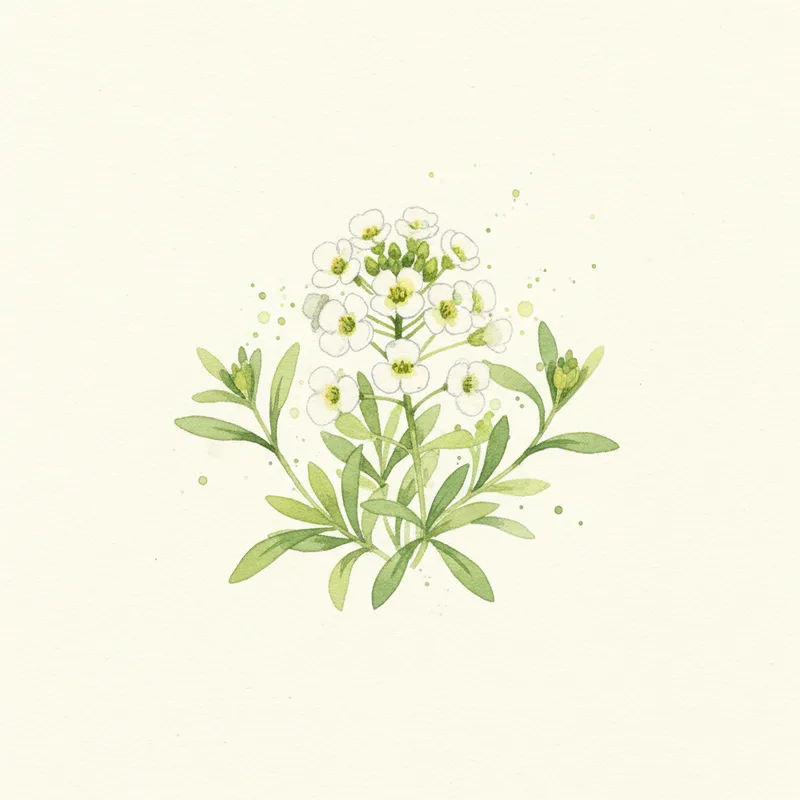
Fall fragrance is subtler but no less rewarding. Sweet alyssum flowers straight through light frost, and the honey scent of a bed of alyssum is one of the most underrated garden perfumes. Plant it as edging or in containers, and keep it cool with some afternoon shade.
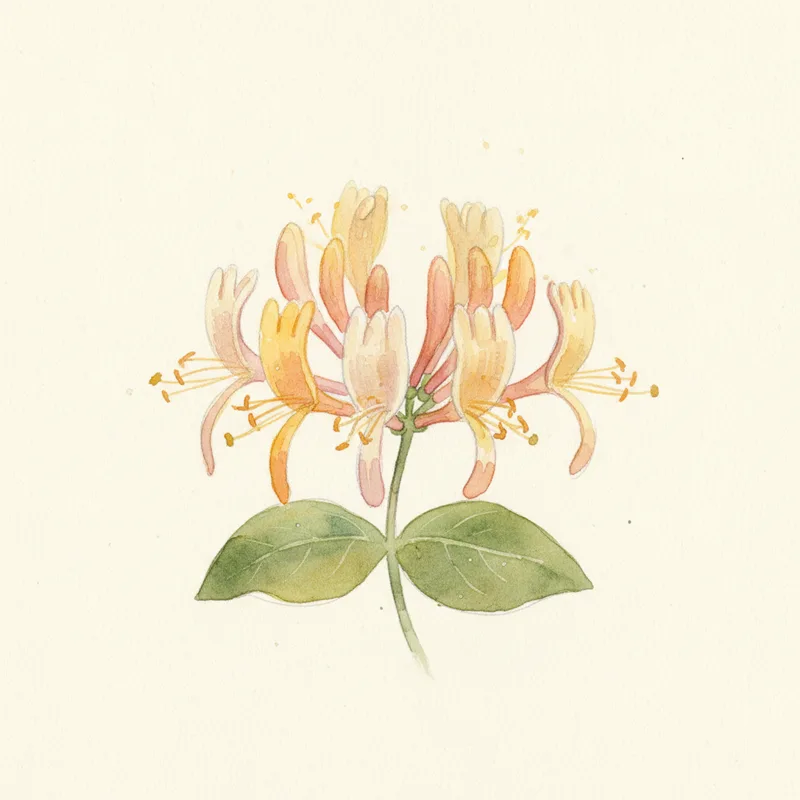
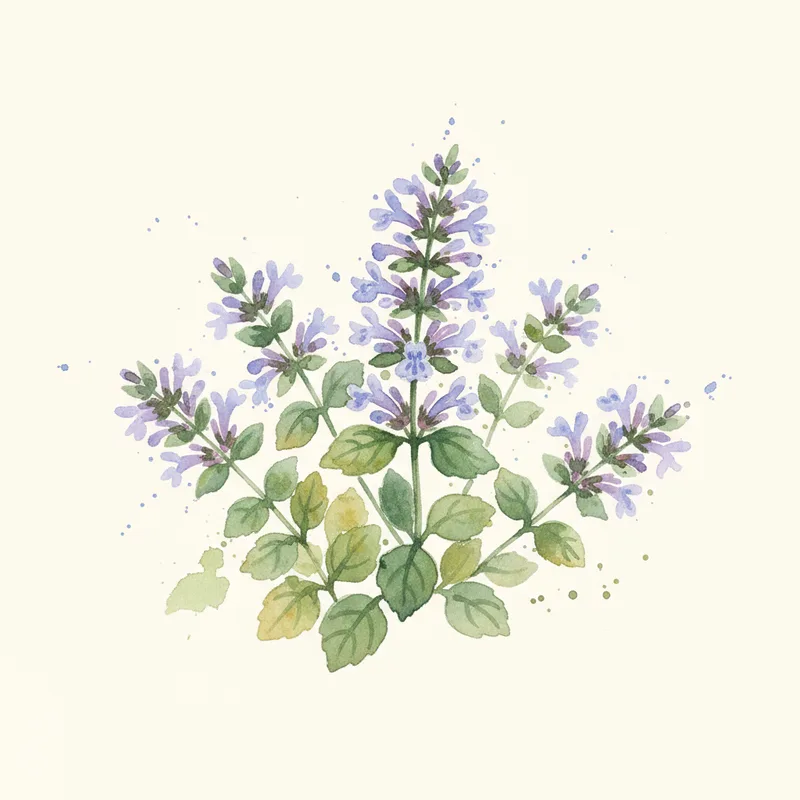
Honeysuckle often has a rebloom flush in September, and the evening scent is a defining memory for anyone who grew up near one. Catmint keeps producing into October if you shear it back, and its soft, minty-floral scent is a garden workhorse.
For the last roses of the year, late-blooming varieties like "Munstead Wood" hold their fragrance well into October in most zones. A single late rose in a narrow vase is a last, quiet gift from the garden before winter.
How to plan for continuous fragrance
Pick at least one fragrant plant for each month you are likely to be outside. Stack them near paths, doors, windows, patios, and seating areas. Skip fragrance in the middle of the yard where no one will ever smell it. Scent is for the places where humans linger.
For more, see our full list of fragrant plants, our year-round bloom calendar, and our guide to planning a garden that blooms every month.
Browse fragrant plants by zone
Find fragrant flowers for your zone: Zone 4 · Zone 5 · Zone 6 · Zone 7 · Zone 8 · Zone 9
What's growing, what's blooming, what's worth planting.
For gardeners who like to stay ahead.