Best Plants for Privacy Hedges and Flowering Screens
Privacy doesn't have to mean a wall of arborvitae. These flowering shrubs and trees screen sight lines, support pollinators, and look better doing it.
The default solution for privacy in American yards is a row of arborvitae or Leyland cypress. They grow fast, they screen well, and they have all the visual personality of a stack of green refrigerators. They also fail in interesting ways: ice damage, bagworms, root rot, dead patches that never grow back.
The smarter move is a flowering hedge or mixed screen. Slightly more thought up front, dramatically better looking, and you get bloom, pollinator support, and seasonal change instead of a static green wall.
How tall and dense do you actually need?
Before you shop, sit in your yard at the spot you want screened and look at exactly what you want hidden. Is it a second-story window, a road, a neighbor's deck, an HVAC unit? In most cases the screen needs to be eight to twelve feet tall, not twenty. A shorter, thicker hedge often does the job better than a tall, sparse one.
Density matters more than height. Three rows of medium-tall flowering shrubs screen far more than one row of tall narrow conifers. Plan for a mixed planting if you have the space.
The fast-growing flowering hedge classics
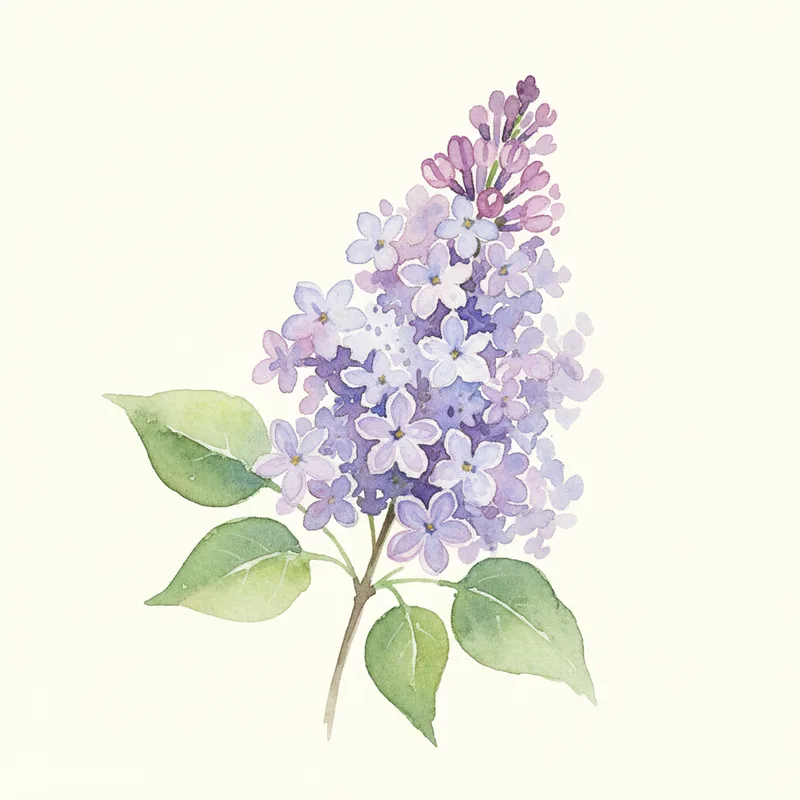
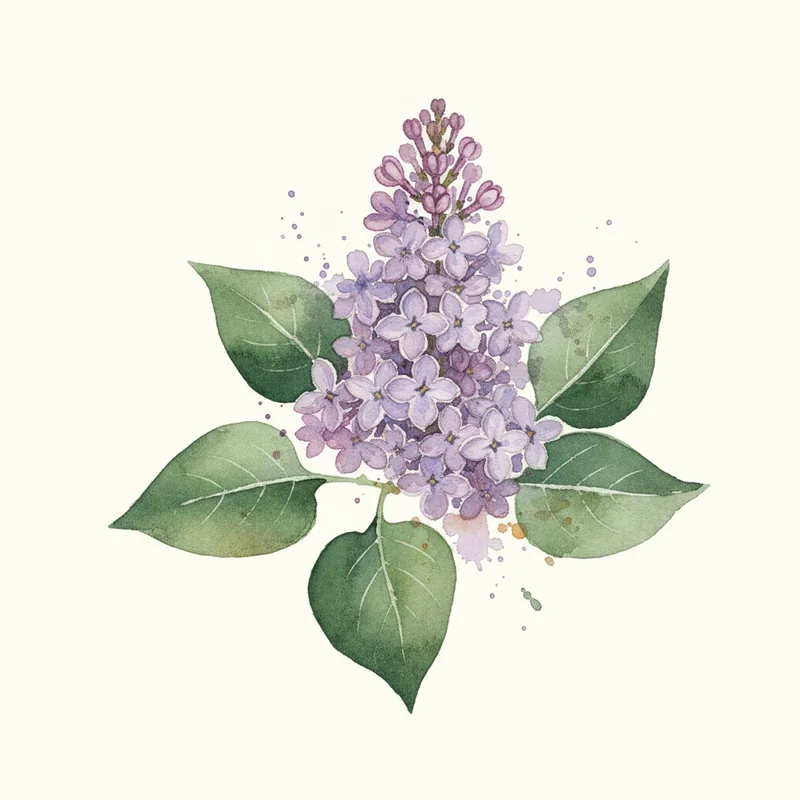
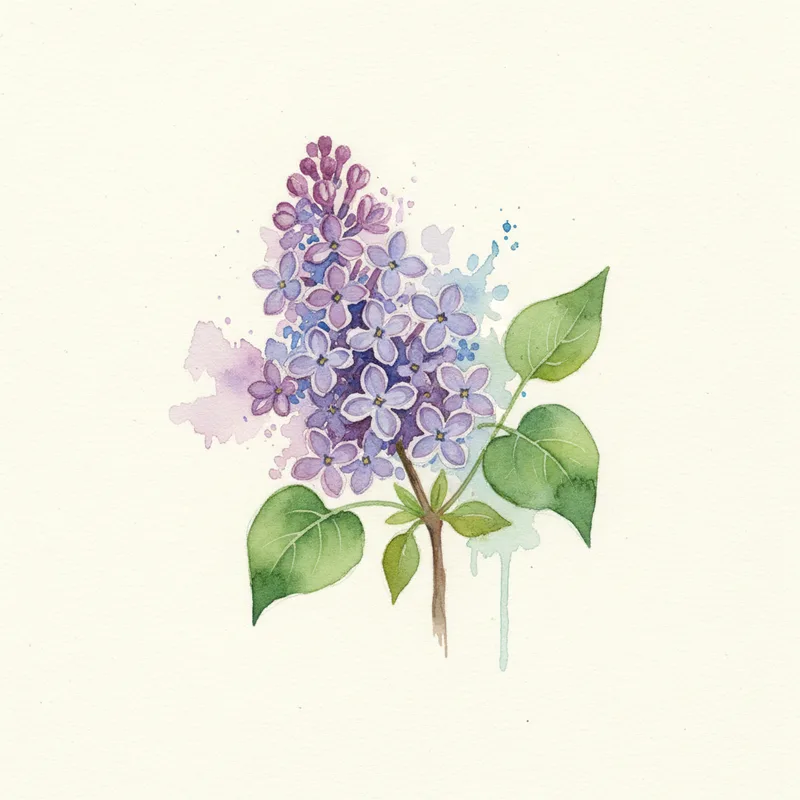
Lilac is the time-honored choice. Reaches eight to fifteen feet, blooms intoxicating purple in May, and can be limbed up to read as a small tree once mature. Old-growth lilac hedges in the Northeast have been screening farmhouses for a hundred years. Miss Kim Lilac is a more compact alternative for smaller yards, and Bloomerang Lilac reblooms in late summer.
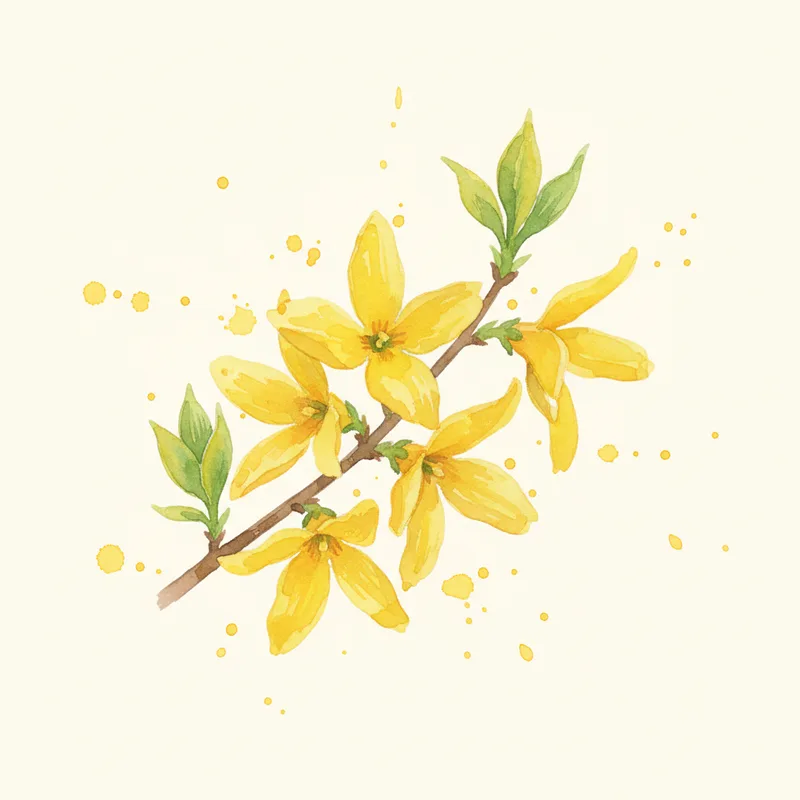
Forsythia is the loud yellow announcement of spring. Reaches eight feet, blooms before leaves emerge in March or April, and is one of the fastest-growing screens you can plant. The downside: it looks unremarkable for ten months of the year. Best as part of a mixed hedge, not a solo act.
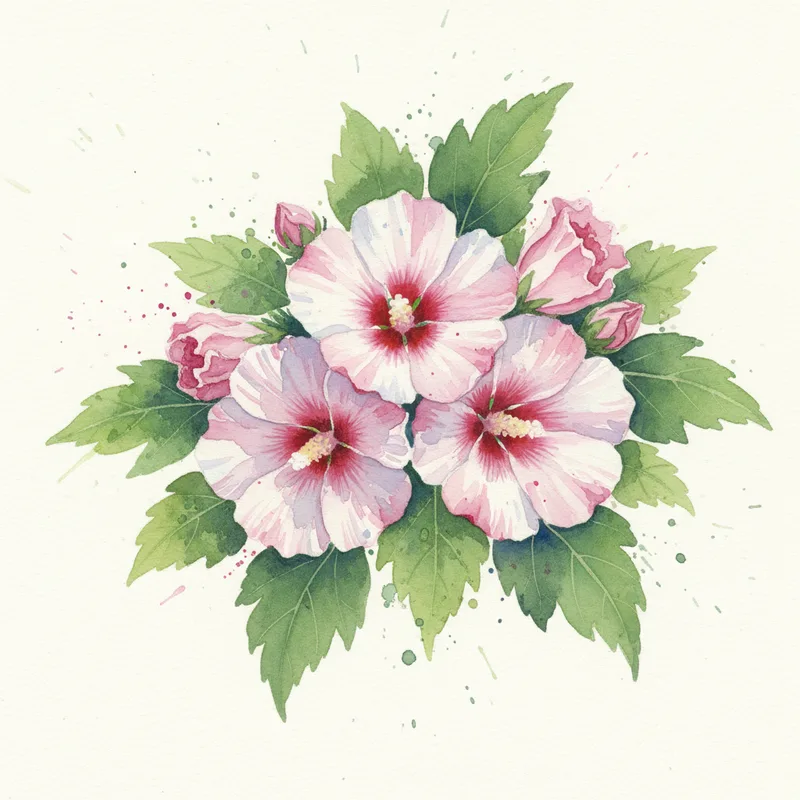
Rose of Sharon blooms hibiscus-style in late summer when most other shrubs are done. Reaches ten feet and forms a thick hedge if planted three to four feet apart. Tolerates poor soil and urban conditions.
The hydrangea hedge
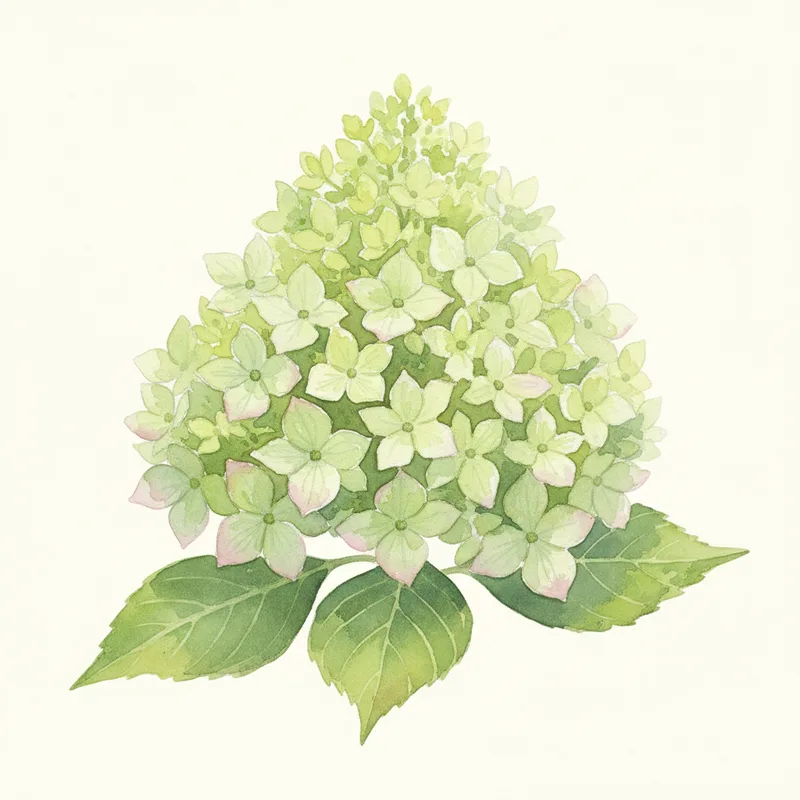
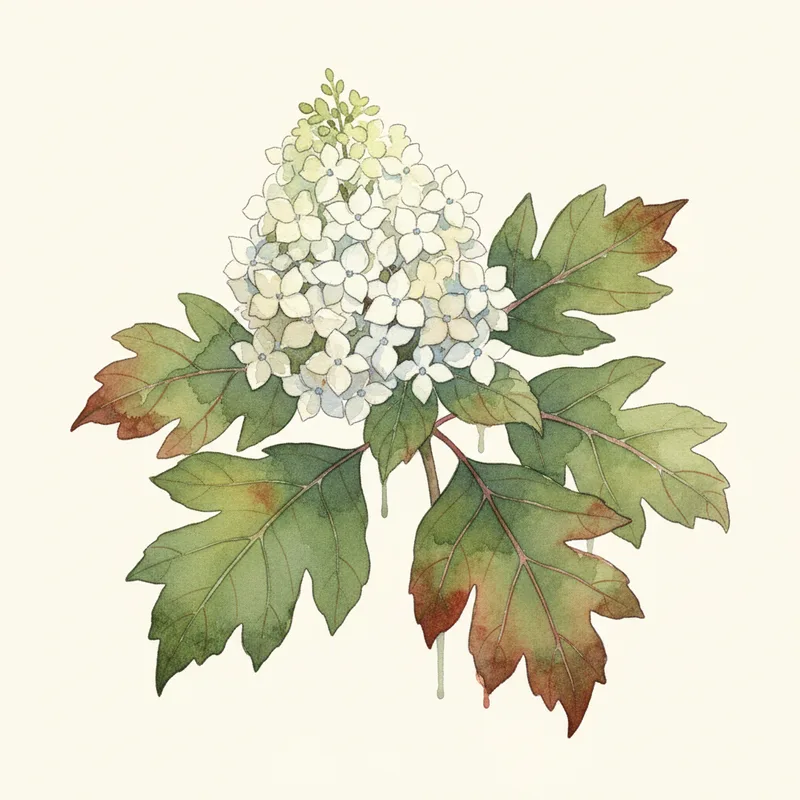
Underused privacy strategy. Tall paniculata hydrangeas hold their bloom from July through September, then dry on the plant as winter interest. Limelight Hydrangea grows six to eight feet, can be pruned to tree form for a more open hedge, and blooms huge cones of green-white-then-pink flowers for two months. Oakleaf Hydrangea adds dramatic burgundy fall color and exfoliating bark for winter interest.
Plant them three to four feet apart for a continuous hedge. Annual late-winter pruning keeps them dense and full.
Native and pollinator-friendly screens
If you want a hedge that supports wildlife, replace the arborvitae fantasy with a native mixed planting.
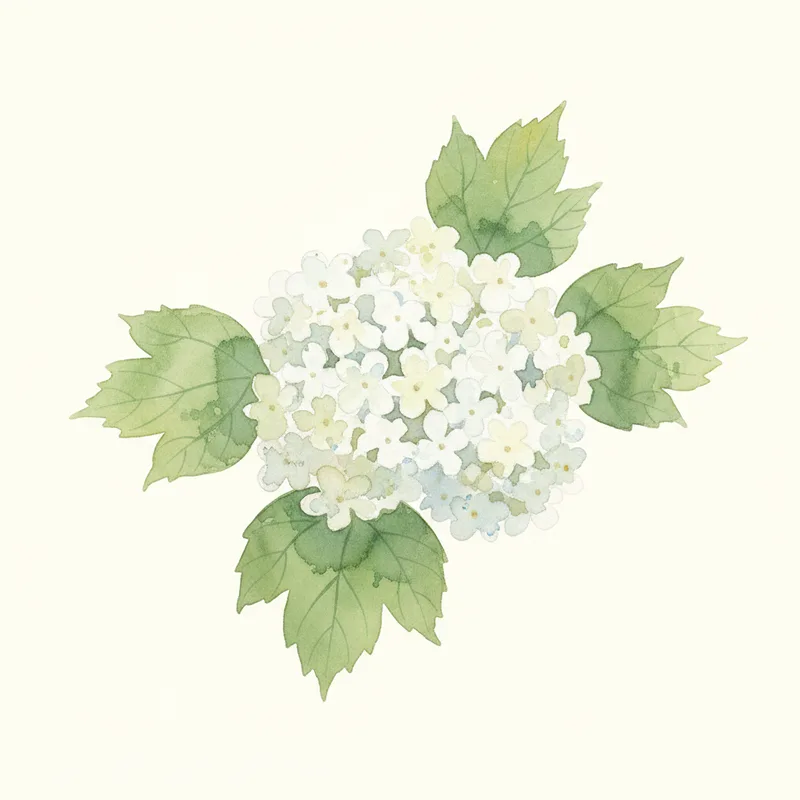
Viburnum is the workhorse. Many species exist (arrowwood, blackhaw, nannyberry) and almost all give you spring bloom, summer berries that birds love, and fall color. Plants reach six to twelve feet depending on species.
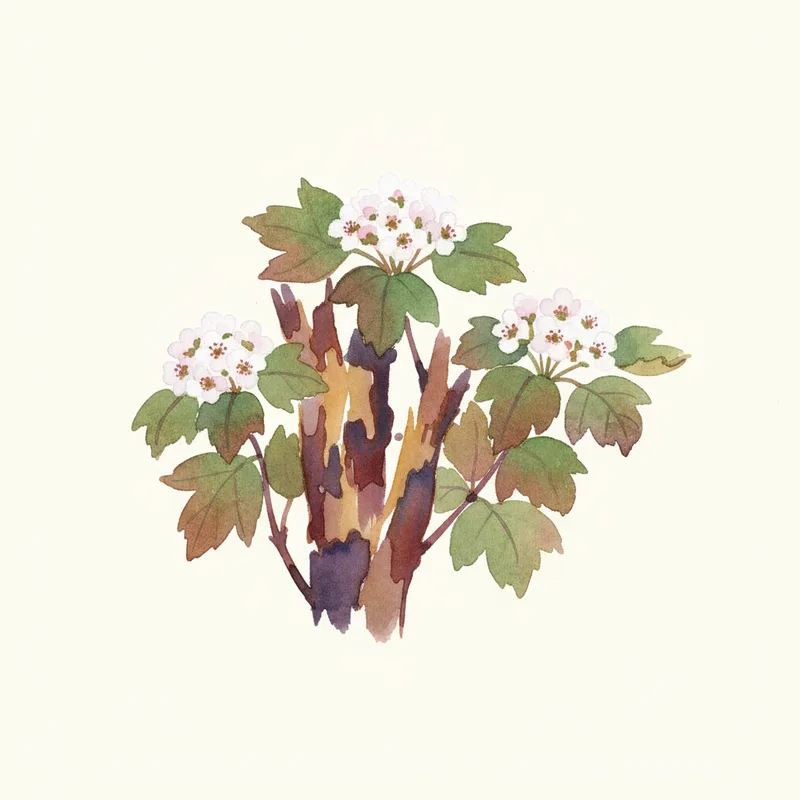
Ninebark is a tough native shrub with peeling bark winter interest and gold or burgundy leaf cultivars. Reaches six to ten feet and tolerates clay, drought, and neglect.
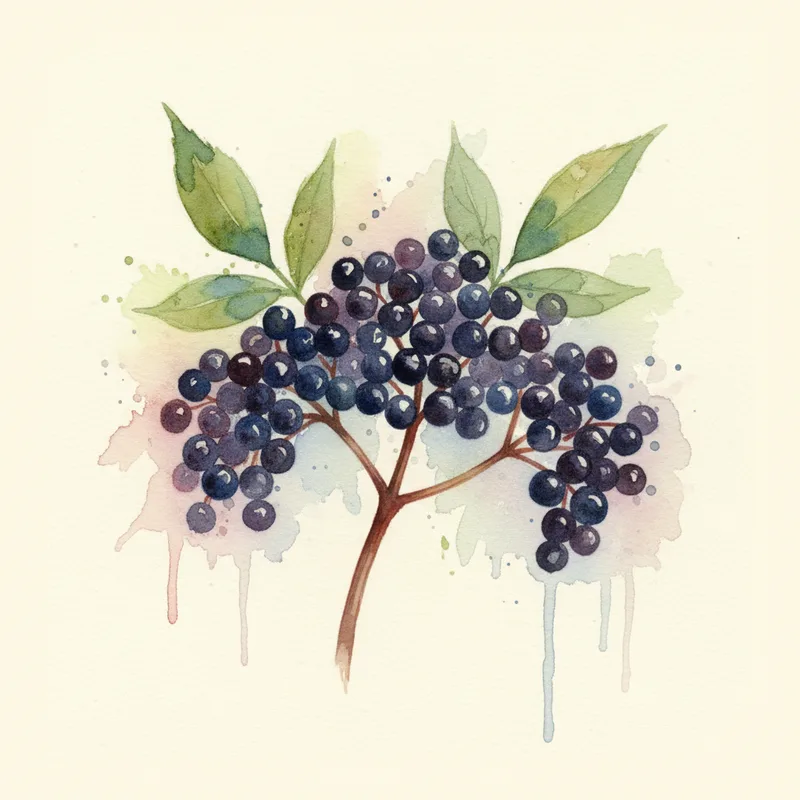
American Elderberry grows ten to twelve feet, flowers in big white umbels in June, and produces berries that the wildlife will demolish in August. It is also the host plant for several specialist pollinators.
Hot-climate flowering screens
For zones 7 and warmer:
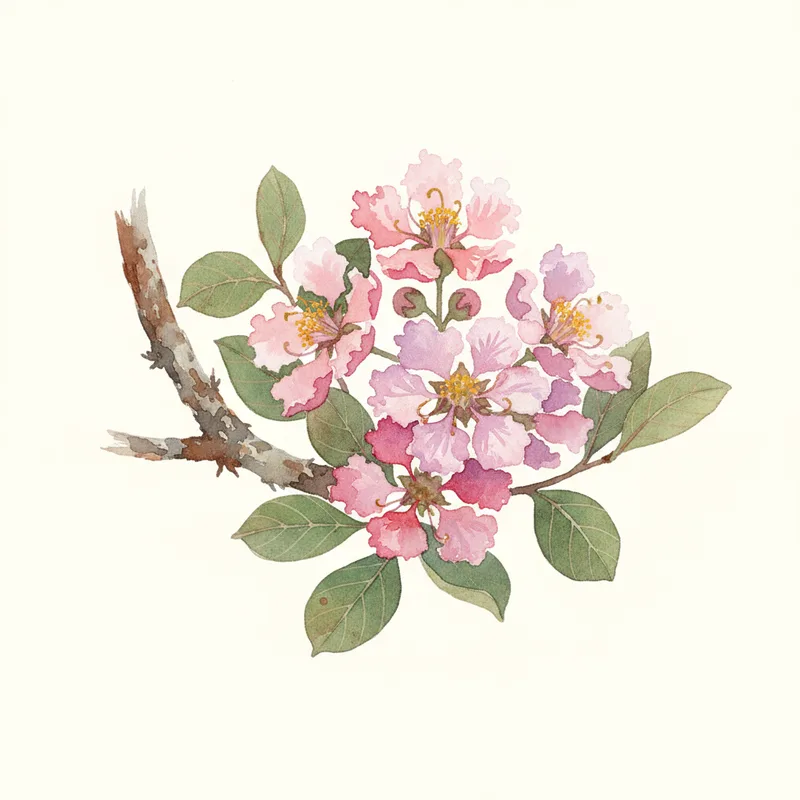
Crape Myrtle is the queen of Southern screens. Reaches fifteen to twenty-five feet, blooms hot pink, red, or white from July through September, and has cinnamon-colored exfoliating bark for winter interest. Avoid topping (the so-called "crape murder") and let it grow to its natural form.
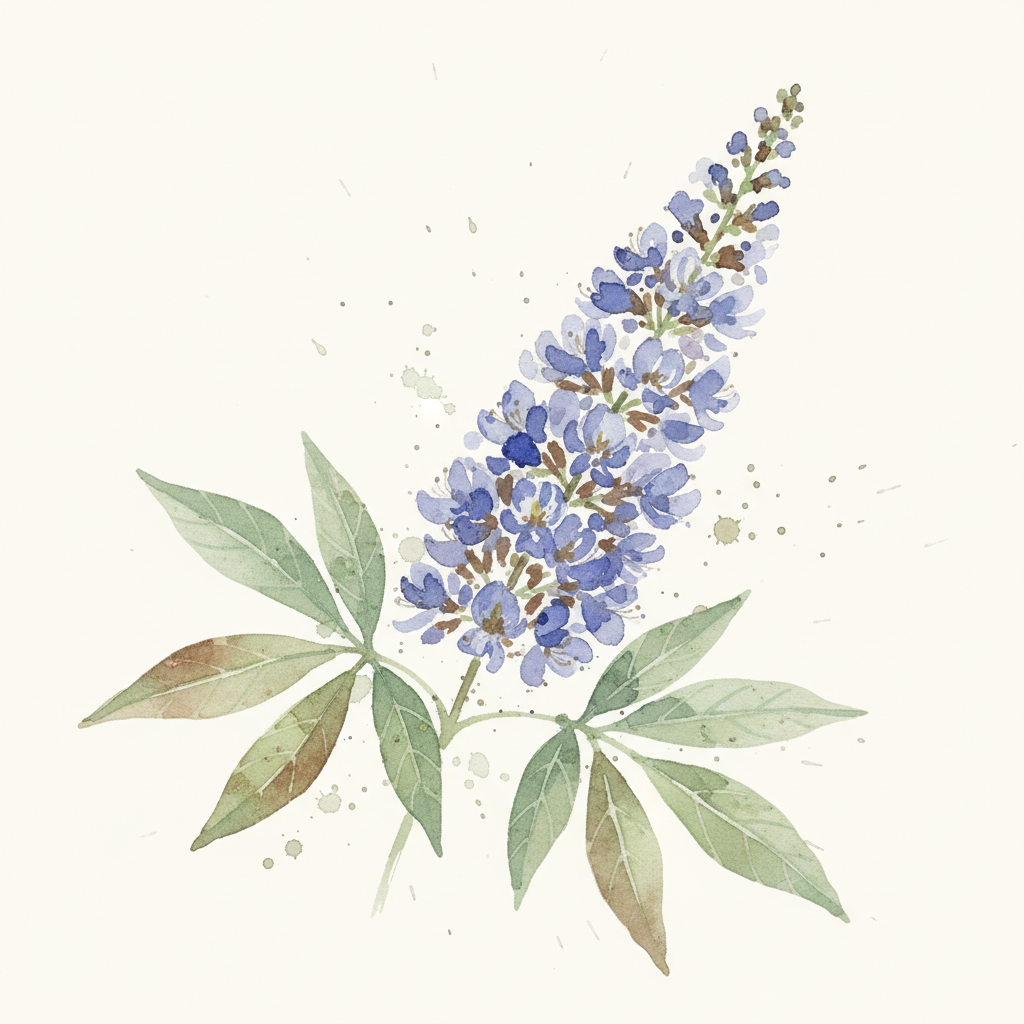
Chaste Tree (Vitex) is a smaller, tougher option. Reaches ten to fifteen feet, blooms purple spires in July and August, and tolerates drought and heat. Pollinator magnet.
The mixed hedge approach
The best-looking privacy plantings are not a single species. They are a mix of three to five plants that bloom in succession and offer different textures and heights. A typical mixed planting might be:
- An anchor evergreen (small holly or boxwood at one end for winter density)
- A late-spring bloomer (lilac, viburnum)
- A summer bloomer (limelight hydrangea, rose of sharon)
- A fall-color shrub (oakleaf hydrangea, ninebark)
- An understory of perennials at the front edge
This planting screens through every season, looks intentional rather than utilitarian, and gives you continuous bloom from April through October.
What to skip
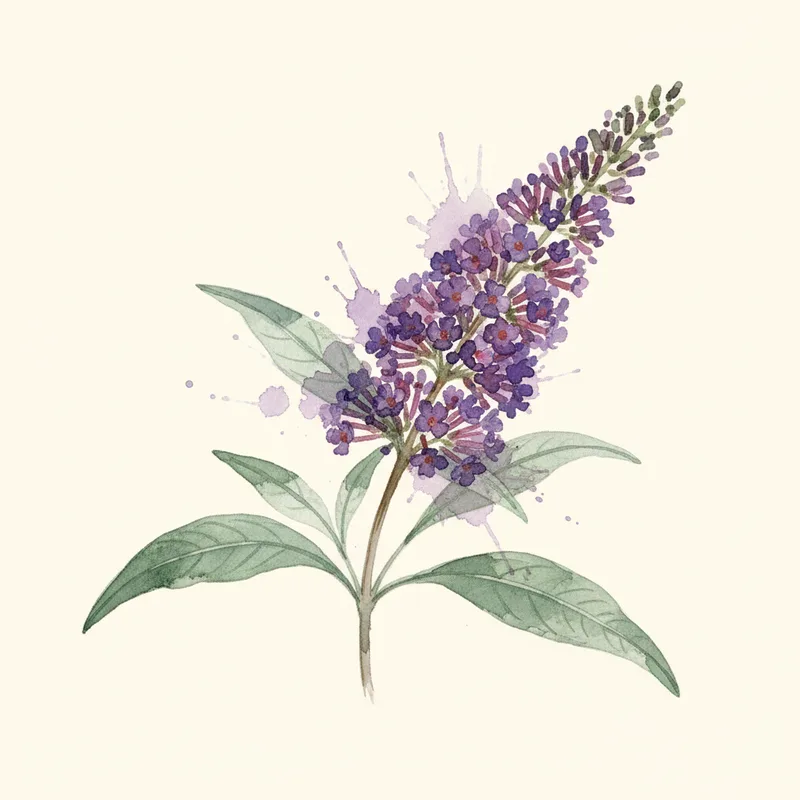
Butterfly Bush works as a privacy filler but is invasive in much of the eastern US. Newer sterile cultivars are okay but read the label.
Bamboo (running types) is a generational mistake. Even "clumping" bamboo can spread further than you expect. If you must use bamboo, install a thirty-inch deep root barrier on day one.
Leyland cypress is the cautionary tale of fast-growing privacy: ten years of beauty, then bagworms or canker disease, then a hundred-foot row of dead trees you have to remove at terrifying expense.
The bottom line
Privacy doesn't have to be a chore plant or a future regret. Mix three to five flowering shrubs across staggered bloom times, lean on natives where you can, and your screen becomes a feature instead of an obligation. The first season looks sparse. By year three, the hedge has filled in, started flowering, and people slow their cars to look at it.
For care once your hedge is in, see our Easiest Perennials for Beginners for understory ideas.
What's growing, what's blooming, what's worth planting.
For gardeners who like to stay ahead.