Best Long-Blooming Perennials (June Through Frost)
Most perennials bloom for two or three weeks then disappear. These keep going for three or four months, doing the heavy lifting that makes a garden worth looking at.
The dirty secret of perennial gardening is that most perennials don't actually bloom for very long. Peonies: two weeks. Iris: ten days. Bleeding heart: three weeks. The classic May-explosion garden looks magazine-perfect for a month, then goes green-leafy until the next spring.
The plants on this list don't do that. They bloom for ten to fifteen weeks. Some of them never really stop. They are the structural backbone of any garden that wants to look good in July, August, and September, not just the brief spring window.
What makes a perennial "long-blooming"?
Three categories qualify:
True long-bloomers open new flowers continuously for months without intervention. Catmint, Russian sage, Rozanne geranium.
Repeaters bloom in waves. Hard cut after first flush triggers a second flush. Salvia, threadleaf coreopsis, yarrow.
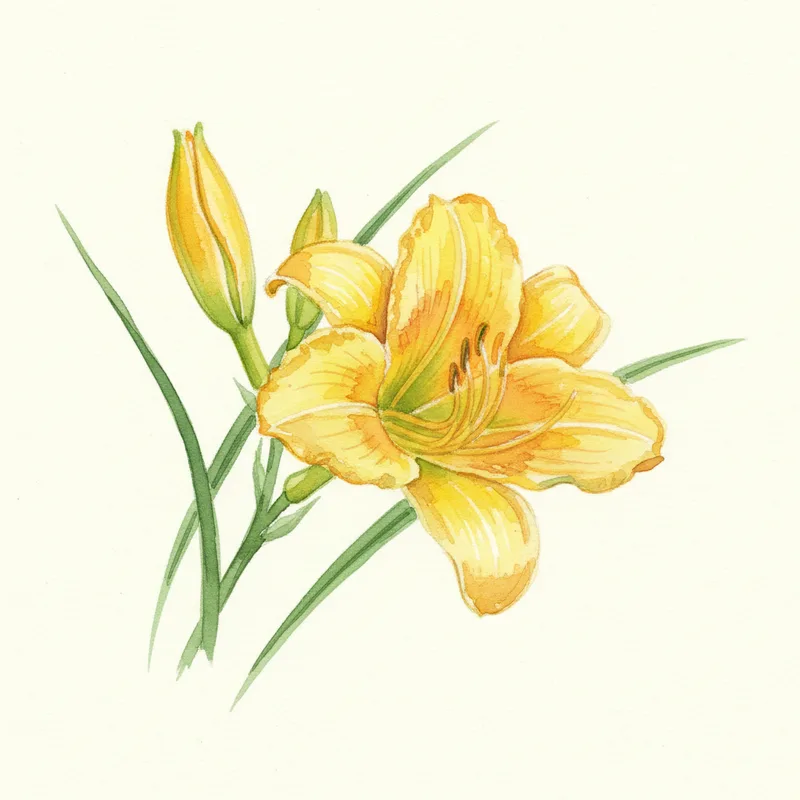
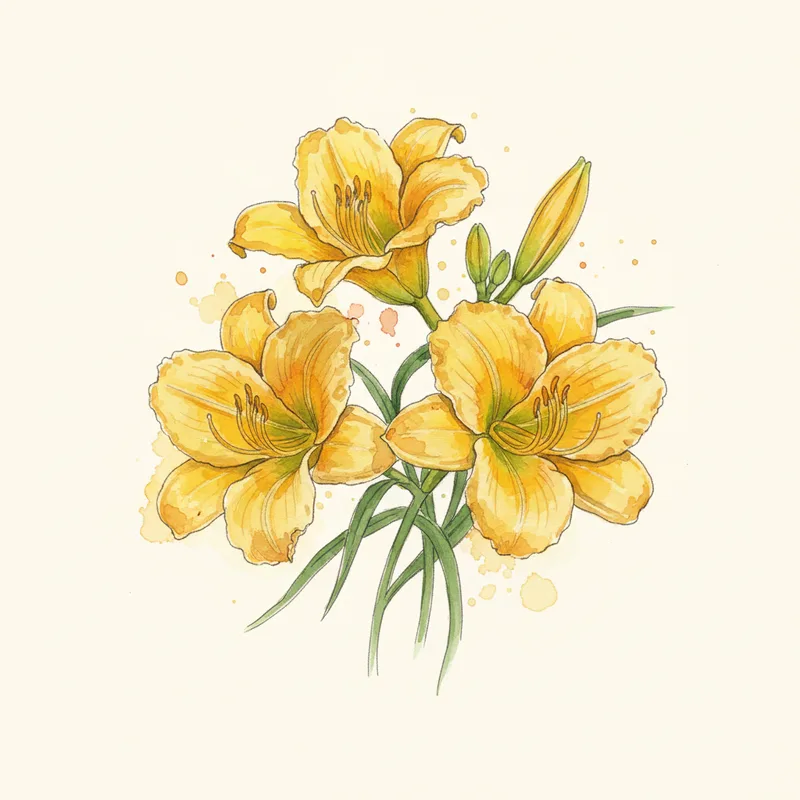
Rebloomers are bred specifically to bloom multiple times. Modern daylilies (Happy Returns, Stella de Oro) and the "Endless Summer" hydrangea family.
For maximum bloom, plant a mix from each category.
The unkillable performers
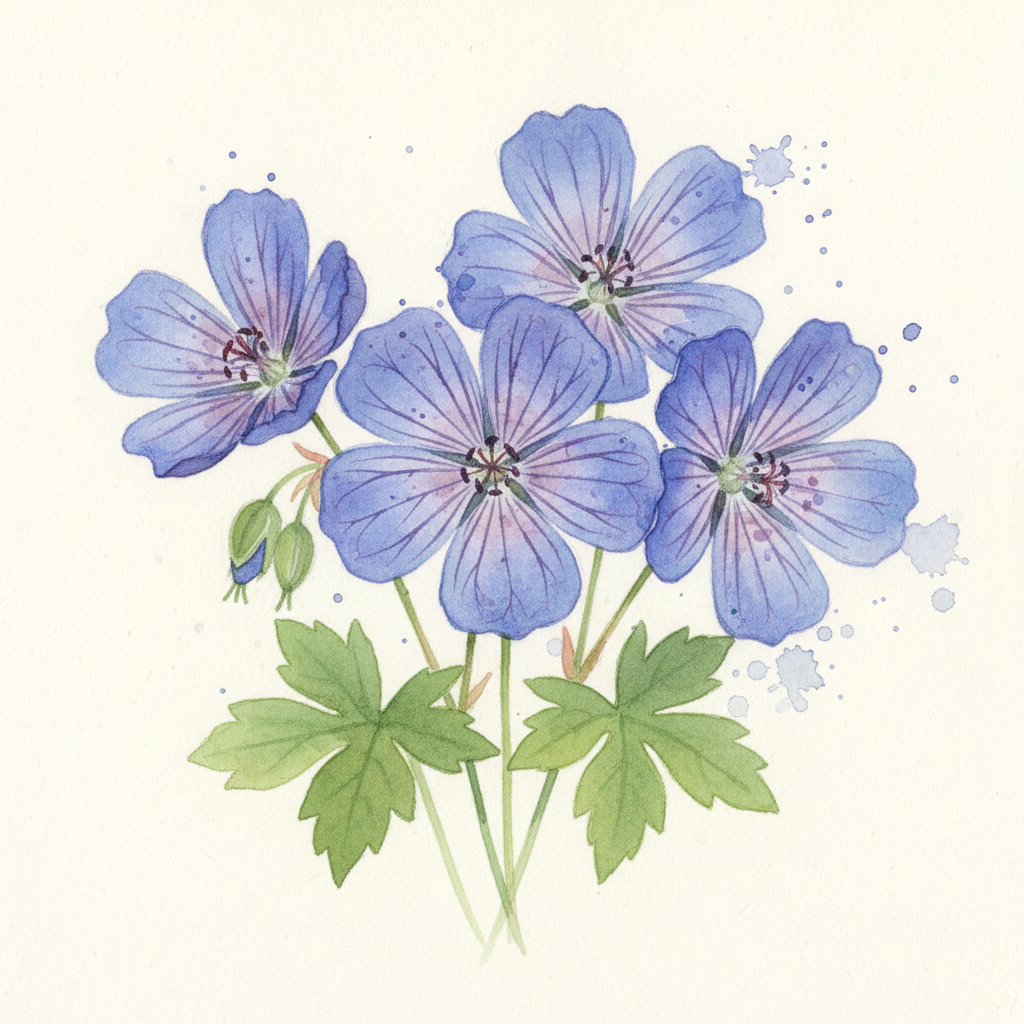
Rozanne Geranium is the all-time long-bloom champion. Sapphire blue cups from June to first frost, no deadheading, no division, no real maintenance. If you only plant one perennial from this list, plant Rozanne.
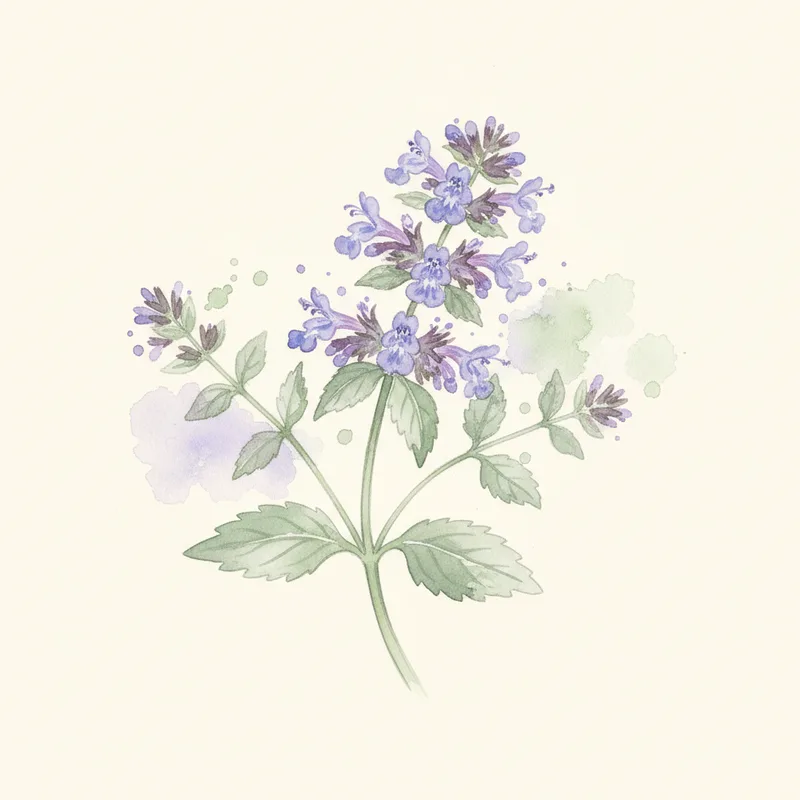
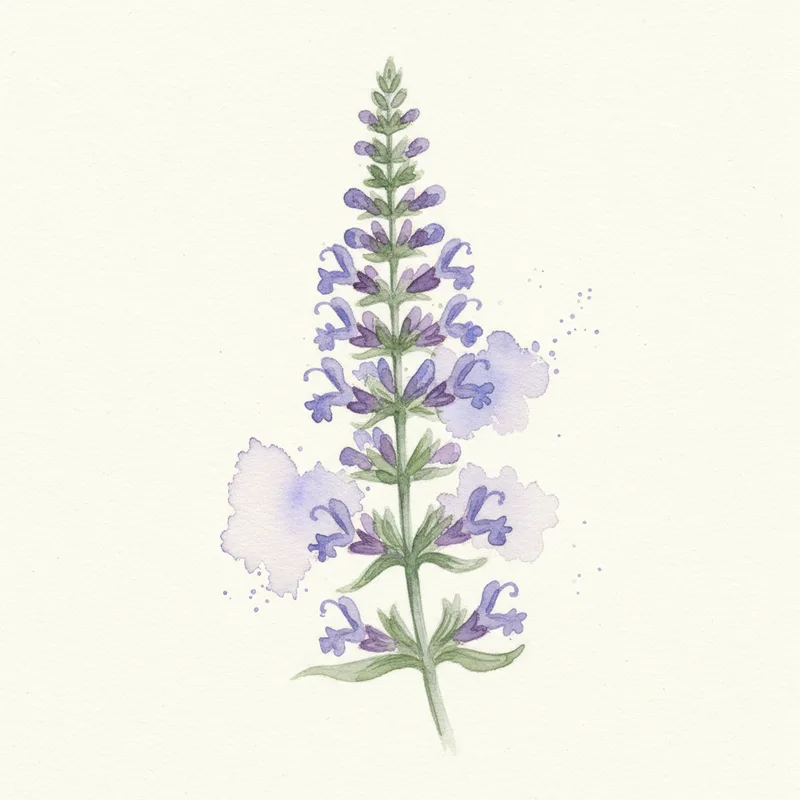
Walker's Low Catmint blooms lavender-blue from late May through August. Cut it back hard in mid-July when it gets ratty and you'll get a second flush in September. Tolerates almost any soil and drought once established.
Russian Sage turns into a four-foot lavender cloud from July through October. Native to Central Asia, indifferent to heat, drought, and bad soil. The single best plant for a difficult hot, dry corner.
The reblooming daylilies
Old-fashioned daylilies bloomed for two weeks in late June and were done. Modern reblooming cultivars changed the game.
Happy Returns Daylily blooms soft yellow from late May through October with multiple flushes. Stella de Oro Daylily is the gold-yellow workhorse you see in commercial landscapes for a reason: it really does bloom three to four months continuously.
Plant five to seven of these in a drift and you have an anchor that does the heavy lifting all summer.
The salvia and coreopsis cuttable bunch
These don't quite bloom continuously, but they bloom heavily, then rebloom hard if you cut them back when the first flush fades.
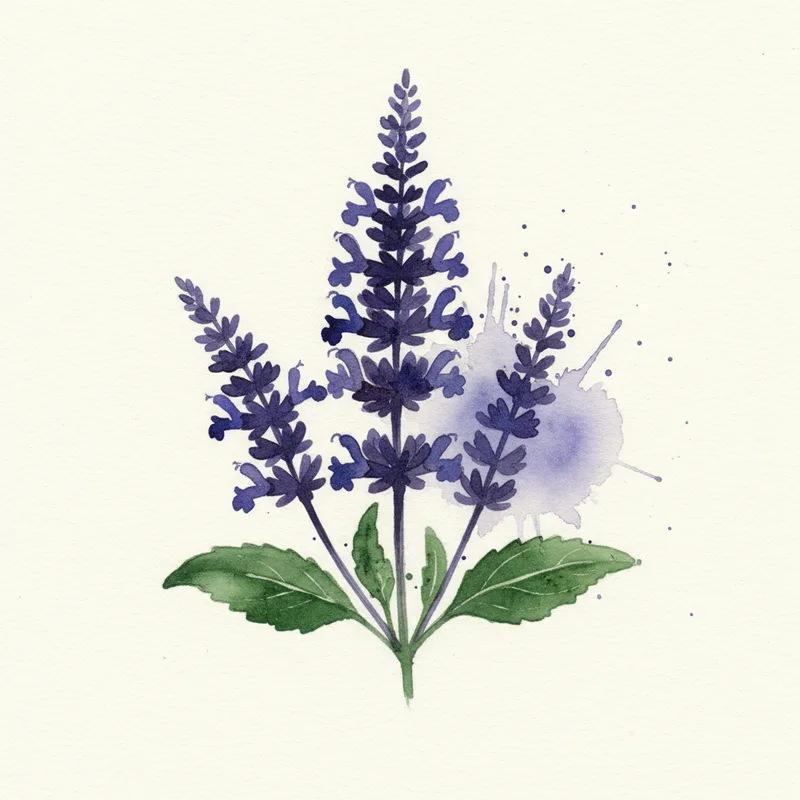
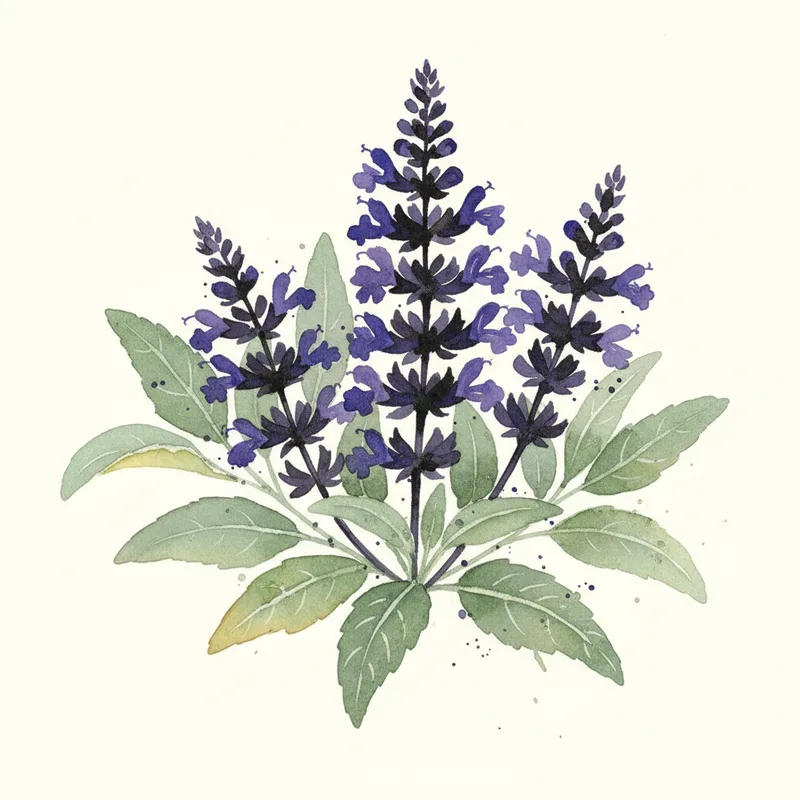
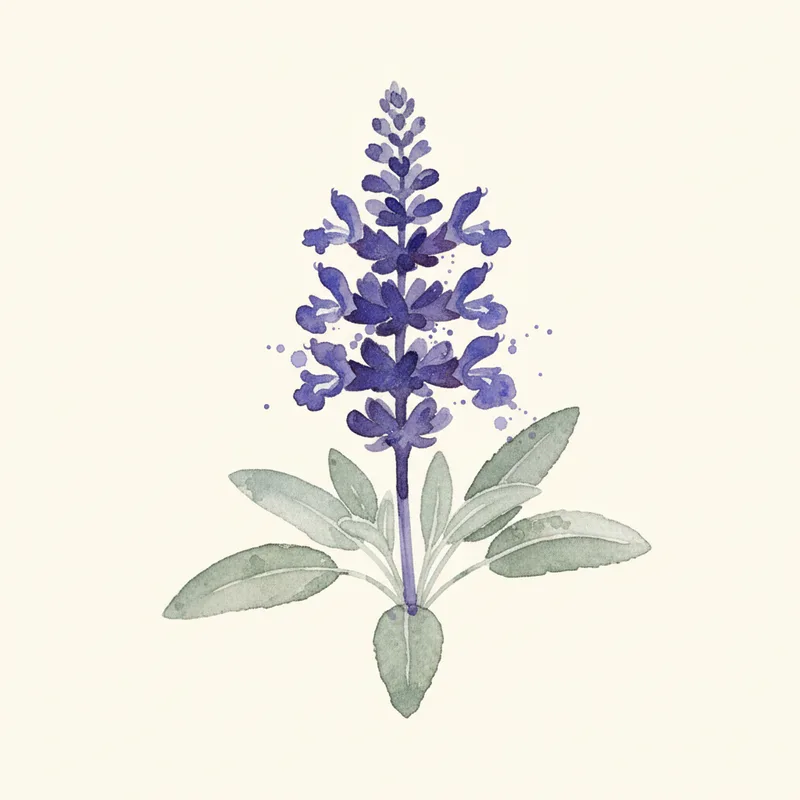
May Night Salvia and Caradonna Salvia push deep purple spikes in June. Cut to two inches above the ground in early July and they bloom again in August.
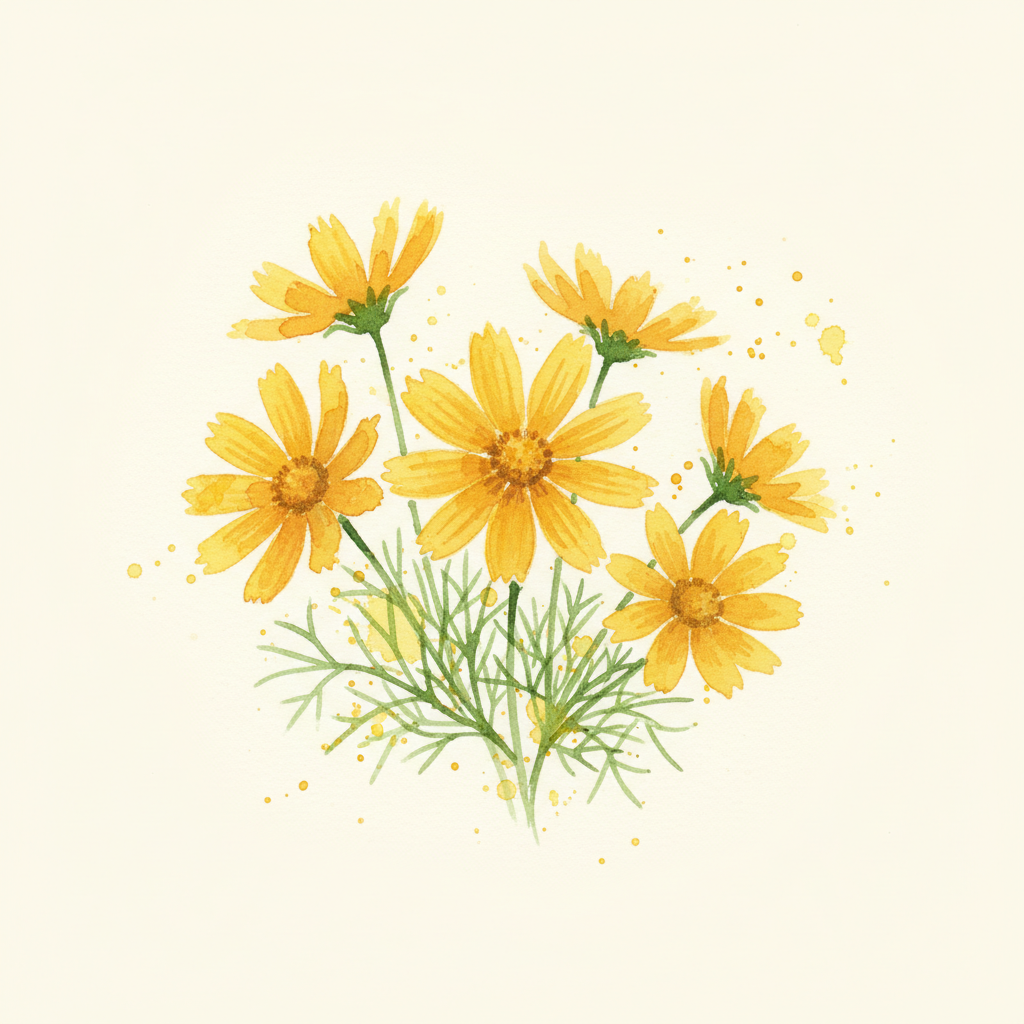
Threadleaf Coreopsis and Tickseed shower the garden in yellow daisies for six to eight weeks. Shear back at the halfway mark and you'll get another month.
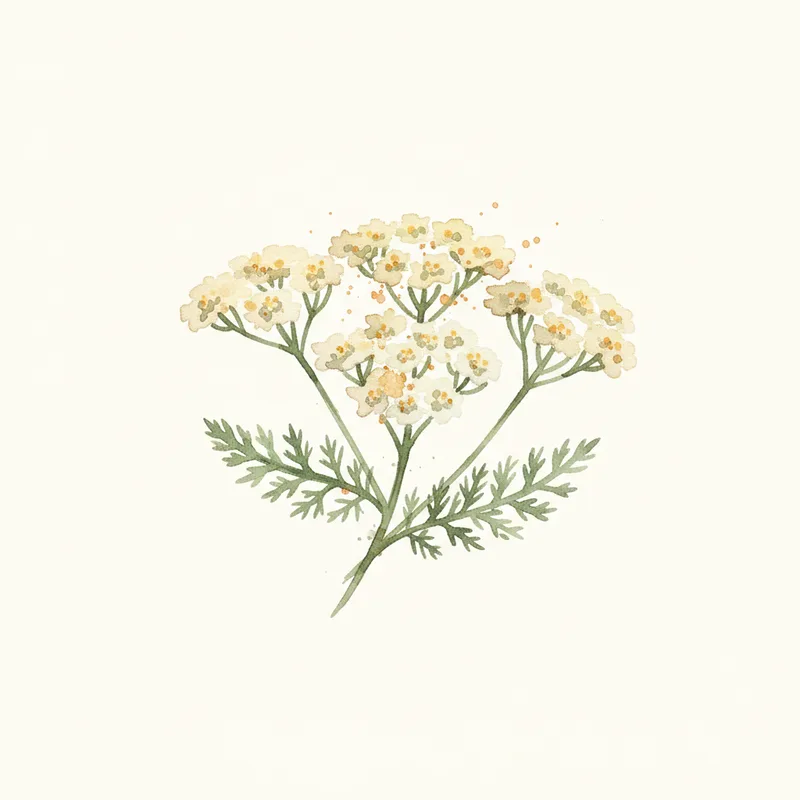
Yarrow blooms June through August in clay or poor soils where almost nothing else thrives. Deadhead the spent flat-topped flowers and side-shoots take over.
The pollinator powerhouses
Native prairie perennials are bred (or evolved) for long bloom because they need to support pollinators across the entire summer.
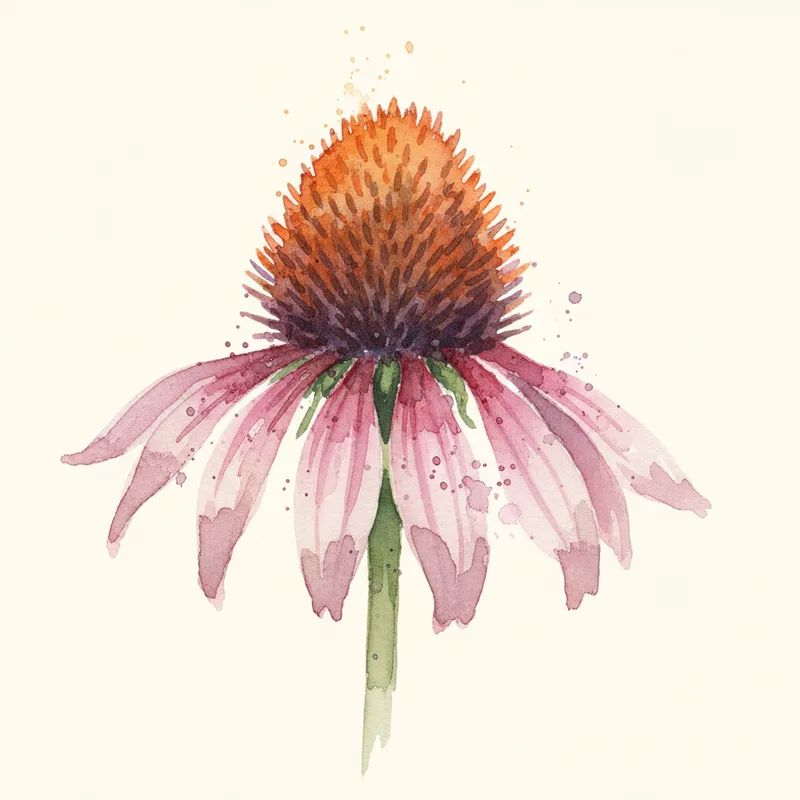
Coneflower blooms from late June through September. Modern cultivars (Cheyenne Spirit, Hot Papaya, Magnus) have been bred for longer bloom and stronger color.
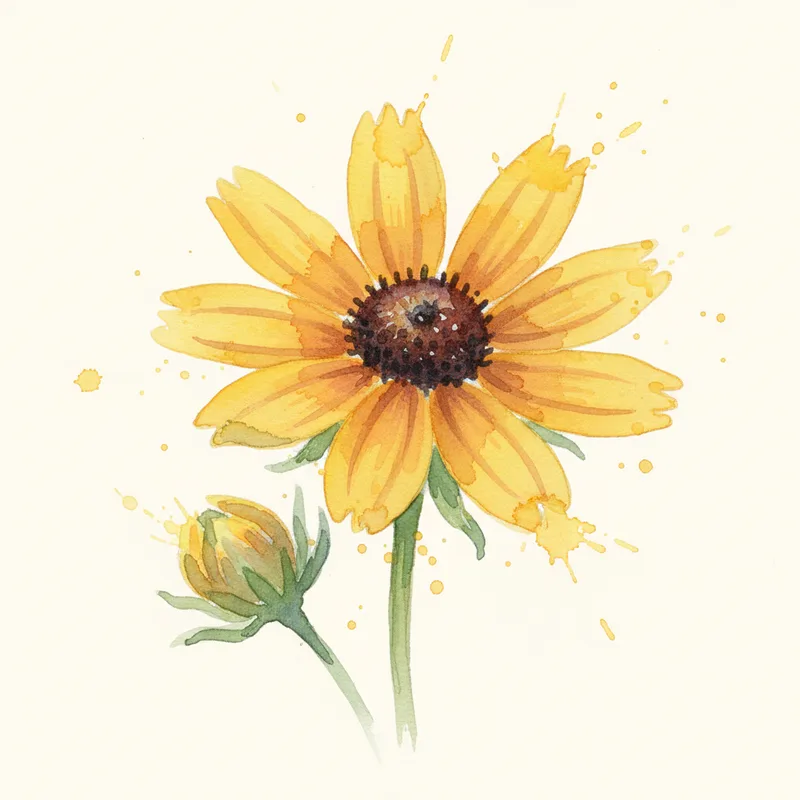
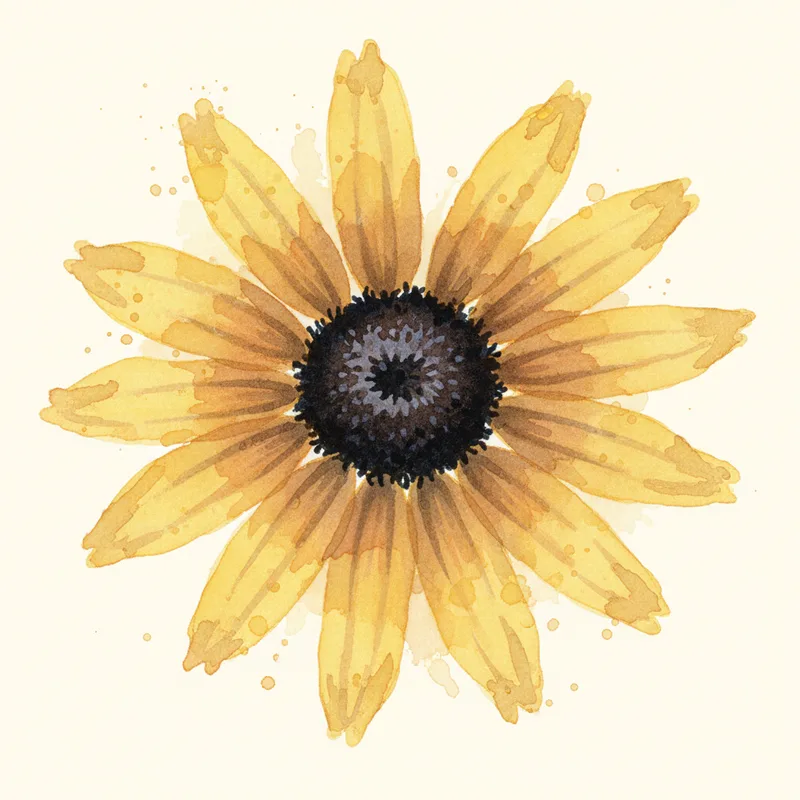
Black-Eyed Susan blooms from July through October, peaking in August when most of the spring perennials have gone leafy. Buy the right species and it earns its place here for decades: Rudbeckia fulgida is the rhizomatous perennial, while Rudbeckia hirta is short-lived and hangs on by reseeding. Our rudbeckia growing guide sorts out which is which, and explains why deadheading it for a longer bloom costs you the winter seed heads.
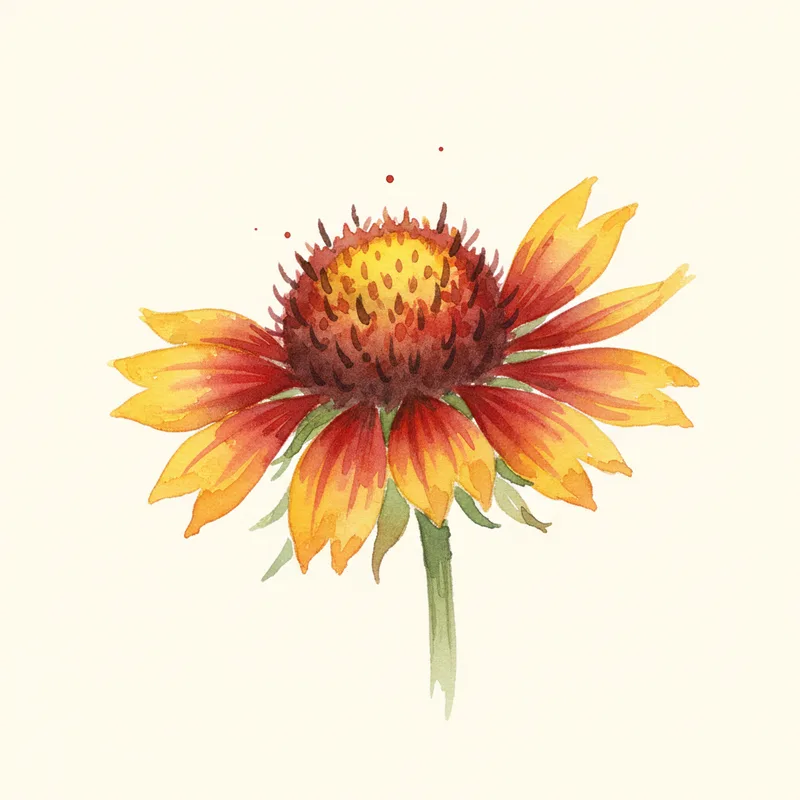
Blanket Flower is a short-lived perennial (often only three to four years) but blooms relentlessly during those years. Hot orange and red bicolor daisies from June until hard frost.
Late-season anchors
Even within "long-blooming," there's a late-summer specialty group that holds bloom into September and October:
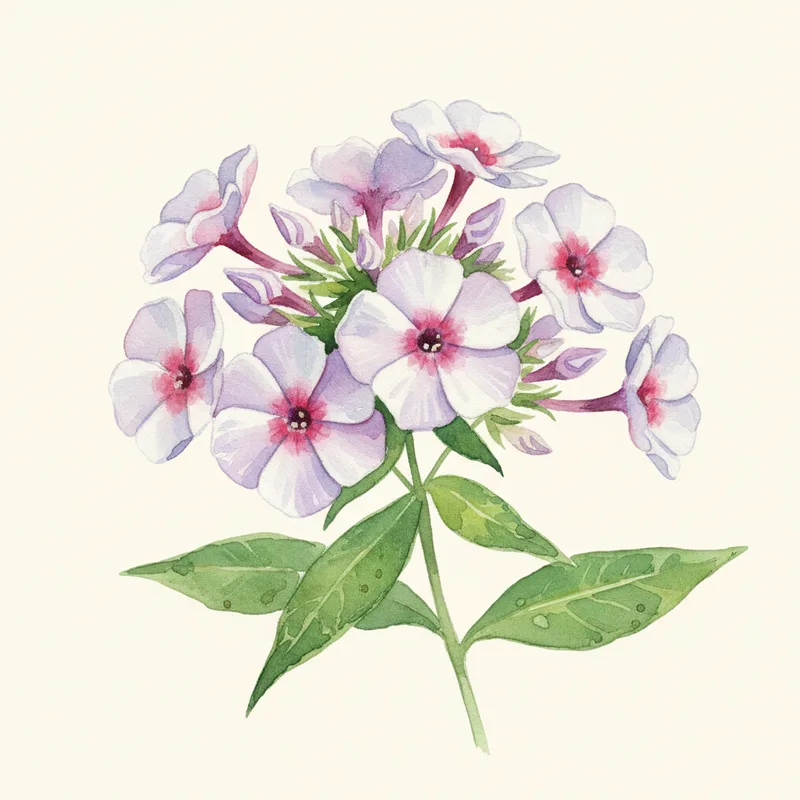
Garden Phlox blooms big fragrant pink, white, or purple panicles from July through September. Look for mildew-resistant cultivars (David, Jeana) to avoid the gray-leaf problem older varieties get.
Asters and chrysanthemums extend the season into October. They aren't really "long-blooming" individually but they fill the September-October window when the June-bloomers are done.
Layering for continuous bloom
The trick to a garden that looks great from May to October isn't planting more long-bloomers. It's layering them with shorter-bloomers in succession.
Try a row built like this: peony for May (three weeks of show), Salvia for June, Rozanne geranium for July through frost, coneflower and black-eyed Susan for July through September, asters and chrysanthemum for September and October. Five plants. Six months of continuous color.
This is the recipe behind every "how does their garden always look so good" yard. It is not magic. It is succession planning with a long-bloomer as the spine.
The bottom line
If your garden looks great in May and tired by July, you probably have too many short-bloomers and not enough long-bloomers. Add three or four plants from this list, plant in drifts of five to seven, and your summer garden will look completely different by next August.
For more on planning, see our Best Perennials for Nonstop Color and Continuous Summer Blooms guides.
What's growing, what's blooming, what's worth planting.
For gardeners who like to stay ahead.