Drought-Tolerant Plants to Put in the Ground Before Summer: A Zone-by-Zone Guide
April-May is the window to plant drought-tolerant perennials before summer heat arrives. Once established, they are essentially self-sufficient. Here is the zone-by-zone shortlist.
If you have not noticed, the rules around water in American gardens are changing. The Southwest has been in a long drought. California is permanently water-conscious. Texas, the Mountain West, and Florida all have some combination of municipal restrictions, expensive water, or unreliable rainfall that makes drought-tolerant gardening more practical than aspirational.
The window for planting drought-tolerant perennials in 2026 is now. April through mid-June is when the soil is warming, rainfall is still reliable enough to establish roots, and summer heat has not yet arrived. Once a drought-tolerant perennial gets through its first establishment season, it is genuinely self-sufficient. The mistake is trying to plant in July or August when establishment fails 6 out of 10 times.
Here is the zone-by-zone guide to what to plant this spring, organized by USDA hardiness zone.
How "Drought Tolerant" Actually Works
Drought tolerance comes from one of three plant strategies:
- Deep taproots that reach water far below the surface (Russian sage, yucca, baptisia)
- Reduced leaf surface area that minimizes water loss (rosemary, lavender, ornamental grasses)
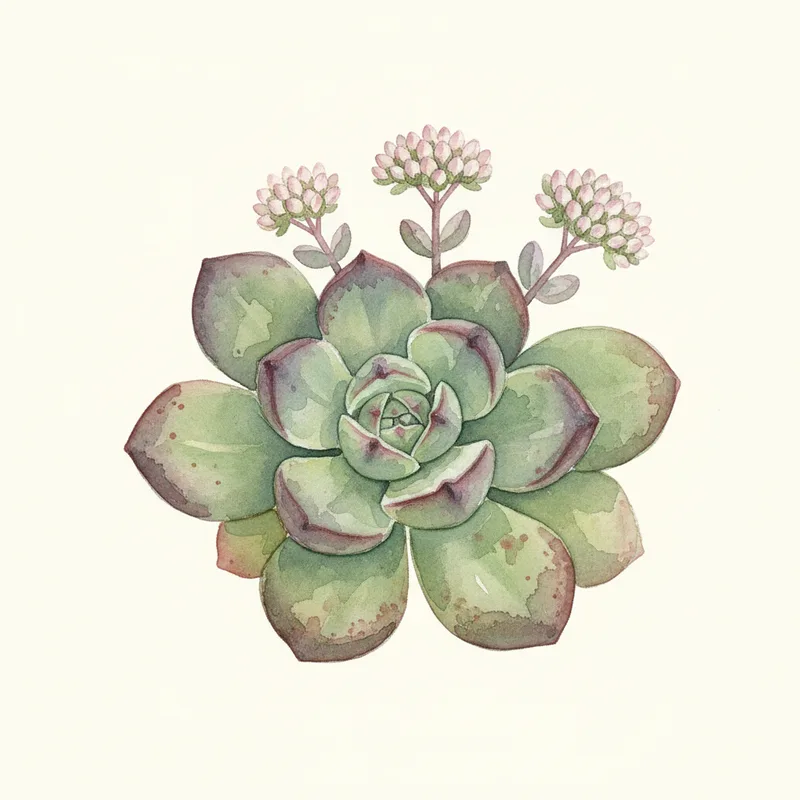
- Water storage in tissue (succulents like sedum, agave, hen and chicks)
All three strategies require time to develop. The taproot does not exist when you buy the plant in a 1-gallon pot. The succulent has not built up reserves. Reduced-surface-area plants need to root before they can survive on minimal water. The first 8-12 weeks after planting, every drought-tolerant plant needs regular water. After that, most need essentially none.
Universal Watering Rule for Establishment
Regardless of zone or variety, the establishment routine is the same:
- Week 1-2: Deep water every other day. Soak the root zone, do not just sprinkle the leaves.
- Week 3-4: Deep water 2x per week.
- Week 5-8: Deep water 1x per week.
- Week 9-12: Deep water every 10-14 days unless rain has been reliable.
- After 12 weeks: Most established drought-tolerant plants need no supplemental water in normal seasons.
Zone 3-4 (Coldest Climates: Northern Plains, Upper Midwest, Mountain West Higher Elevations)
The challenge here is not just drought; it is also winter cold. Plants need to handle both. Top picks:
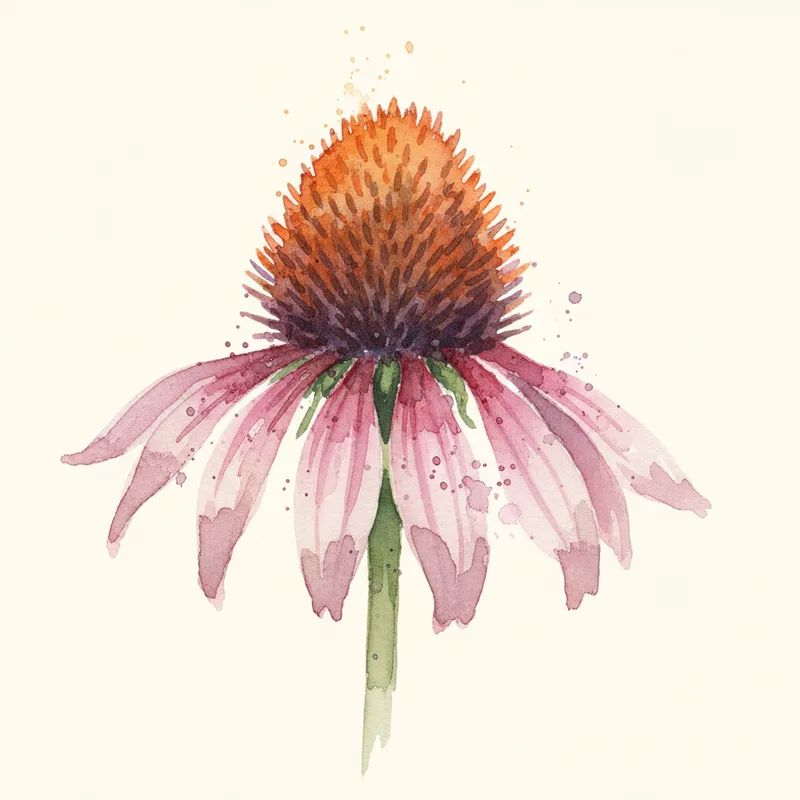
- Echinacea (purple coneflower): Native to North American prairies. Genuinely drought-tolerant once established. Long bloom season. Zones 3-9.
- Russian sage (Perovskia atriplicifolia): Tall, airy, lavender-like blooms in late summer. Hardy to zone 4. Asks for well-drained soil and full sun.
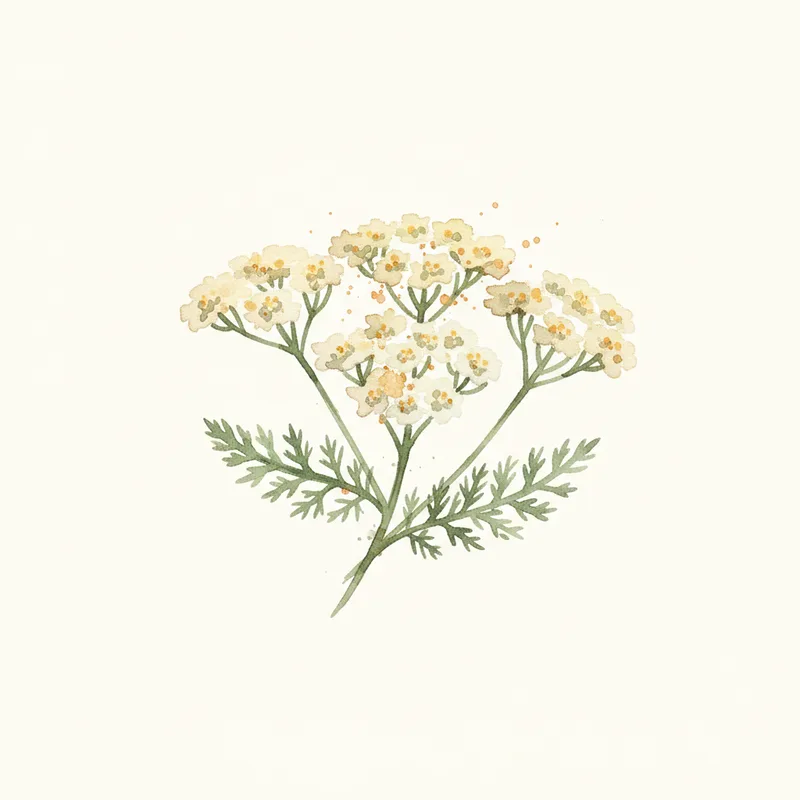
- Yarrow (Achillea): Tough, drought-tolerant, blooms June through August. Zones 3-9.
- Sedum (stonecrop): Succulent perennial. Many varieties hardy to zone 3. 'Autumn Joy' is the all-purpose recommendation.
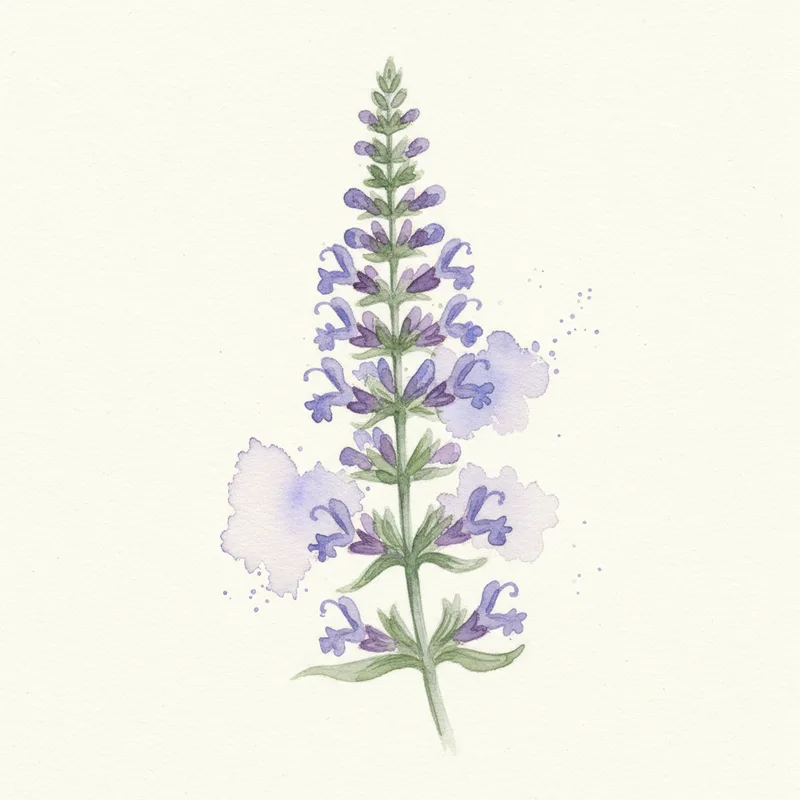
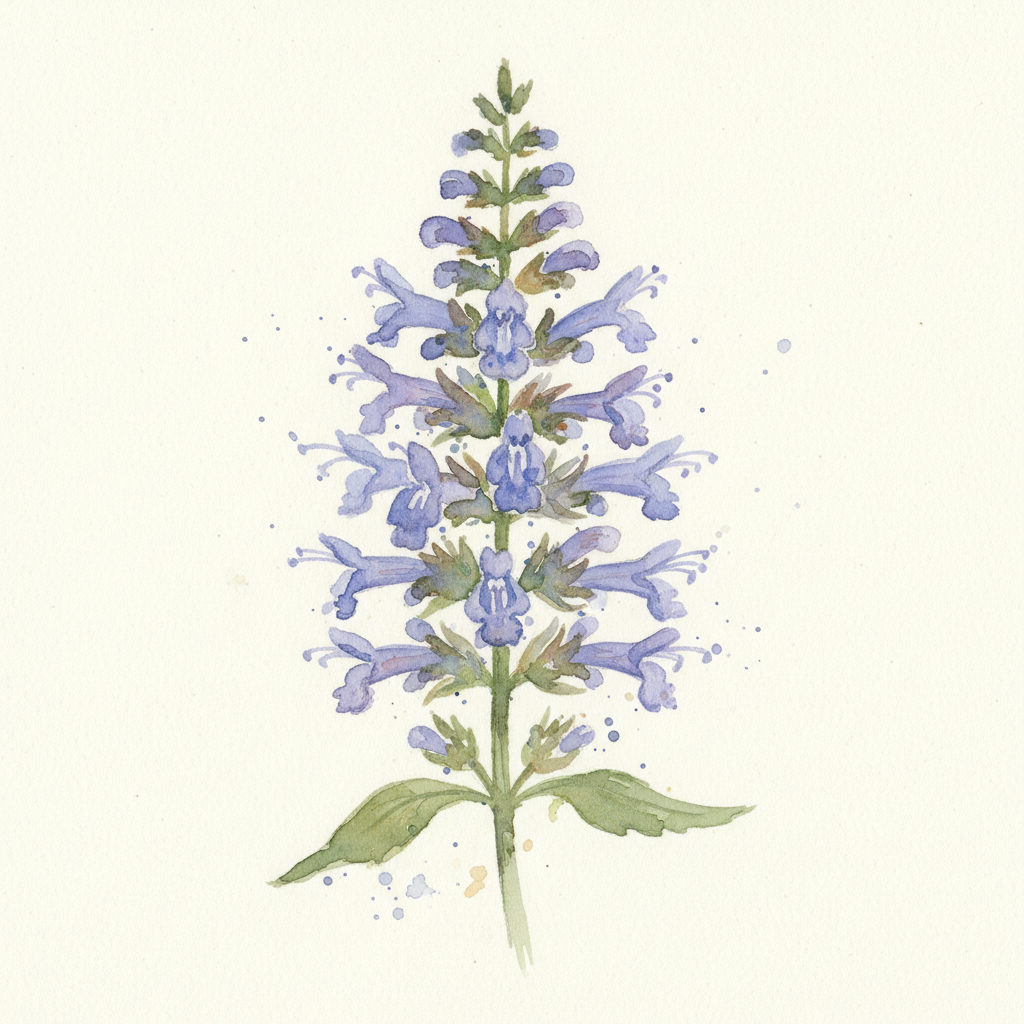
- Catmint (Nepeta): Long bloom season, drought-tolerant, hardy to zone 3. 'Walker's Low' and 'Cat's Pajamas' are the standout varieties.
Zone 5 (Northeast, Great Lakes, Inland West)
Same selections as zones 3-4 plus more options open up:
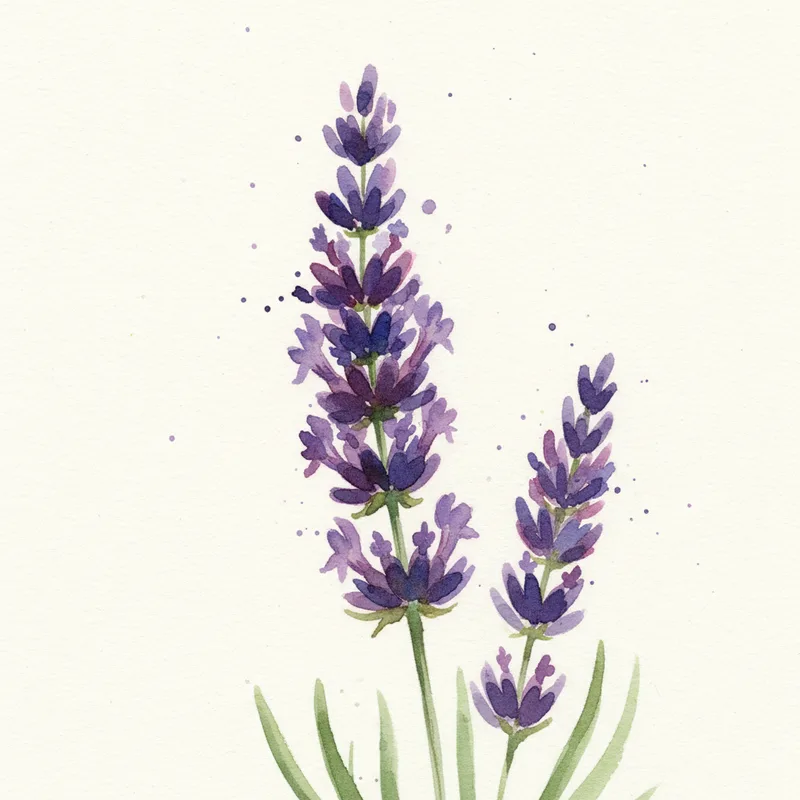
- Lavender (English lavender, Lavandula angustifolia): Hidcote and Munstead are the cold-hardy varieties (zone 5). Requires sharp drainage; will rot in heavy clay.
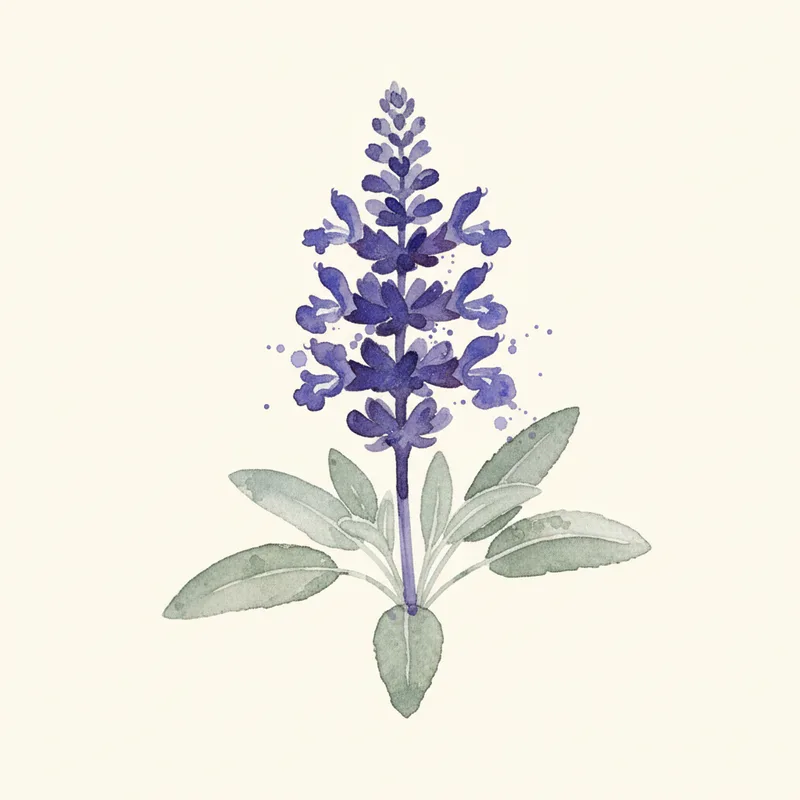
- Salvia perennial (May Night, Caradonna): Spike-flowered perennial salvias are hardy to zone 5. Drought-tolerant once established.
- Penstemon: Native species (P. digitalis, P. barbatus) are zone 5 hardy. Pollinator favorites.
- Agastache (hyssop): Hummingbird magnet. Many varieties hardy to zone 5. Sharp drainage required.
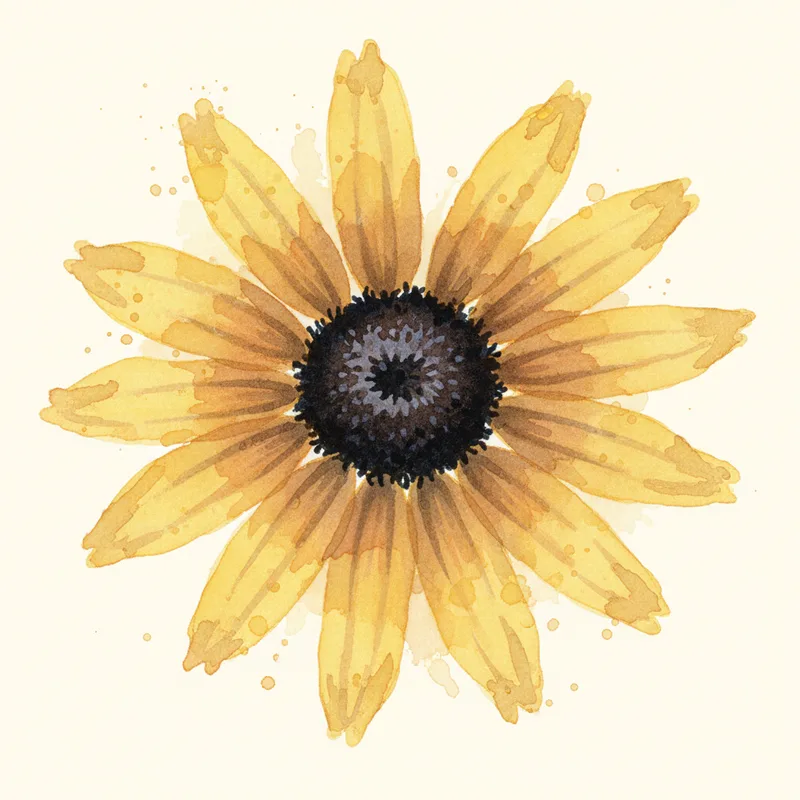
- Rudbeckia (black-eyed Susan): Native, tough, blooms July-September. Zones 3-9.
Zone 6-7 (Mid-Atlantic, Mid-South, Pacific Northwest)
The widest selection of drought-tolerant plants because winter cold is rarely the limiting factor:
- Lavender (any variety, including Provence and Phenomenal hybrids)
- Russian sage
- Salvia (perennial varieties plus tender perennials grown as annuals)
- Verbena bonariensis: Tall, airy, butterfly favorite. Self-seeds readily. Drought-tolerant.
- Gaura (Whirling Butterflies): Long-blooming, airy, drought-tolerant. Zones 5-9 depending on variety.
- Helianthus (perennial sunflower): Different from annual sunflowers. 'Lemon Queen' is the showstopper variety.
- Ornamental grasses: Little bluestem (Schizachyrium), prairie dropseed, switchgrass. All native, all drought-tolerant.
- Yucca: Yes, even in zone 6. Yucca filamentosa is the cold-hardy native species.
Zone 8-9 (Southern States, California, Pacific Coast)
Mediterranean-climate plants and southwestern natives all thrive here:
- Lavender (all varieties, including Spanish and French lavender)
- Rosemary: Becomes a perennial shrub in zones 8+. Drought-tolerant once established.
- Santolina (cotton lavender): Silver foliage, drought-tolerant, evergreen in zones 8+.
- Salvia (Mexican bush sage, Salvia leucantha): Late-summer bloomer. Hummingbird magnet.
- Agastache 'Acapulco' series
- Lantana (perennial in zones 9+)
- Native sages (Salvia clevelandii, S. greggii)
- California buckwheat (Eriogonum)
Zone 9-10 (Desert Southwest, South Florida)
The drought-tolerant pantheon. Many of these need essentially no supplemental water once established:
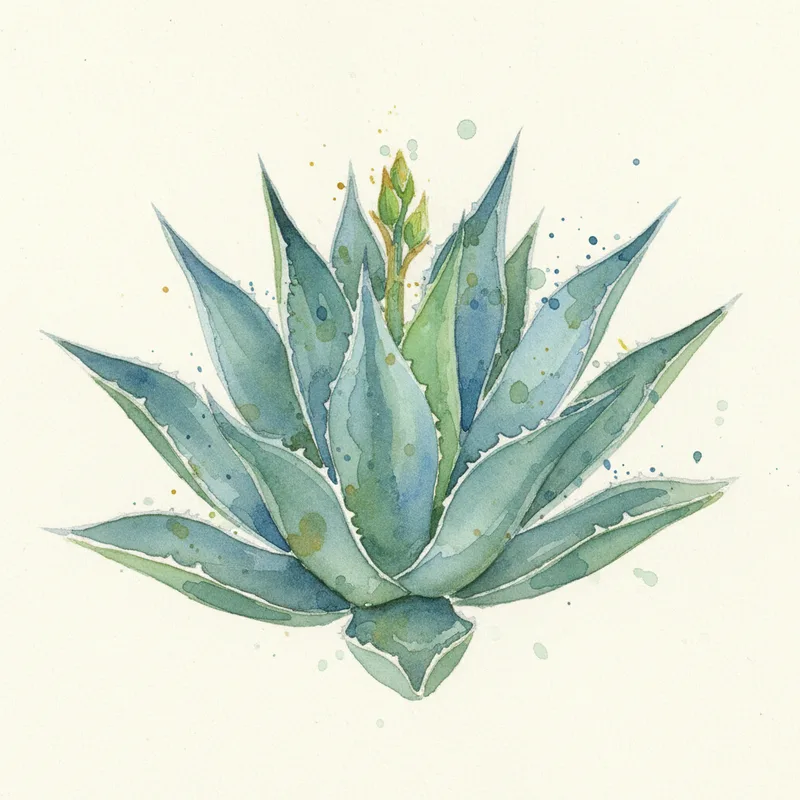
- Agave: Multiple species. Architectural focal points. Zone hardiness varies; A. parryi is most cold-tolerant.
- Yucca rostrata, Yucca rigida
- Texas sage (Leucophyllum frutescens): Silver-foliaged shrub. Blooms after summer rains.
- Penstemon parryi, P. eatonii (desert penstemons): Hummingbird magnets.
- Desert marigold (Baileya multiradiata): Native annual/short-lived perennial. Yellow daisy flowers all summer.
- Red yucca (Hesperaloe parviflora): Despite the name, not actually a yucca. Hummingbird magnet.
- Cactus and succulents: The full Sonoran palette opens up here.
The Soil Question (More Important Than Variety Selection)
Most "drought-tolerant" plants fail not because of cold or heat, but because of poor drainage. Lavender, Russian sage, agave, and most Mediterranean herbs all rot in heavy clay or soggy soil.
If your soil is heavy clay, your options are:
- Build raised beds with sandy/gritty drainage soil. The simplest fix.
- Plant on berms (raised mounds) so the crown of the plant sits above grade.
- Amend with sharp sand and gravel at the planting hole. Half native soil, half coarse builder's sand or pumice.
- Plant clay-tolerant alternatives like rudbeckia, echinacea, yarrow, and ornamental grasses.
Mulching for Drought-Tolerant Plants
This is where most gardeners err. Drought-tolerant plants do not want the same mulch as your tomatoes.
- Avoid: Heavy organic mulch (deep wood chips, leaf mold) around the crown of Mediterranean plants. Holds moisture against the stem and causes rot.
- Best for Mediterranean and desert plants: Gravel mulch (3/8 inch decomposed granite, pea gravel) 1-2 inches deep. Reflects heat, prevents weeds, allows airflow at the base of the plant.
- Best for prairie natives (echinacea, rudbeckia, native grasses): Light organic mulch (shredded leaves, fine wood chips) 1-2 inches deep, kept 2-3 inches away from the crown.
The Climate Story Driving This in 2026
Water bills are up 8-15% in many western and southwestern metros versus 2024. Several states (Arizona, New Mexico, parts of California, parts of Texas) have ongoing drought restrictions. The general trend is one direction: water is more expensive, less reliable, and more regulated.
A drought-tolerant garden installed this spring is functionally insurance against next summer's water restrictions, next year's rate increase, and the next dry year. It is also, if planted with native species, more useful to local pollinators than a typical lawn-and-annuals setup.
The Bottom Line
Plant drought-tolerant perennials in April, May, or early June. Water them like normal annuals for the first 8-12 weeks. After that, step back. The mature plants will hold up to summer heat, water restrictions, and dry seasons that would kill a typical perennial bed.
Pick your zone, pick 5-10 species from the lists above, and put them in this weekend. By August, the establishment work is done and you have a garden that asks for almost nothing the rest of the season.
For more on drought-tolerant garden design, see our gravel garden guide. For warm-season annuals that pair well with these perennials in the same hot, sunny beds, see heat-tolerant flowers for summer. If drought tolerance is the priority but the context is containers rather than ground planting, our guide to drought-tolerant annuals for summer containers covers the pot-specific roster.
What's growing, what's blooming, what's worth planting.
For gardeners who like to stay ahead.