Heat-Tolerant Flowers That Actually Survive Summer (and Look Good Doing It)
Spring annuals melting in July heat? Here are 9 heat tolerant flowers that thrive when everything else gives up, with sun, water, and zone notes for each.
It is late May. The impatiens you tucked in around Mother's Day looked perfect for two weeks. Now they are wilting by 11 a.m., crisping by 3 p.m., and refusing to recover overnight. Pansies are gone. Primrose is gone. The petunias are on their way out.
You did not kill them. You just planted cool-season annuals into a warm-season job. Most of the bedding plants nurseries push in April and early May were bred for mild soil, mild sun, and mild humidity. They were never going to make it through July, and certainly not August.
The good news: there is an entire roster of flowers that genuinely loves summer. Not just tolerates it. Loves it. Plants that bloom harder in 95-degree heat than they do in 75. Plants that ask for almost nothing once their roots are in. Below are nine of them, with the actual conditions they need and the ones to avoid.
What "heat-tolerant" actually means
Heat tolerance and drought tolerance are not the same thing, and confusing them is the fastest way to kill a plant that should have been bulletproof.
- Heat-tolerant + drought-tolerant: Lantana, portulaca, gomphrena. Plant them, water them through establishment, walk away.
- Heat-tolerant but still thirsty: Zinnia, celosia, pentas, annual vinca. They love sun and heat but want a deep drink once or twice a week. Skip that and they sulk.
- Heat-tolerant for a while, then tired: Marigold, cosmos. They will go all summer if you deadhead, fade if you do not.
If you remember nothing else: heat does not mean dry. Some of these plants drink as much as a tomato. They just do not crumple in the sun while doing it.
The 9 heat-tolerant flowers
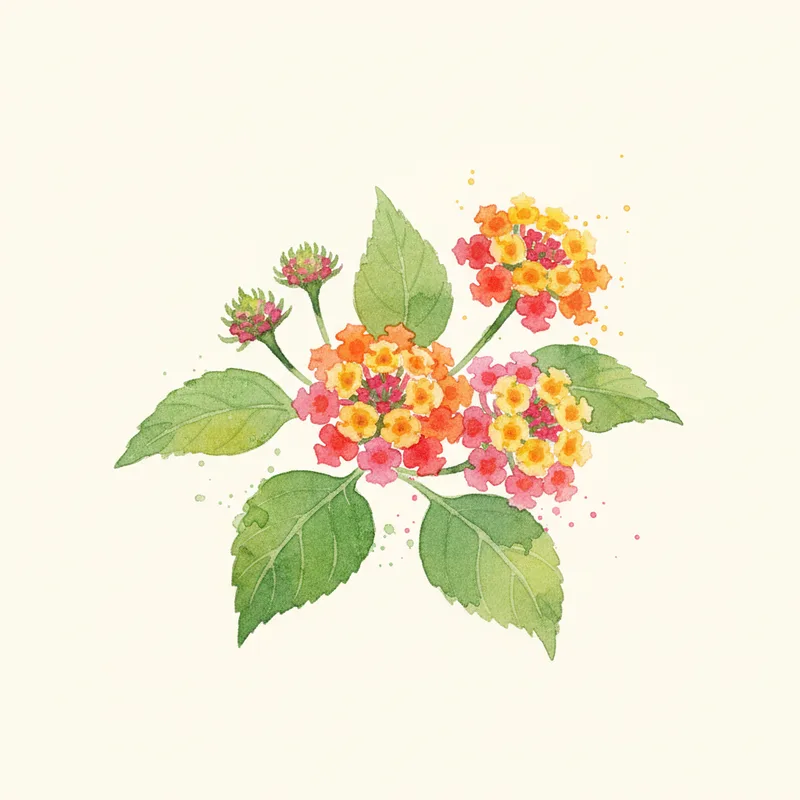
1. Lantana (Lantana camara)
Lantana is the toughest flower on this list. Multi-colored clusters of tiny blooms cover the plant from late spring until frost, in oranges, yellows, pinks, reds, purples, and whites that often shift on a single flower head. Butterflies treat it like a buffet.
- Heat: 100 degrees F all day, no flinch. Reflective heat off pavement does not bother it.
- Sun: Full sun. Blooming drops sharply in shade.
- Water: Drought-tolerant once established. A deep weekly soak is plenty.
- Plant when: After last frost, soil at 65 degrees F or warmer.
- Care tip: Trim back lightly mid-summer if it sprawls. Perennial in zones 9 to 11; annual everywhere else.
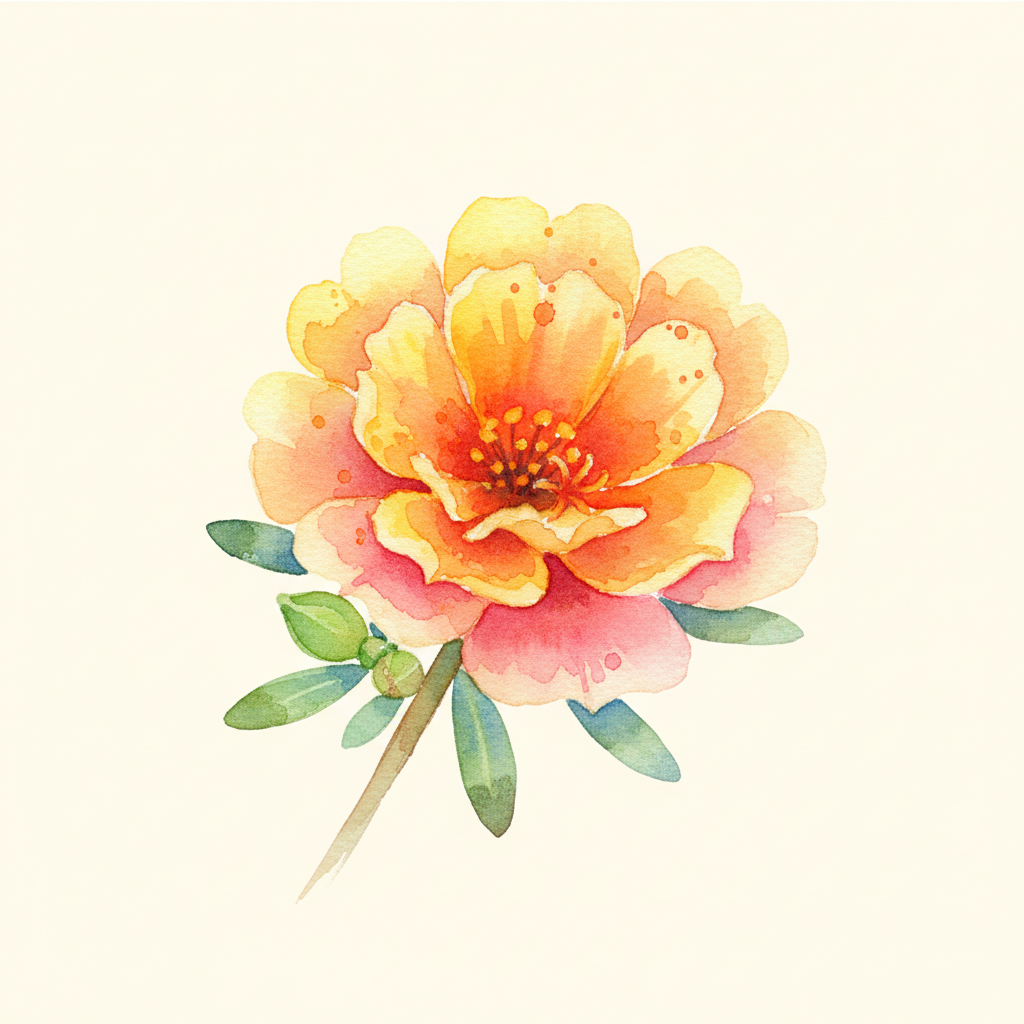
2. Portulaca (Portulaca grandiflora, Moss Rose)
Portulaca is what you plant in the spot that bakes: hot strip beside the driveway, the rock garden, the south-facing slope. Succulent leaves store water, jewel-toned flowers open in sun and close at night, and the whole plant runs on neglect.
- Heat: Loves it. The hotter and drier, the harder it blooms.
- Sun: Full sun, no exceptions. Flowers will not open in shade.
- Water: Drought-tolerant. Overwatering is the only common way to kill it.
- Plant when: After soil reaches 70 degrees F. Cold soil rots the stems.
- Care tip: Lean soil is better than rich soil. Skip the fertilizer.
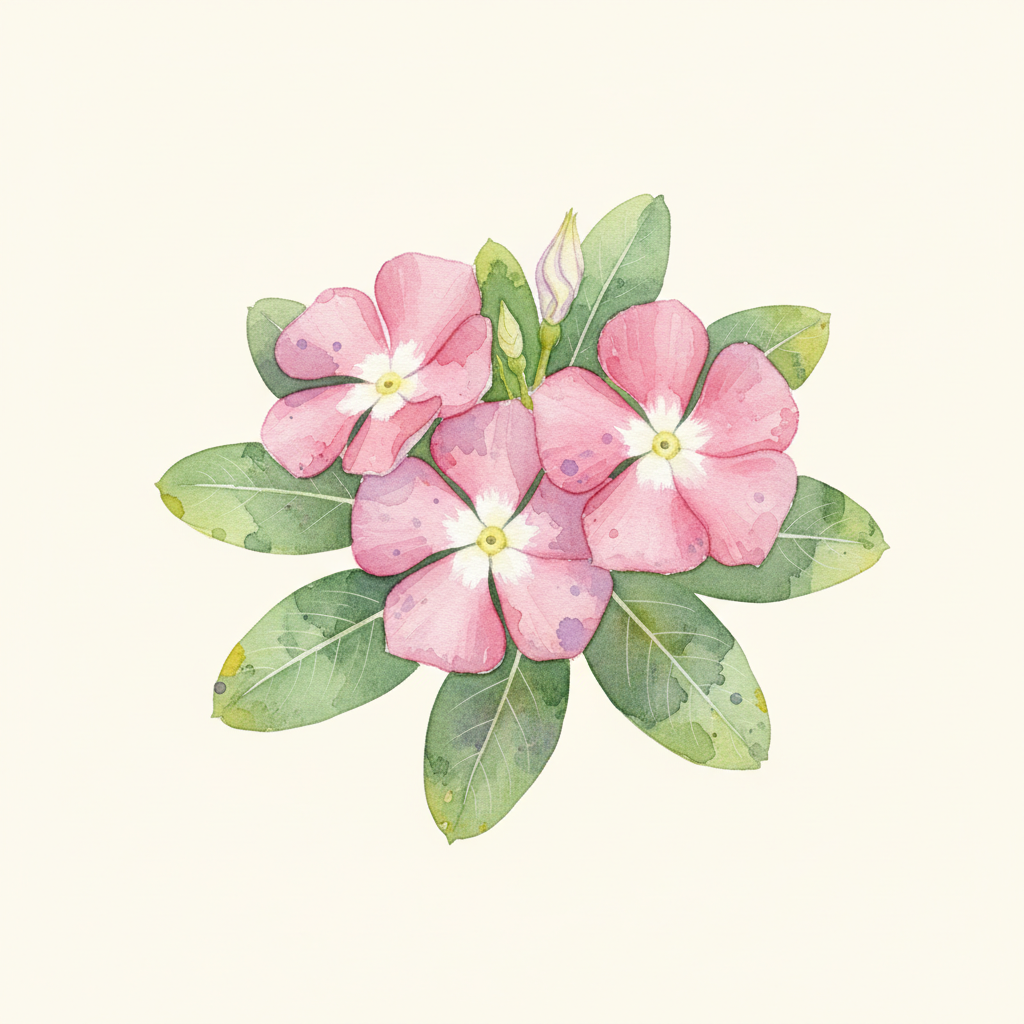
3. Annual Vinca (Catharanthus roseus)
This is the one that quietly replaces dead impatiens in southern landscapes every July. Glossy leaves, simple five-petaled flowers in pink, white, red, and lavender, and a refusal to wilt that borders on smug. Note: this is botanically unrelated to Vinca minor, the shade-loving evergreen groundcover that goes by the same nickname.
- Heat: Excellent. Hits its stride above 85 degrees F.
- Sun: Full sun to part sun. Tolerates more sun than most "shade" annuals it is replacing.
- Water: Moderate. Wants regular water but hates wet feet, so plant in well-drained soil.
- Plant when: After night temperatures stay above 60 degrees F. Cold soil is the kiss of death.
- Care tip: Do not plant too early. A chilly week in May will set the plant back for the season.
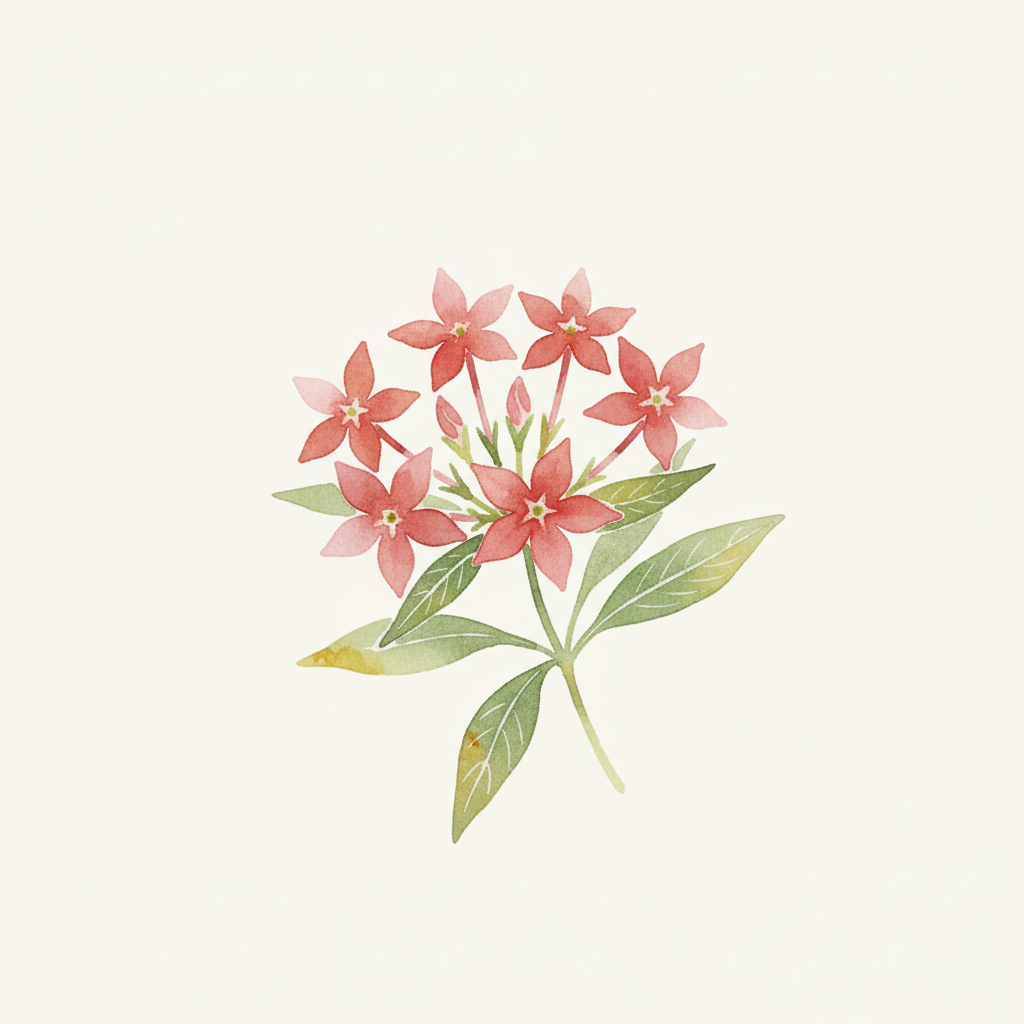
4. Pentas (Pentas lanceolata)
Star-shaped flower clusters in pink, red, white, and lavender that bloom continuously from late spring through frost. Pentas is the container plant that finally does what petunias promise: nonstop color in real heat. Hummingbirds and butterflies show up immediately.
- Heat: Loves it. The hotter the summer, the more it blooms.
- Sun: Full sun is best. Tolerates light afternoon shade in deep South.
- Water: Regular. Wants consistent moisture, especially in pots.
- Plant when: After last frost, soil at 65 degrees F or warmer.
- Care tip: Feed monthly in containers. Heavy bloomers are heavy feeders.
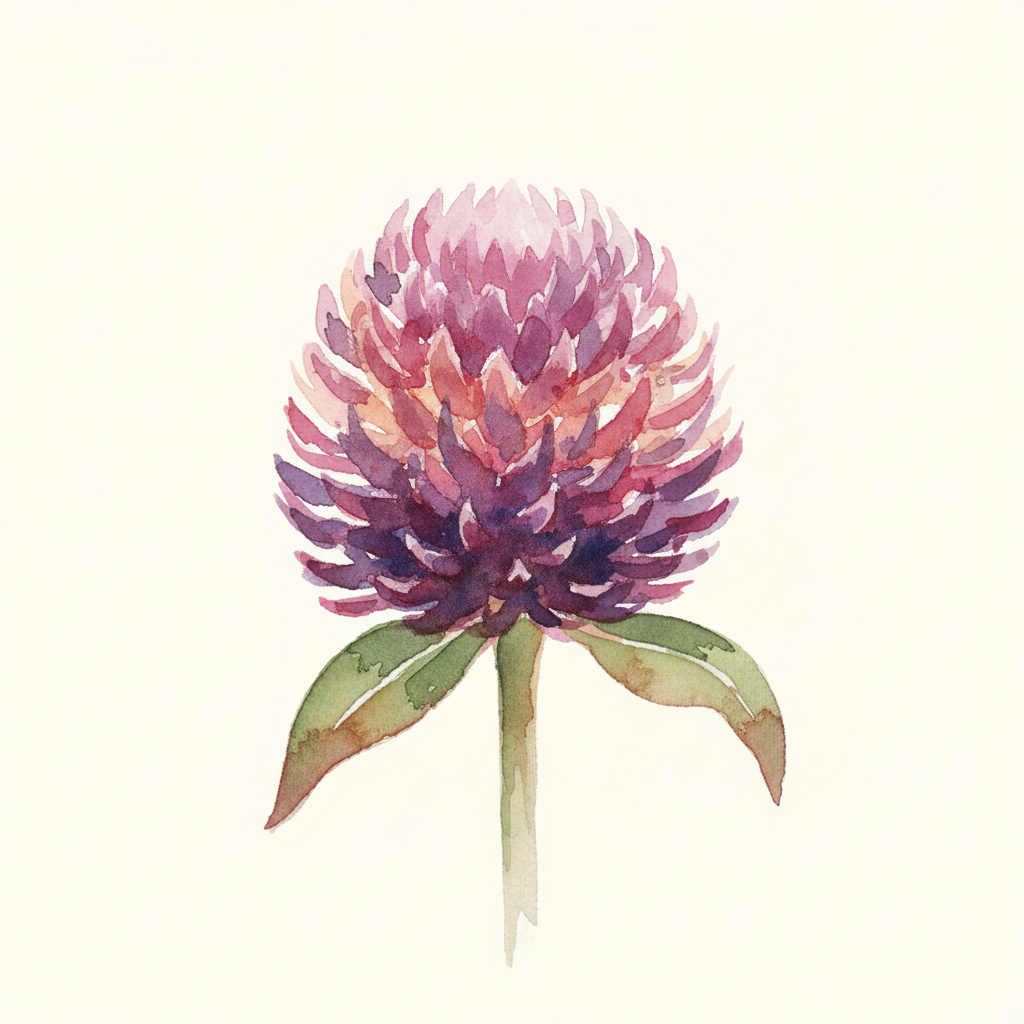
5. Gomphrena (Gomphrena globosa, Globe Amaranth)
Round, papery flower heads in magenta, pink, white, and orange on tall airy stems. Gomphrena reads like a clover in a party dress, and the blooms dry beautifully right on the plant. One of the best cut-and-come-again flowers nobody talks about.
- Heat: Genuinely loves it. Native to Central and South America.
- Sun: Full sun.
- Water: Drought-tolerant once established.
- Plant when: After last frost, soil warm.
- Care tip: Cut frequently for bouquets. The more you cut, the more it makes.
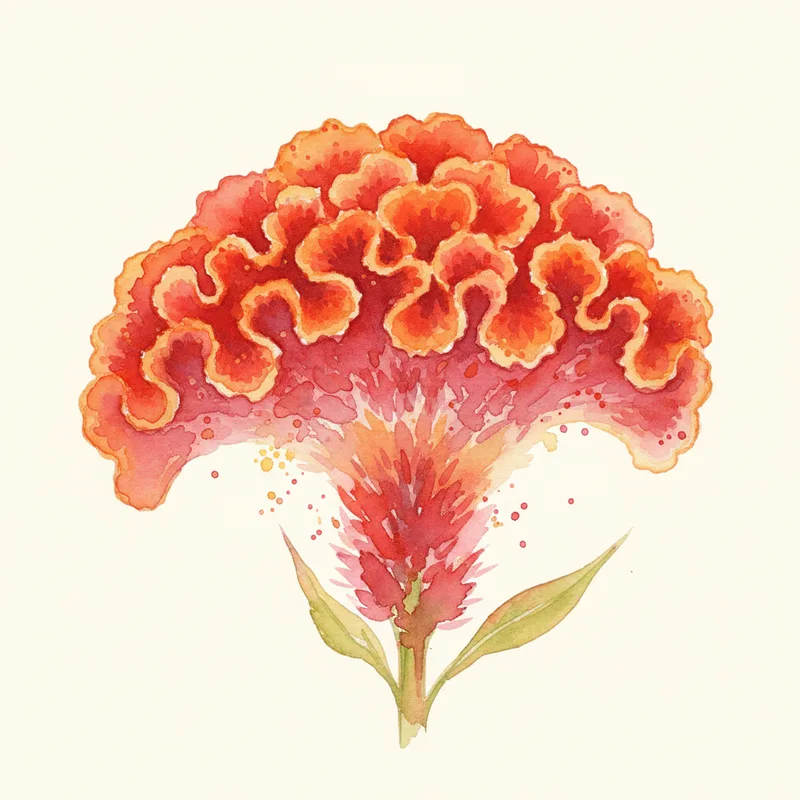
6. Celosia (Celosia argentea)
Celosia comes in two main looks: flame-shaped plumes and brain-like crested cockscombs. Both glow in colors that look photoshopped: electric magenta, neon orange, yellow, deep red. Holds its shape when dried, which makes it a flower farmer favorite.
- Heat: Excellent. The plant only really takes off once nights warm up.
- Sun: Full sun.
- Water: Moderate. Wants a deep drink weekly, more in pots.
- Plant when: After last frost. Direct seeds easily once soil hits 70 degrees F.
- Care tip: Pinch the first central plume to push branching and more flowers.
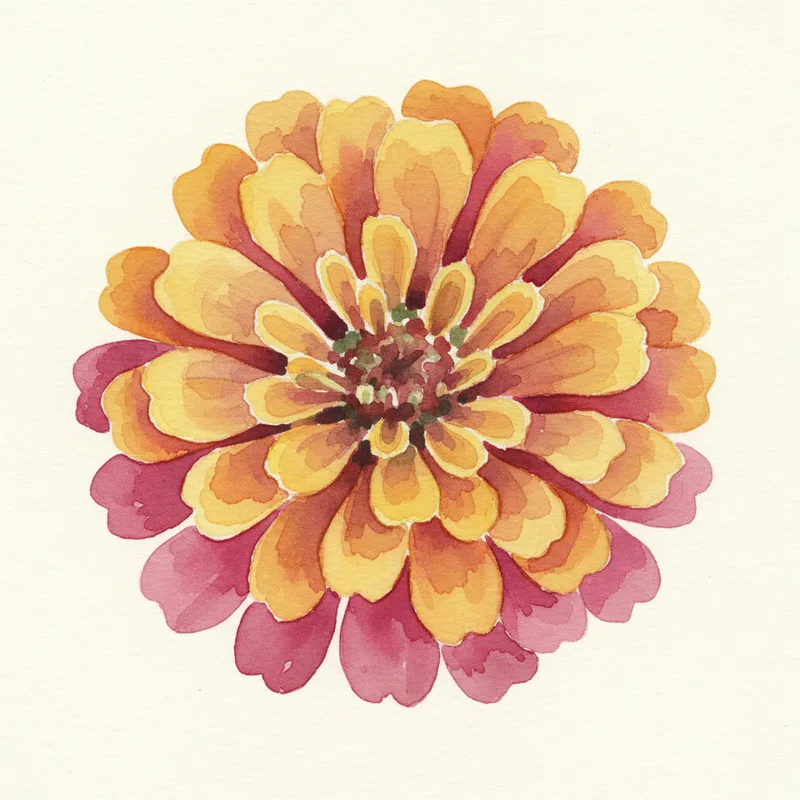
7. Zinnia (Zinnia elegans)
Zinnia is the workhorse. Plant a packet of seeds in May, get blooms from July to frost, in every color except true blue. The cut-and-come-again champion: every stem you take for the vase comes back as two more. For the specialty varieties that go beyond the grocery store seed rack, see our specialty zinnia varieties guide.
- Heat: Excellent. Disease pressure is the only summer issue, not heat.
- Sun: Full sun.
- Water: Moderate. Water at the base, not overhead, to avoid powdery mildew.
- Plant when: Direct seed after last frost, or transplant starts. Easiest annual to start from seed.
- Care tip: Space generously (12 inches+) for airflow. Crowded zinnias get mildew by August.
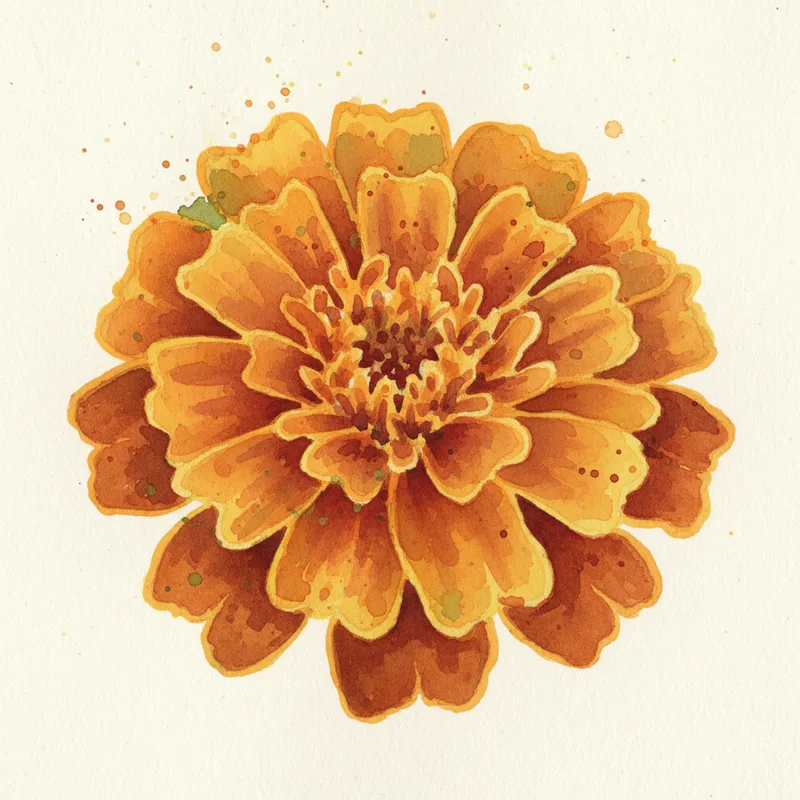
8. Marigold (Tagetes)
Marigolds are bulletproof. Yellow, orange, and rust pompoms on bushy plants that flower from late spring until killing frost. The pungent foliage deters some pests, which is why people tuck them into vegetable gardens, but they hold up perfectly well as ornamentals on their own.
- Heat: Excellent in moderate humidity. Slows down in the deepest, wettest Gulf Coast heat.
- Sun: Full sun.
- Water: Moderate. Tolerant of dry spells, better with regular watering.
- Plant when: After last frost.
- Care tip: Deadhead spent flowers weekly. Without it, plants go to seed and stop producing.
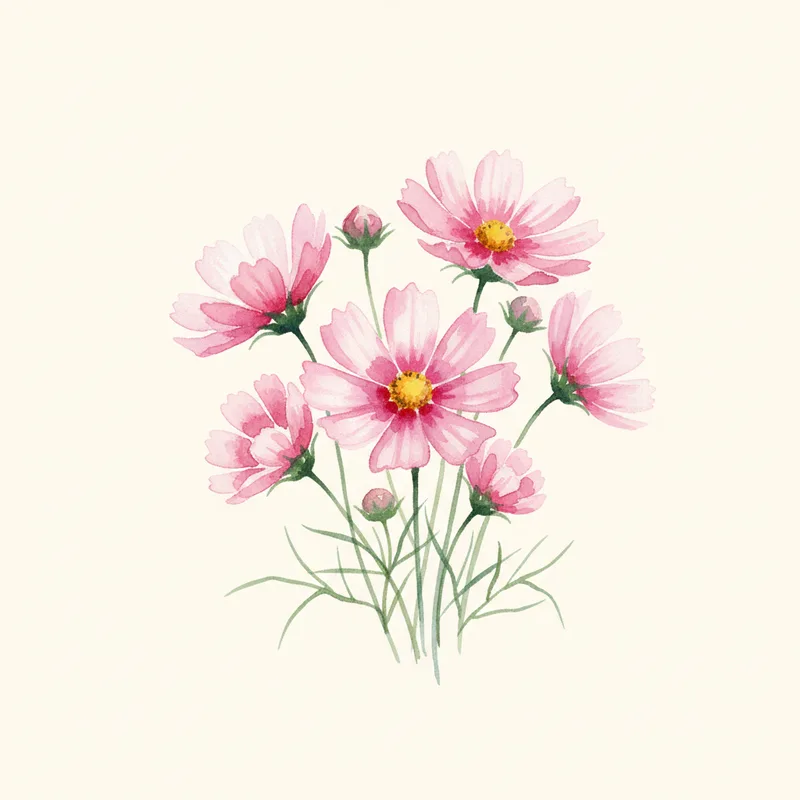
9. Cosmos (Cosmos bipinnatus)
Cosmos is the airy, tall, dancing flower that turns a bare bed into a cottage garden in eight weeks. Pink, white, magenta, and orange blooms on thread-thin stems. Self-sows generously, which means free flowers next year if you let some go to seed.
- Heat: Excellent. Originally from Mexican meadows; it expects heat.
- Sun: Full sun.
- Water: Low. Cosmos actually blooms harder in lean, dry soil. Rich, wet beds give you tall floppy plants with few flowers.
- Plant when: Direct seed after last frost. Germinates in a week.
- Care tip: Skip the fertilizer. Skip the lush soil. Pinch tall varieties at 12 inches to keep them upright.
Drought-tolerant vs. still wants water
If you have a busy summer, restricted watering, or a stretch of garden you cannot get to with a hose, this is the chart that matters. Both columns handle heat. Only the left column also handles dry.
Drought-tolerant once established:
- Lantana
- Portulaca / moss rose
- Gomphrena
- Cosmos
- Marigold (tolerant, better with water)
Heat-loving but still wants regular water:
- Zinnia
- Celosia
- Pentas (especially in pots)
- Annual vinca
Which zones benefit most
Every zone in the continental US has weeks where these flowers earn their keep. The difference is how long they shine and whether they overwinter.
Zones 9 to 11 (deep South, Gulf Coast, South Florida, southern California, desert Southwest): This list is your default summer rotation. Lantana and pentas can be true perennials. Annual vinca will outlast most other bedding plants in the brutal heat where impatiens and petunias collapse by July.
Zones 7 to 8 (mid-South, mid-Atlantic, southern Plains, inland California): The full list works as warm-season annuals. Plant after last frost, expect peak performance from late June through September, and pull at first hard frost.
Zones 5 to 6 (Mid-Atlantic interior, Great Lakes, Northeast, Pacific Northwest): Plant after Memorial Day. The window is shorter (mid-June to early October), but the heat-tolerant payoff is exactly the same. These are the plants that carry the garden through a 90-degree July week without missing a step.
Zones 3 to 4 (Northern Plains, Upper Midwest, Mountain West): Shorter season still, but the warm window is real and these plants make the most of it. Favor the fast bloomers: zinnia, marigold, cosmos. Direct seeding works once soil hits 65 degrees F.
Find your zone fast: enter your zip on our zone map.
Care rules that apply to all of them
- Wait for warm soil. 60 degrees F minimum, 65 to 70 ideal. Cold soil rots roots and stunts these plants for the season, even if they survive.
- Mulch to keep root zones cool. Two inches of shredded bark or pine straw makes a real difference in 95-degree weather.
- Water at the base, in the morning. Overhead watering at night is the fastest path to powdery mildew, especially on zinnias.
- Deadhead the cut-and-come-again types. Zinnia, marigold, and cosmos give you twice as much bloom if you take spent flowers off weekly.
- Feed pots, not beds. Containers exhaust their fertilizer; in-ground plants in lean soil mostly do not need feeding and bloom better without it.
Pivoting from cool-season to warm-season
If your spring annuals are crashing right now, this is the moment to act. Pull them. Refresh the soil with a couple inches of compost. Plant from this list. By late June, the bed will look fuller and brighter than it did in May, and it will stay that way through September.
The mistake worth avoiding: trying to nurse the cool-season annuals through the heat. They were not designed for it. No amount of water or shade cloth will turn an impatiens into a vinca. Replace, do not rescue.
Related reading
- Drought-tolerant perennials to plant before summer - the perennial counterpart to this annual list.
- Annuals to plant before Memorial Day - the timing prequel.
- Container garden ideas for spring 2026 - pentas, lantana, and zinnia are container all-stars.
- What's blooming in July - what the rest of the garden is doing while these flowers carry it.
- Hanging basket plants for full sun heat - the same survivors in the hardest container format.
- Drought-tolerant annuals for summer containers - when the container plants need to survive on less water too.
Browse heat-tolerant plants by zone
What's growing, what's blooming, what's worth planting.
For gardeners who like to stay ahead.