First Fall Frost: How to Buy Another Month of Bloom
The first frost of autumn is usually one cold night followed by weeks of mild weather. Here is how to tell which nights are worth covering for, which are not, and what a cover is actually doing.
The forecast says 31 on Thursday night and 68 by Saturday. That is the shape of almost every first frost, and it is worth understanding before you decide whether to go outside with an armful of old bedsheets.
Spring frost is a rescue. Something has broken dormancy too early and you are trying to save a season that has not started. Autumn frost is a different thing entirely: a decision. The plants have already done their work. The only question is whether you want a few more weeks of them.
Usually you do, and usually it is cheap.
The first frost is one night. Then it is warm again.
This is the part that makes covering worth the trouble, and it is easy to miss when the forecast looks like the end of everything. Iowa State Extension puts the pattern plainly: it is common to have below-freezing temperatures in late September or early October, followed by a stretch of a week or more of warmer weather.
So the arithmetic is good. One evening of work, maybe forty minutes, against two to four more weeks of a garden you are still looking at. Almost nothing else you do in the garden pays back that fast.
The corollary matters too. If you do nothing on that first night, you have not lost a night. You have lost the rest of October.
Two kinds of cold night, and only one is worth fighting
Colorado State Extension splits autumn cold into two types, and the distinction is the single most useful thing to know here.
A radiation frost happens on a calm, clear night with no cloud cover to hold the day's heat in. The ground gives up its warmth to the sky, and the air sitting right on top of it gets cold while the air a few feet up stays milder. These are the nights a cover works, because you are fighting a shallow, local loss of heat.
An advective frost is a cold front arriving. Temperatures drop well below the critical level, and Colorado State is honest about it: protection becomes questionable. You are no longer trapping heat, you are trying to out-insulate a moving mass of cold air, and a bedsheet is not going to do it.
There is a number that separates them for practical purposes. Iowa State says that once temperatures drop below about 28 degrees, covering is typically no longer effective. The National Weather Service uses the same figure from the other direction: 28 degrees or less is its hard freeze criterion. Two different authorities, arriving at 28 for two different reasons, which is about as much agreement as you get on anything in gardening.
So: 33 to 36 and calm, cover things. Low 30s, cover the things you care about. Below 28, make a cup of tea and let the season end. It has earned it.
What is worth covering, and what is not
Most of the garden does not need you. The plants that carry autumn are the ones built for it.
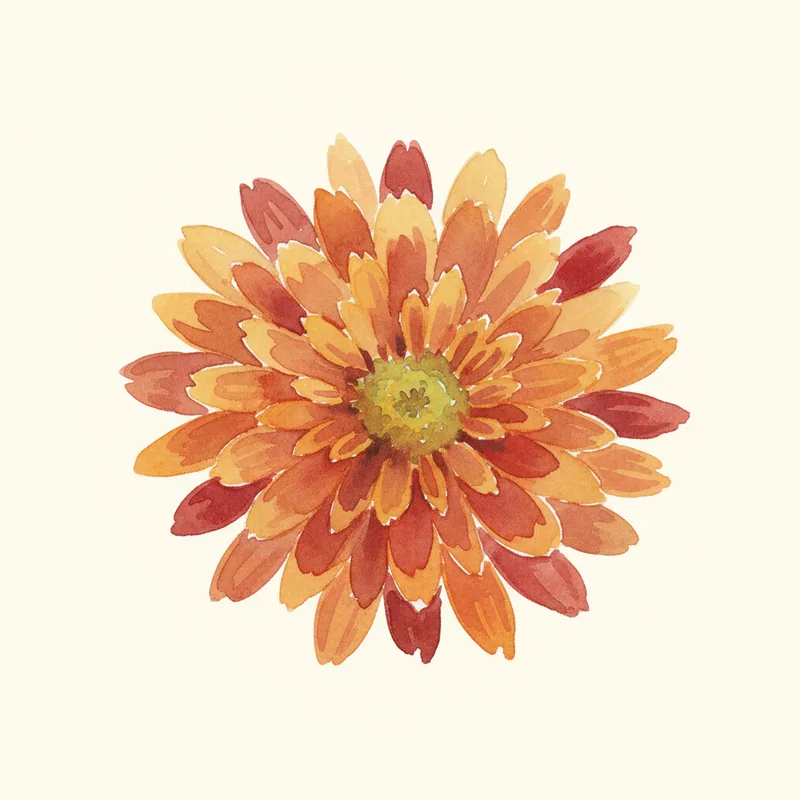
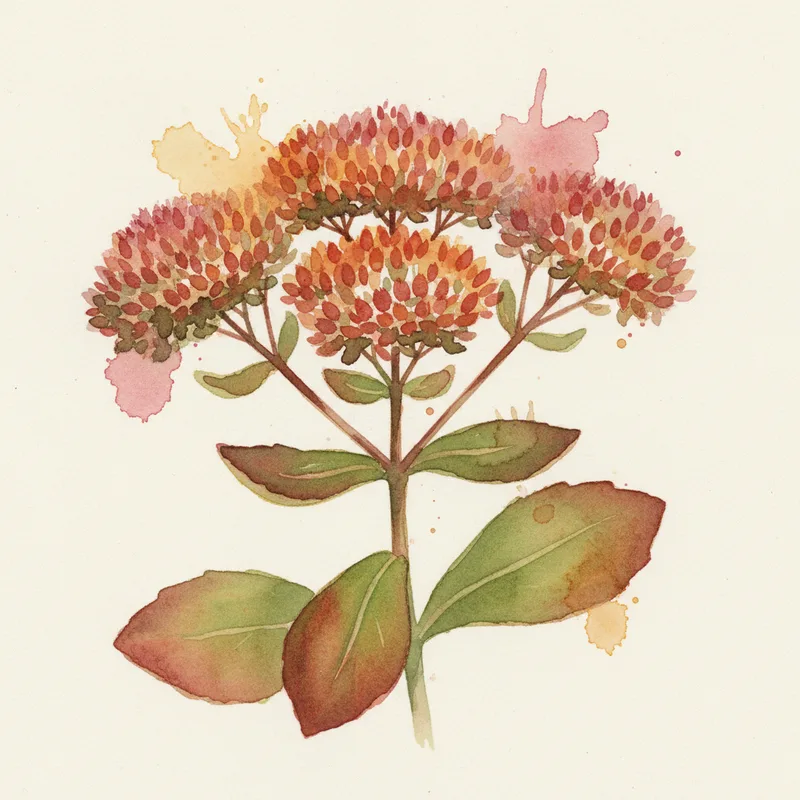
Chrysanthemums take a light frost without flinching. Asters keep going after the frost has flattened everything around them, which is most of the reason to grow them. Autumn Joy sedum arguably looks better once it has been frosted, and salvia is tougher than it looks. Leave all of it alone.
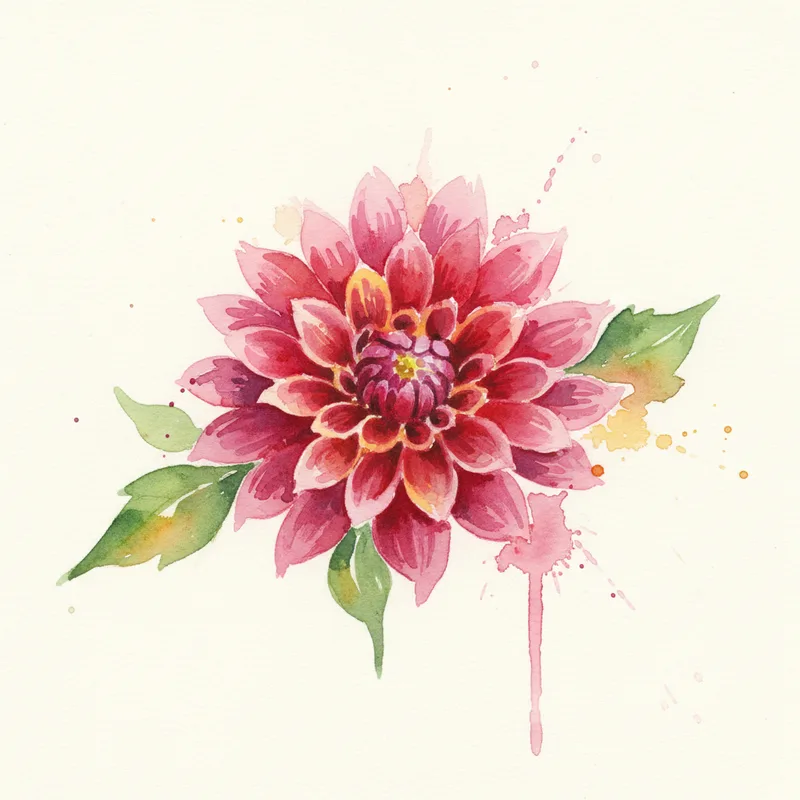
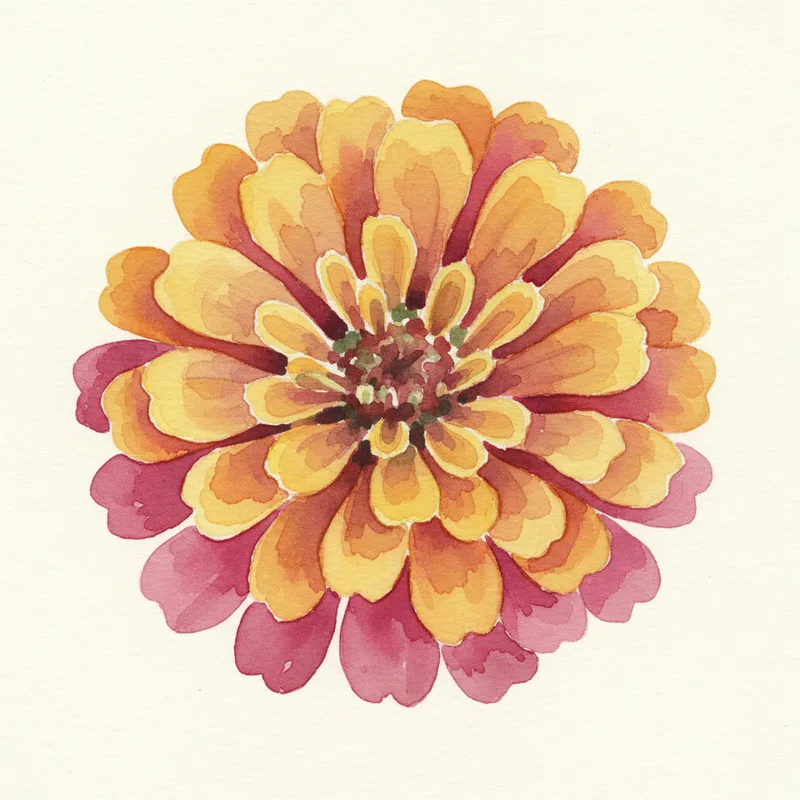
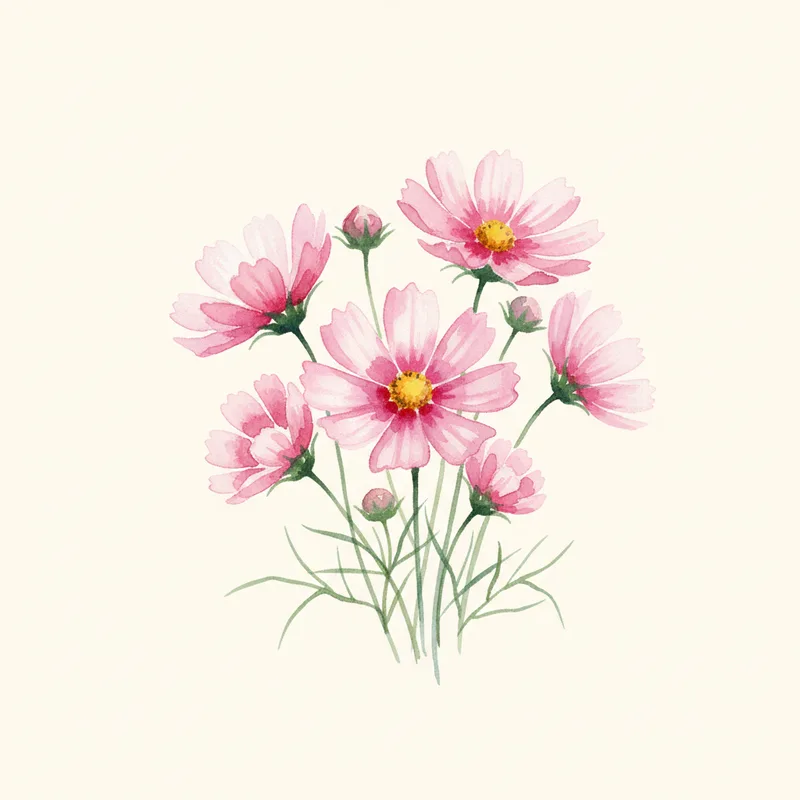
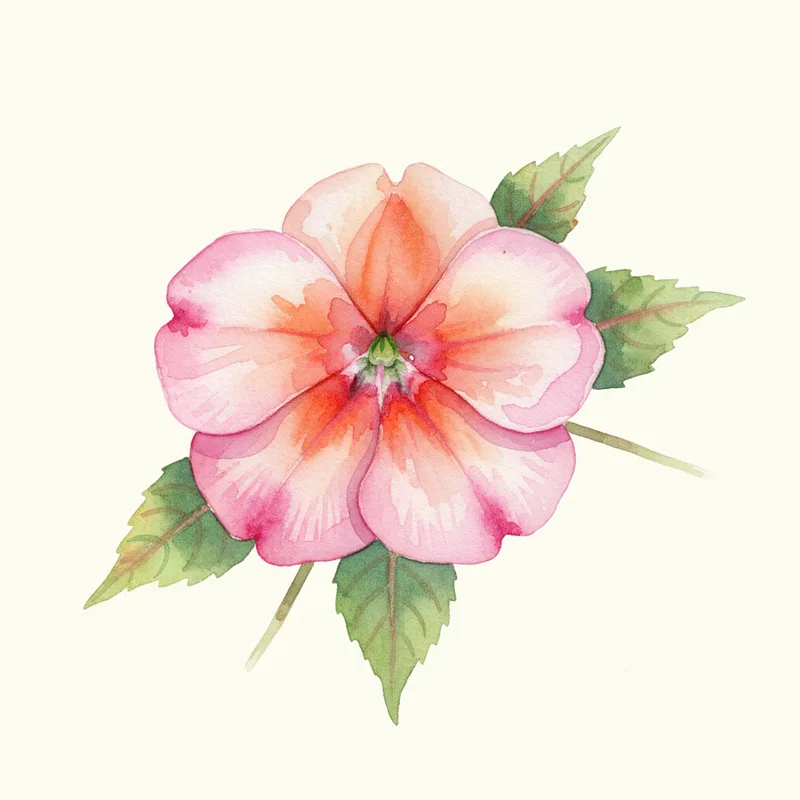
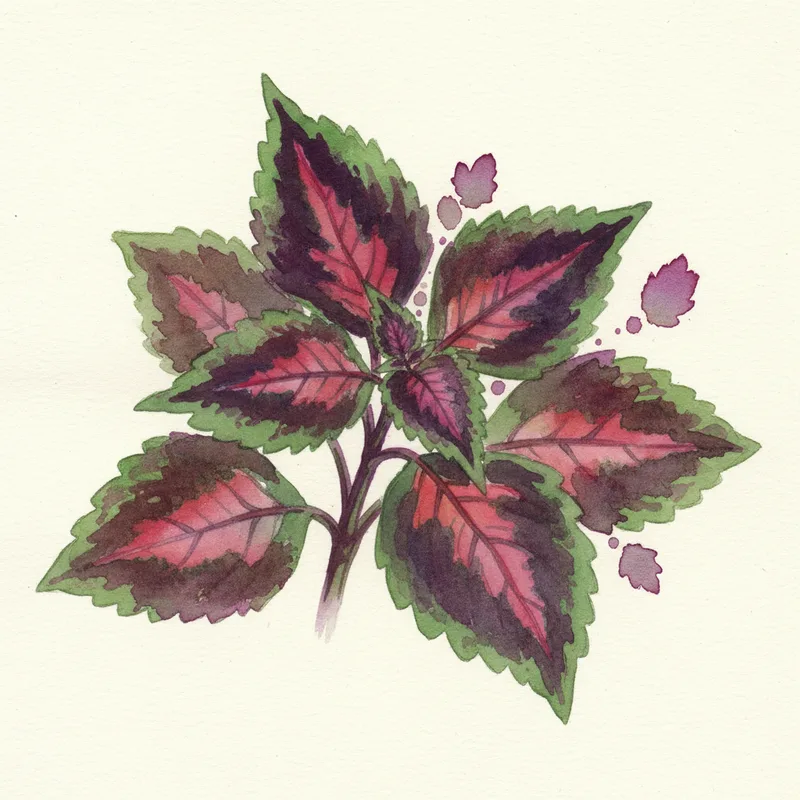
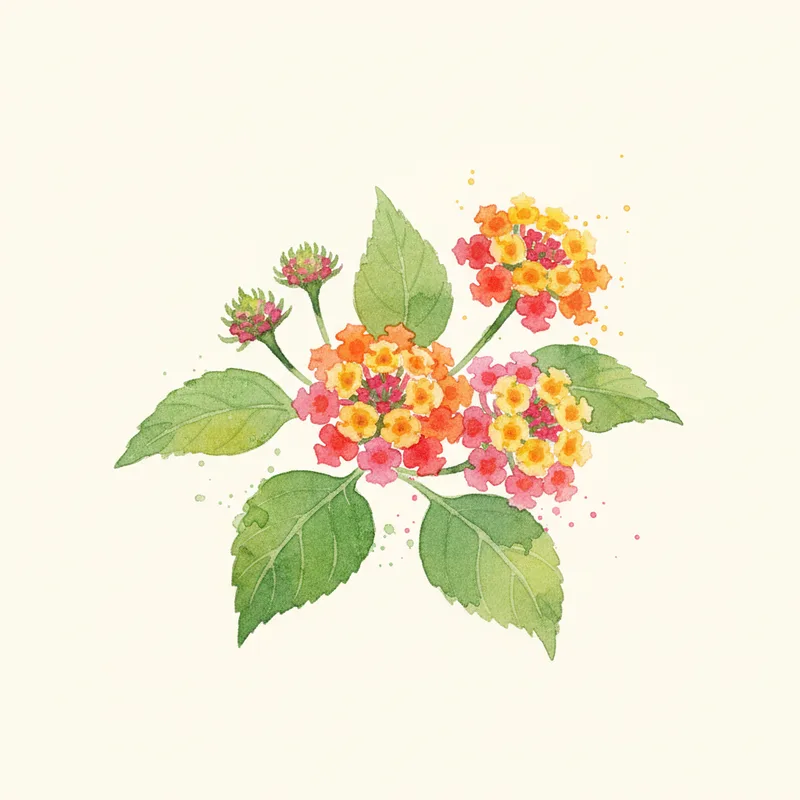
The ones worth a sheet are the tender annuals that are still flowering hard and will be black by morning: zinnias, cosmos, impatiens, coleus, lantana, and the foliage on your dahlias.
And here is the permission you probably need: you do not have to cover the whole garden. Cover the three things you can see from the kitchen window. That is the entire benefit for most people, at a tenth of the effort, and a partial job on the right plants beats a heroic job you resent.
A cover is a lid on the soil, not a coat for the plant
This is the bit almost everyone gets wrong, and getting it right is the difference between a cover that works and one that does nothing.
Your sheet is not insulating the plant. The plant has no heat to keep in. Colorado State is specific: the soil, warmed by the sun during the day, is the source of heat for frost protection at night, and a covering needs to be low to the ground and spreading to trap it. Moist, smooth soil absorbs more heat than dry, rough soil. The cover is holding a bubble of soil warmth around the plant, and if the edges are open, the warmth walks out.
Two instructions that sound contradictory and are not. Iowa State says to elevate the covering so it does not touch the foliage. Colorado State says to bring it low to the ground. Both are right: off the leaves, down to the soil. Anywhere the fabric presses on a leaf, that leaf freezes anyway. Anywhere the fabric stops short of the ground, the heat escapes. A few stakes, a tomato cage, or a couple of upturned pots holding the sheet clear will do it, with bricks or stones along the edges.
Sheets, blankets, towels, tarps, frost fabric and row cover all work. Weight matters more than you would think: UNH Extension puts a lightweight row cover at about 2 degrees of protection and a heavyweight one at 6 to 10 degrees, which is the whole difference between saving the zinnias and not.
Plastic is the exception to be careful with. UNH is direct that leaves touching plastic get injured, so plastic needs a frame, and it needs to come off in the morning rather than cooking everything underneath. In fact take any cover off the next day once temperatures are above freezing. The soil has to see daylight to recharge the heat it will give back the following night.
Read the forecast like a gardener
The number on your phone is measured in a shelter well above the ground, and your border is colder than that. The National Weather Service issues frost advisories for the 33 to 36 degree range precisely because frost forms at or near ground level while the observed air temperature is still slightly above freezing.
Three things to look for beyond the number. Calm and clear is the dangerous combination: the advisory criteria specify light winds and humidity approaching saturation, and cloud cover is what holds the heat in. A breezy, overcast night at the same temperature is far less of a threat. Low spots collect cold air as it drains downhill, so the bottom of a sloping garden frosts before the top. And your first frost date is a median, not a deadline; the Weather Service defines the growing season locally, between the median last spring freeze and the median first fall freeze, which means half of all years it comes earlier than the date on the chart.
After the night
Whatever happened, resist the shears for a while. The instinct to tidy a frost-blackened border is strong and mostly wrong: hollow stems and leaf litter are where next year's pollinators are overwintering. Our guide to what to cut back and what to leave covers which is which.
And if the first frost does take your annuals, that is not a failure. It is the season doing what it does, on a schedule that was never yours to set. The garden is not over. It is doing something different, and quieter, and in some ways better.
Browse fall in your zone
See what is still blooming where you live: Zone 4 in fall · Zone 5 in fall · Zone 6 in fall · Zone 7 in fall · Zone 8 in fall. Or start from the plant finder and let it match your zone for you.

What's growing, what's blooming, what's worth planting.
For gardeners who like to stay ahead.