Hardy Mums: How to Grow the Fall Icon That Comes Back
Most mums bought in September die by spring, and cold is not the reason. The difference between florist and garden mums, why fall planting usually fails, and the spring routine that gets them back.
Every September the same ritual plays out: a car trunk full of blooming chrysanthemums, an hour with a trowel, and a tidy row of color by the front steps. By April, most of those plants are dead, and most gardeners assume the winter killed them. It usually did not. The plant you bought in full bloom in September was, more often than not, never going to survive in the ground, no matter what you did after the trowel came out.
That is the one fact worth knowing before anything else: "hardy mum" is mostly a spring purchase, not a fall one. Everything below builds on it.
Two different plants are sold under one name
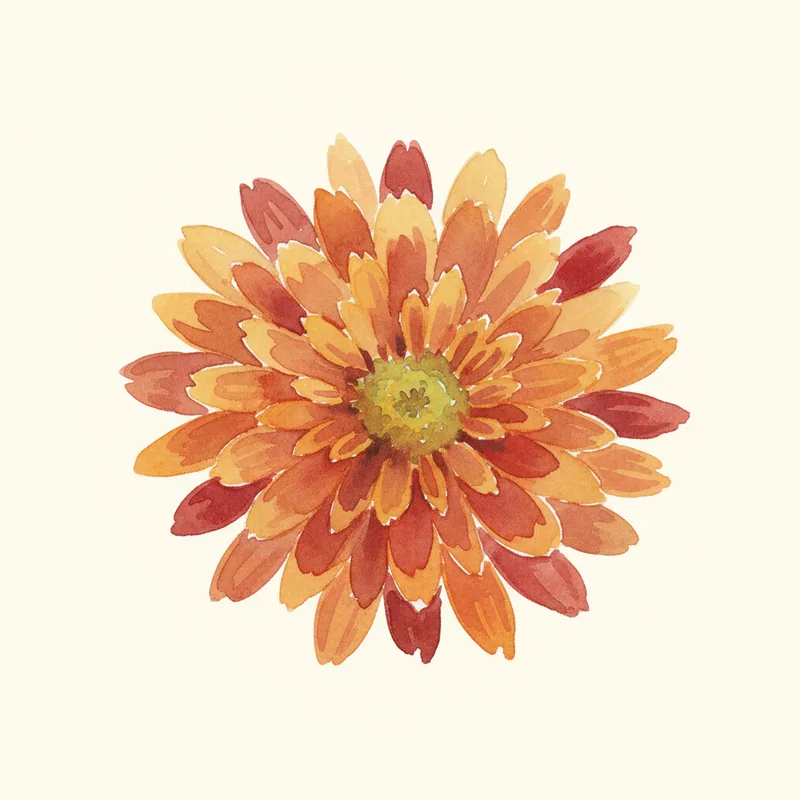
The word "mum" covers two commercial products that look nearly identical on the shelf. Florist mums are bred for big, perfect blooms in a pot, indoors, right now. Garden mums (also sold as hardy mums) are bred to live in the ground. Iowa State University Extension is unambiguous about the first kind: the varieties sold as flowering potted plants at the florist are not winter hardy and cannot be successfully planted outdoors. No mulch fixes that; it is the genetics.
The trap is that the distinction blurs exactly when you are shopping. Iowa State's guidance has a rule of thumb worth memorizing: mums sold in spring, not yet in bloom, are typically the winter-hardy garden cultivars; mums sold in full bloom in late summer and fall are typically not. The gorgeous, bloom-covered September specimens are the least likely of all mums to see another year.
Why fall planting fails even when the plant is hardy
Suppose you find a genuinely hardy cultivar in September. The odds are still against it, and this time the reason is the calendar. A mum planted in fall spends its energy finishing its bloom, not building roots, and it goes into winter barely anchored. Iowa State Extension puts it flatly: fall-planted garden mums usually do not survive the winter even when given winter protection. Spring-planted mums get the entire growing season to establish, and they overwinter far more reliably.
So the honest way to buy mums in September is to treat them as what they are: the best value in temporary color all year. Enjoy them in pots, group them on the porch, sink them pot-and-all into a tired bed. If they make it through winter, that is a bonus, not a plan.
If you plant them anyway: the September protocol
Long odds are not zero odds, and a few habits genuinely improve them. Plant as early in fall as you can find the plants, at the same depth they grew in the container, in full sun and well-drained soil; wet feet in winter kill more mums than cold does. Water them in and keep watering until the ground freezes.
Then do the counterintuitive part: do not cut them down. Leave the dead stems standing through winter; they trap leaves and snow, which is exactly the insulation the crown needs. Iowa State recommends piling several inches of straw or pine needles over the plants in late November or early December, after the ground has cooled, then pulling the mulch off in late March or early April. Cutting back happens in spring, not fall, the same rule our fall cleanup guide applies to most of the perennial border.
The reliable route: buy them in spring
If what you want is a mum that behaves like a perennial, buy it in spring, green and unimpressive, and give it the season. Space plants 18 to 24 inches apart in a spot with at least 6 hours of direct sun. One siting detail almost nobody checks: keep mums away from porch lights and streetlights. Chrysanthemums decide when to bloom by measuring the length of the night, and a light that switches on every evening can genuinely delay or reduce flowering.
Through spring and early summer, pinch the shoots back by half whenever they reach about 6 inches, two or three times total, and stop by the Fourth of July so flower buds have time to set. That pinching is the entire difference between the dense, dome-shaped mound on the plant tag and the sparse, floppy thing that flowers in June and sprawls by September. Established clumps want dividing every 2 or 3 years in early spring, keeping the vigorous outer sections.
Gardeners in the coldest zones have a purpose-built option: the University of Minnesota runs the only public chrysanthemum breeding program in North America and bred its Mammoth series specifically for northern winters; retailers list those cultivars as hardy to zone 3. If mums die in your garden even when you do everything right, that is the name to look for.
Where mums fit in the fall border
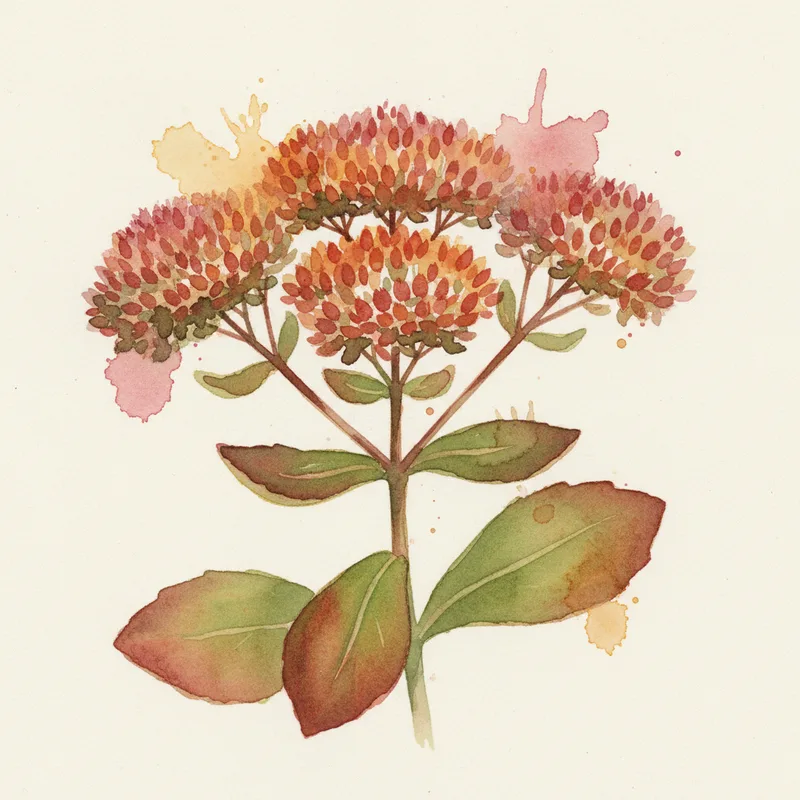
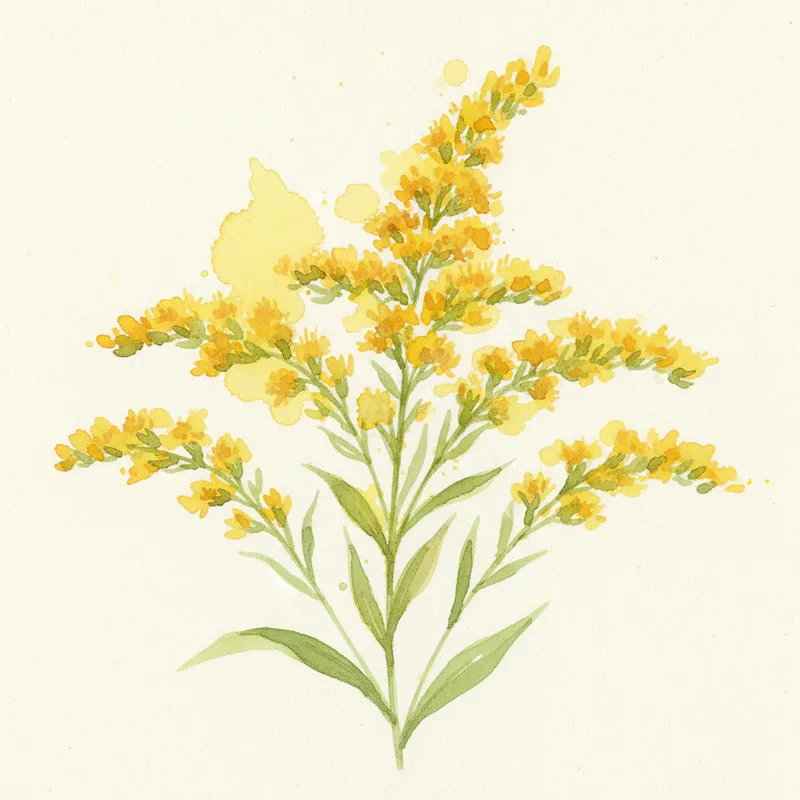
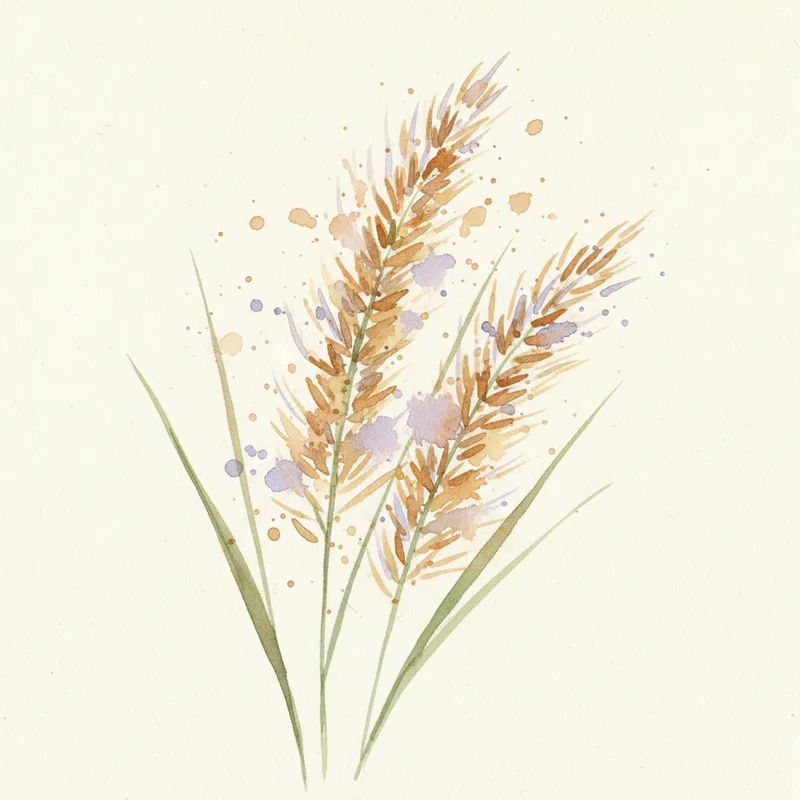
Our catalog entry files the chrysanthemum at 12 to 36 inches, blooming September through November in zones 5 to 10, full sun, moderate water: the fall icon, mounds of color when everything else is fading. It earns that billing best with company. Asters bring the blues and purples mums do not really do (our aster guide covers the native species worth choosing), Autumn Joy sedum adds the broccoli-headed structure that holds into winter, goldenrod feeds the late pollinators, and fountain grass gives the whole scene something to move against.
The one-line version of this whole guide: September mums are decor, spring mums are plants. Buy them twice, for two different jobs, and stop blaming the winter.

What's growing, what's blooming, what's worth planting.
For gardeners who like to stay ahead.