How to Build a Hummingbird Garden That Actually Works
Hummingbird feeders are fine. A garden full of tubular red flowers is better. Here are the plants that bring them in and keep them coming back all season.
Hummingbirds are the only birds that can hover, fly backwards, and remember every flower they have visited for the past year. Their metabolism runs so hot they have to eat almost constantly, which means they pick their real estate carefully. If you want them in your yard, you need to build something worth visiting.
A feeder is fine as an appetizer. But hummingbirds evolved with flowers, and they will always prefer a garden full of real blooms to a plastic bottle of sugar water. The trick is knowing which flowers actually deliver, and how to arrange them so there is always something in bloom from April through October.
What hummingbirds look for
Three things draw hummingbirds: color, shape, and timing. They see red more vividly than any other color, which is why traditional hummingbird plants lean heavily on reds, oranges, and hot pinks. But they will visit almost anything with the right flower shape, which is tubular. Long, narrow, nectar-bearing flowers match their specialized bills. Flat or short blooms tend to get skipped for bees.
Timing matters because hummingbirds migrate. They arrive in most of the US between March and early May and leave again in September or October. A garden that blooms only in June might host a few visitors, but one with continuous bloom from April through first frost becomes a routine stop on their daily circuit.
The April and May plants
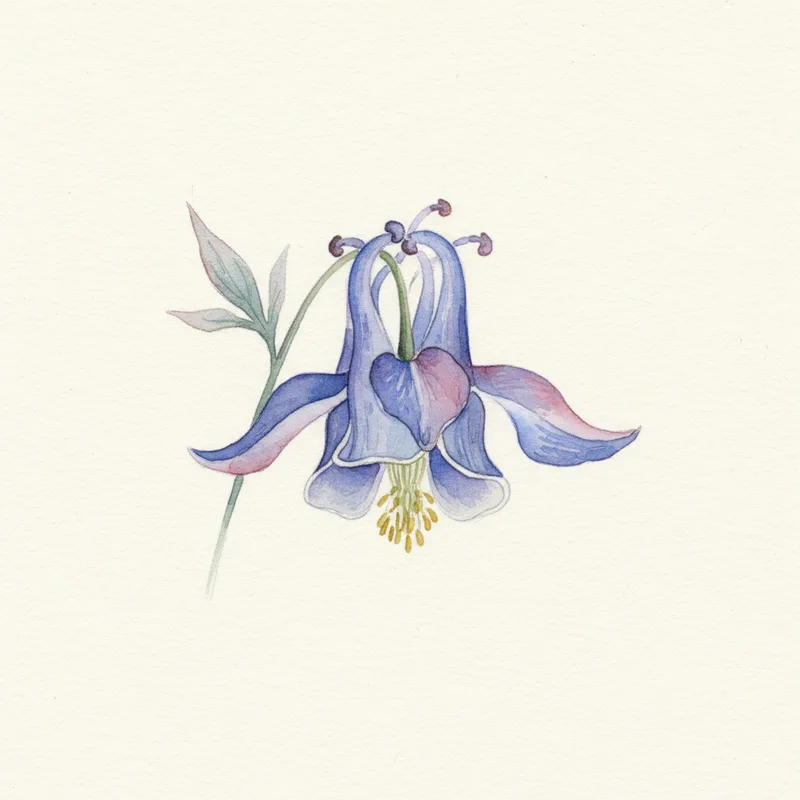
The first wave of arrivals lines up with early-blooming perennials and shrubs. Columbine is one of the first reliable hummingbird flowers of spring, with spurred blooms in red, pink, yellow, and purple. It self-seeds generously, so once established it spreads itself into a permanent colony.
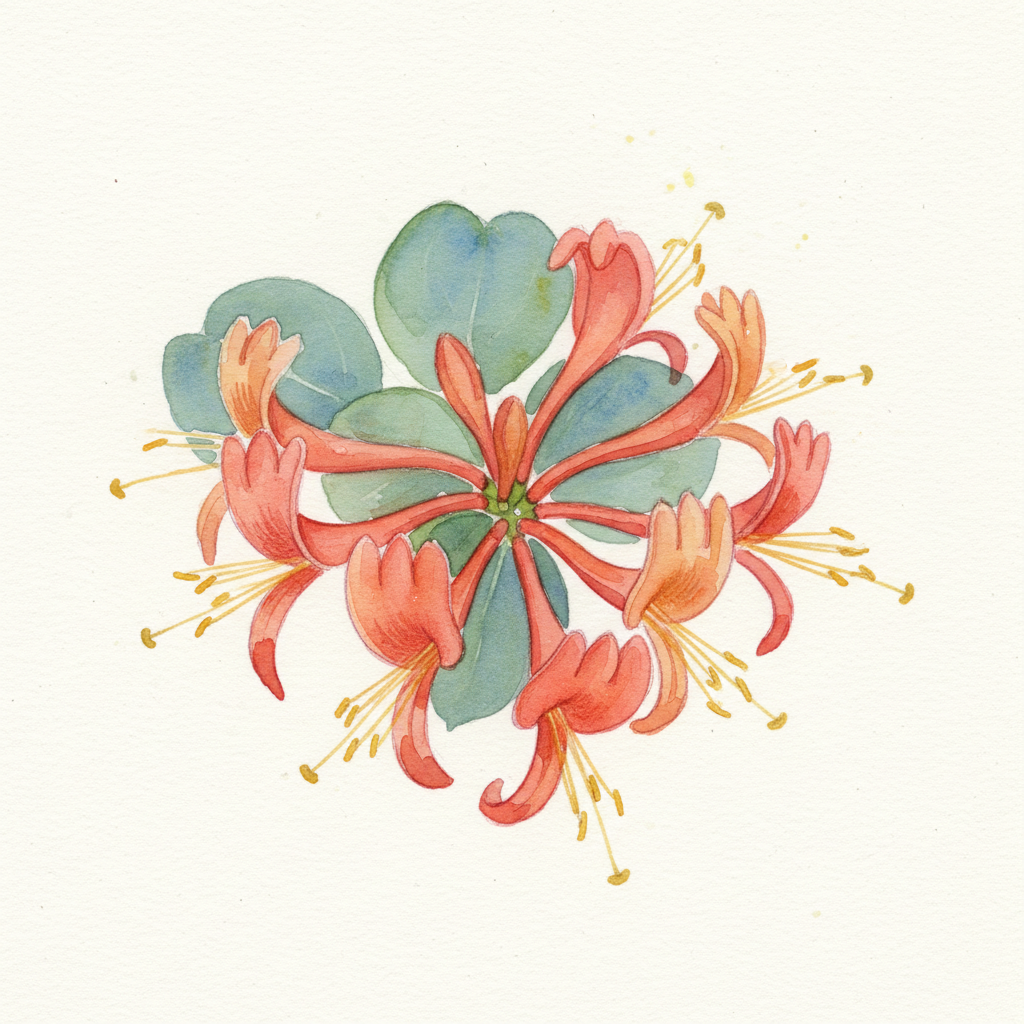
Coral honeysuckle is the single best early hummingbird plant in the eastern US. Unlike the invasive Japanese honeysuckle, this native vine produces coral-red tubular flowers starting in April and reblooms off and on through October. Every hummingbird within a quarter mile will find it within a week of bloom. Plant it on a trellis or fence and watch what happens.
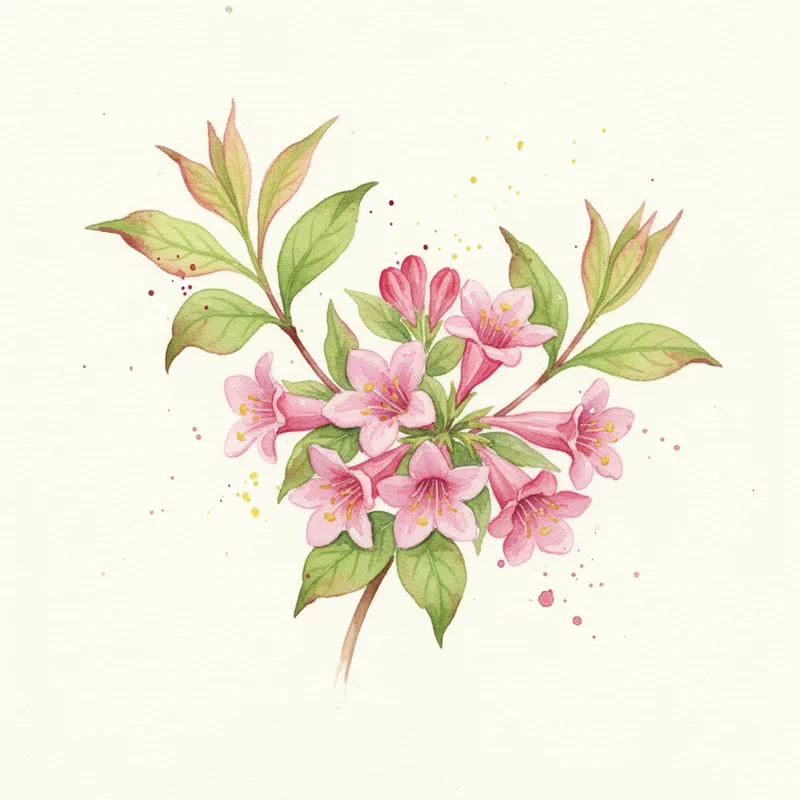
Weigela shrubs cover themselves in pink or red trumpets in May, and hummingbirds work them like a drive-through window (here is how to grow and prune weigela). One mature weigela shrub can produce thousands of flowers over a three-week period.
The June through August workhorses
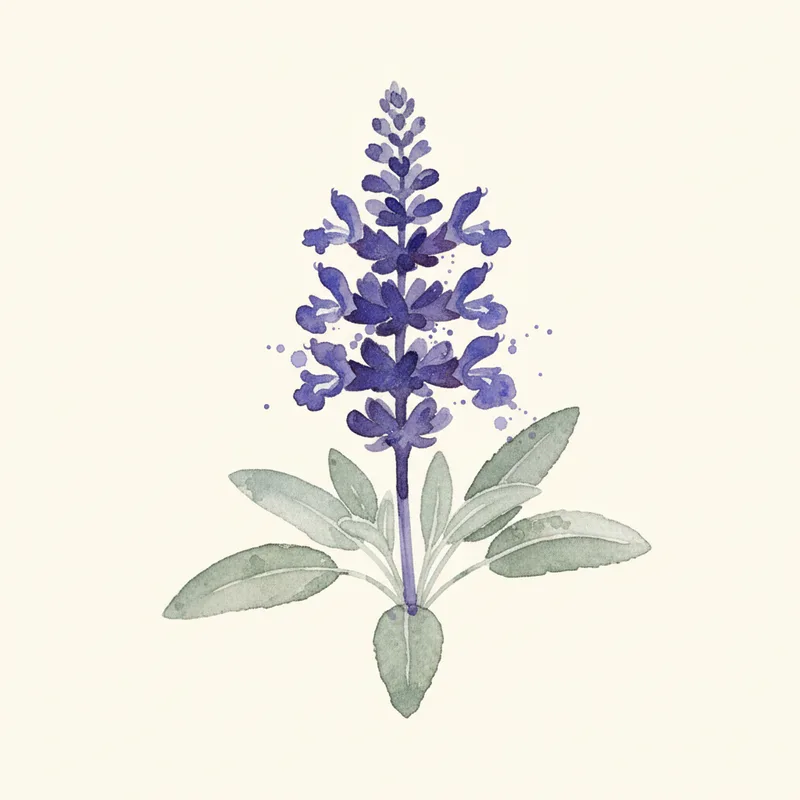
The summer lineup is where a hummingbird garden really earns its keep. Salvia in any color produces vertical flower spikes that hummingbirds hit dozens of times a day. Red varieties draw the most attention, but they will work blues and purples too. Salvia blooms for months with deadheading, which makes it one of the longest-running summer feeders available.
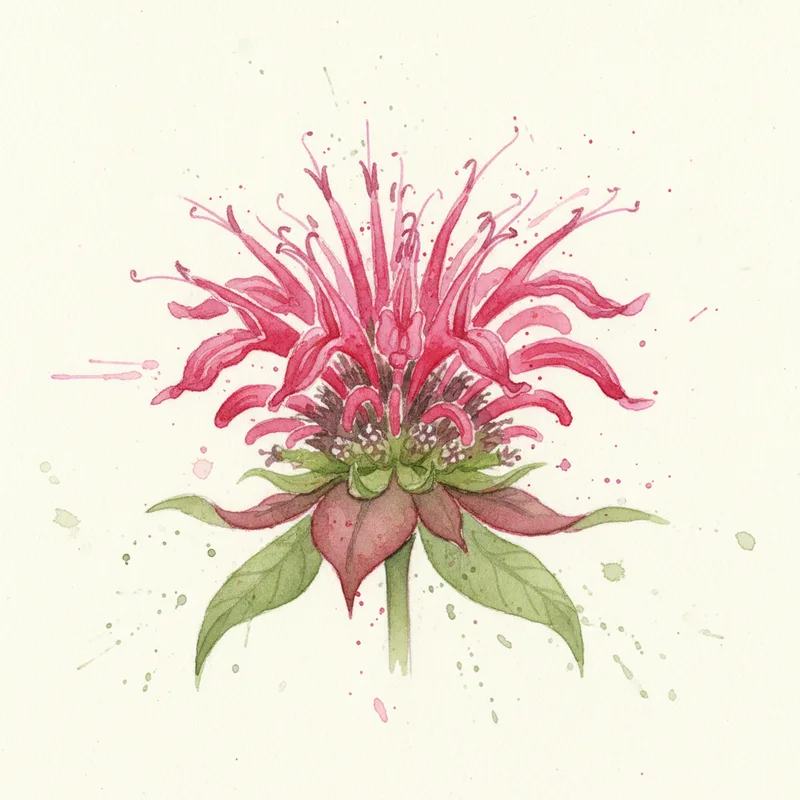
Bee balm is a shaggy, native mint-family plant with crown-shaped flowers in red, pink, and purple. Hummingbirds fight over it. The red varieties, particularly "Jacob Cline," are magnets. Plant bee balm in a loose colony rather than a single clump, because the more flowers, the more birds.
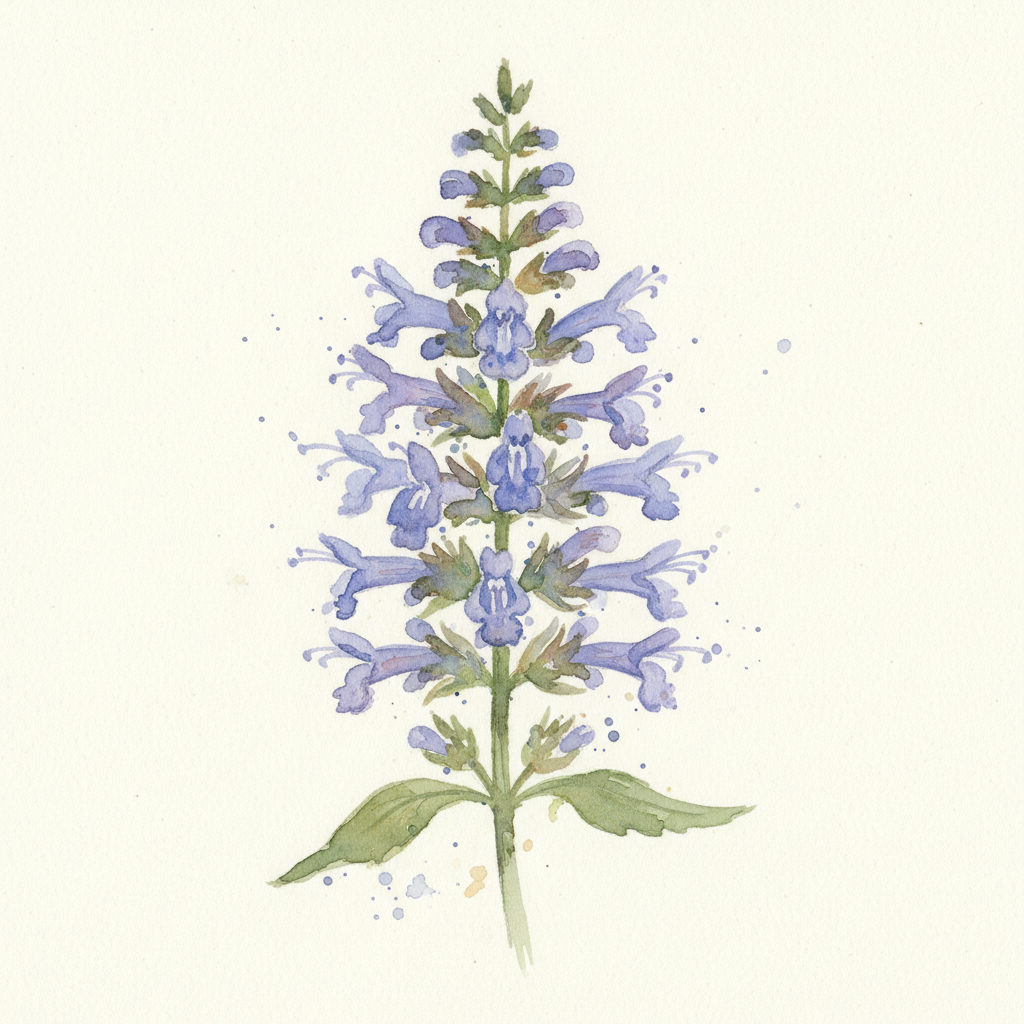
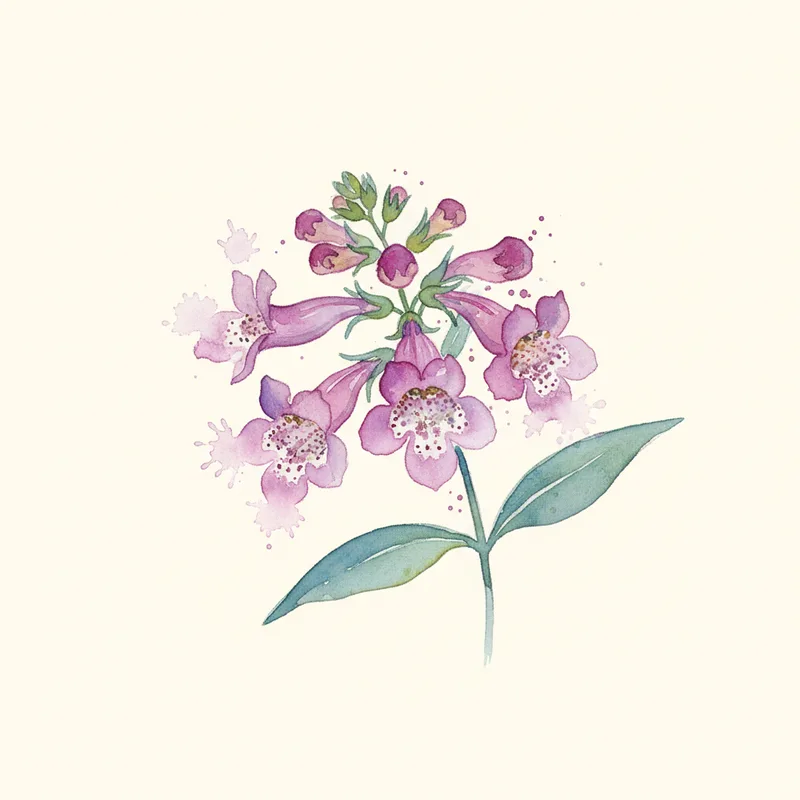
Agastache, sometimes called hyssop or hummingbird mint, is a drought-tolerant perennial with licorice-scented foliage and tubular flowers in orange, pink, and lavender. It blooms for months and thrives on neglect. Pair it with penstemon, another native hummingbird favorite that handles poor soil and dry conditions.
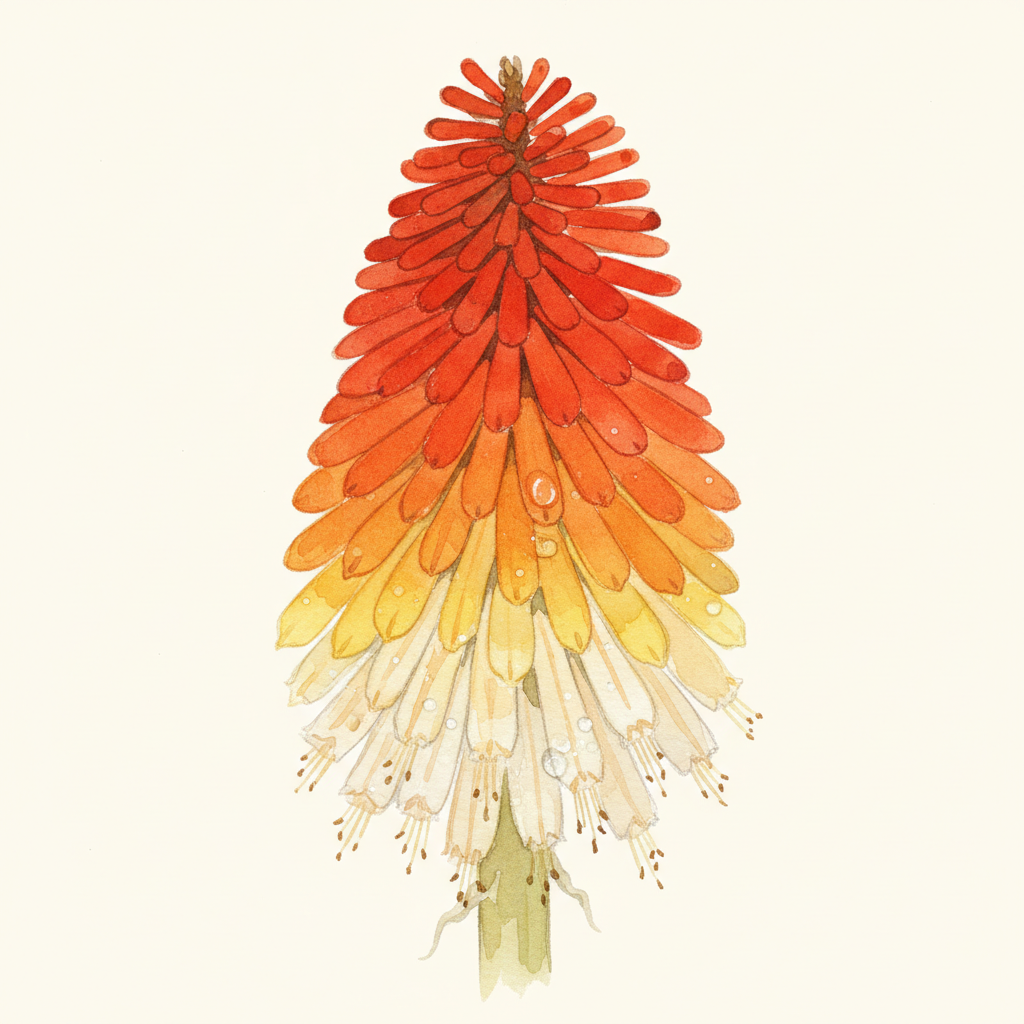
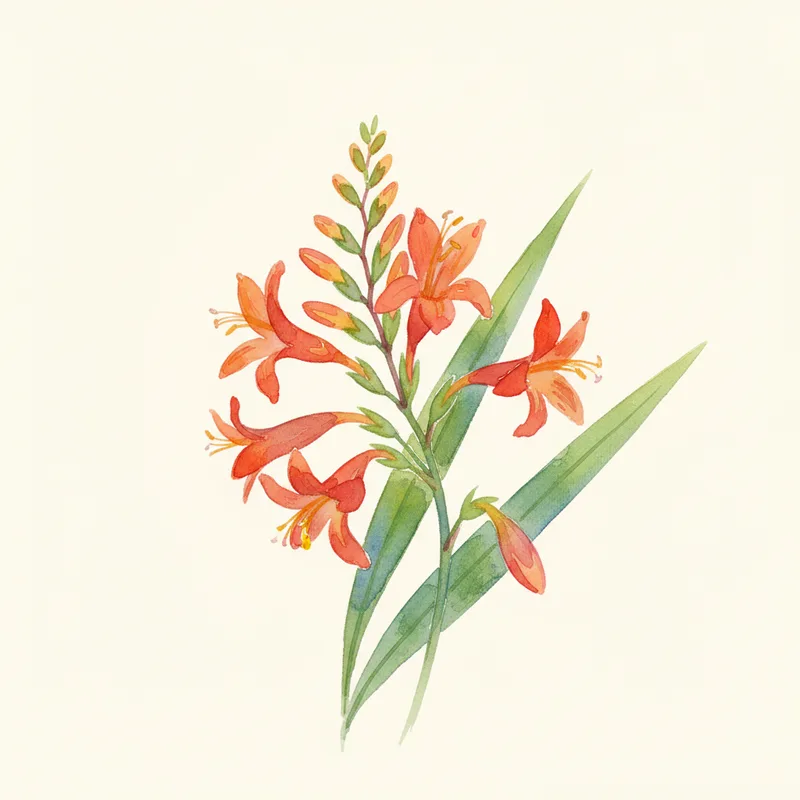
For drama, plant red hot poker. The torch-like flower spikes in fire orange and yellow look like something designed specifically for hummingbirds, and they are. Crocosmia "Lucifer" does the same job with arching red tubular flowers that bloom in July and August.
The late summer peak
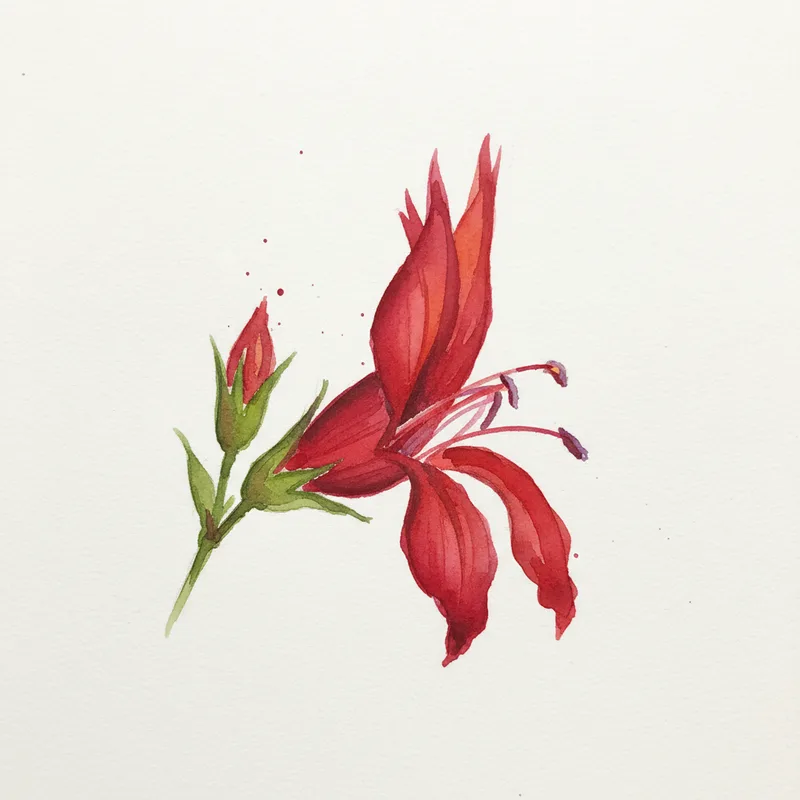
Cardinal flower is the most vivid red in the native plant world, and it blooms in late July and August when hummingbirds are fattening up for migration. It likes consistently moist soil, so plant it in a low spot or near a downspout. A single stand of cardinal flower can pull in more birds than any feeder.
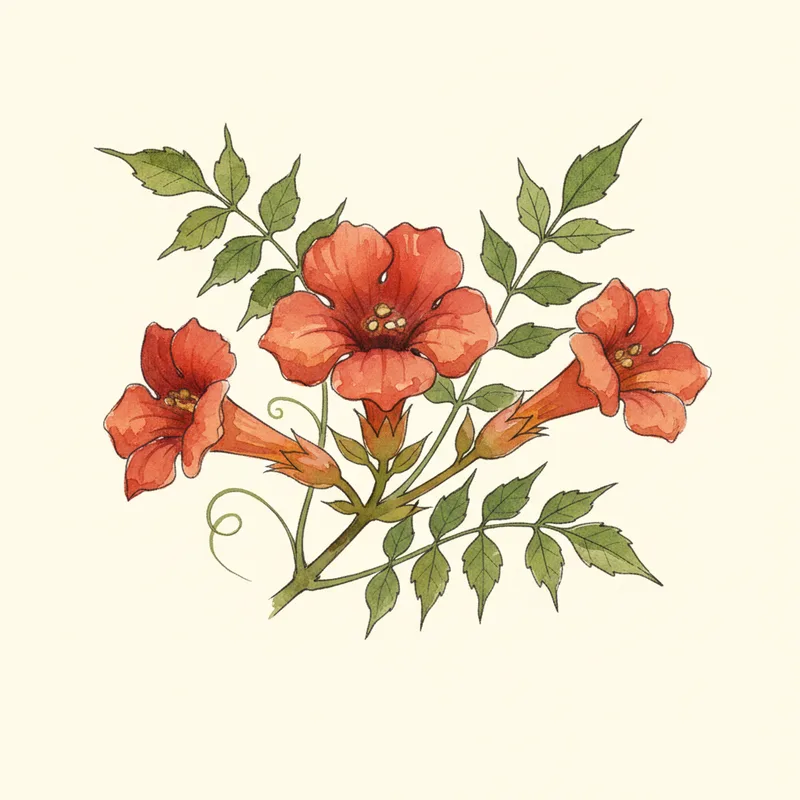
Trumpet vine is the heavy artillery. The orange-red trumpets bloom from July into September and hummingbirds literally live in it during peak season. A warning: trumpet vine is aggressive. It needs a sturdy structure and regular pruning to keep it in bounds. If you have the space and a strong fence, it is worth it. If you have a small yard, skip it and plant coral honeysuckle instead.
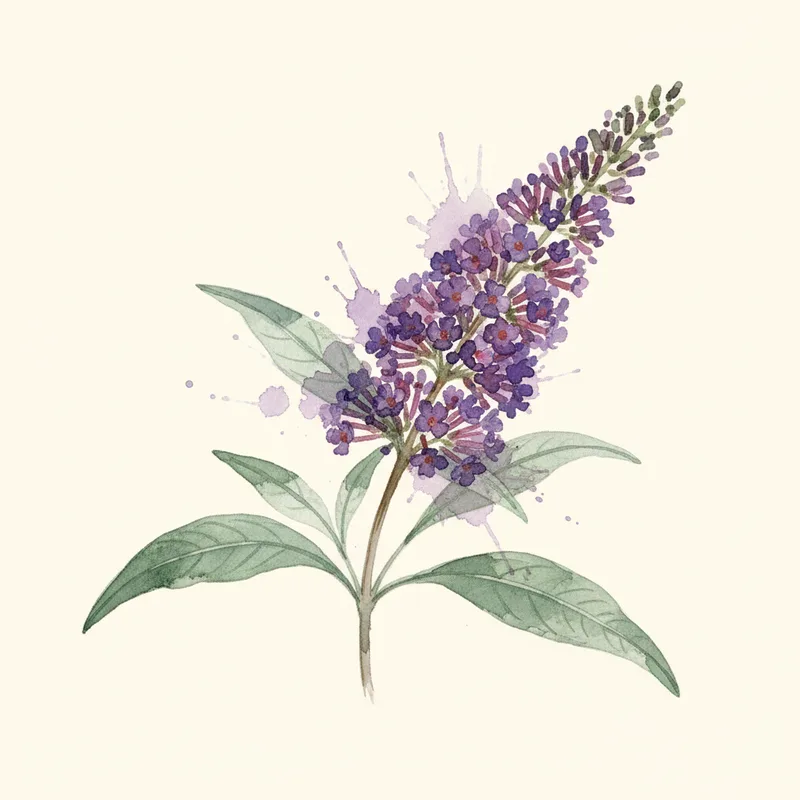
Butterfly bush attracts both butterflies and hummingbirds with its long, arching flower wands. It blooms from July until frost, and deadheading keeps it producing.
What to skip
Skip double-flowered varieties of anything. Breeders have bred the nectar tubes right out of many modern cultivars, and double flowers physically block hummingbird bills from reaching any reward that remains. Single-flowered varieties always outperform doubles.
Skip hybrid teas and fancy roses. Skip most yellow or white flowers unless they are companions to the red ones (a garden of all red feels monotonous to humans, even if hummingbirds love it). And skip anything heavily pesticide-treated. Systemic insecticides poison nectar, which poisons the birds.
One more thing
Hummingbirds need water too, and not from a birdbath. They prefer a fine mist or a shallow, moving surface. A simple mister attached to a hose, set on a timer for 10 minutes a day, will turn your yard into a daily bathing destination. They fly through the spray, then preen on a nearby branch. It is one of the best garden shows available.
For more companions and design ideas, see our hummingbird-friendly plants and pollinator garden planning guide. If you are planting this June, our National Pollinator Month flower list covers the bee, butterfly, and hummingbird flowers to get in the ground now.
Browse hummingbird plants by zone
Find hummingbird plants for your zone: Zone 4 · Zone 5 · Zone 6 · Zone 7 · Zone 8 · Zone 9
What's growing, what's blooming, what's worth planting.
For gardeners who like to stay ahead.