Late Spring Frost: How to Save Plants When Weather Turns
Every spring, a warm week fools your garden into waking up, then a frost moves in and threatens everything. Here is exactly what to cover, what to skip, and how to do it.
Every gardener knows the pattern. A warm week in April coaxes everything into new growth. Leaves unfurl, flower buds swell, the magnolia throws open its petals. And then the forecast drops a 28-degree night on you with 24 hours of notice.
This is not a small problem. A late frost can wipe out a year of bloom on your magnolia, turn your hydrangea buds to mush, and brown every tender new shoot in the perennial bed. The good news: you can save most of it with a few hours of work the afternoon before.
Know what is actually at risk
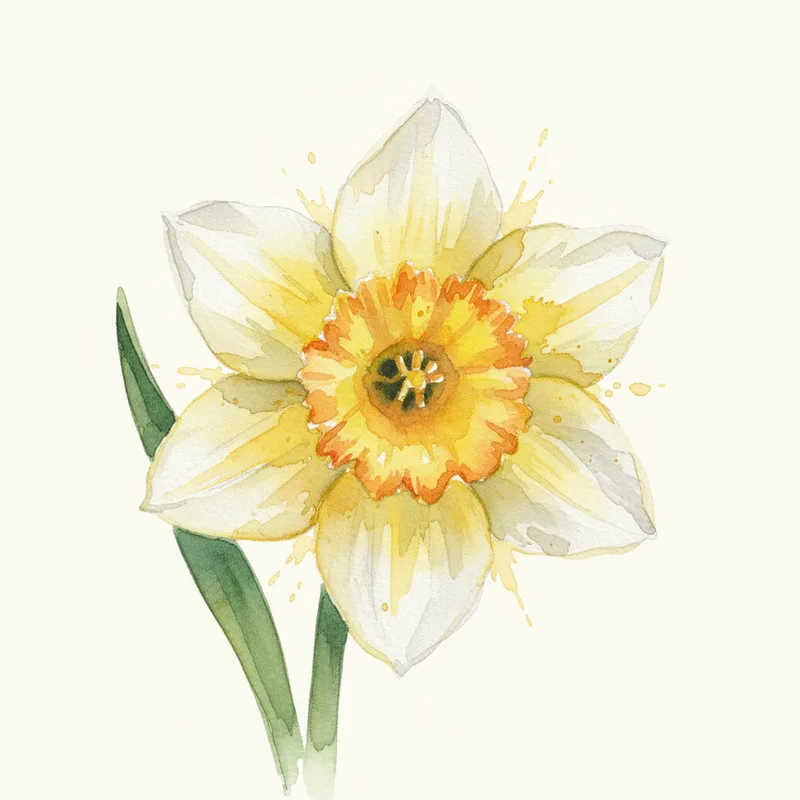
Not every plant needs protection. Established trees, evergreens, dormant plants, and spring bulbs in flower can almost all handle a surprise frost down to about 28 degrees without help. Daffodils, tulips, and forsythia might look sad for a day, but they bounce back.
The real casualties are the plants in mid-push: new shoots, swelling flower buds, and tender foliage that has not hardened off. Here is the short list of what to protect when a late frost is coming.
- Hydrangeas with swelling buds. A single cold night can cost you the entire year's bloom on big-leaf varieties.
- Magnolias in flower. Open blooms turn brown and drop within hours of a hard frost.
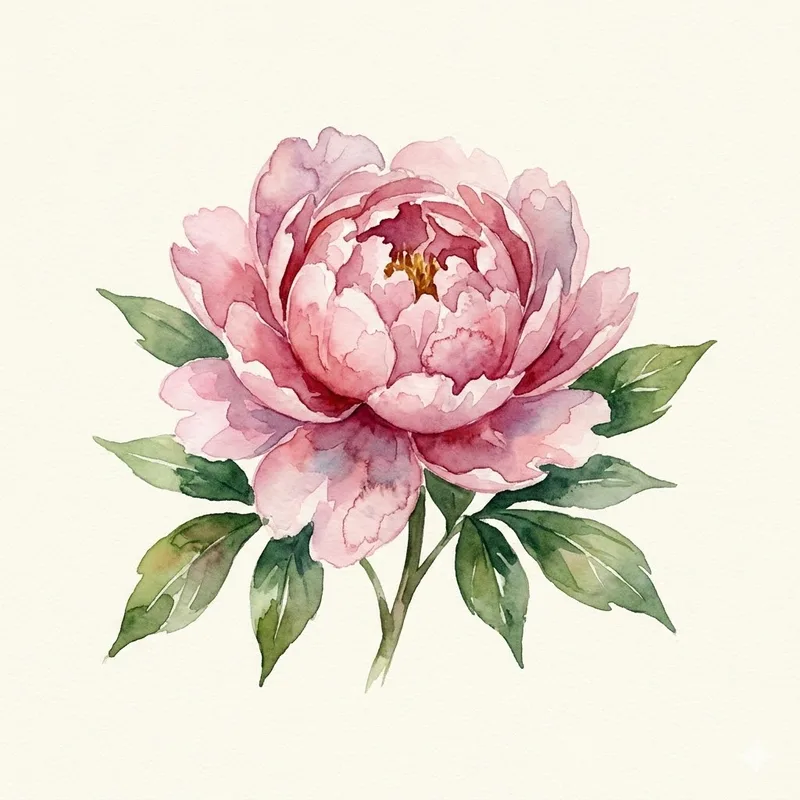
- Peony shoots pushing up from the crown. These are fragile and hollow, and they snap at cold injury.
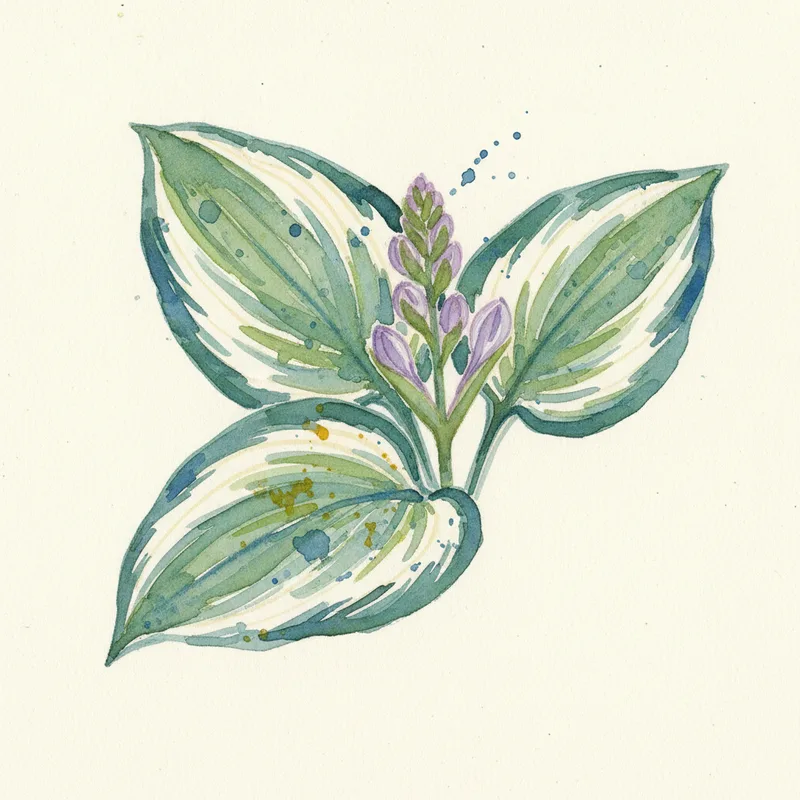
- Hosta spears just emerging. A frost will turn them translucent and mushy.
- Japanese maples with new leaf-out. Those tender red leaves are the most frost-sensitive plant in the yard.
- Anything you just transplanted or bought from a greenhouse. No tolerance built up.
- Tender annuals and warm-season vegetables. These should not be planted out until frost is truly done, but if you jumped the gun, cover them.
How to cover correctly
The goal is to trap ground warmth, not to insulate from cold air. That distinction matters. Put down the cover in late afternoon while the ground is still warm, and take it off the next morning once temperatures are back above freezing.
Use old bedsheets, burlap, frost cloth (row cover), or inverted cardboard boxes. Do not use plastic sheeting directly on plants. Plastic conducts cold and freezes any leaf it touches. If plastic is all you have, build a tent with stakes so the plastic stays off the foliage.
For small plants, an overturned bucket or cardboard box does the job. For a shrub like a hydrangea, drape a sheet over the top and weight the edges down with rocks to the ground. The sheet needs to touch the soil on all sides to trap warm air.
For a magnolia in full bloom, there is not much you can do. The tree is too big to cover. If frost is coming, accept that this year's bloom may be lost, and focus on protecting everything else. Next year, site new magnolias on the north side of the house where they bloom later and are less likely to get caught.
The sprinkler trick
Commercial orchards use this, and it works in home gardens too. Running sprinklers continuously through a frost event coats plants in ice, and as long as the ice keeps forming, the plant tissue underneath stays at exactly 32 degrees. It sounds wrong but it works. The water releases heat as it freezes, buffering the plant from colder air.
This only works if you can keep the water running the entire time temperatures are below freezing, which might mean starting at midnight and running until 8 AM. Not practical for every situation, but useful for a large area you cannot cover.
What to do after the damage is done
If frost already hit and you did not cover, resist the urge to cut everything back. Damaged leaves and shoots insulate the rest of the plant from further cold and contain nutrients the plant will reabsorb. Wait two weeks. Most plants push new growth from dormant buds below the damaged tissue.
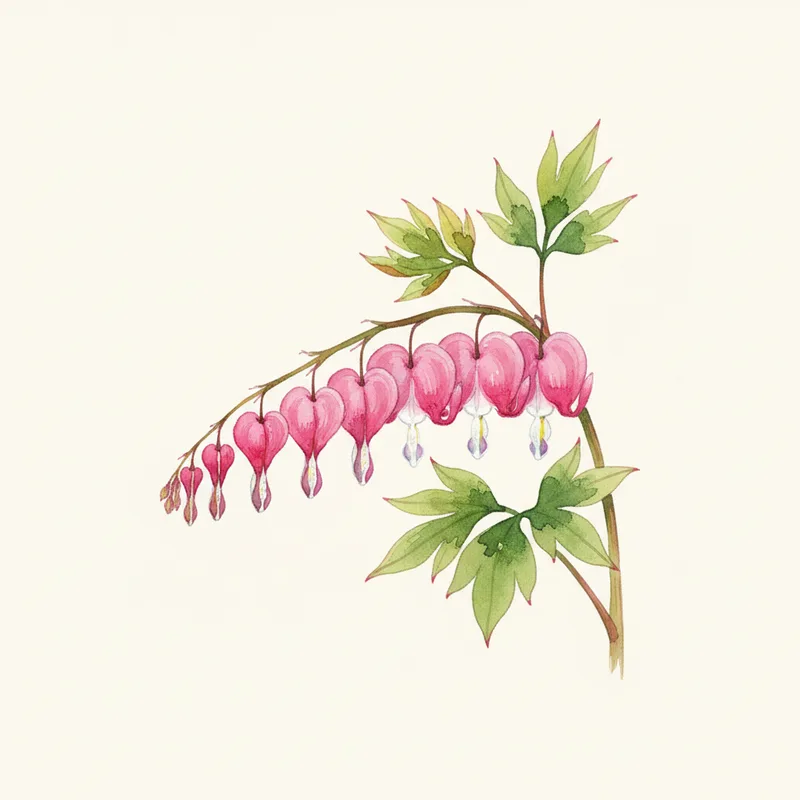
Bleeding heart, hostas, and most perennials will send up a second flush. Hydrangeas may lose their flowers for the year but keep their leaves. Roses might look singed but regrow quickly. Only when you are certain tissue is dead should you prune it out.
For a forecast of what should be blooming when frost risk typically ends in your area, check our bloom calendar and what to plant in April guide.
The long game: plant siting
The best frost defense is where you plant. South-facing walls and slopes warm up fastest in spring, which gets plants growing earlier, which puts them at higher risk. North-facing and east-facing sites stay cool longer, delay bloom, and dodge the late-frost trap. A magnolia on the south side of your house blooms three weeks earlier than the same tree on the north side, which is either wonderful or devastating depending on the year.
If you live in a late-frost climate, plant your most frost-sensitive bloomers on the cool side. It sounds backwards but it is the single most effective thing you can do.
Browse hardy plants by zone
Find tough, frost-tolerant plants for your zone: Zone 3 · Zone 4 · Zone 5 · Zone 6 · Zone 7




What's growing, what's blooming, what's worth planting.
For gardeners who like to stay ahead.