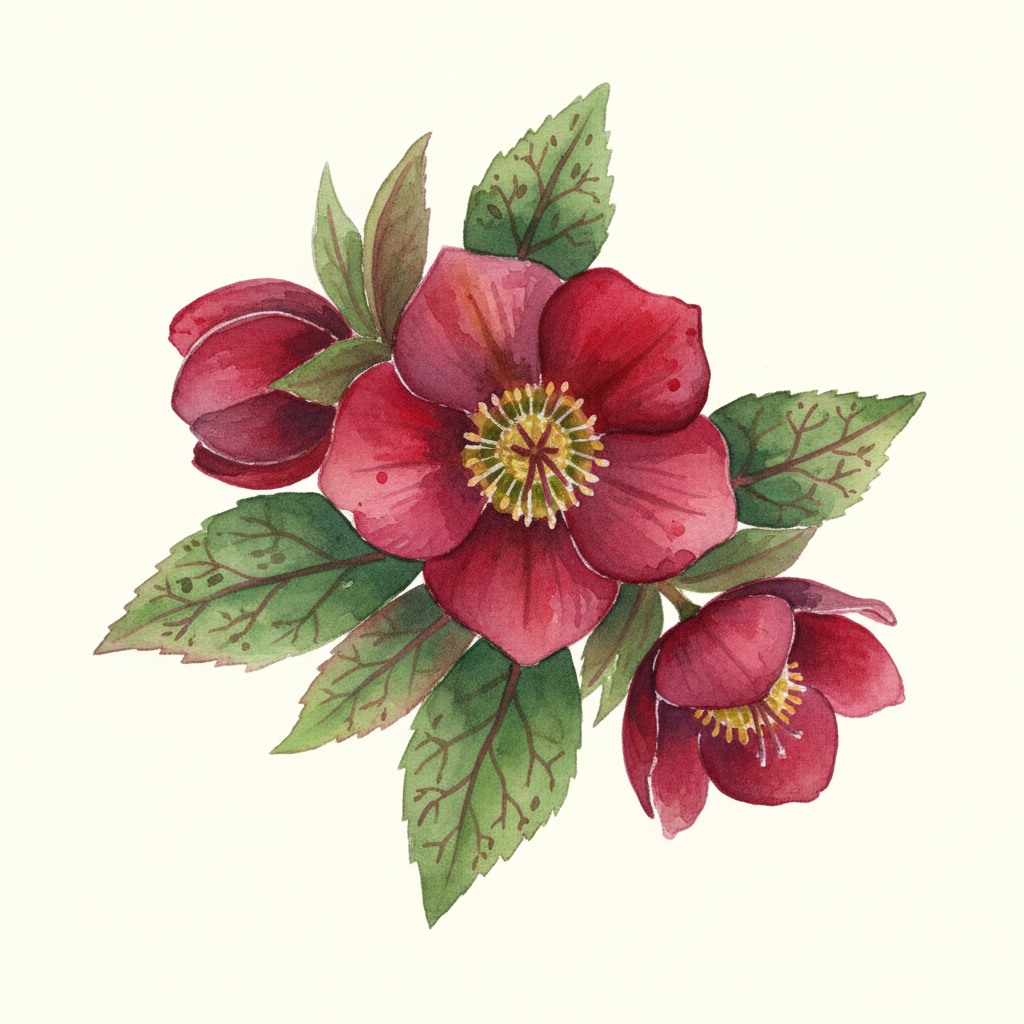
Wine-red outward-facing blooms above silver-marbled foliage. Bred to face the viewer, not the ground, like older hellebores do.
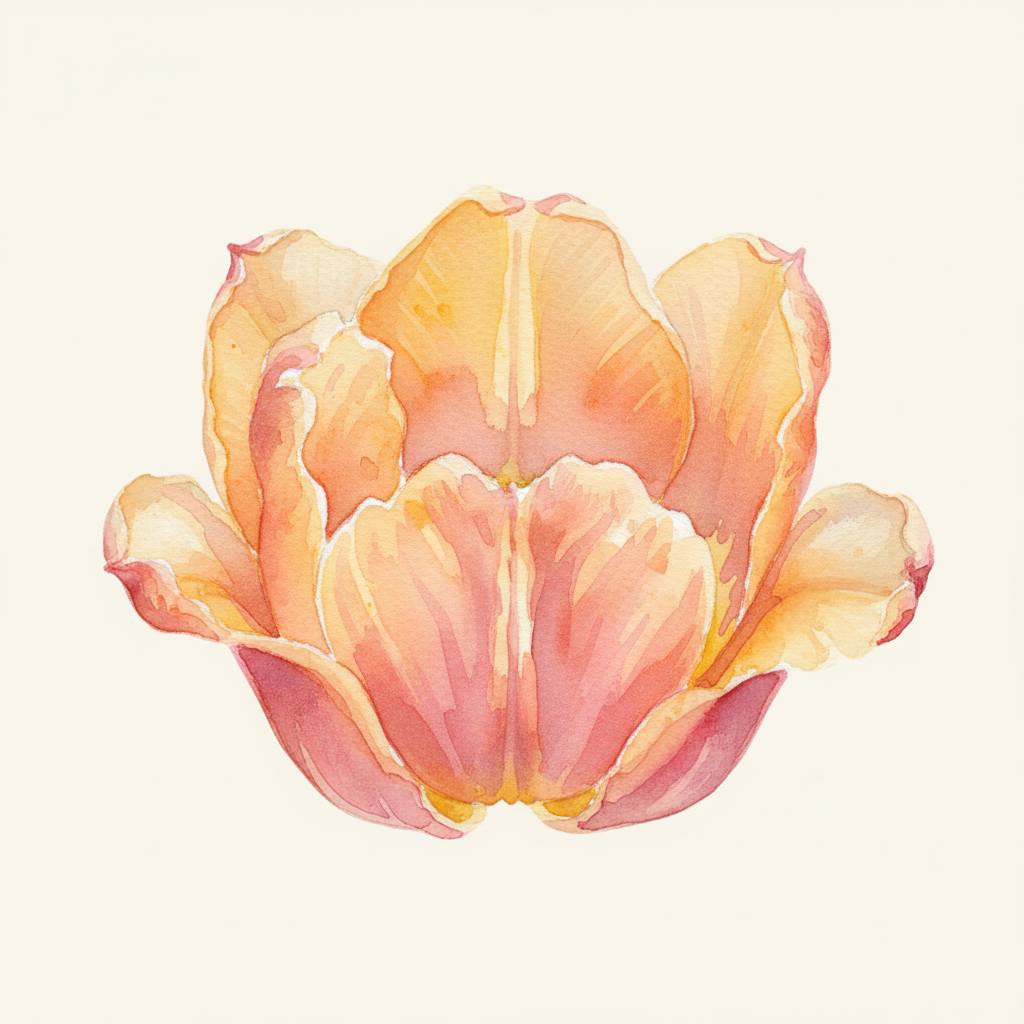
Soft salmon-apricot single early blooms with a delicate sweet fragrance. One of the first tulips to flower in spring.
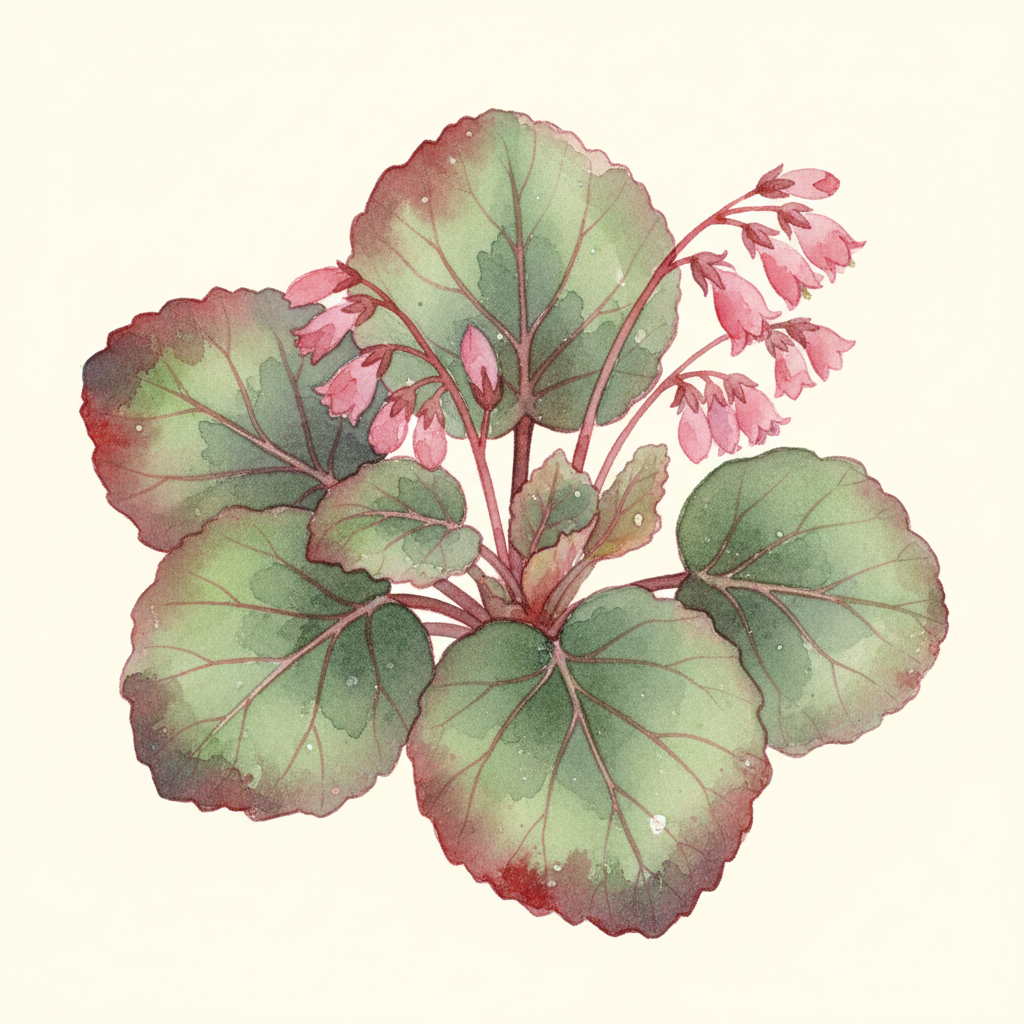
Bold rubbery leaves provide year-round structure and turn burgundy in winter. Early pink flowers arrive with the hellebores.
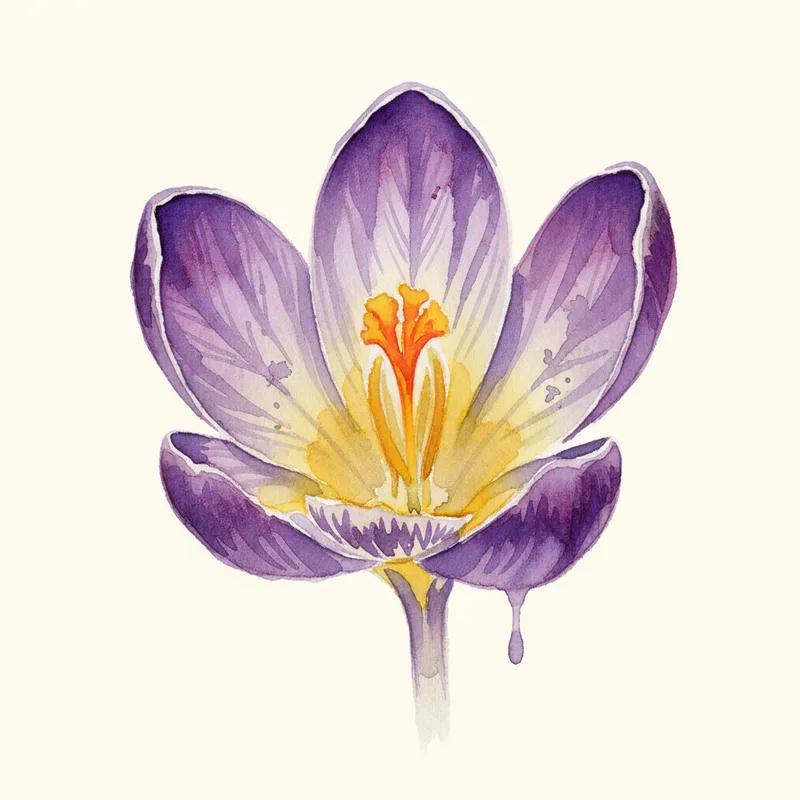
One of the first signs of spring, pushing through snow with jewel-toned cups.
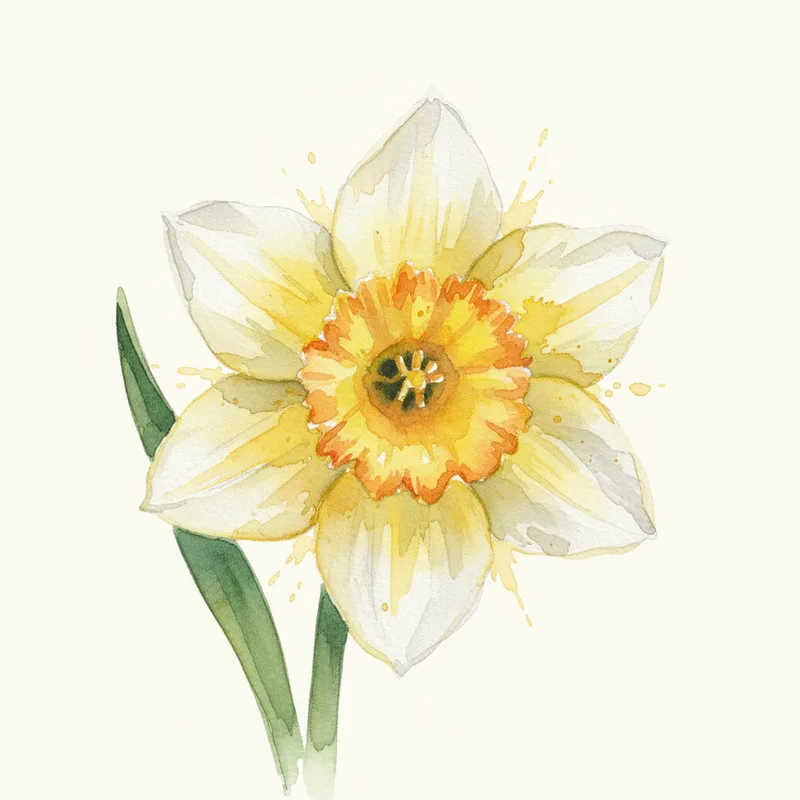
Cheerful trumpets that naturalize beautifully and return stronger each year.
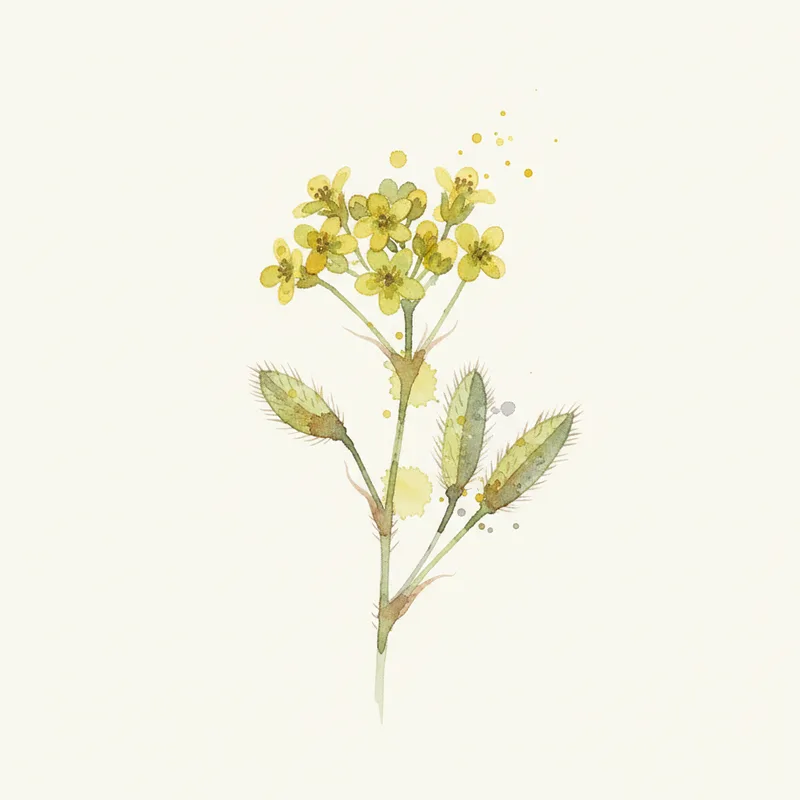
Tiny alpine cushion plant smothered in bright yellow flowers in early spring. Perfect miniature scale.
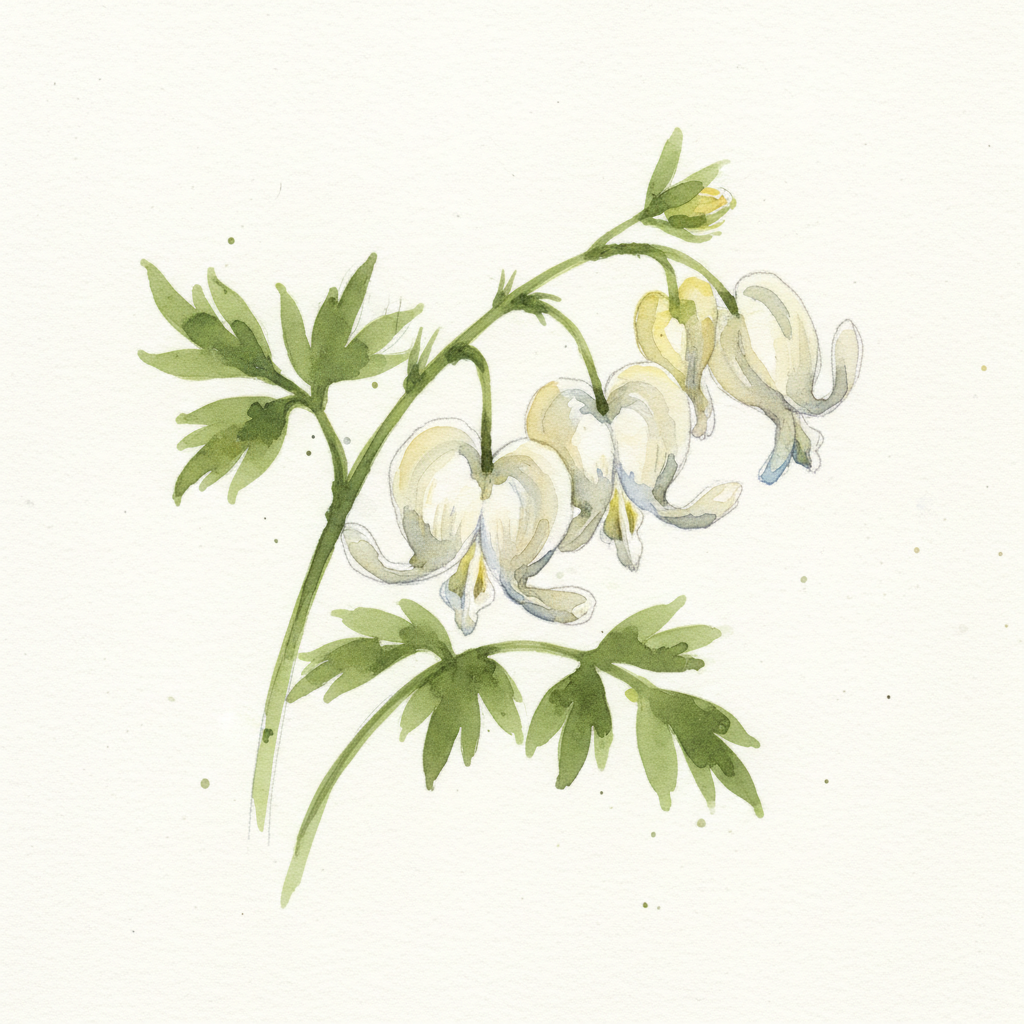
Finely cut foliage and clusters of puffy white pantaloon-shaped flowers in early spring. A charming ephemeral that disappears by summer.
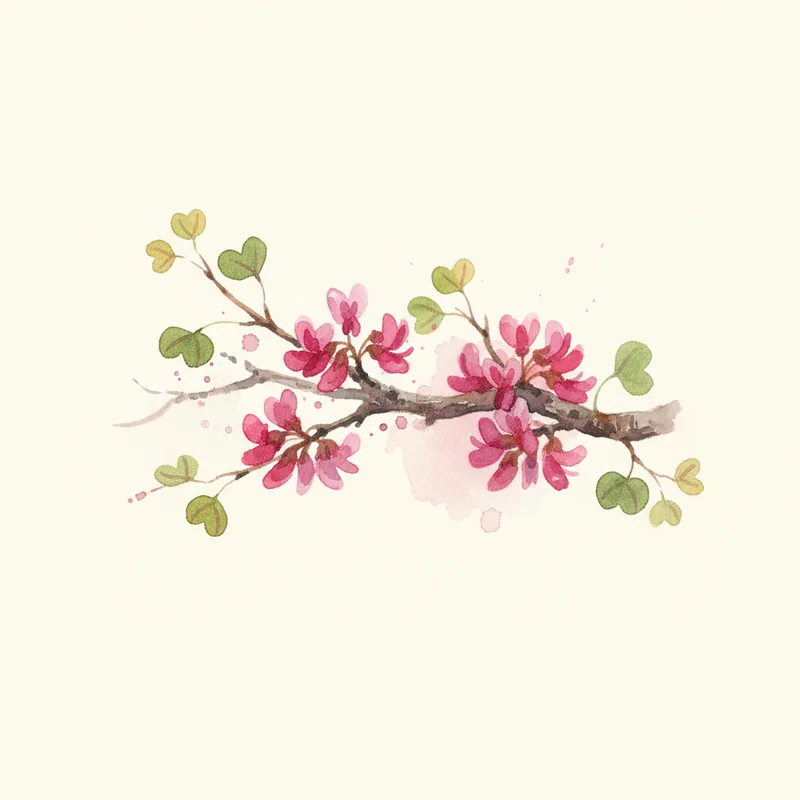
Magenta flowers erupt directly from bare branches. Spring showstopper tree.
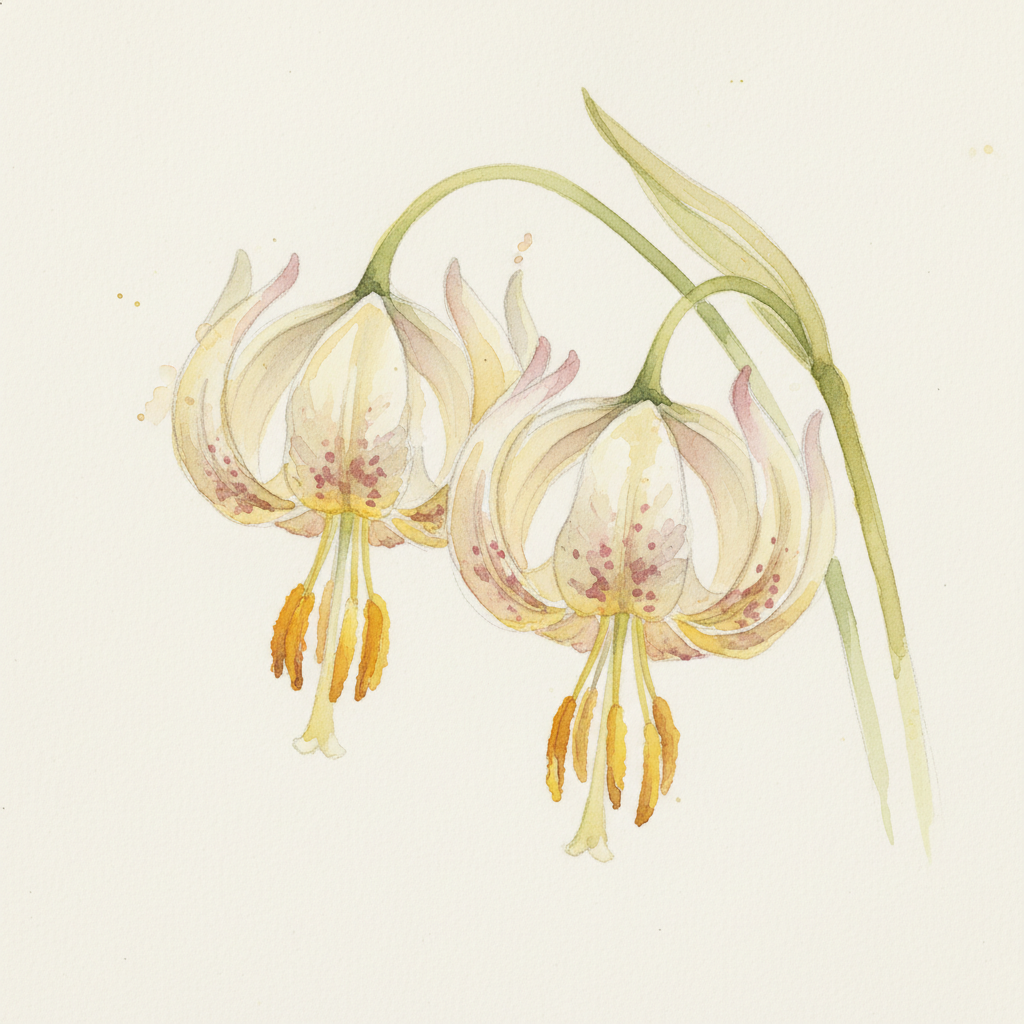
Mottled leaves and nodding white flowers with swept-back petals emerge in early spring from Pacific Northwest woodlands.
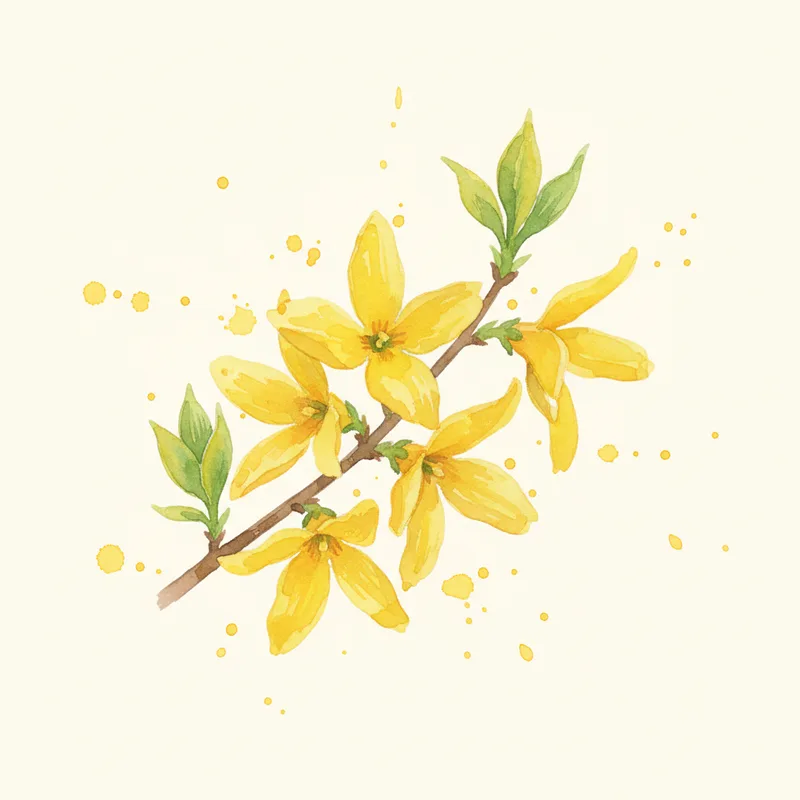
A wall of golden yellow on bare branches. Spring's loudest announcement.
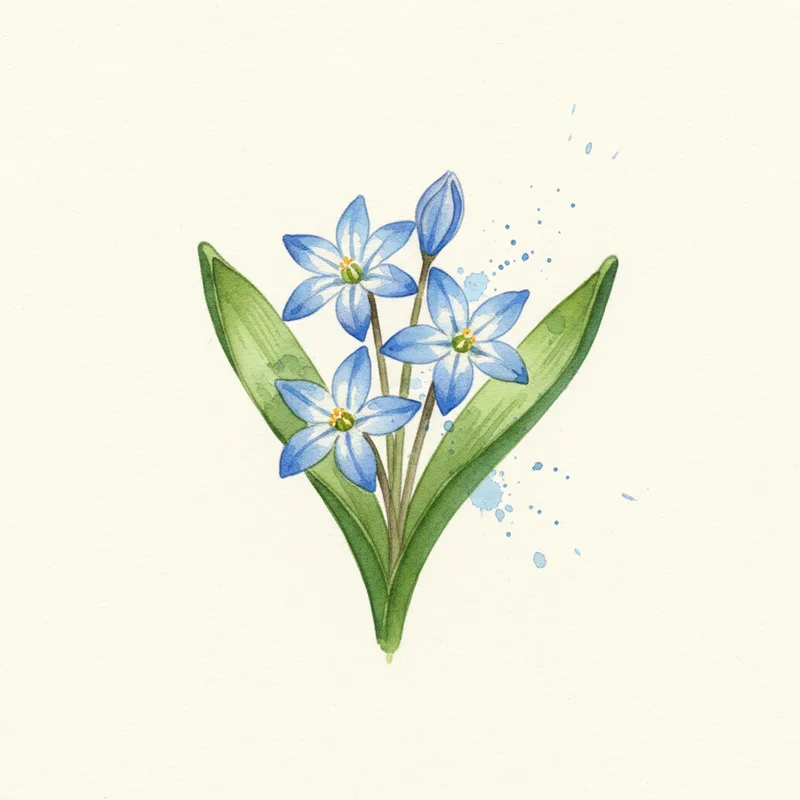
Star-shaped blooms that appear as snow melts. Naturalizes into drifts.
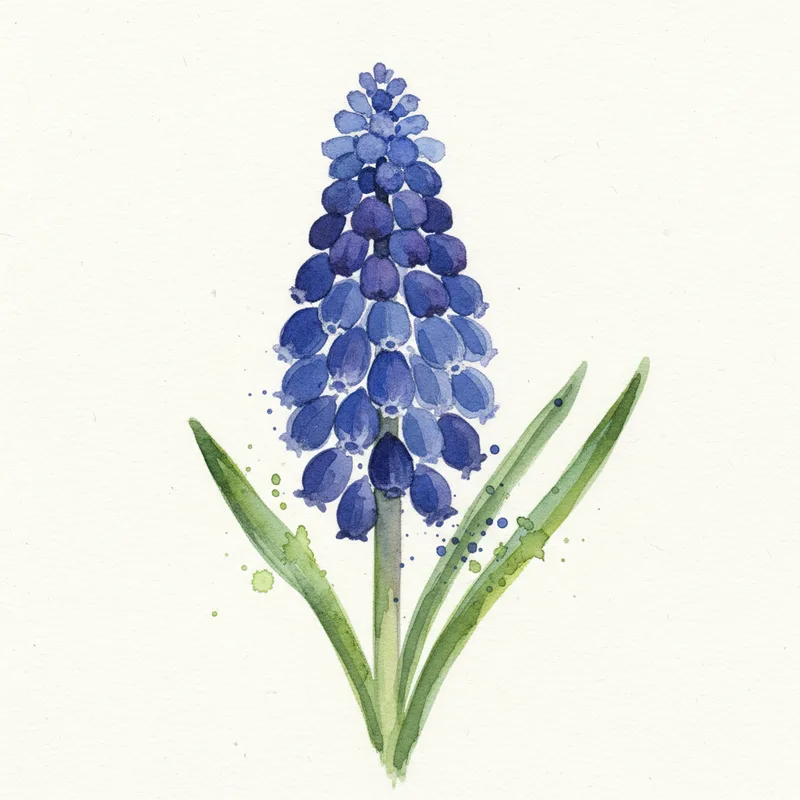
Tiny grape-like clusters that spread into rivers of blue over time.
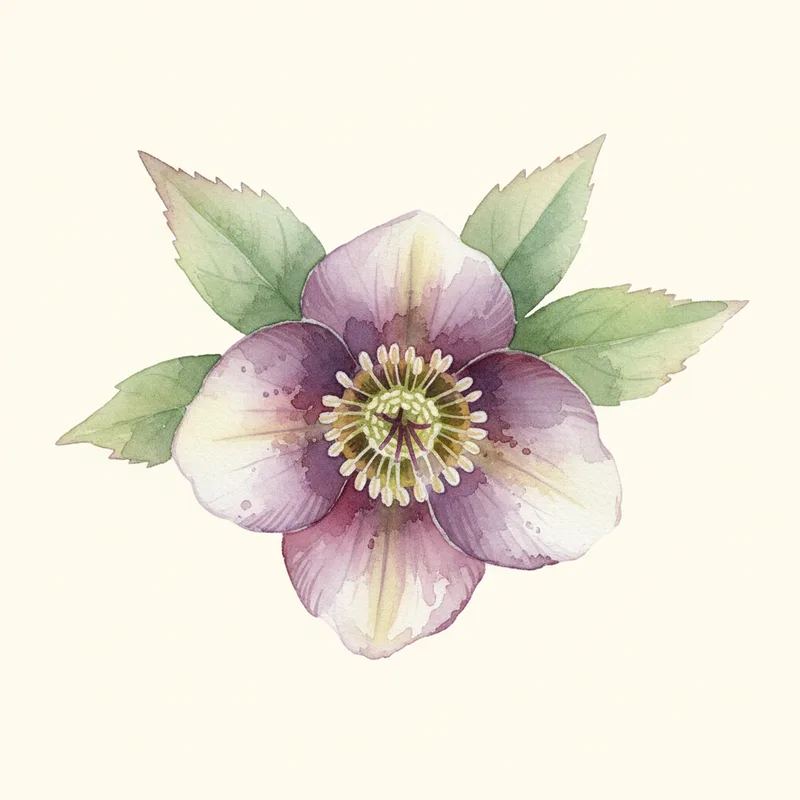
The Lenten Rose. Elegant nodding blooms that thrive in deep shade.
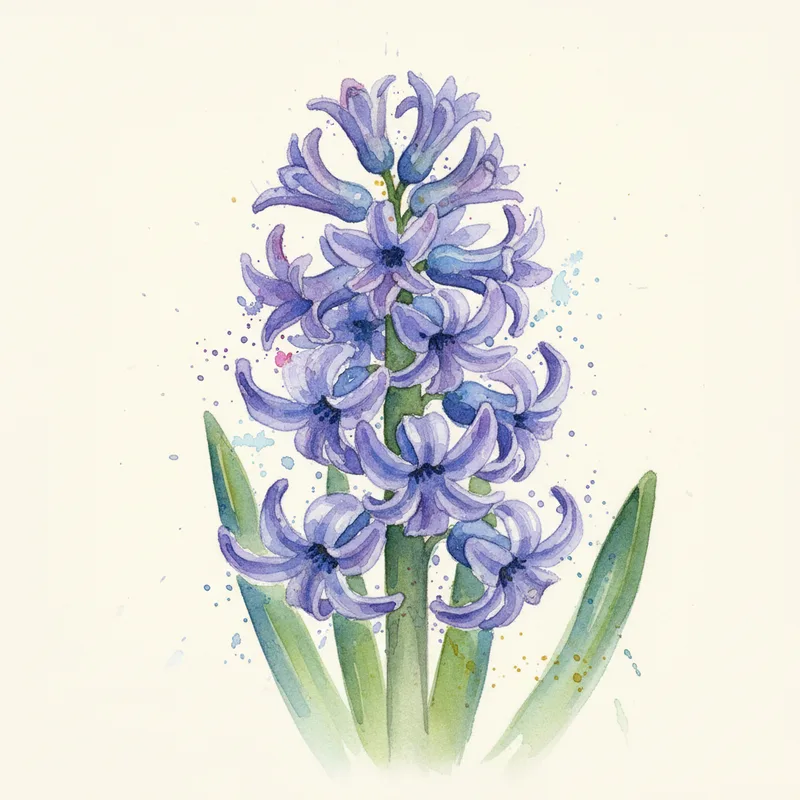
Dense, intensely fragrant spikes. One bulb can perfume an entire room.
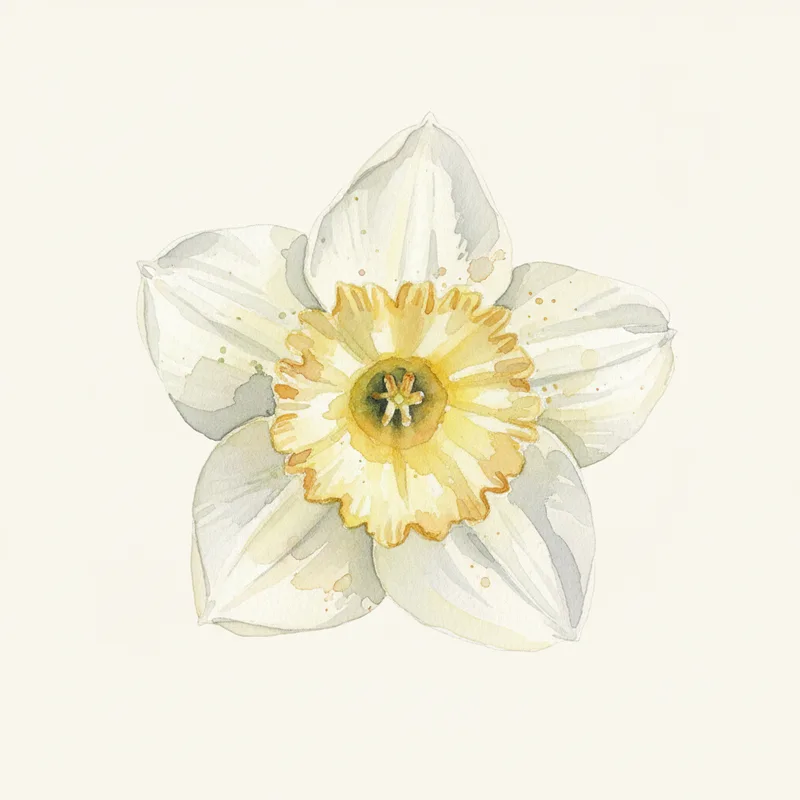
White petals frame a wide, ruffled cup that opens yellow and fades to cream. Multiplies fast.
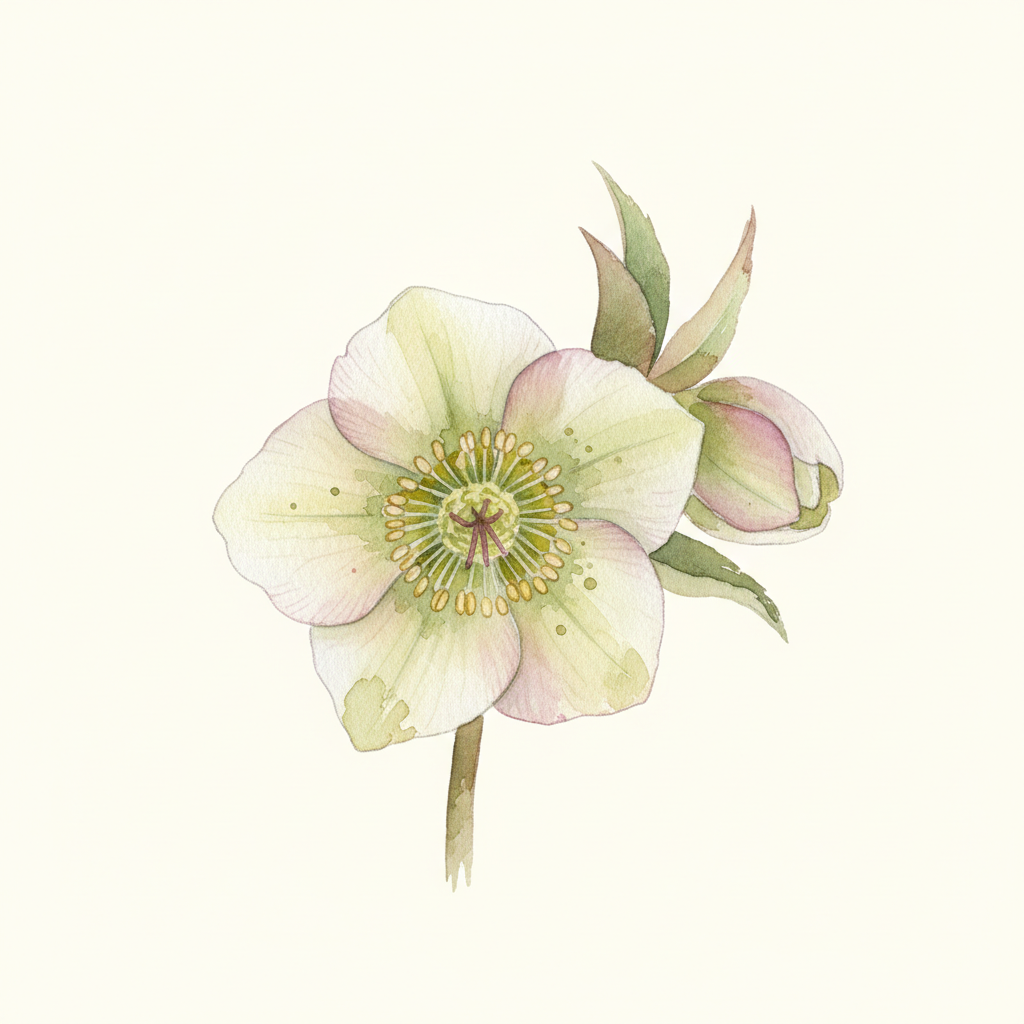
Outward-facing ivory blooms blushed with pink and chartreuse. Compact, tidy, and one of the longest-blooming hellebores in the catalog.
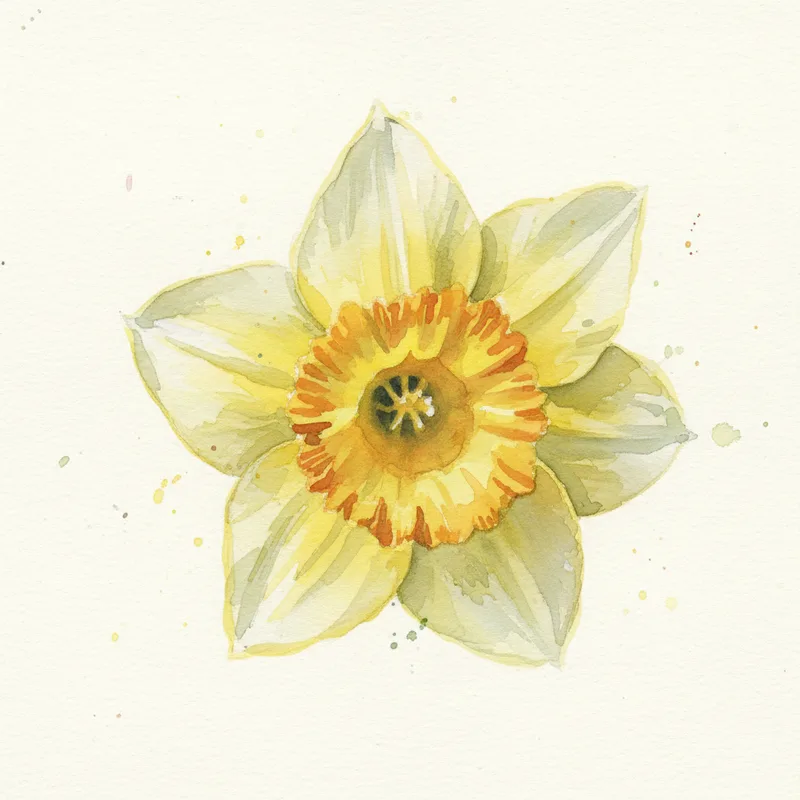
The classic golden trumpet daffodil. Naturalizes into massive sweeps that return for decades.
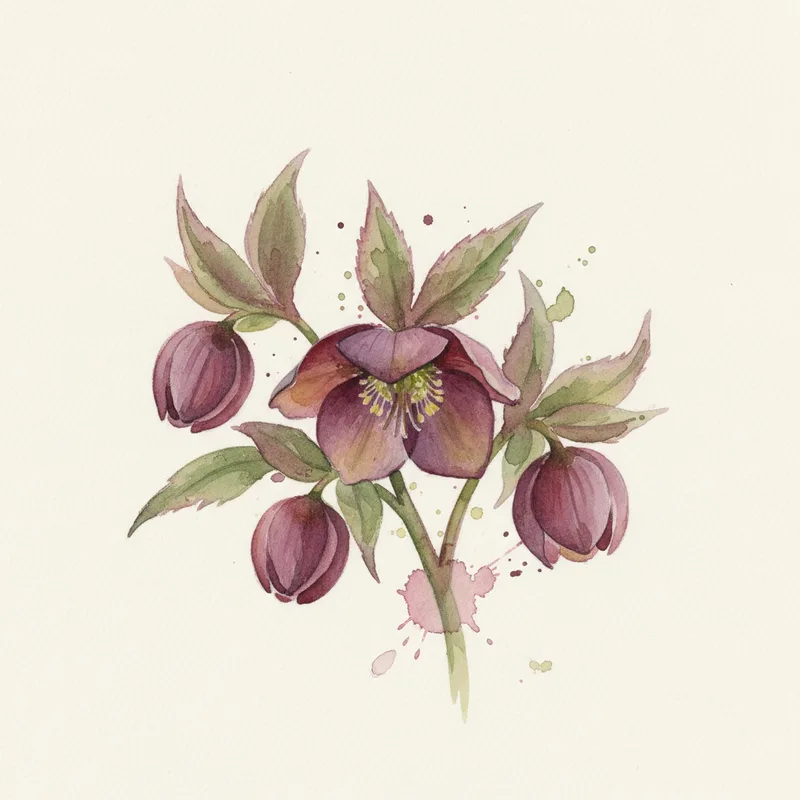
Nodding flowers in late winter when nothing else is blooming. Evergreen foliage adds year-round structure to shade gardens.
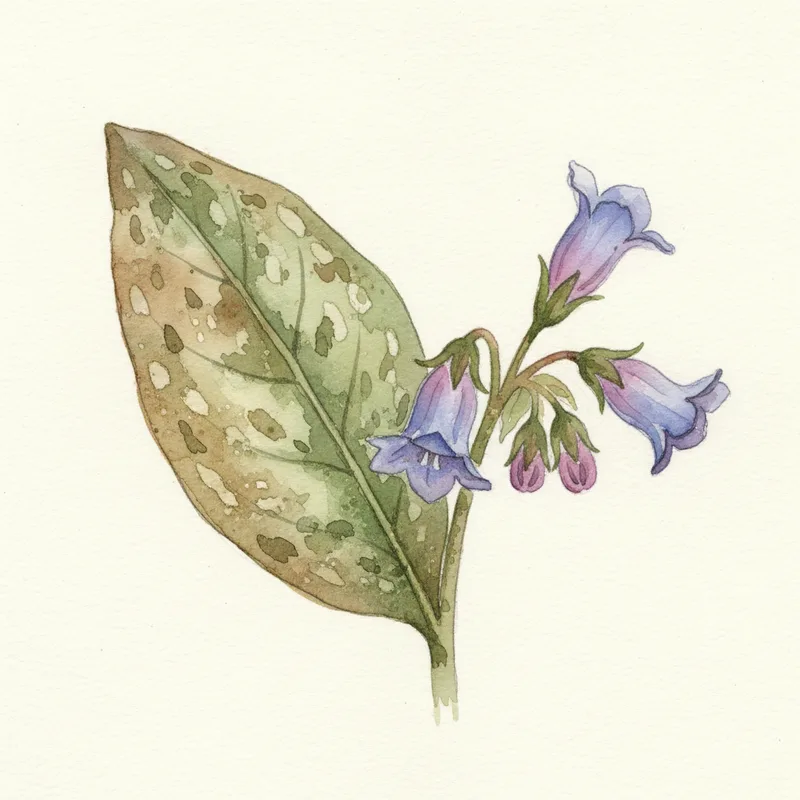
Flowers open pink and turn blue on the same stem. Silver-spotted foliage looks great all season.
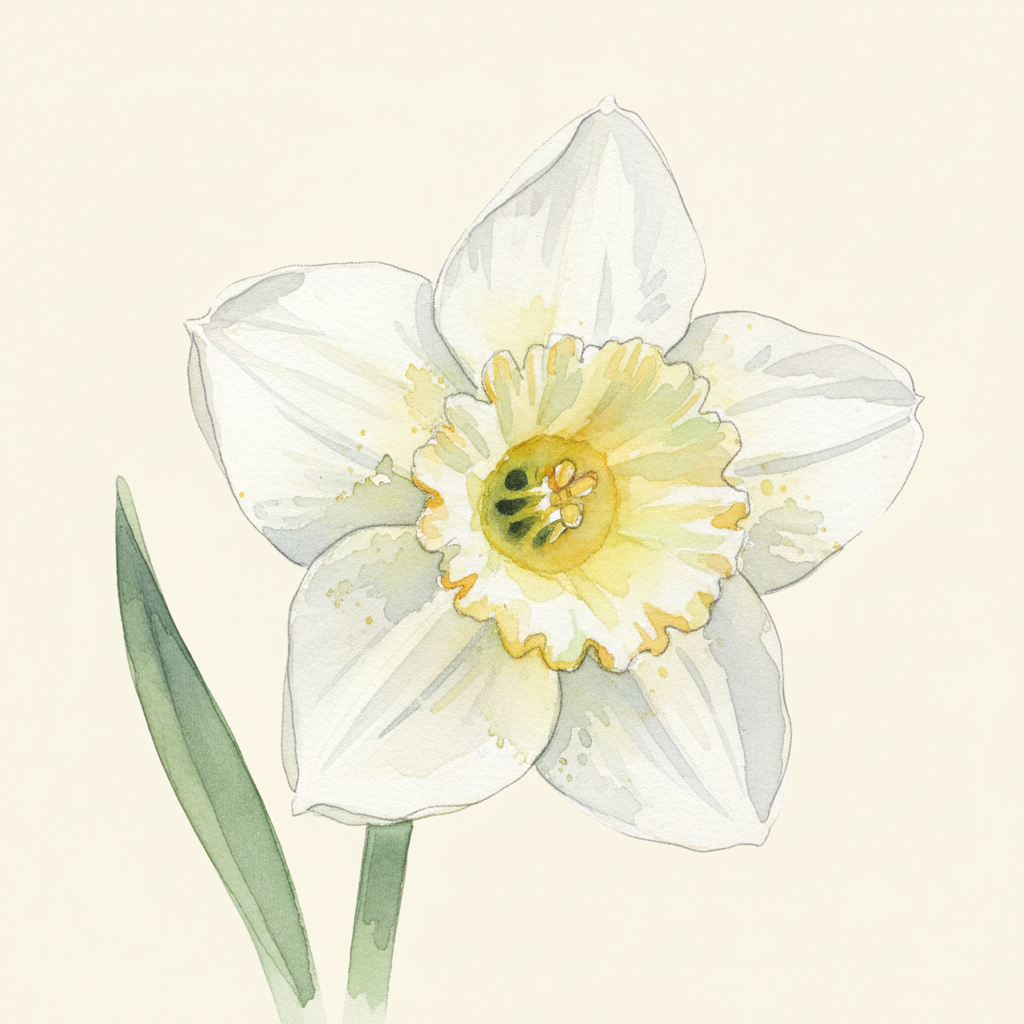
Large pure white trumpets that age from cream to bright white. The classic white daffodil for naturalizing under trees.
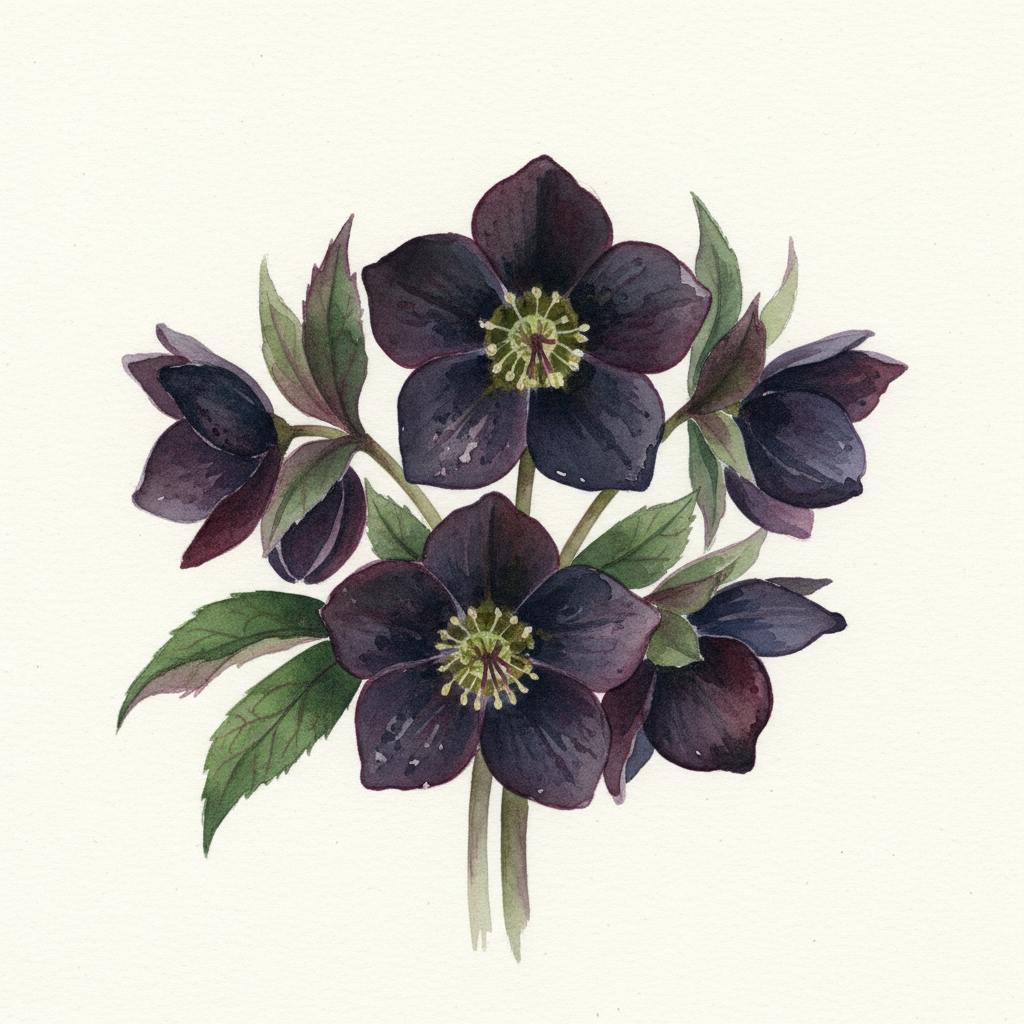
Fully double black-purple blooms that look almost theatrical. The darkest hellebore available, and worth the hunt to find one.
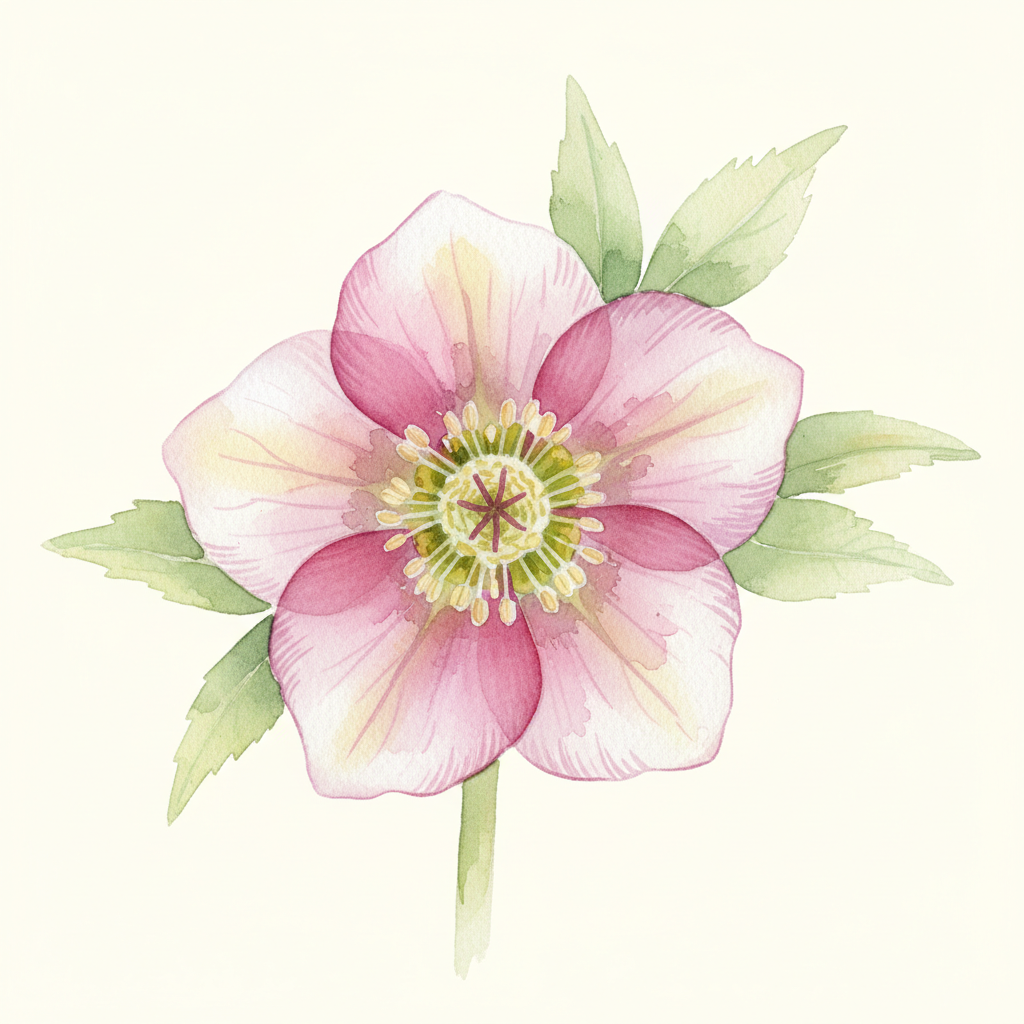
Outward-facing rose-pink blooms with veined petals, held above marbled foliage. One of the showiest hellebores ever bred.
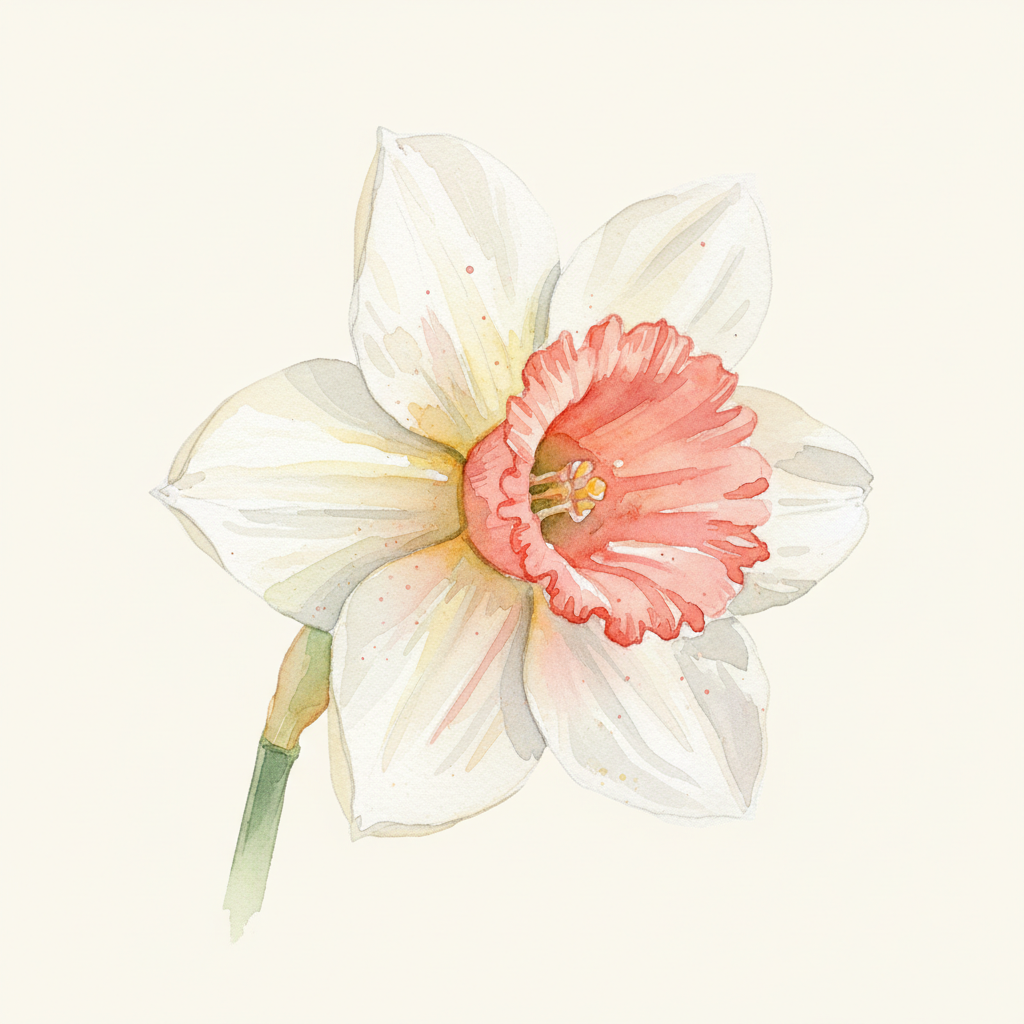
White petals around a creamy cup banded in coral pink. The most reliable pink daffodil for borders and naturalizing.
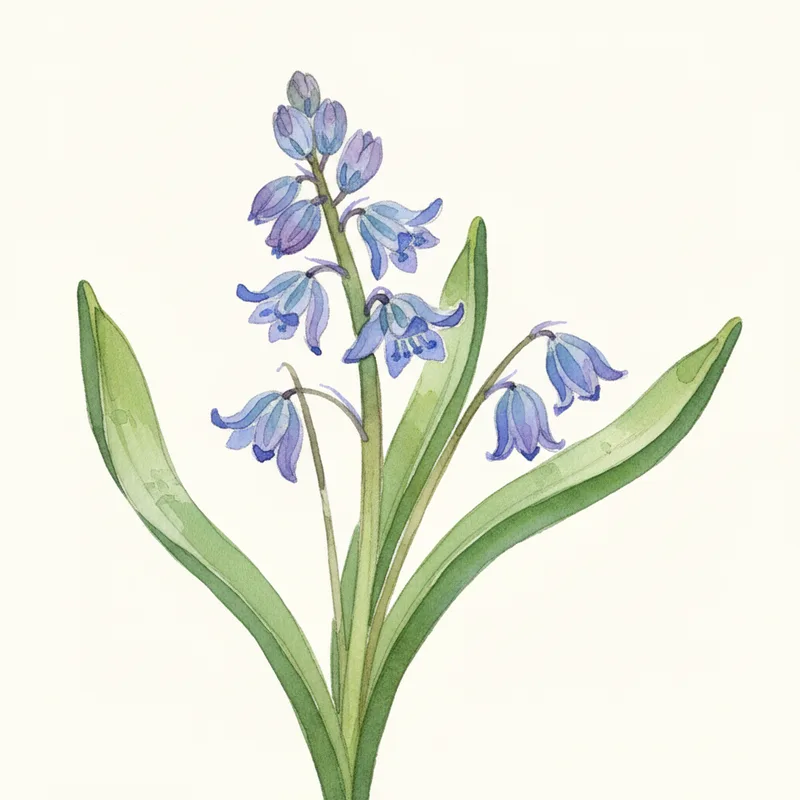
Carpets of brilliant blue that naturalize under trees with zero effort.
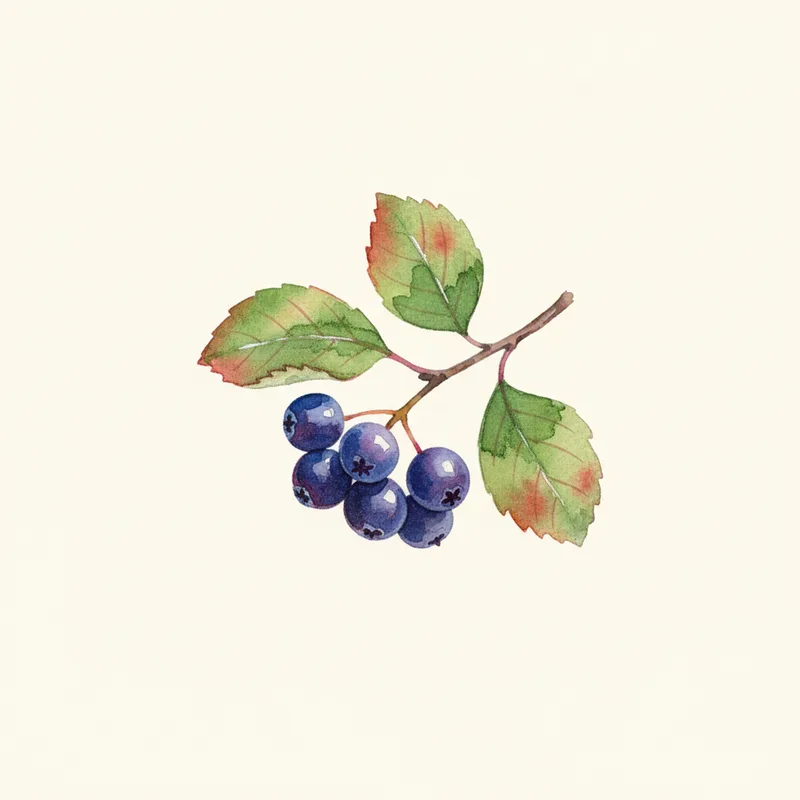
White spring clouds, edible berries, and blazing fall color. Four-season native tree that deserves more attention.
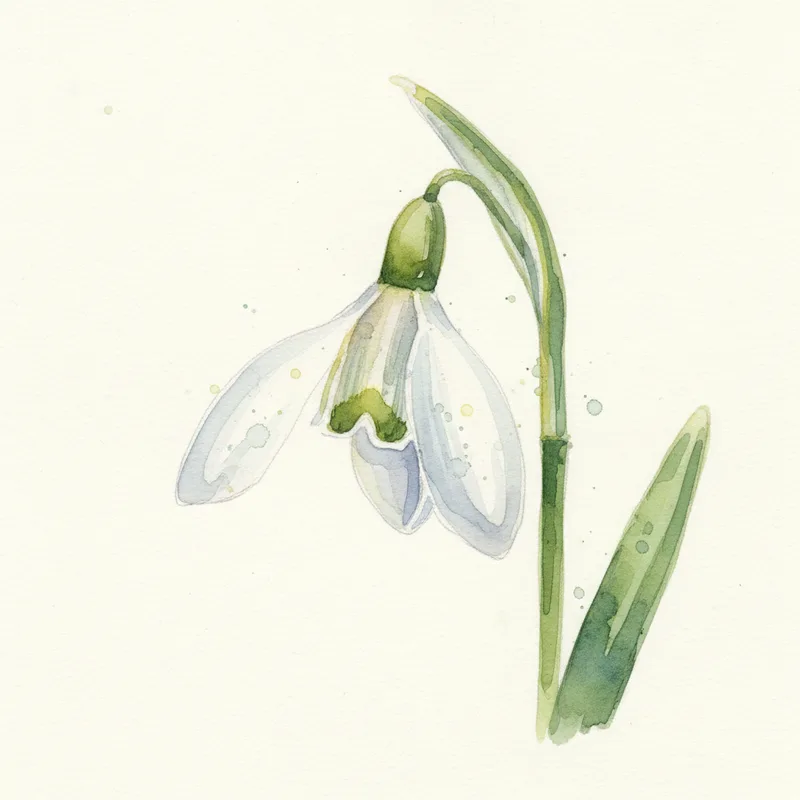
Delicate nodding bells that bloom fearlessly in late winter cold.
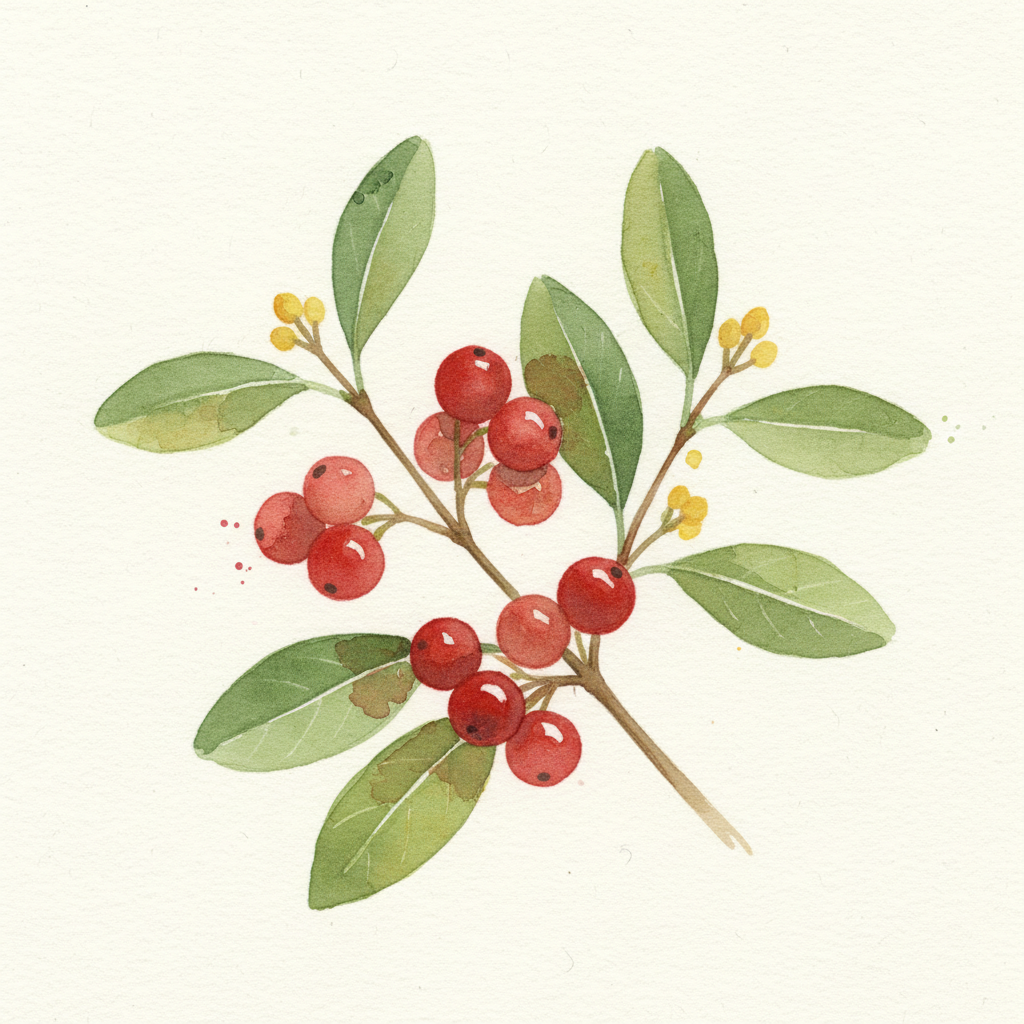
Clusters of tiny yellow flowers appear on bare branches in early spring on a fragrant native shrub with blazing yellow fall color.
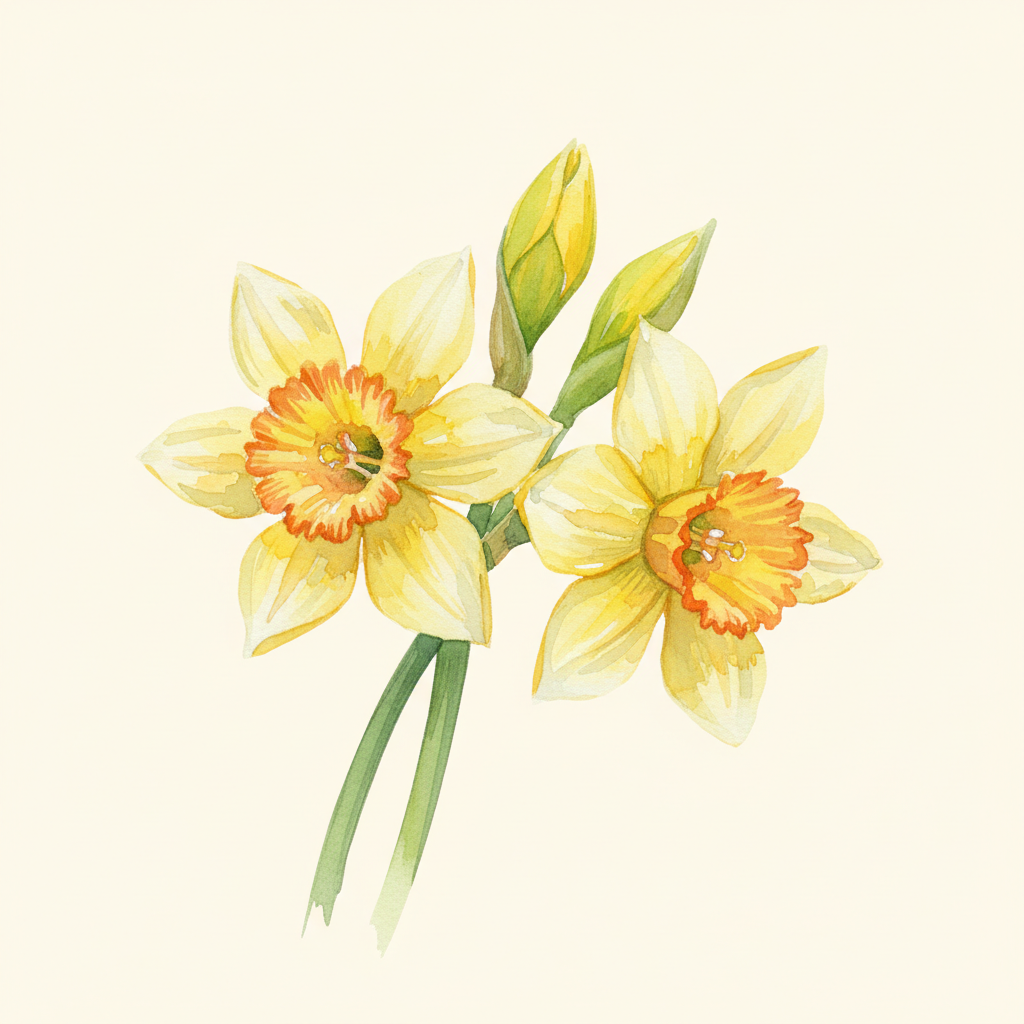
Miniature golden trumpets, two to three per stem, on a tiny plant. The earliest daffodil and the best one for containers and the front of the bed.
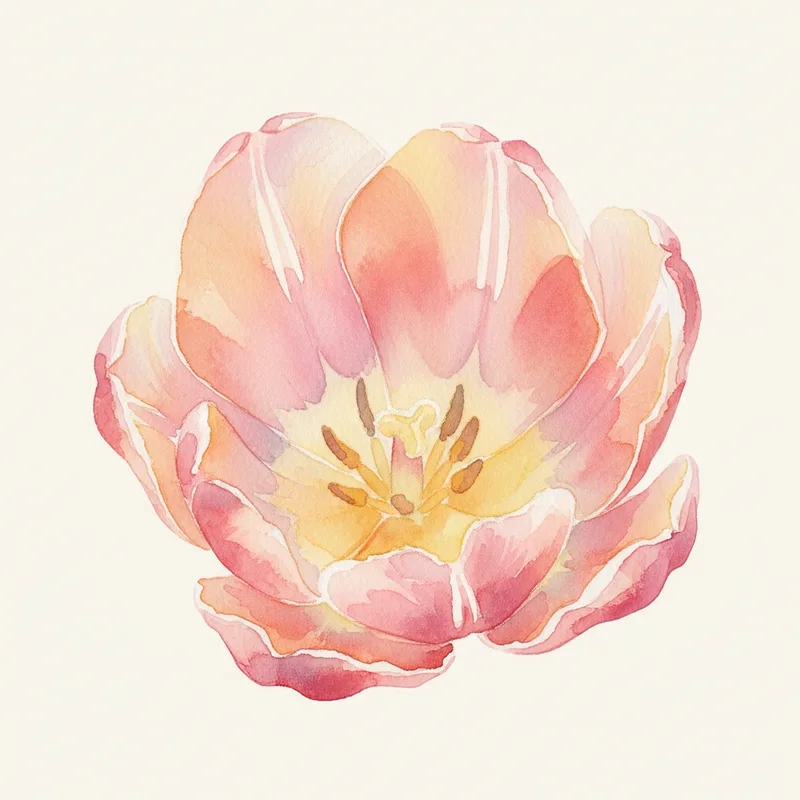
The classic spring icon in almost every color imaginable.
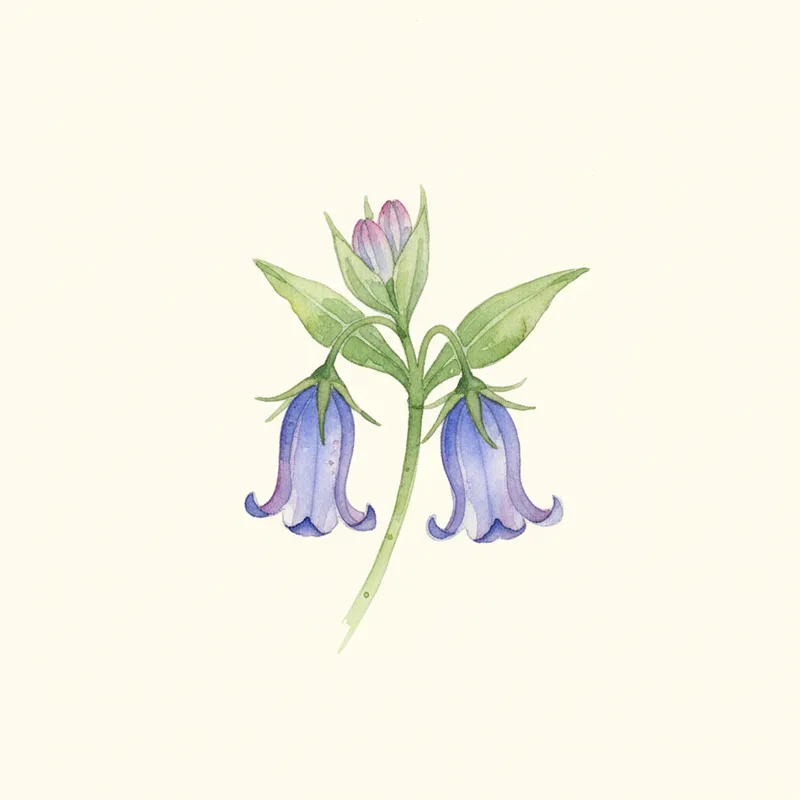
Woodland ephemeral with sky-blue bells. Disappears by summer, returns faithfully.
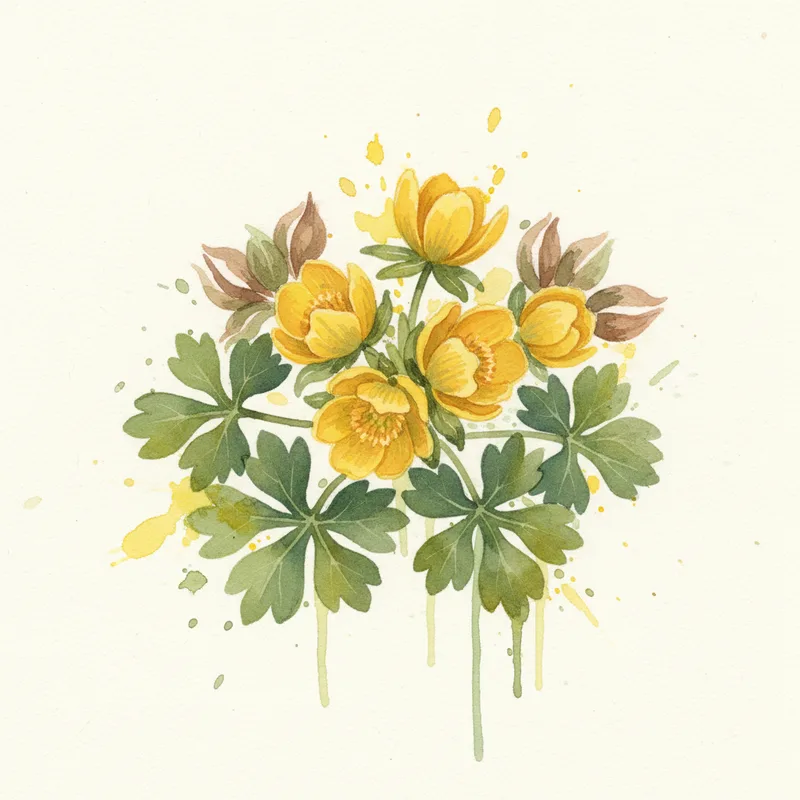
Buttercup-yellow blooms that push through frozen ground before the crocuses.
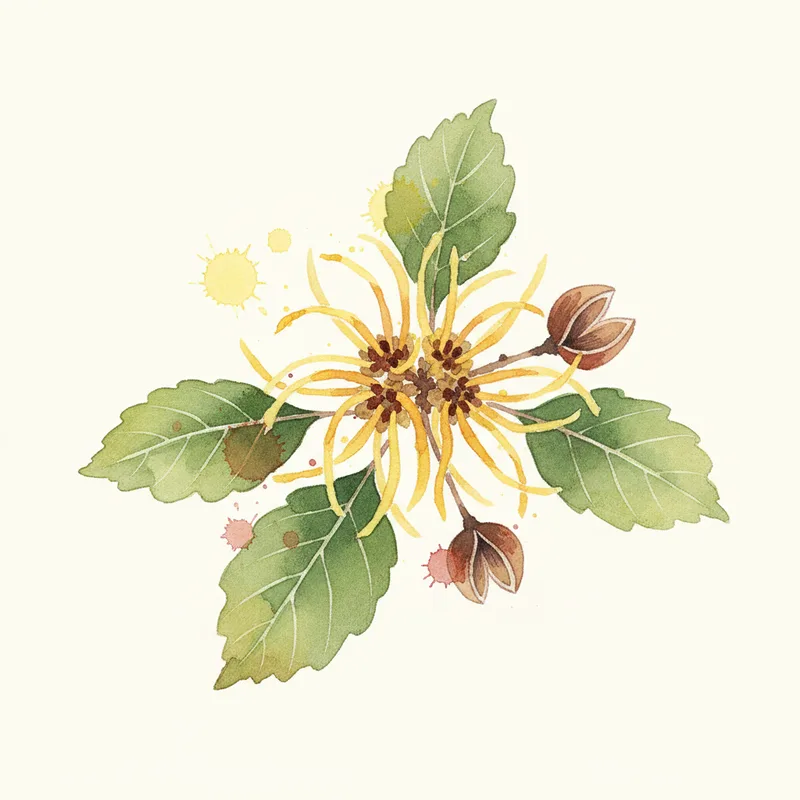
Spidery, fragrant blooms on bare branches when nothing else dares.
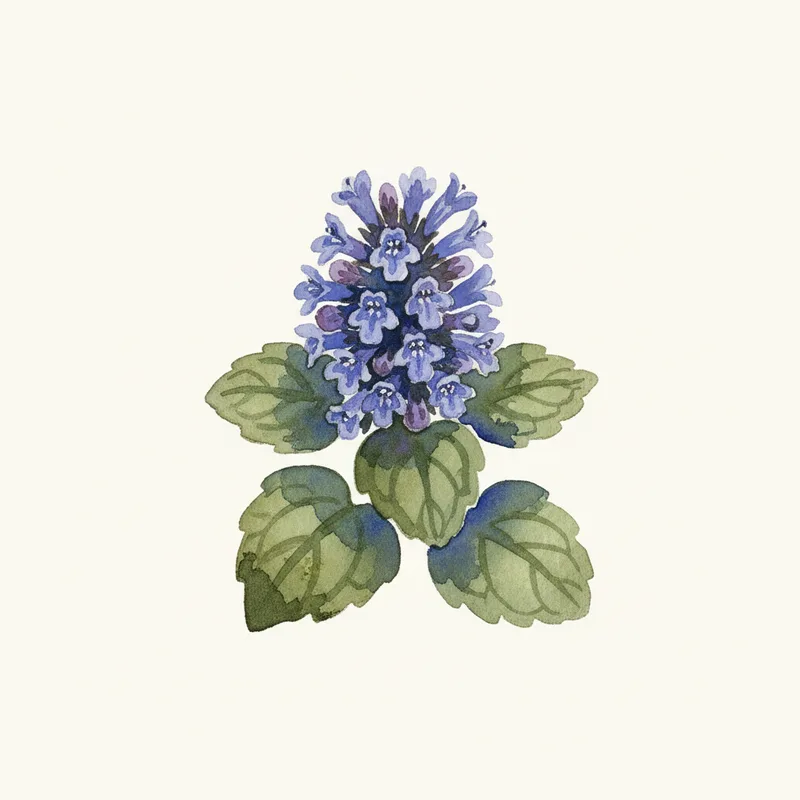
Bronze-purple foliage with blue spikes. Fills bare shade in one season.
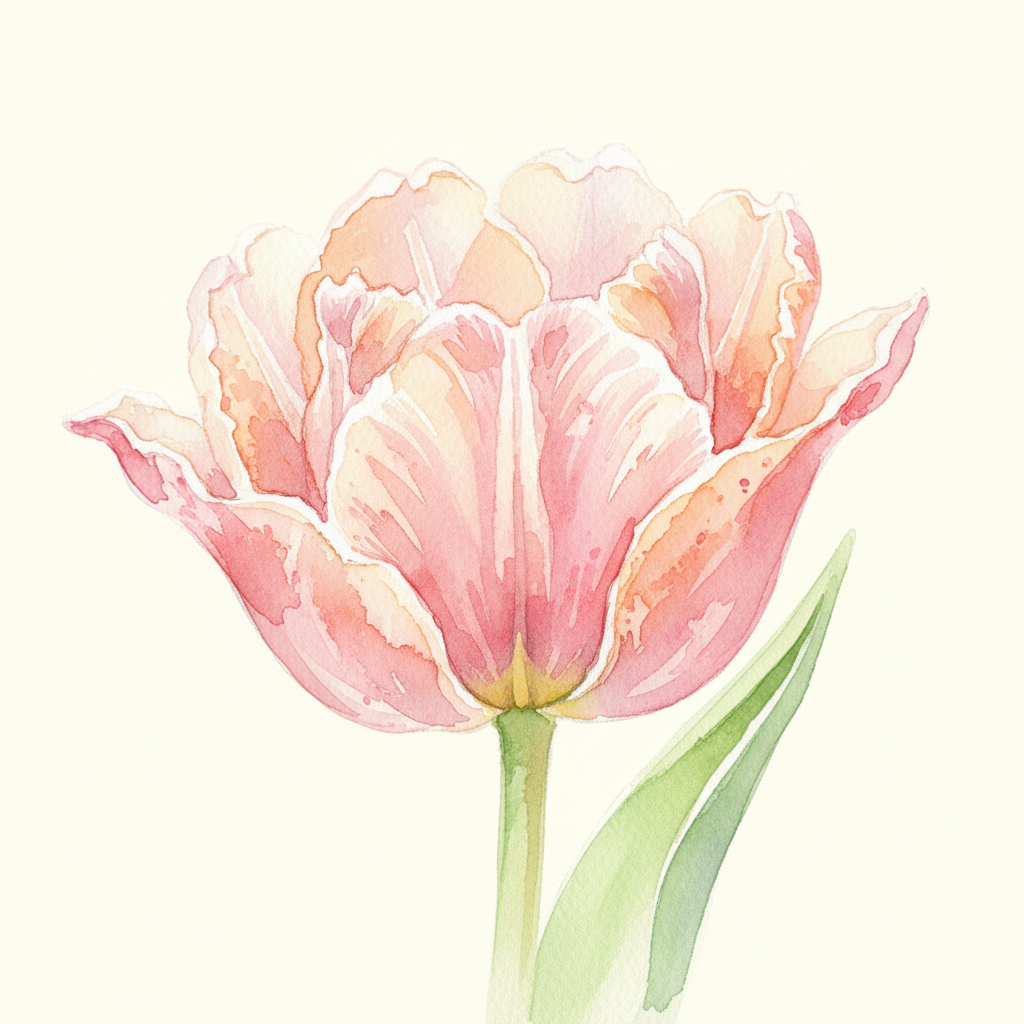
Double late tulip that looks like a small peony in soft pink and cream. Long-lasting blooms with light fragrance.
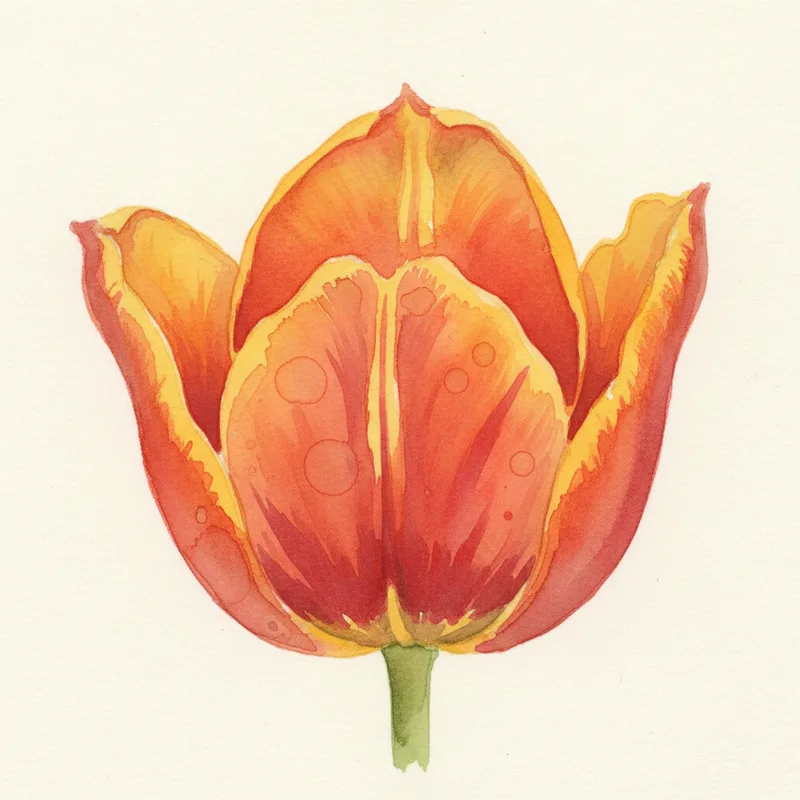
Bold, goblet-shaped Darwin hybrid in scarlet with a black base. Strong stems and long-lasting.
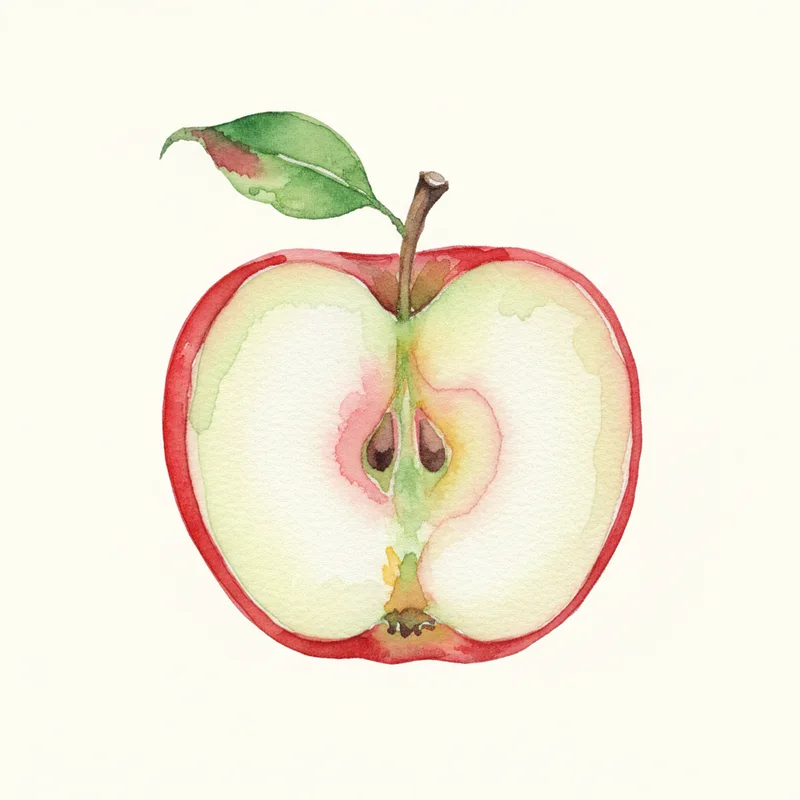
Fragrant white to pink flowers in spring precede a fall crop of dessert apples.
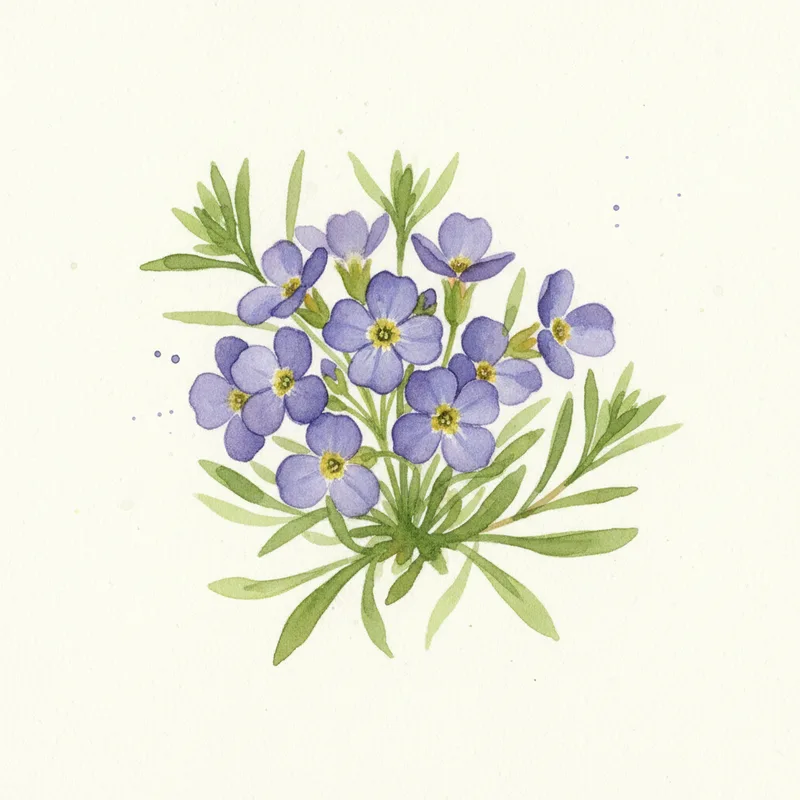
Purple cascades spilling over walls and rocks in spring. Shear after bloom for a fresh flush of foliage.
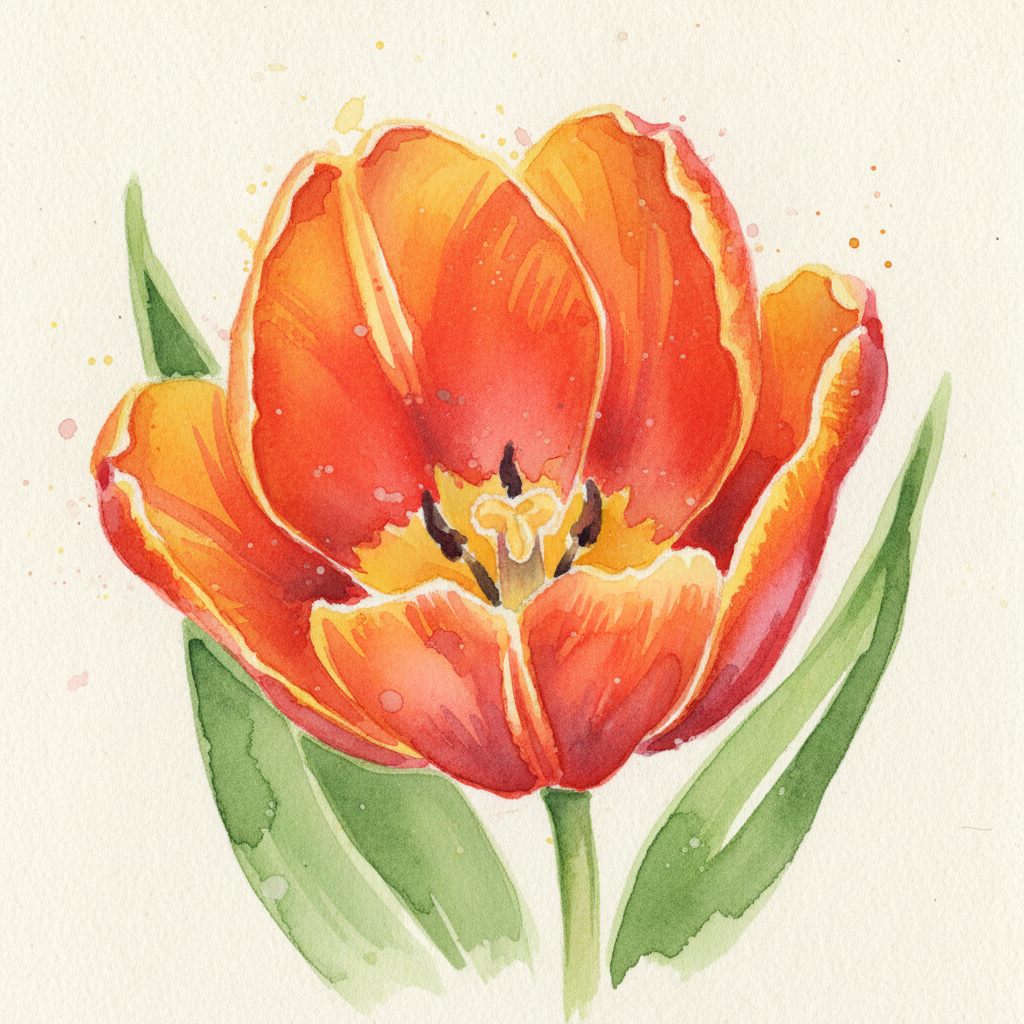
Lily-flowered tulip with pointed petals in vivid tangerine. Sweetly orange-scented and one of the longest-blooming tulips you can plant.
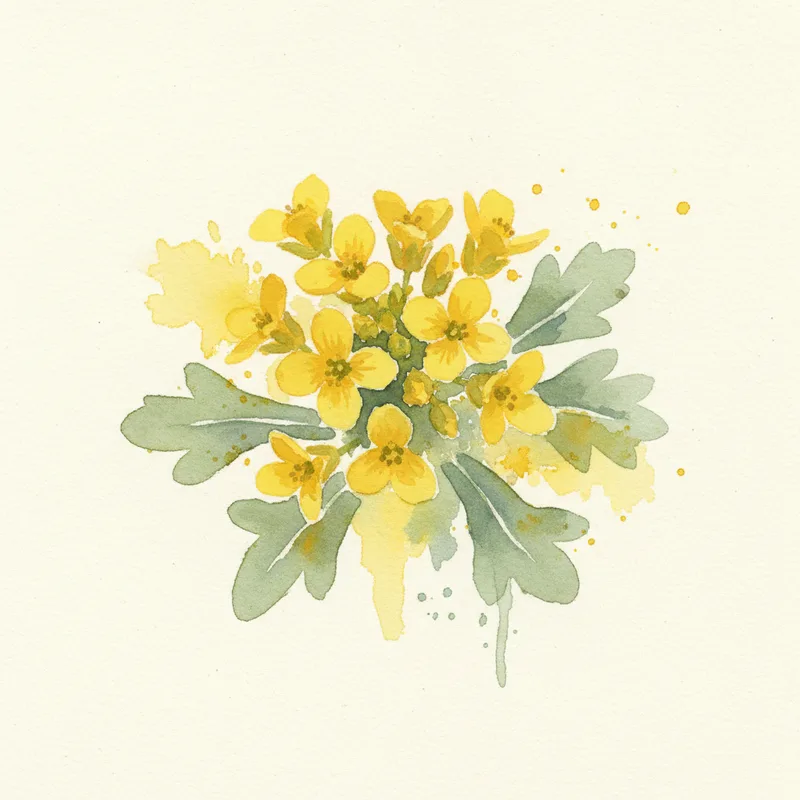
Bright golden-yellow cascades over walls and rock edges in spring. Cut back after flowering to stay tidy.
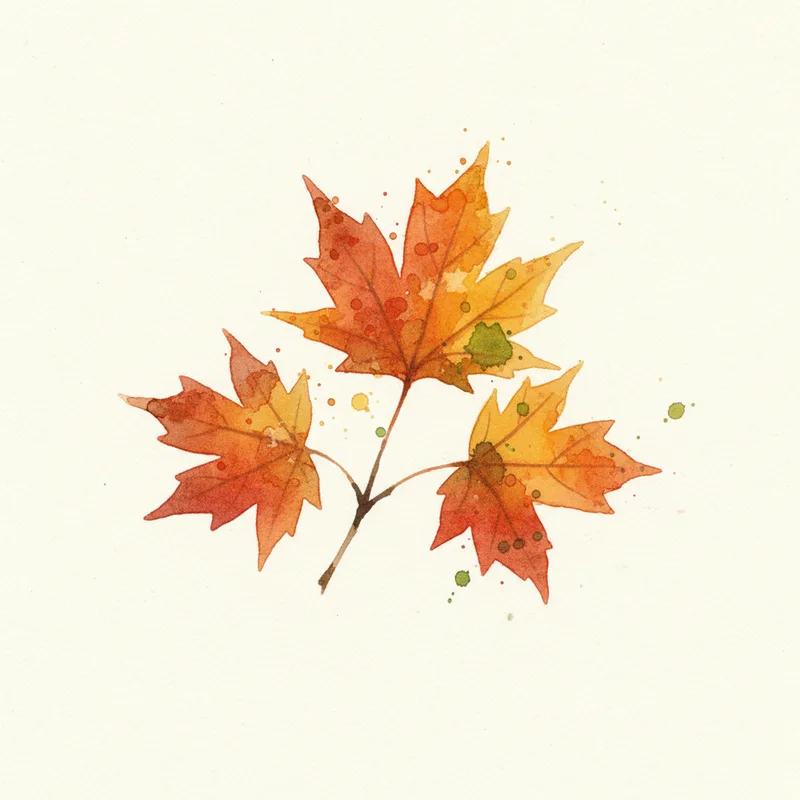
Mountain West maple with brilliant orange-red fall color and rugged drought tolerance.
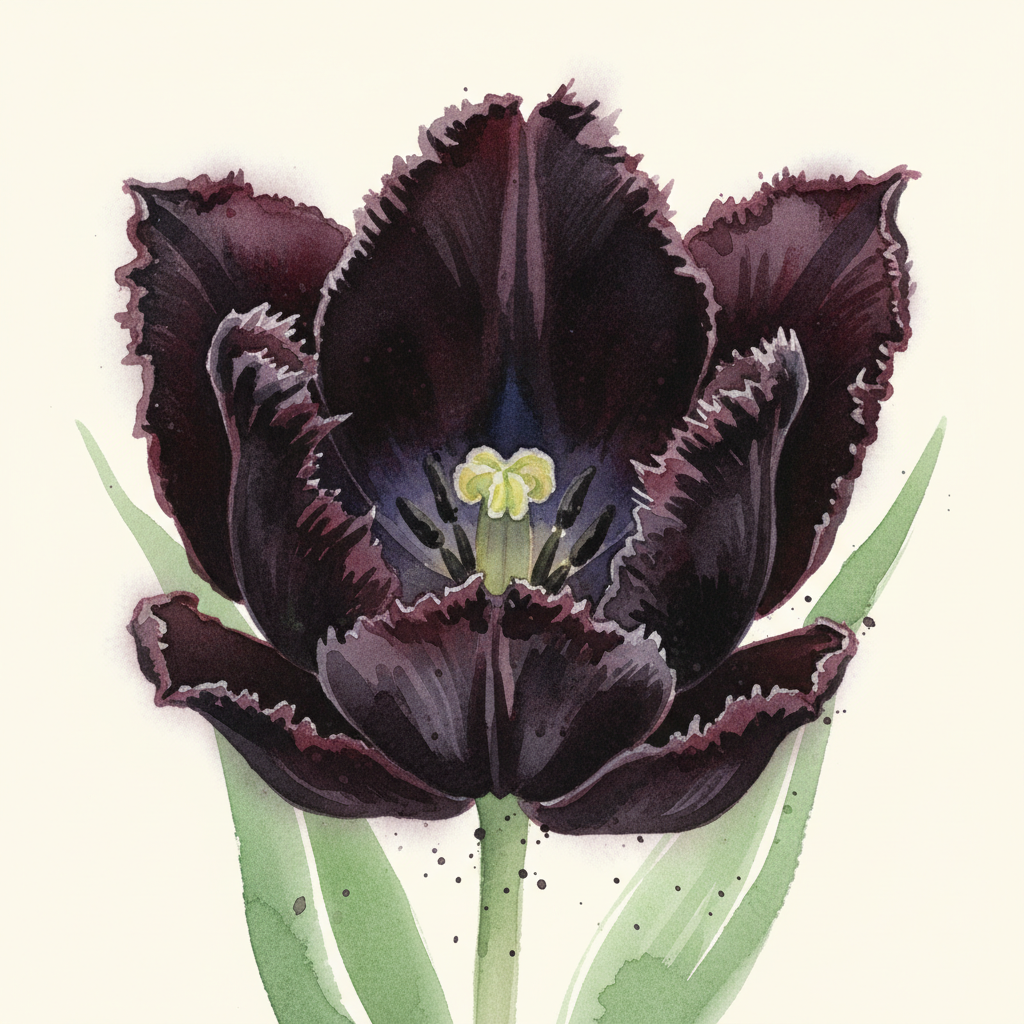
Fringed and twisted petals in deepest maroon-black. Looks more like an exotic bird than a tulip and steals every spring arrangement.
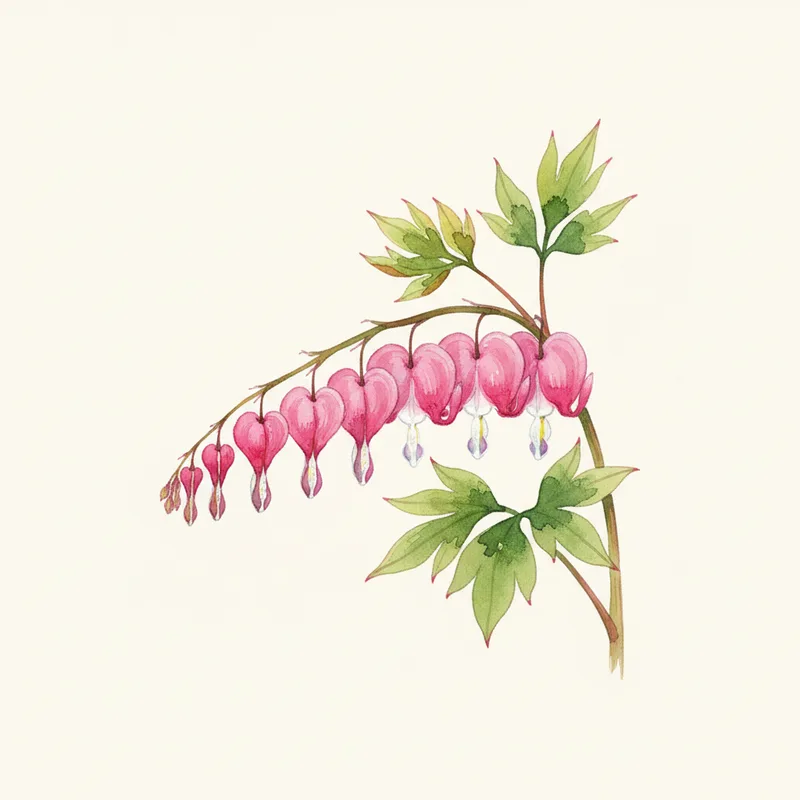
Arching sprays of heart-shaped flowers for shady woodland gardens.
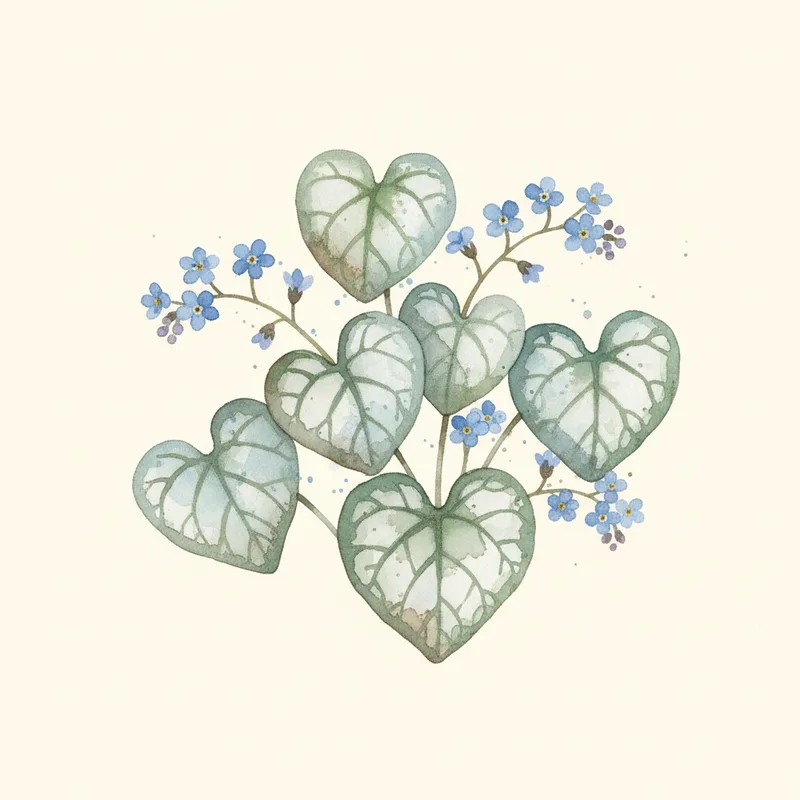
Clouds of tiny forget-me-not blue flowers over heart-shaped leaves. Thrives in dry shade once established.
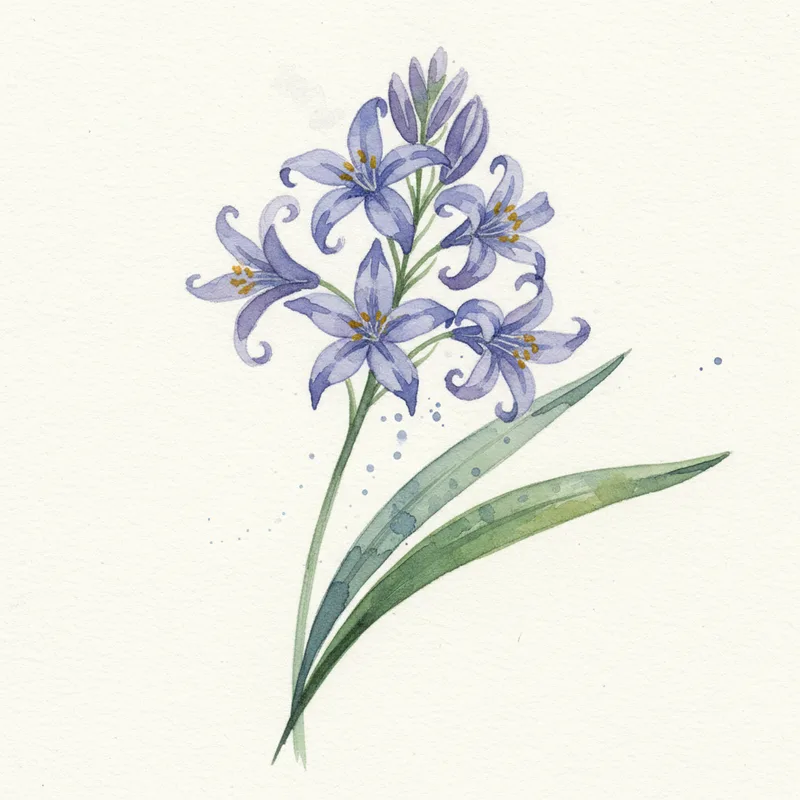
Tall spikes of starry flowers rise above strappy foliage in late spring.
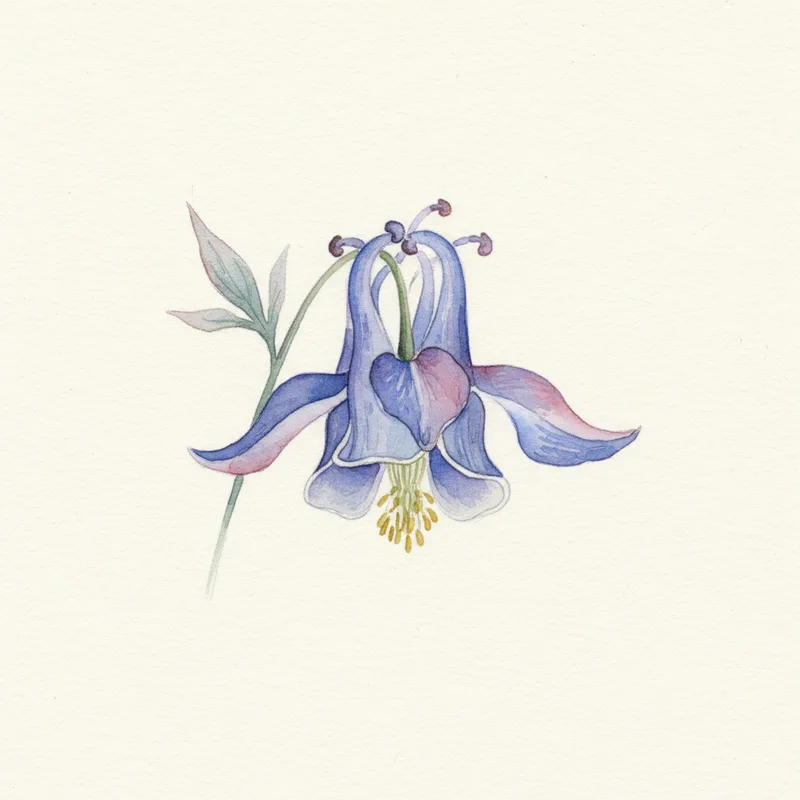
Delicate, spurred flowers that dance on wiry stems. Hummingbird favorite.
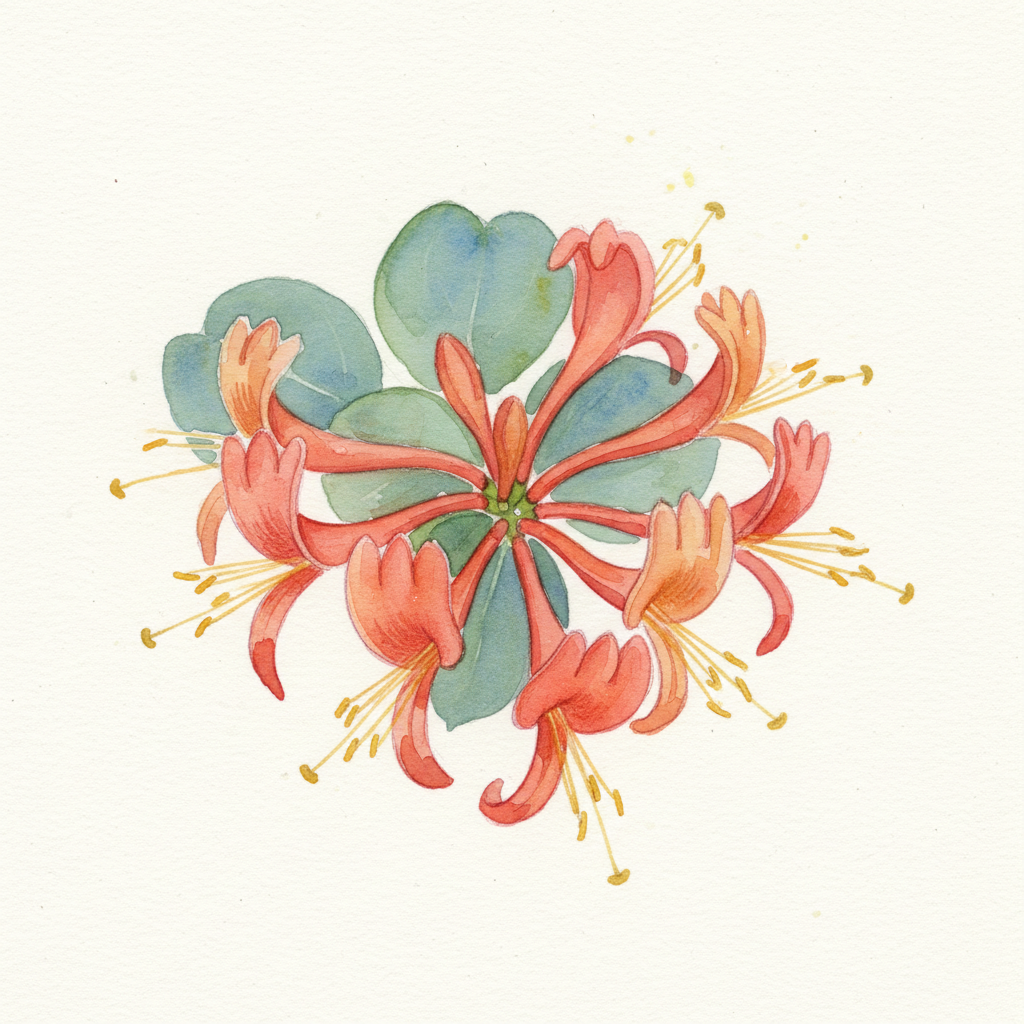
Non-invasive native honeysuckle with brilliant coral-red tubular flowers that hummingbirds hover at for months.
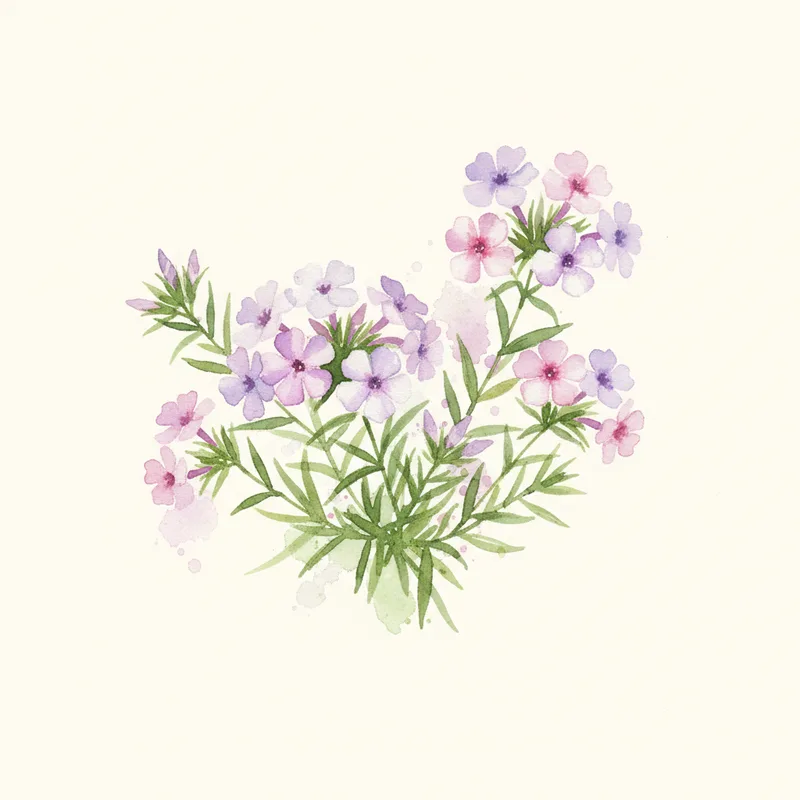
An evergreen sun-loving groundcover that smothers walls, slopes, and rock gardens in dense pink, purple, blue, lavender, or white sheets every April and May.
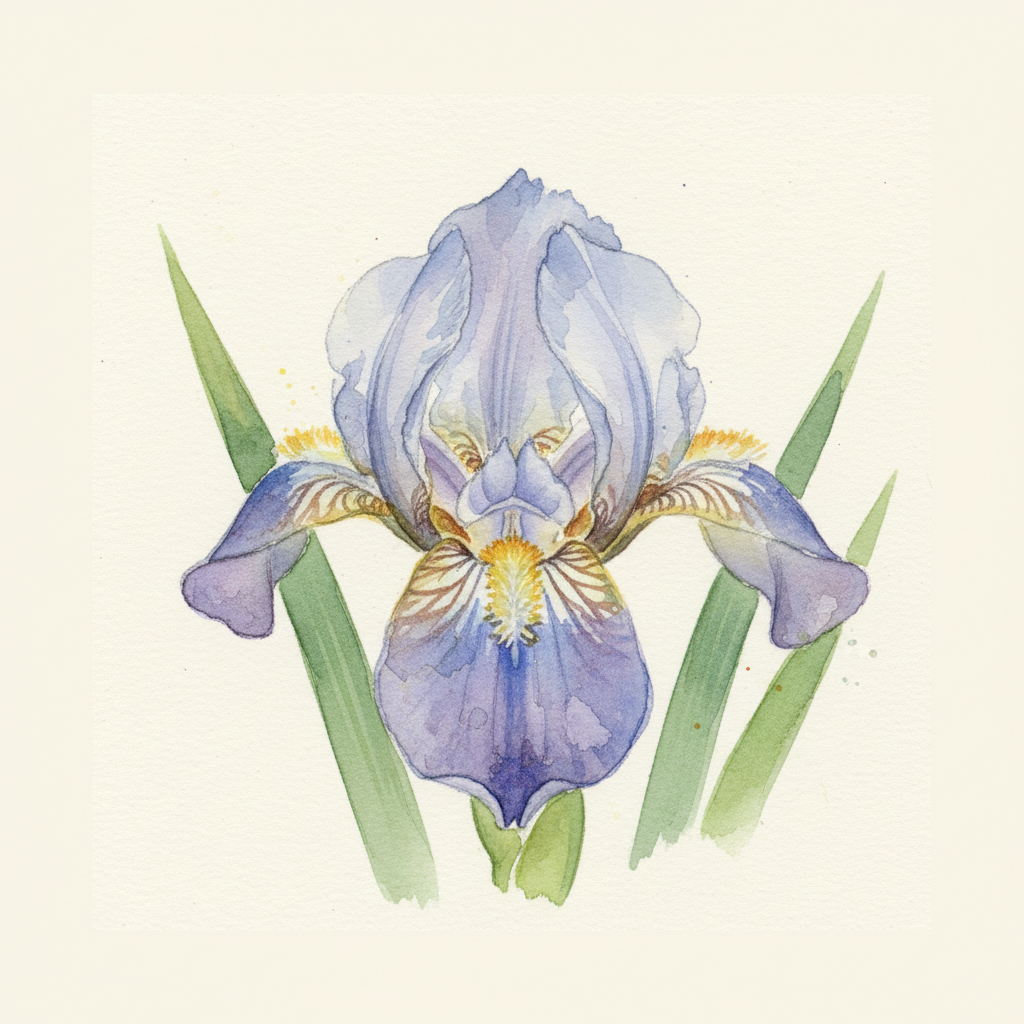
Tiny lavender-blue iris flowers with gold crests on a spreading native ground cover. A spring woodland treasure.
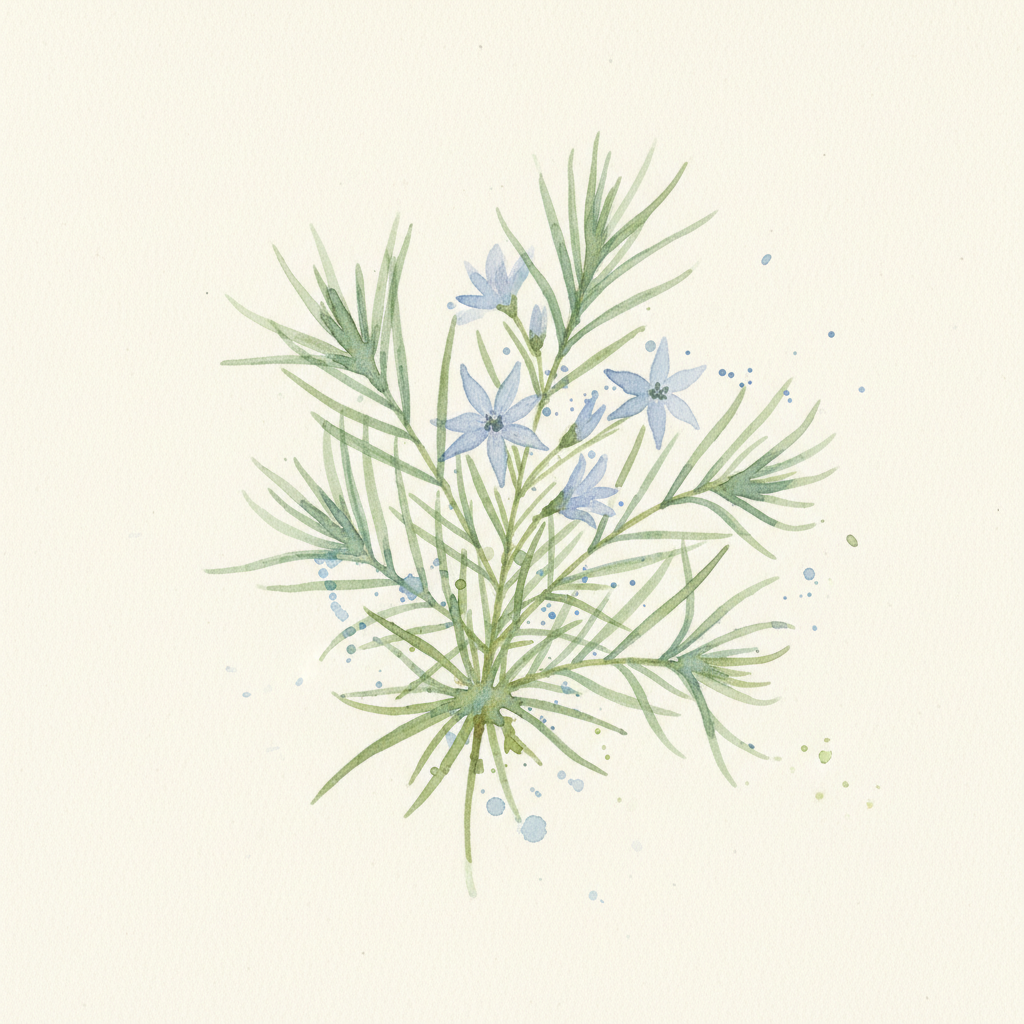
Pale blue starry flowers in spring give way to feathery foliage that turns brilliant gold in fall. Two seasons of beauty for zero effort.
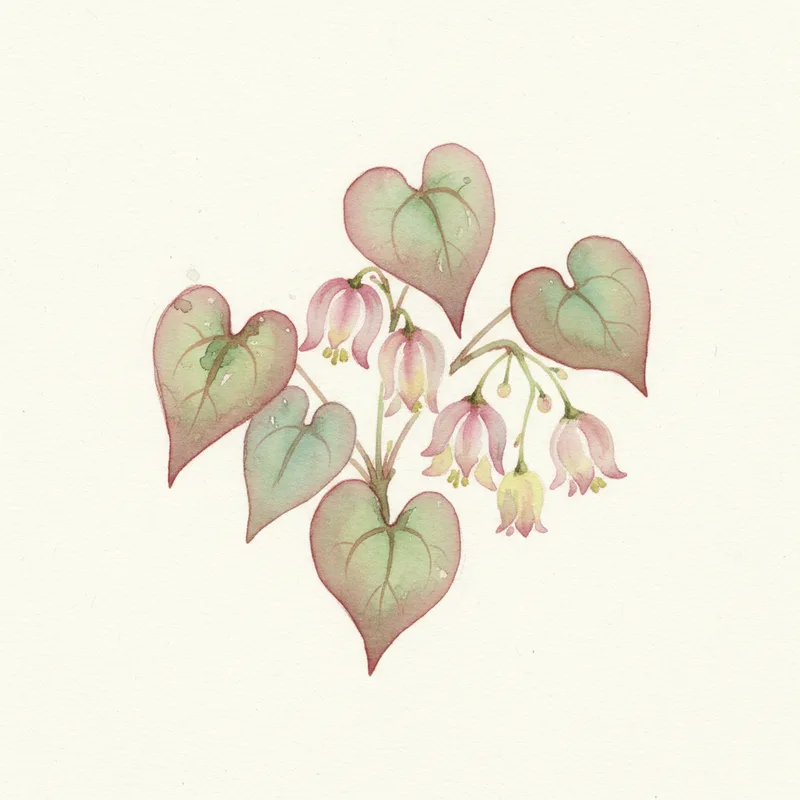
Delicate fairy-wing flowers above leathery foliage. One of the toughest dry shade groundcovers.
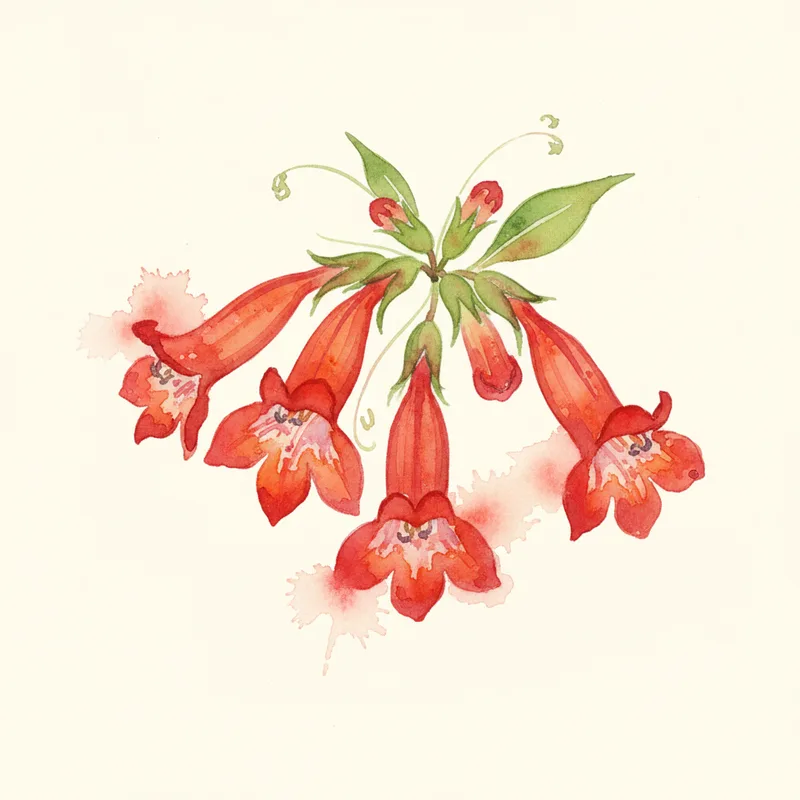
Spikes of scarlet tubular flowers that hummingbirds fight over. Southwestern native at its finest.
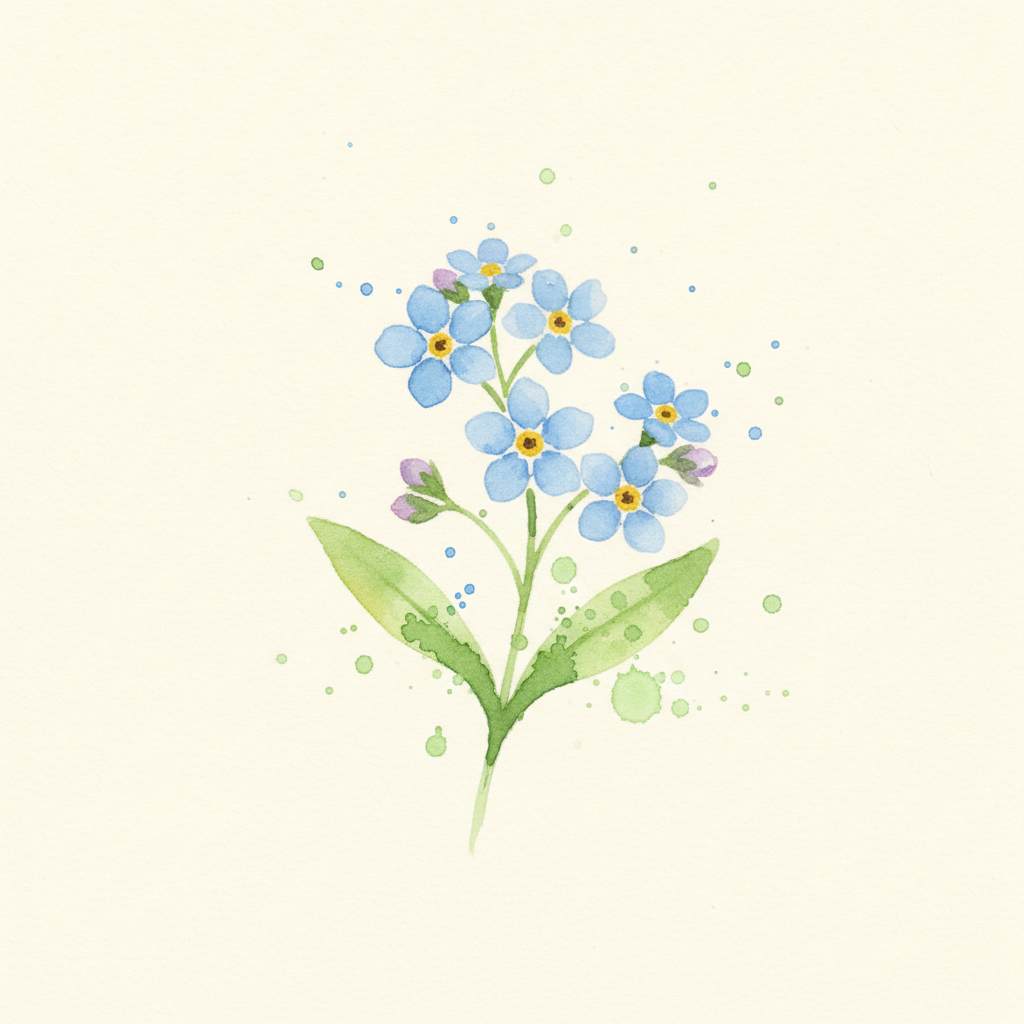
Clouds of tiny sky-blue flowers carpet the ground in spring. Self-sows freely under shrubs and around tulips.
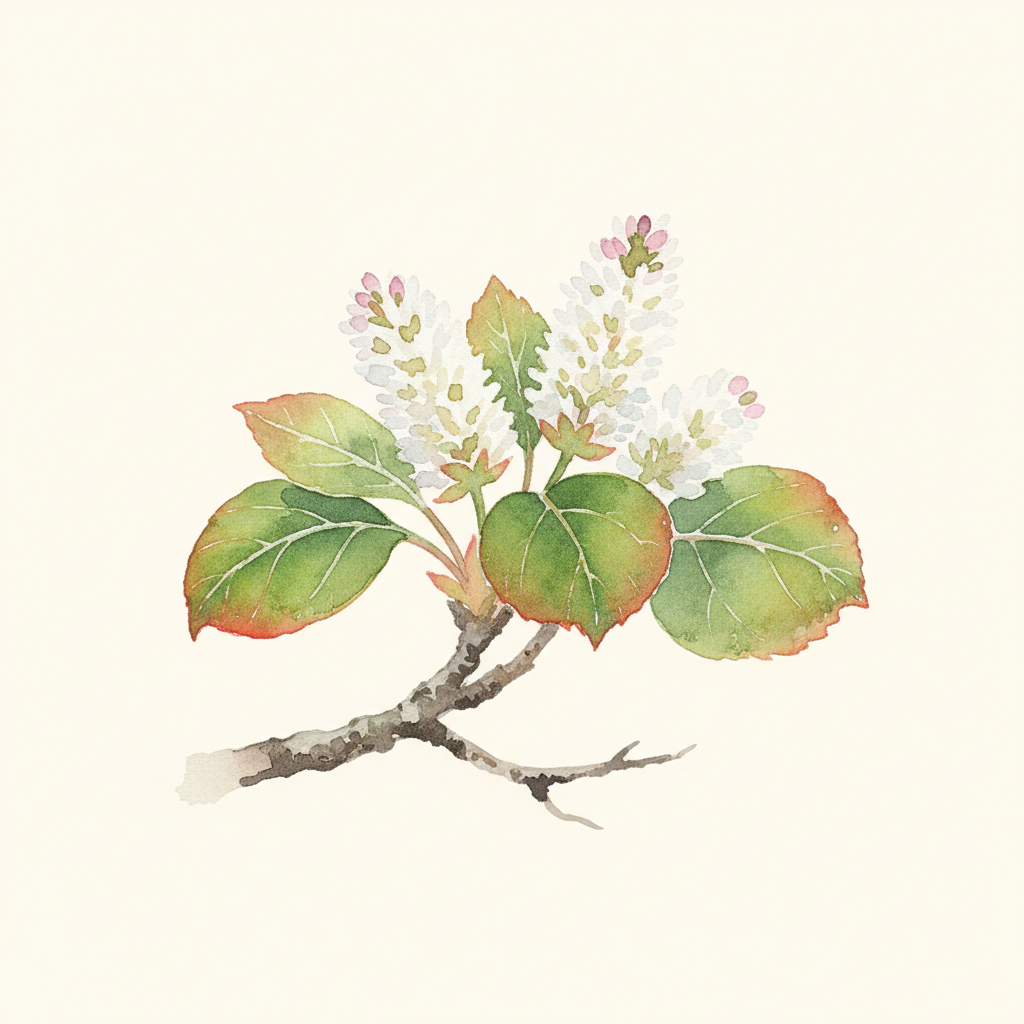
Fragrant white bottlebrush flowers in spring give way to some of the best orange-red fall color of any small native shrub.
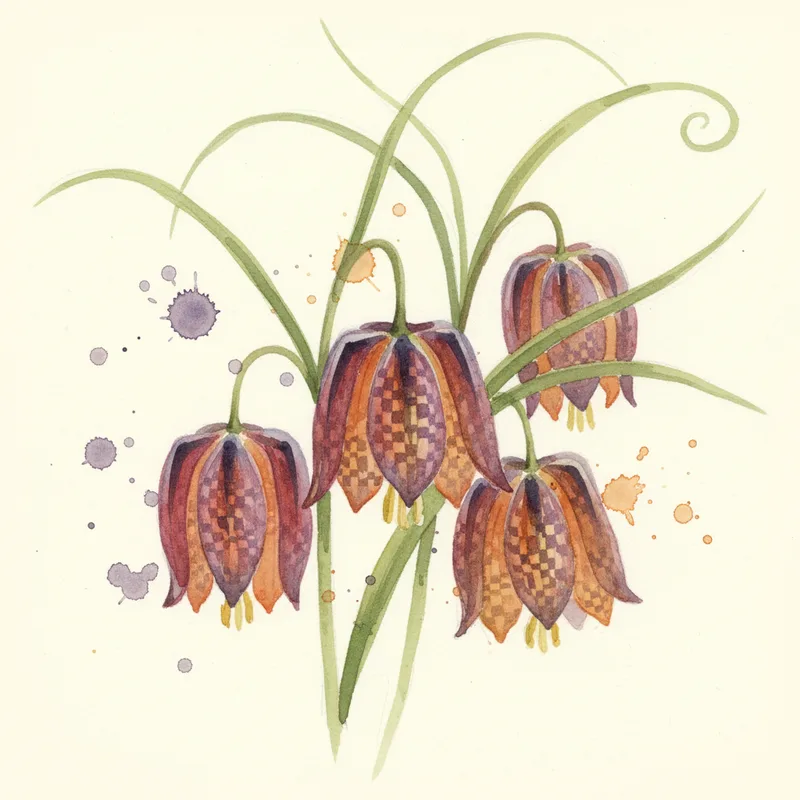
Checkered, nodding bells with an otherworldly pattern. A collector's favorite.
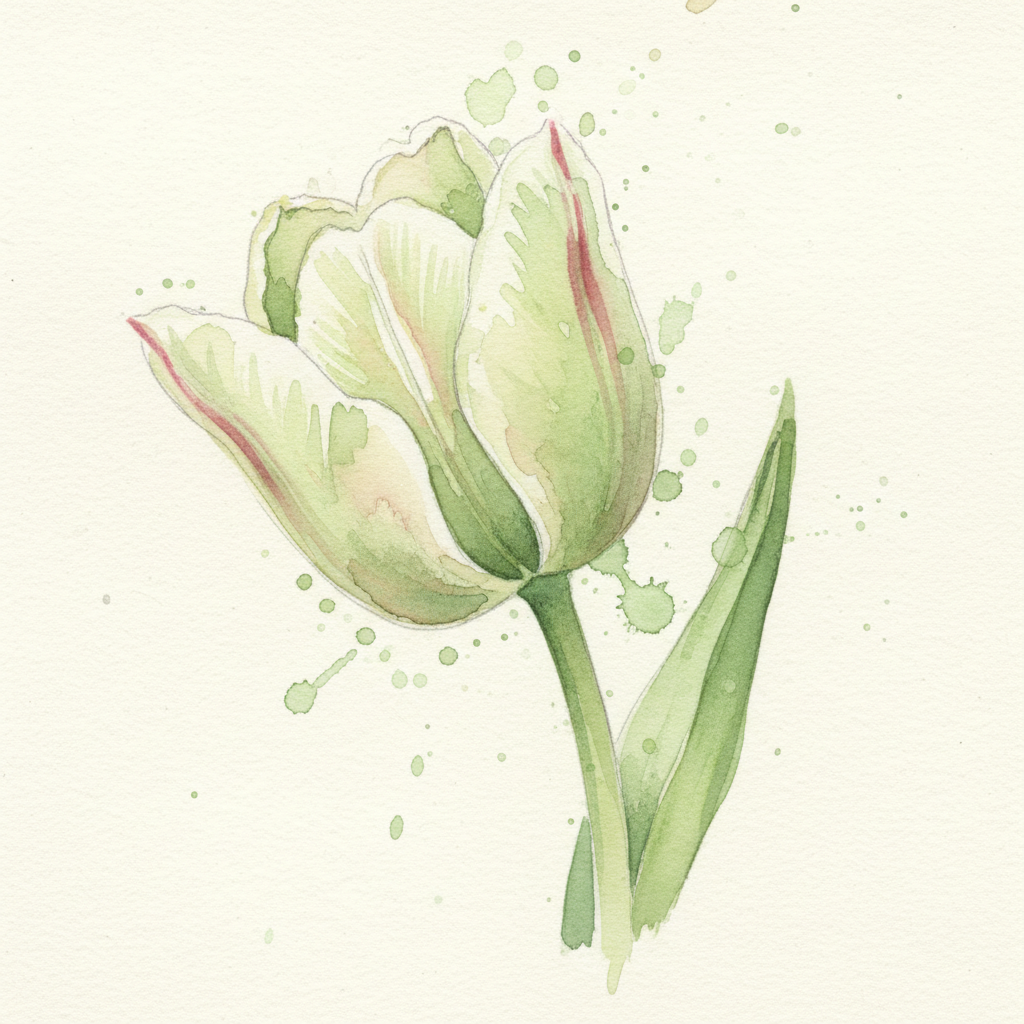
Viridiflora tulip with rose-pink petals brushed by a wide green flame. One of the longest-lasting tulips in the vase and the bed.
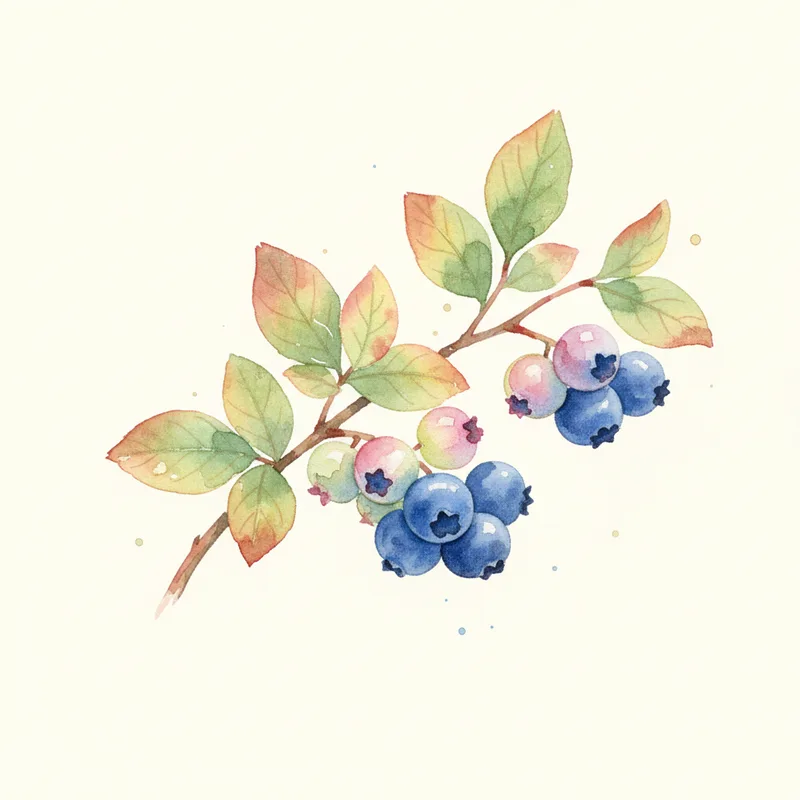
Bell-shaped spring flowers are followed by sweet blue berries and excellent fall color.
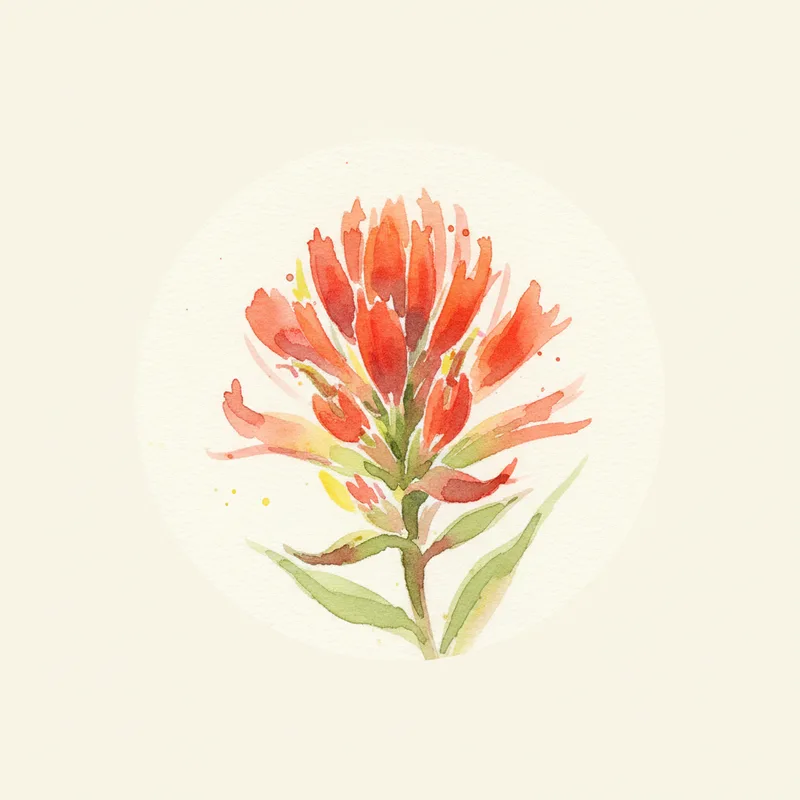
Bright red to orange bracts surround small flowers and glow across spring prairies.
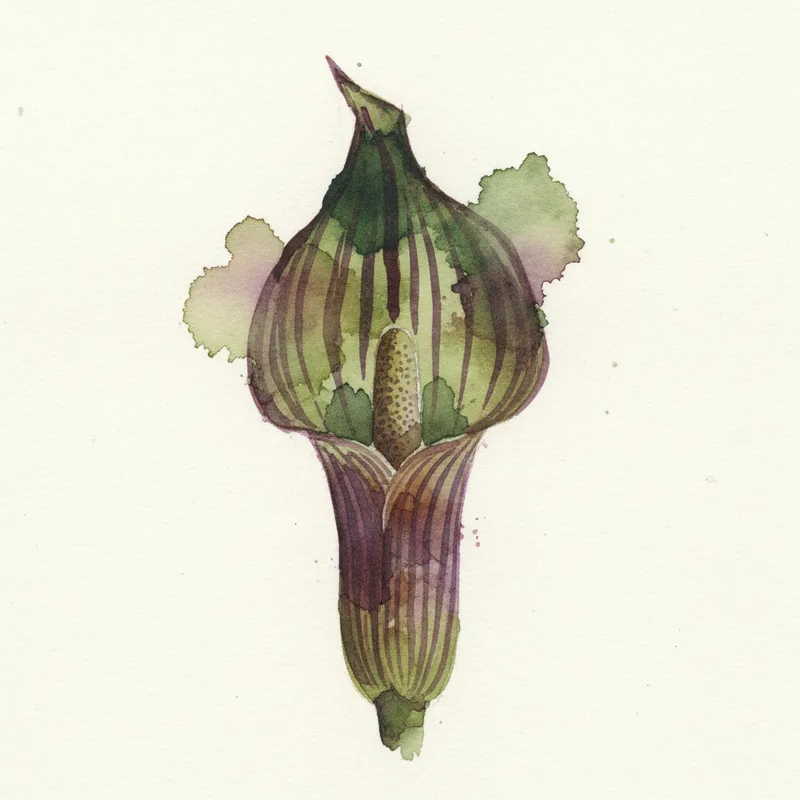
Hooded green-and-brown striped spathe sheltering a hidden spadix. Woodland curiosity followed by red berries.
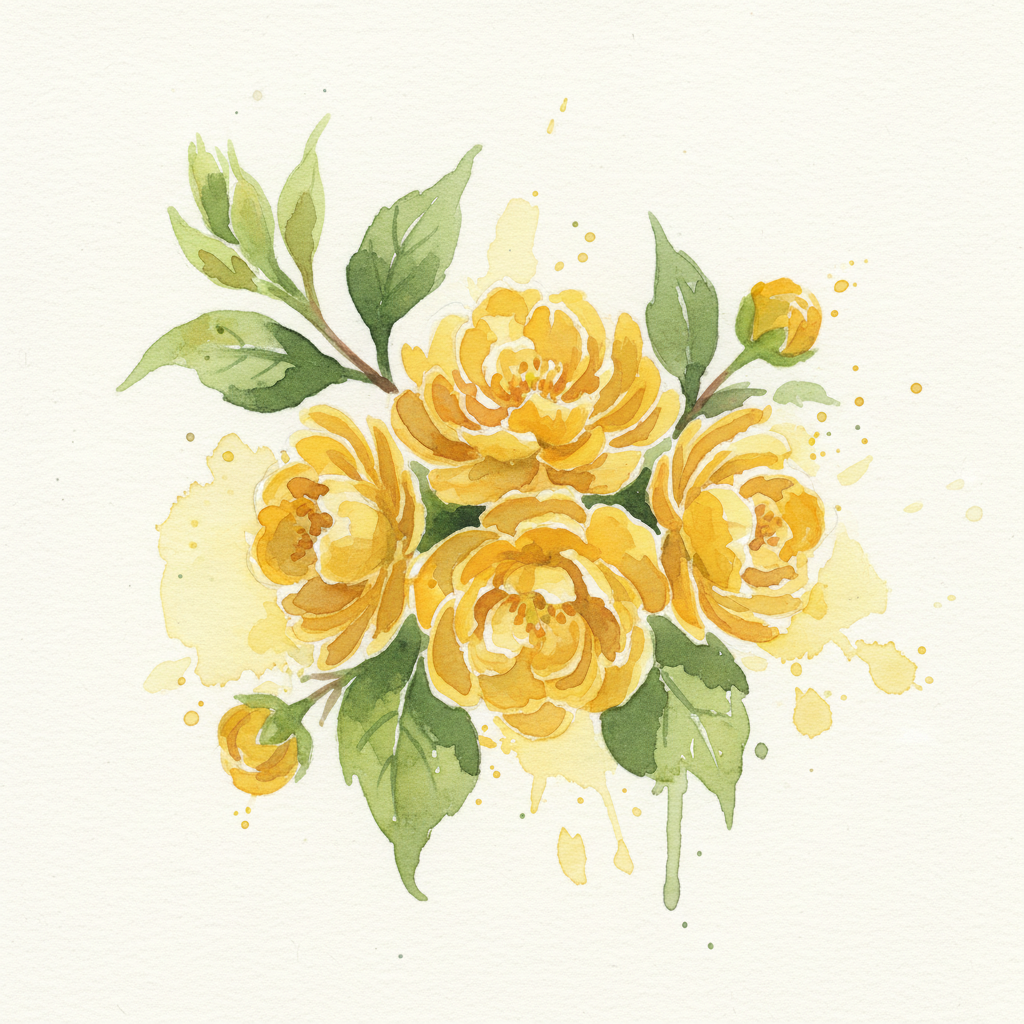
Cheerful golden-yellow pompoms on bright green stems that stay vivid green all winter. One of the easiest shade-tolerant shrubs.
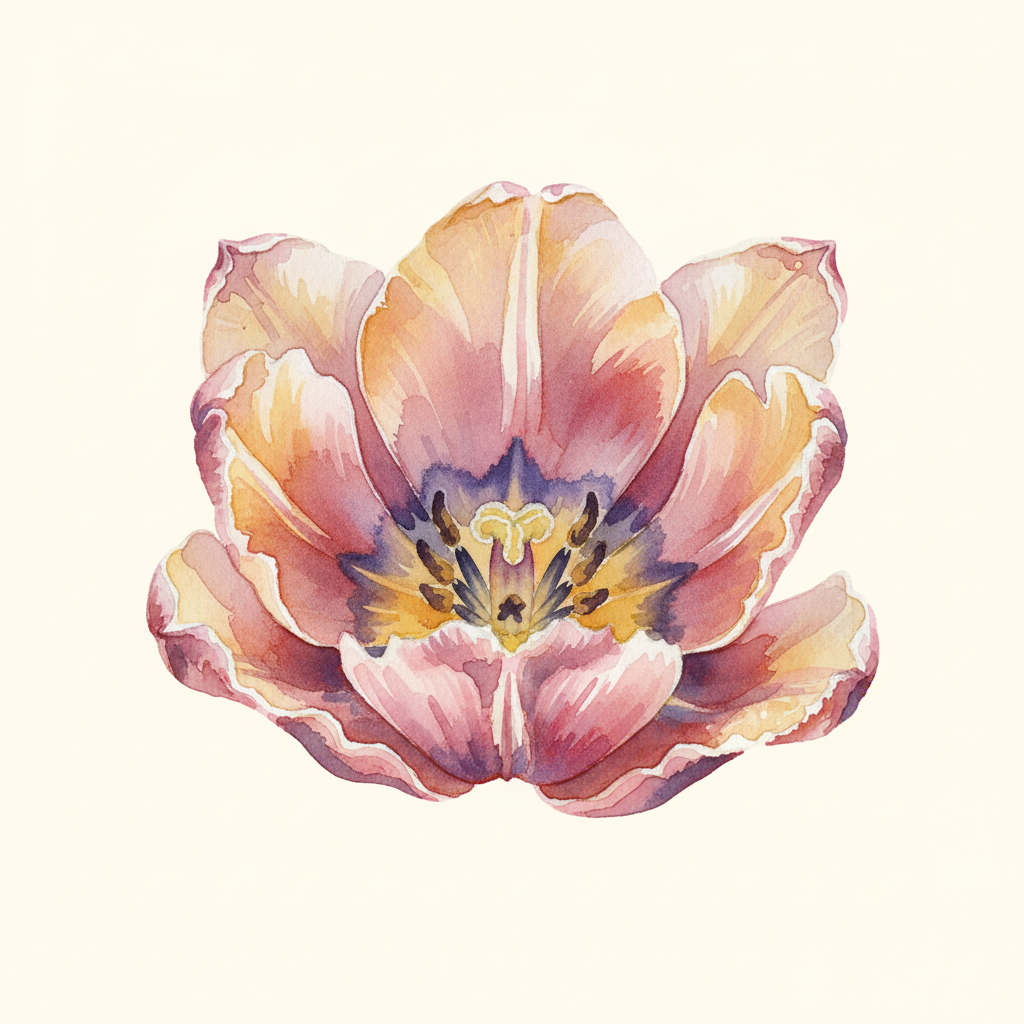
Vintage cafe-au-lait coloring with peach, cream, and dusty pink swirled together. The most photographed tulip of the last decade.
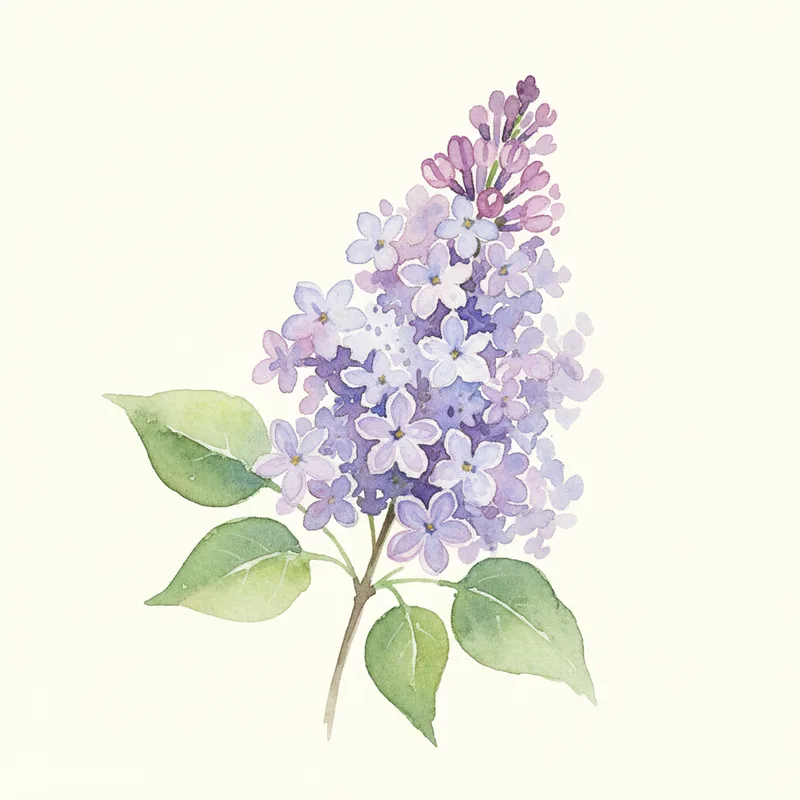
Intensely fragrant clusters that define spring in northern gardens.
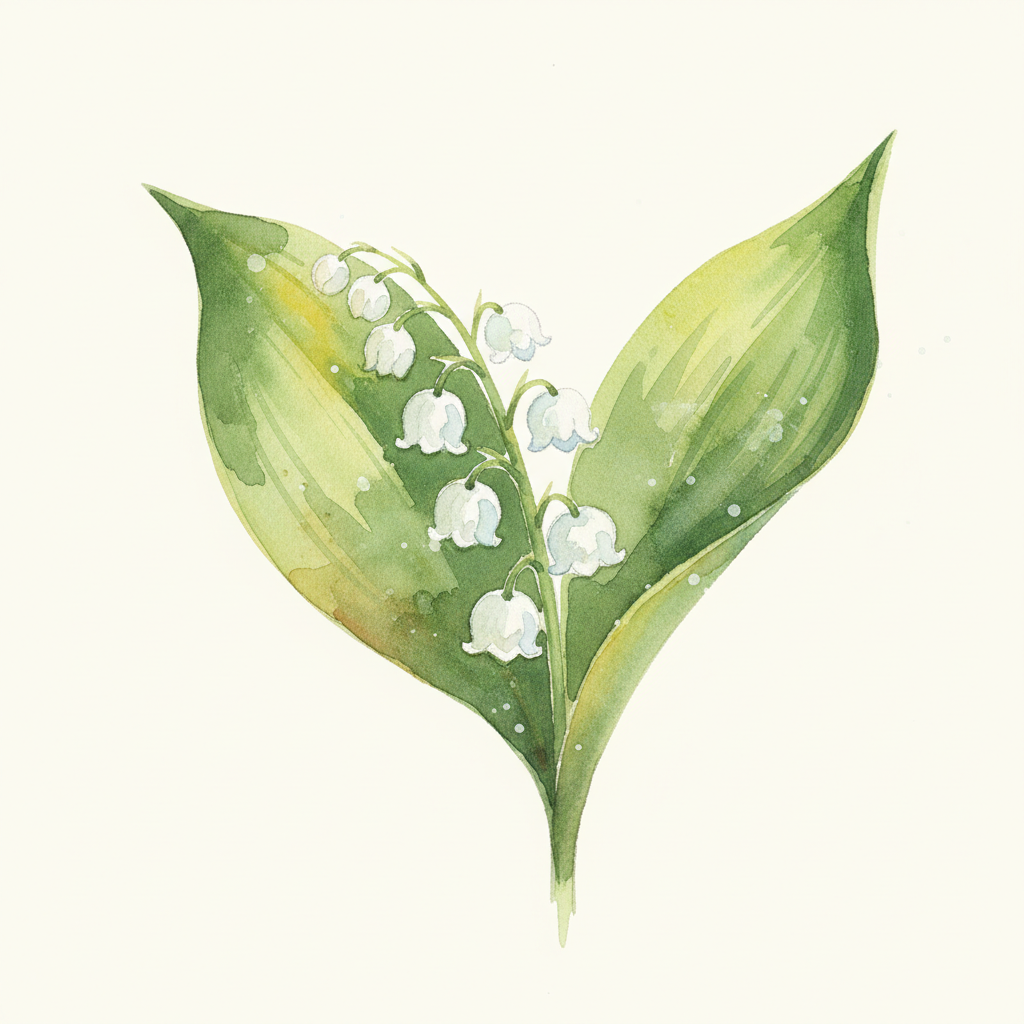
Tiny bell-shaped flowers with one of the most intoxicating fragrances in the plant world. Spreads into lush carpets under trees.
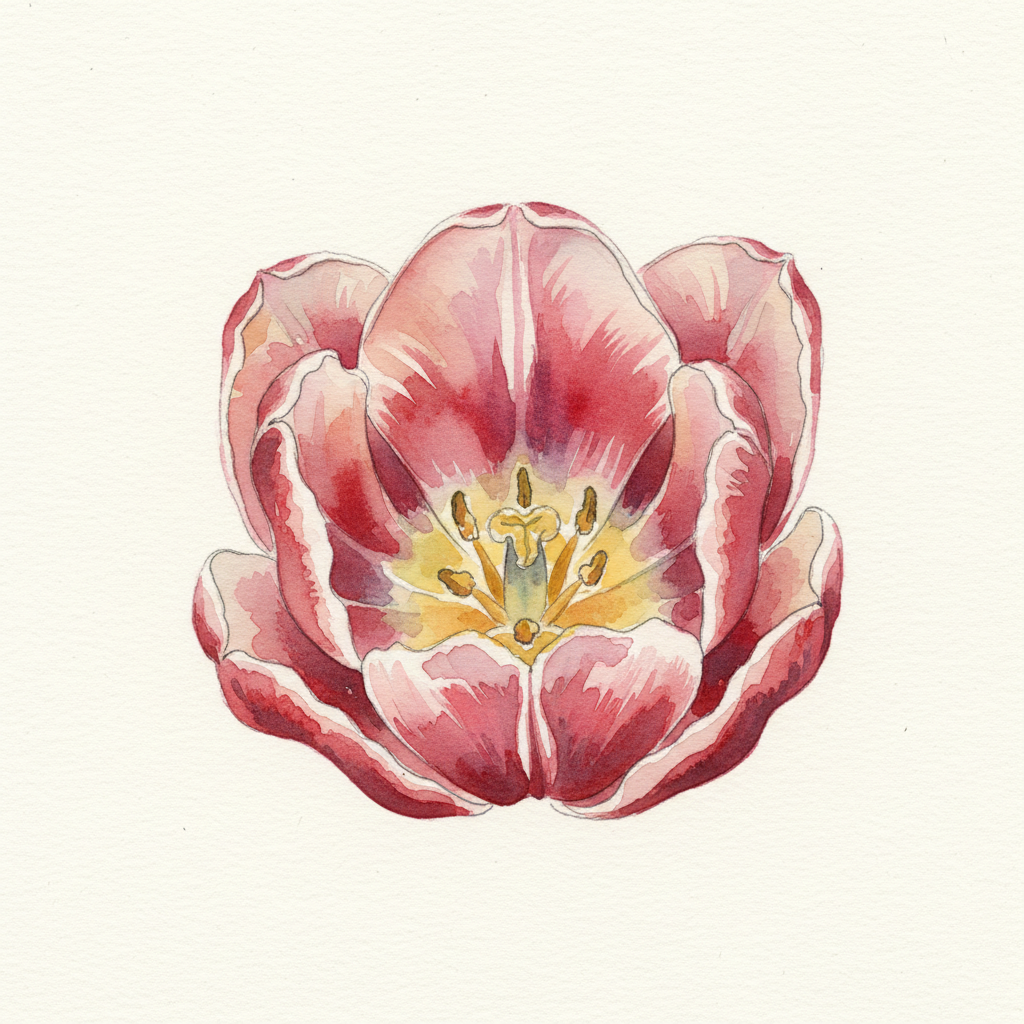
Lily-flowered tulip with elegant pointed petals in clear satin pink. One of the most graceful tulips for bouquets and the late-spring border.
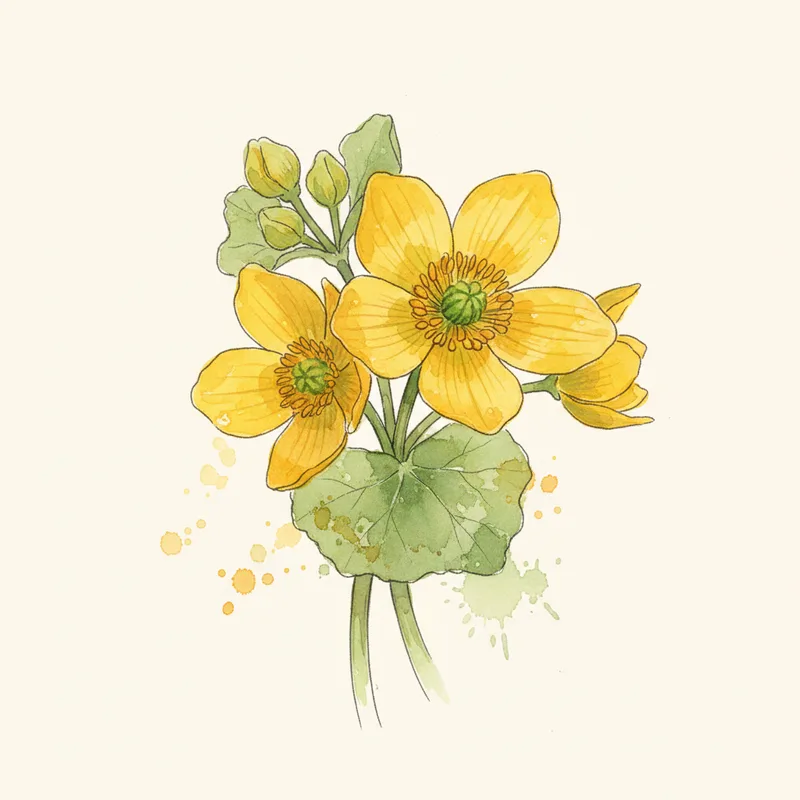
Glossy buttercup flowers in early spring along streams and wet areas. One of the first wetland bloomers.
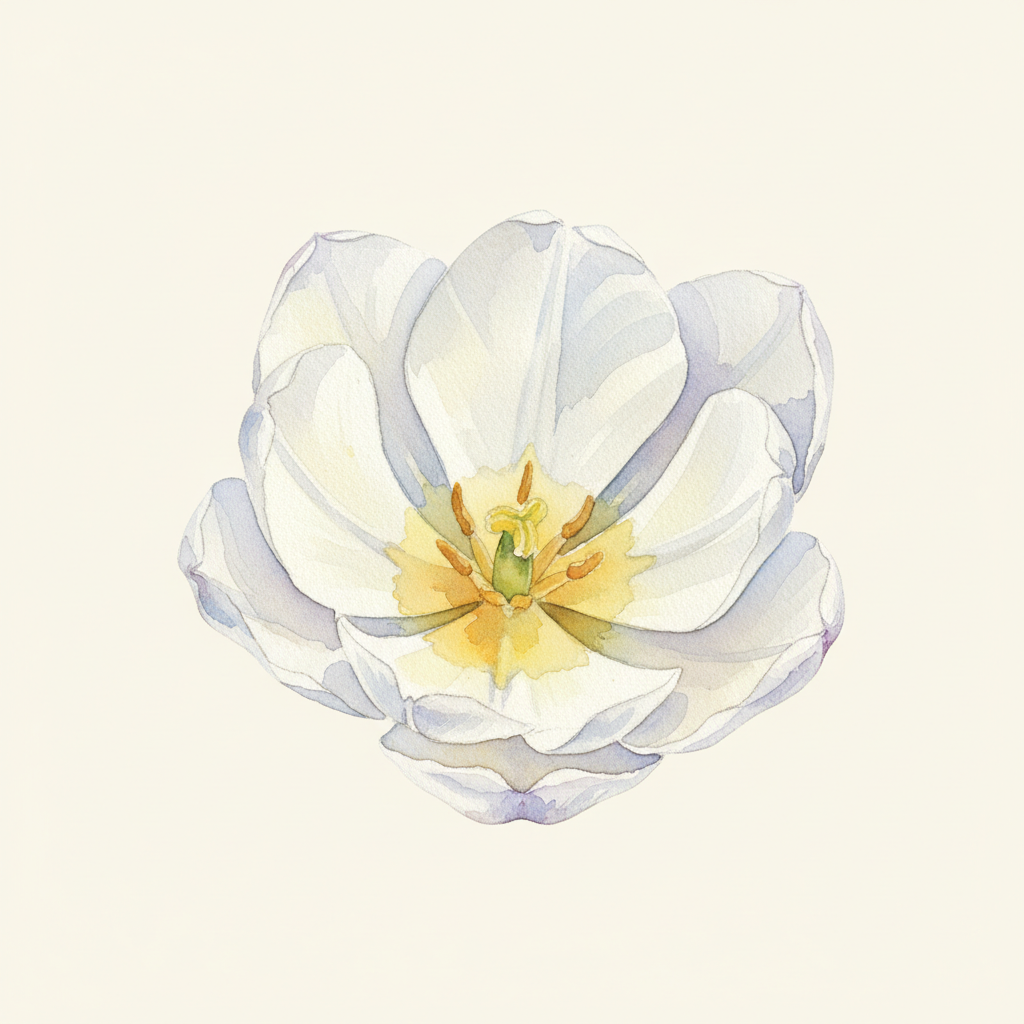
Pure white double late blooms that look like peonies. The reliable white answer to Angelique with the same long vase life.
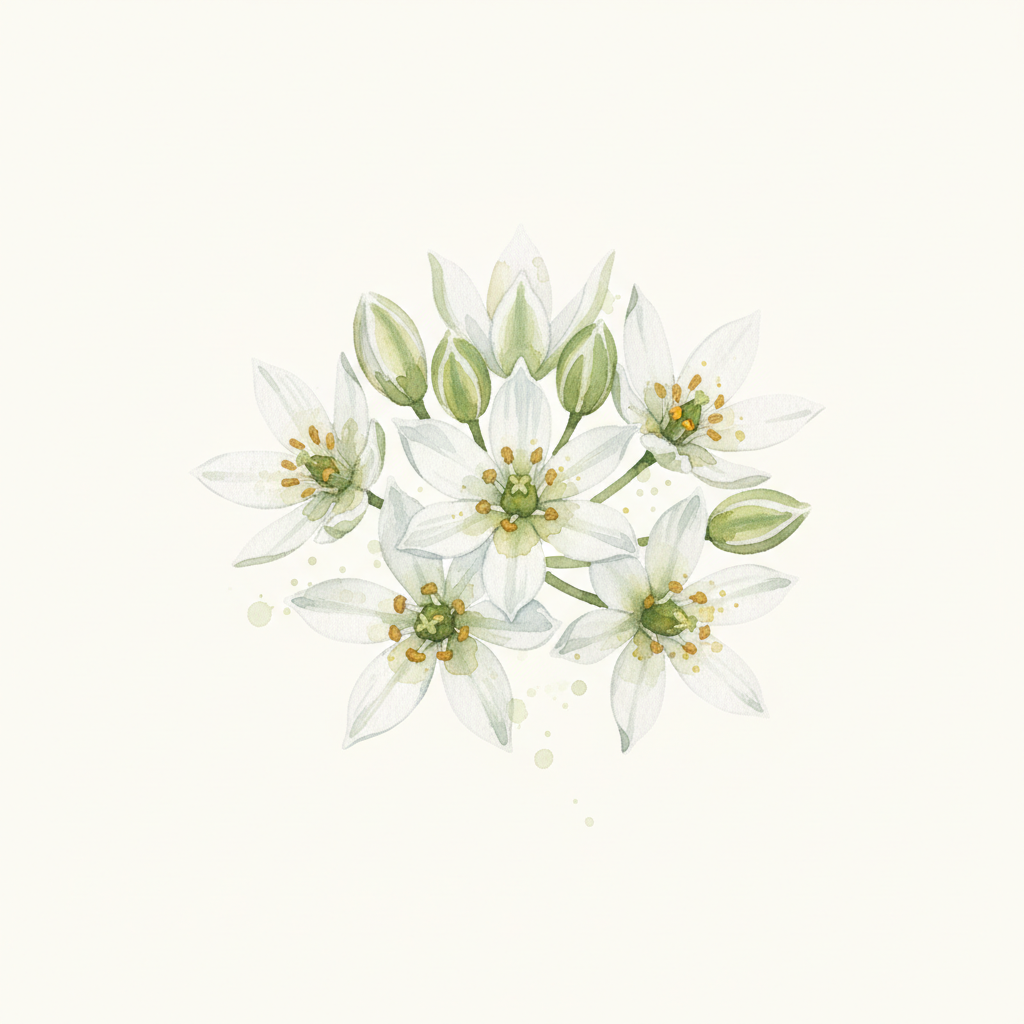
Star-shaped white flowers with green stripes on the back. Star of Bethlehem, naturalizes into drifts that take care of themselves.
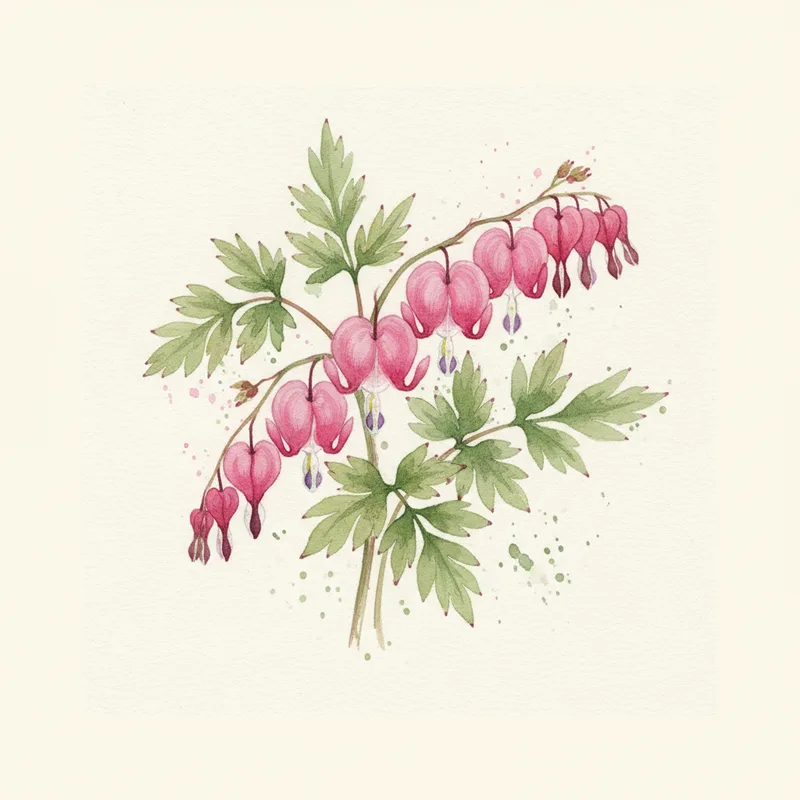
Western native that blooms much longer than its eastern cousin. Ferny foliage all season.
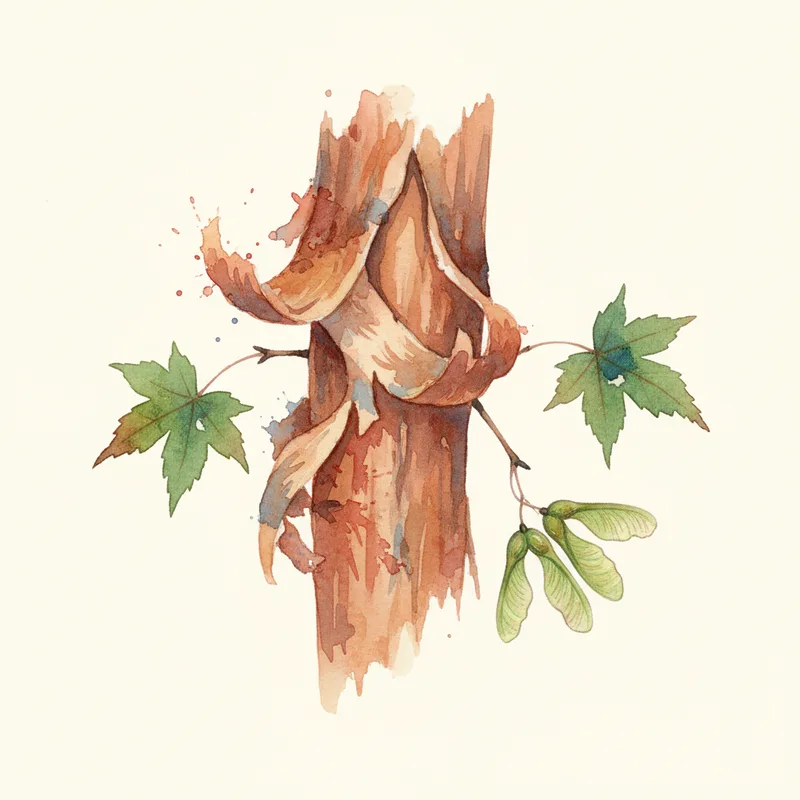
Cinnamon-colored peeling bark and good fall color provide strong four-season interest.
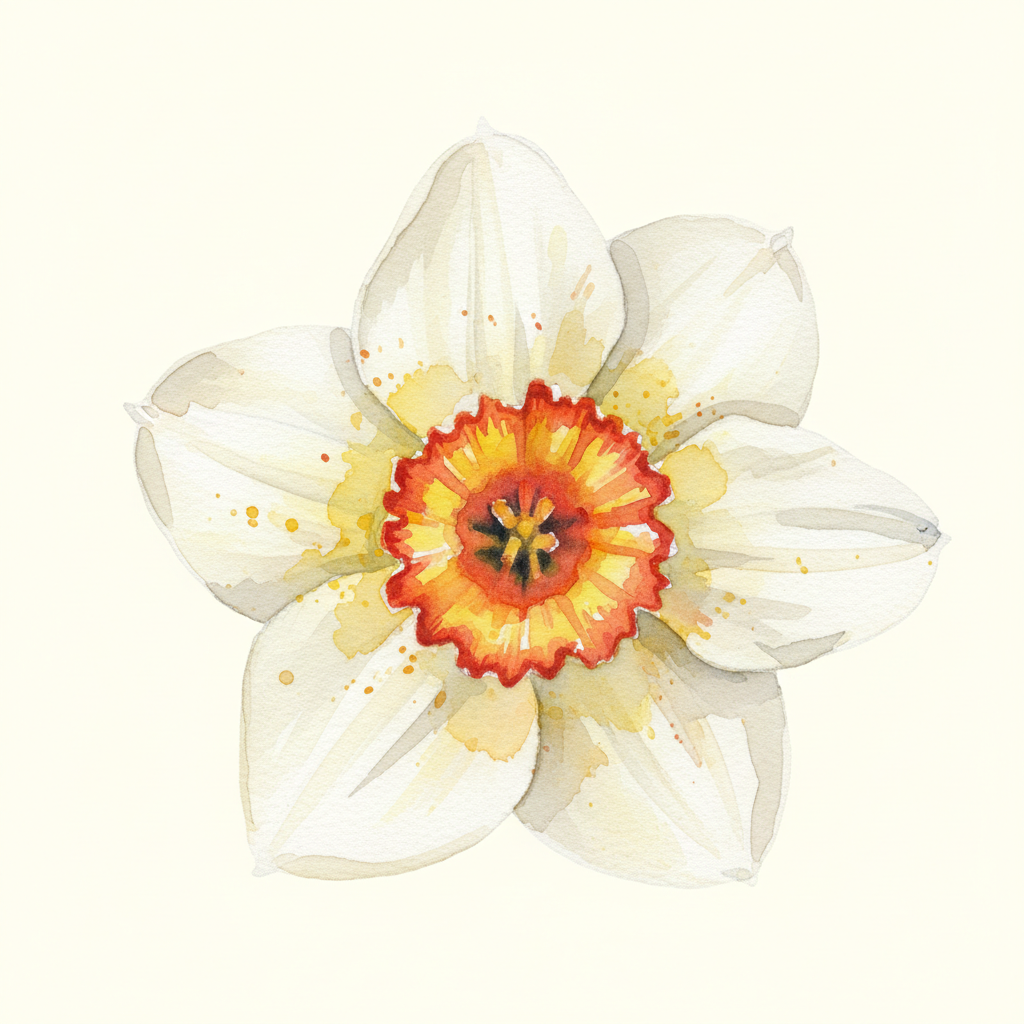
Reflexed white petals around a tiny eye of yellow rimmed with red. Intensely fragrant heirloom, the latest daffodil to bloom each spring.
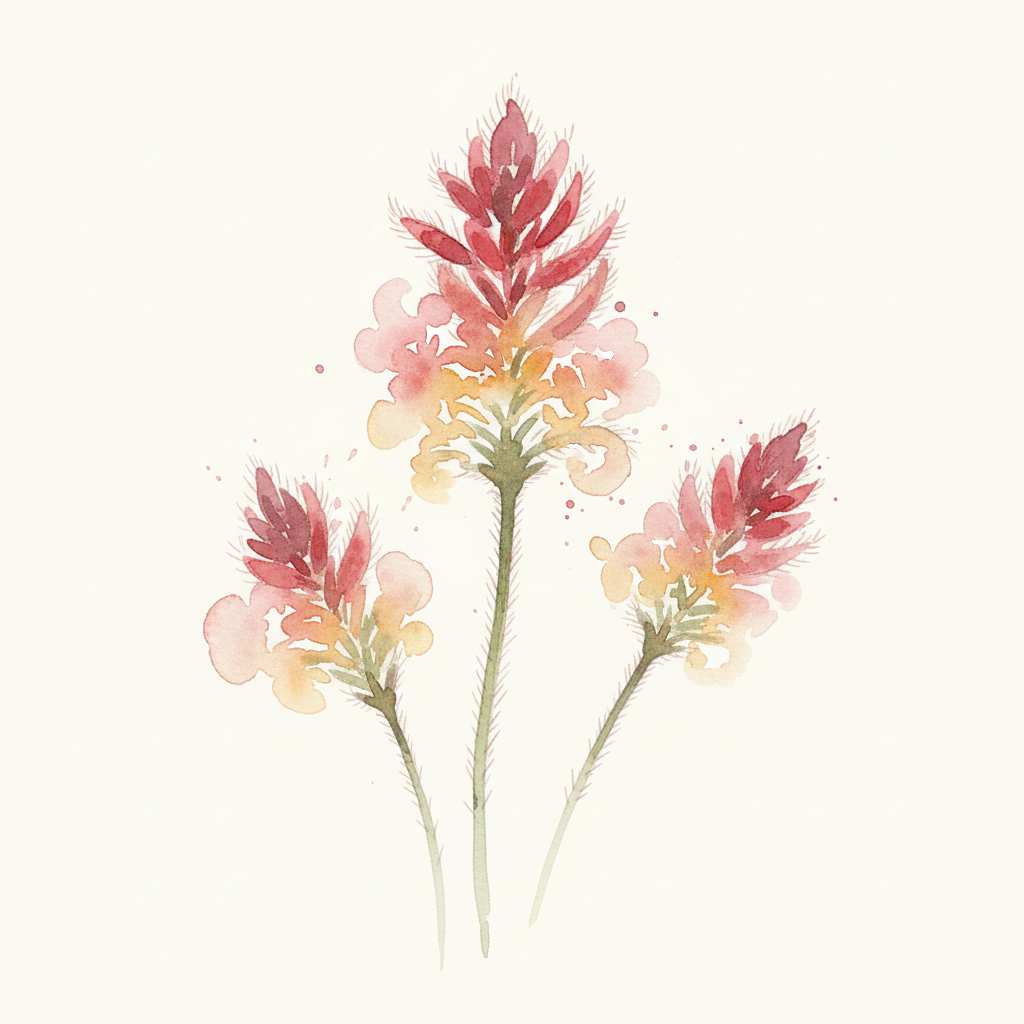
Nodding wine-red flowers transform into feathery pink seed plumes that persist into summer. Native prairie gem.
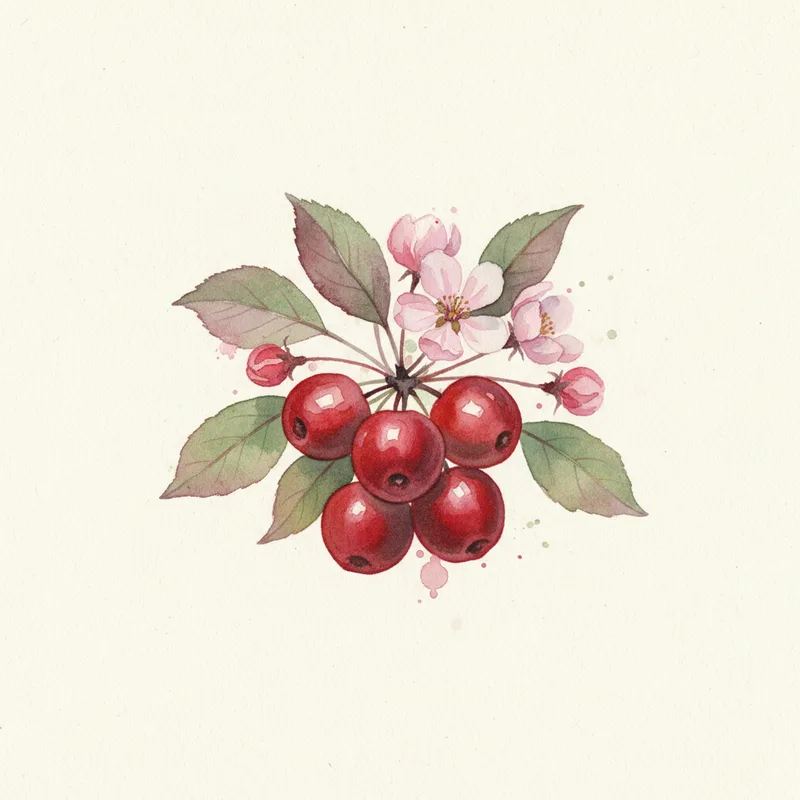
Deep pink-red flowers on a disease-resistant crabapple. Persistent small fruit feeds winter birds.
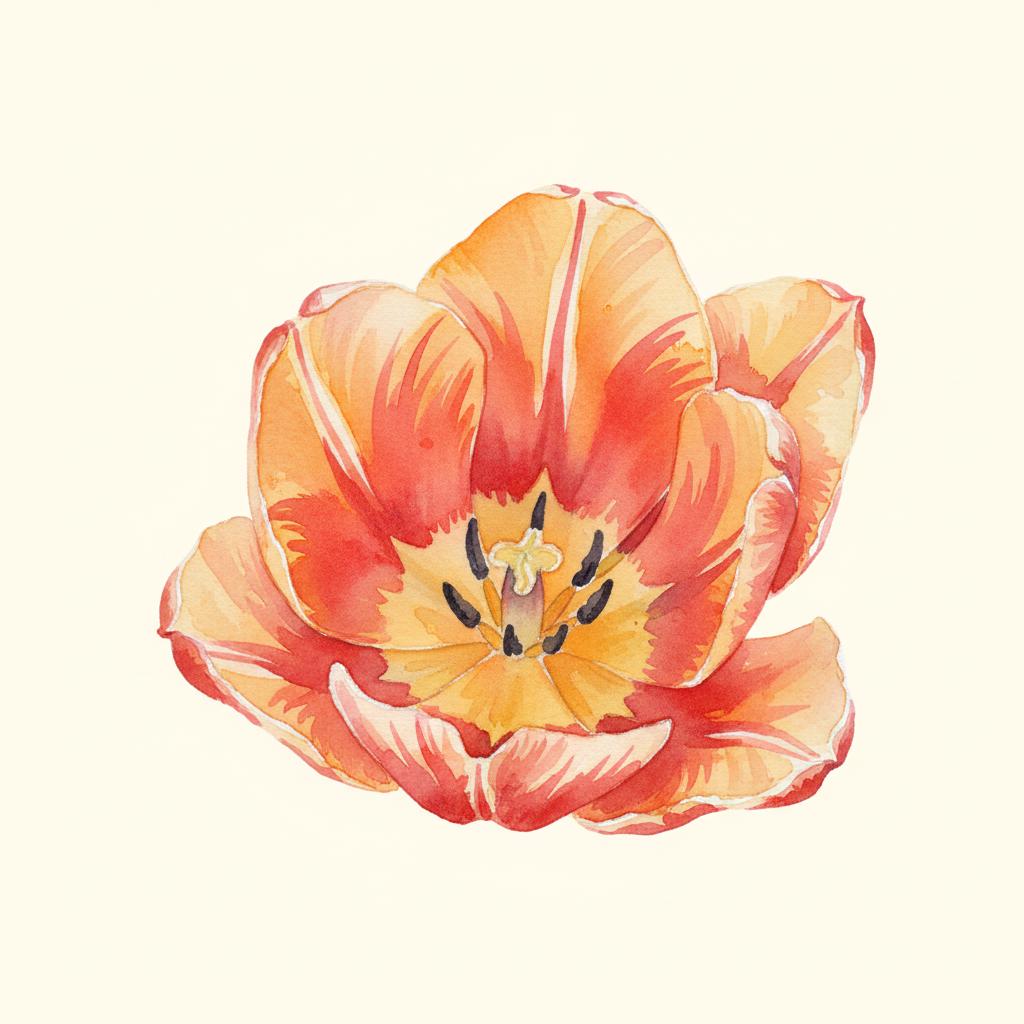
Glowing orange petals brushed with smoky purple flames. Mildly fragrant and one of the most unusual color combinations in any tulip.
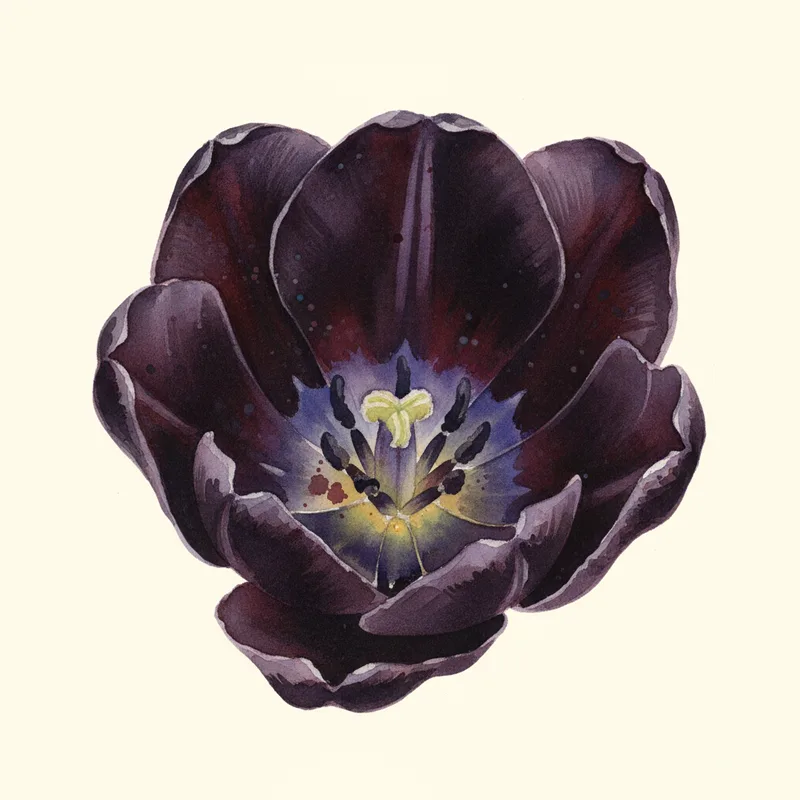
The darkest tulip. Satiny, near-black maroon blooms that look almost unreal in late spring.
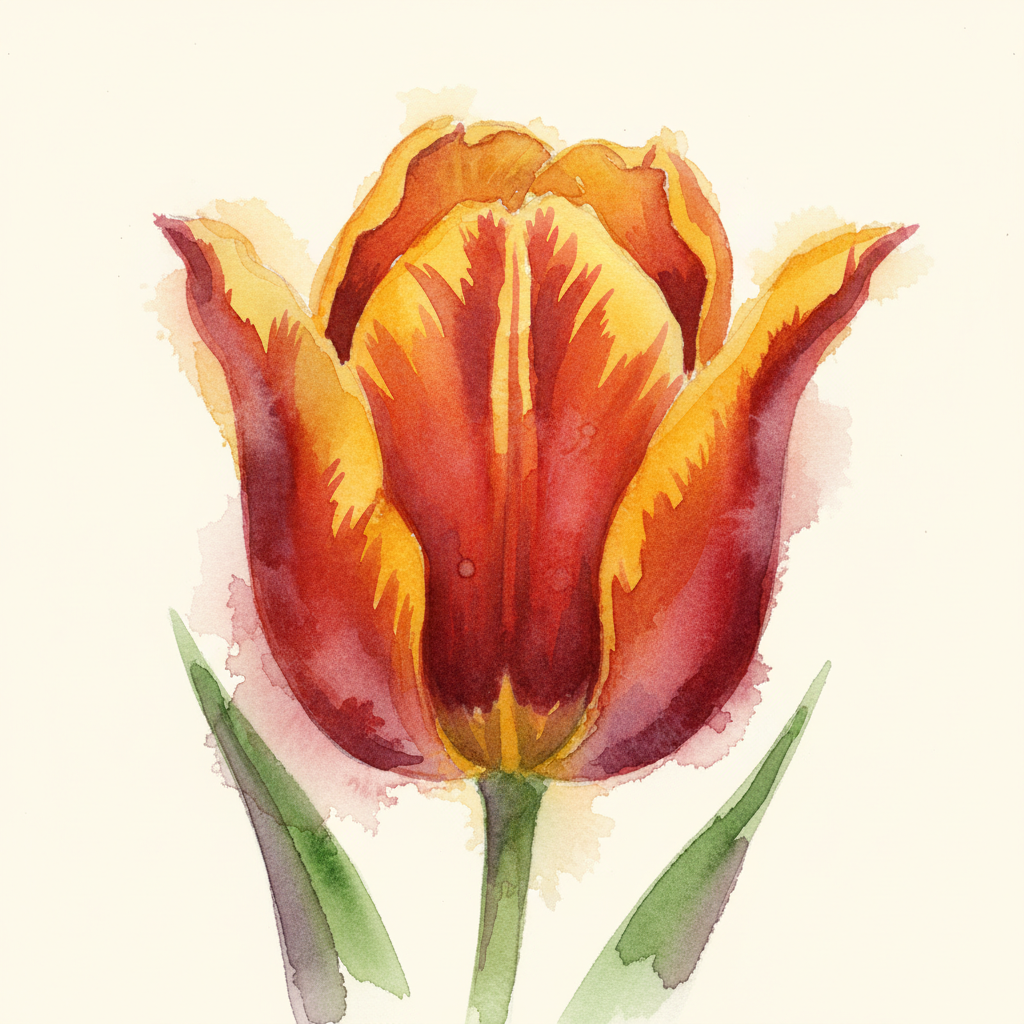
Lily-flowered tulip with pointed petals in glowing red edged with gold. Lights up the late spring border like a flame.
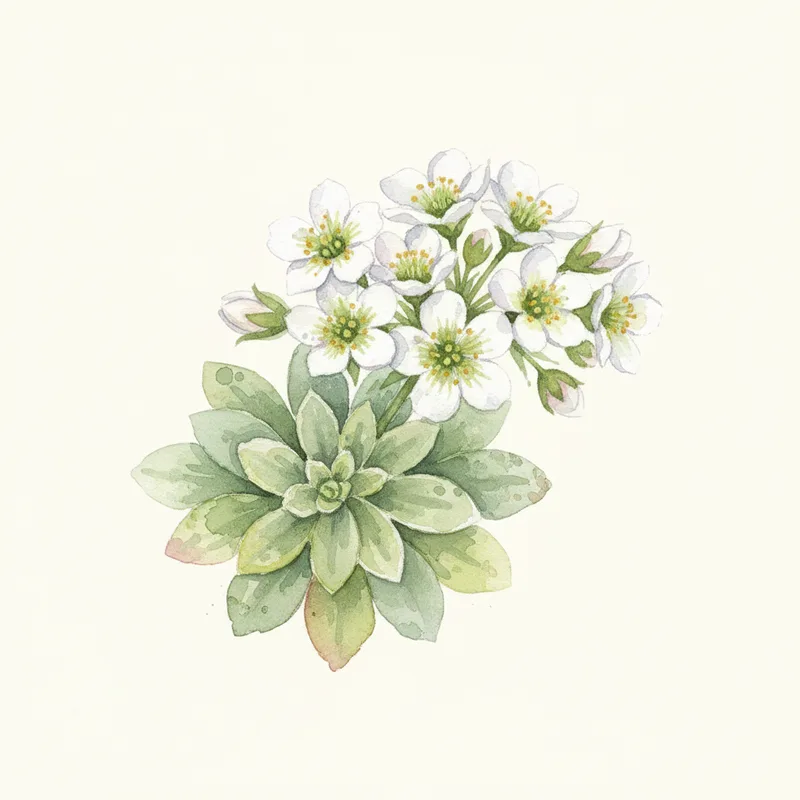
Mossy cushions dotted with dainty flowers. Tucks into rock crevices where little else will grow.
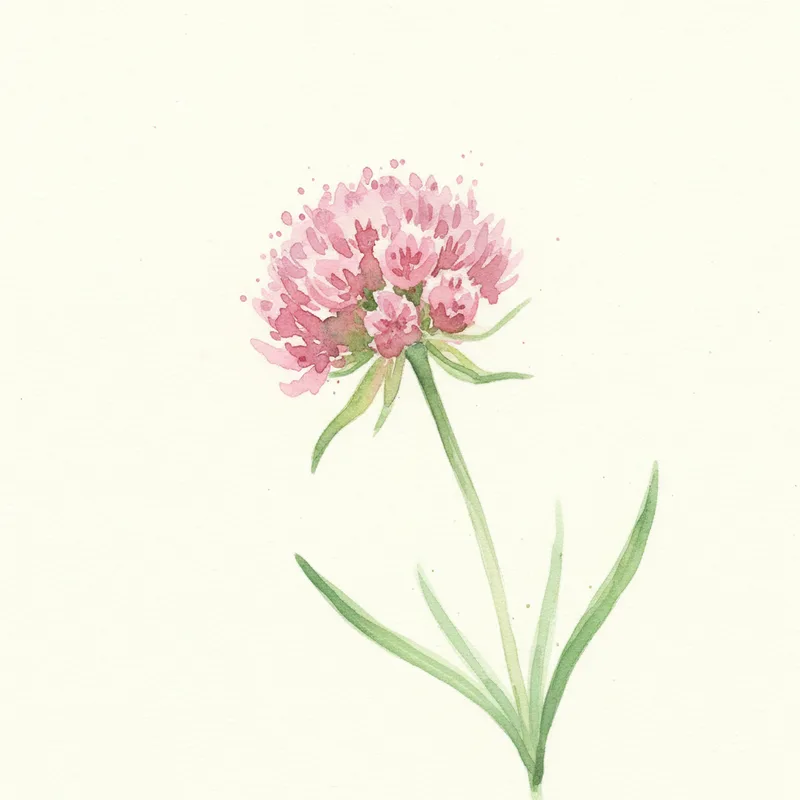
Grassy tufts topped with round pink pom-poms. Loves lean soil and coastal conditions.
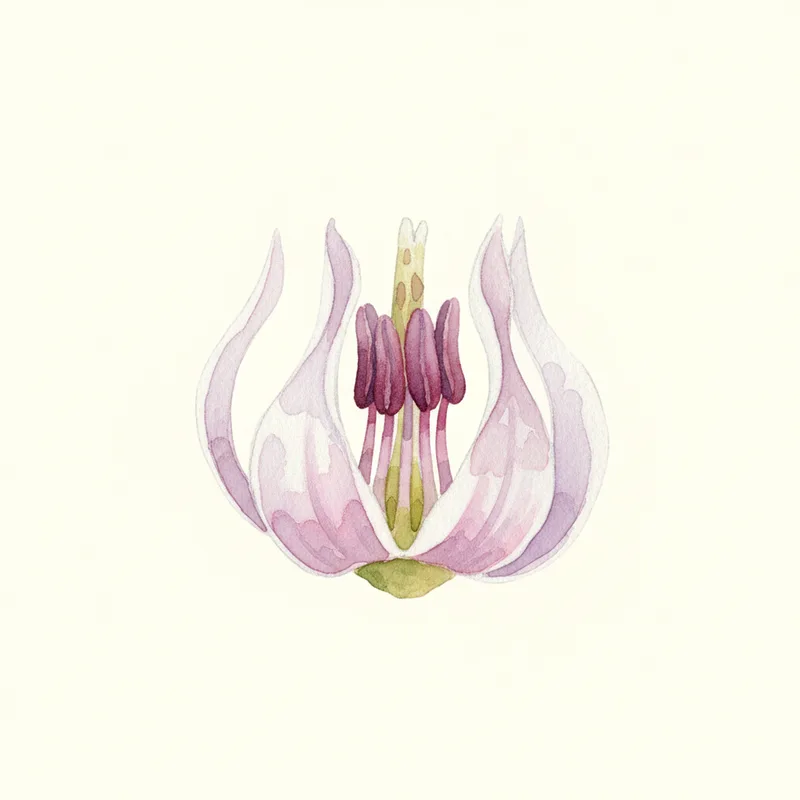
Nodding flowers with swept-back petals resemble tiny shooting stars in spring meadows.
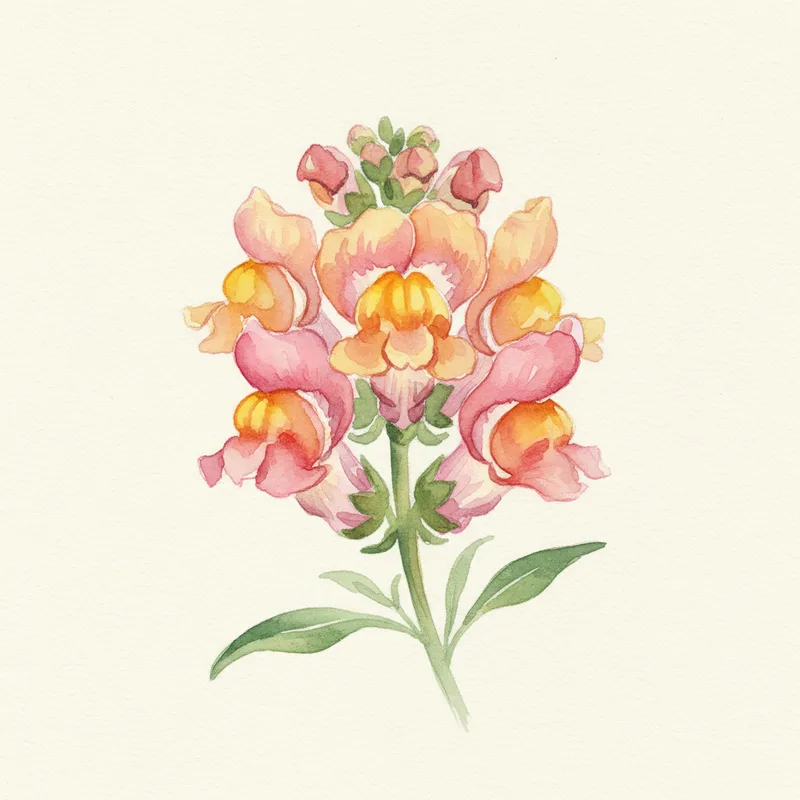
Vertical flower spikes with squeeze-open blooms. Kids love them.
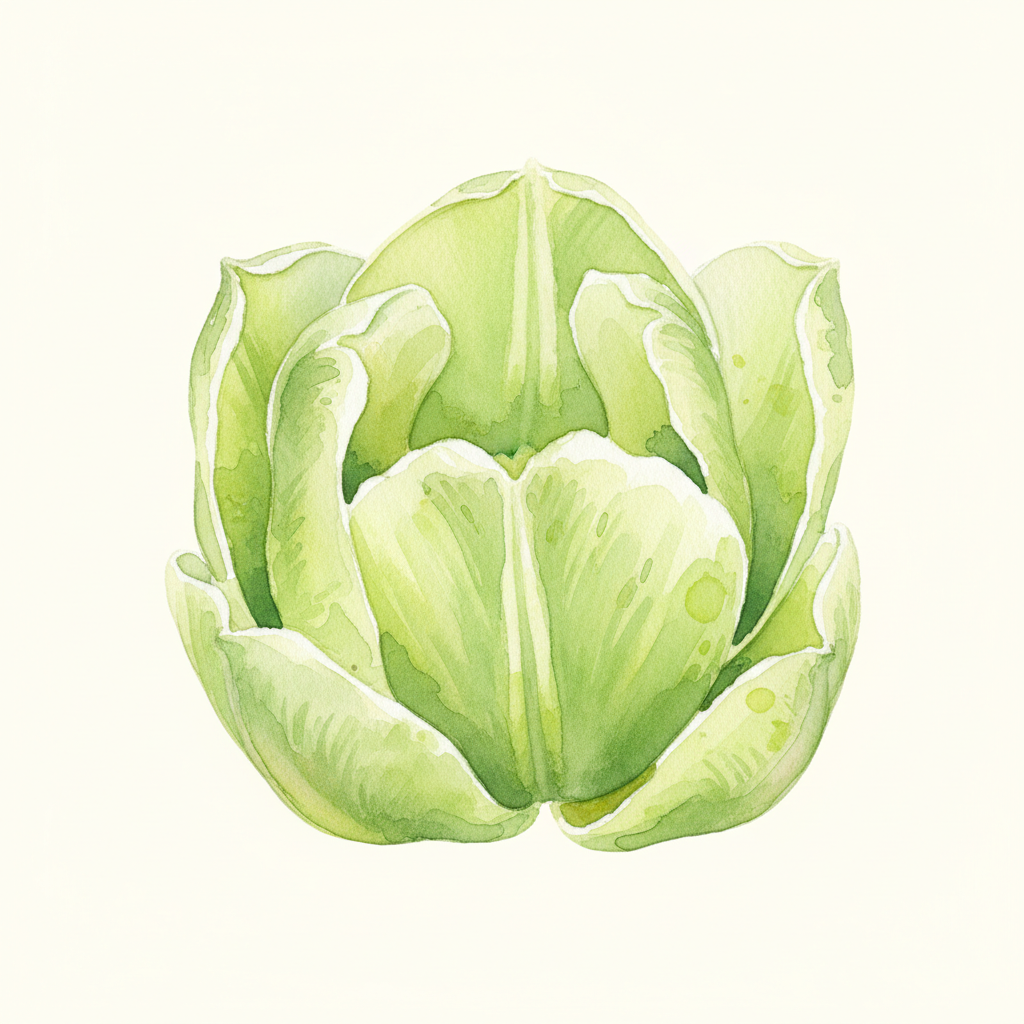
Viridiflora tulip with ivory petals brushed by a wide green flame. Florists adore it, gardens come alive with it, and it lasts for weeks.
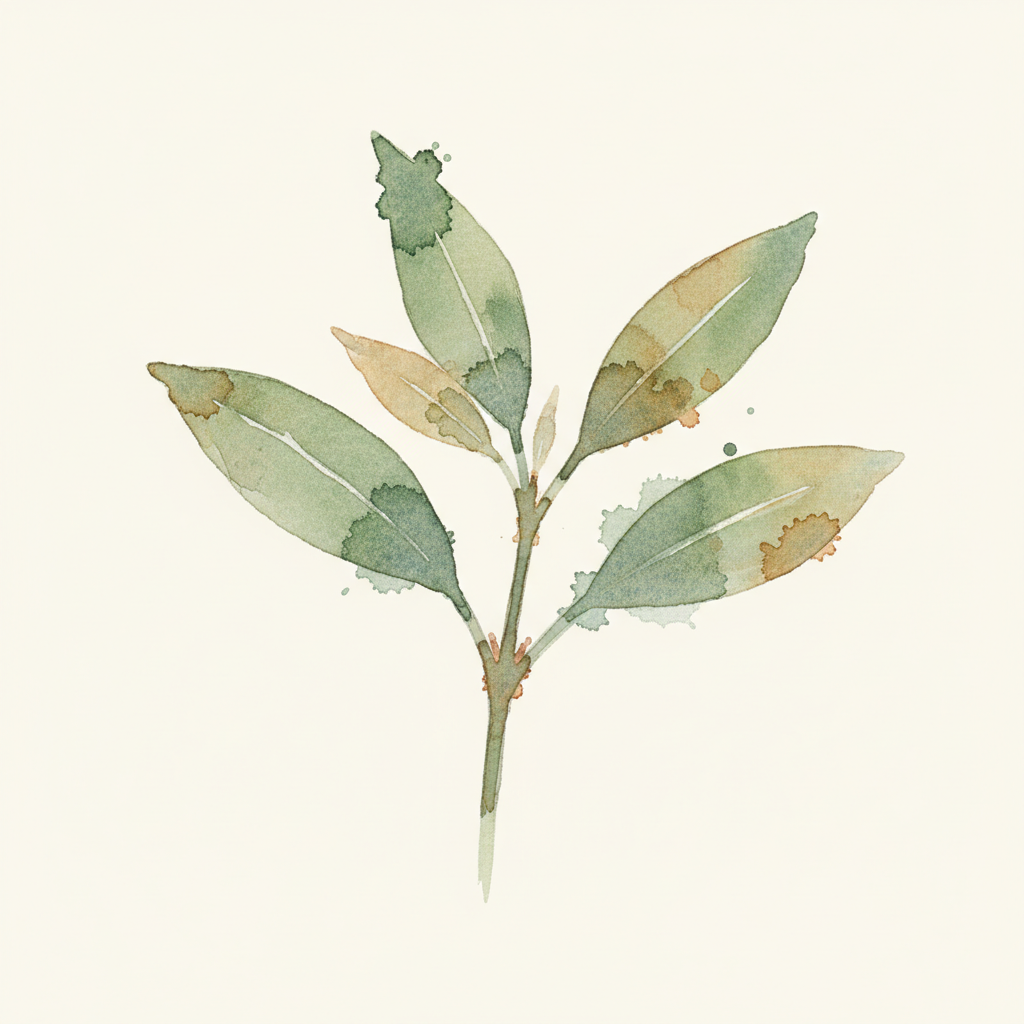
Dense spikes of clove-scented blooms in soft pastels. Cool-season cut flower that fills a room with spicy perfume.
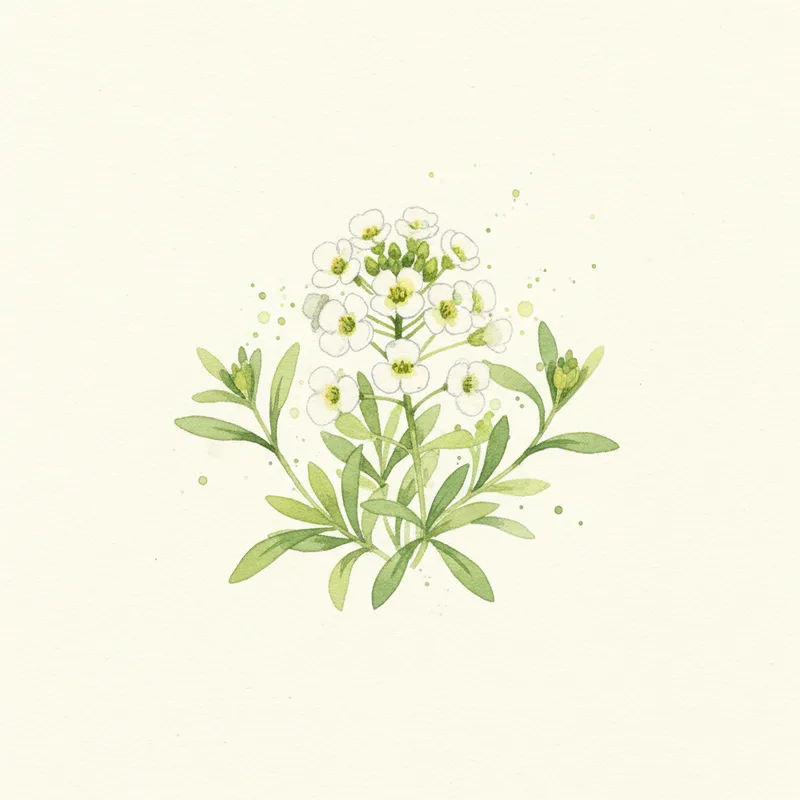
Honey-scented carpet of tiny flowers. The best living edging plant.
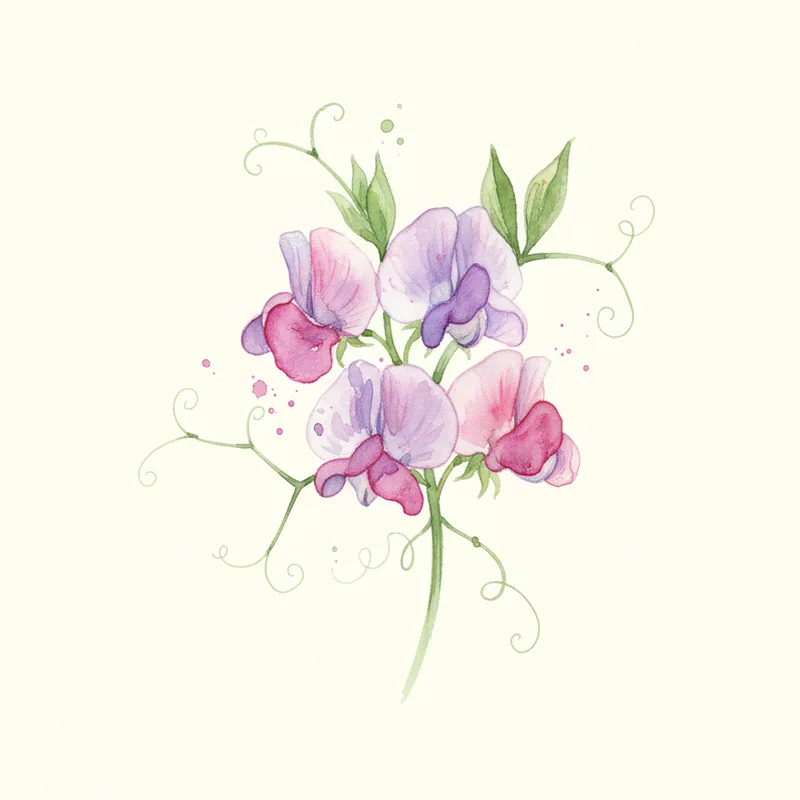
Ruffled, intensely fragrant climbing flowers in every pastel shade. Cool-season annual that hates heat.
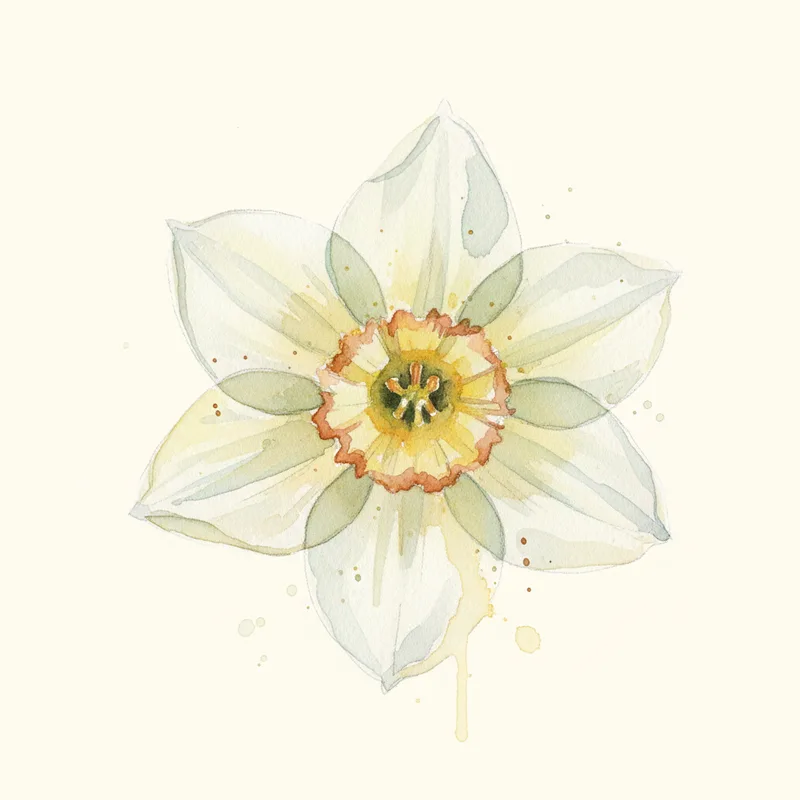
Pure white, swept-back petals with two to three blooms per stem. Orchid-like elegance.
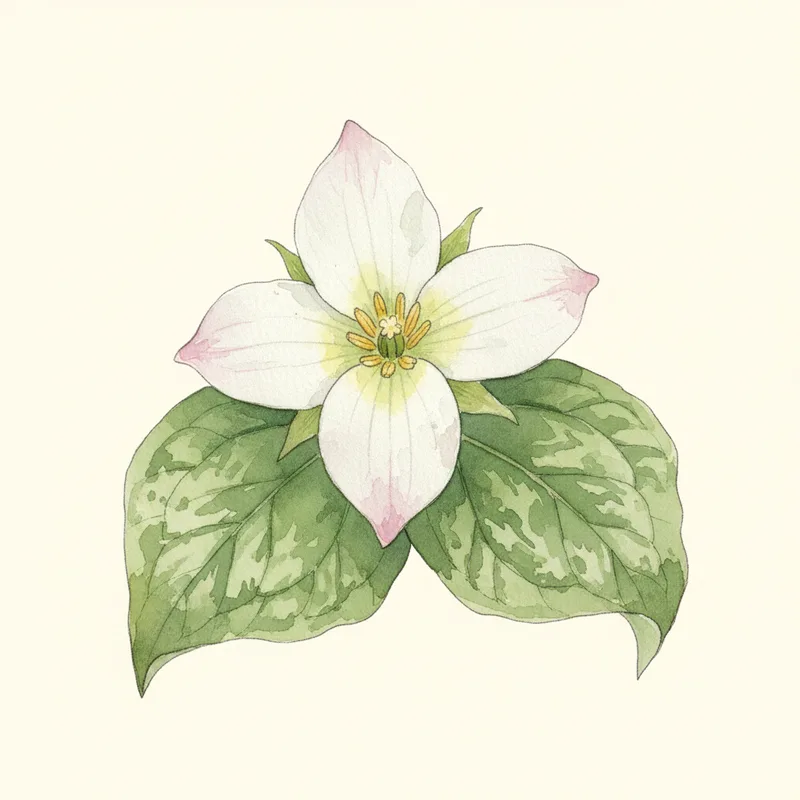
Three leaves, three petals, pure elegance. The jewel of eastern woodlands.
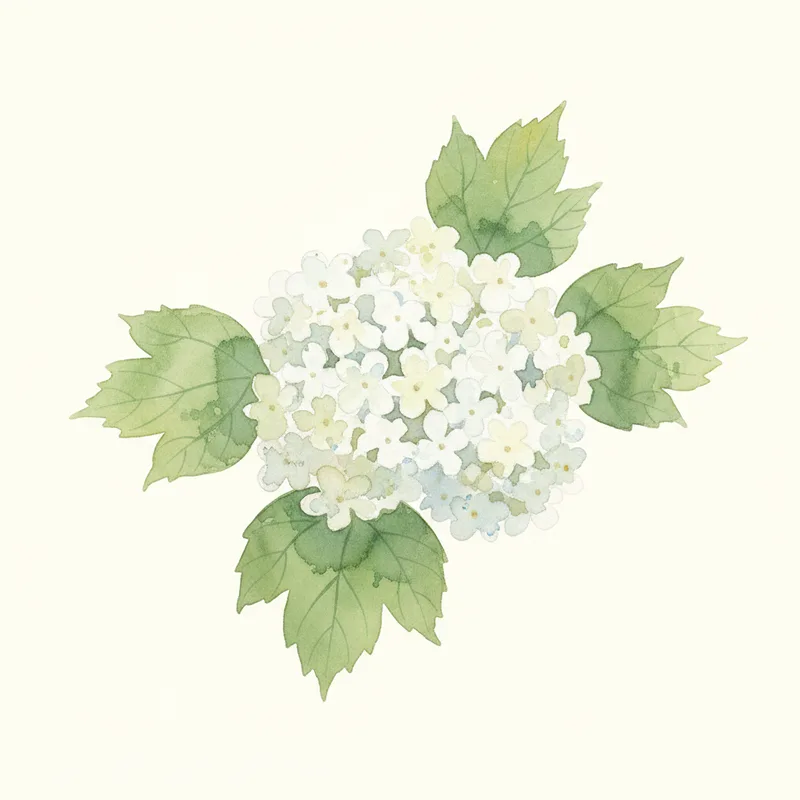
Fragrant snowball clusters in spring, then berries for birds in fall.
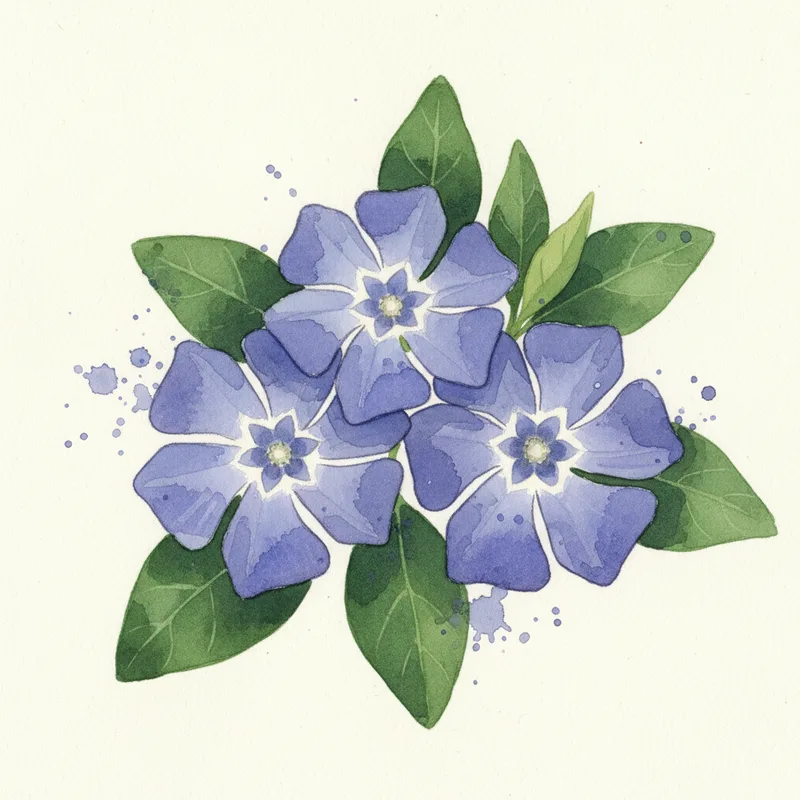
Evergreen mat with periwinkle-blue flowers. Tough shade ground cover.
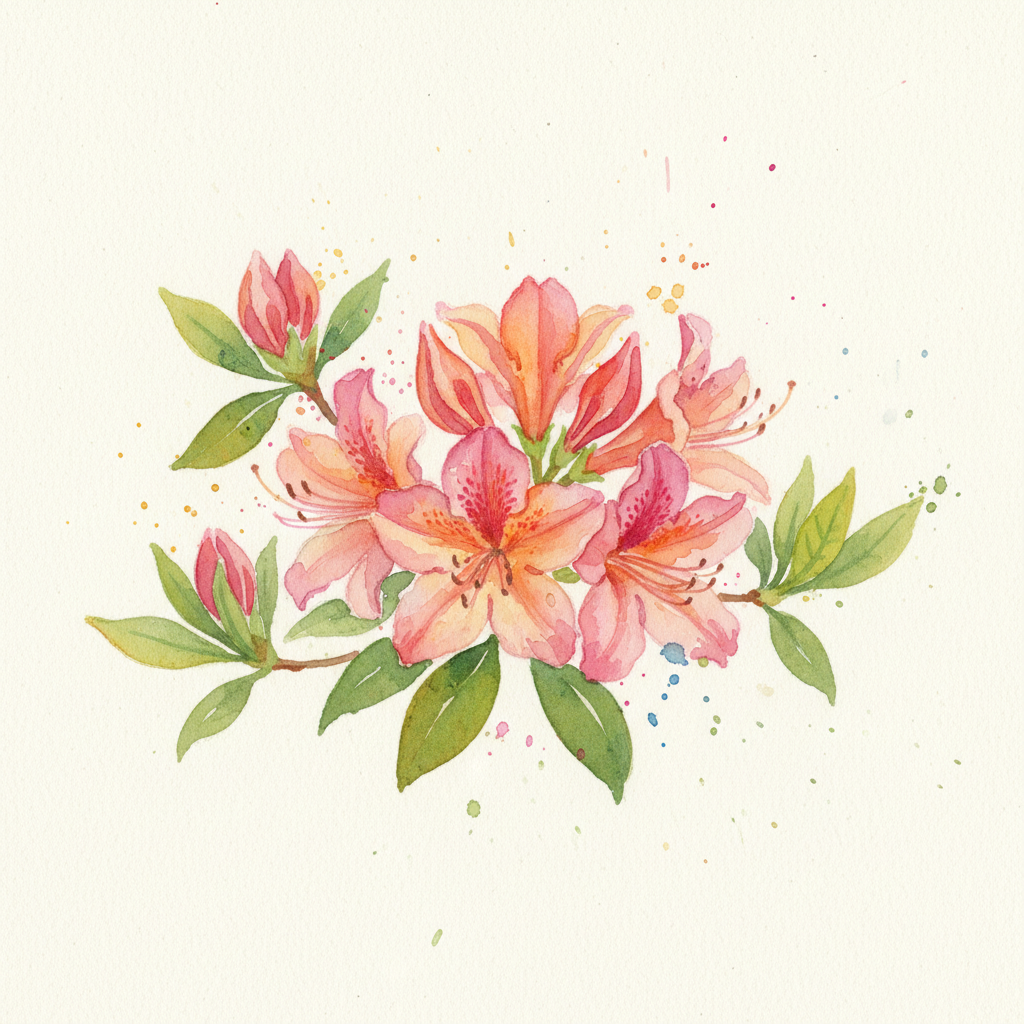
Sweetly fragrant pinwheel flowers on a deciduous native azalea that grows from New England to Georgia. Earlier and more cold-hardy than most.
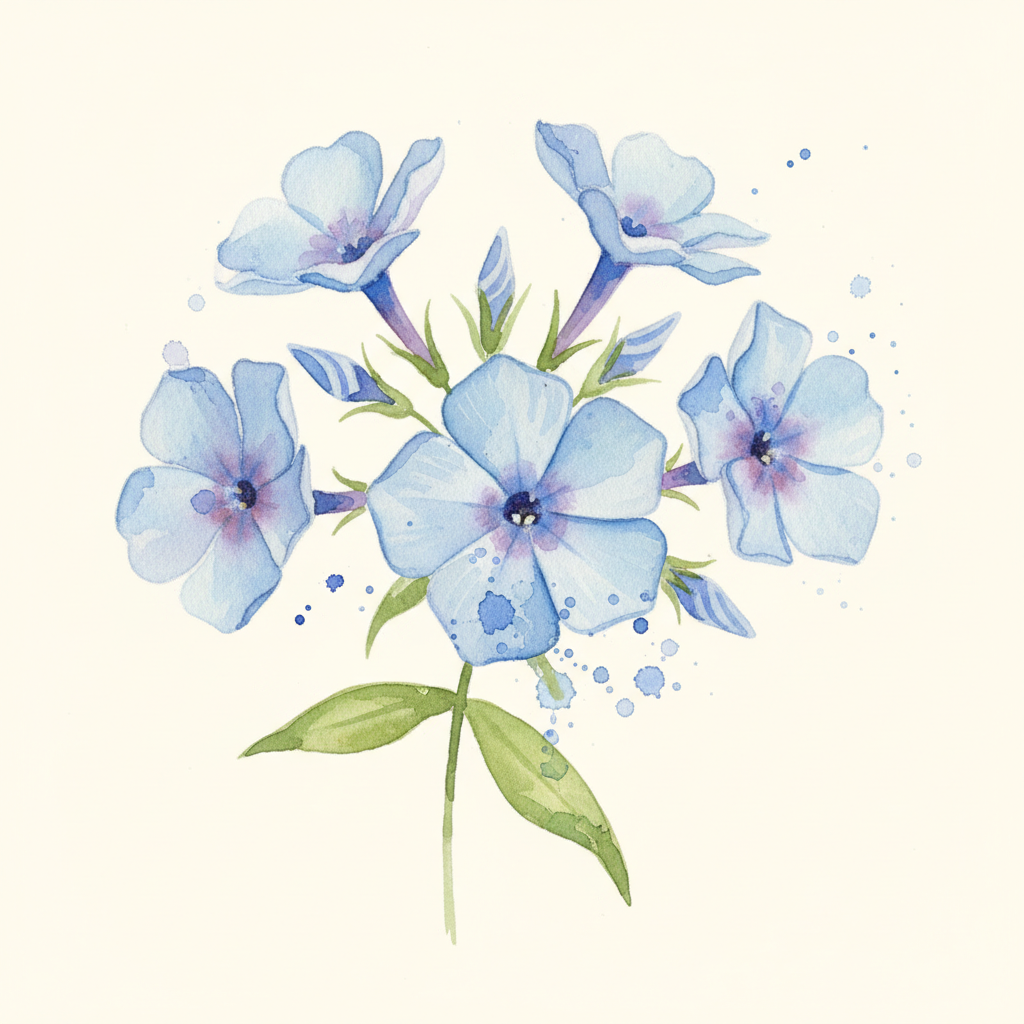
Loose clusters of sky-blue flowers float above woodland floors in spring on a fragrant, mat-forming native.
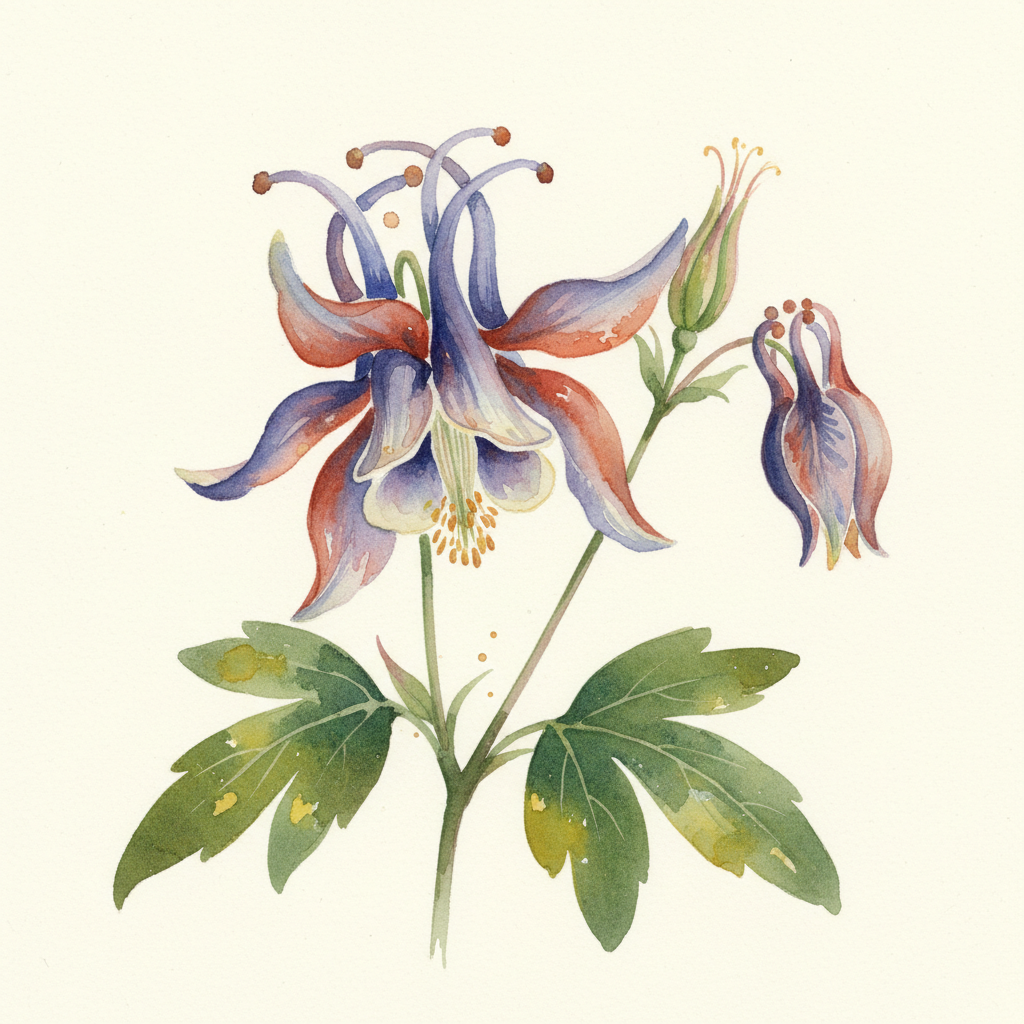
Nodding red-and-yellow spurred flowers that hummingbirds love on a self-sowing native that naturalizes along woodland edges.
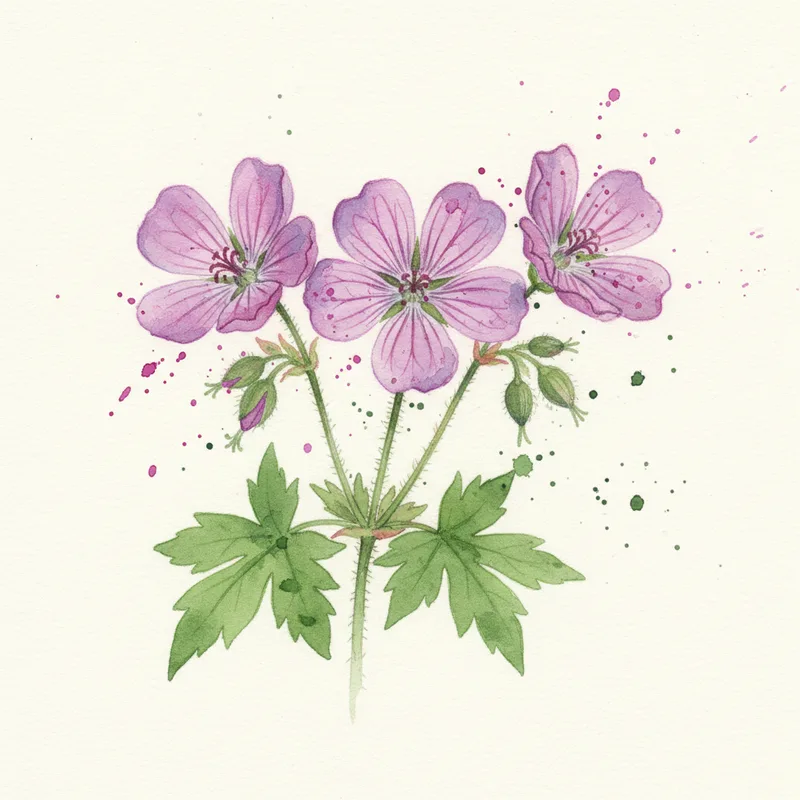
Soft pink blooms over deeply-cut foliage. A woodland edge staple.
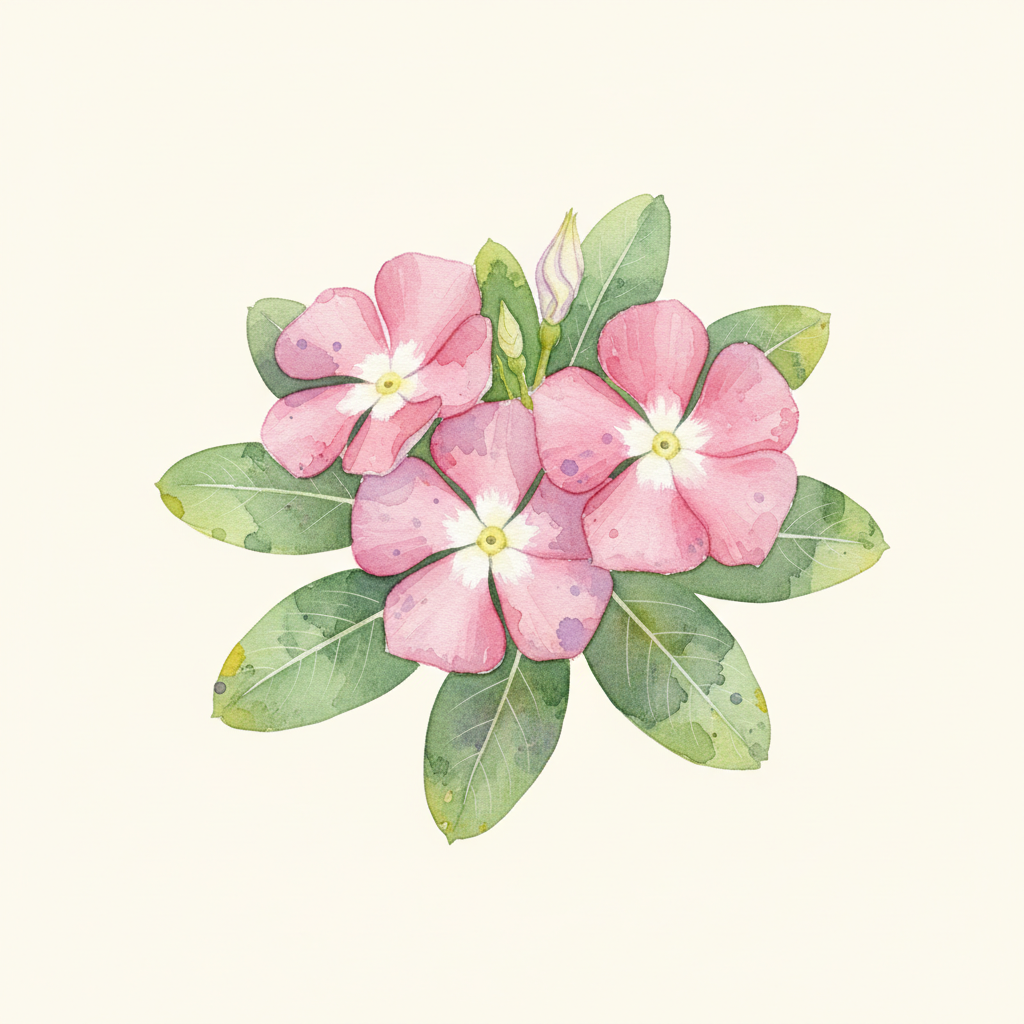
Glossy-leaved heat champion (botanically unrelated to true Vinca minor) that blooms through humidity that wilts everything else.
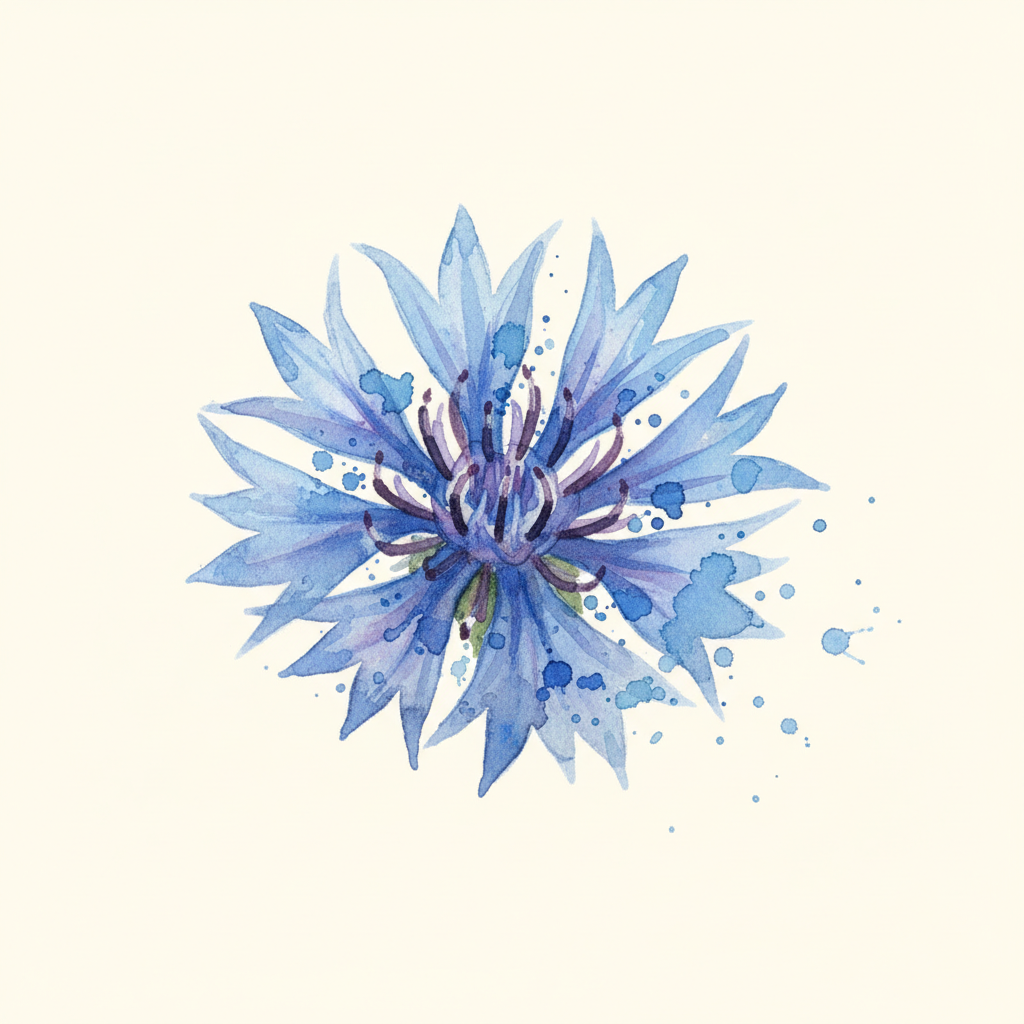
True cornflower blue that almost no other flower can match. Cottage garden classic that self-sows reliably.
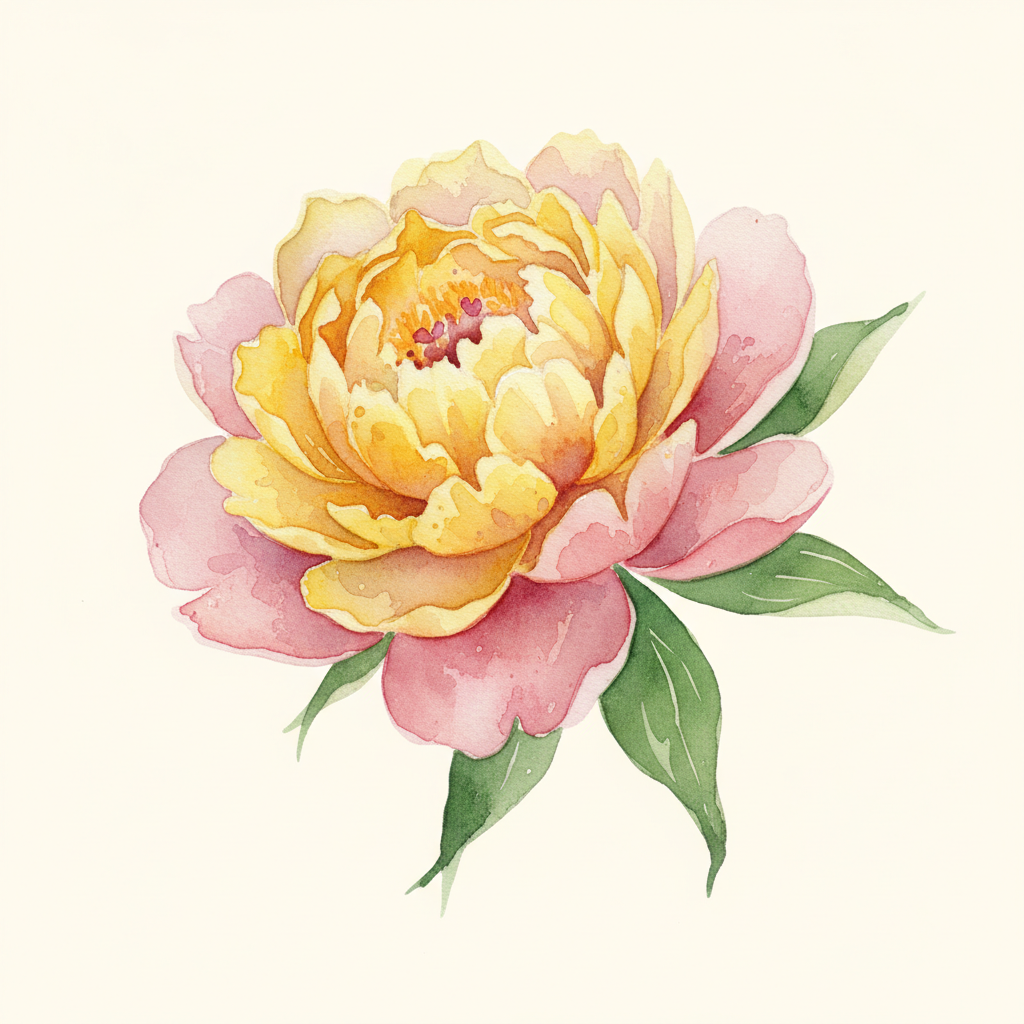
Intersectional Itoh hybrid with huge lemon-yellow double blooms and red flares at the center. Strong stems hold up to 50 flowers per plant.
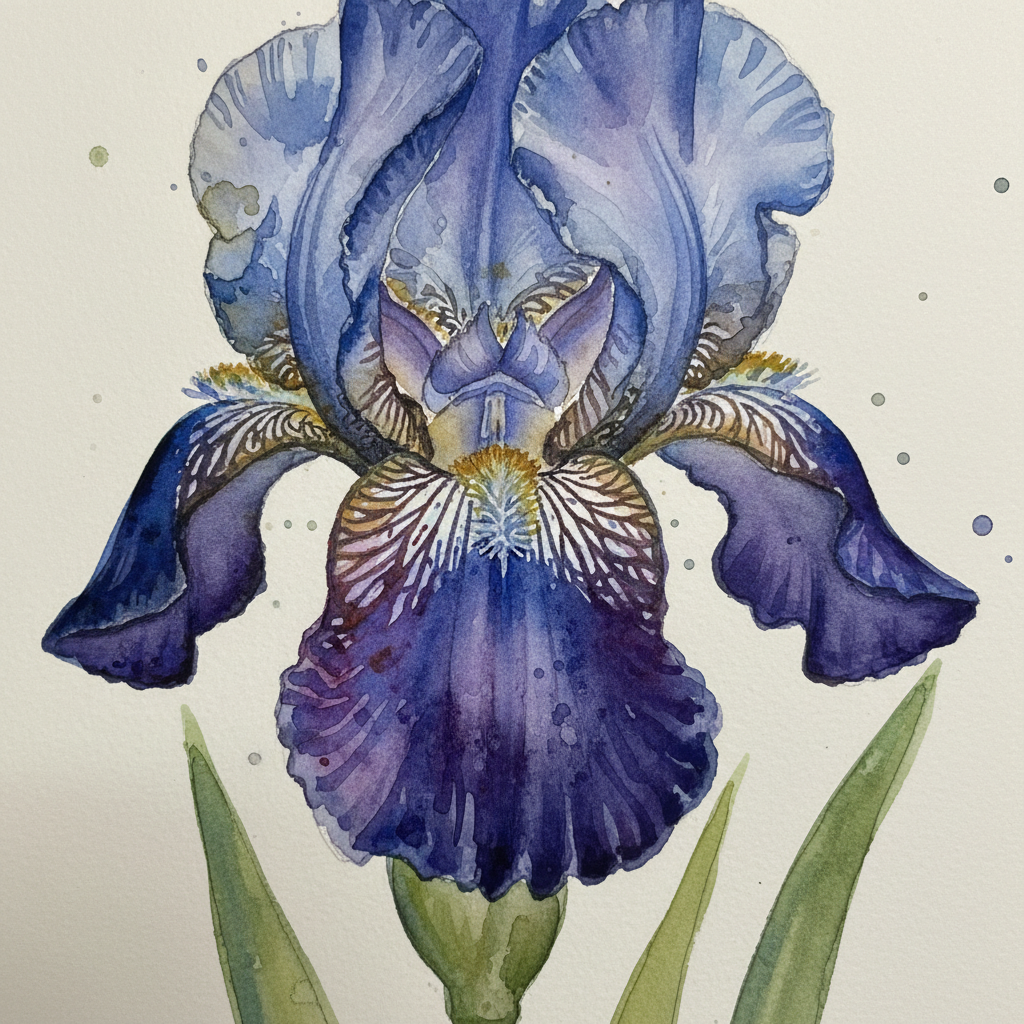
Streaked and splashed purple-and-white pattern unlike any other iris. Each bloom is unique, like brushwork on silk.
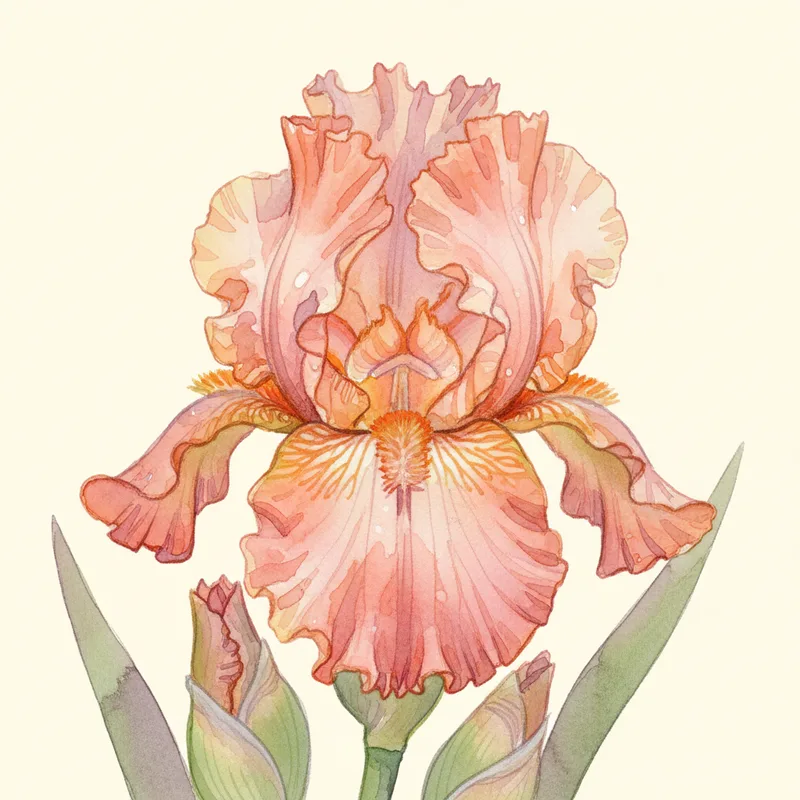
Coral-pink blooms with a tangerine beard. Named for the opera star and just as elegant.
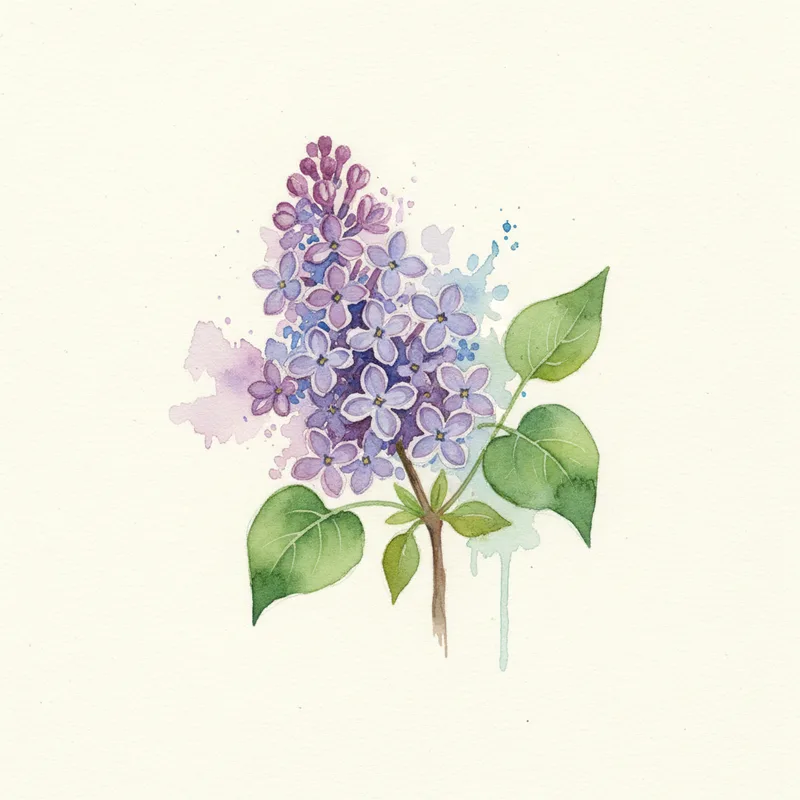
Blooms in spring, then reblooms summer through frost. Compact habit with classic lilac fragrance.
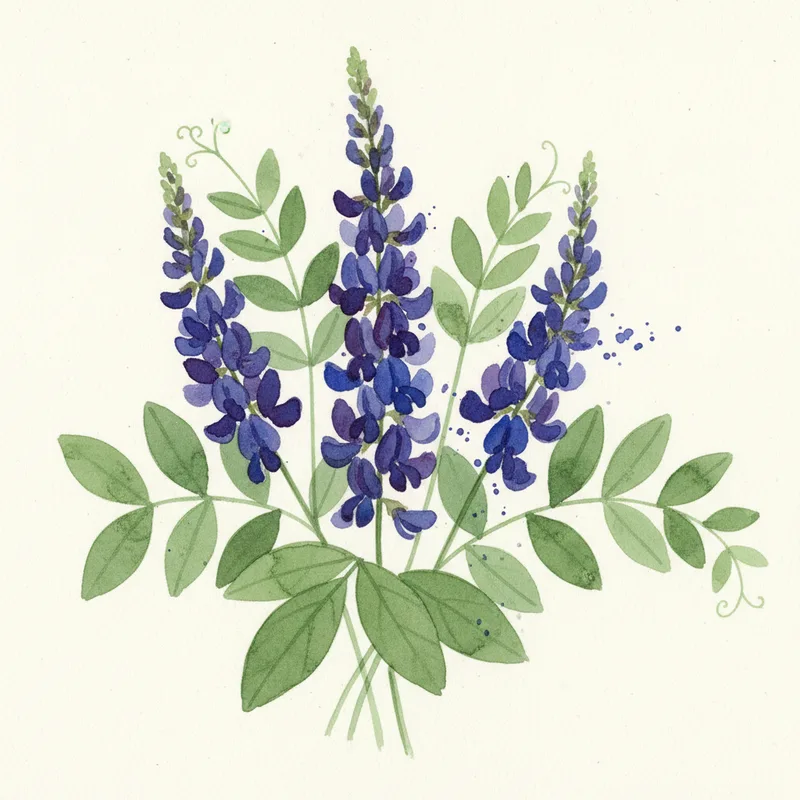
Lupine-like spikes on a native that lives forever. Gets better with age.
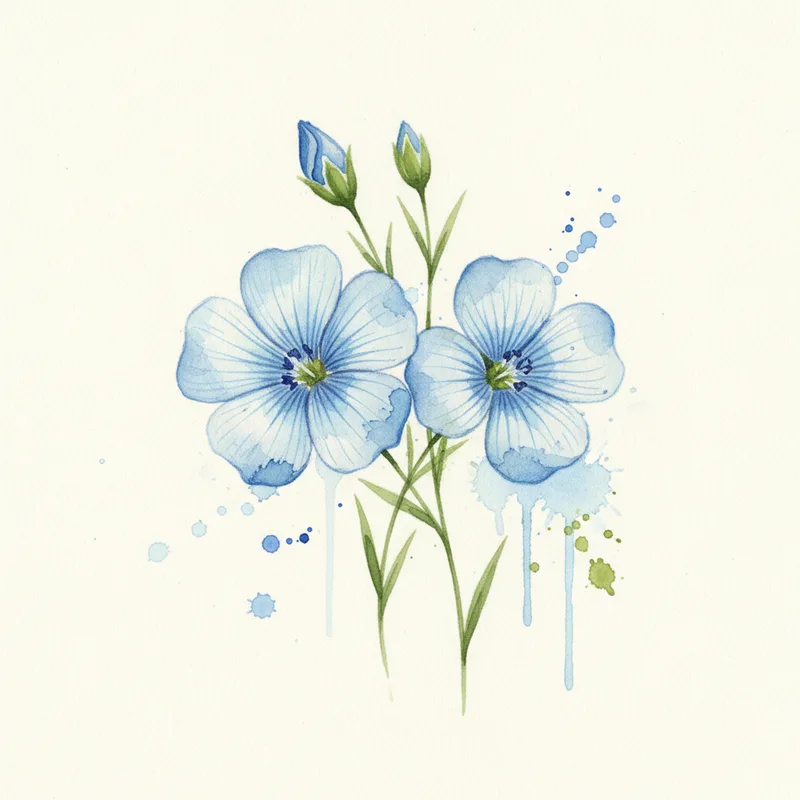
Delicate sky-blue flowers open each morning on airy stems over fine foliage.
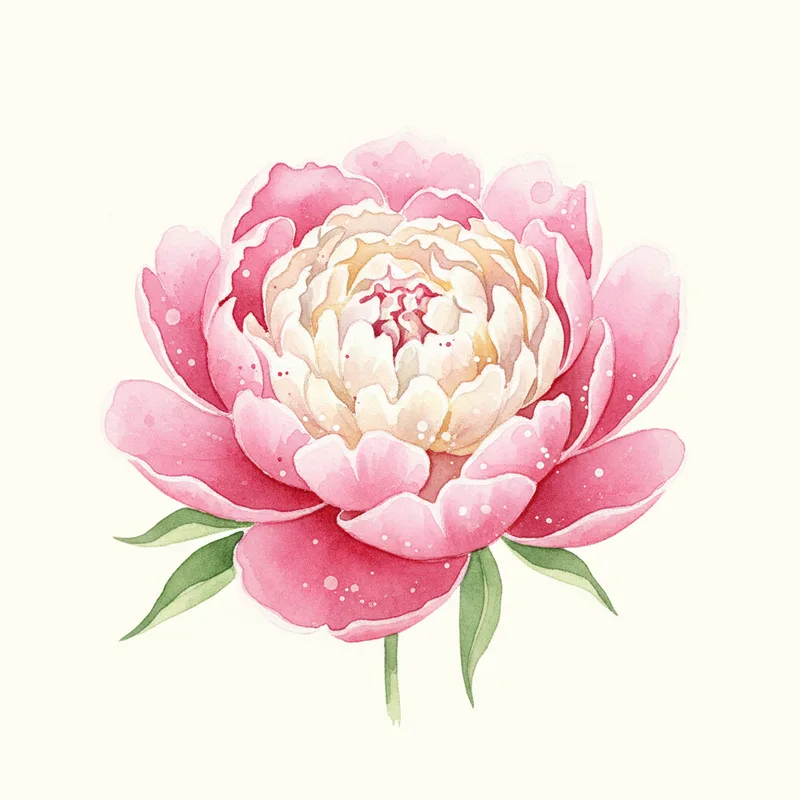
Hot pink outer petals cup a creamy center of narrow petaloids. Dramatic and unmistakable.
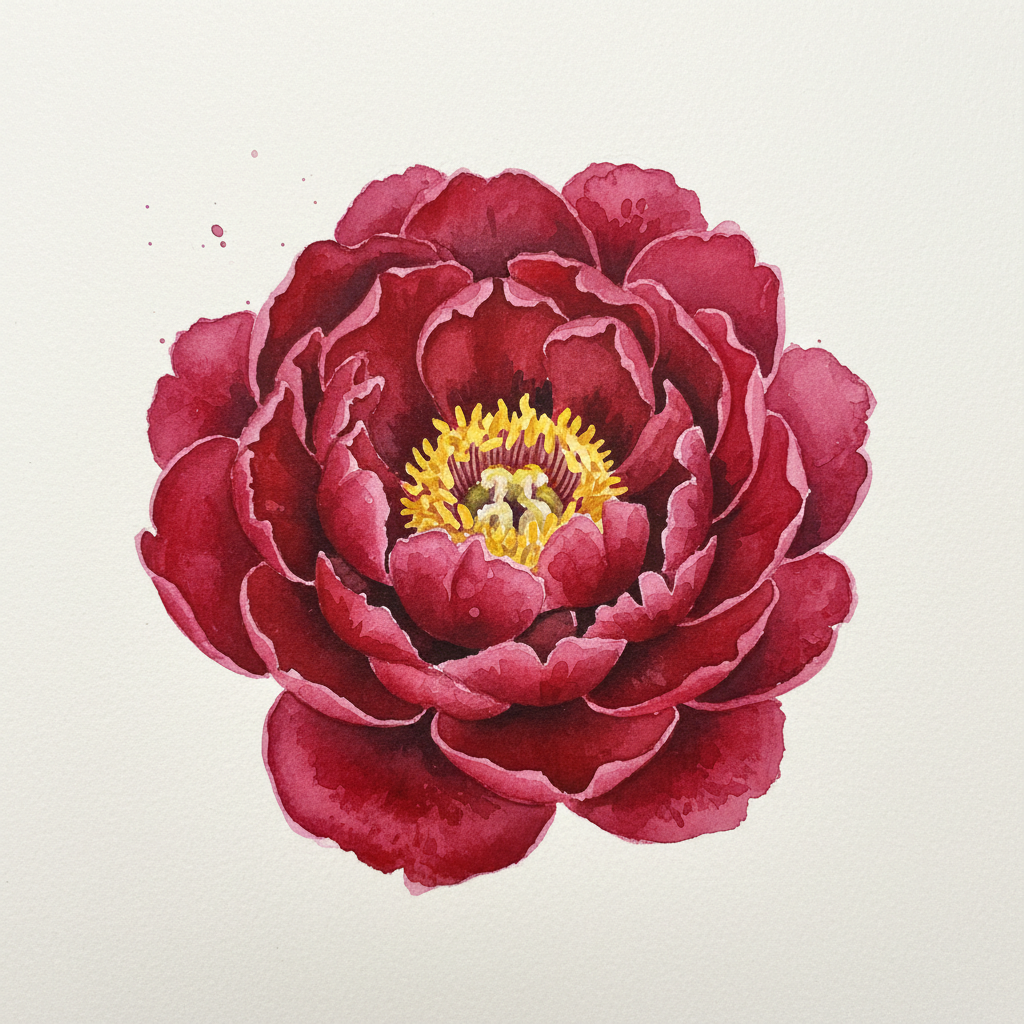
Deep maroon-black semi-double blooms with a heart of golden stamens. The most dramatic dark peony, blooming early when nothing else is open.
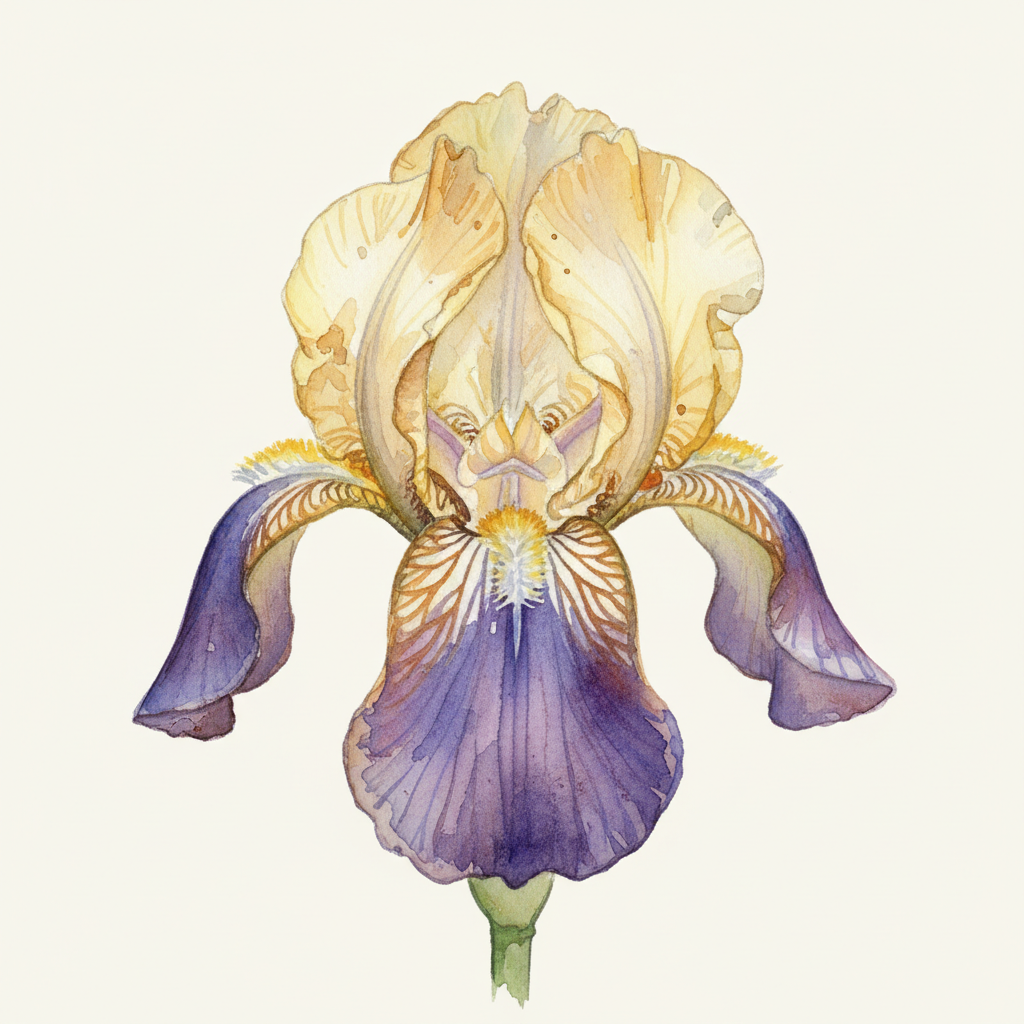
Cream-white standards over butter-yellow falls. The first dependable yellow-and-white Siberian iris ever introduced.
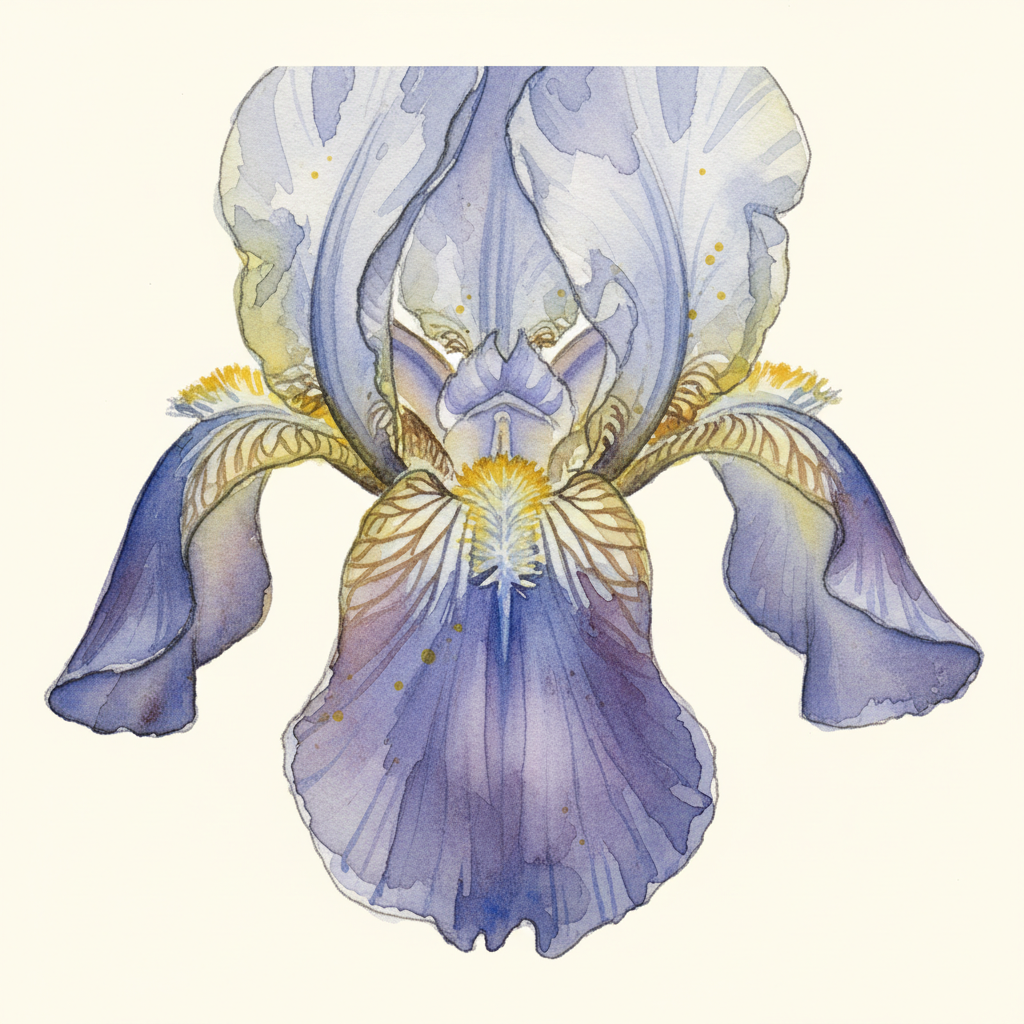
Tall stems hold rich violet-blue flowers above grassy foliage. The Siberian iris benchmark, blooming earlier and longer than bearded types.
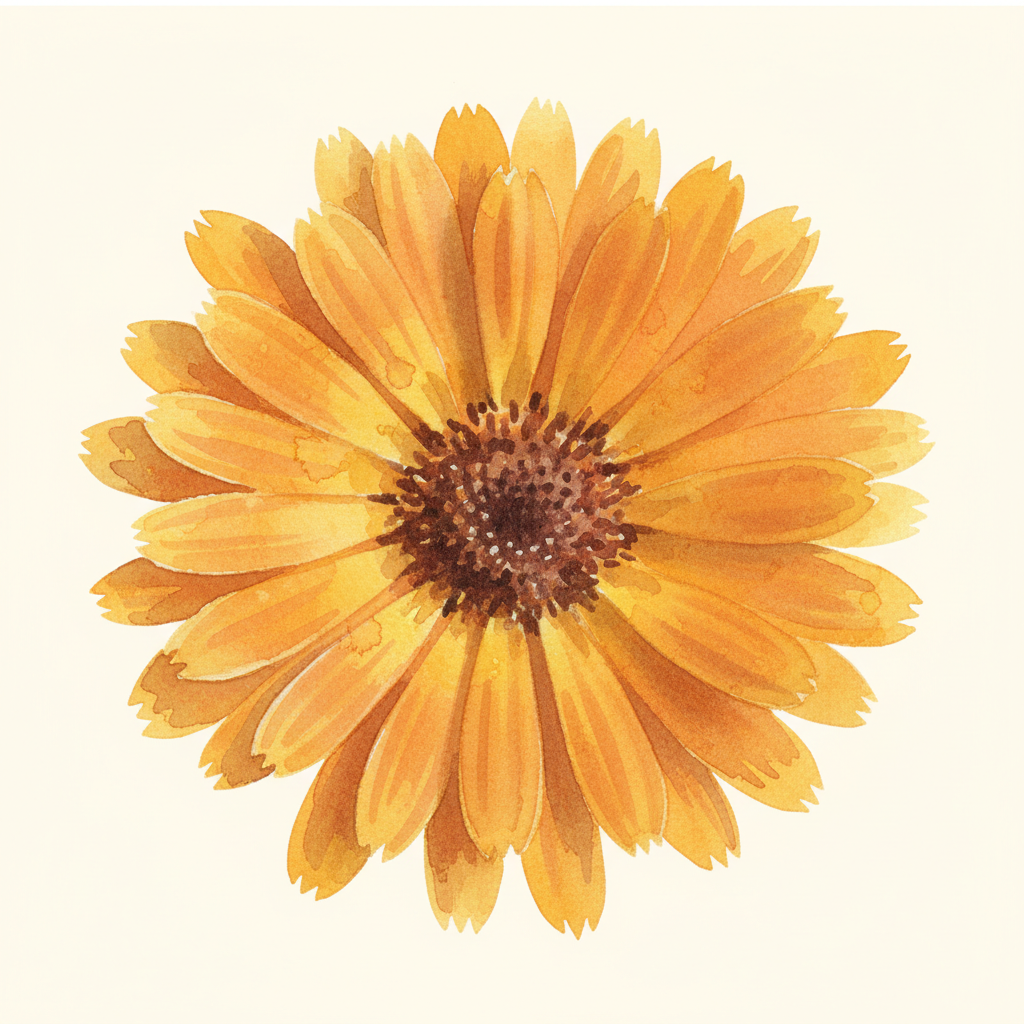
Bright daisy-like blooms in pumpkin orange and gold. Edible petals brighten salads and the plant keeps blooming through cool weather.
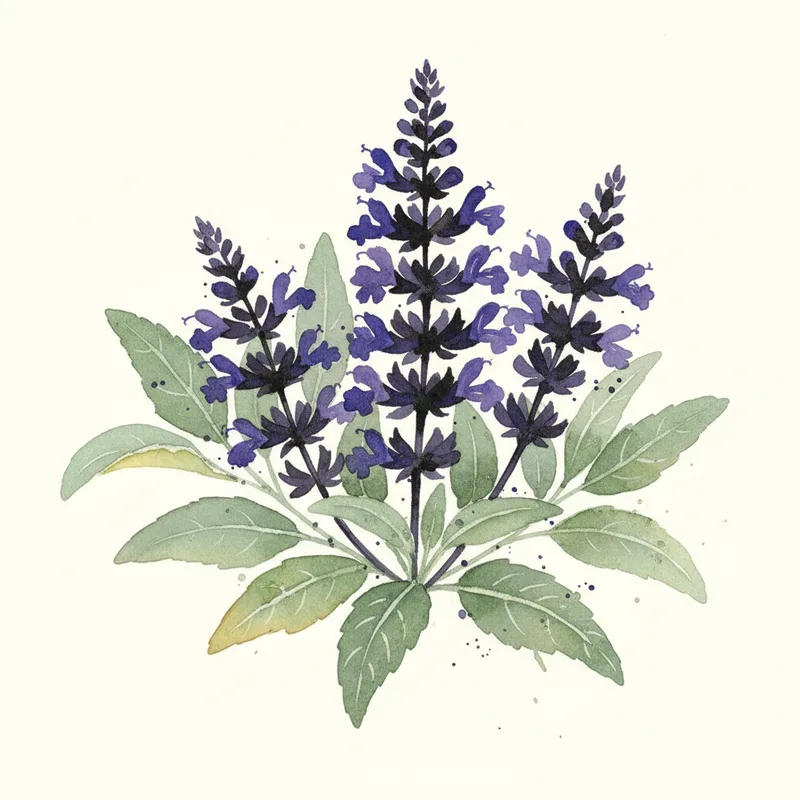
Dark purple stems set this apart from every other salvia. Vertical, architectural, electric.
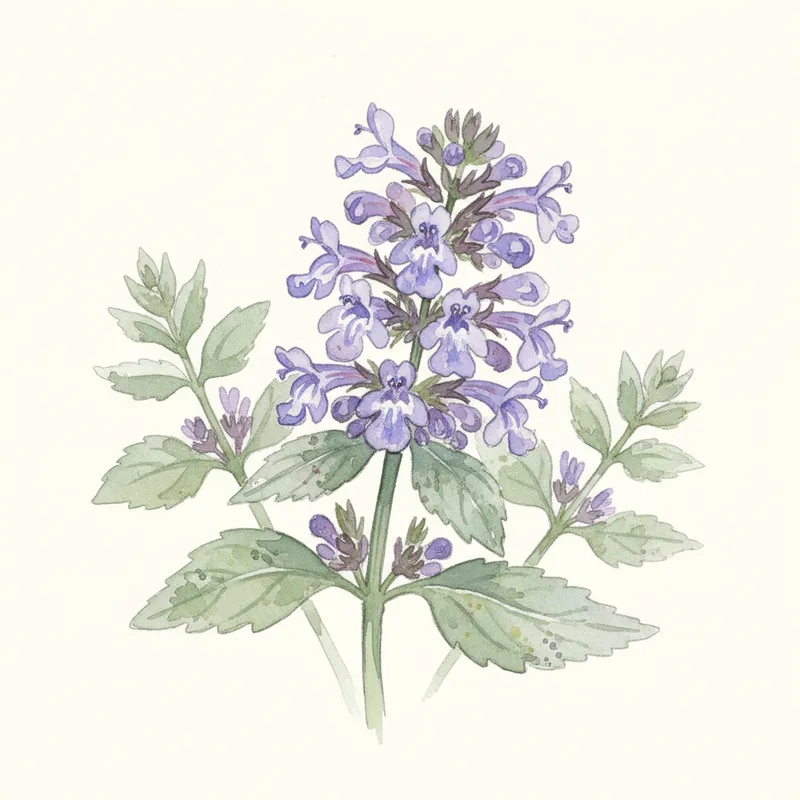
Tidy, dome-shaped habit that never flops open. Stays compact without shearing.
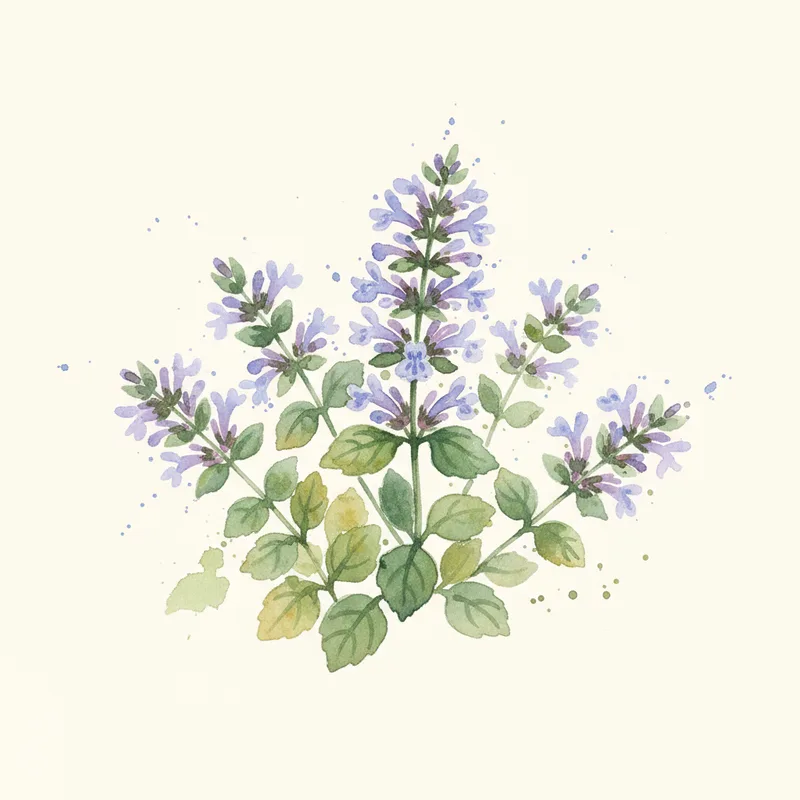
Billowy lavender-blue haze that blooms all season if you shear it back.
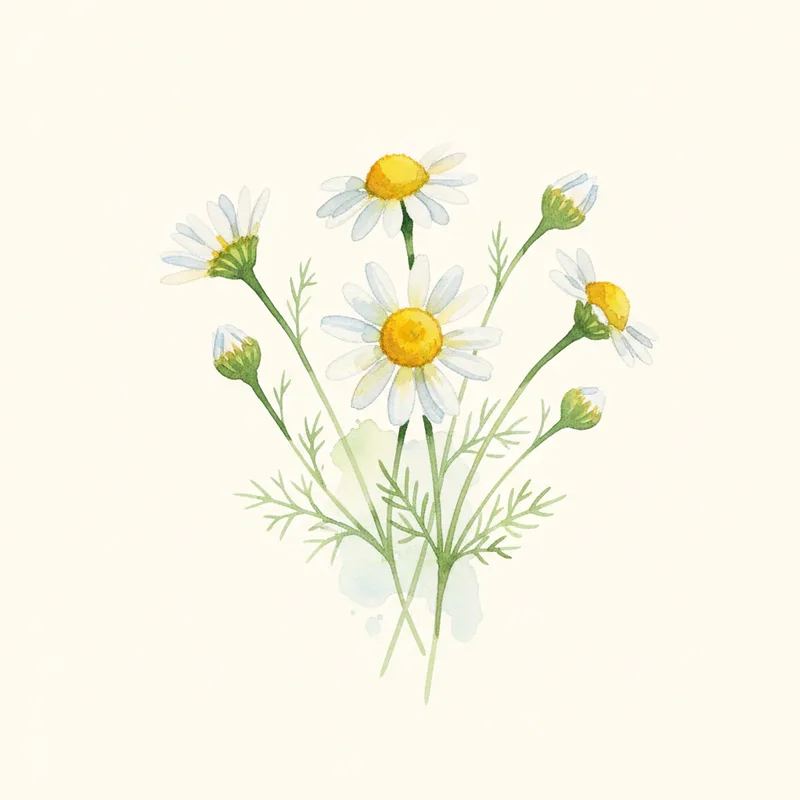
Tiny daisy flowers with apple-scented foliage. Brew into tea or let it naturalize between pavers.
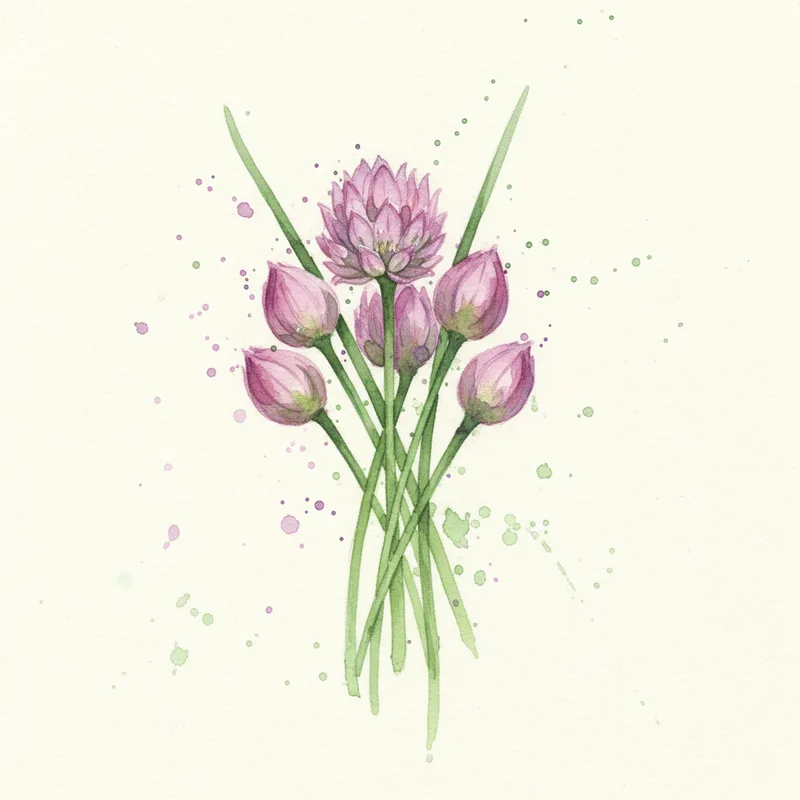
Cheerful purple pom-pom flowers on a kitchen staple. Edible blooms make any salad Instagram-worthy.
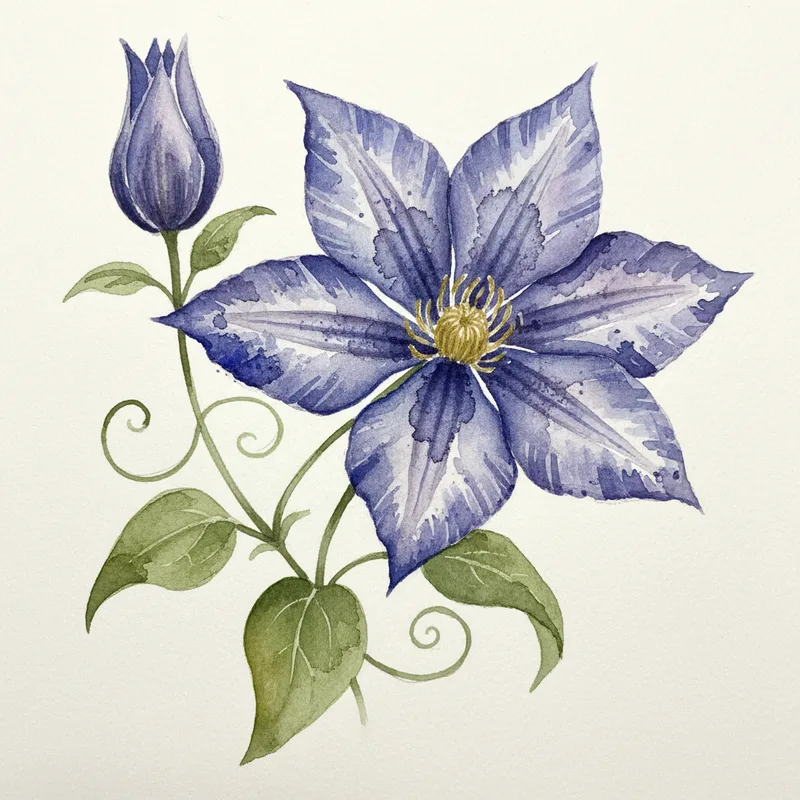
The queen of flowering vines. Over 300 species, something for every spot.
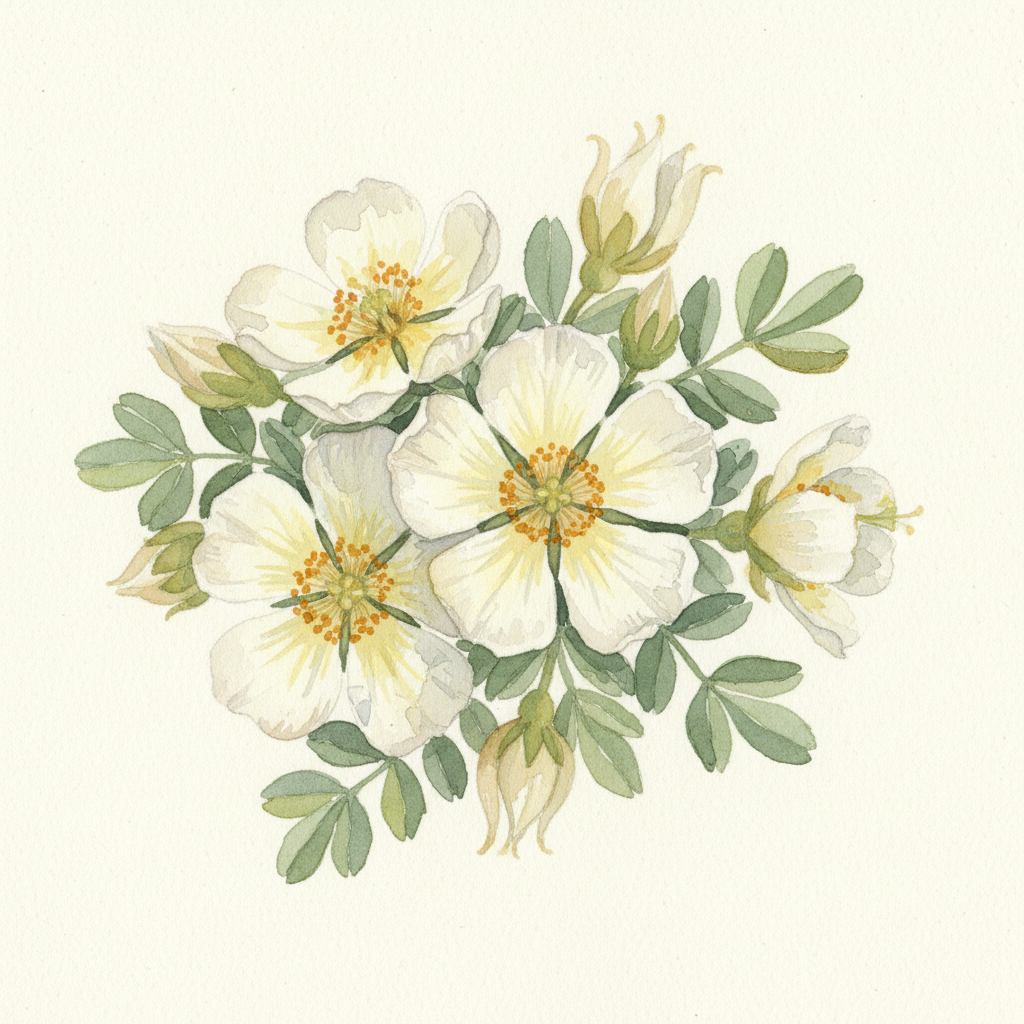
Creamy white rose-like flowers with sweet fragrance and feathery seed plumes on a tough Rocky Mountain native.
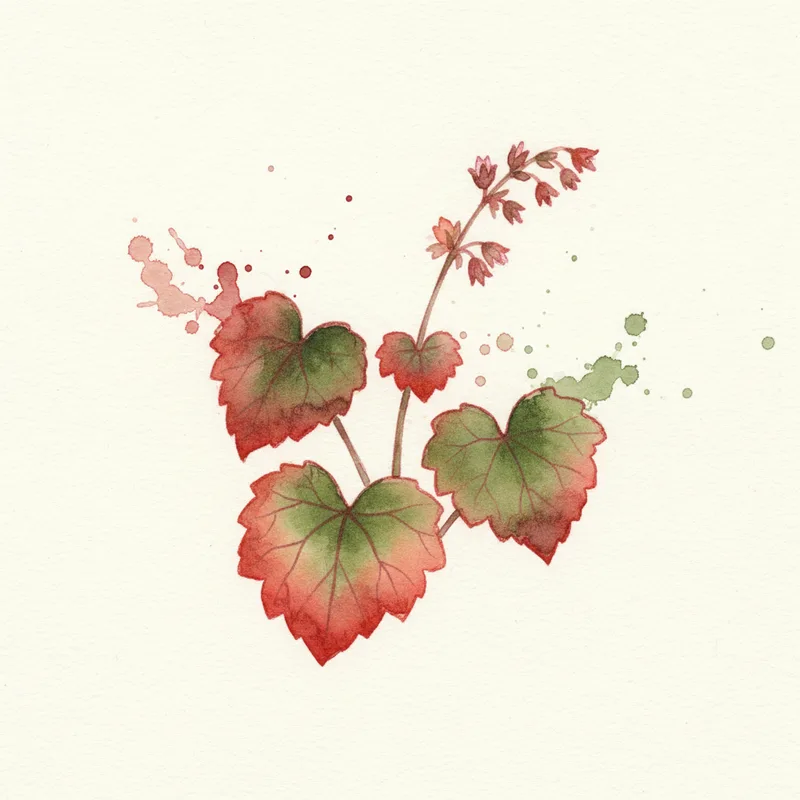
Grown mostly for dramatic foliage, but the tiny bell flowers are a bonus.
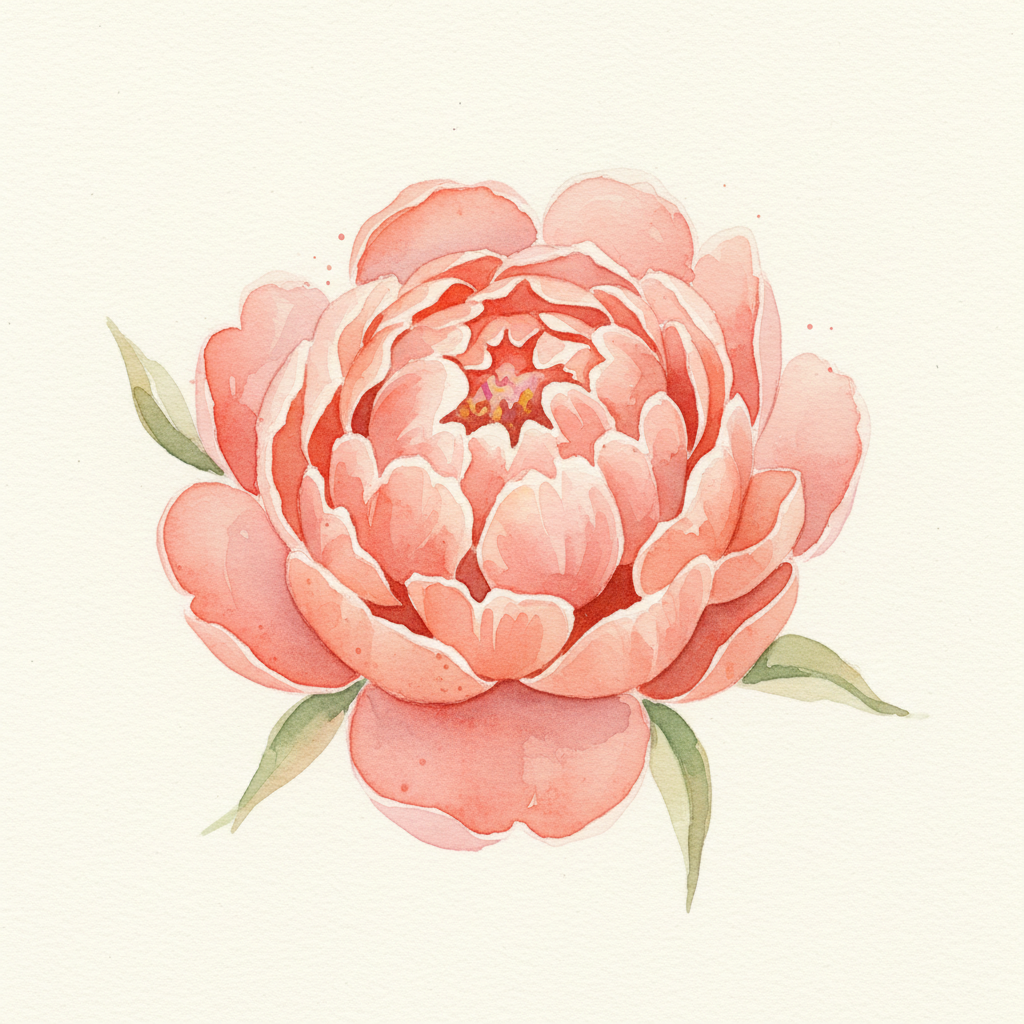
Semi-double blooms open vivid coral-peach, age through apricot, and fade to soft butter cream. A color shift unlike any other peony.
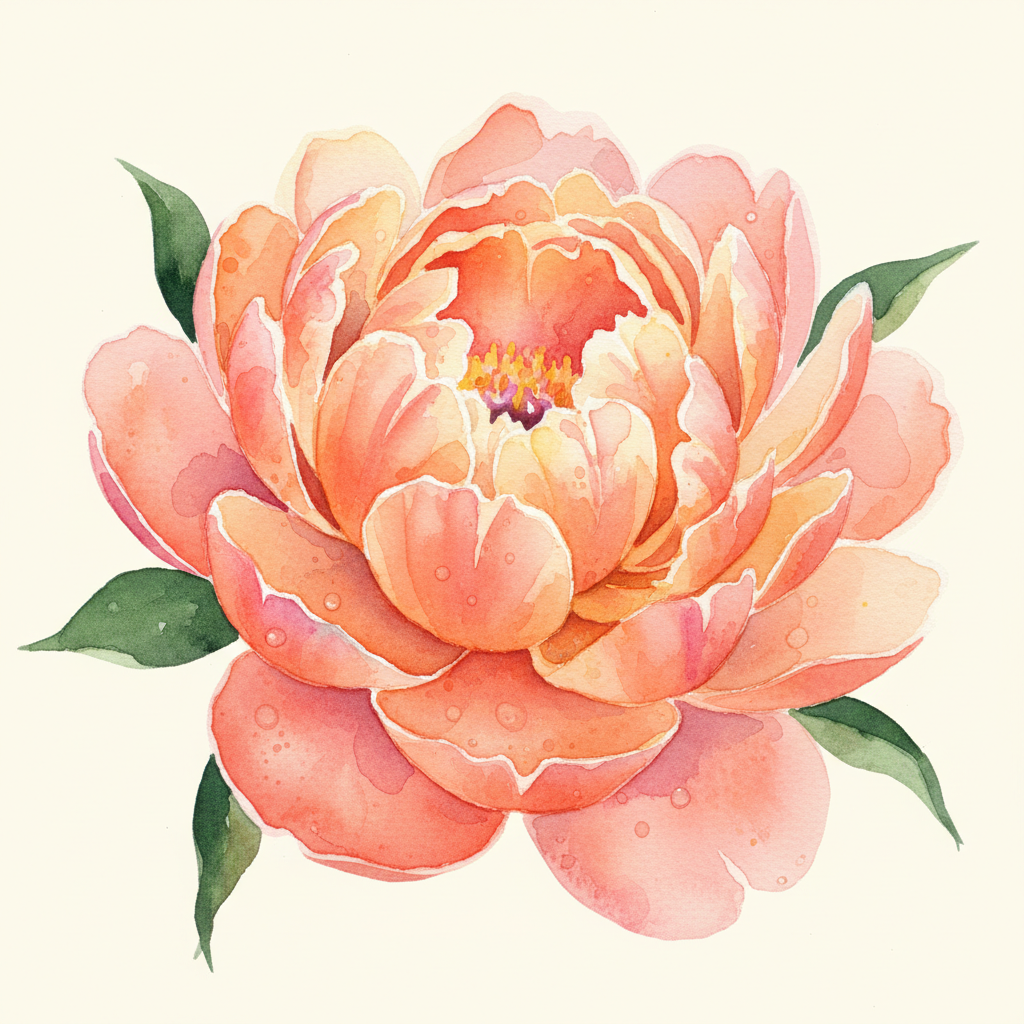
Deeper, longer-lasting coral than Coral Charm with semi-double form. The flowers hold their warm tones for nearly two weeks.
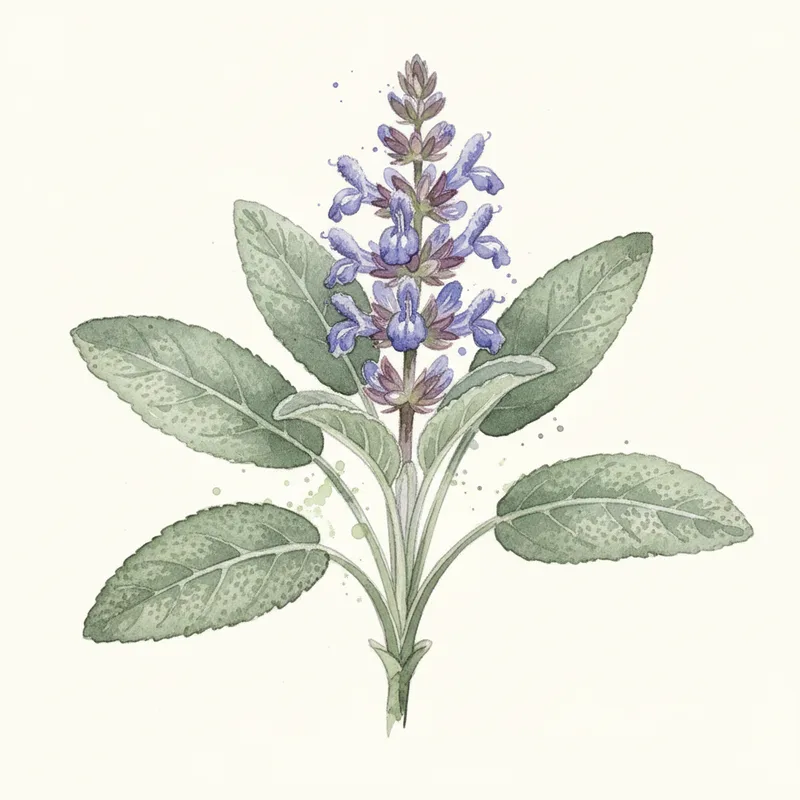
Spiky purple blooms above silver-green aromatic foliage. A kitchen herb that doubles as an ornamental.
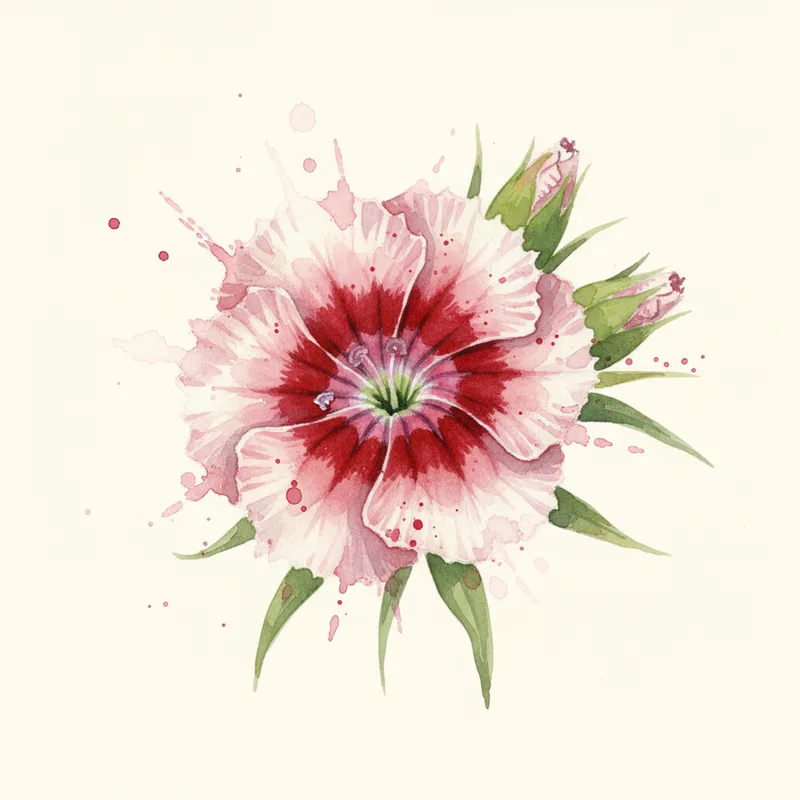
Spicy clove-scented pinks with fringed petals in pink, red, white, or salmon, one of the best long-blooming edgers and front-of-border perennials for sun.
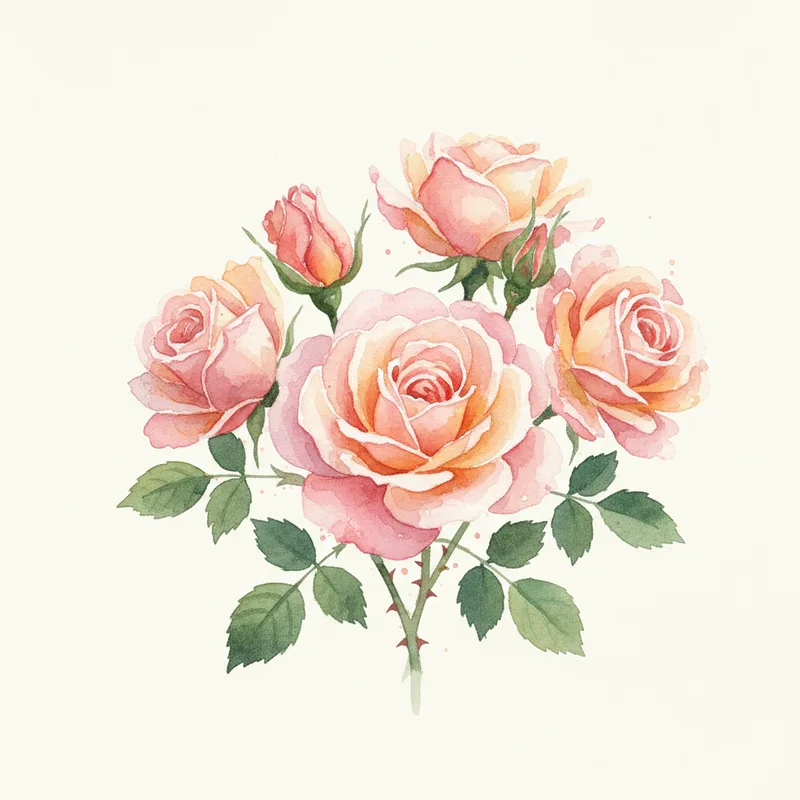
Groundcover rose that stays low and spreads wide. Tough, disease-resistant, and constantly in bloom.
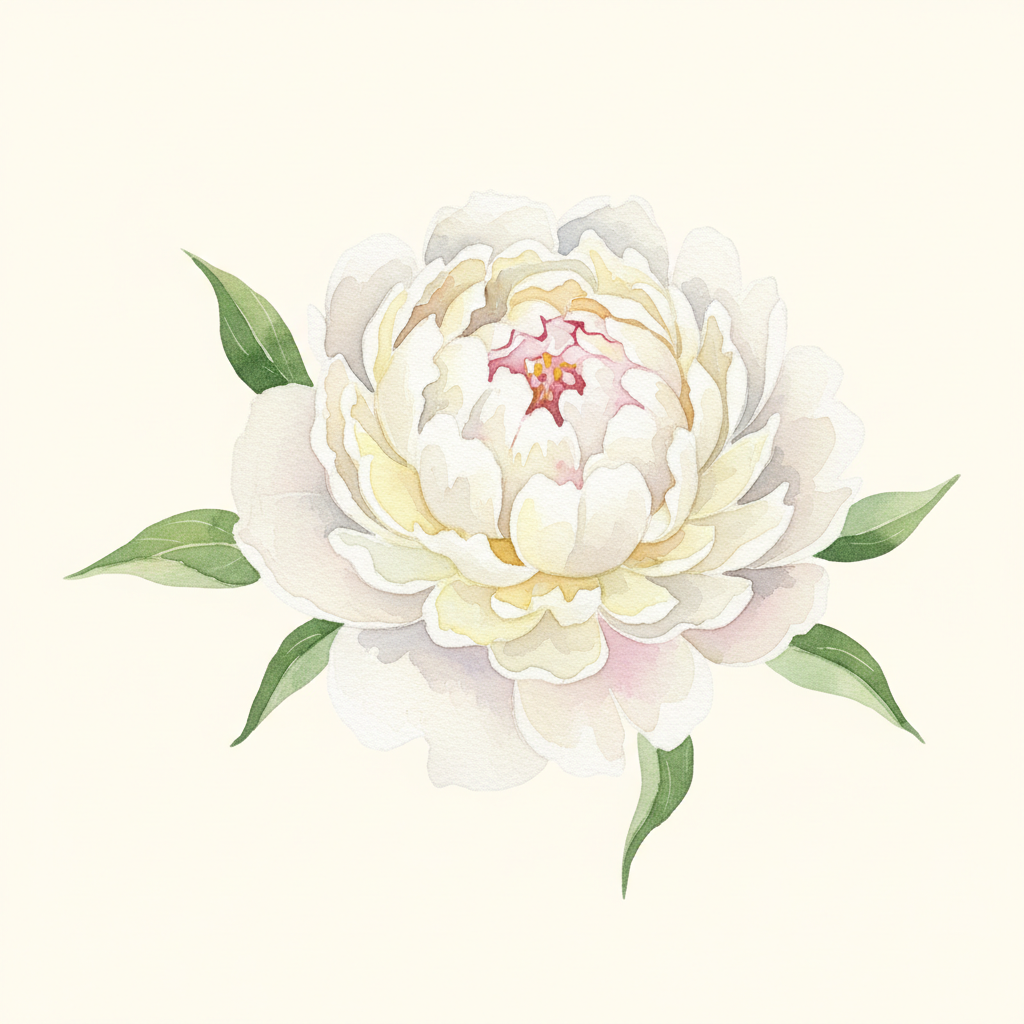
Pure white double blooms with a hint of yellow at the heart and a powerful lily-of-the-valley fragrance. A heritage favorite since 1856.
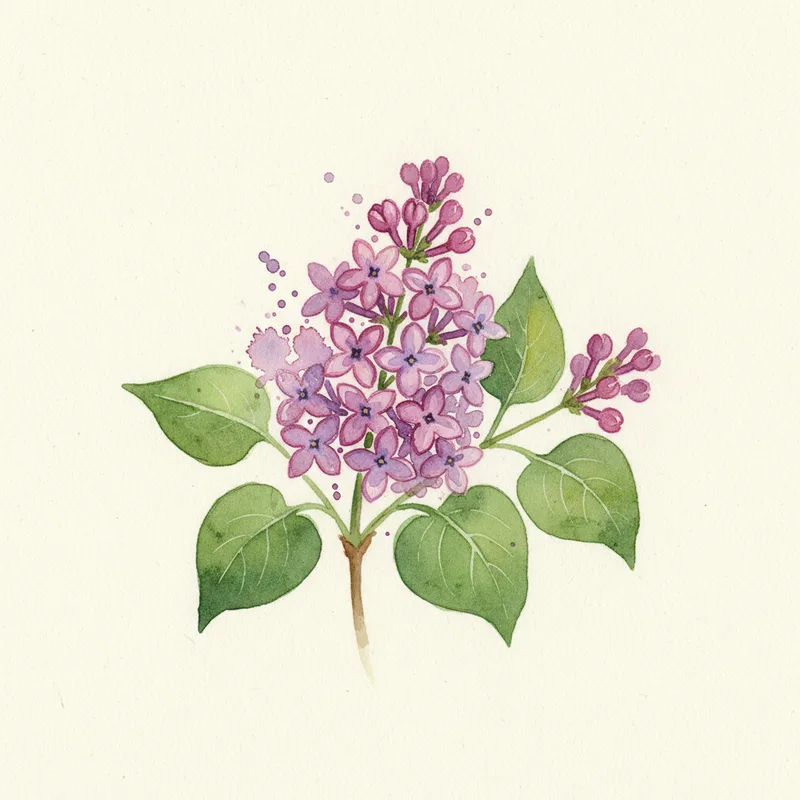
Slow-growing dwarf with dense rounded habit. Perfect for small gardens and foundation plantings.
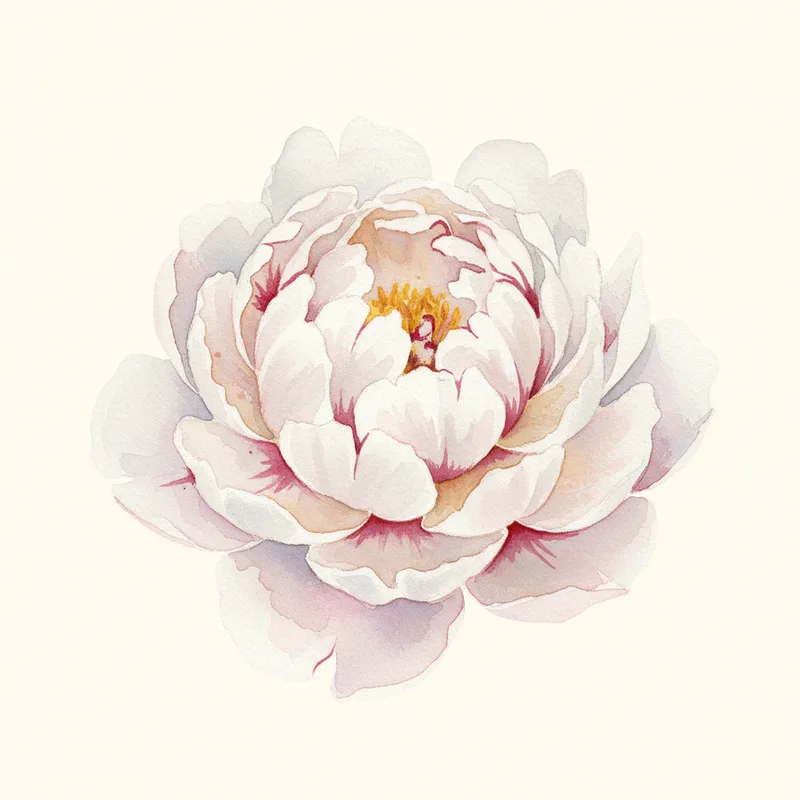
Pure white double blooms flecked with crimson at the center. Beloved since 1851 and still unmatched.
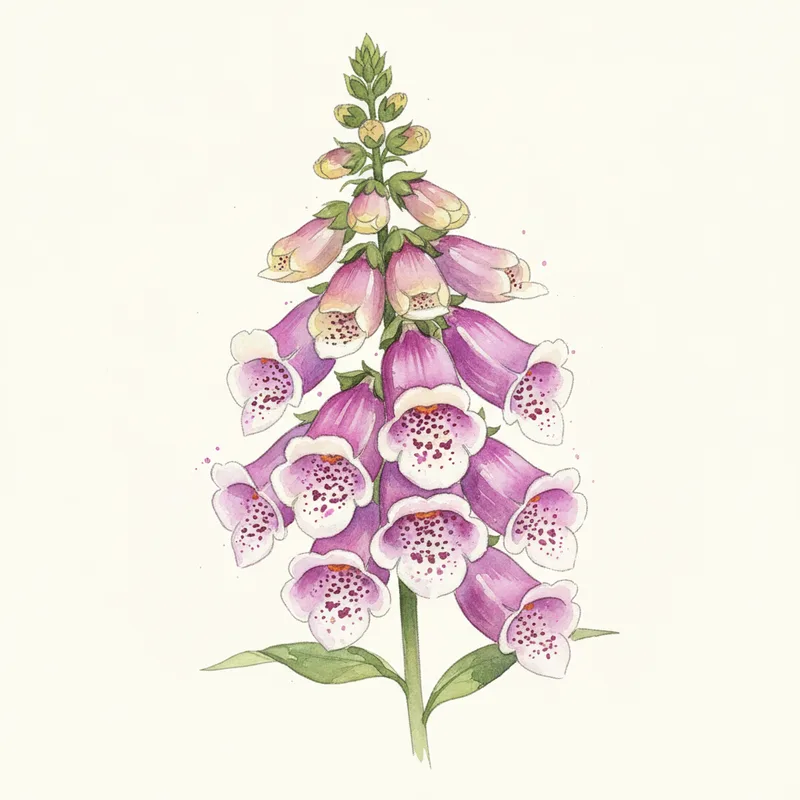
Stately spires of spotted, bell-shaped flowers. Cottage garden royalty.
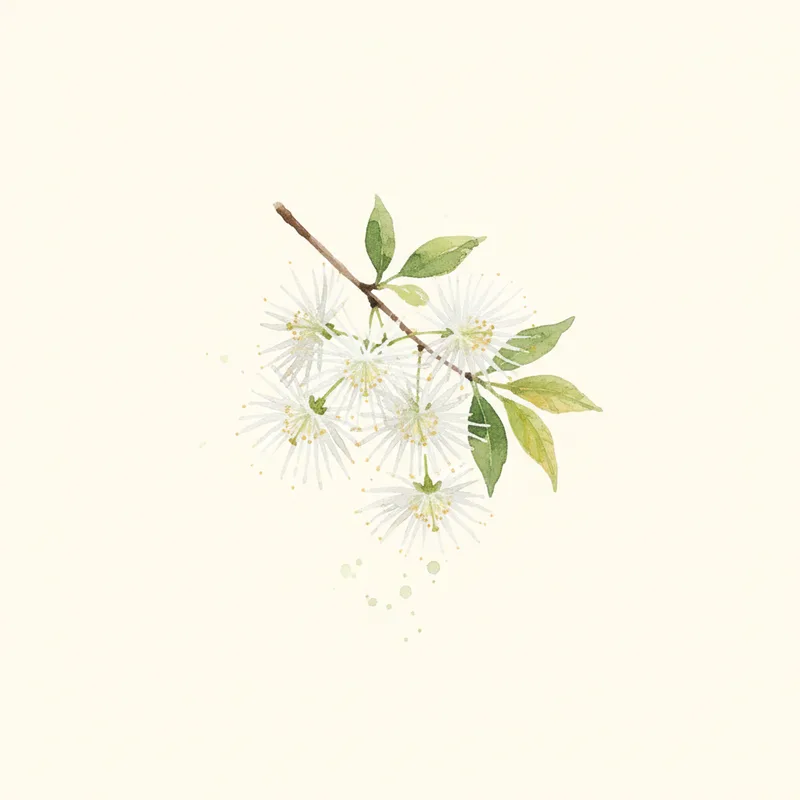
Clouds of white fringed petals dripping from branches in late spring. Fragrant and underused native.
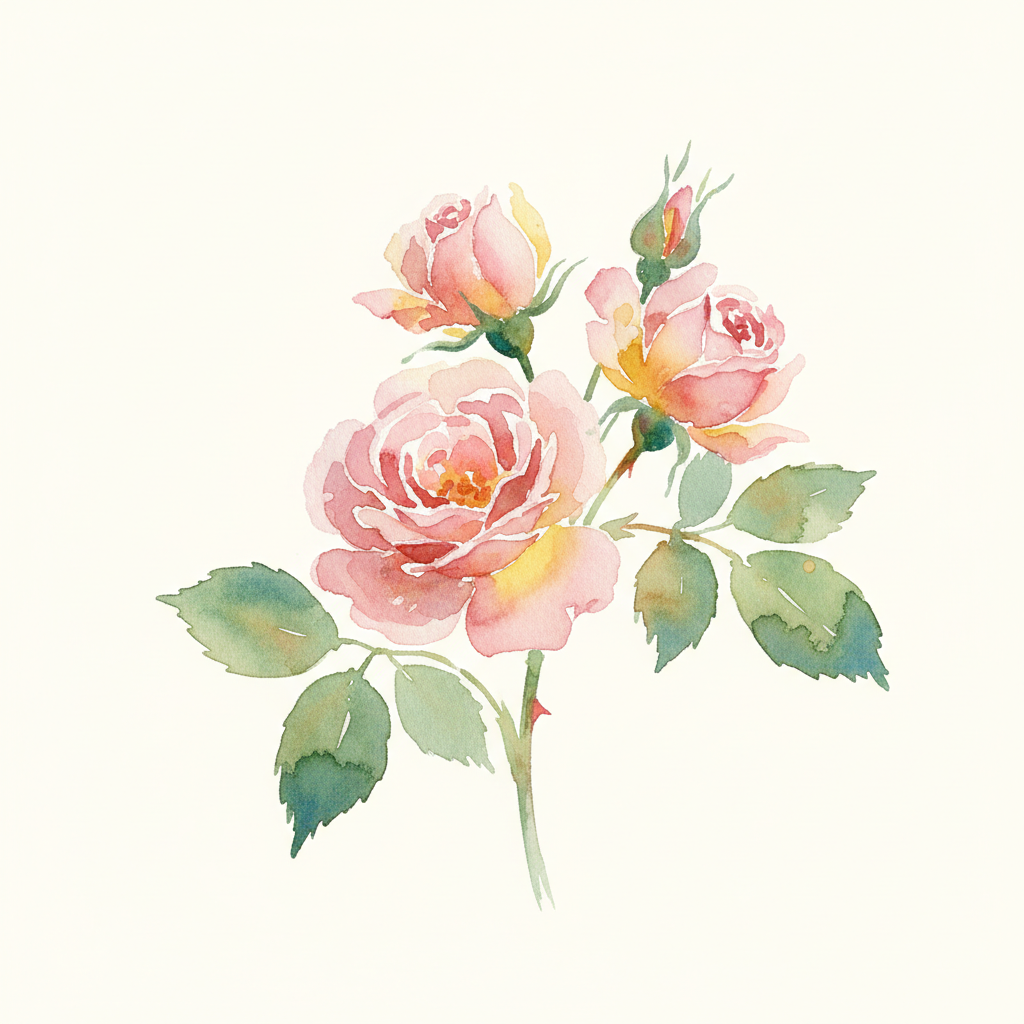
Voted the world's favorite rose fragrance more than once. Bold rich pink rosettes on a vigorous shrub that can be trained as a short climber.
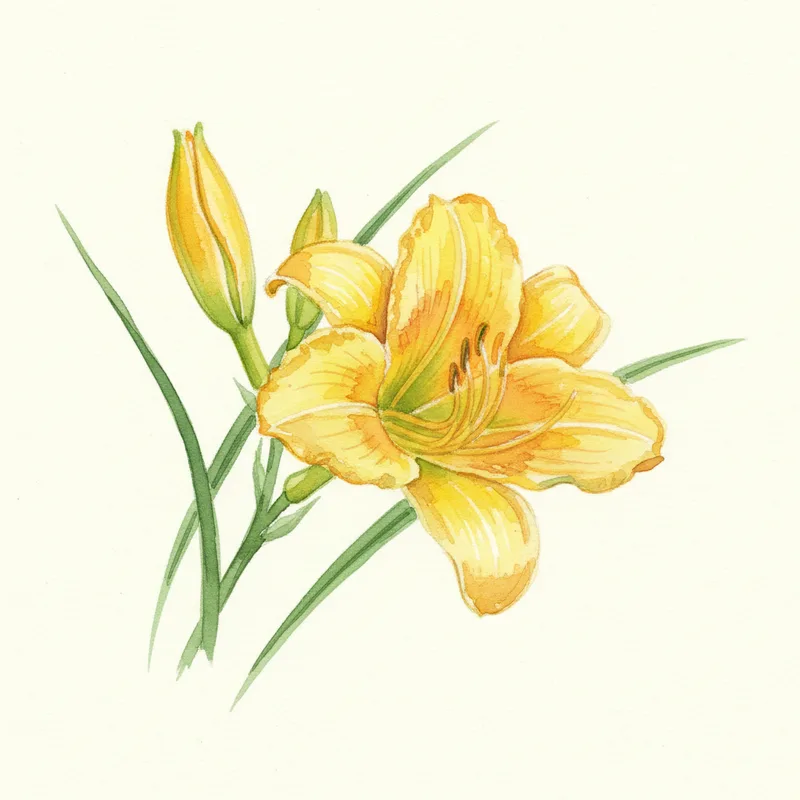
Lemon-yellow rebloomer with light fragrance. A bit taller than Stella with softer color.
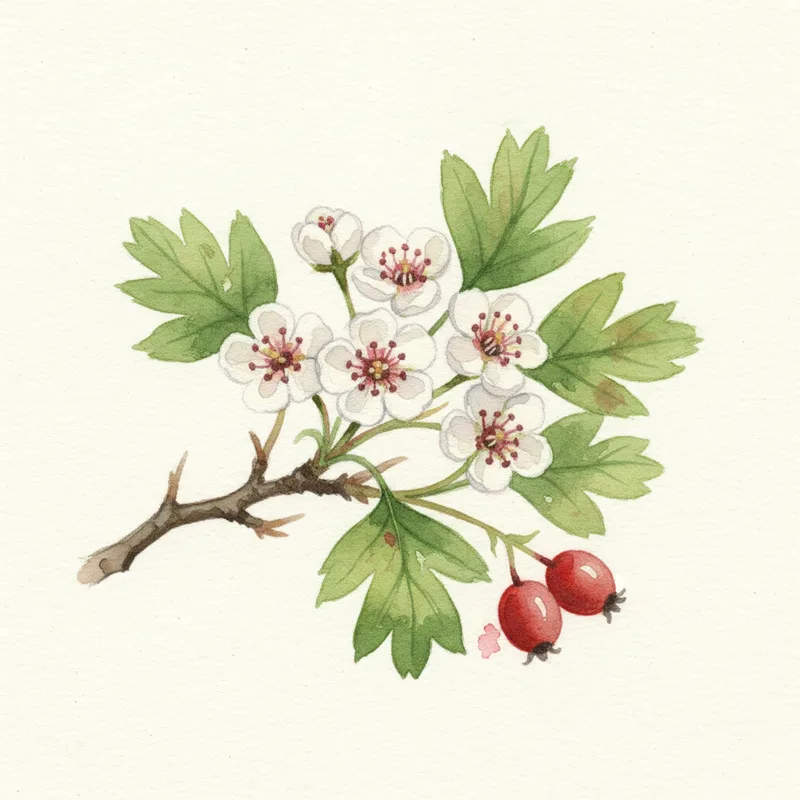
White spring flowers, glossy red fruit, and exfoliating bark. Thorny but beautiful native with winter interest.
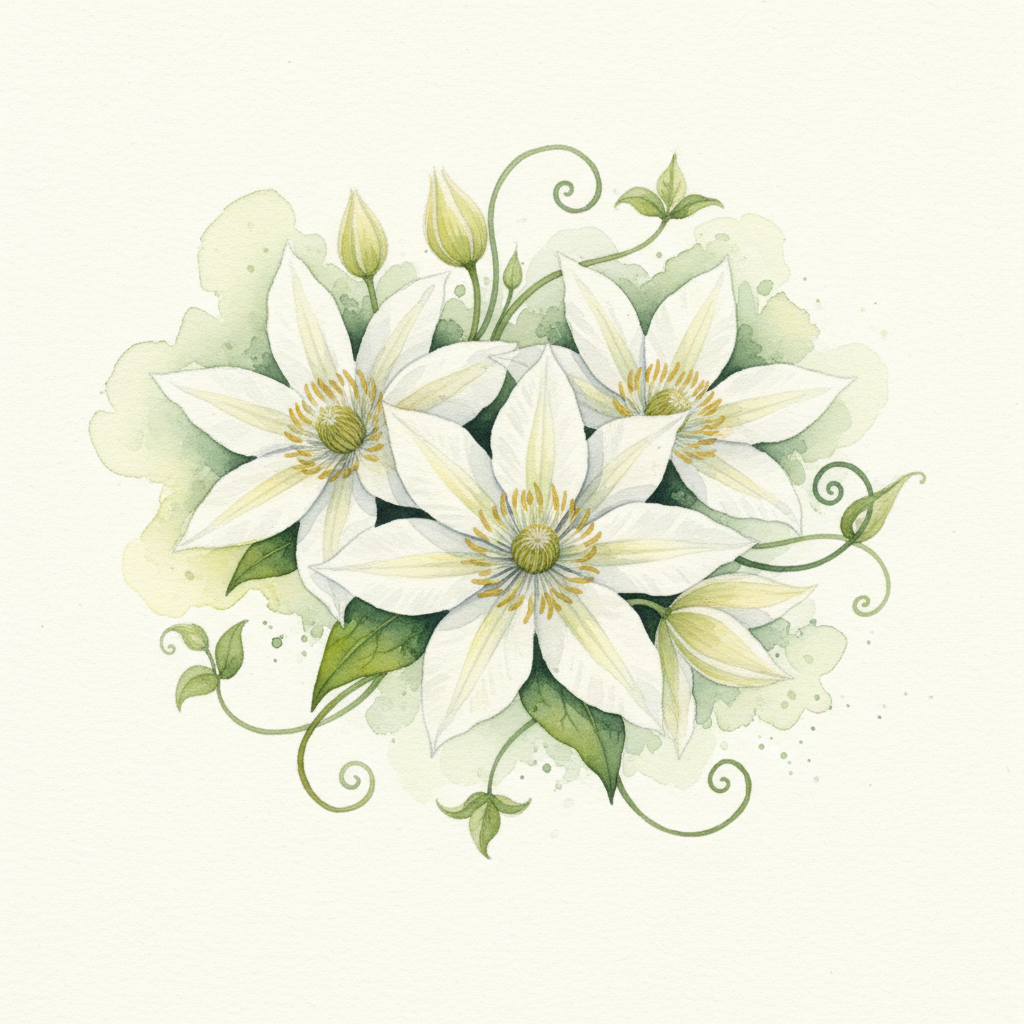
Large, pure white flowers with dark brown anthers rebloom in fall. Elegant, classic, and undeniably refined.
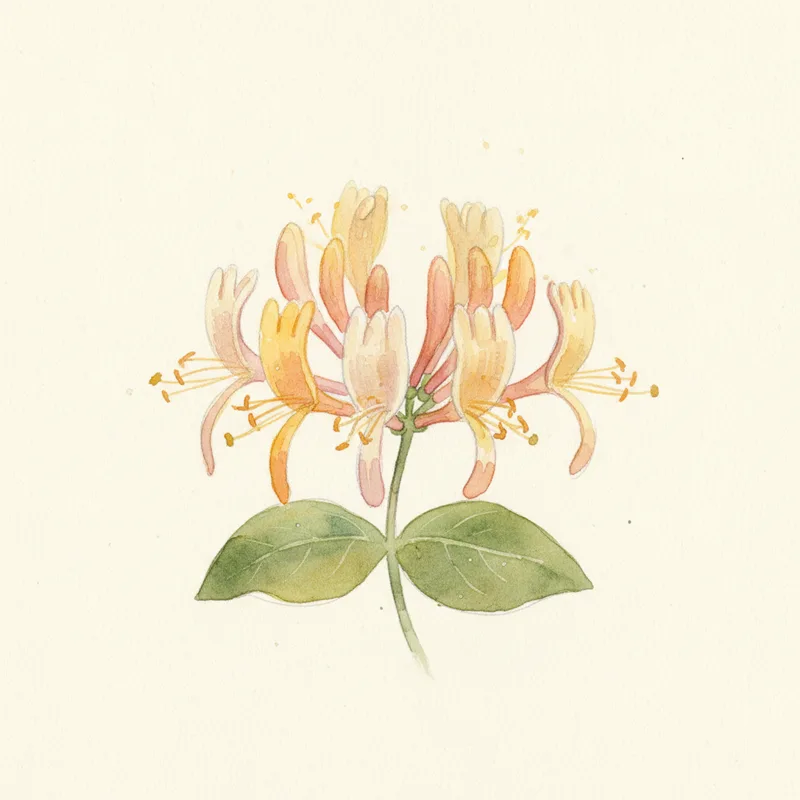
Tubular, nectar-rich flowers with a fragrance that defines summer evenings.
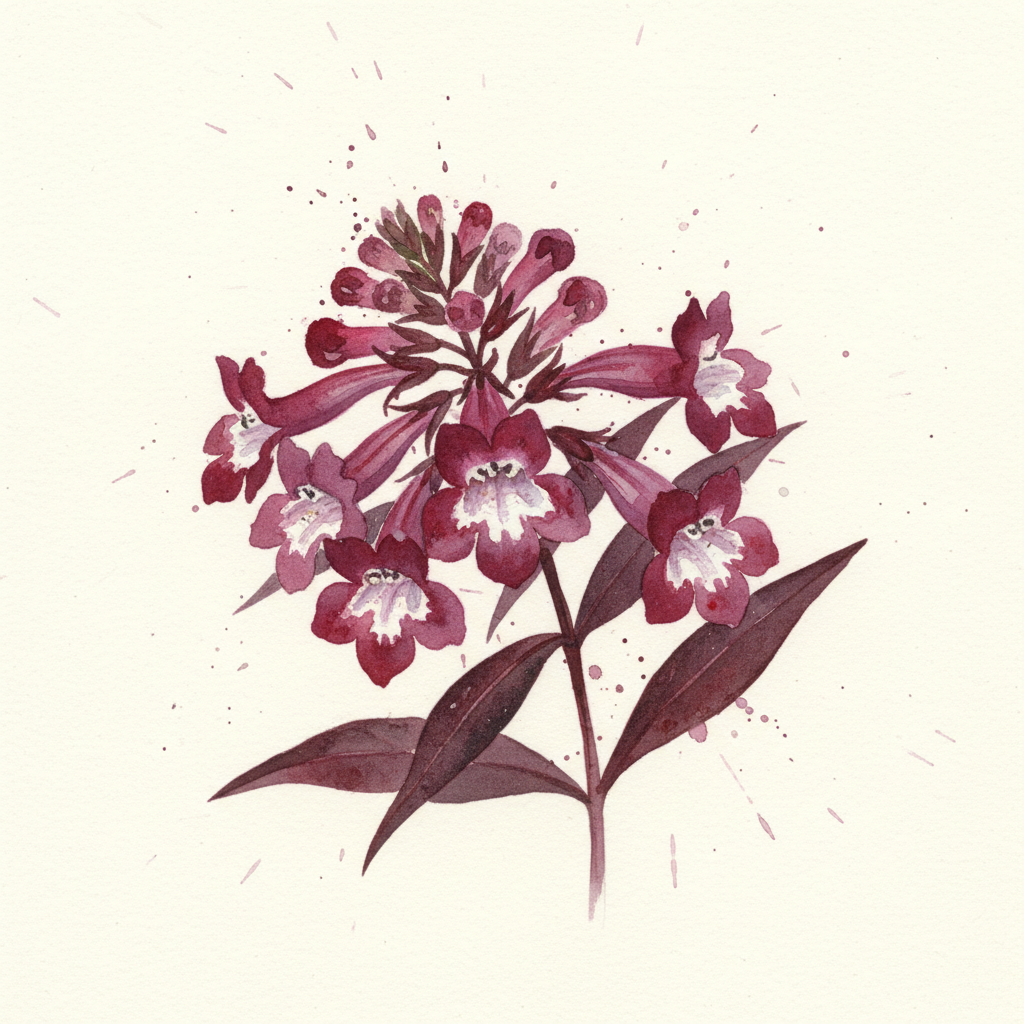
Dramatic burgundy-red foliage all season with white tubular flowers in late spring. The most striking native penstemon for gardens.
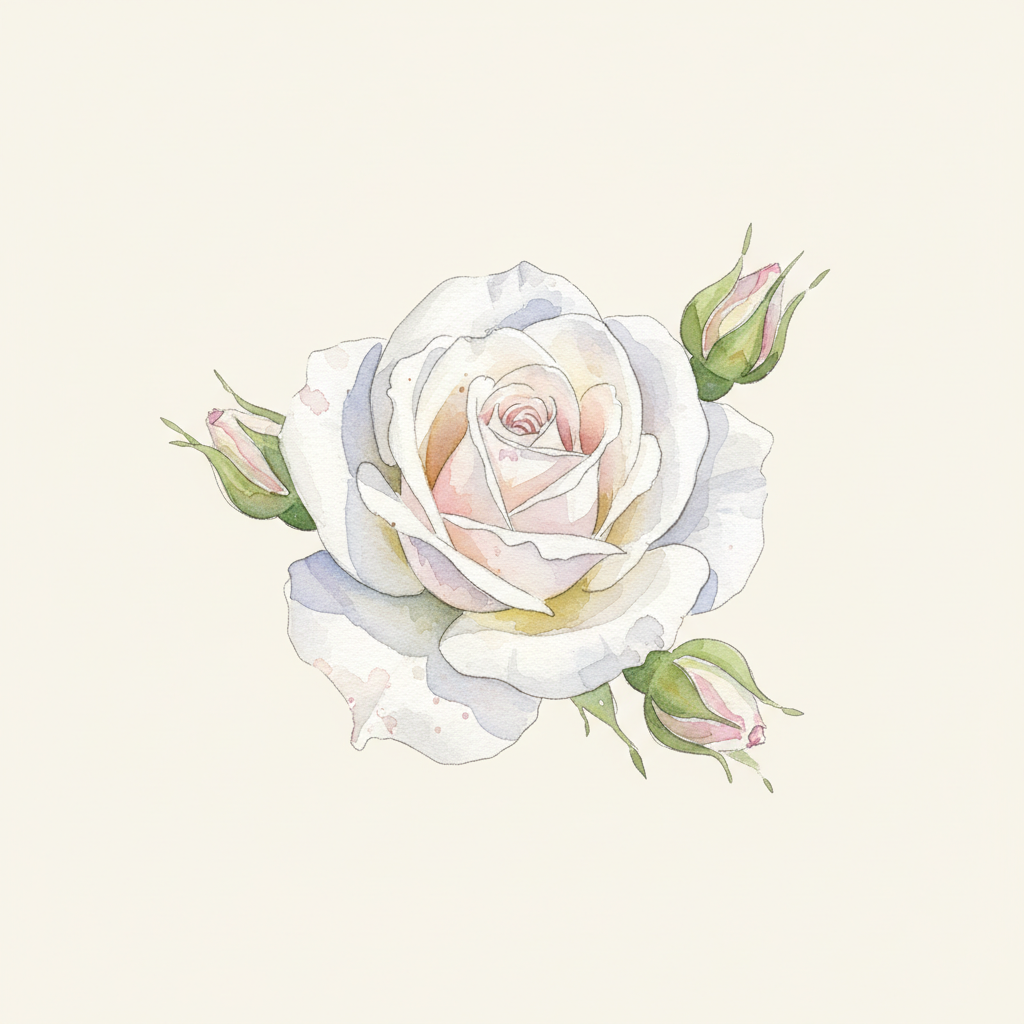
Pure white floribunda clusters that bloom non-stop from spring to frost. Among the most planted roses in the world and bulletproof in any climate.
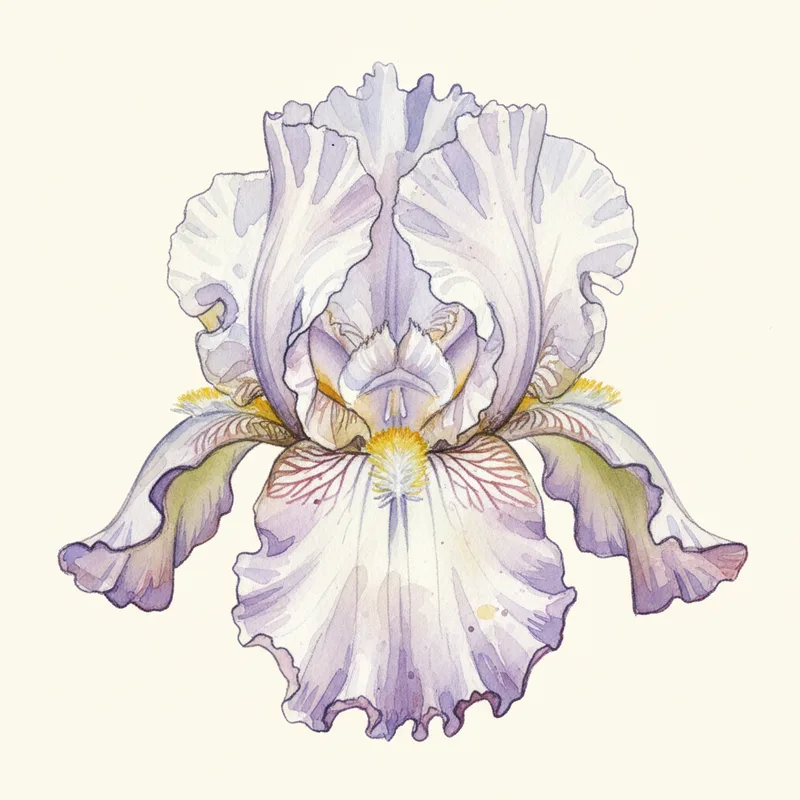
Reliable rebloomer with pure white ruffled falls. Blooms spring, then again in fall.
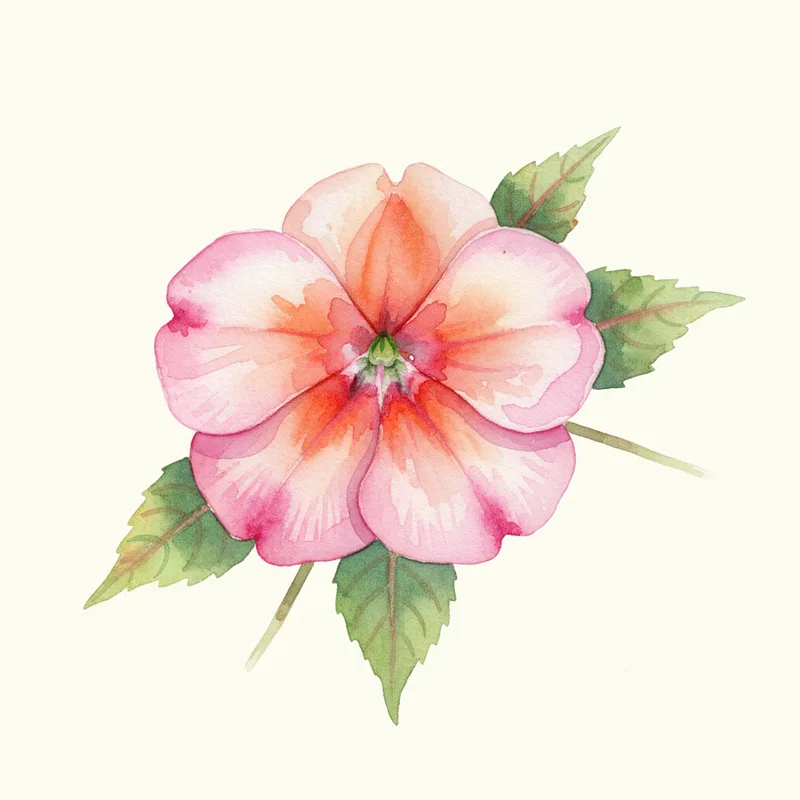
The shade annual champion. Flowers prolifically where nothing else will.
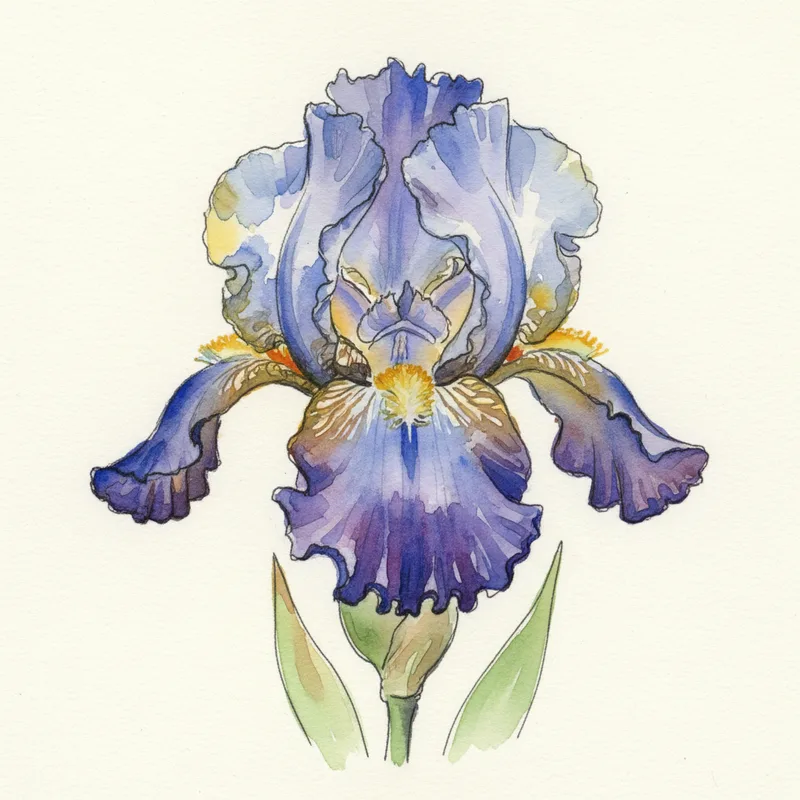
Elegant sword-leaved perennials with intricate, ruffled blooms.
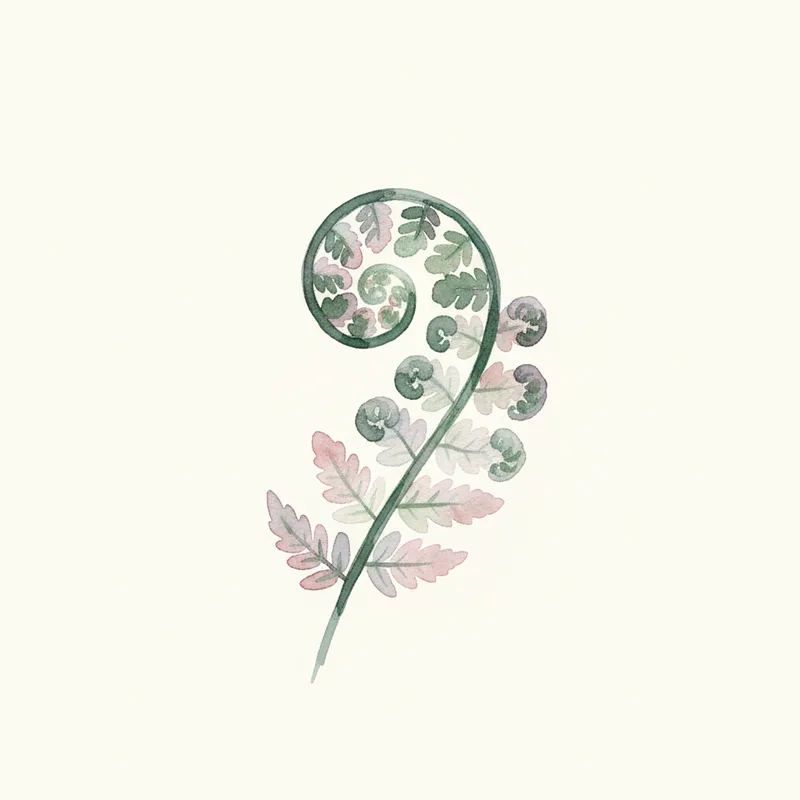
Silver and burgundy fronds unlike any other fern. Foliage plant that earns its keep on color alone.
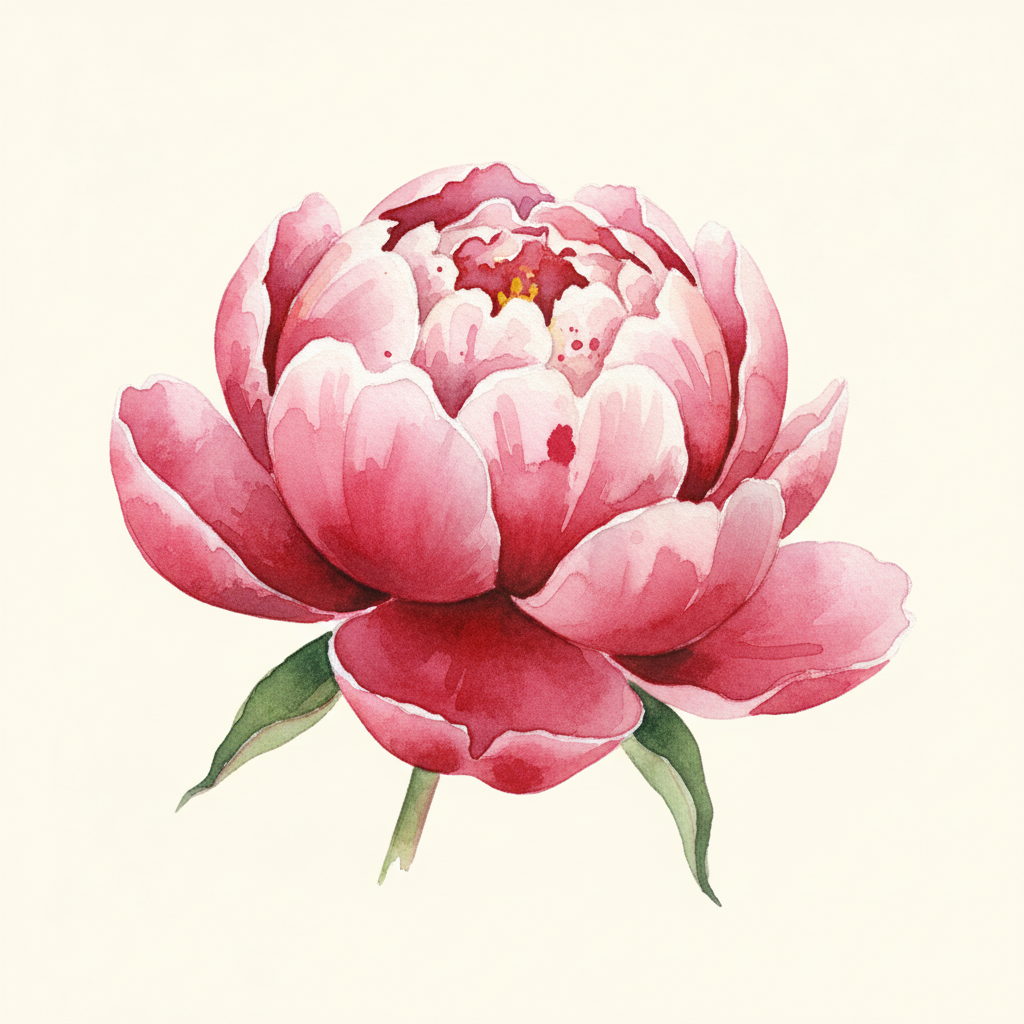
Deep ruby-red double blooms with ruffled petals on strong stems. One of the most reliable red peonies and a heritage cultivar still unmatched.
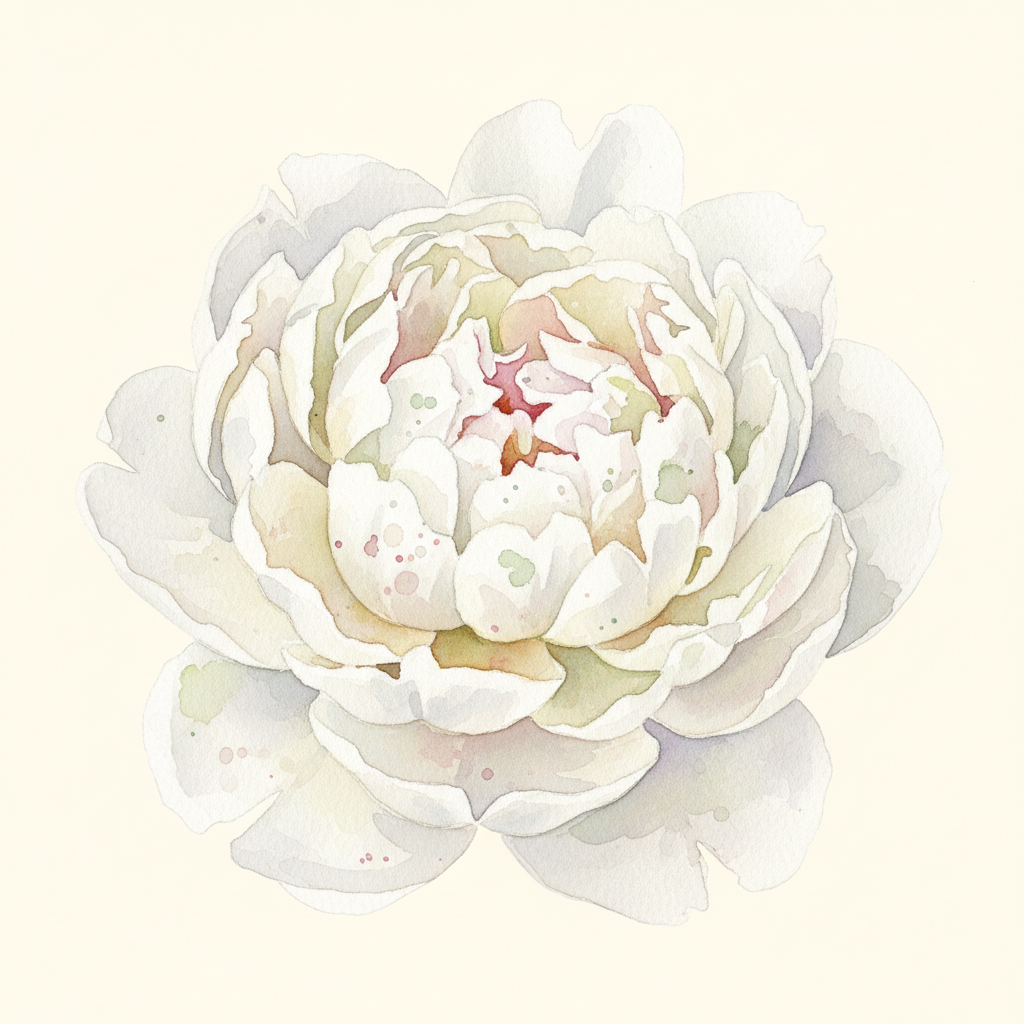
Single bowl-shaped flowers with crinkled white petals around a brilliant yellow boss of stamens. Elegant, airy, and adored by bees.
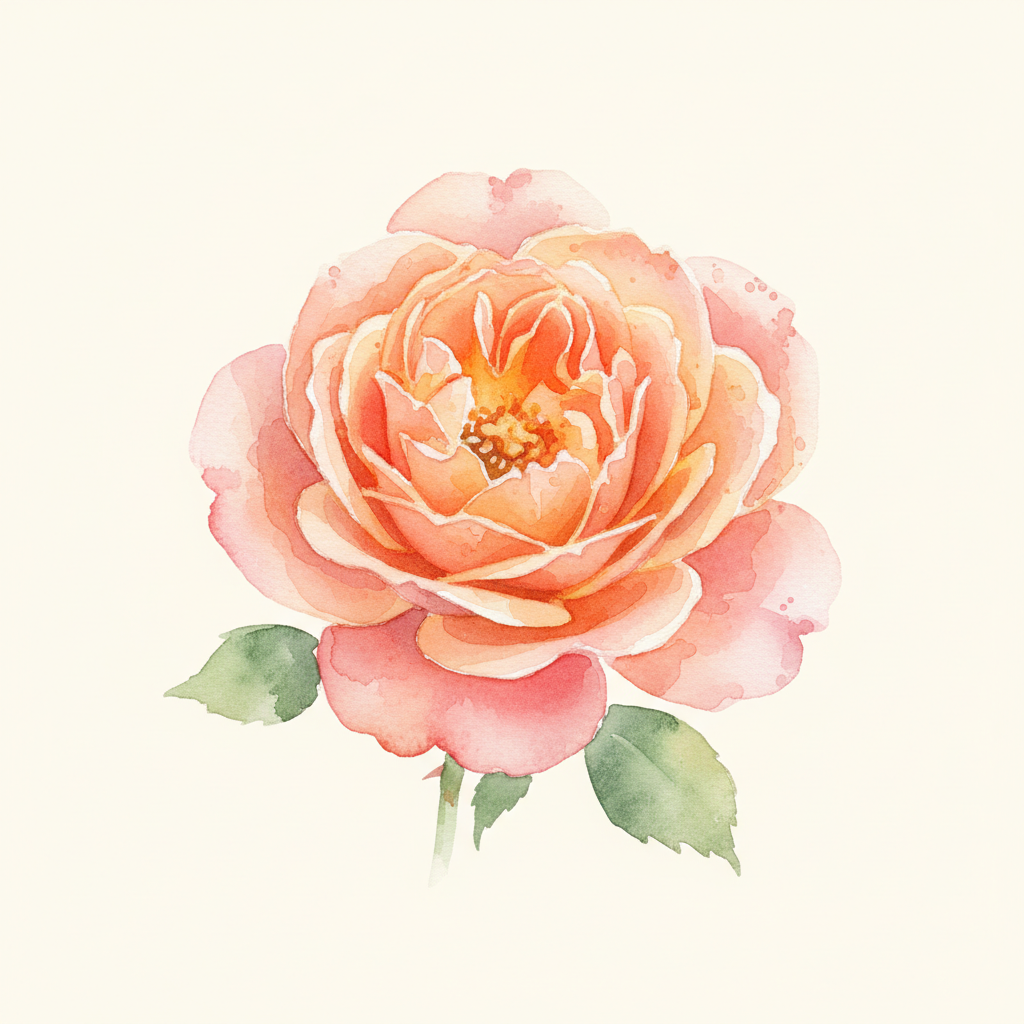
Coppery orange buds open to salmon-pink cups with golden undersides. Tough, disease-resistant, and one of the most generous repeat bloomers David Austin ever bred.
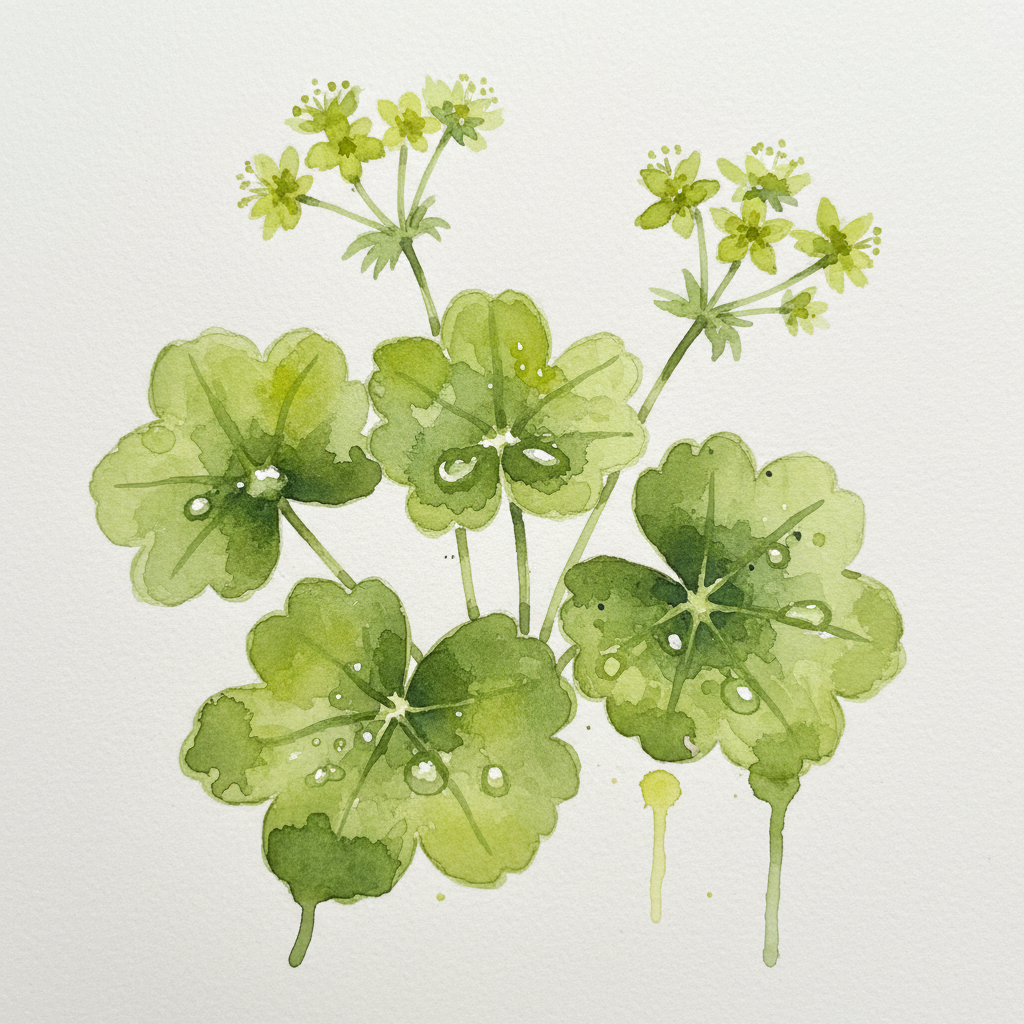
Chartreuse frothy flowers and pleated blue-green leaves that hold water droplets like mercury. The ultimate filler plant.
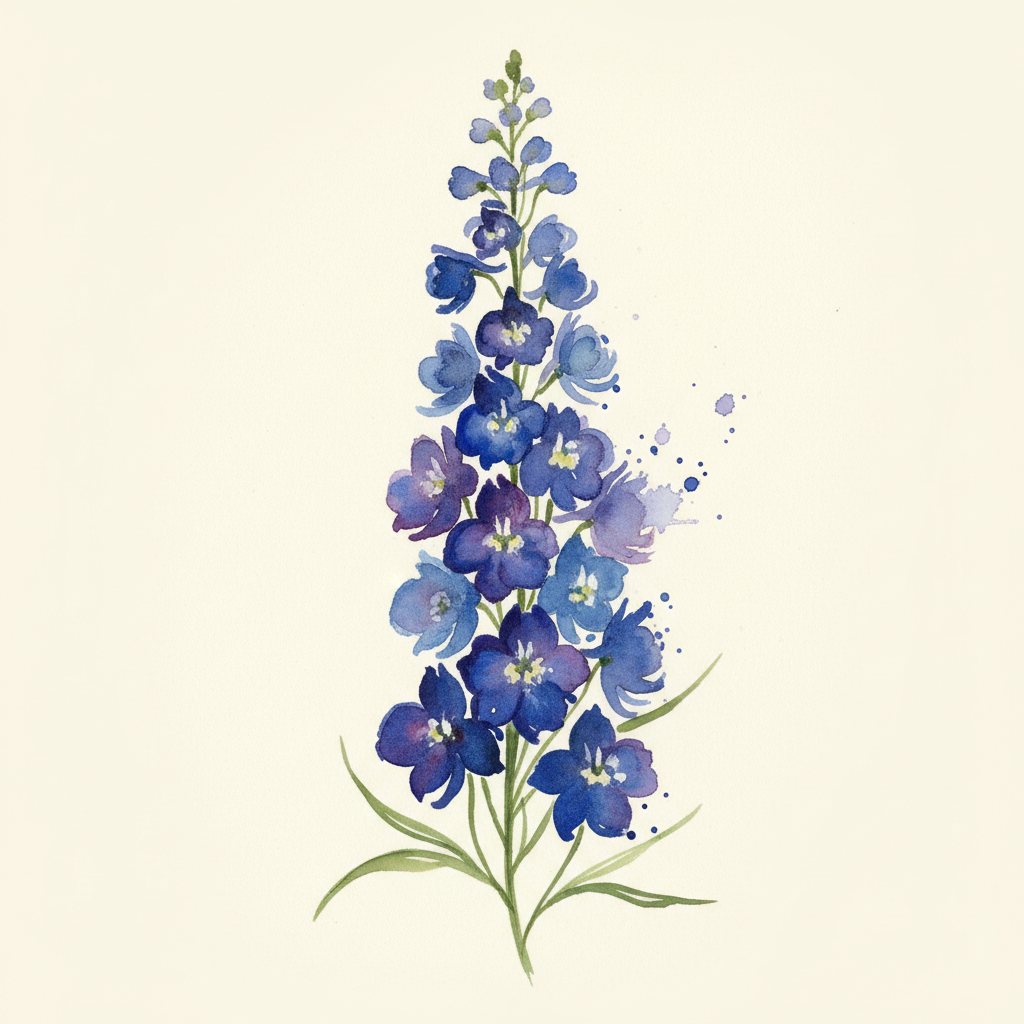
Tall spires of spurred flowers in deep blue and purple. The annual cousin of delphinium, easier to grow from seed and just as dramatic.
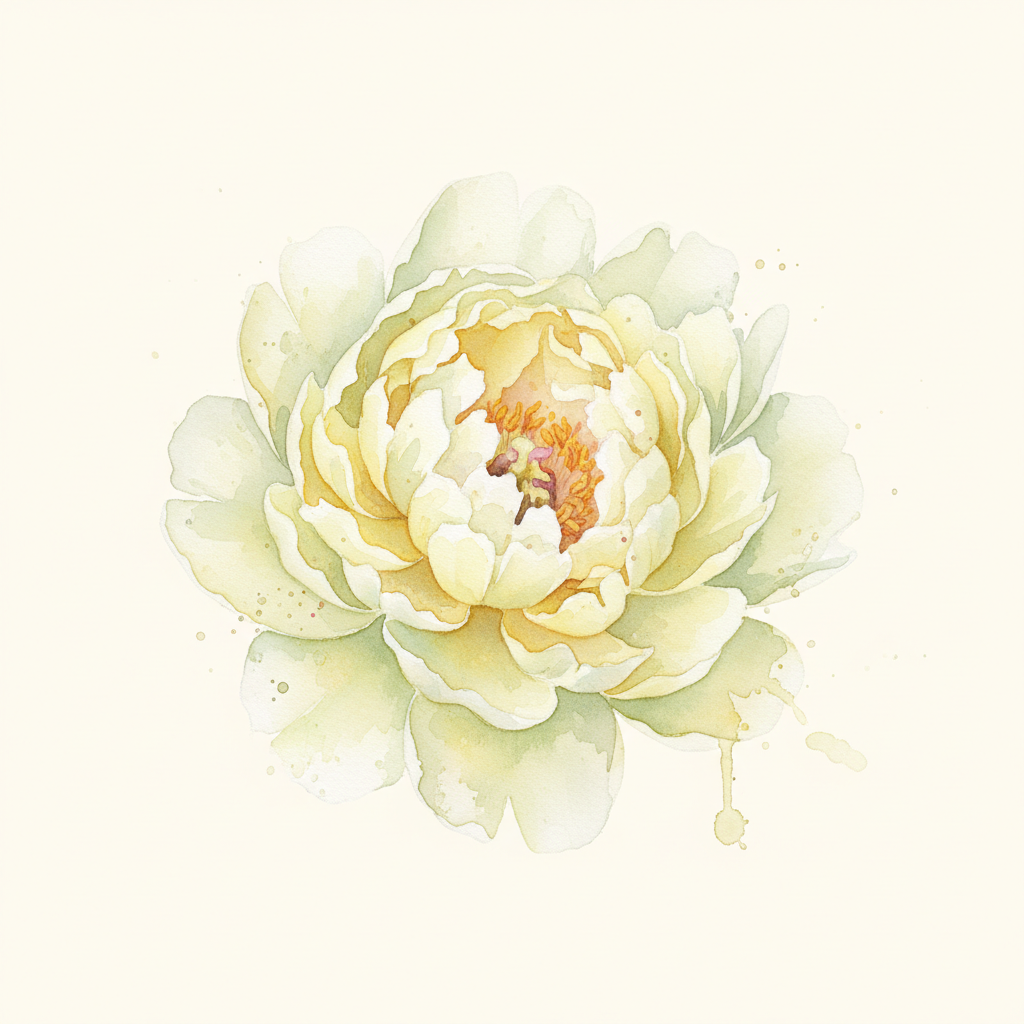
Intersectional Itoh hybrid with pale lemon-yellow semi-double blooms. Bartzella's softer-toned sibling with the same strong stems and long bloom.
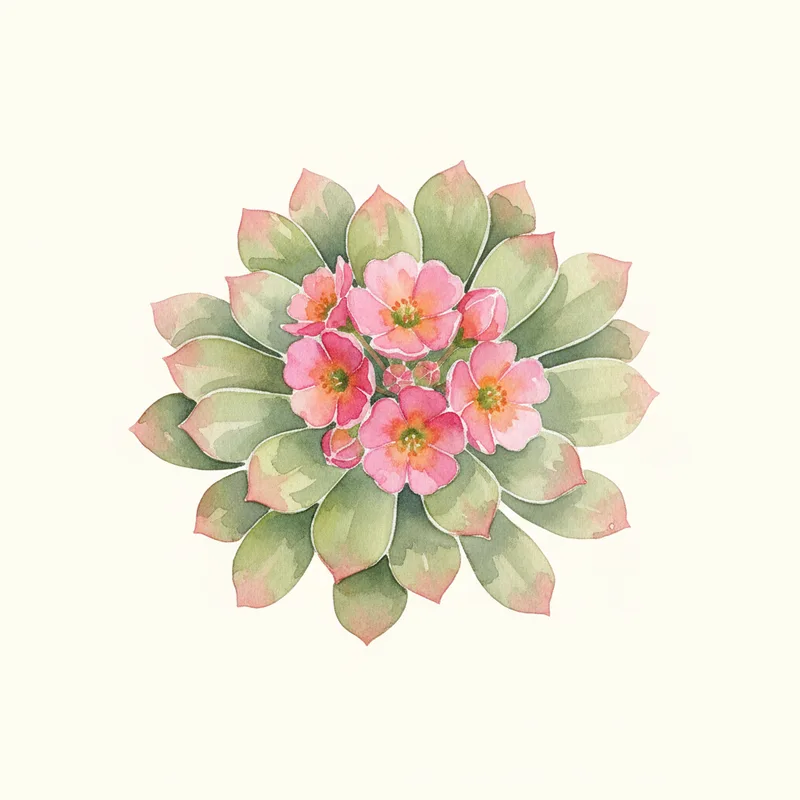
Succulent rosettes with brilliant striped flowers in hot sunset colors. Must have perfect drainage or it rots.
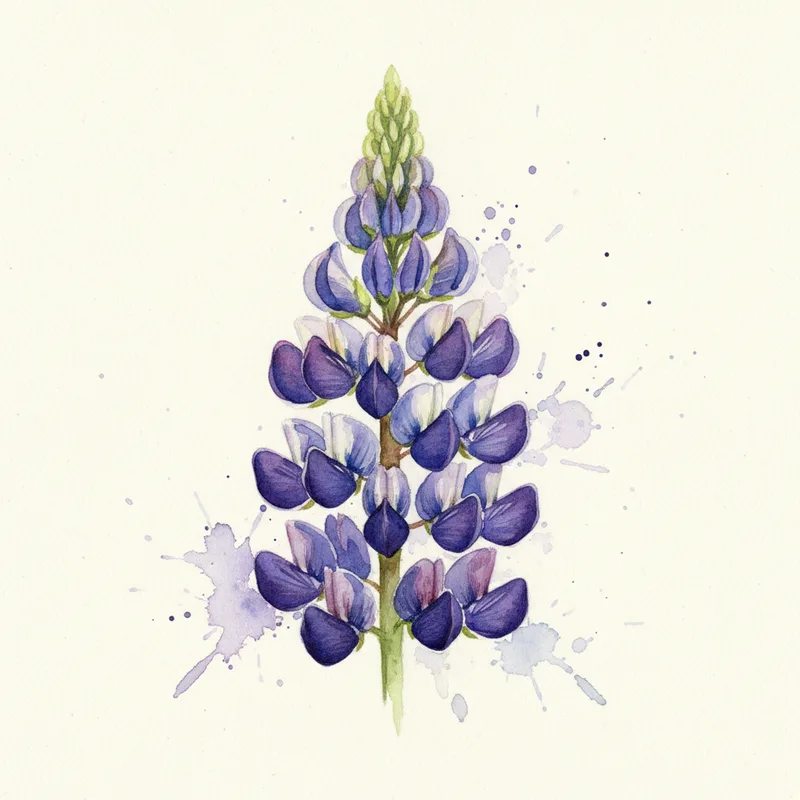
Dramatic spikes in every color. Short-lived but self-seeds generously.
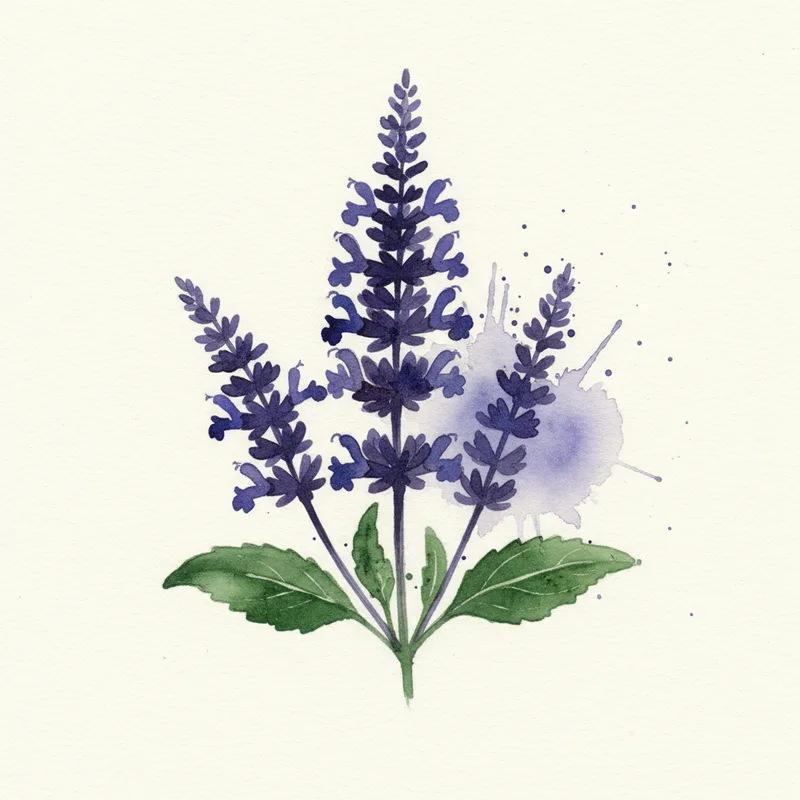
Perennial Plant of the Year. Dense indigo-violet spikes that rebloom if deadheaded.
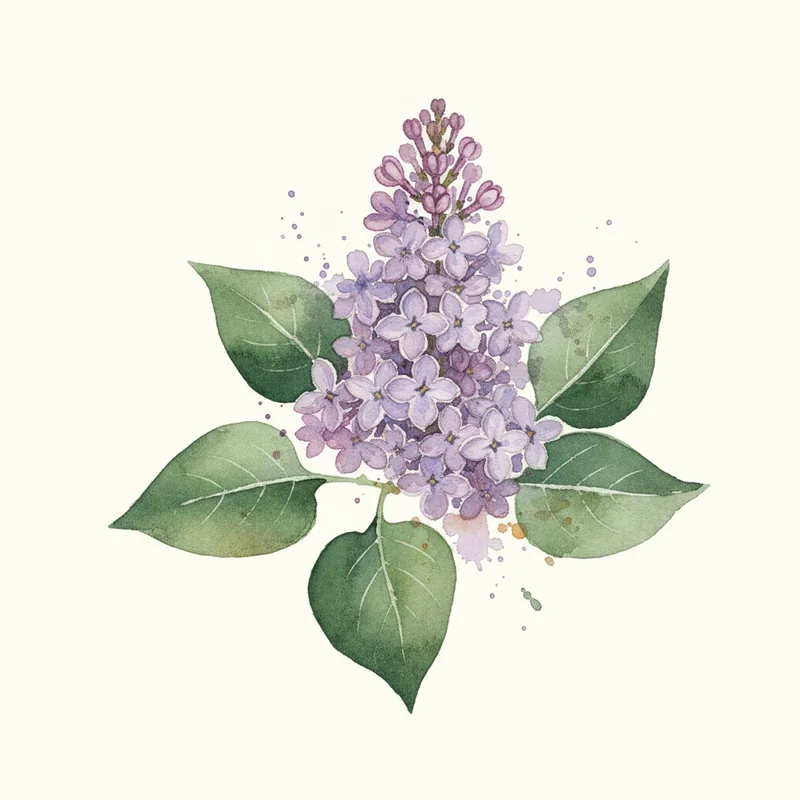
Compact lilac with pale lavender blooms and outstanding fragrance. Burgundy fall foliage as a bonus.
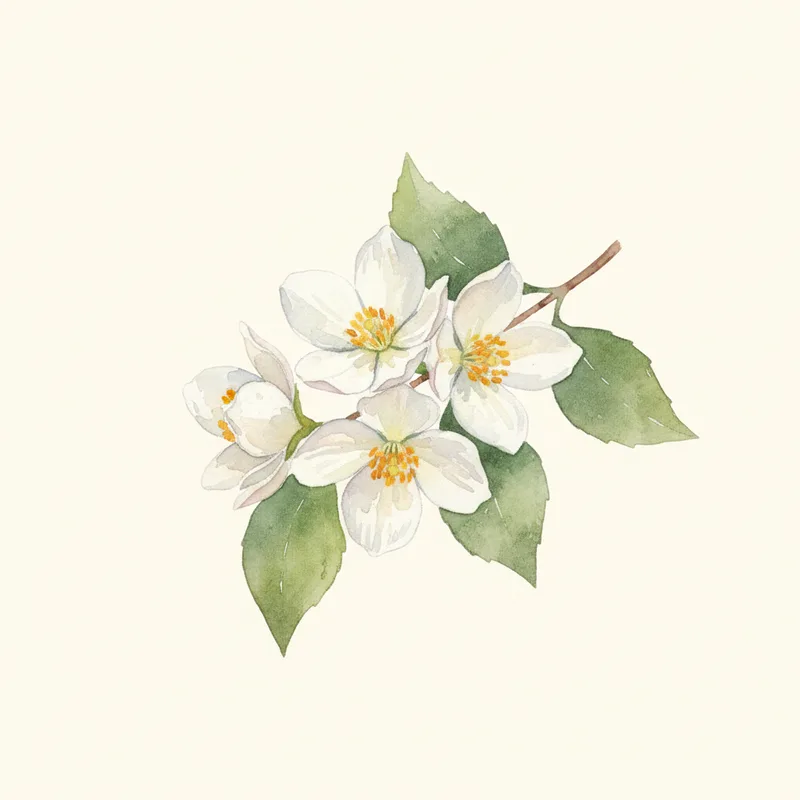
Arching stems carry orange-blossom-scented white flowers in late spring.
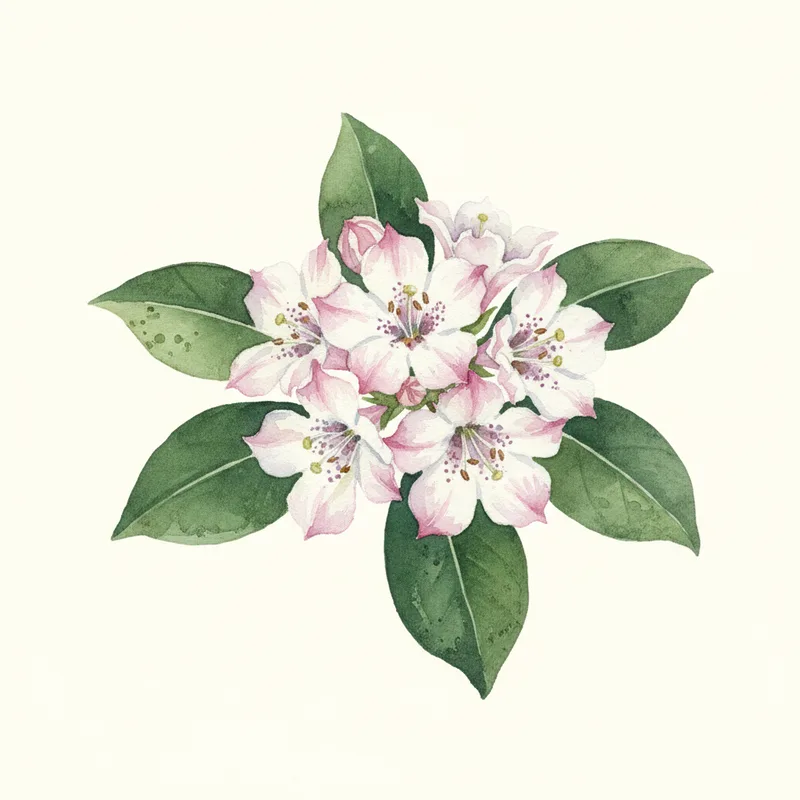
Exquisite geometric buds open to cupped flowers. A native evergreen gem.
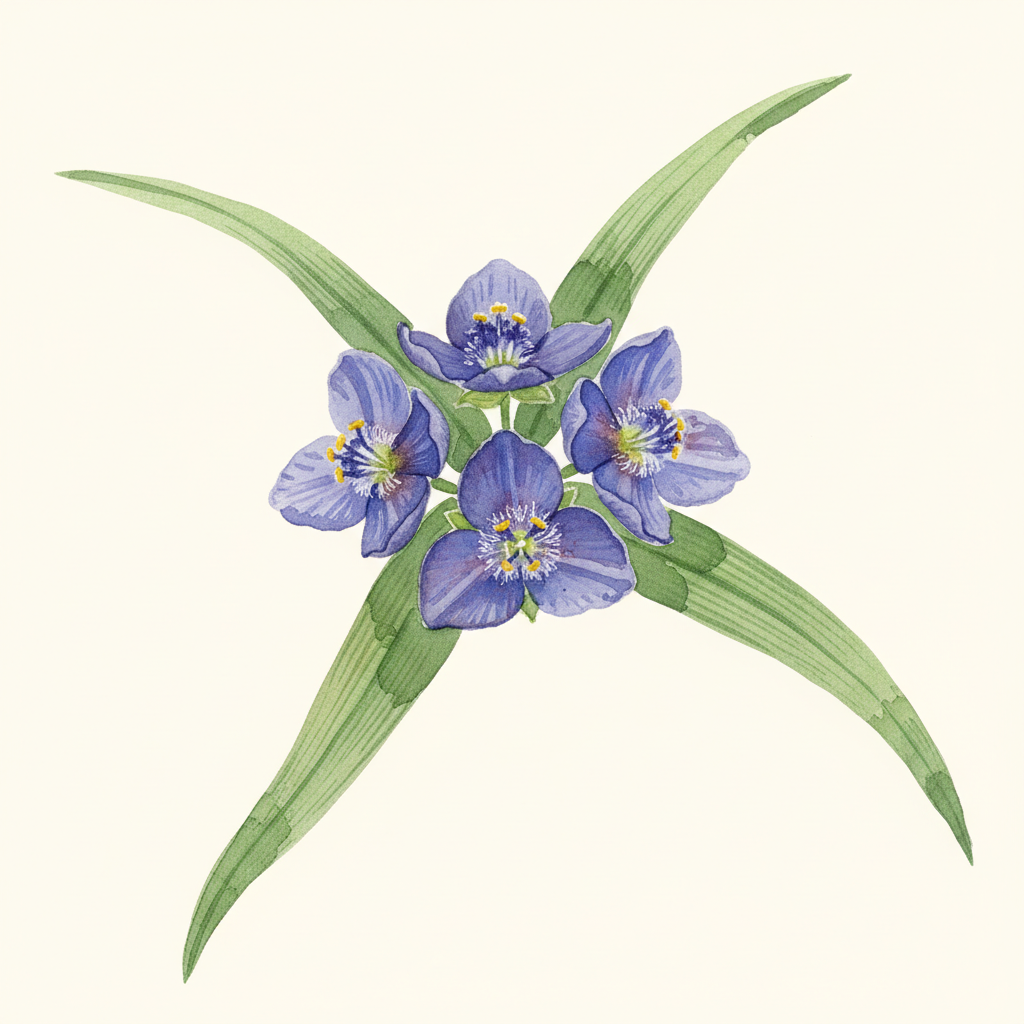
Three-petaled flowers in blue-purple open fresh each morning on a tough native that blooms for weeks and seeds freely.
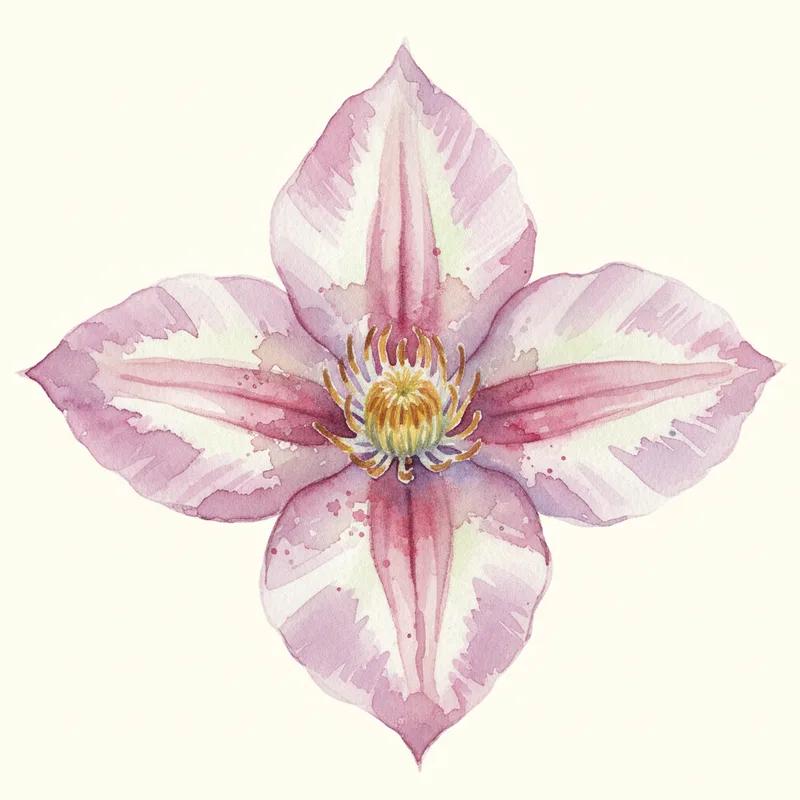
Pale pink petals with a darker pink bar down the center. Prefers some shade to prevent color fading.
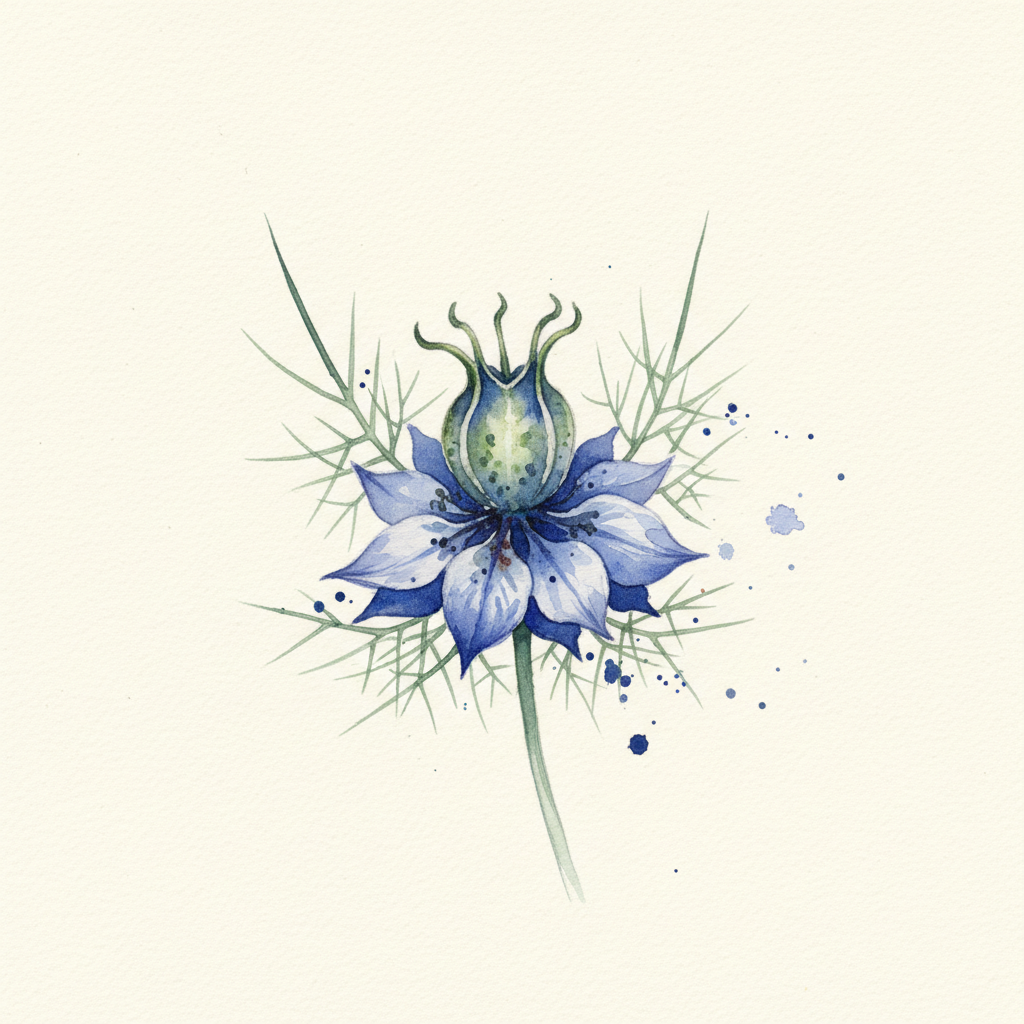
Sky-blue flowers wreathed in feathery green bracts give way to ornamental striped seed pods. Self-sows freely once you start.
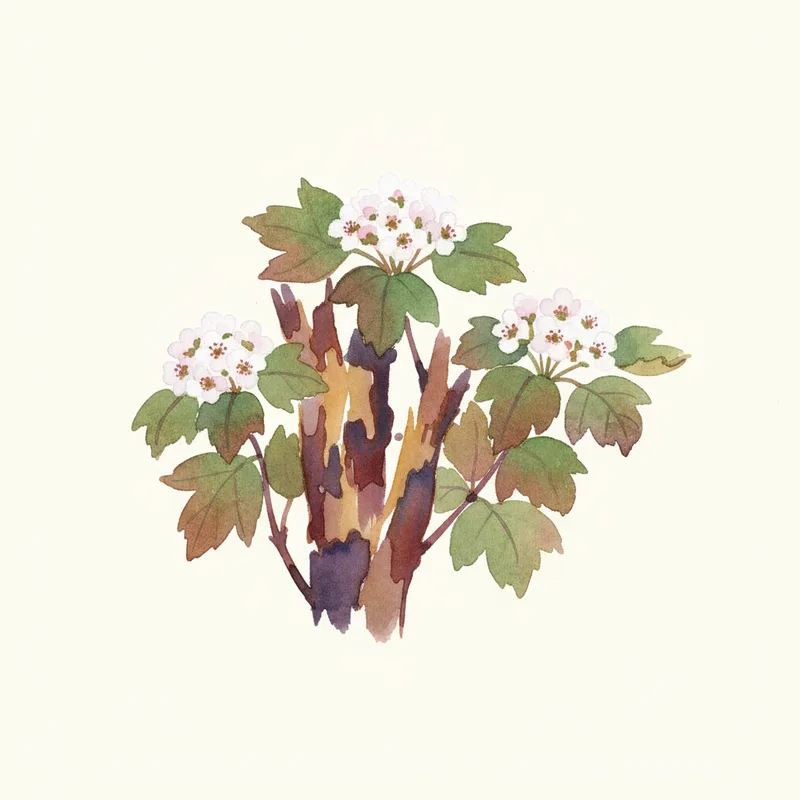
Peeling bark, burgundy foliage, and white puffs. A native multitasker.
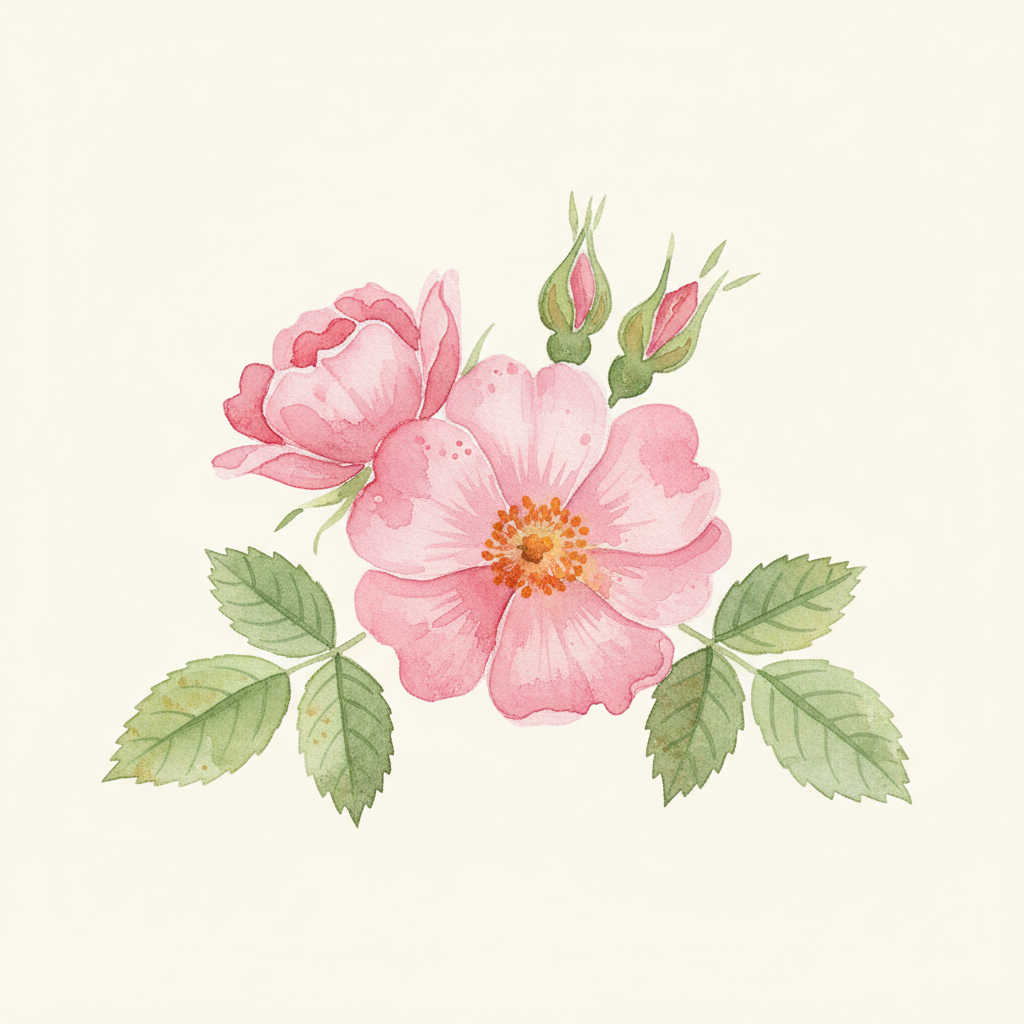
Single, apple-pink blooms followed by large rose hips that persist through winter on a vigorous Pacific Northwest native.
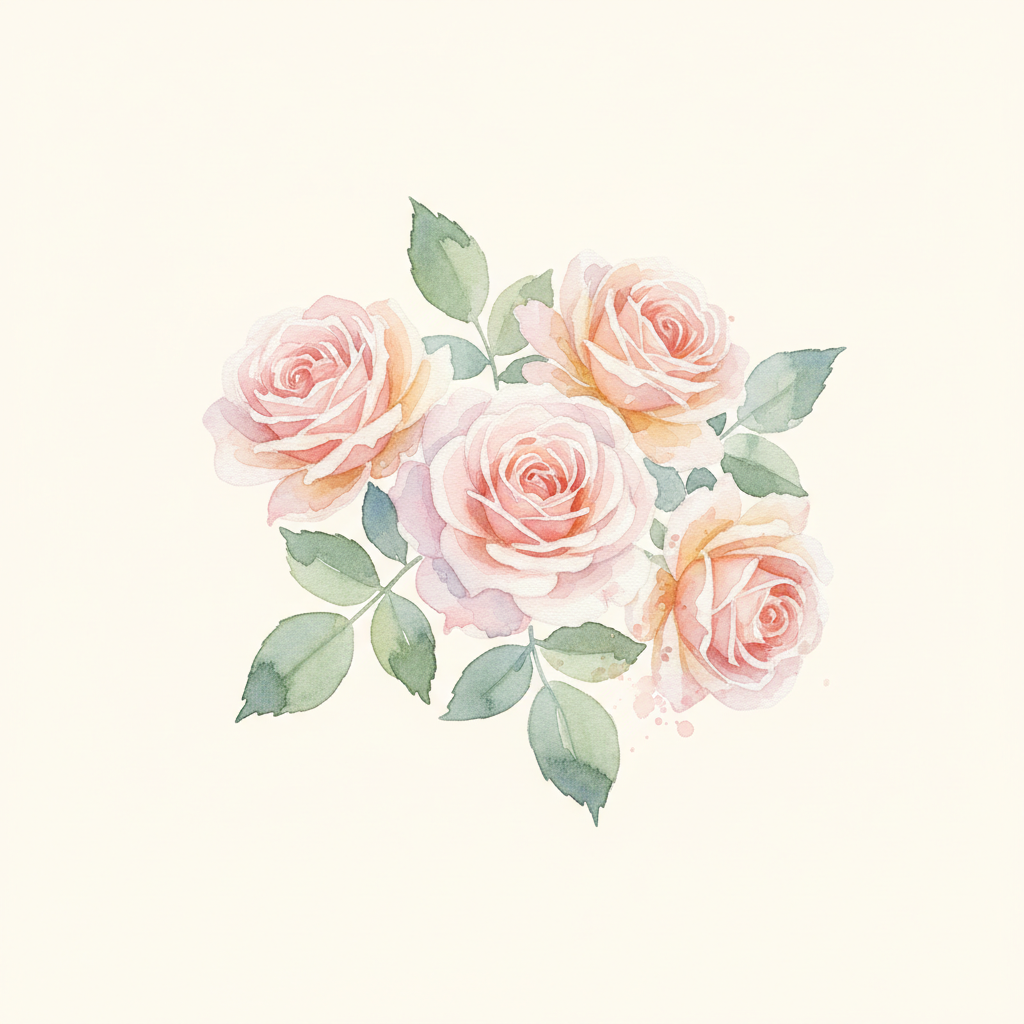
Soft pink rosettes with a sweet fruity fragrance. Widely considered one of the best David Austin roses ever, with exceptional disease resistance.
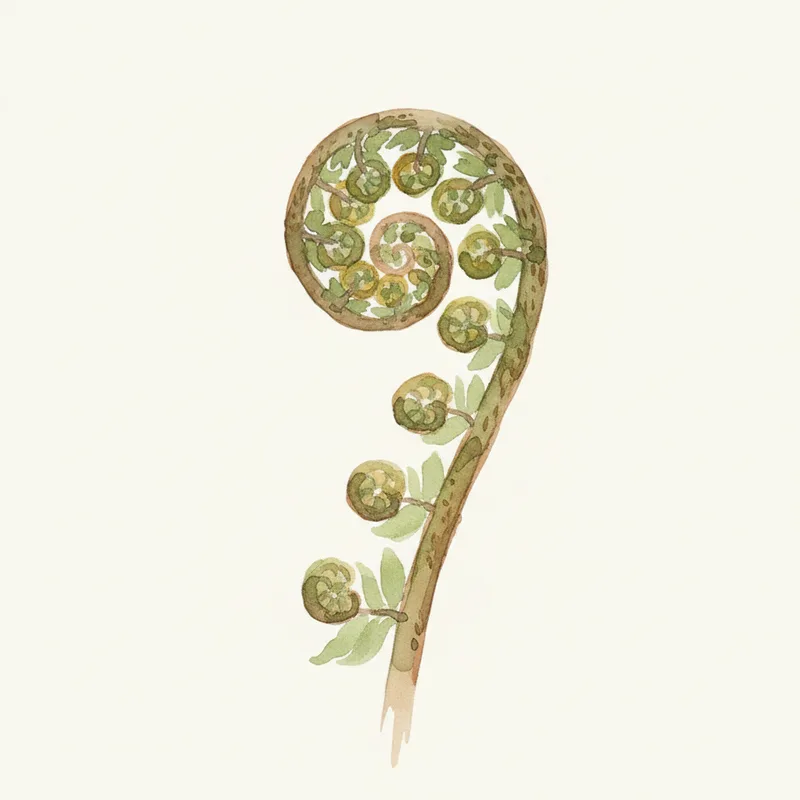
Tall vase-shaped fronds that unfurl from fiddleheads in spring. Spreads to form dramatic colonies.
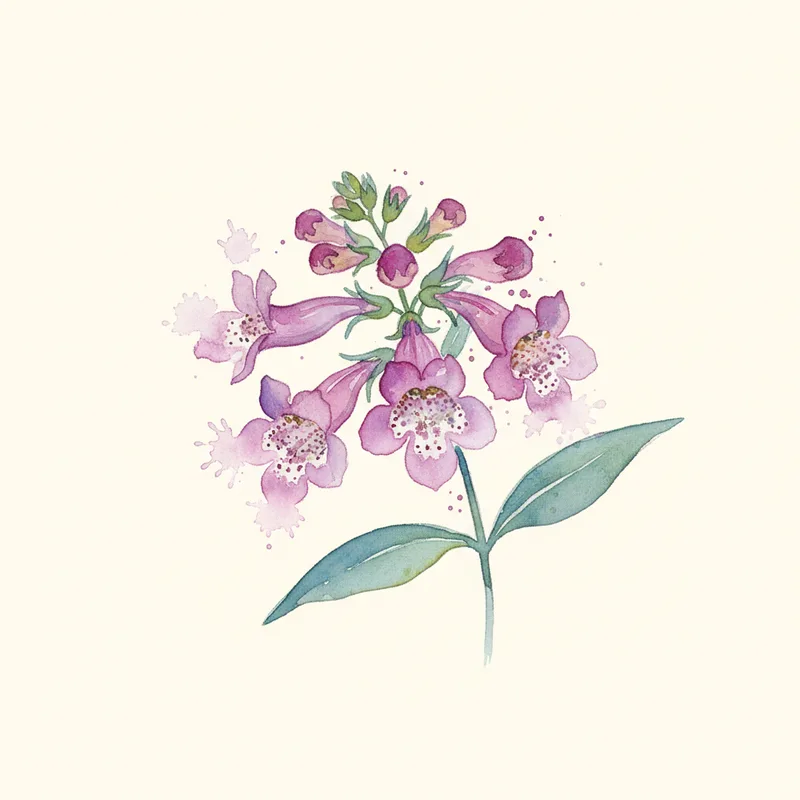
Tubular flowers on upright stems. Native hummingbird magnet for dry gardens.
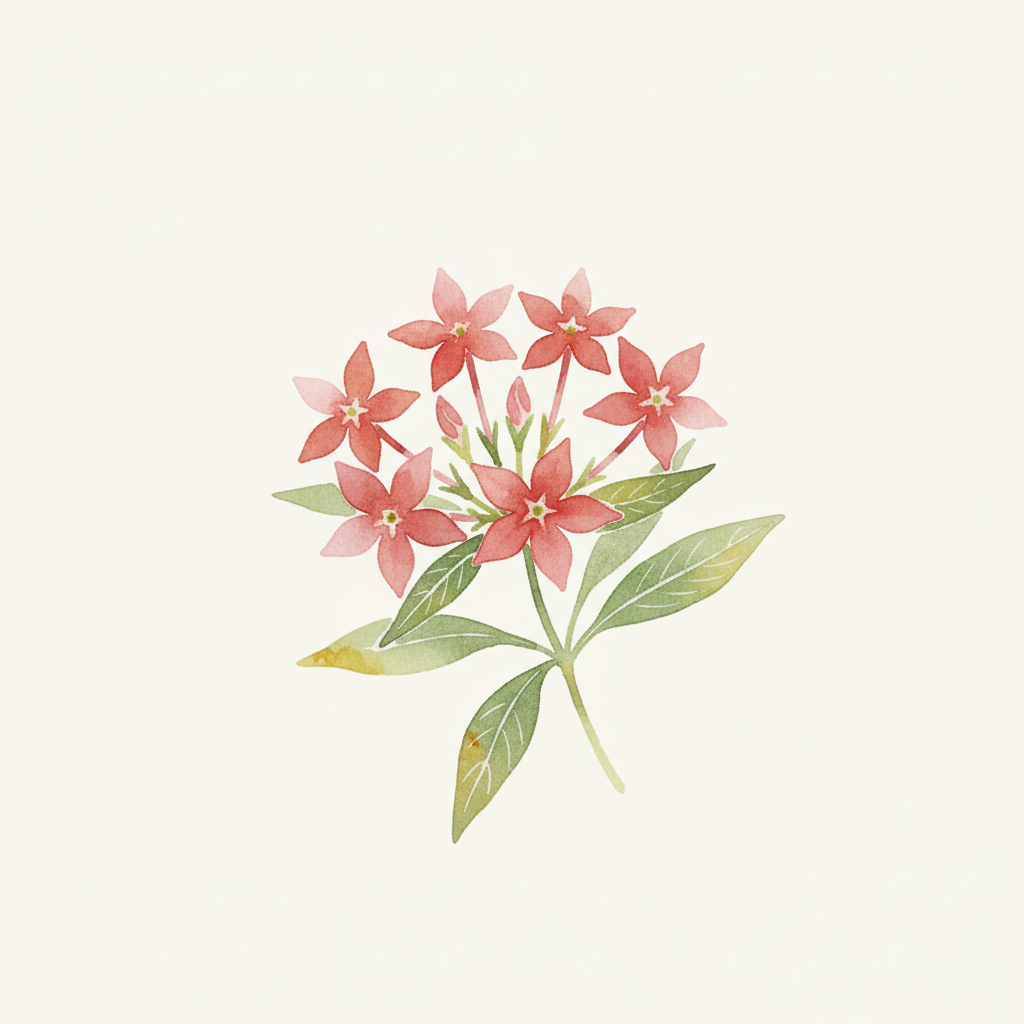
Star-shaped flower clusters that hummingbirds and butterflies hit on every pass. Blooms nonstop in heat that stops impatiens cold.
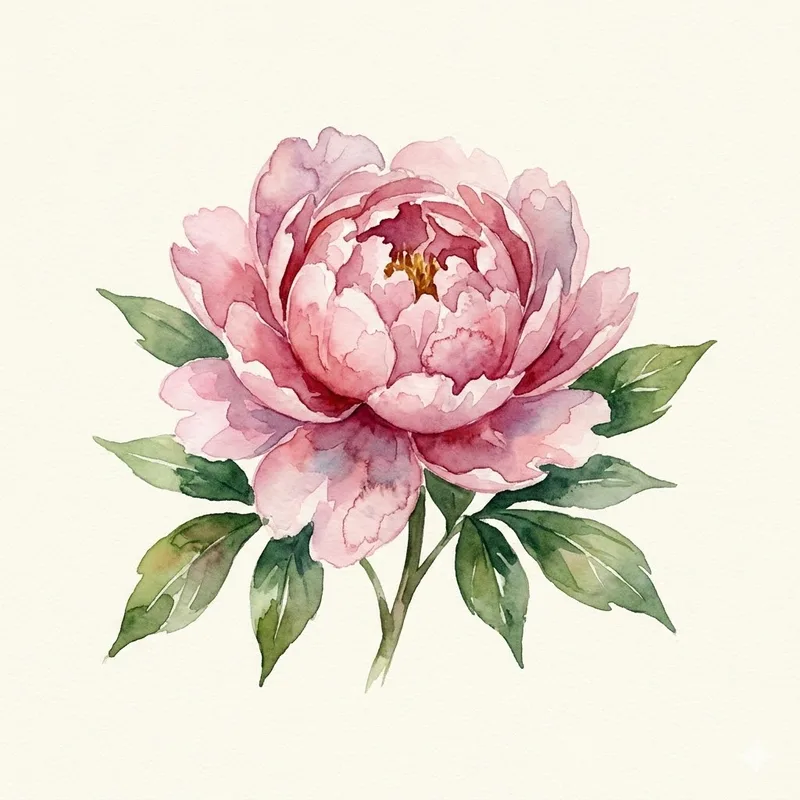
Lush, ruffled blooms with intoxicating fragrance. Lives for decades.
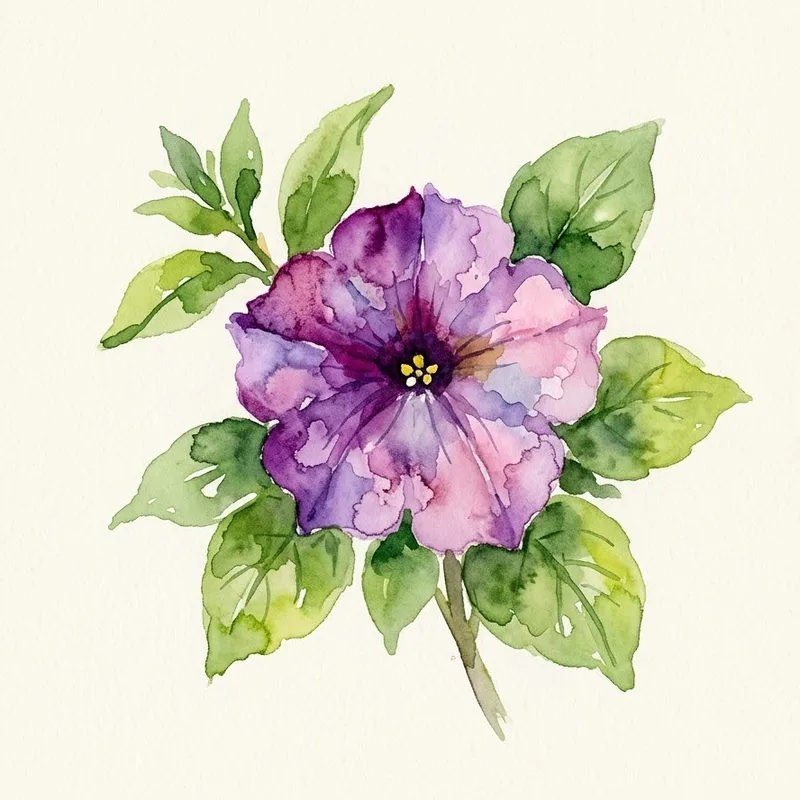
Cascading color for containers and beds. Blooms nonstop until frost.
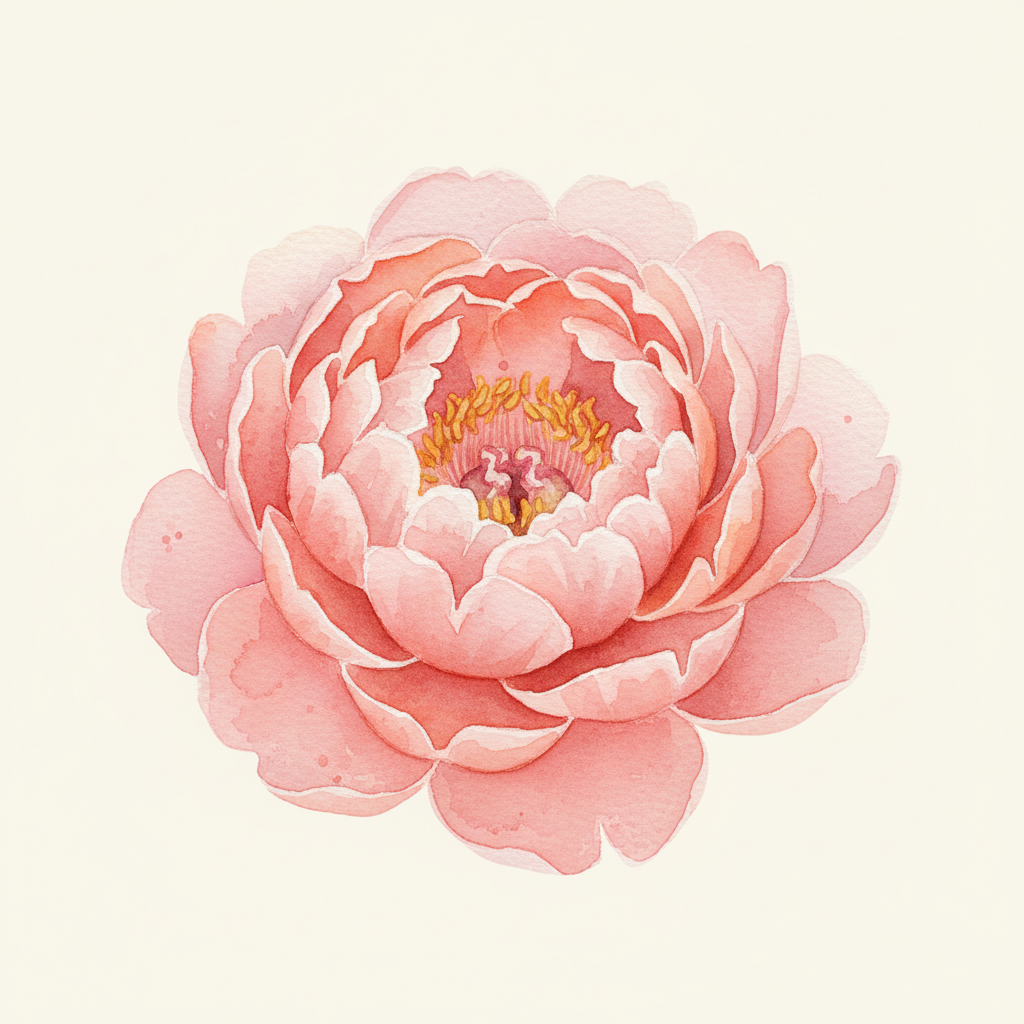
Vivid coral-pink semi-double blooms that fade to peach-cream. Early bloomer with a sweet fragrance and one of the most photographed peonies on Instagram.
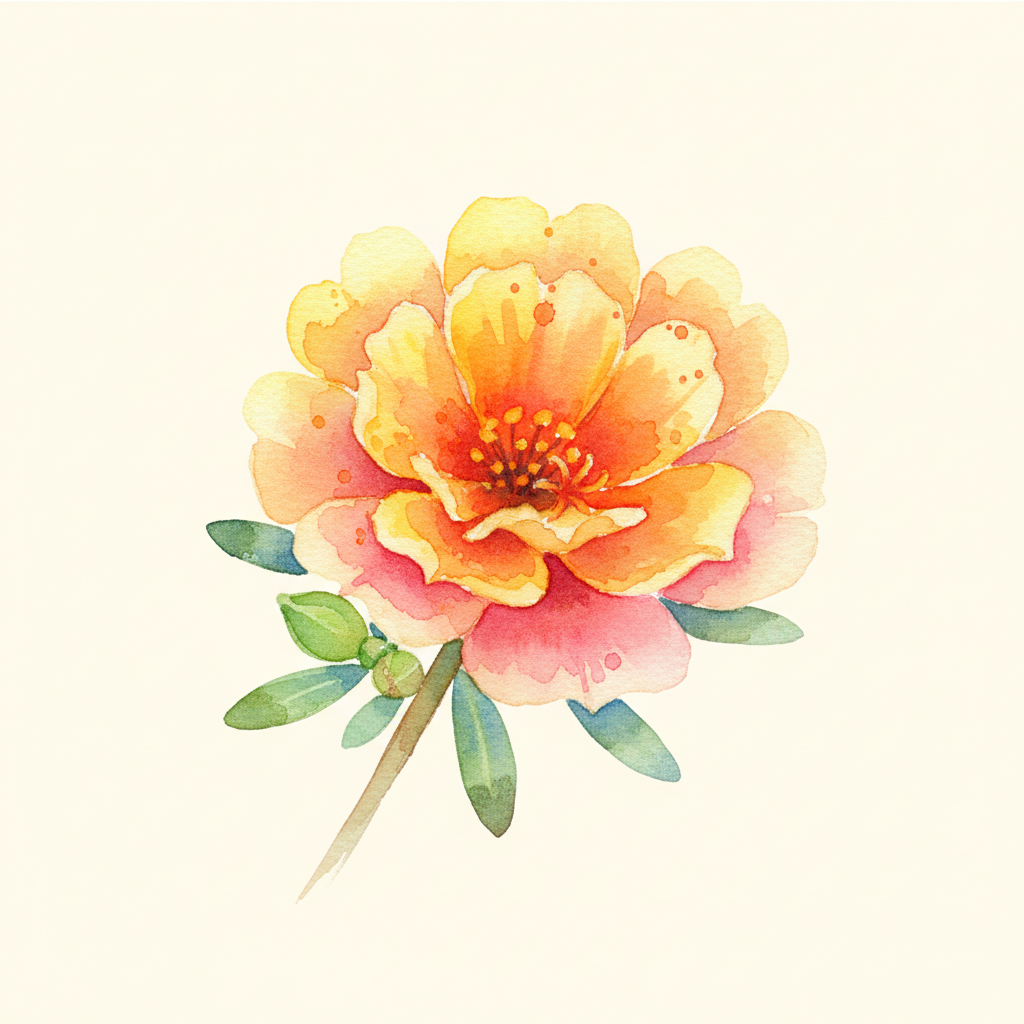
Succulent-leaved sun lover with silky rose-like blooms that thrives where pavement, rock, or sand defeats everything else.
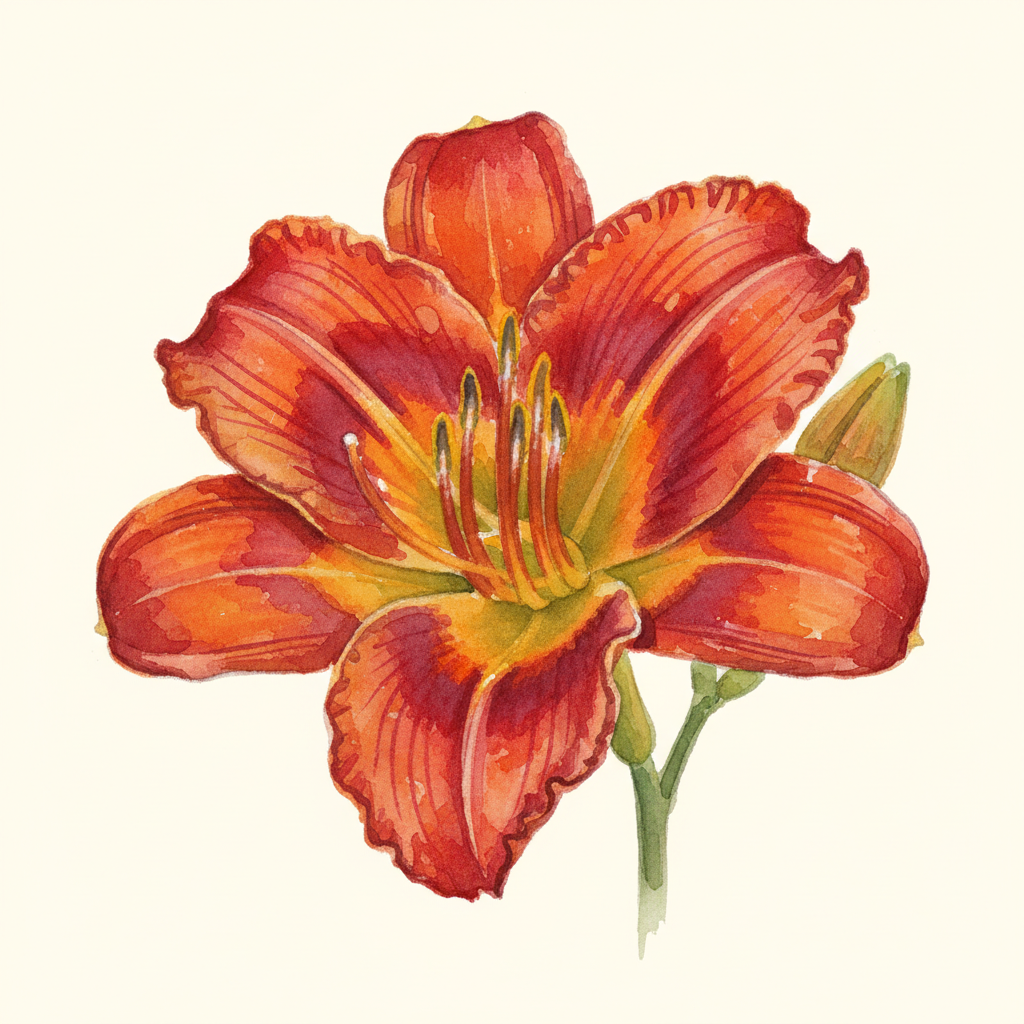
Brilliant red with a small yellow center, compact and one of the earliest daylilies to kick into rebloom.
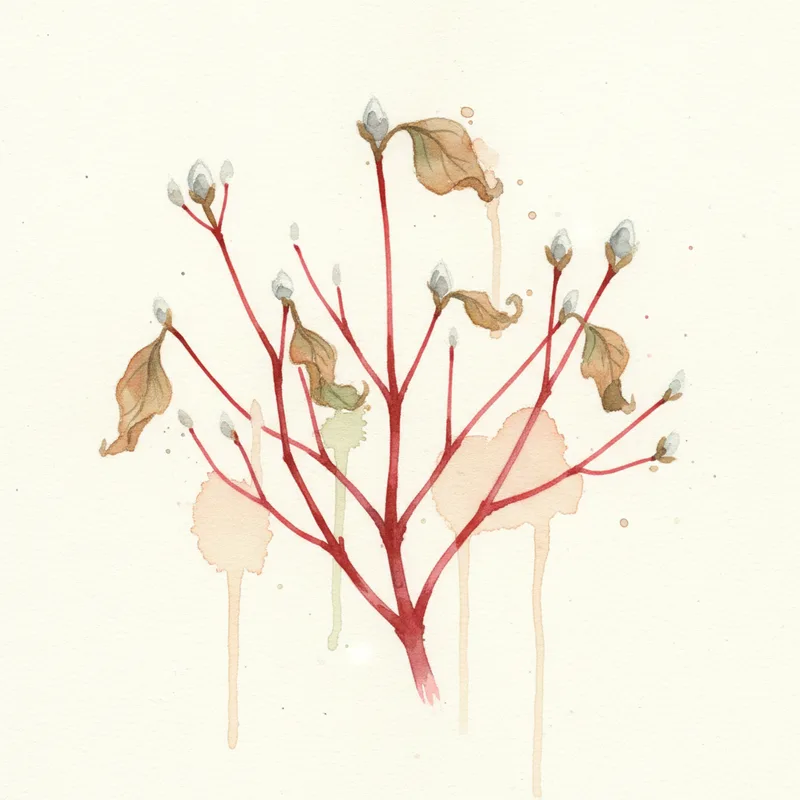
Flat clusters of white flowers and berries give way to vivid red stems that shine in winter.
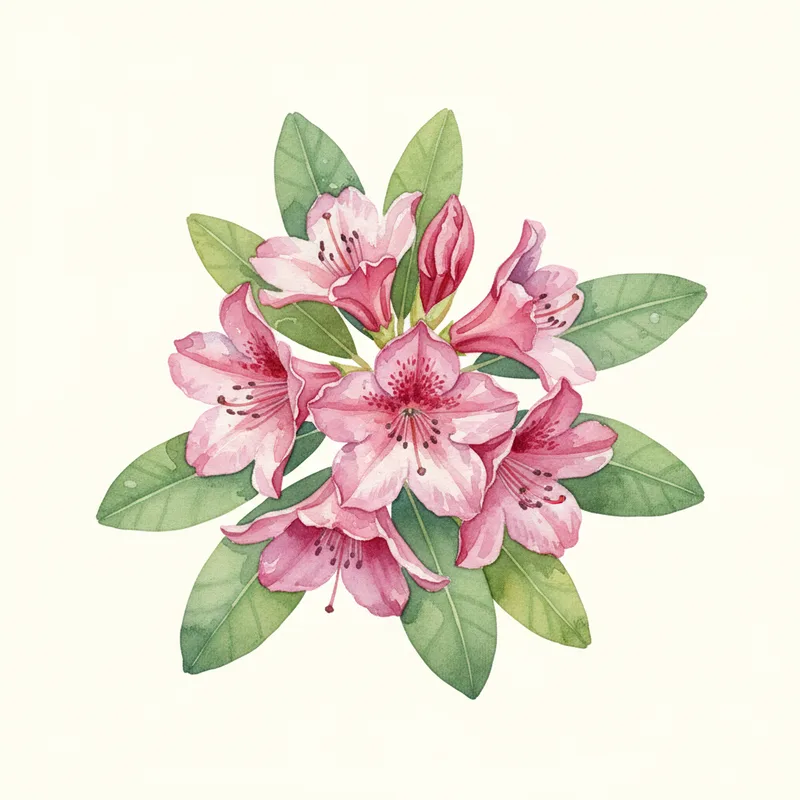
Big, bold trusses of bloom over glossy evergreen foliage.
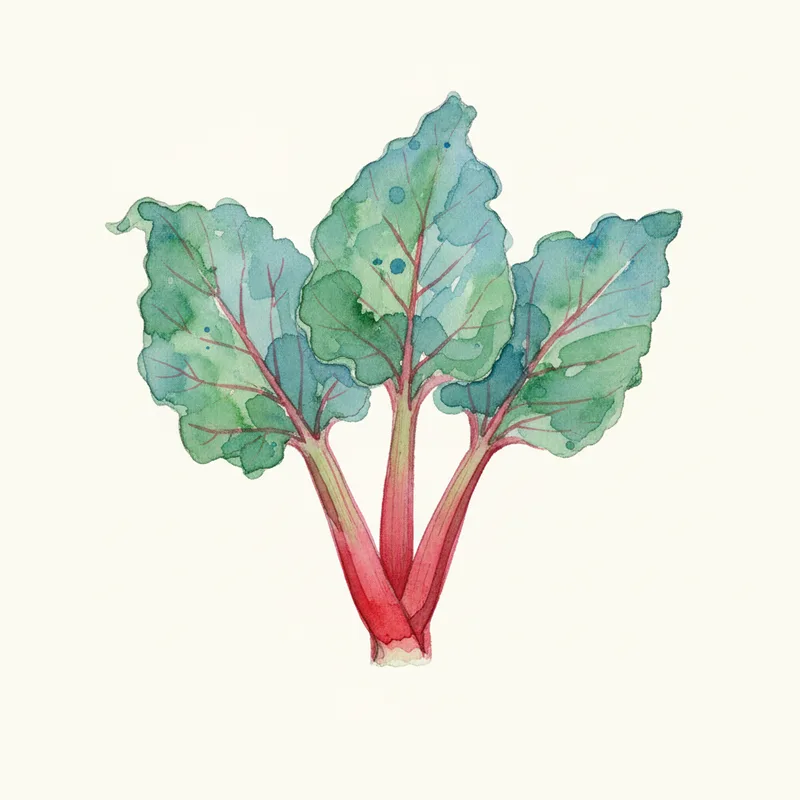
Huge leaves and thick red stalks give a lush look while supplying tart harvests.
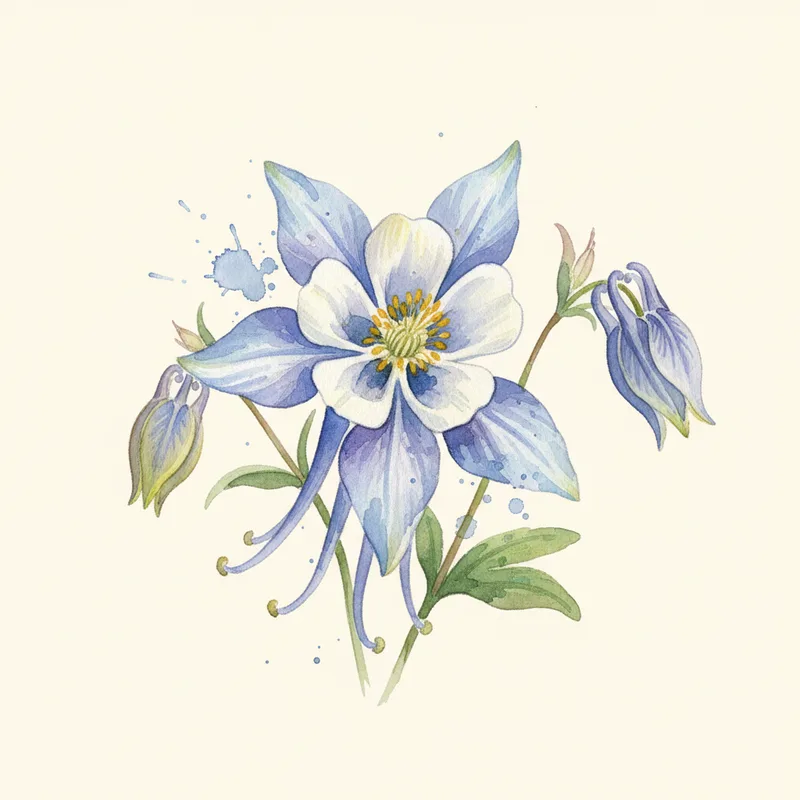
Large blue-and-white spurred flowers bloom in late spring above lacy foliage.
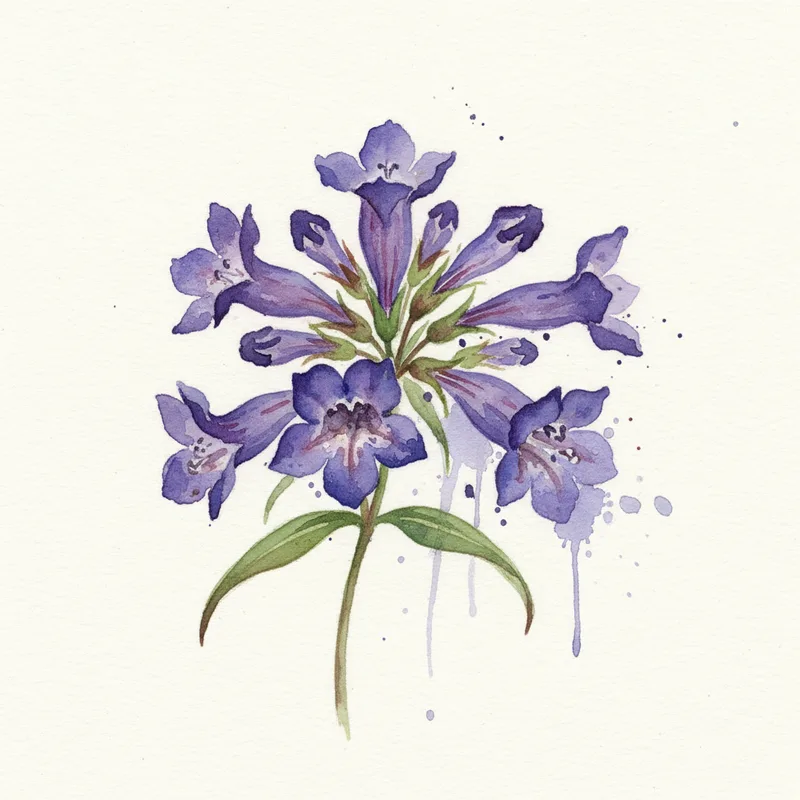
Spikes of deep blue tubular flowers rise above glossy evergreen foliage in early summer.
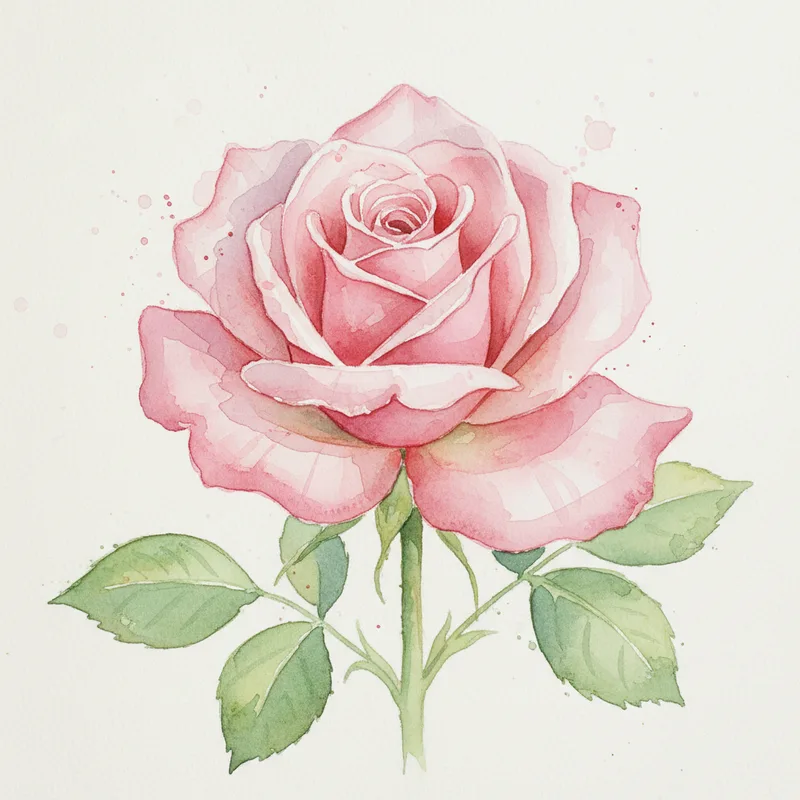
The queen of the garden. Modern varieties are surprisingly low-maintenance.
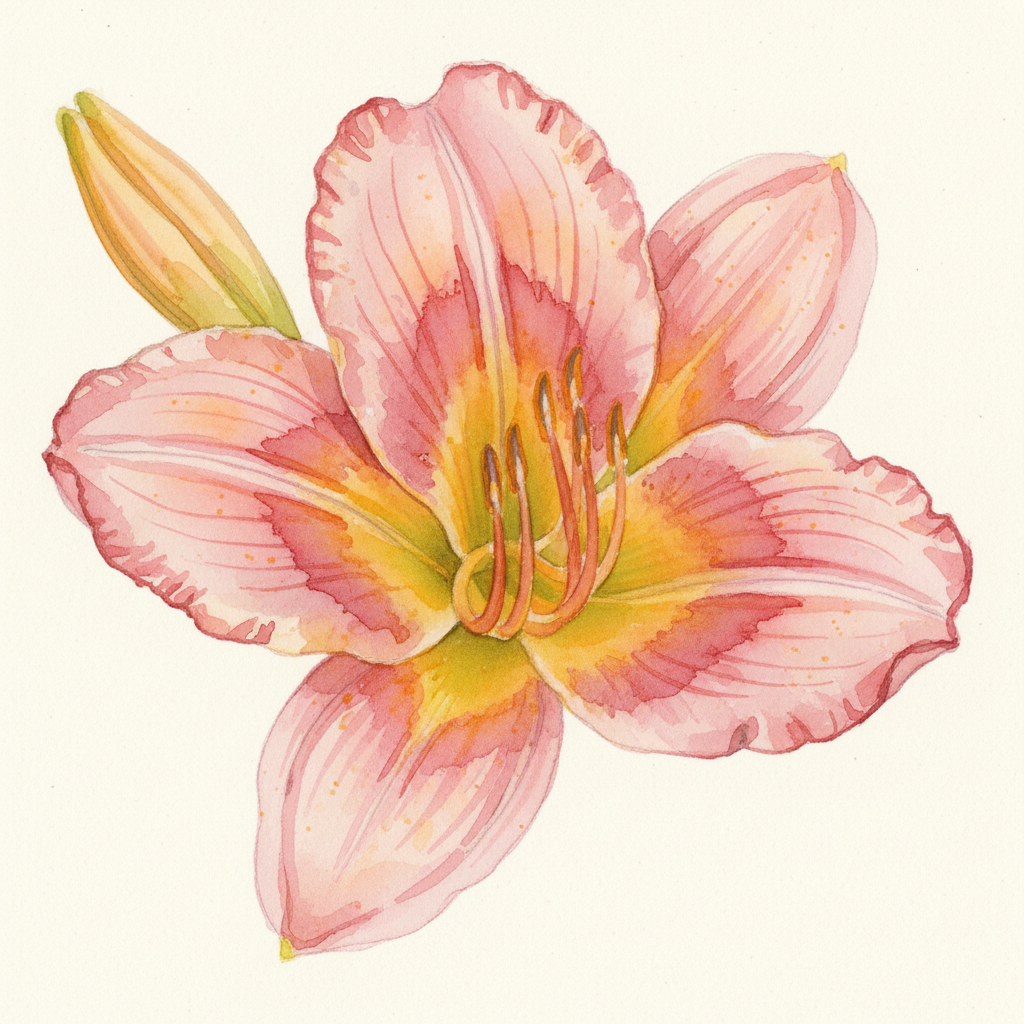
Soft rose-pink blooms with a cream throat that keep coming from late spring to frost, absolutely tireless.
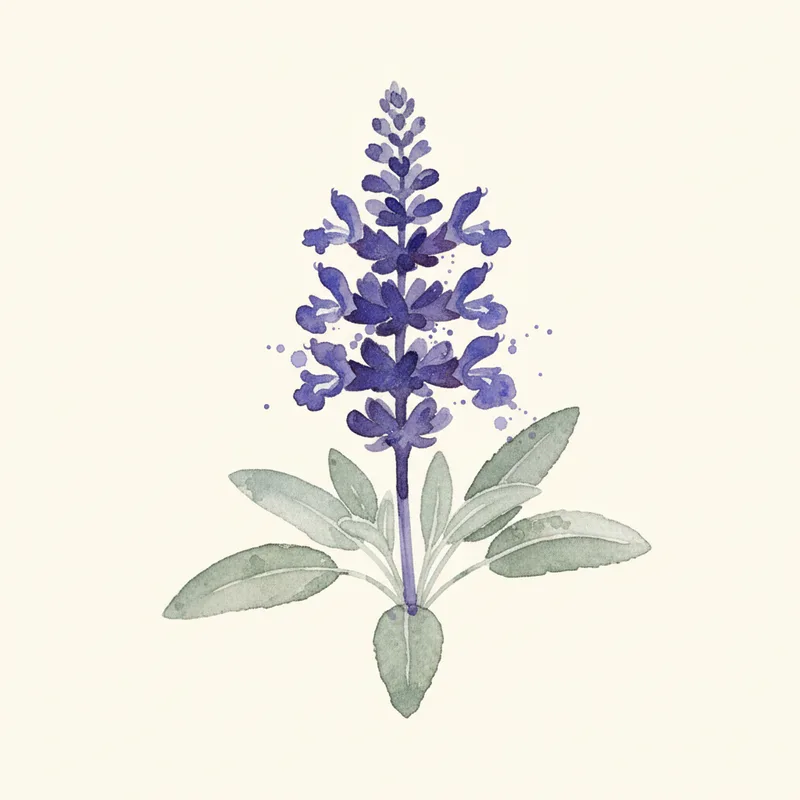
Vertical flower spikes that hummingbirds and bees cannot resist.
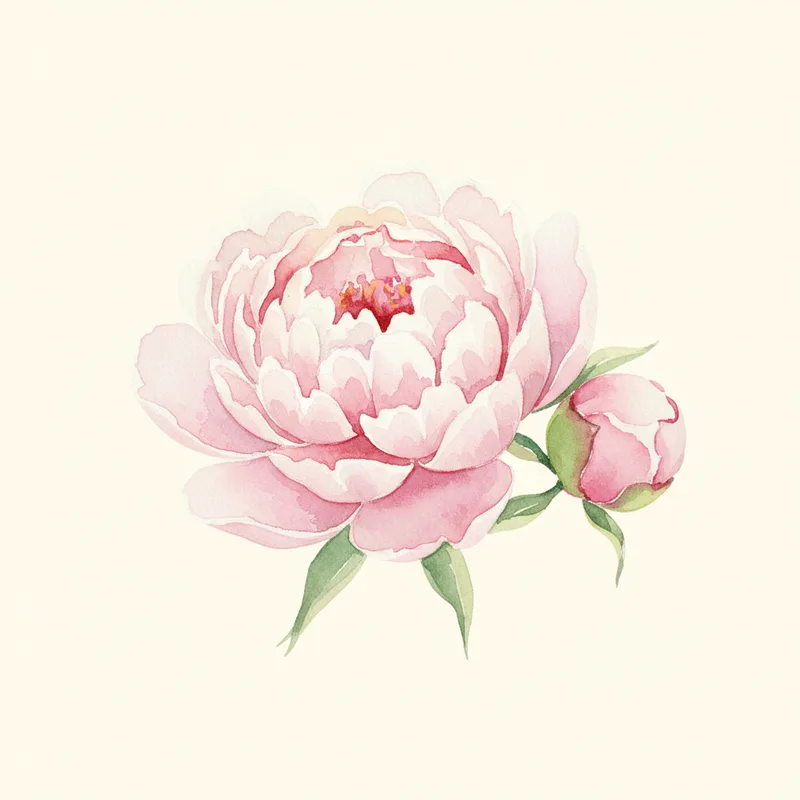
Fully double, apple-blossom pink blooms so heavy they nod on their stems. The most planted peony in history.
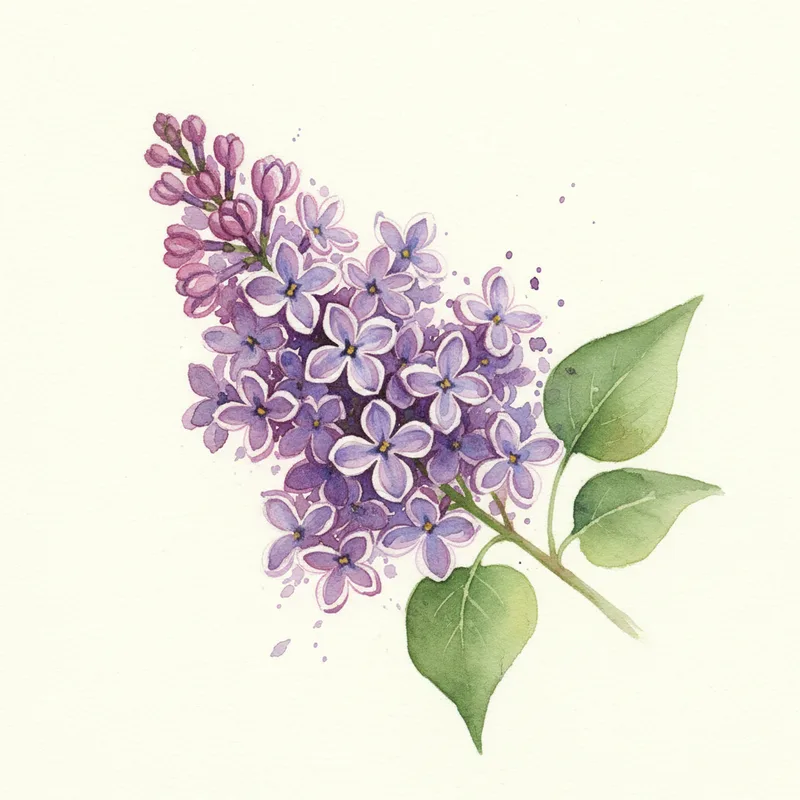
Unique bicolor blooms with purple petals edged in white. A head-turner in any spring garden.
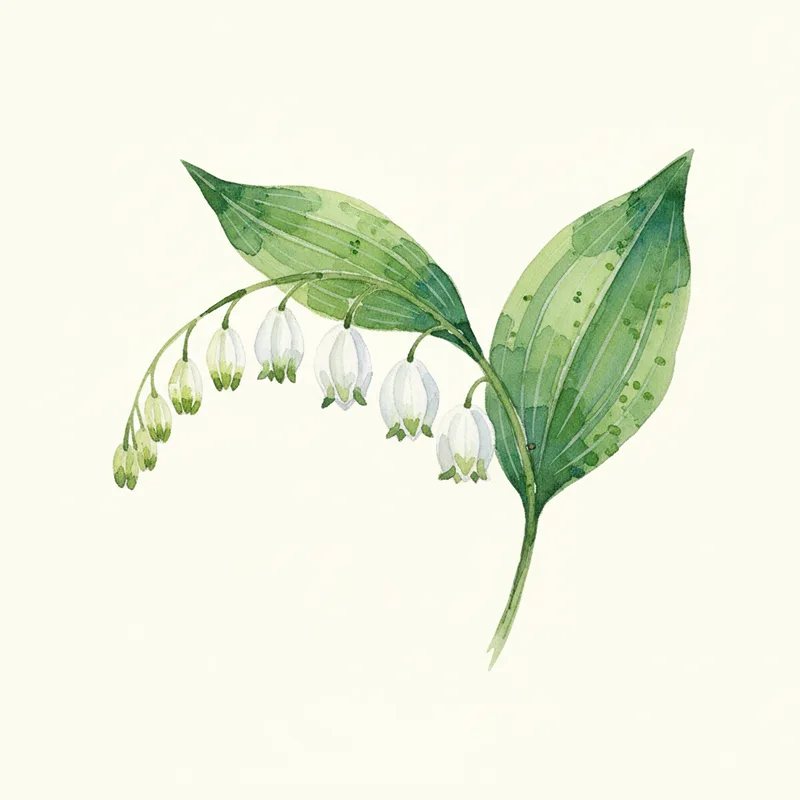
Arching stems hung with dangling white bells. Pairs of leaves create graceful, layered architecture.
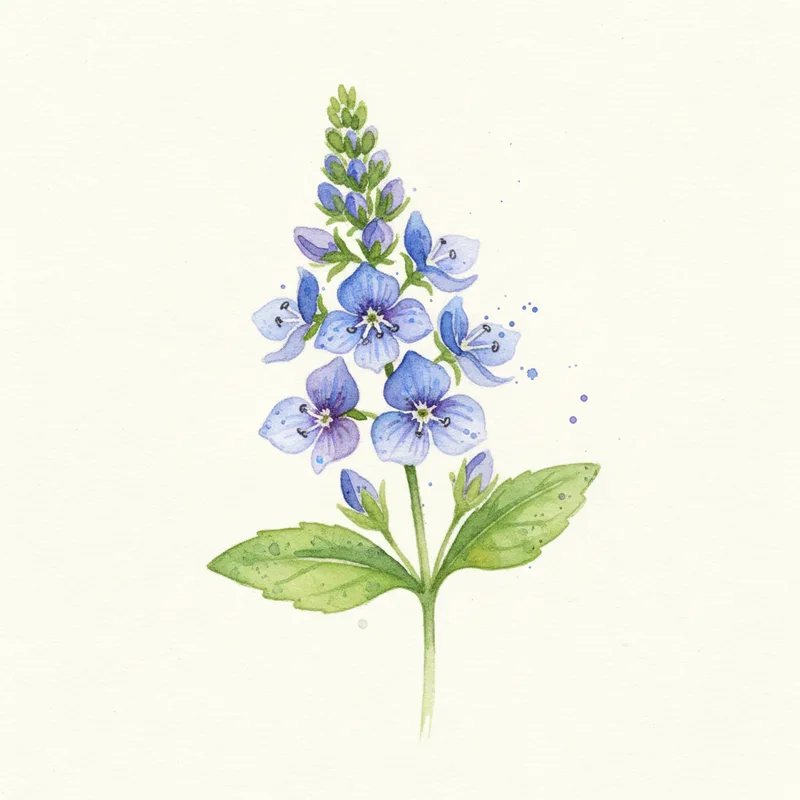
Tidy spikes of blue that add vertical punch to the front of the border.
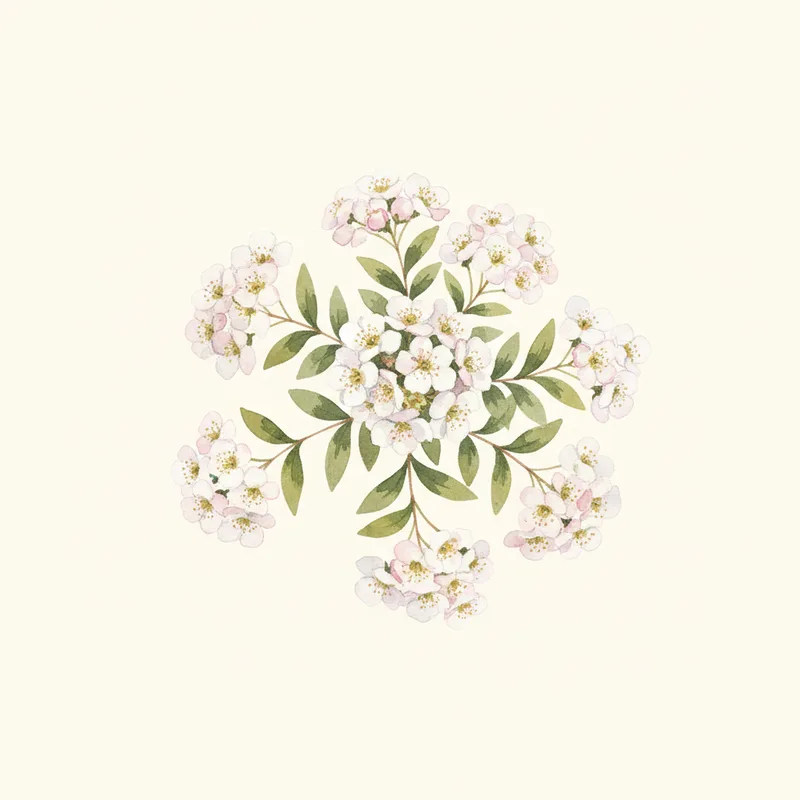
Flat-topped flower clusters on tidy mounds. The easiest flowering shrub.
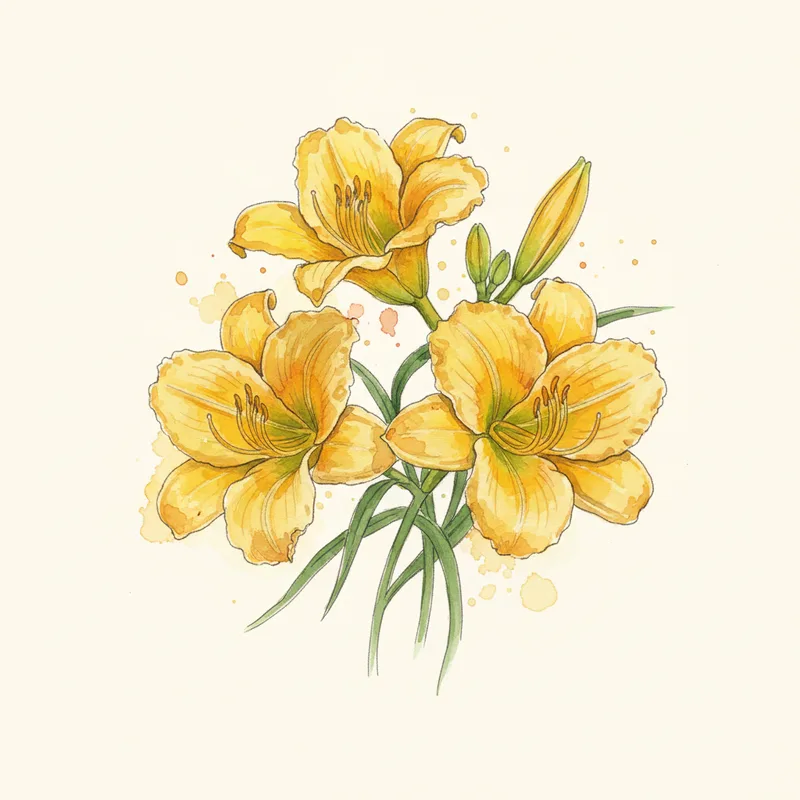
The most planted perennial in America. Compact, reblooming, and basically indestructible.
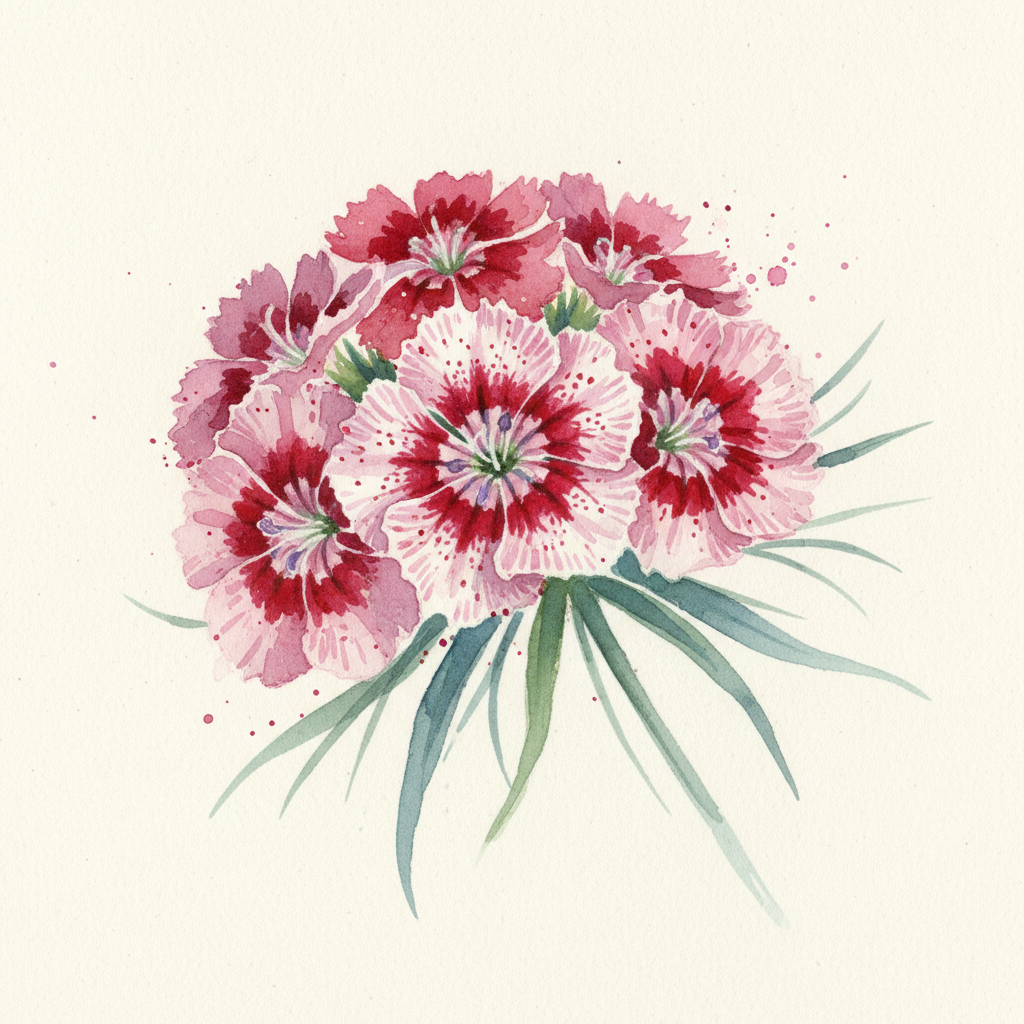
Dense flat clusters in zoned bicolors with a sweet clove fragrance. Old-fashioned cottage charm that returns reliably.
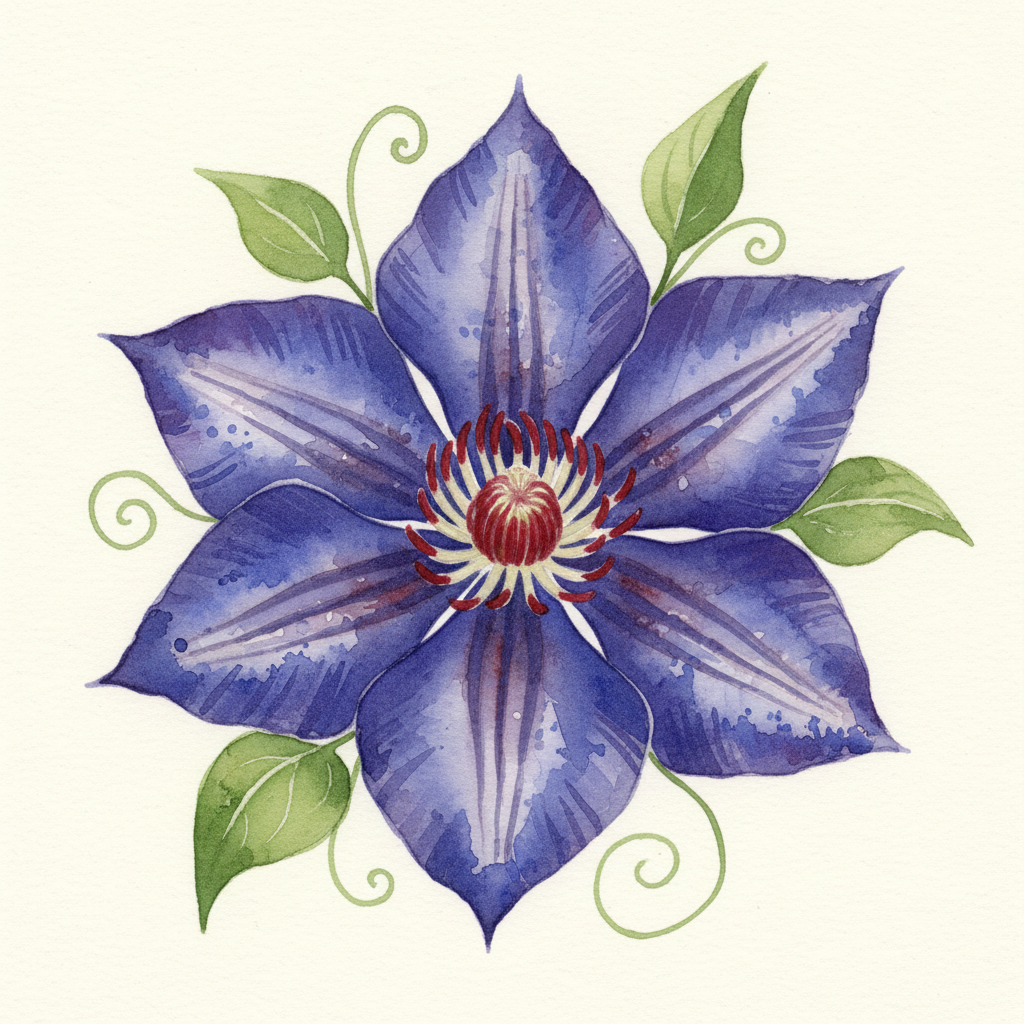
Big, rich violet-blue flowers with silvery reverse petals rebloom through the season on a vigorous, reliable plant.
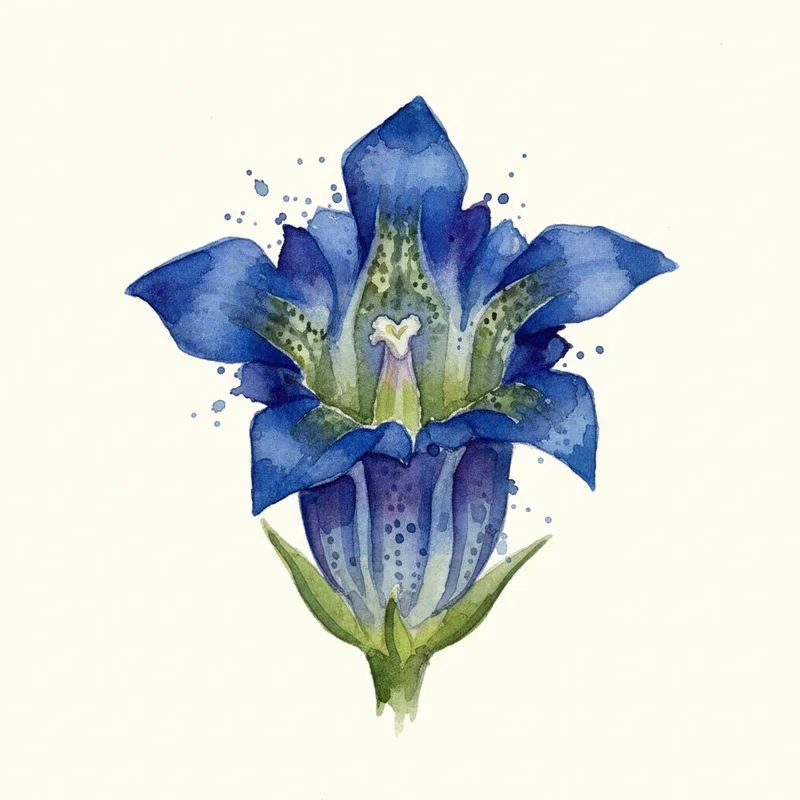
Intense, almost electric blue trumpet flowers on a low mat. The holy grail of alpine gardeners.
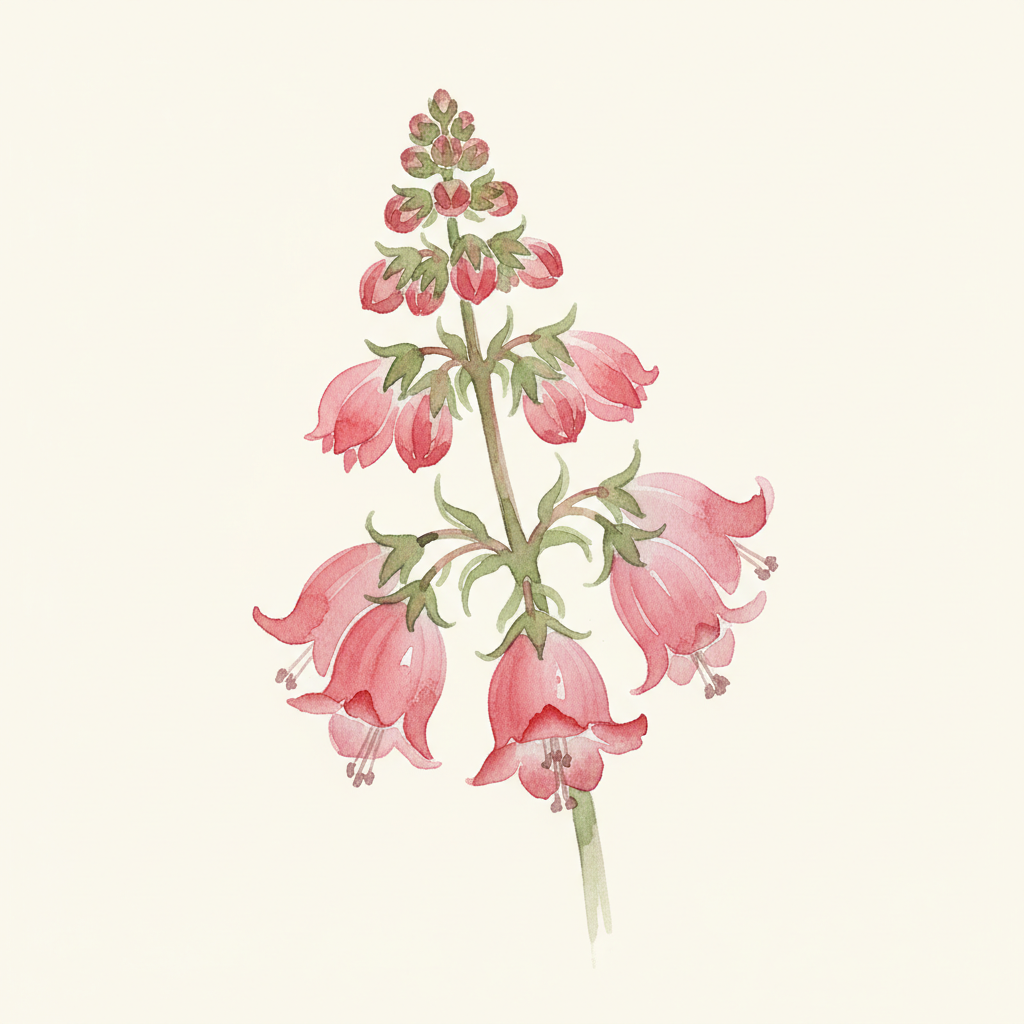
Warm amber-caramel foliage that glows in the shade garden all season. The flowers are just a bonus.
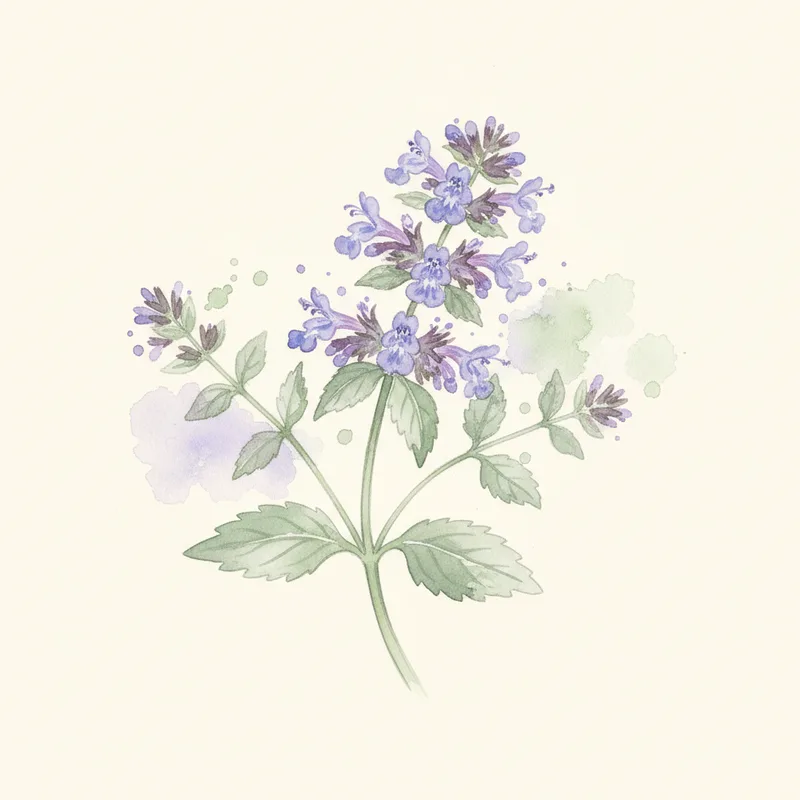
Perennial Plant of the Year. Billowy lavender-blue spikes that rebloom hard after a shear.
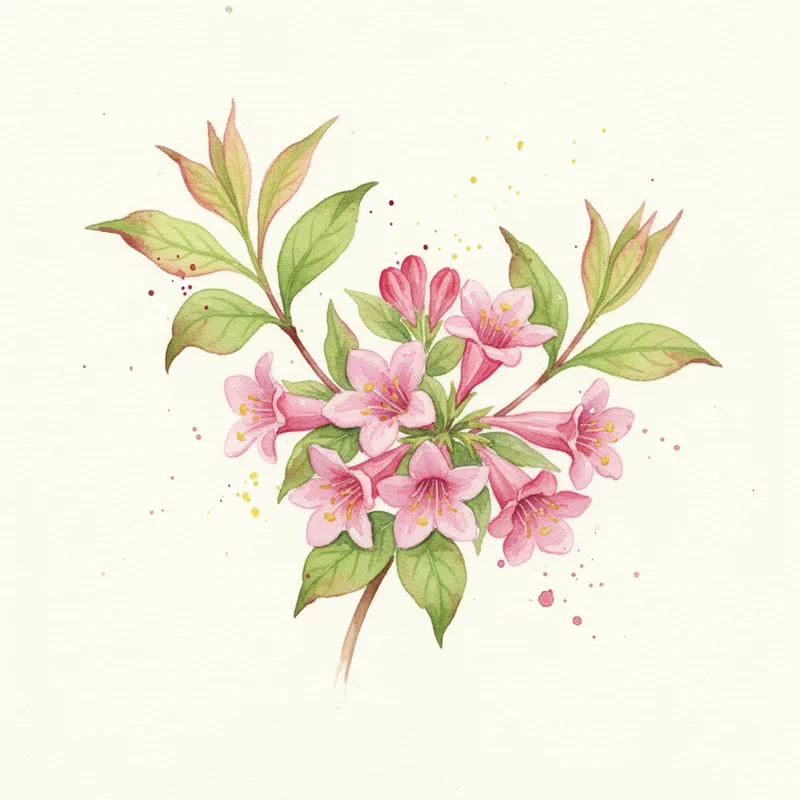
Tubular blooms smother arching branches in late spring. Hummingbird haven.
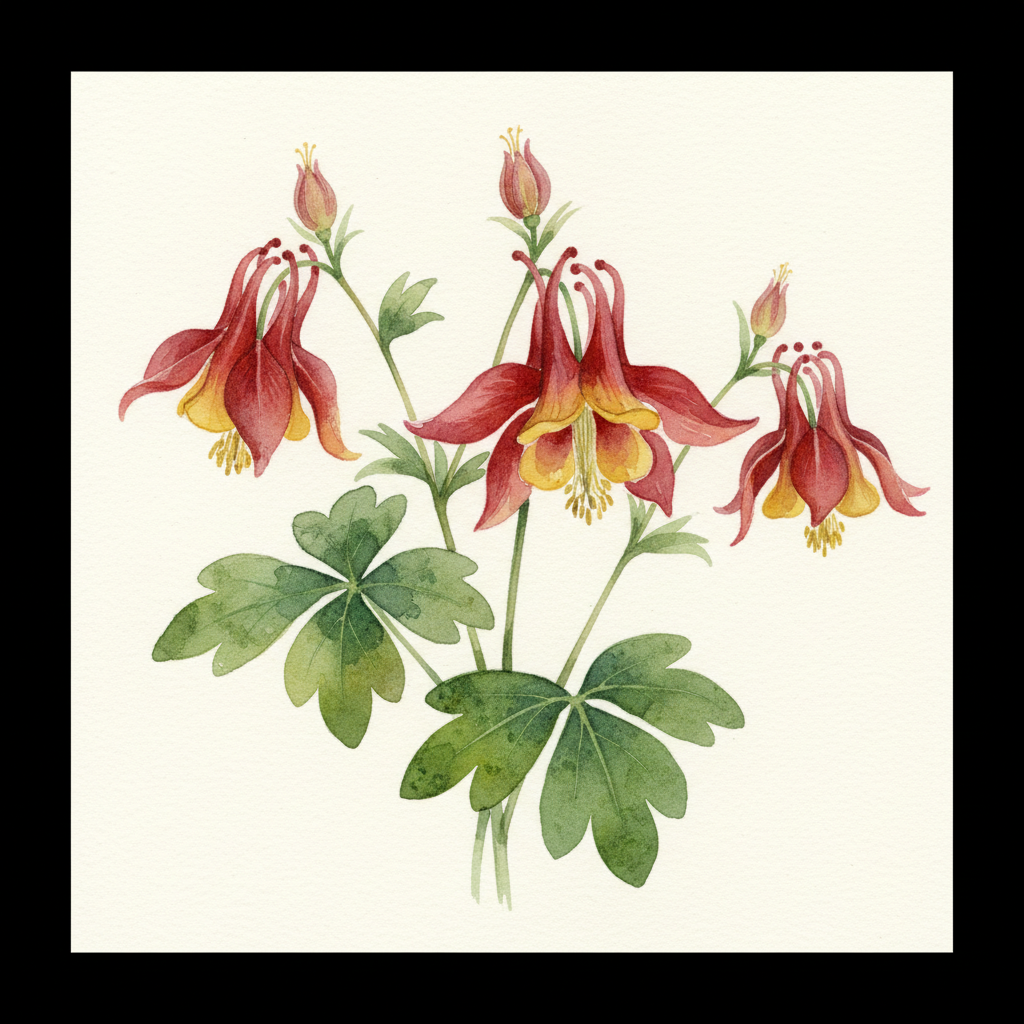
Scarlet and yellow spurred flowers that hummingbirds follow through the Pacific Northwest's mountain meadows.
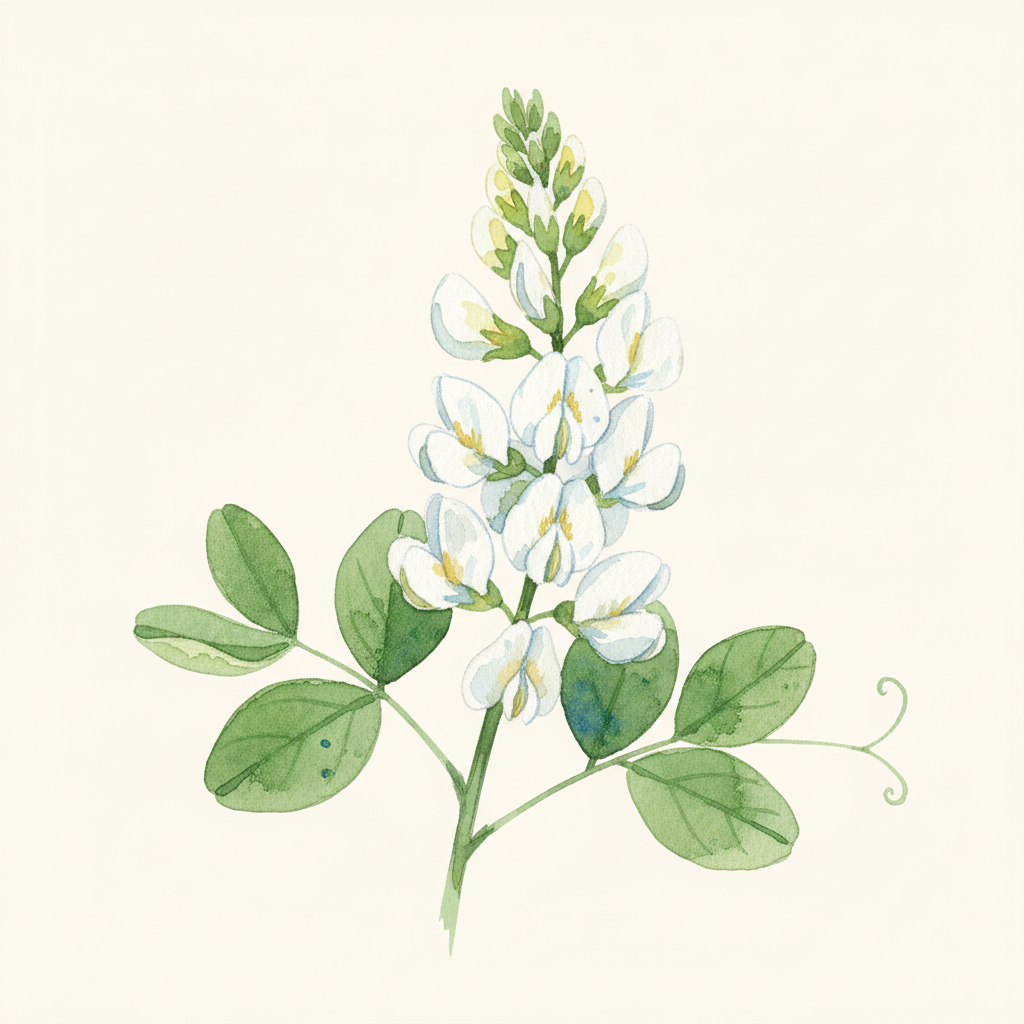
Luminous white lupin-like spikes on a structural native that's practically indestructible and improves with every year.
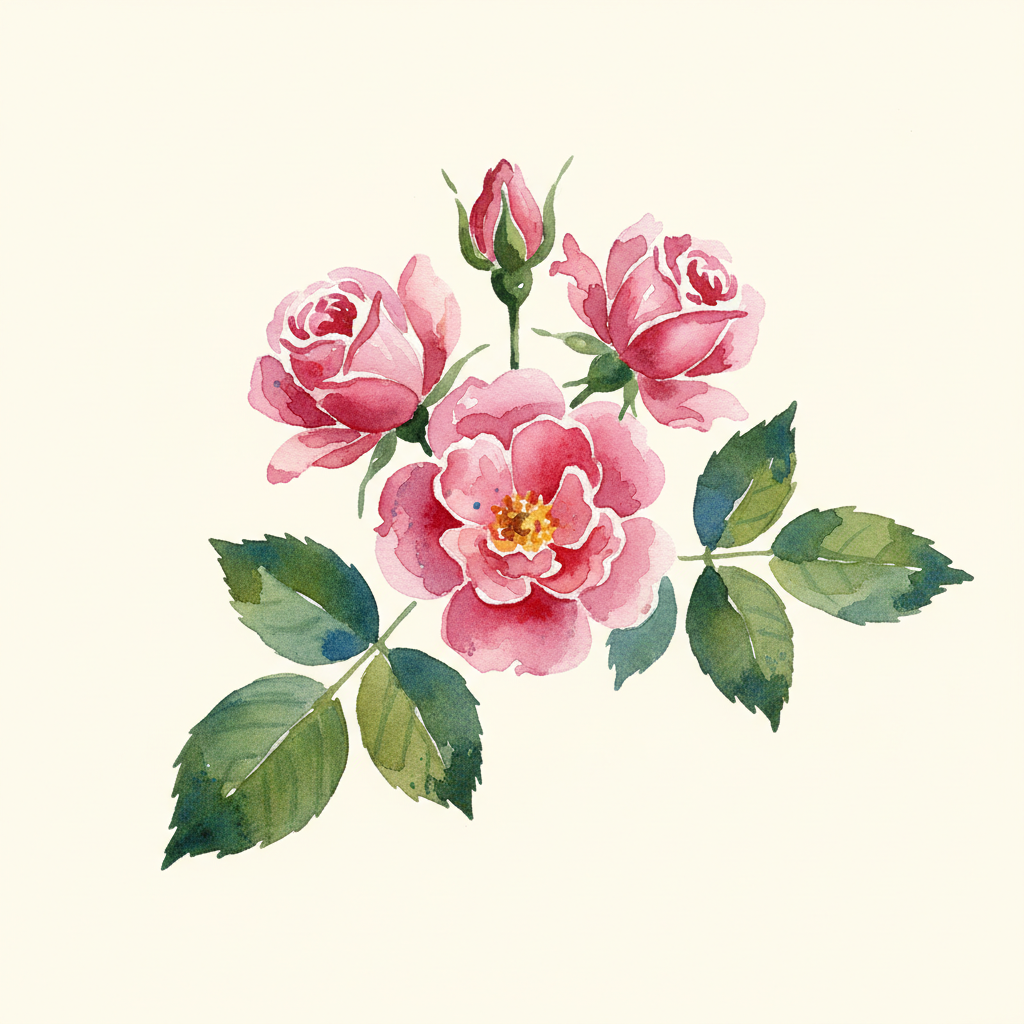
Bulletproof Canadian Explorer climber that survives zone 3 winters without protection. Strawberry-pink semi-double blooms in massive clusters.