What to Plant in December (It's Less Empty Than You'd Think)
December planting feels paradoxical but it's productive: bare-root trees, late bulbs in mild zones, indoor seed starting, and dormant transplants.
December planting is real but limited. In most US zones the ground is frozen or close to it, and the practical work shifts to bare-root planting, mild-zone bulb finishing, indoor forcing, and planning. Done right, December still pulls its weight.
The trick is matching activity to climate. December in Phoenix and December in Minneapolis are different months. The opportunities below are organized by what's actually possible where you are.
December planting realities
Soil temperature is the deciding factor. Below about 35°F bulb roots stop growing. Below 32°F you can't dig. North of zone 6, December planting is mostly limited to bare-root and indoor work.
South of zone 7, December is one of the more productive months: cool-season vegetable transplants, last-chance bulb planting, pansies and snapdragons for winter color, and even some flowering shrub installation.
Bare-root tree and shrub planting
December is prime bare-root season in zones 6-9. Nurseries dig dormant trees and ship them roots-naked, the trees go directly into prepared holes, and they establish over winter for a strong spring start.
Order before Thanksgiving for December delivery. When the trees arrive, soak roots in water for an hour, plant at the same depth they grew before, mulch heavily, and water deeply through any winter dry spells.
Best candidates: fruit trees (apple, pear, peach, cherry), shade trees (maple, oak), and dormant ornamental shrubs. Most flowering shrubs ship bare-root from December through February.
Bare-root costs about half what container-grown costs, establishes faster, and produces healthier long-term specimens.
Last-chance bulb planting (zones 7-9)
If you procrastinated on November bulb planting, December is your last call in zones 7-9. The ground is still workable on warm days, the bulbs still have time to root in before bloom.
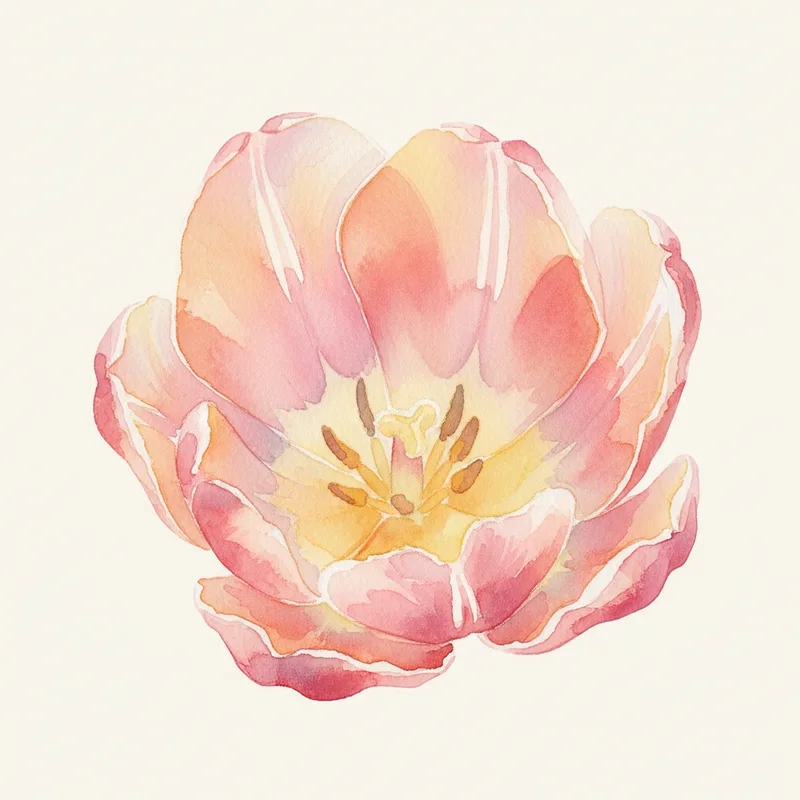
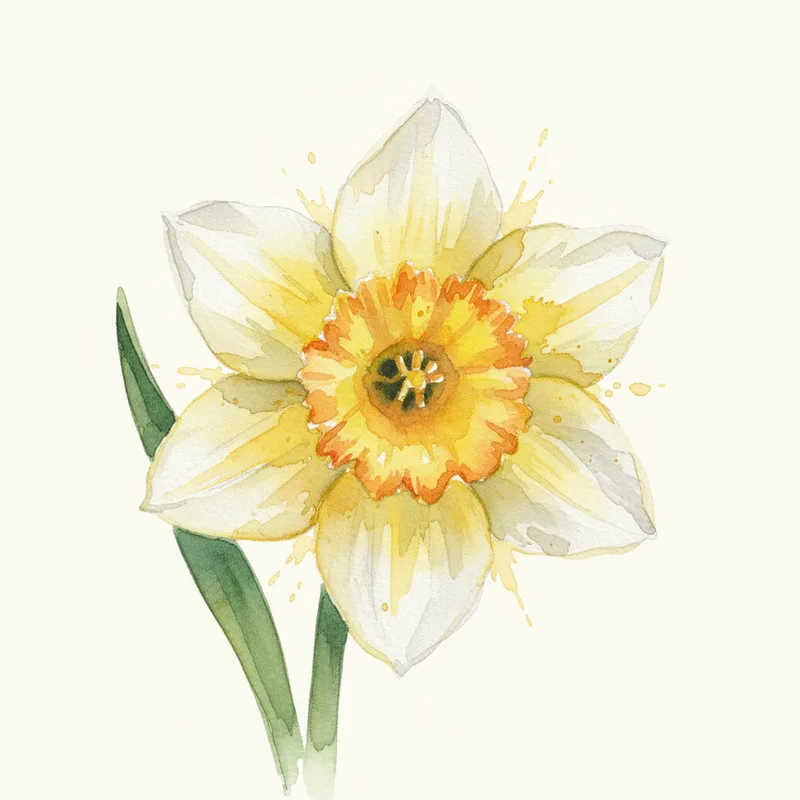
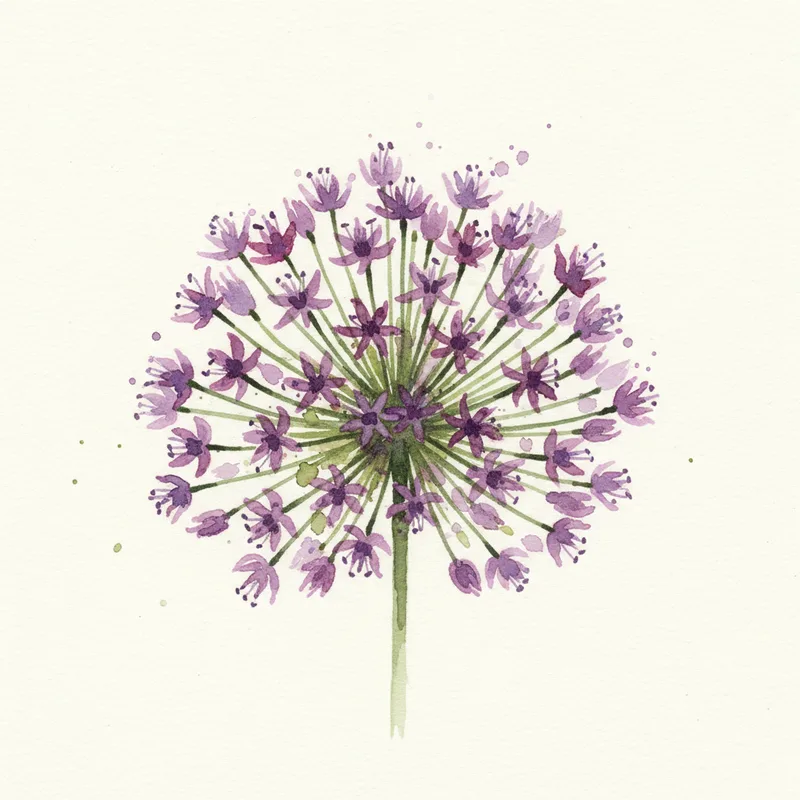
Bulbs that store well and tolerate late planting: Tulip, Daffodil, Allium, hyacinths.
Bulbs that should not be late-planted: snowdrops and winter aconite (these need to root in earlier; September or October only).
If your tulip bulbs are starting to soften or sprout in their bag, plant them anyway. They'll bloom shorter but they'll bloom.
Indoor forcing and bulbs in pots
December is the month to start forced bulbs that bloom indoors in February or March. Paperwhite narcissus is the classic: plant in a shallow tray of pebbles and water, place in a bright window, and they bloom heavily fragrant white flowers in three to five weeks.
Worth knowing if you were hoping for flowers on the table this month: December potting is a late-winter plan, not a holiday one. An amaryllis for Christmas has to go in the pot in early November.
Amaryllis bulbs planted in December bloom huge red, pink, white, or striped trumpet flowers in four to eight weeks, depending on variety. They become heirloom plants if cared for after bloom (let them go semi-dormant in summer, restart in fall, bloom again next December).
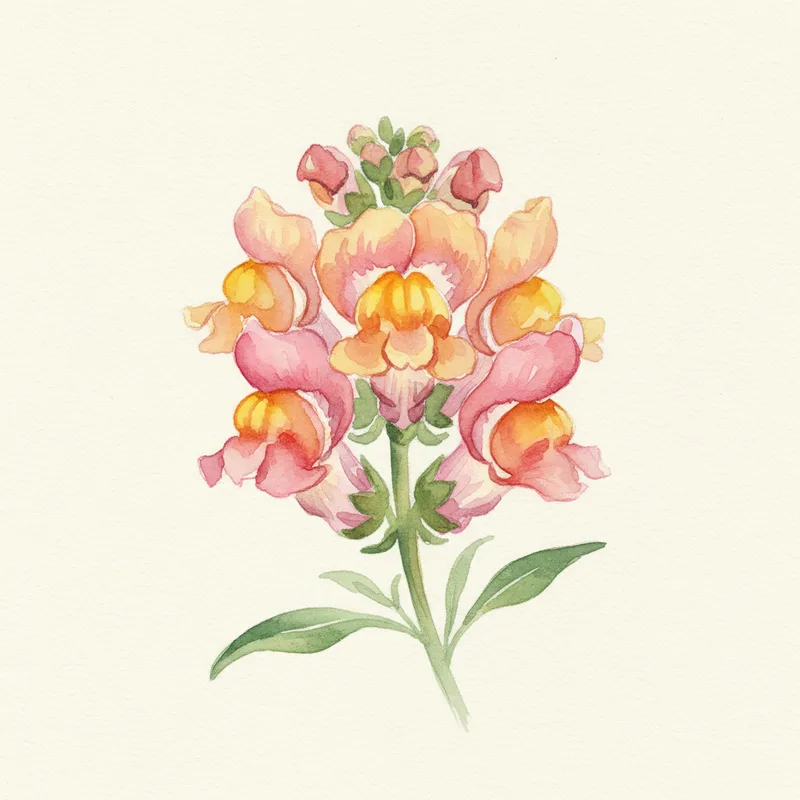
For outdoor pots in zones 8-10: cool-season annuals like Pansy, Snapdragon, Calendula, and ornamental cabbage and kale provide color through December and into spring.
Cool-season vegetable starts (zones 8-10)
Mild-winter zones can plant cool-weather vegetables throughout December for harvest in February and March. Lettuce, spinach, chard, kale, and arugula all establish in cool soil.
Onion sets and garlic can still go in zones 8-10 in early December. Sweet peas can be sown for early-spring bloom.
Dormant transplants in mild zones
December is a good month to lift and move dormant perennials and shrubs in zones 7-10. The cool soil favors root recovery, and the plants are not actively growing topgrowth that needs supporting.
Wait for a warm day above freezing, dig deep to preserve as much root mass as possible, replant immediately at the same depth, and water deeply.
Camellias and broadleaf evergreens (zones 7-9)
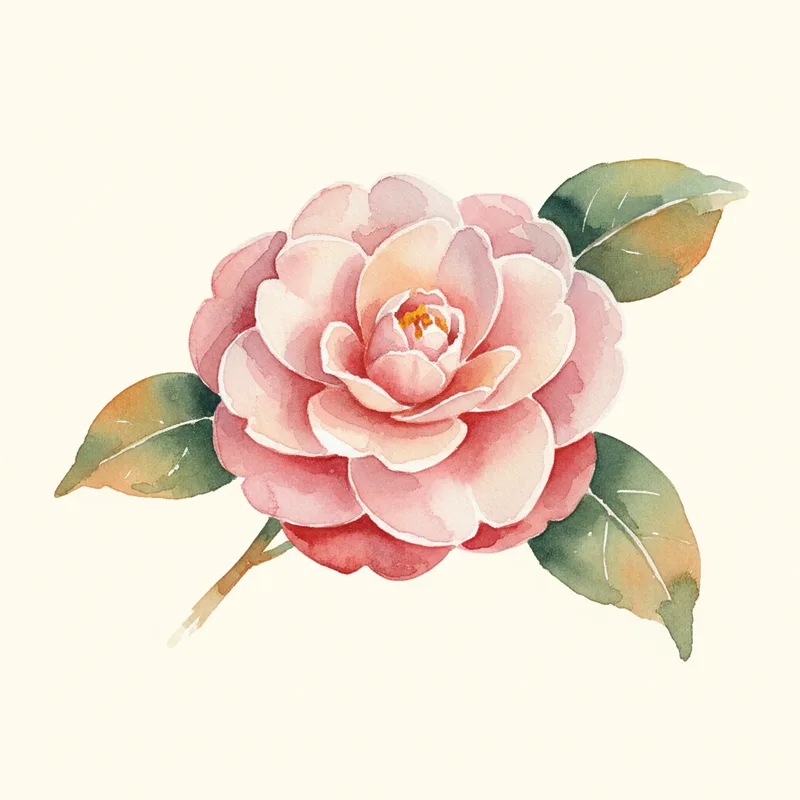
Camellia japonica can be planted in December in zones 7-9, especially in the South where winter bloom starts in this month. Container-grown plants establish over winter and the early-blooming varieties may be in flower at planting time.
Indoor seed starting (still too early for most things)
For most warm-weather seed starts, December is too early. Tomatoes, peppers, and cucumbers shouldn't be started until February or March in most zones.
The December indoor start exception: very slow-germinating cool-season flowers like lisianthus and certain perennials (echinacea, lavender from seed) benefit from a December seed-start so the seedlings have months to grow before spring transplant.
Planning month
For most northern gardeners, December's biggest gardening task is planning the next year. Order seed catalogs (or browse online), plan crop rotations for vegetable beds, draw out new perennial bed designs, order rare bulbs and dormant trees for January and February delivery.
Garden planning in December is more productive than most realize. The decisions you make now save the spring scramble. By February the best dahlia tubers and rare seeds are sold out. December ordering locks in the season.
Zone-by-zone December priorities
Zones 3-4: Maintenance and planning only. Order trees and bulbs for spring delivery. Prune dormant fruit trees on warm days.
Zones 5-6: Bare-root tree planting on warm days. Indoor forced bulbs. Planning. Mulch any unmulched plants now if not done.
Zone 7: Bare-root planting. Last-chance bulbs early in the month. Cool-season annuals (pansies, kale). Possible camellia planting.
Zones 8-9: Full planting month. Cool-season vegetables, sweet peas, last bulbs, camellias, bare-root trees, dormant transplants, pansies and snapdragons.
Zone 10+: Effectively the prime growing season. Cool-weather annuals at peak, vegetable seedlings going in, citrus pruning and fertilizing.
The bottom line
December is not a wasted month, even in cold climates. Bare-root planting alone justifies the season, and indoor forcing keeps a gardener engaged until February. In mild zones, December is one of the best planting months of the year. The trick is matching the work to the climate, then using the dark days for the planning that pays back the entire next year.
For winter garden ideas, see our Winter Interest Garden guide. For November tasks if you missed them, see What to Plant in November.
For a month-by-month chore checklist tailored to your USDA zone, see our garden chores by zone guide.
What's growing, what's blooming, what's worth planting.
For gardeners who like to stay ahead.