Building a Winter Interest Garden (Plants for the Bare Months)
From November to March most gardens look dead. The trick to a yard that looks intentional all winter is bark, berries, evergreen structure, and a few brave bloomers.
From November through March most American gardens look like crime scenes. Bare beds, dead-looking shrubs, brown grass, gray fences. We design our yards for May through September and then write off the other six months.
The winter-interest garden is a deliberate counter to this. It uses bark, berries, evergreen structure, dried seedheads, and a handful of brave winter bloomers to keep the yard visually engaging from leaf-drop through spring thaw. The investment is one good fall planting season. The payoff is six months of "wow, your yard looks great in January" instead of the standard wasteland.
The four pillars of winter interest
A winter garden built around just one strategy looks one-note. The good ones combine four elements in roughly equal measure.
1. Colorful bark and stems for January color when nothing else is happening.
2. Persistent berries for vibrant red or orange dots in a brown landscape.
3. Evergreen structure for the mid-toned green that grounds everything else.
4. Winter bloomers (yes, they exist) for genuine flower color in February and March.
Add architectural seedheads and ornamental grasses for texture, and the result is a garden that holds its own through every winter month.
Plants for colorful winter bark and stems
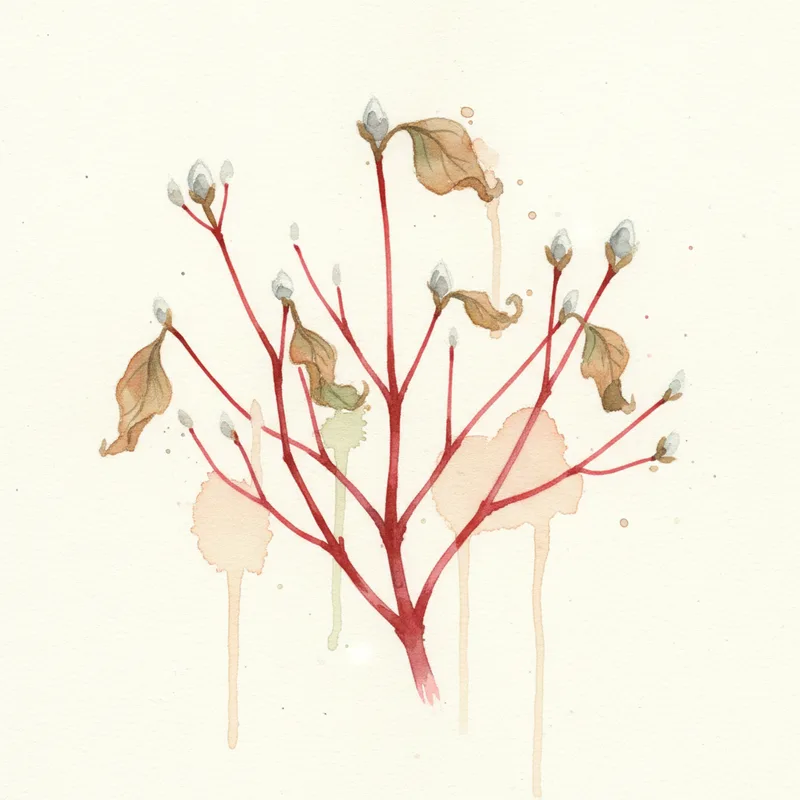
Red Twig Dogwood is the headline plant for winter color. Bare red stems against a snowy backdrop is one of the great garden images. Cultivars range from coral-red (Cardinal) to nearly black-red (Arctic Fire). Grows six to eight feet, tolerates wet soil, and looks better as the winters get colder.
Yellow-twig dogwood (a yellow-stemmed cultivar of the same species) pairs beautifully with red-twig for a two-color winter display. Plant in mass for maximum impact.
Birch trees with white peeling bark earn their keep all winter. Heritage River Birch has cinnamon-pink exfoliating bark. Paper birch has pure white. Both are stunning when leafless against an evergreen backdrop.
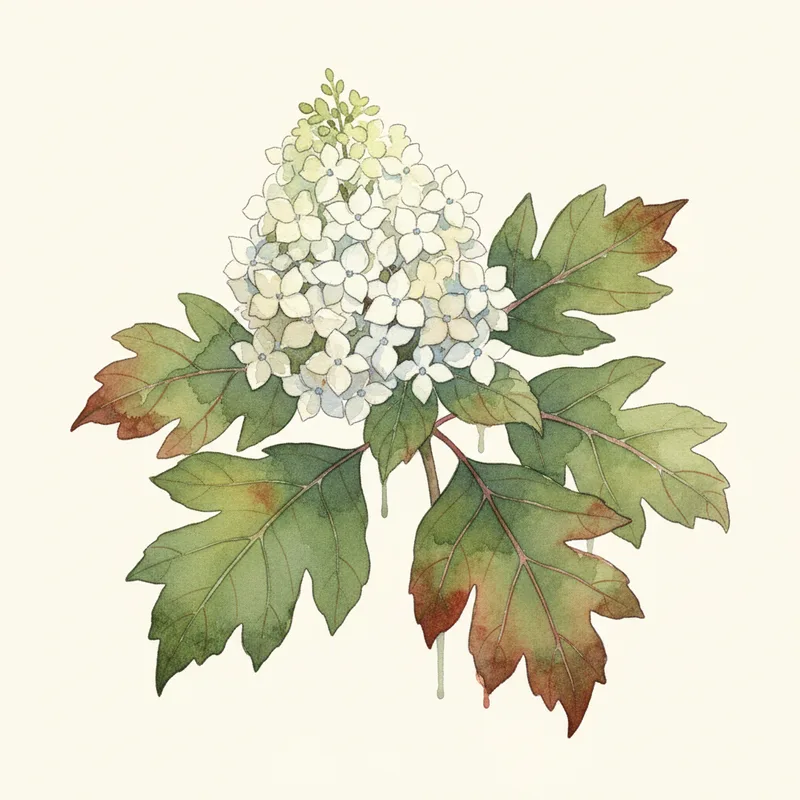
Oakleaf Hydrangea has cinnamon-colored exfoliating bark that becomes the center of attention once leaves drop. Most people grow oakleaf for spring bloom and miss its best feature.
Plants for winter berries
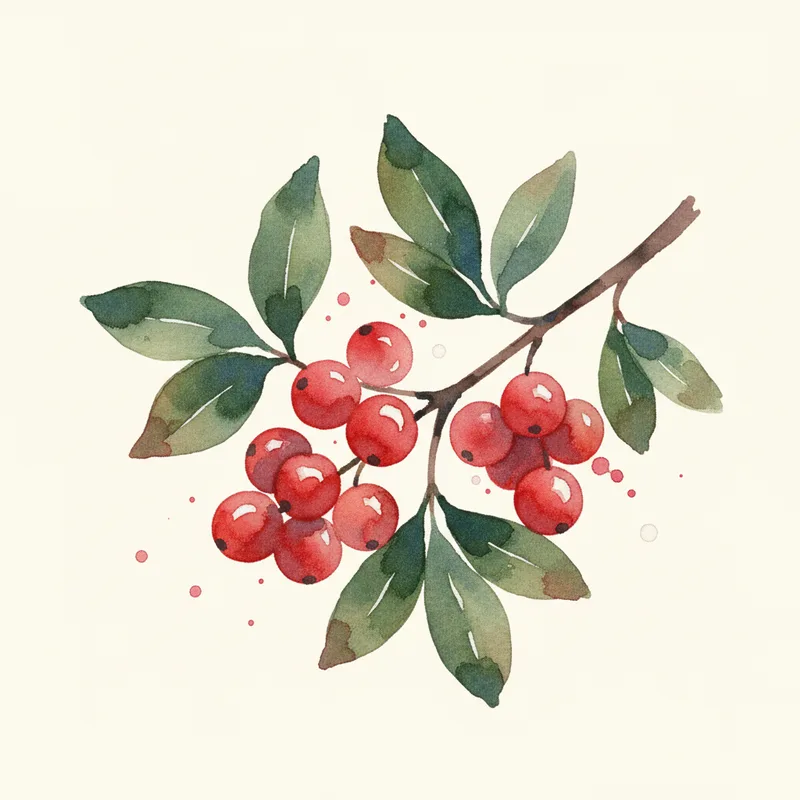
Winterberry is the star of the winter-berry category. A native deciduous holly that drops its leaves in October to reveal stems studded with bright red berries that hold from November through January. Birds eventually strip them, but for two months the show is electric.
Note: winterberry needs both male and female plants for berry production. Buy one male for every five females.
Crab apples that hold their fruit through winter (Sargent's Crabapple, Red Jewel) are showstoppers in January. Look for "persistent fruit" on the plant tag.
Beautyberry produces metallic-purple berry clusters that hold through November and December. Native, zone-tough, and looks like nothing else in the garden.
Evergreen structure
This is the unsung hero. Evergreen plants give the winter garden its bones. Without them, the bark and berries float in a sea of brown grass and gray fences.
Boxwood is the foundation evergreen for formal gardens. Plant in mass at the front of beds or along paths to create visual structure.
Inkberry (Ilex glabra) is the native alternative to boxwood, with cleaner foliage and better deer resistance.
Yews, junipers, and small conifers anchor borders. Choose dwarf varieties (under six feet at maturity) for residential beds. Yew is poisonous in every part except the red aril, so site it away from where children play and grazing animals reach.
Broad-leafed evergreens: Camellia (zones 7-9), pieris, mountain laurel, and rhododendron all hold their leaves through winter and read as "alive" while the deciduous plants sleep.
The brave winter bloomers
Yes, plants bloom in winter. Many of them. They are the most exciting category once you discover them.
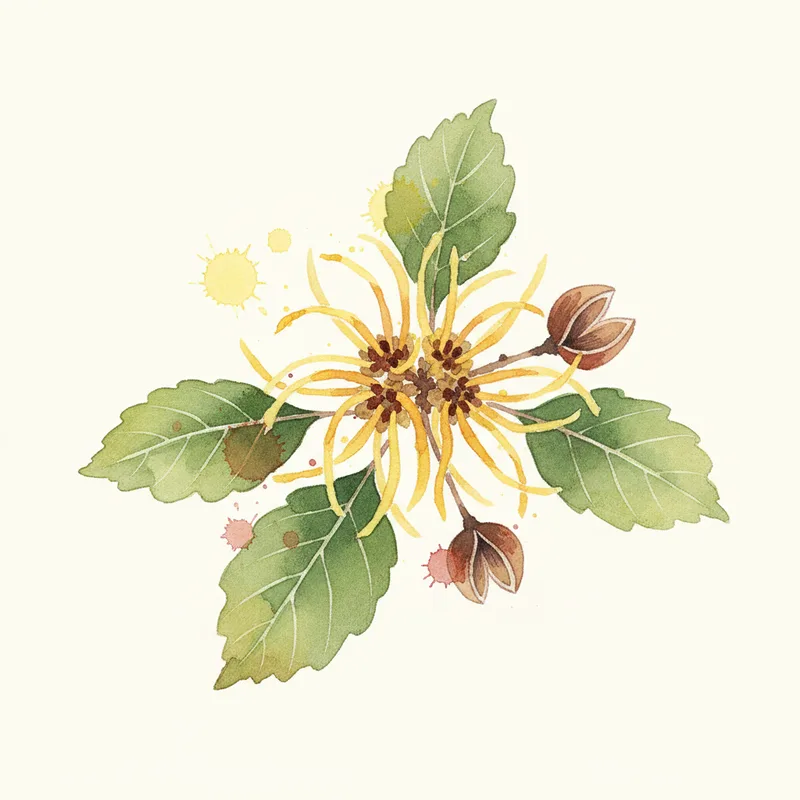
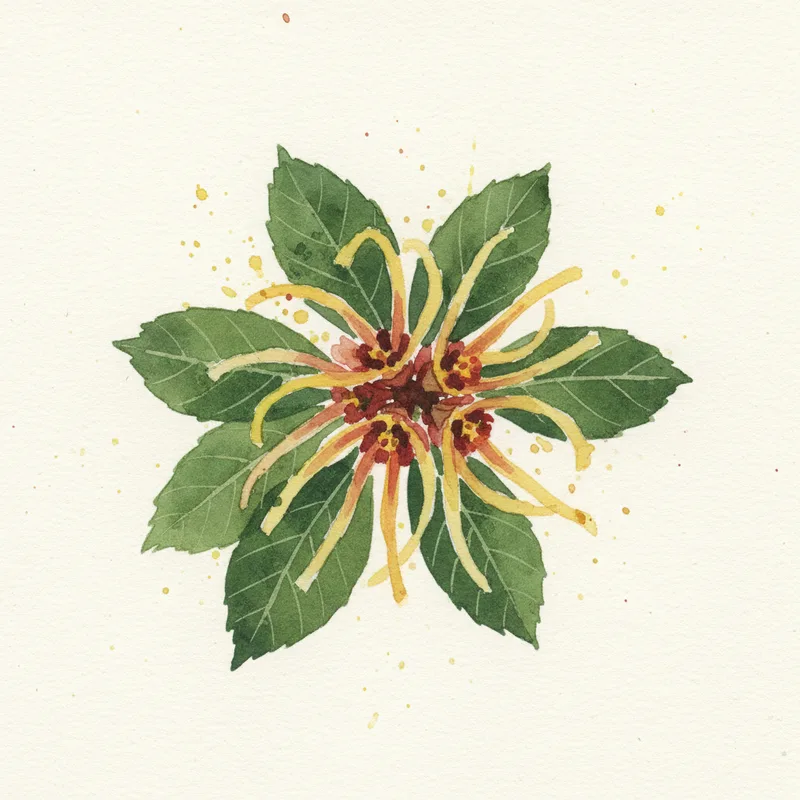
Witch Hazel blooms wisps of yellow, orange, or red in January and February when nothing else does. Arnold Promise Witch Hazel is the most reliable cultivar in zones 5-8. The flowers are spidery yellow streamers and they're often visible against snow.
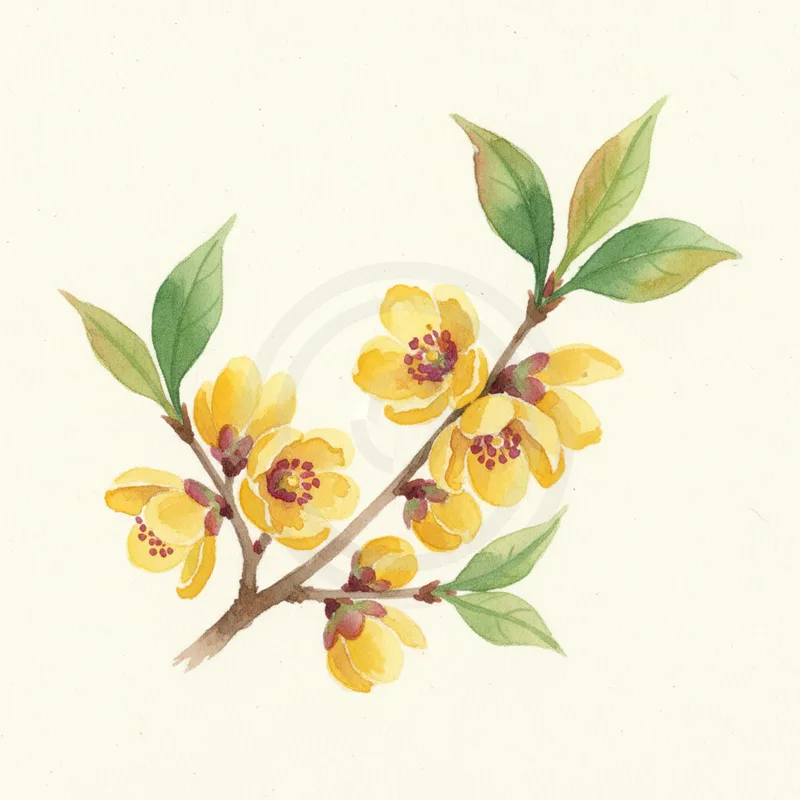
Wintersweet (Chimonanthus praecox) blooms fragrant pale yellow in January in zones 7-9. The fragrance is one of the strongest of any garden plant. Worth the slow growth and spotty performance for the few weeks of January magic.
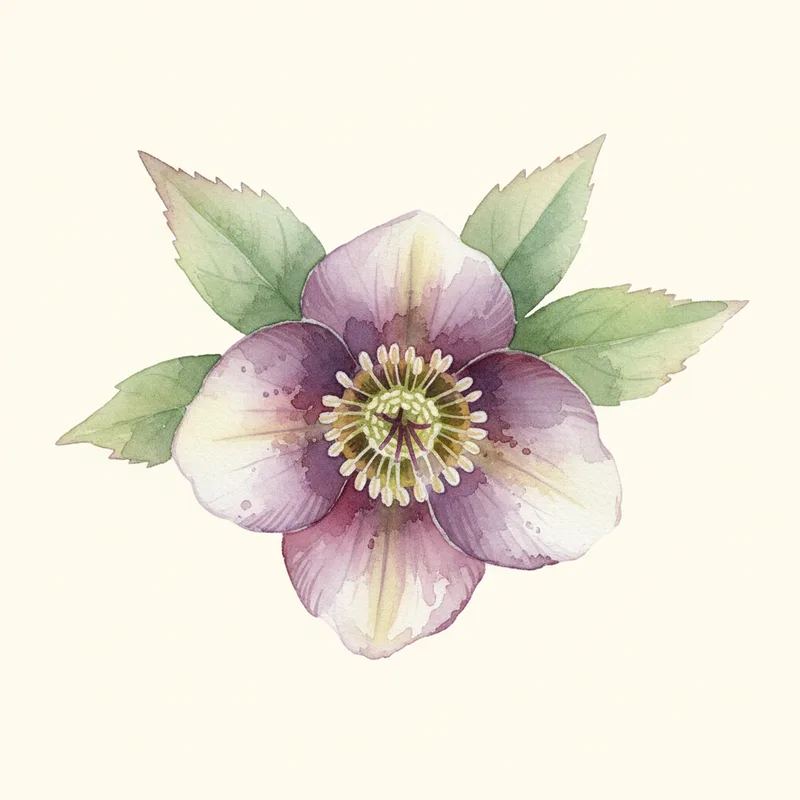
Hellebore (Lenten rose) blooms in February and March in zones 4-8. Evergreen leaves and nodding flowers in pink, white, deep purple, or pale green that last six to eight weeks. The single best perennial for an evergreen, winter-blooming, low-maintenance ground layer.
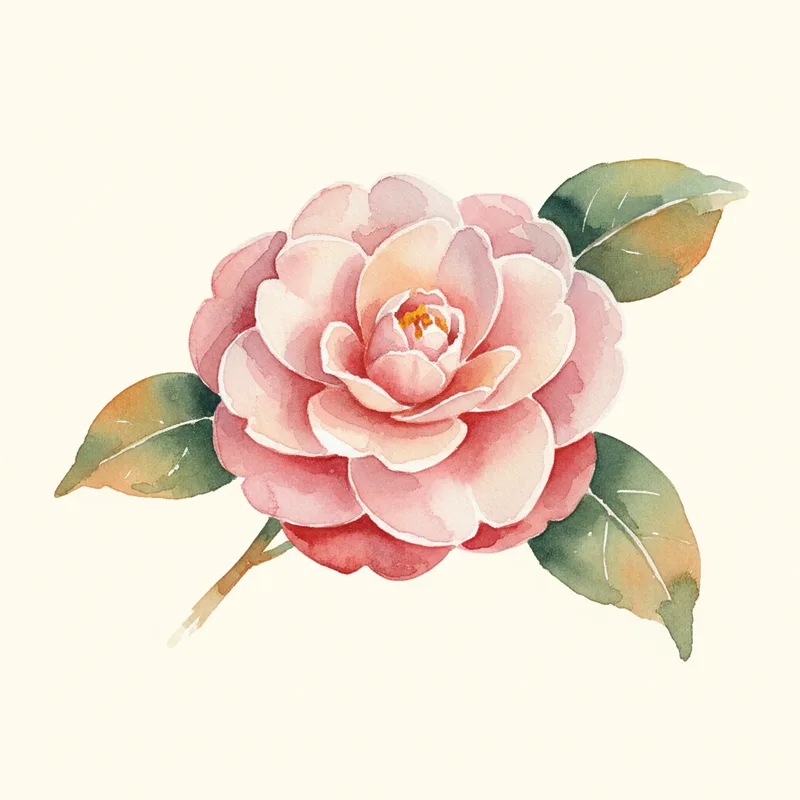
Camellia japonica blooms in February and March in zones 7-9. The shrub is gorgeous evergreen all year and then explodes in pink, red, or white blooms when nothing else is happening.
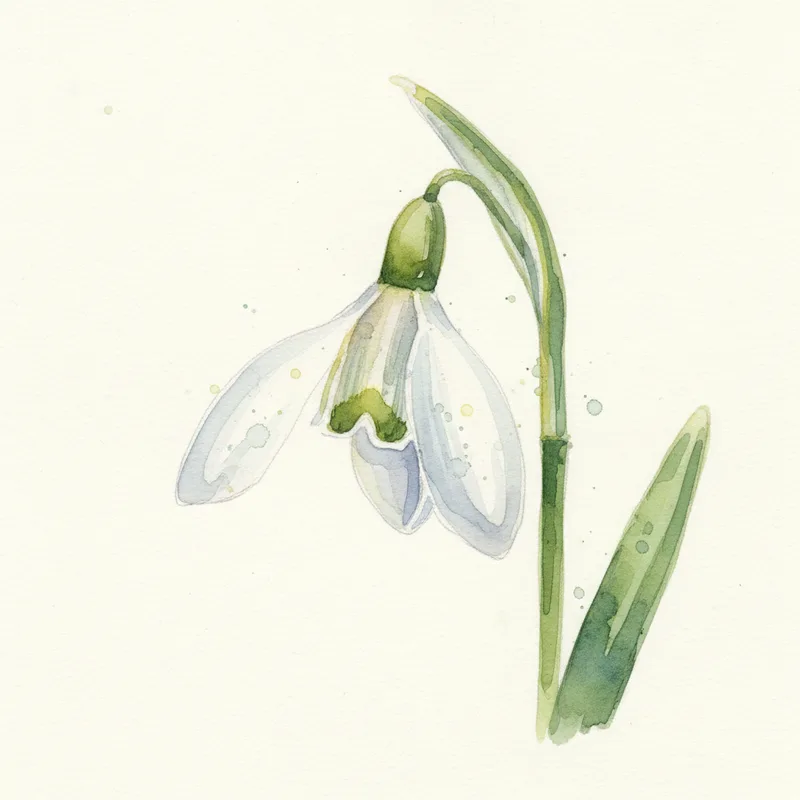
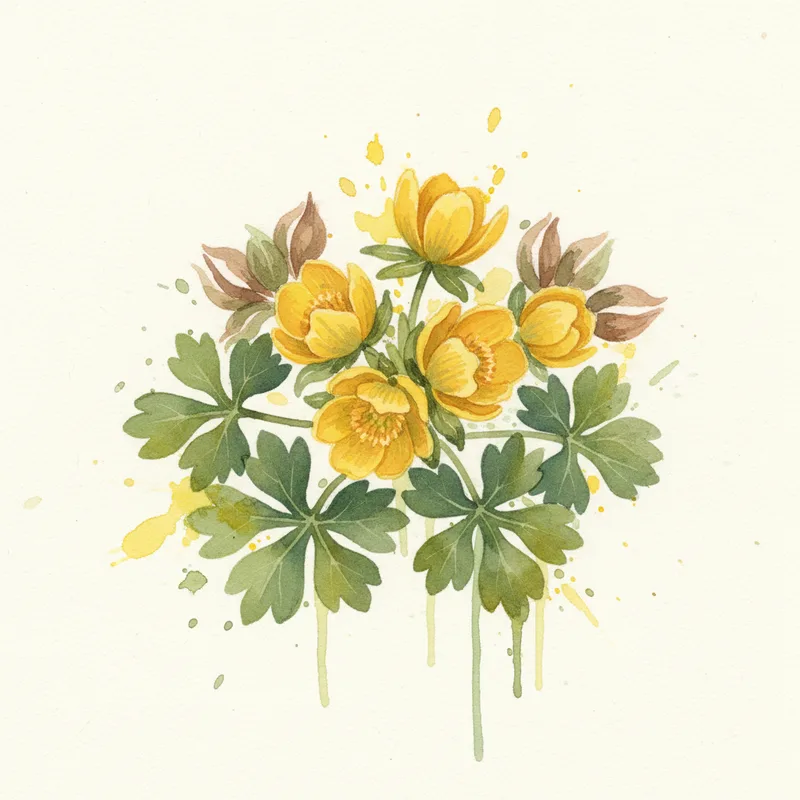
Snowdrop and Winter Aconite are the bulb category. Snowdrops bloom in February (or January in mild zones), winter aconite in February or March. Plant in clusters of fifty or more under deciduous trees and they will naturalize into colonies that bloom for decades.
Architectural seedheads and grasses
Don't cut everything back in fall. The seedheads of coneflowers, sedums (Autumn Joy in particular), Joe Pye weed, and many ornamental grasses look spectacular in winter, especially with a dusting of snow.
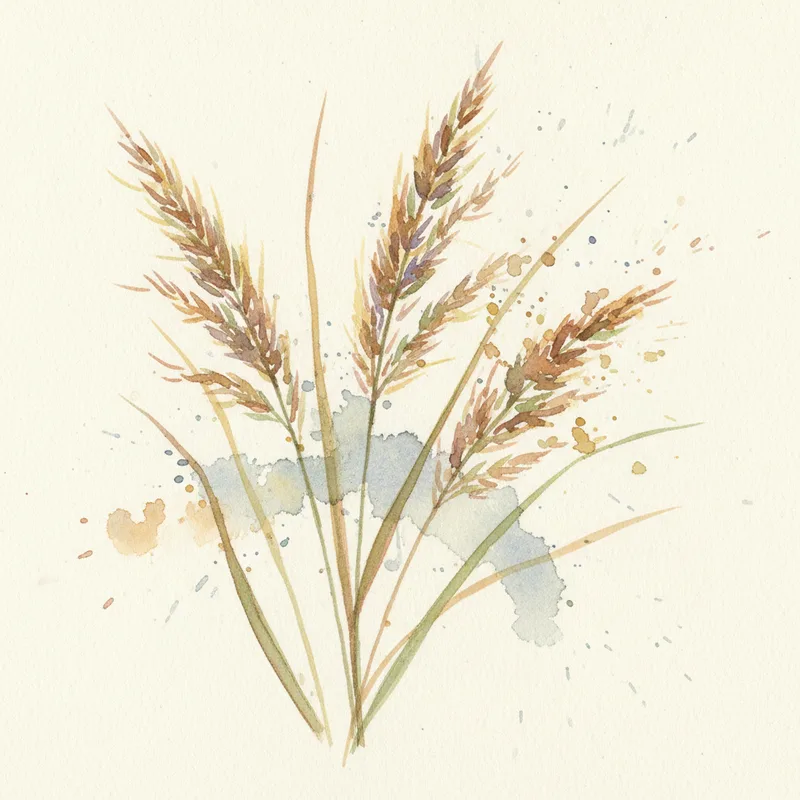
Switchgrass, Northwind Switchgrass, and other tall ornamental grasses become four- to six-foot vertical accents that catch wind, snow, and morning light. They give vertical structure when nothing else does.
Cut grasses and faded perennials back in late February or early March, just before new growth starts. They give six months of free winter beauty if you can resist the impulse to "tidy up" in November.
Designing the winter view
Winter interest works best when designed for the windows you actually look out in winter. Walk your house in November and notice which views you face from the kitchen, the living room, the home office. Those are the views that matter for winter design.
Plant winter-interest specimens with those sight lines in mind. A red-twig dogwood thirty feet from your kitchen window does more than the same plant in a back-corner bed you only see in summer.
Layer the four pillars within each view: bark + berries + evergreen + winter bloomer. Even a small bed of fifteen feet by ten can include all four if planned thoughtfully.
Winter sun matters
Pay attention to where winter sun hits. The sun angle in December is much lower than in summer. Beds that are shaded all summer (north side of trees) often catch winter sun once the leaves drop. This is great for hellebore and witch hazel placement.
Conversely, beds that bake in summer often go into deep shade in winter as the sun angle moves south. Place winter bloomers in spots that catch the December and January sun, even if they're partly shaded the rest of the year.
The bottom line
A winter garden is a one-season investment that pays back six months of beauty every year for decades. The plant list is specific (bark + berries + evergreen + winter bloomers), the design rules are simple (layer all four near the views you actually use in winter), and the maintenance is lower than the summer garden. The only thing it requires is the willingness to think about January in October.
For more on winter planting, see What to Plant in November. For early-spring bloom planning, see Spring Flowers for Beginners.
What's growing, what's blooming, what's worth planting.
For gardeners who like to stay ahead.