What to Plant in November (Bulbs, Garlic, Bare-Root Trees, and Cover)
November feels like an off month for planting but it's actually one of the most productive: spring bulbs, garlic, bare-root trees, cover crops, and dormant transplants.
November feels like the off-season. Trees are bare, perennials are dormant, frost has knocked back the last annuals. Most people put the trowels away and wait for March. That's a missed opportunity.
November is one of the most productive planting months on the calendar. Spring bulbs go in now. Garlic for next summer's harvest goes in now. Bare-root trees and dormant shrubs transplant best now. Cover crops for vegetable beds go in now. The work is light, the timing is forgiving, and the rewards land in March, April, and May when everyone else is wishing they had planted.
Why November is actually prime planting
Cool soil temperatures favor root growth without forcing top growth. The plant invests in roots, which means a much stronger establishment than a spring planting where the plant is racing against summer heat. Bulbs in particular need this cold soil to trigger their dormancy and bloom cycle.
November also has lower water demands. Cool temps mean less evaporation, and the late-fall and winter precipitation soaks plants without effort on your part. November planting is cheaper, easier, and more successful than a spring scramble.
Spring bulbs (the headline event)
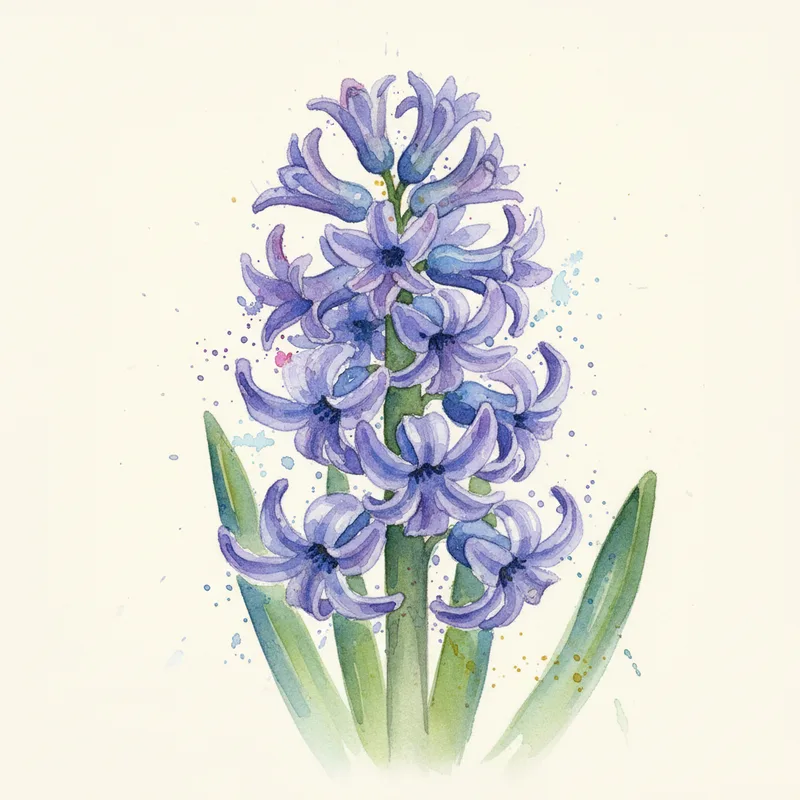
Plant tulips, daffodils, alliums, crocuses, hyacinths, and other hardy spring bulbs in November in zones 4-8. Earlier in cold zones (zone 3 should plant in October), later in mild zones (zones 7-8 can plant into December).
The rule: plant when nighttime soil temps drop below 55°F but before the ground freezes solid. In most of the US, that window is mid-October through late November.
Bulbs that look great mass planted
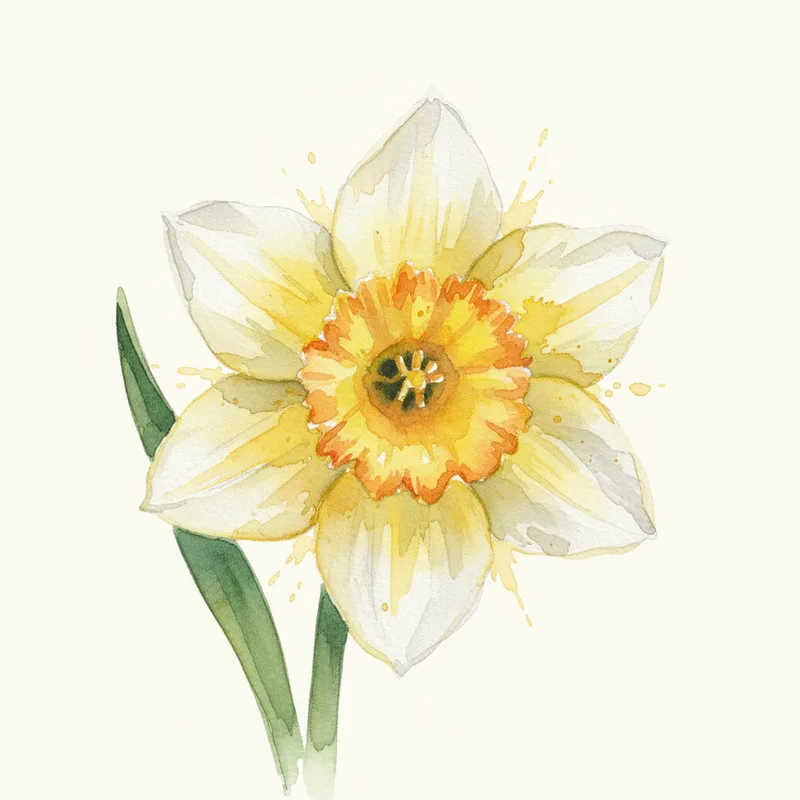
Daffodil is the most foolproof bulb you can plant. Deer-proof, rabbit-proof, naturalizes for decades, comes back stronger every year. Plant in clusters of fifteen to fifty for maximum impact.
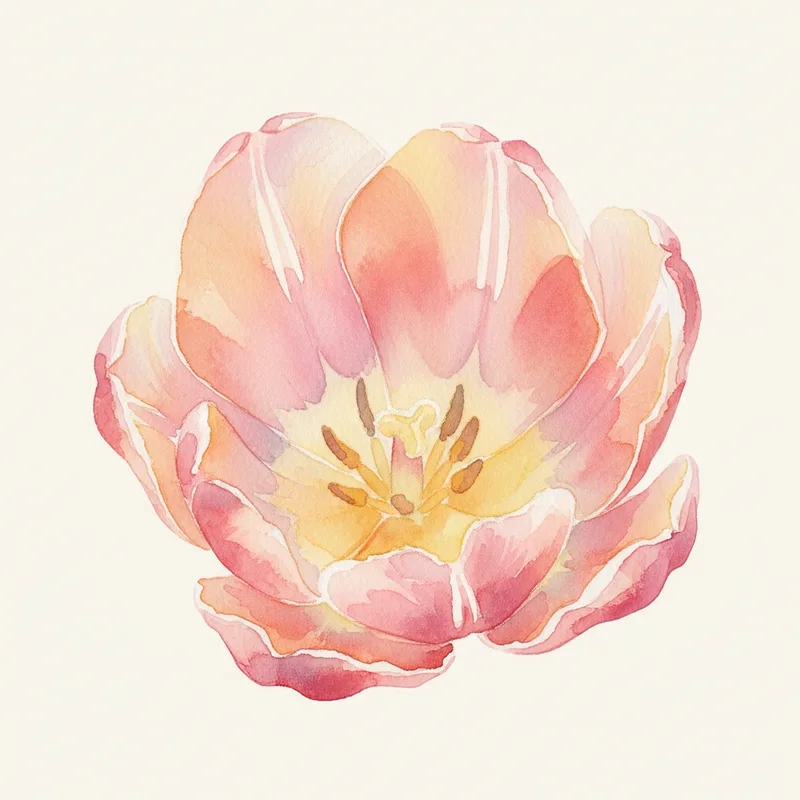
Tulip is the showstopper but treat them as annuals in most US zones (most varieties weaken after the second year). Plant fresh bulbs in November for a single great season.
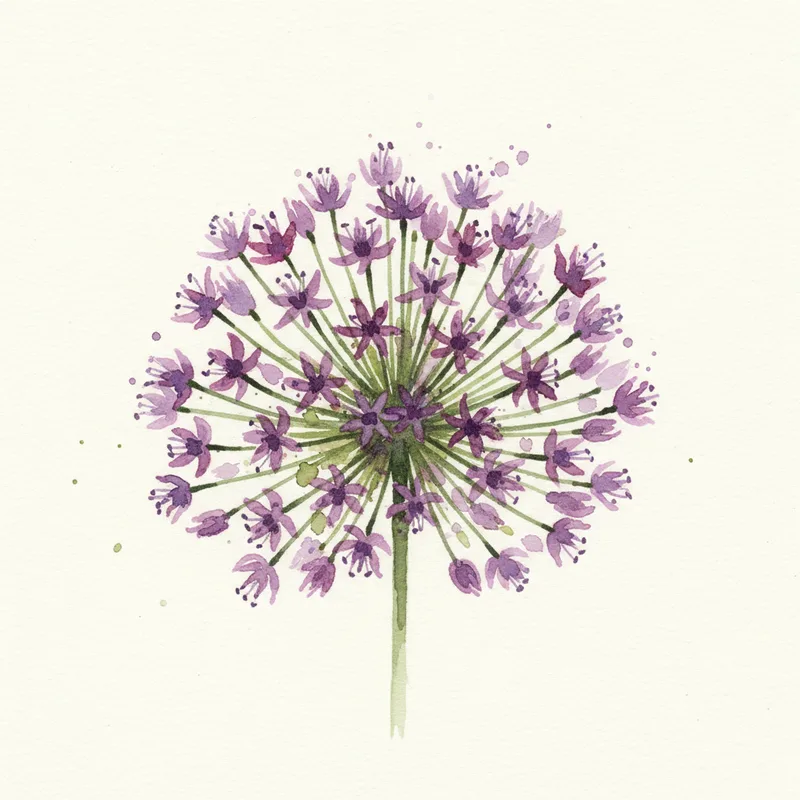
Allium brings June drama with purple drumstick balls floating above the perennial bed. Plant in clusters of seven to fifteen. Deer-proof.
Underused early bulbs
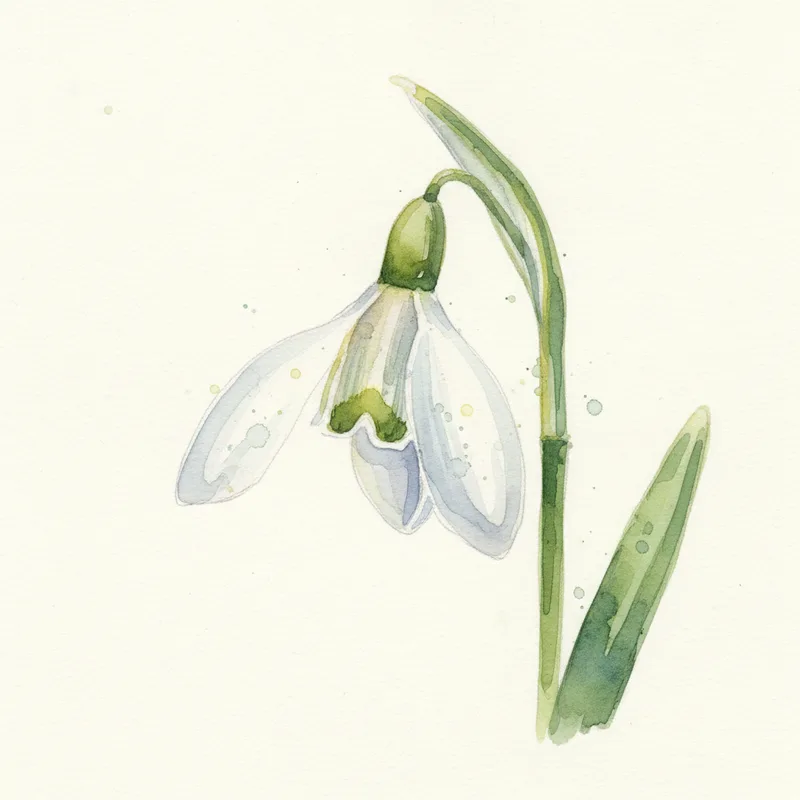
Snowdrop blooms in February or even January in mild zones. The first bloom of the year. Plant in September or October when bulbs are fresh, but late-November planting is still possible if you can find them.
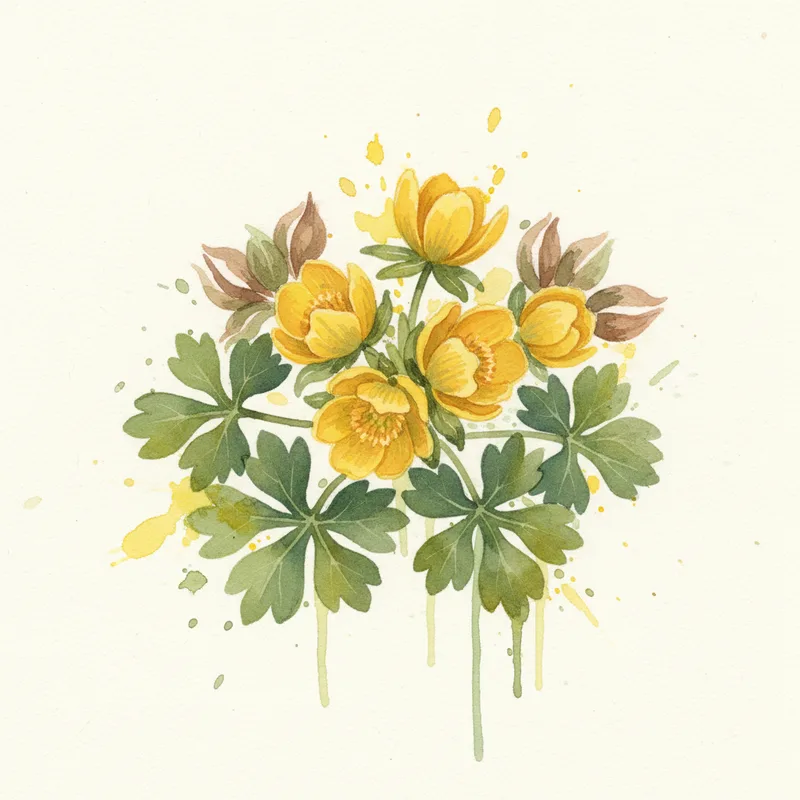
Winter Aconite blooms bright yellow in February or March. Naturalizes into rivers of gold under deciduous trees over five to ten years.
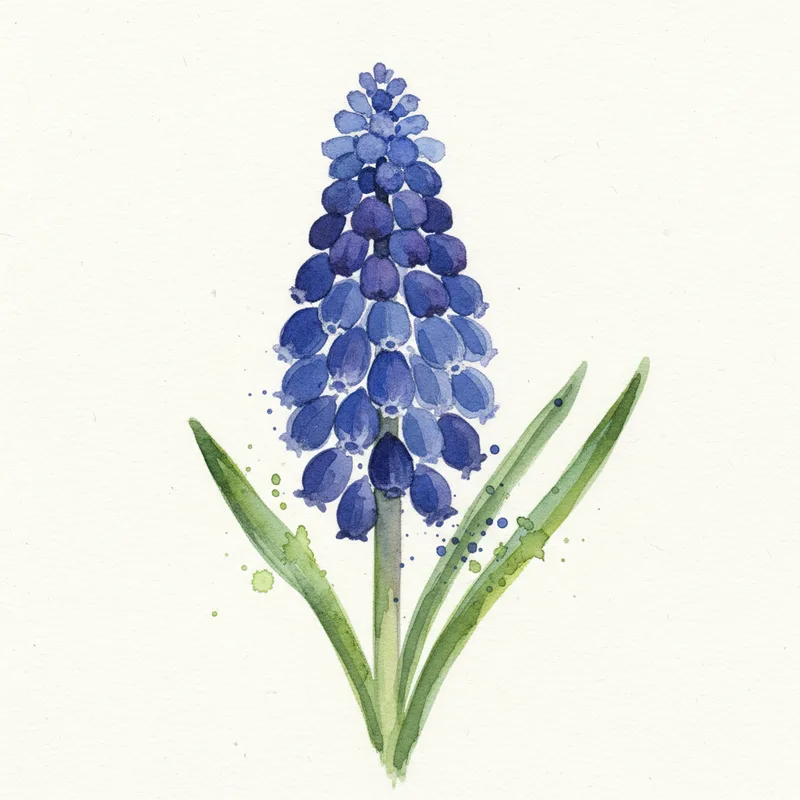
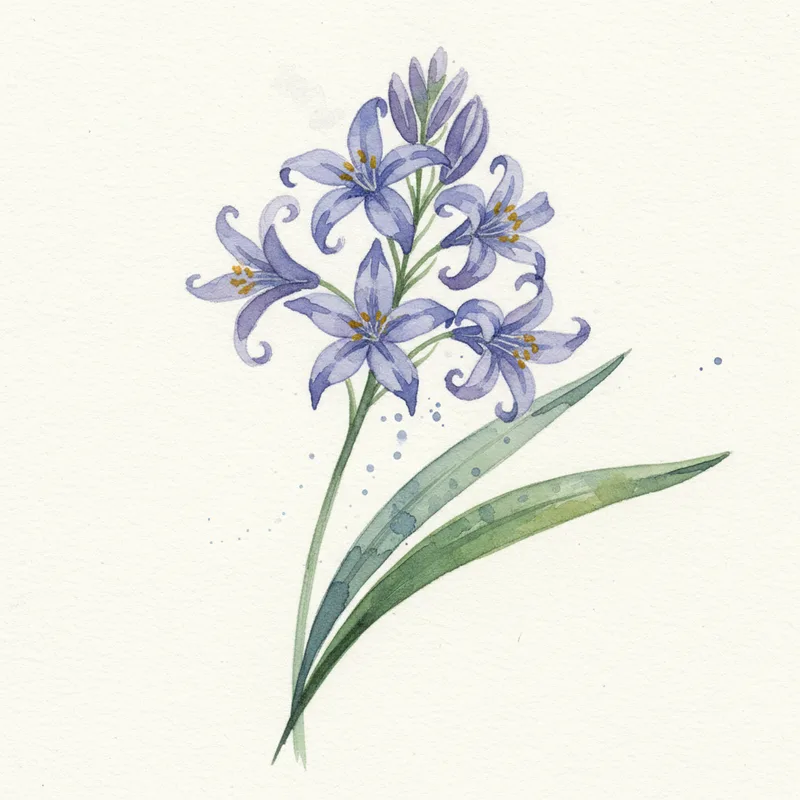
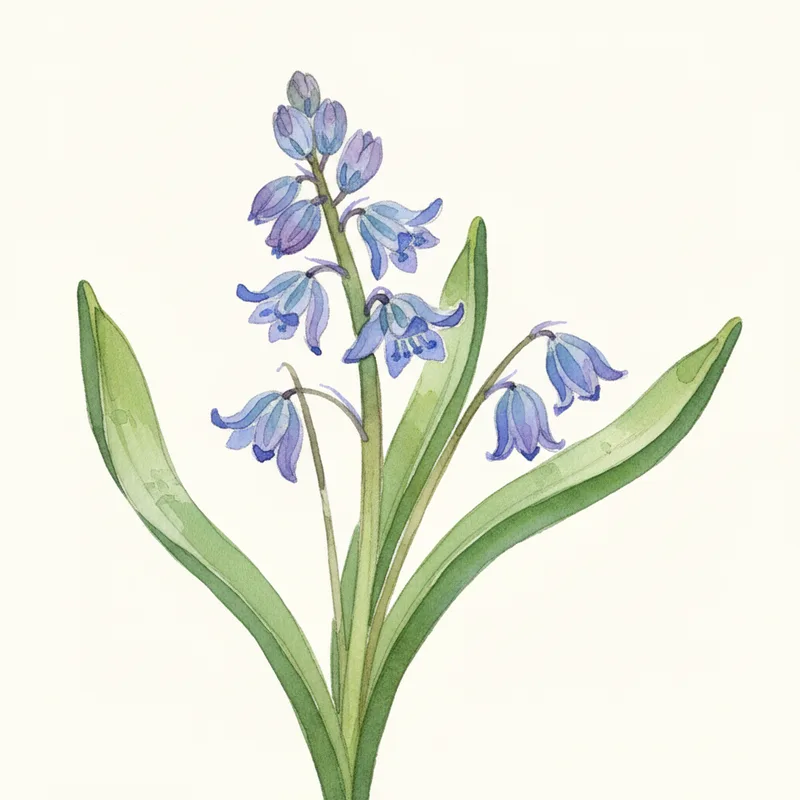
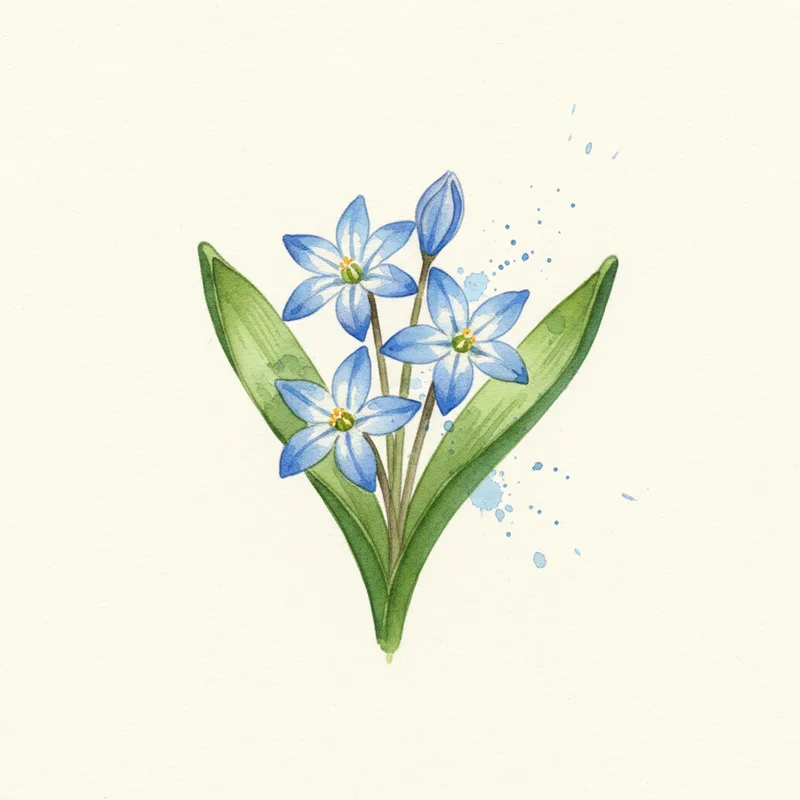
Glory of the Snow and Siberian Squill are tiny but brilliant blue groundcover bulbs. Plant a hundred or more for a true carpet effect in March.
Fritillaria for the brave
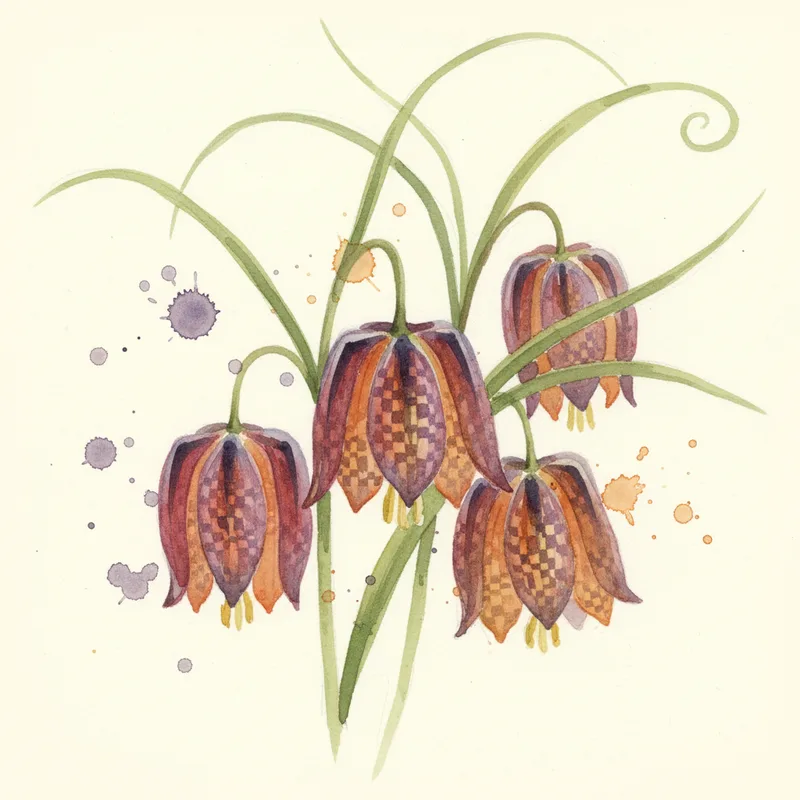
Fritillaria (Fritillaria meleagris, the checkered lily) is one of the most bizarre and beautiful spring bulbs. Plant in November in damp meadow conditions for April bloom.
Bulb planting basics
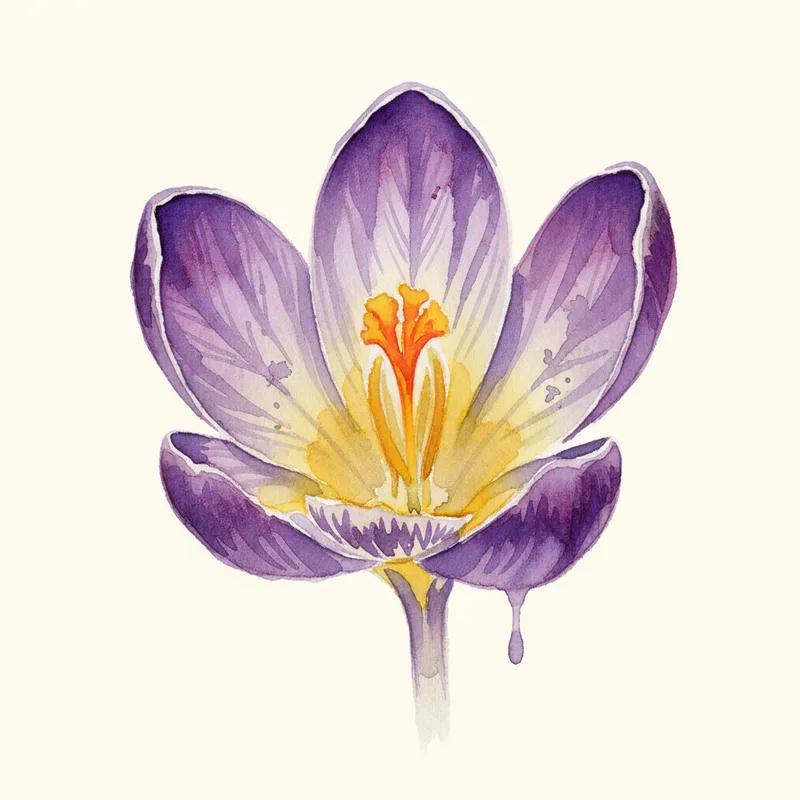
Plant pointy end up, three times as deep as the bulb is tall. Tulips and daffodils go six to eight inches deep. Crocuses three to four inches deep. Alliums six to eight inches deep.
Group bulbs in clusters, not single rows. Single bulbs read as "lonely soldiers." Twenty bulbs in a tight cluster reads as "drift" and looks like nature did it.
If your soil is heavy clay, sprinkle a tablespoon of bone meal in the bottom of the planting hole. Drainage matters more than fertility for bulbs.
Garlic for next summer
November is also peak garlic-planting month in zones 4-8. Plant cloves three to four inches deep, six inches apart, in well-drained soil. The cloves root in over winter, push up shoots in March, and produce harvestable heads next July.
Hardneck garlic (Music, German Red, Chesnok Red) is the best for cold-zone gardeners. Softneck (the kind you find at the grocery store) does better in zones 8-10.
Plant a hundred cloves and you'll have a year's supply of garlic plus ten heads to give away.
Amaryllis, if you want flowers at Christmas
The first half of November is the window. An amaryllis takes roughly six to eight weeks to flower, so a bulb potted now opens around the holidays and one potted in December opens in February. The full timing, and why paperwhites run on a different clock, is here.
Bare-root trees and shrubs
Late November through February is the bare-root tree planting season. Nurseries dig dormant trees, ship them with their roots wrapped in damp packing material, and the homeowner plants them directly into prepared holes.
Bare-root trees cost about half what container-grown trees cost, establish faster (no transplant shock from a circling root ball), and tend to grow into healthier specimens long-term. The catch: you can only plant them dormant, between leaf drop and spring bud break.
Order in October, plant when the trees arrive. Soak roots in water for an hour before planting. Plant at the same depth they grew before (you can see the soil line on the bark). Mulch heavily and water deeply through winter dry spells.
Dormant perennial transplants
You can also lift and move perennials in November while they're dormant. The roots will keep growing in cool soil, the foliage doesn't need to be supported, and the plants establish before spring.
Best candidates for November transplant: peonies, daylilies, hostas, ornamental grasses. Avoid moving plants that are still in active foliage in November (most southern-zone perennials).
Cover crops for next year's vegetable beds
Planted in November, cover crops like winter rye and crimson clover establish over winter, prevent erosion in your raised beds, suppress weeds, and add organic matter when turned in next spring.
Sow seed thickly over bare beds in early November in zones 5-8. Lightly rake in. The cover will be six inches tall by spring, ready to be cut and turned under three weeks before you plant tomatoes.
Zone-by-zone November priorities
Zone 3: Bulbs already done in October. Bare-root tree planting only on warm days. Mulch heavily for winter.
Zones 4-5: Plant remaining bulbs early in the month. Garlic. Bare-root trees. Cover crops.
Zones 6-7: Prime month for everything: bulbs through end of November, garlic, bare-root trees, dormant transplants, cover crops, even some final pansy or kale planting in protected spots.
Zones 8-9: Full month of planting season. Cool-season vegetable starts (kale, lettuce, chard) go in. Late tulip and daffodil planting. Bare-root trees and shrubs. Sweet peas can be sown for early spring bloom.
Zone 10+: Effectively the start of the prime growing season. Cool-weather annuals (pansies, snapdragons, calendula). Roses are typically planted now.
The bottom line
November feels like the off-season but it's actually one of the most strategic planting months. Every hour spent now pays back tenfold next spring. Bulbs especially: the gardens that look spectacular in April are the gardens that planted properly in November. The work is short, the weather is mild, and the rewards arrive when you've nearly forgotten you did the work.
For winter-interest planting, see our Winter Interest Garden guide. For what to plant in December, see What to Plant in December.
For a month-by-month chore checklist tailored to your USDA zone, see our garden chores by zone guide.
What's growing, what's blooming, what's worth planting.
For gardeners who like to stay ahead.