Why Isn't My Hydrangea Blooming? (Six Real Reasons, Ranked)
If your hydrangea has been all leaves and no flowers for years, the cause is almost always one of six things. Here is how to diagnose and fix it.
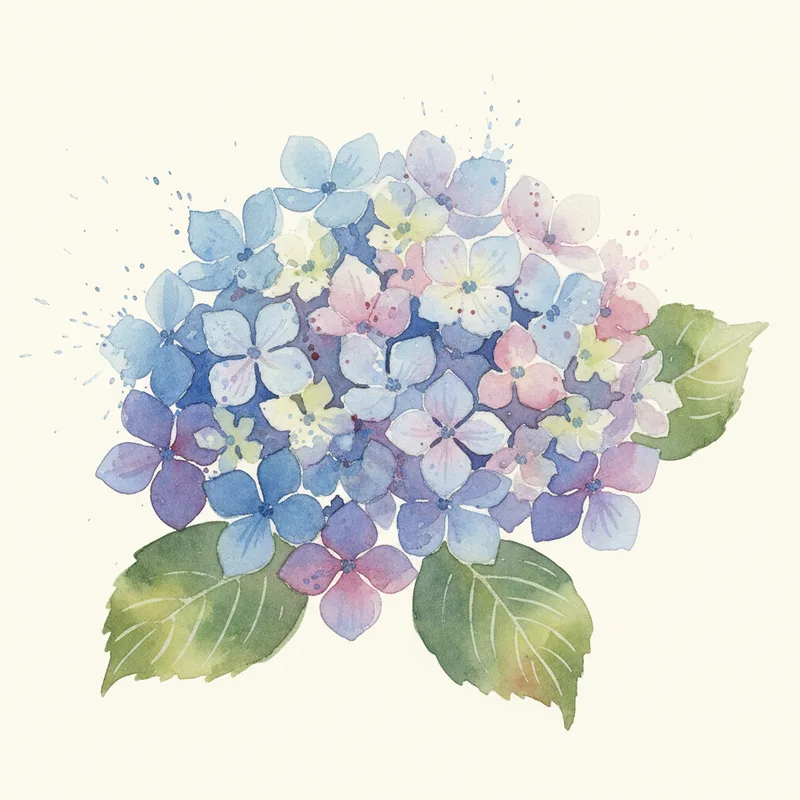
Few garden disappointments rival the "all leaves, no flowers" hydrangea. The plant looks fine. It puts on lots of new growth every spring. But June arrives and there's not a single bloom in sight, while the neighbor's hydrangea looks like a wedding bouquet. What gives?
The answer is almost always one of six things, and the order of likelihood matters. Walk through this list in sequence and you'll usually find the problem in the first two answers.
1. You pruned at the wrong time (this is most likely the answer)
This is the number-one cause of "no bloom" hydrangeas, and it's the most fixable.
Different hydrangea types bloom on different wood, which means they need different pruning timing.
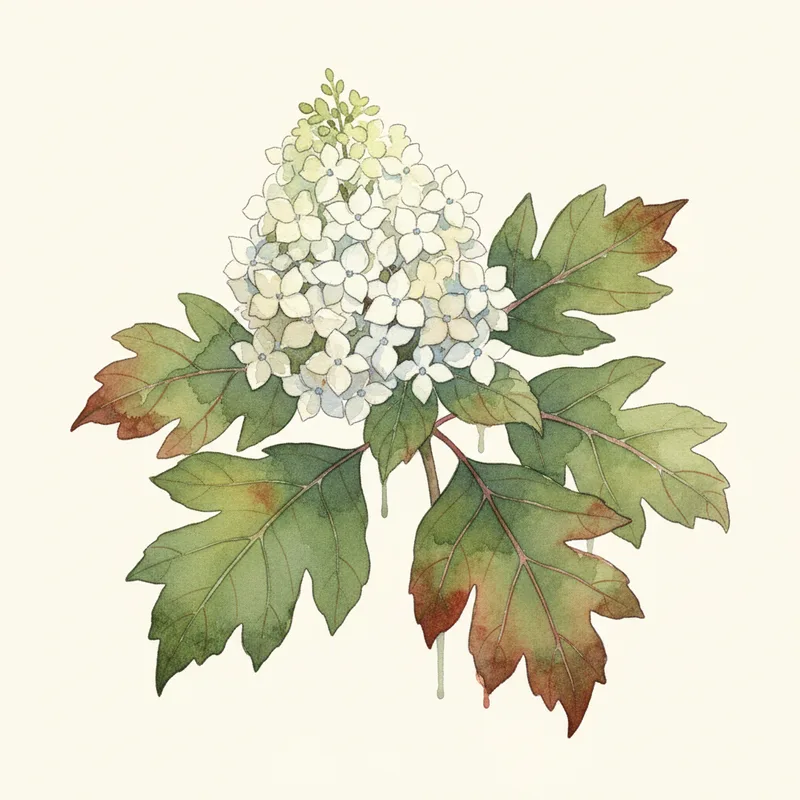
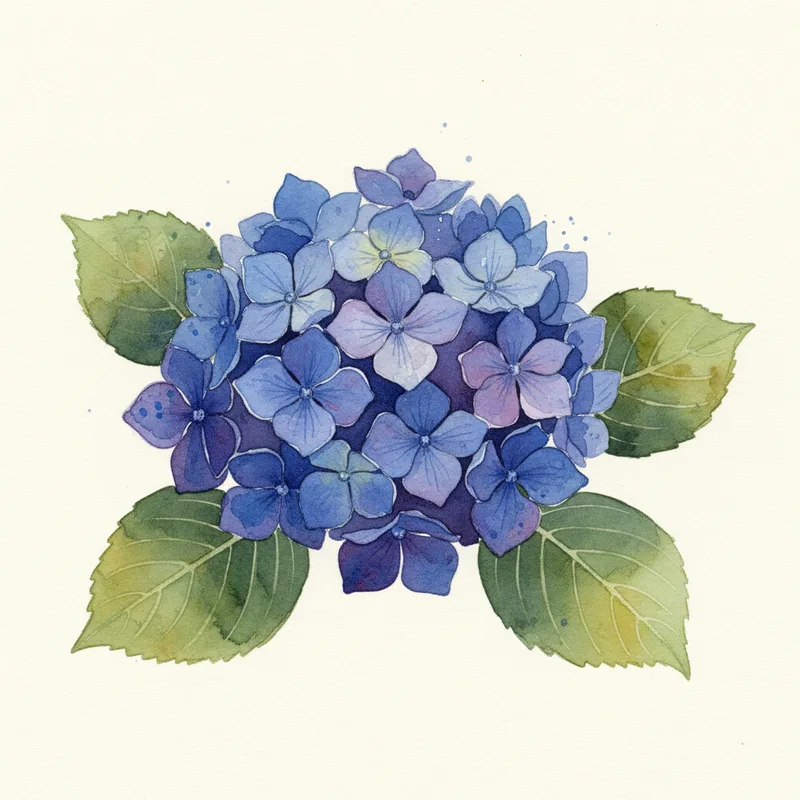
Old-wood bloomers form their flower buds the previous summer, on stems that are already there. Nikko Blue Hydrangea, Oakleaf Hydrangea, and most "mophead" big-leaf hydrangeas are in this category. If you prune them in spring or fall, you cut off the flower buds. The plant grows back leaves but not flowers. Don't prune these except to remove dead wood. If you must shape them, do it immediately after they bloom in July, never later.
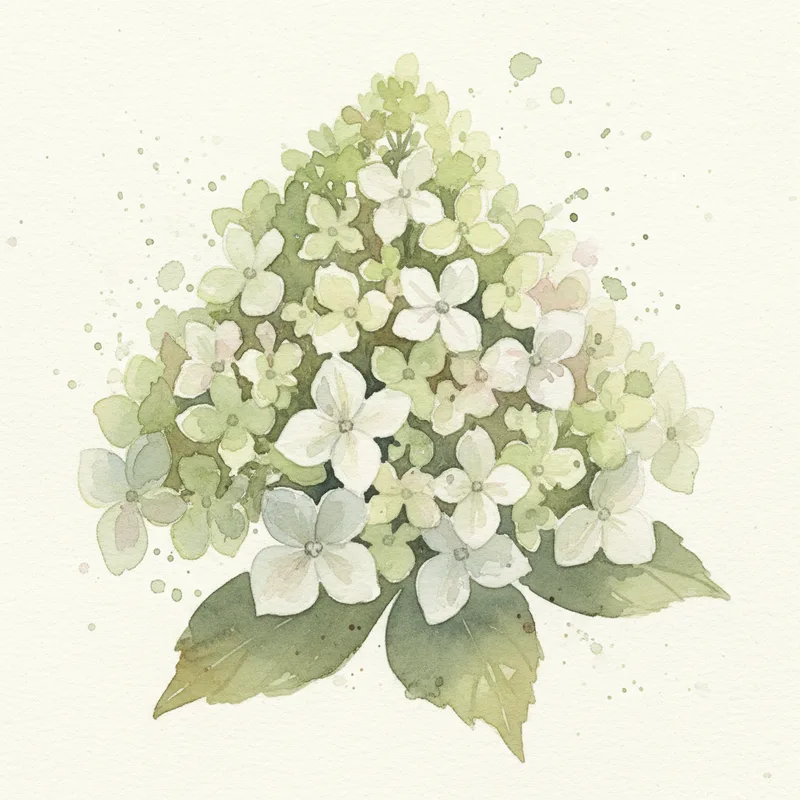
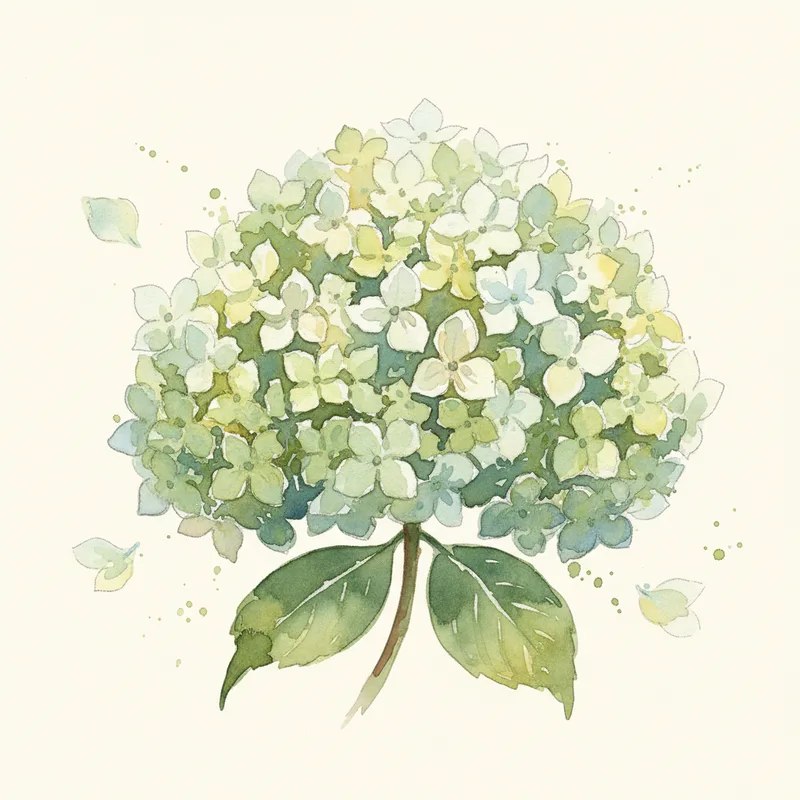
New-wood bloomers form flower buds on the current year's growth. Annabelle Hydrangea, Limelight Hydrangea, and most paniculata hydrangeas are in this category. Prune them hard in late winter or early spring. They will rebloom on the new growth.
Reblooming hybrids like Endless Summer Hydrangea bloom on both old and new wood, which is why they were bred. They forgive bad pruning timing better than pure old-wood types.
If you don't know which type you have, stop pruning entirely for two seasons and observe. If it blooms in those untouched seasons, it was a pruning problem.
2. Late spring frost killed the buds
Old-wood hydrangea buds are vulnerable to a hard late-spring frost. A May frost in zones 5-6 can wipe out an entire year of bloom on a Nikko Blue while leaving the plant otherwise healthy.
Symptoms: leaves leaf out fine, but the stem tips look black or shriveled where the buds should be forming, and no flowers form. There's nothing you can do for this year's bloom, but the plant will be fine. To prevent this in future years, plant old-wood hydrangeas on the north or east side of the house where they break dormancy slightly later, and don't fertilize until late June.
3. Too much shade
Hydrangeas have a reputation as shade plants. This is half-true. They tolerate part shade better than most flowering shrubs, but they need at least four to six hours of direct sun (morning sun in hot climates, more sun in cool climates) to bloom heavily.
If your plant is under deep tree shade and growing slowly, this is probably the answer. The plant will live for years in deep shade but it will rarely flower well. Move it to a brighter spot.
4. Too much nitrogen fertilizer
Lawn fertilizer drift is a sneaky cause. Lawn fertilizers are mostly nitrogen, which drives leafy growth at the expense of flowers. If your hydrangea is in or near a heavily fertilized lawn, the plant is getting too much nitrogen.
Symptoms: lush green leafy growth, deep green color, very few or no flowers. The fix is to stop fertilizing the lawn near the hydrangea, or switch to a balanced or low-nitrogen fertilizer for the surrounding area. The flowers will return within a year or two as the soil rebalances.
5. The plant is too young or just transplanted
Newly planted hydrangeas commonly skip a season or two of bloom while they establish their root system. This is normal. A plant that hasn't bloomed in years one and two is not necessarily defective.
Big-box-store hydrangeas in particular are often forced to bloom in greenhouse conditions before they go on sale. Once you plant them in real soil, they may take two seasons to settle in. Patience is the only fix.
6. Drought stress at the wrong time
Hydrangeas are thirsty plants (the name literally means "water vessel"). Drought stress in late summer, when next year's buds are forming on old-wood types, can prevent the plant from setting flower buds at all.
If you went through a hot dry July and August last year and didn't water deeply, this is your answer. Watering once a week with a deep soak (not a sprinkler) keeps hydrangeas blooming reliably year after year. Mulch heavily.
Bonus: the wrong kind of hydrangea for your zone
Some big-leaf hydrangeas (the classic blue-pink mopheads) are marginal in zone 5 and unreliable in zone 4. They live but barely bloom. If you've tried every fix and your old-wood mophead still doesn't bloom, you may simply be in the wrong climate. Switch to a paniculata (limelight, pinky winky, bobo) that blooms on new wood and flowers in any zone 3-8 garden.
The diagnostic checklist
Walk through these in order:
- Did you prune in fall or spring? Stop. Wait two seasons.
- Was there a late spring frost? Be patient until next year.
- Less than four hours of sun? Move the plant.
- Lawn fertilizer drift? Stop fertilizing the lawn near it.
- Planted within two years? Wait.
- Drought-stressed last August? Water deeply once a week going forward.
In about ninety percent of cases, the answer is one of the first two.
The bottom line
Hydrangeas almost always tell you what's wrong. The leaves are the clue. Lush leafy growth and no flowers usually means too much nitrogen or wrong-time pruning. Stunted growth and no flowers usually means too much shade or drought. Match the symptom to the cause and the plant will reward you the next year.
For more hydrangea selection by type and bloom time, see our Hydrangea profile, our full guide to the best hydrangeas to plant this spring, or browse all blue-blooming plants.
What's growing, what's blooming, what's worth planting.
For gardeners who like to stay ahead.