Best Plants for Slopes, Hillsides, and Erosion Control
Steep slopes are a maintenance nightmare and an erosion risk. The right plant choices replace mowing with permanent coverage that holds the soil.
A grass slope is a maintenance trap. Mowing on a hill is dangerous, runoff washes out the topsoil after every storm, and the result is patchy thin turf that needs more work every year. The smarter answer is to convert the slope into a permanent planted bank.
The trick is picking plants whose roots actually hold soil and whose canopies stop raindrop impact before the water hits bare ground. Decorative is secondary. Stability comes first.
Why slopes erode
Erosion happens in two phases. First, raindrops hit bare soil and dislodge particles. Then sheet flow carries the loose particles downhill. A planted slope interrupts both phases: leaves break the rain's impact, and roots hold the soil in place.
For real erosion control you want plants with fibrous, mat-forming root systems (not deep tap roots) and low, dense above-ground coverage. The combination is what stabilizes the slope.
Assess the slope first
Slopes have three categories:
Gentle (under 15%): mowing is annoying but possible. Most ground covers will work.
Moderate (15-33%): mowing is hazardous. Time to convert. Aggressive ground covers and tough perennials.
Steep (over 33%): the slope is actively eroding. Needs permanent coverage immediately, plus possibly mechanical stabilization (jute netting, terracing).
For steep slopes, plant in fall or very early spring while soil is moist, install jute netting or coir blanket over the planting area, and water deeply through the first season until roots take hold.
The aggressive ground cover spreaders
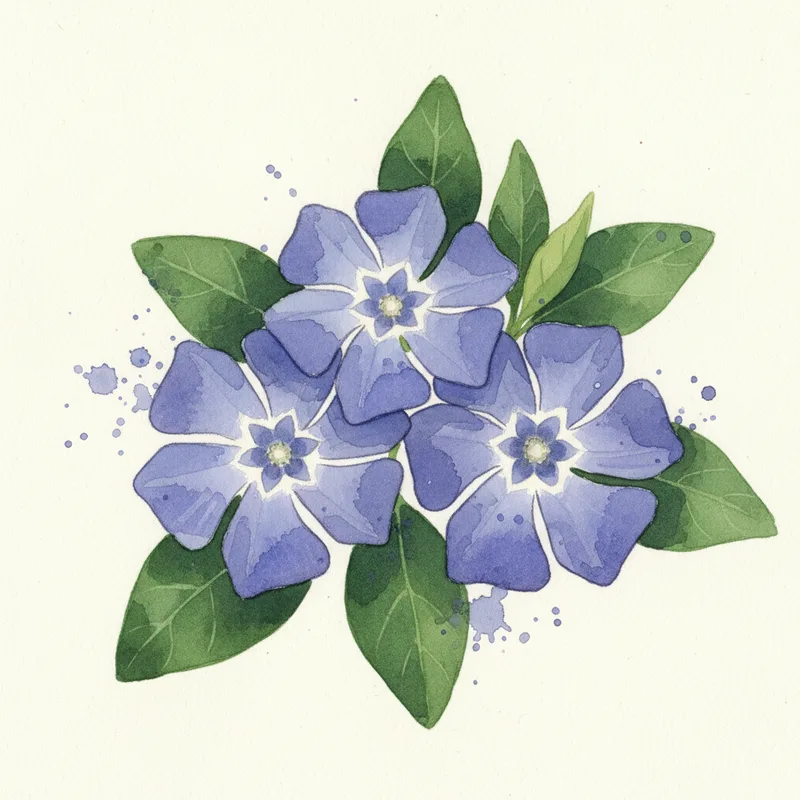
Vinca (Vinca minor) is the most-used slope solution in America for good reason. Glossy evergreen leaves, blue or white flowers in spring, spreads via runners that knit the slope into a single mat. Note: in some Mid-Atlantic and Southeast states it is now considered invasive, so check before planting.
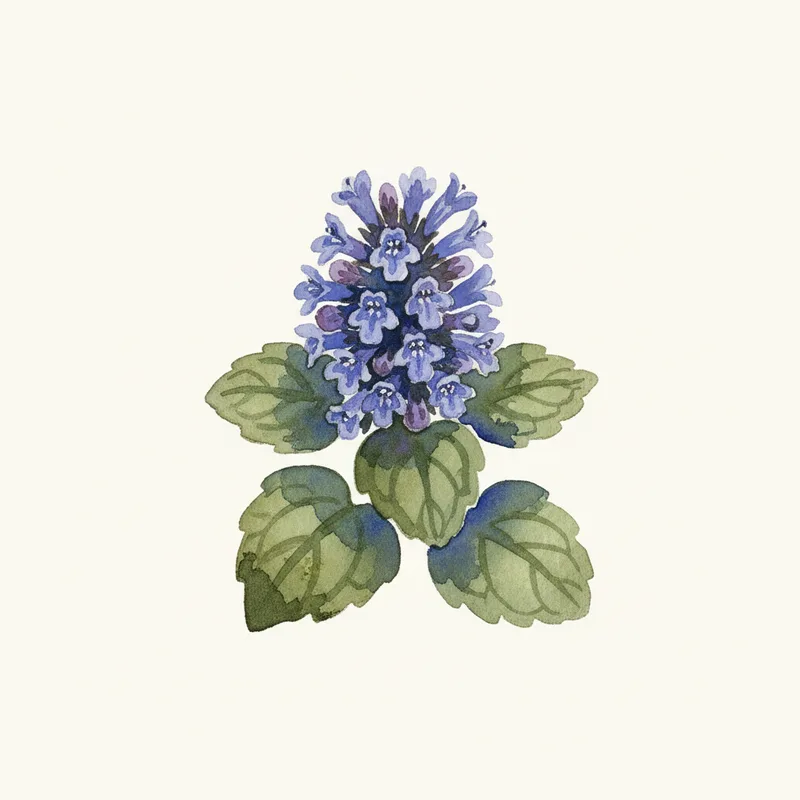
Ajuga spreads by surface runners and tolerates clay, drought, and sun-to-shade conditions. The dense mat fills in fast (one growing season for full coverage on a moderate slope). Blue flower spikes in spring as a bonus.
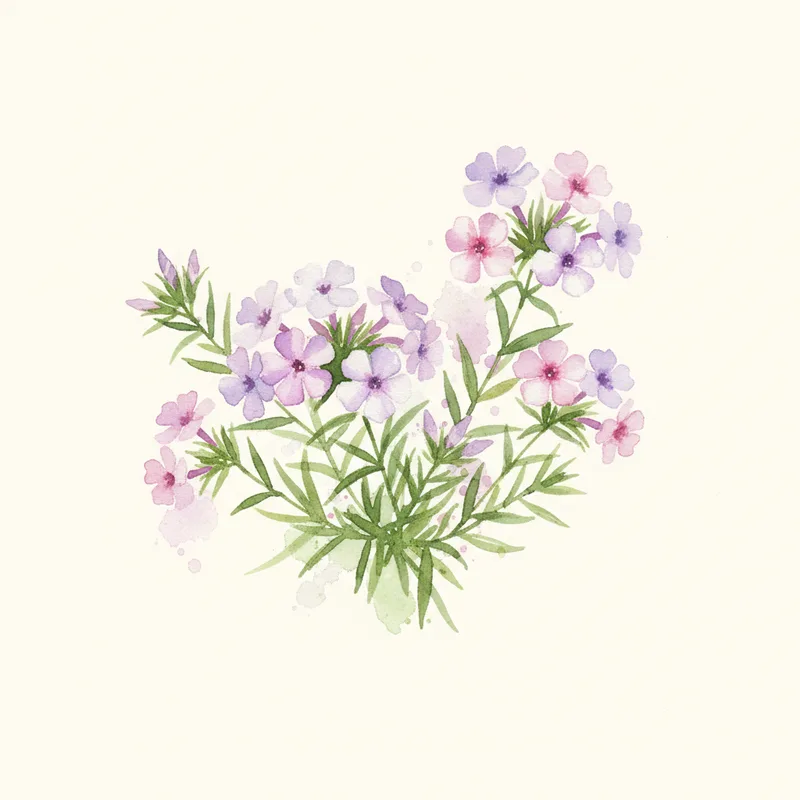
Creeping Phlox is best for sunny slopes. Trailing habit drapes over rocks and walls beautifully. Spring spectacle of pink, white, or lavender bloom. Once mature it suppresses weeds reliably.
Creeping juniper is the workhorse for the very driest, sunniest slopes (think rocky bank, southern exposure, baking sun). Native, evergreen, and unkillable. Doesn't bloom but holds the soil better than almost any other option.
Tough perennials with root mat structure
For visual interest beyond a single ground cover, layer in tough perennials that contribute fibrous roots.
Daylily has fleshy roots that hold soil aggressively. Happy Returns Daylily blooms June through October. Mass plant in groups of seven to nine.
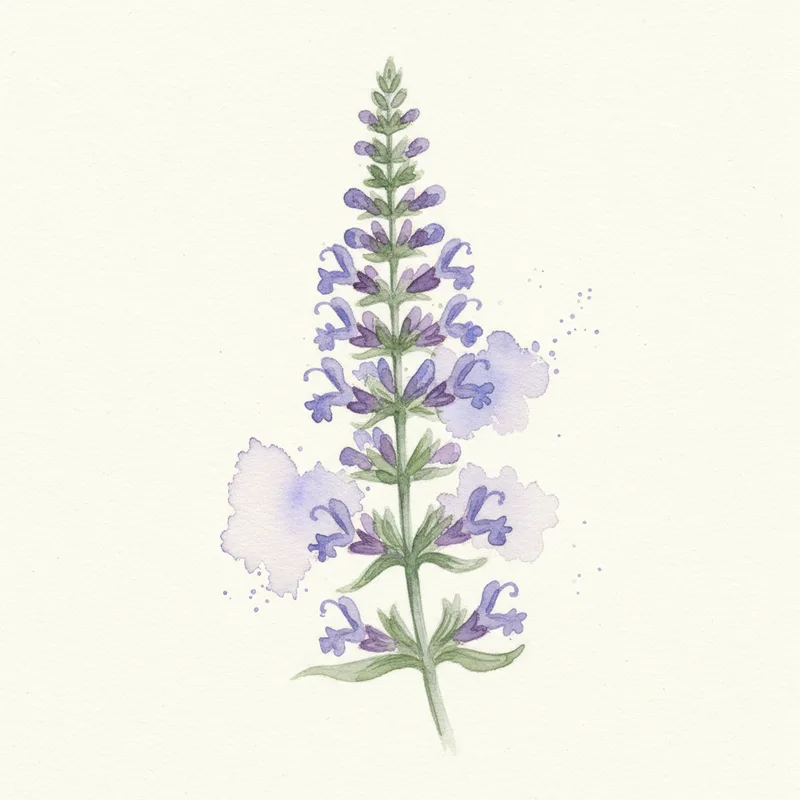
Russian Sage handles dry sunny slopes with no irrigation once established. Reaches three to four feet tall and adds vertical interest above lower ground covers.
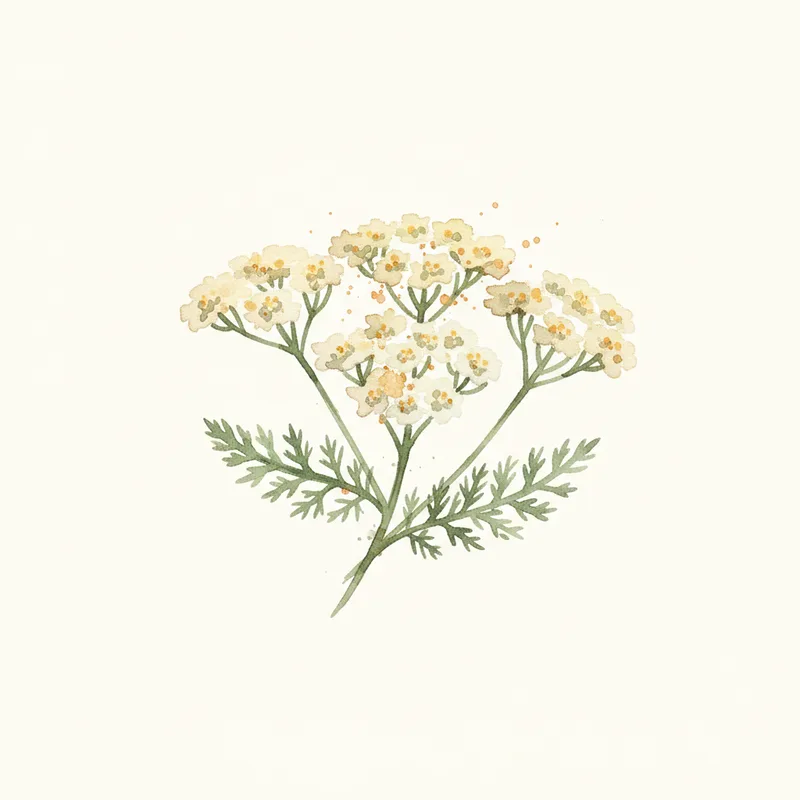
Yarrow spreads by rhizome and forms wide colonies that hold loose soil. Tolerates the worst-quality soil and drought.
Threadleaf Coreopsis is a slow spreader that fills in over three to four years and blooms yellow daisies for two months in summer.
Native ornamental grasses for stability
This is the underused power category. Native prairie grasses evolved on slopes and have root systems that go three to ten feet deep, holding soil far better than any ground cover ever will.
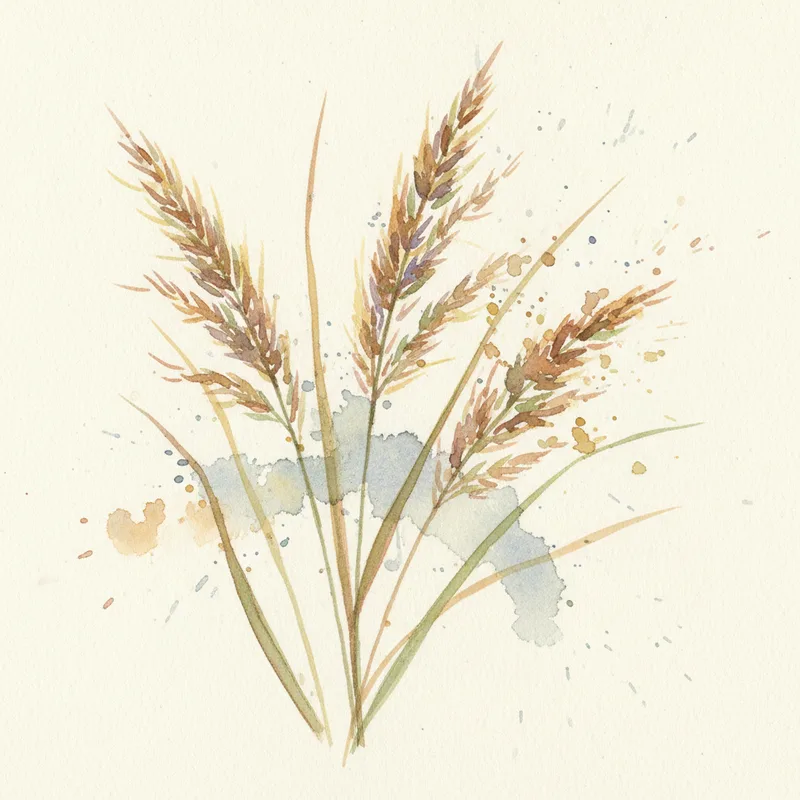
Switchgrass (Panicum virgatum) and especially Northwind Switchgrass reach four to six feet and form clumps that anchor steep banks. Cut back hard each spring.
Prairie Dropseed is shorter (two to three feet) and forms a fountain-like mound. Plant in mass for a wave effect across the slope.
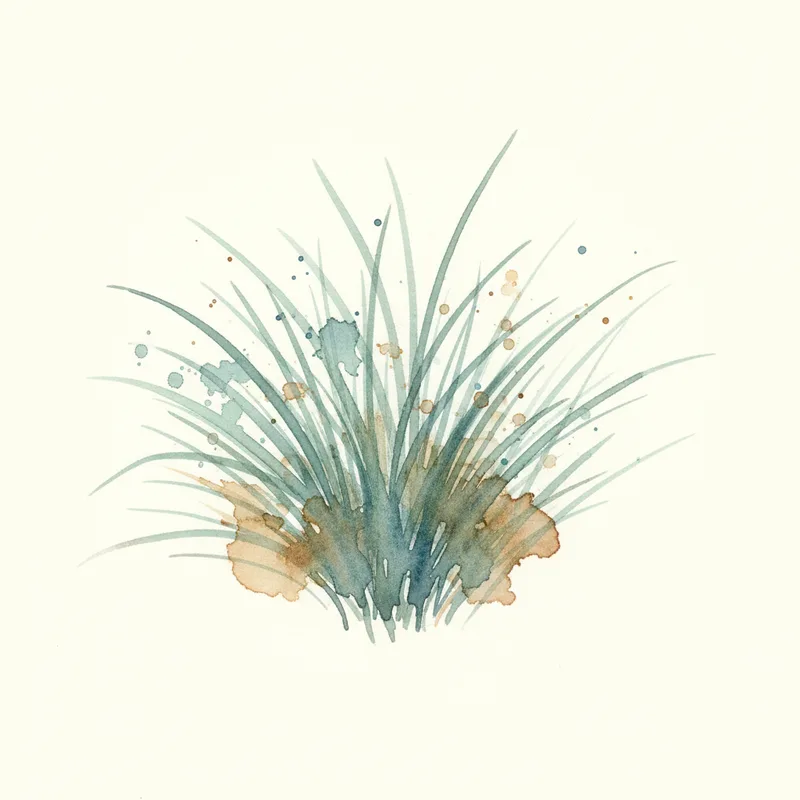
Blue Fescue is small (under a foot) but useful as the front edge of a slope planting where you need consistent low texture without lawn-like maintenance.
Mixed slope plantings (the best-looking option)
The most successful slope conversions use three layers:
Ground layer (creeping plants that cover bare soil): vinca, creeping phlox, creeping junipers in mass.
Mid layer (one to three feet, structural perennials): daylilies, yarrow, threadleaf coreopsis, native asters.
Upper layer (three to six feet, accents and vertical interest): ornamental grasses, Russian sage, occasional shrub clumps.
This approach looks intentional and naturalistic, suppresses weeds at every height, and combines fast coverage (ground layer) with deep root stability (grasses). It also requires almost zero maintenance once established.
Installation tips for steep slopes
Plant high-density (two to three plants per square foot for ground covers, one to two per square foot for perennials and grasses). Sparse planting on a slope is a recipe for erosion in the gaps.
Use jute netting or coir erosion blanket over the soil surface. Plants are installed through holes in the netting. The netting decomposes over two to three years, by which time the plants have rooted in.
Water heavily and frequently the first season. Drip irrigation works far better than sprinklers on a slope.
Mulch with shredded hardwood (not bark chunks, which roll downhill). A two-inch layer interlocks better than chips and stays in place.
What not to plant on slopes
Lawn grass is the worst slope plant. Shallow roots, requires mowing, runoff city.
Avoid tap-rooted plants as the primary stabilizer. They hold their own root ball but don't contribute to the broader soil mat.
Trees and large shrubs can actually destabilize moderate slopes. The wind catches the canopy and torques the root ball, loosening soil. They're fine in mixes but shouldn't be the primary plant.
The bottom line
A converted slope is one of the highest-return projects in landscaping. You eliminate the most dangerous mowing on the property, you stop topsoil loss, and you get a planted feature that looks better every year. The first season is intensive. By year three the slope is stable, the maintenance is minimal, and the neighbors start asking how you did it.
For more selection ideas browse our ground cover plants or ornamental grasses.

What's growing, what's blooming, what's worth planting.
For gardeners who like to stay ahead.