How to Build a Cottage Garden (Flowers, Design, Real-World Tips)
The English cottage garden look is romantic, productive, and surprisingly easy to recreate. Here is the actual plant list and the design rules behind it.
The cottage garden is the most photographed garden style in the world. Walls of foxglove and delphinium, roses scrambling up arbors, peonies flopping into the path, lavender humming with bees. The look is so iconic it's become a marketing cliché. But behind the postcards there's actually a defined set of design rules and plant categories that make cottage gardens work, and any home gardener can copy them.
The best news: cottage gardens are forgiving. They're designed to look slightly chaotic. There's no expectation of geometric precision or single-species drifts. Plants self-seed, clumps merge, and the result usually looks better the messier it gets.
The history (briefly)
Cottage gardens started as practical kitchen gardens for English laborers' cottages in the 16th and 17th centuries. The owners crammed together herbs, flowers for cutting, and useful shrubs in tiny front yards. Beauty was a byproduct of utility and limited space.
The romanticized version we recognize today was largely shaped by Victorian writers and designers like Gertrude Jekyll, who took the unintentional charm of working-class cottage plots and turned it into a deliberate design style. The plants stayed roughly the same but the spacing got more thoughtful.
The four design rules
Density beats spacing. Cottage gardens look full because they are full. Plant about half the recommended spacing on the plant tag. The plants will jostle each other and bloom upward instead of outward, giving the vertical lushness you see in photographs.
Tall in back, medium in middle, low in front, but break the rules sometimes. Place an unexpected tall plant near the front edge once or twice. The slight asymmetry makes the garden feel natural rather than staged.
Repeat plant clusters down the bed. Use the same three or four "anchor" plants two or three times along the length of a bed. Repetition reads as composition rather than chaos. Don't go single-specimen.
Pastel and white tie the palette together. Pure cottage color schemes are pinks, blues, purples, soft yellows, and lots of white. White acts as a visual reset between the colors and prevents the bed from looking muddy.
The cottage garden plant list
Here are the iconic plants. You don't need all of them. Pick eight to ten from the categories below.
The vertical anchors (back of bed)
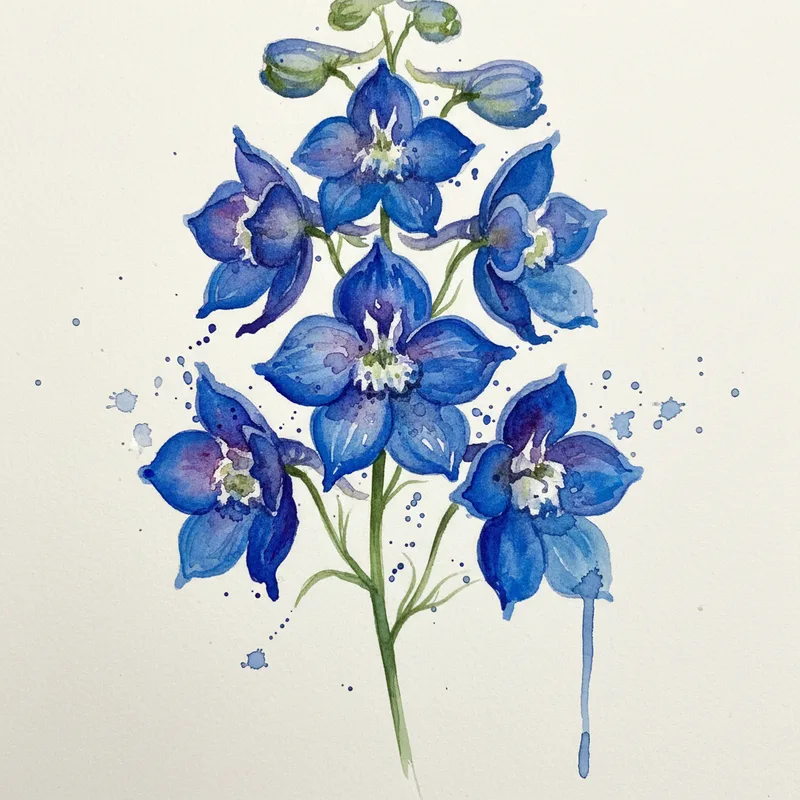
Delphinium is the cottage garden showstopper. Six-foot blue spires in June. Picky about location (cool roots, sunny tops, no wind) but unmatched when happy.
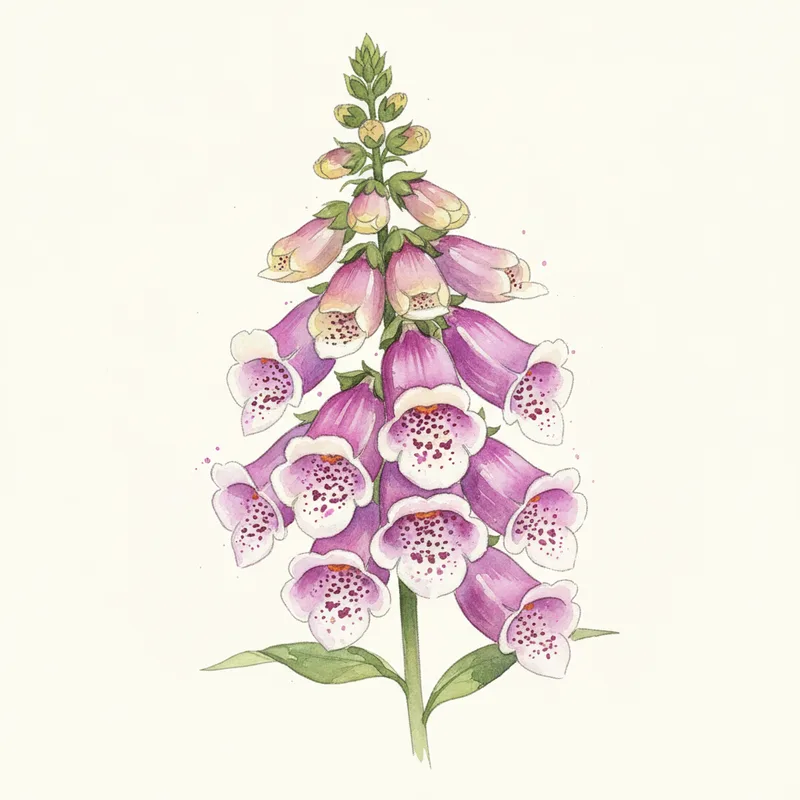
Foxglove is the foxglove. Bell flowers up four-foot stems, pollinator magnet, biennial that self-seeds reliably. Plant once, have foxgloves forever.
Hollyhock is the classic cottage wall plant. Six to eight feet tall, paper-like flowers in pink, white, deep red, and almost black. Short-lived, self-seeding biennial.
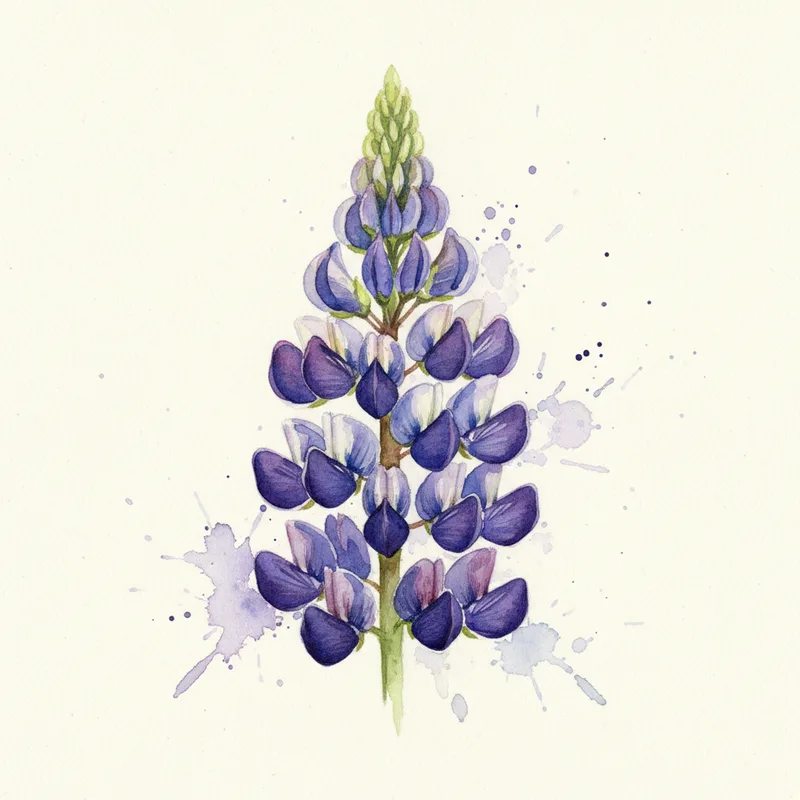
Lupine blooms purple, pink, or yellow spires in June. Best in cooler climates (zones 3-7). Adds nitrogen to the soil as a bonus.
The middle layer (sweet spot of the cottage look)
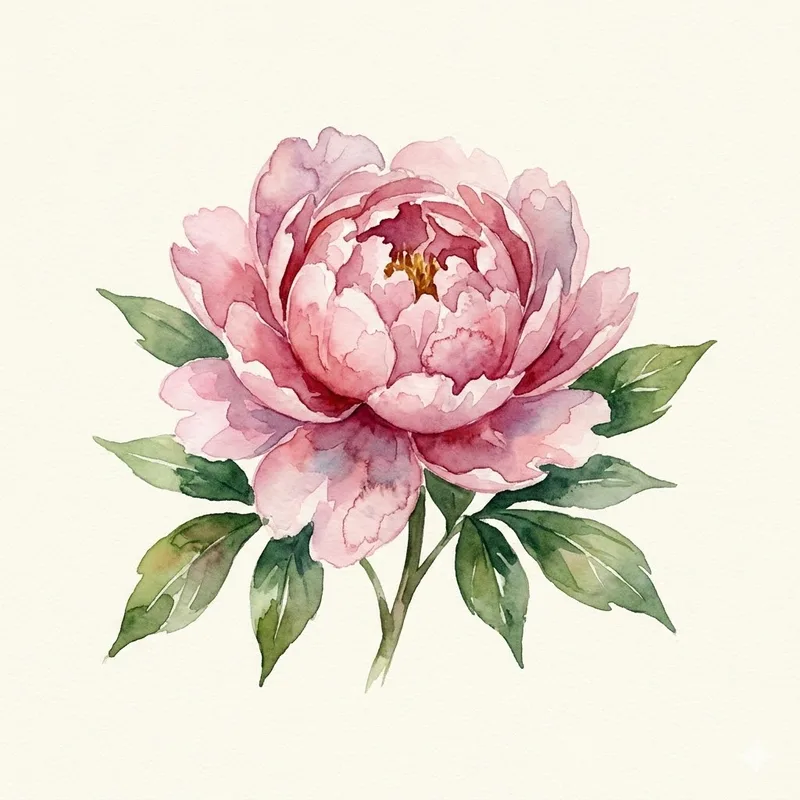
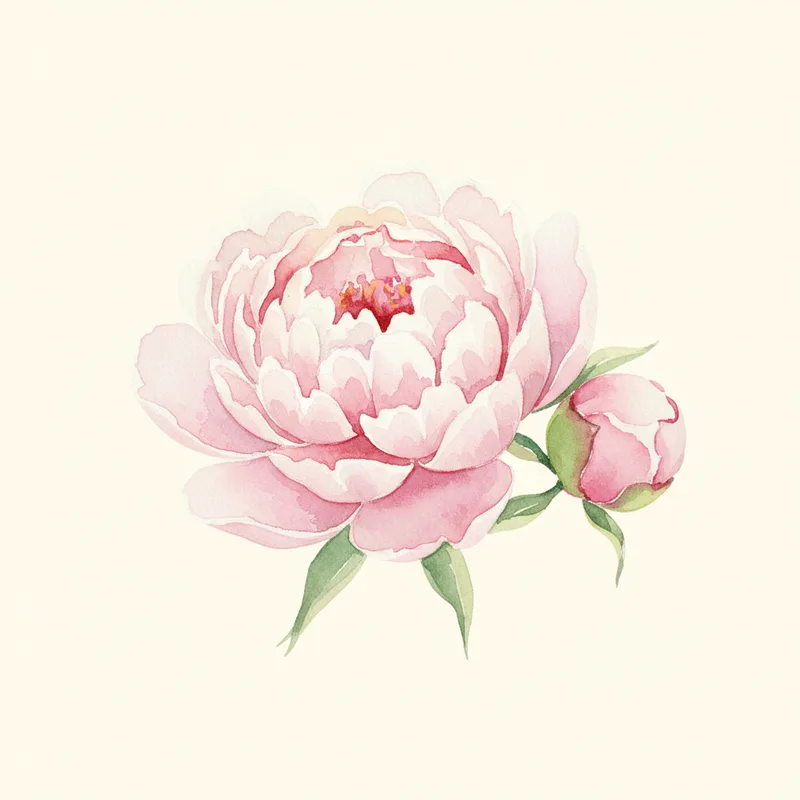
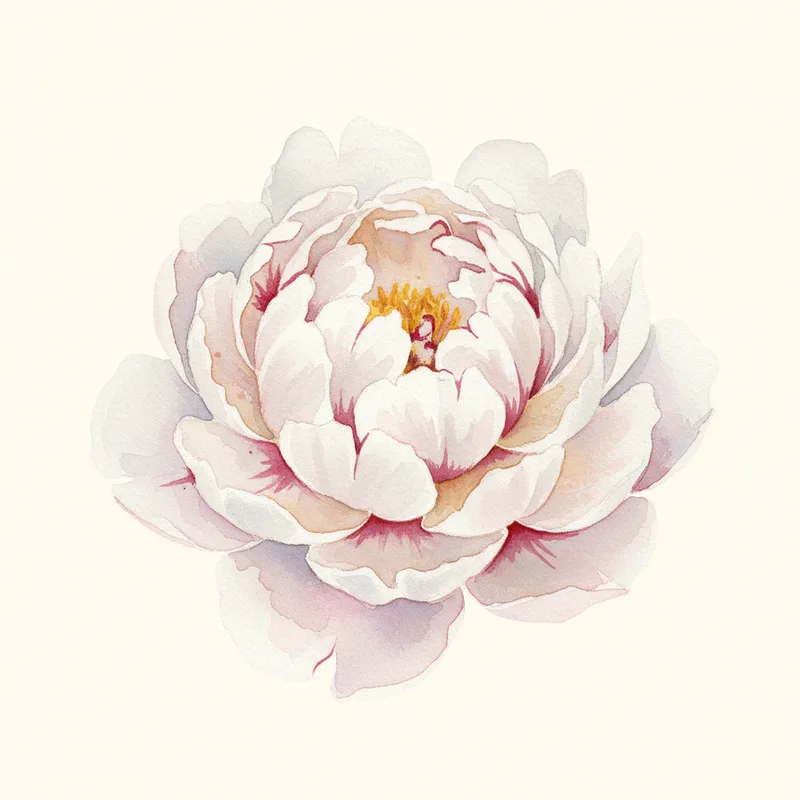
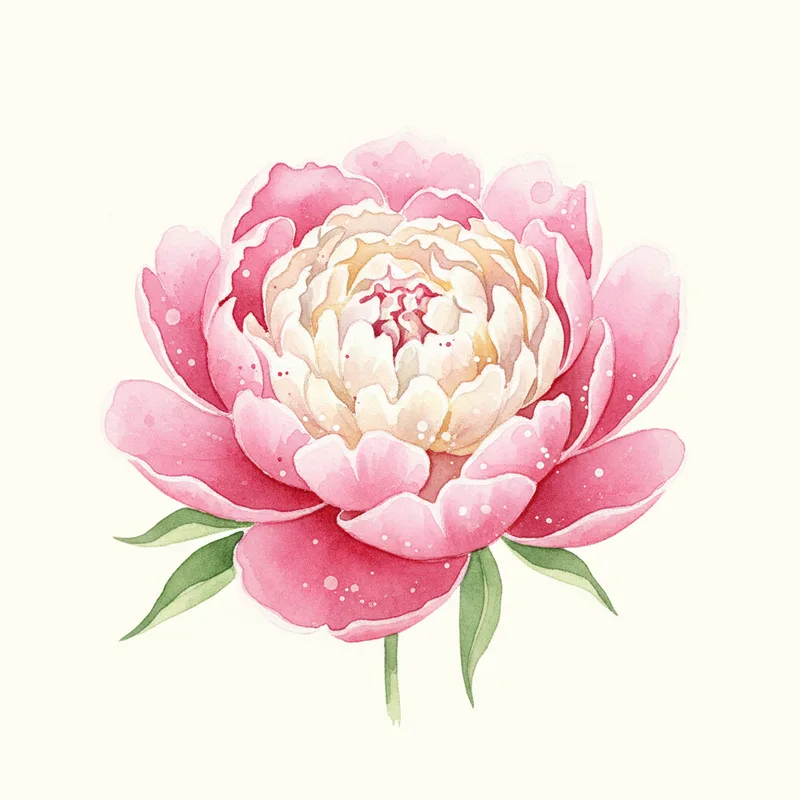
Peony is the queen. Sarah Bernhardt, Festiva Maxima, and Bowl of Beauty are the most quintessentially "cottage" cultivars. Three weeks of glorious bloom in May or June, then handsome green leaves the rest of the season. For a full guide to picking varieties and ordering bare roots in time for fall planting, see our roundup of the 7 best peonies to plant this fall.
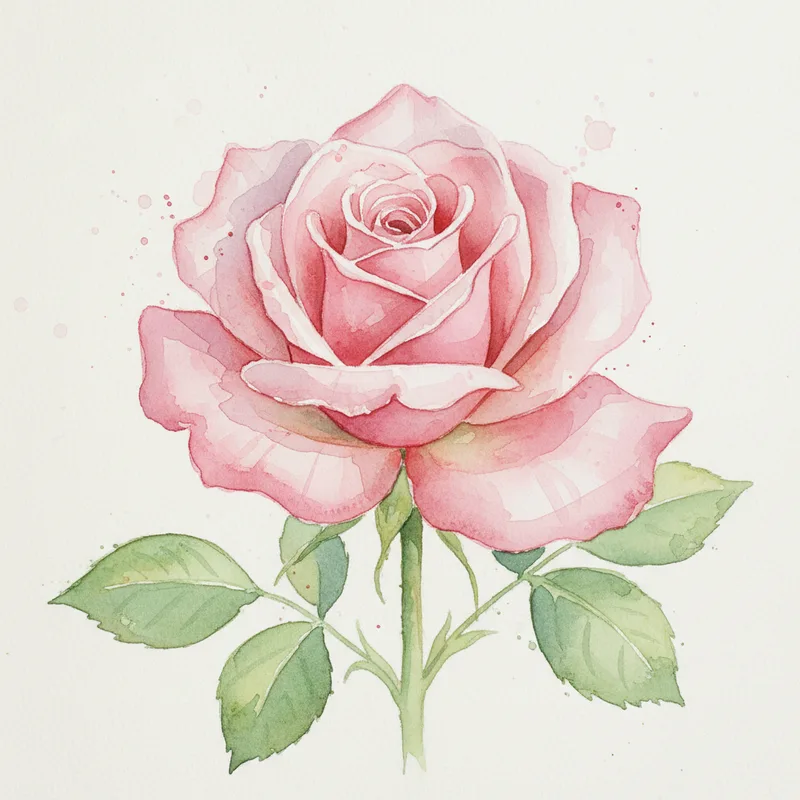
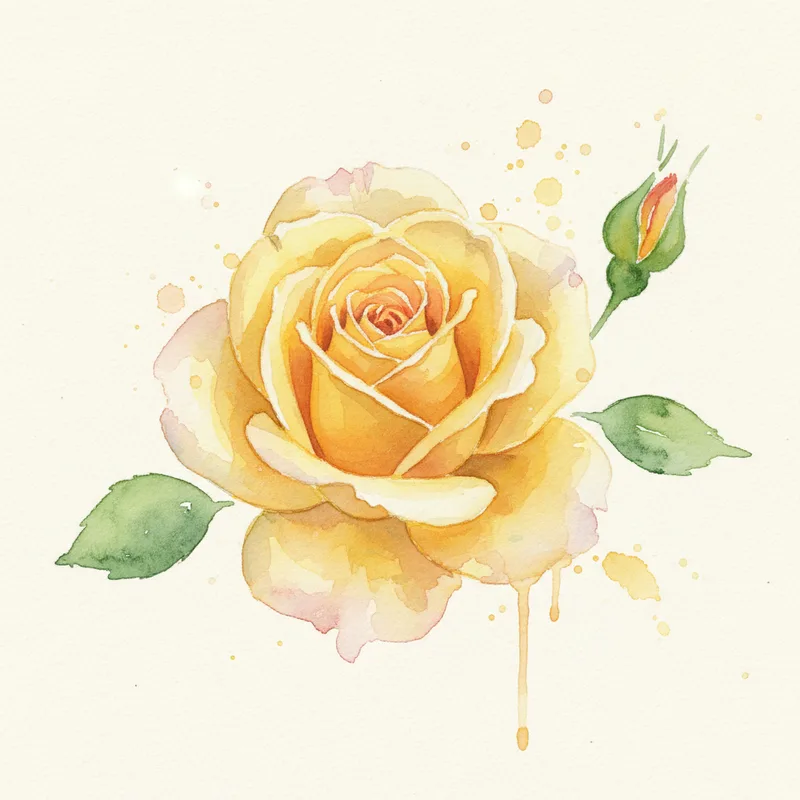
Rose is essential. Old-fashioned shrub roses (David Austin types like Graham Thomas) give you the cottage look with modern disease resistance. Knock Out Rose if you want the look with minimum work. For the full beginner-friendly rose lineup including the easier David Austins (Olivia Rose Austin, Lady of Shalott), see our guide to the best roses to plant if you have killed roses before.
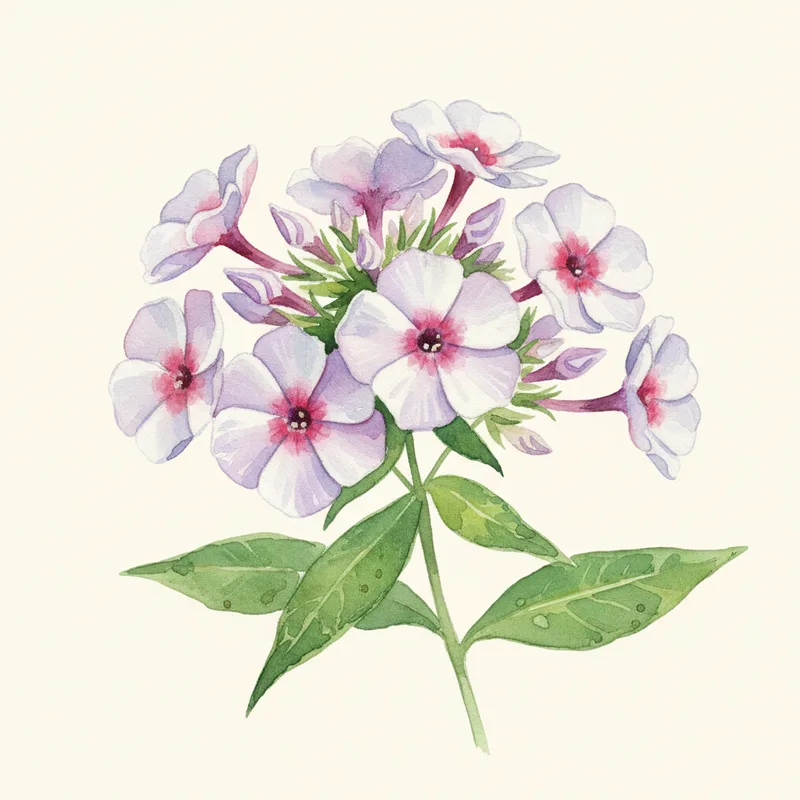
Garden Phlox blooms big fragrant pink, white, and purple panicles for two months in summer. Look for mildew-resistant cultivars (David, Jeana).
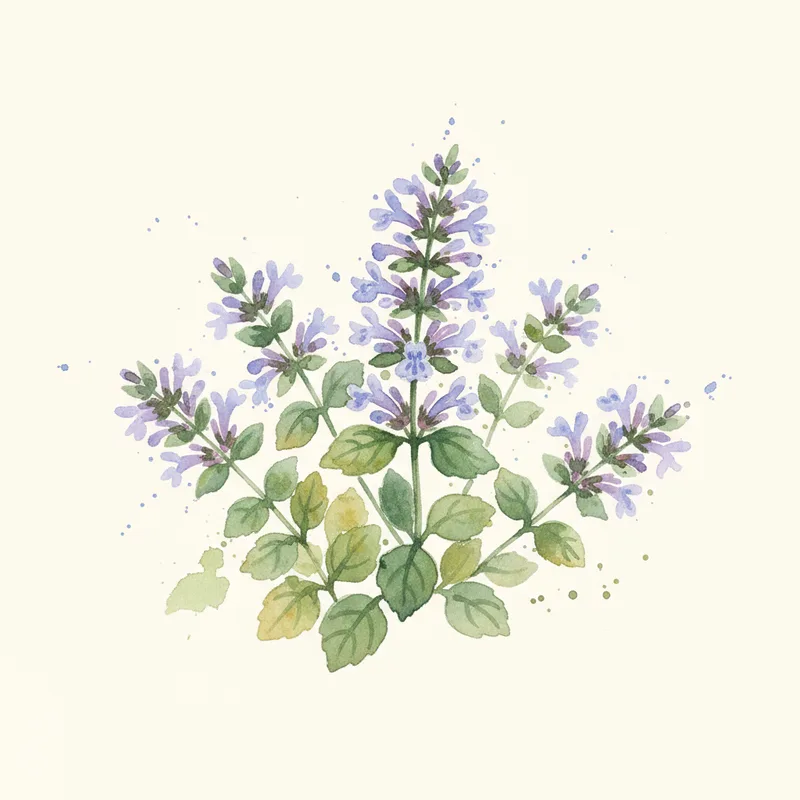
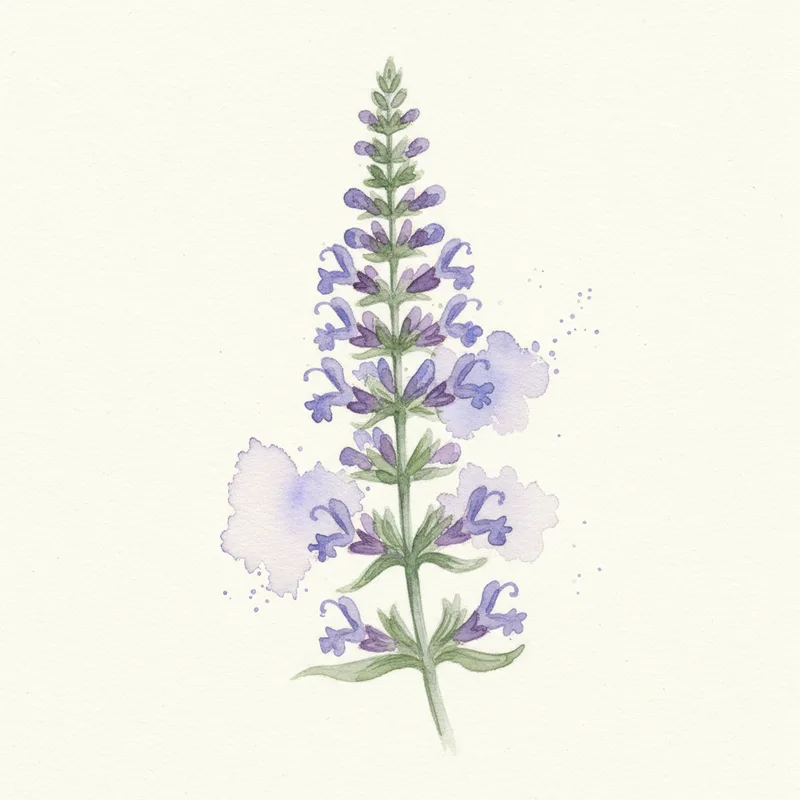
Salvia and Catmint form a soft purple-blue haze that ties the warmer colors together.
The front edge
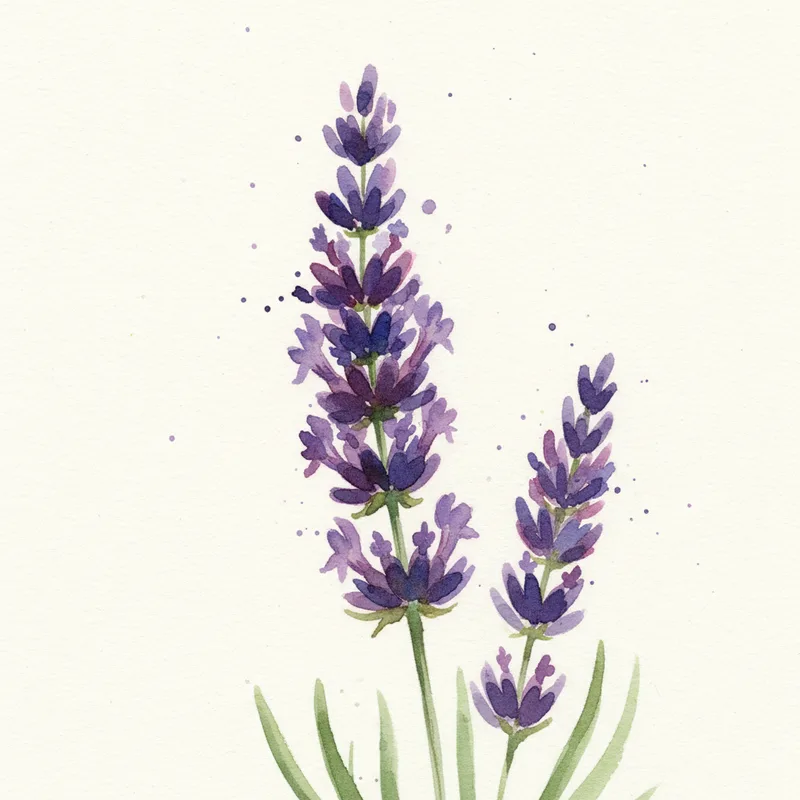
Lavender is the front-edge classic. Munstead and Hidcote are the hardiest, most reliable. Place near a path so you brush against it and release the scent.
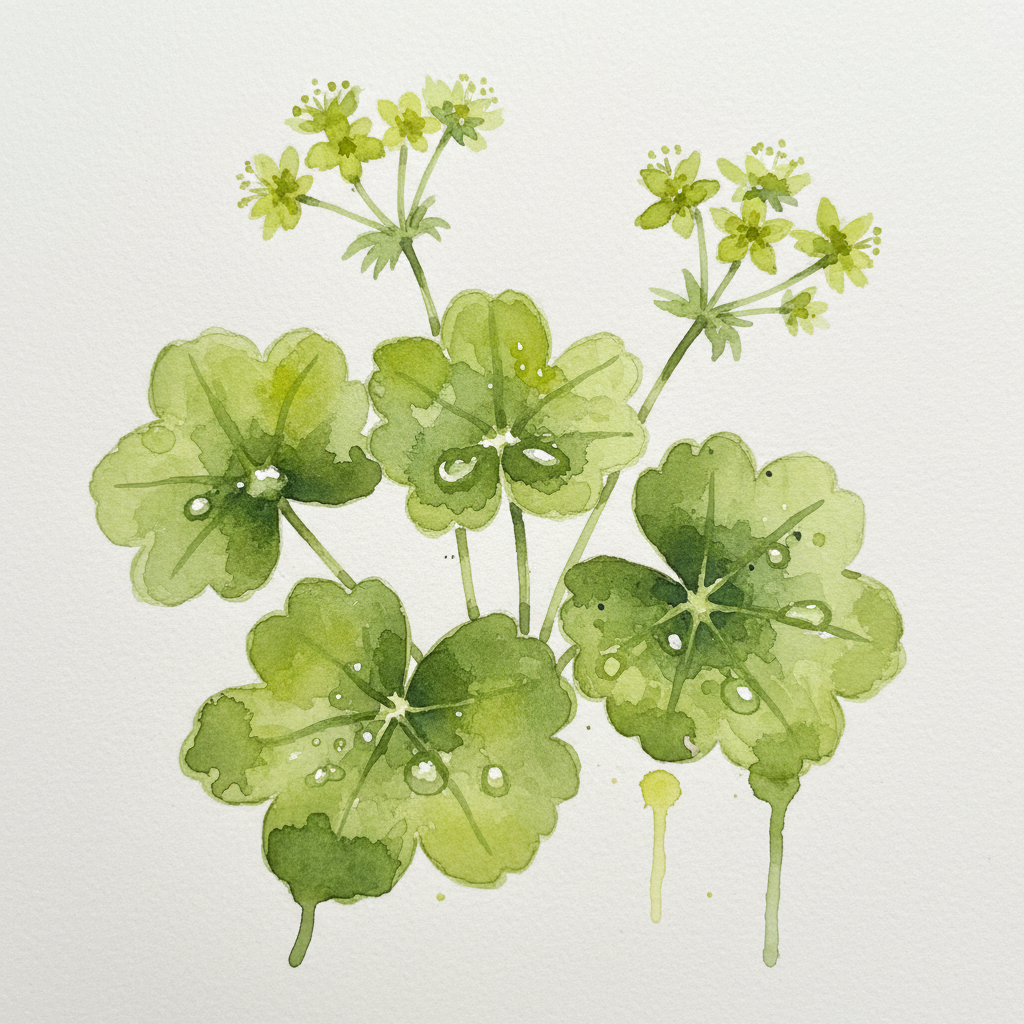
Lady's Mantle has scalloped leaves that catch raindrops in shimmering beads, and chartreuse foam-like flowers. Underplanted under roses for the classic Jekyll combination.
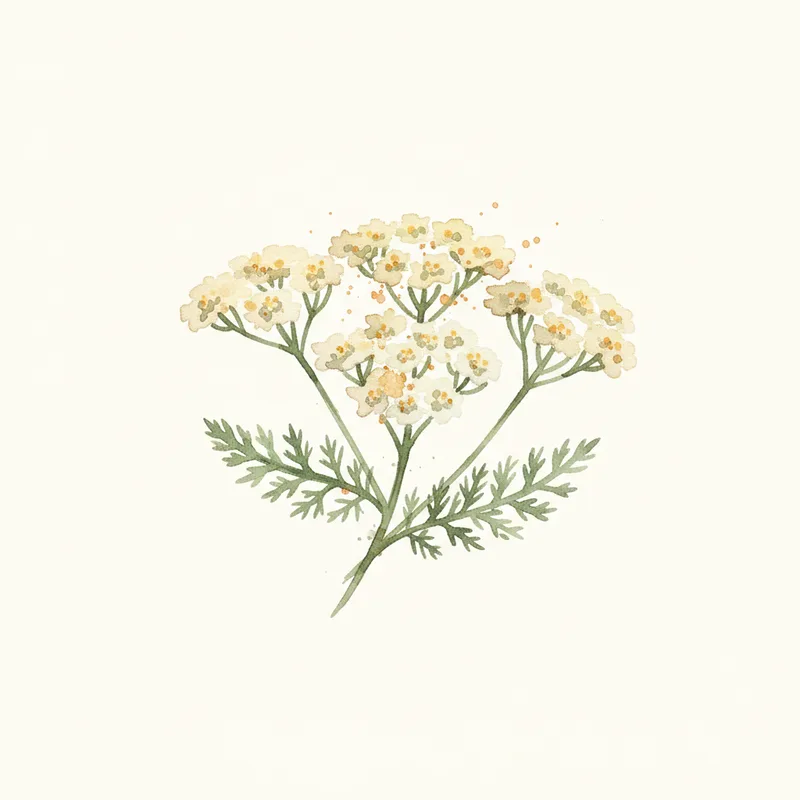
Yarrow, low sedums, and creeping thyme work well at the front for the unfussy spilling-over edge.
The bulb layer
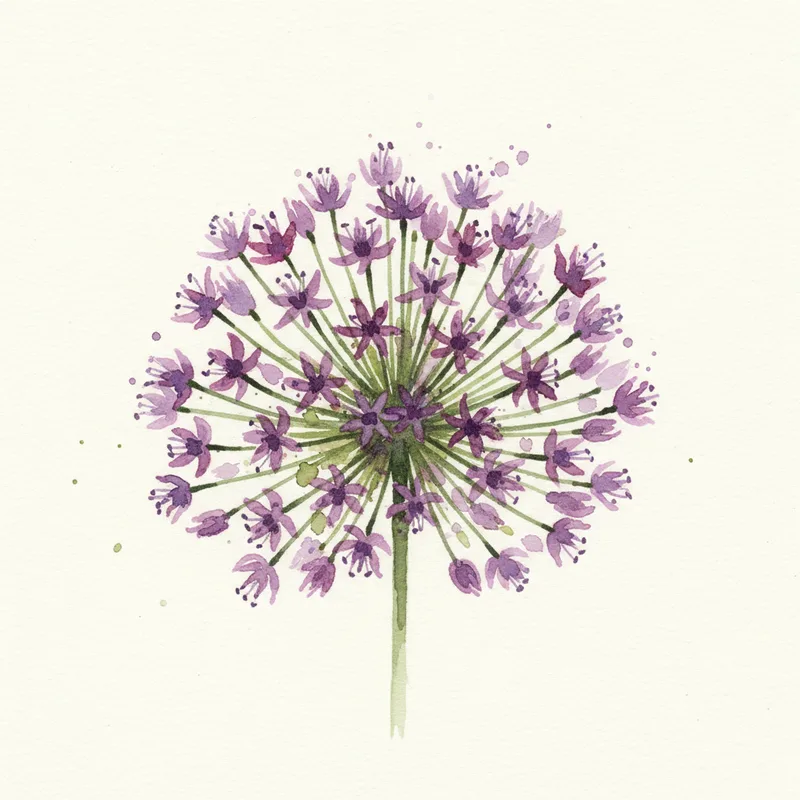
Allium brings the cottage garden into late spring with purple drumstick balls floating above the lower foliage. Plant in clusters of seven to fifteen for impact. They are also deer- and rabbit-proof.
Tulips and daffodils provide the early-spring bloom before the perennials wake up. Naturalized daffodils especially feel right in a cottage setting.
The vines
Climbing roses on an arch or fence are the single most "cottage" image there is. Pair with clematis on the same support for double bloom.
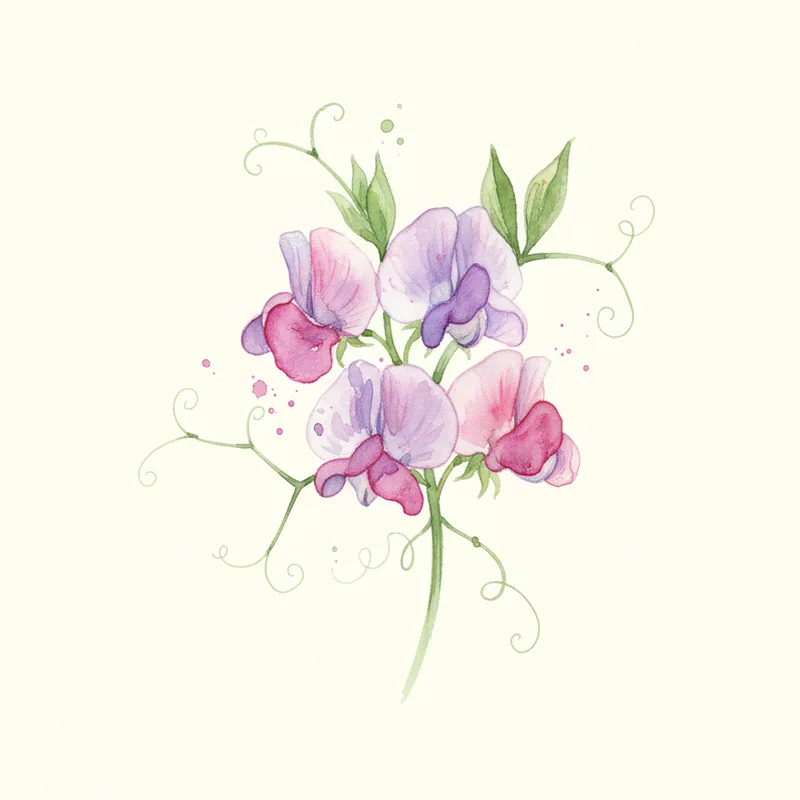
Sweet Pea on a tripod or bamboo cane structure adds fragrance and old-fashioned charm.
The maintenance reality
Cottage gardens look effortless but require about as much actual work as any other style. The difference is the work is mostly editing rather than installing.
You'll deadhead a lot in June and July to keep the bed blooming. You'll thin self-seeded foxgloves and hollyhocks every year. You'll cut back salvia and catmint in midsummer for rebloom. You'll stake delphiniums and the heaviest peonies. You'll divide every three to five years.
What you won't do: weed much (the density suppresses weeds), water much (most plants are drought-tolerant once established), or replace plants (cottage gardens improve with age).
Year-by-year expectations
Year 1: Looks sparse. Plants are establishing. Don't panic.
Year 2: Major fill-in. The garden starts to look like the photographs.
Year 3 and on: The garden looks better than the photographs because individual plants have grown into their personalities.
The single most common mistake: ripping out plants in year 1 because they "look small." Patience is the cheapest fertilizer.
Modern cottage gardens (smaller, drier, lower-maintenance)
Traditional English cottage gardens needed cool, moist summers. Most American gardens are hotter and drier than the English original. The modern adaptation:
- Replace delphinium (heat-sensitive) with Russian sage and Veronica.
- Replace traditional shrub roses with disease-resistant hybrids.
- Lean harder on long-blooming perennials to extend the season past June.
- Use ornamental grasses as transitional structure.
This adaptation gives you the cottage look in zones 7-9 where the original plants would struggle.
The bottom line
A cottage garden is the highest-return aesthetic style in residential gardening. The plants are common, the rules are forgiving, and the result improves every year. The hardest part is planting density: most beginners put plants too far apart, and the result looks sparse for years. Plant tight, layer heights, repeat anchors, and lean into pastels. The classic look will follow.
For a pollinator-leaning version, see our Pollinator Garden Planning guide. For drought-tolerant alternatives, see Gravel Garden & Drought-Tolerant Design. For the opposite color palette - saturated, modern, and bold - see our guide to jewel tone garden design.
One practical note on the classic cottage plants: foxglove, hollyhock and sweet William are biennials in practice, so they are sown a full year before they flower. Late summer is the window, which is why so many cottage gardens look thin in their first June. See What to Plant in August for the sowing timing.


What's growing, what's blooming, what's worth planting.
For gardeners who like to stay ahead.