What to Plant in July (By Zone, By Goal)
Most planting guides assume spring. July planting is different: heat-tolerant only, watered consistently, and aimed at fall bloom. Here is the real list.
July planting in most of the country is a tough sell. Soil is hot. Days are brutal. Anything you put in the ground demands constant water for three to four weeks while it roots in. The plants you can get at most nurseries are the leftovers from spring and early summer, often pot-bound and sun-stressed.
That said, July planting works for specific goals: fall color, cool-season starts in late summer, succession sowing of annuals, and (in some zones) the second peak season of the year. Here's what actually works in July, by zone and by goal.
The July planting reality
July is a maintenance month, not a planting month, in cool zones (3-5). Watering, deadheading, and weeding take priority over installing new plants.
July is a transition month in temperate zones (6-7). You're done with spring annuals, you're starting to think about fall planting, and the sweet spot is heat-tolerant annuals plus fall-blooming perennials.
July is a key planting month in hot zones (8-10). The early-summer break before fall planting season is short. Heat-loving annuals go in for late-summer color.
Match your goal to your zone before you shop.
Heat-loving annuals for instant color
Annuals that go in now and bloom from August through frost. These are the most forgiving July plantings.
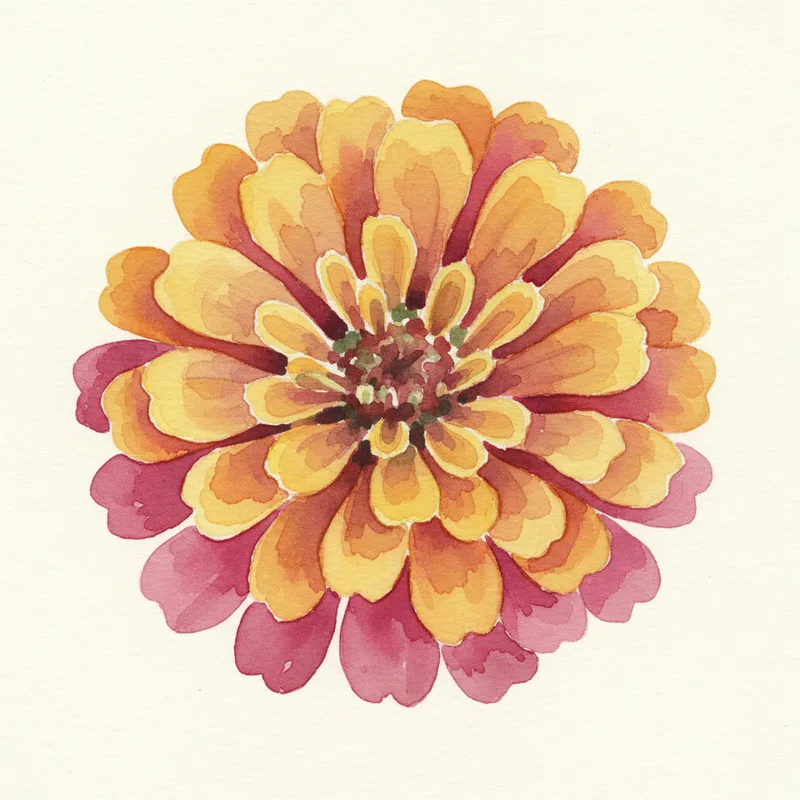
Zinnia is the king of mid-summer planting. Direct sow seeds in July in zones 5-9 and you'll get bloom in 60-70 days. They thrive on heat and dry conditions. Plant as a cut flower row or scatter in mixed beds.
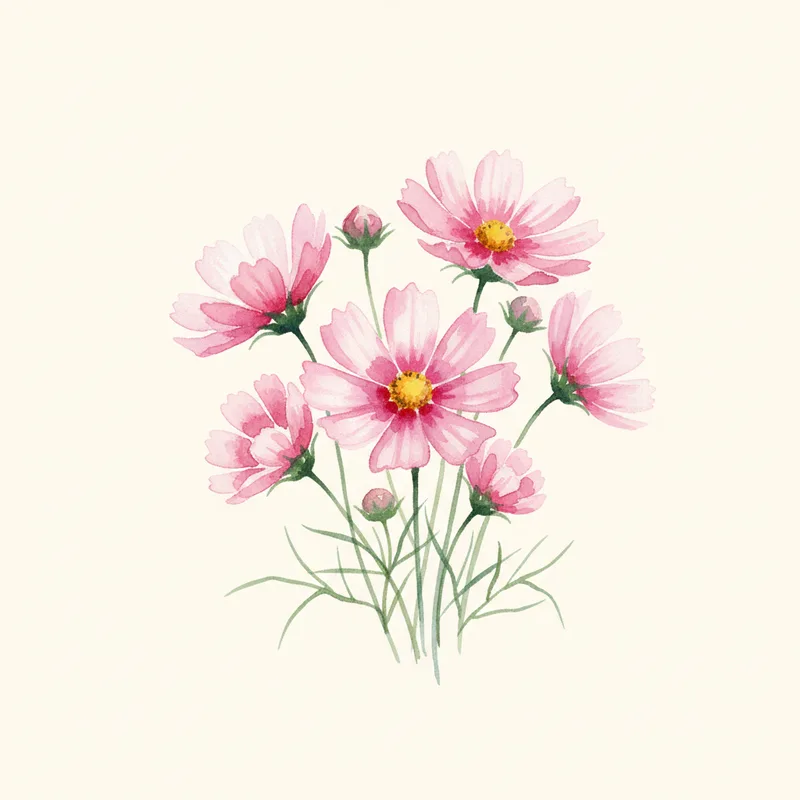
Cosmos directly sown in July gives you a September-October bloom flush that takes the late-summer garden into fall. Tolerates poor soil.
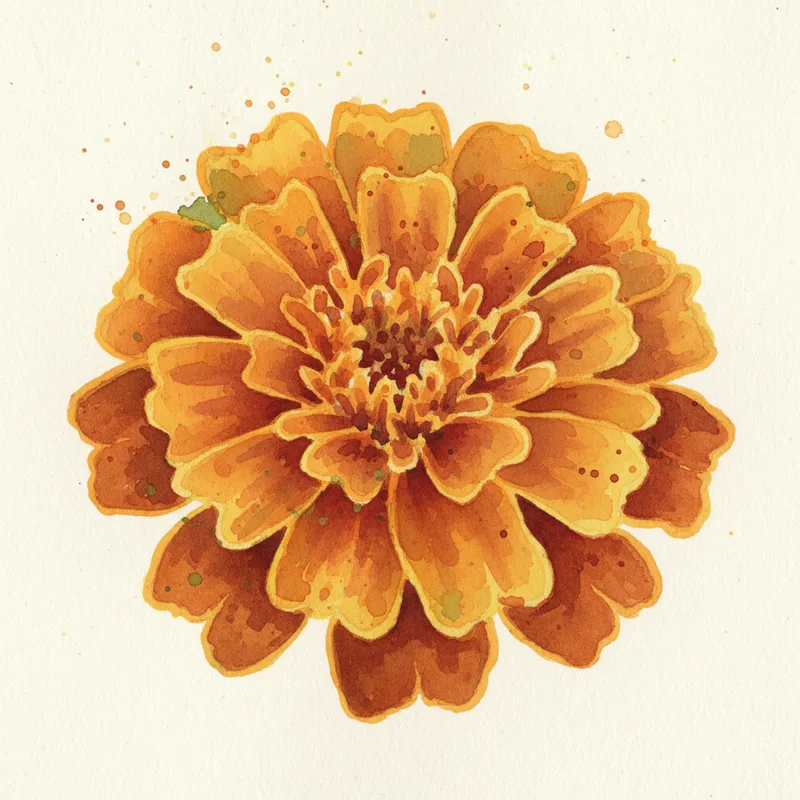
Marigold is the deer-resistant workhorse. Plant six-pack starts in July for instant garden fill that lasts until frost.
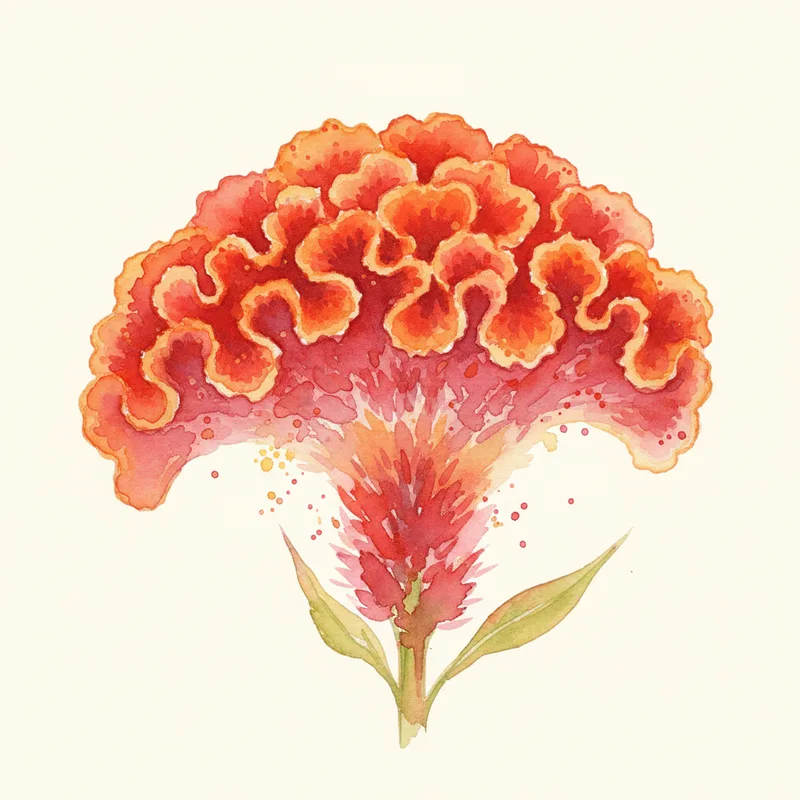
Celosia handles July heat better than almost any other annual. Velvet-textured plumes in red, orange, pink, and yellow.
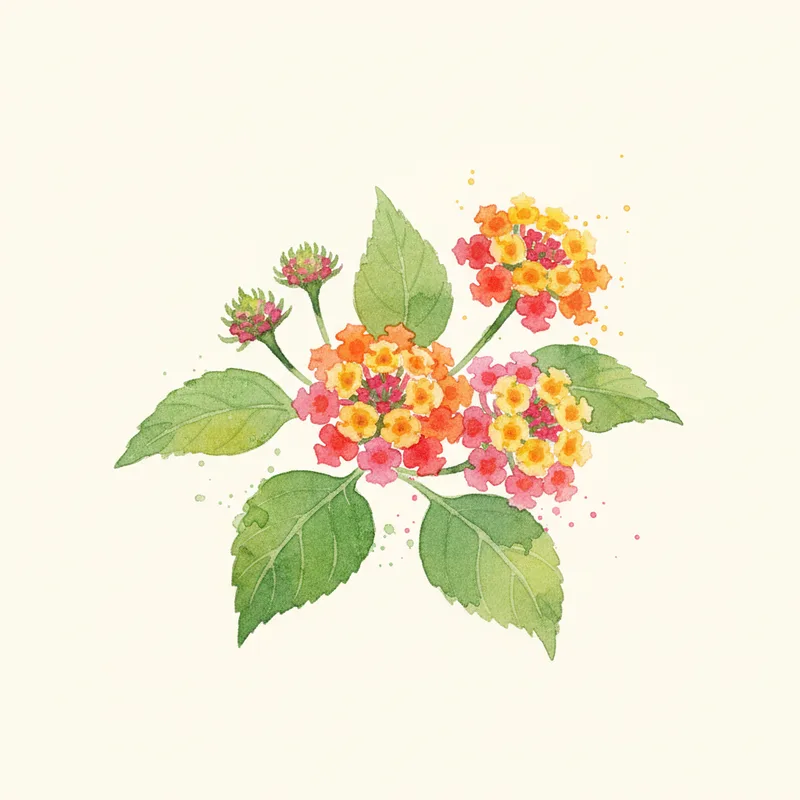
Lantana is the hot-zone hero. Blooms continuously in 95-degree heat where most other plants sulk. In zones 8-10 it's perennial. In cooler zones treat as annual.
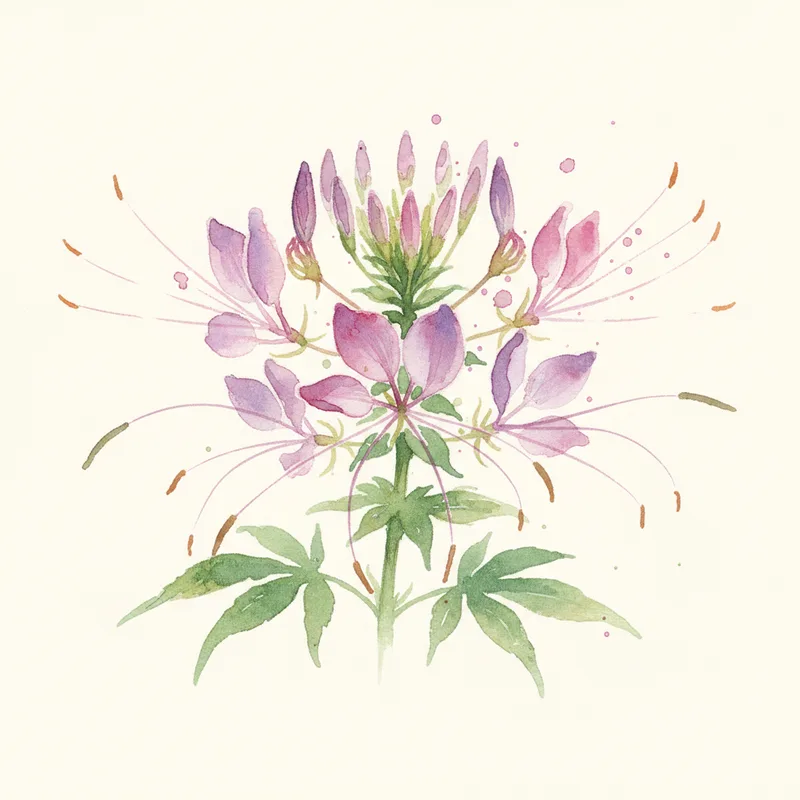
Cleome is an underused tall annual (four to five feet) that blooms pink, white, or lavender into October.
Heat-tolerant perennials safe to plant in July
Limit perennials to ones with proven heat tolerance. Plant in the cool of evening, soak the root ball deeply, mulch heavily, and water every other day for the first three weeks.
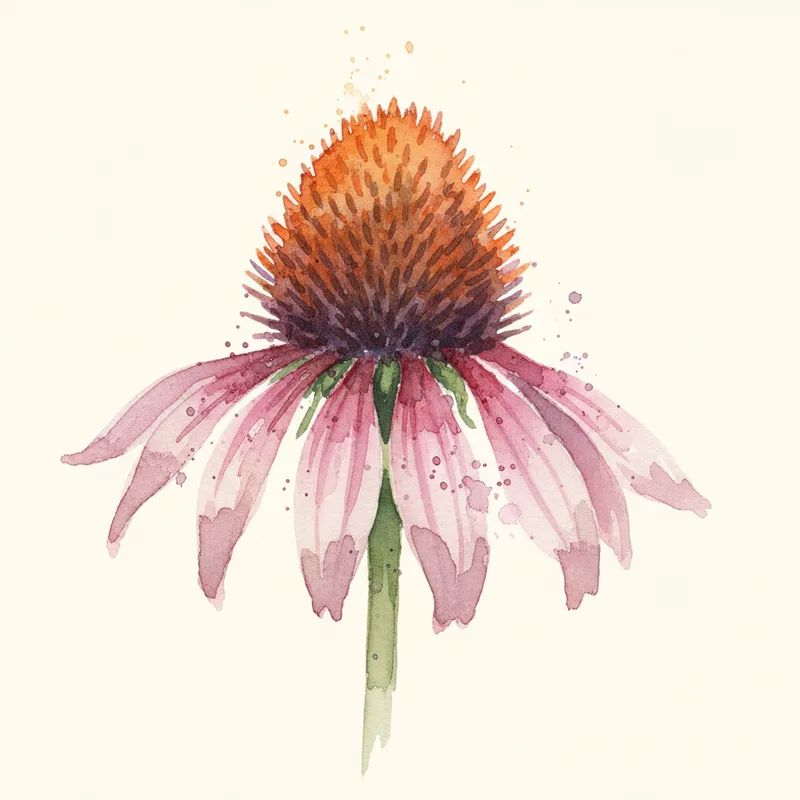
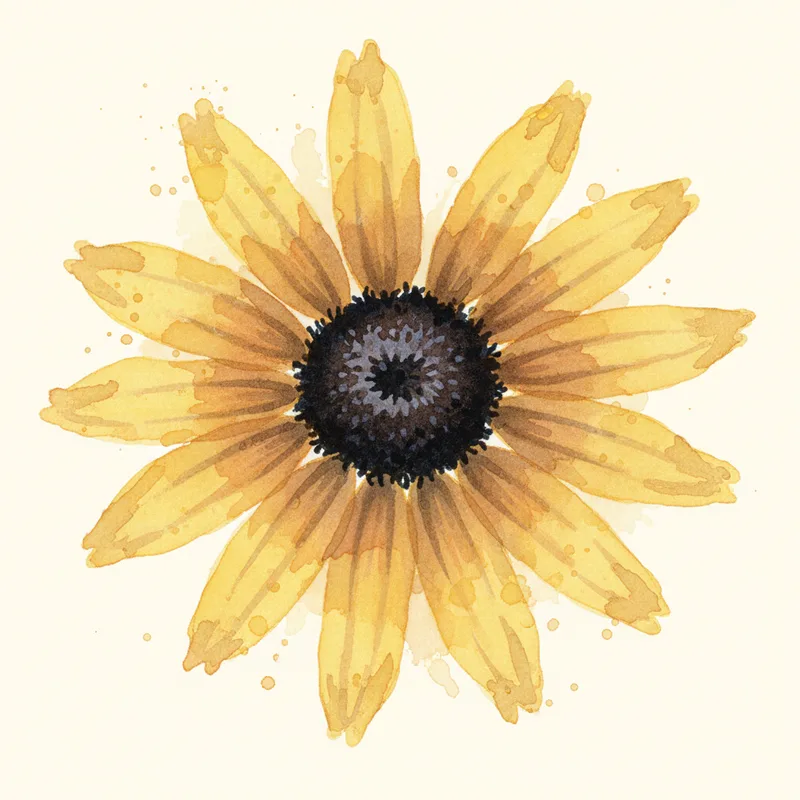
Coneflower and Black-Eyed Susan are tough enough to root in even during a heat wave. Pick the largest pots you can find and plant deep.
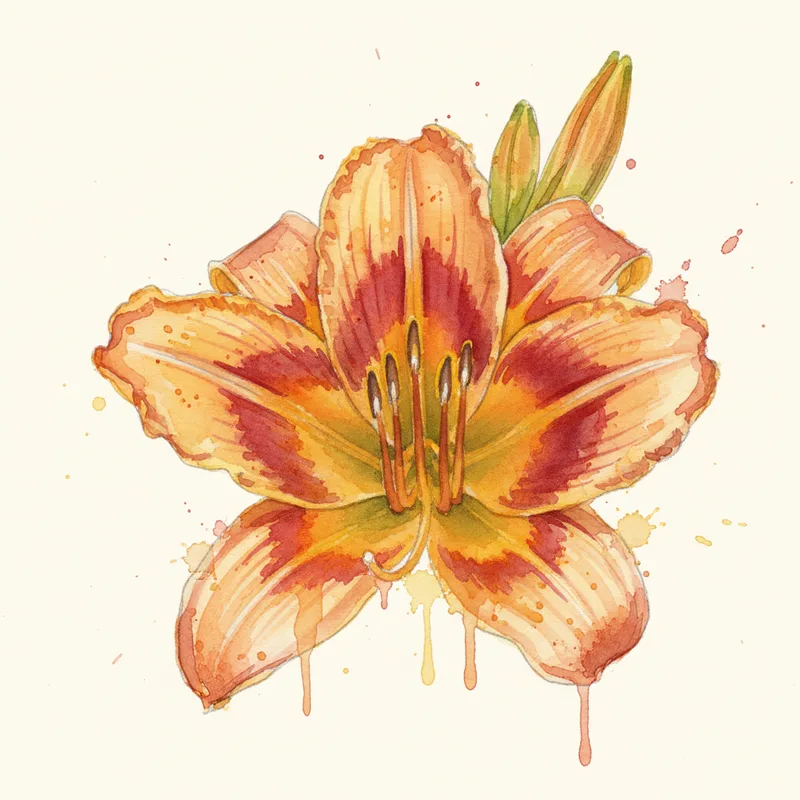
Daylily is essentially indestructible. July planting is fine if watered. Bonus: most are still in bloom at the nursery, so you can see what you're getting.
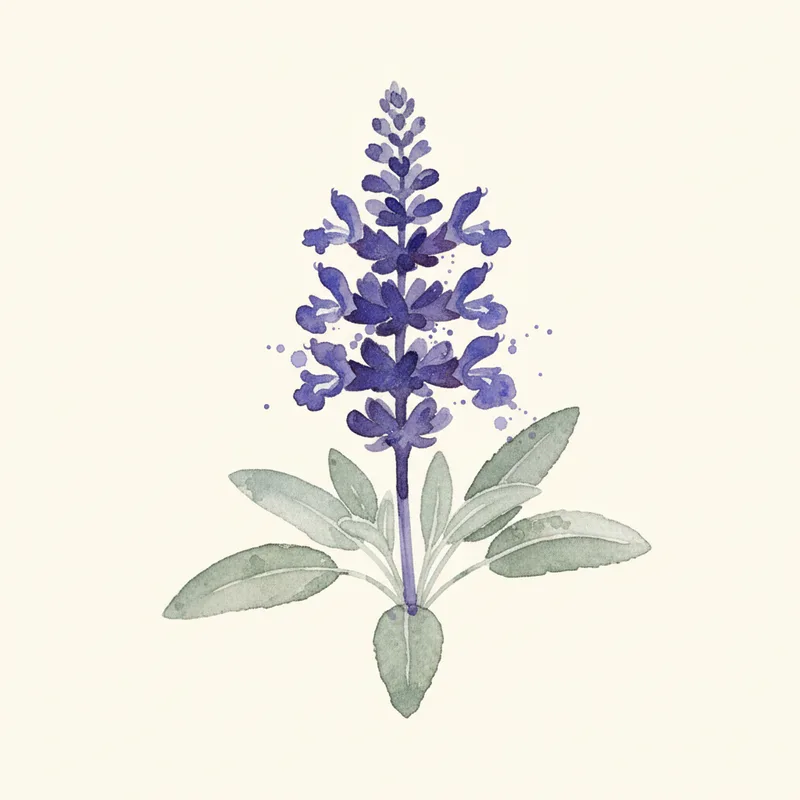
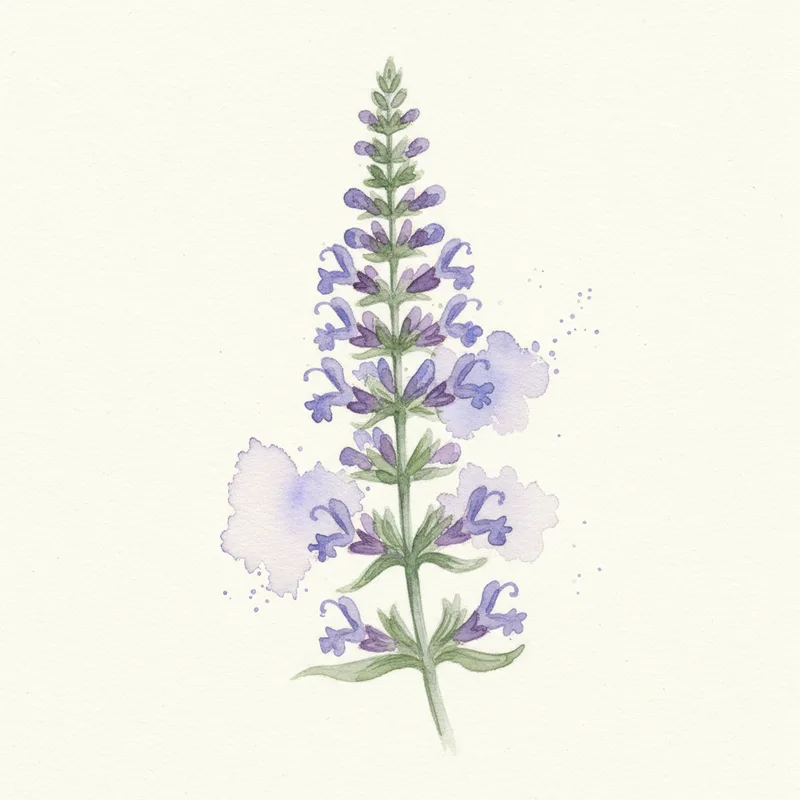
Russian Sage and Salvia are drought-tolerant and root deeply once established. July planting works in zones 5-9.
Plant for fall: chrysanthemums, asters, ornamental cabbage
July is the month to start planning the fall garden. Mid- to late-July planting of fall bloomers gives them time to root in before they need to put on their show in September and October.
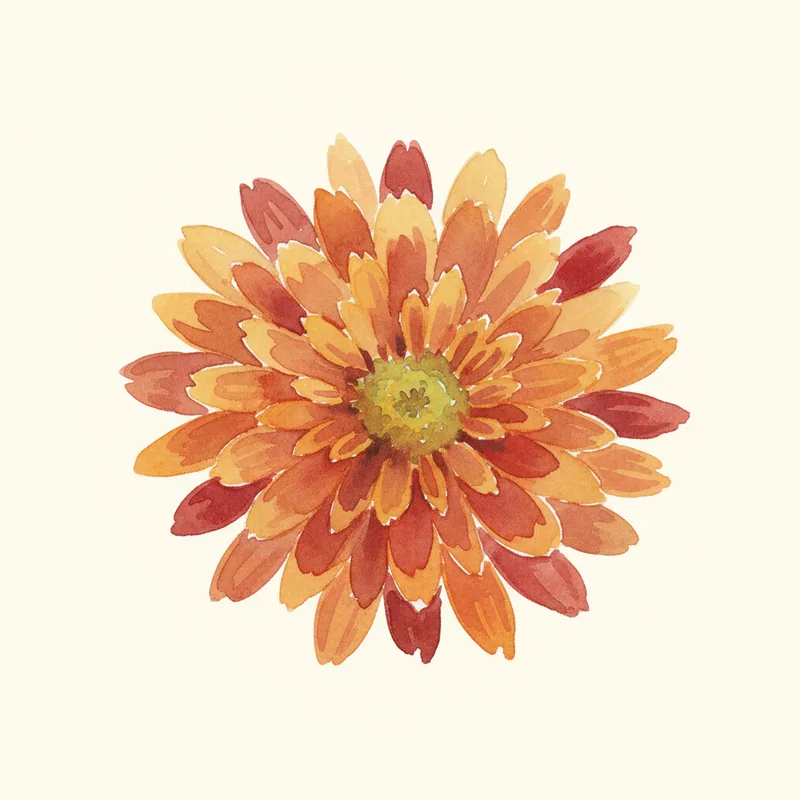
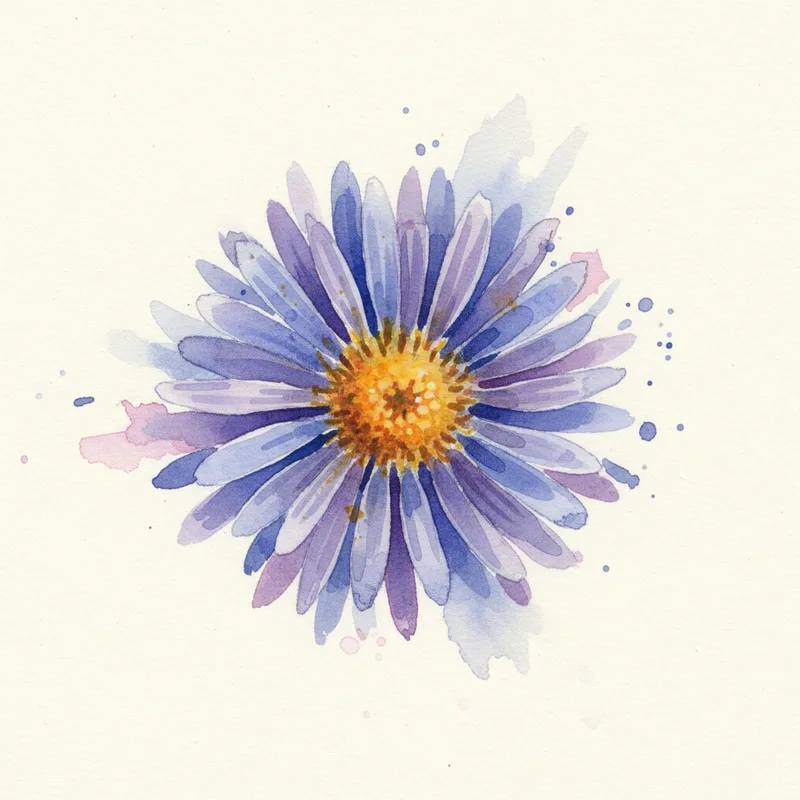
Chrysanthemum and Aster can both be planted as small starts in July. They'll bloom on schedule in September. Resist the temptation to buy fully blooming mums in September: they're already past their prime by the time they're sold.
Ornamental cabbage and kale starts go in late July or August in zones 4-7 for fall color. They peak in October and tolerate frost into November.
Direct-sow seeds for late-summer harvest and bloom
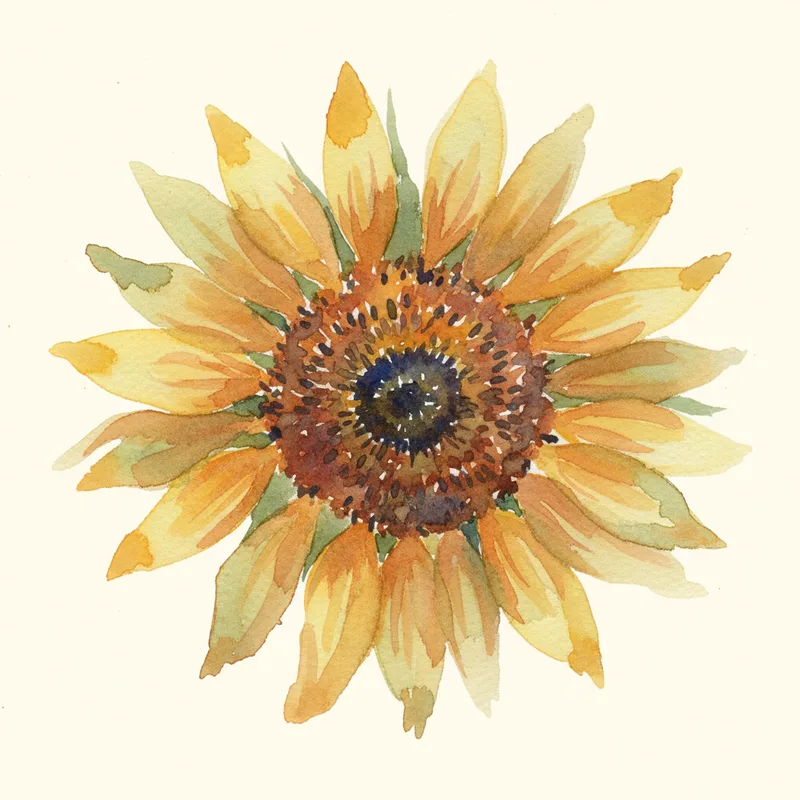
Sunflowers planted in early July still have time to bloom before frost in zones 5-9. They'll reach four to eight feet by September depending on cultivar.
Cosmos and zinnias from seed, as mentioned above, bloom 60-70 days after sowing.
For cut flowers, sweet peas can be sown in July in cooler zones (5-6) for late-summer bloom, but in hotter zones they need waiting until late summer for fall sowing.
Bulbs to order now (for fall planting)
You don't plant tulips, daffodils, or alliums in July. But you should order them this month. Bulb suppliers post their best inventory in June and July, then sell out through August. The most-wanted cultivars (specialty tulips, rare daffodils, allium 'Globemaster') ship in September for October planting.
If you wait until September to order, you'll get whatever's left.
Zone-by-zone July priorities
Zones 3-4: Maintenance only. Water, deadhead, prune spent perennials. Don't install new perennials in July; the cool-zone soil is still warming and root establishment is brief before fall.
Zones 5-6: Annual color refresh (zinnias, marigolds, cosmos). Heat-tolerant perennial planting at your own risk. Direct-sow fall flower seeds.
Zone 7: Plant heat-tolerant perennials in heavy mulch with consistent water. Order fall bulbs. Direct-sow zinnias and cosmos for September peak.
Zones 8-9: Plant lantana, salvia, ornamental peppers, hot-color annuals for the late-summer-to-fall display. Late July is fine for most heat-tolerant perennial planting.
Zone 10+: July is too hot for almost anything except deeply established native plants. Wait until late August or September.
Watering rules for July plantings
Water at planting until you see water pool, then again the next morning, then every other morning for two weeks, then twice a week for two more weeks. Mulch four inches deep with shredded hardwood. Water deeply (a long slow soak), not a sprinkle.
Skip the foliar spraying that some sites recommend. It encourages disease in hot humid weather. Direct soil watering only.
The bottom line
July is a planting month for specific situations: heat-loving annuals, fall-blooming perennial starts, and seed sowing of cosmos and zinnias. It is not a planting month for general perennial installation in cool or temperate zones. Match your goal to your zone, plant in the cool of evening, and water deeply. The rewards arrive in September.
For what's already blooming this month, see What's Blooming in July. Next month the job changes completely, from planting for this season to planting for the next one: see What to Plant in August. For the big autumn push after that, What to Plant in September.
For a month-by-month chore checklist tailored to your USDA zone, see our garden chores by zone guide.
What's growing, what's blooming, what's worth planting.
For gardeners who like to stay ahead.