Drought-Tolerant Annuals for Containers: Summer 2026 Replacements That Survive
Spring container plants dead in the heat? Here are 6 drought-tolerant annuals to replace them with now, ranked by how little water they need, for containers specifically.
The petunias in your pots are crispy. The impatiens are worse. You did everything right, you watered them, you put them in good soil, and they died anyway while the forecast keeps promising another above-average week. It feels personal. It is not.
Spring container plants were never built for a real summer. Petunias and impatiens are soft, thirsty, and easily cooked, and a container amplifies every weakness they have. The fix is not more water, more shade, or more guilt. The fix is ripping them out now and replacing them with annuals that were built for this, plants that ask for less water, less fussing, and more heat. Here are six, ranked by exactly how little water they need.
Why containers dry out faster than the ground
A plant in the ground has a reservoir. Roots reach down into a vast mass of soil that stays cool and damp far below the surface, even in a heat wave. A plant in a pot has none of that, and four things work against it at once.
- Small soil volume. A pot holds a few quarts of soil, not a few cubic feet. There is simply less water to draw from, so it runs out fast.
- Heat absorption. Pots, especially dark plastic and metal, soak up sun and heat the root ball from the sides. Soil in a container can run far hotter than soil in the ground.
- Wind exposure. Pots sit out in the open on patios and decks where moving air strips moisture from leaves and soil all day.
- No ground reservoir. When the top of a garden bed dries out, moisture wicks up from below. When the top of a pot dries out, that is it. There is nothing underneath to draw on.
All of which means a container in summer needs either daily attention or plants that genuinely do not care. This list is the second option.
The drought-tolerance spectrum
Not all of these are equal, so it helps to think in two tiers. The first three you can essentially walk away from. The second three want a soak about once a week and then leave you alone.
- Walk-away tier: Portulaca, lantana, gomphrena. Establish them, then ignore them. A missed week is not a crisis.
- Weekly-soak tier: Annual vinca, celosia, pentas. They take heat beautifully and want a deep drink roughly weekly, which is still a fraction of what a petunia demands.
The 6 best drought-tolerant container annuals
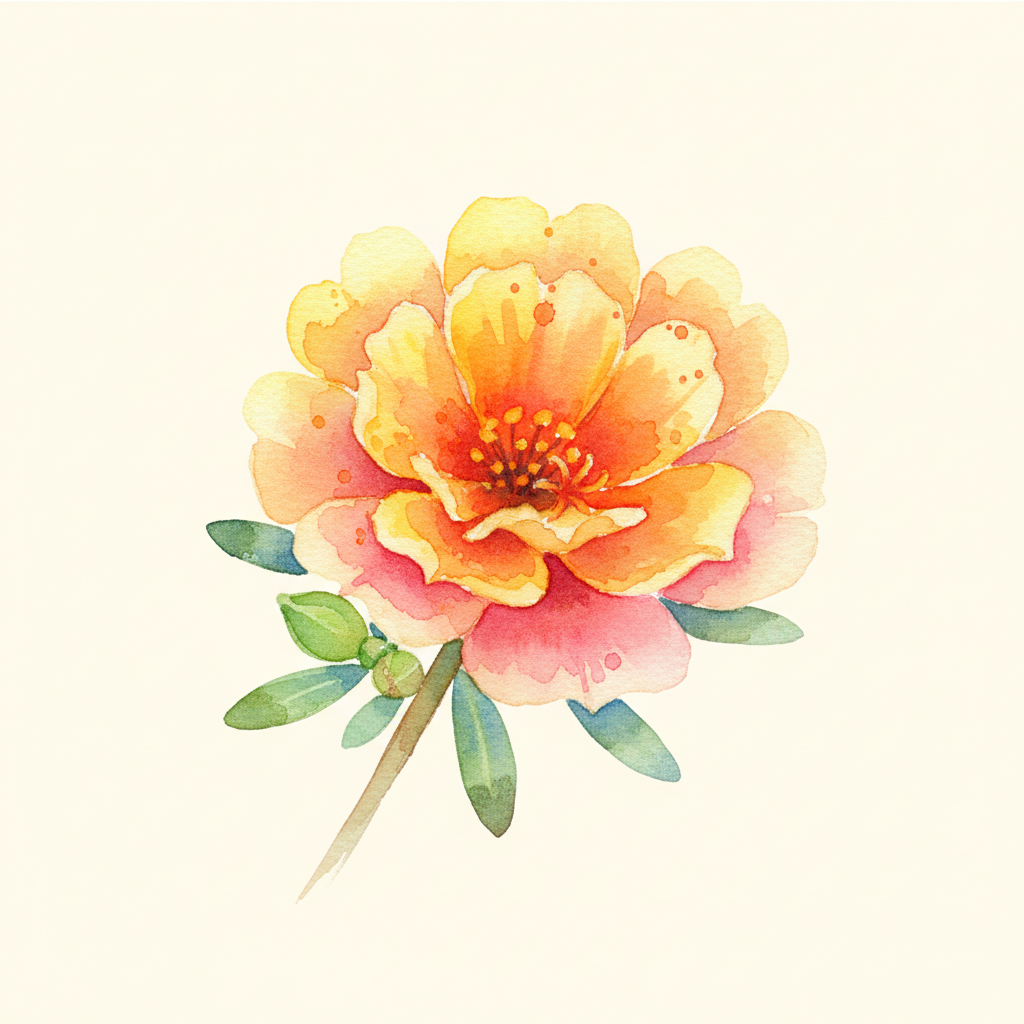
1. Portulaca (Moss Rose)
Portulaca is the most drought-tolerant annual you can put in a container, full stop. Succulent leaves store water, jewel-toned flowers open in the sun, and the plant treats a forgotten watering can as a normal Tuesday. If you killed your last pot by neglect, this is the redemption plant.
- Heat: Loves it. The hotter and drier, the more it blooms.
- Sun: Full sun, no compromise. Flowers stay shut in shade.
- Water: The lowest on this list. Miss a few days and it will not flinch.
- Plant when: Now, into warm soil. It thrives in the heat that is killing everything else.
- Care tip: Lean mix, no fertilizer, and let it dry hard between drinks. Overwatering is the only reliable way to kill it.
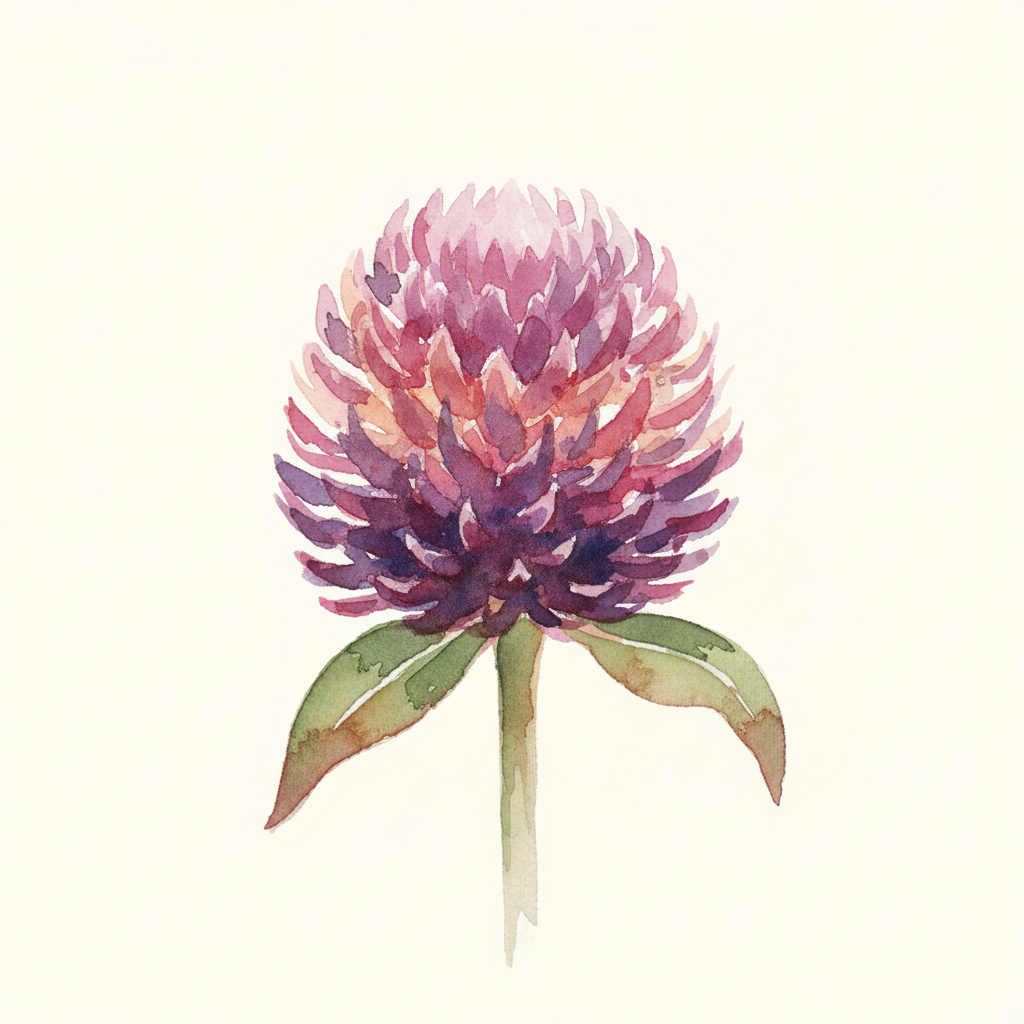
2. Gomphrena (Globe Amaranth)
Gomphrena is the second-most-drought-proof option and the best upright filler here, the plant that gives a container some height while the trailing things spill. Papery globe flowers in purple, pink, and white that hold their color for weeks and dry beautifully for cutting.
- Heat: Excellent. Blooms hard through the worst of summer.
- Sun: Full sun.
- Water: Very low once established. Solidly in the walk-away tier.
- Plant when: Now. It relishes hot soil.
- Care tip: Cut blooms freely for fresh or dried arrangements. Cutting only makes it bushier.
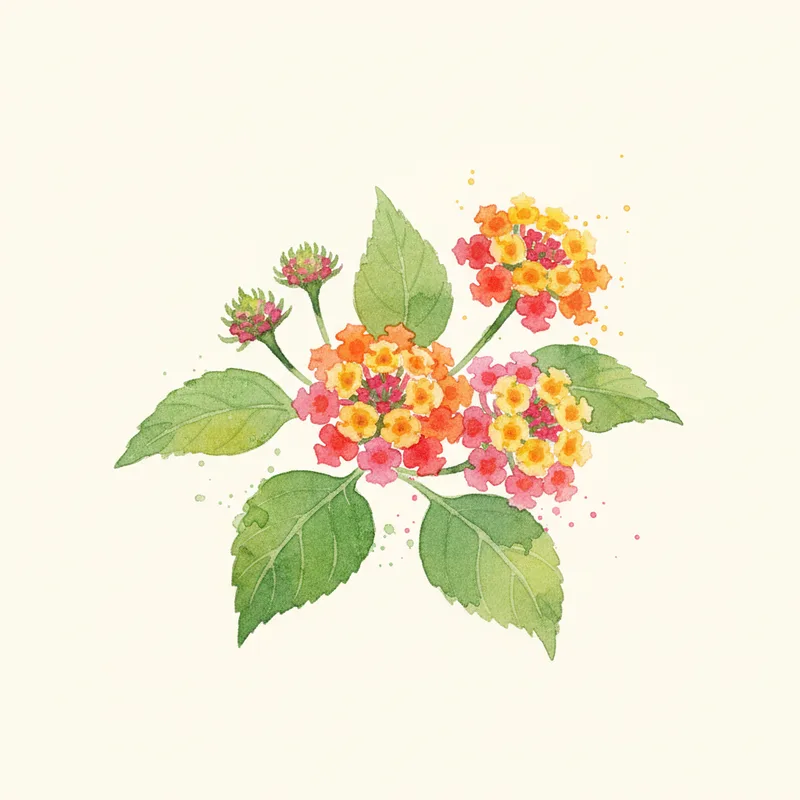
3. Lantana
Lantana needs a couple of weeks of regular watering to settle its roots into a new pot, but once it does it is genuinely drought-proof and nearly indestructible in heat. Clusters of color-shifting blooms from now to frost, and butterflies that find it within days.
- Heat: 100 degrees, all day, no problem. Loves reflected heat off a patio.
- Sun: Full sun. Shade kills the bloom.
- Water: Thirsty for the first two weeks, then drought-tolerant. A weekly soak is plenty after that.
- Plant when: Now, in warm soil.
- Care tip: Give it the establishment water. Skipping those first two weeks is the one way to lose it. After that, ignore it.
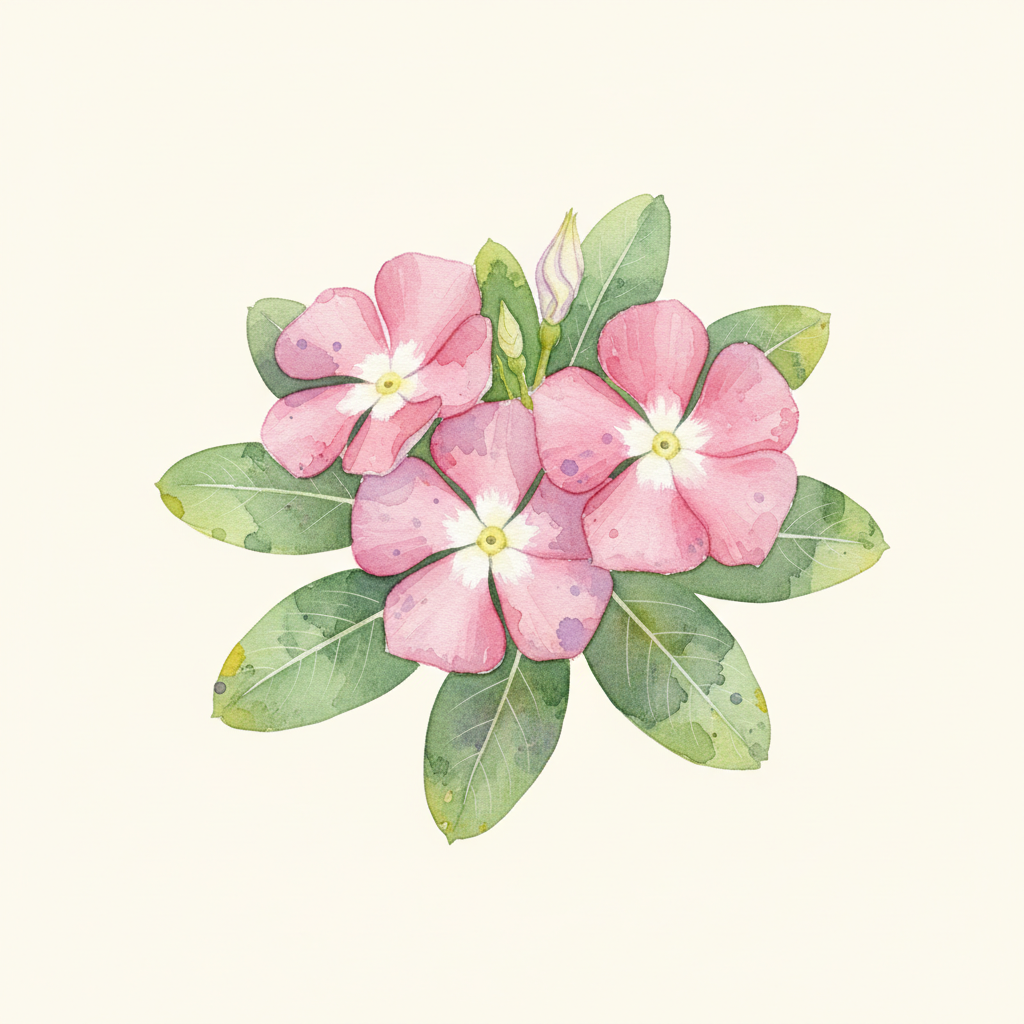
4. Annual Vinca (Catharanthus roseus)
Annual vinca is the underused container hero. It handles heat far better than the petunias it replaces, sits in the low-to-moderate water range, and actively prefers to dry out a little between drinks. Glossy leaves, clean flowers, and zero drama.
- Heat: Excellent. Hits its stride above 85 degrees F.
- Sun: Full sun to part sun.
- Water: Low to moderate. A weekly soak suits it, and it hates soggy roots.
- Plant when: Now, into warm soil. Cold, wet soil is its only real enemy, and that is not a June problem.
- Care tip: Let the pot dry slightly between waterings. Vinca punishes overwatering far more than underwatering.
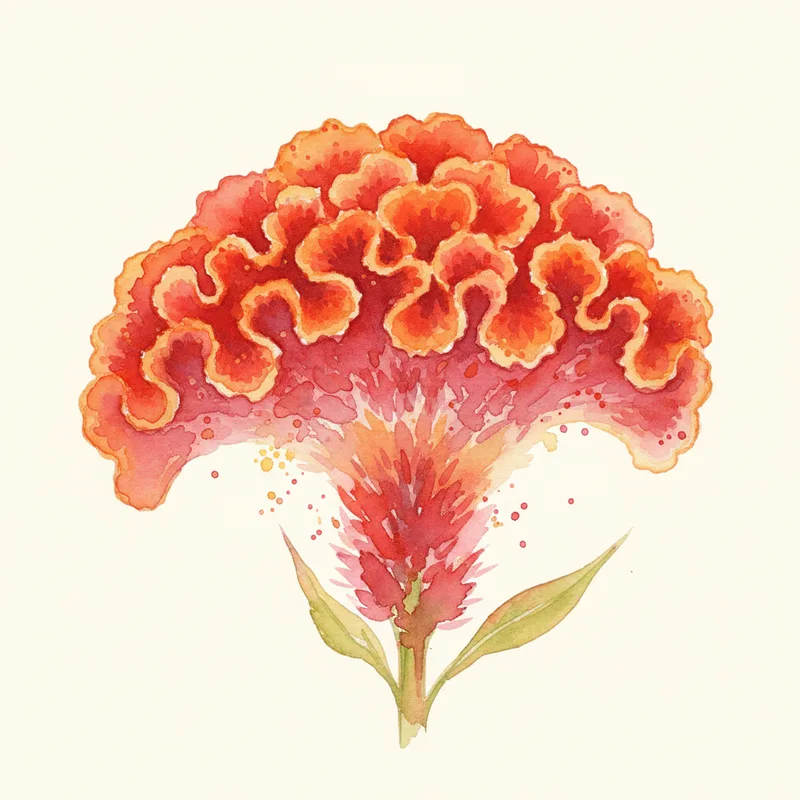
5. Celosia
Celosia is technically a moderate-water plant, but it handles heat and short dry spells better than nearly any annual in its class, which makes it a strong container pick when summer turns brutal. Flame-like plumes and crested combs in colors that look like the heat itself.
- Heat: Excellent. A genuine heat lover.
- Sun: Full sun.
- Water: Moderate, but forgiving of a missed day. Weekly-soak tier.
- Plant when: Now. It germinates and grows fastest in hot weather.
- Care tip: It adds dramatic vertical texture to a mixed pot. Pair it with low, spreading portulaca for contrast.
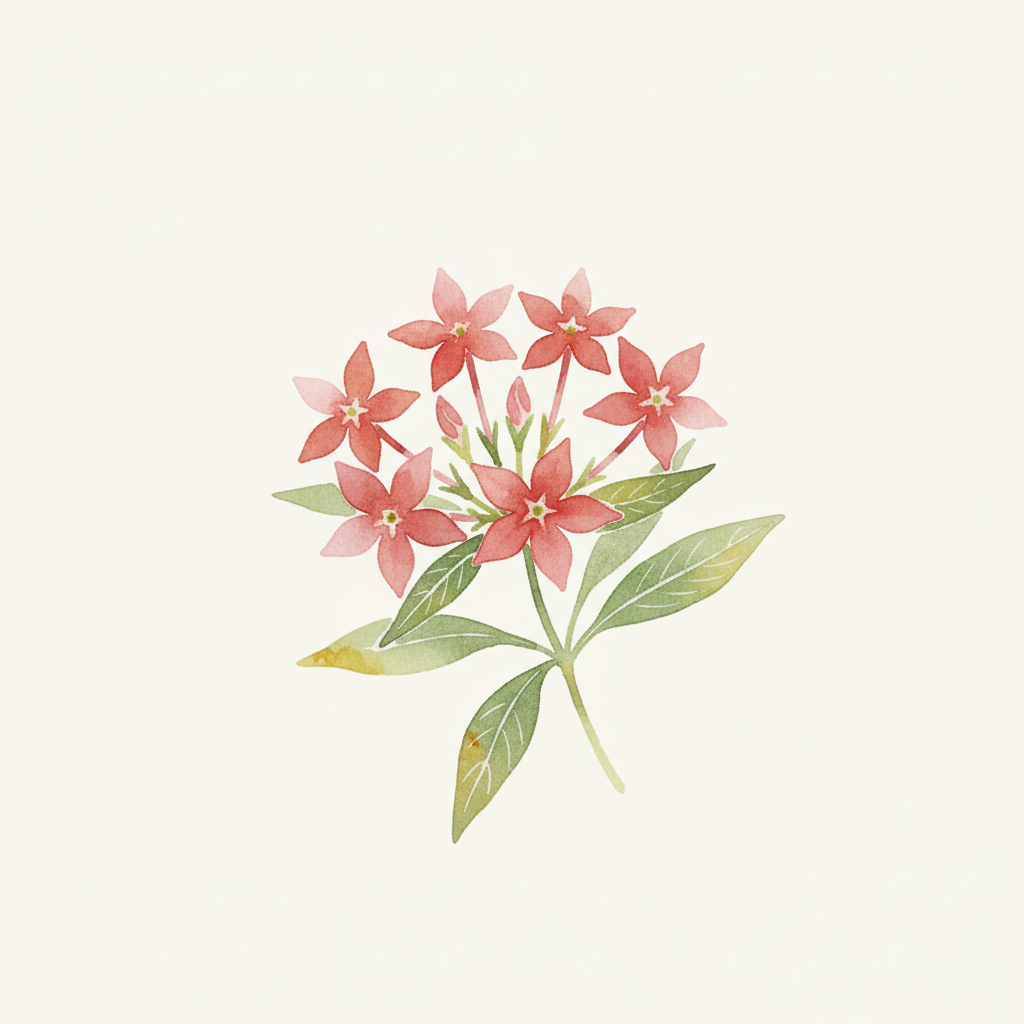
6. Pentas (Star Flower)
Pentas wants more regular water than the others here, but it offers a far better return on that water than the impatiens or begonias most people reach for. Clusters of star-shaped flowers all summer, plus hummingbirds and butterflies, on a plant that takes real heat without sulking.
- Heat: Excellent. Blooms through heat that flattens softer annuals.
- Sun: Full sun to part sun.
- Water: Moderate, the thirstiest on this list, but still far tougher than the spring plants it replaces.
- Plant when: Now, in warm soil.
- Care tip: If you only want one pollinator magnet in a low-water mix, make it this one, and pair it with portulaca so the whole pot is not dependent on frequent watering.
Container setup for low-water success
The right plant in the wrong pot still struggles. A few setup choices make all six of these far easier to keep alive.
- Use a bigger pot than feels necessary. More soil volume means more water reserve and a root ball that heats up more slowly. A 14-inch pot is far more forgiving than an 8-inch one in July.
- Pick a quality potting mix, not garden soil. A peat or coir-based mix holds moisture evenly and drains well. Garden soil compacts into a brick in a container and chokes roots.
- Top-dress with mulch. A half-inch of fine bark or gravel over the soil surface slows evaporation dramatically. It is the single cheapest way to cut your watering frequency.
- Light-colored pots in full sun. A pale or terracotta pot stays cooler than black plastic. If you are stuck with a dark pot, get it some afternoon shade or expect to water more.
- Know when to water and when to let it go. Stick a finger two inches down. Walk-away-tier plants (portulaca, gomphrena, lantana) want that depth dry before you water again. Weekly-soak plants (vinca, celosia, pentas) want it just barely moist. When you do water, water until it runs from the drainage holes, then stop.
The mistake almost everyone makes in summer is treating a dead-petunia pot as a watering problem, then buying another petunia. It was never a watering problem. It was a plant problem. Replace what died with portulaca, gomphrena, and lantana, set the pot up right, and you will spend the rest of the summer admiring it instead of resuscitating it.
For the same survivors in beds and the wider summer picture, see our guide to heat-tolerant flowers for summer. If you garden in the ground rather than pots, our roundup of drought-tolerant plants for spring 2026 covers perennials. And for container fundamentals across the seasons, start with the best plants for container gardening.
What's growing, what's blooming, what's worth planting.
For gardeners who like to stay ahead.