What to Direct Sow in Late June for Fall Color (You Did Not Miss the Window)
Think June is too late to sow seeds? It is not. Here are 6 fast annuals you can direct sow in late June for color from August through October, with days to bloom for each.
It is June, and the seed-sowing window feels like it slammed shut weeks ago. Somewhere along the way you absorbed the idea that the season ended back in spring, that the door closed on June 1, and that if you have not already got plants in the ground you are stuck buying nursery six-packs for the rest of the year.
That is not true. For a whole category of fast annuals, late June is still firmly inside the window, and in some ways it is the best part of it. The soil is warm, germination is fast, and there is plenty of runway left for color that peaks in August and runs straight through October. You just have to plant the right ones.
The math: why some seeds still work and others do not
Every annual has a days-to-bloom number, the rough count from sowing to first flower. That number is the entire game in late June.
Count forward from today. A seed that blooms in 55 to 70 days, sown in the last week of June, is flowering by late August and going strong into the fall. A seed that needs 120 days is flowering in late October, right as the first frost is sharpening its knife in most of the country. The fast annuals win this race. The slow ones do not.
There is a second factor working in your favor: warm soil. Days-to-bloom numbers on seed packets are conservative, calculated for spring sowing into cool ground. Sow the same seed into 75-degree late-June soil and germination happens in days instead of weeks, which can shave real time off the catalog estimate. Heat-loving annuals in particular often beat their printed numbers when planted now.
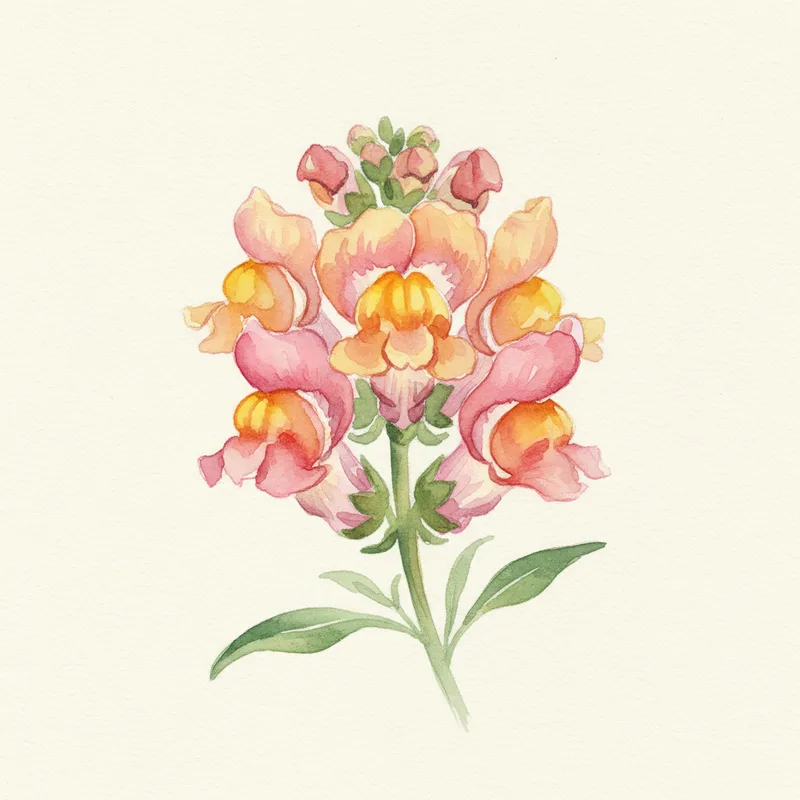
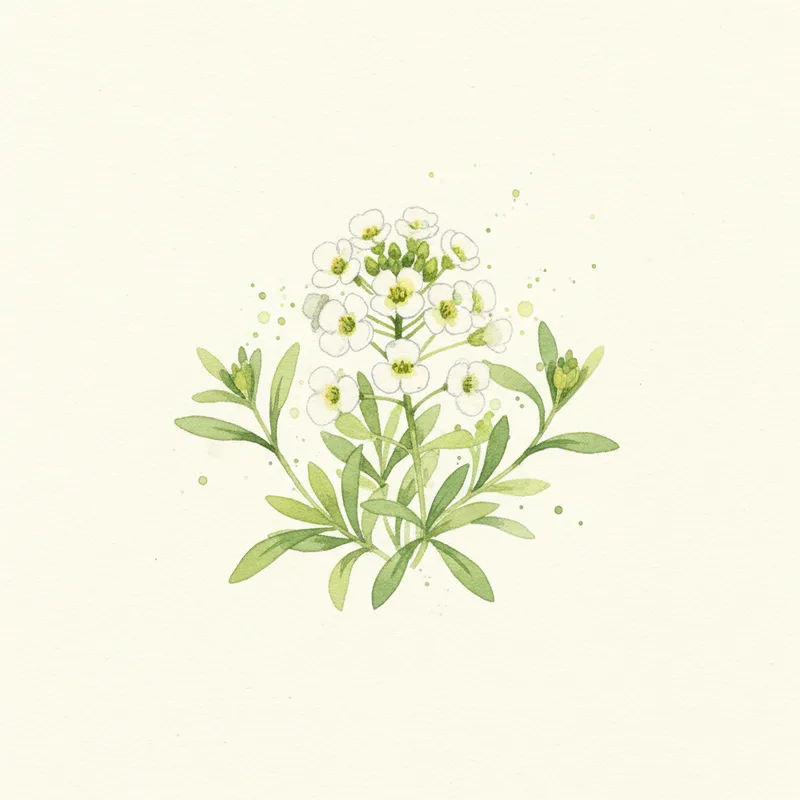
What not to bother trying. Some plants simply cannot make the deadline from a late-June seed. Skip snapdragon, which is slow from seed and would rather bloom in cool weather anyway. Skip sweet alyssum, which germinates fine but sulks in midsummer heat. And skip almost any perennial from seed, since most spend their first year building roots, not flowers. Save those for spring or buy them as plants.
The 6 fastest annuals to sow now
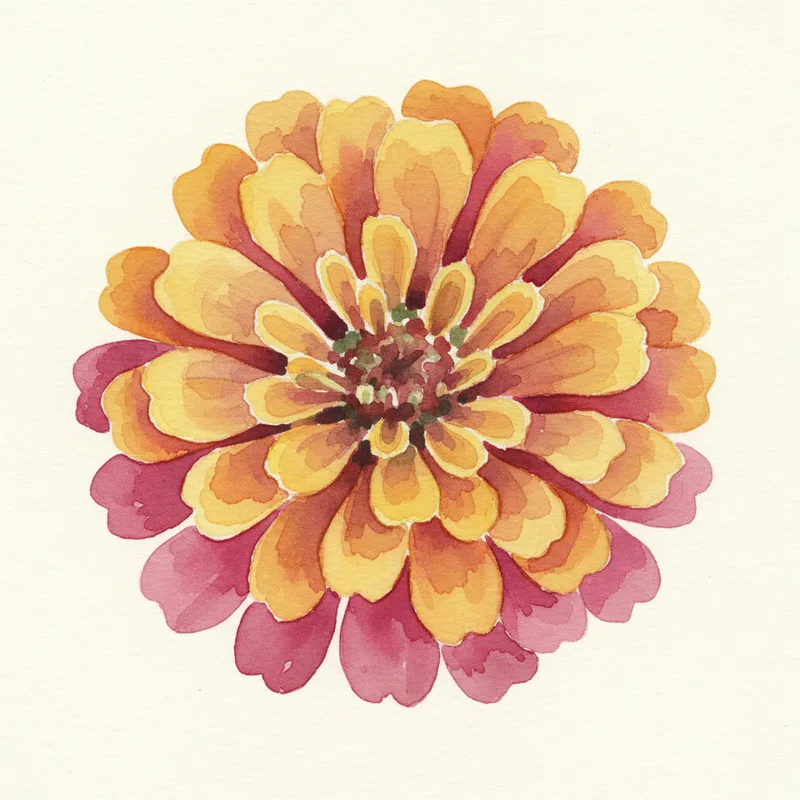
1. Zinnia, 55 to 70 days
This is the one to plant first and plant the most of. Zinnia is the fastest reliable annual from seed, germinating in days in warm soil and blooming by late August from a late-June sow. It loves heat, asks for almost nothing, and keeps producing right up to frost.
- Days to bloom: 55 to 70. Sow now, expect color by late August.
- Sow how: Direct into warm soil, a quarter inch deep, thin to give them room.
- When to expect color: Late August, peaking September into October.
- Tip: Cut or deadhead aggressively. Every flower you remove triggers two more.
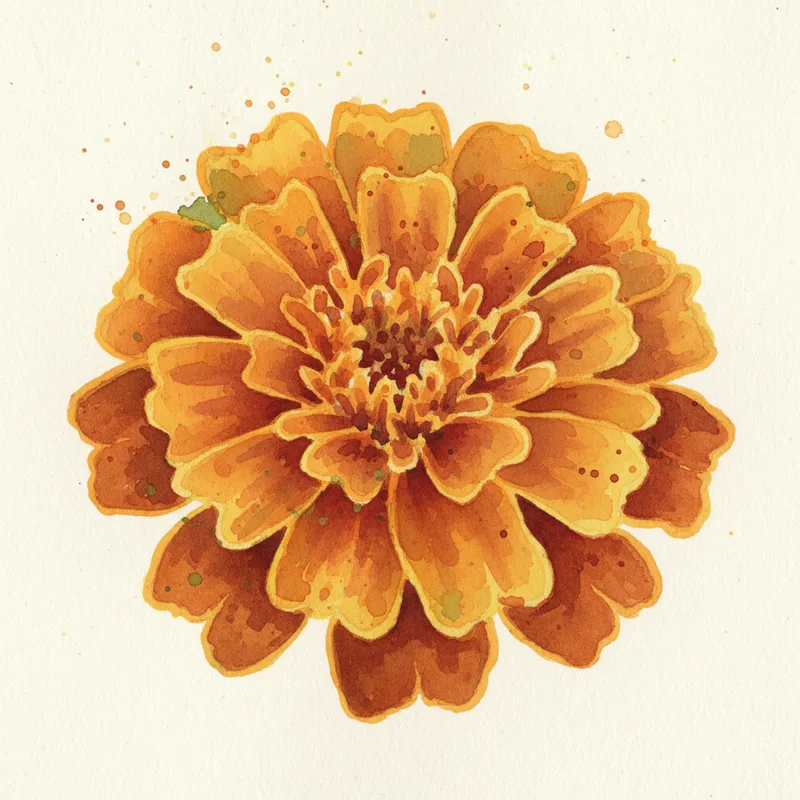
2. Marigold, 50 to 60 days
The compact French marigolds are nearly as fast as zinnias and bloom in a dense, reliable carpet of orange and gold that reads as fall before fall arrives. They thrive in heat and shrug off the dry spells that stress softer annuals.
- Days to bloom: 50 to 60 for French types, longer for tall African types.
- Sow how: Direct sow shallow in full sun. They germinate fast and forgive crowding better than most.
- When to expect color: Mid to late August through frost.
- Tip: Choose the small French marigolds for speed. The big tall ones look great but take noticeably longer.
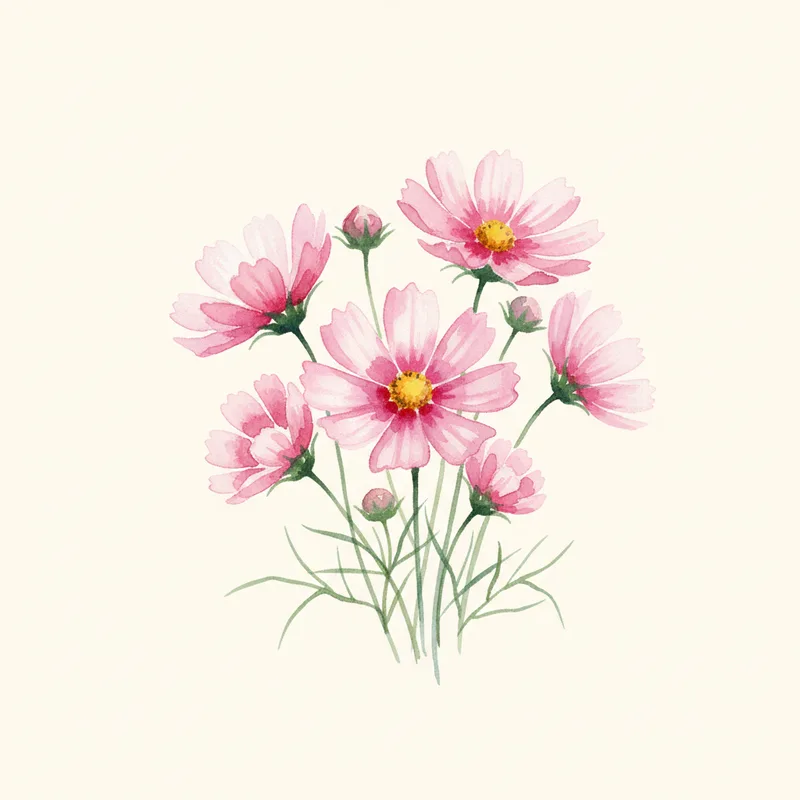
3. Cosmos, 60 to 90 days
Cosmos sown in late June will bloom by September and actually improves as the nights cool, often hitting its best stretch in October. Airy, tall, and effortless, it is the classic fall-into-the-frost flower.
- Days to bloom: 60 to 90, on the faster end in warm soil.
- Sow how: Scatter and barely cover. Cosmos likes lean soil, so do not pamper it.
- When to expect color: September, peaking through October.
- Tip: Skip the fertilizer. Rich soil gives you tall, floppy foliage and few flowers.
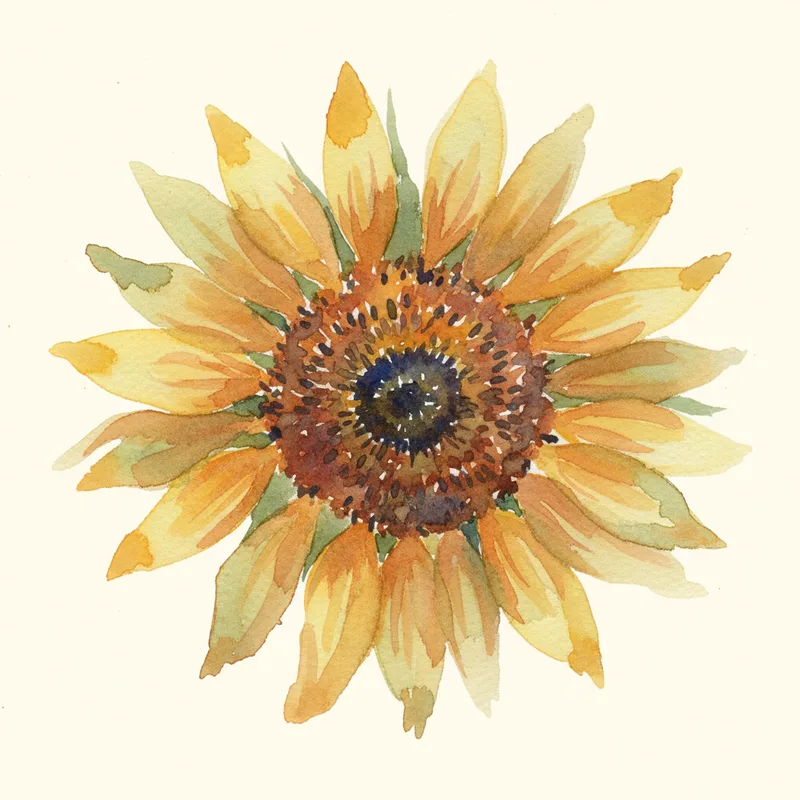
4. Sunflower, 60 to 70 days (fast types)
Not every sunflower makes the late-June cut, but the fast branching types do. Varieties like 'Autumn Beauty' and 'Soraya' bloom in about 60 to 70 days, which from a late-June sow lands you a wall of September sunflowers.
- Days to bloom: 60 to 70 for fast varieties. Avoid the giant 90-to-120-day mammoths now.
- Sow how: Direct sow one inch deep in full sun. They resent transplanting, so seed them where they will stand.
- When to expect color: Early to mid September.
- Tip: Choose multi-branching types over single-stem giants. You get more, longer-lasting blooms in the time you have.
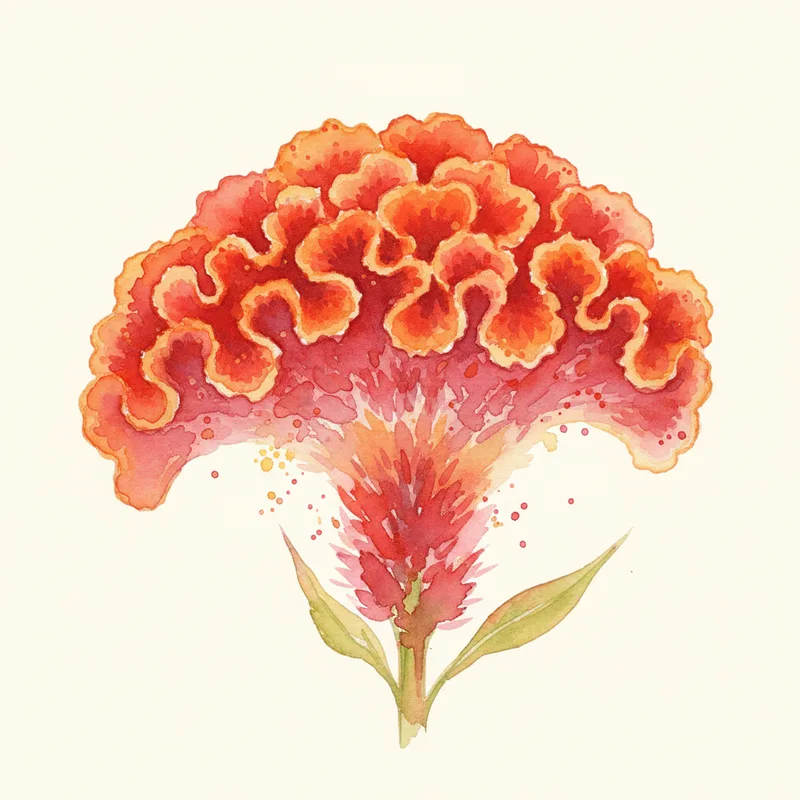
5. Celosia, 60 to 90 days
Celosia is a heat lover that often beats its catalog days-to-bloom when sown into warm late-June soil. Plumes and crested combs in fiery reds, oranges, and magentas, all of it reading like autumn already.
- Days to bloom: 60 to 90, frequently faster in hot soil.
- Sow how: Surface sow or barely cover. It needs warmth to germinate, which late June supplies perfectly.
- When to expect color: Late August into October.
- Tip: The colors deepen as temperatures drop, so the fall display is often richer than the summer one.
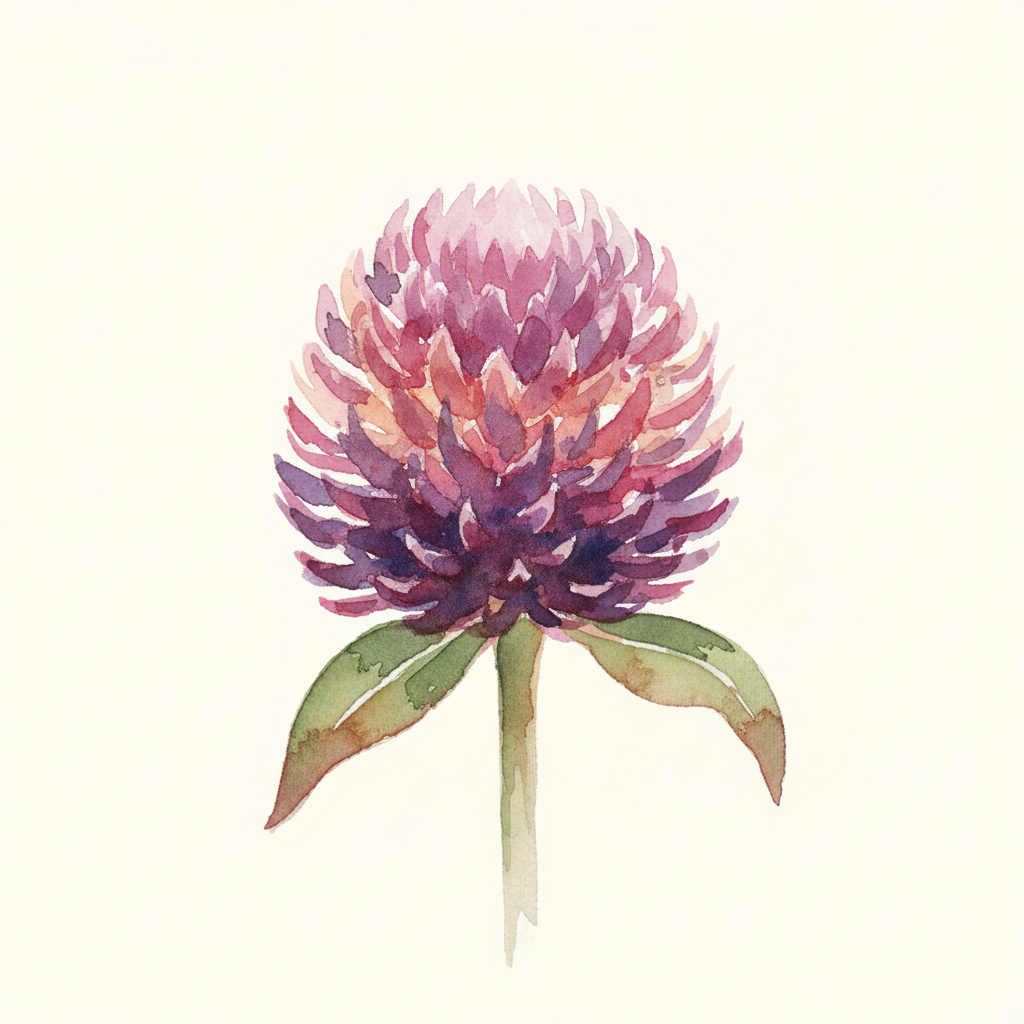
6. Gomphrena, 70 to 90 days
Gomphrena is the longest shot on this list, but it is worth the gamble for its toughness. Clover-like globe flowers in purple, pink, and white, on a plant that is genuinely drought-proof and holds its color into October and beyond.
- Days to bloom: 70 to 90. This one is hitting its stride in October, so sow it in the first days of the late-June window, not the last.
- Sow how: Direct sow in full sun. Germination can be slow, so be patient.
- When to expect color: Late September through October and into a light frost.
- Tip: The blooms dry perfectly on the stem, so a late sowing pays off twice, once in the garden and again in a vase all winter.
Succession tip: sow in two batches
Do not put all your seed in the ground on the same day. Sow half now and the other half about two weeks later. The first batch gives you the earliest possible color, the second extends the show by a couple of weeks on the back end, and you spread your risk against a bad germination spell or a freak heat wave. With fast annuals, a two-week stagger is a free upgrade to a longer, fuller fall.
The short version: late June is not the end of seed season, it is the start of fall-color season. Get zinnias and marigolds in first for the fastest payoff, follow with cosmos, celosia, and fast sunflowers, and gamble a little gomphrena for October. By the time everyone else is buying tired end-of-season nursery plants, you will have a garden that is just getting going.
For a deeper look at two of these from seed, read our guide to growing cosmos and sunflowers from seed. If zinnias are your thing, see the rundown of specialty zinnia varieties. And for the plants that hold up through the hottest part of the run, our guide to heat-tolerant flowers for summer.
What's growing, what's blooming, what's worth planting.
For gardeners who like to stay ahead.