Hanging Basket Plants for Full Sun Heat That Survive Past July
Nursery hanging baskets look perfect in May and die by July 4th. Here are 6 full sun, heat-tolerant plants that actually cascade and bloom through August.
You bought the hanging basket at the nursery in May. It was a perfect dome of color, the kind of thing that makes you feel like a competent gardener before you have done anything. You hung it by the front door. For three weeks it looked exactly like it did in the cart.
Then July arrived. By the second week it was thin and leggy. By the Fourth it was a brown skirt of dead growth with a few sad flowers clinging to the top. You watered it. You watered it again. It did not matter.
It is not your fault, and it is not really the plant's fault either. Most pre-made baskets are built to sell in spring, packed with soft, fast-growing annuals that look spectacular for a month and were never engineered to take a full-sun summer at altitude on a hook. A hanging basket is the single hardest container to keep alive in heat. The plants below are the ones that actually do it.
Why hanging baskets fail in summer
A pot on the ground has help. The soil mass stays cooler, the surrounding patio or bed buffers the temperature, and there is usually some shade at some point in the day. A hanging basket has none of that.
- It bakes from all sides. Sun hits the top, the sides, and even up under the bottom from reflected heat off pavement. The root ball is essentially suspended in a hot air bath.
- It dries out fast. Small soil volume plus wind plus heat means a basket can go from soaked to bone dry in a single hot afternoon. In July, most full-sun baskets need water every single day, sometimes twice.
- The wind never stops. Up off the ground there is nothing blocking the breeze, and moving air pulls moisture out of leaves and soil faster than still air ever will.
So the job is not "find a pretty trailing plant." The job is "find a plant that cascades, loves full sun, shrugs off heat, and forgives the day you forget to water." That narrows the field fast.
What to look for
Three traits, in this order. A trailing or cascading habit so the basket actually spills instead of sitting up like a crew cut. Real heat tolerance, meaning it blooms in 90-degree weather rather than just surviving it. And enough drought tolerance that one missed watering is a setback, not a funeral.
One more thing: the basket itself matters. Moss and open coco-lined baskets look beautiful and dry out the fastest. Solid plastic or self-watering baskets hold moisture far longer. If you are planting the drought-tough options below, any basket works. If you are planting petunias, do yourself a favor and skip the open moss basket.
The 6 plants that survive a full-sun summer basket
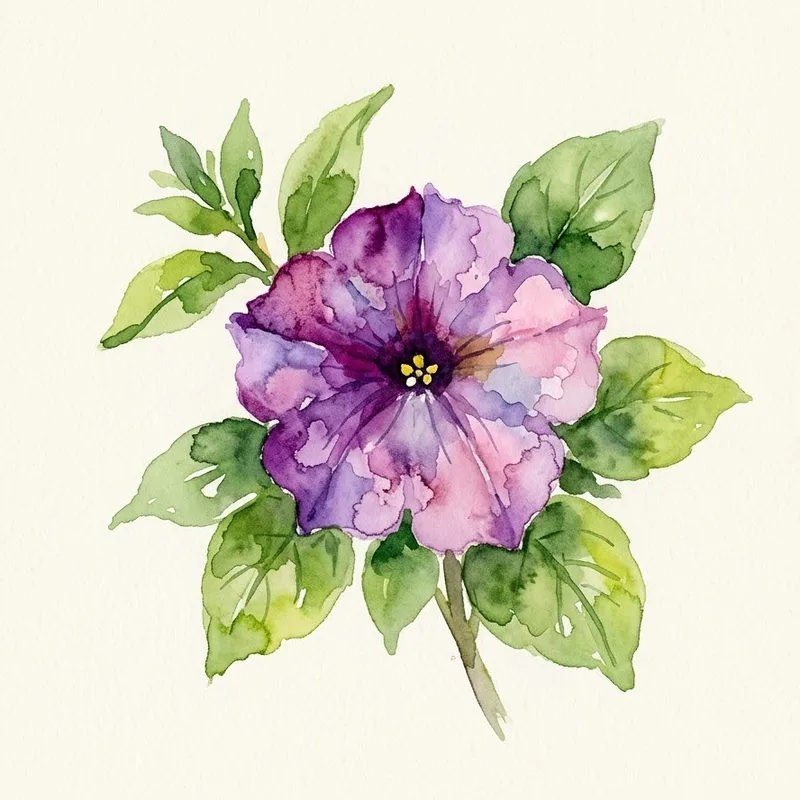
1. Calibrachoa (Million Bells)
Calibrachoa is the hanging basket plant. It trails on its own, throws hundreds of small petunia-like blooms from spring to frost, and unlike its larger cousin it does not need deadheading to keep going. It is the closest thing to a set-and-forget cascading bloomer that exists.
- Heat: Excellent. Keeps blooming through summer where many basket plants quit.
- Sun: Full sun. More sun means more flowers.
- Water: Moderate. Wants consistent moisture but hates soggy roots. Daily in peak heat, but let the surface dry slightly between.
- Plant when: After last frost, once nights stay above 50 degrees F.
- Care tip: Feed it. Calibrachoa is a heavy feeder, and a basket that goes yellow mid-summer is almost always hungry, not sick. A weak liquid feed every week or two keeps it dense.
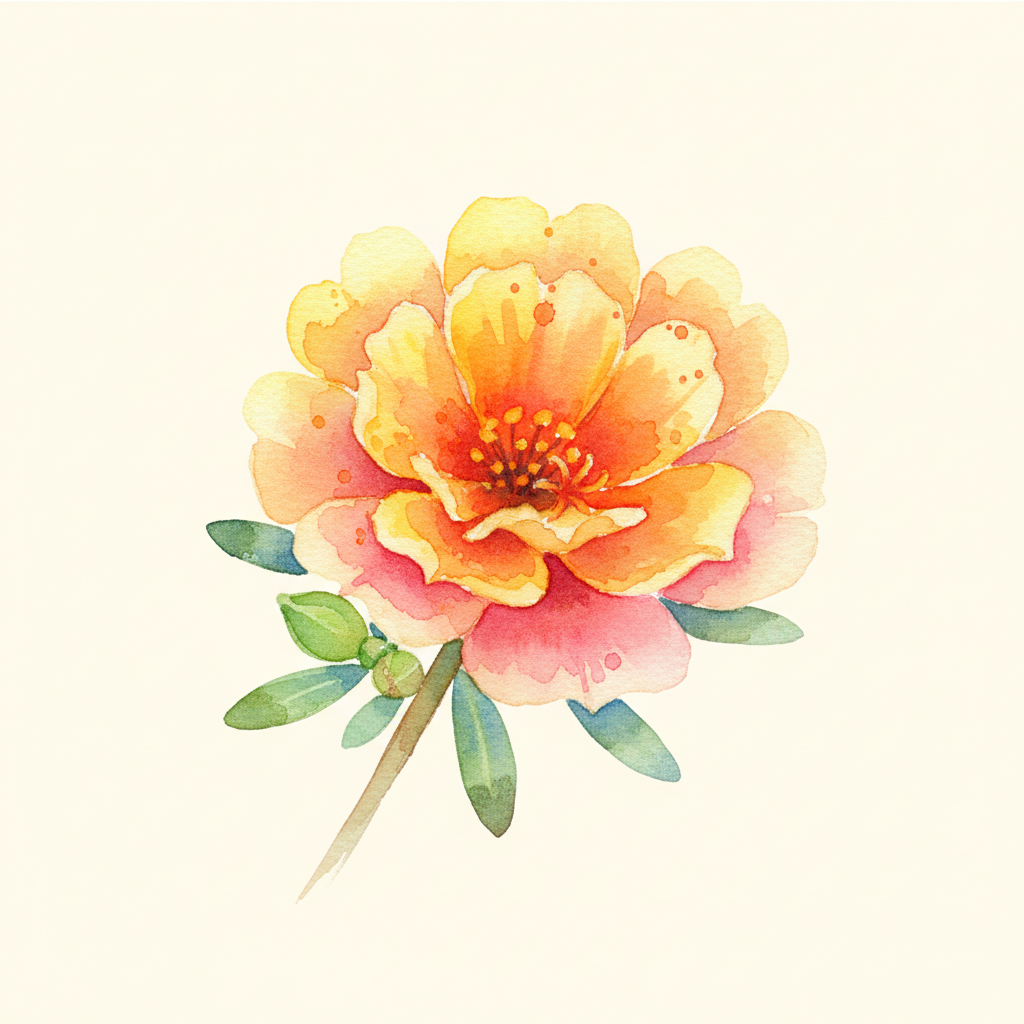
2. Portulaca (Moss Rose)
Portulaca is the basket for the person who travels, forgets, or simply refuses to water every day. Succulent leaves store their own water, jewel-toned flowers open in the sun, and the whole plant treats neglect as a lifestyle. It trails loosely over the edge and asks for nothing.
- Heat: Loves it. The hotter and brighter, the harder it blooms.
- Sun: Full sun, no exceptions. Flowers stay closed in shade.
- Water: Drought-proof. This is the basket you can skip for two days in July and find unbothered.
- Plant when: After soil and air are reliably warm, 70 degrees F or better.
- Care tip: Use a lean mix and do not fertilize. Rich soil and overwatering are the only real ways to kill it.
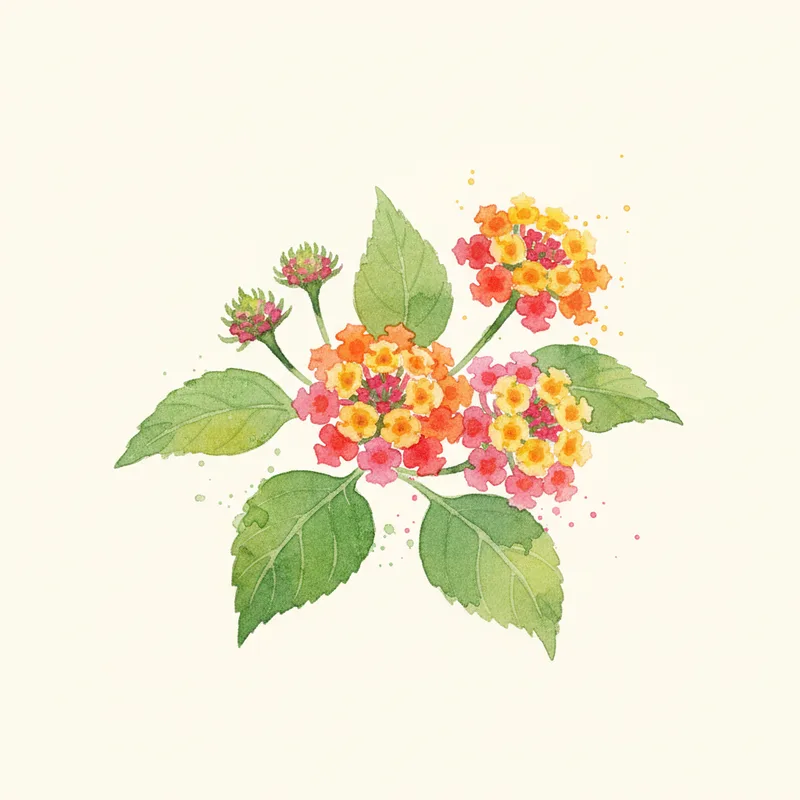
3. Trailing Lantana
Lantana comes in trailing varieties that cascade beautifully over a basket edge, and it is arguably the most heat-proof flower you can hang. Clusters of tiny blooms cover it from late spring to frost, and butterflies will find a basket just as readily as a bed.
- Heat: 100 degrees, all day, no flinch. Thrives on reflected heat.
- Sun: Full sun. Blooming drops off sharply in shade.
- Water: Drought-tolerant once established. A good soak every day or two in a basket is plenty.
- Plant when: After last frost, soil at 65 degrees F or warmer.
- Care tip: If it gets leggy by midsummer, shear it back by a third. It will reflush within two weeks.
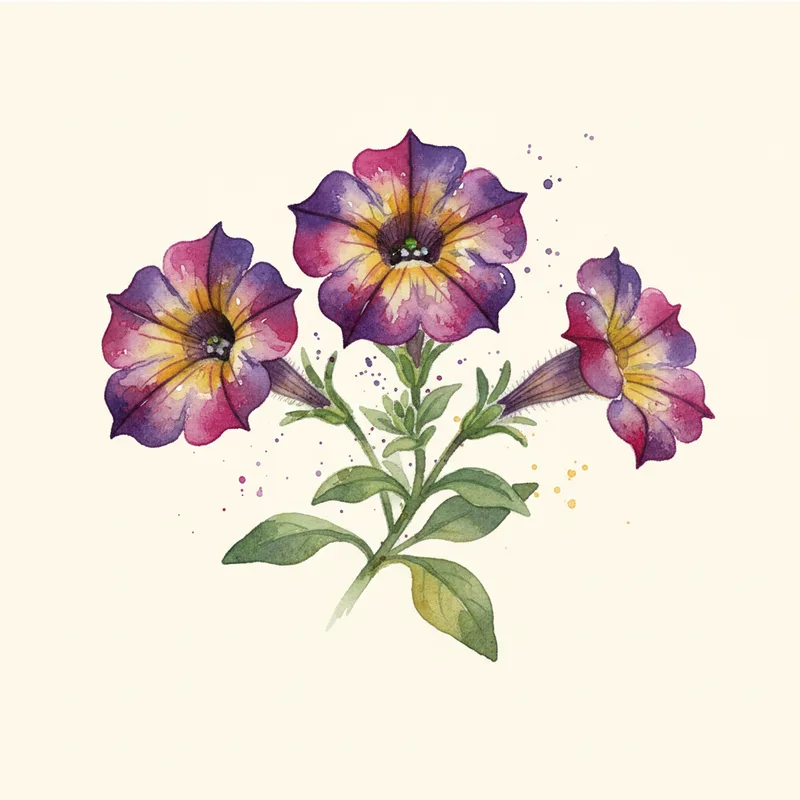
4. Petunia (Wave and Supertunia types)
The spreading and trailing petunia series, Wave and Supertunia among them, were bred specifically for baskets and they cascade hard, sometimes two feet or more by August. They are the showiest option here, with the biggest color payoff. The trade-off is water.
- Heat: Good, especially the modern trailing series. They take summer heat far better than old-fashioned petunias.
- Sun: Full sun. Six-plus hours for full bloom.
- Water: High. This is the thirstiest plant on the list. In a full-sun basket in July, expect daily watering, sometimes twice a day. Do not plant these in an open moss basket unless you enjoy watering.
- Plant when: After last frost.
- Care tip: Feed regularly and shear back if it stretches and goes bare in the middle. The trailing types recover fast.
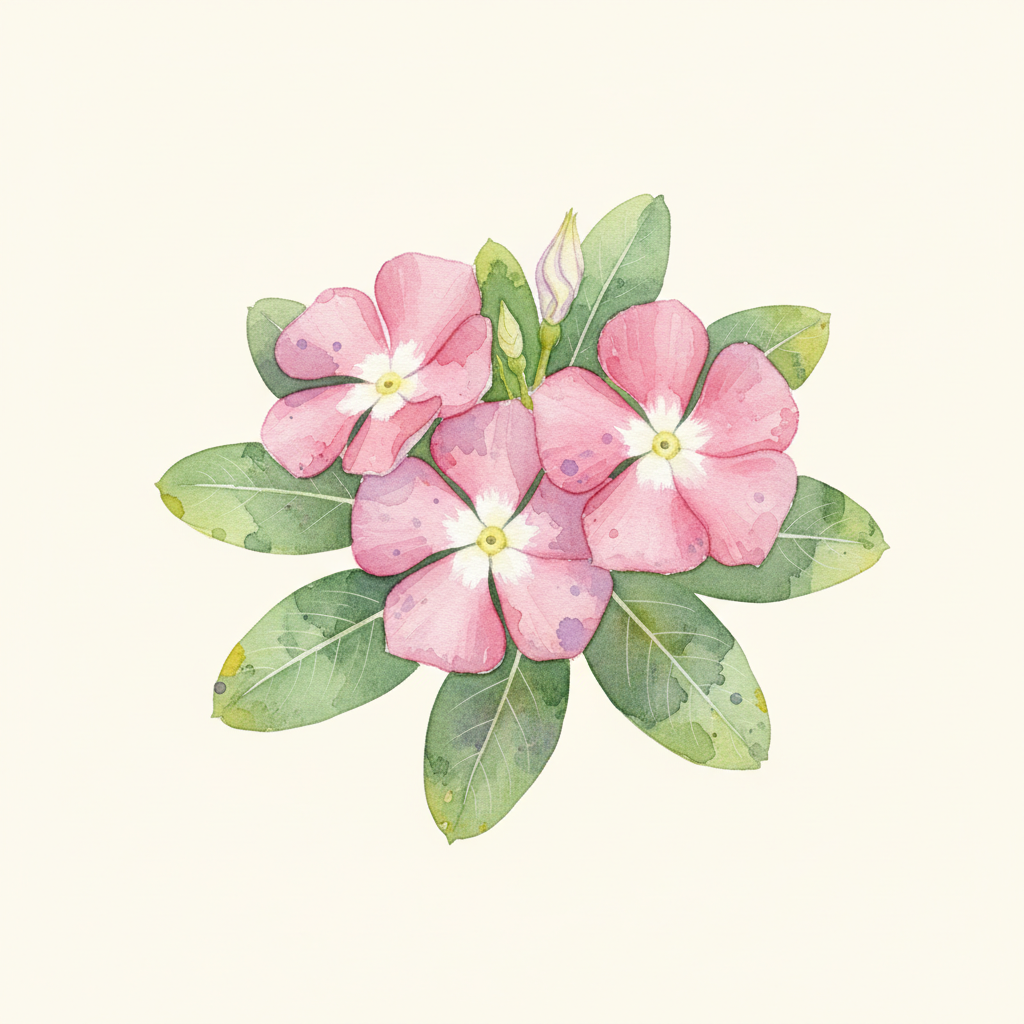
5. Annual Vinca (Catharanthus roseus)
Annual vinca is wildly underused in baskets, and that is a shame, because it handles heat better than almost anything and the spreading types trail nicely over an edge. Glossy leaves, clean five-petaled flowers, and a flat refusal to wilt in the sun.
- Heat: Excellent. Hits its stride above 85 degrees F, exactly when other baskets are giving up.
- Sun: Full sun to part sun.
- Water: Low to moderate. Far less thirsty than petunias, and it actively dislikes soggy soil.
- Plant when: Late, after soil is warm. Cold, wet soil is the one thing that sinks it.
- Care tip: Let the basket dry slightly between waterings. Vinca rewards a little restraint and punishes overwatering.
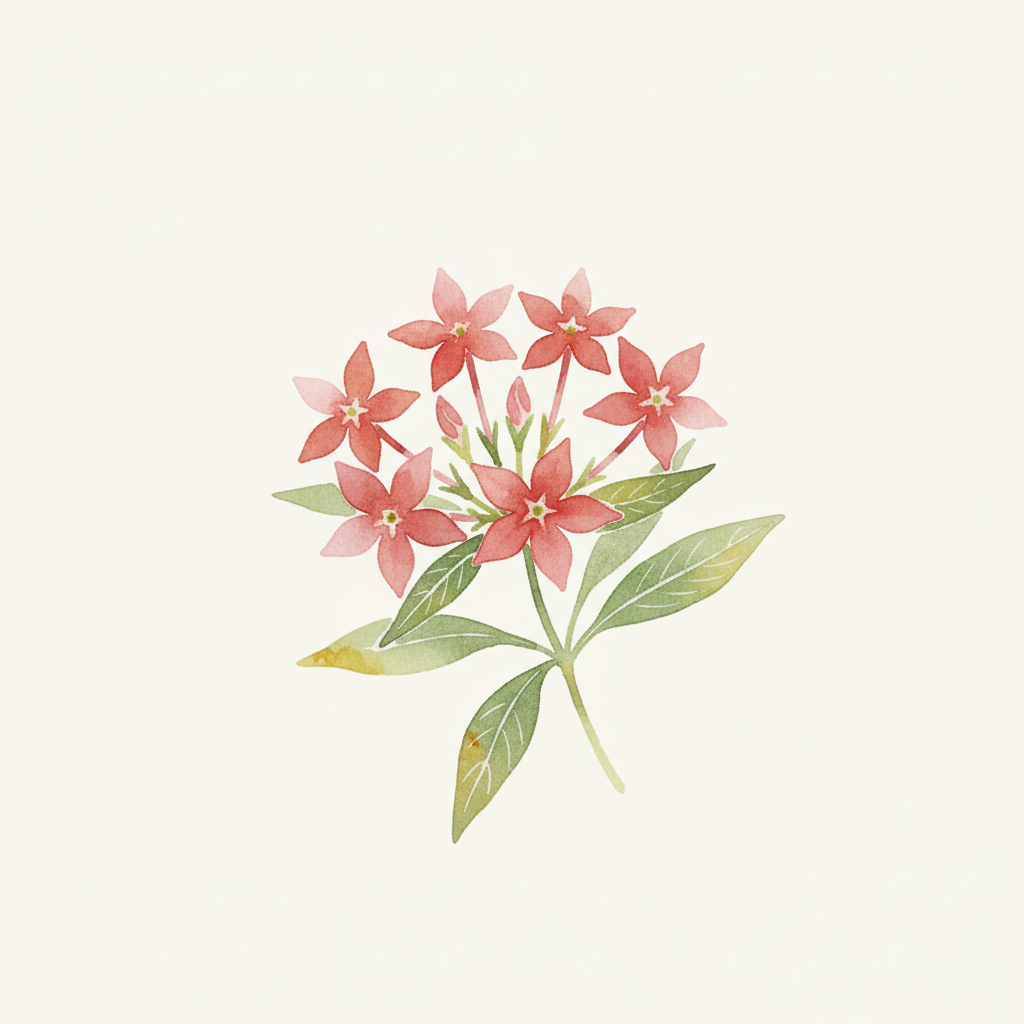
6. Pentas (Star Flower)
Pentas is the upright filler for a mixed basket, the plant that gives height in the center while the others spill over the sides. Clusters of star-shaped flowers bloom right through the worst of summer, and hummingbirds and butterflies will come to a hanging basket to find them.
- Heat: Excellent. Blooms through brutal heat without slowing down.
- Sun: Full sun to part sun.
- Water: Moderate. Wants consistent moisture but is not a diva about it.
- Plant when: After last frost, in warm soil.
- Care tip: Pair it with trailing calibrachoa or portulaca for a basket that has both a center and a spill. Pentas alone will look like a column.
How to keep a full-sun basket alive
The plants are half the battle. The rest is rhythm.
- Water on a schedule, not a guess. In peak summer, full-sun baskets usually need water every morning. The thirsty ones (petunia, calibrachoa) may want a second drink on a 95-degree afternoon. Lift the basket: if it feels light, it needs water. Water until it runs from the bottom.
- Feed more than you think. Daily watering flushes nutrients straight out the bottom of the basket. A weak liquid feed every week, or a slow-release pellet mixed in at planting, is the difference between a full basket in August and a tired one.
- Deadhead the ones that need it. Calibrachoa, portulaca, vinca, and lantana are self-cleaning, no deadheading required. Petunias and pentas look better with spent blooms pinched off, though it is not strictly necessary.
- When it heat-stresses, do not panic. A basket that looks wilted at 3 p.m. but recovers by morning is fine, it was just hot. A basket still flat the next morning needs water and possibly a shear-back. Cut leggy growth by a third, water deeply, and most of these will reflush within two weeks.
The simplest insurance is choosing right at the start. A basket of portulaca, trailing lantana, and calibrachoa will sail through a heat wave you forgot about. A basket of spring impatiens will not survive the drive home in August. Plant for the summer you are actually going to have.
For more on summer survivors beyond baskets, see our guide to heat-tolerant flowers that actually survive summer, and for the wider container picture, our overview of the best plants for container gardening.
What's growing, what's blooming, what's worth planting.
For gardeners who like to stay ahead.