How to Divide Perennials (When, Why, and Without Killing Them)
Most perennials need to be divided every three to five years. Here is the simple how-to that prevents the dead-center, weak-bloom, woody-clump problem.
Most perennials need to be divided every three to five years. Skip this step and you'll see the classic decline pattern: the center of the clump dies out, bloom drops off, the plant looks woody and tired. Divide on schedule and the same plant looks fresh and bloom-heavy for decades.
Division is also free plants. One mature daylily clump can be split into five or six new plants, each of which will bloom next year. This is how grandmother gardeners passed peonies down through generations: a wheelbarrow of divisions every five or six years.
Why perennials need to be divided
Most clump-forming perennials grow outward from the original crown each year. After three to five years, the older center crowds itself, root competition exceeds available nutrients, and the older roots stop pushing fresh growth. The result: a donut-shaped clump with a dead middle and weakened bloom on the perimeter.
Division resets this. By splitting and replanting the healthy outer sections, you give each new piece room to grow vigorously, fresh soil contact, and renewed bloom potential.
Some perennials don't need division. Peonies, gas plant, baptisia, hellebores, and most woody-rooted perennials prefer to stay in place for decades. Don't divide them unless you have to move them.
When to divide (and which plants when)
The general rule: divide spring-blooming perennials in fall, and fall-blooming perennials in spring. The plant has time to recover and root in before its next bloom cycle.
Spring-blooming, divide in fall: peonies (only when necessary), Siberian iris, bearded iris (after July bloom).
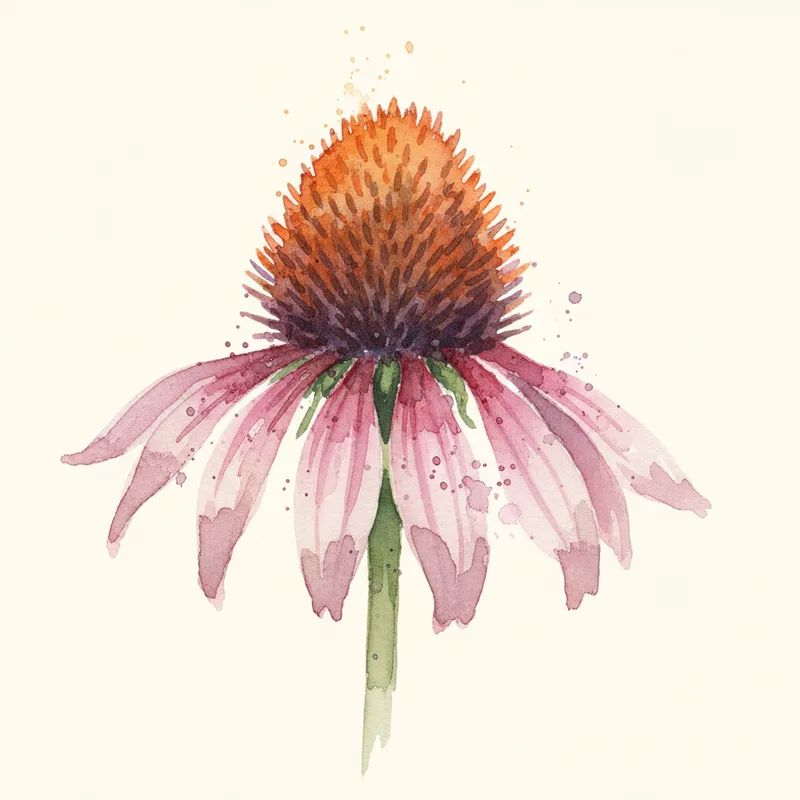
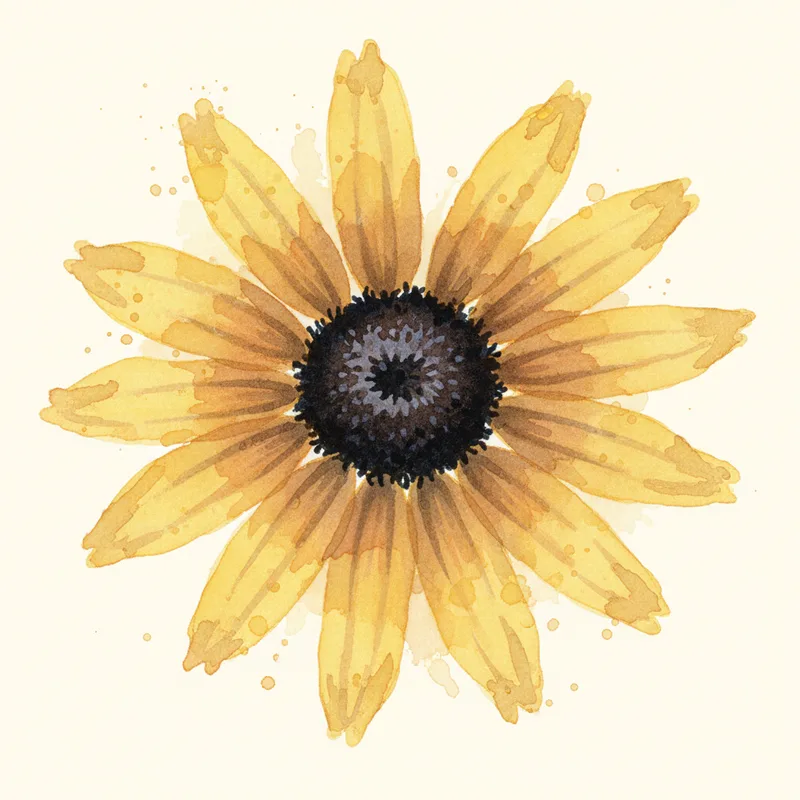
Summer- and fall-blooming, divide in spring: daylilies, hostas, asters, Shasta daisies, garden phlox, coneflowers, black-eyed Susans, yarrow.
Either season works: daylilies and hostas are forgiving and can be divided in spring or fall.
Avoid dividing during peak heat (July, August in most zones) or during freeze-thaw cycles. The roots can't establish in those conditions.
Signs your perennial needs to be divided
Look for these signals during the growing season:
- The center of the clump is dead, weak, or full of weeds while the outer ring looks fine.
- Bloom production has dropped noticeably from previous years.
- The clump has spread to twice its planting-time footprint.
- The crown has heaved up out of the soil.
- Spring shoots emerge from the perimeter only, not the middle.
If you see any two of these, divide next dormant season.
The division process, step by step
1. Time it for cool, overcast weather. Heat plus dividing equals dead plants. Pick a day after rain when the soil is moist, ideally cloudy or evening.
2. Cut back foliage to about six inches. This reduces transplant shock and makes the plant easier to handle. For hostas in spring, divide before leaves fully unfurl.
3. Dig a wide circle around the clump. Use a sharp spade. Cut straight down twelve to eighteen inches from the crown, depending on plant size, all the way around. Then lever the entire clump out of the ground.
4. Lift the clump onto a tarp. Hose off enough soil that you can see the structure of the roots and crown.
5. Decide how to split. For daylily, hosta, and most clumping perennials, you can usually pull the clump apart by hand into pieces, each with three to five healthy "growing points" or fans. For older woody-rooted plants, use two garden forks back-to-back to split, or a sharp spade or even a serrated knife.
6. Toss the dead center. The middle of the original clump is unproductive woody material. Compost it. Plant only the healthy outer sections.
7. Replant immediately. Each division goes into prepared soil at the same depth it was growing before. Water deeply.
8. Mulch and protect. Two inches of mulch keeps moisture in. In hot zones, shade newly divided plants for two or three days.
Plant-specific notes
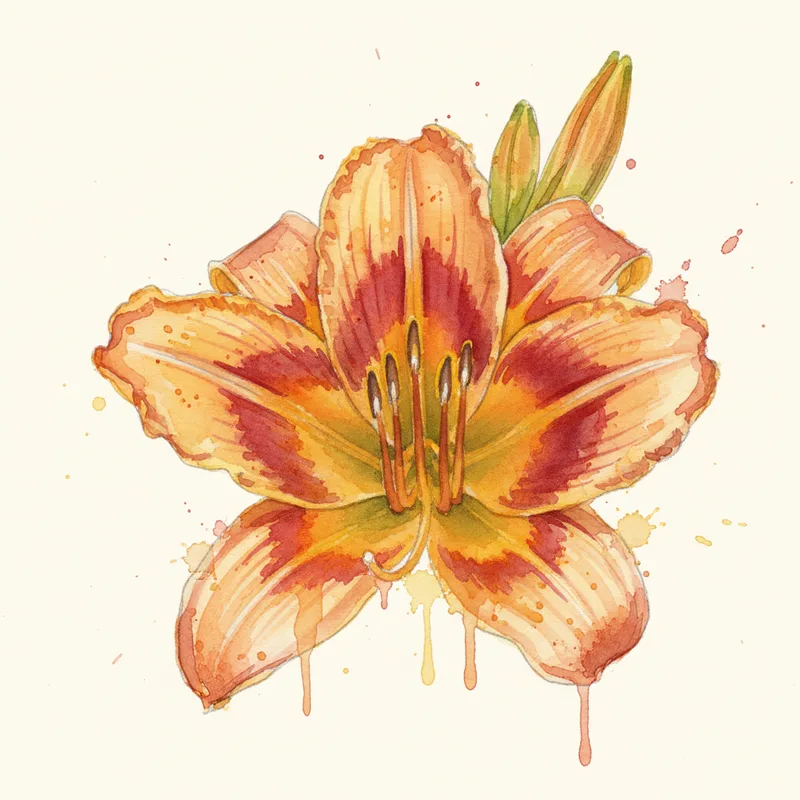
Daylilies are the easiest perennial to divide. Lift the clump, hose it off, and pull it apart by hand into "fans" of three to five shoots each. Each fan will bloom next year.
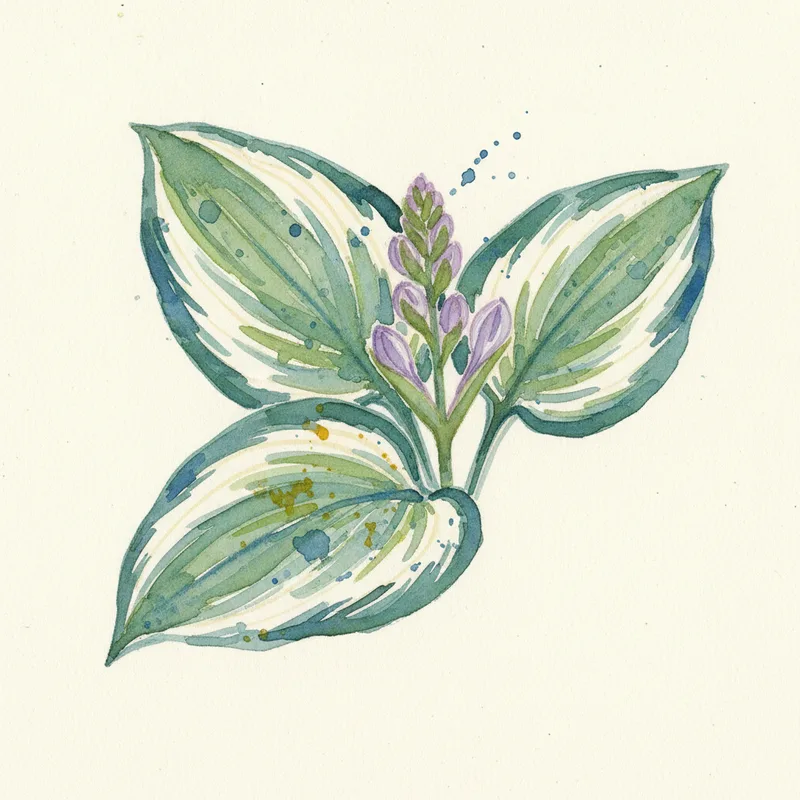
Hostas divide cleanly with a sharp spade right through the crown. Cut large clumps into pie-slice wedges. Each wedge replants successfully if it has at least three "eyes" (growing points).
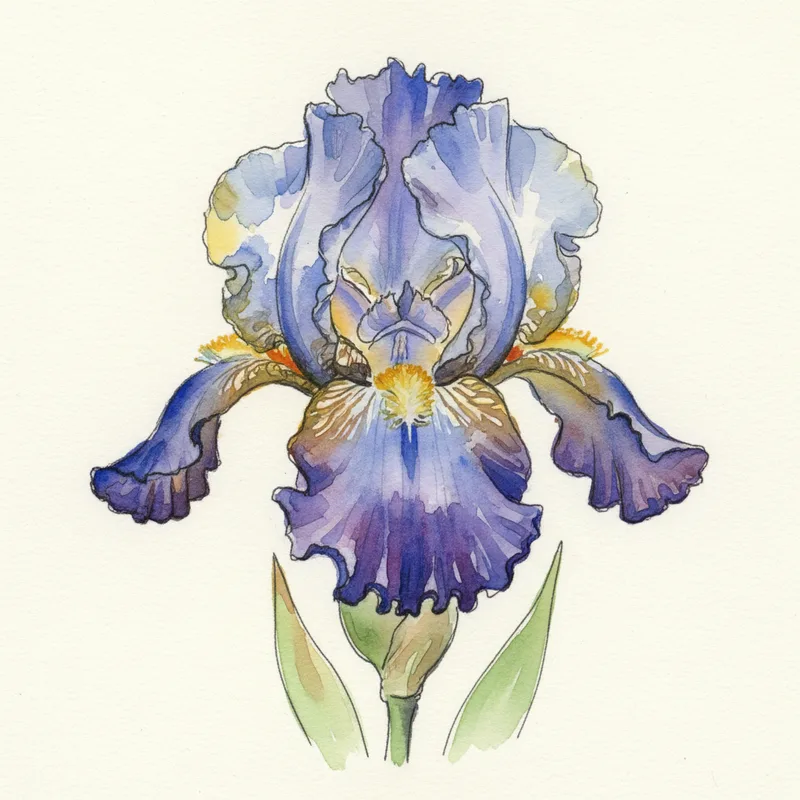
Bearded iris divides after July bloom. Lift the rhizomes, cut them into three- to four-inch sections each with a fan of leaves and healthy roots, trim leaves to a six-inch fan, and replant with the top of the rhizome just below soil level. Plant rhizomes facing the direction you want them to grow.
Siberian Iris grows tough rhizome clumps that often require a saw or hatchet to divide. Replant each section at the same depth as before.
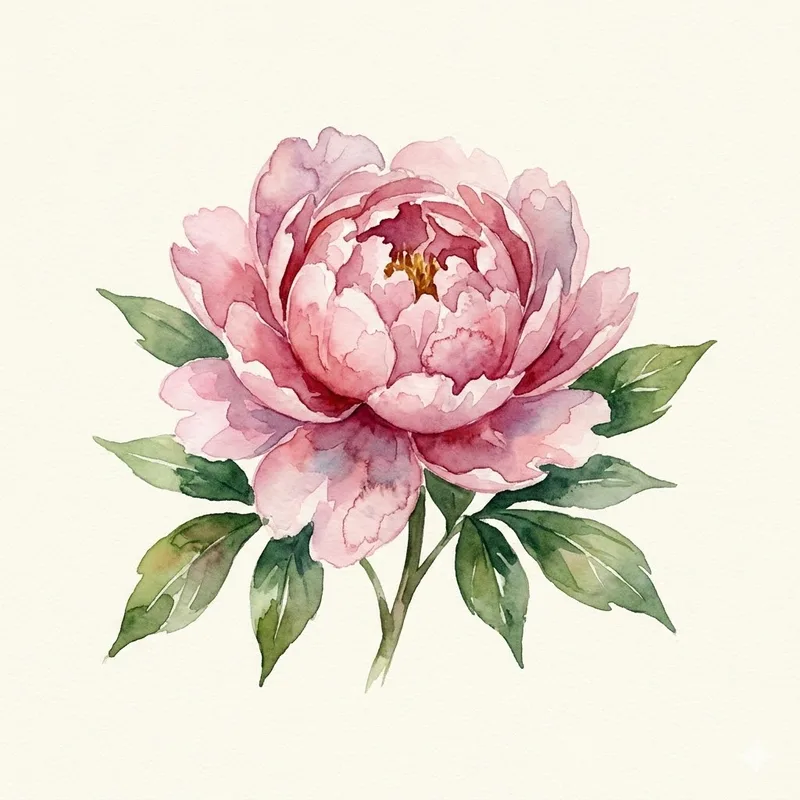
Peonies are the exception: don't divide unless necessary. If you must, do it in early fall. Each division needs three to five "eyes" (the pink buds at the crown). Replant with the eyes one and a half inches below the soil surface, and only that. Deeper than two inches and the plant won't bloom.
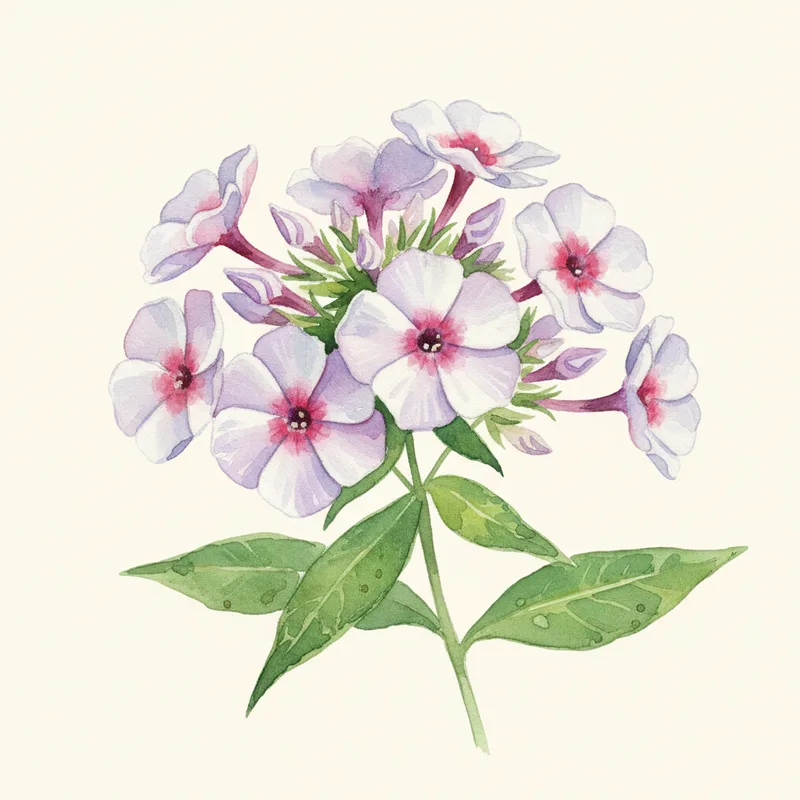
Garden Phlox divides easily in spring. The roots are stringy and forgiving. Mildew-resistant cultivars (David, Jeana) reset their vigor with division.
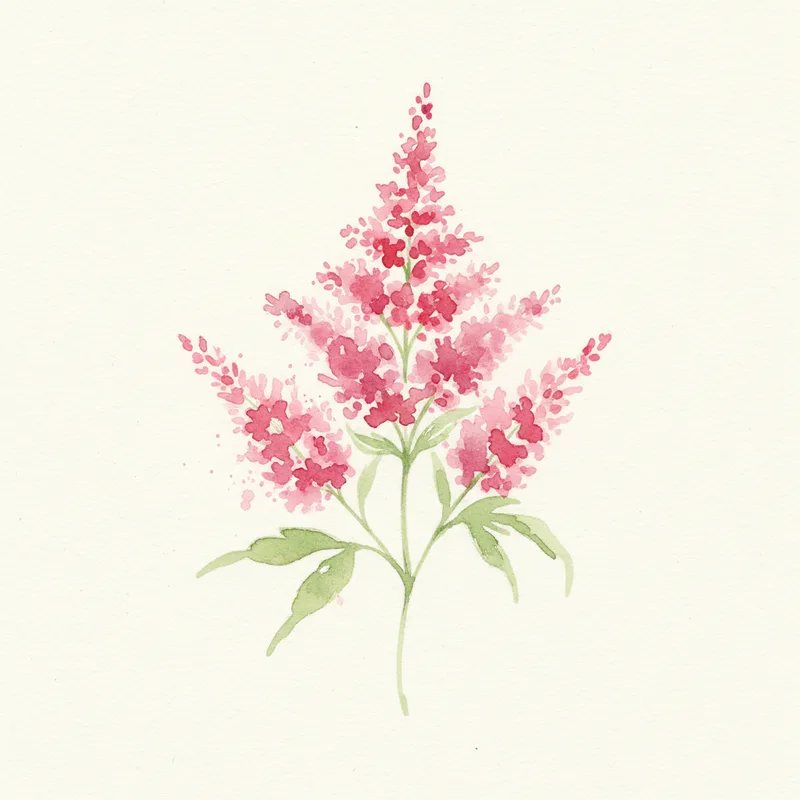
Astilbe develops dense fibrous roots that need a sharp spade. Divide in early spring just as new growth emerges.
What to do with all the new plants
One mature clump produces three to seven divisions. You will end up with more plants than you have spots for. Some options:
- Plant in another bed or extend an existing bed.
- Pot up the extras and give them as gifts. Cottage gardeners across the country have built entire collections this way.
- Donate to a local plant swap or community garden.
- Pot up the smallest and weakest divisions for one season to grow them out before planting.
Don't compost healthy divisions. They are free, named-cultivar plants. Someone will want them.
Common mistakes
The biggest mistake is dividing in summer heat. Wait for cool weather. The second-biggest mistake is replanting too deep. Most perennials want to be at the exact same depth they grew before; deeper than that and the crown rots. The third-biggest mistake is forgetting to water through the establishment month.
The bottom line
Dividing perennials is the single most-skipped maintenance task in home gardening, and the one that pays back the most. A garden where the daylilies, hostas, and salvia have been divided on a four-year rotation looks twice as good as a garden where they haven't. The work is one Saturday a year. The reward is decades of bloom.
For when to plant your divisions, see our seasonal guides: What to Plant in September and What to Plant in October.
What's growing, what's blooming, what's worth planting.
For gardeners who like to stay ahead.