What to Plant in September: The Most Important Planting Month
September is when smart gardeners plant. Warm soil, cool air, and fall rain make it the ideal window for perennials, shrubs, and spring bulbs.
Most people think of spring as planting season. They are wrong. September is when the most experienced gardeners do their heaviest planting. The soil is still warm from summer, the air is cooling down, and fall rain is on its way. That combination gives roots weeks to establish before the ground freezes, without the stress of summer heat on top. If you only plant one month of the year, make it September.
Spring bulbs go in now
Every spring bulb you want blooming next year needs to be in the ground between now and the first hard freeze. This is not optional. Bulbs need a cold period to trigger bloom, and they need time to grow roots before that cold arrives.
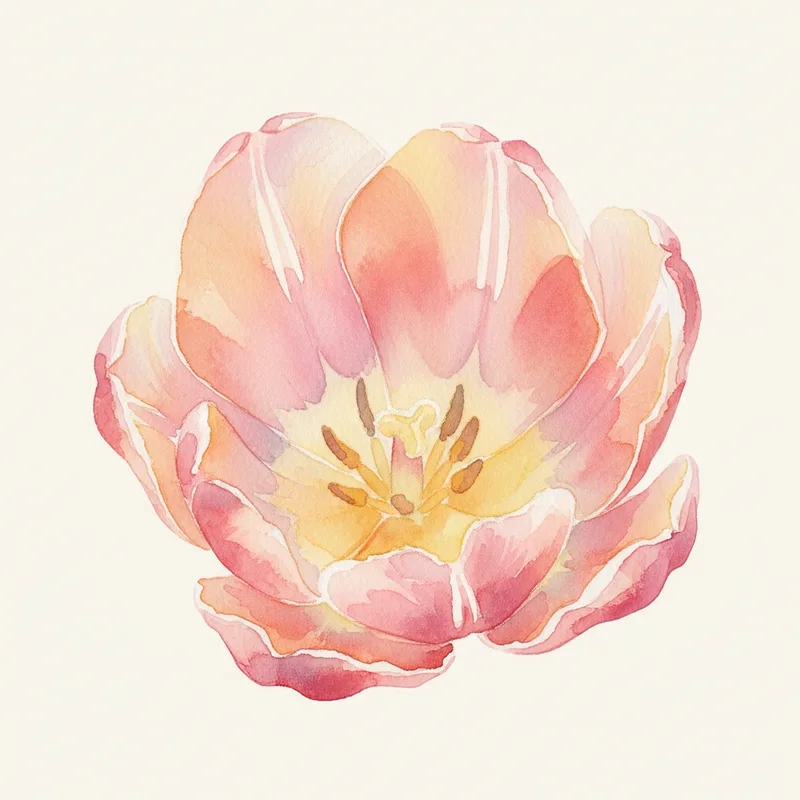
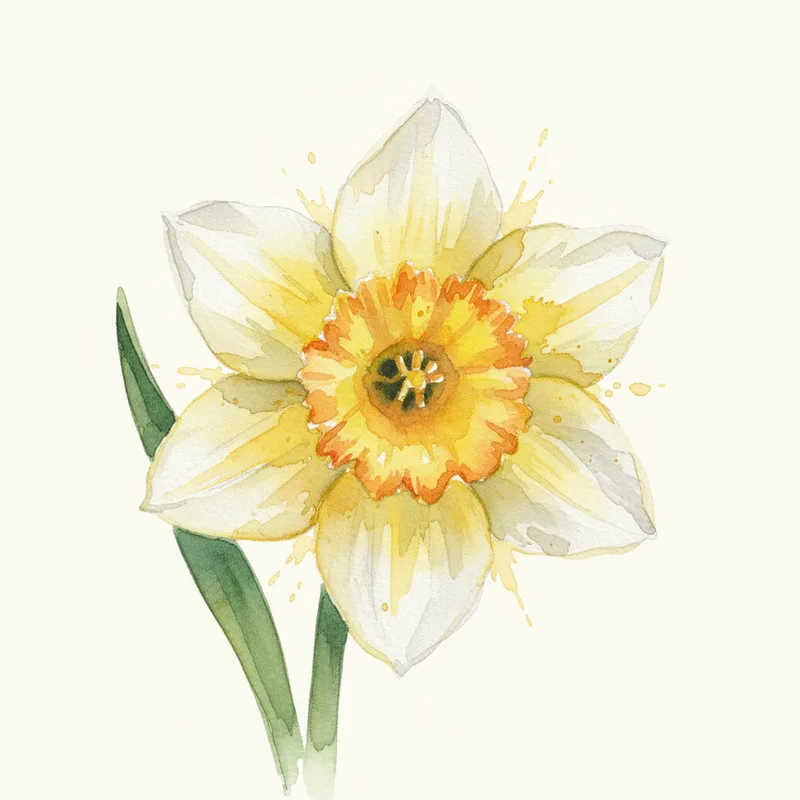
Tulips are the showstoppers, but do not plant them first. Wait until soil temperatures drop below 60°F (late September in zones 3-5, October in zones 6-7, November in zones 8-9). Planting too early in warm soil can trigger premature sprouting or fungal rot. Daffodils, on the other hand, can go in as soon as you buy them. They are virtually foolproof and deer-proof. Plant them 6 inches deep, pointy end up, and forget about them until March.
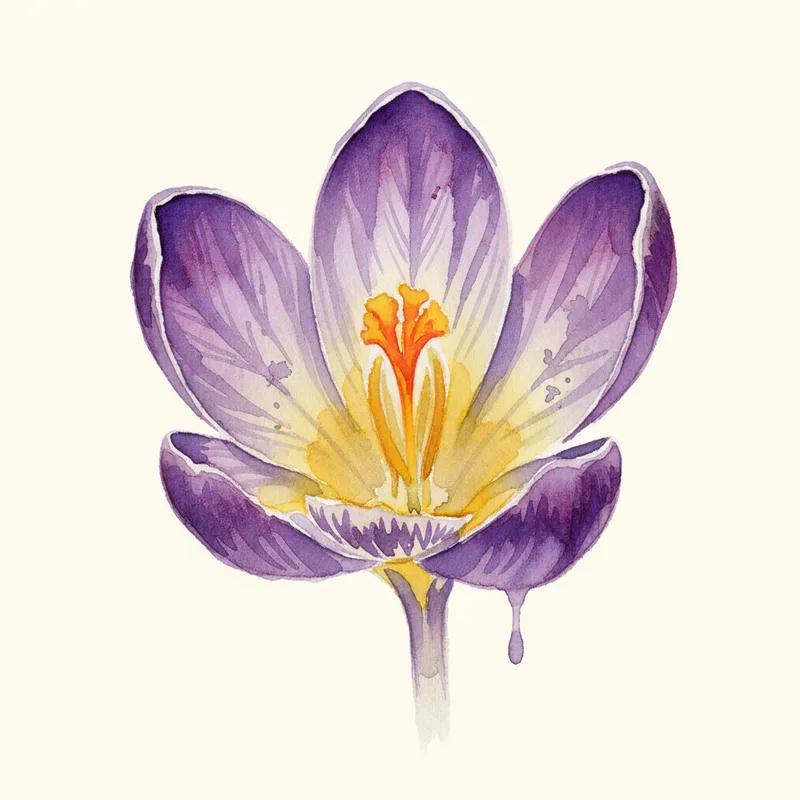
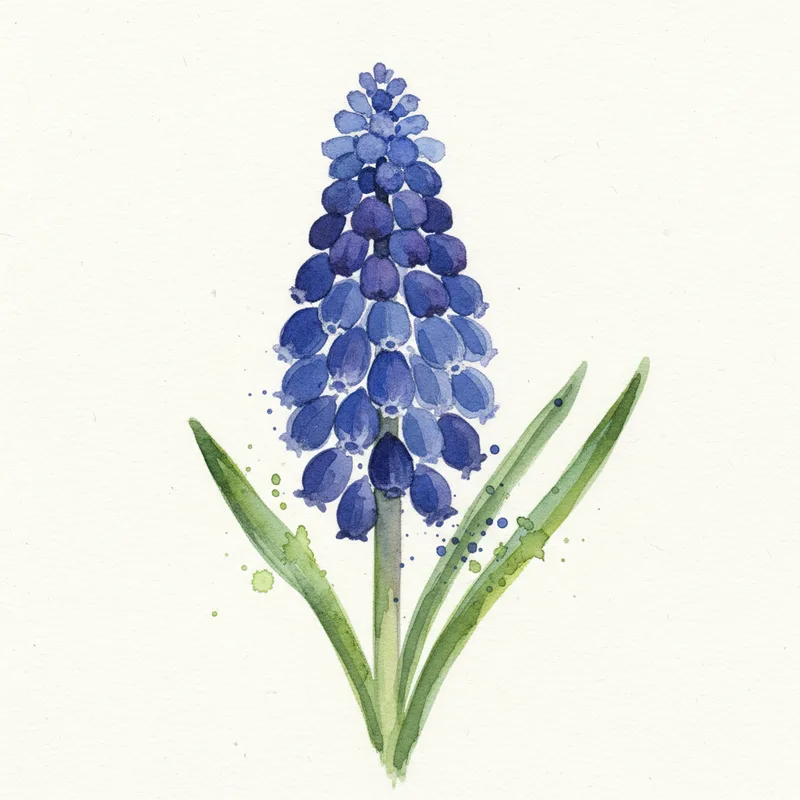
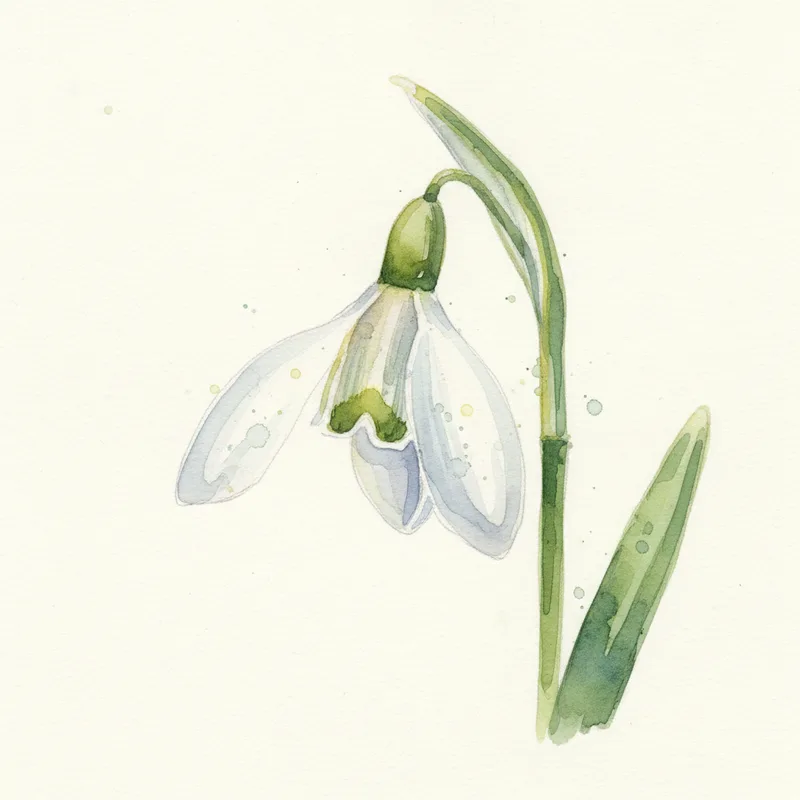
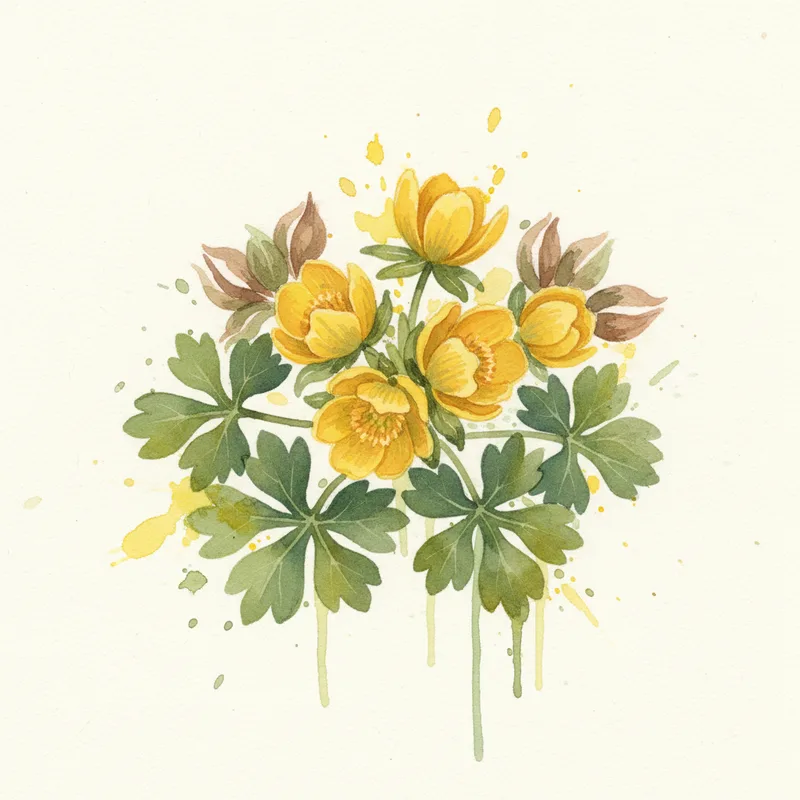
For smaller bulbs, crocus, grape hyacinth (how to grow it), snowdrops, and winter aconite all go in now. These are the earliest spring bloomers, pushing through snow while everything else is still dormant. Plant them in clusters of 20 or more for impact. A single crocus is charming. Fifty of them is a statement.
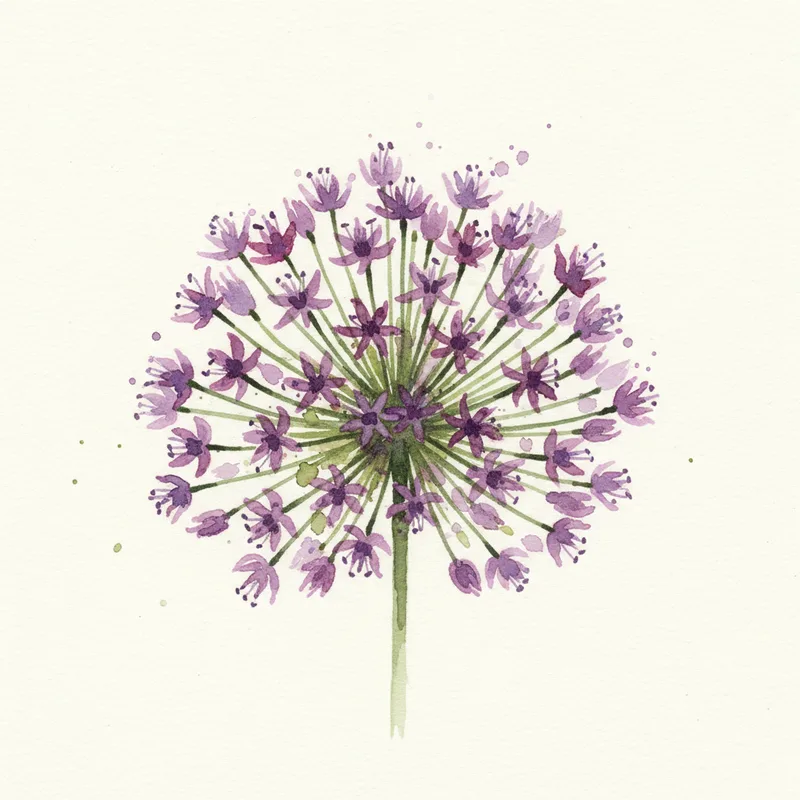
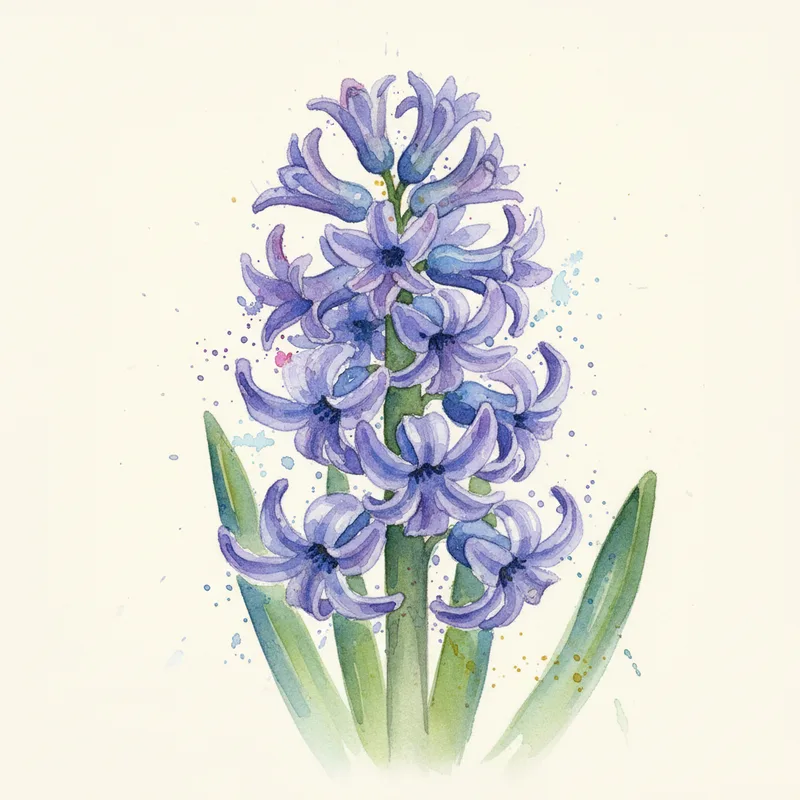
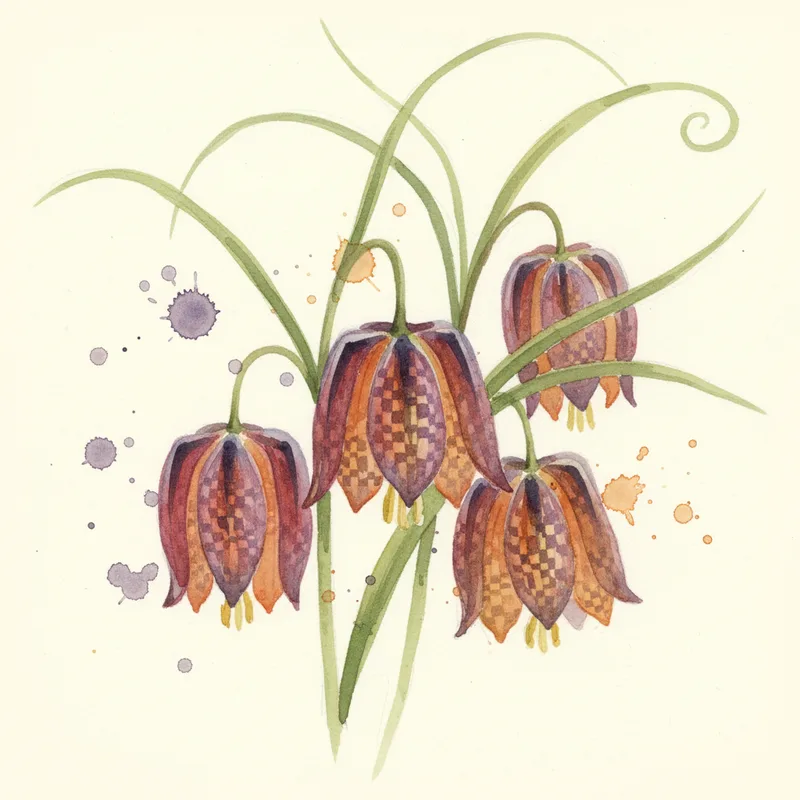
Alliums, hyacinths, and fritillaria round out the bulb list. Alliums are especially underplanted (our allium growing guide covers them start to finish). Those giant purple globes rising above the spring garden in May are one of the most striking sights in horticulture, and they cost about two dollars per bulb.
Perennials: the best time to plant and divide
September is ideal for getting perennials in the ground. The plants focus energy on root growth rather than top growth, which means they establish faster and come back stronger next spring. This is true across zones 3-9.
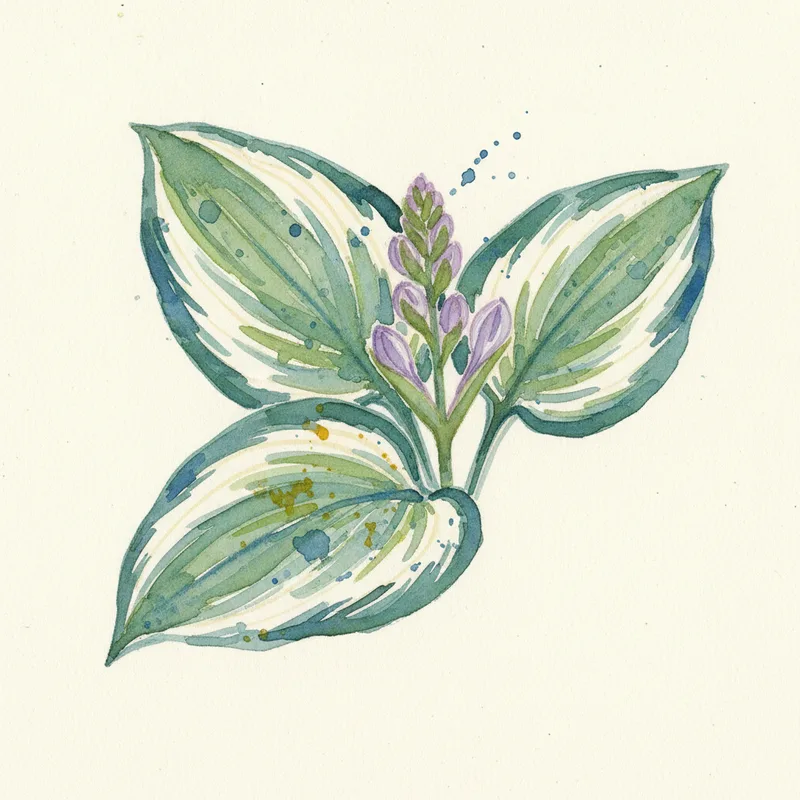
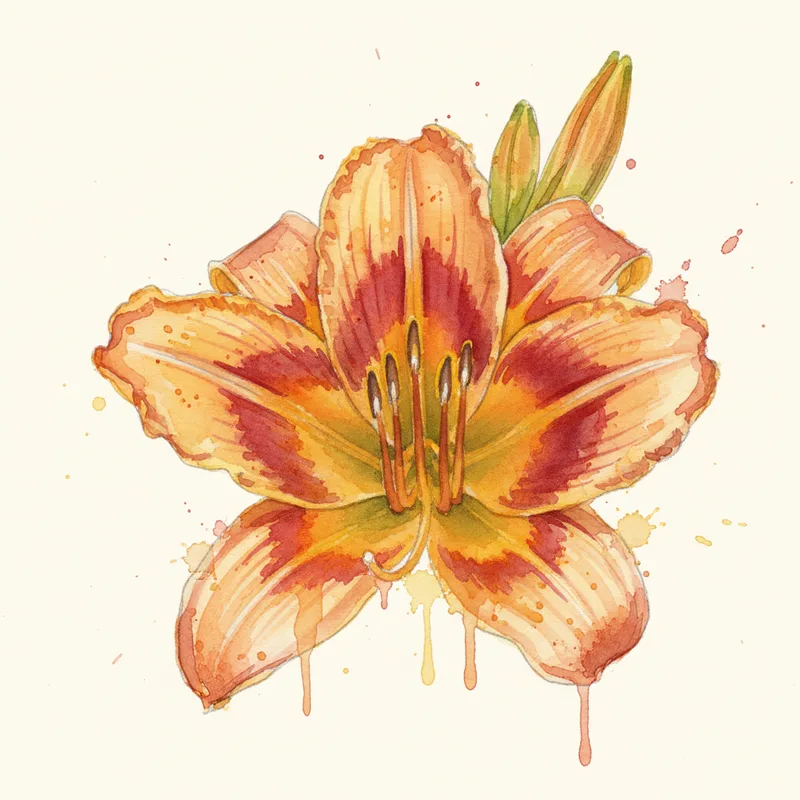
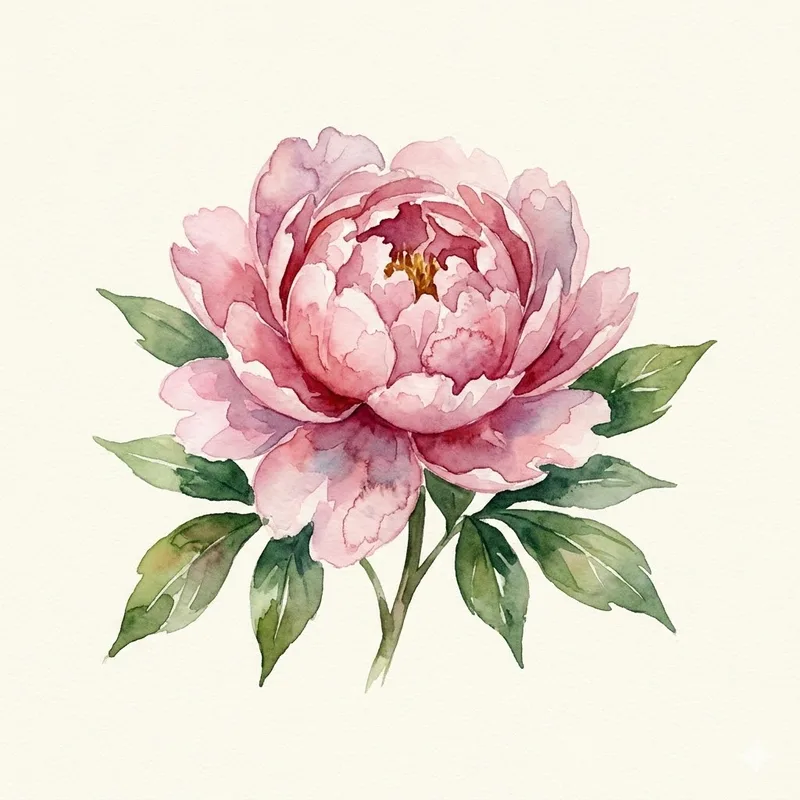
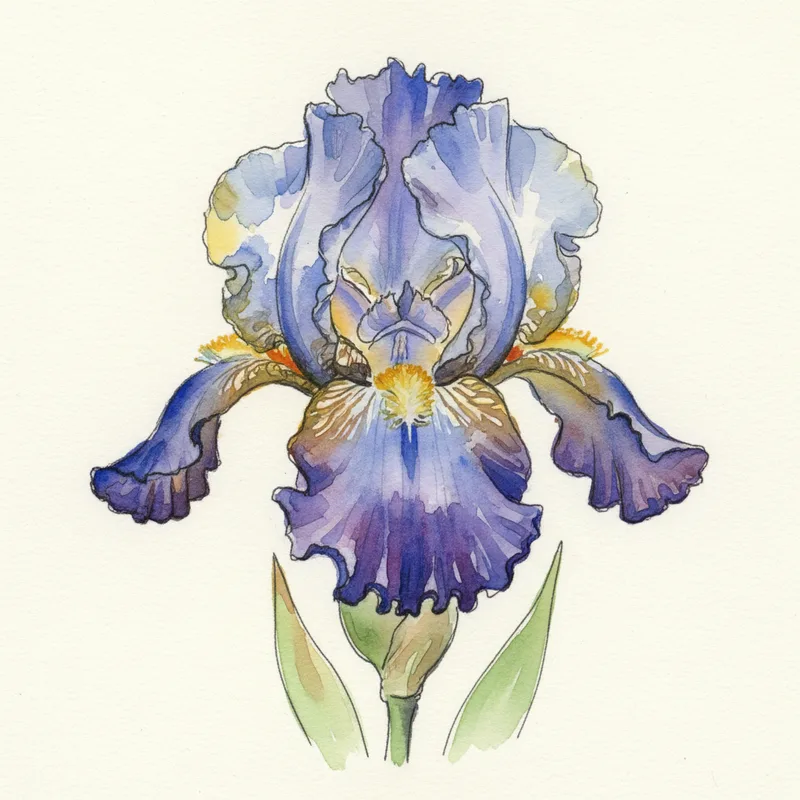
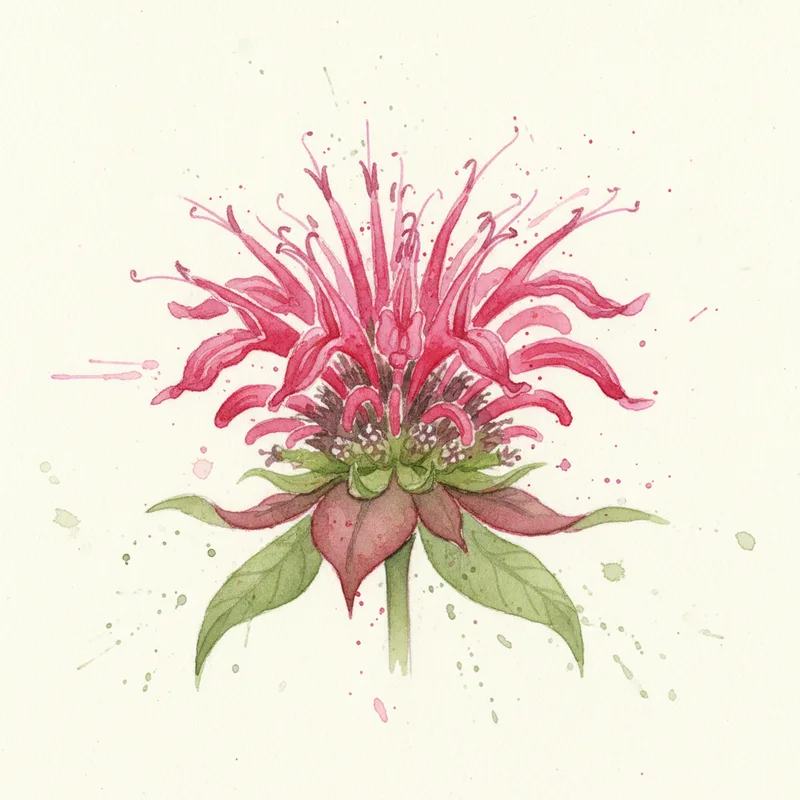
In zones 3-5, plant early in September to give roots at least six weeks before the ground freezes. Hostas, daylilies, peonies, and irises are all best divided and transplanted now. If your hosta clump has gotten too big or your bee balm has a dead center, dig it up, split it into sections, and replant. Each piece will be a full plant by next June.
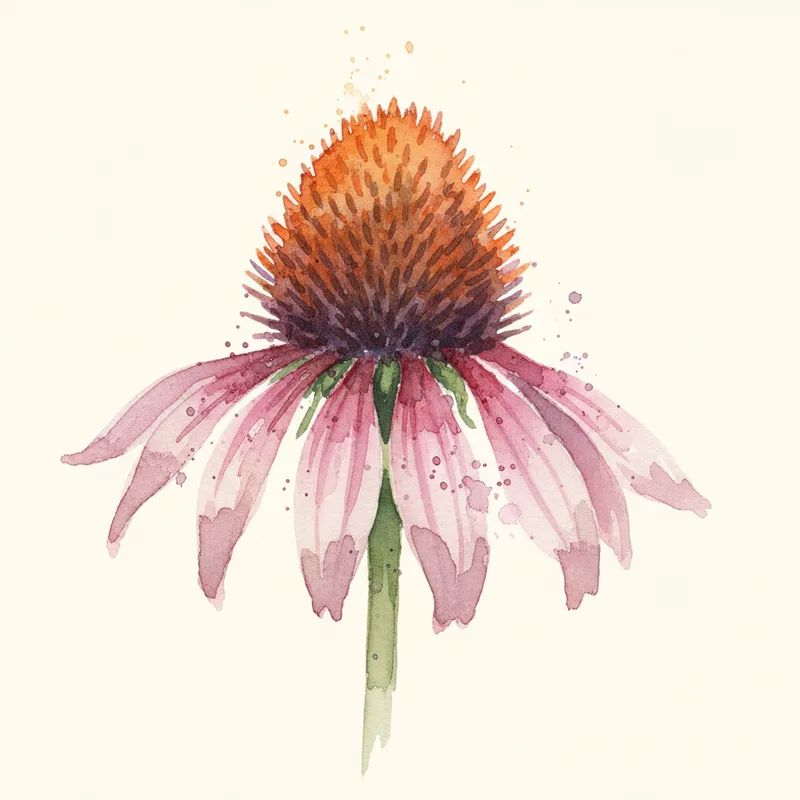
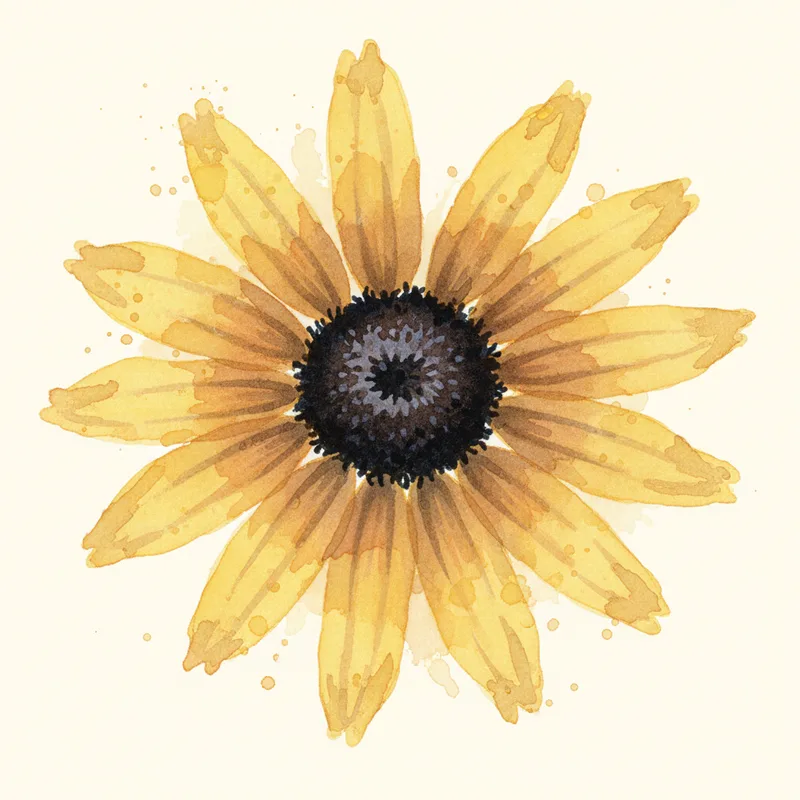
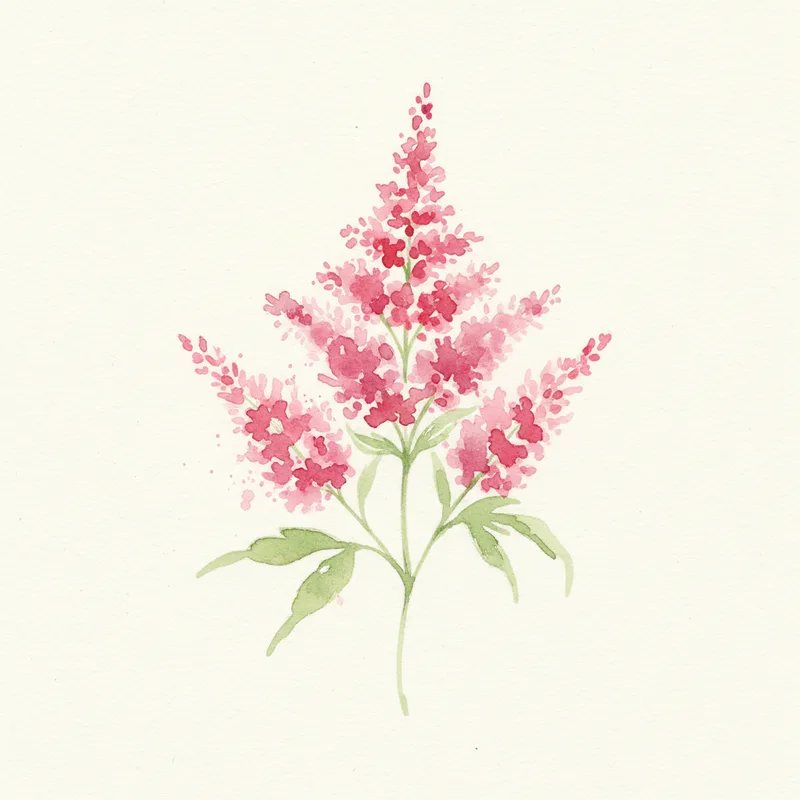
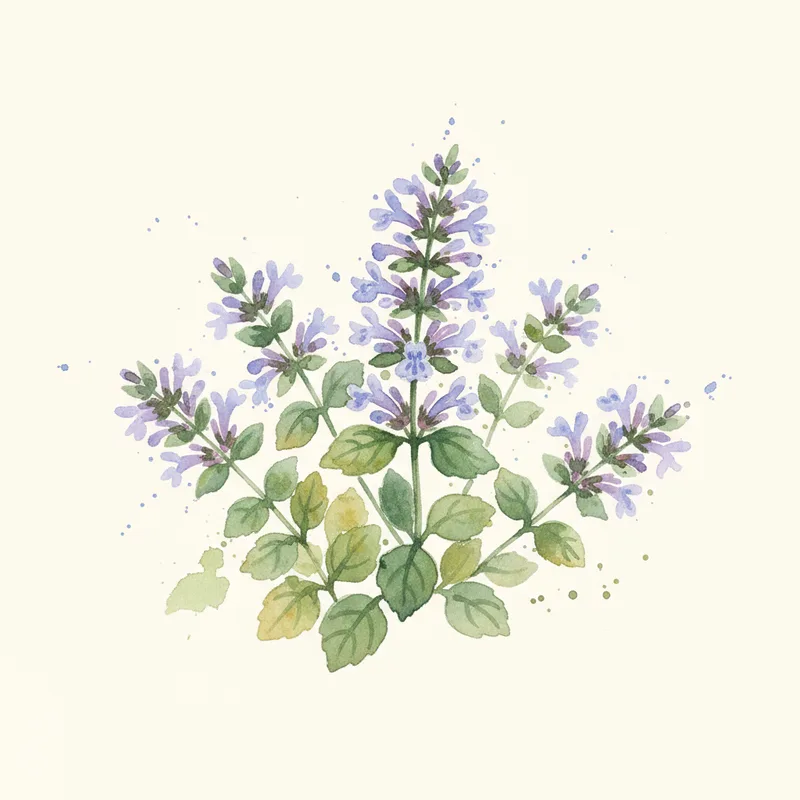
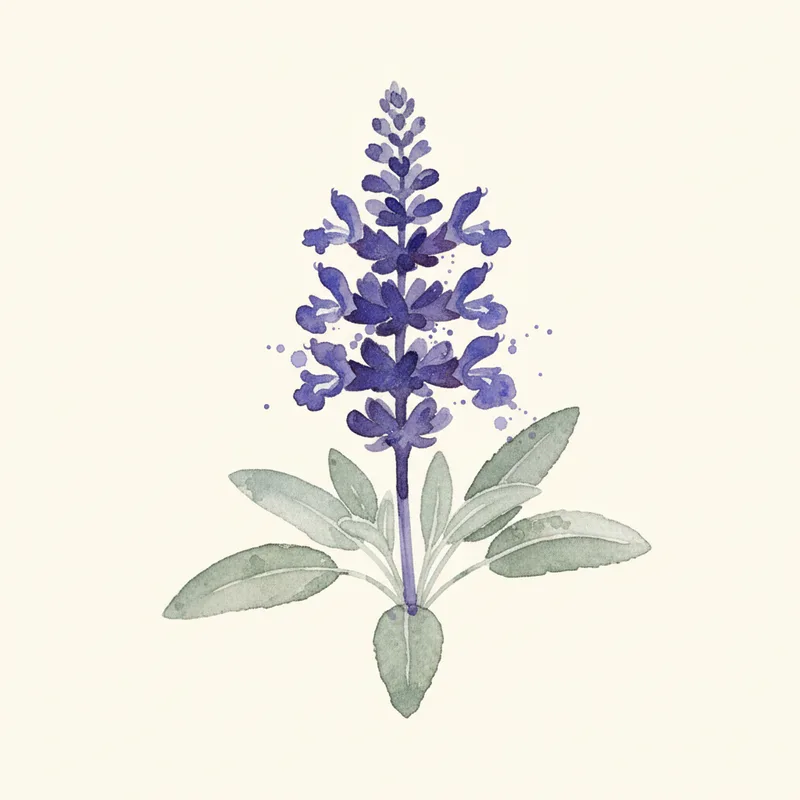
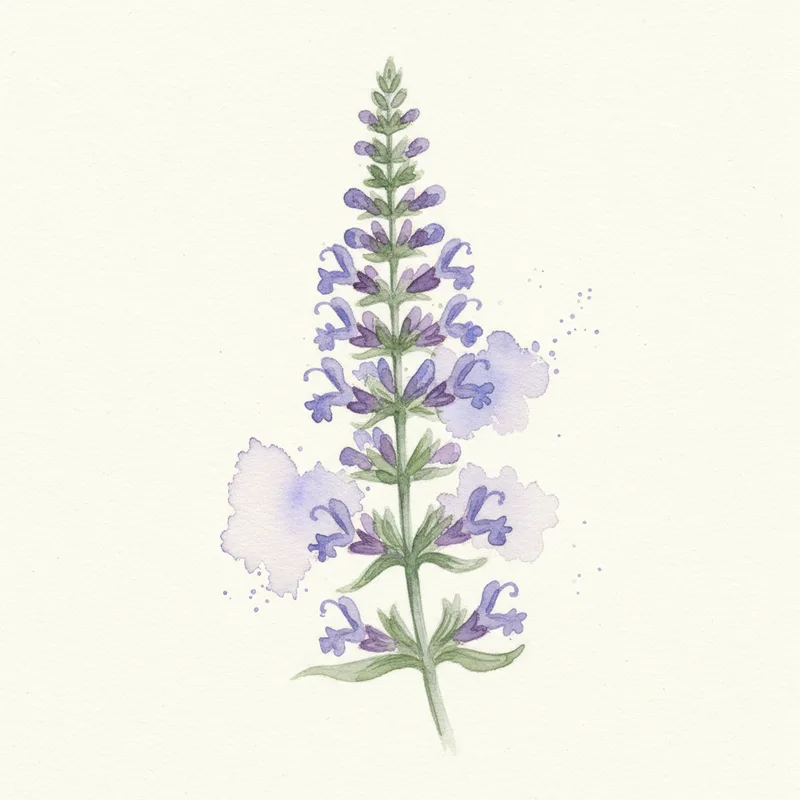
In zones 6-7, you have until mid-October. This is prime time for planting coneflowers, black-eyed Susans, catmint, salvia, Russian sage, coral bells, and astilbe. Everything you wanted to plant last spring but did not get around to? Now is actually the better time.
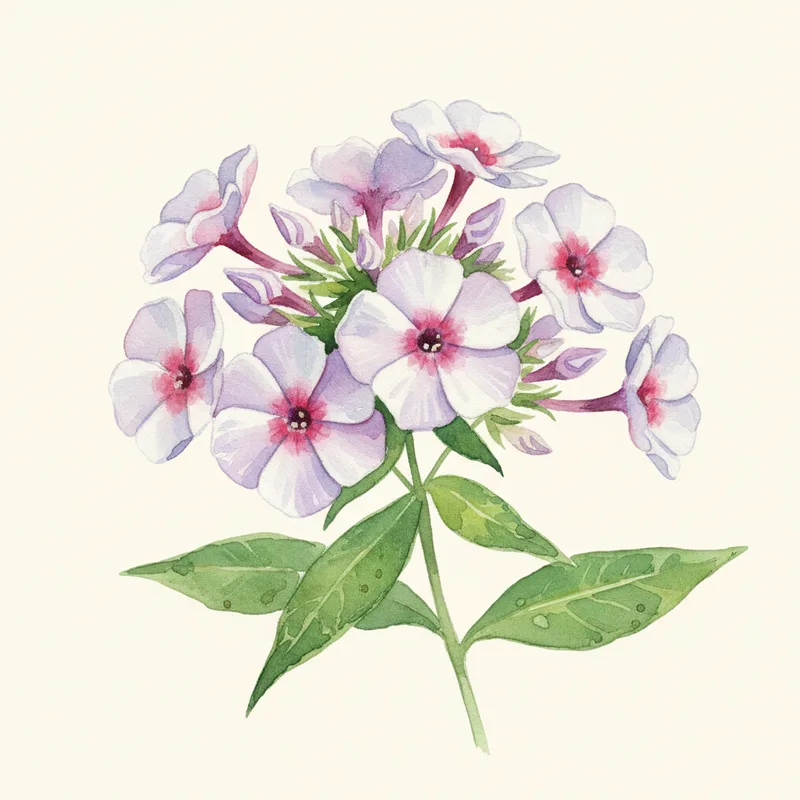
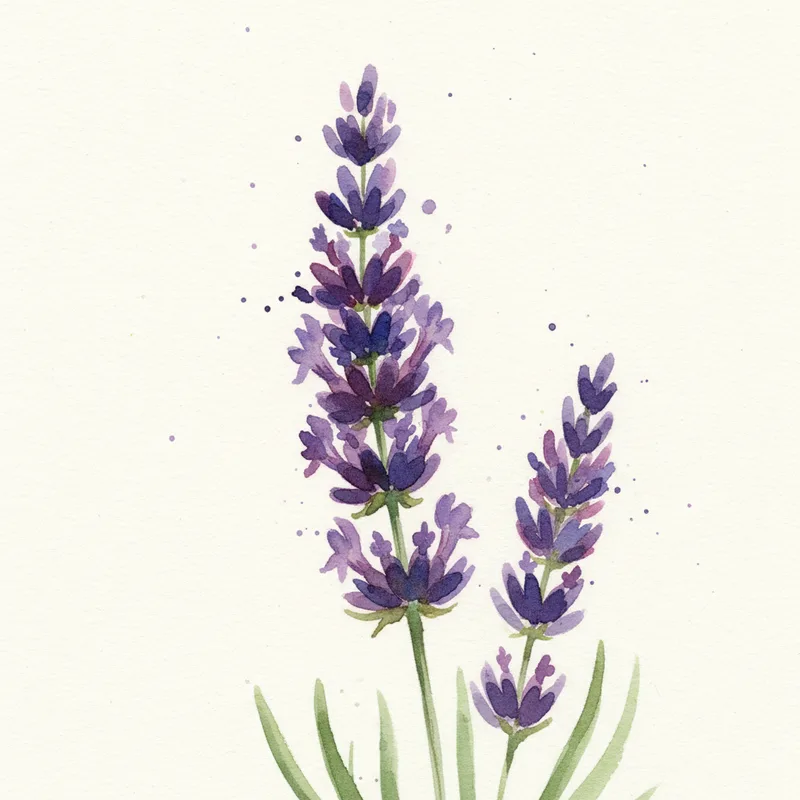
In zones 8-9, September is when the garden wakes up from its summer dormancy. Fall is your second spring. Plant lavender, garden phlox, sedum, and anything else that struggled in the summer heat. The cooler temperatures and fall rain will do the hard work for you.
Trees and shrubs: the single best planting window
Arborists and nursery professionals will tell you the same thing: fall is better than spring for planting trees and shrubs. The roots grow actively in cool soil while the top of the plant is going dormant, so all the energy goes underground. By spring, a fall-planted tree has a massive head start over one planted in April.
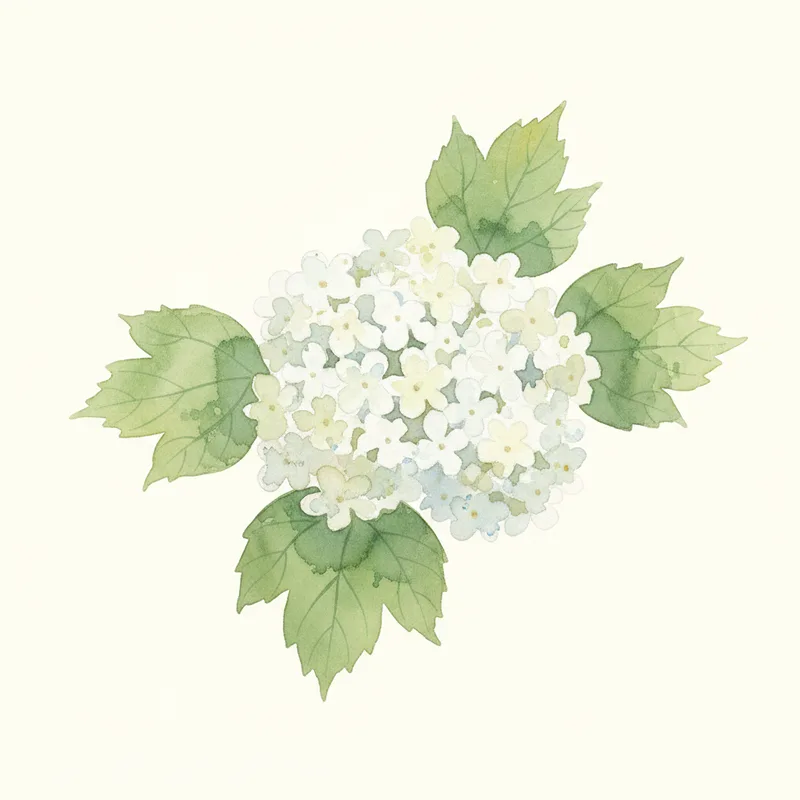
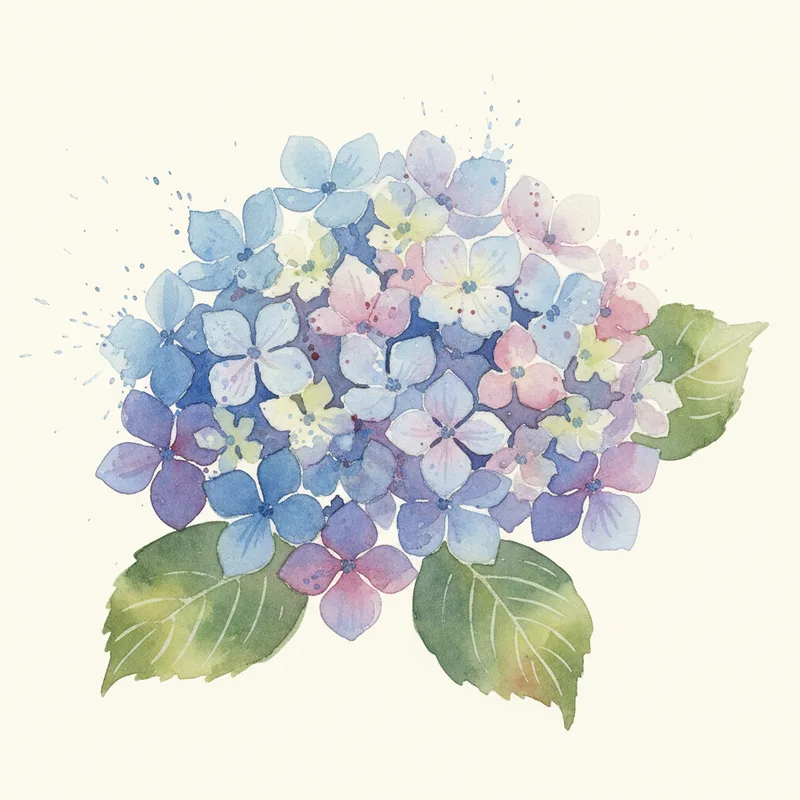
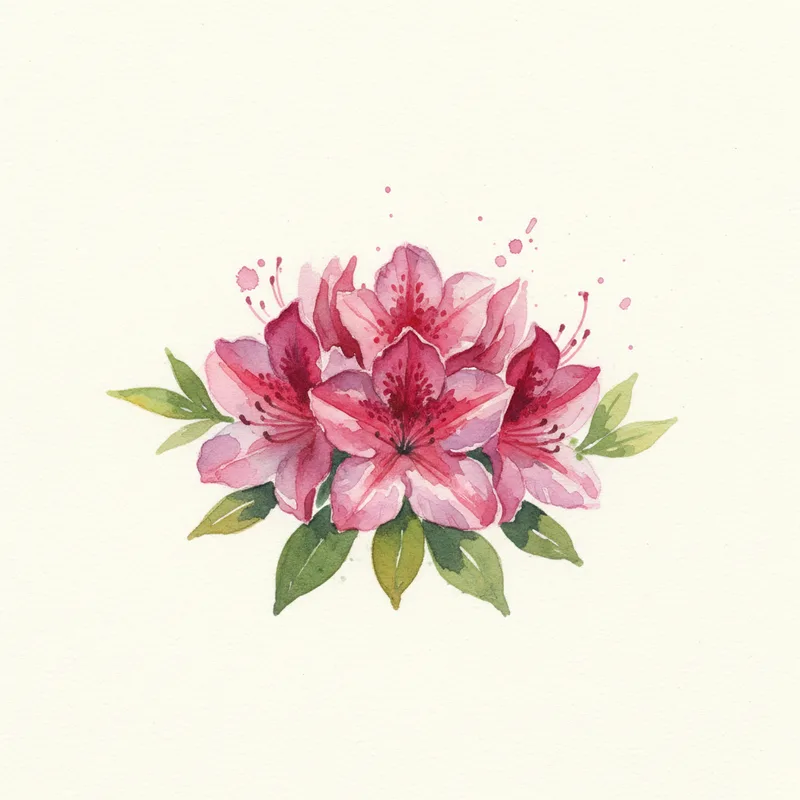
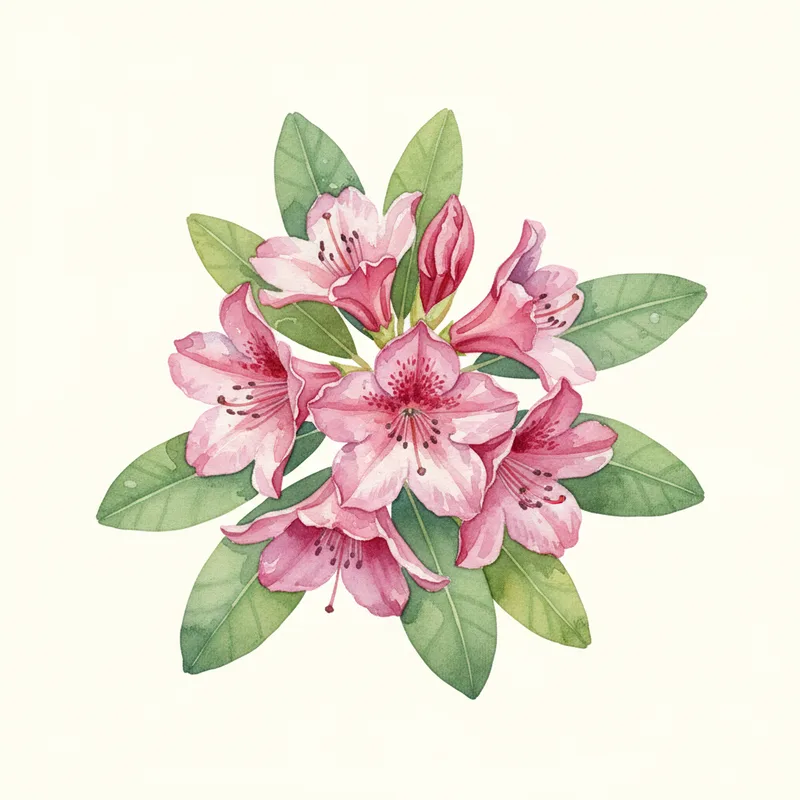
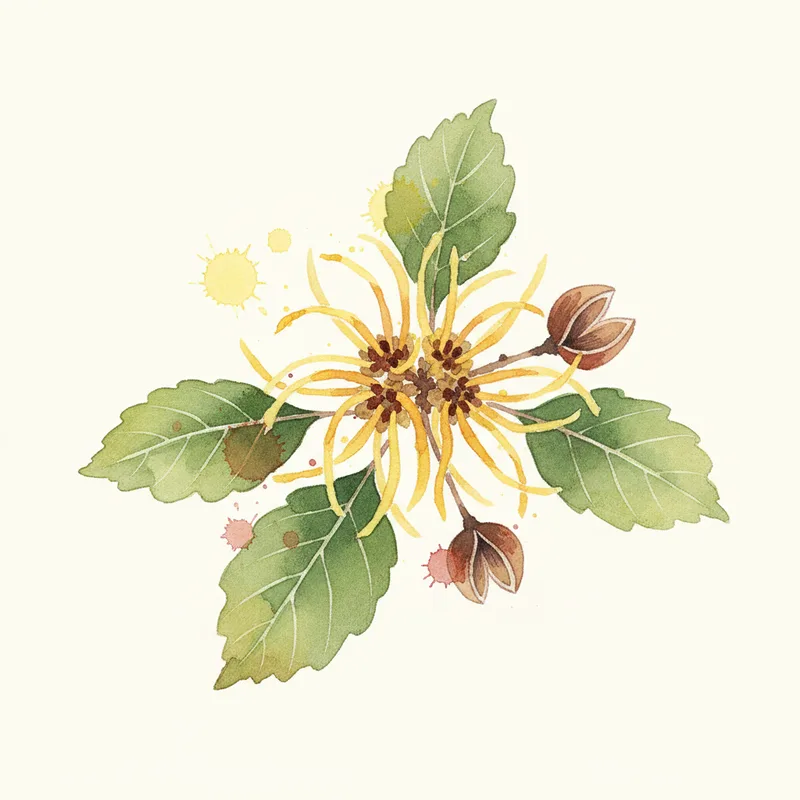
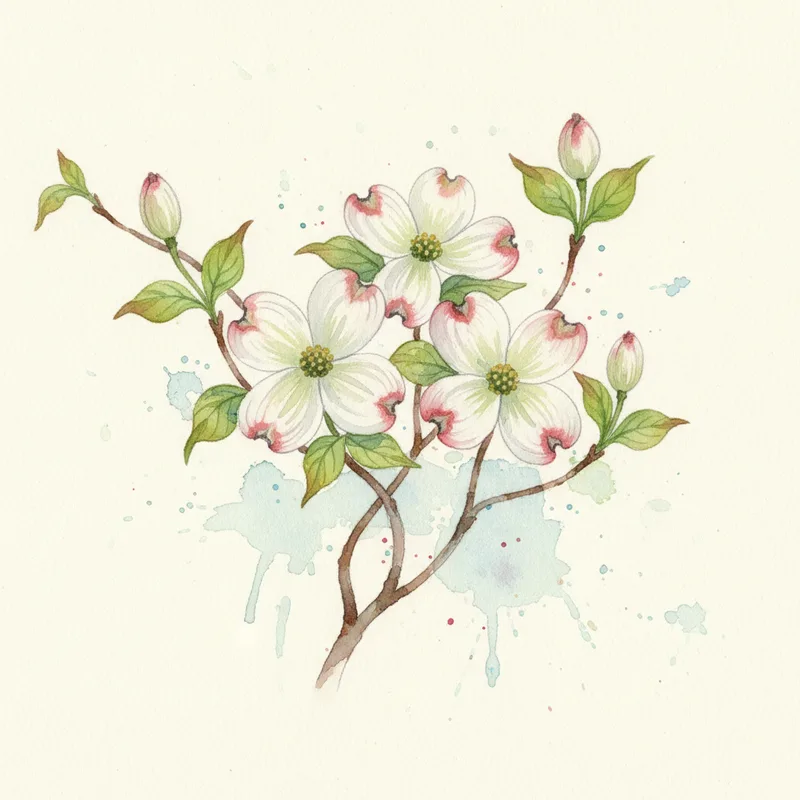
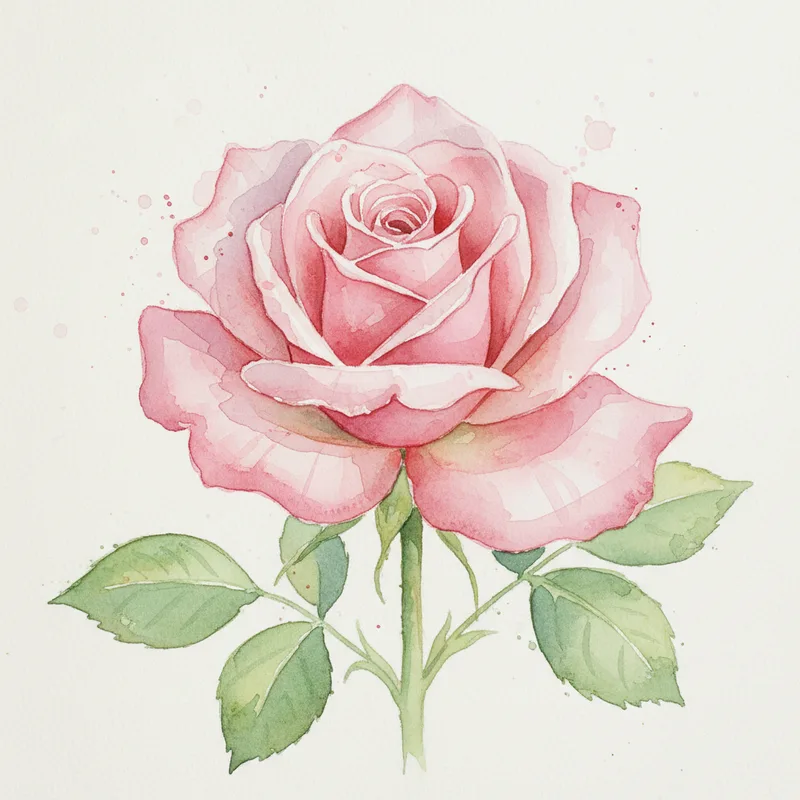
Hydrangeas, azaleas, rhododendrons, viburnum, serviceberry, and dogwood all establish beautifully when planted in September. Witch hazel planted now will reward you with spidery yellow blooms as early as January. And roses, including bare-root varieties, do exceptionally well when fall-planted.
What is blooming right now
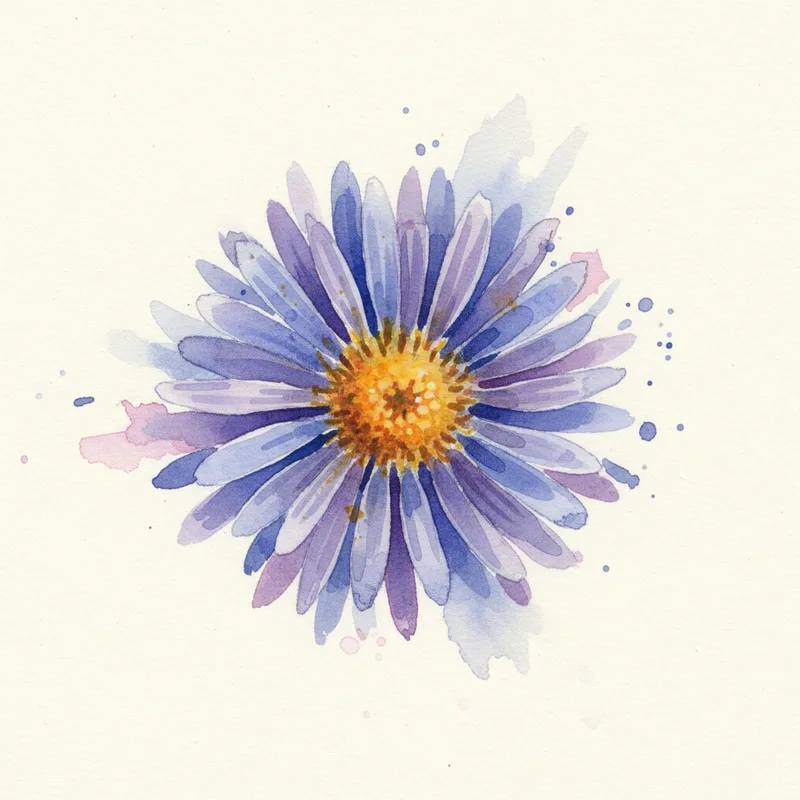
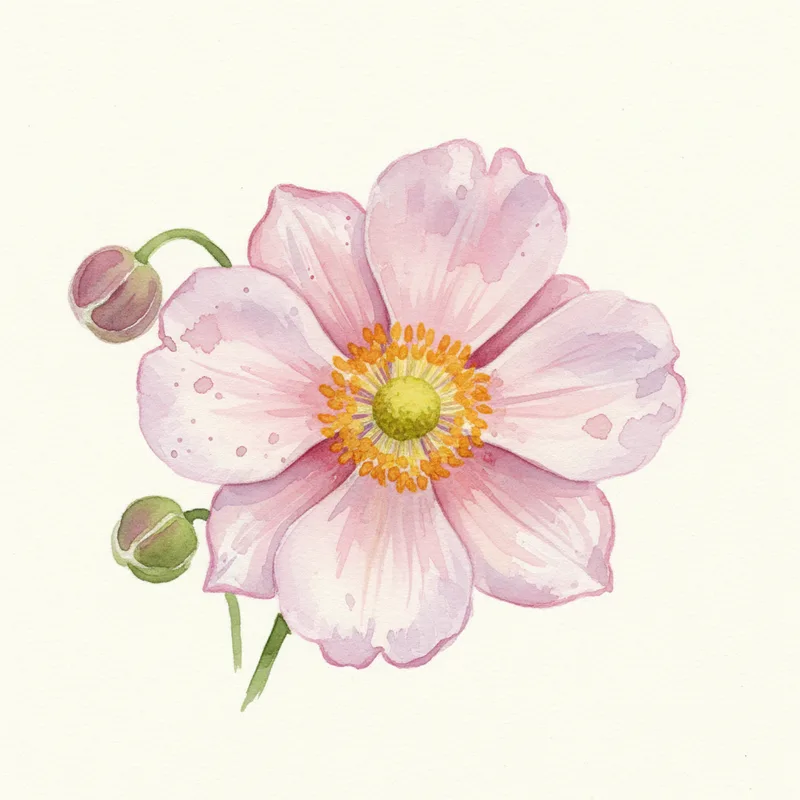
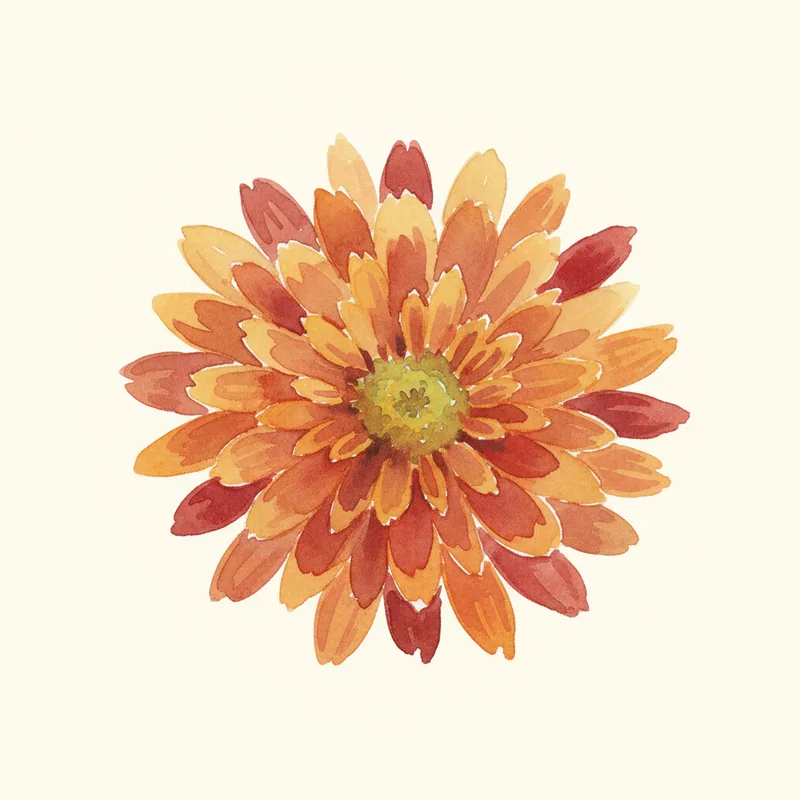
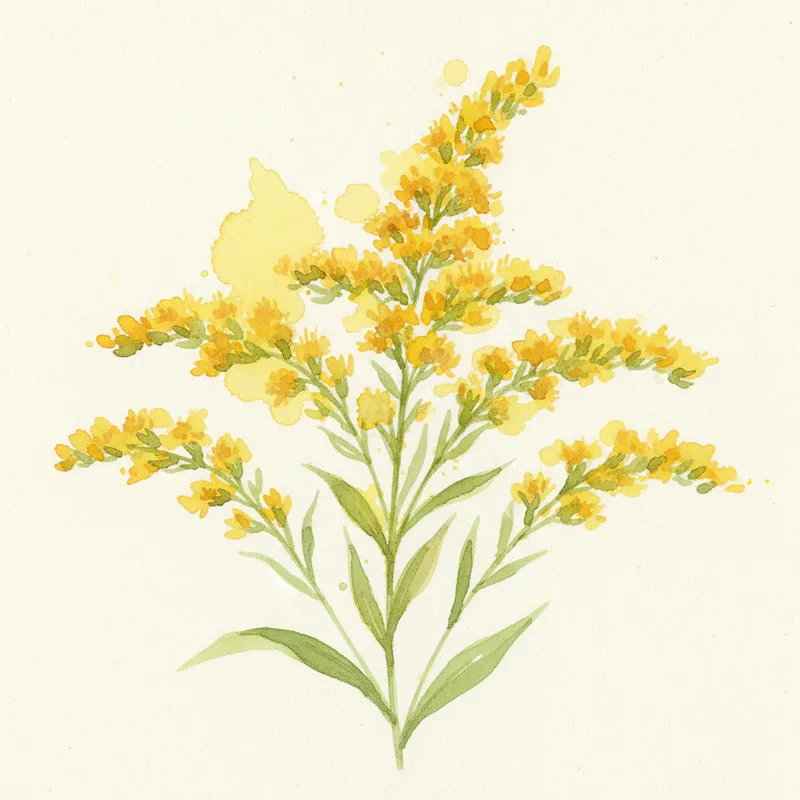
While you are planting for the future, do not miss what is happening in the present. September is peak season for asters, goldenrod, Japanese anemones, chrysanthemums (our hardy mums guide covers which September mums can actually stay in the ground), and late sedums. These fall bloomers are wildly underplanted. If your garden goes quiet after Labor Day, add more of these. They are the plants that pollinators depend on before winter, and they keep the garden beautiful through October.
September gardening is not glamorous. Nobody takes photos of someone planting bulbs in the mud. But the gardeners who show up in September are the ones with the best spring displays, the strongest perennials, and the healthiest trees. This is the month that separates planning from hoping. See also our guides to planting in October, year-round bloom planning, and fall garden cleanup.
A few of these jobs start earlier than most people realize. Colchicum corms, bearded iris division and biennial seed all want to go in during August rather than September, so if it is still high summer where you are, start with What to Plant in August.
Browse fall planting options by zone
Find what to plant this fall: Zone 4 · Zone 5 · Zone 6 · Zone 7 · Zone 8 · Zone 9
For a month-by-month chore checklist tailored to your USDA zone, see our garden chores by zone guide.
What's growing, what's blooming, what's worth planting.
For gardeners who like to stay ahead.