Symphyotrichum: How to Grow Asters That Return
Most North American asters are no longer in the genus Aster. Which ones come back, when to pinch, and how to get a fall-bought plant through winter.

Somewhere between late August and the middle of October, a bench of asters appears at every garden center in the country, in full purple bloom, parked beside the mums and priced to move. It is the last impulse buy of the gardening year, and for a lot of people it is a small mystery: you take one home, you plant it, and then you spend the winter wondering whether you bought a perennial or an expensive bouquet in a pot.
Most of them do come back, and the ones that do not are identifiable at the register in about ten seconds. The catch is that it means reading a botanical name, and the botanical name for asters changed. Nursery labels, catalogs and search results have not finished agreeing about it, which is why looking your own plant up gives you two answers and no confidence. So we start there, because once the naming is sorted the growing is genuinely easy.
Your aster is probably not an Aster, and that is why nothing agrees
For most of two centuries, botanists filed several hundred daisy-flowered plants from across the northern hemisphere into one enormous genus called Aster. It was a convenient bucket. It was not, as things turned out, a family tree, and when researchers began comparing these plants genetically instead of by eye it came apart. The Astereae Lab at the University of Waterloo, which specializes in this group, describes the evidence as analyses of morphology, chloroplast DNA restriction fragment length polymorphisms and ITS sequence data. The old genus had never been a single lineage. The North American plants were not close relatives of the European ones. They simply looked alike, and looking alike is what a genus used to be built on.
So the bucket was emptied. The Waterloo lab puts the outcome plainly: the majority of species traditionally placed in the genus Aster by North American botanists correctly belong in Eurybia and Symphyotrichum, with the rest distributed among smaller genera including Doellingeria, Ionactis, Oclemena and Sericocarpus. Aster in its new, strict sense, built around the European type species Aster amellus, is Eurasian.
Whether any North American plant is still a true Aster is a question our sources answer differently, and the plants in that argument are arctic-alpine wildflowers rather than anything you will meet on a bench, so we will leave the count alone rather than pick a side. What matters to you is simpler. The fall aster you are about to buy is almost certainly a Symphyotrichum.
Which explains the disagreement you keep running into. Mt. Cuba Center, whose trial garden has evaluated this group at length, notes that many species no longer belong to the genus Aster even though Aster is still used as their common name. The reference sources have moved: North Carolina State Extension files New England aster under Symphyotrichum novae-angliae and lists Aster novae-angliae as a previous name, and Missouri Botanical Garden's entry for New York aster says, flatly, formerly known as Aster novi-belgii. The trade has not moved, because the word on the tag is the word customers type into a search box.
So the practical translation is this: "aster" is now a common name, not a genus. You never have to say Symphyotrichum out loud. But when you look up care information for the plant in your cart, search both names, because Aster novae-angliae and Symphyotrichum novae-angliae hand you two different sets of pages and only one of them is being kept current.
Three plants get sold as asters. Two of them come back.
- New England aster (Symphyotrichum novae-angliae). The big, stout, purple one. Missouri Botanical Garden lists it as a herbaceous perennial hardy in zones 4 to 8, 3 to 6 feet tall, deep pink-purple in August and September, native to eastern North America and tolerant of clay. NC State rates it 4a to 8b. A perennial. Plant it once.
- New York aster, or Michaelmas daisy (Symphyotrichum novi-belgii). Missouri Botanical Garden gives it zones 4 to 8, 3 to 4 feet tall, violet-blue or pink to white, blooming August to October, native to coastal eastern North America, tolerant of clay and of wet soil. Also a perennial. Its note on garden use is telling: it works as a complement or substitute for chrysanthemums, which is exactly the bench you found it on.
- China aster (Callistephus chinensis). Not an aster, and it will not come back. Missouri Botanical Garden files it as an annual native to China, raised from seed each spring. Different genus entirely: Callistephus, from the Greek for beautiful crown. If the tag says Callistephus, or if you are buying it as a bedding plant in spring rather than a potted plant in September, you have bought one season.
Two more sail under the same flag. Stokes aster is Stokesia laevis, a southeastern native in a genus of its own, and it blooms through summer. And Frikart's aster is one of the few things in an American nursery that genuinely is an Aster: Missouri Botanical Garden gives Aster x frikartii the parentage A. amellus crossed with A. thomsonii, both Eurasian. It flowers June to September, and the same page warns it is not reliably winter hardy throughout USDA Zone 5. Not the one you came for.
Where asters want to live
This is a plant of moist prairies, meadows and stream banks, and it gardens like one: bright light, ordinary soil that does not dry out, and room to breathe.
- Sun: full sun. Missouri Botanical Garden lists full sun for New England aster, New York aster and the 'Purple Dome' cultivar alike. NC State allows partial shade, which it defines as two to six hours, but full sun means six or more and that is where the flower count lives.
- Soil: average, well drained, on the moist side. Missouri Botanical Garden asks for average, medium, well-drained soil for New England aster, and evenly moist to wet ground for New York aster. Both tolerate clay, and New York aster also tolerates genuinely wet soil, which is unusual in a fall perennial and useful if you have a damp corner.
- Water: Penn State Extension frames it as a sensitivity rather than a quantity: too much or too little moisture and the plants often lose their lower foliage. That bare-ankled look on a September aster is usually a watering story, not a disease.
- Zones: the sources disagree at the cold end. Missouri Botanical Garden puts both New England and New York aster at 4 to 8, Penn State gives asters 3 to 8, and NC State rates aromatic aster 3a to 8b. Zone 4 is safe ground. Zone 3 depends on the species and on whose listing you read.
If your site is dry, buy a different aster
Everything above says moist, and that rules out a lot of real gardens. If yours is sunny, thin and dry, do not fight it, change species: aromatic aster (Symphyotrichum oblongifolium). NC State rates it hardy 3a to 8b, 1 to 3 feet tall and wide, blooming from late summer until the first frost, drought tolerant, resistant to browsing by deer and rabbits, and, unusually for this group, carrying no serious insect or disease problems. Its common name comes from the balsam-like fragrance the rigid stems give off when crushed. This is the aster for the spot where a New England aster would sulk.
Pinch it, or buy one that is already short
New England aster runs 3 to 6 feet tall, and a tall aster in rich soil in September would quite like to lie down. Missouri Botanical Garden files the consequence under Problems on both species pages, in the same words: taller plants may require staking or other support. There are two ways out of that and one of them is free.
The free one is pinching, and it comes with a deadline. Missouri Botanical Garden's culture note is that pinching back stems several times before mid-July will help control plant height, promote bushiness and perhaps obviate the need for staking; for New York aster it is more specific still, prune stems to 6 inches in late spring or early summer.
The catch is stated outright by two of our sources: pinching delays flowering. You are trading bloom date for a plant that stands up. In zone 4 or 5, where an aster is already racing the first frost, that is a trade to think about rather than perform on autopilot, and it is why the deadline matters more than the technique. Pinch before mid-July, as the source says, and then put the shears down.
The paid way out is a plant bred short. Missouri Botanical Garden puts New England aster 'Purple Dome' at 18 to 24 inches tall and up to 3 feet wide, with a profuse bloom of dark purple flowers that can entirely cover the plant from mid-August until early October, then adds the line that sells it: no staking is required. Same species, shorter legs, and it costs you nothing in bloom time.
When asters bloom
Later than most perennials, and the sources argue about the edges, which is useful in itself. Missouri Botanical Garden lists August to September for New England aster and August to October for New York aster. NC State puts New England aster at August to October, and aromatic aster at late summer until the first frost.
Our read, laying those side by side: August and September are the two months every one of them covers. October is the month they disagree on, and it is exactly the month you are hoping for when you buy an aster. Treat it as upside, and if you want a plant still going after the first cold snap, the listings point at New York aster and aromatic aster. The old English name carries the season inside it: NC State notes that Michaelmas daisy refers to the feast of St. Michael on September 29, which is a better bloom-time guide than most plant tags.
Powdery mildew is the aster problem
Every source we read flags the same disease, which is how you know it is not bad luck. Missouri Botanical Garden's Problems section for New England aster reads: some susceptibility to powdery mildew, with aster wilt as an occasional problem, particularly if plants are grown in poorly-drained clay soils. For New York aster that section is three words long, and they are susceptible to powdery mildew.
Penn State supplies the buying advice buried in all that: New York varieties are more susceptible to powdery mildew. If you garden somewhere humid and both are on the bench, that is a real reason to take the New England aster home instead.
The cultural fixes are unglamorous and they work. Give the plant room: Missouri Botanical Garden's culture line on every aster page we read is that good air circulation helps reduce incidence of foliar diseases. Keep the soil evenly moist rather than swinging between drought and drench, the same habit Penn State ties to losing the lower leaves. And on heavy clay that stays saturated after rain, raise the bed or choose another spot, because saturated clay is the condition Missouri Botanical Garden ties to aster wilt.
You bought it in bloom. Will it come back?
This is the actual question, and it has two halves that people tend to collapse into one.
Is it a perennial? If it is a Symphyotrichum and you are inside its zone range, yes. Missouri Botanical Garden lists both New England and New York aster as herbaceous perennials hardy in zones 4 to 8. There is no annual hiding in the fall-aster category the way there is with rudbeckia, where two species share one common name and only one returns. The one thing sold as an aster that will not come back is the China aster, and that is a spring bedding plant, not an autumn potted one.
Will this particular plant come back? That is a planting-date question, not a species question, and it is where fall purchases actually fail. Illinois Extension's guidance is to get perennials in the ground about six weeks before the first frost of the year, on the reasoning that soils hold their heat longer while air temperatures drop, which is ideal for new roots. Count back six weeks from your average first frost date, which our zone map and frost date reference will give you. Inside that window, plant it and stop worrying. Outside it you are gambling, and the same source warns against planting too close to the first frost.
What makes fall planting work at all is that the part of the plant you can see stops while the part you cannot see keeps going, so frost taking the top growth in November is not the plant dying. And if you are reading this with a potted aster still on the step in late fall, here is our call rather than a source's: a plant in the ground has better odds than one on a cold slab. Plant it, mulch it, water it in, and treat next spring as the test.
Cut it back, or leave it standing
The same honest tradeoff you get with coneflower and black-eyed Susan turns up here, and the sources lay out both halves.
Cut back, and you keep control. Missouri Botanical Garden says New England aster may self-seed in the garden in optimum growing conditions, and that plants may be cut to the ground after flowering to prevent any unwanted self-seeding, or if the foliage has become unsightly. For New York aster it says plants can be cut back after flowering to reduce self-seeding. After a mildewy summer, that second trigger will have fired on its own.
Leave it and you feed the garden. NC State's wildlife note is that songbirds and small mammals eat the seeds, and standing stems hold their shape through the cold months, which is the whole argument of our winter interest guide. You will also get volunteers, which are either free plants or weeding, depending on the kind of bed you keep.
Here is how we split it. In a tight, edged border, cut the New York aster down after flowering, since it is the mildew-prone one and the tidy answer is also the healthy answer there. In anything meadowy, leave the New England aster standing and edit the seedlings next spring, when the rosettes are easy to pull. Either way, the job that actually keeps an aster good is division: Penn State says to divide every two to three years in spring to maintain vigor and flower quality, and our guide to dividing perennials covers the method.
What an aster feeds, and what leaves it alone
This is the strongest argument for the plant, and it has nothing to do with how it looks. An aster flowers at the moment almost everything else has finished, which makes it the last full meal of the year.
NC State Extension's wildlife entry for New England aster is worth reading in full: it is a host plant for Pearl Crescent caterpillars, its nectar is attractive to bees, hover flies and migrating monarch butterflies, and songbirds and small mammals eat the seeds. The same source records that the genus Symphyotrichum supports seven specialized bees, in the genera Andrena and Colletes, which depend on these plants rather than visiting them casually. Penn State adds that monarchs use asters as resting stops on migration. Plant them with goldenrod and you have the standard late-season fueling station, in the two colors that flatter each other most.
On deer: mostly left alone, but not reliably. NC State rates New England aster as having moderate deer resistance and aromatic aster higher, calling it resistant to browsing by deer and rabbits, since those stems are aromatic and unpleasant to chew. No source we read calls any aster deer-proof, so where deer pressure decides things, aromatic aster is the better bet. Our roundup of deer-resistant plants that actually look good covers the rest of the cast.
What to plant with asters
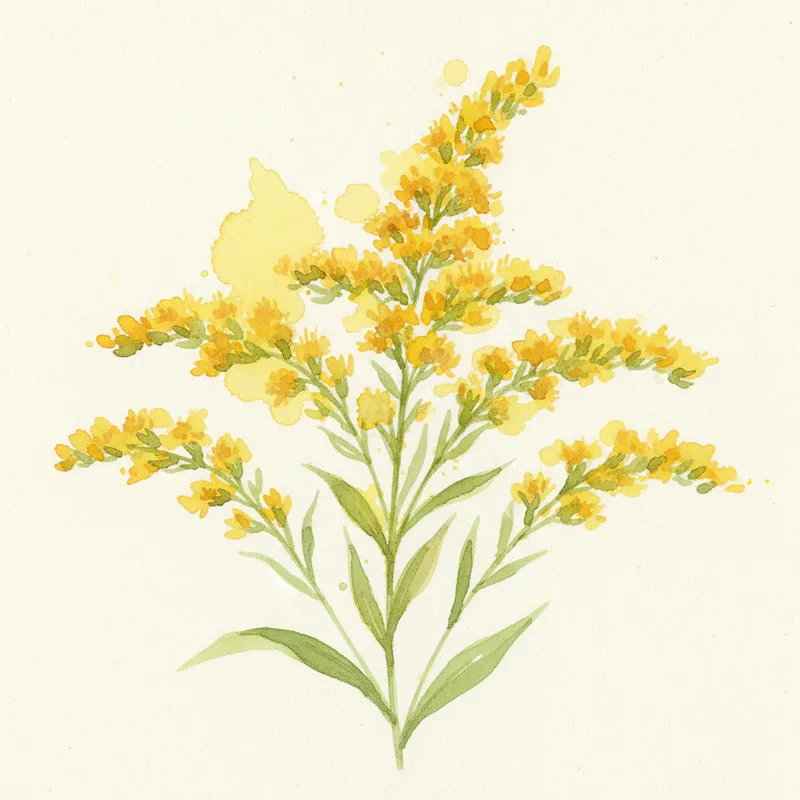
- The classic fall pairing. Aster and goldenrod, or showy goldenrod for a tighter upright spike. Purple against gold, both natives, both feeding the same insects.
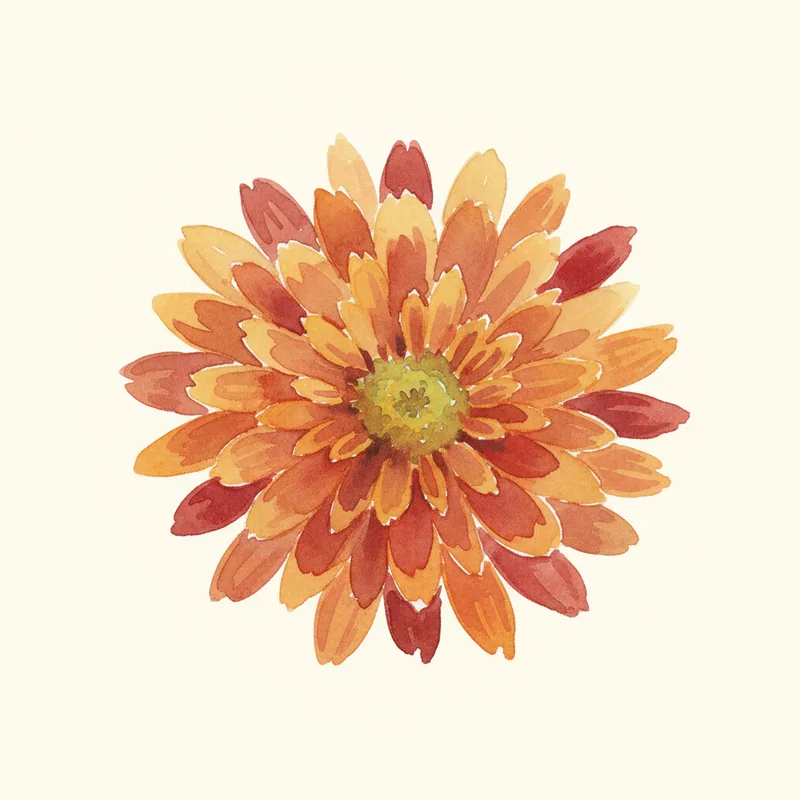
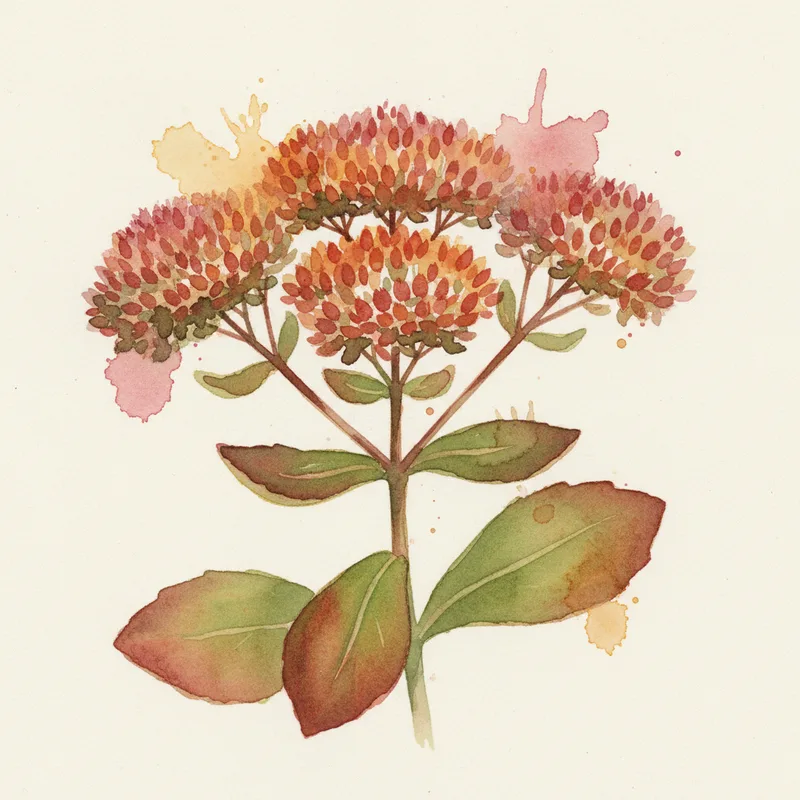
- The nursery-bench pairing, done properly. Chrysanthemum is what asters are sold beside, and the two genuinely work together; our hardy mums guide covers the half of that pairing that usually dies by spring, and why. Add 'Autumn Joy' sedum or plain sedum for a third texture that ages to copper, though it wants leaner, drier soil than the aster does (see our Autumn Joy growing guide).
- Movement behind the daisies. Little bluestem, switchgrass, miscanthus or fountain grass. Grasses are what stop a bed of fall daisies looking like a bed of fall daisies.
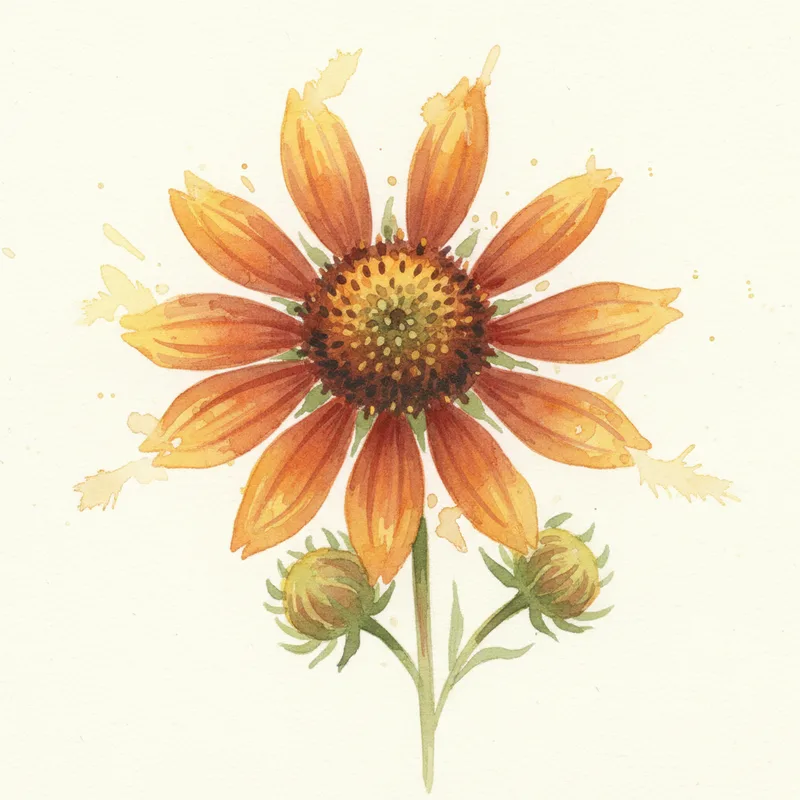
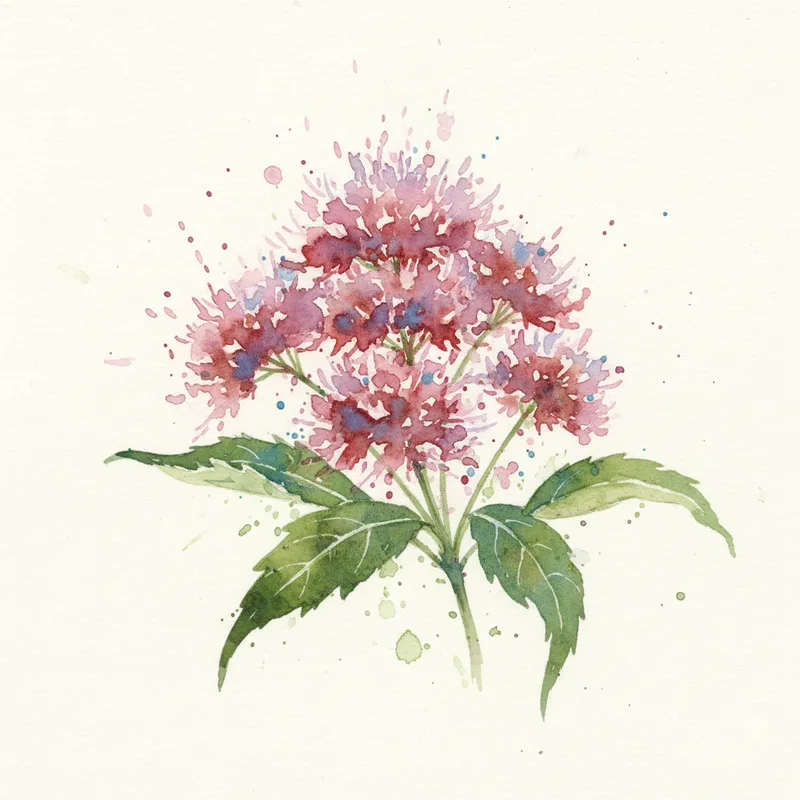
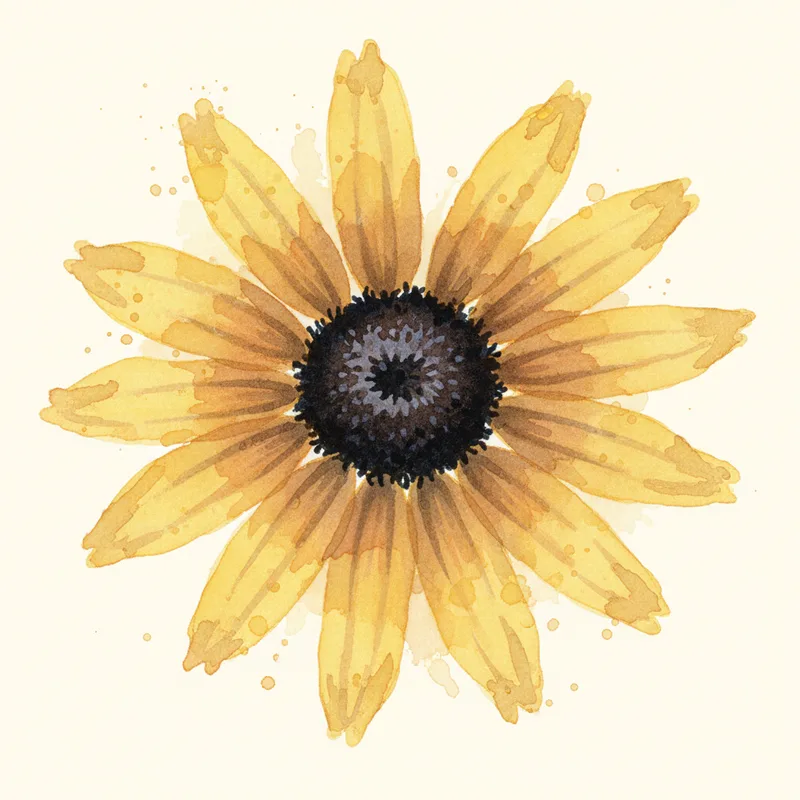
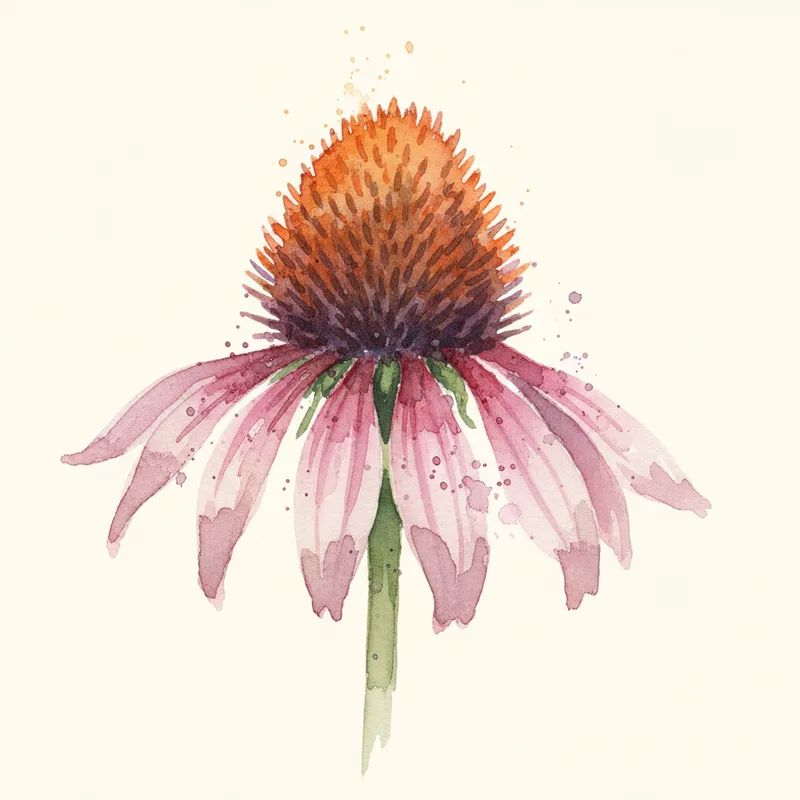
- The relay that gets you here. Black-eyed Susan, coneflower, liatris and Joe-Pye weed carry midsummer, then hand off as they fade.
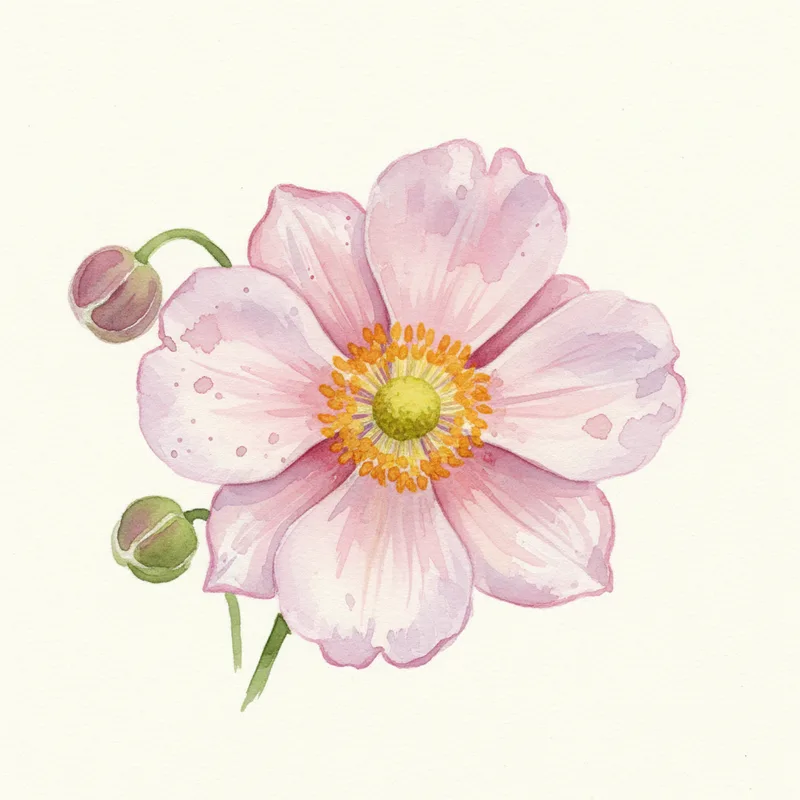
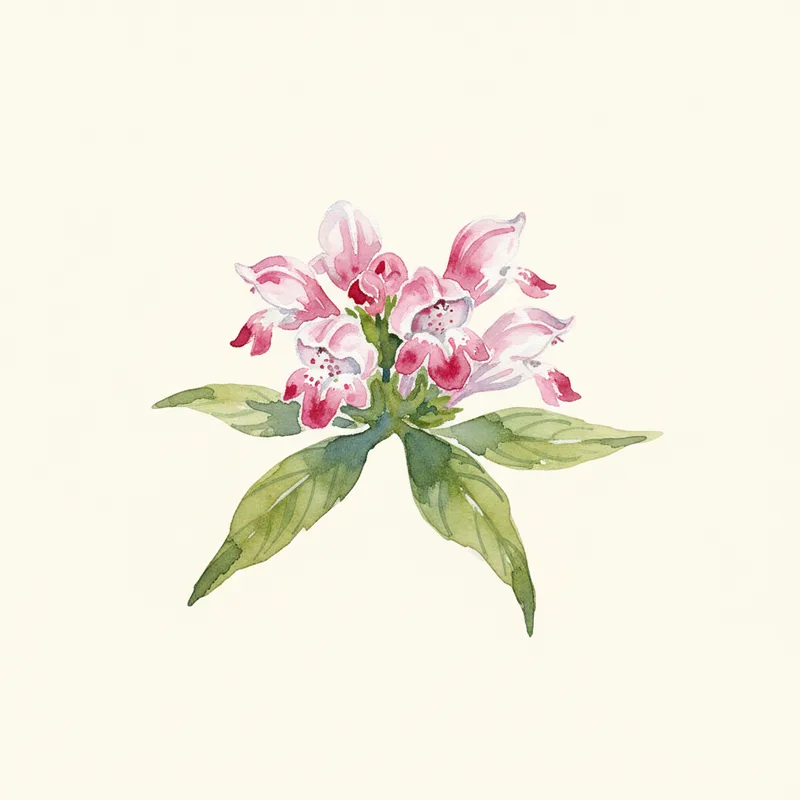
- Damp ground and shade. Turtlehead and helenium want the same moisture New York aster does, and Japanese anemone covers the fall spot where an aster would never get its six hours. For a surprise underneath, colchicum comes up on bare stems in September and drifts beautifully through a low aster.
For a whole bed built on this idea, see our Pollinator Powerhouses and Native Plants collections.
Common aster questions
Do asters come back every year?
The garden asters do. Missouri Botanical Garden lists both New England aster (Symphyotrichum novae-angliae) and New York aster (Symphyotrichum novi-belgii) as herbaceous perennials hardy in zones 4 to 8, and Penn State gives asters 3 to 8. The exception is the China aster, Callistephus chinensis, which Missouri Botanical Garden files as an annual native to China. Check the botanical name on the tag: a Symphyotrichum comes back, a Callistephus does not.
Why is my aster called Symphyotrichum now?
Because the old genus Aster turned out not to be one group of related plants. The Astereae Lab at the University of Waterloo describes the evidence as analyses of morphology, chloroplast DNA restriction fragment length polymorphisms and ITS sequence data, and the result was that most species North American botanists had filed under Aster belong instead in Eurybia, Symphyotrichum and a set of smaller genera. Aster in its strict modern sense, built around the European type species Aster amellus, is Eurasian. NC State lists Aster novae-angliae as a previous name for New England aster. The common name never changed, only the botany did, which is why nursery tags and search results still disagree.
Will an aster bought in bloom in fall survive the winter?
It depends on when you plant it, not on the fact that it was blooming. Illinois Extension's fall planting guidance is to get perennials in the ground about six weeks before the first frost, because soils hold their heat while air temperatures fall and that is when new roots grow. Count back six weeks from your average first frost date. Inside that window a hardy aster should establish and return; outside it, the same source warns against planting too close to the first frost. Water it in thoroughly, keep watering to the first hard frost, then mulch two to three inches deep once nighttime temperatures reach about 32 degrees.
Why do my asters get white powder on the leaves?
Powdery mildew, which every source we read lists as this plant's main problem. Missouri Botanical Garden reports some susceptibility for New England aster and says simply susceptible to powdery mildew for New York aster, and Penn State notes that New York varieties are the more susceptible of the two. The fixes are spacing and steady moisture: Missouri Botanical Garden's culture line on every aster page is that good air circulation helps reduce incidence of foliar diseases. If it recurs every year, change plants rather than routines, since NC State reports no serious insect or disease problems for aromatic aster.
Why do my asters flop over?
Because they get tall. Missouri Botanical Garden gives New England aster 3 to 6 feet and lists staking under Problems. The free fix is pinching: the same source says pinching back stems several times before mid-July will help control plant height, promote bushiness and perhaps obviate the need for staking, and adds that pinching back will also delay flowering. That delay is the cost, and it matters most in cold zones where the plant is already racing frost. The other fix is buying short: Missouri Botanical Garden puts 'Purple Dome' at 18 to 24 inches with the note that no staking is required.
When do asters bloom?
Late summer into fall, with the sources disagreeing about October. Missouri Botanical Garden lists August to September for New England aster and August to October for New York aster. NC State gives New England aster August to October and aromatic aster late summer until the first frost. August and September are the two months every listing covers, so count on those and treat October as your season's business rather than a promise.
Do deer eat asters?
Sometimes. NC State Extension rates New England aster as having moderate deer resistance, and aromatic aster as resistant to browsing by deer and rabbits, crediting the balsam-like fragrance its stems release when crushed. No source we read calls any aster deer-proof, so treat them as plants deer usually skip rather than ones they cannot eat. Where pressure is heavy, aromatic aster is the stronger choice.
Should I cut asters back in fall?
You can, and the reason is control rather than health. Missouri Botanical Garden says New England aster may self-seed in optimum conditions and that plants may be cut to the ground after flowering to prevent unwanted self-seeding or if the foliage has become unsightly. Leaving them standing gives you winter structure and seed, since NC State notes songbirds and small mammals eat the seeds. Separately from either choice, Penn State says to divide asters every two to three years in spring to maintain vigor and flower quality, and that is the job that actually keeps an old clump flowering well.
Related reading
- Rudbeckia: How to Grow Black-Eyed Susan That Returns
- Echinacea: How to Grow Purple Coneflower That Returns
- What to Plant in September
- What's Blooming in October
- How to Build a Pollinator Garden That Works
- Native Plants by Region: What to Grow Where You Live
- Fall Garden Cleanup: What to Cut Back and What to Leave
- How to Divide Perennials (When, Why, and Without Killing Them)
- Building a Winter Interest Garden (Plants for the Bare Months)
Browse fall in your zone
See what blooms alongside asters where you live: Zone 4 in fall · Zone 5 in fall · Zone 6 in fall · Zone 7 in fall · Zone 8 in fall. Or start from the plant finder and let it match your zone for you.

What's growing, what's blooming, what's worth planting.
For gardeners who like to stay ahead.