National Pollinator Month: 12 Flowers to Plant Right Now
June is National Pollinator Month, and it is not too late to plant. These 12 flowers go in the ground now and feed bees, butterflies, and hummingbirds straight through frost.
June is National Pollinator Month, and it lands at exactly the right time. Bees are out, butterflies are moving north, hummingbirds have arrived, and the soil is finally warm enough that almost anything you plant takes hold fast. If you have been meaning to do something for the pollinators and felt like you missed the spring window, you did not. Early summer is one of the best planting moments of the year for this exact job.
The trick is choosing flowers that go in the ground now and start feeding pollinators within weeks, then keep feeding them until hard frost. A one-and-done bloomer is a missed opportunity. Below are 12 that earn their space, split into annuals you can buy or sow this week and perennials that pay you back every year. For the design side of all this (how to arrange them so something is always in bloom), see our companion guide on building a pollinator garden that actually works.
Plant these annuals now for fast color
Annuals are the instant gratification of a June pollinator garden. Buy them as starts at the nursery or direct-sow the fast ones, and you will have flowers in four to eight weeks.
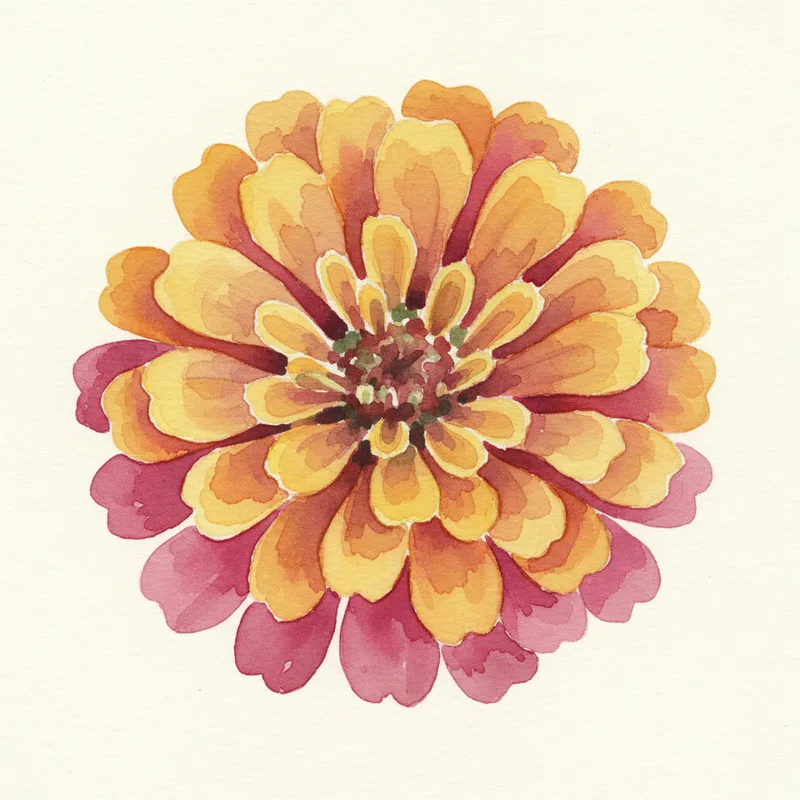
Zinnia. If you plant one thing this month, plant zinnias. They germinate in days, bloom in about six weeks from seed, and their flat, open faces are a perfect butterfly landing pad. The more you cut, the more they throw. Direct-sow them now in any sunny spot and they will run until frost.
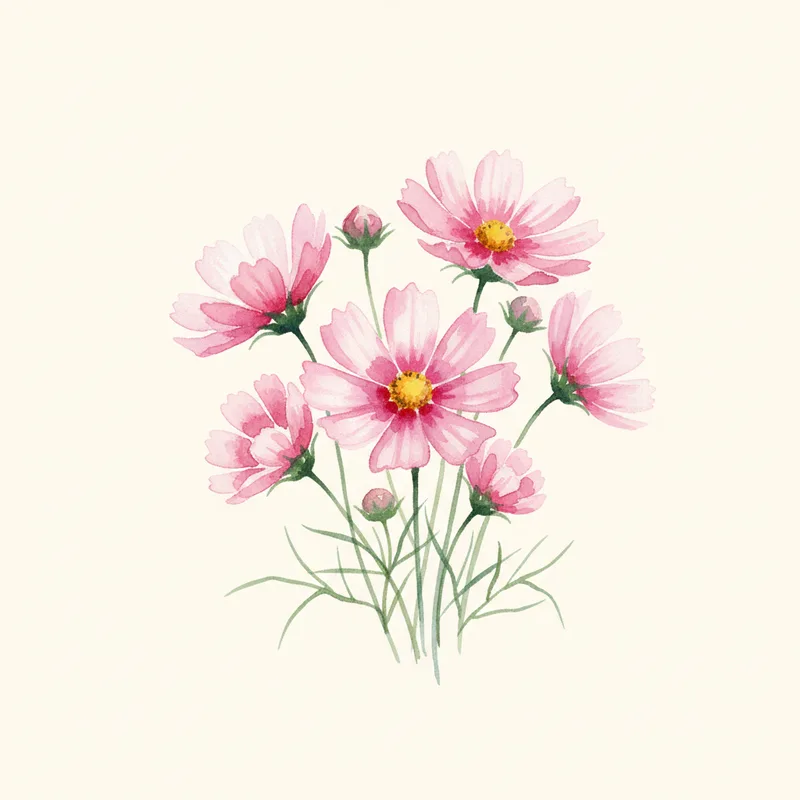
Cosmos. Airy, effortless, and beloved by bees and hoverflies. Cosmos thrive in poor soil and actually flower less if you over-feed them, which makes them ideal for the neglected sunny corner. Scatter seed now and thin lightly.
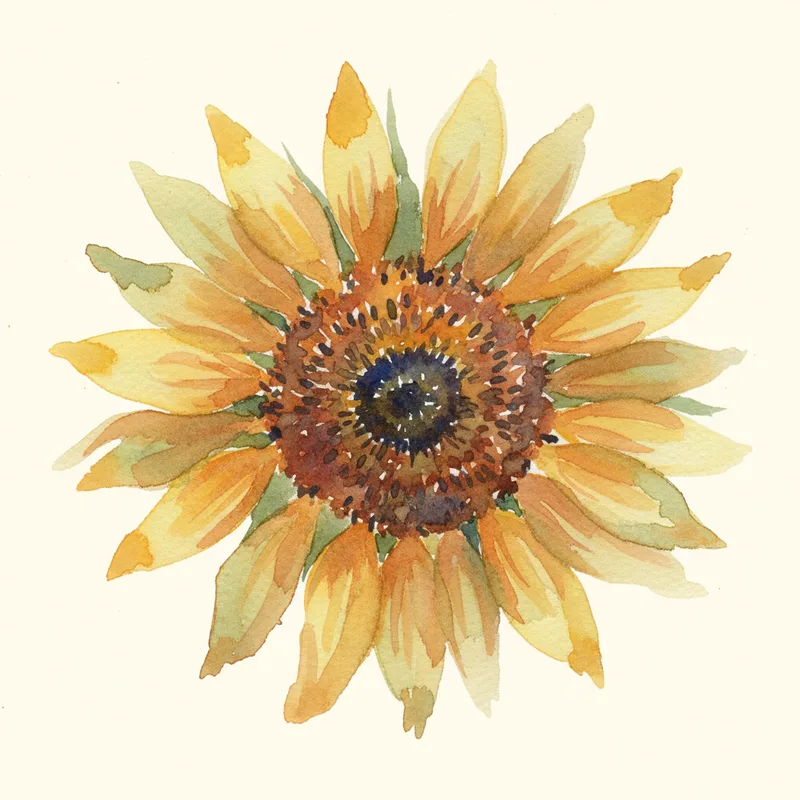
Sunflower. Native, generous, and a one-stop shop: bees work the disc all summer, then finches strip the seedheads in fall. Sow a few every two weeks through June for a rolling supply of blooms. Leave the spent heads standing for the birds.
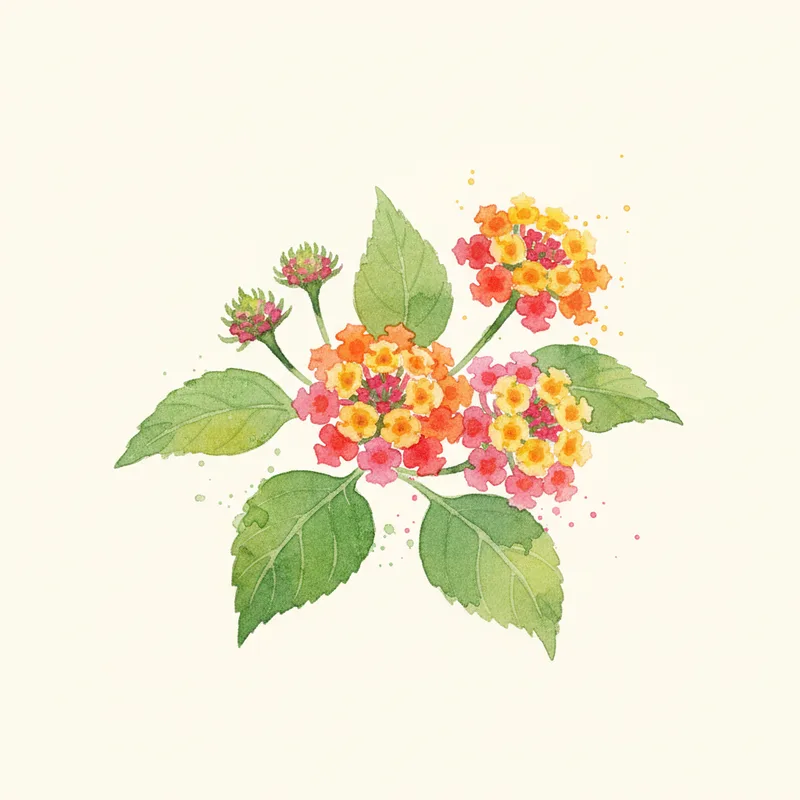
Lantana. The heat champion. While cool-season bedding plants melt in July, lantana blooms harder the hotter it gets, and butterflies cover it. Buy it as a start now, give it full sun, and forget about it. In zones 9 and warmer it comes back as a perennial.
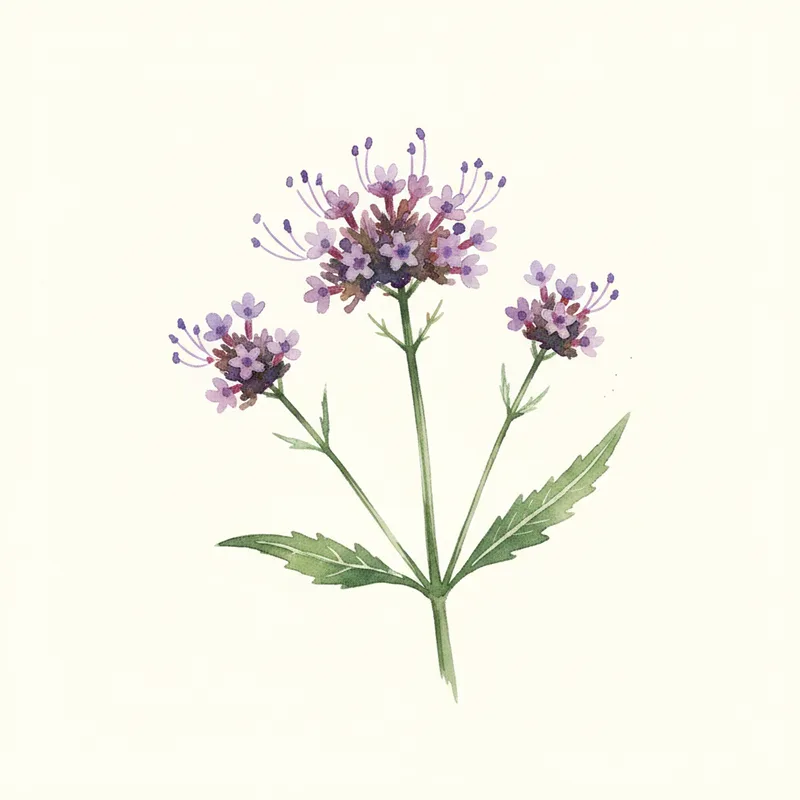
Tall Verbena. Verbena bonariensis is a butterfly magnet on stilts. The wiry, see-through stems top out around four feet with small purple clusters that swallowtails and monarchs work obsessively. Plant it now toward the back or middle of a bed where you can see through it.
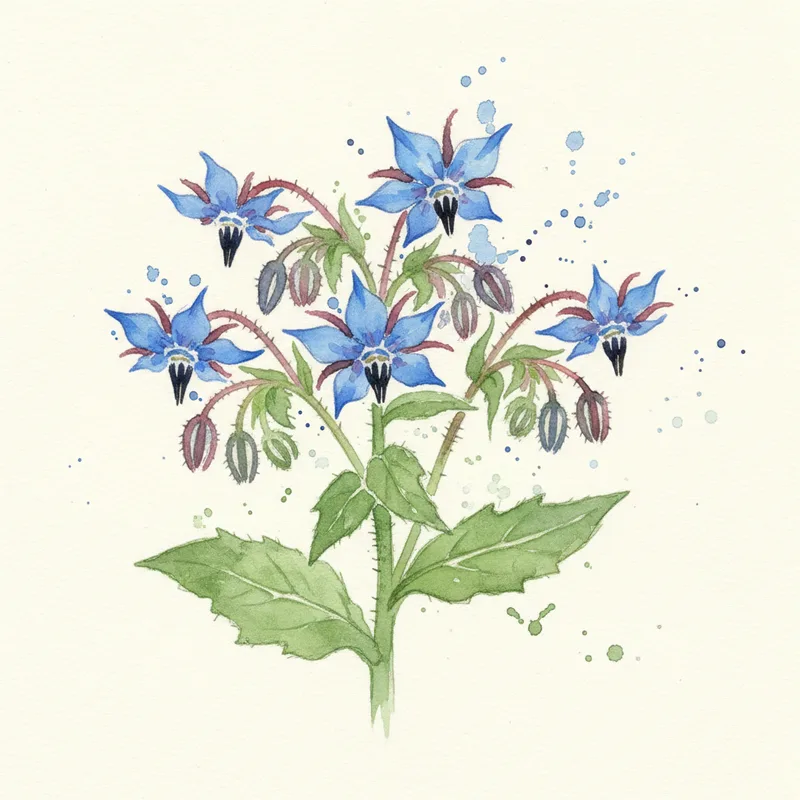
Borage. Electric blue, star-shaped, and the single best bee plant most people have never grown. Bees visit each flower repeatedly because borage refills its nectar within minutes. It self-sows freely, so one June planting becomes a permanent fixture. Bonus: the flowers are edible.
Plant these perennials now and they come back forever
Perennials planted in June have all summer to root in before winter. They may bloom modestly this year and then explode in year two. This is the long game, and it is the part of a pollinator garden that compounds.
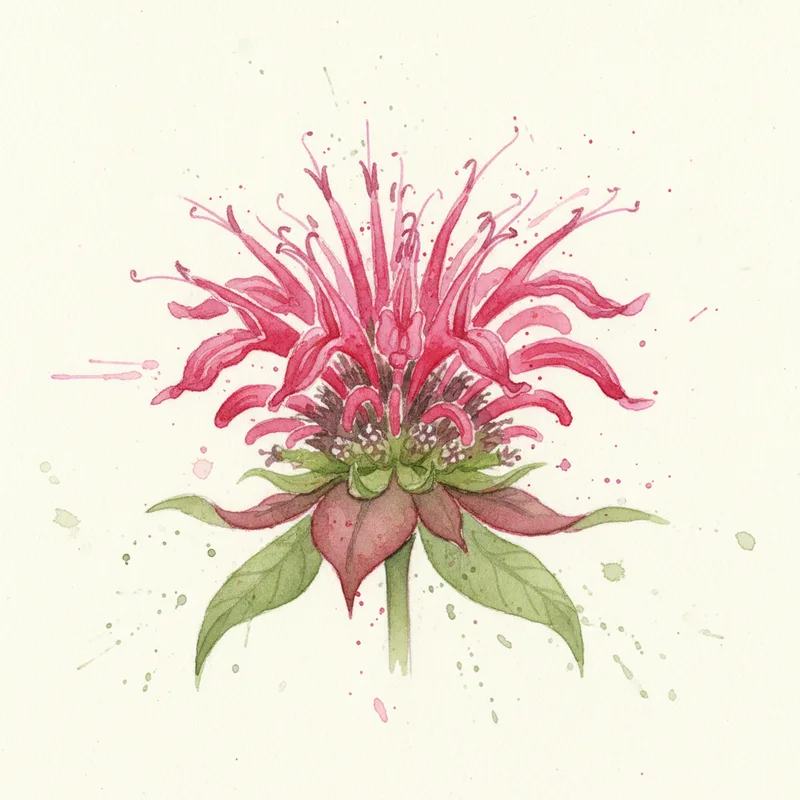
Bee Balm. Hummingbirds fight over the shaggy red and purple crowns, and bees and butterflies pile on. It is a native, it spreads into a generous clump, and it blooms right through midsummer. Plant it where you can watch from a window because the hummingbird traffic is the whole show.
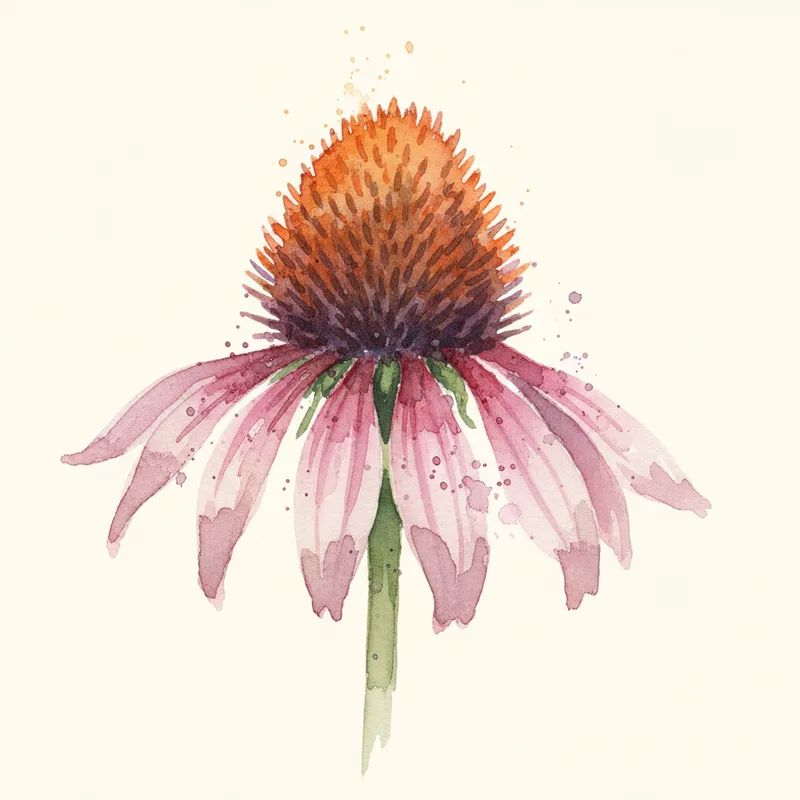
Coneflower. The workhorse of the American pollinator garden. The flat purple petals are a butterfly landing strip and the central cone is a methodical bee buffet. Tough as nails, drought-tolerant once established, and the winter seedheads feed goldfinches. Plant in groups of three or more so passing pollinators can actually find it.
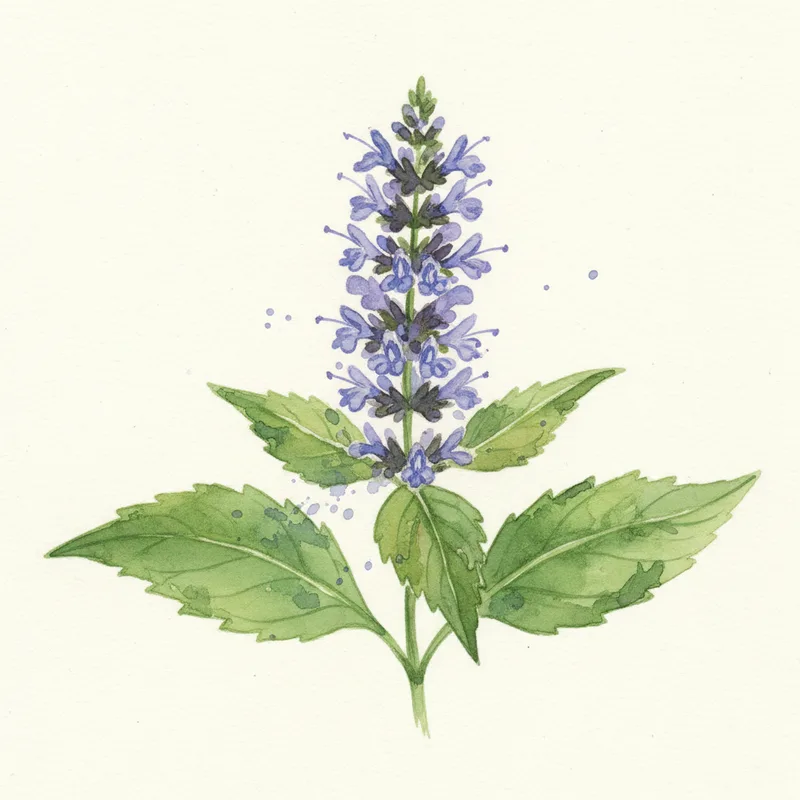
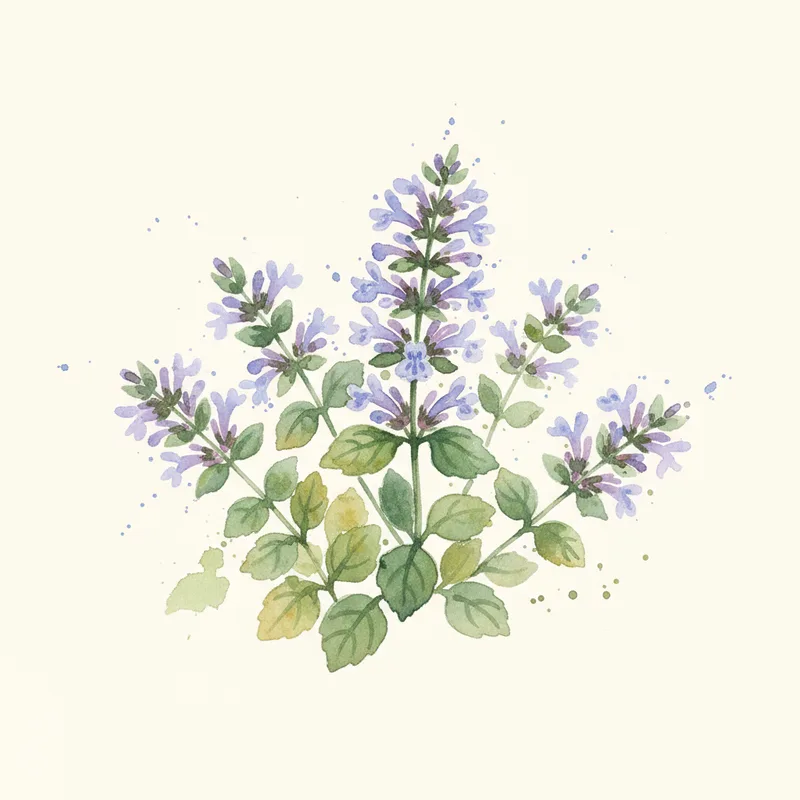
Anise Hyssop. One of the most underrated pollinator plants there is. The lavender-blue spikes bloom for months, the licorice-scented foliage shrugs off deer, and bees absolutely swarm it. It also self-sows politely, filling in over time.
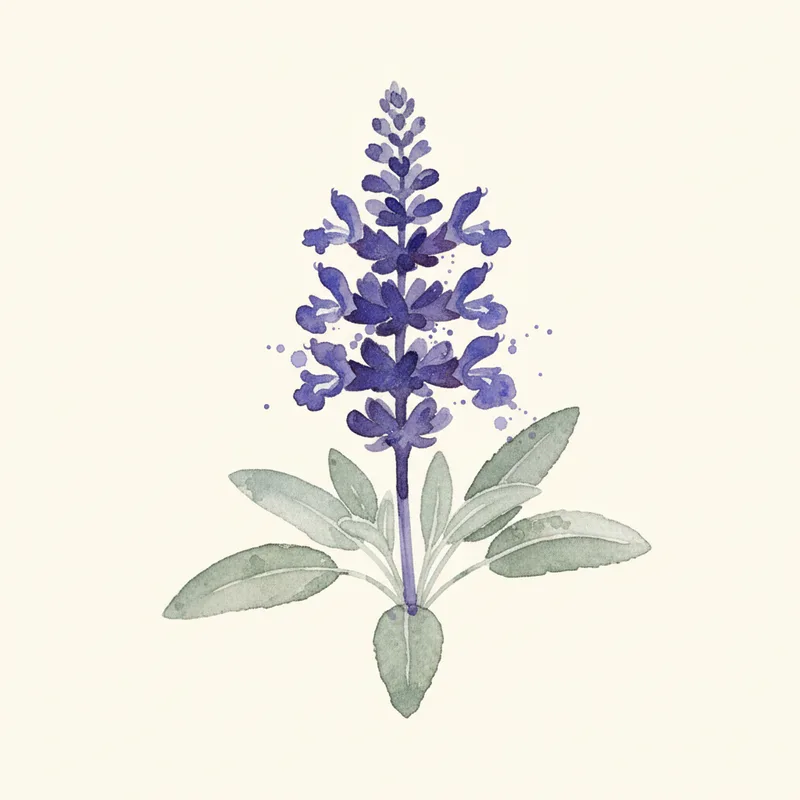
Salvia. Vertical purple spikes that hummingbirds and bees cannot resist. Perennial salvias bloom in early summer, and if you shear them back after the first flush they rebloom into fall. Pairs naturally with coneflower and catmint, another season-long pollinator favorite worth adding if you have room.
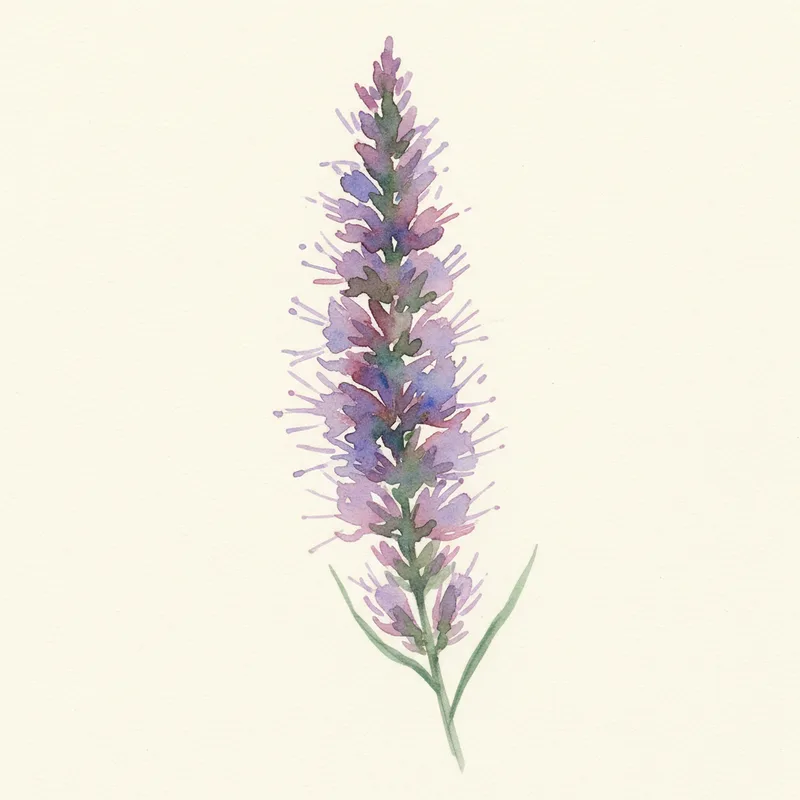
Liatris. Blazing star sends up tall purple bottlebrush spikes in midsummer that monarchs cannot pass up. It blooms unusually from the top down, looks striking in a group, and doubles as a cut flower. Plant the corms or nursery starts now in full sun.
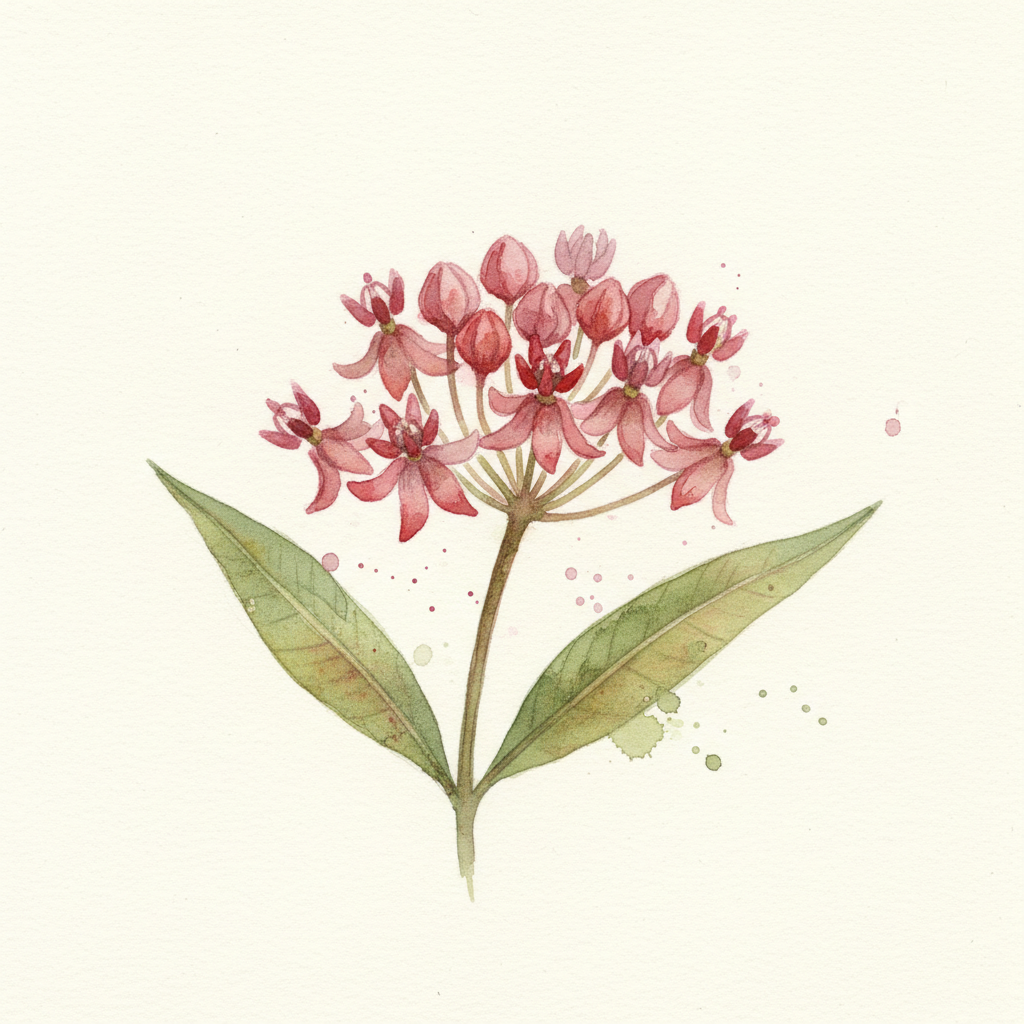
Swamp Milkweed. No pollinator list is complete without a milkweed, because it is the only plant monarch caterpillars can eat. Swamp milkweed produces soft mauve-pink clusters monarchs seek out for egg-laying and tolerates ordinary garden soil better than its name suggests. Plant it now and you are directly supporting the monarch migration.
Round out the season with fall bloomers
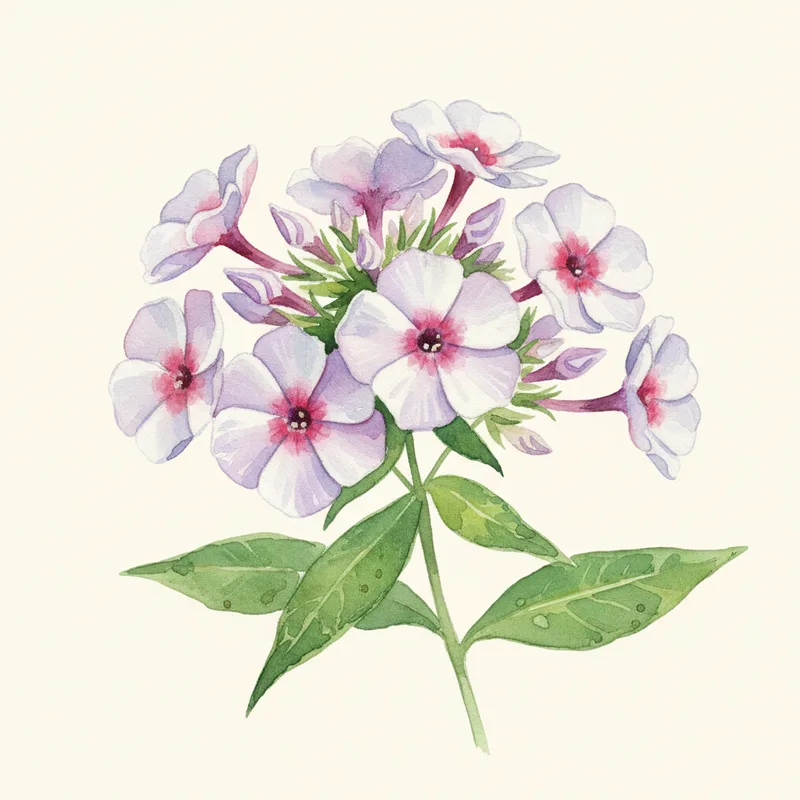
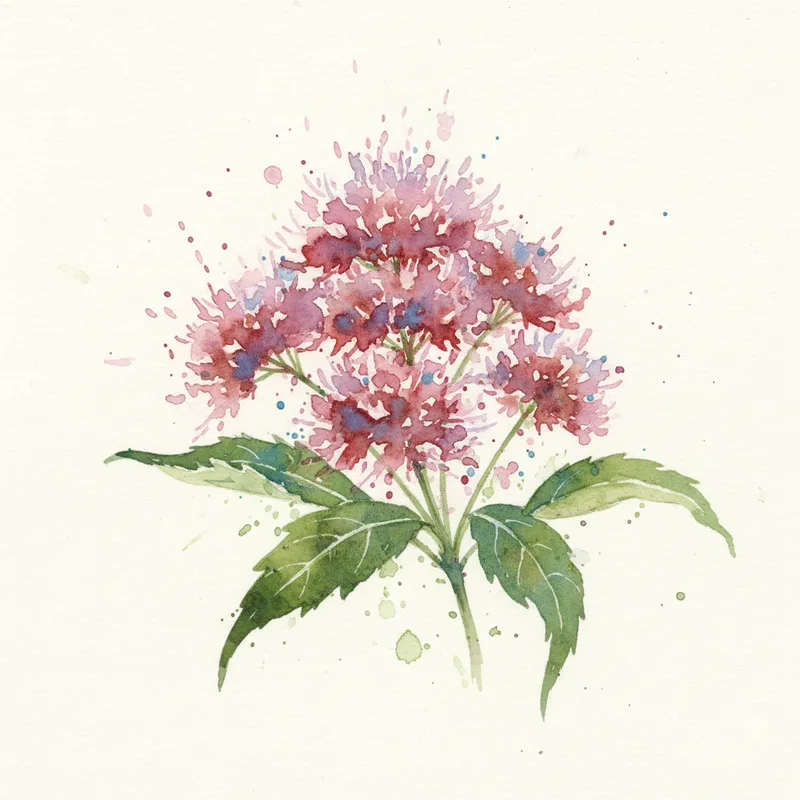
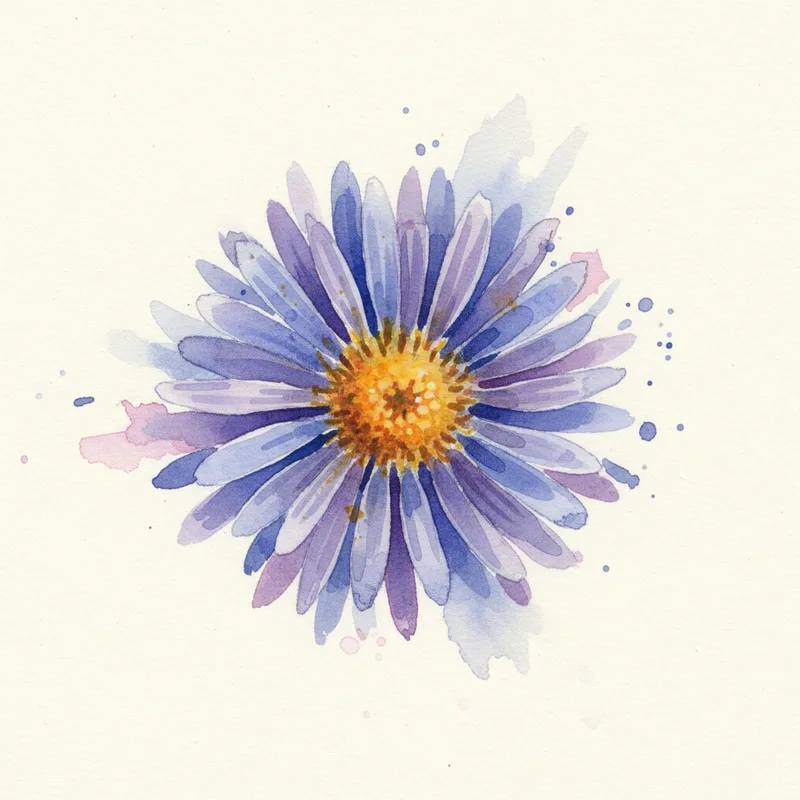
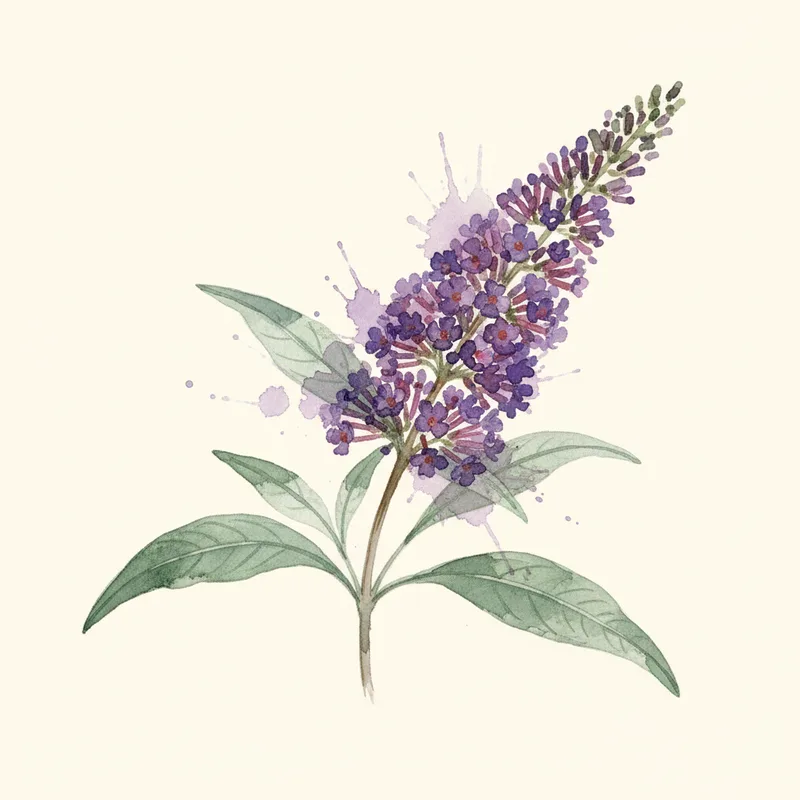
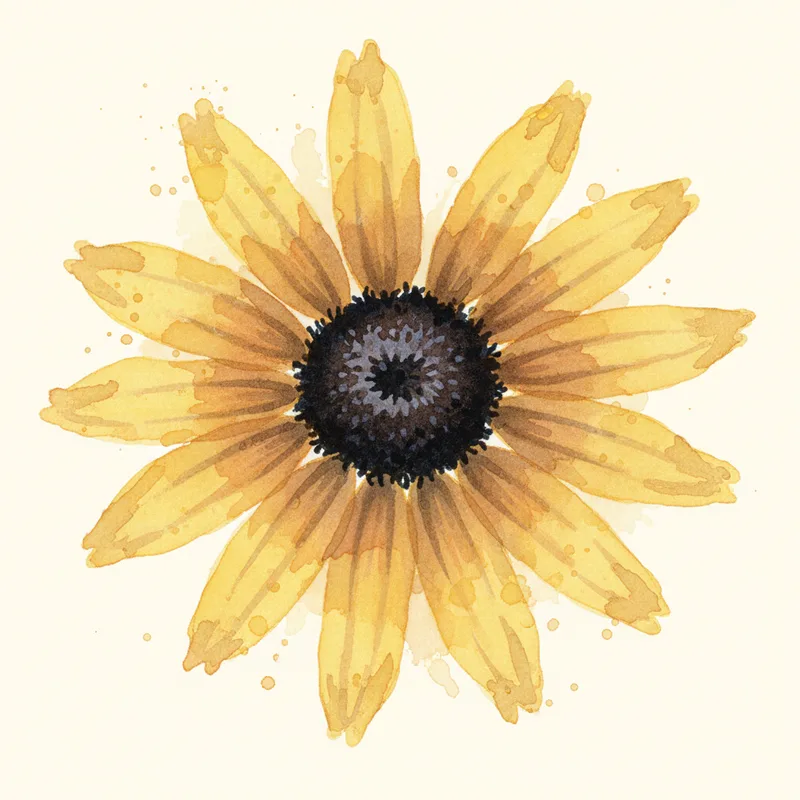
The most common mistake in a pollinator garden is forgetting September and October, when migrating monarchs and late-season bees are desperate for fuel. If you are planting in June anyway, add at least one fall bloomer now so it is established and ready. Aster and goldenrod are the classic late-season pair, and Joe-Pye Weed towers over the August border drawing butterflies from across the neighborhood. Black-Eyed Susan bridges summer into fall, and Garden Phlox perfumes the midsummer garden while feeding swallowtails. For a shrub that does the heavy lifting, Butterfly Bush earns its name, though you should plant it alongside true natives rather than in place of them.
Three rules that make it all work
First, plant in groups. A lone flower is invisible to a bee in flight, but a patch of five or seven is a billboard. Second, skip the double-flowered cultivars no matter how pretty: those extra petals block access to the nectar and pollen pollinators actually need. Third, do not spray. A single application of insecticide undoes everything else you have done here. If you want the bees and butterflies, you have to tolerate a few chewed leaves.
For the regional natives that support pollinators best in your specific part of the country, see our guide to native plants by region, and if hummingbirds are your priority, our hummingbird garden guide goes deeper on the tubular, nectar-rich flowers they prefer.
Build your pollinator garden
Use our garden planner to assemble a pollinator garden with bloom coverage from now through frost, and filter by the pollinator trait on the browse page to see every pollinator-friendly plant that grows in your zone.
What's growing, what's blooming, what's worth planting.
For gardeners who like to stay ahead.