Cosmos and Sunflowers: The Two Easiest Direct-Sow Annuals (and the Varieties Worth Growing)
If you have never grown anything from seed, plant cosmos and sunflowers. They germinate in 7 days, tolerate beginner-level neglect, and produce more flowers per square foot than almost anything else. Here are the varieties worth growing, the direct-sow rules that get you blooms by July, and how to keep them flowering until frost.
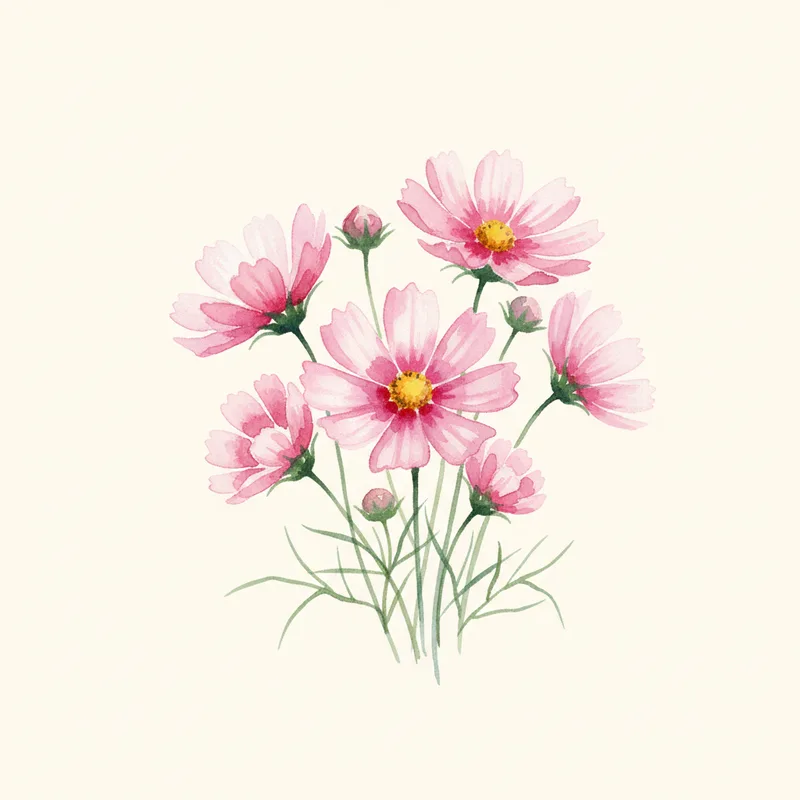
The two cheapest, easiest, most cooperative flowers a beginner can plant are cosmos and sunflowers. Both germinate in a week. Both can be direct-sown into the ground without any indoor starting. Both produce more flowers per dollar than almost anything else in the seed catalog. And both come in such a range of varieties that experienced gardeners grow them for entirely different reasons than beginners do. The cosmos in your neighbor's yard and the cosmos a flower farmer grows for $5-a-stem bouquets are different plants entirely.
Here are the varieties worth growing, organized by what you actually want them to do, plus the direct-sow rules that decide whether you get July flowers or August flowers.
The direct-sow rules
Both cosmos and sunflowers belong to the category of annuals that strongly prefer being sown directly in the ground rather than transplanted from indoor starts. Reasons:
- Their taproots resent disturbance. Transplanted plants sulk for 2 to 3 weeks before resuming growth.
- They germinate fast (5 to 10 days at 65°F+ soil) so there is no time saved by starting indoors.
- Direct-sown plants are sturdier, more drought-tolerant, and bloom slightly earlier than transplants.
The timing rule: sow seeds outdoors after the last frost date for your zone, when soil temperature is at least 65°F (sunflowers tolerate slightly cooler). In most of the US that is mid to late May for zones 5 to 7, late April for zones 8 and 9, and early June for zones 3 and 4.
The cosmos varieties worth growing
1. Cosmos 'Sensation Mix' (the standard)
The classic and the workhorse. Tall (4 to 5 feet), airy plants with daisy-like single flowers in pink, white, and crimson. The variety that defines what most people mean by "cosmos." Direct-sow after last frost. Blooms in 60 to 70 days from seed and keeps producing until frost. A $3 packet of Sensation Mix seeds will fill a 4-by-8-foot bed with flowers all summer.
Honest warning: Sensation Mix grown in rich soil gets tall and flops. Lean soil produces shorter, sturdier plants. This is one of the rare plants that genuinely performs better with less fertility.
2. Cosmos 'Double Click' (the ruffled showstopper)
If you want cosmos for cut flowers and arrangements, Double Click is the upgrade. Same easy direct-sow performance but with fully double, peony-form blooms in burgundy, pink, white, and bicolor. Each flower has 50+ petals instead of the standard 8. Slightly shorter plants (3 to 4 feet) on sturdier stems. Floret Farm and the rest of the boutique flower world built their cosmos game around the Double Click and similar fluffy-form varieties.
3. Cosmos 'Bright Lights' (the color punch)
Bright Lights is a different cosmos species (Cosmos sulphureus rather than C. bipinnatus). Shorter (2 to 3 feet), denser, with brilliant orange, yellow, and red single blooms instead of the cool pinks and whites of the standard cosmos. Heat-loving, drought-tolerant, and ideal for full-sun beds in hot climates. Direct-sow after last frost. The cosmos to grow if you want hot color rather than pastels.
The sunflower varieties worth growing
1. Mammoth Russian (the giant)
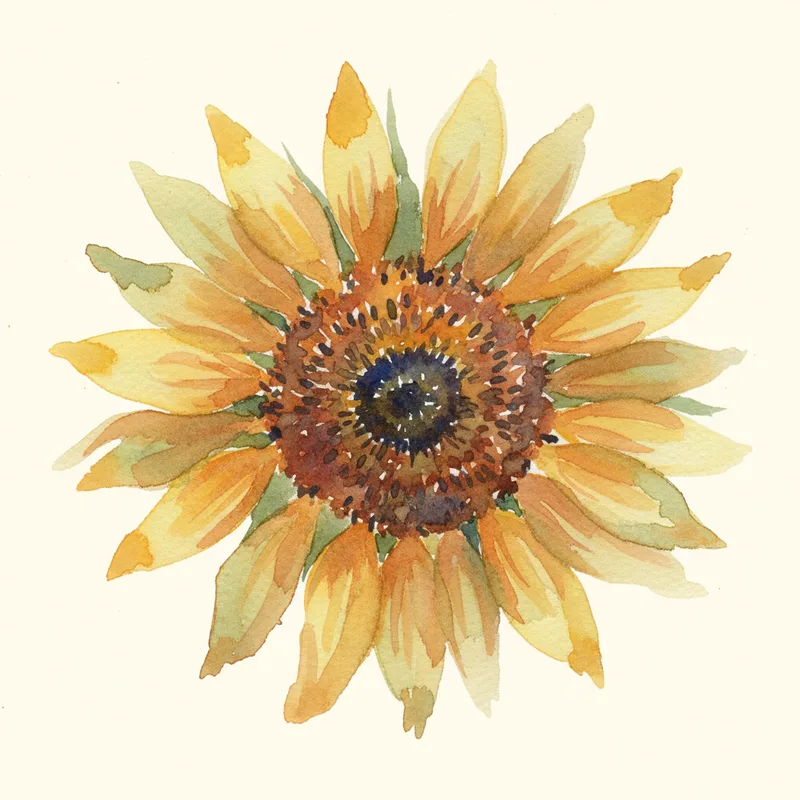
The classic giant sunflower. Grows 8 to 12 feet tall with a single 12 to 14 inch flower head packed with edible seeds. One plant per square foot. Ideal for kids' gardens, fence-line backdrops, or anyone who wants to grow sunflowers for the actual seed harvest. Direct-sow after last frost. Blooms 75 to 90 days from seed.
2. ProCut Series (the cutting standard)
If you want sunflowers for bouquets, the ProCut series is what flower farmers actually grow. Single-stem (no branching), uniform 5 to 7 inch flowers on perfectly straight 5- to 6-foot stems, available in classic gold, deep red, white, and bicolor. The single-stem habit means one plant produces one cuttable bloom, so you plant a dense row (4 inches apart) for high stem count. Sow weekly from May to July for continuous bouquets all summer.
3. Italian White / Lemon Queen (the branching cutter)
Italian White and Lemon Queen are the branching counterpart to ProCut. Each plant produces 6 to 10 cuttable side stems over a 6-week window, giving you a continuous harvest from a smaller planting. The flowers are smaller (4 to 5 inches) but more abundant per plant. Italian White has cream-white petals with chocolate-brown centers (the most-photographed sunflower in any cutting garden); Lemon Queen has soft lemon-yellow petals.
4. Teddy Bear (the conversation piece)
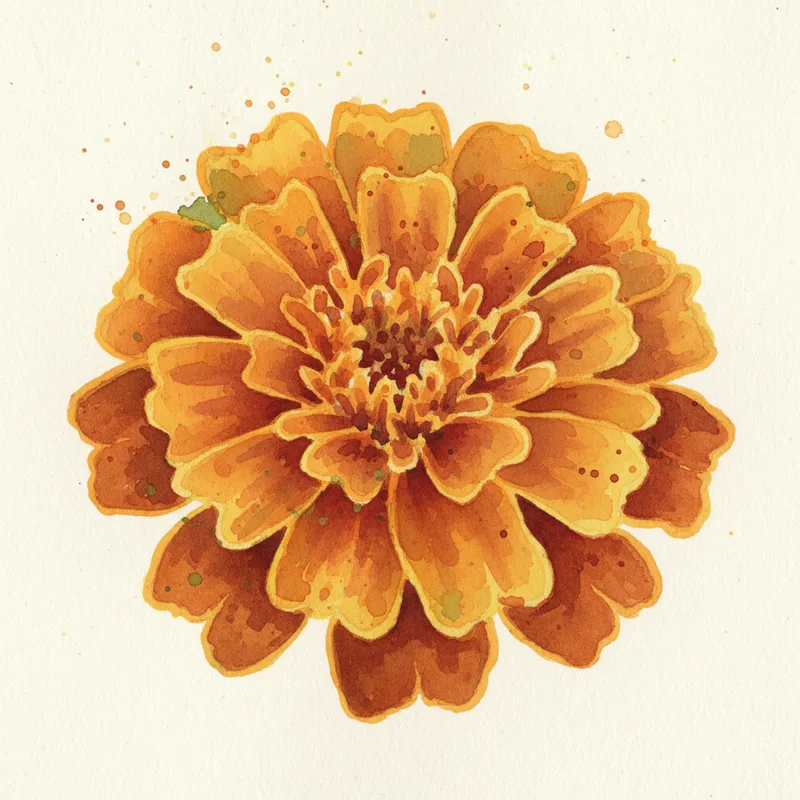
Teddy Bear is a dwarf double sunflower with shaggy fully-double golden blooms on 24- to 36-inch plants. Looks more like a giant marigold than a traditional sunflower. Great for container plantings and front-of-bed positions. Direct-sow or transplant equally well.
The succession-sowing trick
Both cosmos and sunflowers bloom for 5 to 8 weeks per planting, then start to wind down. To get continuous flowers from May through October, succession-sow every 2 to 3 weeks from your last frost date through about mid-July. Each wave hits peak bloom 60 to 80 days later, so a final sowing in mid-July gives you flowers into early October in most zones.
This is the single thing that separates serious cutting gardeners from casual ones. A spring-only sowing gives you a 6-week window of flowers. Succession-sowing gives you 16 to 20 weeks.
How to handle the floppy-cosmos problem
Tall cosmos varieties in good soil flop over by midsummer under their own weight. Three fixes:
- Plant in poorer soil. The plants stay shorter and sturdier. Counterintuitive but works.
- Pinch the central growing tip when plants are 12 inches tall. Forces the plant to branch low. You get a shorter, bushier plant with more flowers per plant.
- Stake or net at planting. Drive 4-foot bamboo stakes every 3 feet through the bed and run two horizontal strings between them at 18 and 36 inches. The plants grow through the net and support themselves.
Cosmos and sunflowers as part of a cutting garden
Both belong in any cut-flower garden. They are the volume producers that fill out arrangements without making each bouquet feel "the same." Pair with zinnias for the structural focal flowers, marigolds for the saturated warm tones, and dahlias for the late-summer statement blooms. Our full guide to the best annuals to start from seed covers the rest of the lineup.
Pollinator value
If you are growing for pollinators rather than cutting, cosmos and sunflowers are both top-tier. The single-form cosmos (Sensation, Bright Lights) have accessible open centers that small native bees and butterflies can land on and feed from. Sunflowers feed bees and produce seed heads that goldfinches and chickadees feed on through winter. Leave a few spent sunflower heads standing in the fall for the birds.
Related reading
- The 7 best annuals to start from seed for a cutting garden
- Specialty zinnia varieties for nonstop summer color
- How to grow a cut flower garden
- Pollinator garden planning
- What to direct sow in late June for fall color - cosmos and sunflowers are the foundation of the late-June window.
Browse summer annual zones
What's growing, what's blooming, what's worth planting.
For gardeners who like to stay ahead.