Spring Bulbs After Tulips: What Blooms in Late April and May
Tulips fade and the garden goes blank for three weeks before summer perennials kick in. These plants fill that gap with color from late April through May.
There is a moment in late April when the tulips drop their petals and the garden suddenly looks like nobody lives there. The big spring show is over, summer perennials are barely poking out of the ground, and you are left staring at bare soil and fading foliage for two to three weeks. Every experienced gardener knows this gap. The good ones have solved it.
Bulbs that bloom after tulips
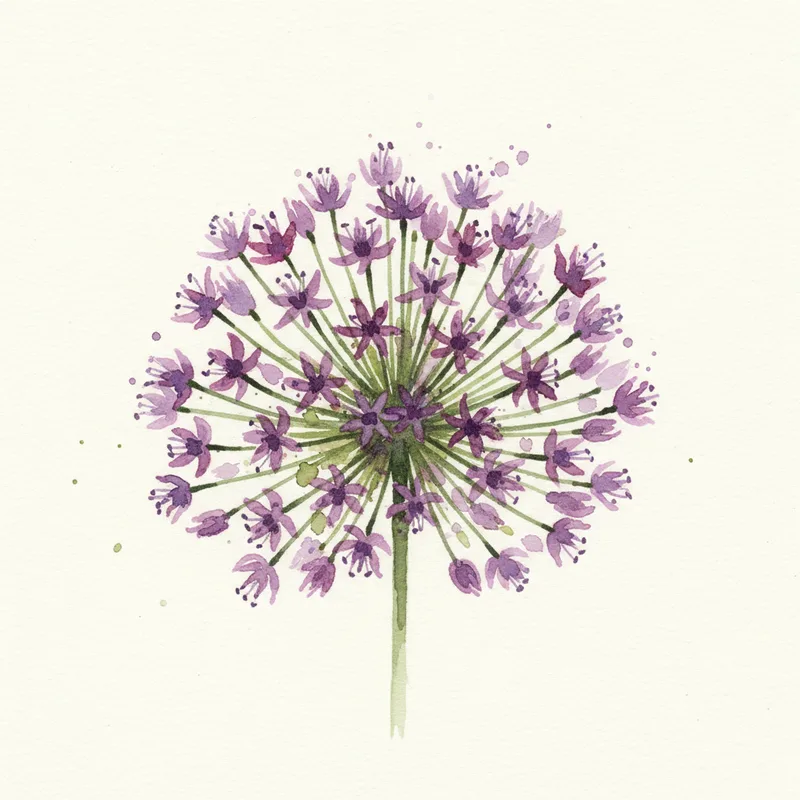
The fix starts with bulbs that peak in May rather than April. Alliums are the single best answer to the post-tulip gap. Their giant purple spheres rise on tall stems just as tulips are finishing, and they hold for weeks. The timing is almost too perfect. Plant them in fall alongside your tulips, 4-6 inches deep, and the relay is automatic. For the full lineup of varieties to plant this fall and the ordering calendar that decides what is available in October, see our guide to the best spring bulbs to plant this fall.
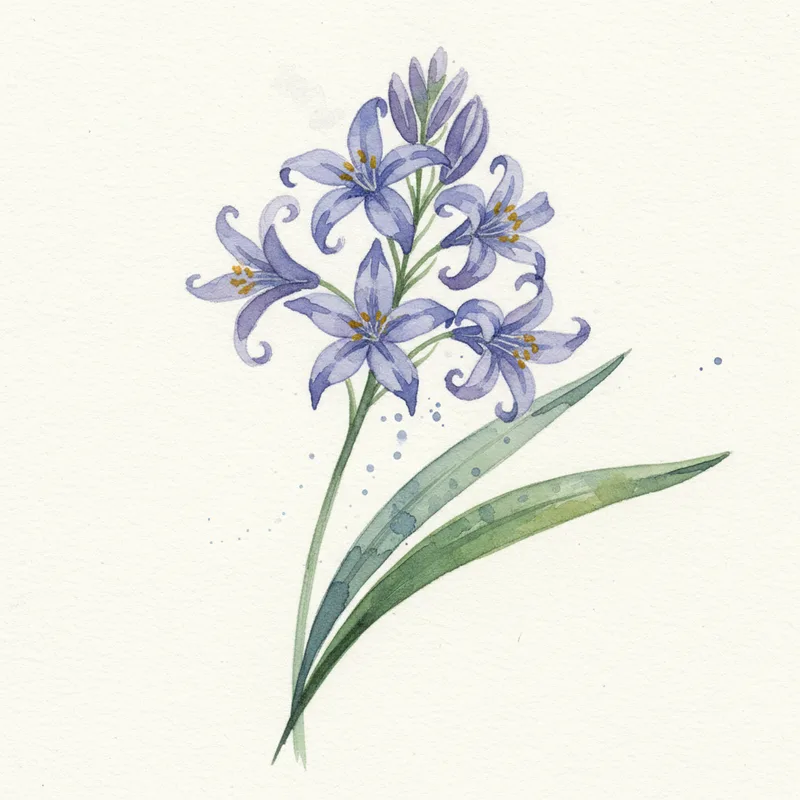
Camassia is criminally underplanted. Tall spikes of blue or white star-shaped flowers that bloom in May and thrive in damp soil where tulips would rot. If you have a wet spot in the garden, this is the bulb you have been looking for. Dutch iris fills the same window with slender, elegant blooms in purple, blue, yellow, and white. They look like miniature bearded irises but bloom earlier and cost a fraction of the price.
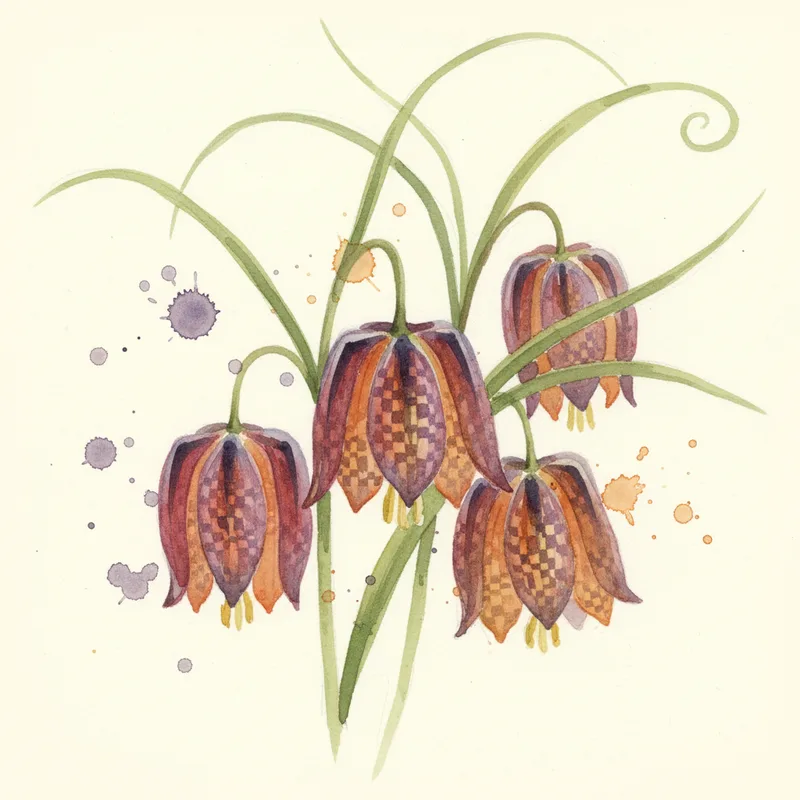
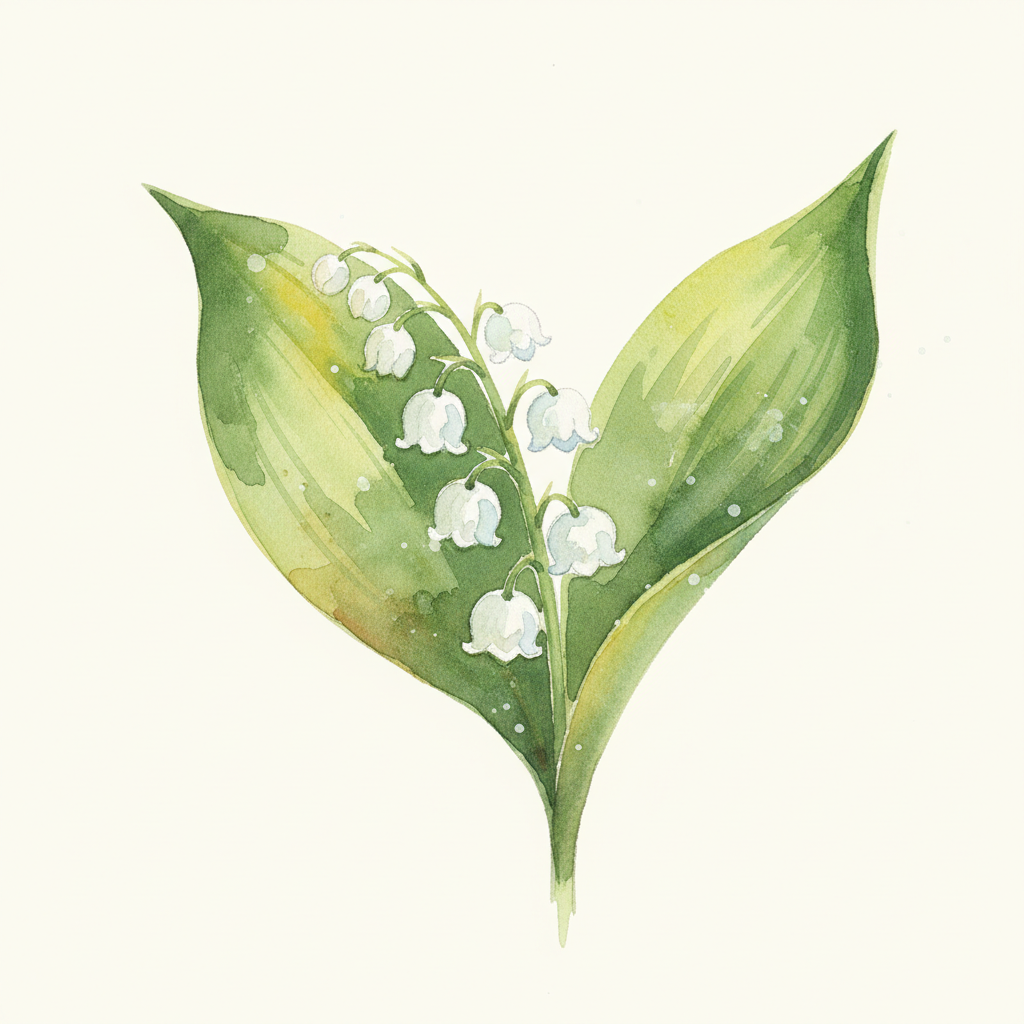
Fritillaria adds a moody, woodland quality to the late spring garden. The checkered bells of Fritillaria meleagris nod in dappled shade, and the towering crown imperial variety makes a dramatic statement. Lily of the valley spreads a fragrant carpet of white bells under trees in May. It is aggressive, so give it a spot where spreading is welcome.
Perennials that own late April and May
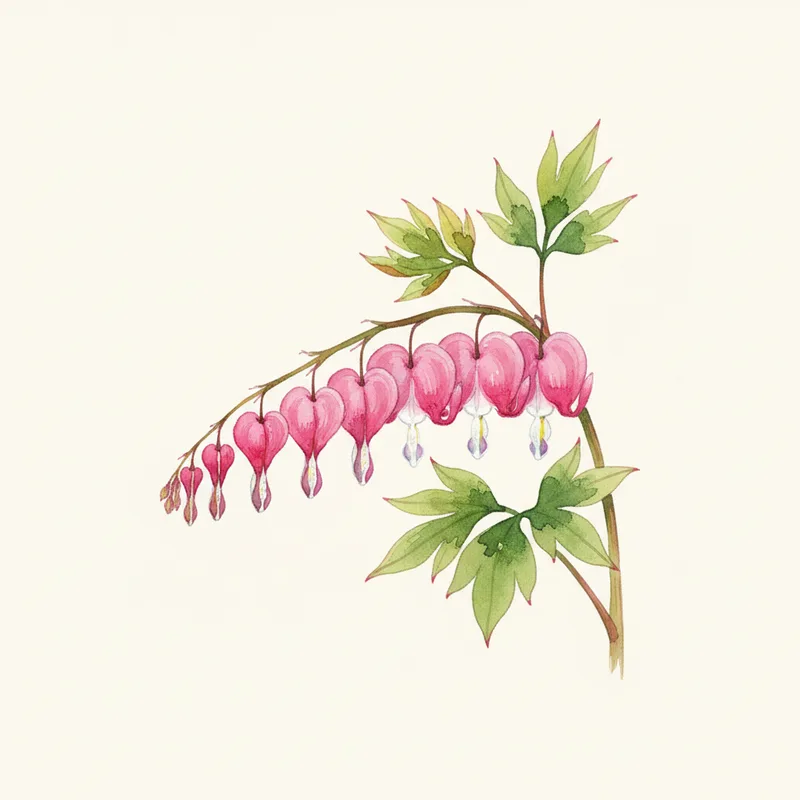
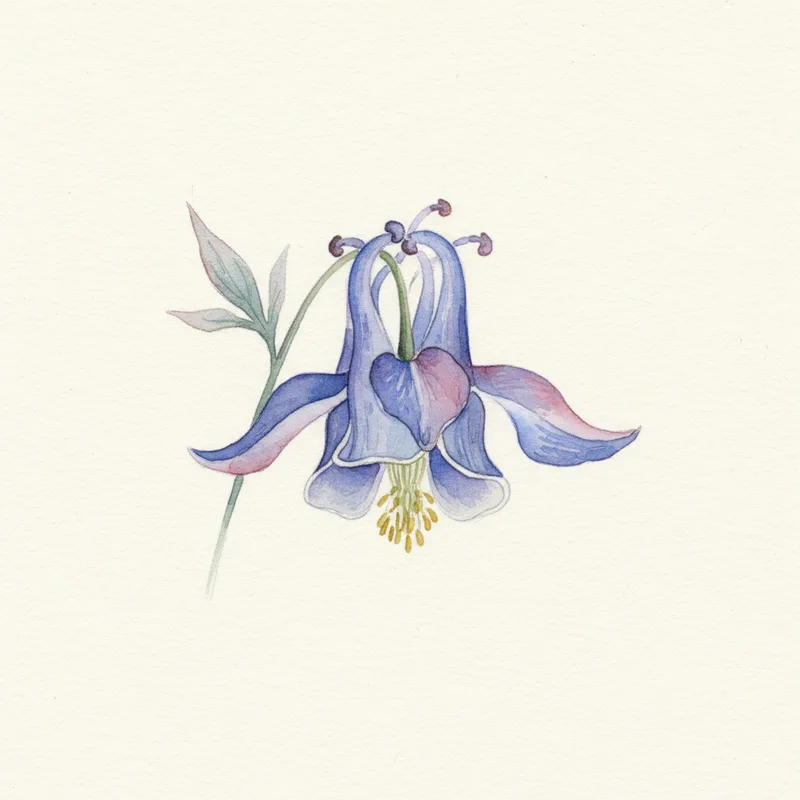
While bulbs are the quick fix, perennials are the long-term solution. Bleeding heart peaks in May with those iconic rows of dangling pink hearts on arching stems. It fills the shade garden at exactly the moment when spring bulb foliage is going yellow and ugly. Columbine self-seeds so generously that you plant it once and it appears everywhere, its spurred flowers in red, blue, yellow, and purple bridging the gap effortlessly.
Brunnera produces clouds of tiny blue forget-me-not flowers in late April and May, then follows with bold heart-shaped foliage that carries through summer. Virginia bluebells carpet woodland floors with blue in April and May, then disappear entirely by June. Plant them among hostas or ferns that will fill the space as the bluebells go dormant.
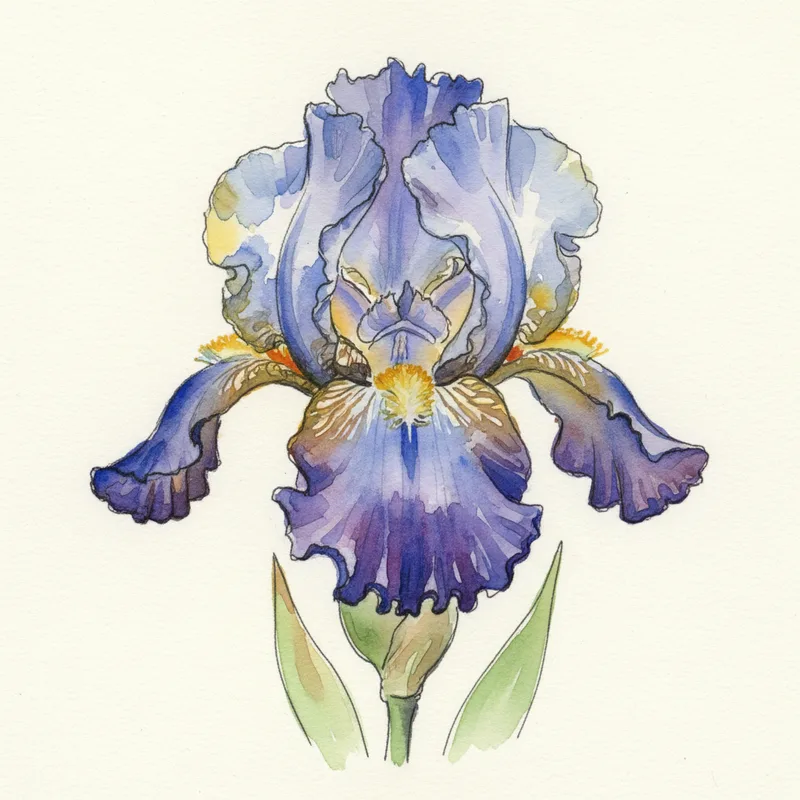
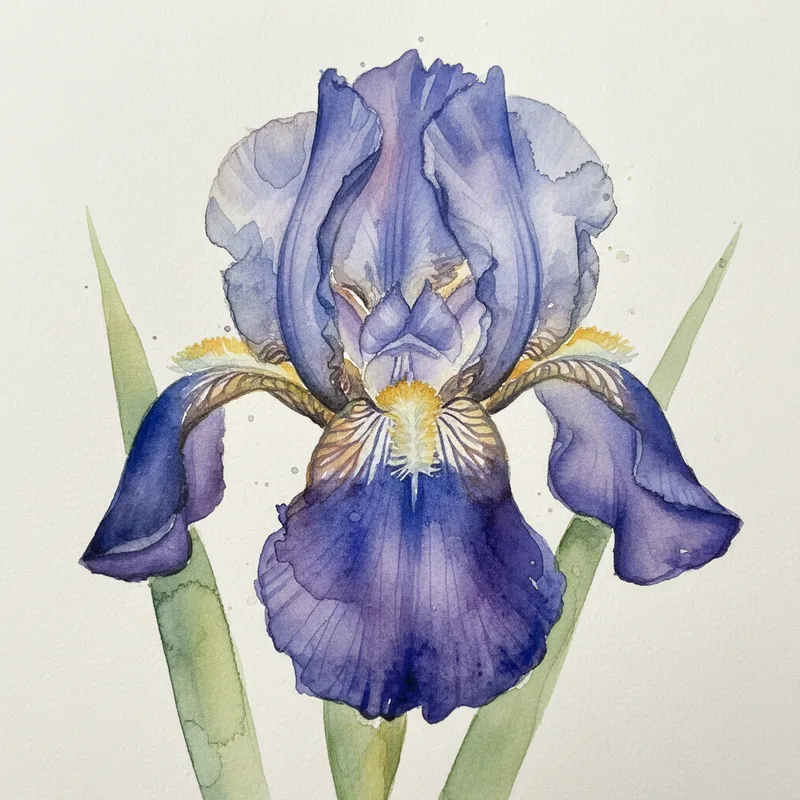
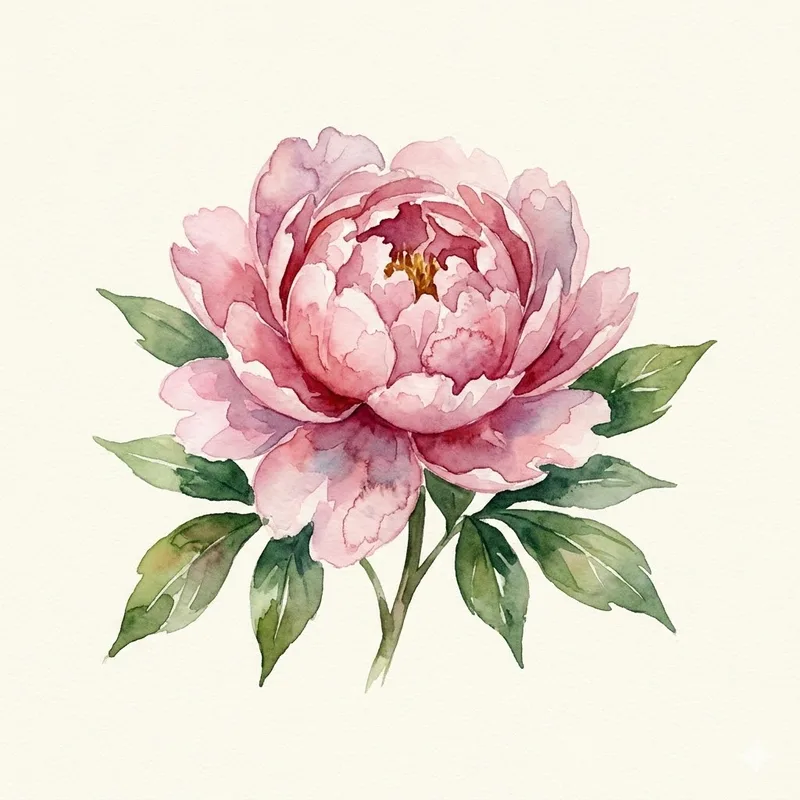
Bearded irises and peonies are the May queens. Nothing matches the sheer volume and drama of a peony in full bloom, and bearded irises come in every color imaginable. Both are long-lived plants that improve with age. A peony planted this year will still be blooming in your grandchildren's garden.
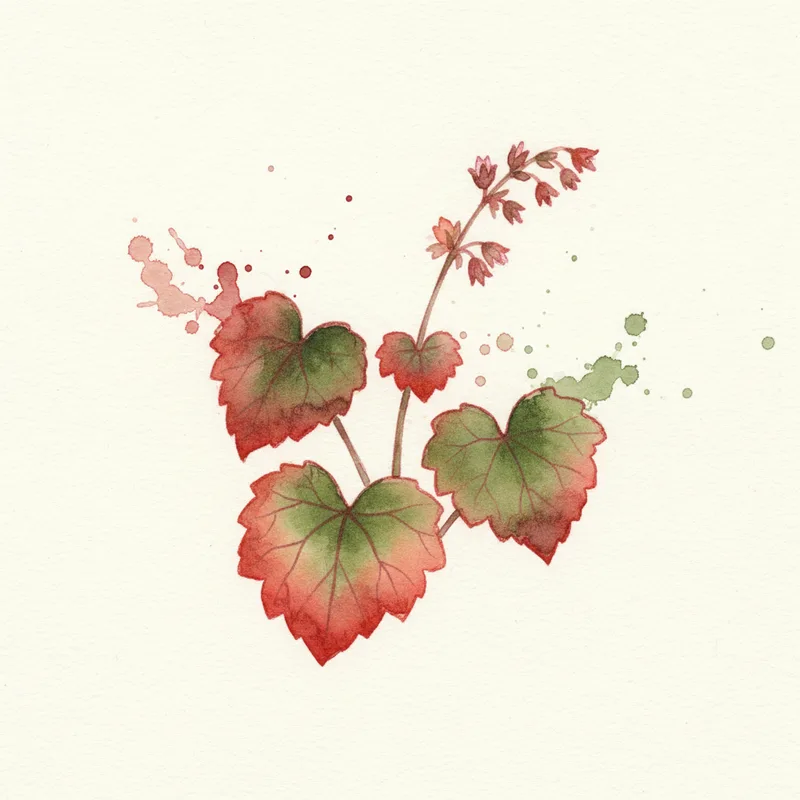
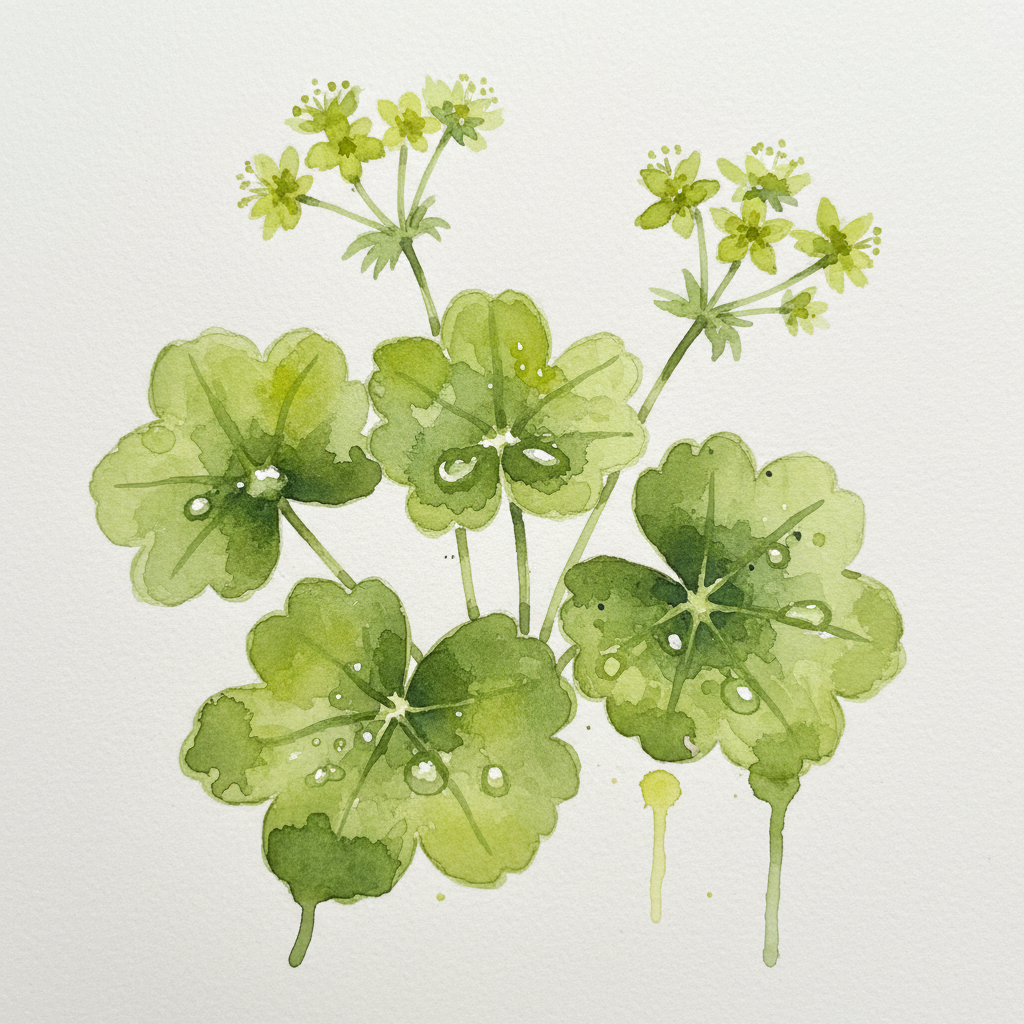
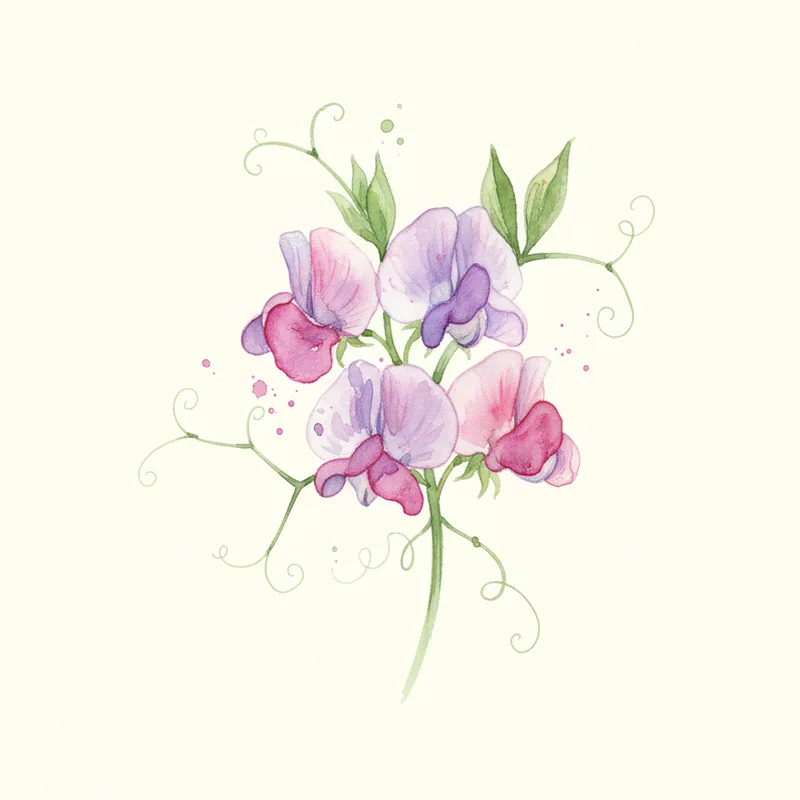
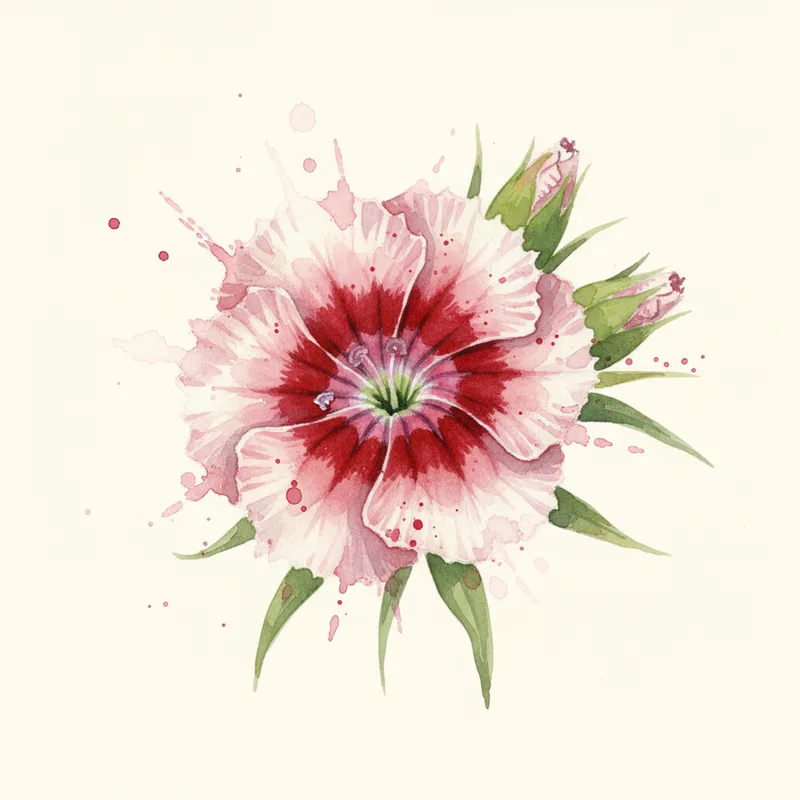
For the front of the border, lady's mantle produces sprays of chartreuse flowers in May that pair with everything, while dianthus and sweet pea add spicy fragrance and cottage-garden charm. Coral bells send up wiry stems of tiny bells while their colorful foliage anchors the planting.
Shrubs that bridge to summer
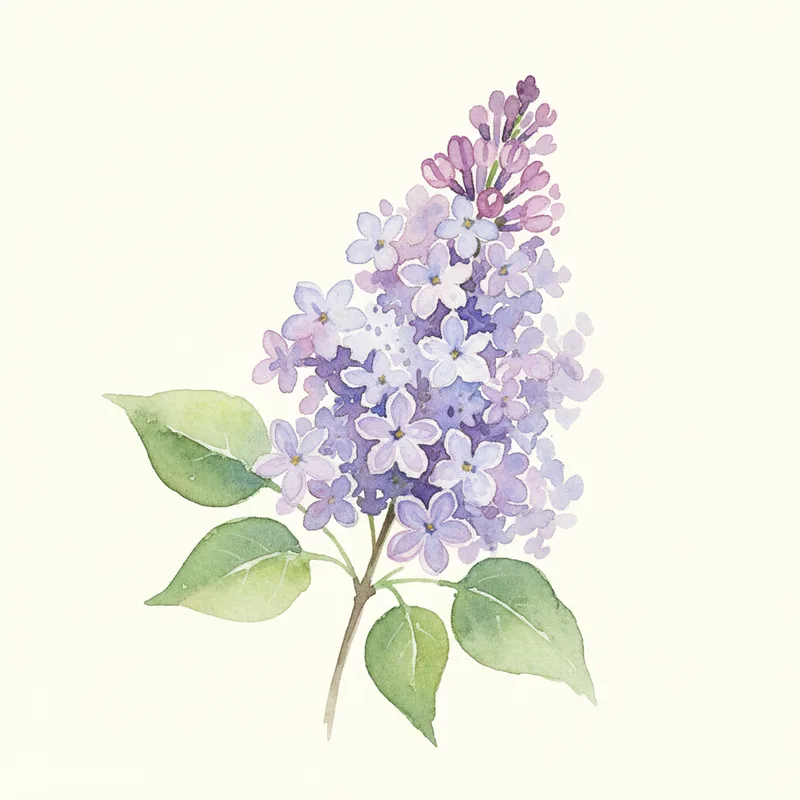
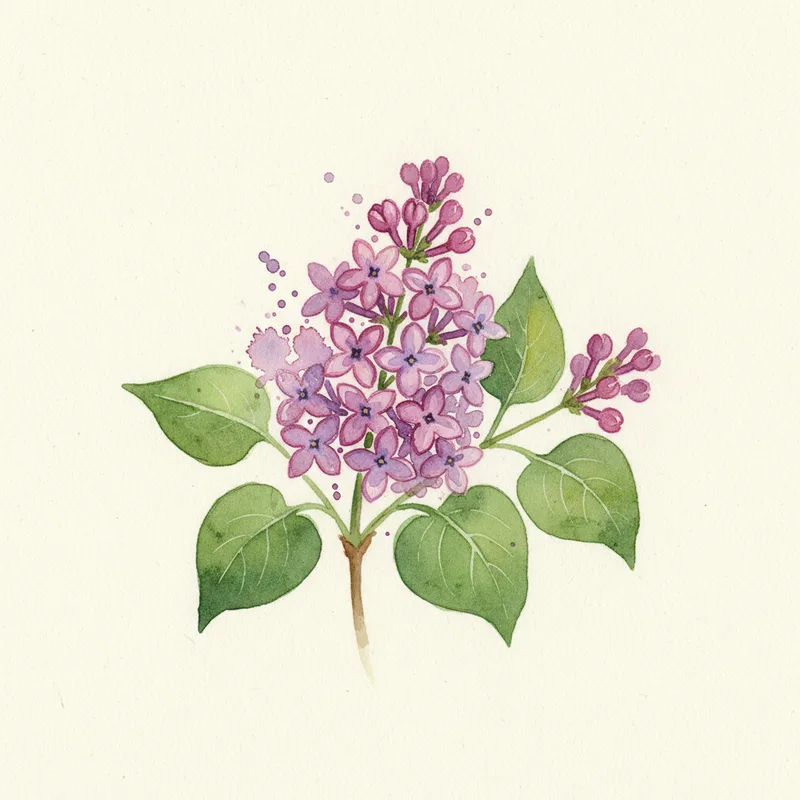
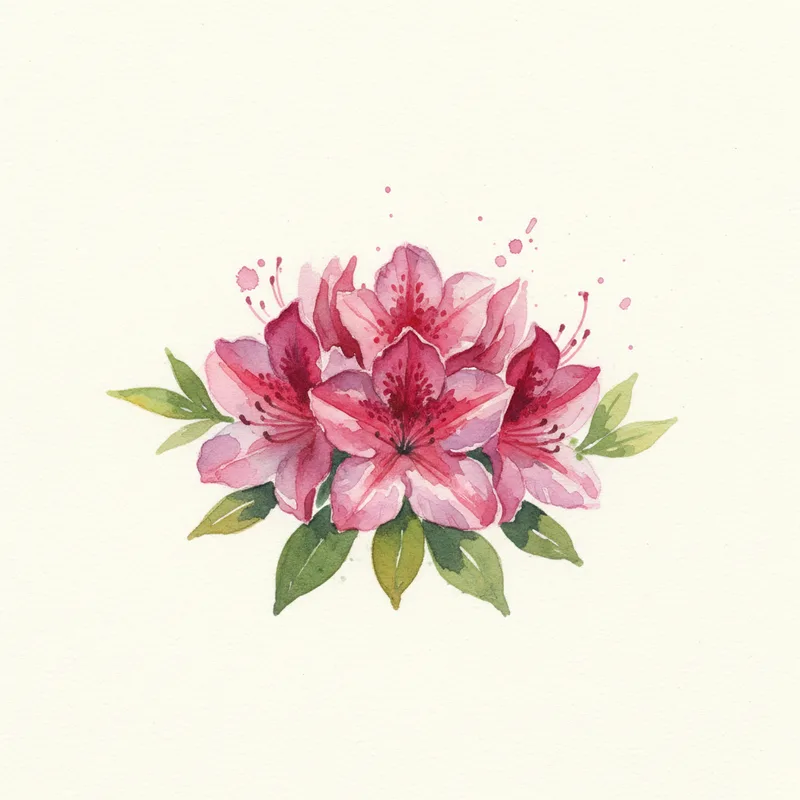
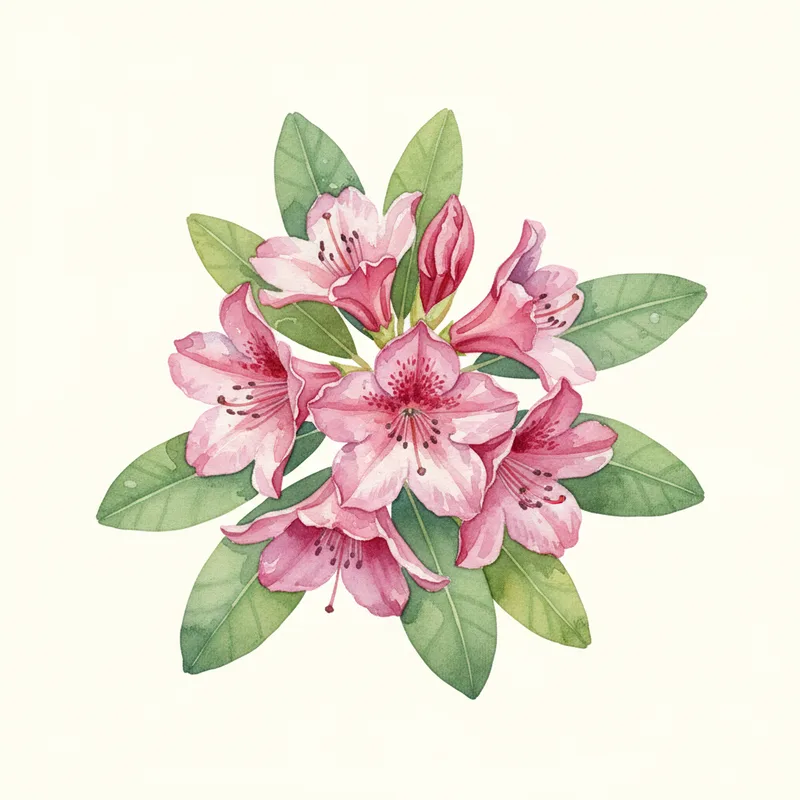
Lilacs are the defining scent of May, and their bloom period fills the post-tulip window perfectly. Dwarf Korean lilac does the same job in a smaller package, ideal for tight spaces. Azaleas and rhododendrons peak in May across most of their range, covering themselves in blooms that last two to three weeks.
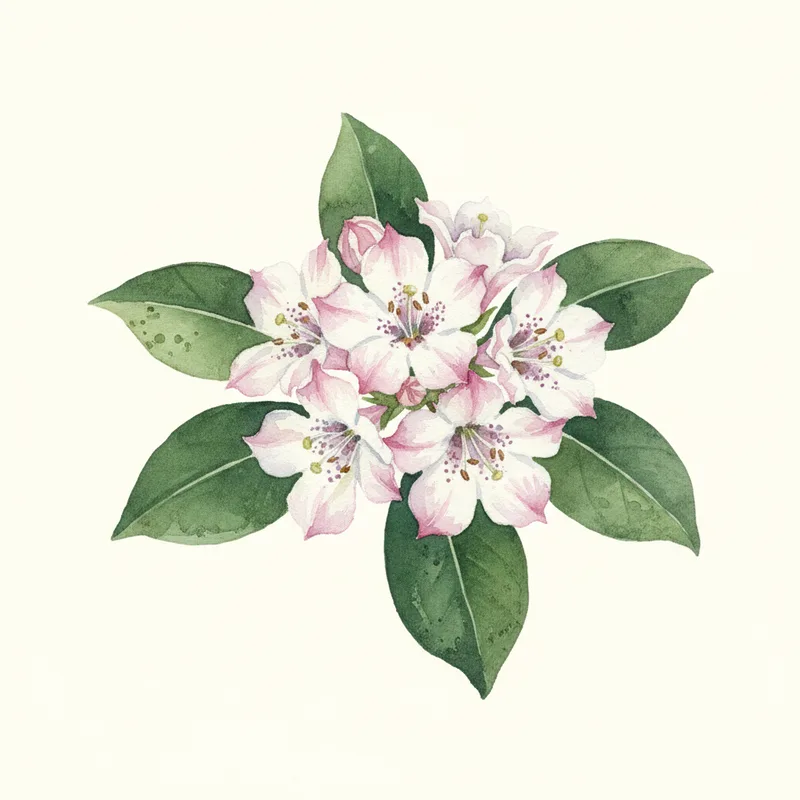
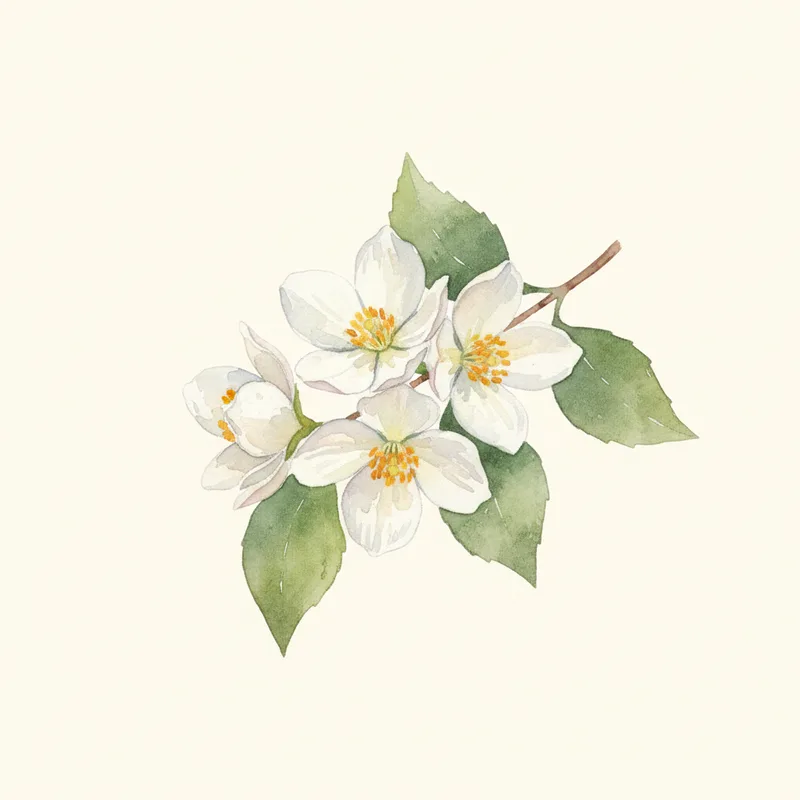
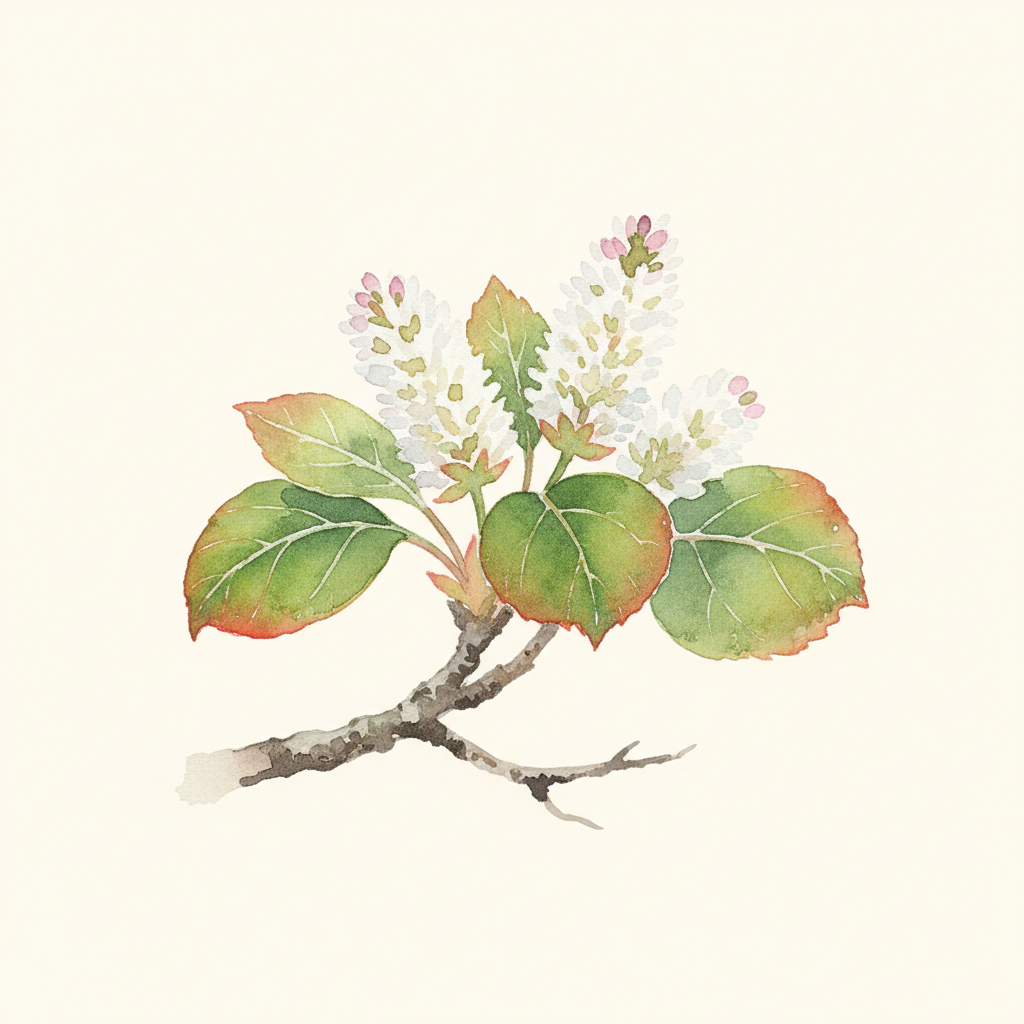
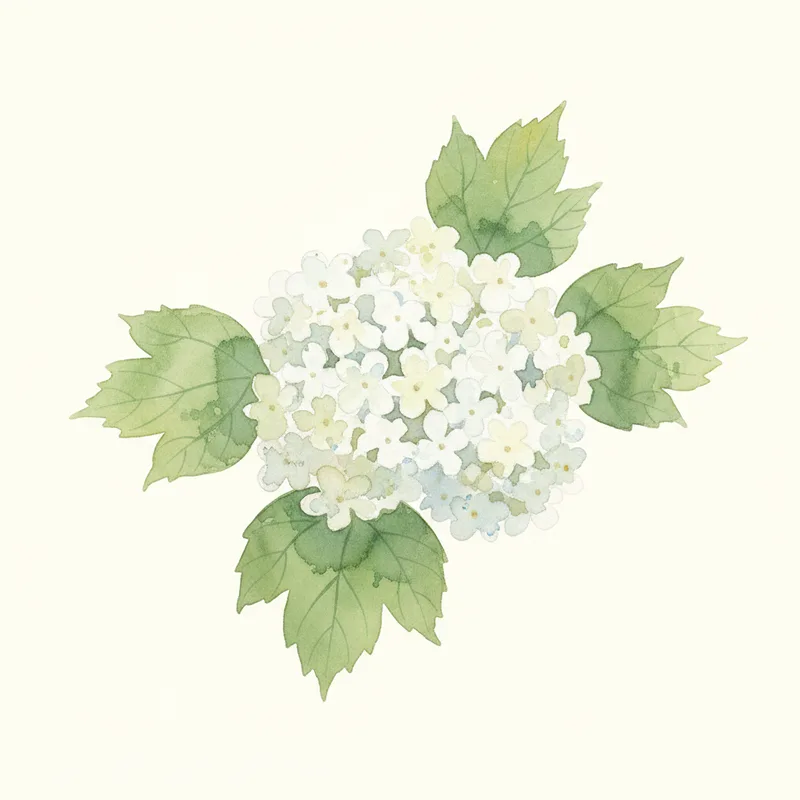
Viburnum is one of the most versatile May-blooming shrubs. Fragrant snowball clusters, clean foliage, and fall berries make it a three-season plant. Mountain laurel blooms with intricate pink and white cups in late May, thriving in the same acidic woodland conditions as rhododendrons. Fothergilla and mock orange round out the May shrub lineup with bottlebrush blooms and intensely fragrant white flowers, respectively.
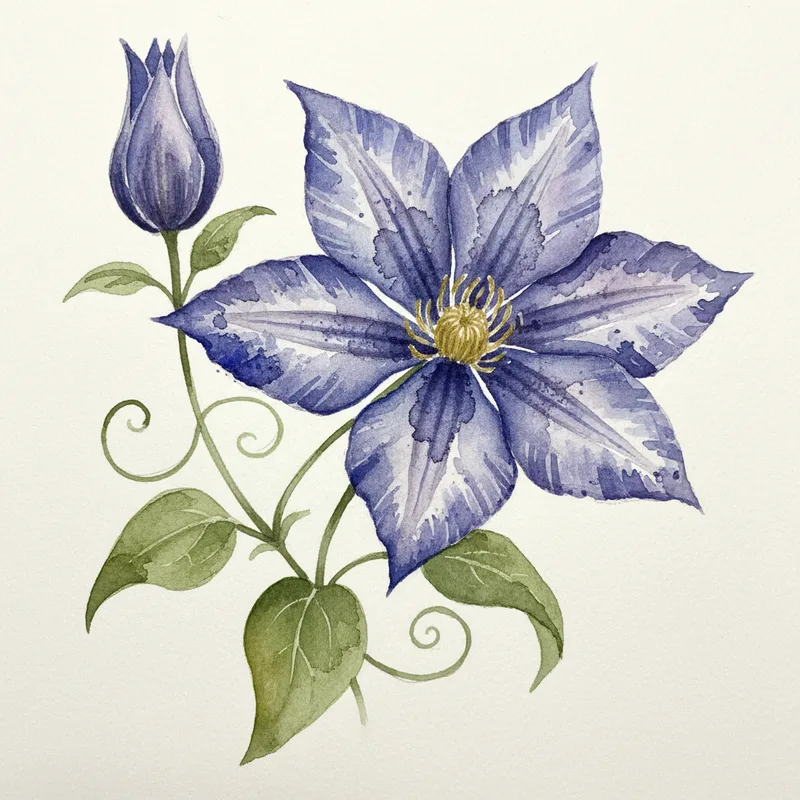
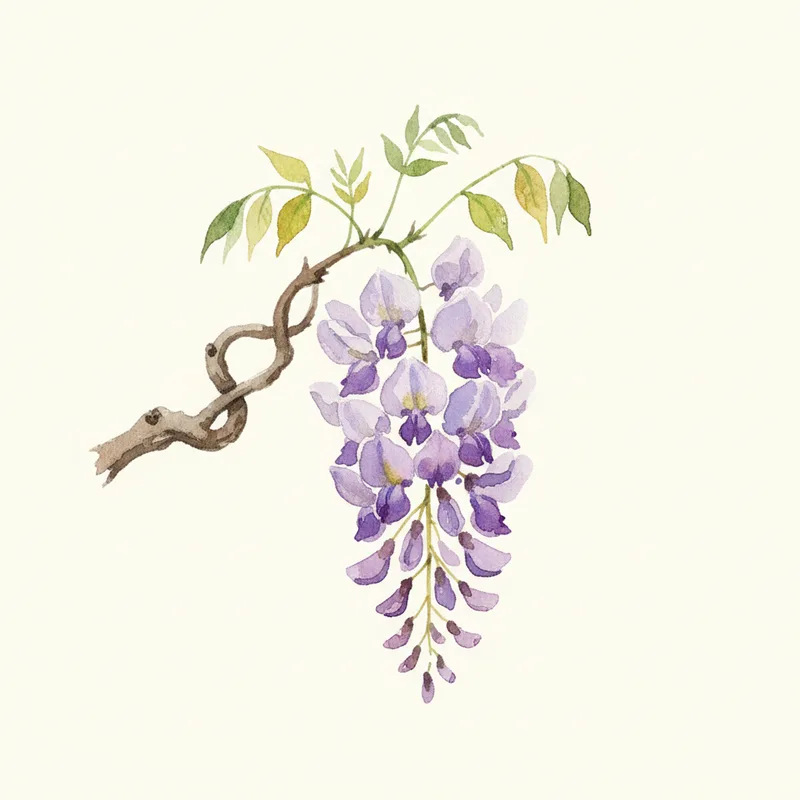
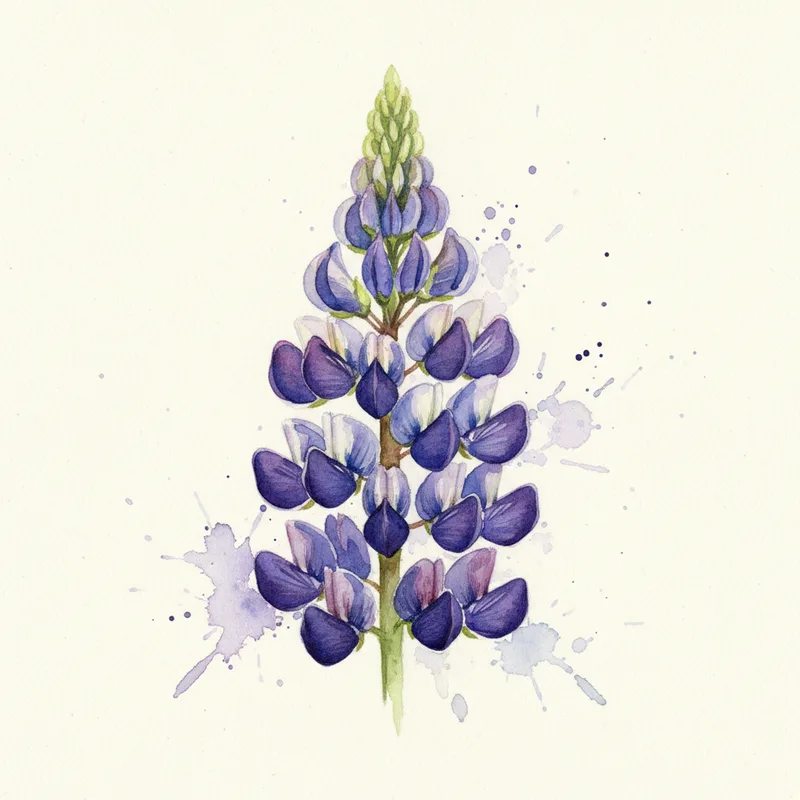
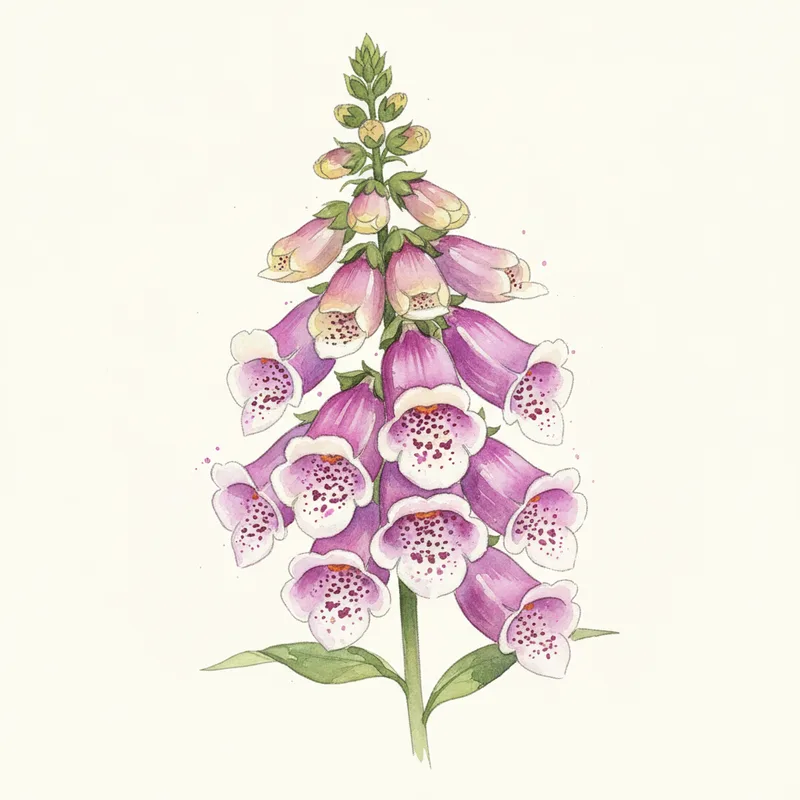
For vertical interest, clematis and wisteria hit peak bloom in May, draping fences and arbors with cascading color. And lupines and foxgloves send up tall spires that carry the eye upward, adding height to the late spring garden.
Planning ahead: plant in fall for this effect
Here is the key insight. Most of these gap-filling plants need to be planted in fall, not spring. Allium and camassia bulbs go in the ground in October. Peonies and irises are best divided and planted in September. Lilacs, rhododendrons, and viburnums establish fastest when fall-planted. Even bleeding heart and columbine transplant better in autumn.
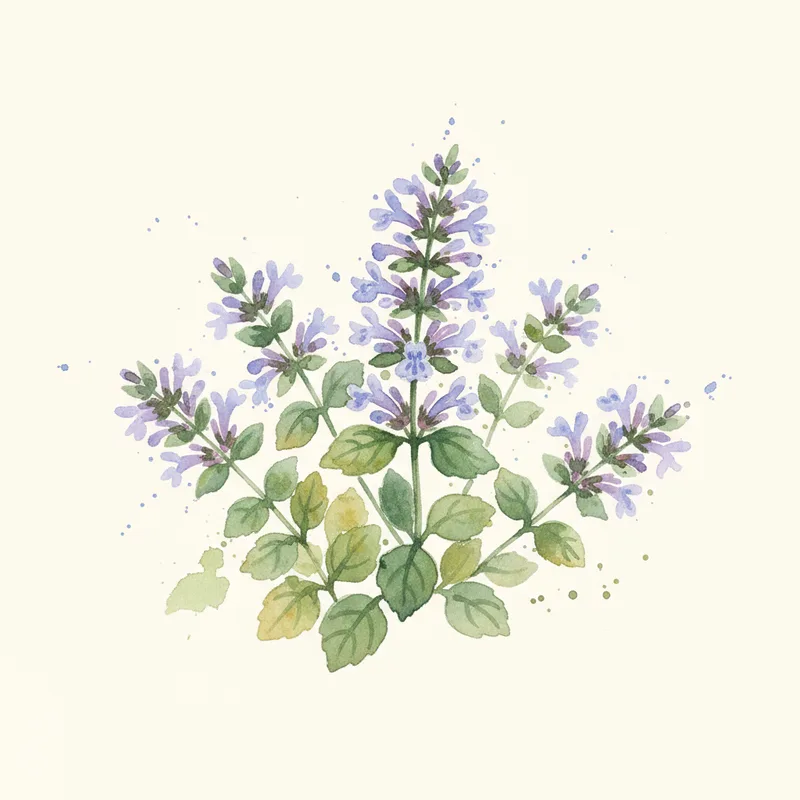
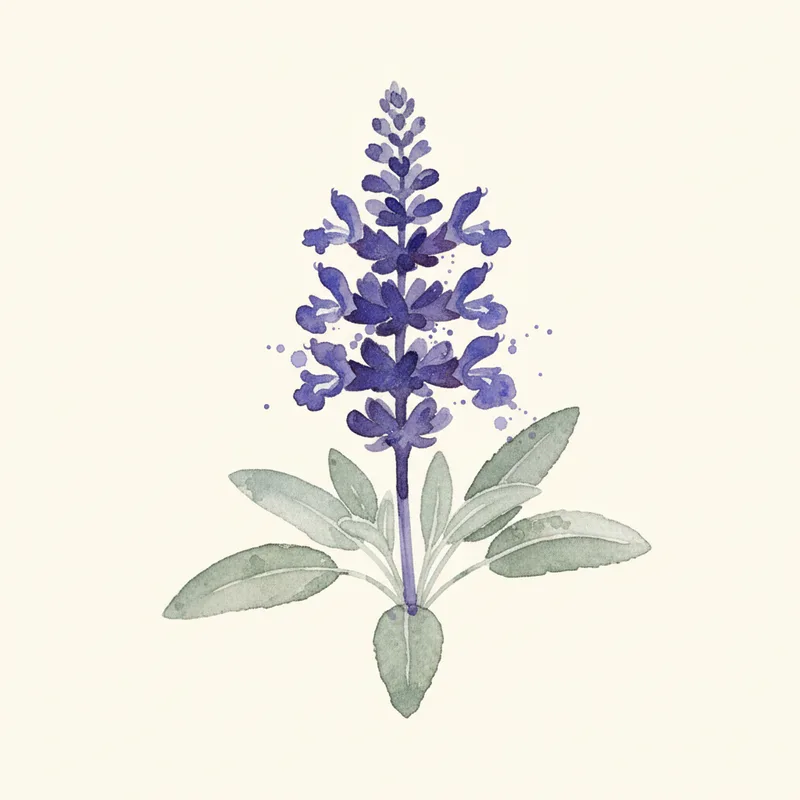
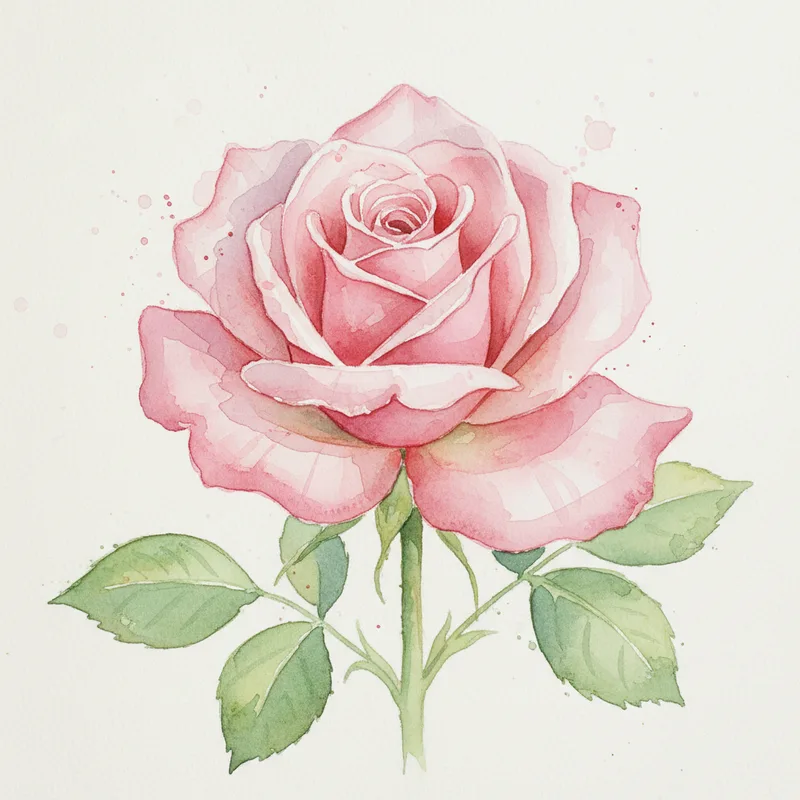
So if you are reading this in May and staring at the gap, take notes now and plant in September. The fix is a season away, but it only takes one fall planting session to solve the problem permanently. By late April next year, catmint and salvia will be ready to pick up where these May bloomers leave off, carrying you straight into summer. And roses will be opening their first buds just as the last allium sphere fades. The relay never stops. See also our guides to planting in September, year-round bloom planning, and planning for continuous summer blooms.
Browse spring bloomers by zone
Find late spring plants for your zone: Zone 4 · Zone 5 · Zone 6 · Zone 7 · Zone 8 · Zone 9

What's growing, what's blooming, what's worth planting.
For gardeners who like to stay ahead.