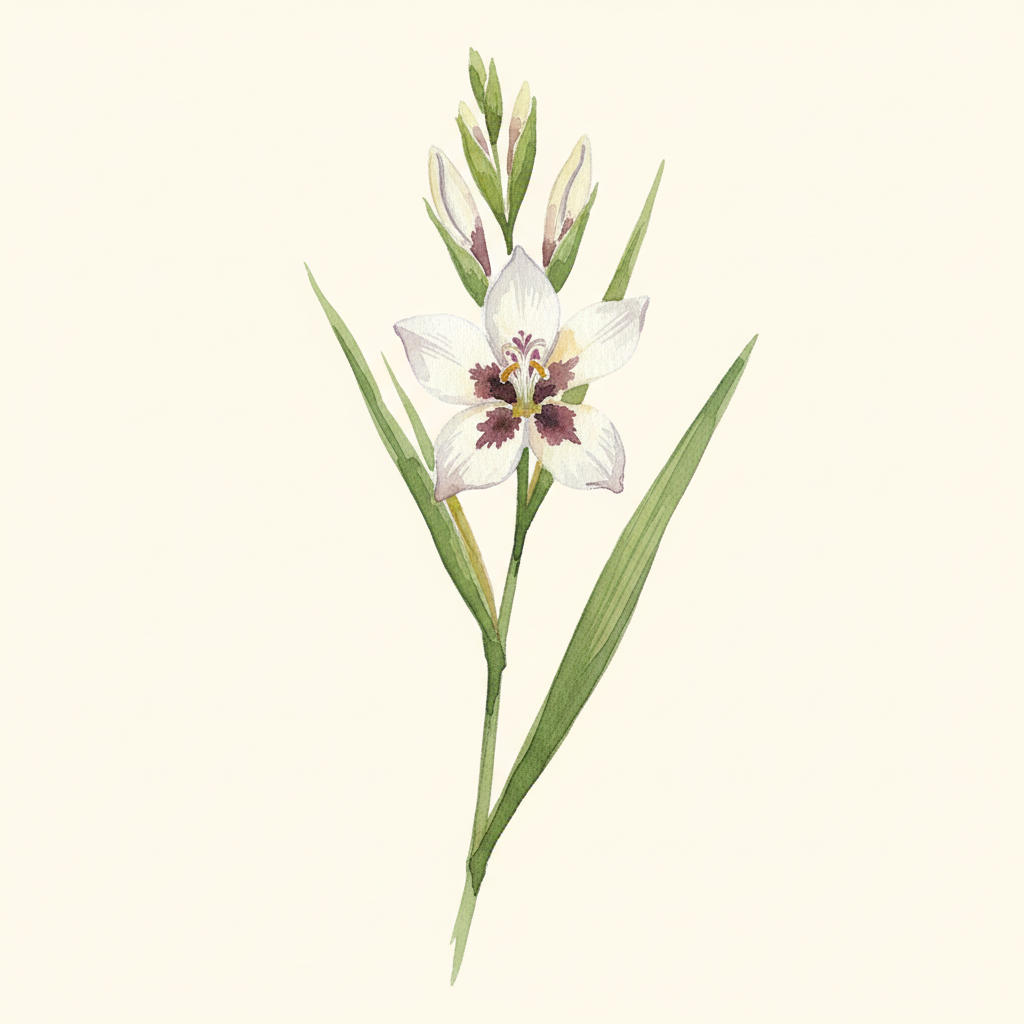
Arching stems hold fragrant white blooms with a deep maroon throat. Peacock orchid, the elegant late-summer cousin of the bold gladiolus.
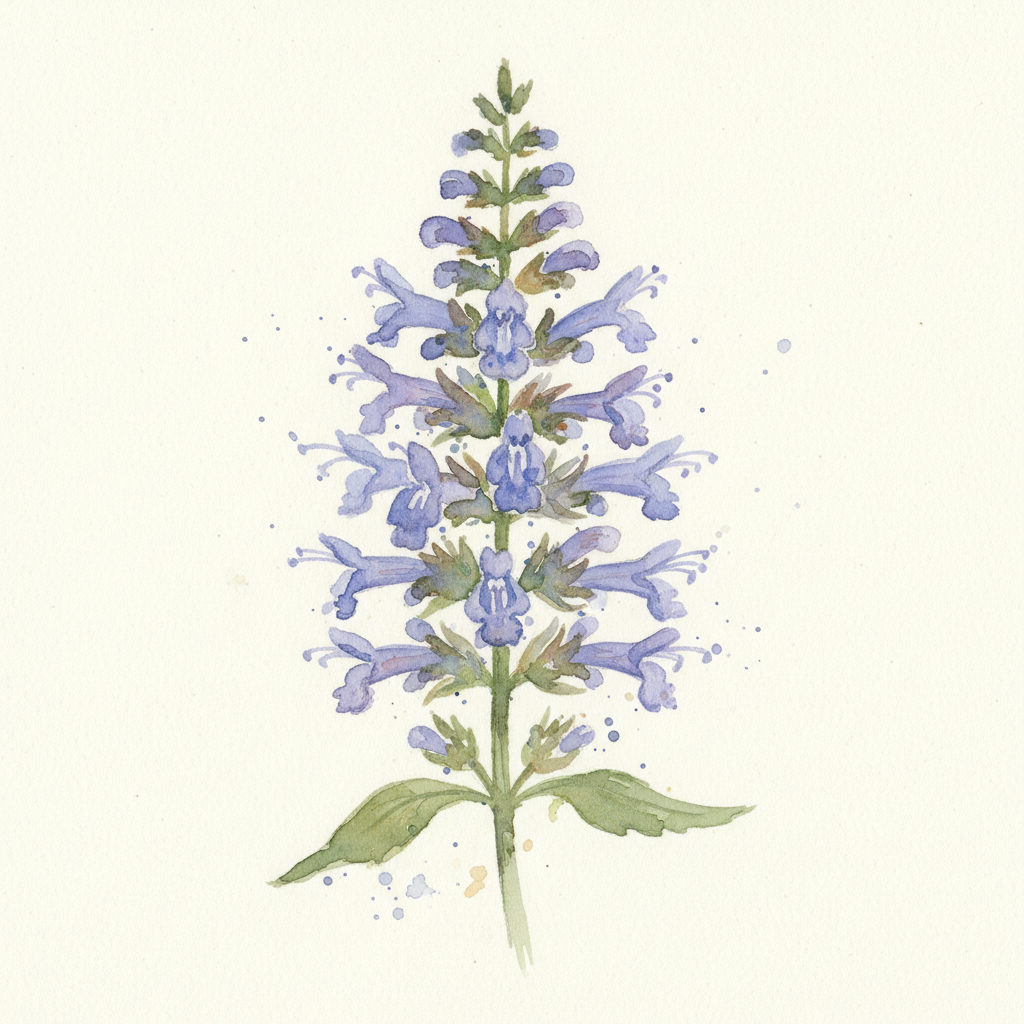
Licorice-scented foliage and tubular orange-pink flowers that hummingbirds and butterflies find irresistible. Thrives on neglect.
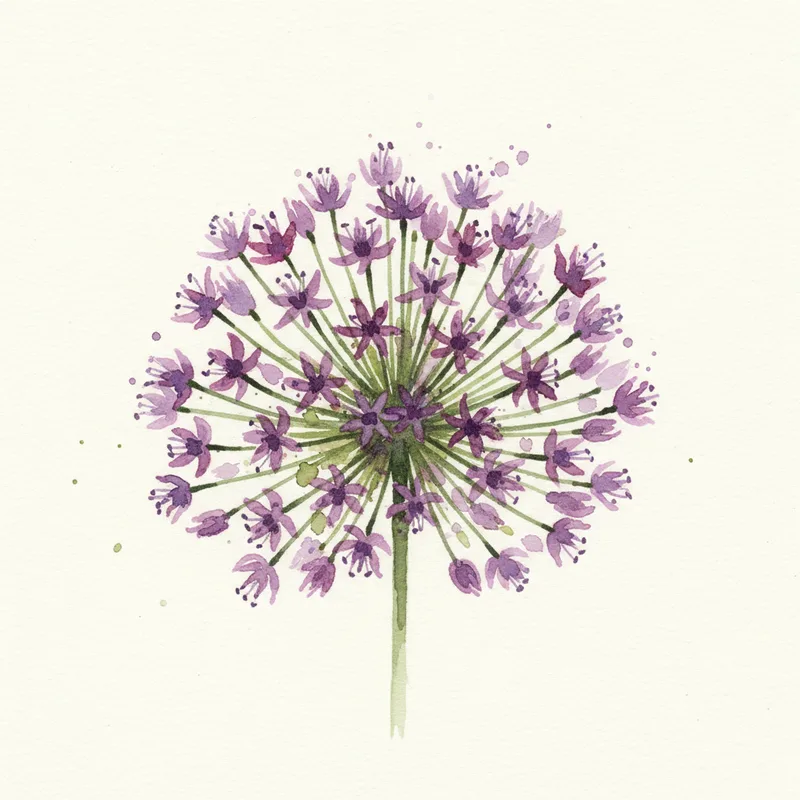
Dramatic globe-shaped heads on tall stems. Architectural and deer-proof.
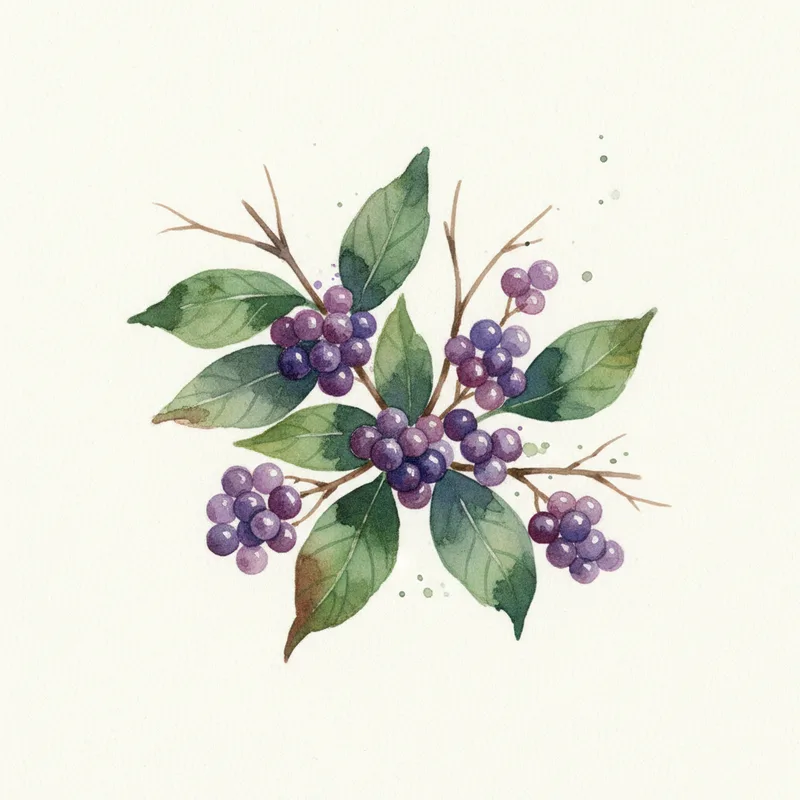
Inconspicuous flowers give way to stunning clusters of magenta-purple berries in fall. The berries are the show.
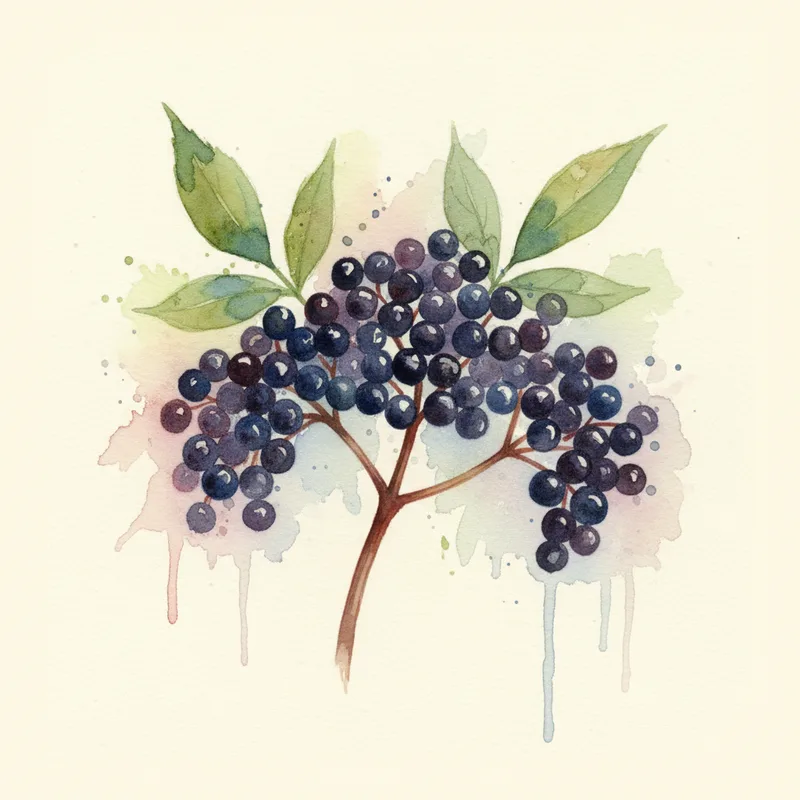
Large flat clusters of creamy flowers in early summer give way to dark berries for jams and wildlife.
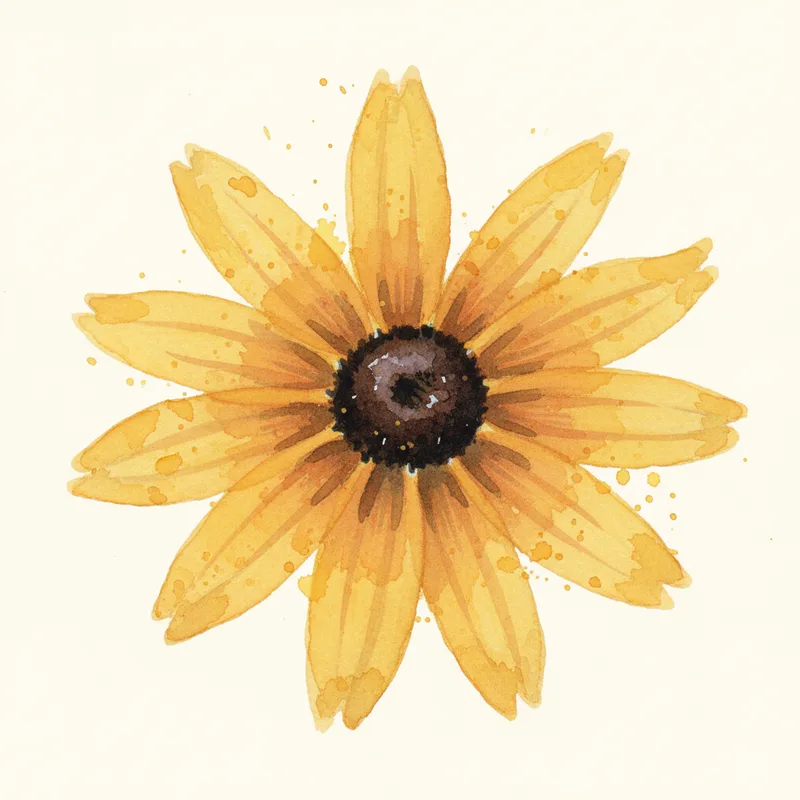
Narrow, fuzzy foliage shrugs off the Septoria leaf spot that disfigures Goldsturm. A worthy upgrade.
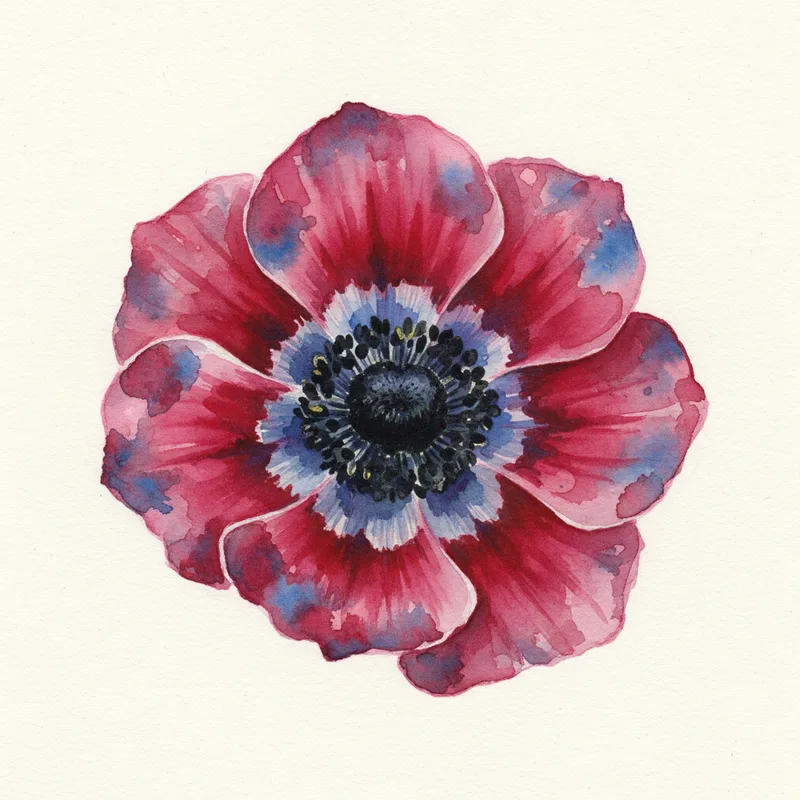
Poppy-like flowers in jewel tones bloom in mid-spring over ferny foliage.
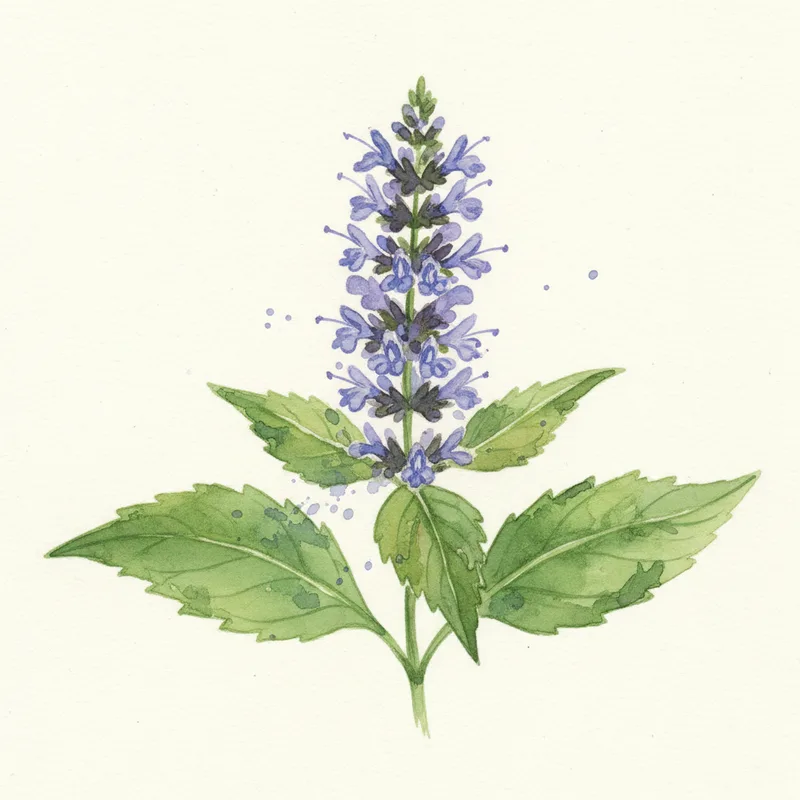
Lavender-blue spikes with licorice-scented foliage. A pollinator powerhouse that blooms for months.
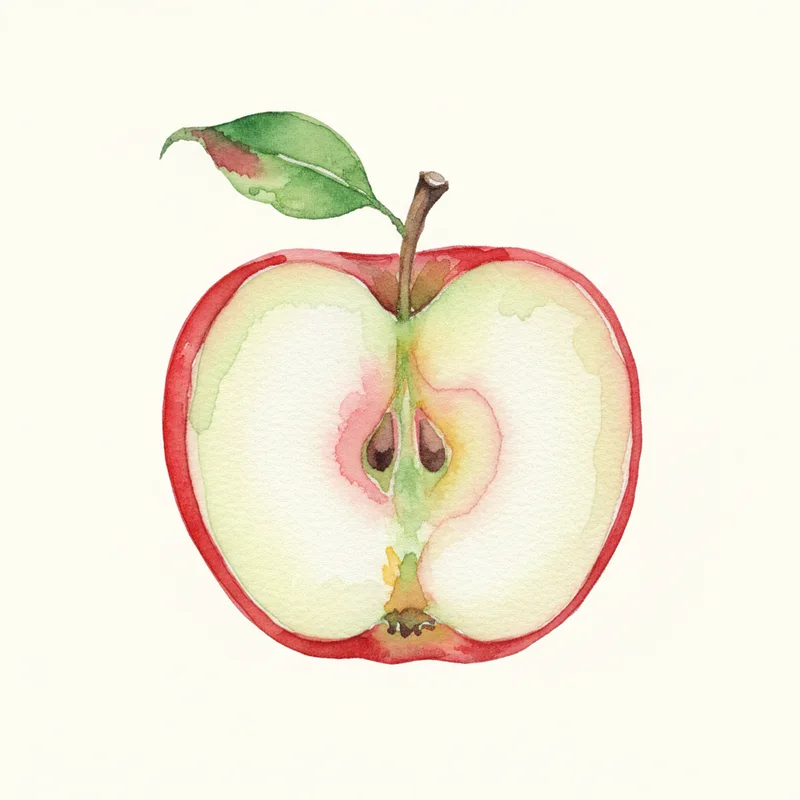
Fragrant white to pink flowers in spring precede a fall crop of dessert apples.
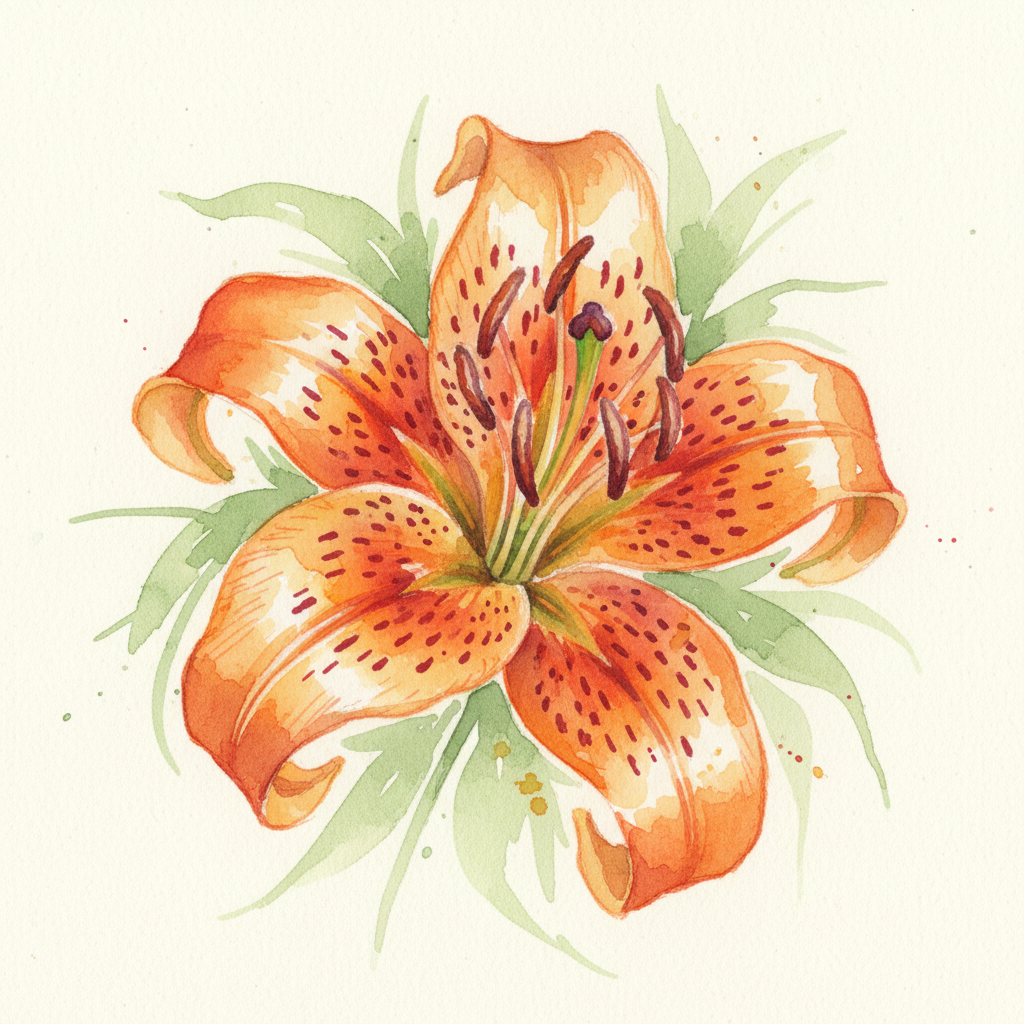
Upward-facing blooms in a wide range of vivid colors. Easy to grow and brilliant in the summer border.
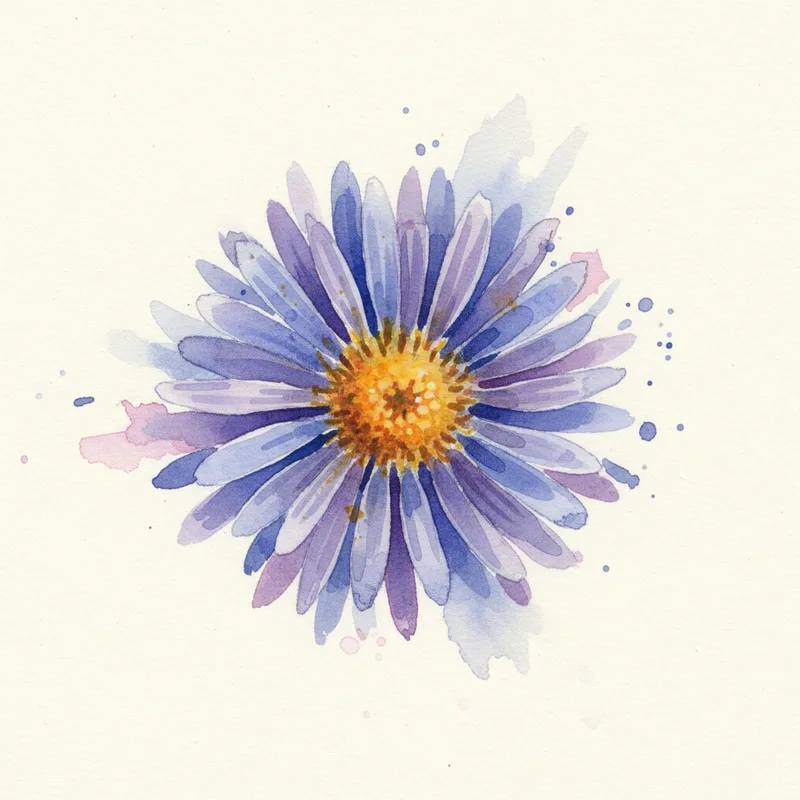
The grand finale of the garden season. Essential for fall pollinators.
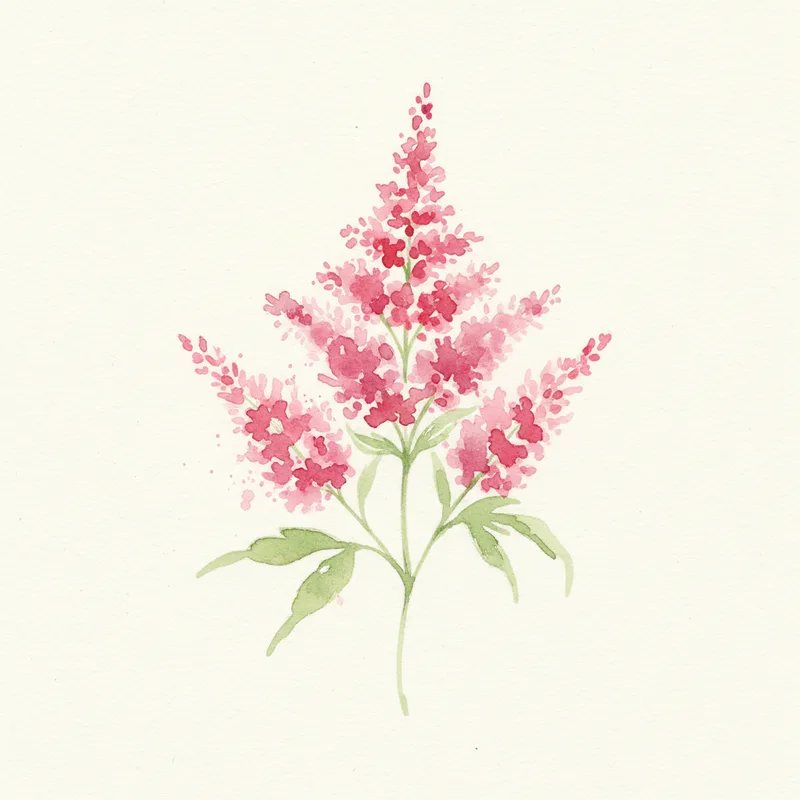
Feathery plumes that light up shady, moist spots like nothing else can.
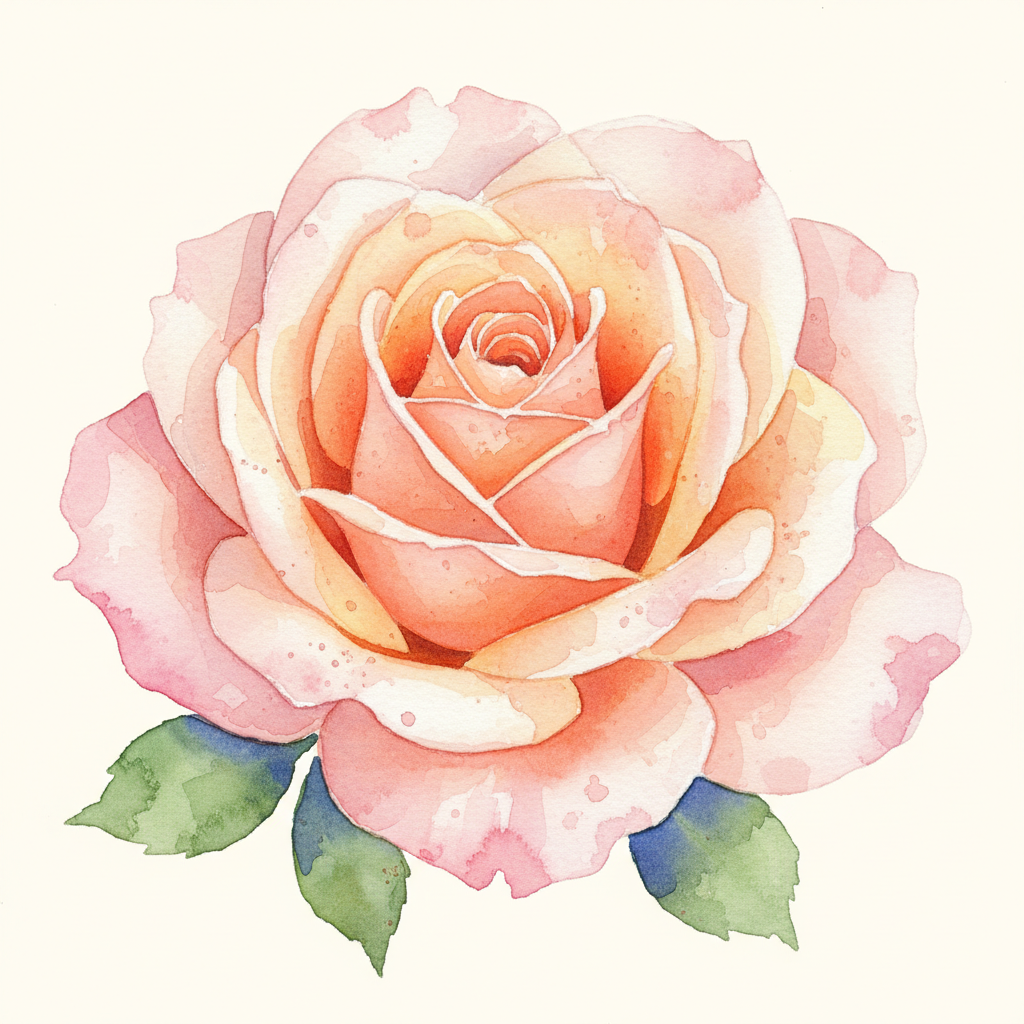
Combines old-rose fragrance with modern disease resistance, finally. Apricot-pink cupped blooms that look like an English rose but bloom like a Knock Out.
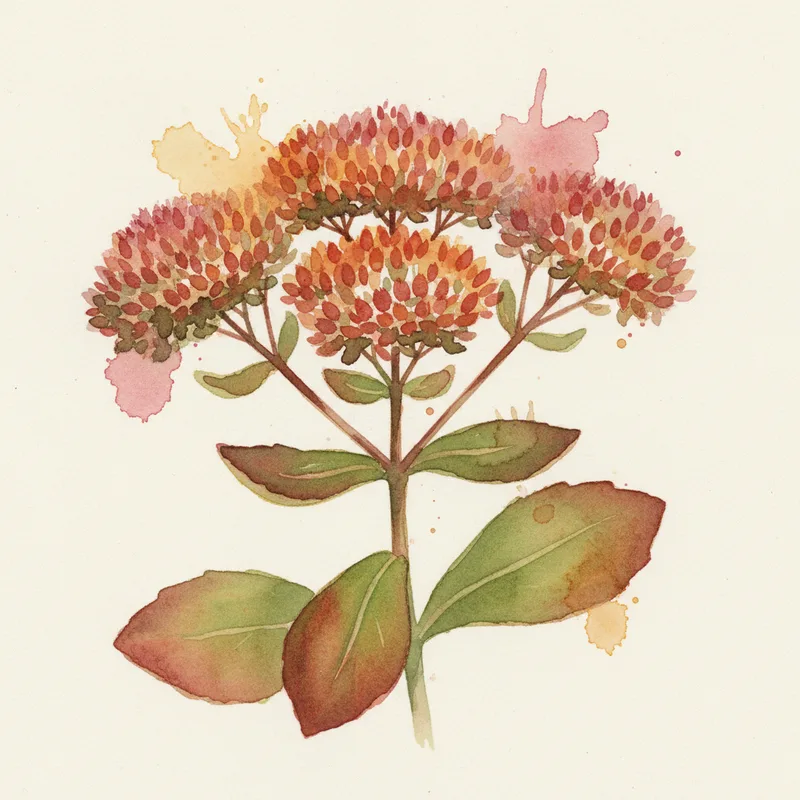
Broccoli-like heads open pink and age to copper-bronze. Four-season interest, zero maintenance.
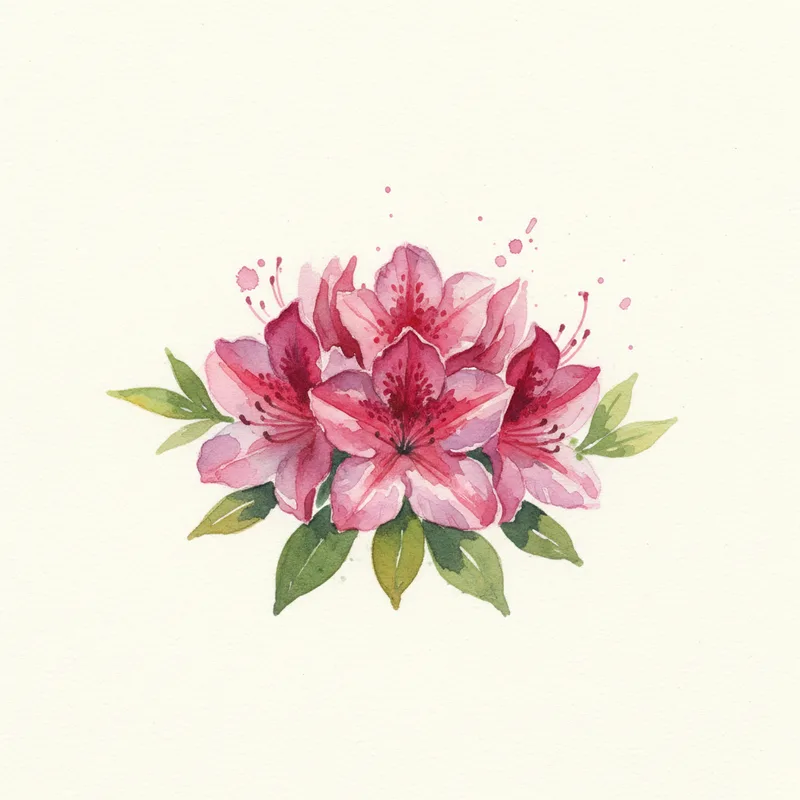
Explosive spring color in every warm hue. Acid-loving woodland classic.
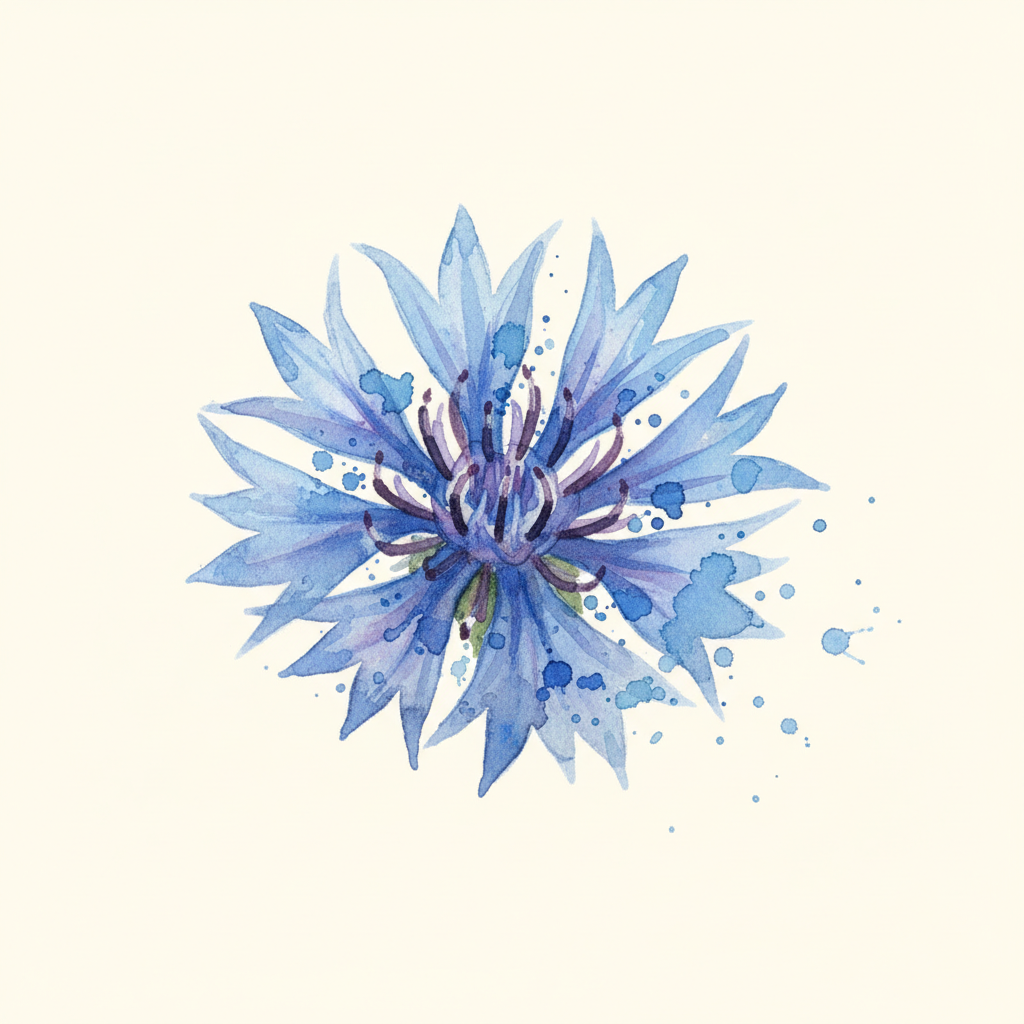
True cornflower blue that almost no other flower can match. Cottage garden classic that self-sows reliably.
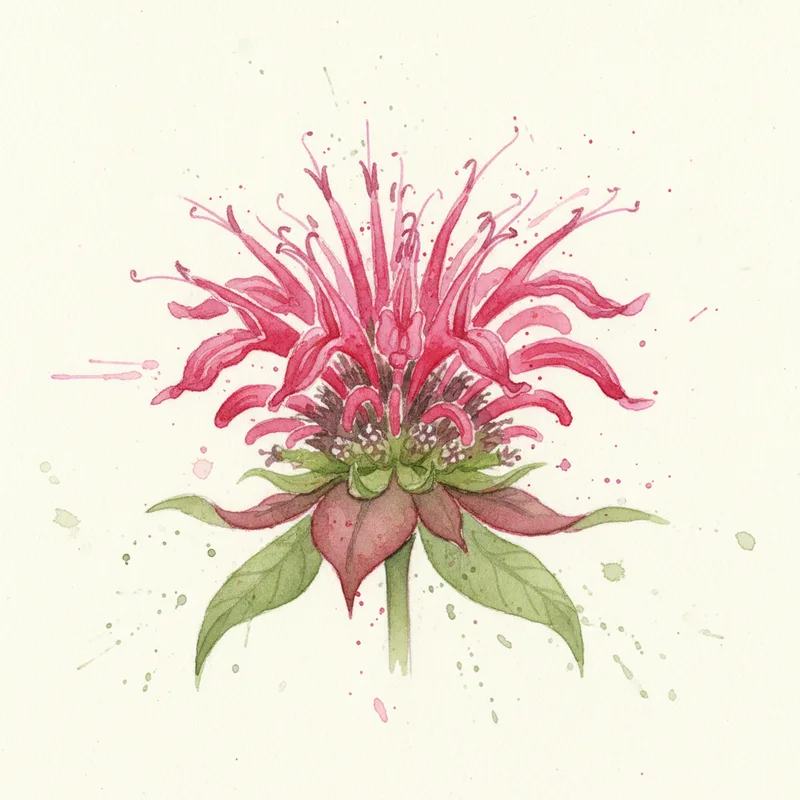
Shaggy, crown-shaped flowers that hummingbirds fight over.
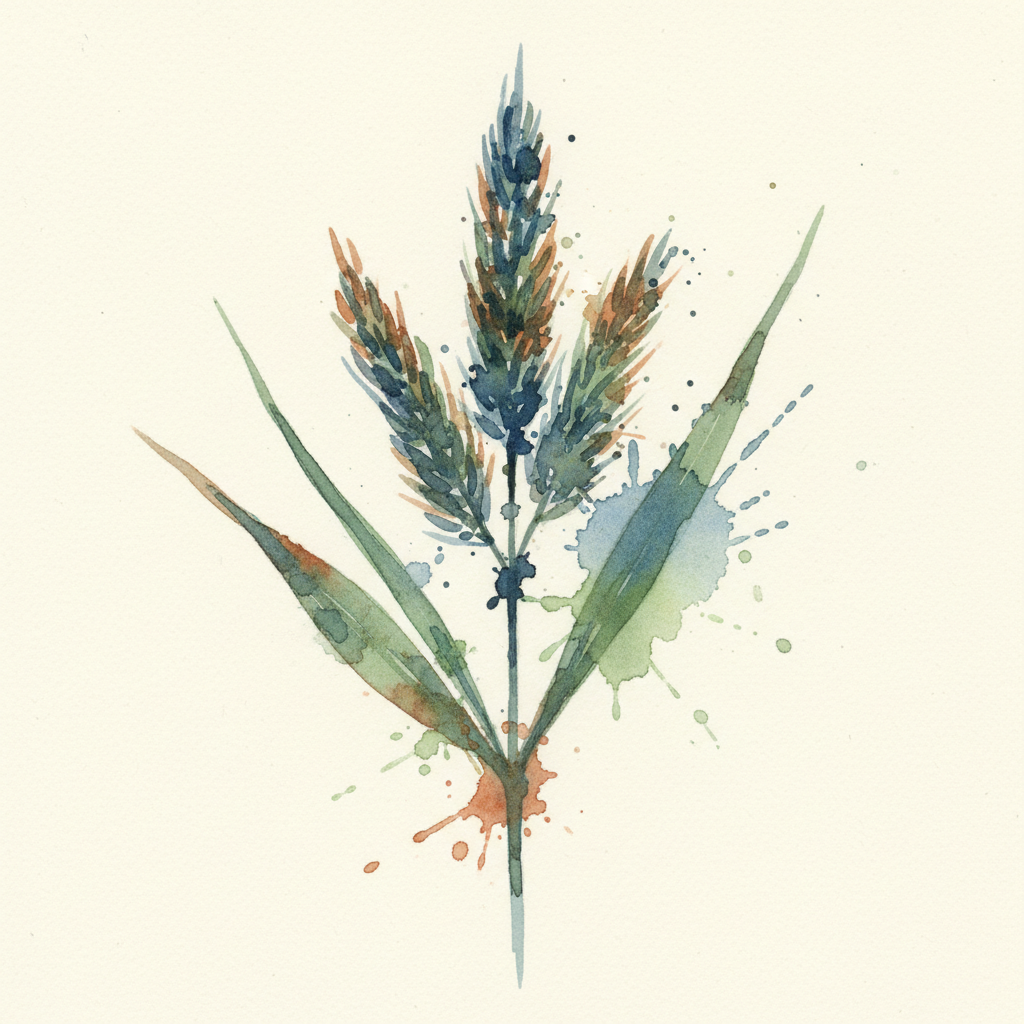
The signature grass of the tallgrass prairie, turning copper-bronze in fall with distinctive turkey-foot seed heads.
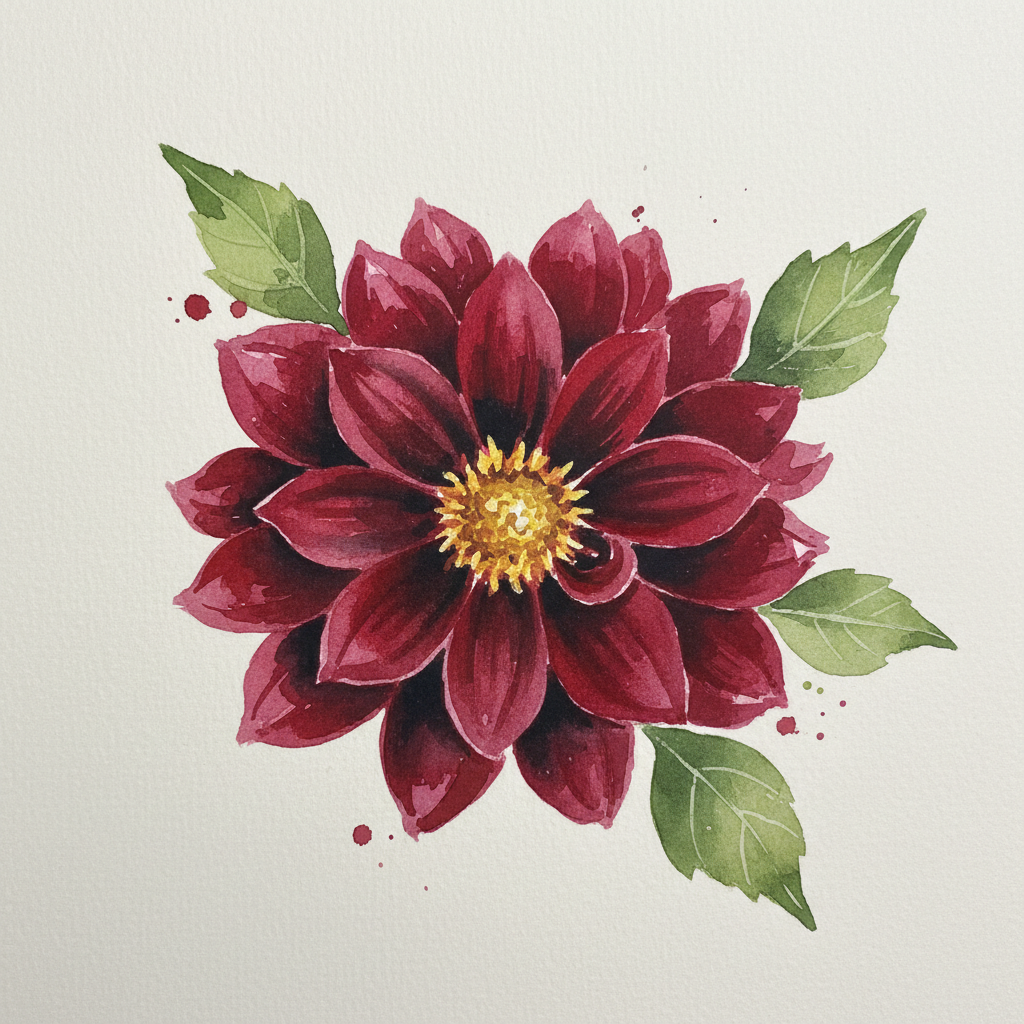
Brilliant scarlet semi-double blooms above near-black foliage. The contrast between leaf and flower is unmatched in the dahlia world.
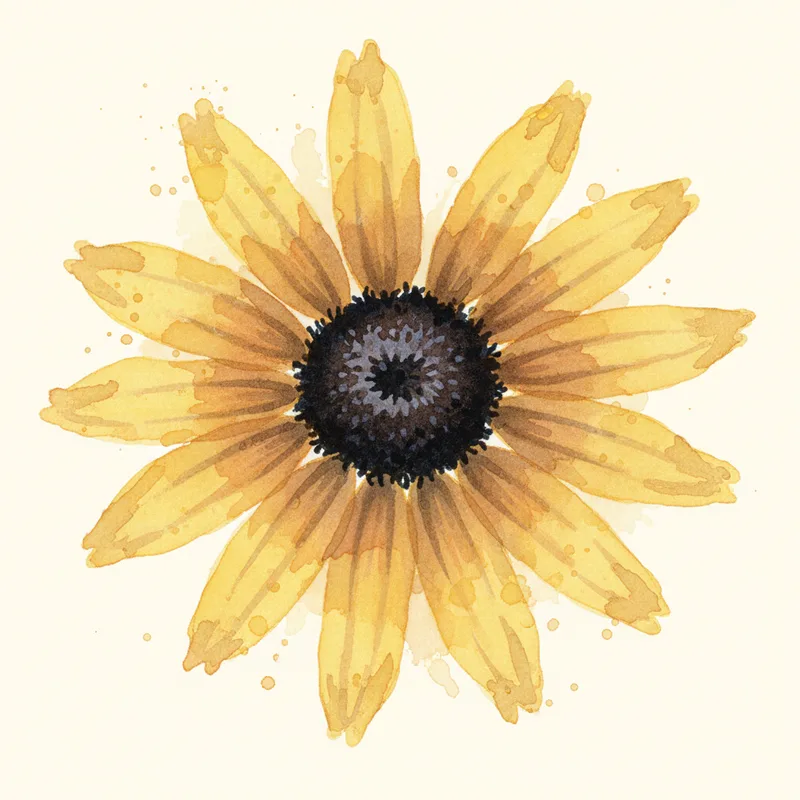
Golden prairie workhorse that lights up late summer meadows.
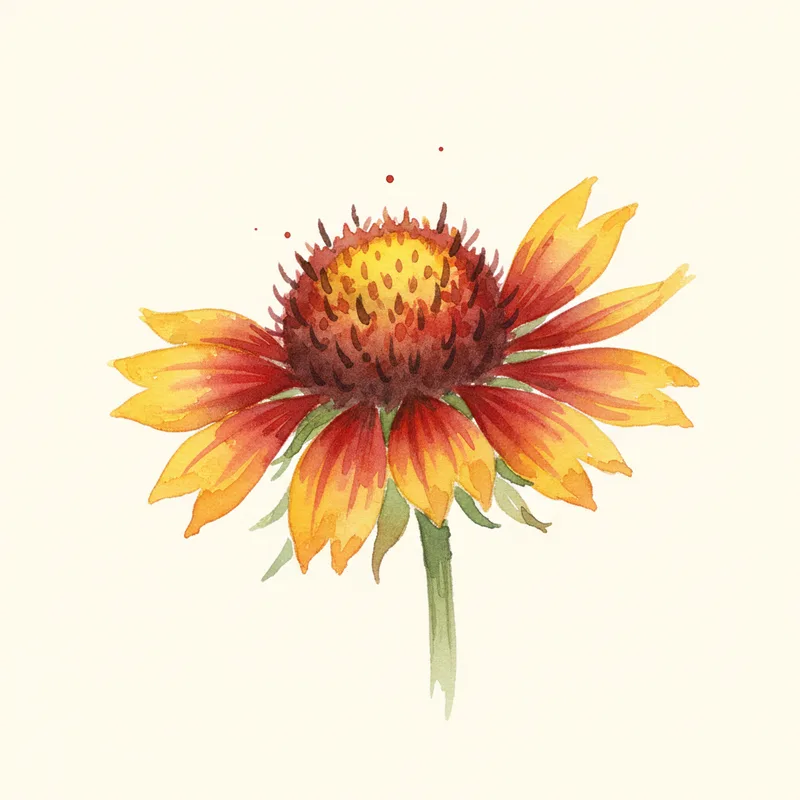
Fiery bicolor pinwheels that bloom nonstop in the worst heat and soil.
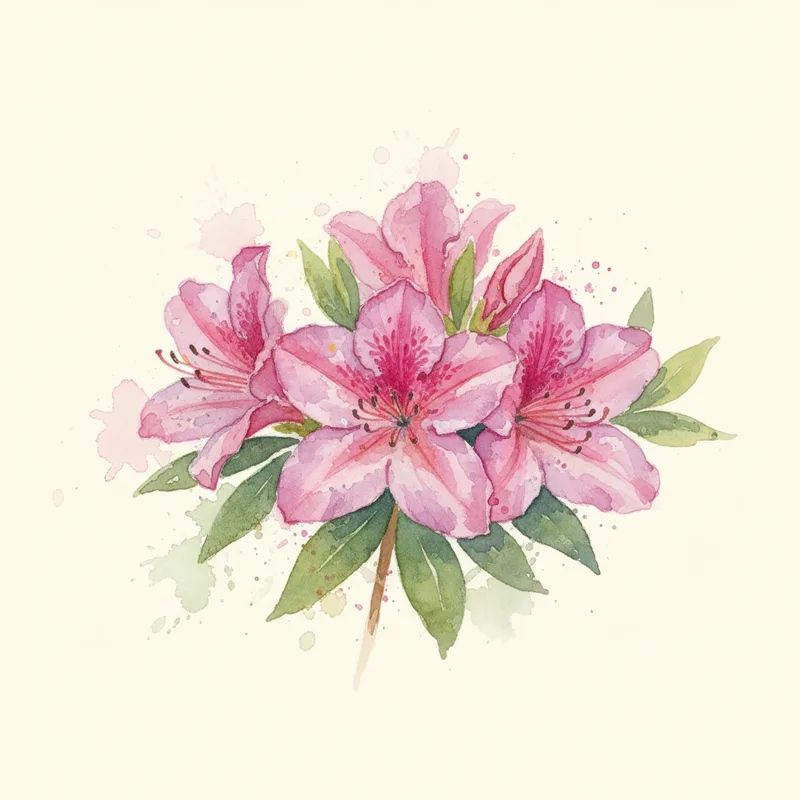
Repeat-blooming azalea with waves of color spring through fall. Evergreen in mild climates.
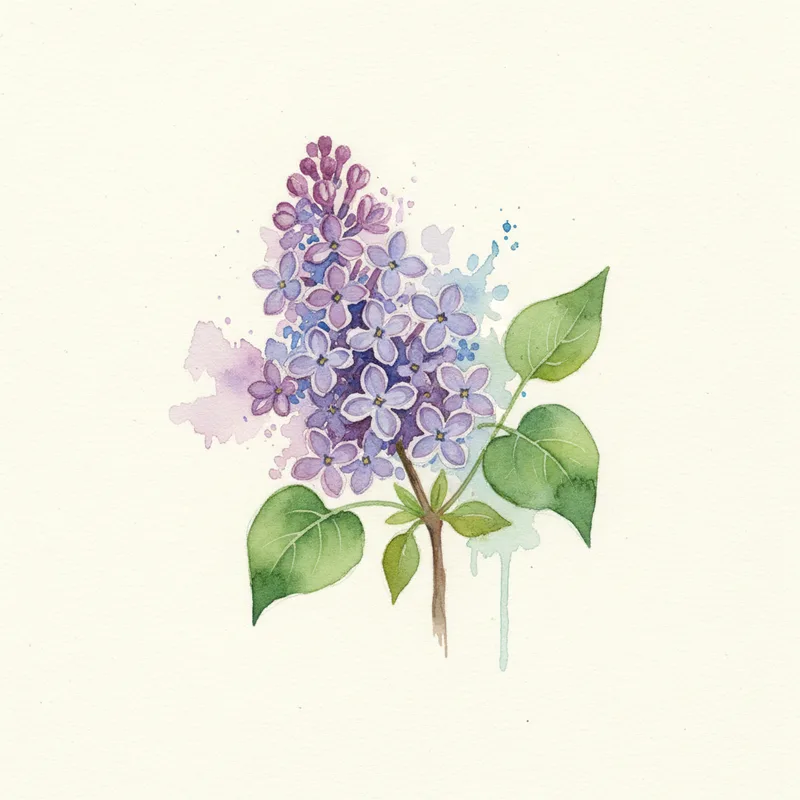
Blooms in spring, then reblooms summer through frost. Compact habit with classic lilac fragrance.
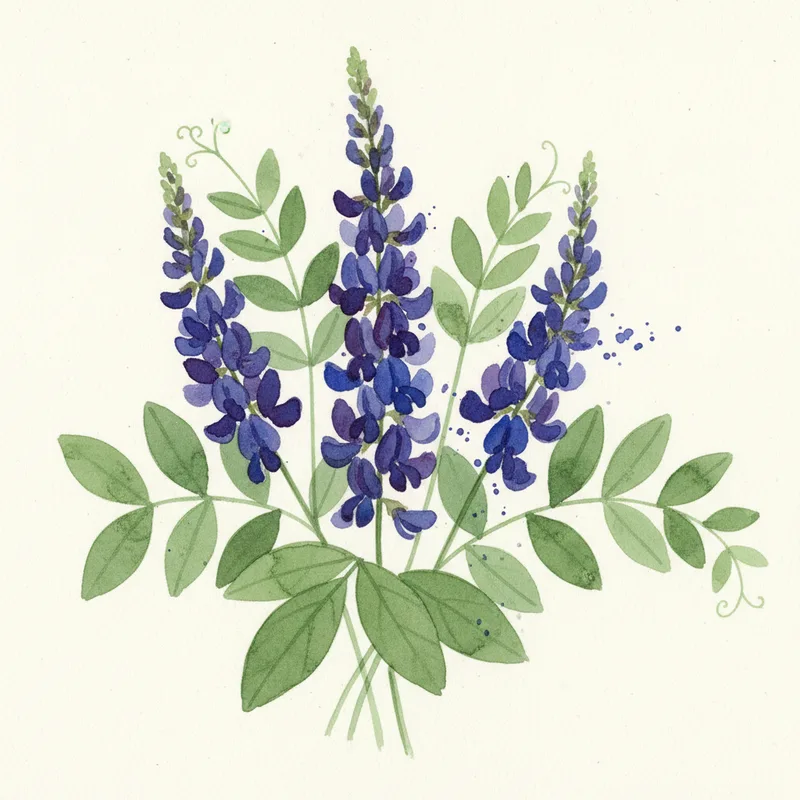
Lupine-like spikes on a native that lives forever. Gets better with age.
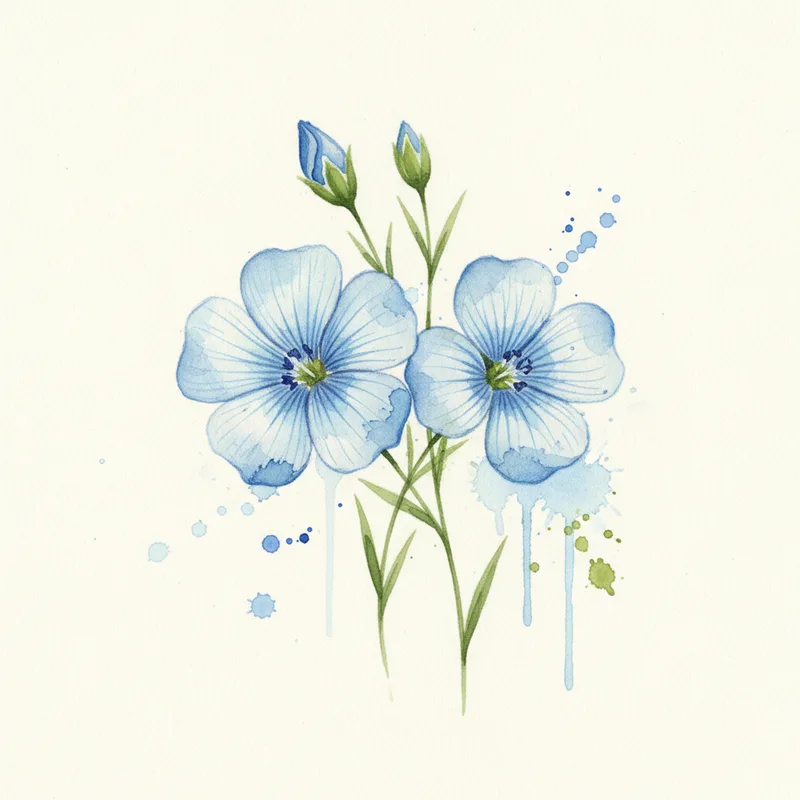
Delicate sky-blue flowers open each morning on airy stems over fine foliage.
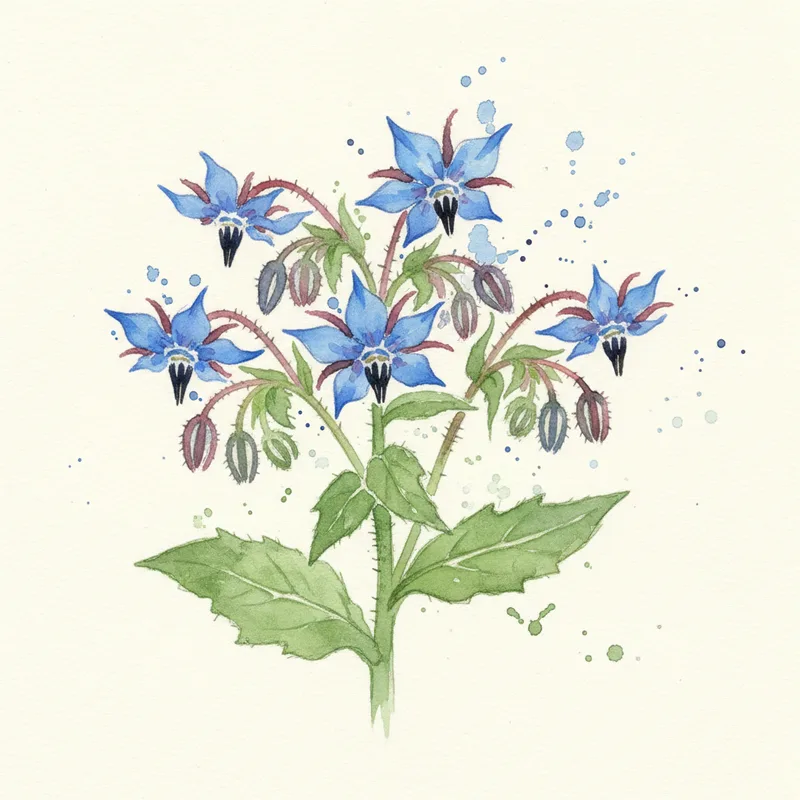
Star-shaped electric blue flowers that bees go absolutely wild for. Self-sows freely.
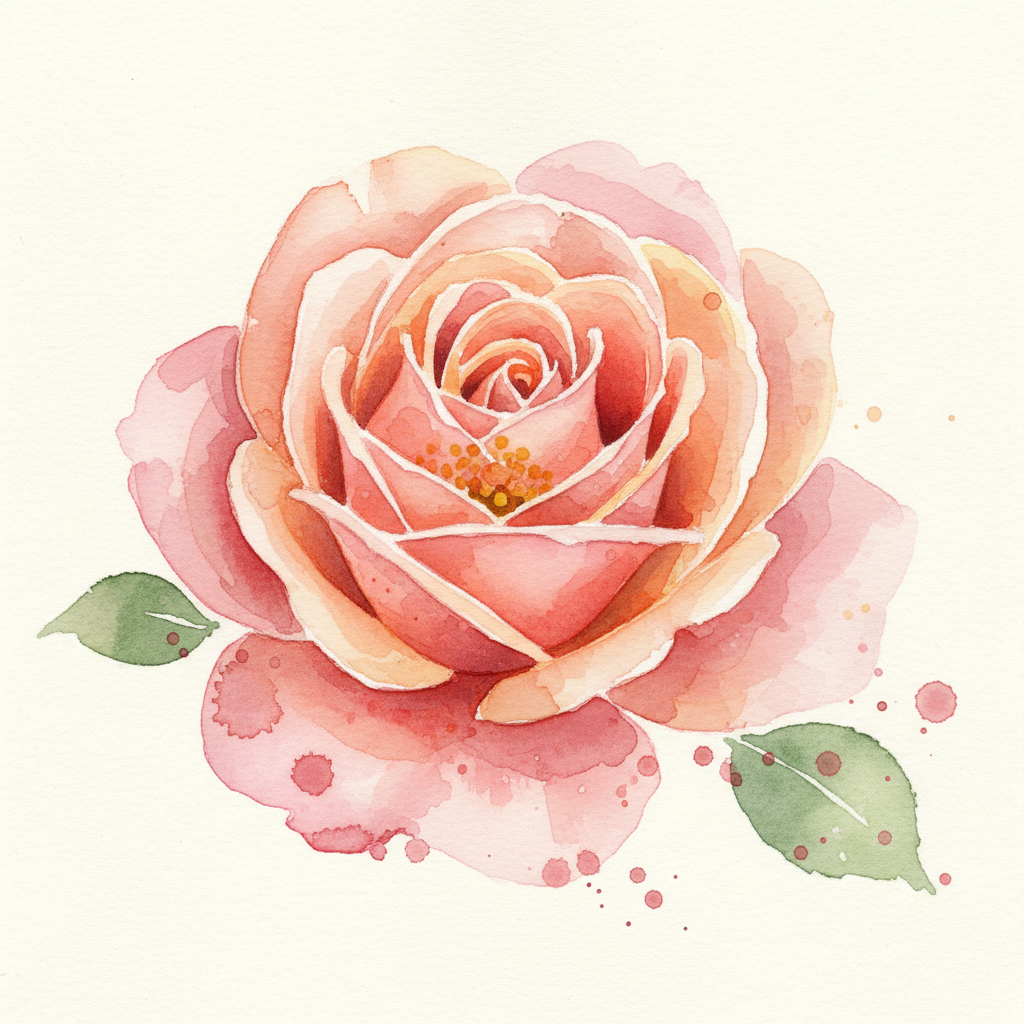
Tight salmon-pink rosettes with a strong myrrh fragrance on an upright, well-shaped plant. Holds form better than most English roses.
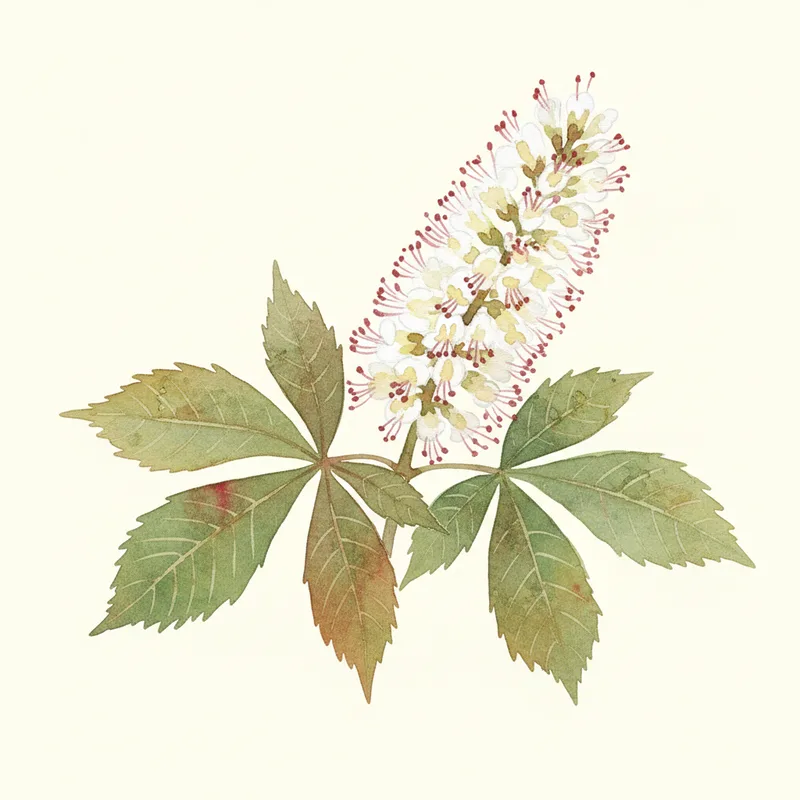
Massive suckering shrub with foot-long white flower candles. Showpiece for large shade gardens.
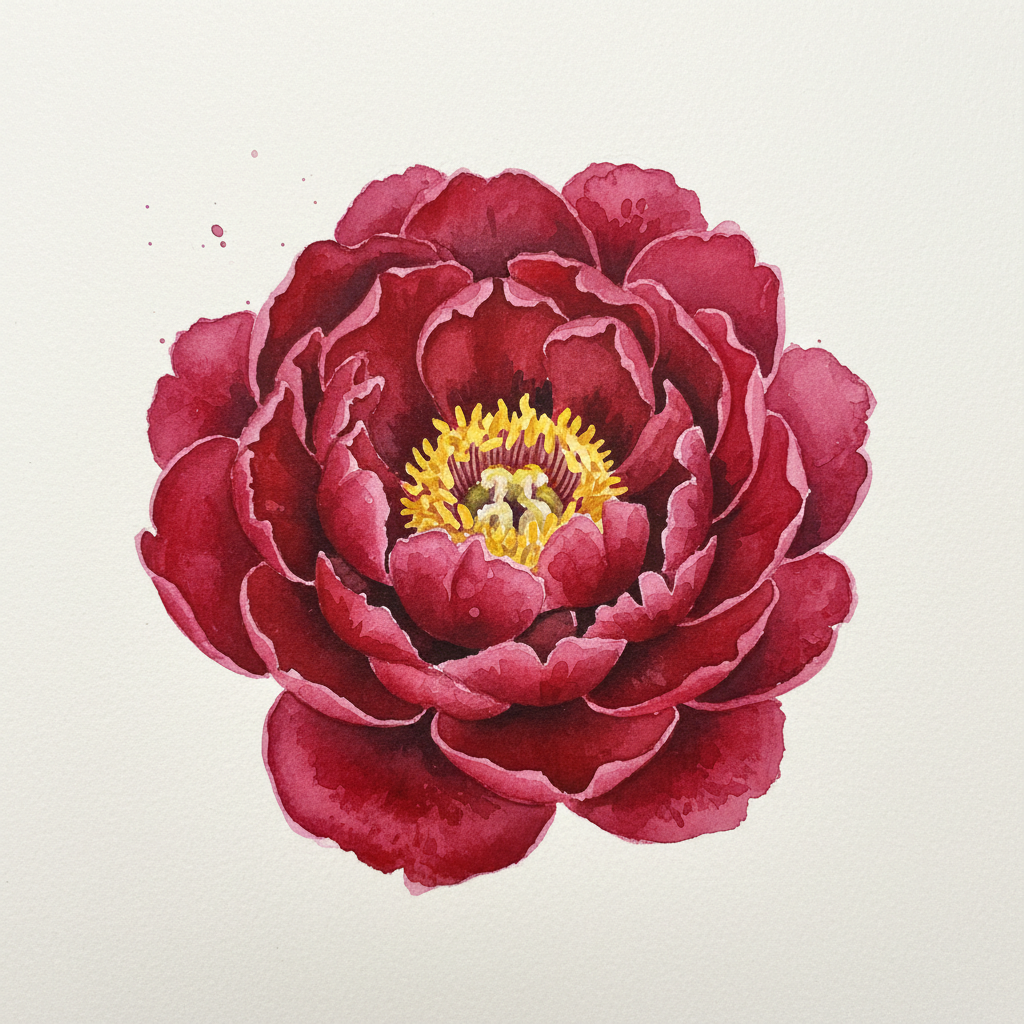
Deep maroon-black semi-double blooms with a heart of golden stamens. The most dramatic dark peony, blooming early when nothing else is open.
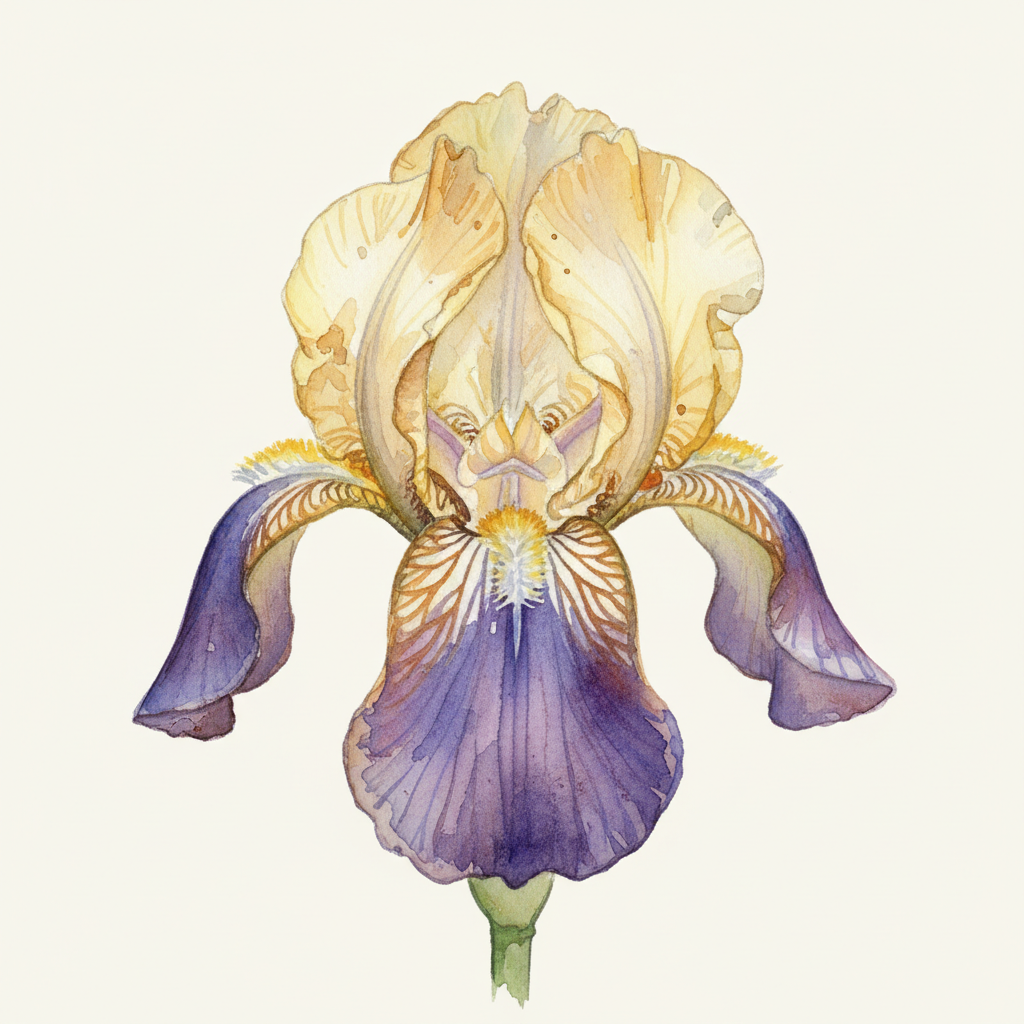
Cream-white standards over butter-yellow falls. The first dependable yellow-and-white Siberian iris ever introduced.
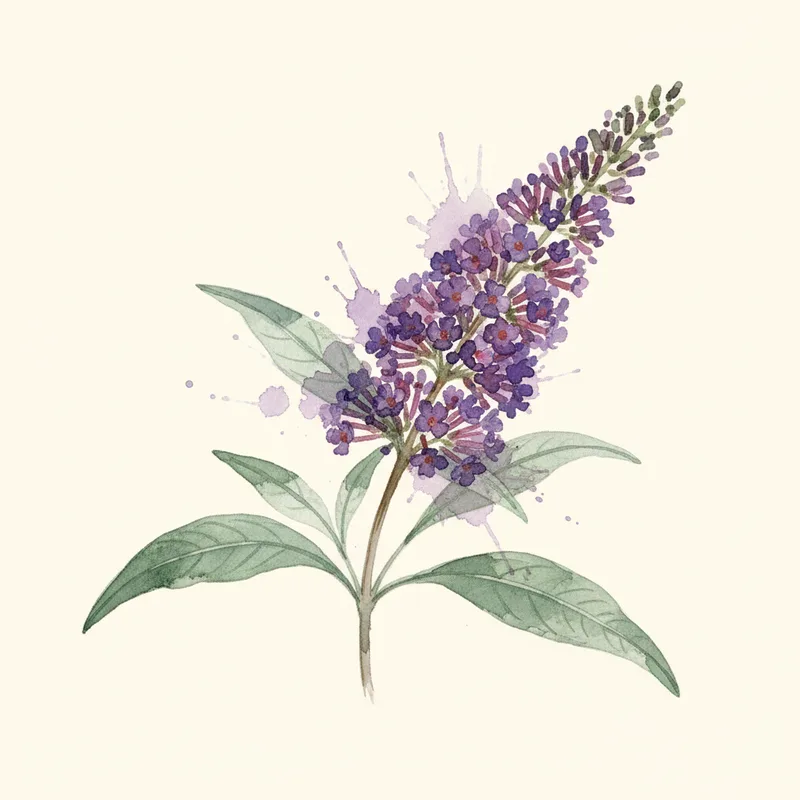
Long, arching flower wands that butterflies absolutely lose their minds over.
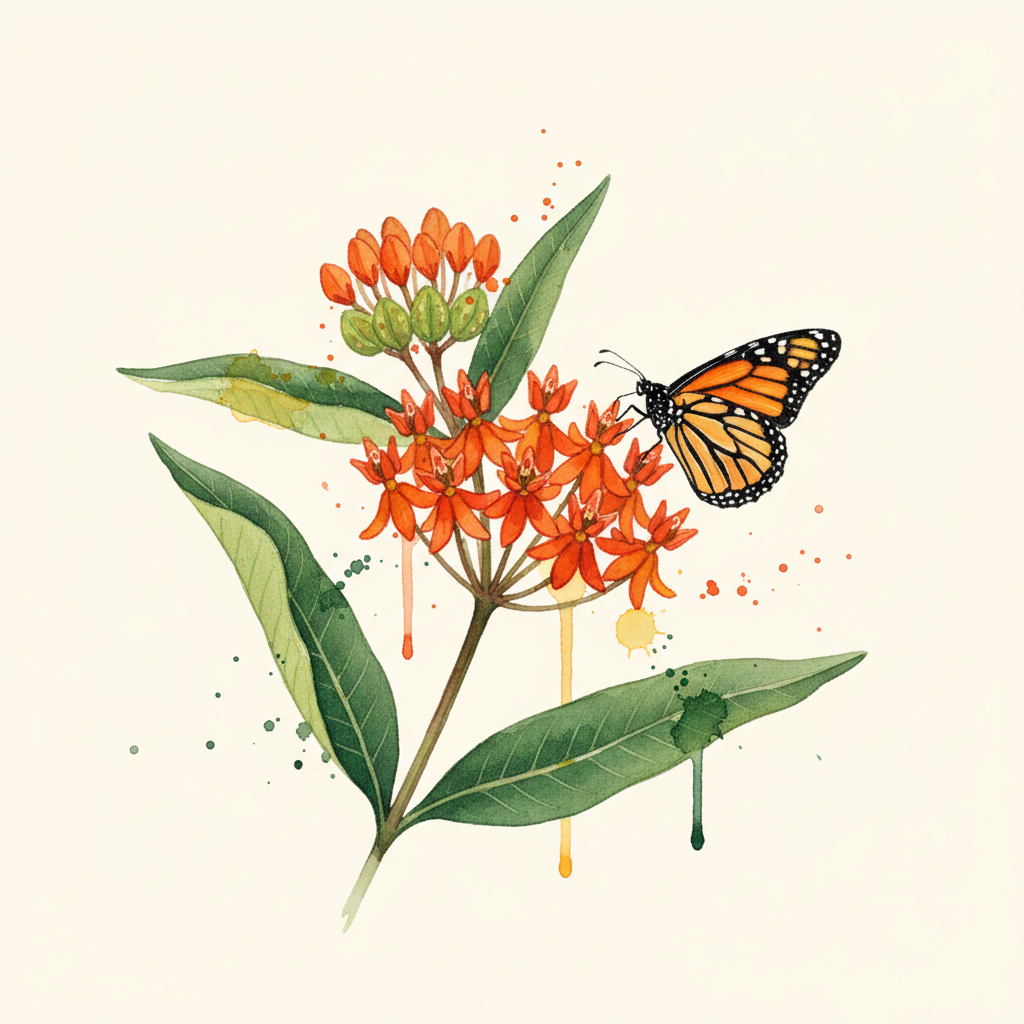
Vivid orange-red flat-topped clusters that monarchs and swallowtails cannot resist. Drought-proof once established.
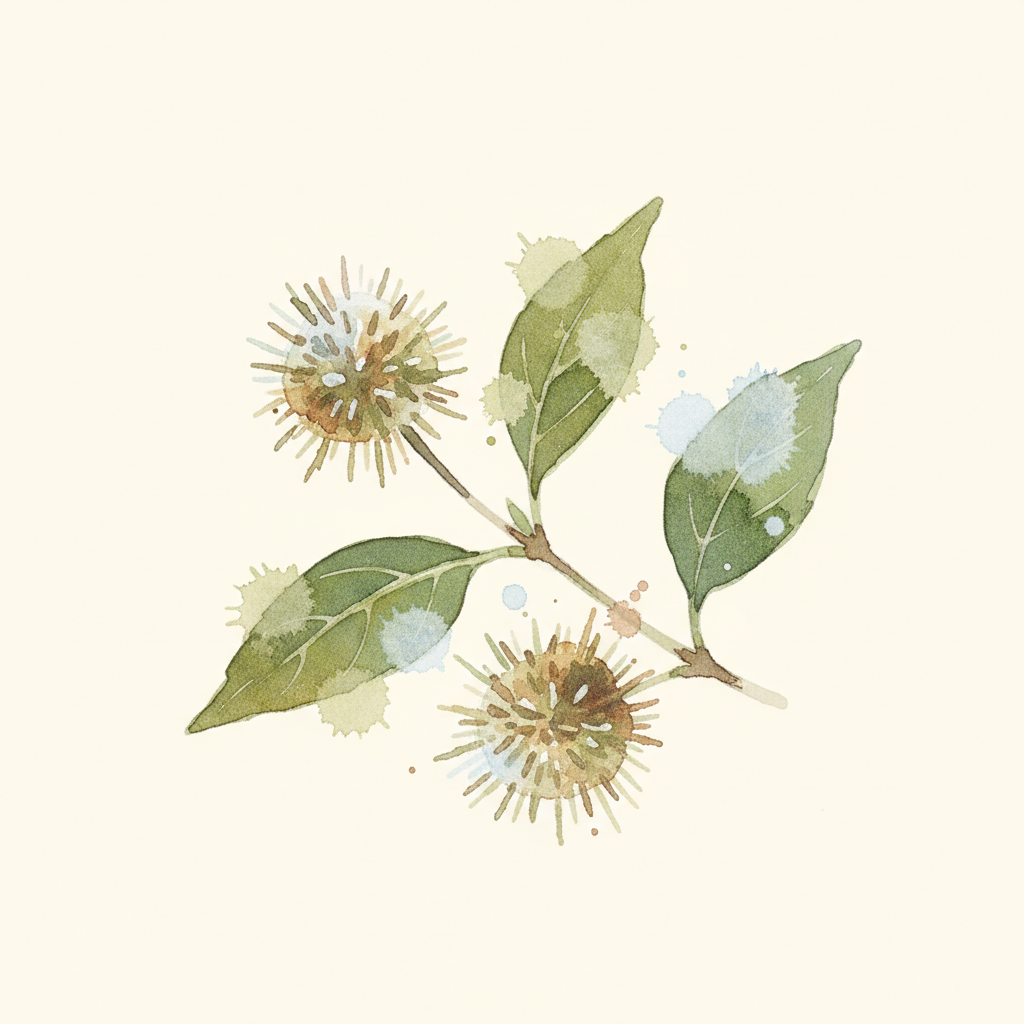
Weird and wonderful pincushion flowers like tiny white globes on a tough native that thrives in wet conditions.
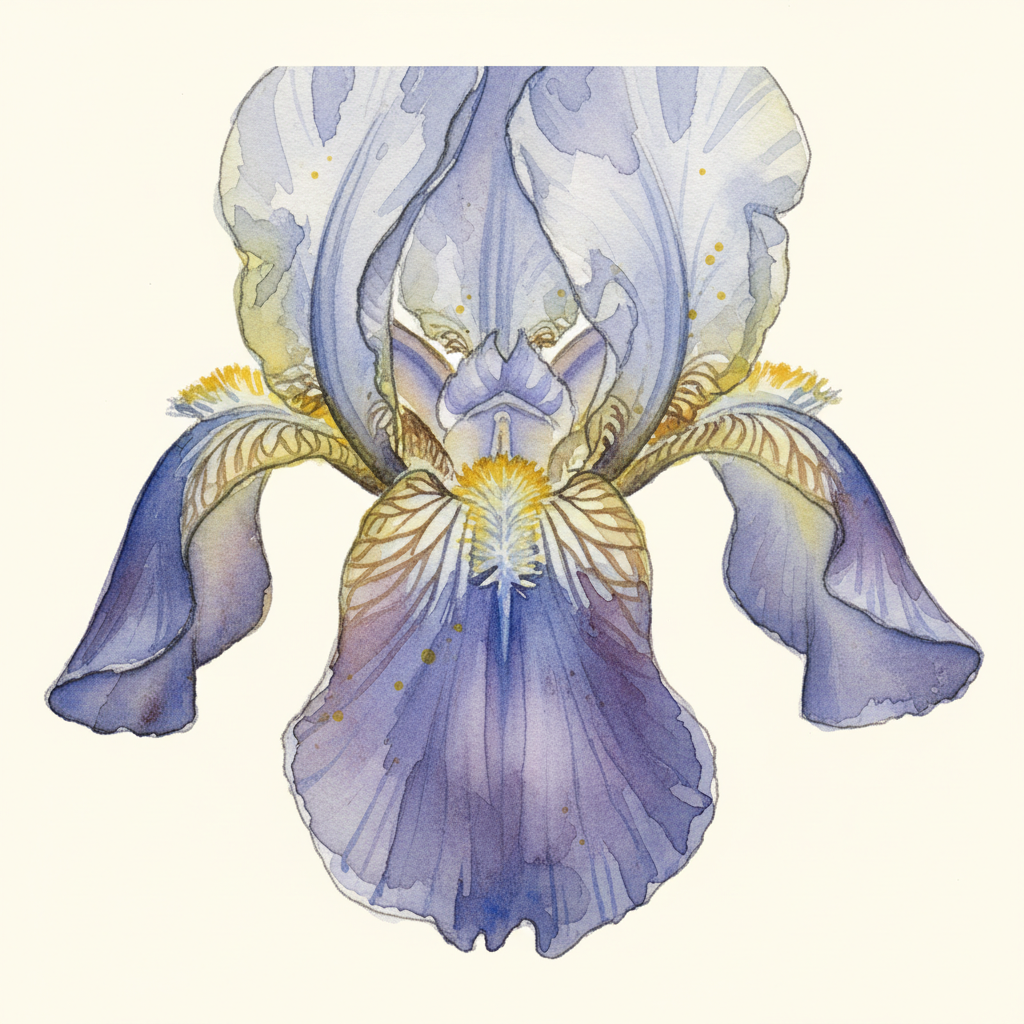
Tall stems hold rich violet-blue flowers above grassy foliage. The Siberian iris benchmark, blooming earlier and longer than bearded types.
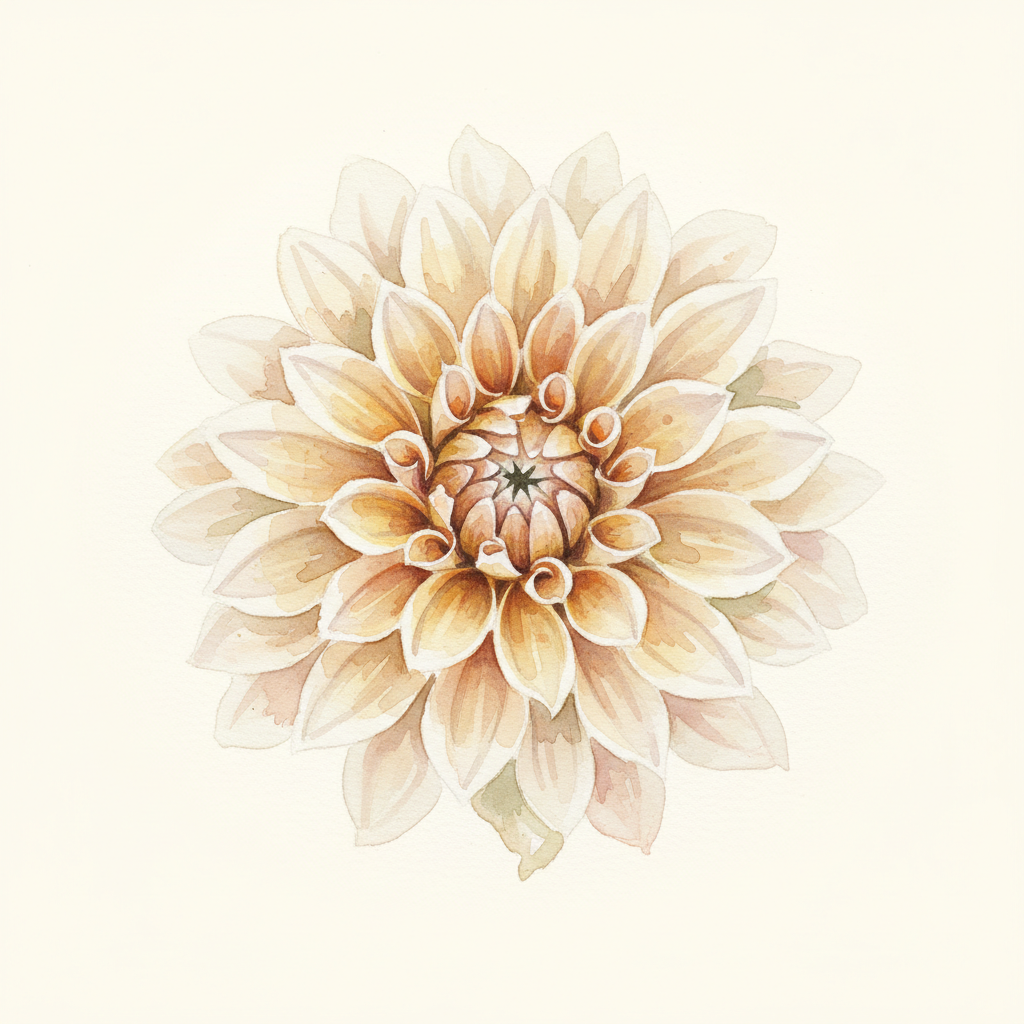
Dinner plate blooms up to 10 inches across in a creamy blush-beige tone florists have built entire wedding industries around.
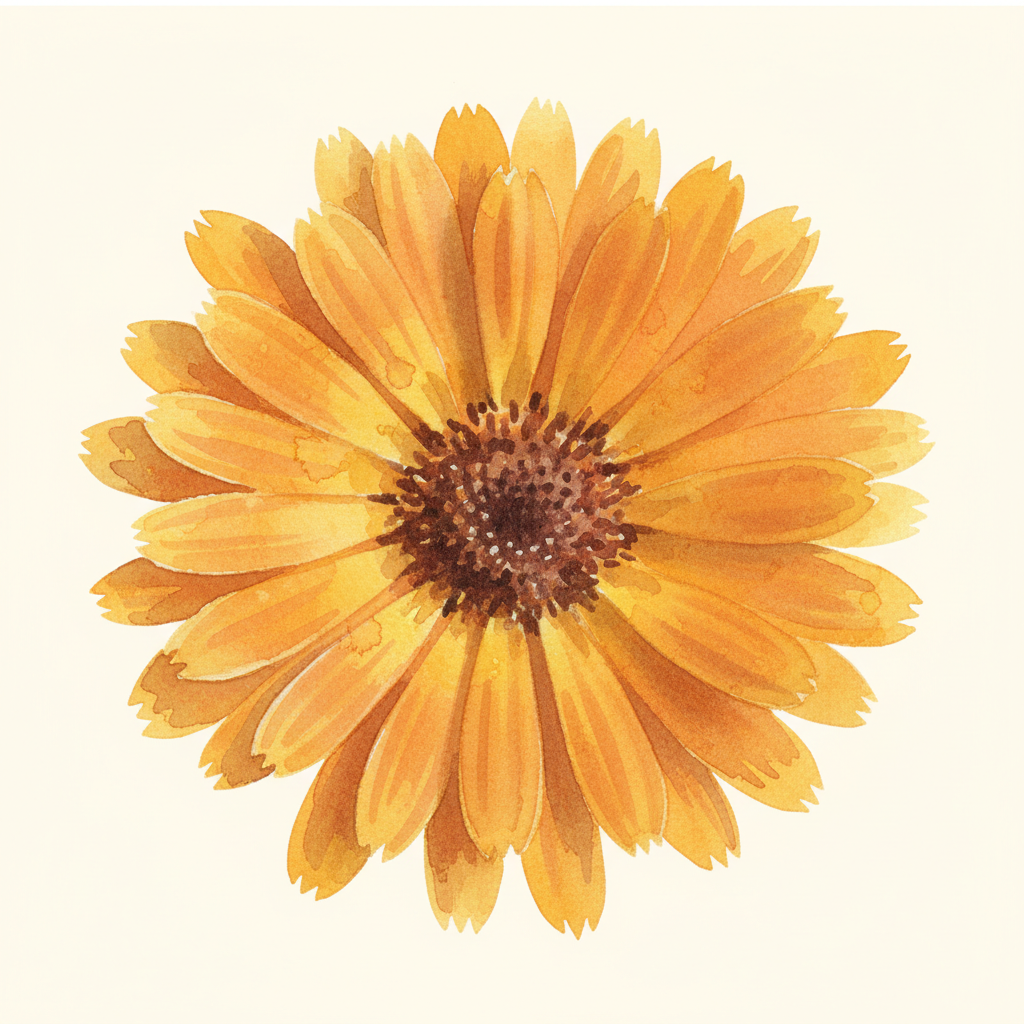
Bright daisy-like blooms in pumpkin orange and gold. Edible petals brighten salads and the plant keeps blooming through cool weather.
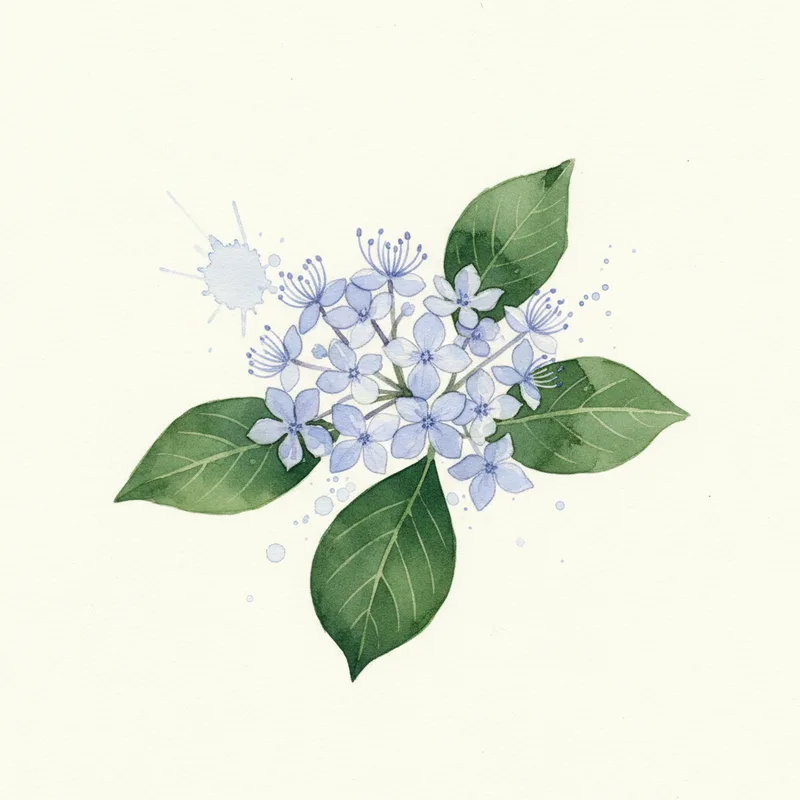
Electric blue flower clusters on an evergreen California native. Hummingbird and bee magnet.
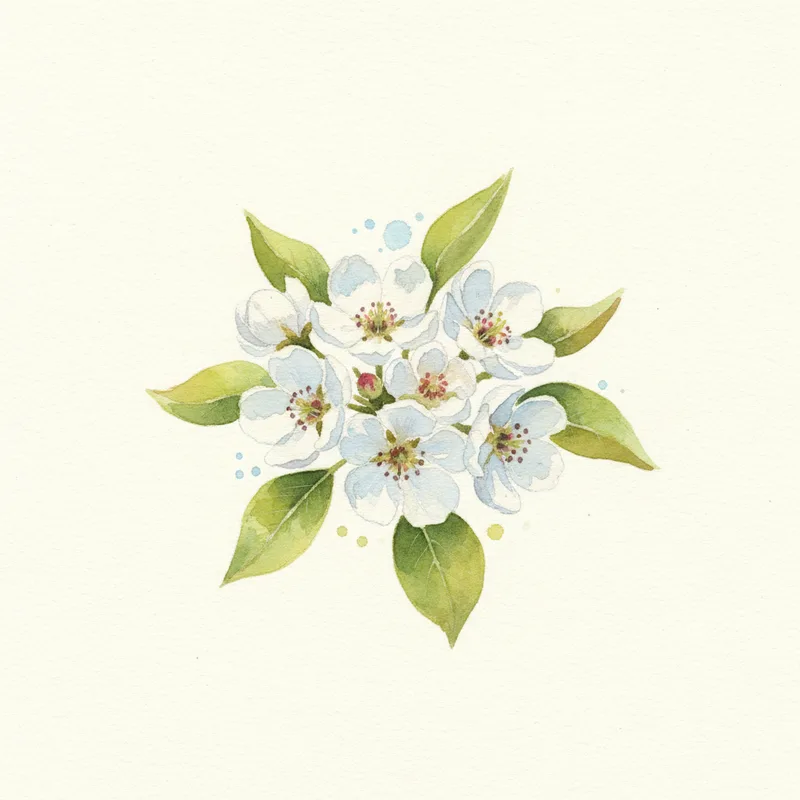
Masses of white flowers in early spring on a tough, adaptable urban tree.
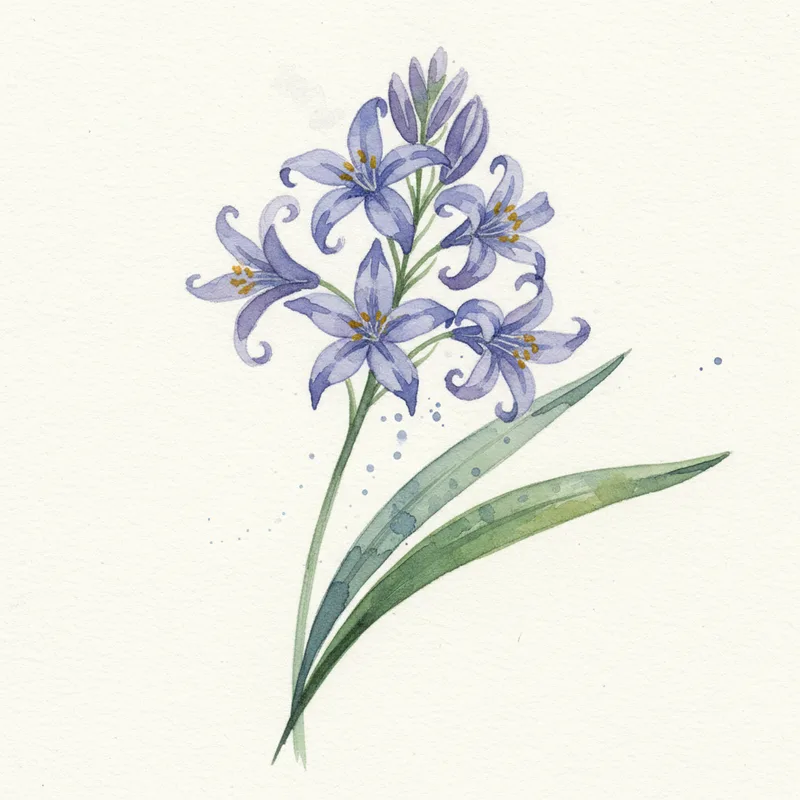
Tall spikes of starry flowers rise above strappy foliage in late spring.
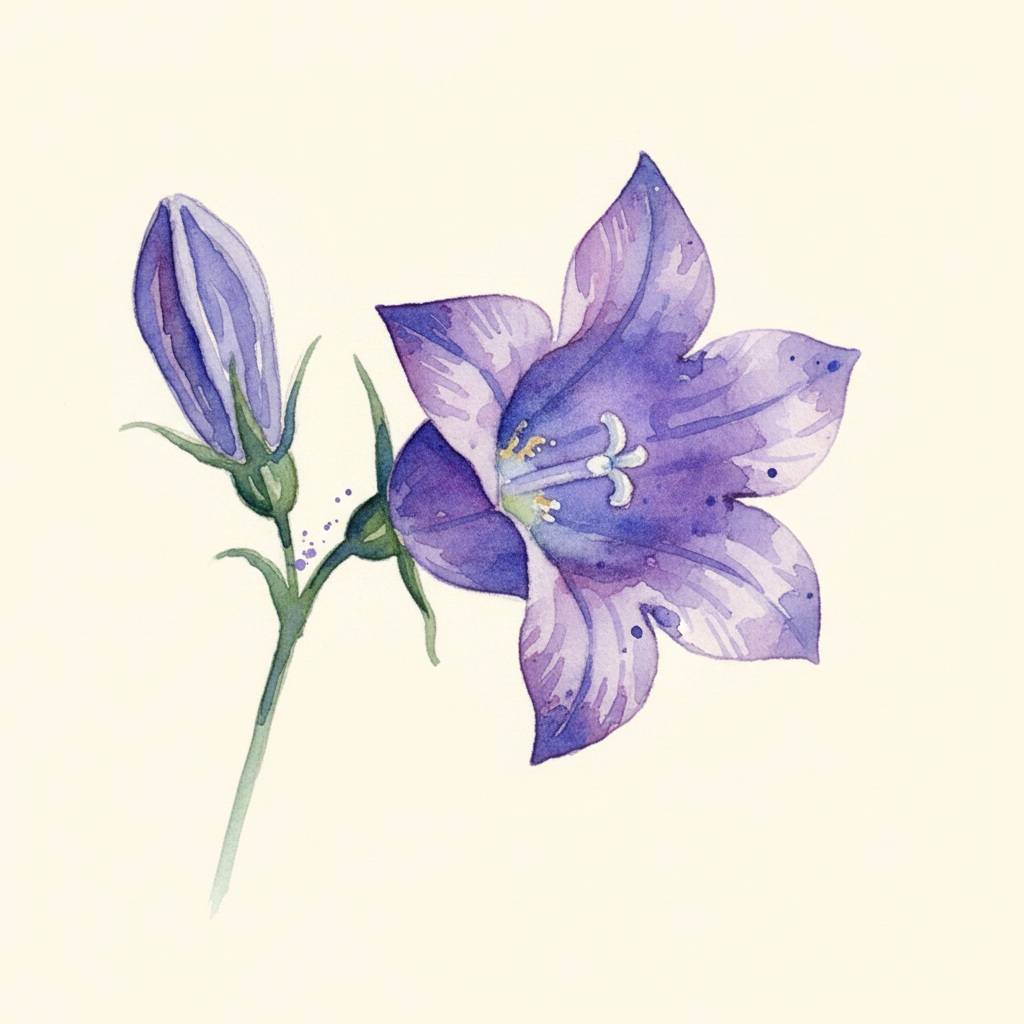
Open, nodding bells in clear blue on tall graceful stems. Self-sows into refined cottage garden drifts.
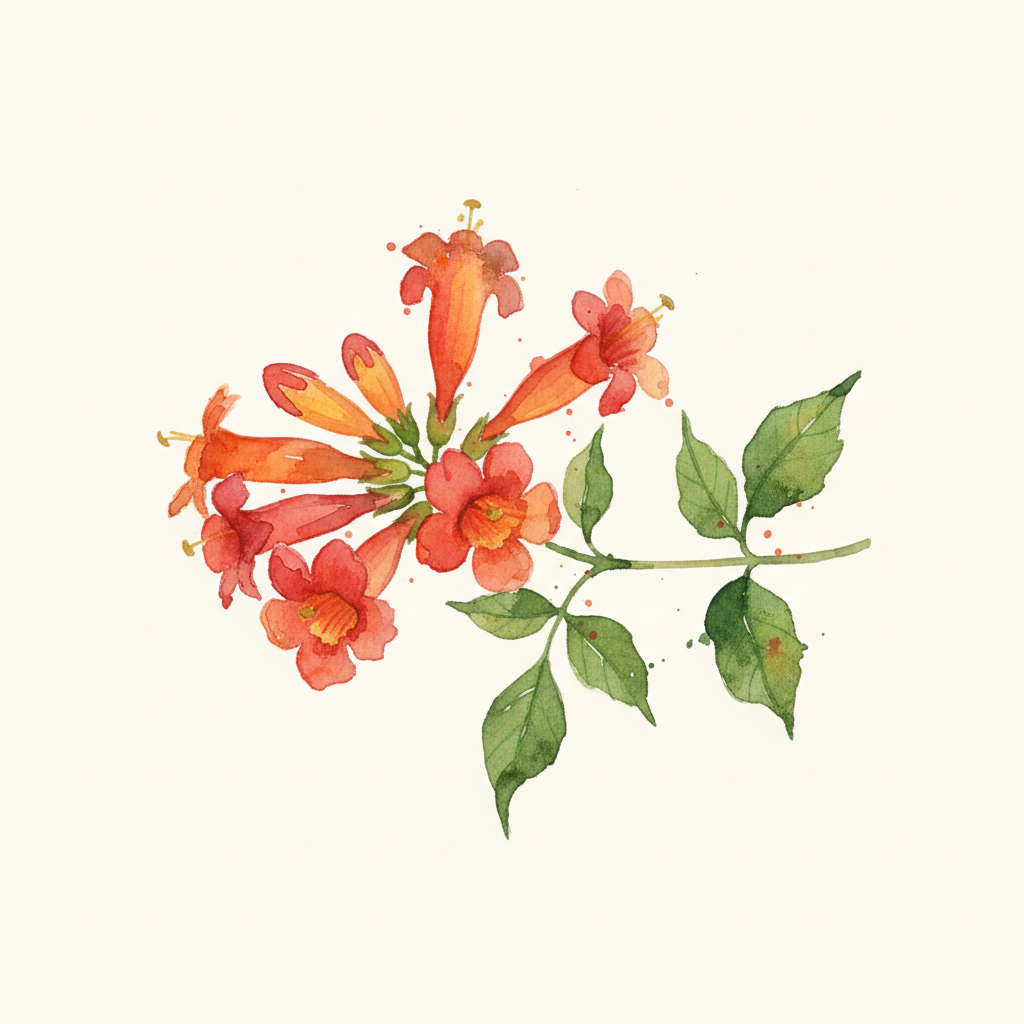
Clusters of vivid orange-red trumpets bloom from fall through spring. Evergreen in mild climates and a hummingbird magnet in every month it flowers.
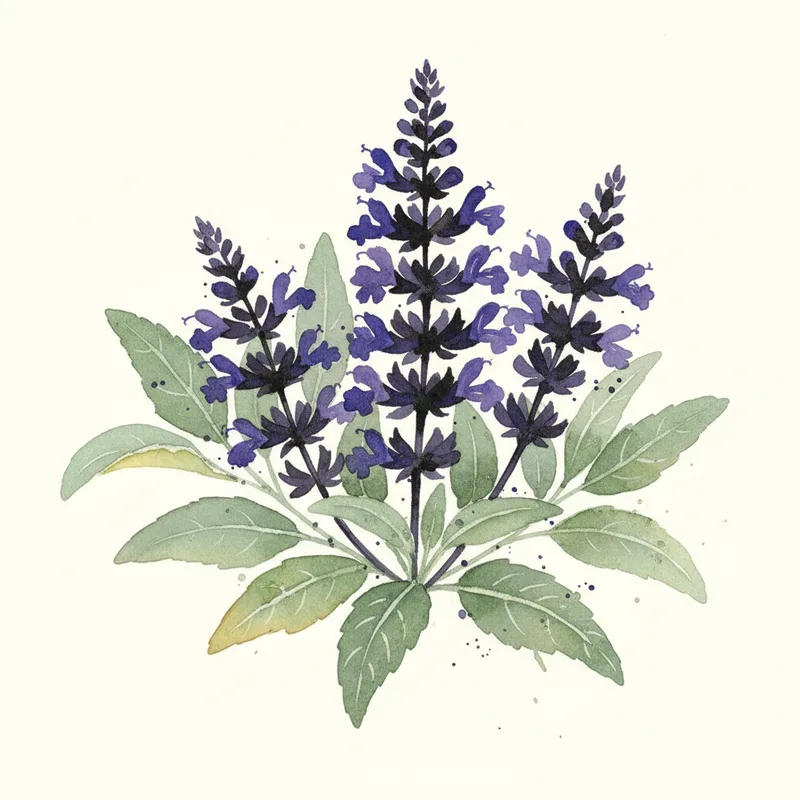
Dark purple stems set this apart from every other salvia. Vertical, architectural, electric.
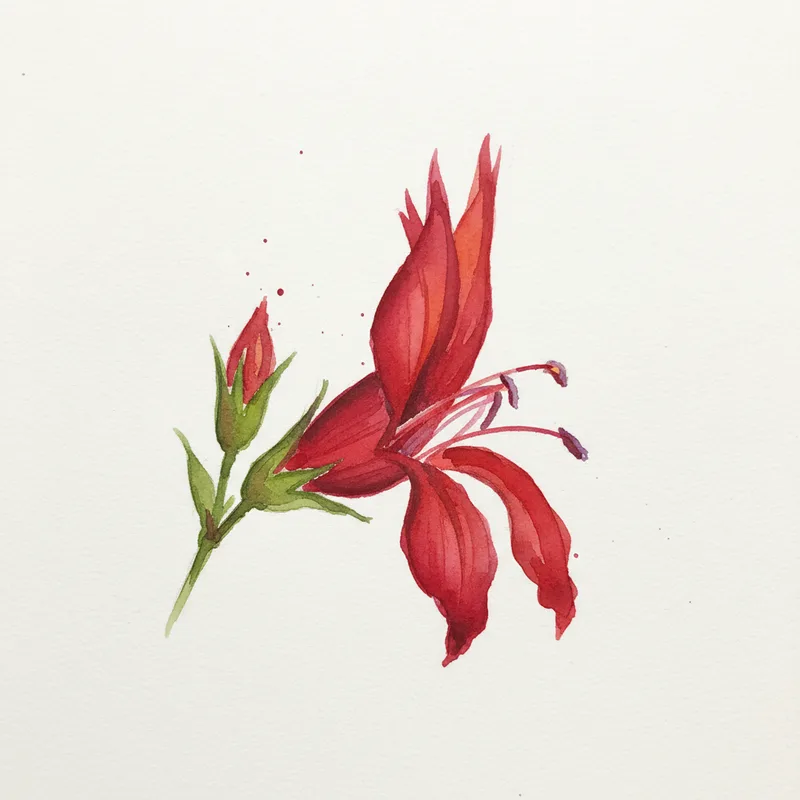
Screaming scarlet spikes. The most vivid red in the native plant world.
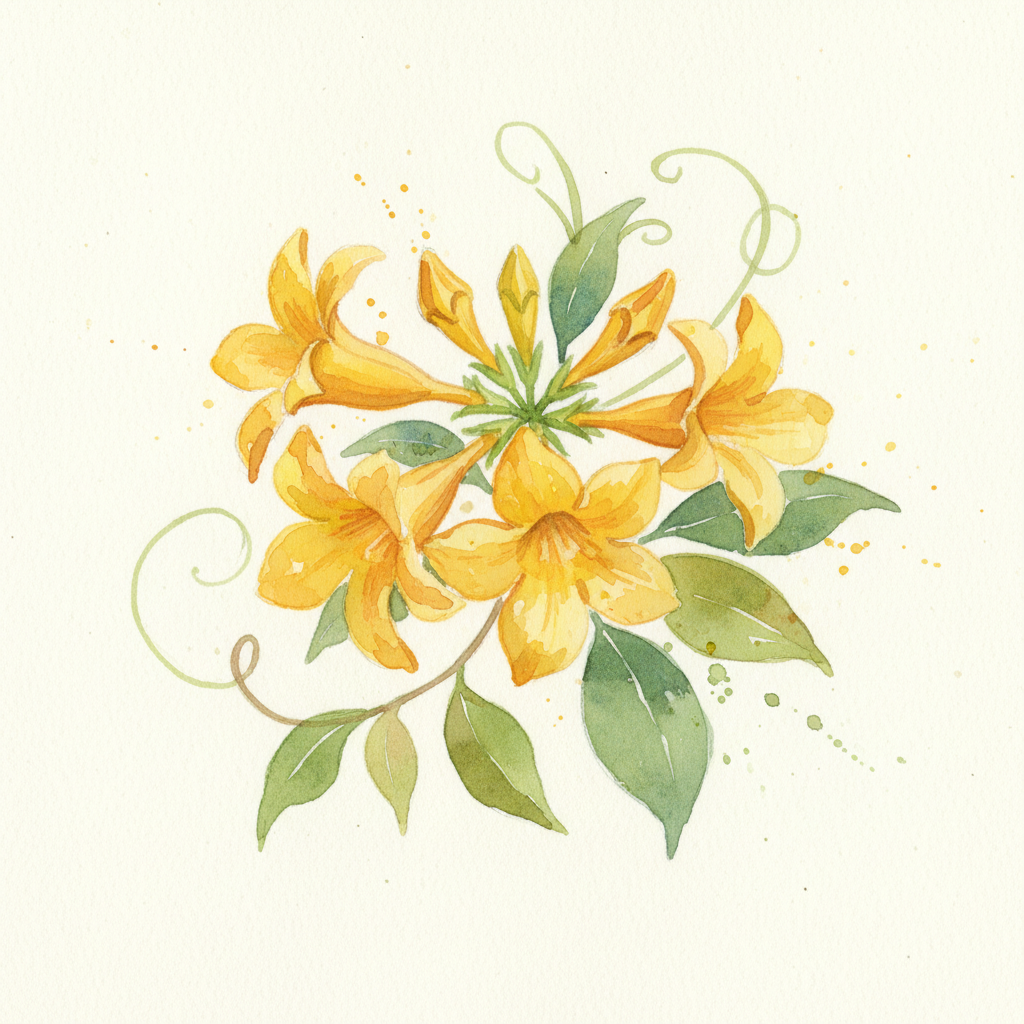
One of the first vines to bloom each year, smothering itself in fragrant bright yellow tubes in late winter and early spring.
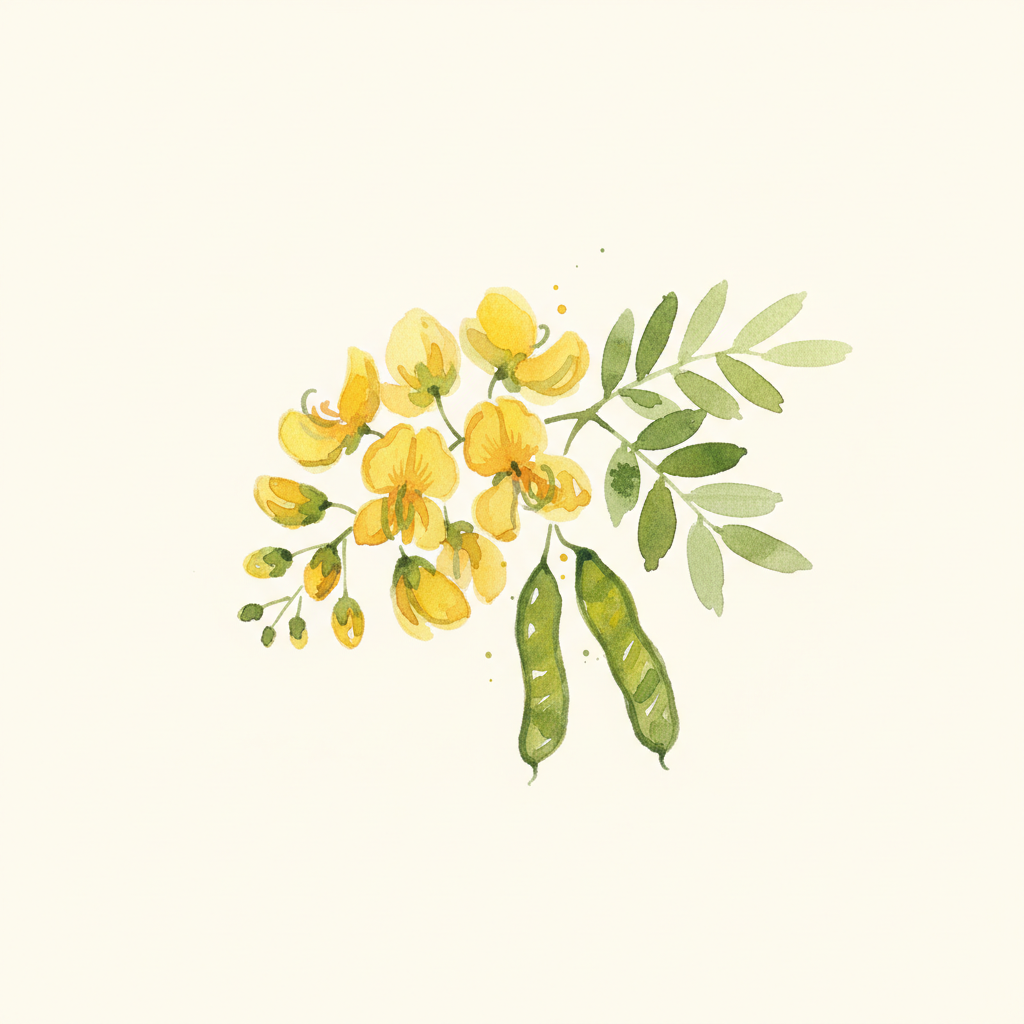
Showers of bright golden flowers cover the shrub in fall when little else is blooming. Sulphur cassia, a butterfly host plant that lights up the autumn.
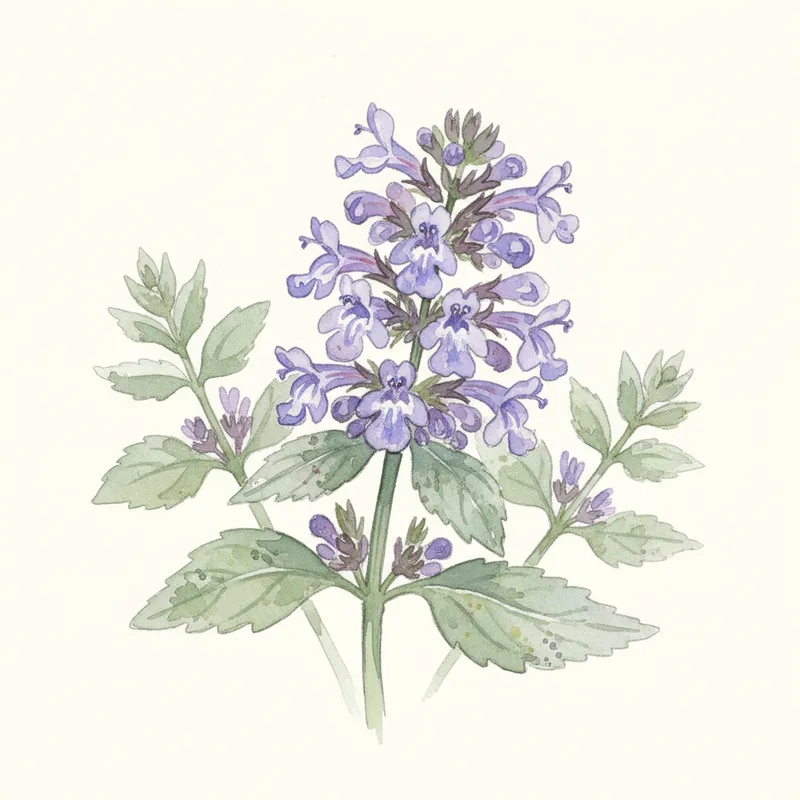
Tidy, dome-shaped habit that never flops open. Stays compact without shearing.
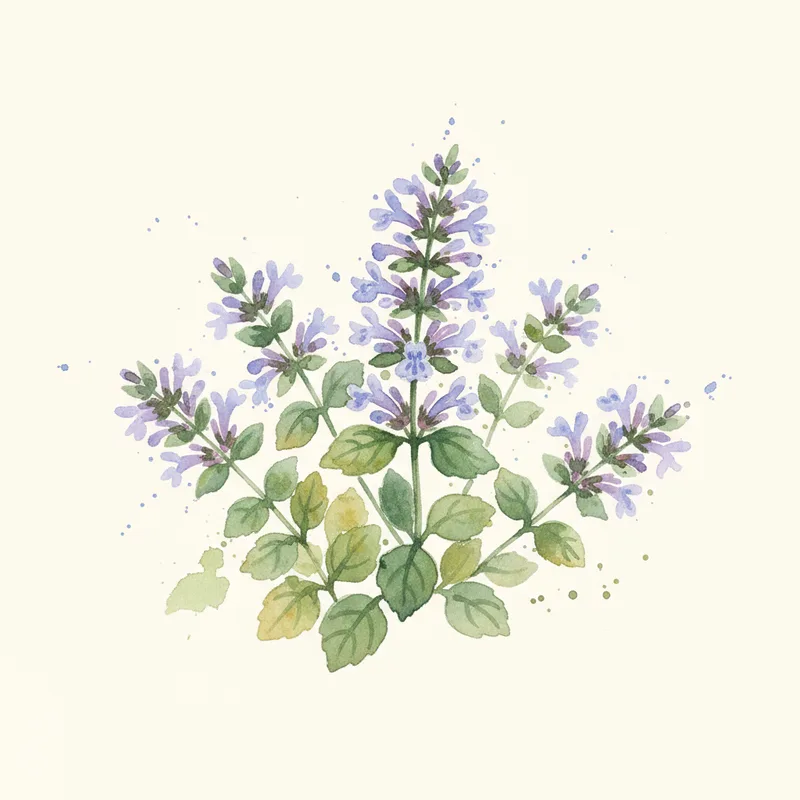
Billowy lavender-blue haze that blooms all season if you shear it back.
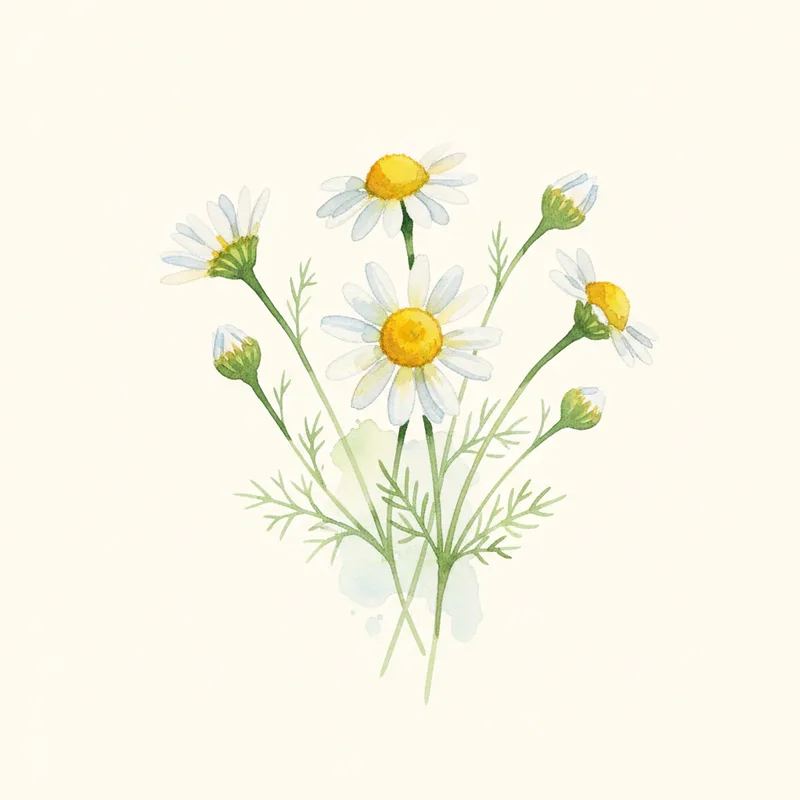
Tiny daisy flowers with apple-scented foliage. Brew into tea or let it naturalize between pavers.
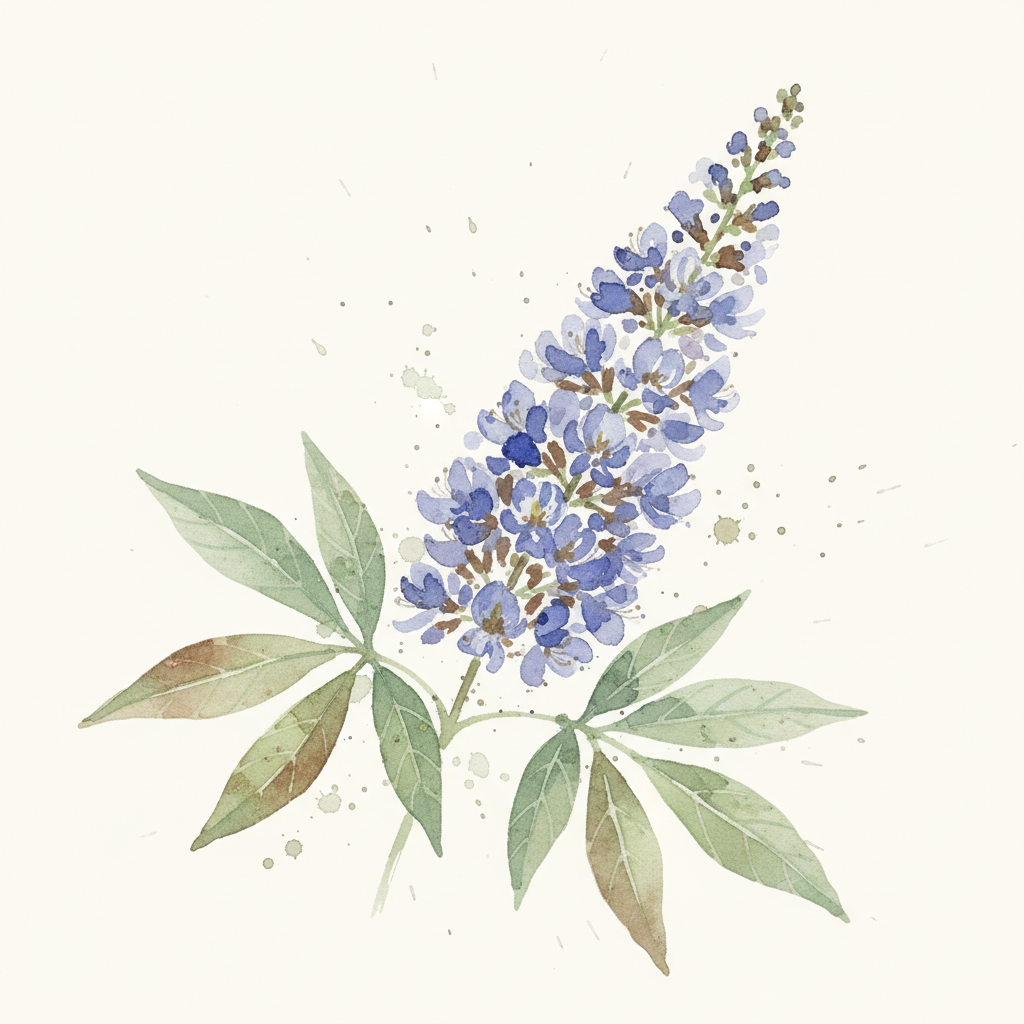
Long lavender-blue spikes cover this heat-loving shrub all summer. One of the few shrubs that actually blooms in August.
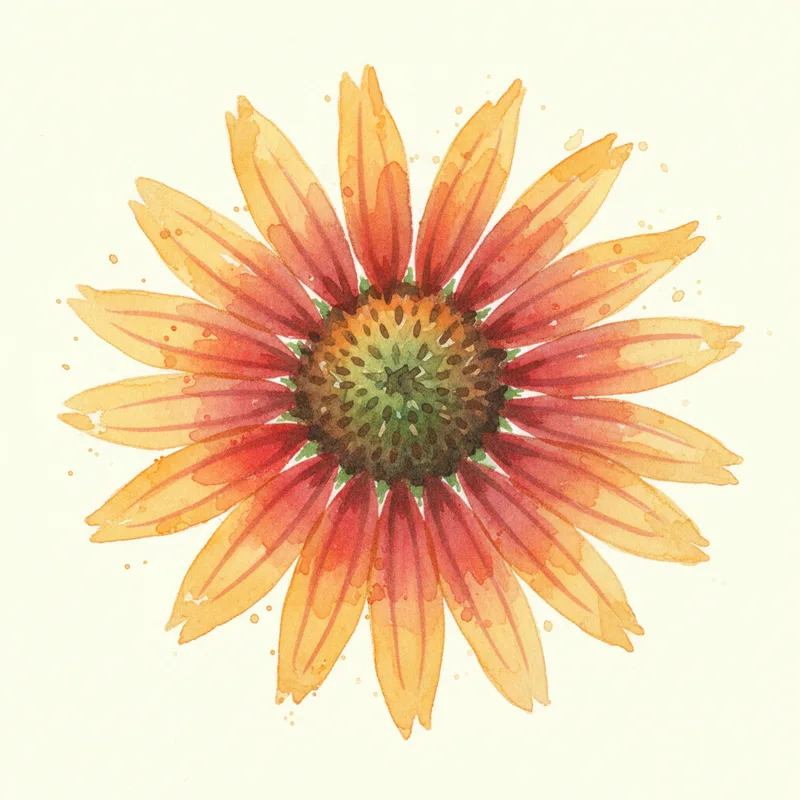
A rainbow mix of coneflower colors from a single seed strain. Every plant is a surprise.
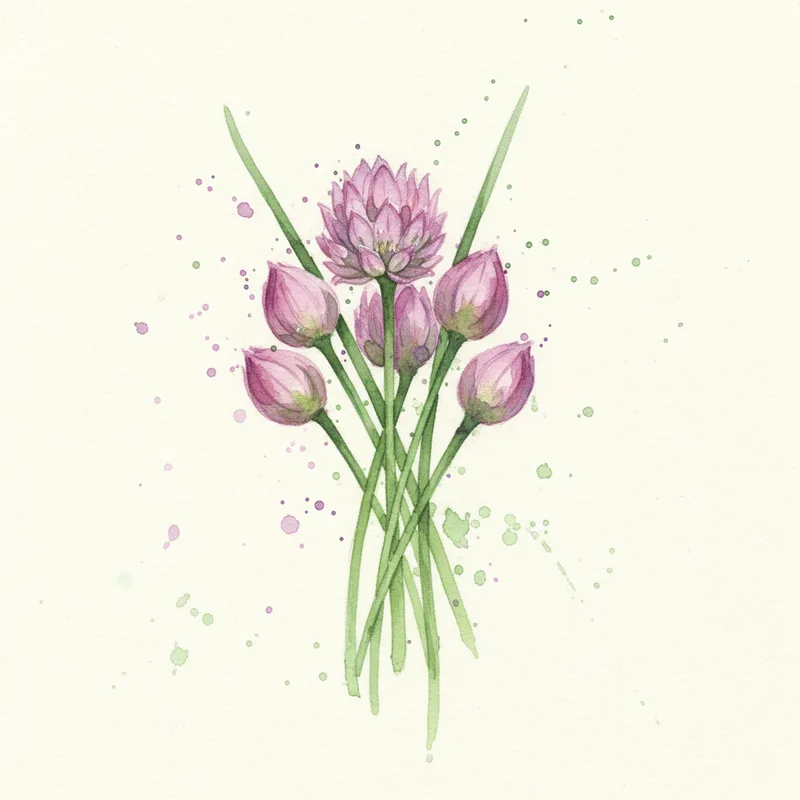
Cheerful purple pom-pom flowers on a kitchen staple. Edible blooms make any salad Instagram-worthy.
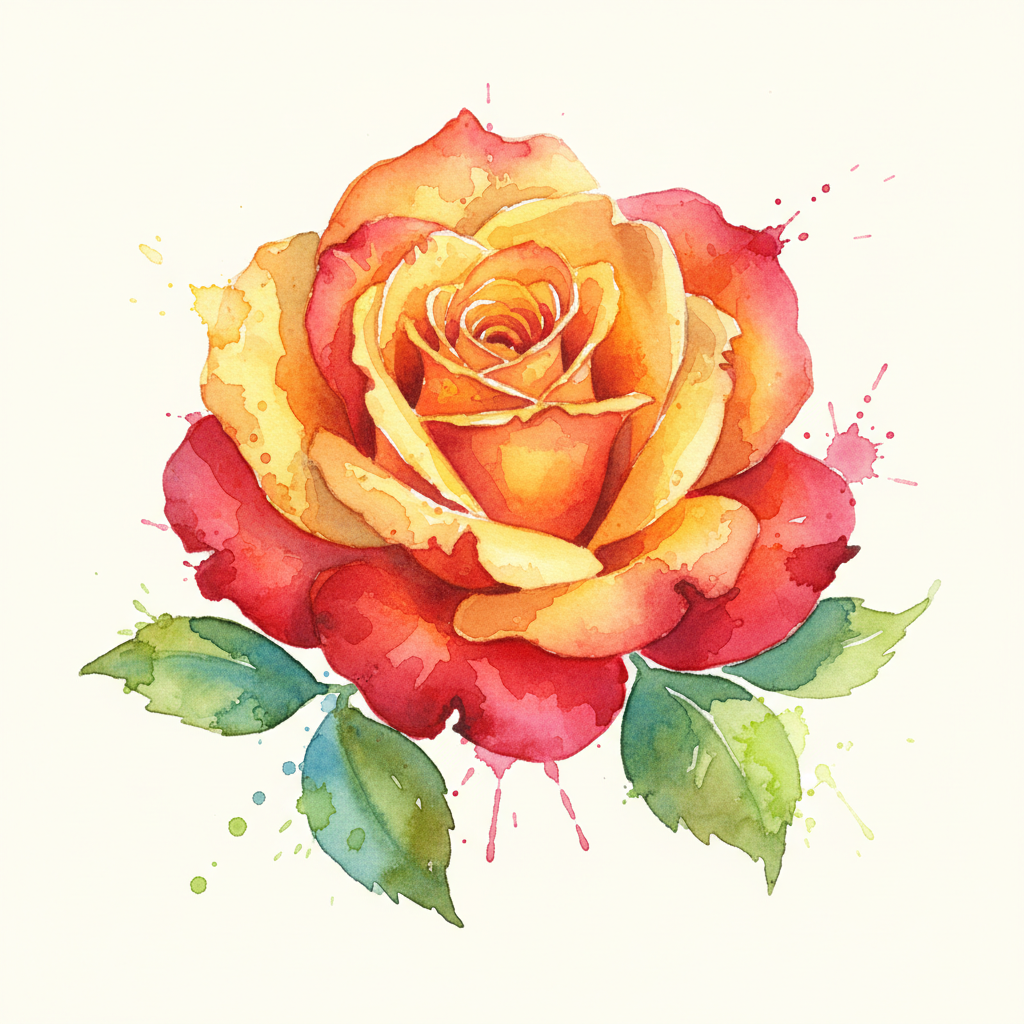
Smoky lavender-rust blooms with copper undertones unlike any other rose. Modern fragrance, modern disease resistance, and a color you will not find anywhere else.
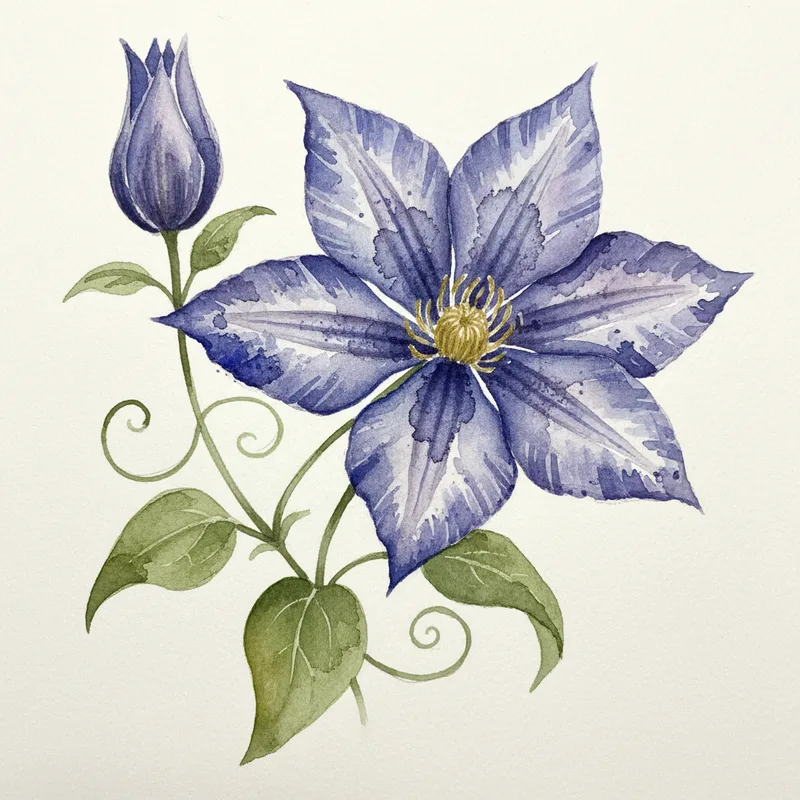
The queen of flowering vines. Over 300 species, something for every spot.
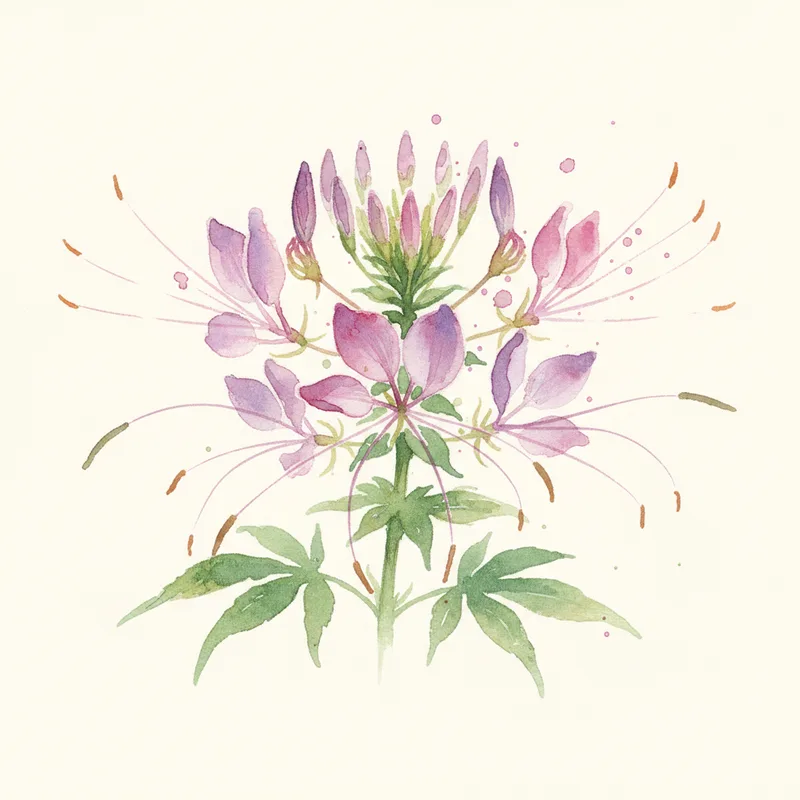
Spider-flower with whisker-like stamens and airy blooms. Tall, dramatic annual that self-sows freely.
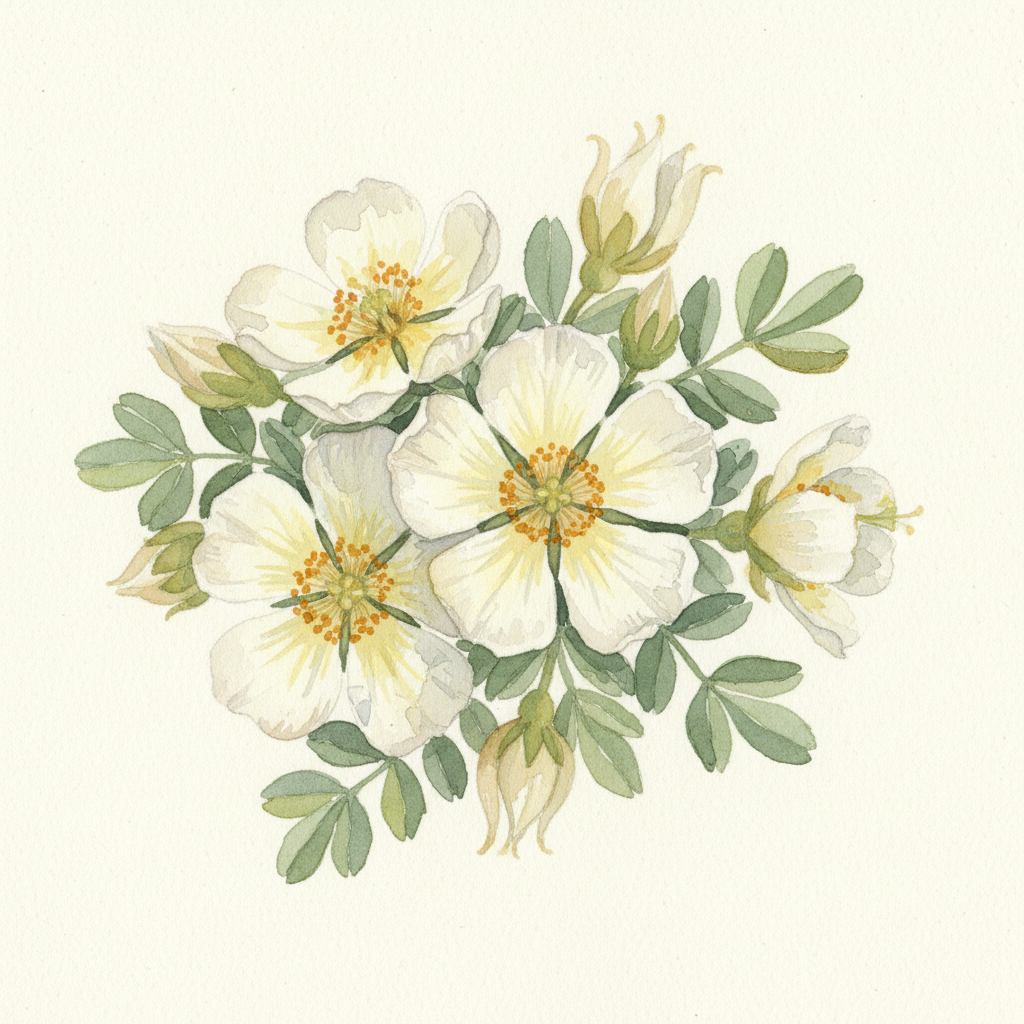
Creamy white rose-like flowers with sweet fragrance and feathery seed plumes on a tough Rocky Mountain native.
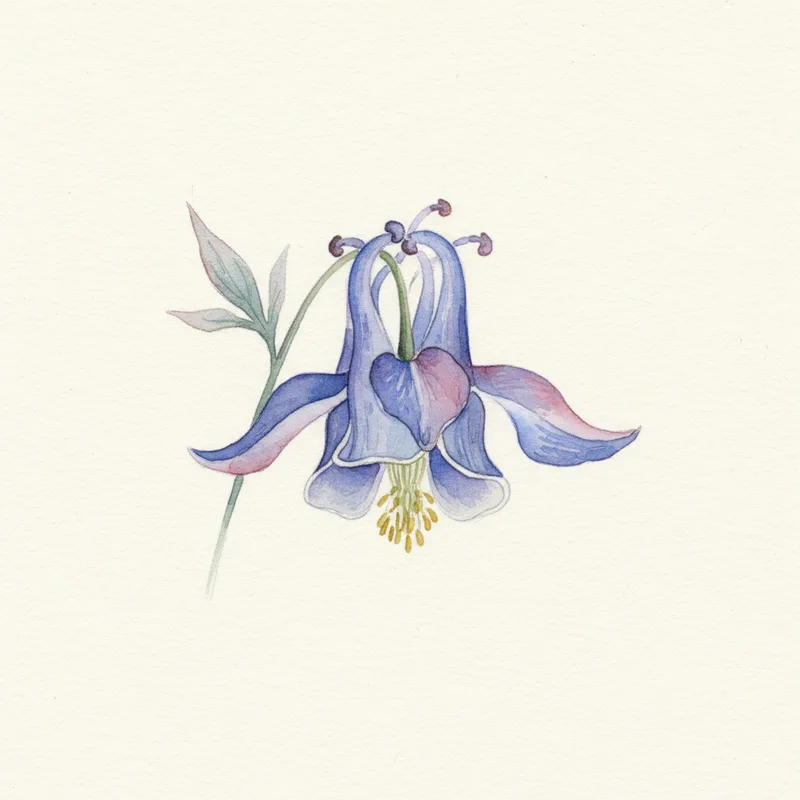
Delicate, spurred flowers that dance on wiry stems. Hummingbird favorite.
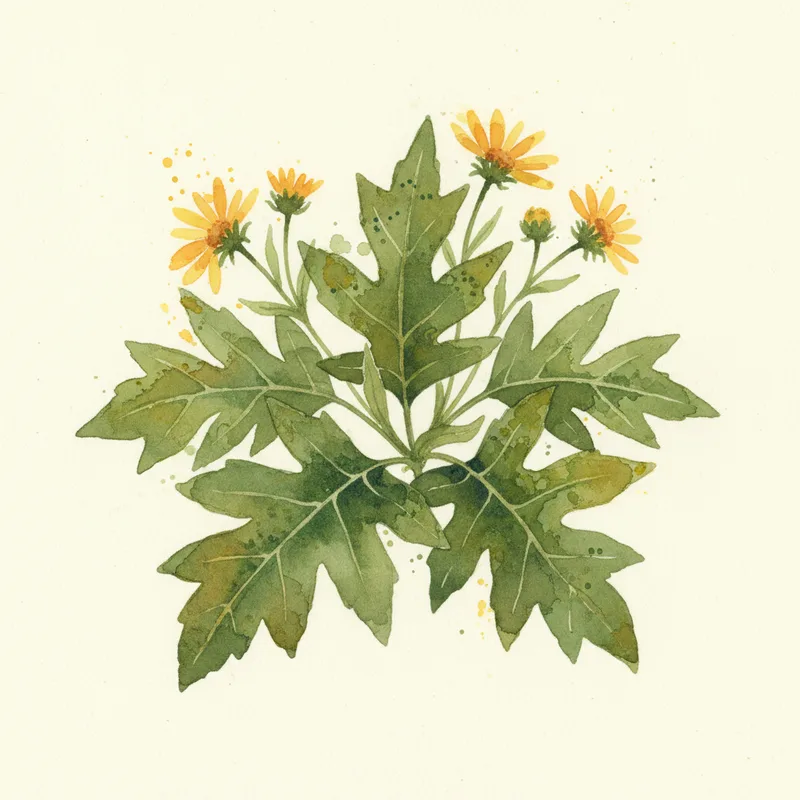
Tall stems with large yellow daisies tower over deeply cut basal leaves that align north-south.
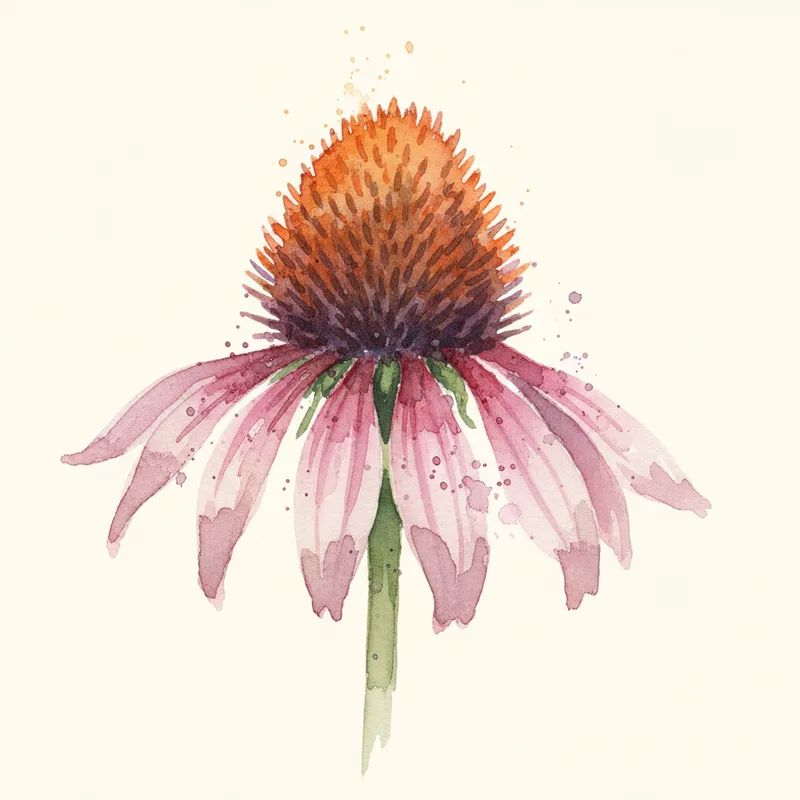
Tough prairie native with long bloom season and medicinal history.
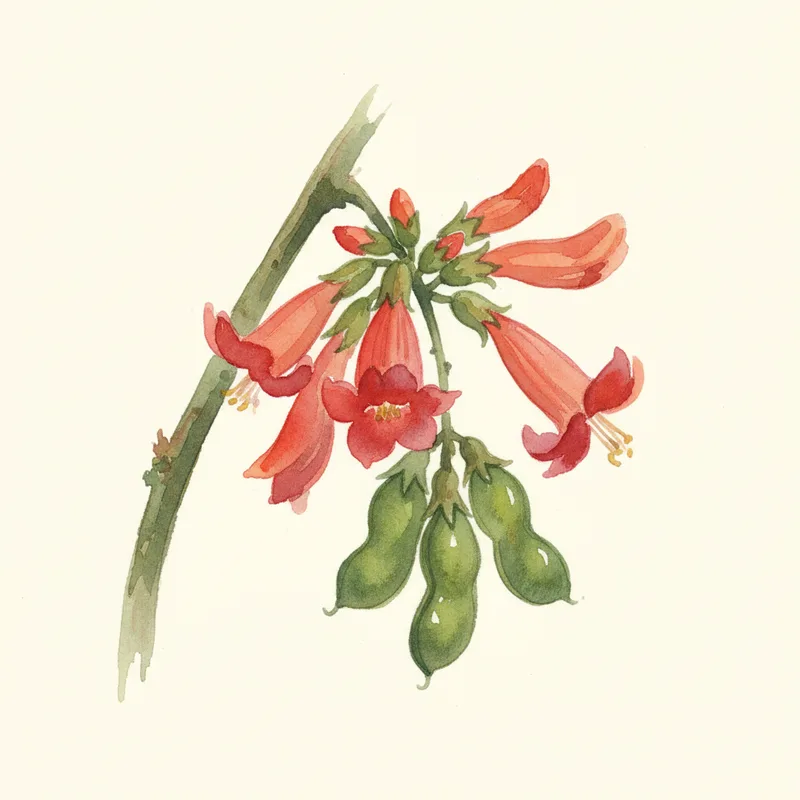
Bold spikes of tubular red flowers in spring attract hummingbirds before bean pods form.
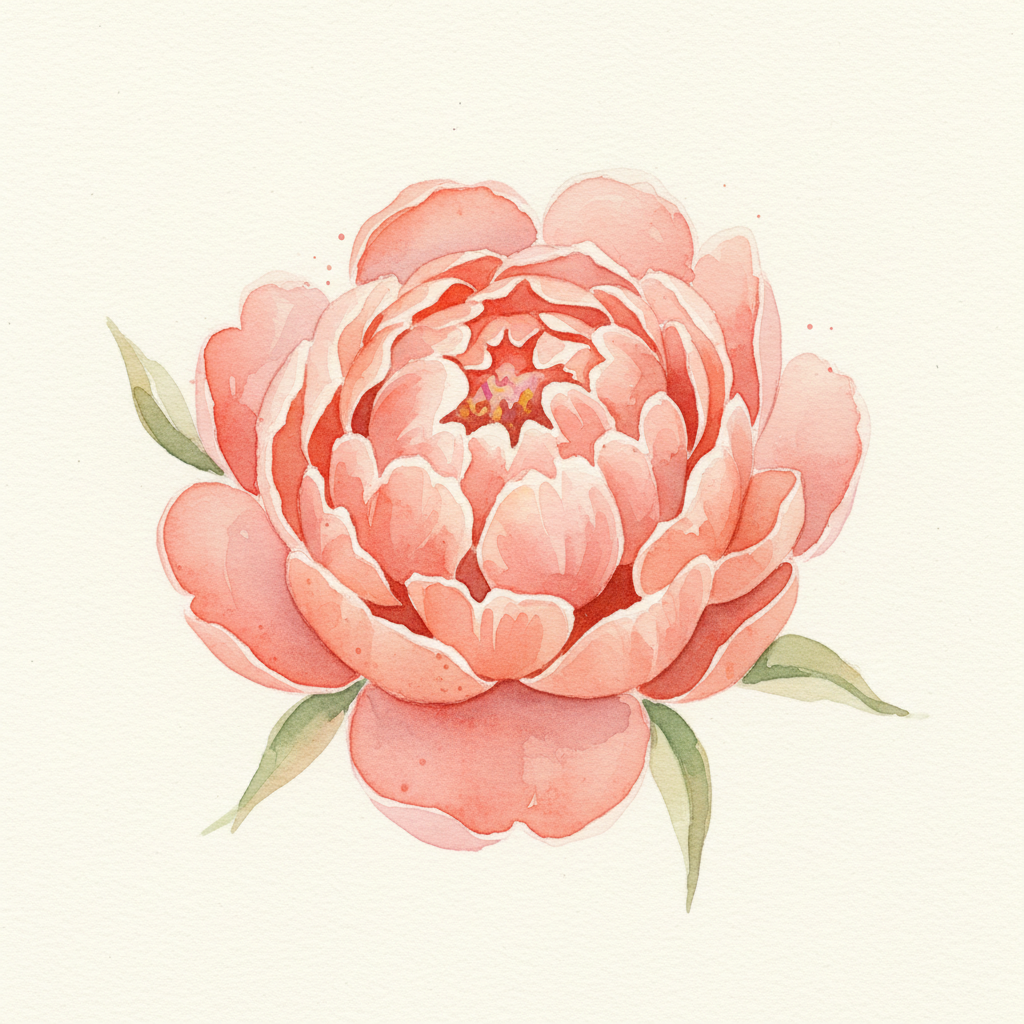
Semi-double blooms open vivid coral-peach, age through apricot, and fade to soft butter cream. A color shift unlike any other peony.
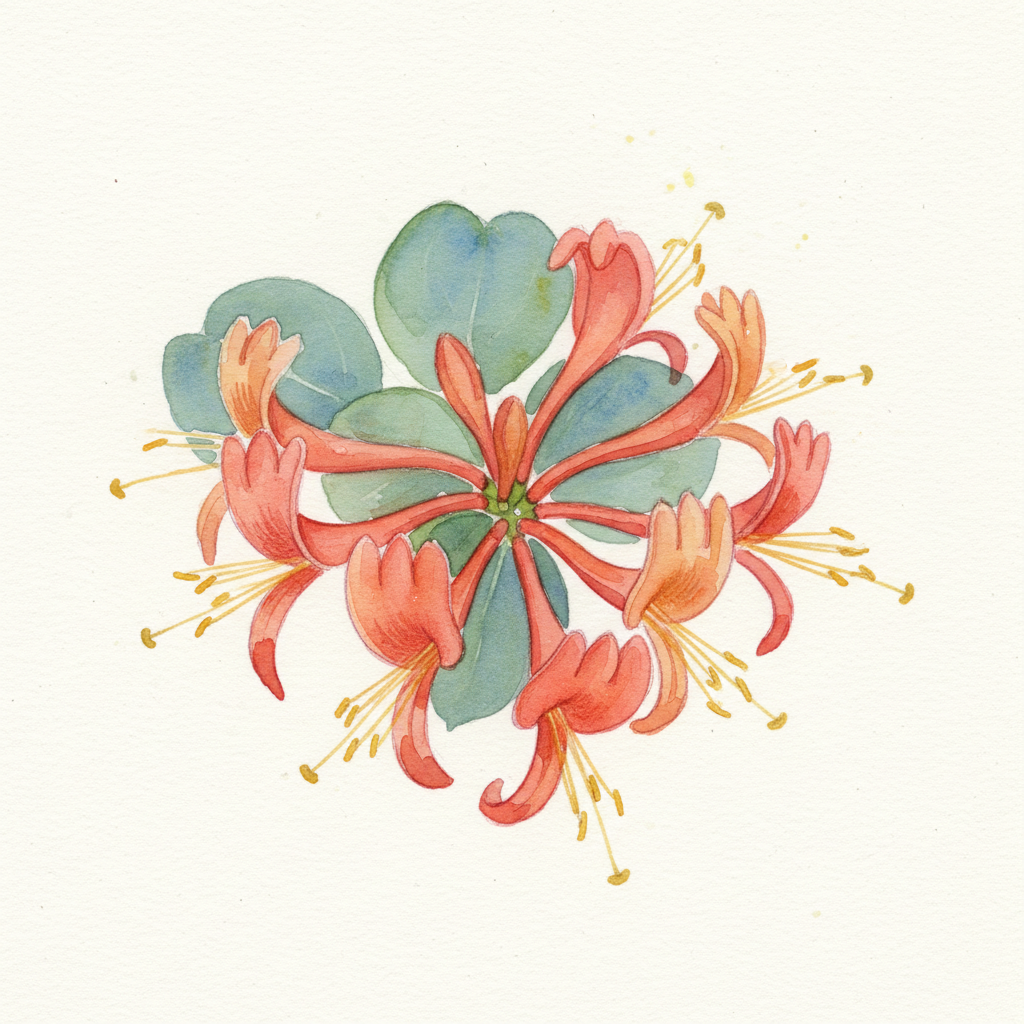
Non-invasive native honeysuckle with brilliant coral-red tubular flowers that hummingbirds hover at for months.
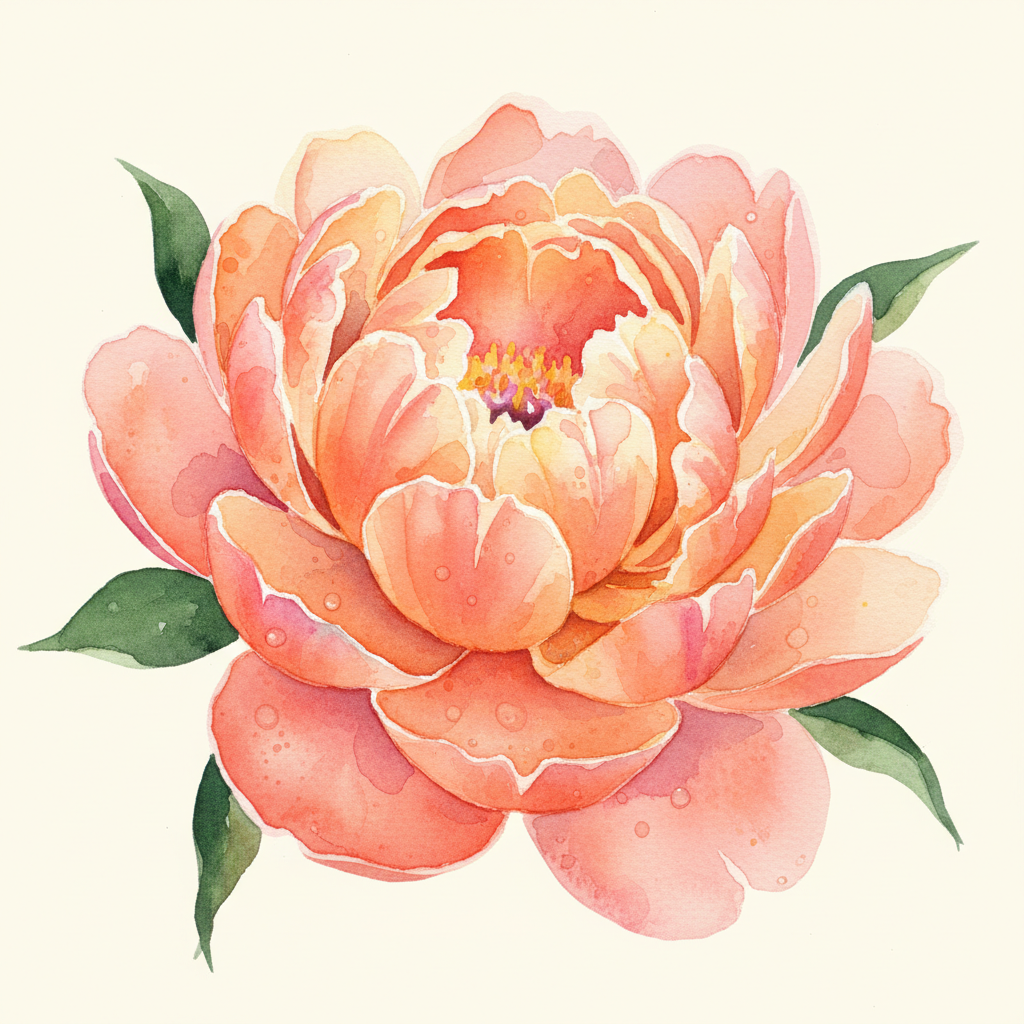
Deeper, longer-lasting coral than Coral Charm with semi-double form. The flowers hold their warm tones for nearly two weeks.
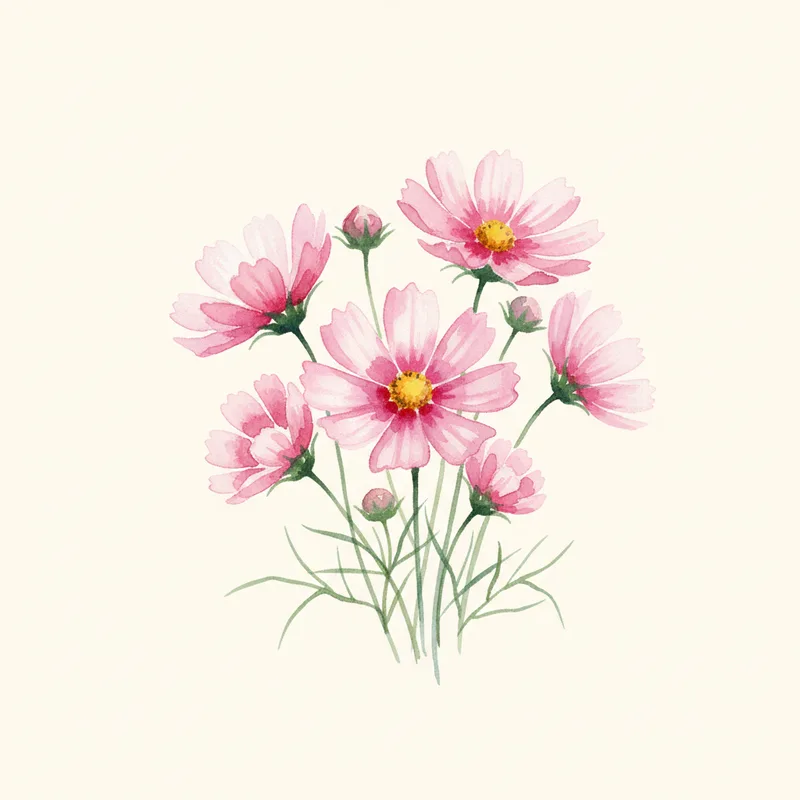
Airy, dancing flowers on thread-thin stems. Effortless cottage garden charm.
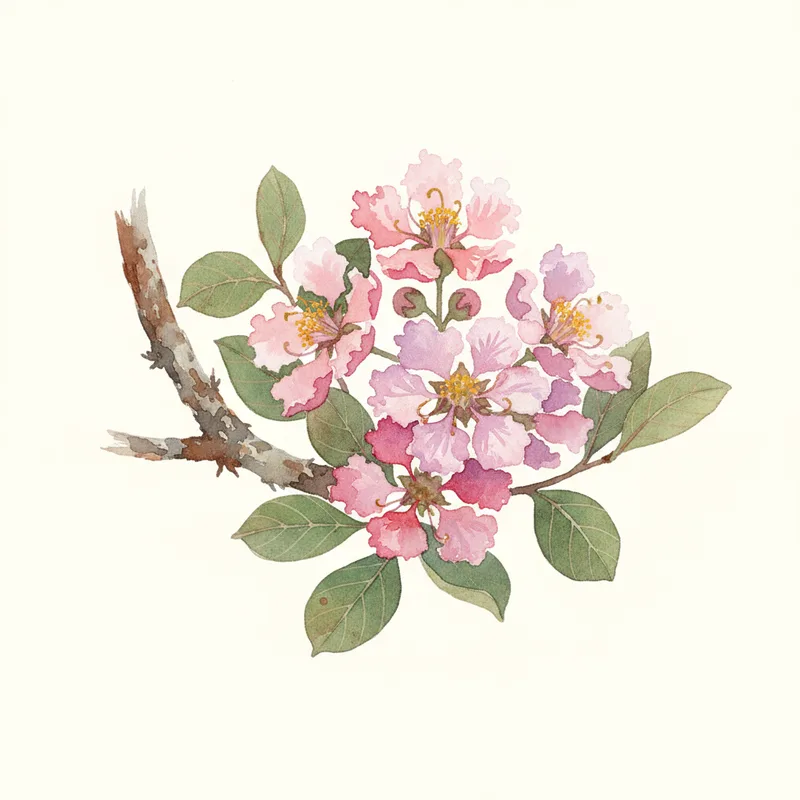
The tree of the South. Months of crinkled blooms and gorgeous peeling bark.
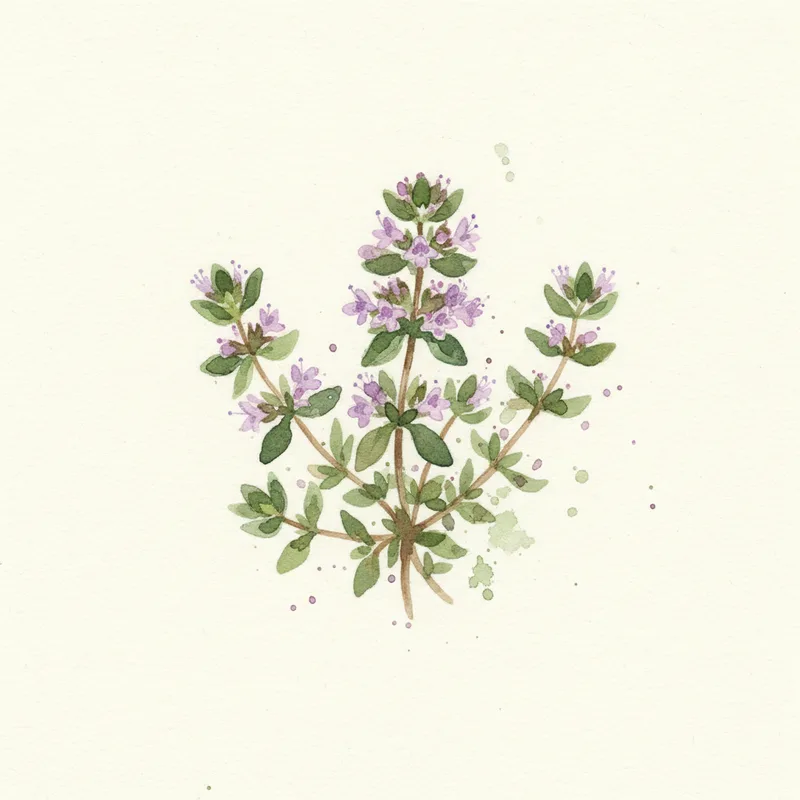
Fragrant, walkable ground cover. Bees love it, foot traffic can't kill it.
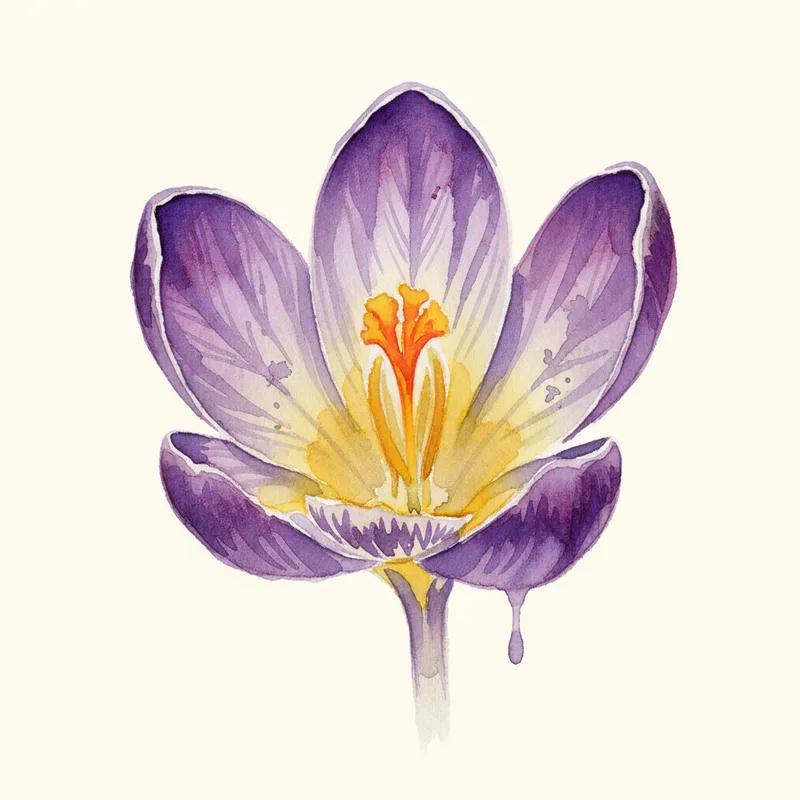
One of the first signs of spring, pushing through snow with jewel-toned cups.
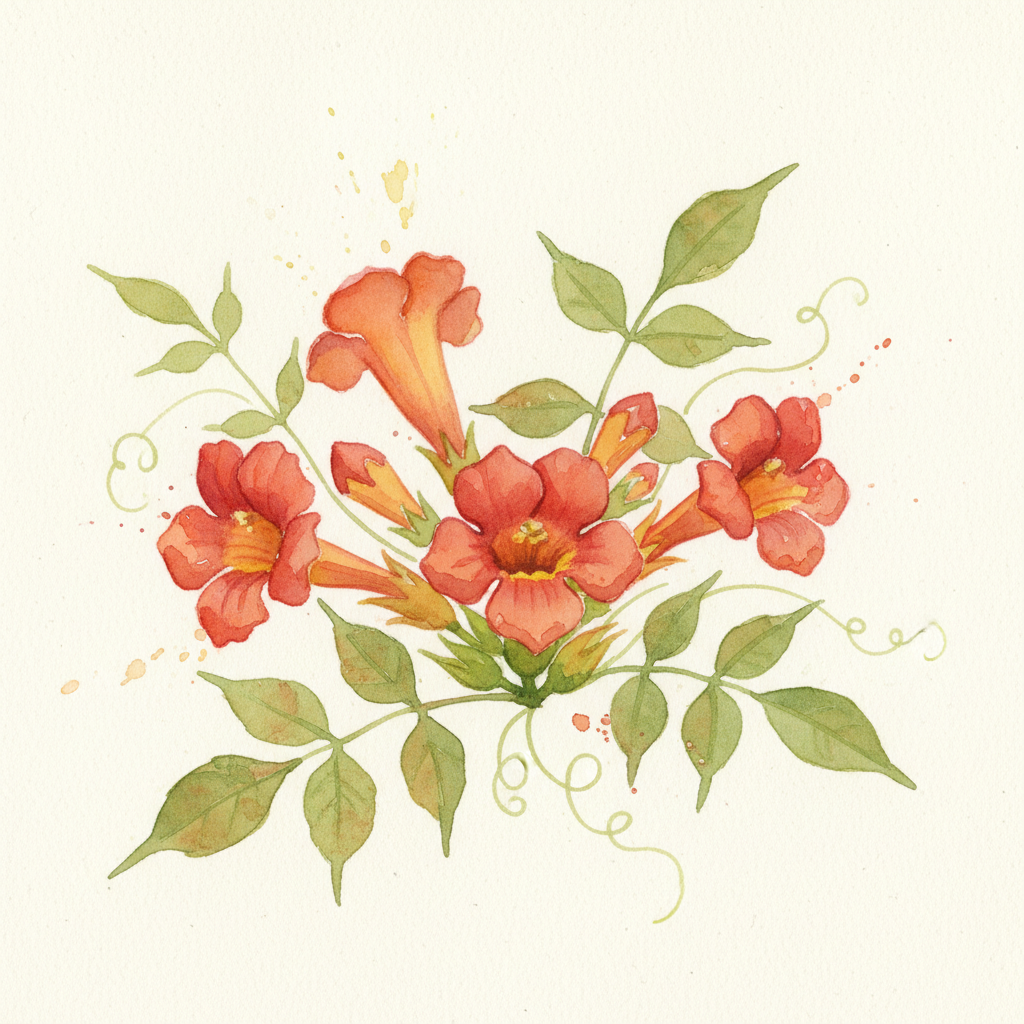
Tubular orange-red trumpets line this vigorous semi-evergreen vine in spring, attracting every hummingbird in the neighborhood.
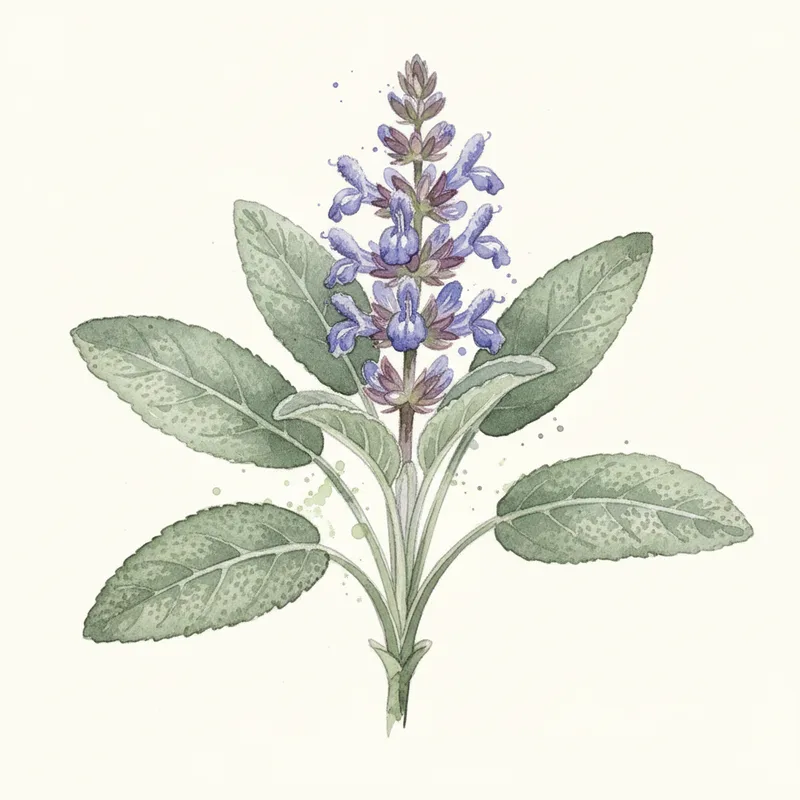
Spiky purple blooms above silver-green aromatic foliage. A kitchen herb that doubles as an ornamental.
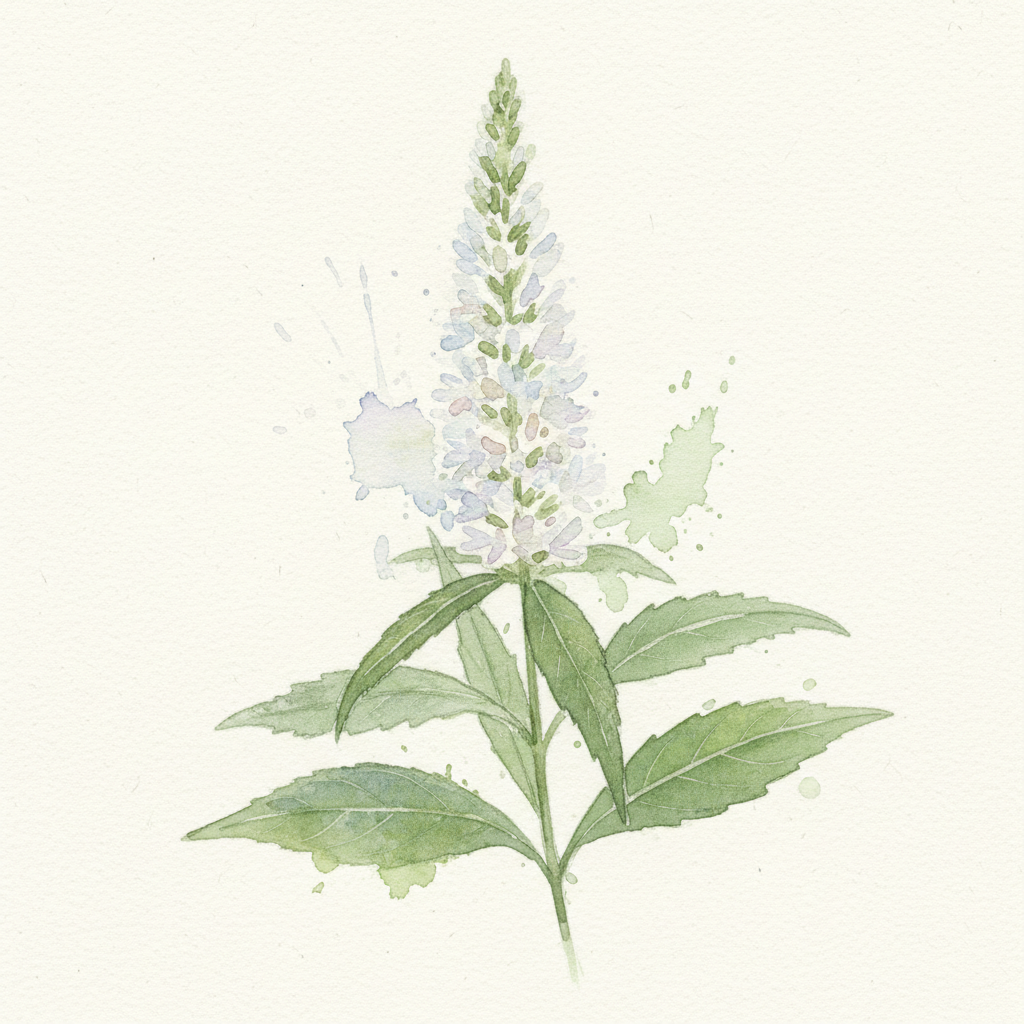
Tall tapering spires of tiny white flowers that bees mob. Vertical and elegant at the back of the border.
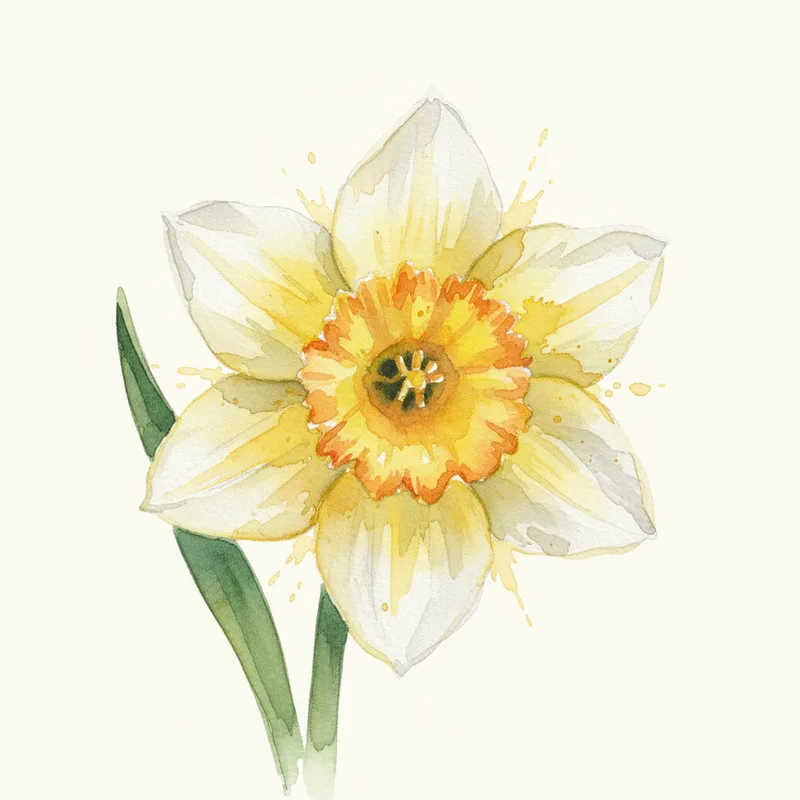
Cheerful trumpets that naturalize beautifully and return stronger each year.
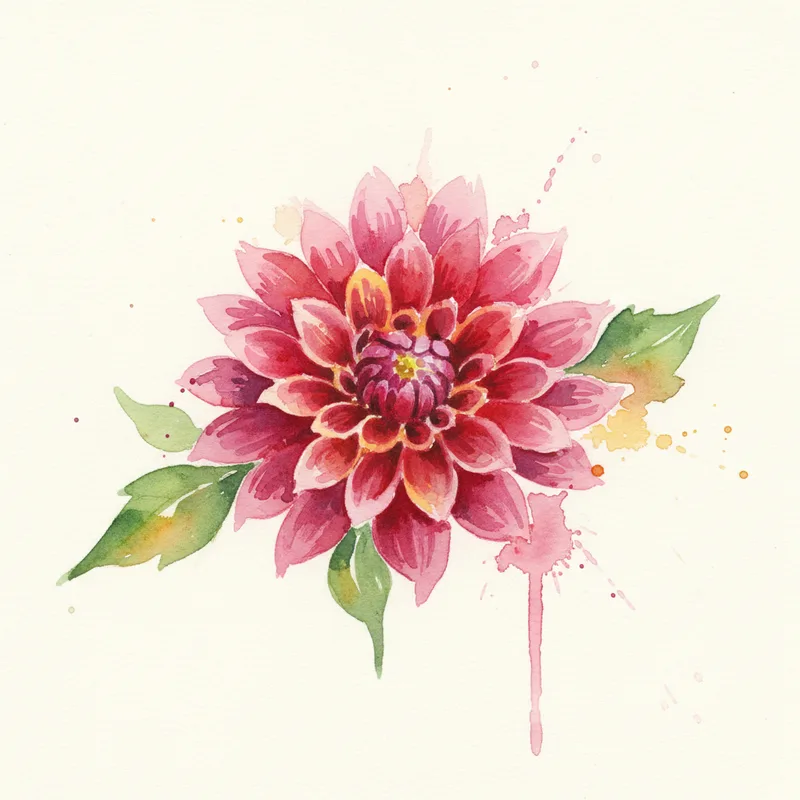
Endless forms from dinner-plate to pompom. The obsession of flower farmers.
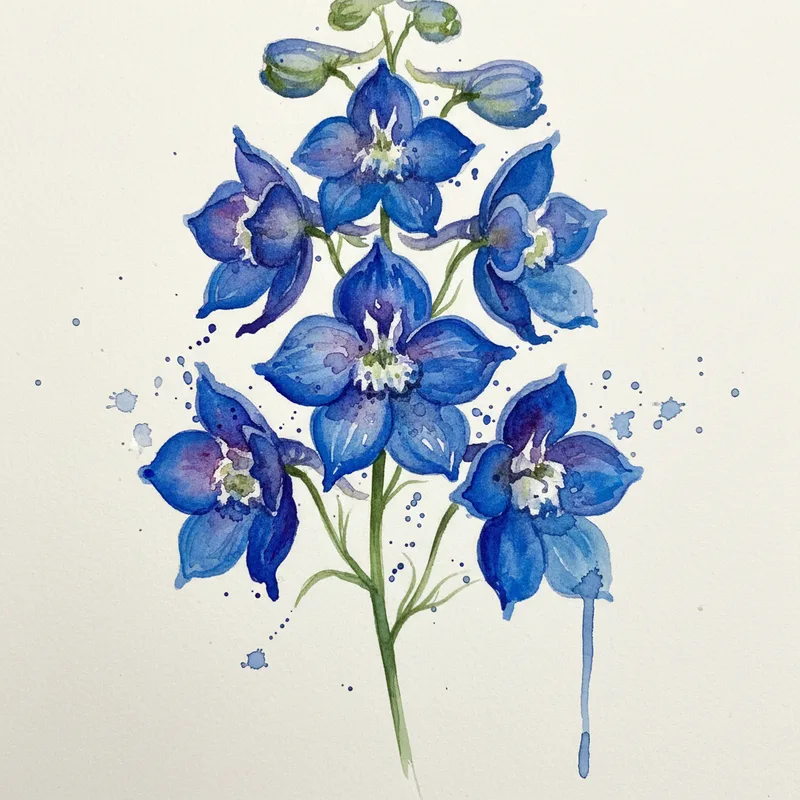
Towering spires of true blue. The tallest, most dramatic back-of-border plant.
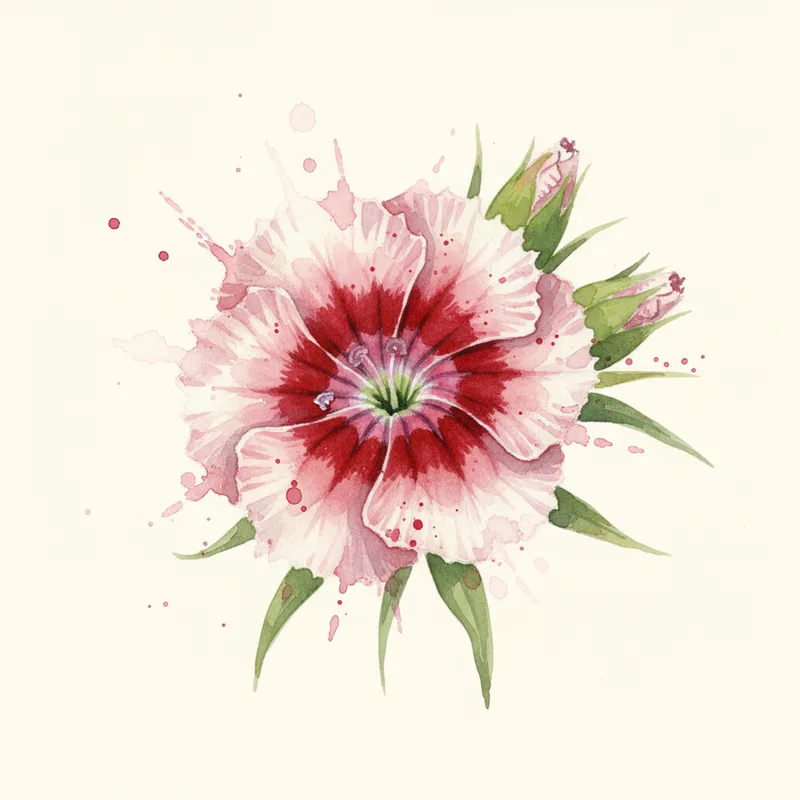
Spicy clove-scented pinks with fringed petals in pink, red, white, or salmon, one of the best long-blooming edgers and front-of-border perennials for sun.
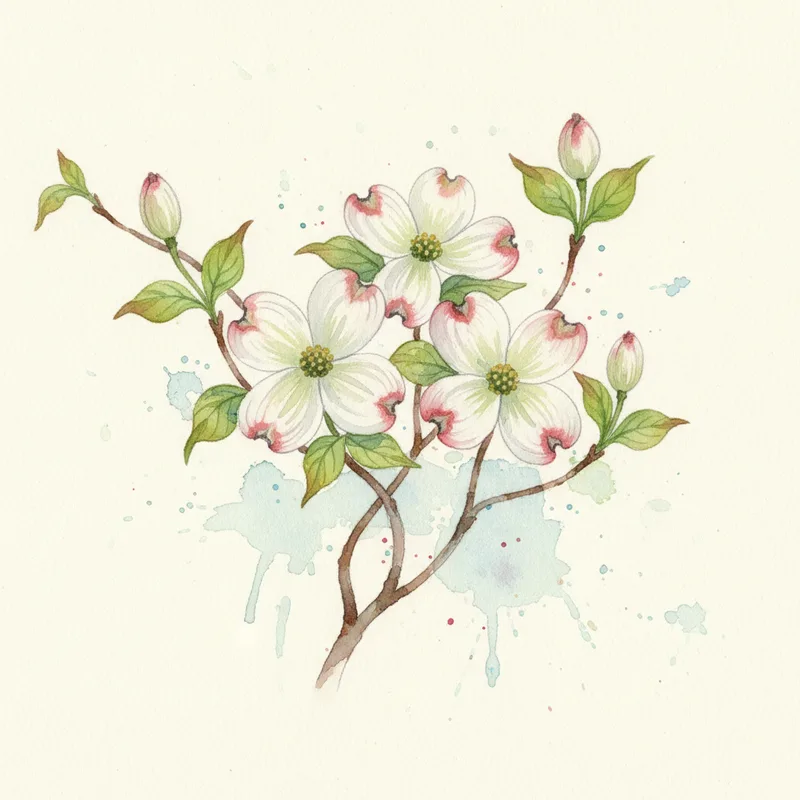
Iconic spring bloomer with fall berries and winter bark. Four-season beauty.
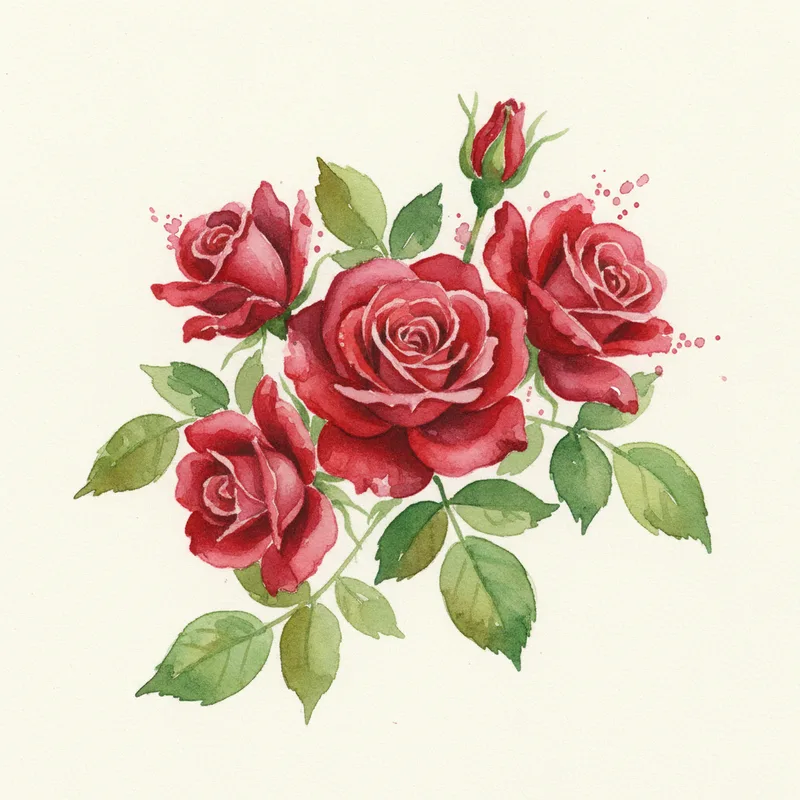
Deep velvety red climber with classic rose fragrance. Repeats reliably on a strong, vigorous plant.
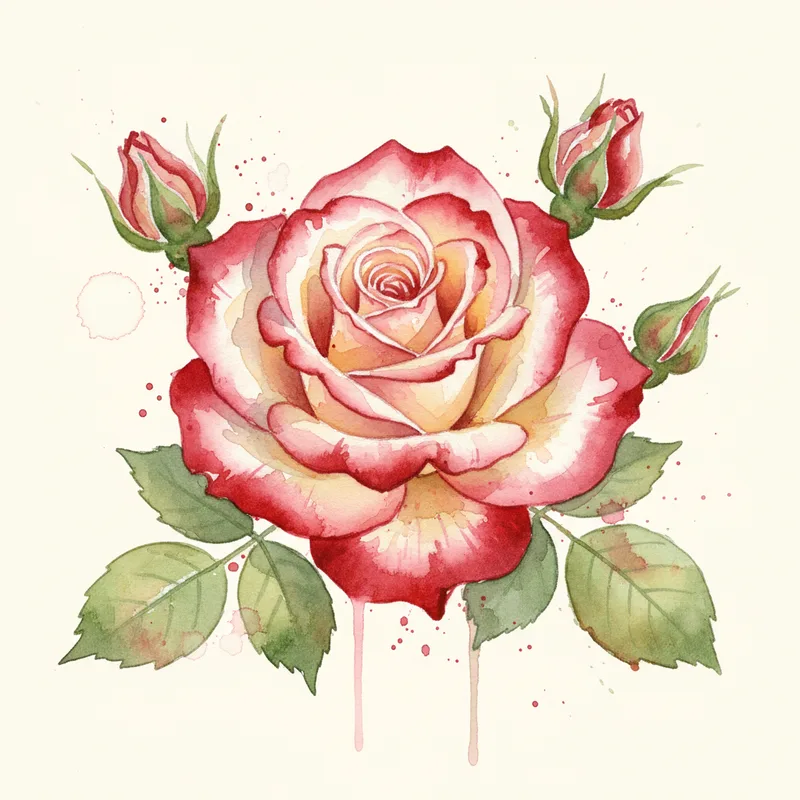
Creamy white petals blush to strawberry red at the edges. Knockout fragrance matches the looks.
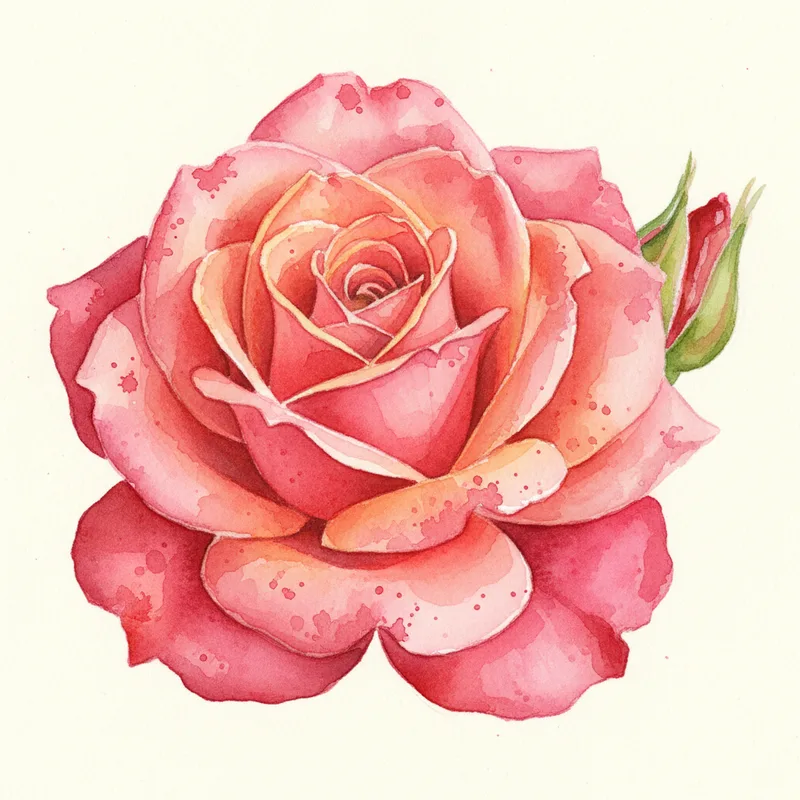
Fuller, double-petaled version of the Knock Out. Same bulletproof performance with more petal count.
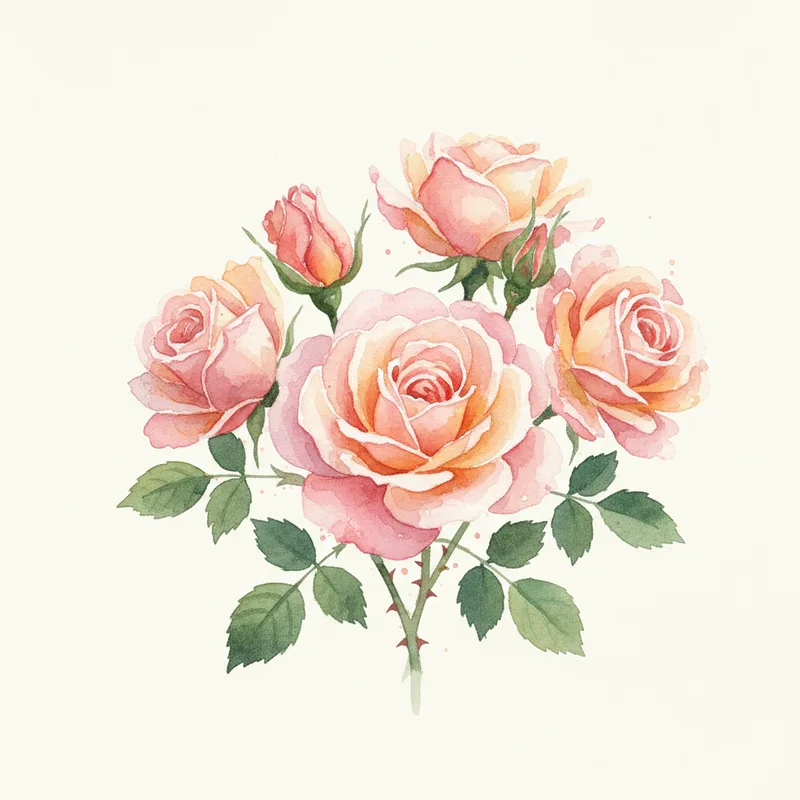
Groundcover rose that stays low and spreads wide. Tough, disease-resistant, and constantly in bloom.
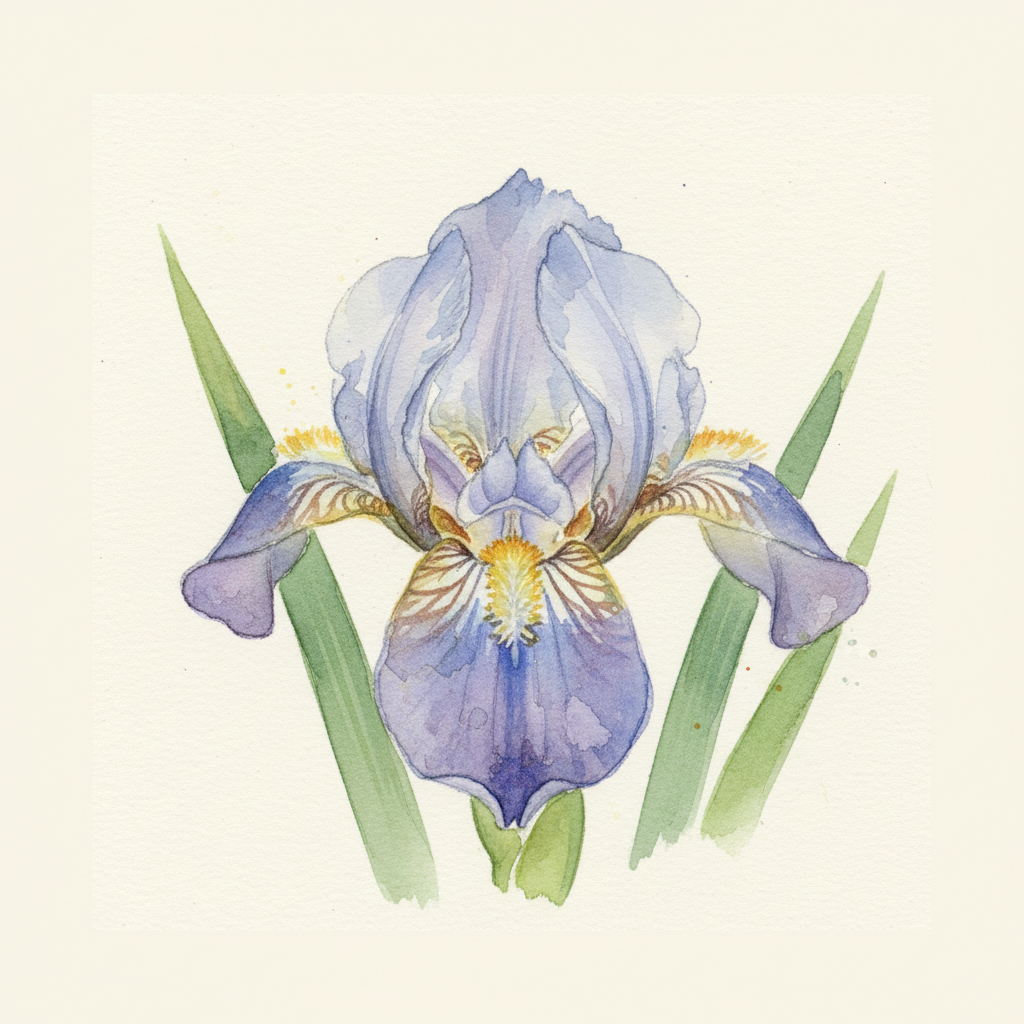
Tiny lavender-blue iris flowers with gold crests on a spreading native ground cover. A spring woodland treasure.
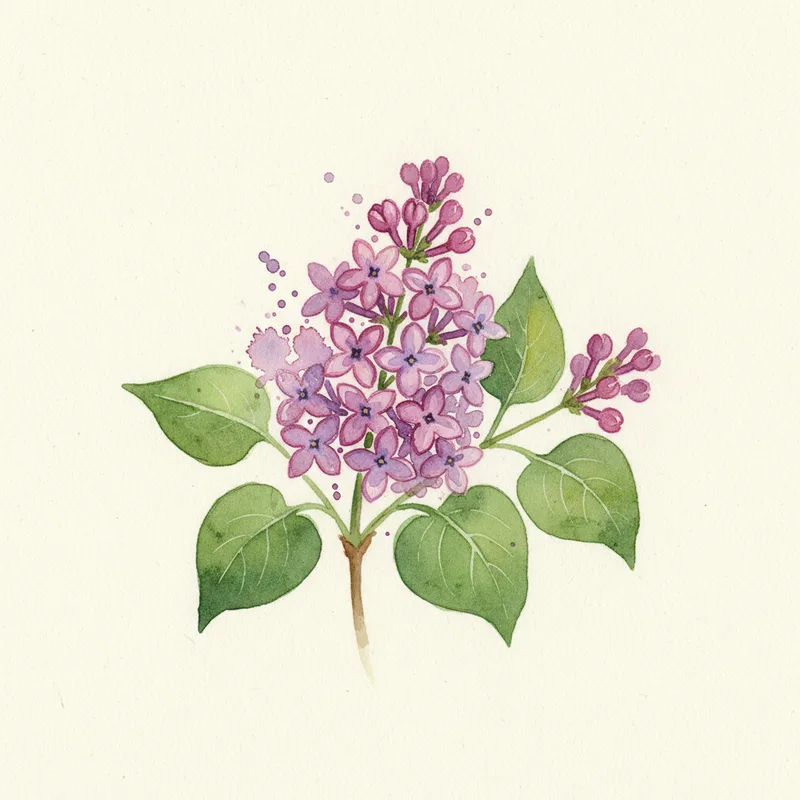
Slow-growing dwarf with dense rounded habit. Perfect for small gardens and foundation plantings.
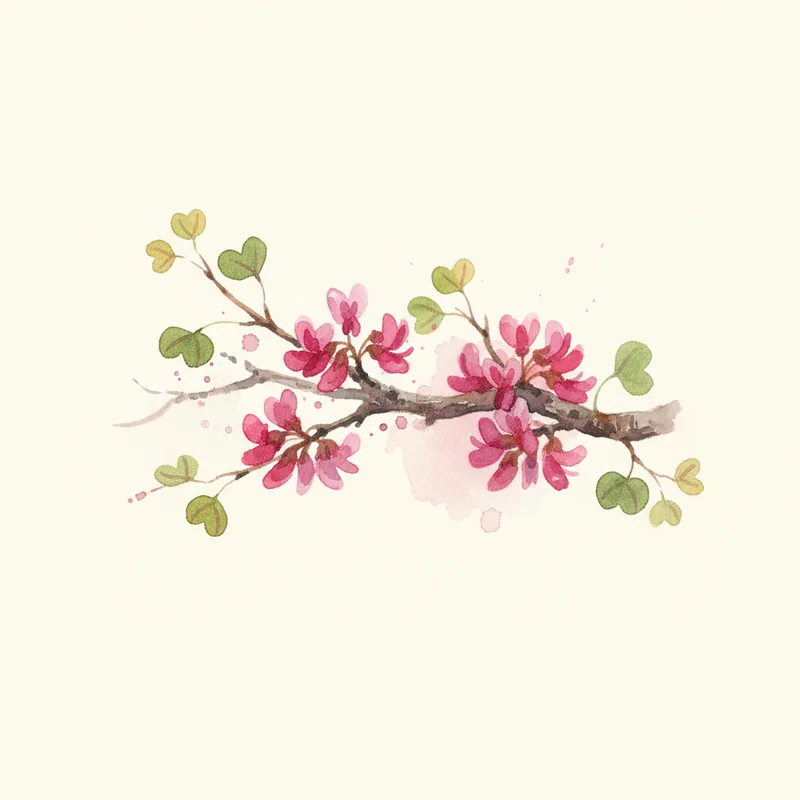
Magenta flowers erupt directly from bare branches. Spring showstopper tree.
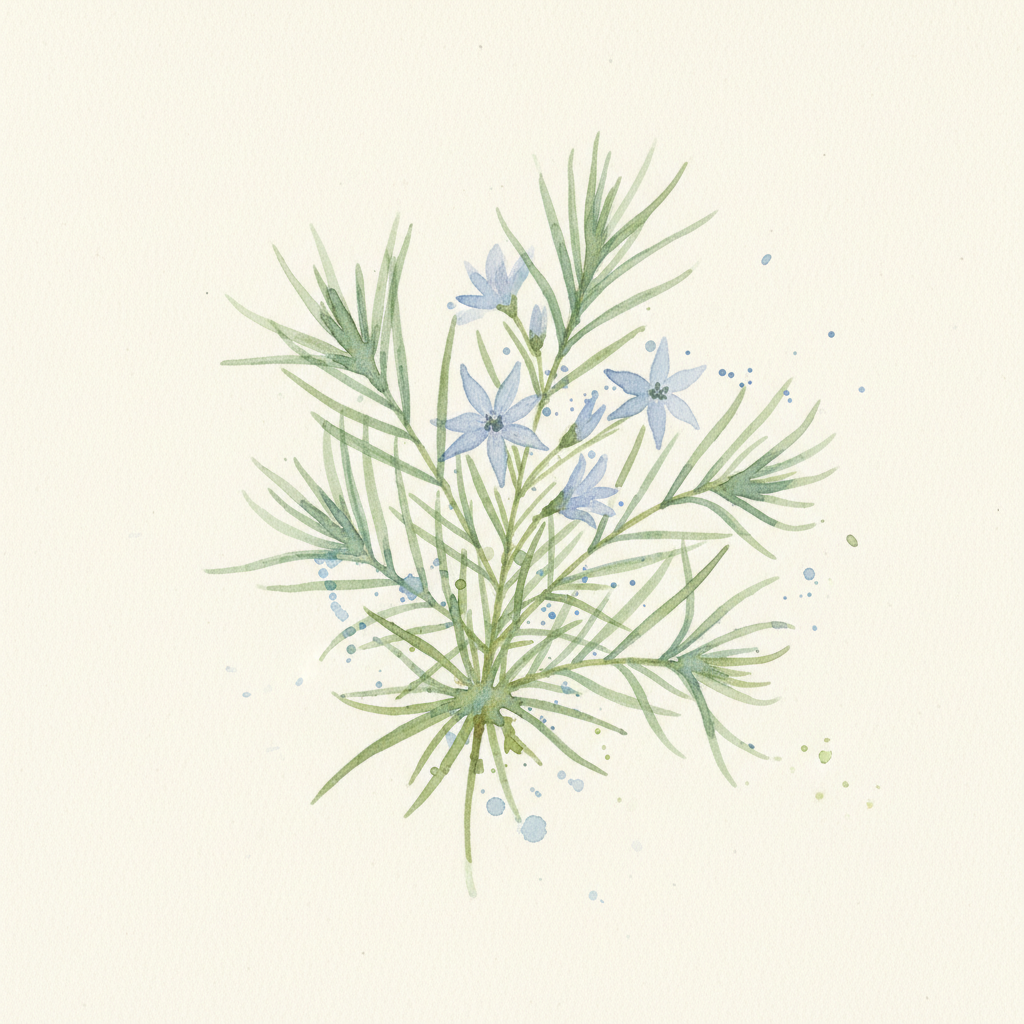
Pale blue starry flowers in spring give way to feathery foliage that turns brilliant gold in fall. Two seasons of beauty for zero effort.
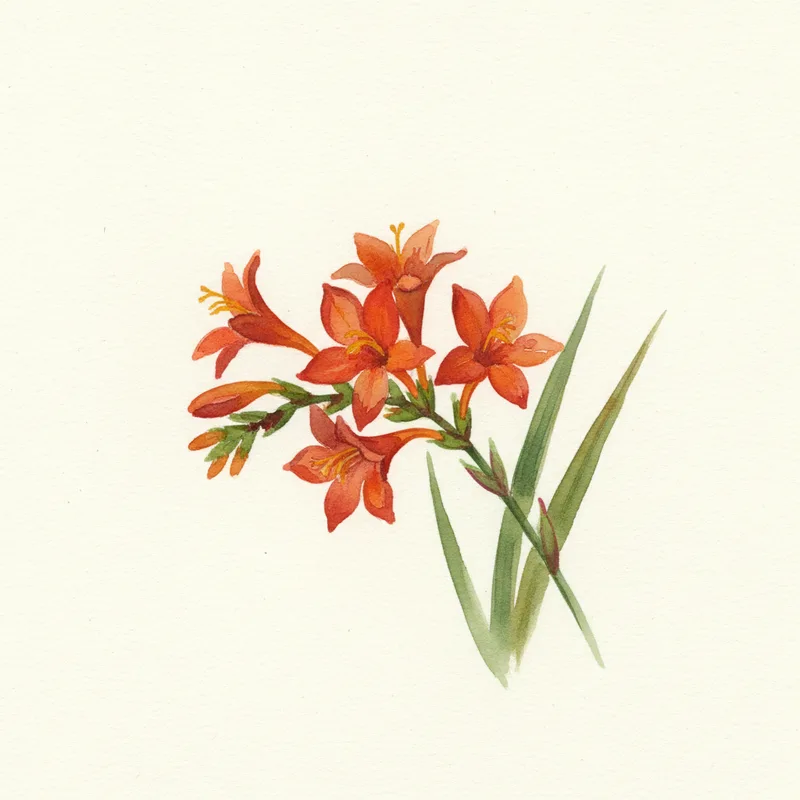
Bold orange blooms with red throats appear on graceful arching stems in late summer.
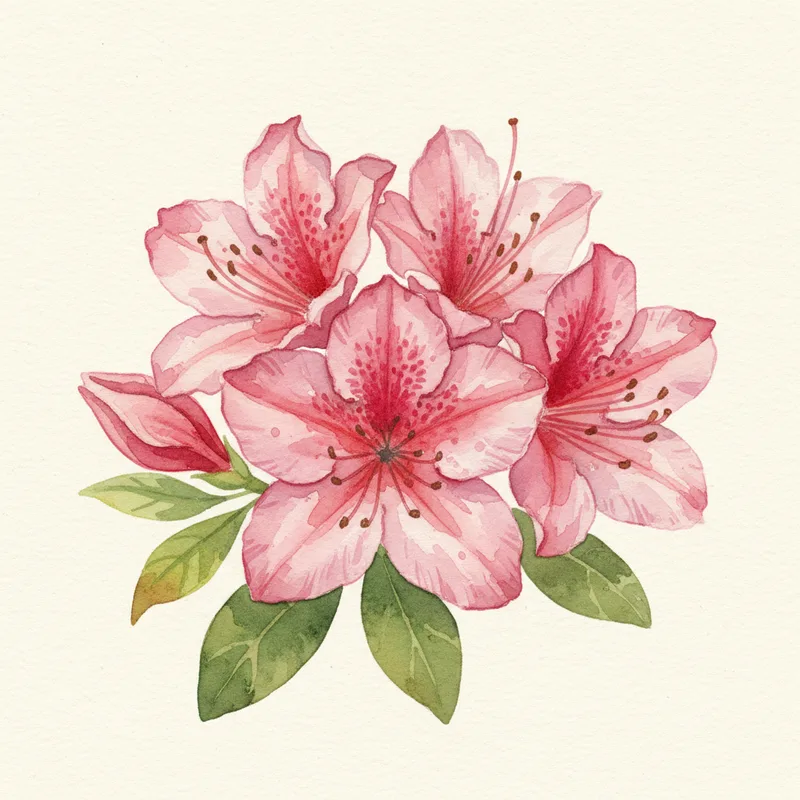
Spring blooms plus a full fall encore. Multiple color options in the Encore series.
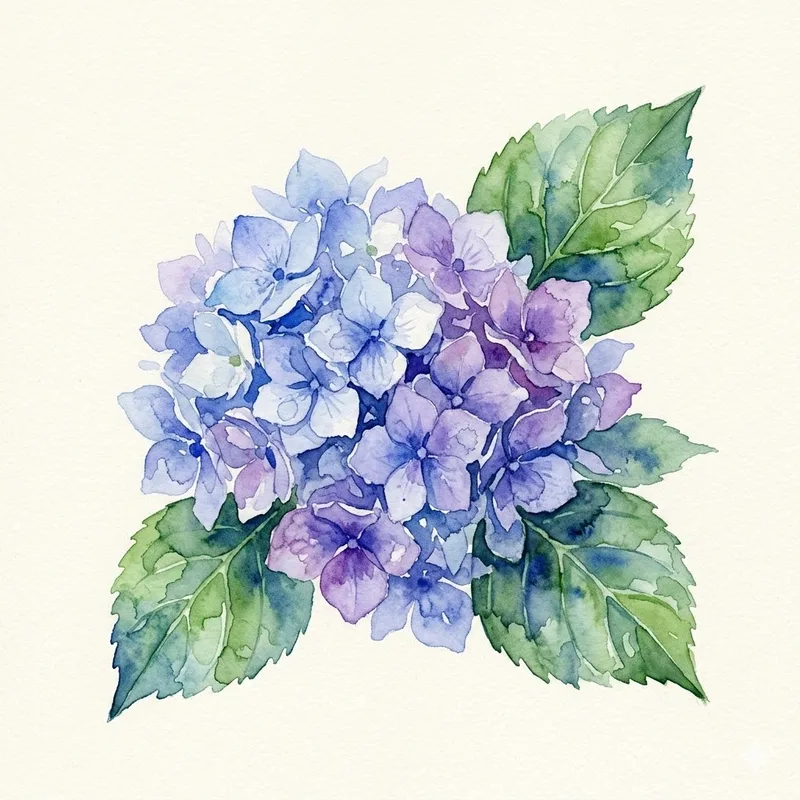
Reblooms on old and new wood, so you get flowers even after a harsh winter. Color shifts with soil pH.
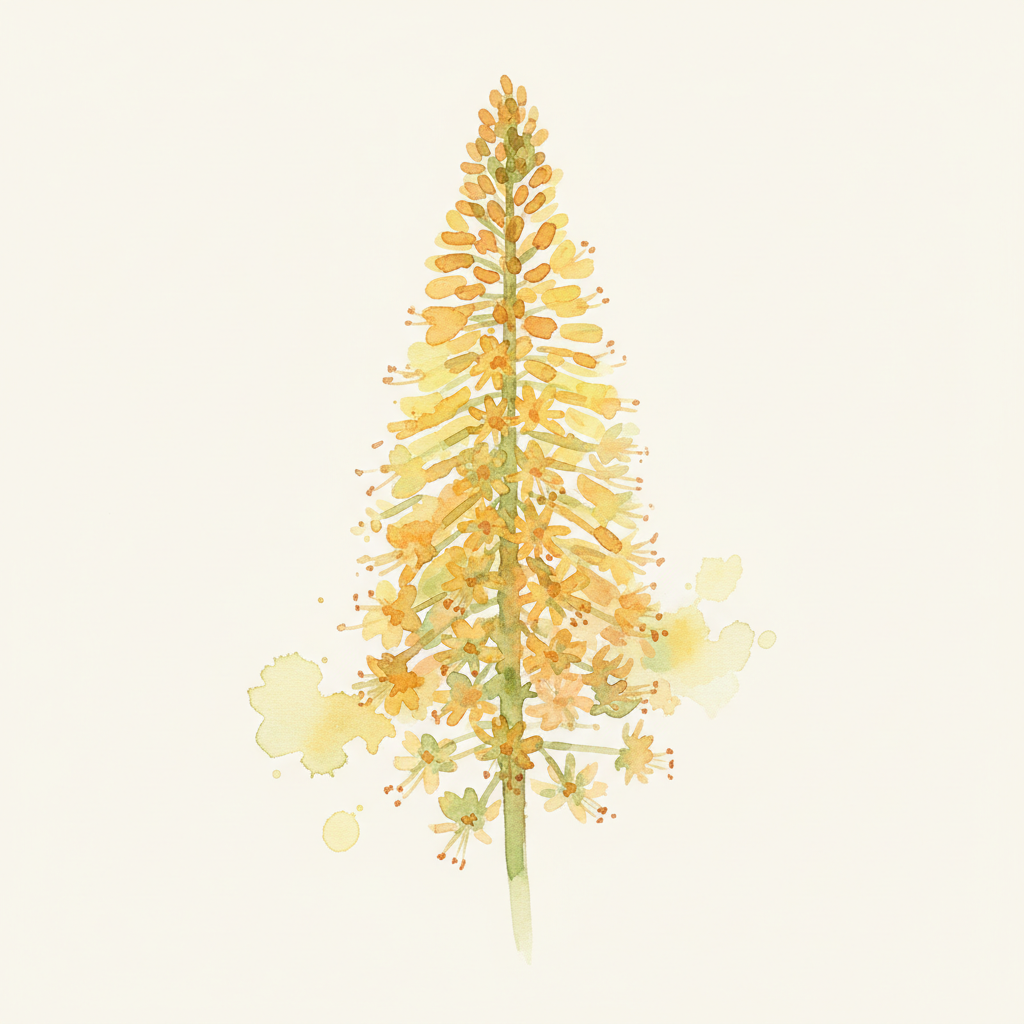
Towering candle-like spikes covered in tiny star flowers rise above a basal rosette. Foxtail lily, six feet of pure architecture.
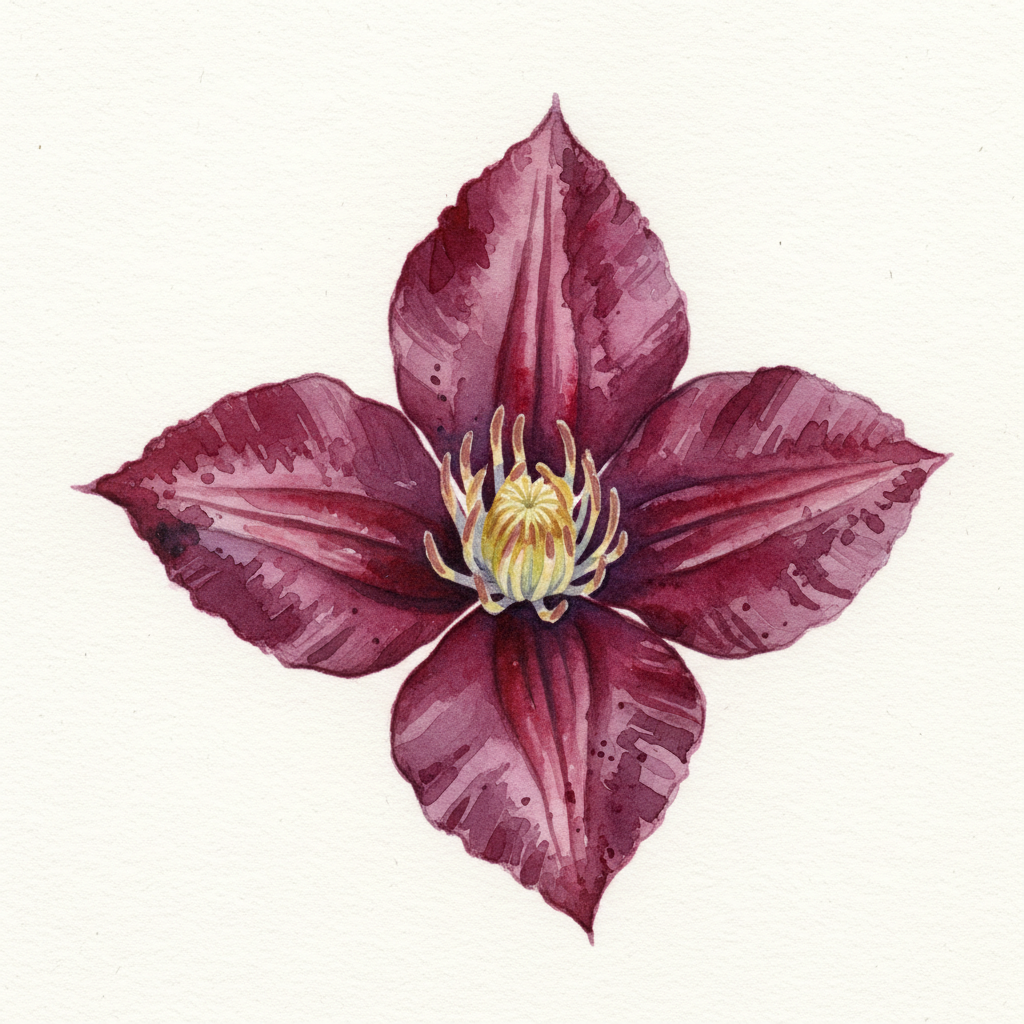
Magenta-red flowers with brown anthers that bloom late when others have faded. A solid, underappreciated red clematis.
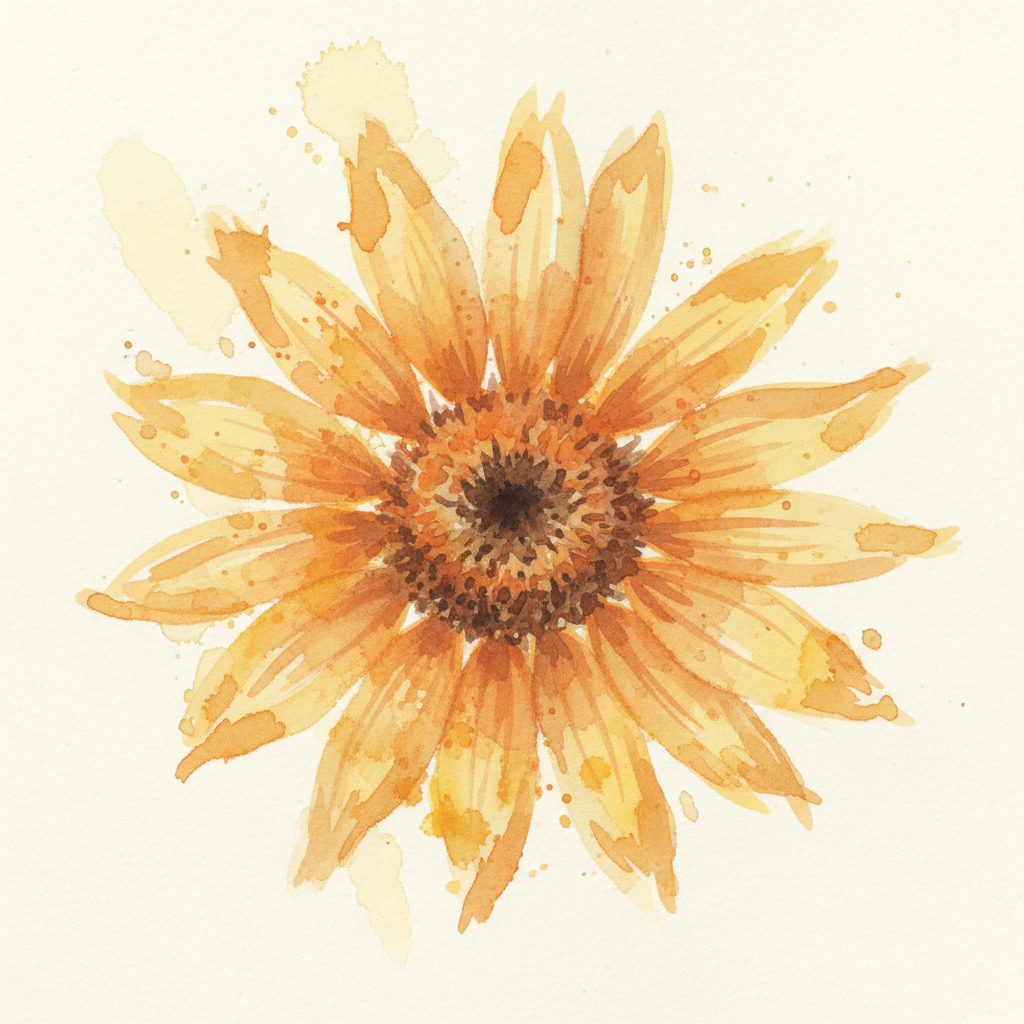
Cheerful golden-yellow daisies that bloom for months on a tough native perennial. The sunniest, most reliable workhorse in the border.
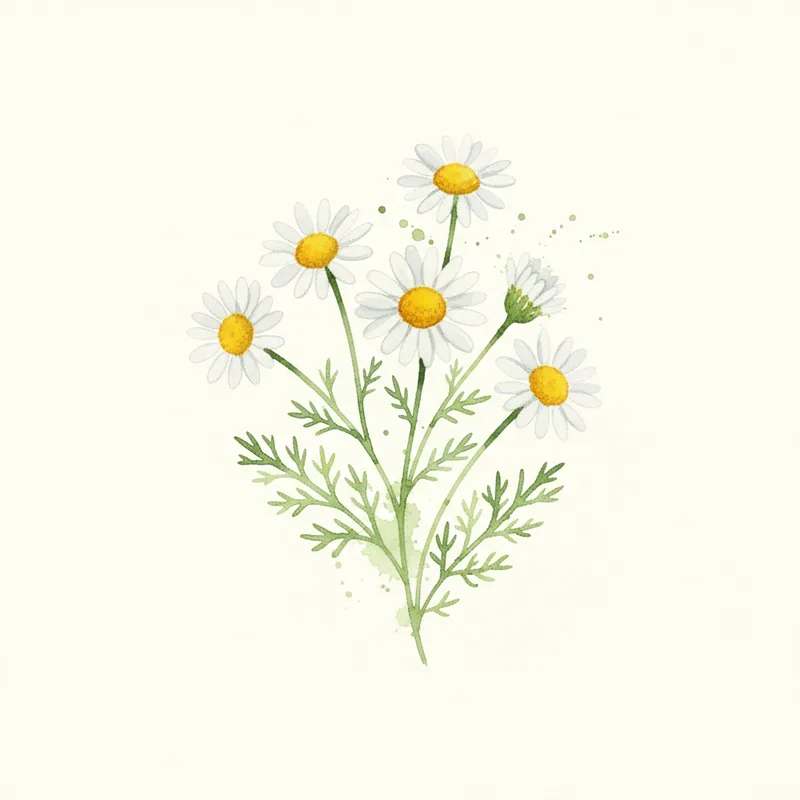
Clusters of small white daisies that bloom for weeks. Historic medicinal herb that self-sows readily.
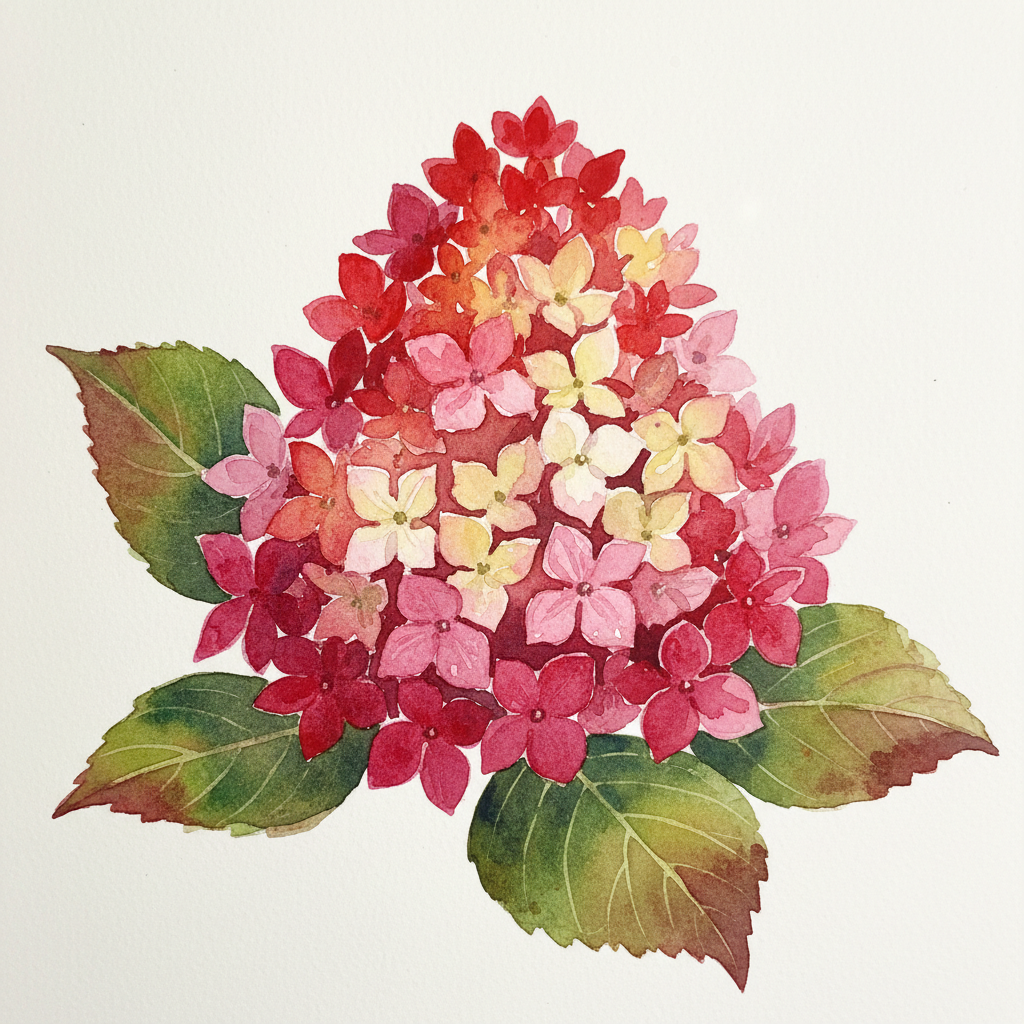
Upright cones open pure white and transform to deep pomegranate red as the season ages. Strong stems that never need staking.
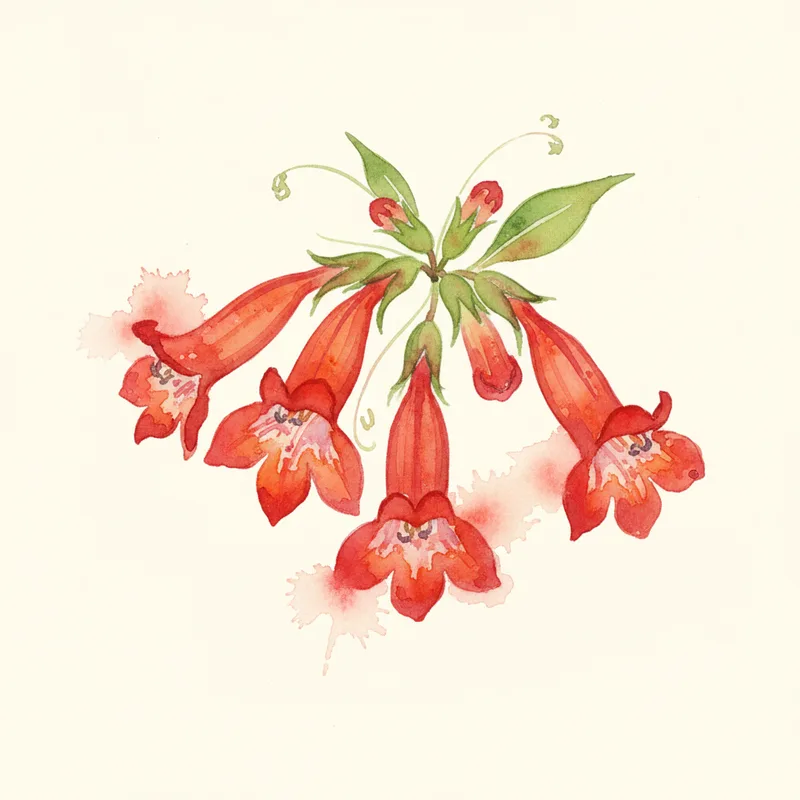
Spikes of scarlet tubular flowers that hummingbirds fight over. Southwestern native at its finest.
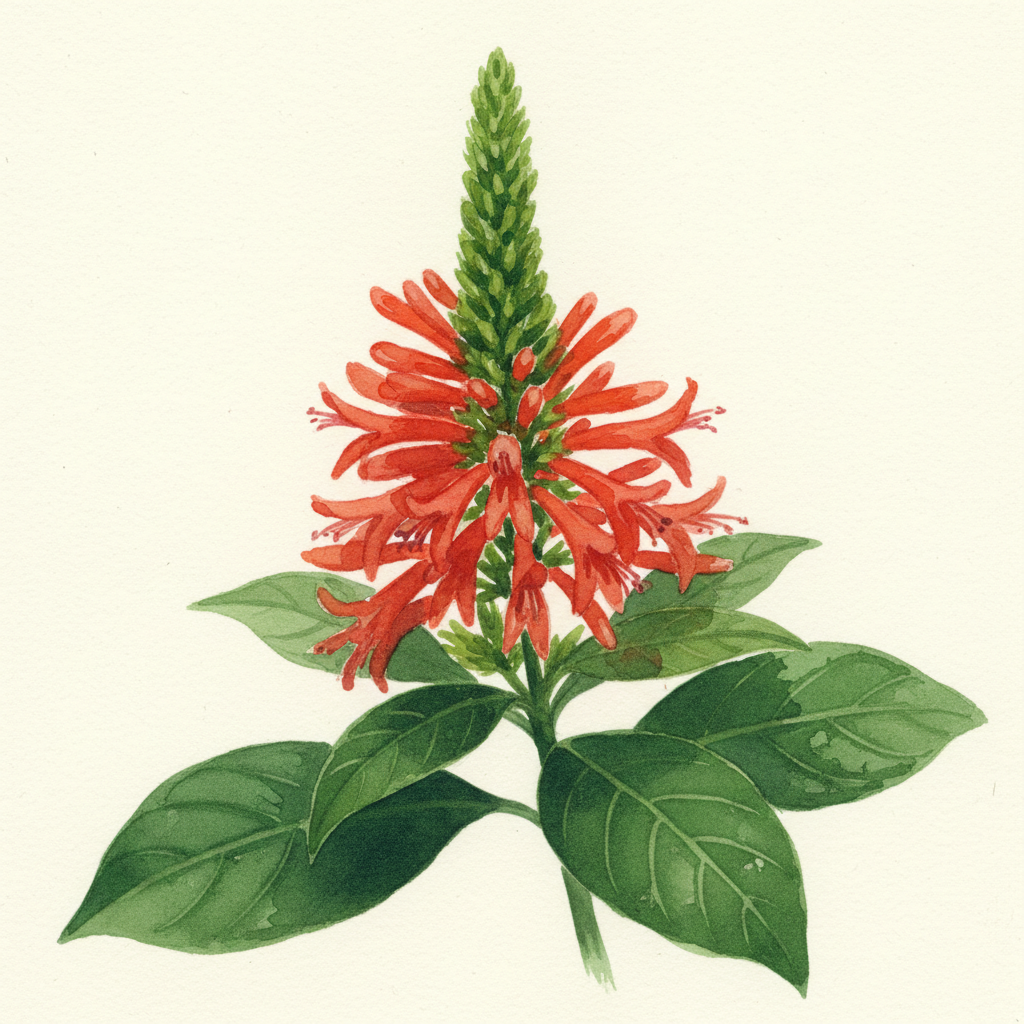
Tall spires of brilliant scarlet tubular flowers light up the fall garden. Hummingbird candy that thrives in the heat and humidity of the Gulf South.
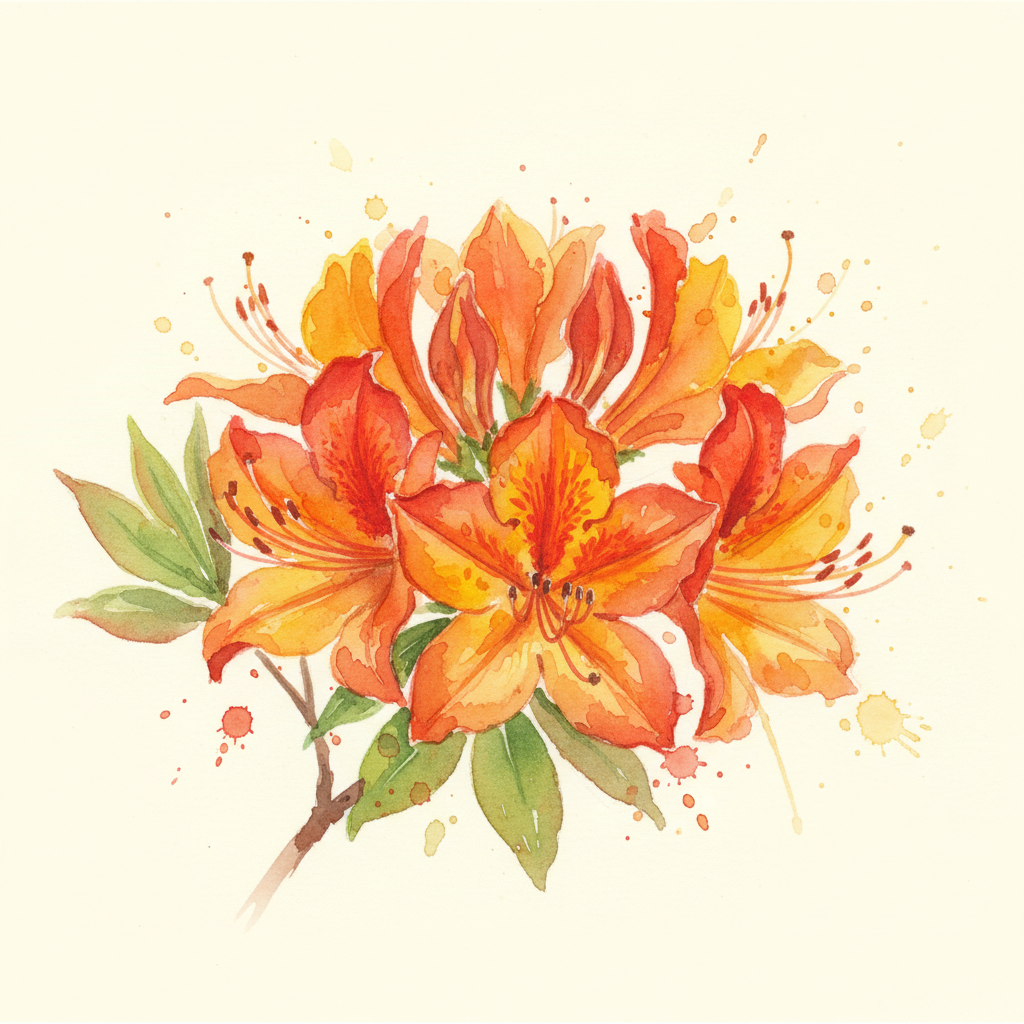
Outrageous blooms in hot orange, red, and yellow on a deciduous native azalea that stops people in their tracks.
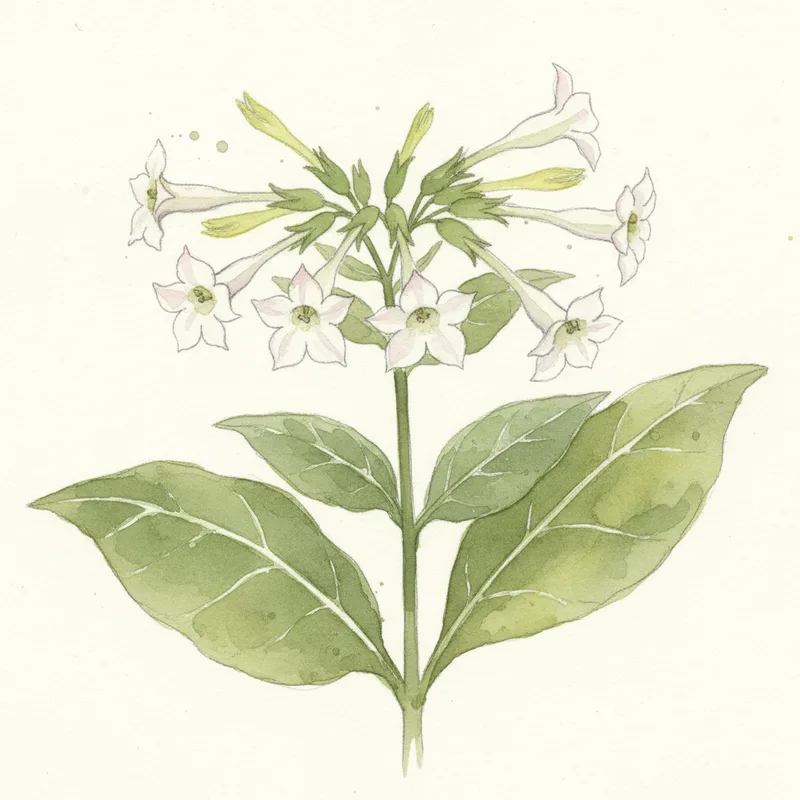
Tubular flowers that release sweet fragrance at dusk. A cottage garden classic that attracts moths and hummingbirds.
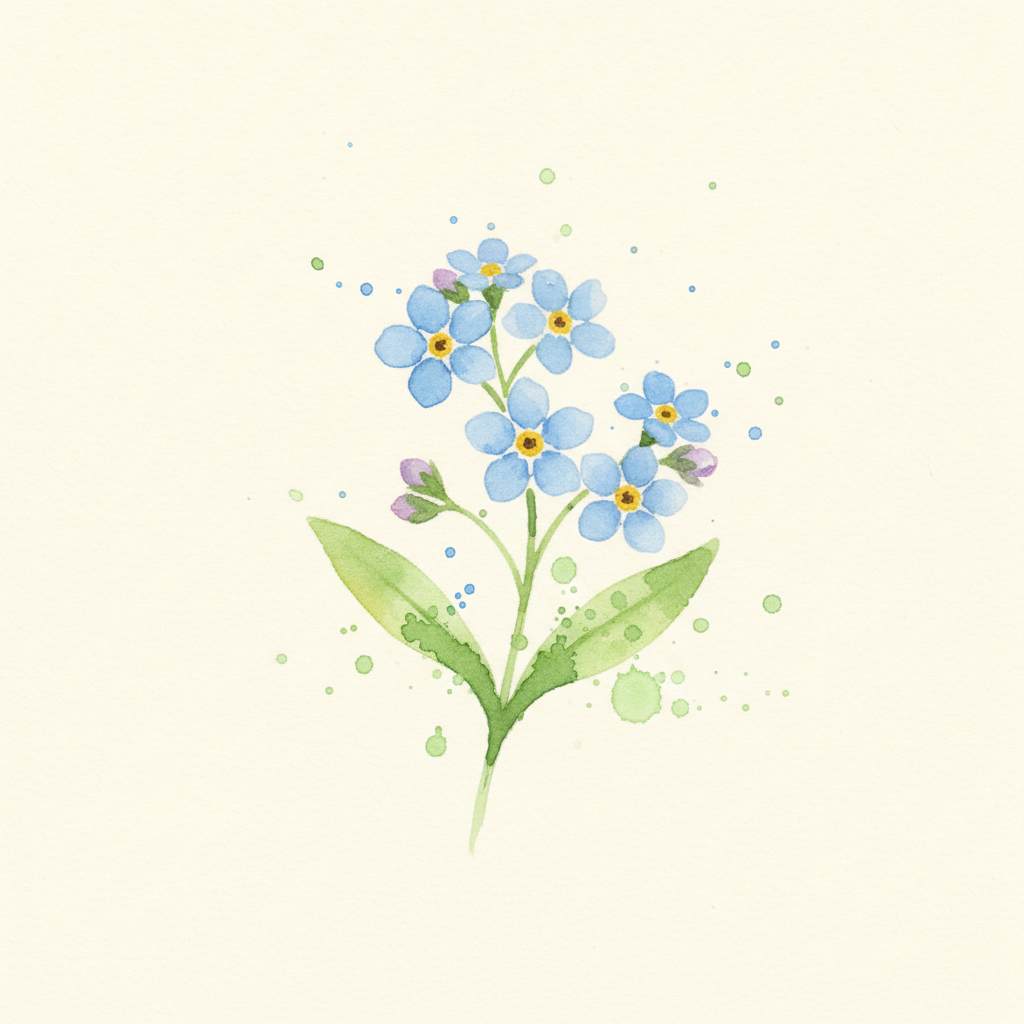
Clouds of tiny sky-blue flowers carpet the ground in spring. Self-sows freely under shrubs and around tulips.
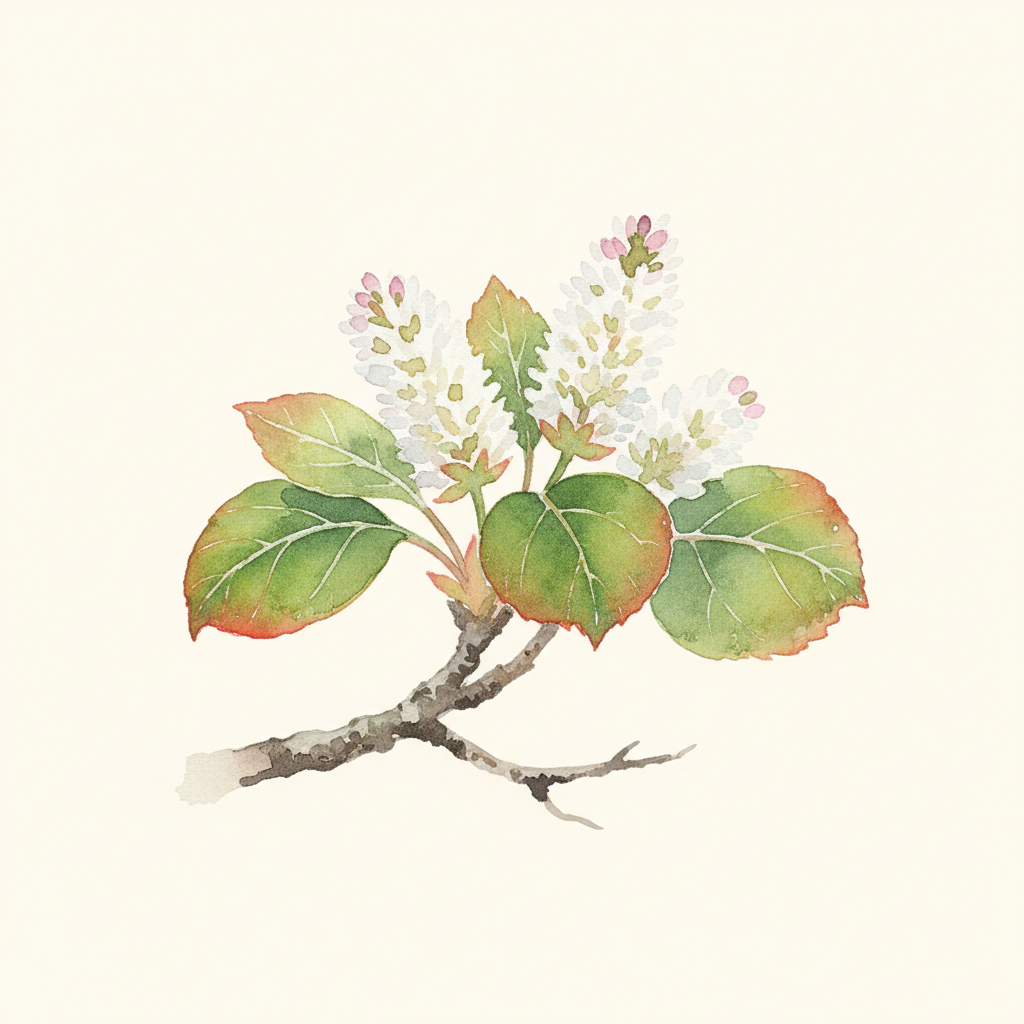
Fragrant white bottlebrush flowers in spring give way to some of the best orange-red fall color of any small native shrub.
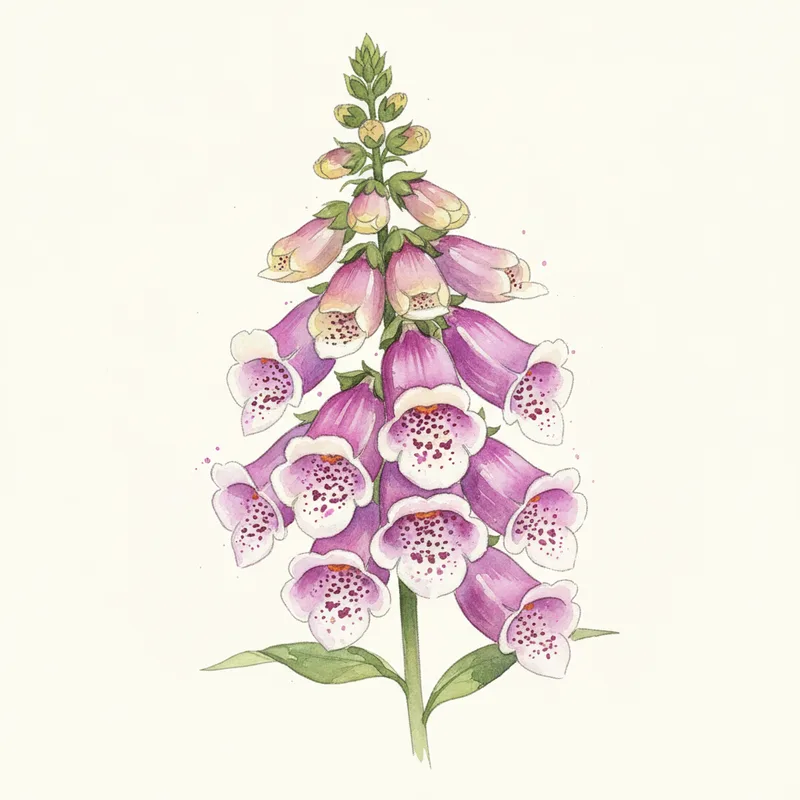
Stately spires of spotted, bell-shaped flowers. Cottage garden royalty.
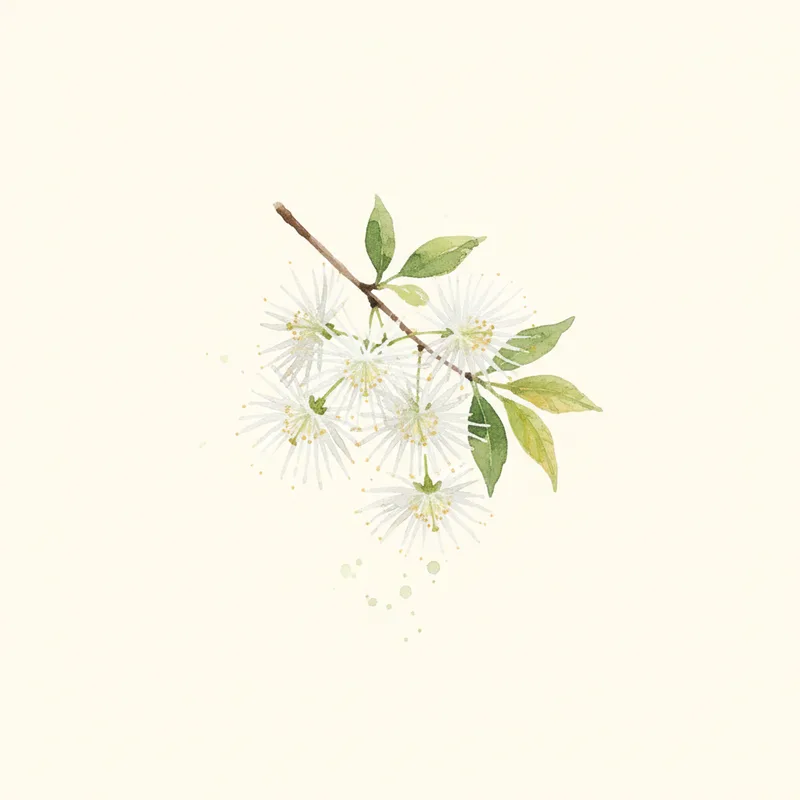
Clouds of white fringed petals dripping from branches in late spring. Fragrant and underused native.
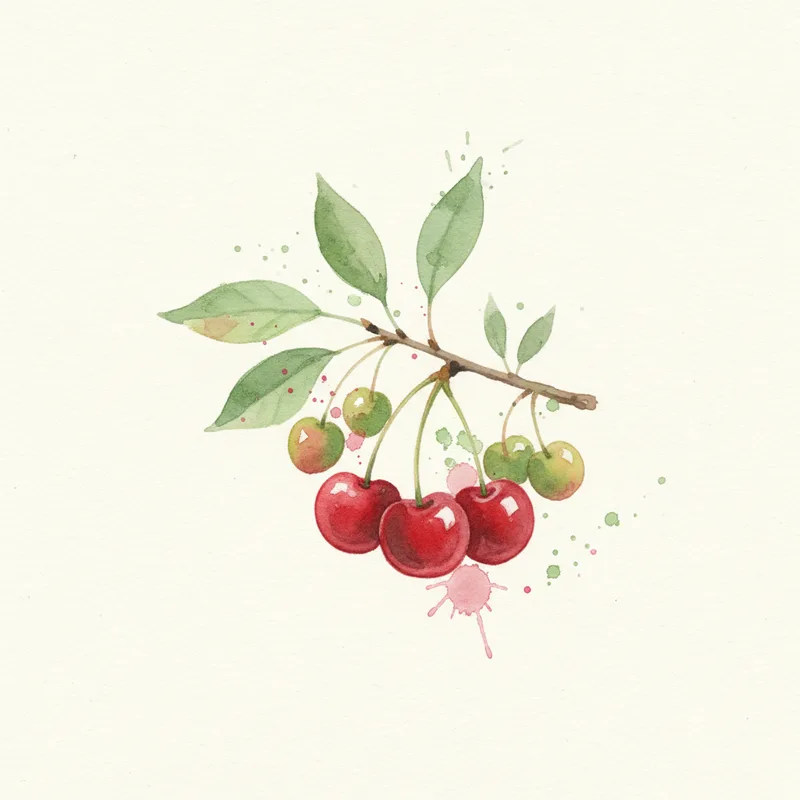
Showy white spring flowers mature into sweet cherries that attract people and wildlife.
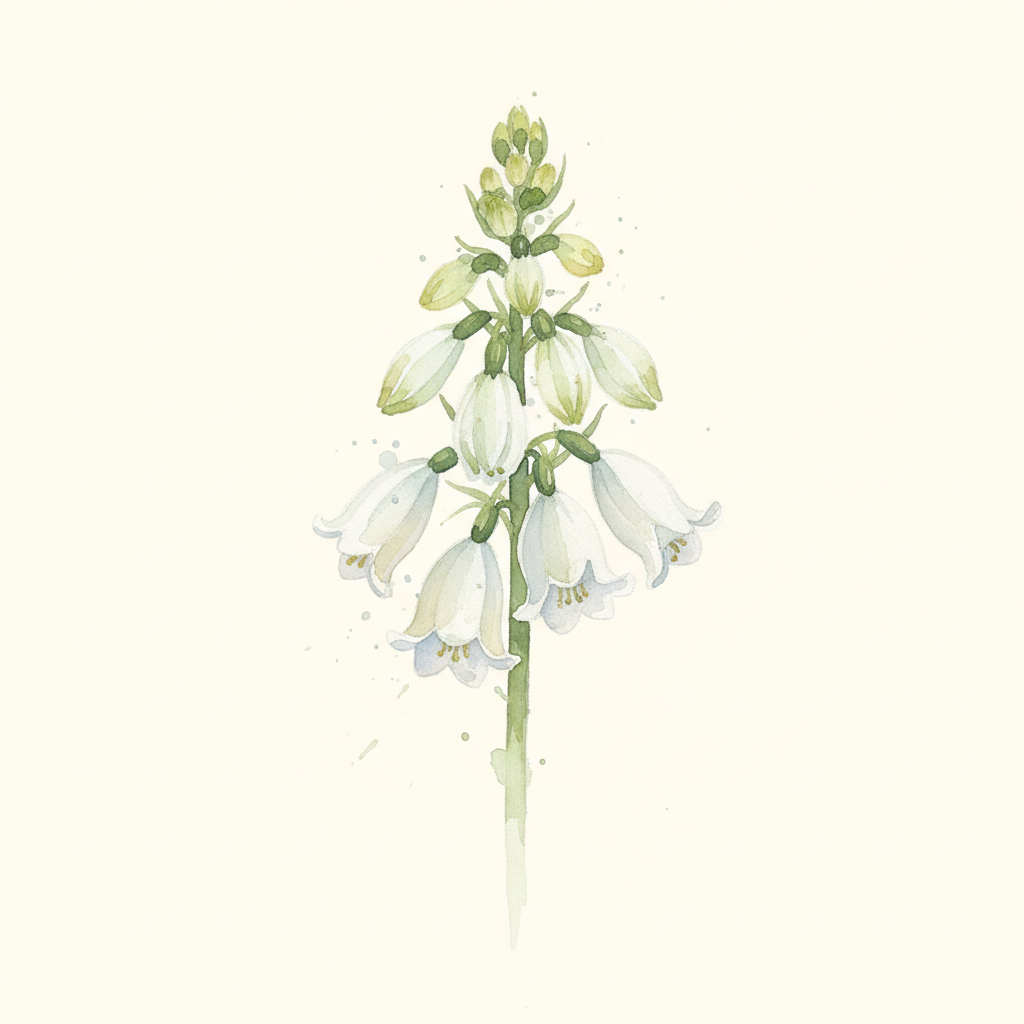
Tall spikes of nodding white bells with a subtle fragrance. Summer hyacinth, the heat-loving cousin of the spring classic.
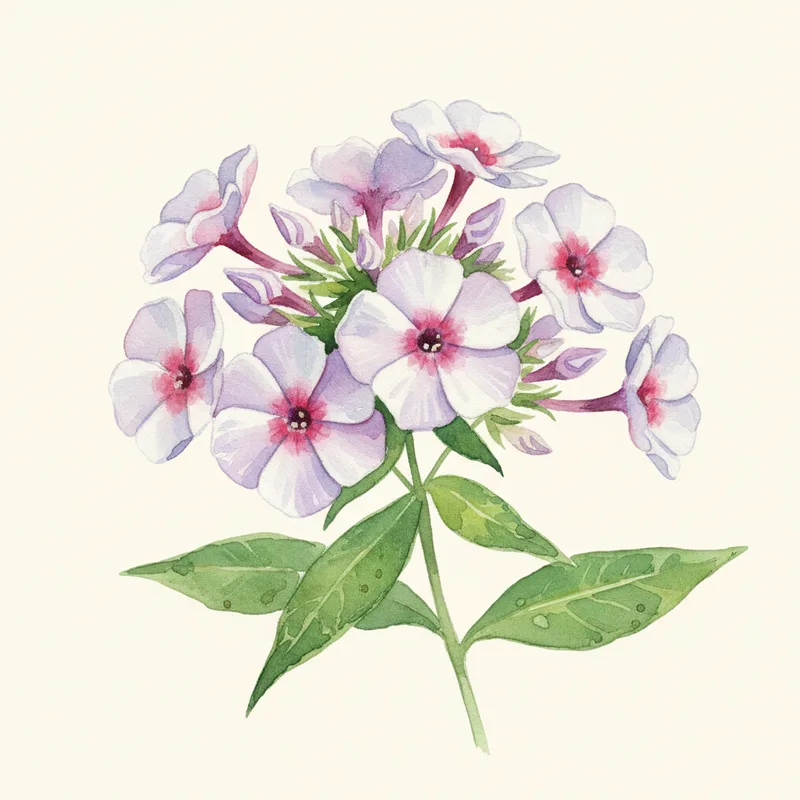
Billowing clusters of fragrant summer color. A butterfly magnet.
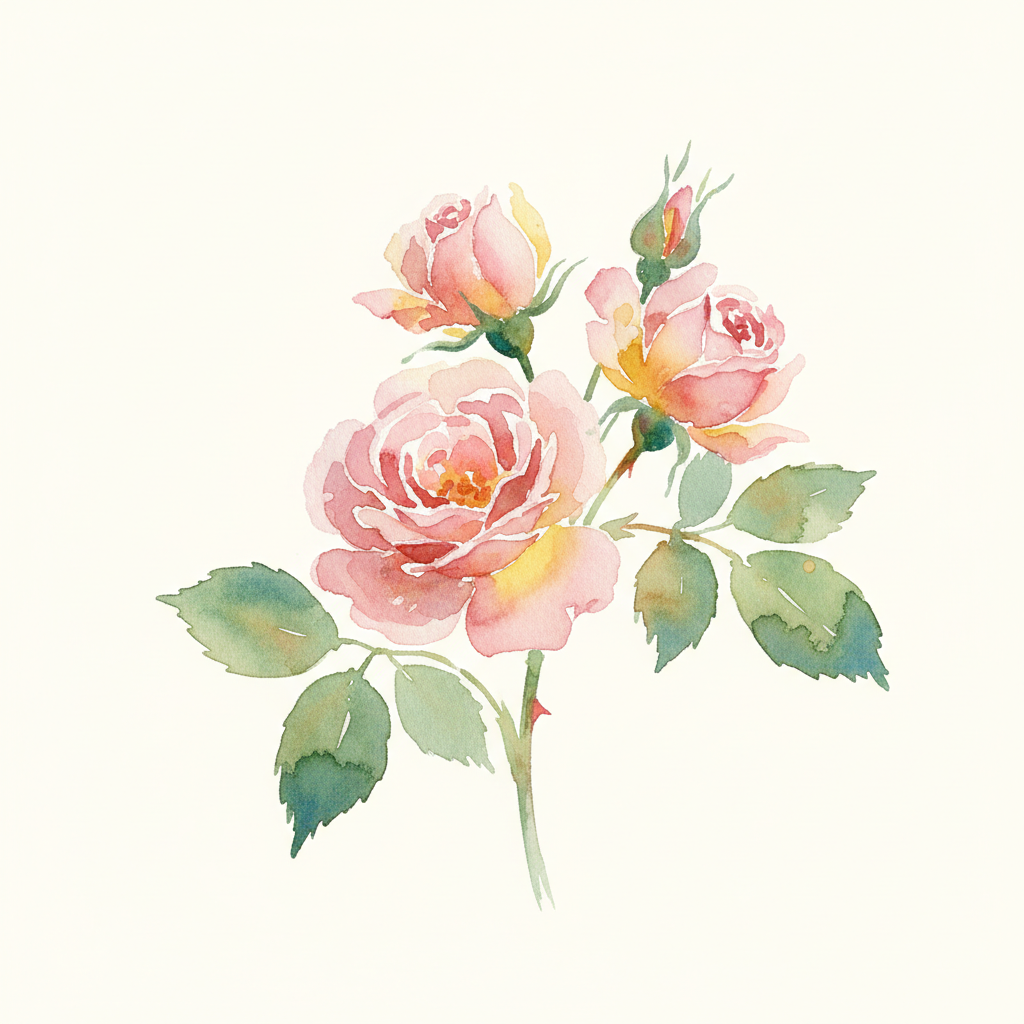
Voted the world's favorite rose fragrance more than once. Bold rich pink rosettes on a vigorous shrub that can be trained as a short climber.
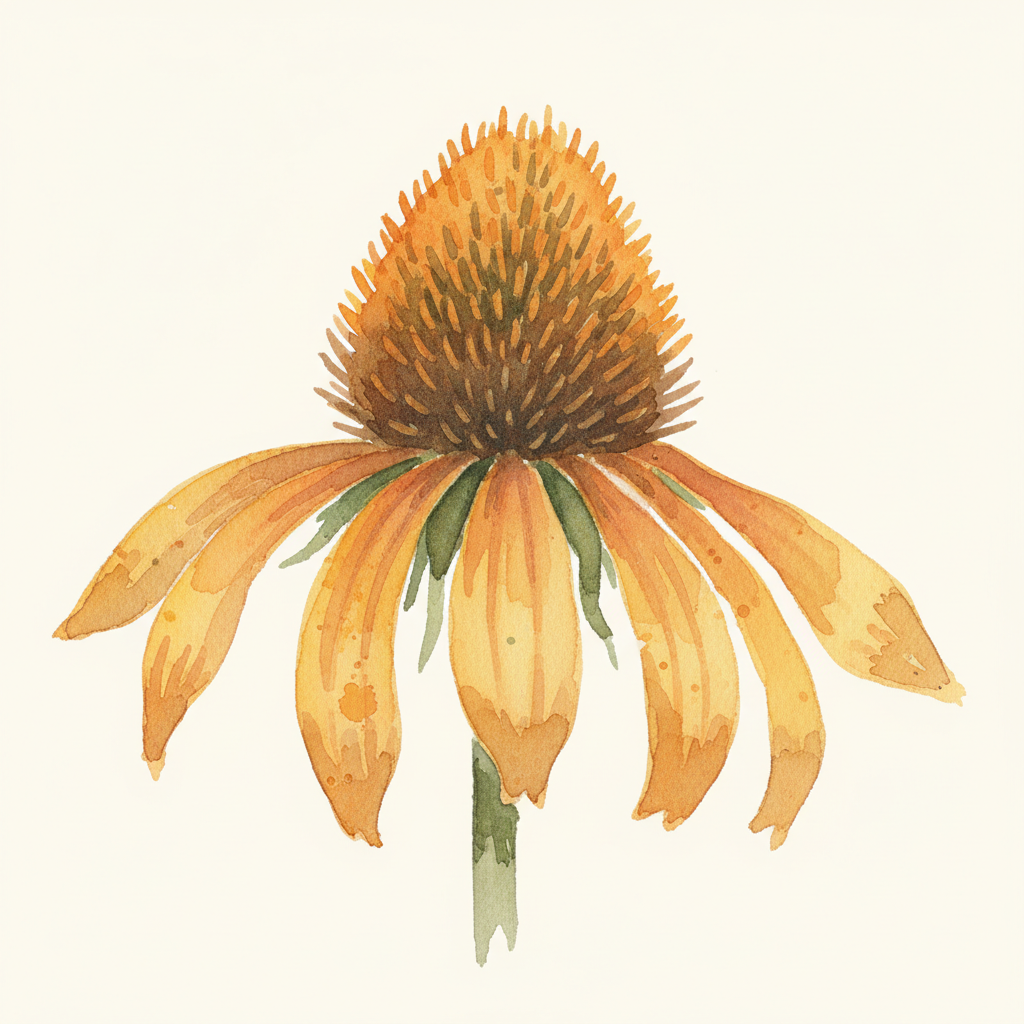
Towering stems with dramatically elongated cones rise above huge blue-green paddle leaves. An architectural native that commands attention.
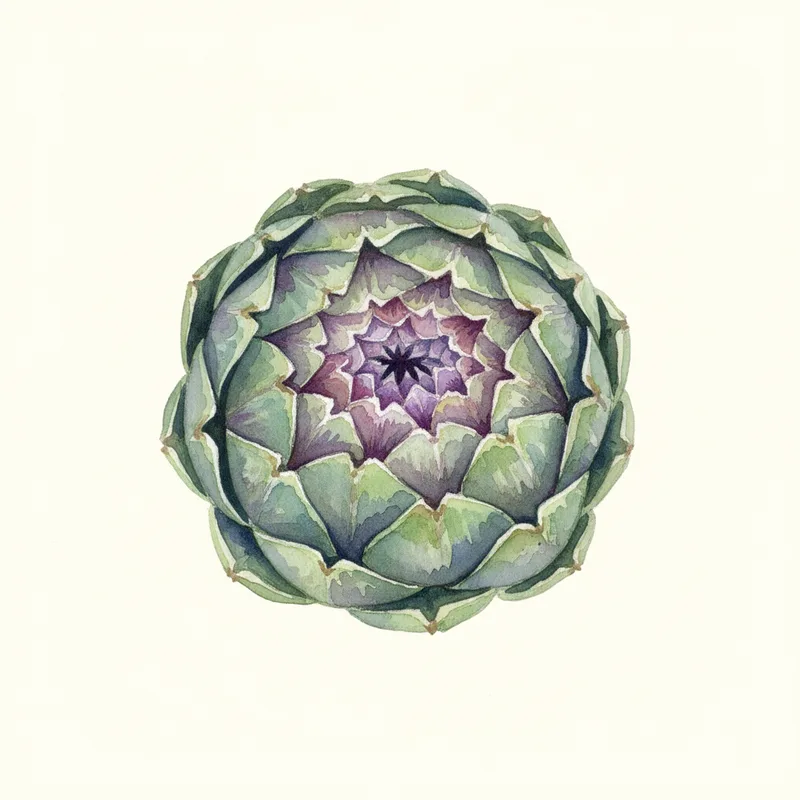
Bold silvery foliage and large thistle-like buds are both decorative and edible.
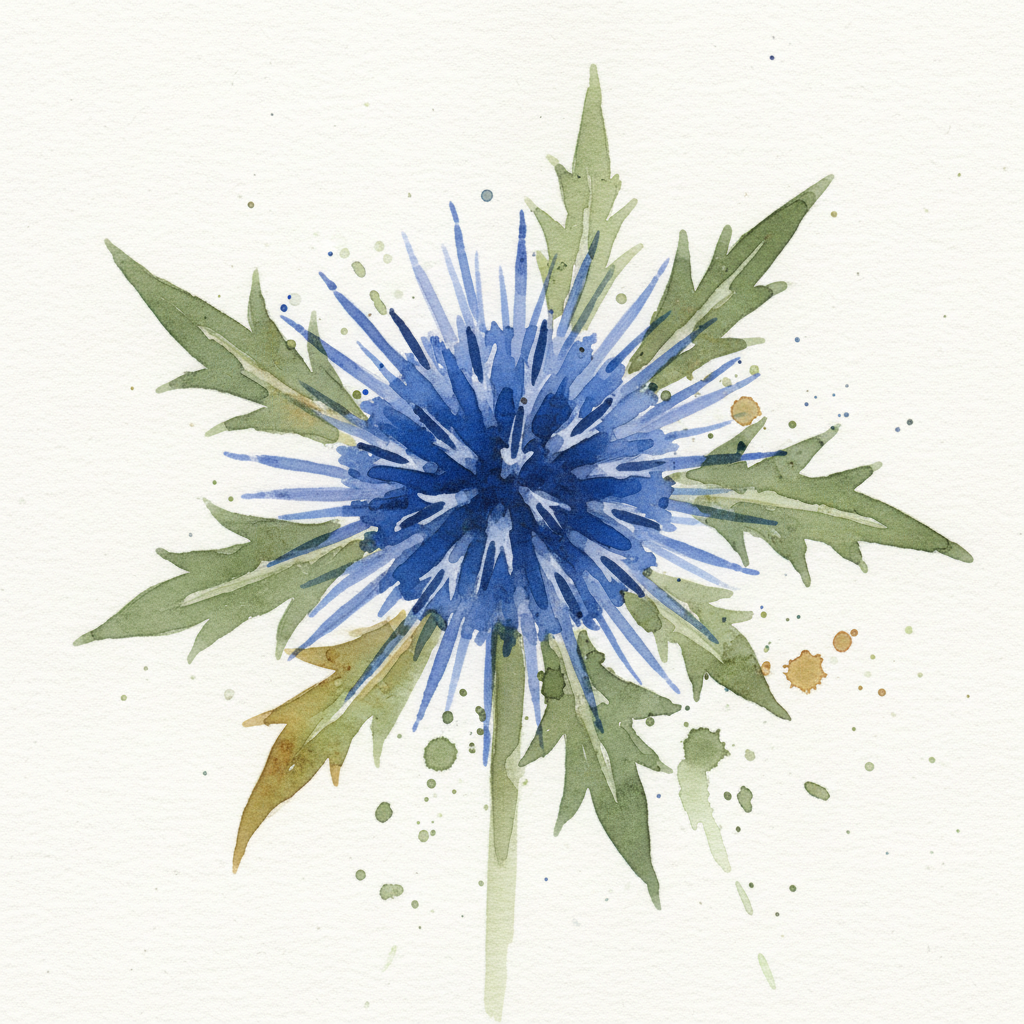
Perfectly spherical steel-blue globes on white stems that dry to perfection. Bees are absolutely obsessed.
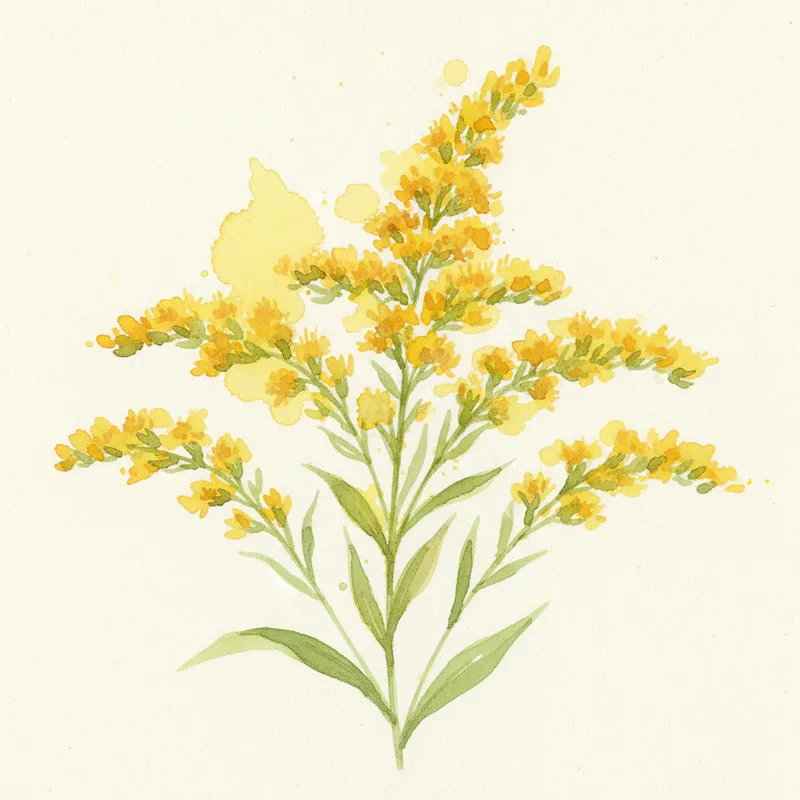
Wrongly blamed for allergies. A vital late-season pollinator magnet.
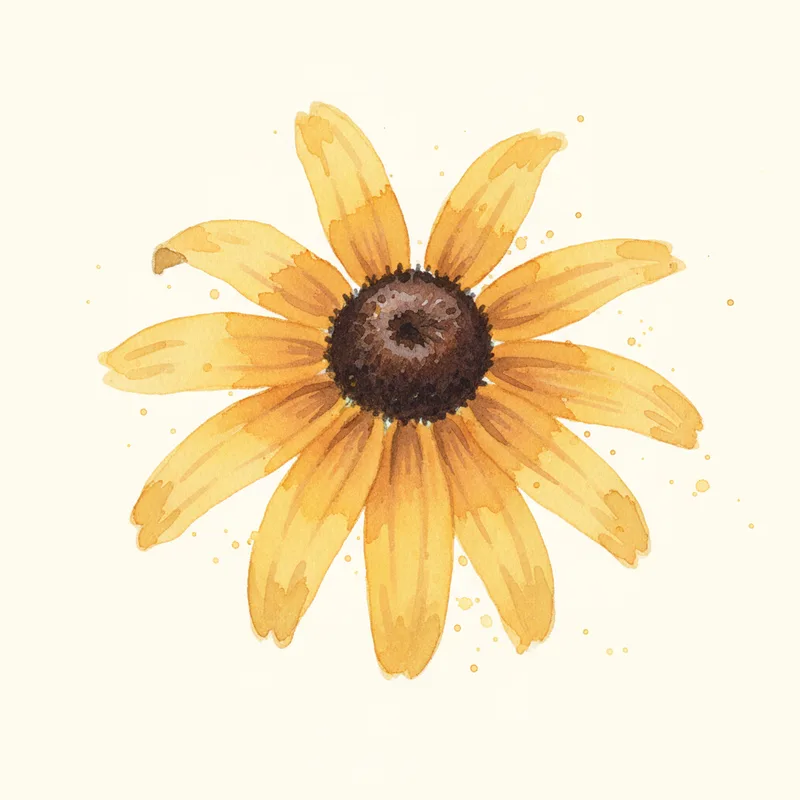
The gold standard rudbeckia. Uniform, floriferous, and utterly reliable in any soil.
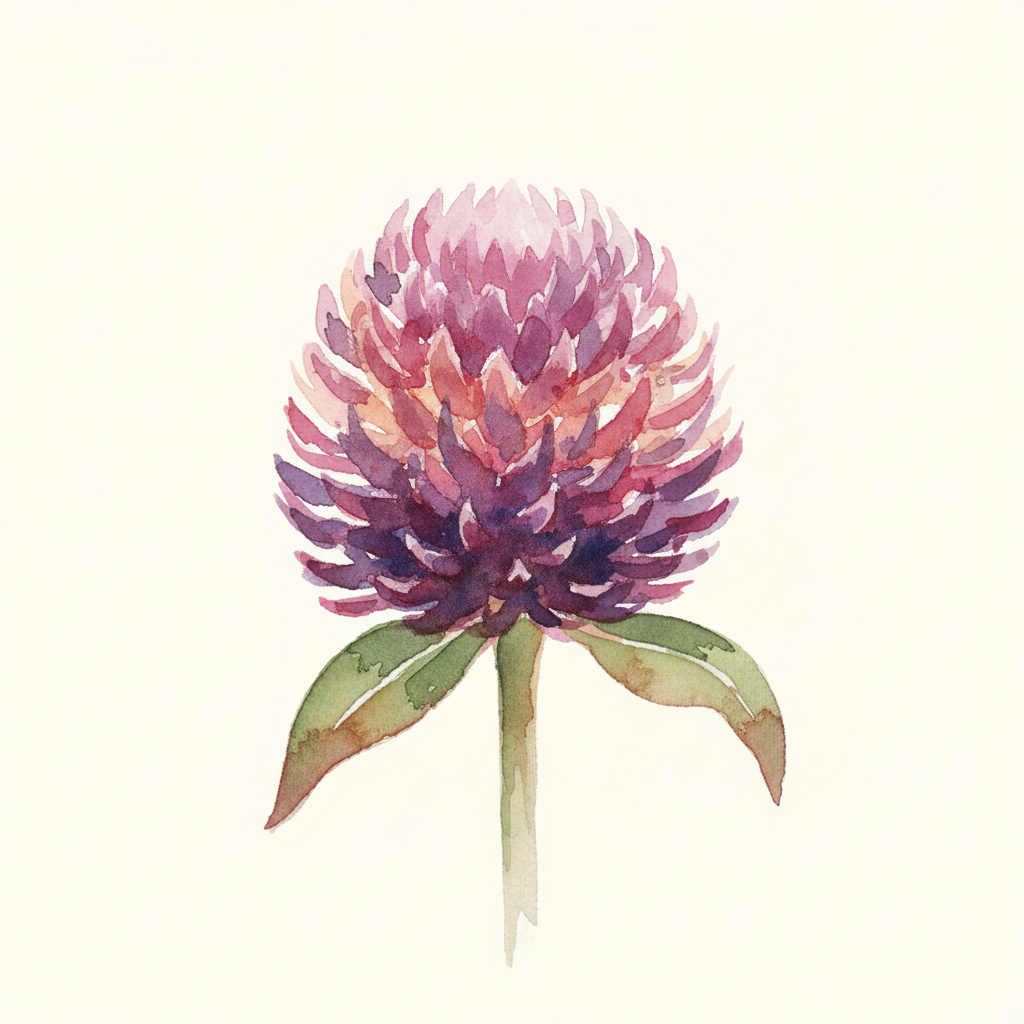
Papery clover-shaped pom-poms on wiry stems. Drought-proof, deer-proof, and dries perfectly for winter arrangements.
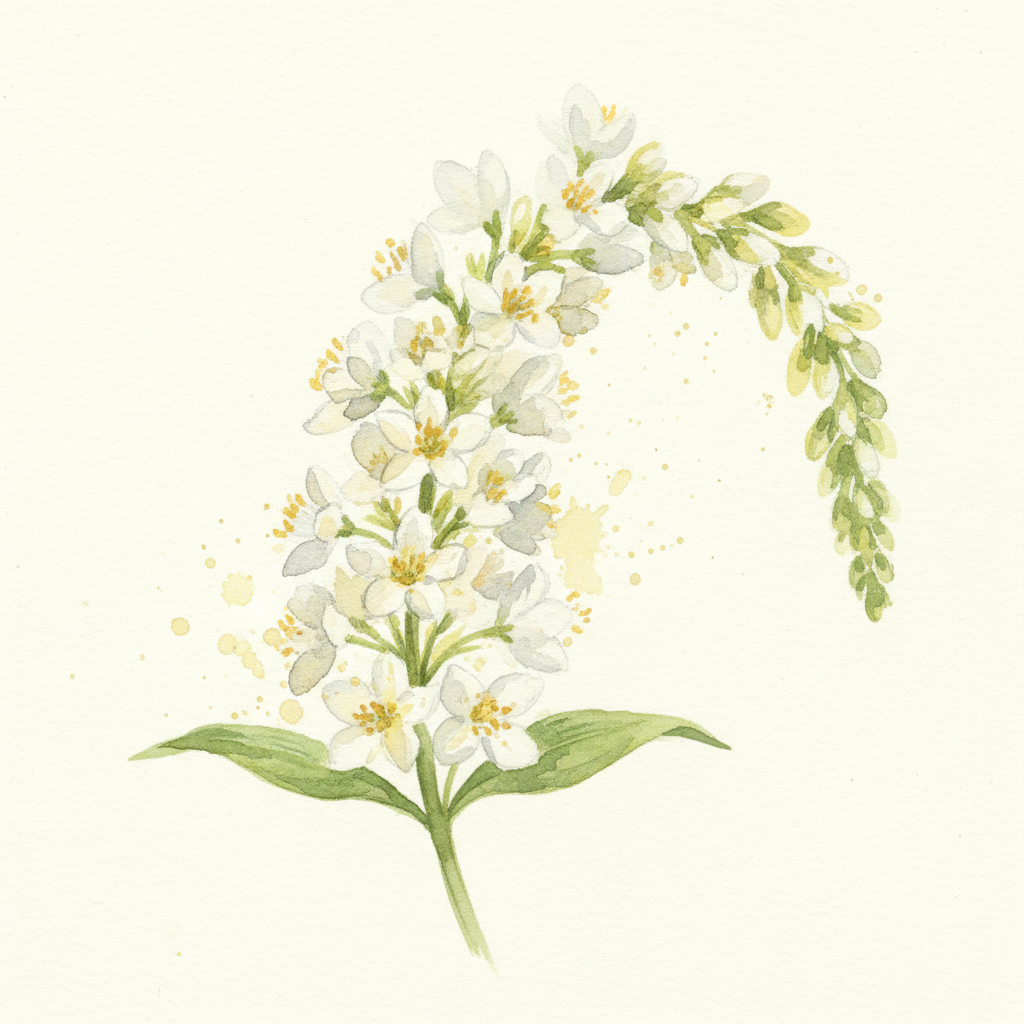
Gracefully arching white flower spikes that curve at the tips like a goose neck. Spreads vigorously in moist soil.
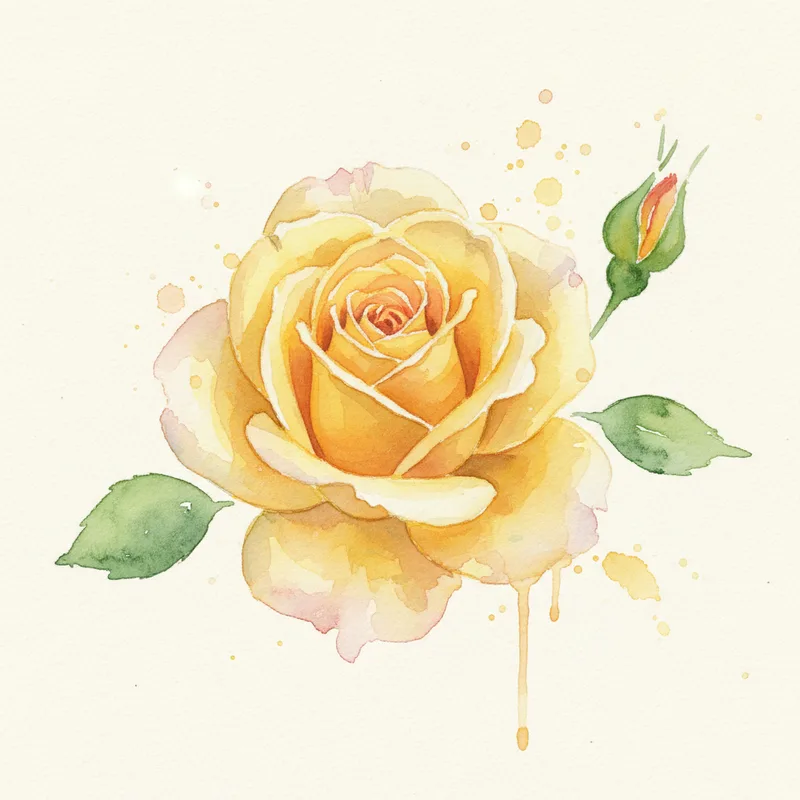
Rich golden-yellow cups with an intense tea rose fragrance. David Austin's most famous creation.
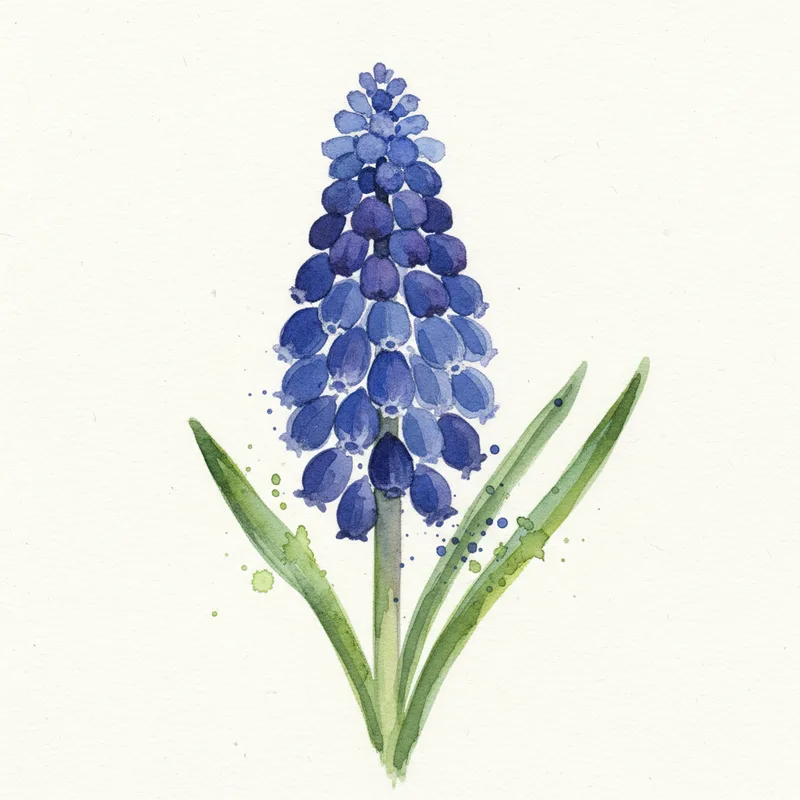
Tiny grape-like clusters that spread into rivers of blue over time.
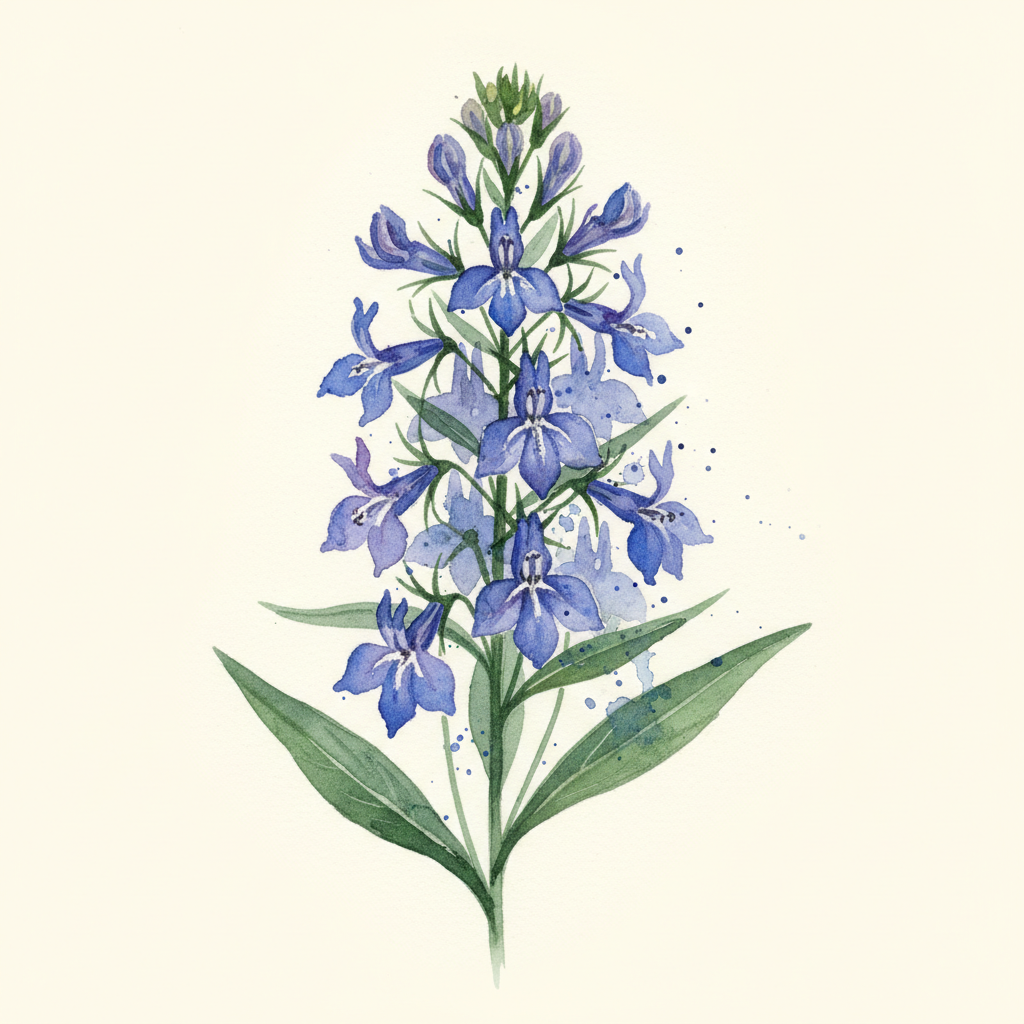
Intense blue flower spikes that hummingbirds and bumblebees fight over in late summer. The bolder, taller cousin of cardinal flower.
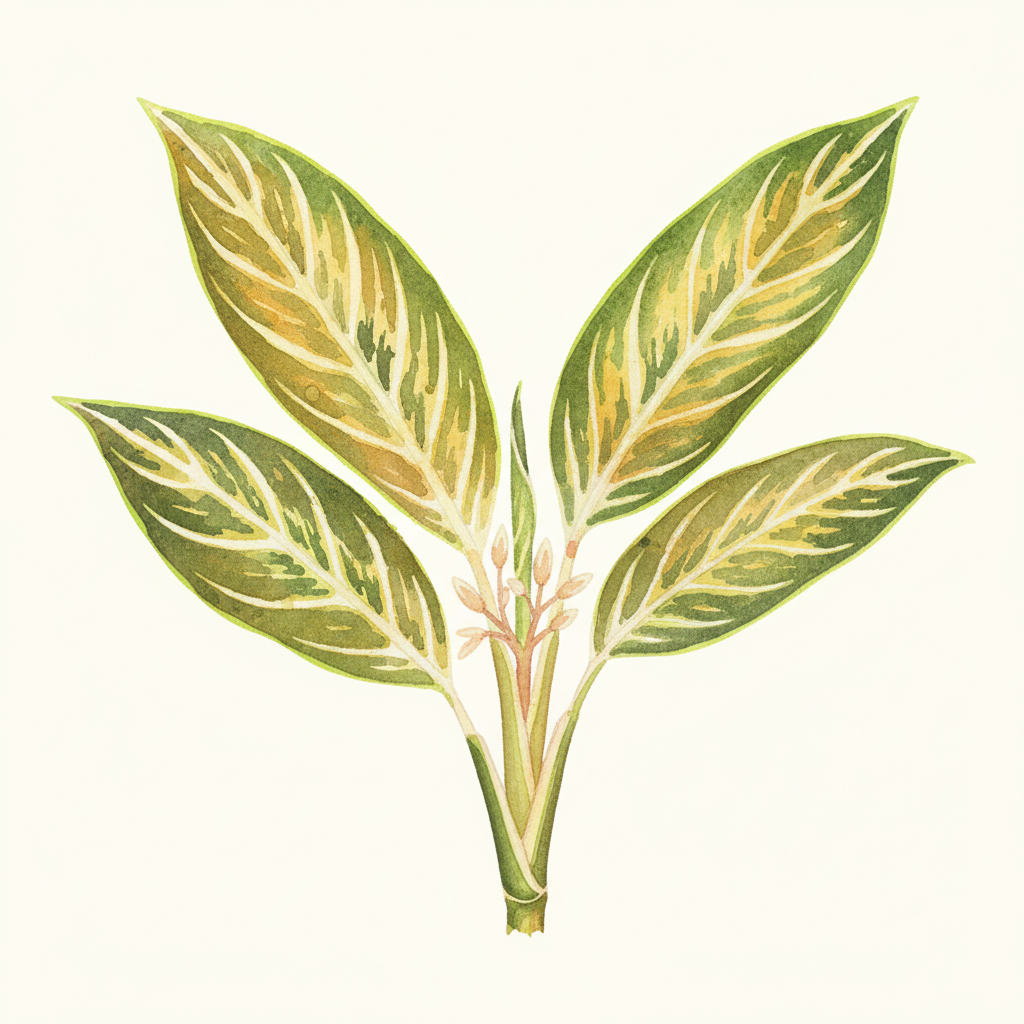
Bright yellow star flowers appear for months above mat-forming foliage. The best spring ground cover for the Southeast.
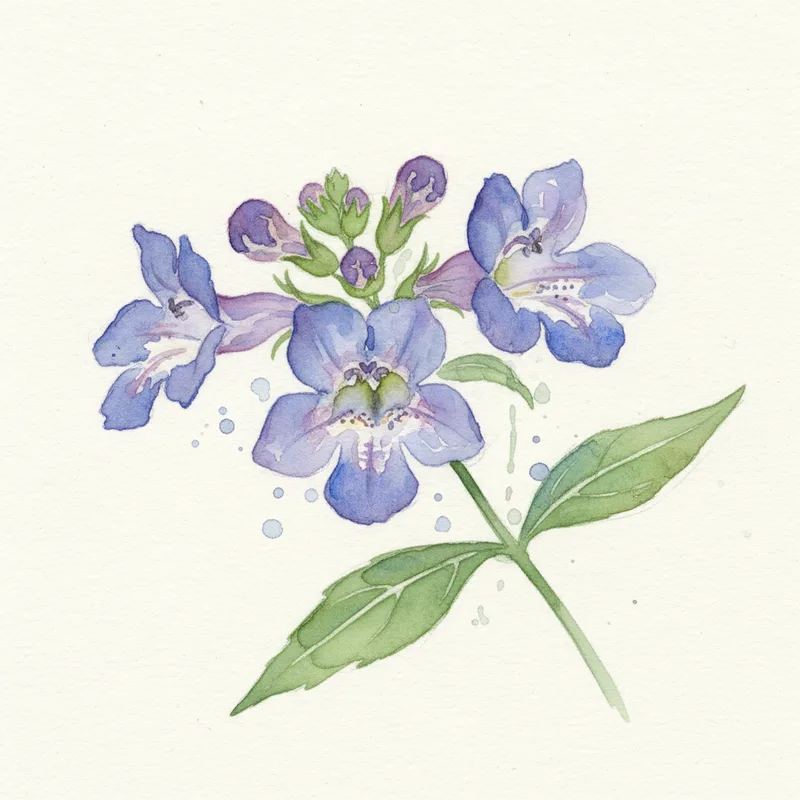
Nodding tubular flowers in soft lavender shades brighten moist woods of the Gulf Coast.
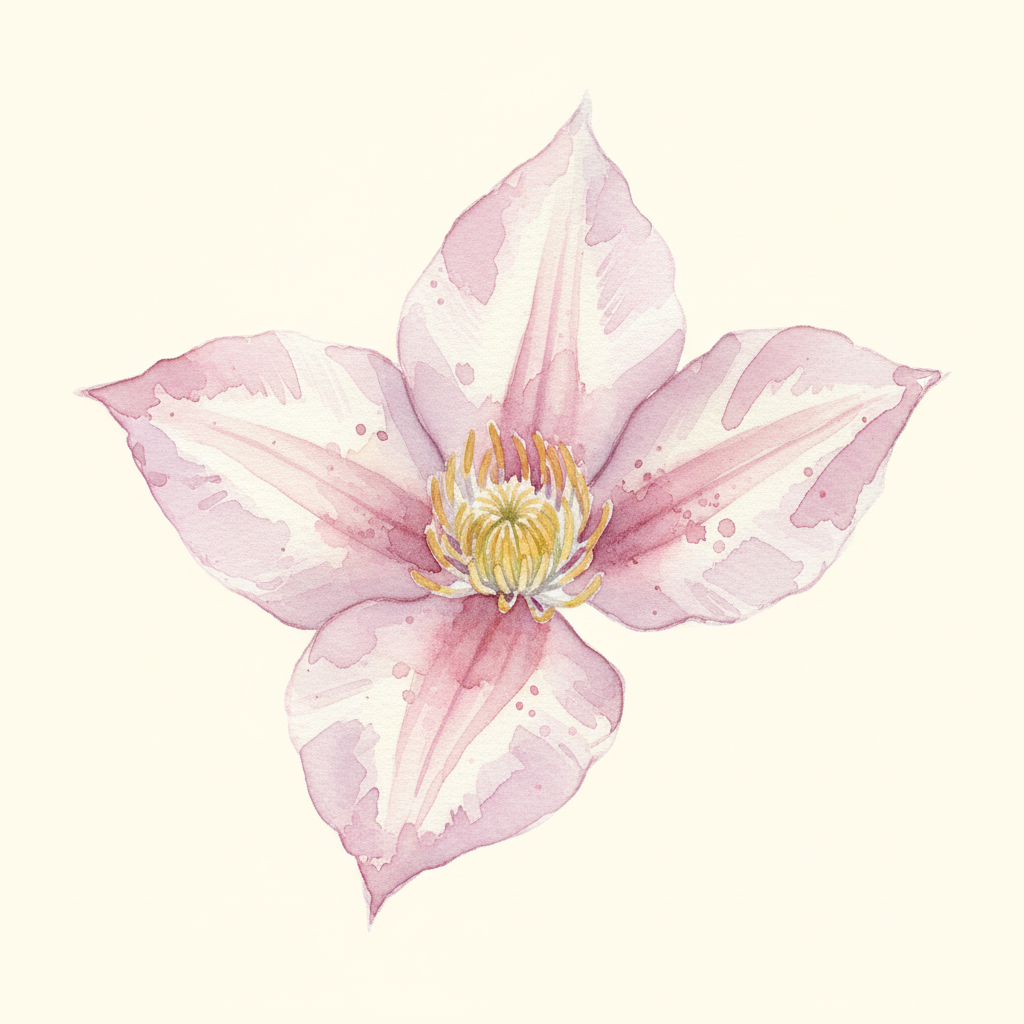
Soft shell-pink flowers with a hint of mauve that fade beautifully in part shade and bloom reliably all summer.
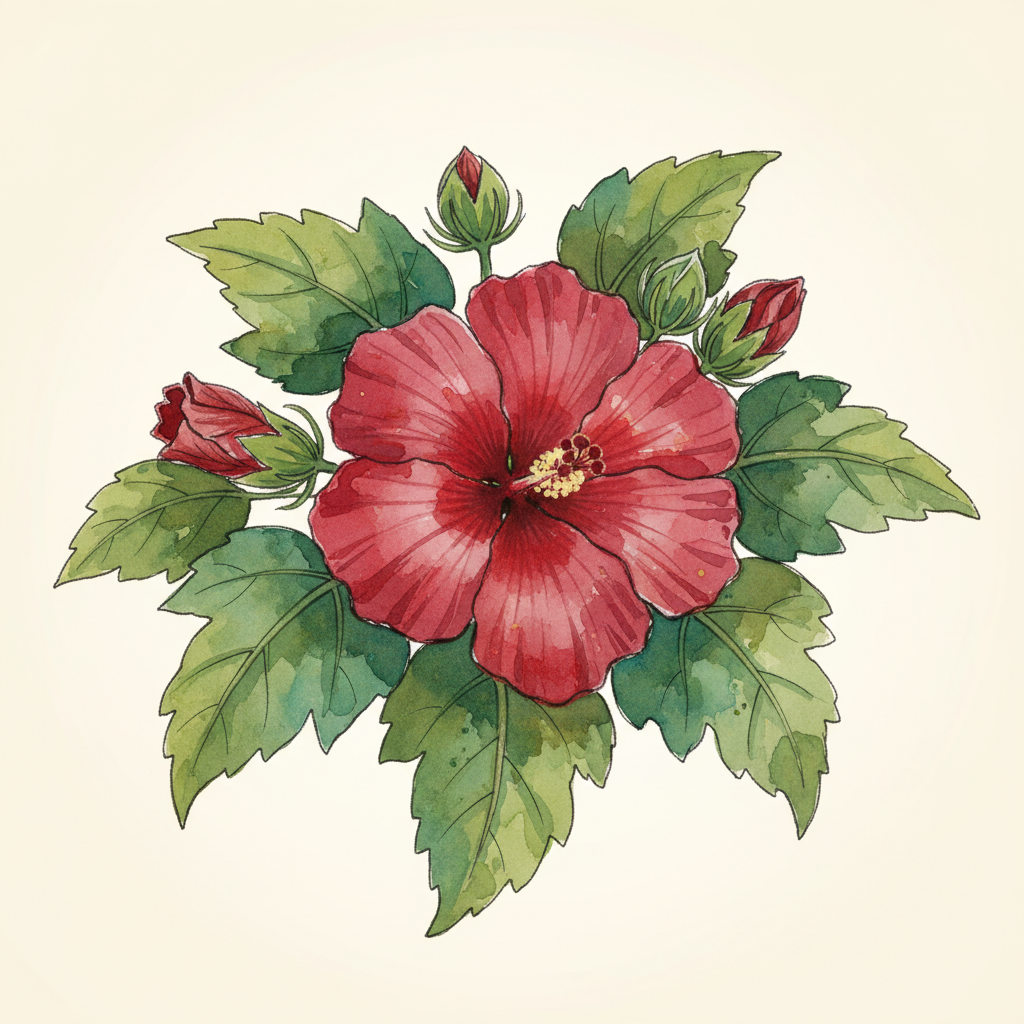
Dinner-plate blooms up to 12 inches across on a native perennial that dies to the ground and returns bigger each year.
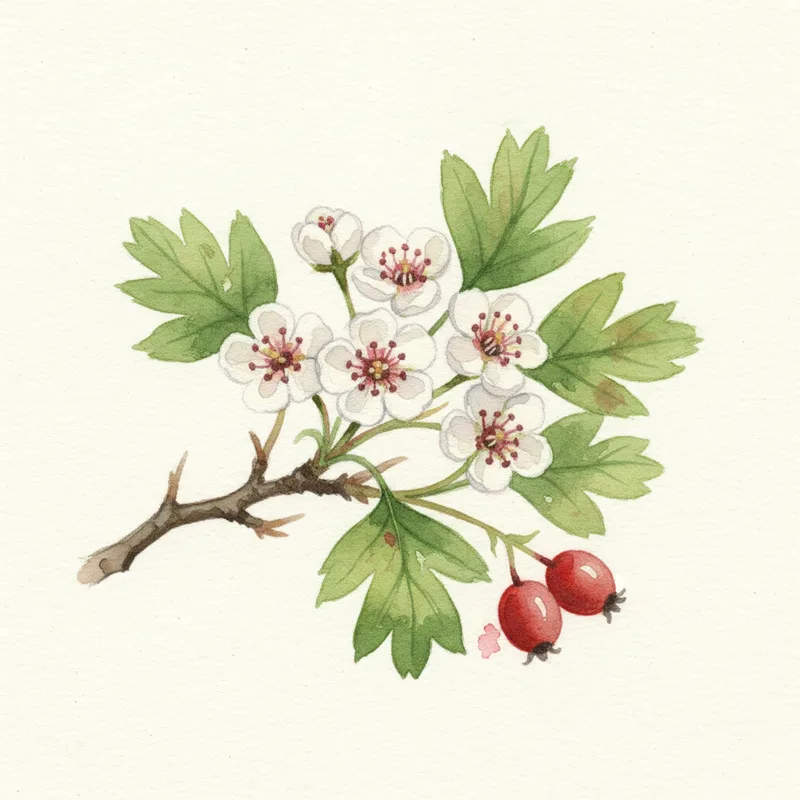
White spring flowers, glossy red fruit, and exfoliating bark. Thorny but beautiful native with winter interest.
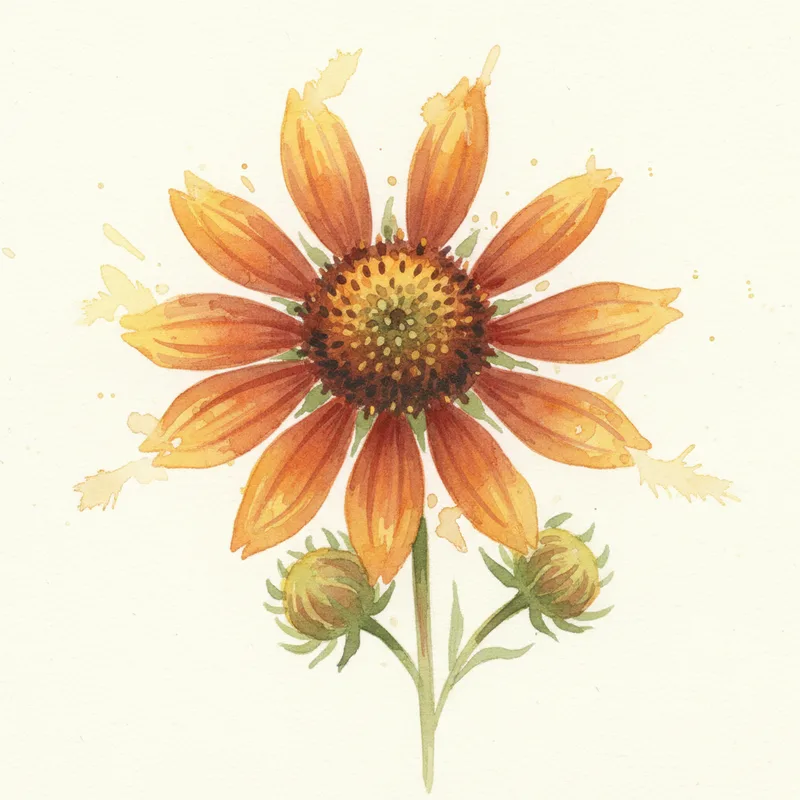
Warm-toned daisy-like flowers with raised centers bloom as summer turns to fall. Loves moist soil.
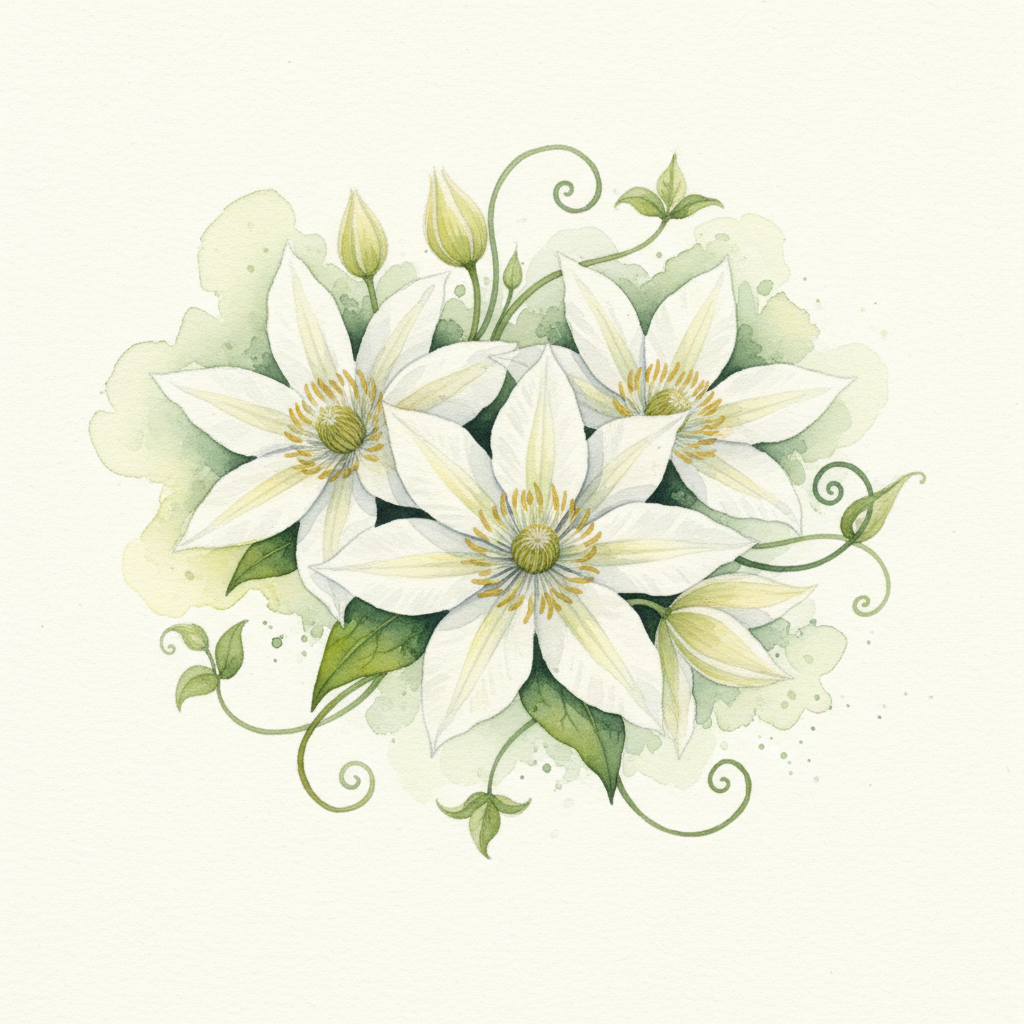
Large, pure white flowers with dark brown anthers rebloom in fall. Elegant, classic, and undeniably refined.
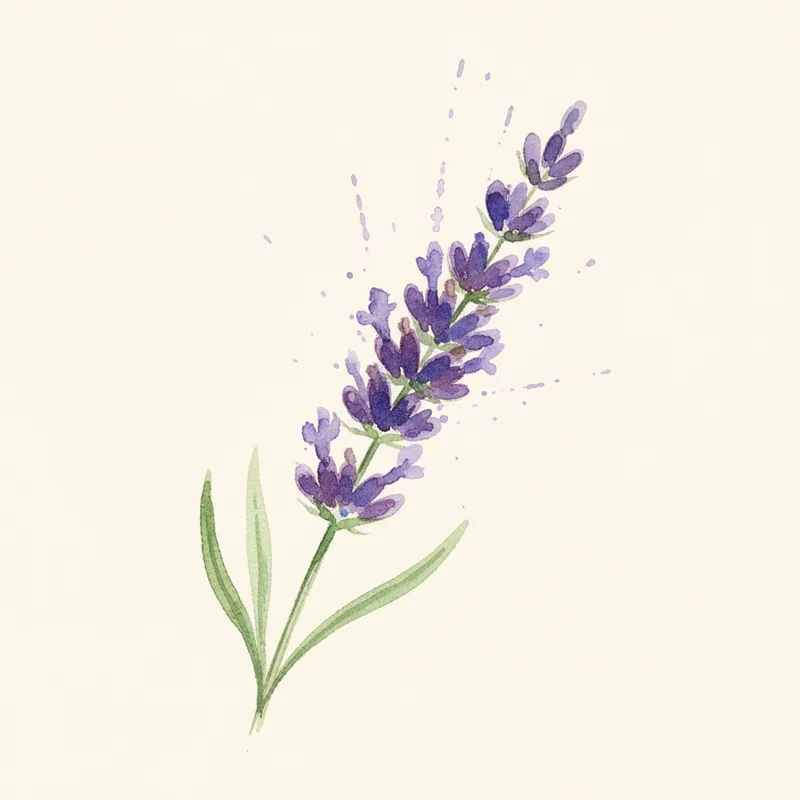
Compact and intensely dark purple. The standard against which all other lavenders are measured.
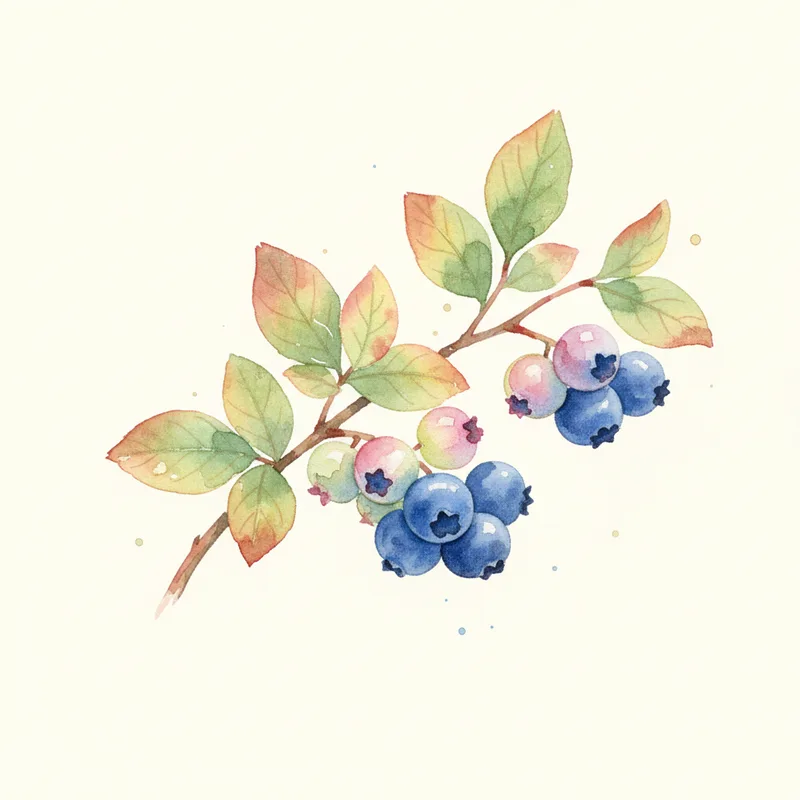
Bell-shaped spring flowers are followed by sweet blue berries and excellent fall color.
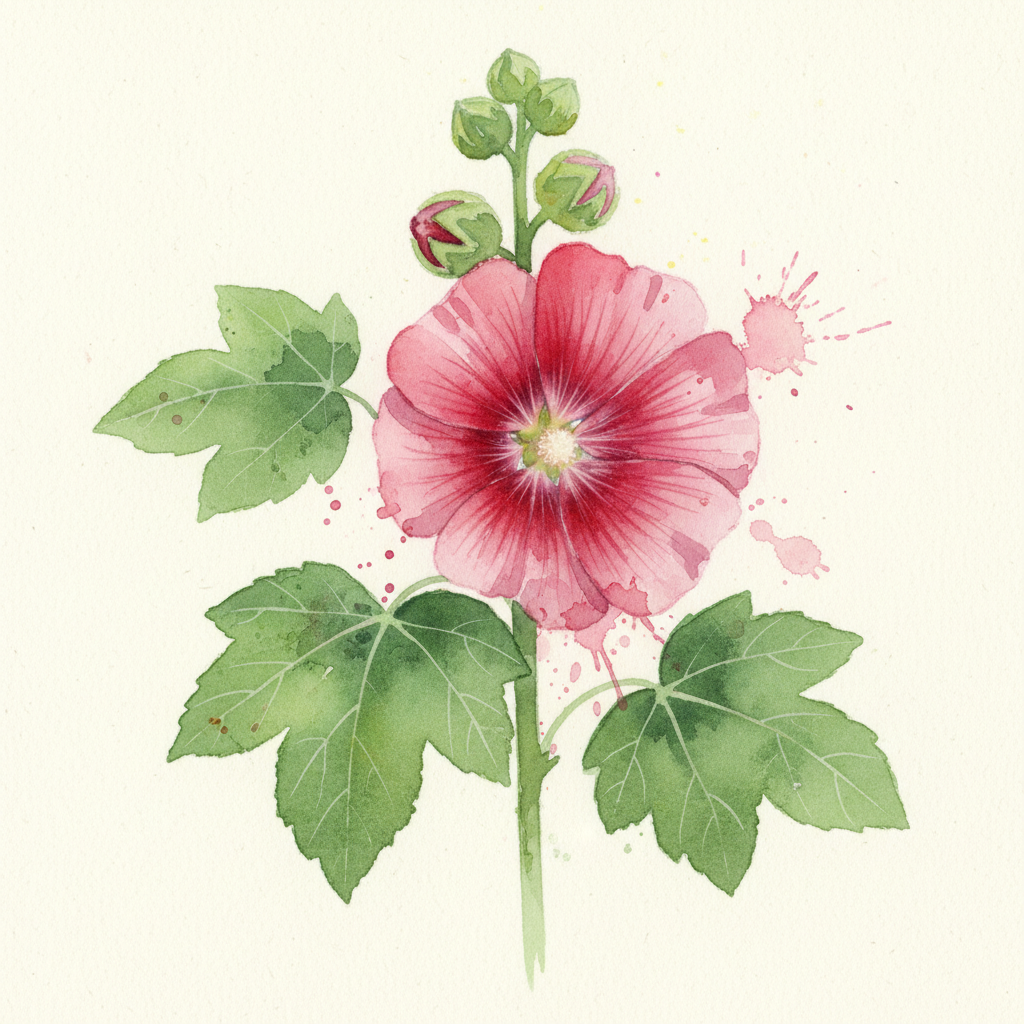
Towering spires of saucer-shaped blooms in vintage colors. The icon of every English cottage garden, biennial but generous with self-sown seedlings.
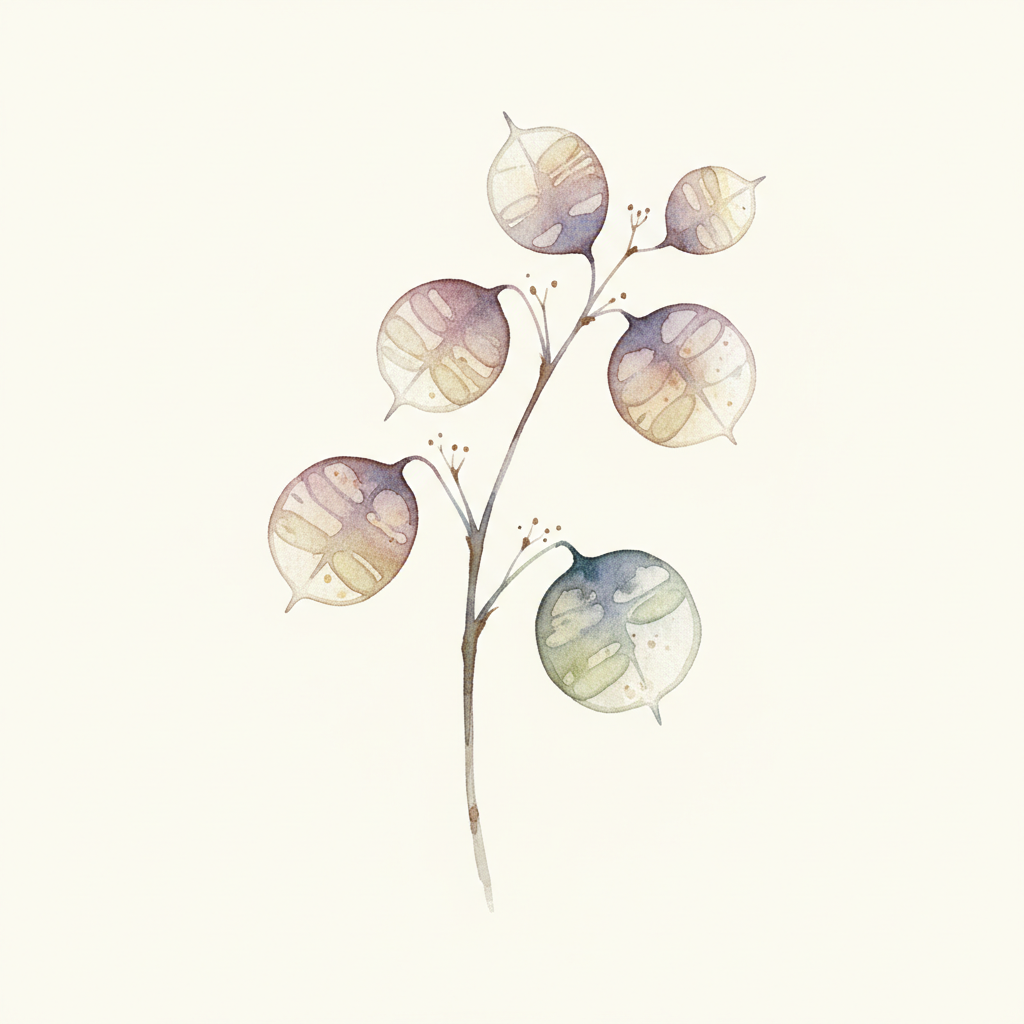
Purple spring flowers turn into translucent silvery seed pods like full moons. Biennial cottage classic that self-sows everywhere.
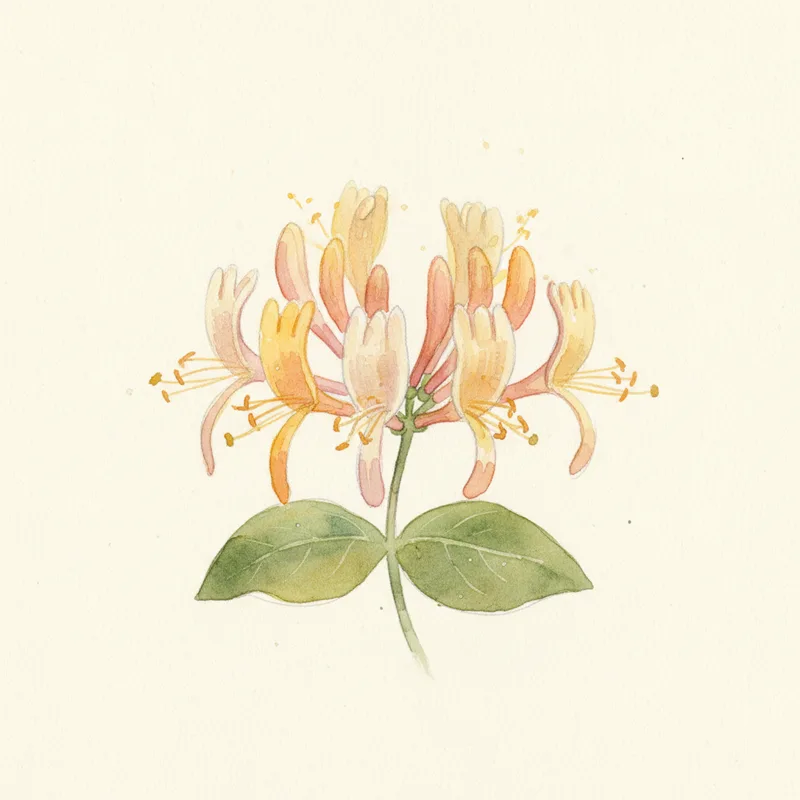
Tubular, nectar-rich flowers with a fragrance that defines summer evenings.
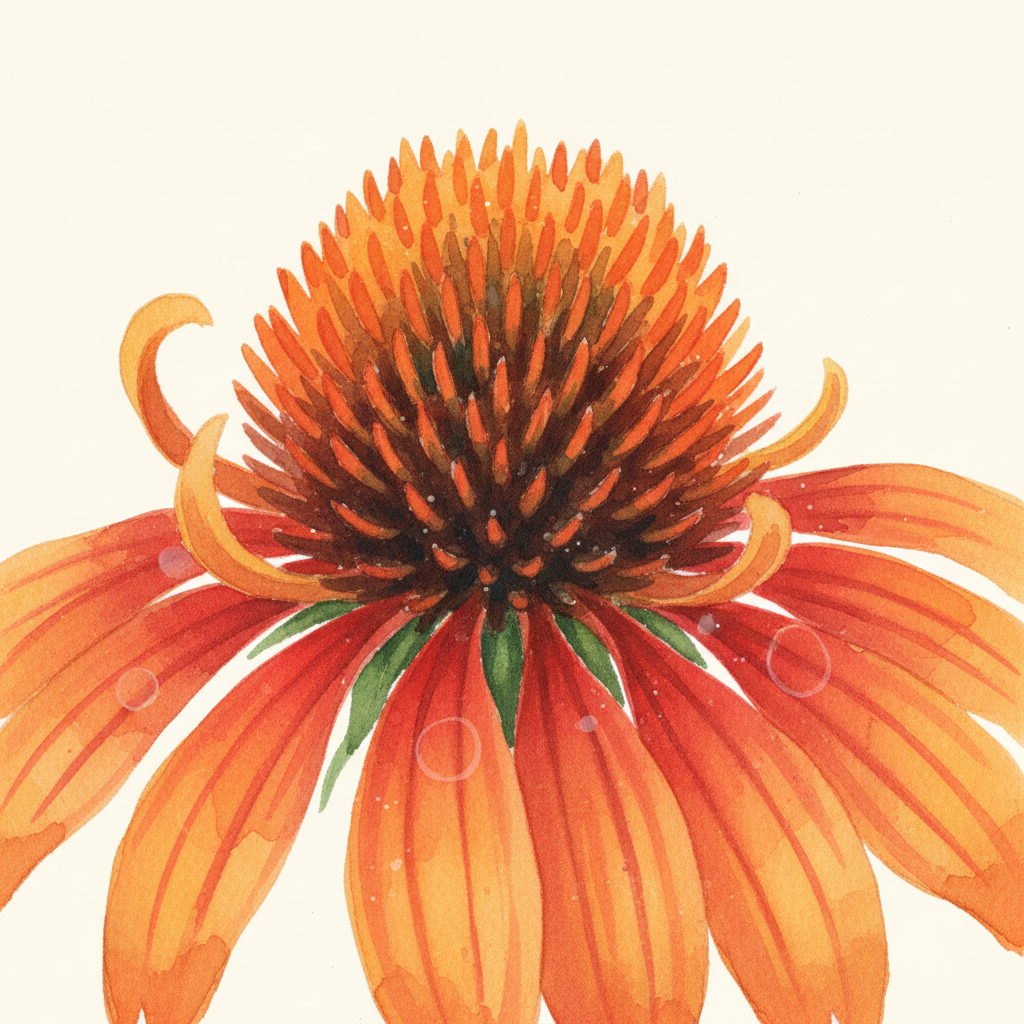
Fiery double blooms like tiny orange dahlias on a coneflower. A showstopper that earns every bit of the hype.
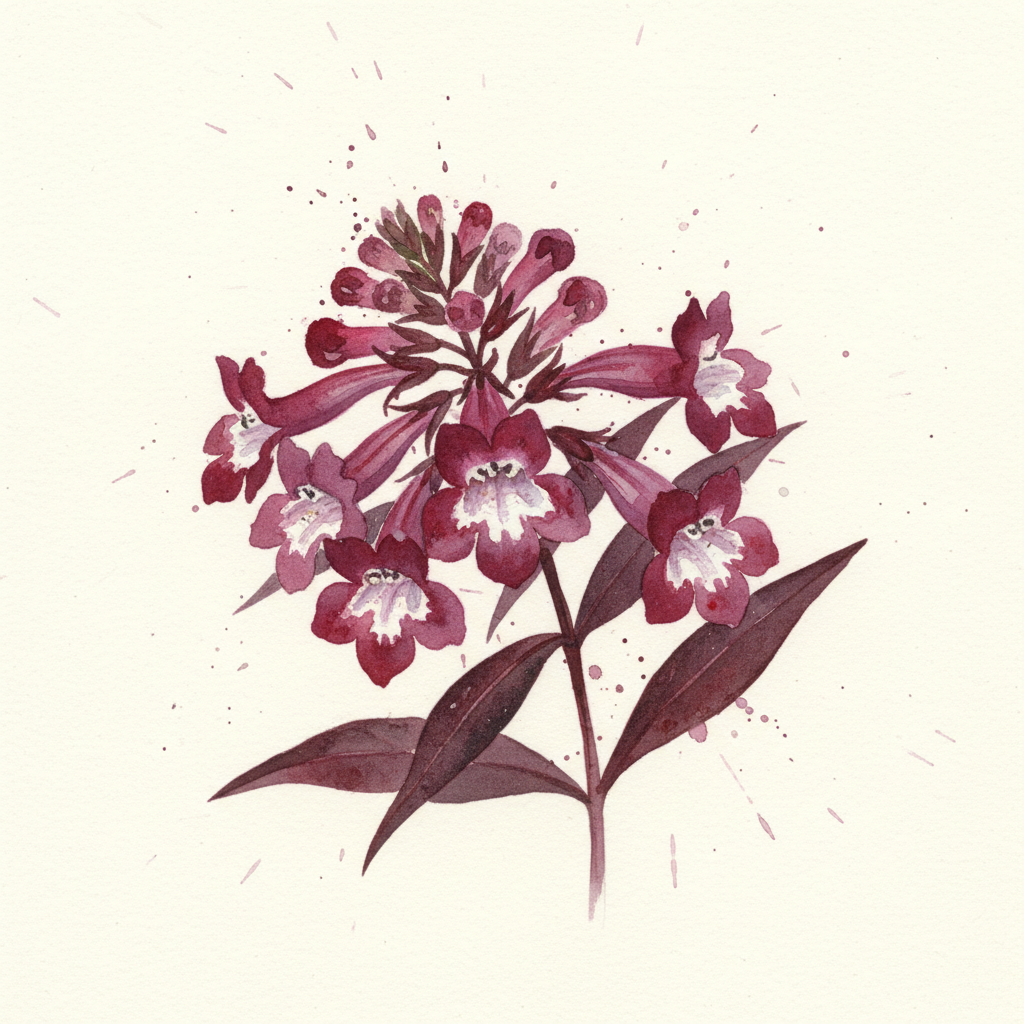
Dramatic burgundy-red foliage all season with white tubular flowers in late spring. The most striking native penstemon for gardens.
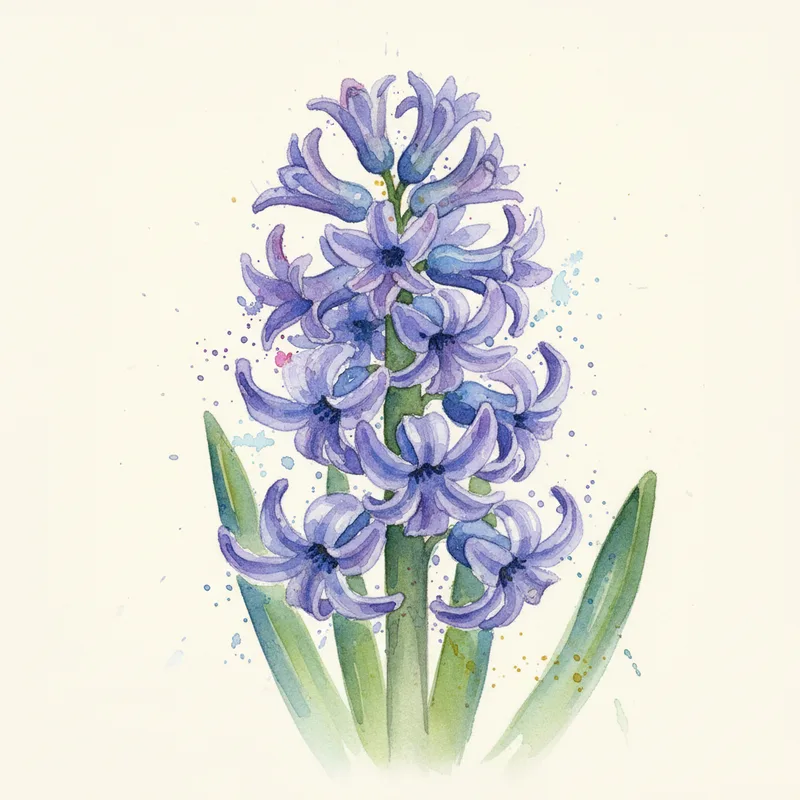
Dense, intensely fragrant spikes. One bulb can perfume an entire room.
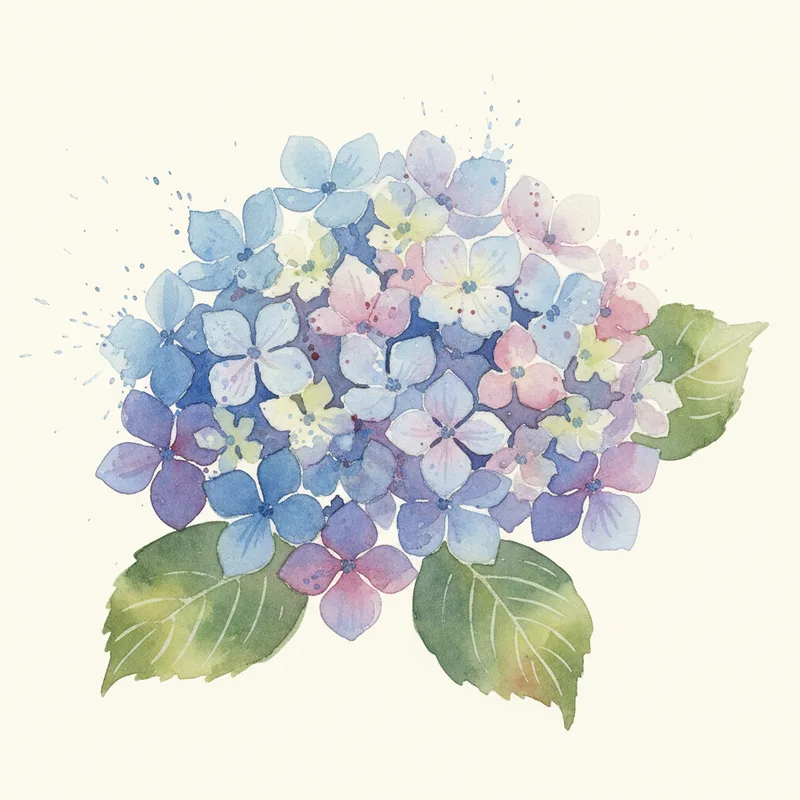
Massive mophead blooms that shift color with soil pH. Showstoppers.
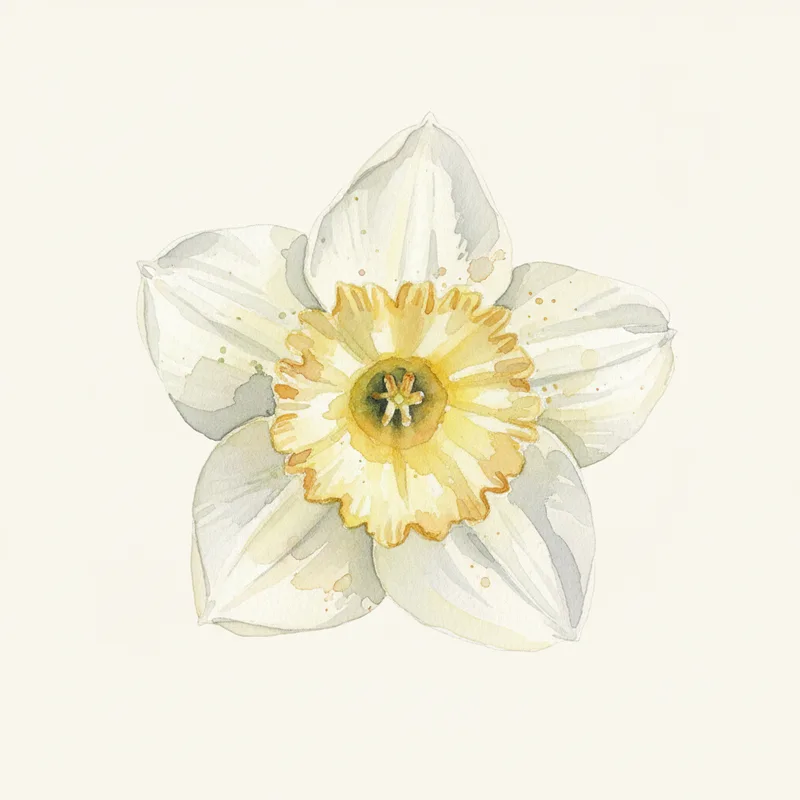
White petals frame a wide, ruffled cup that opens yellow and fades to cream. Multiplies fast.
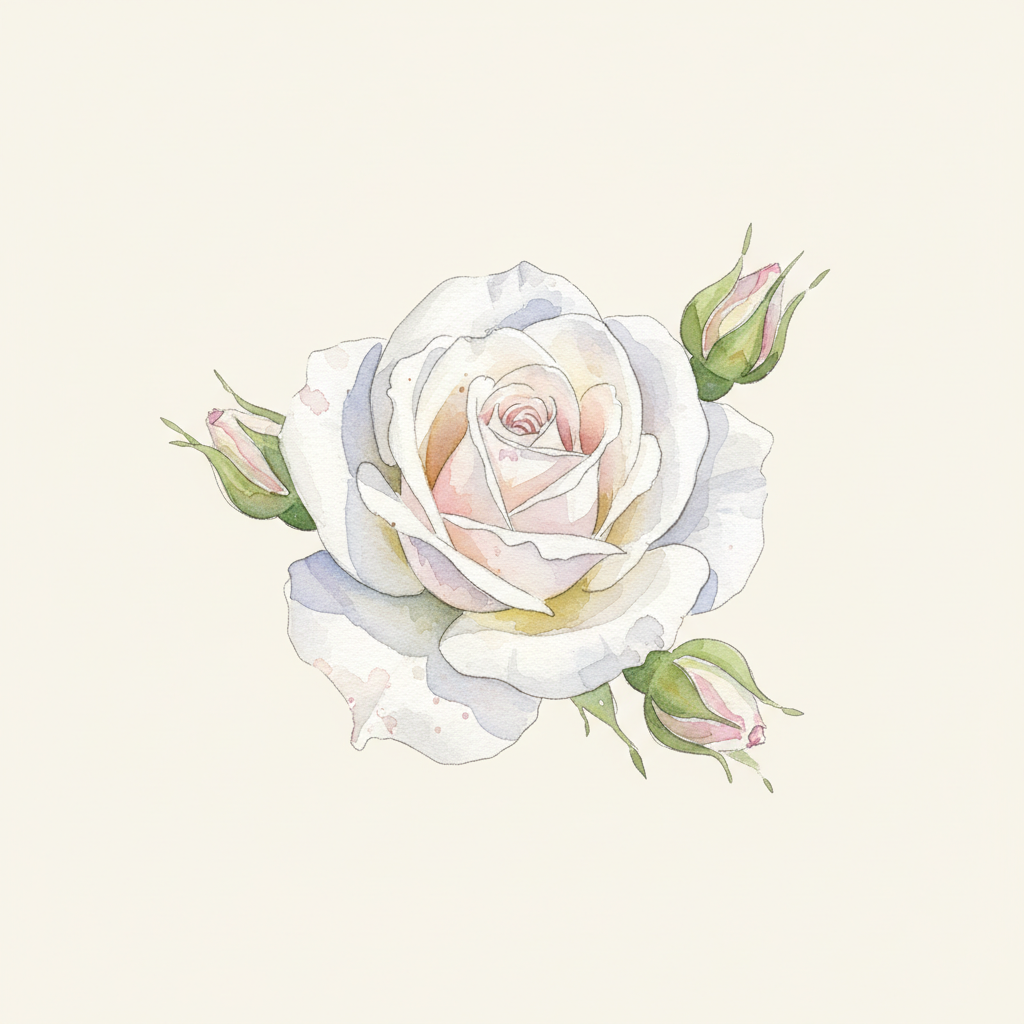
Pure white floribunda clusters that bloom non-stop from spring to frost. Among the most planted roses in the world and bulletproof in any climate.
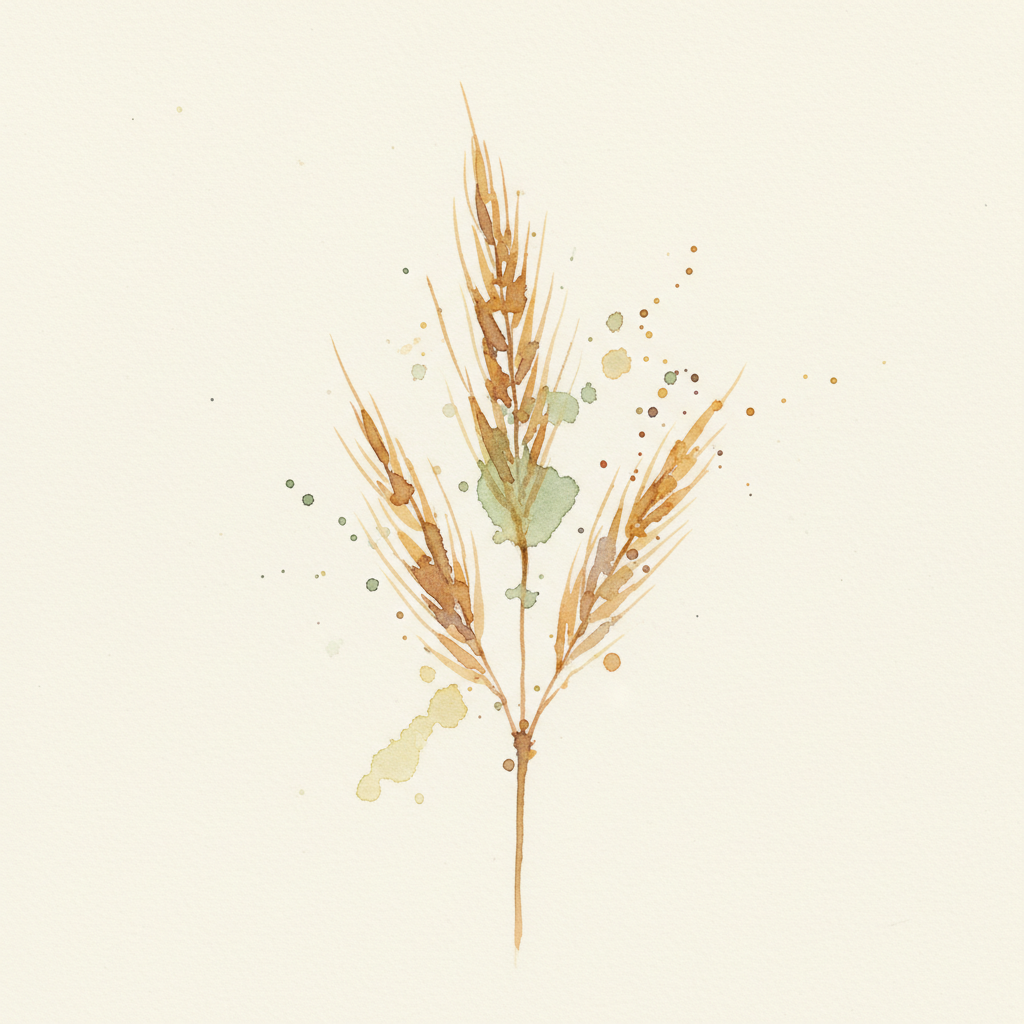
Golden-orange fall color and shimmering flower spikes make this tall prairie native one of autumn's best performers.
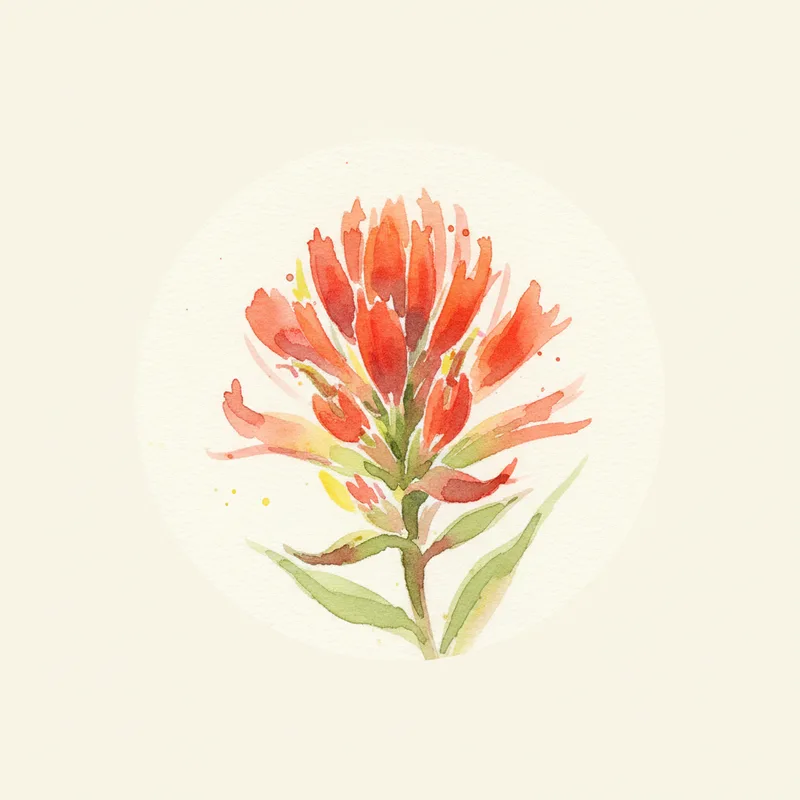
Bright red to orange bracts surround small flowers and glow across spring prairies.
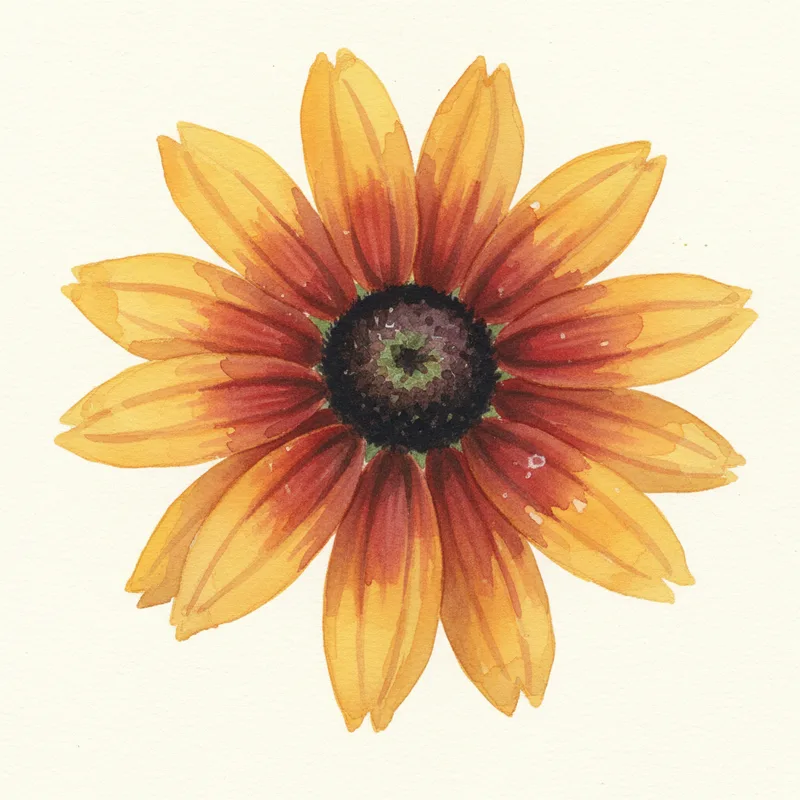
Massive 6-9 inch golden daisies on a short-lived plant. Bigger and bolder than perennial black-eyed susans.
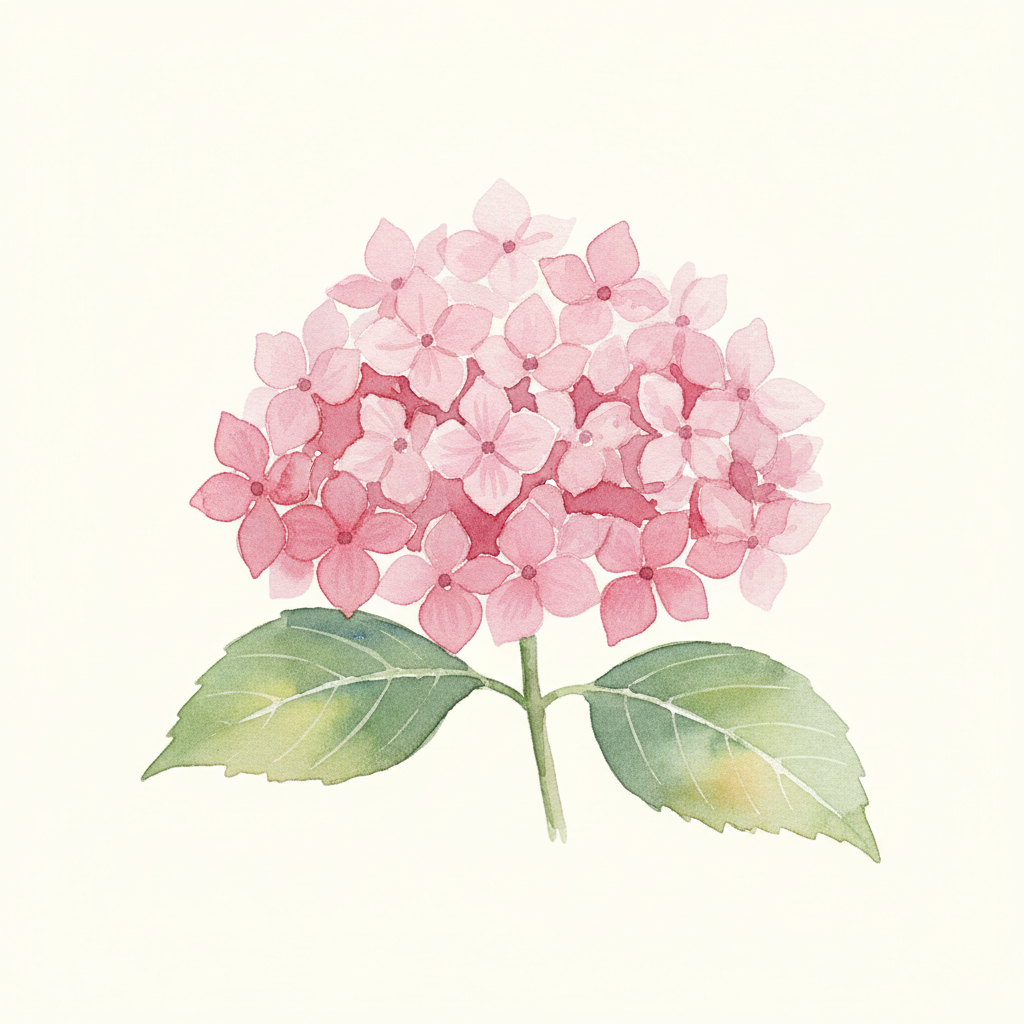
The first pink Annabelle-type hydrangea, with strong stems holding hot-pink globe blooms upright through the season.
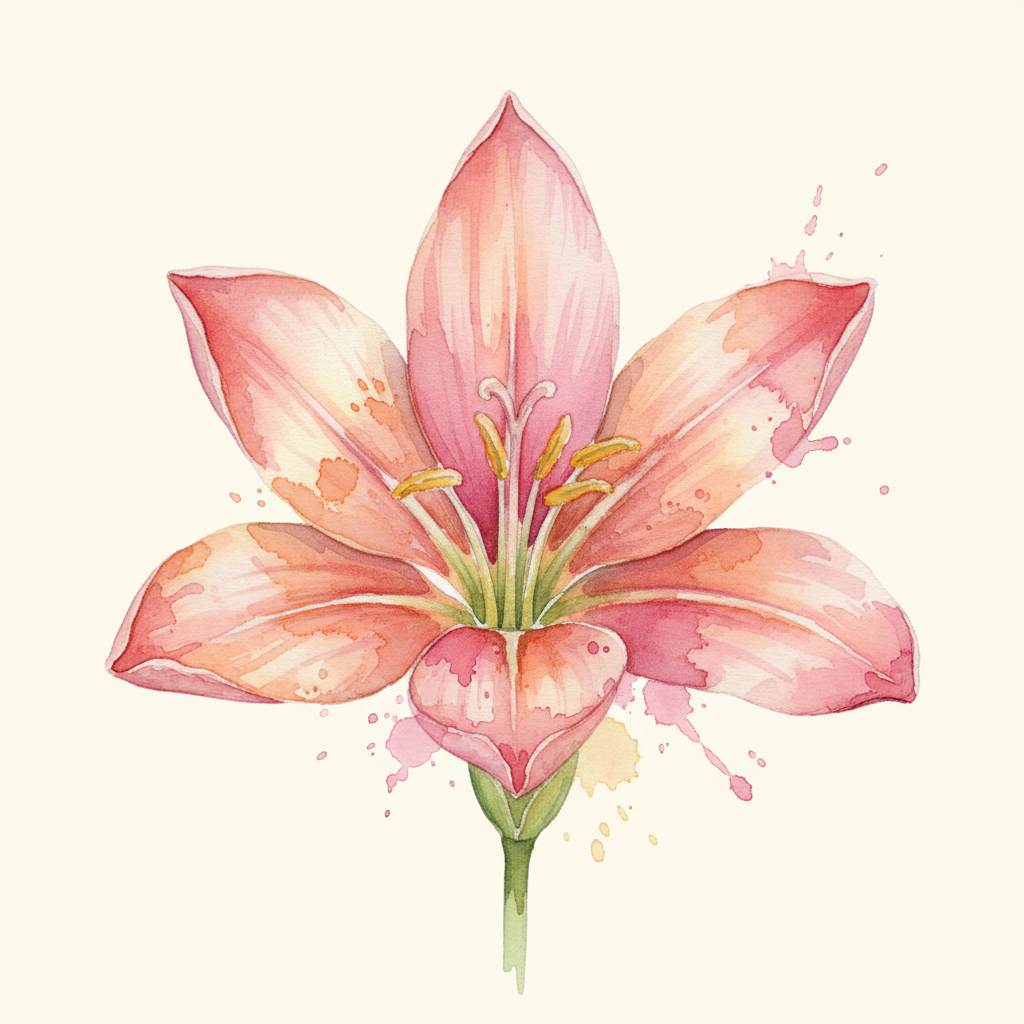
Wiry stems hold star-shaped flowers in jewel colors. Corn lily, a long-lasting cut flower that closes at night and opens with the sun.
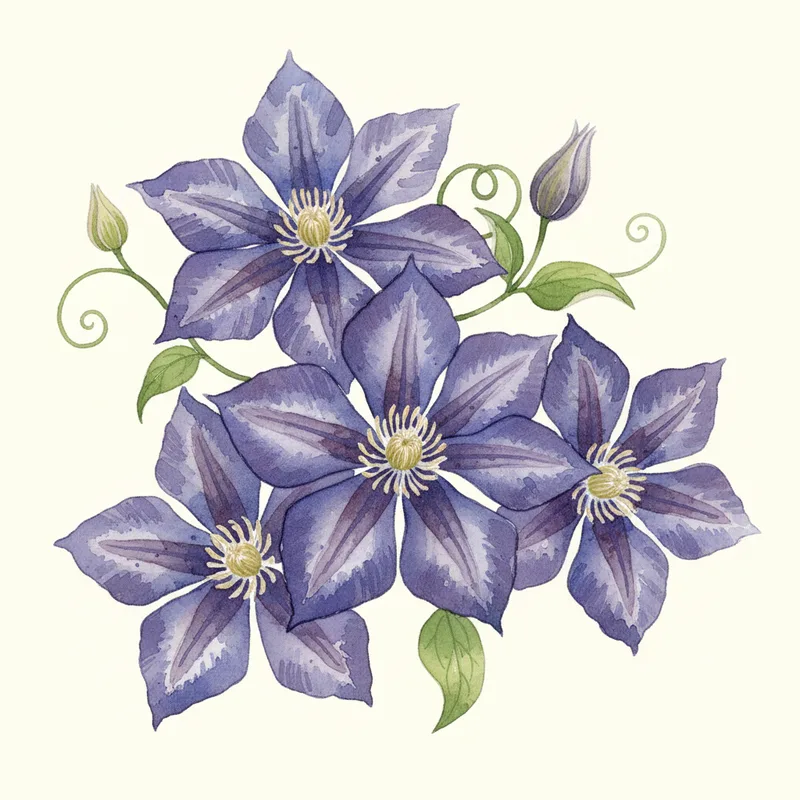
The classic large-flowered clematis since 1858. Deep violet-purple blooms cover the vine midsummer.
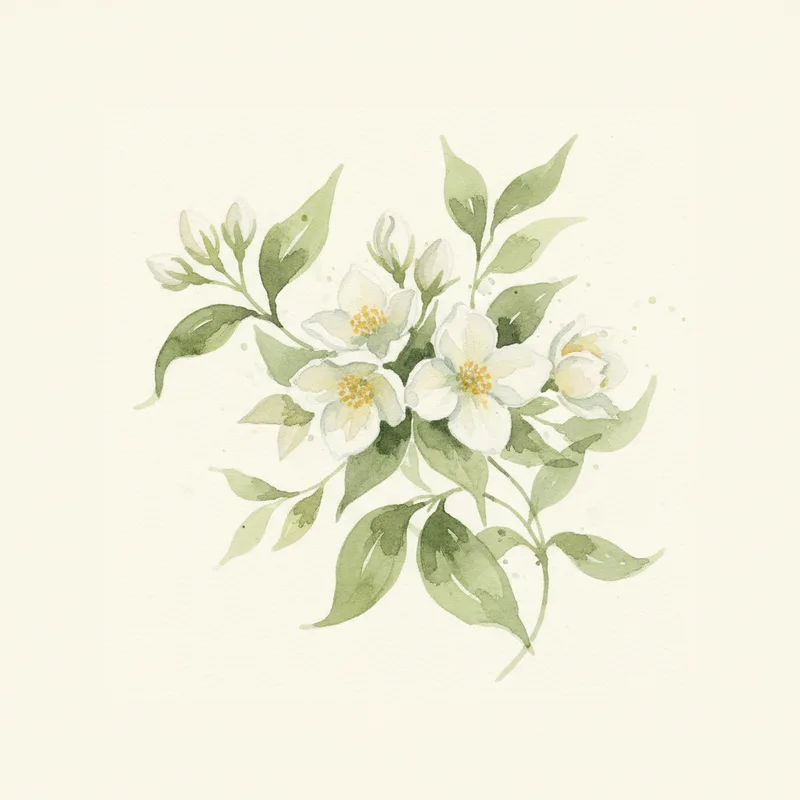
A vigorous twining vine with intensely sweet-scented white or yellow star-shaped flowers, the scent of warm southern evenings.
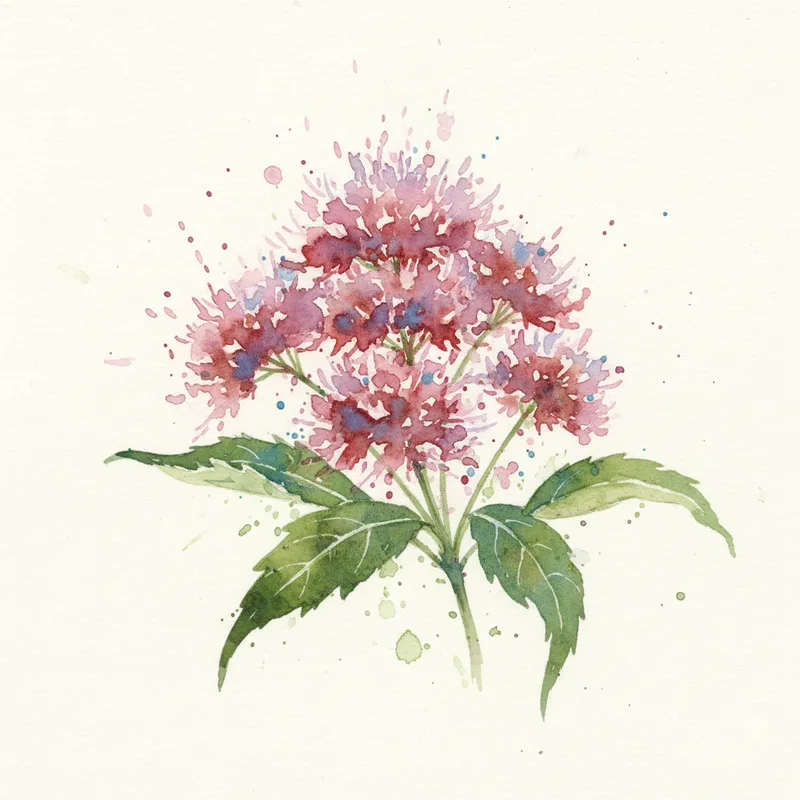
Towering native with mauve domes that butterflies swarm in late summer.
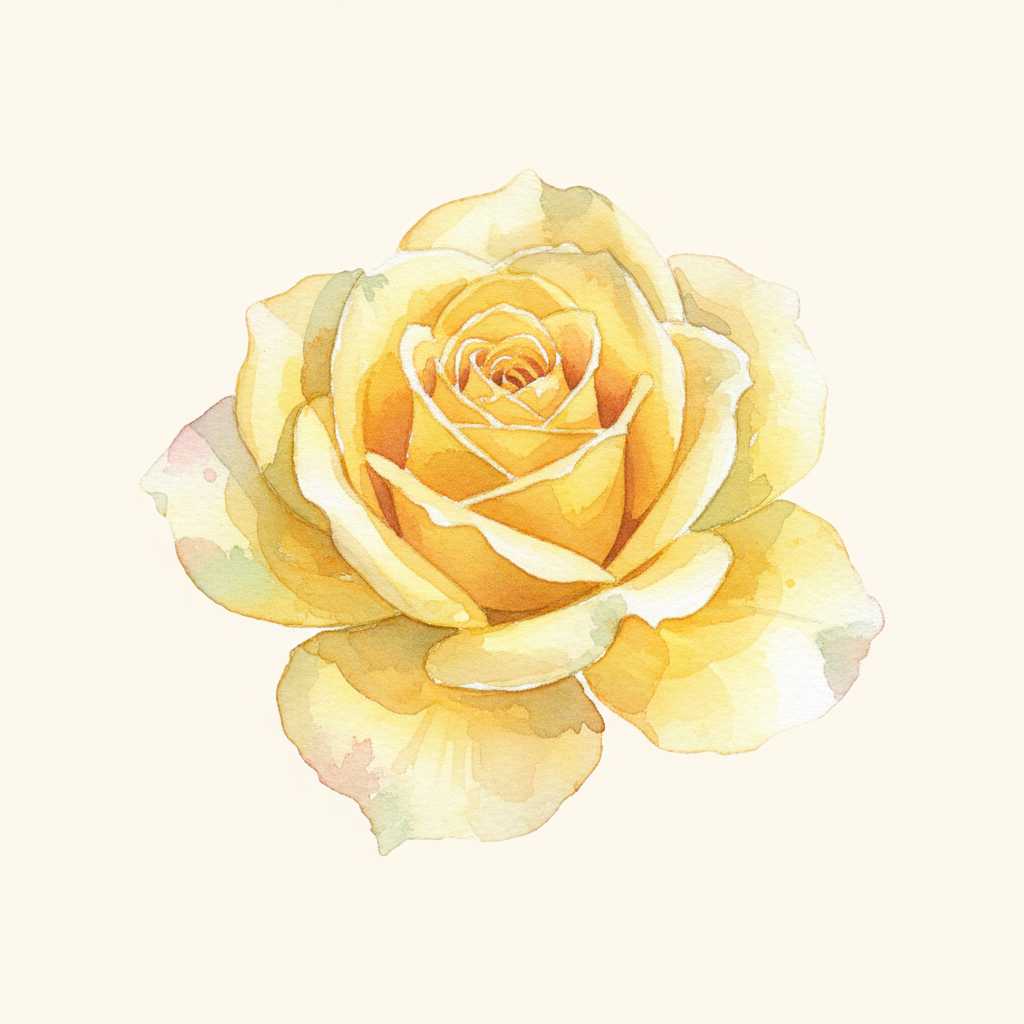
Butter-yellow ruffled blooms with a sweet licorice-candy fragrance. The chef's own pick for her garden and one of the best yellow floribundas ever bred.
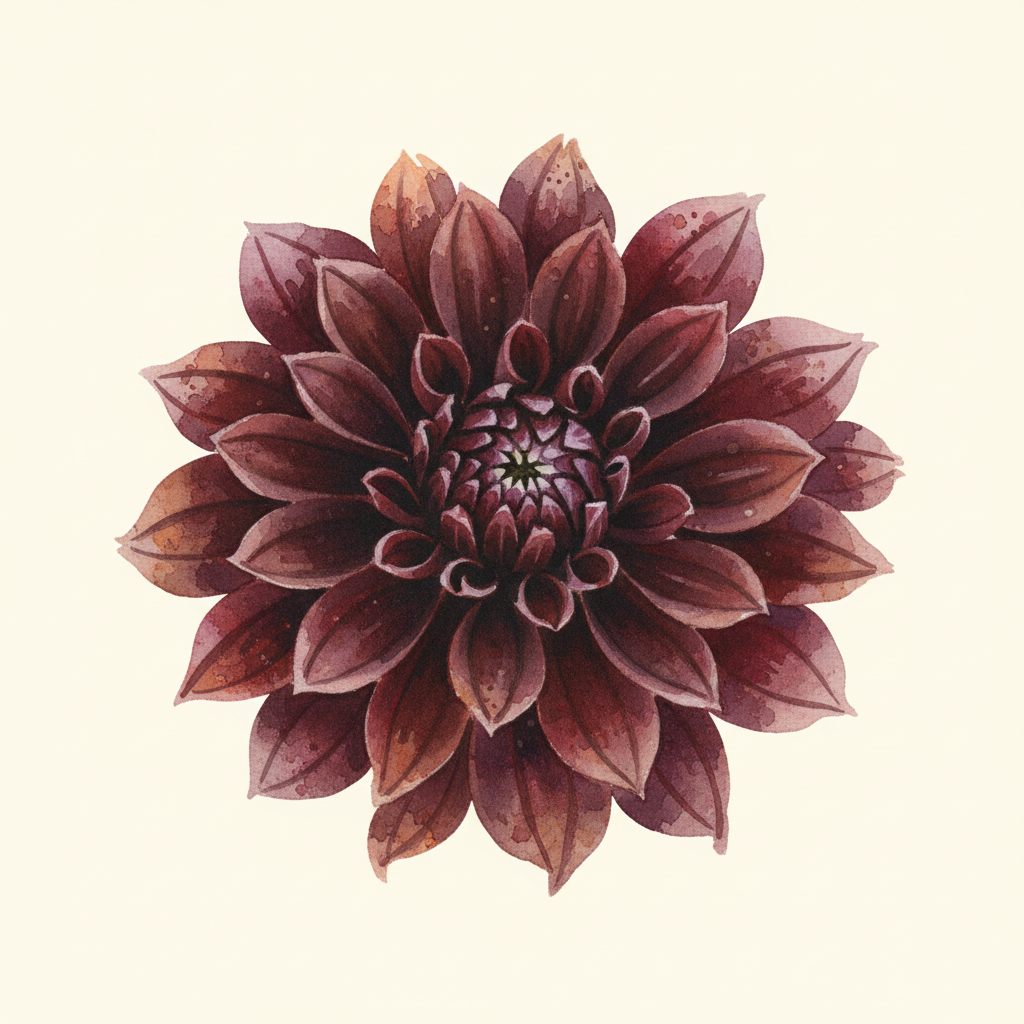
Velvety dark burgundy waterlily blooms that read almost black in low light. Strong stems built for the vase.
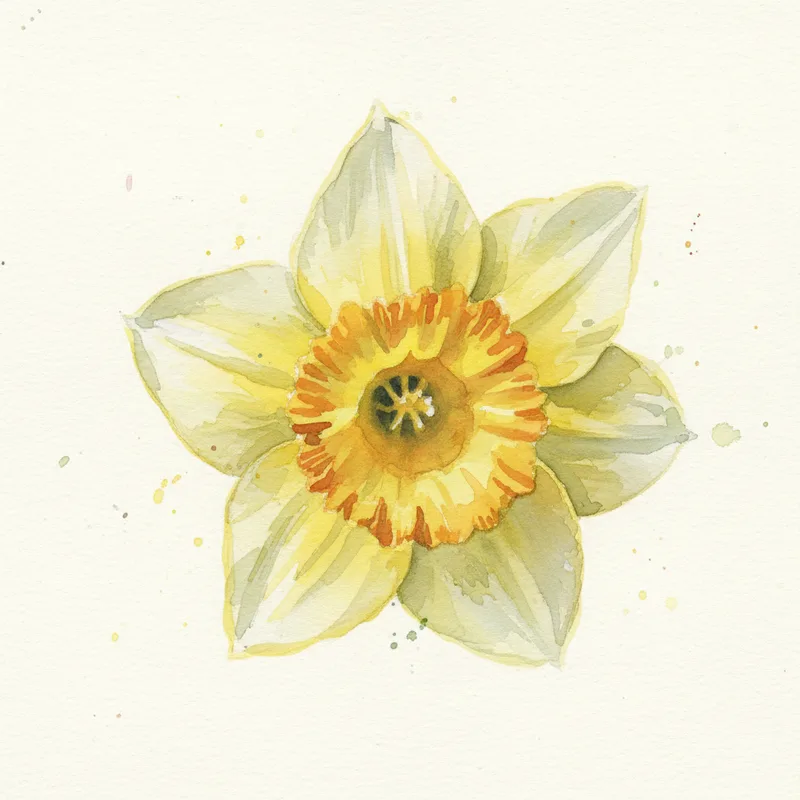
The classic golden trumpet daffodil. Naturalizes into massive sweeps that return for decades.
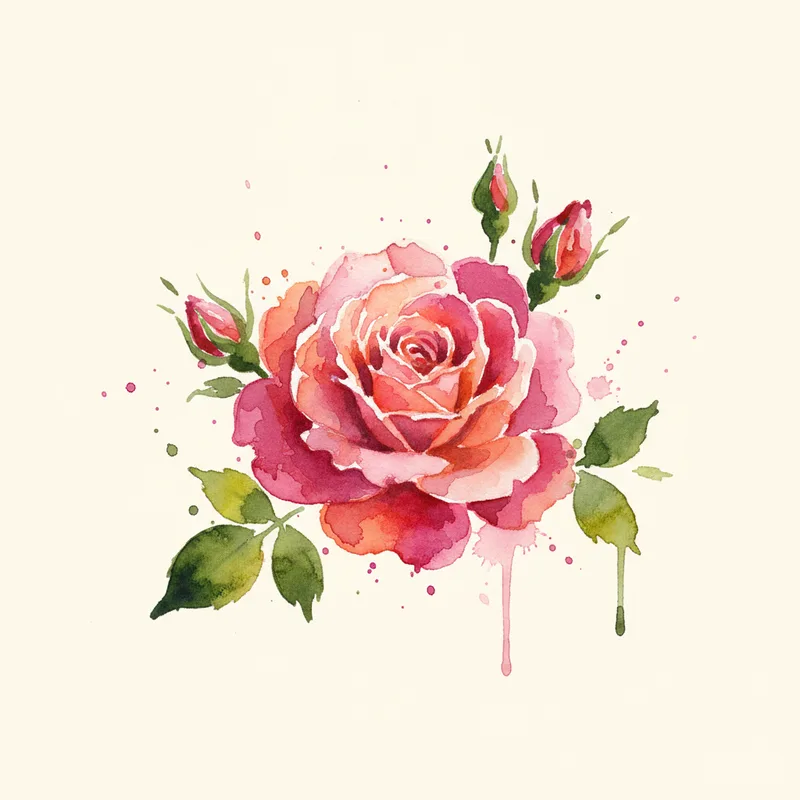
The rose that changed everything. Disease-resistant, self-cleaning, and blooms nonstop from spring to frost.
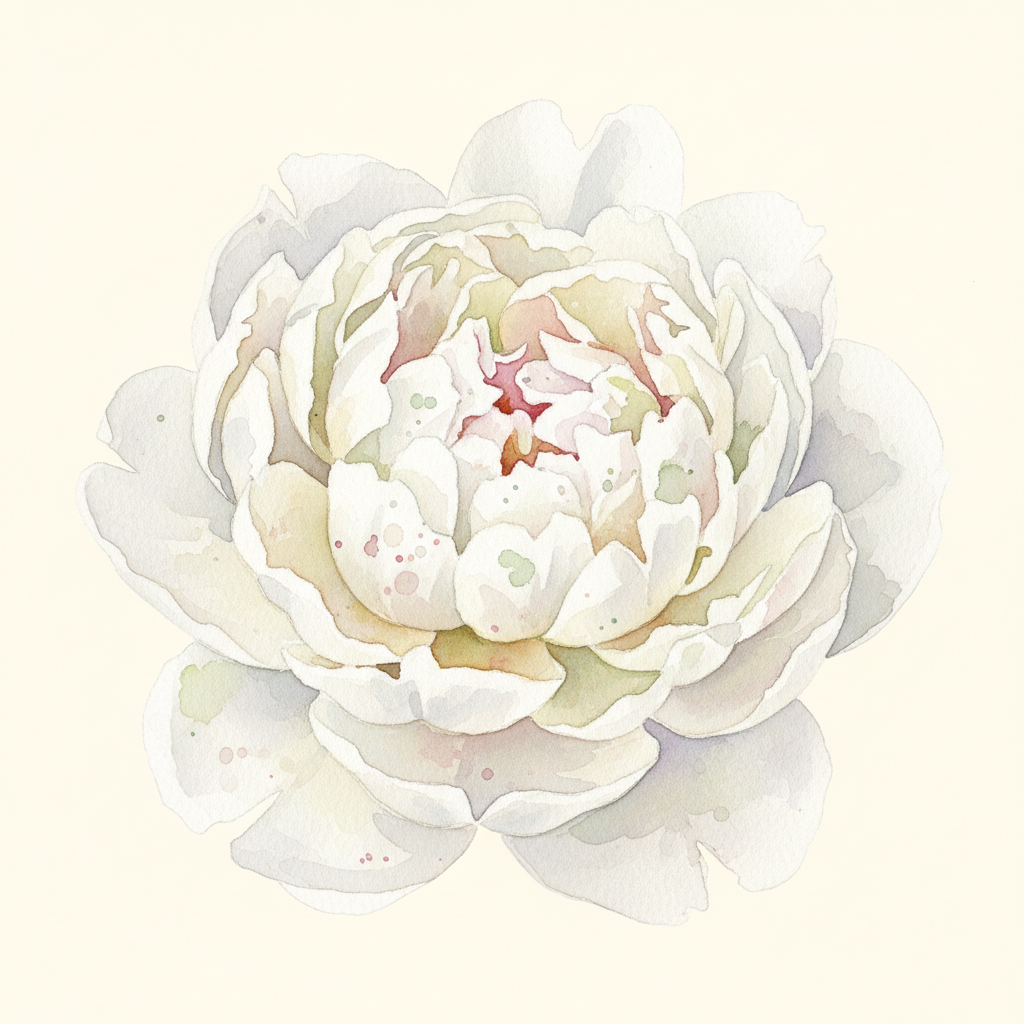
Single bowl-shaped flowers with crinkled white petals around a brilliant yellow boss of stamens. Elegant, airy, and adored by bees.
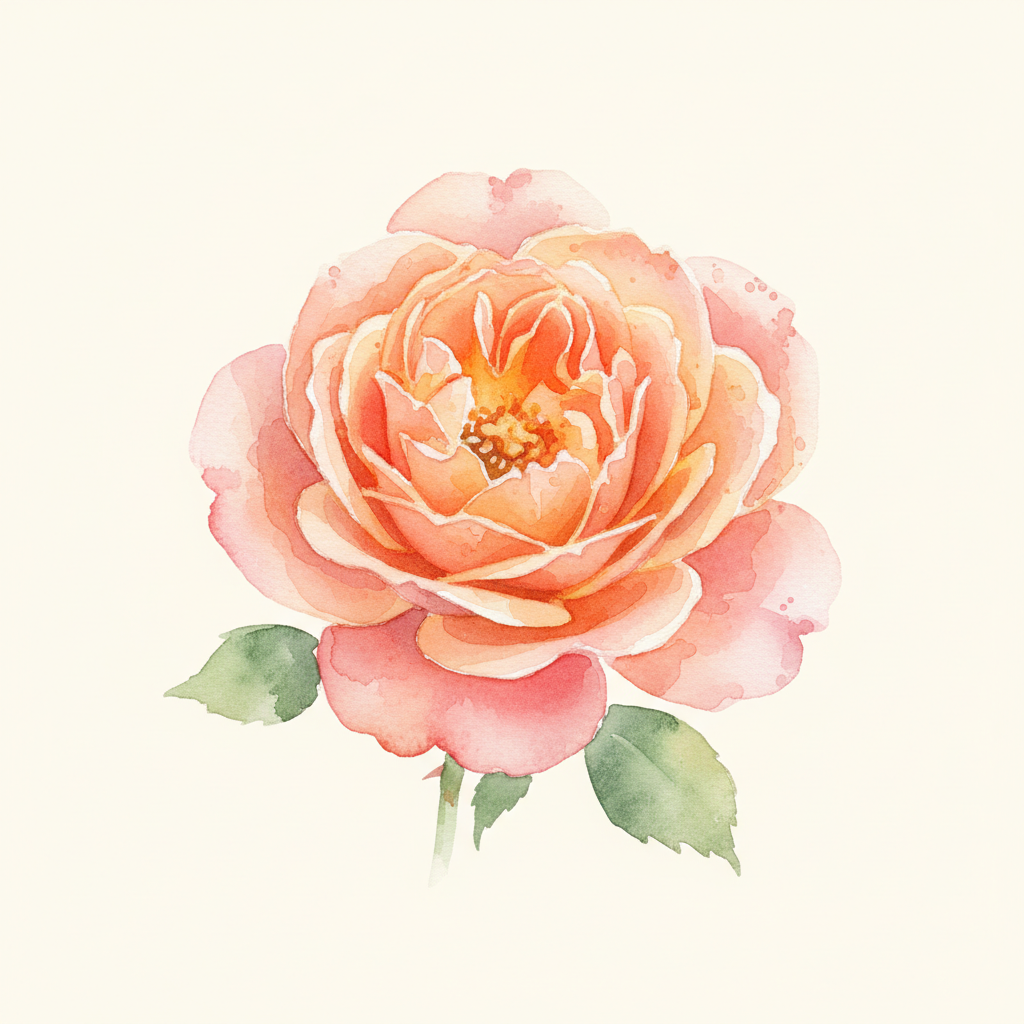
Coppery orange buds open to salmon-pink cups with golden undersides. Tough, disease-resistant, and one of the most generous repeat bloomers David Austin ever bred.
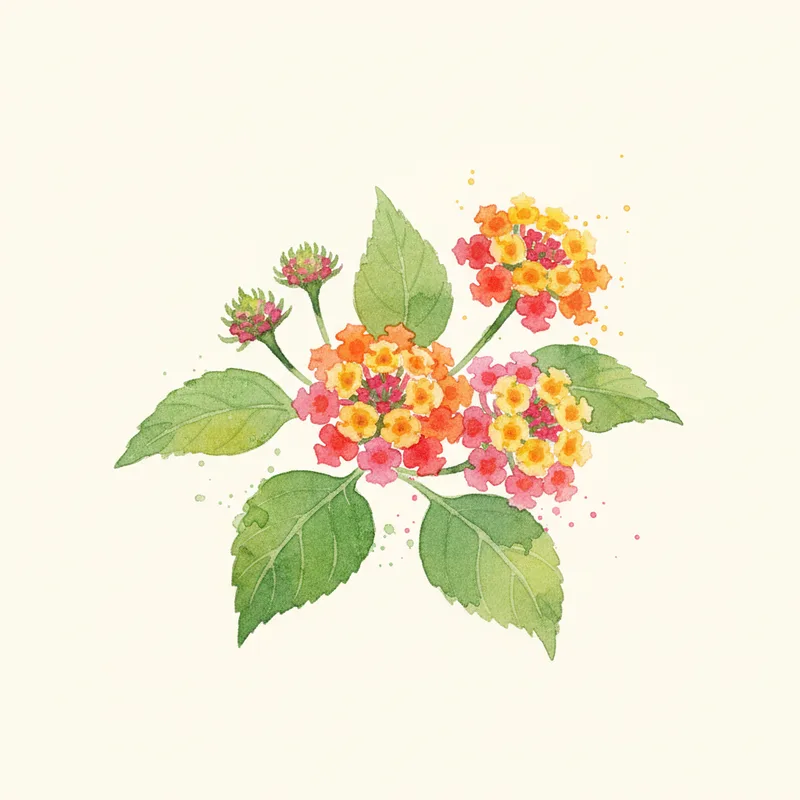
Multi-colored flower clusters that bloom relentlessly in brutal heat.
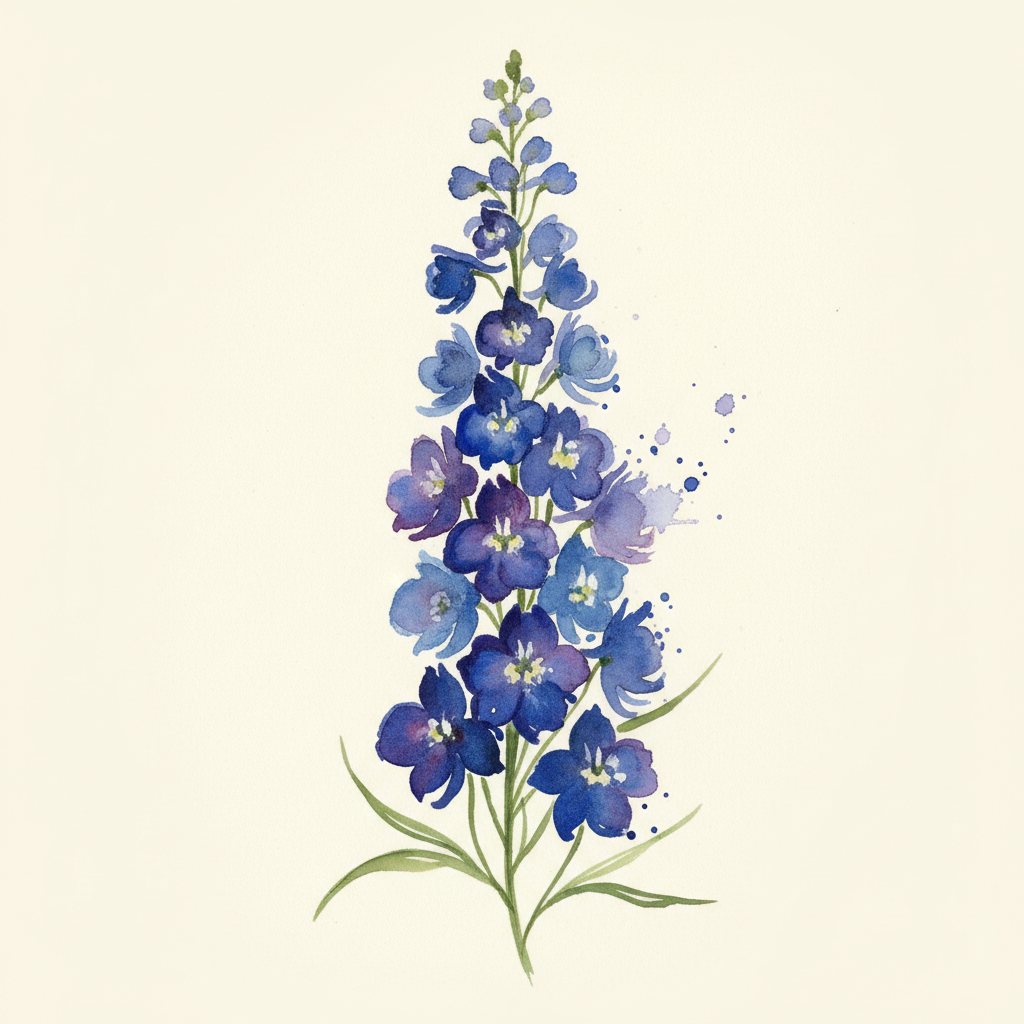
Tall spires of spurred flowers in deep blue and purple. The annual cousin of delphinium, easier to grow from seed and just as dramatic.
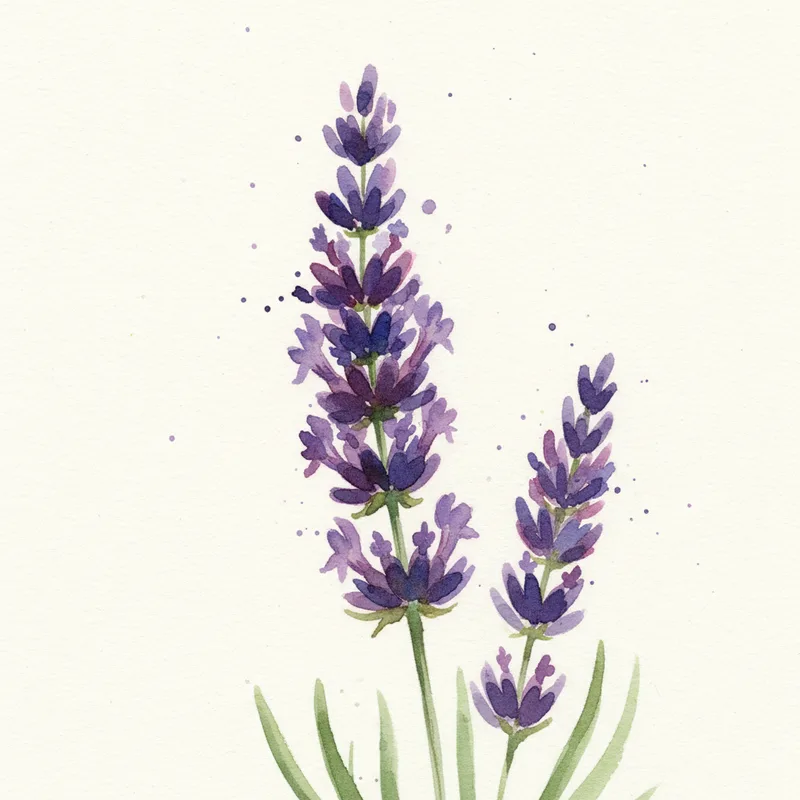
Fragrant silver-green mounds beloved by bees and humans alike.
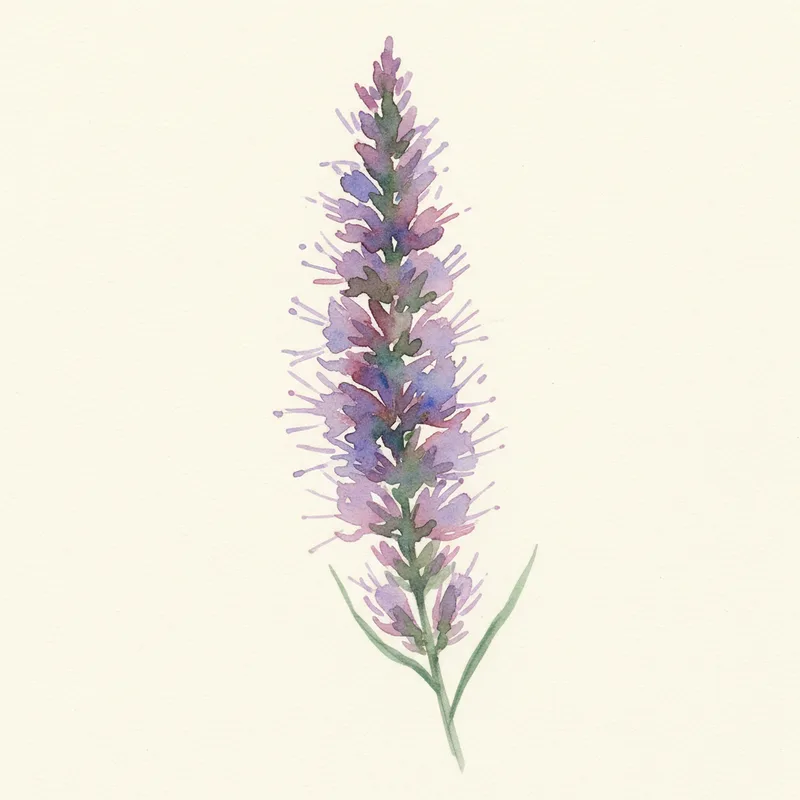
Blazing star. Spikes that bloom unusually from top to bottom.
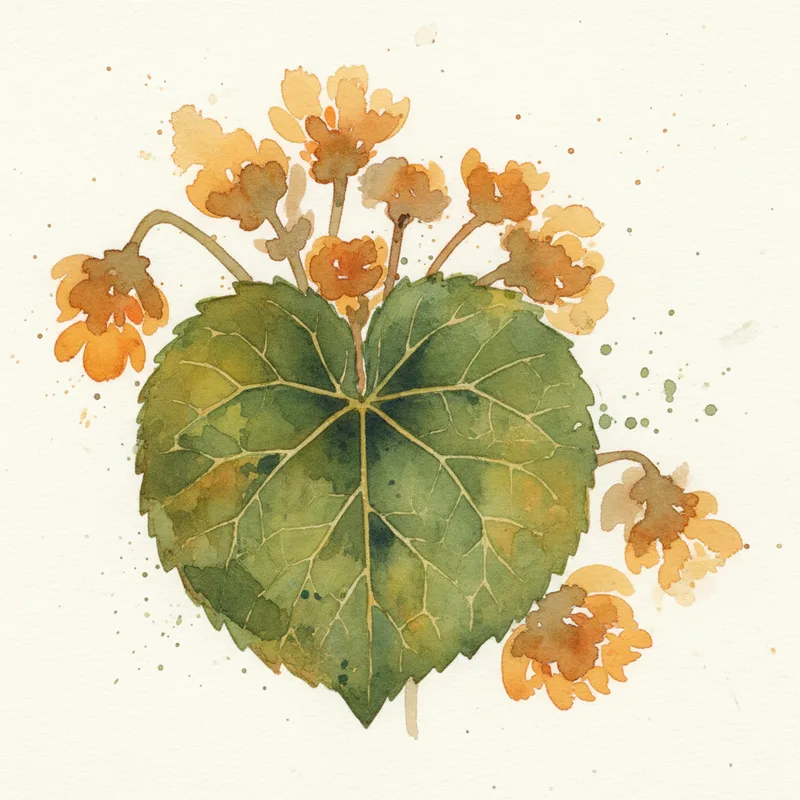
Bold, dinner-plate leaves with daisy-like flowers. Loves wet feet and will wilt dramatically if dry.
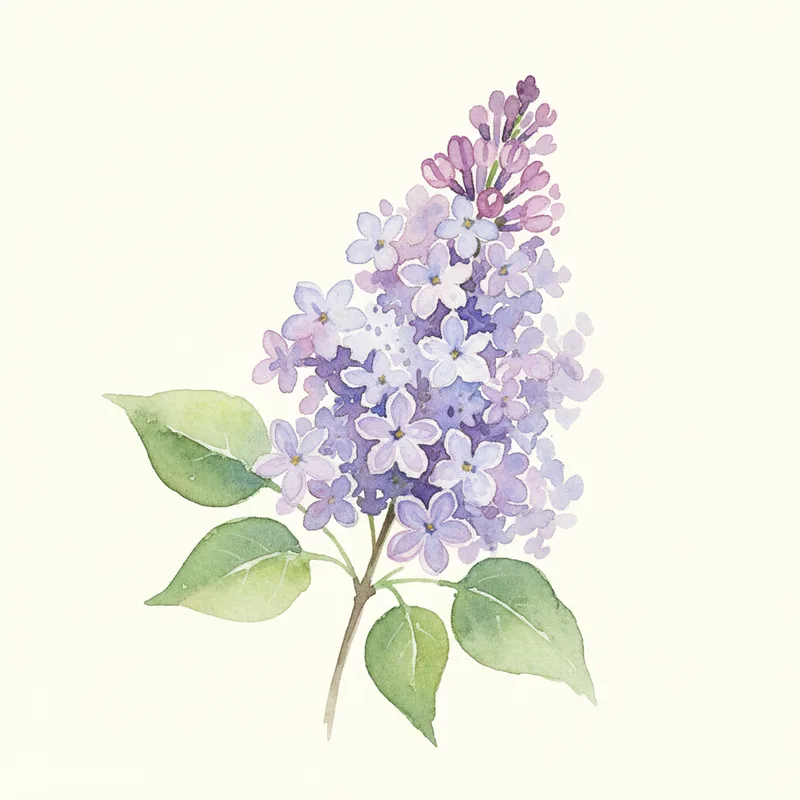
Intensely fragrant clusters that define spring in northern gardens.
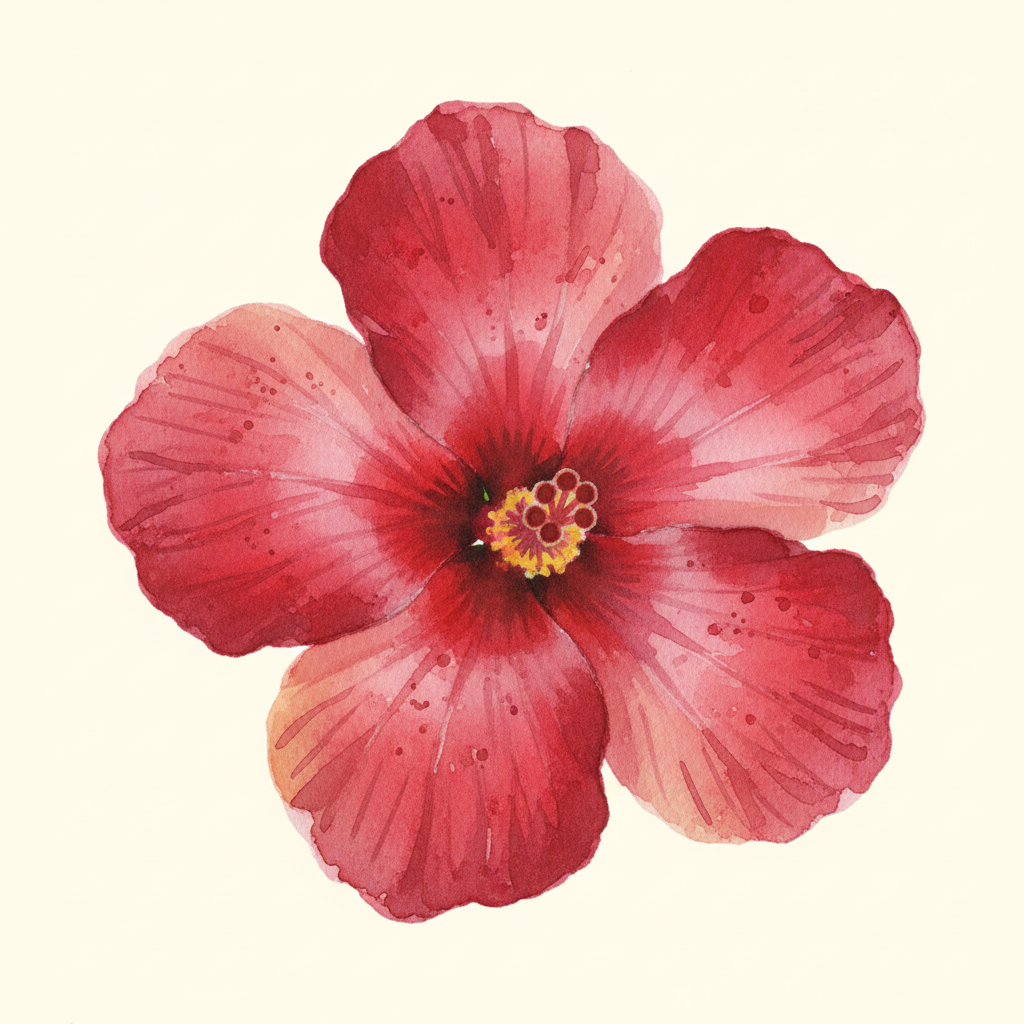
Compact variety with enormous crimson blooms that stays tidy enough for a large container.
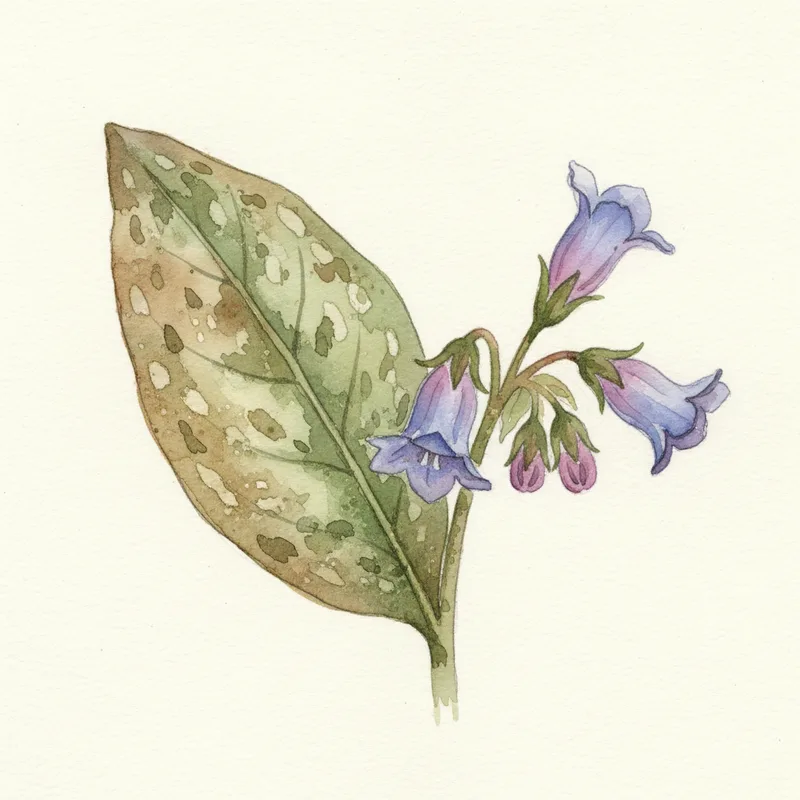
Flowers open pink and turn blue on the same stem. Silver-spotted foliage looks great all season.
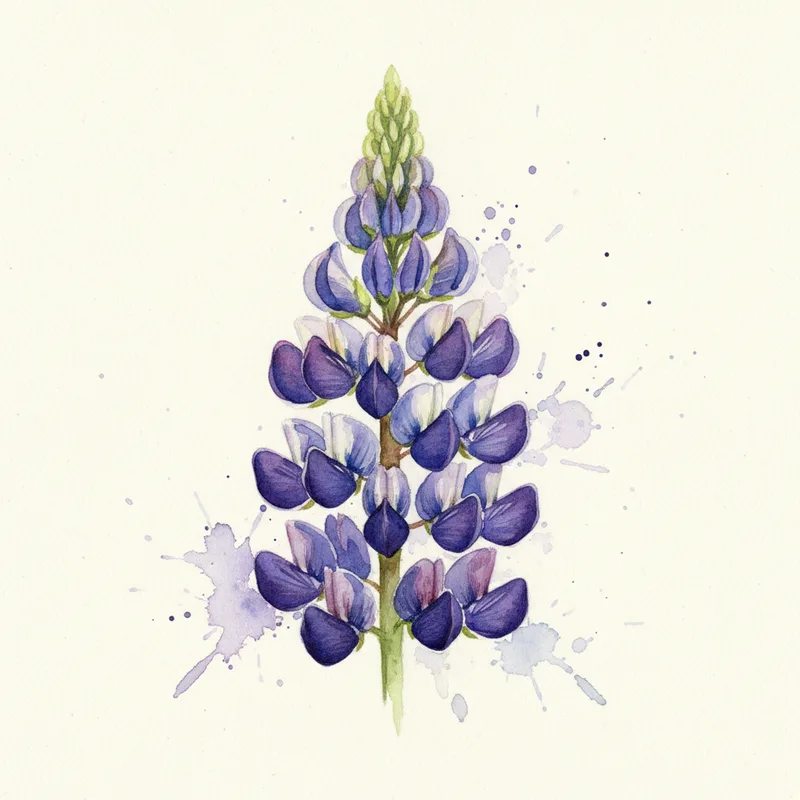
Dramatic spikes in every color. Short-lived but self-seeds generously.
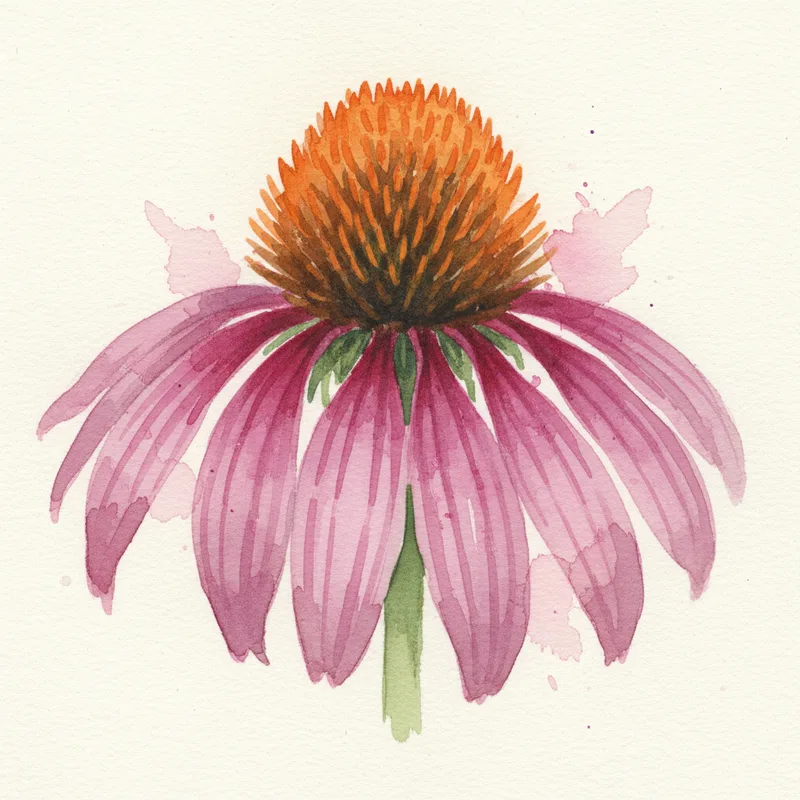
The gold standard coneflower. Flat, non-drooping petals around a bold copper cone. Perennial Plant of the Year.
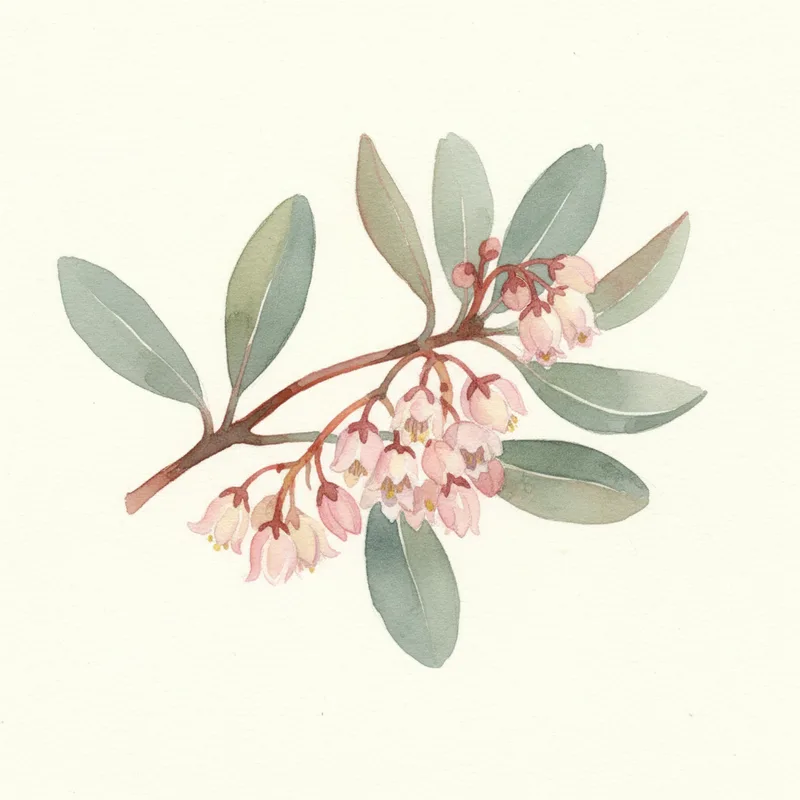
Smooth red bark with urn-shaped flowers that feed hummingbirds in late winter. Sculptural beauty.
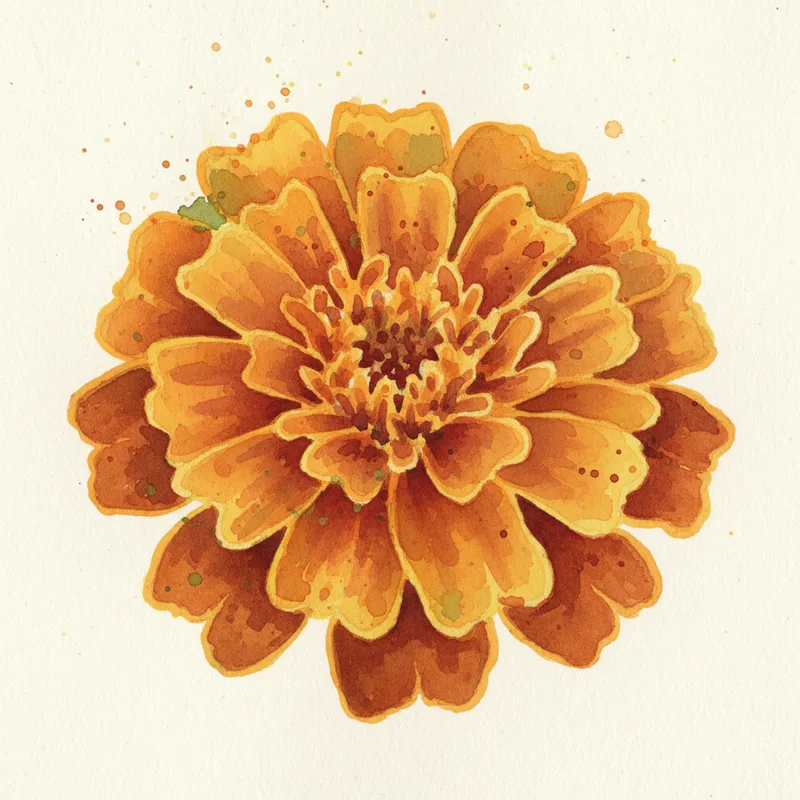
Bulletproof color all season long. The workhorse of warm-toned borders.
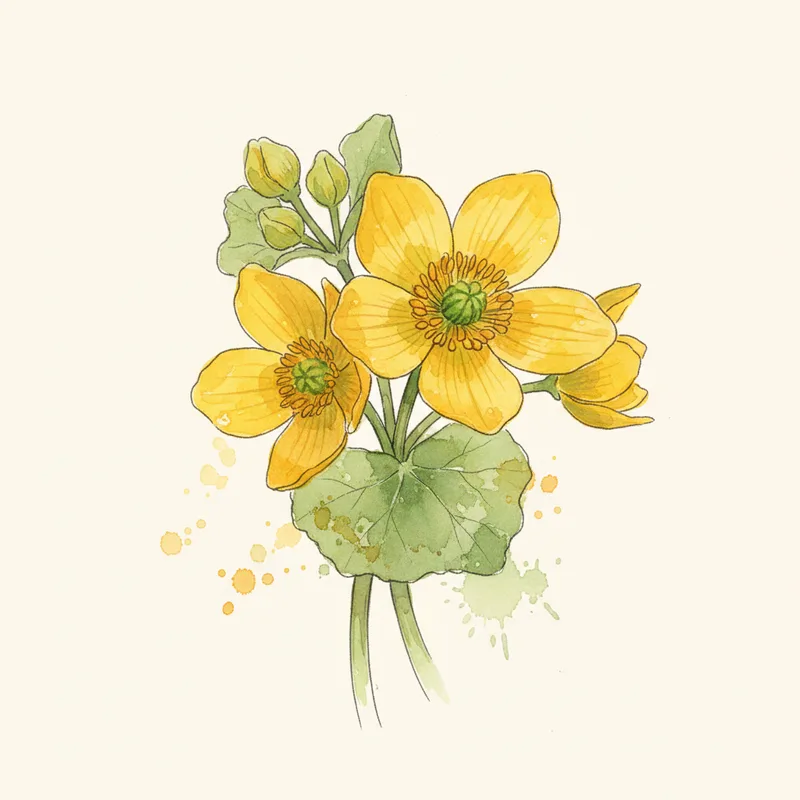
Glossy buttercup flowers in early spring along streams and wet areas. One of the first wetland bloomers.
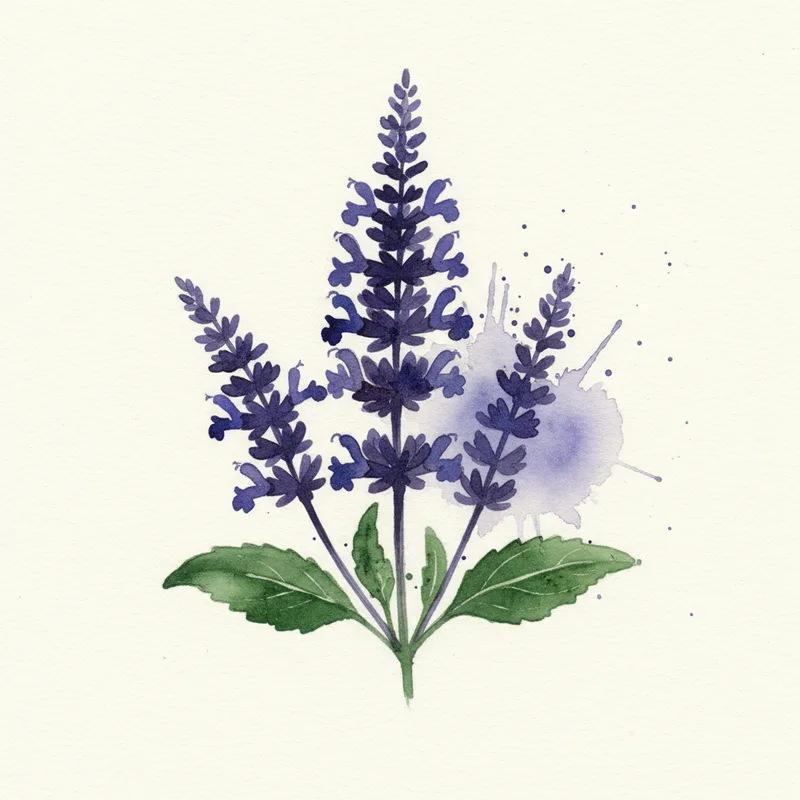
Perennial Plant of the Year. Dense indigo-violet spikes that rebloom if deadheaded.
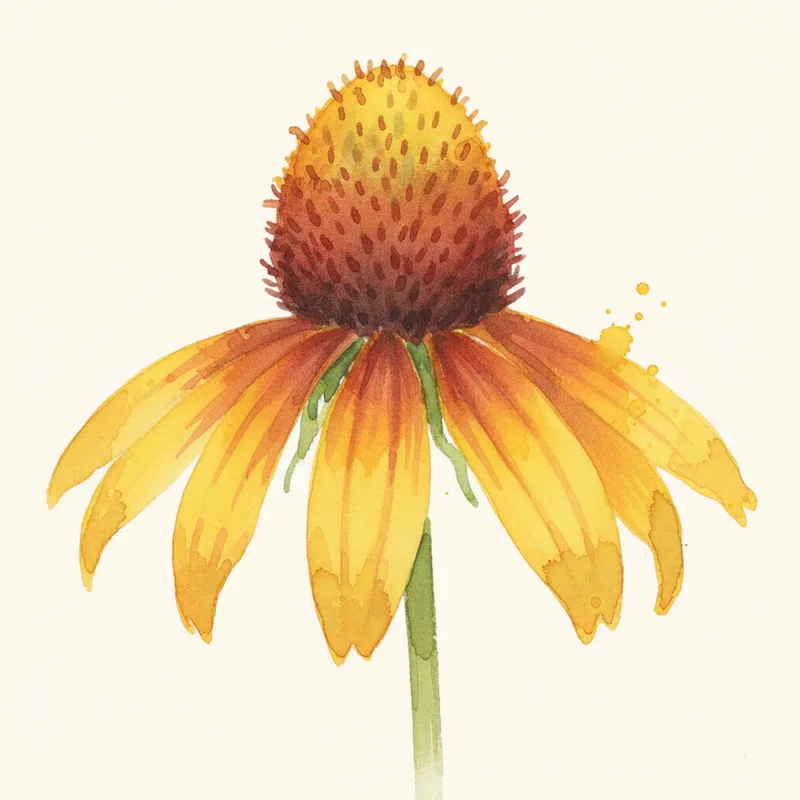
Distinctive sombrero-like flowers sway on wiry stems in summer prairies.
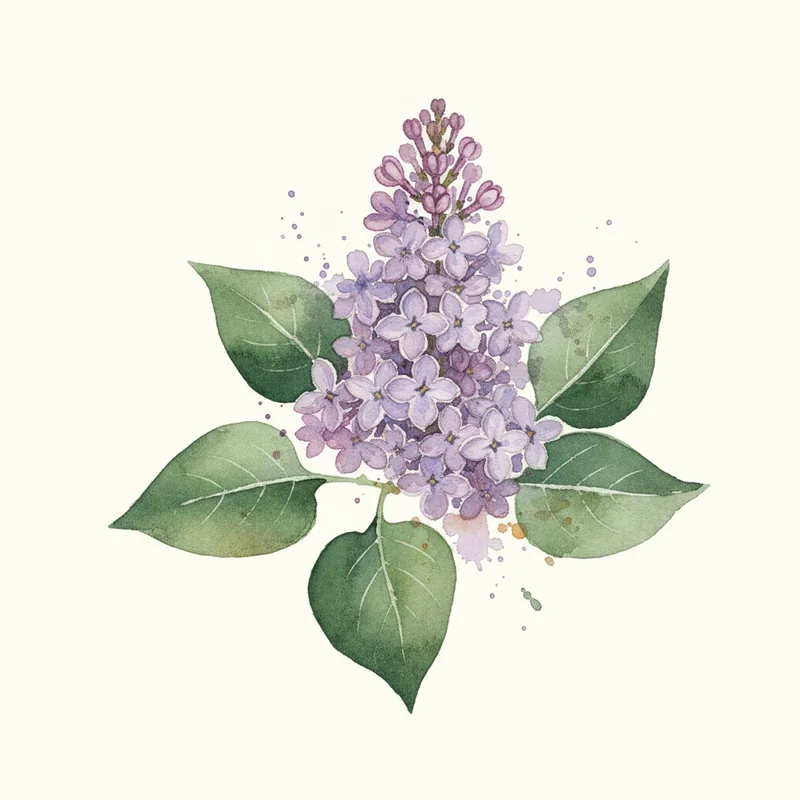
Compact lilac with pale lavender blooms and outstanding fragrance. Burgundy fall foliage as a bonus.
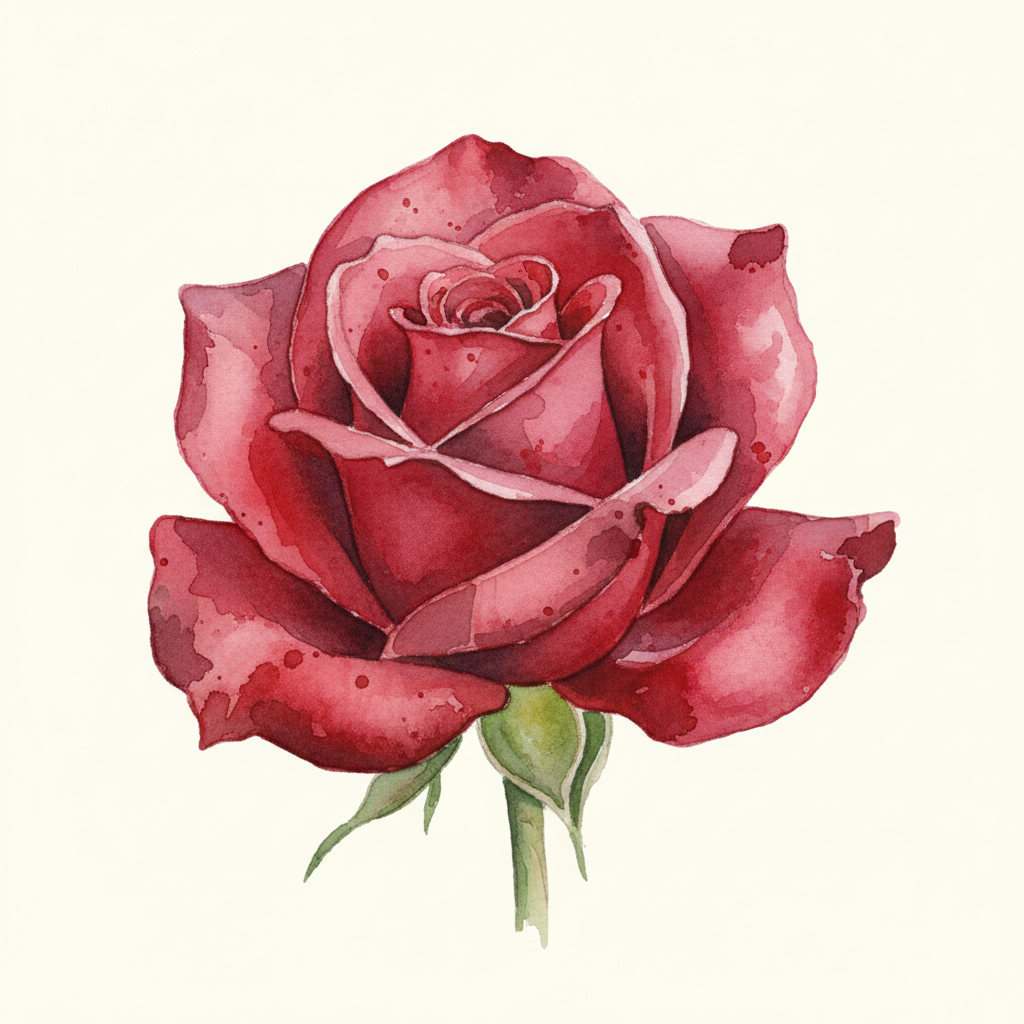
Deep dark red hybrid tea blooms with an intense damask fragrance on long stems. The benchmark for classic red roses since 1964.
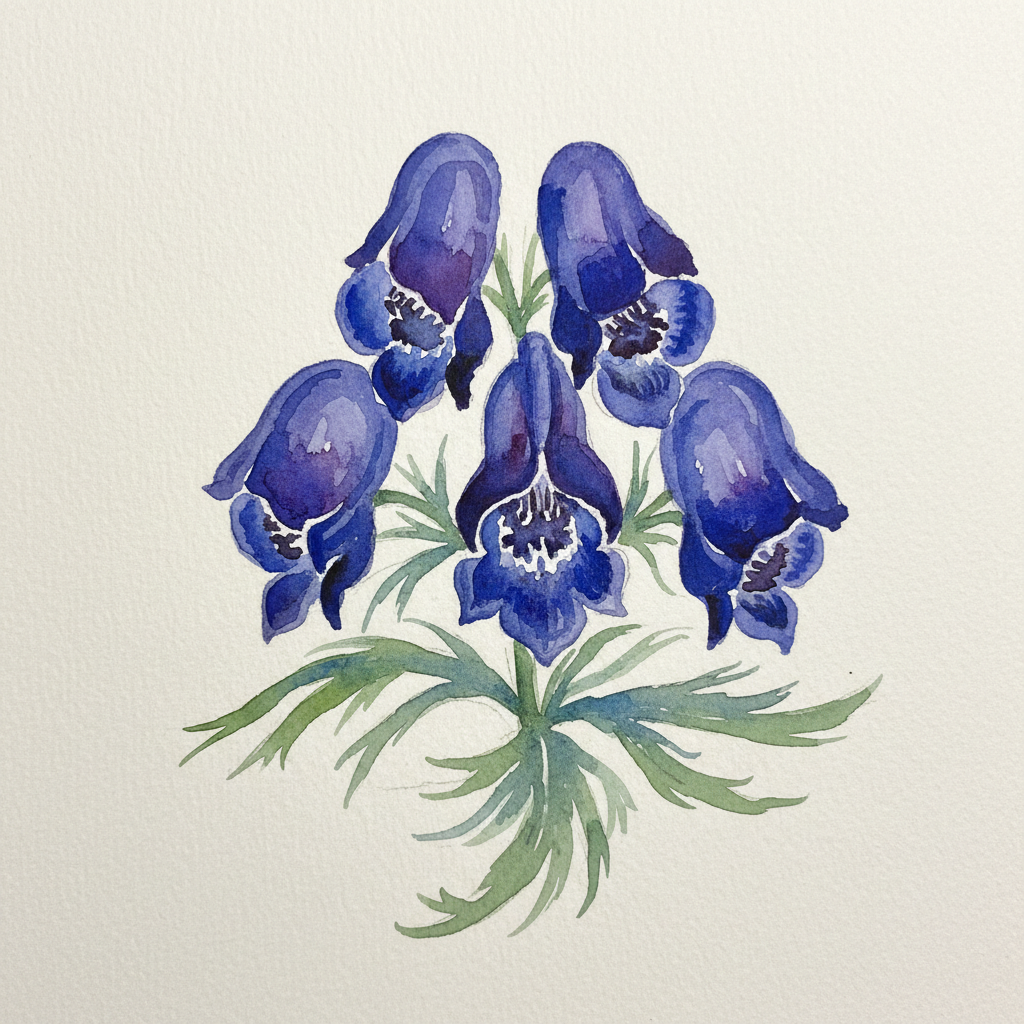
Deep indigo-blue hooded flowers on tall spikes in late summer. One of the few genuinely blue flowers that grows in shade.
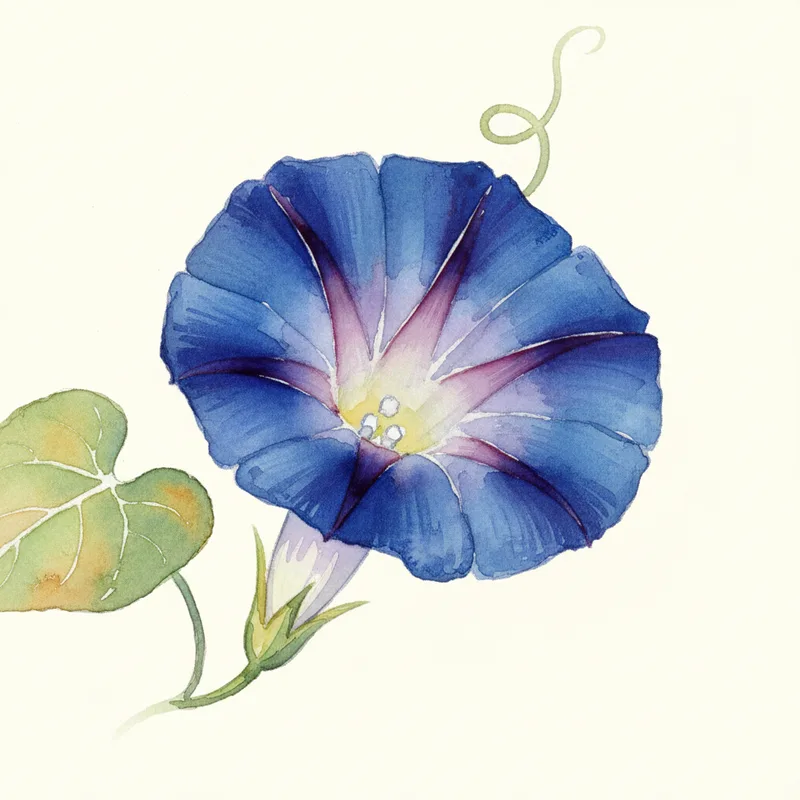
Fast-climbing vine with trumpets that open fresh every morning.
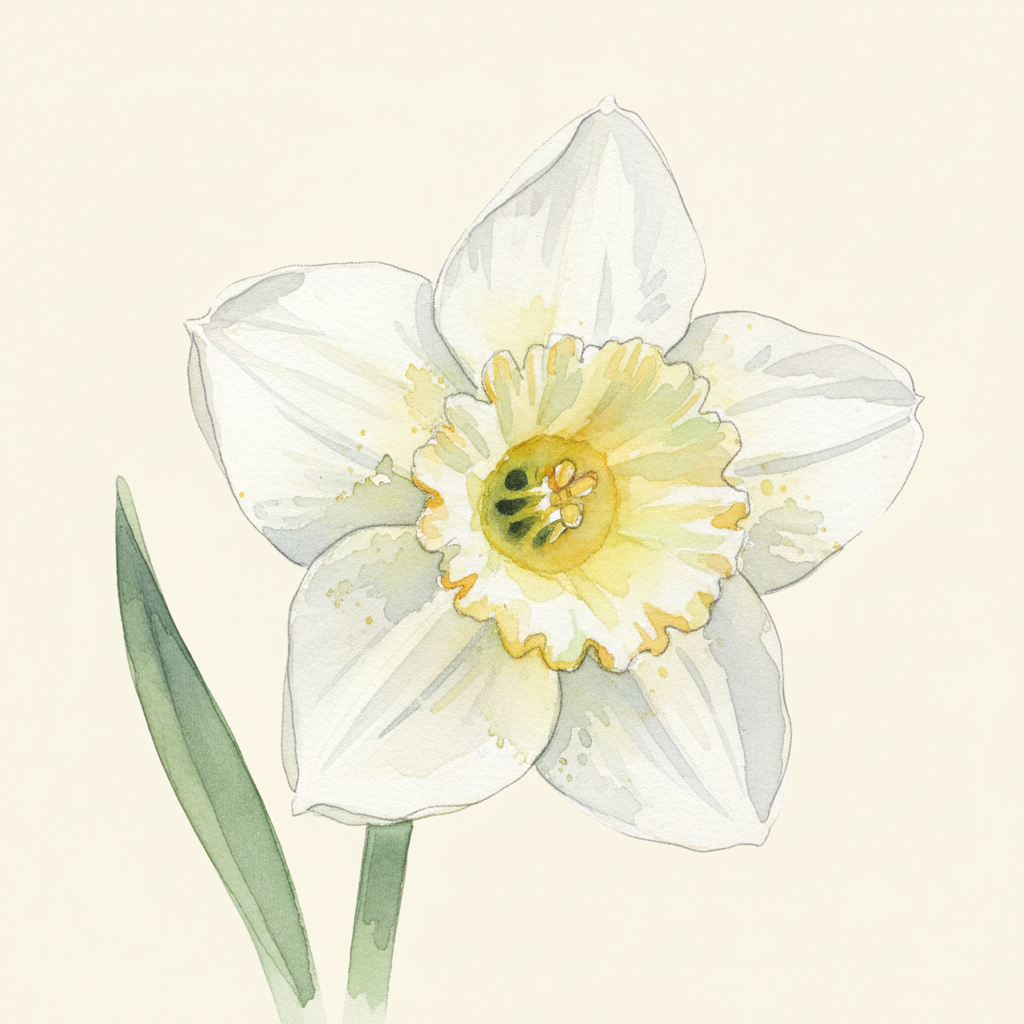
Large pure white trumpets that age from cream to bright white. The classic white daffodil for naturalizing under trees.
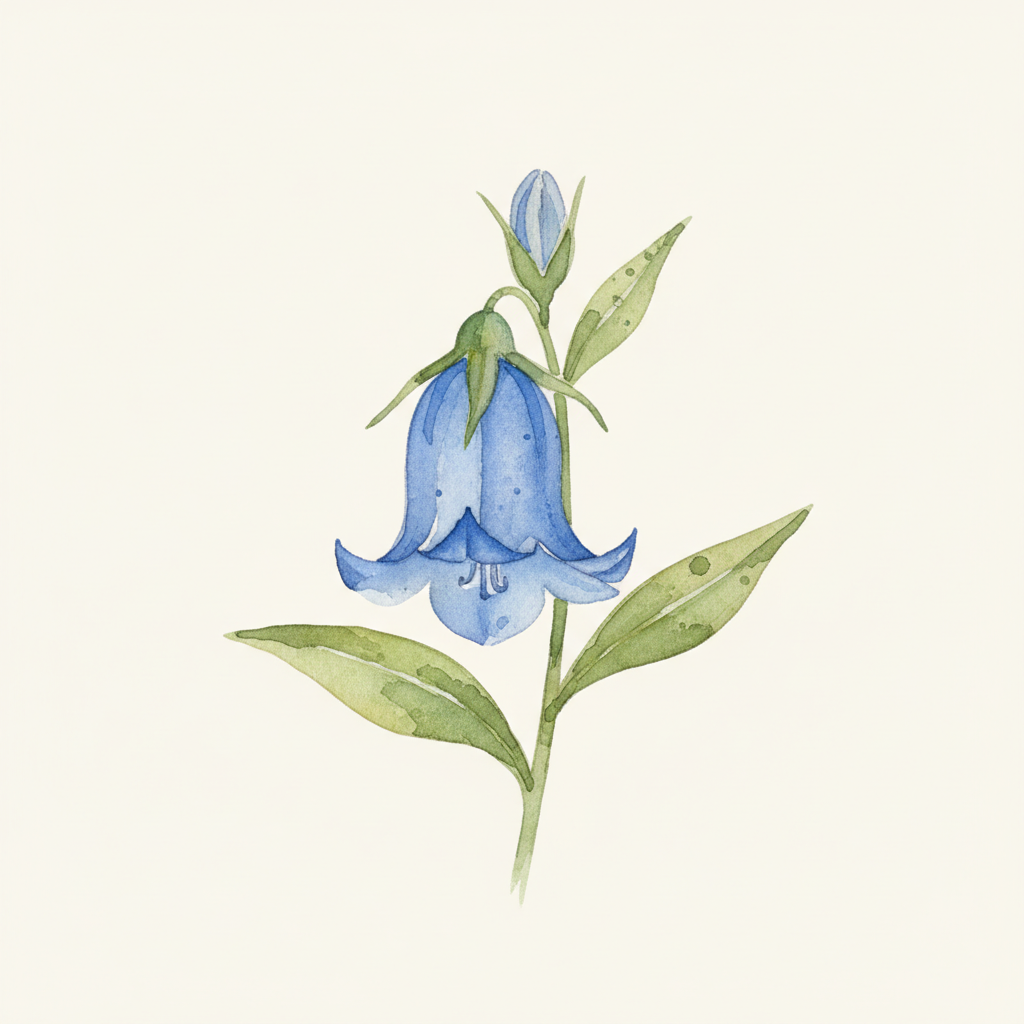
Sky-blue bell flowers on tall arching stems along mountain streams. The showy western cousin of Virginia Bluebell.
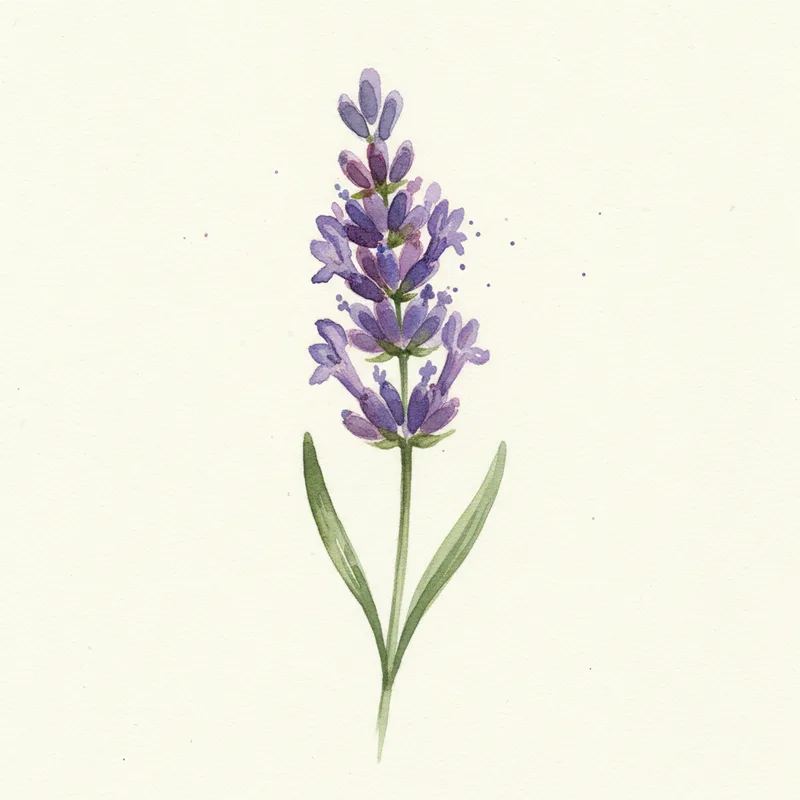
Earlier blooming and slightly softer purple than Hidcote. Gertrude Jekyll's favorite for a reason.
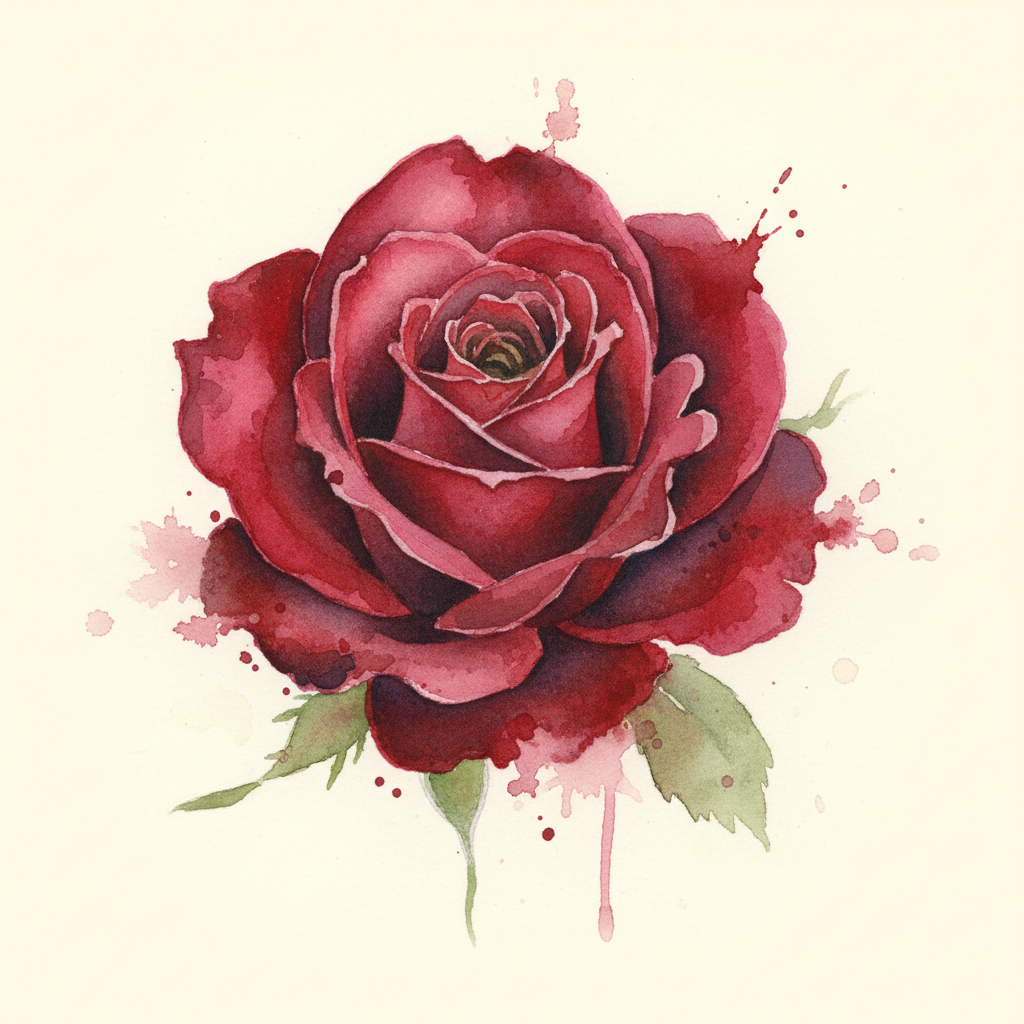
Deep velvety crimson cups with an old-rose fragrance that fills the garden. Petals age to plum-purple before falling.
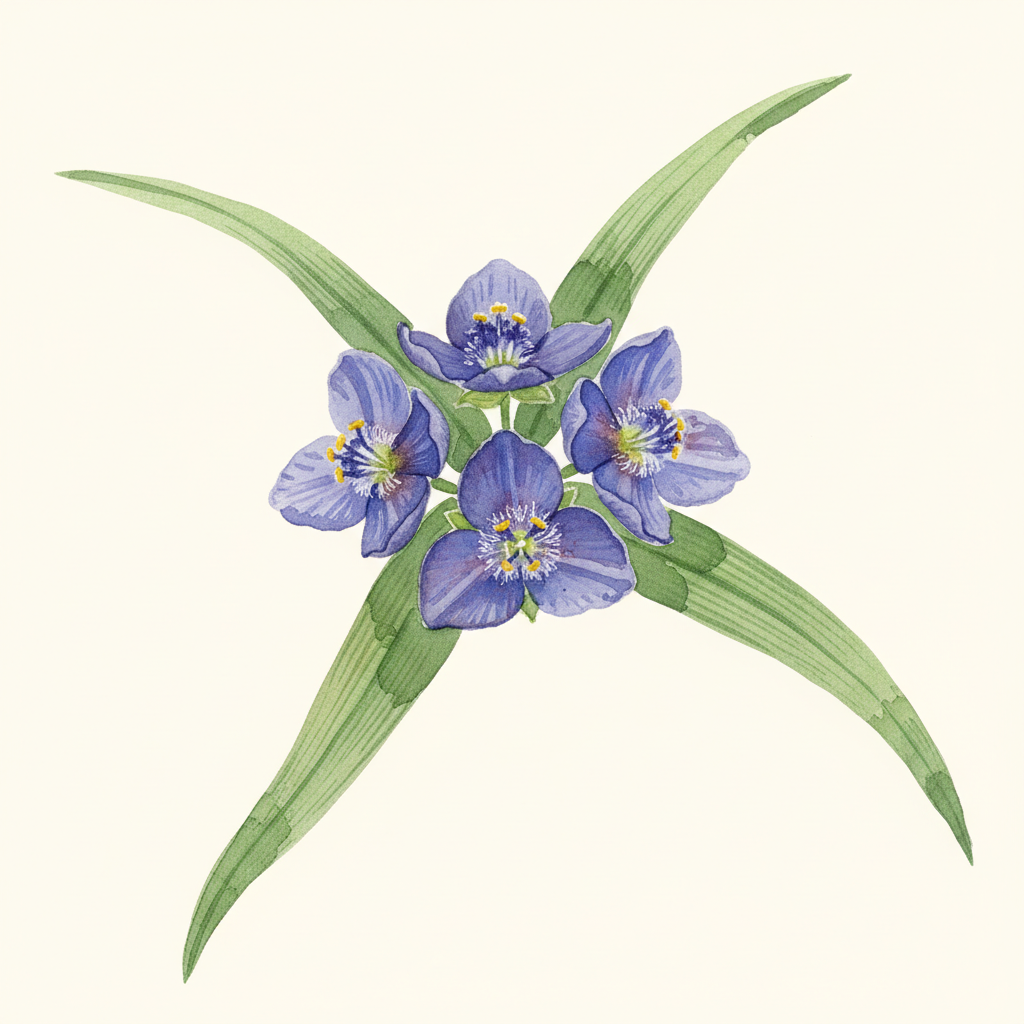
Three-petaled flowers in blue-purple open fresh each morning on a tough native that blooms for weeks and seeds freely.
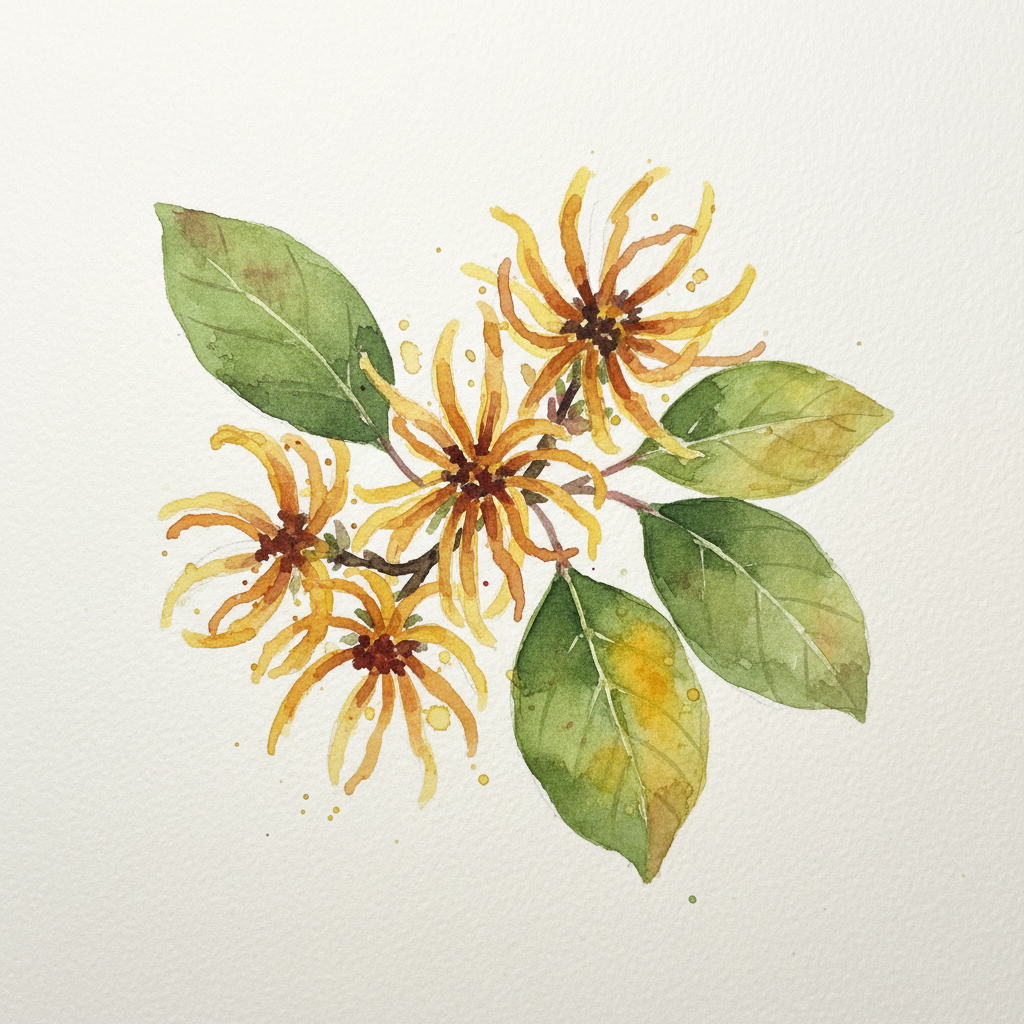
Spidery yellow flowers and intoxicating clove fragrance on bare branches in late fall. The last native shrub to bloom each year.
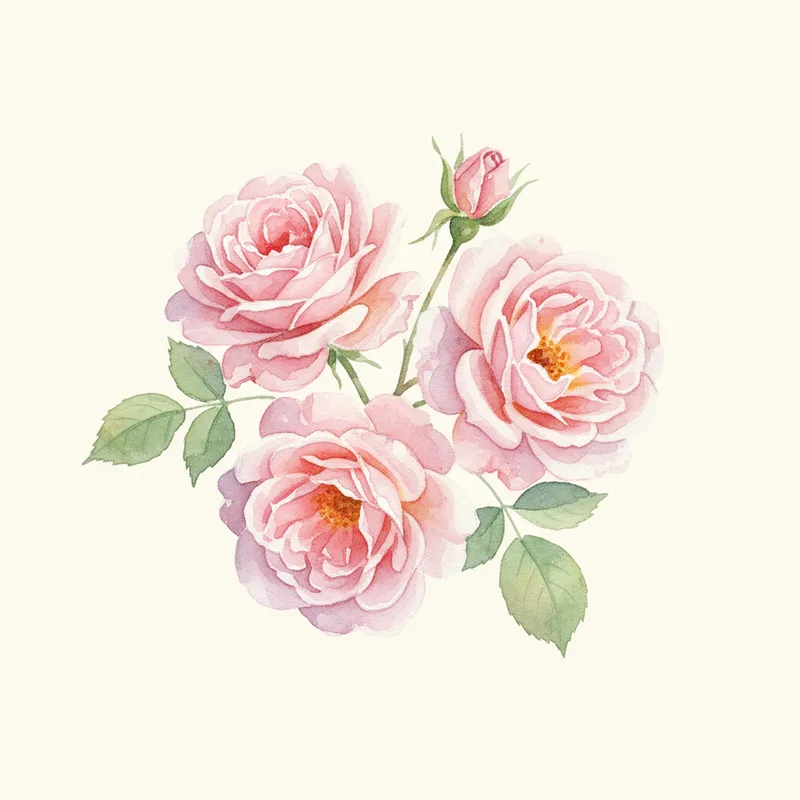
The world's most popular climbing rose. Soft blush pink, sweetly fragrant, and remarkably vigorous.
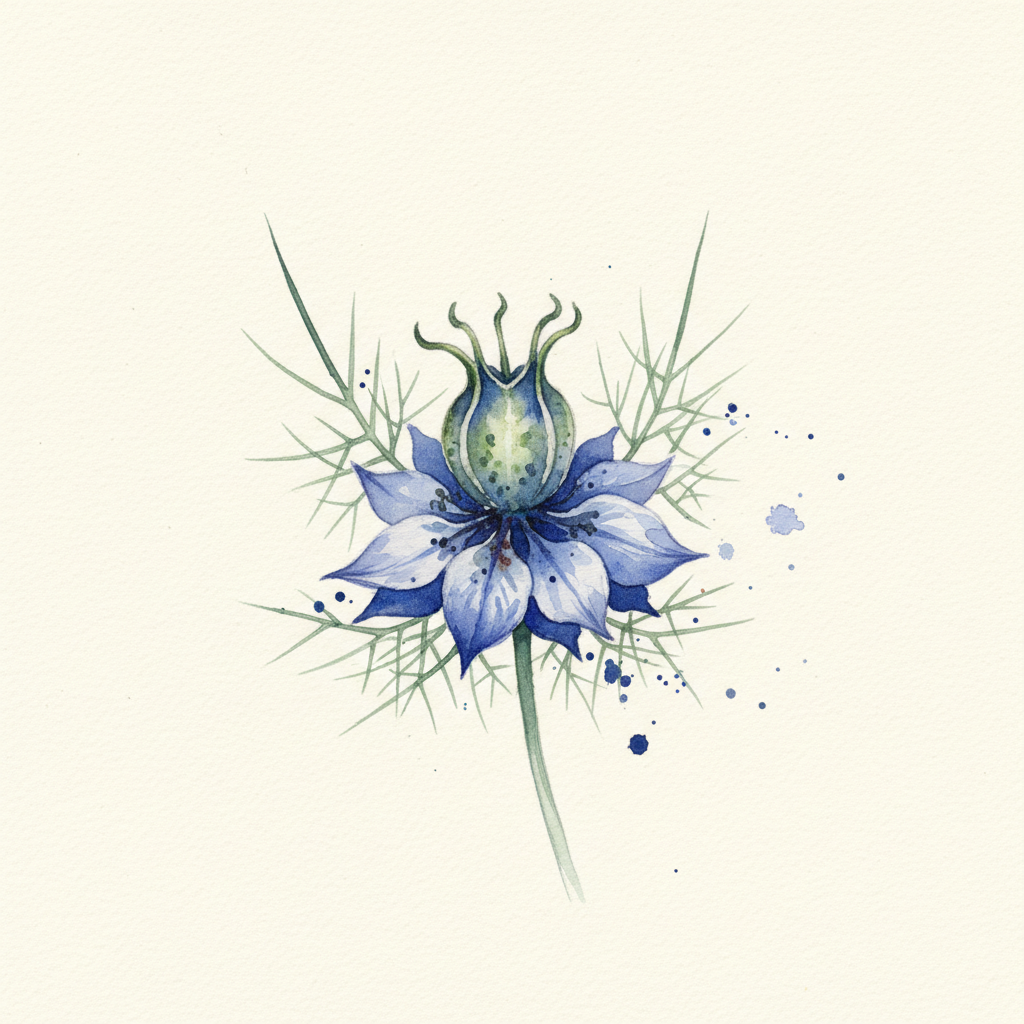
Sky-blue flowers wreathed in feathery green bracts give way to ornamental striped seed pods. Self-sows freely once you start.
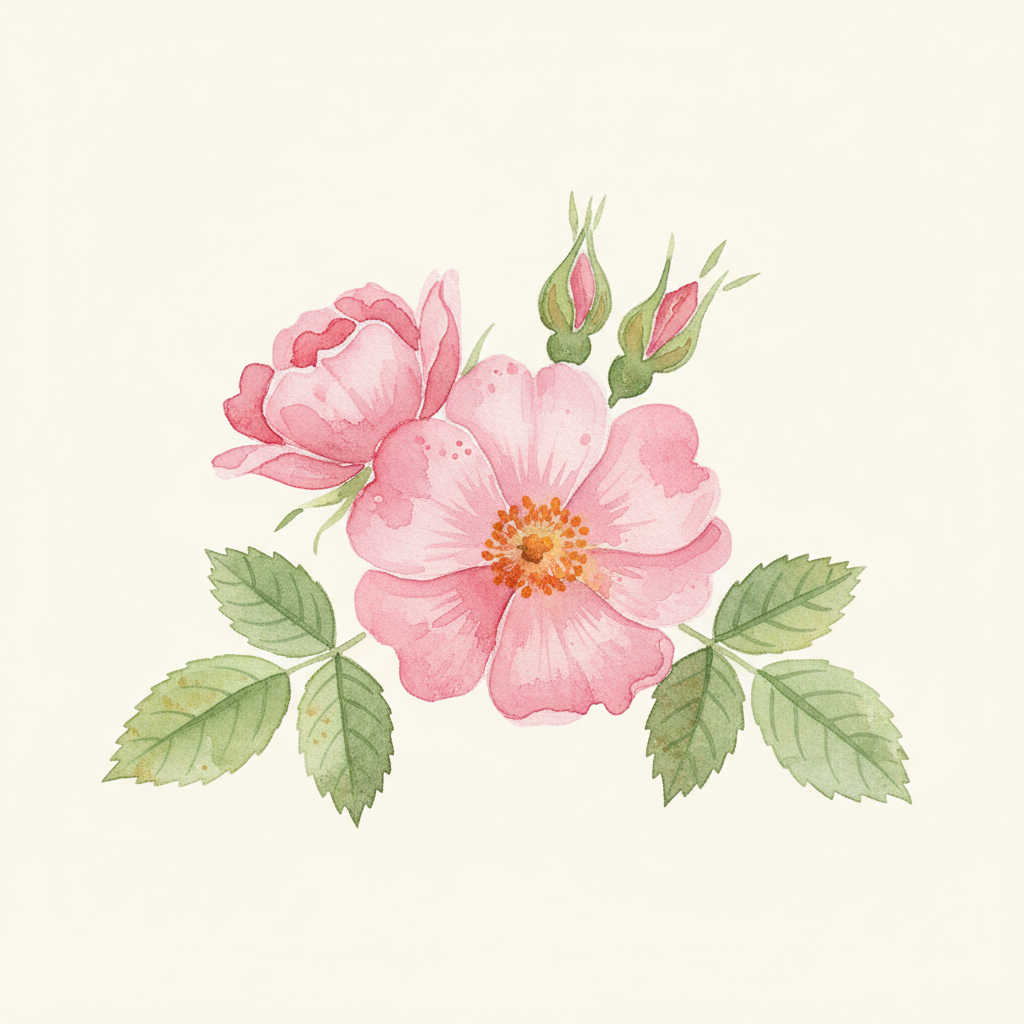
Single, apple-pink blooms followed by large rose hips that persist through winter on a vigorous Pacific Northwest native.
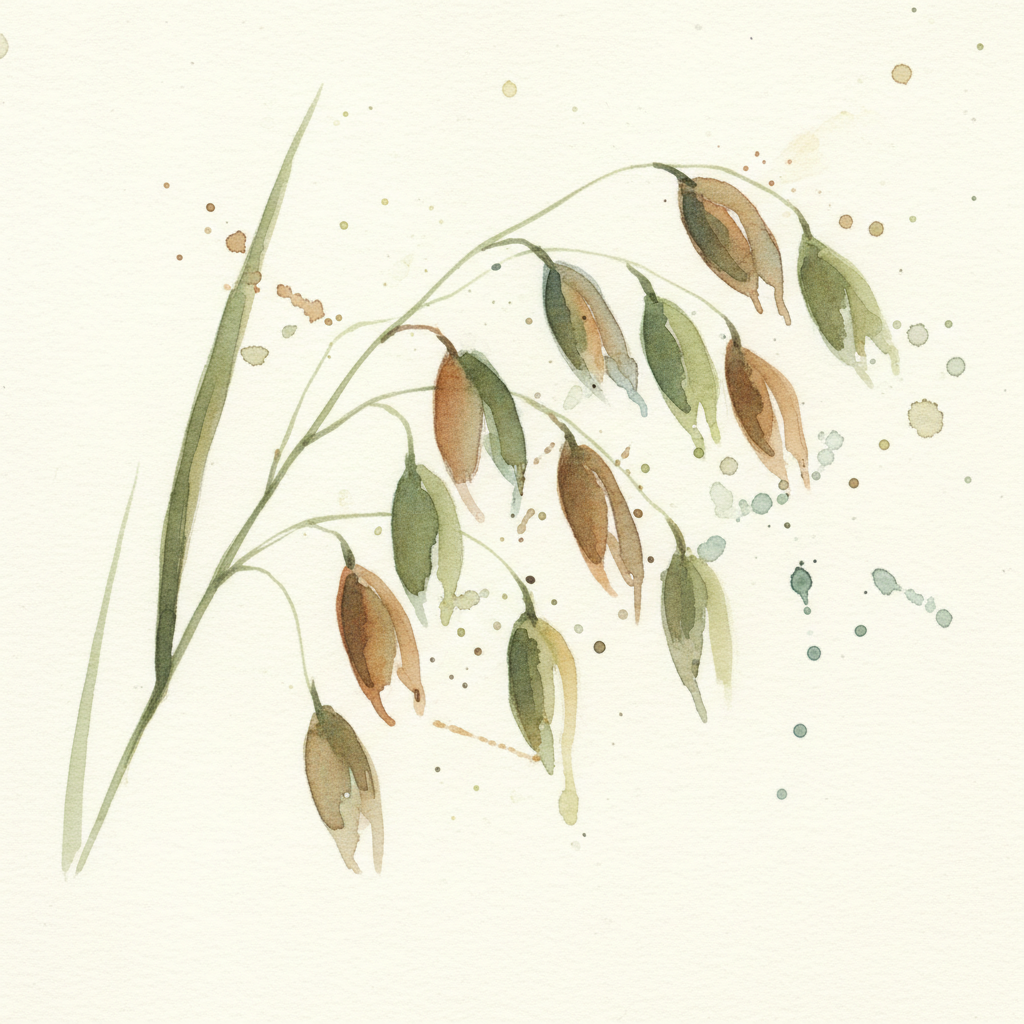
Flat seed heads dangle from arching stems and dance in the slightest wind. The best native grass for shade.
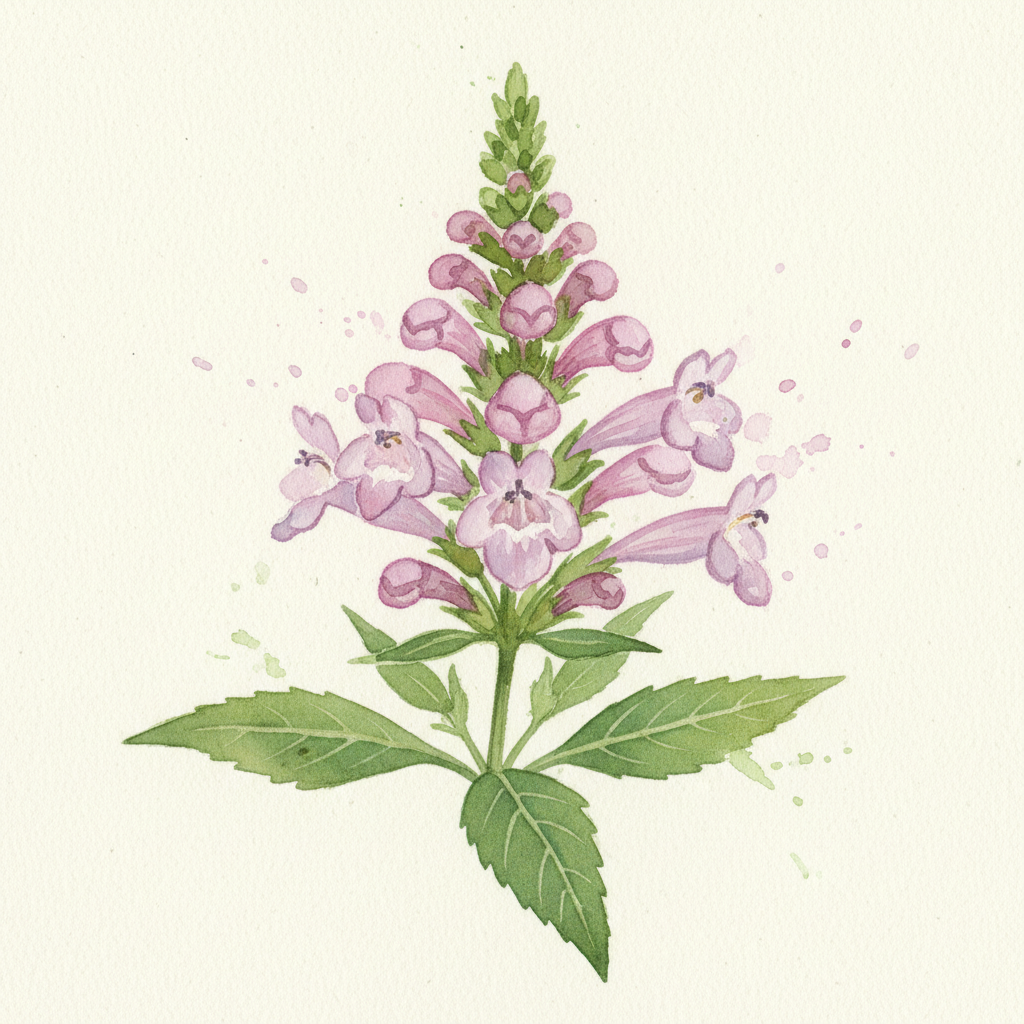
Spikes of snapdragon-like flowers that can be pushed and stay where moved, earning a very literal common name.
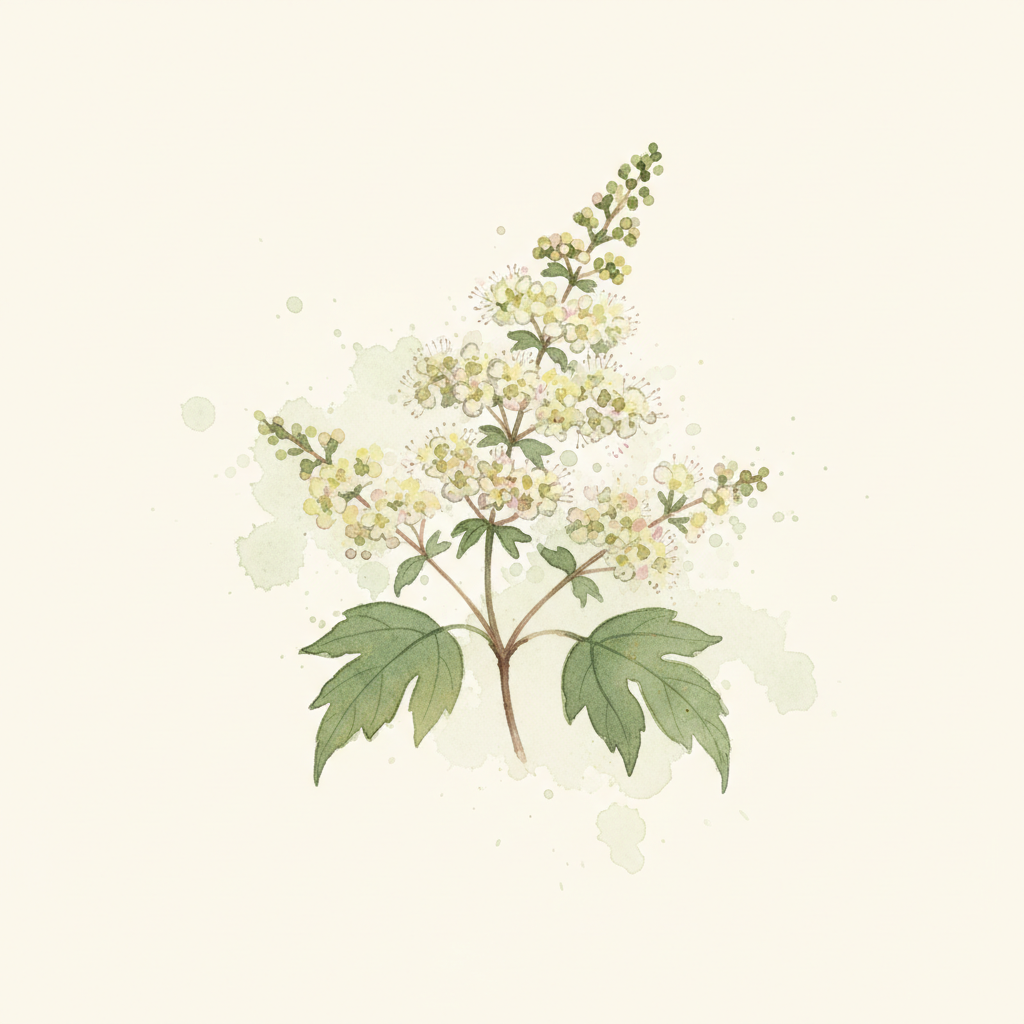
Cascading creamy white plumes on arching branches. Western Washington's summer answer to a native bridal veil.
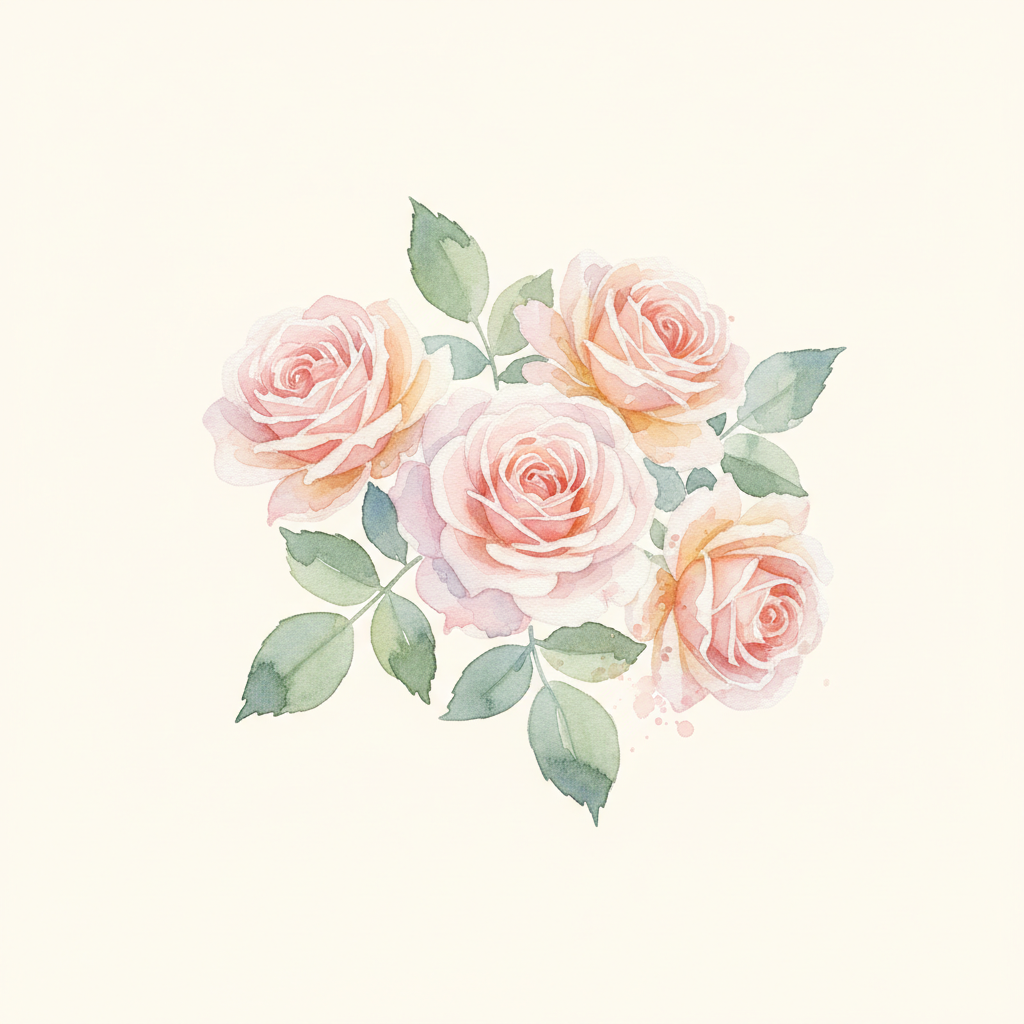
Soft pink rosettes with a sweet fruity fragrance. Widely considered one of the best David Austin roses ever, with exceptional disease resistance.
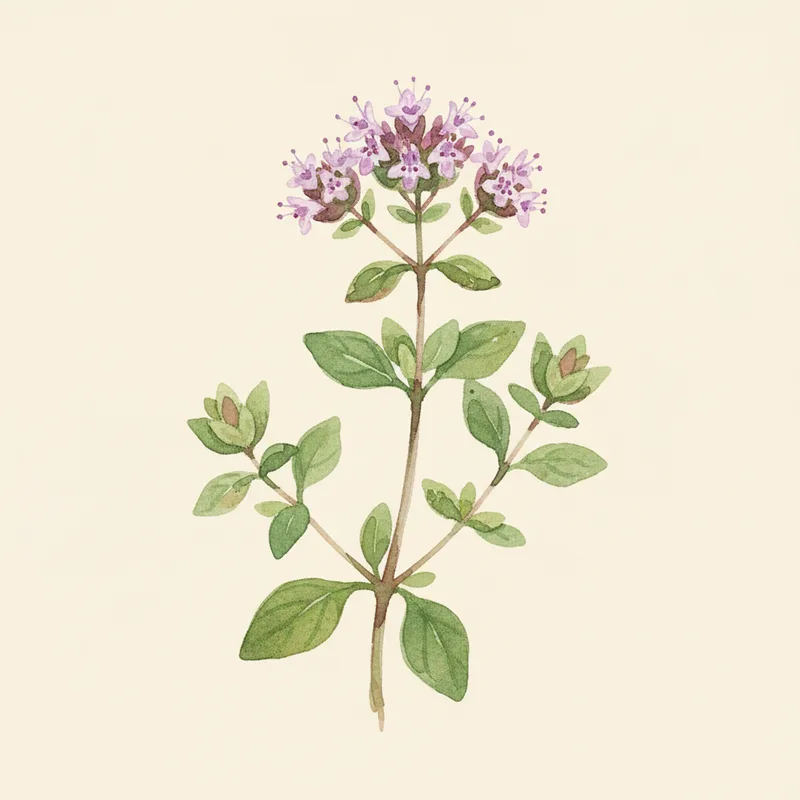
Tiny flowers are a pollinator magnet when allowed to bloom. Let a patch go to flower for the bees.
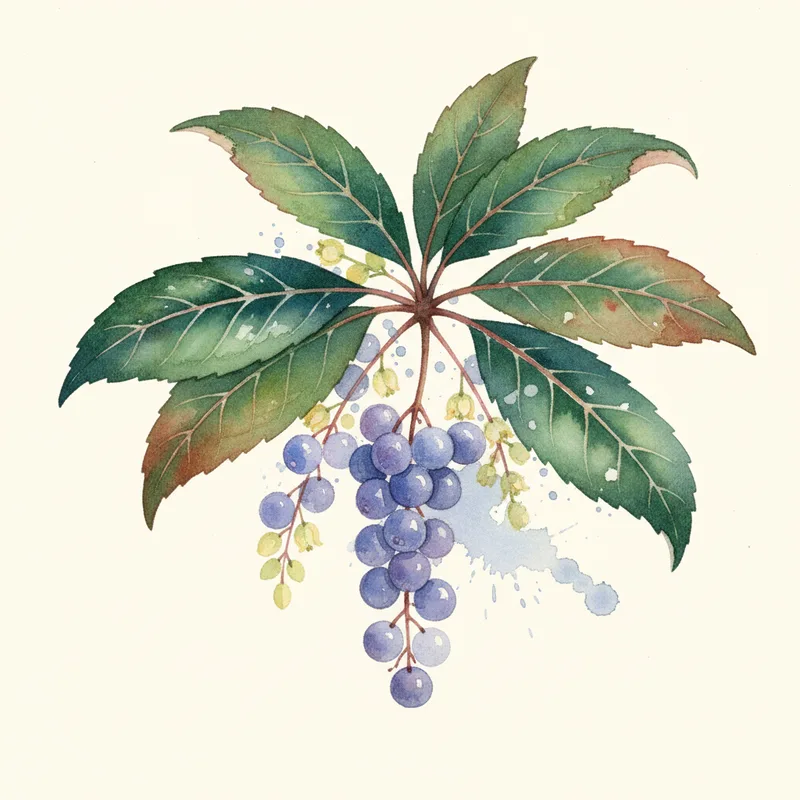
Holly-like evergreen with yellow flower clusters followed by blue berries. Tough, shade-loving native.
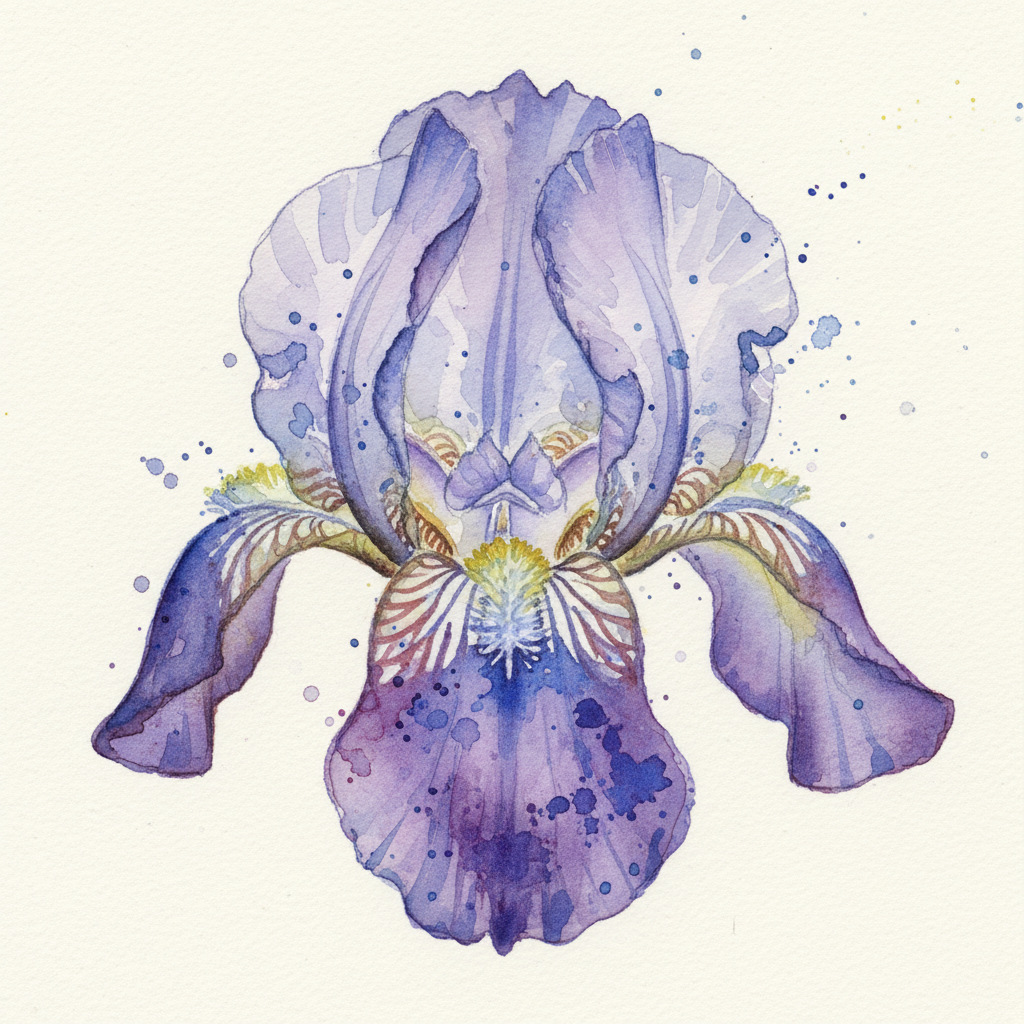
Small purple iris flowers with yellow signals on wiry stems. A tough, underappreciated Pacific Northwest native.
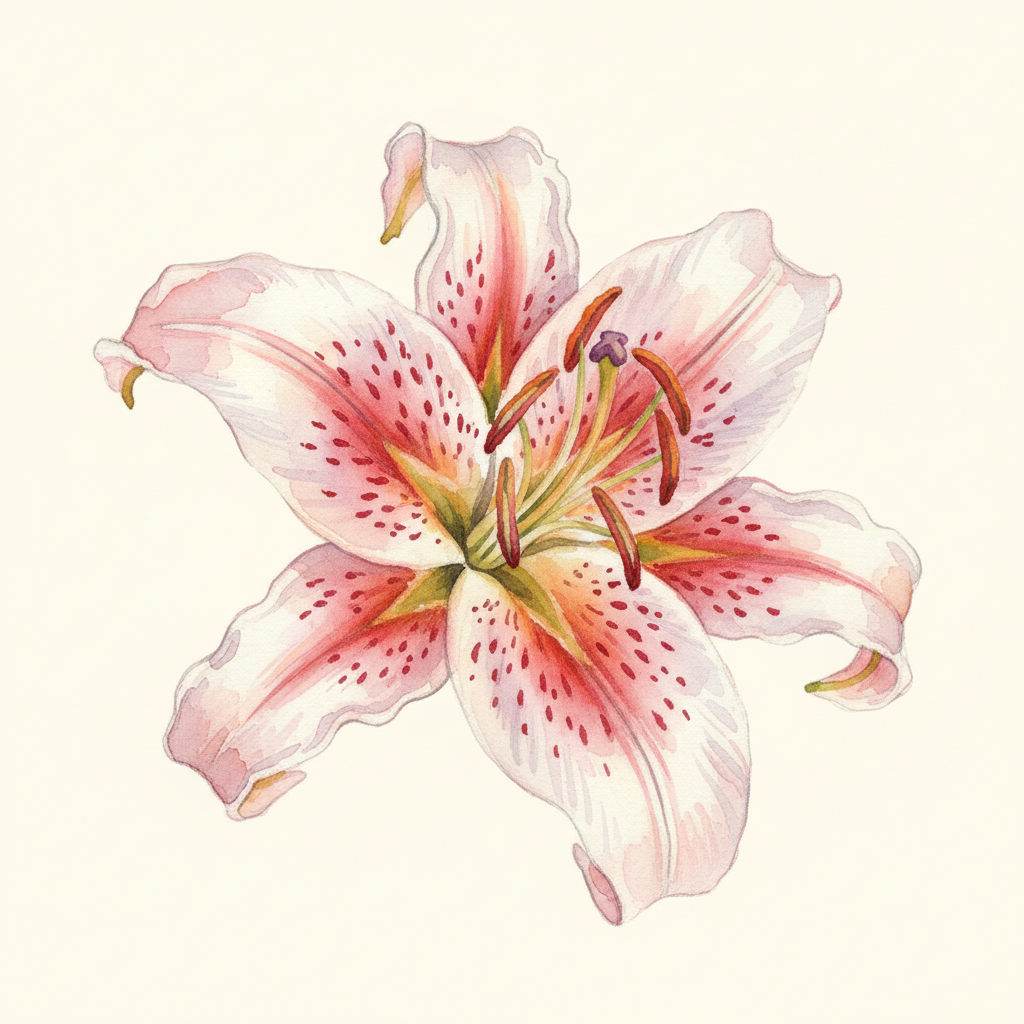
Huge, intensely fragrant blooms in deep pink and white that perfume the entire garden. The lily that defines summer.
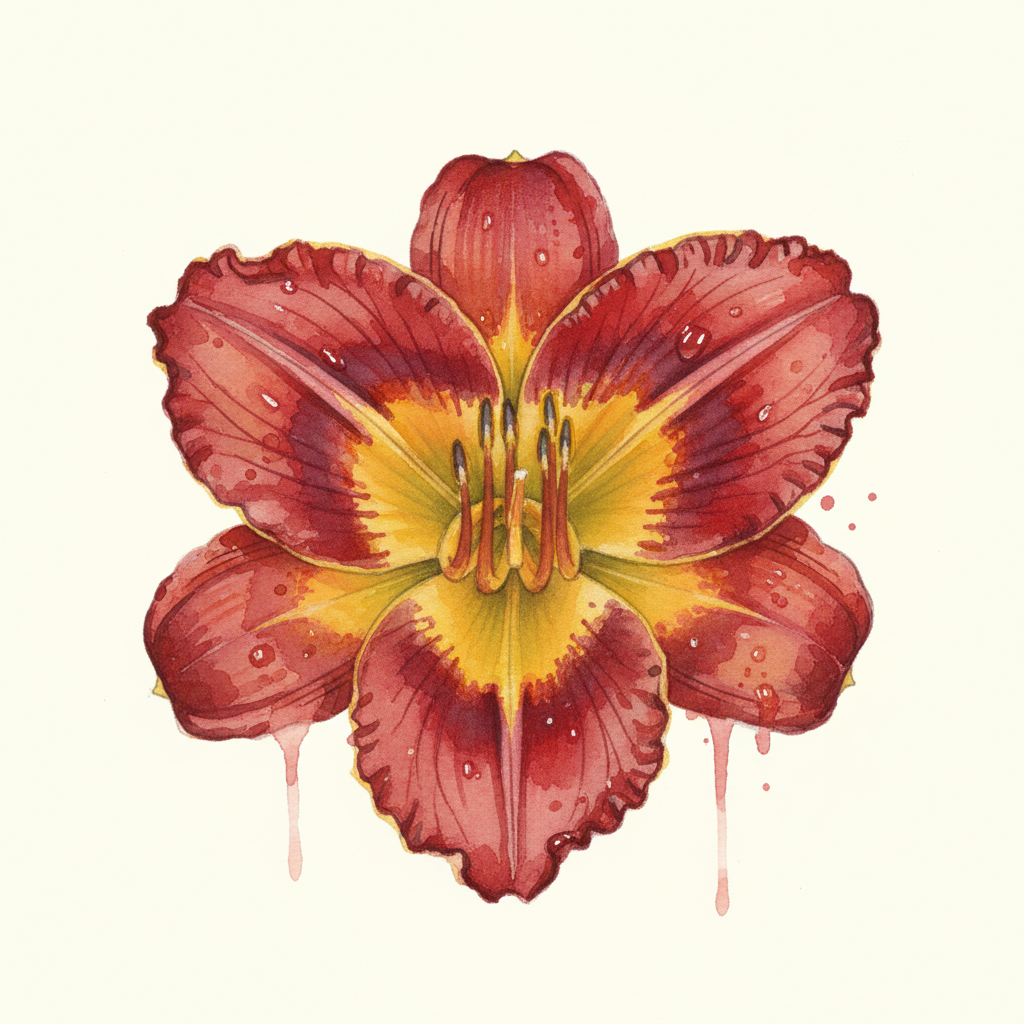
Compact cranberry-red with a yellow-green throat and one of the best reblooming habits in the entire family.
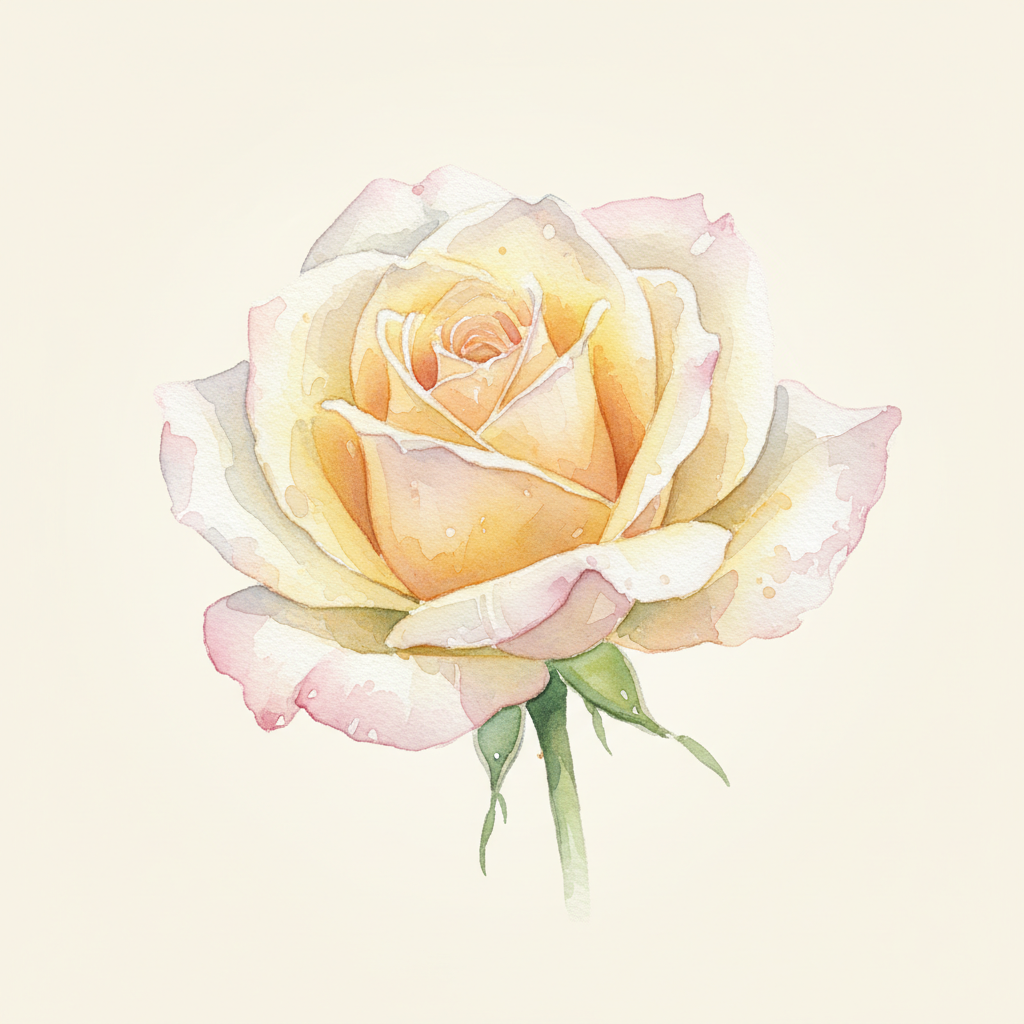
Massive cream-yellow blooms with rose-pink edges. The most famous rose of the 20th century, released the day Berlin fell in 1945.
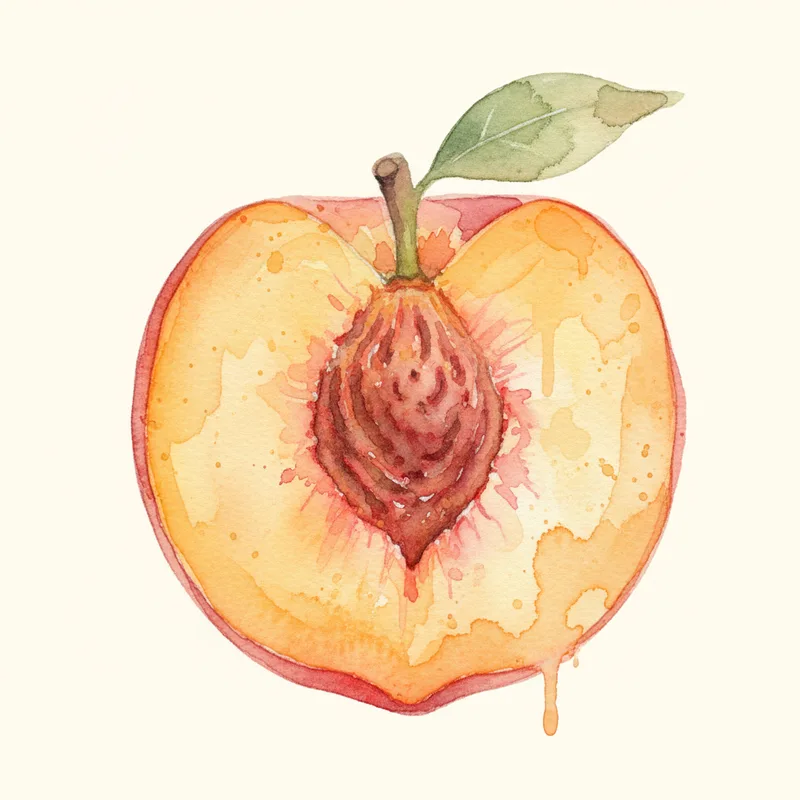
Early spring pink blossoms smother the branches before juicy peaches develop.
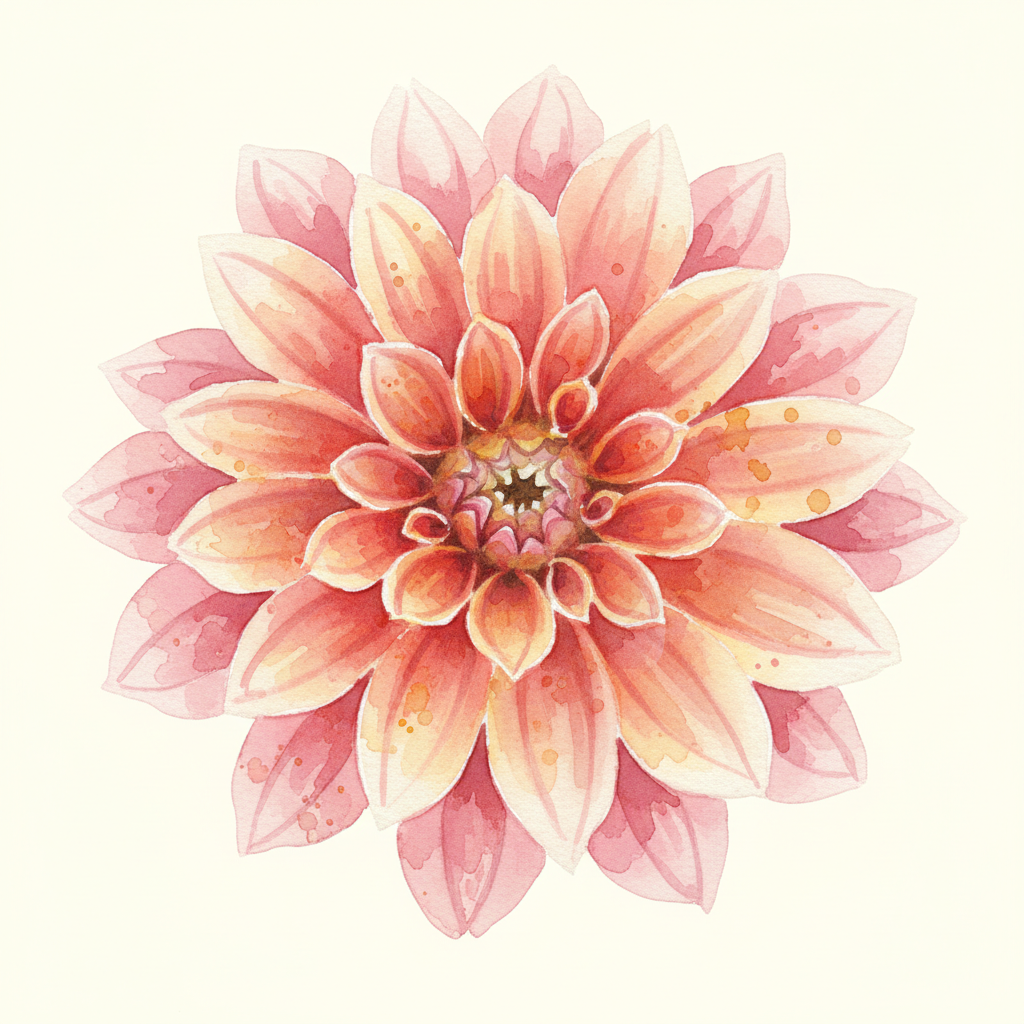
Cactus-form dinner plate blooms in swirled peach, coral, and yellow with twisting petals. Each flower looks like a sunset in motion.
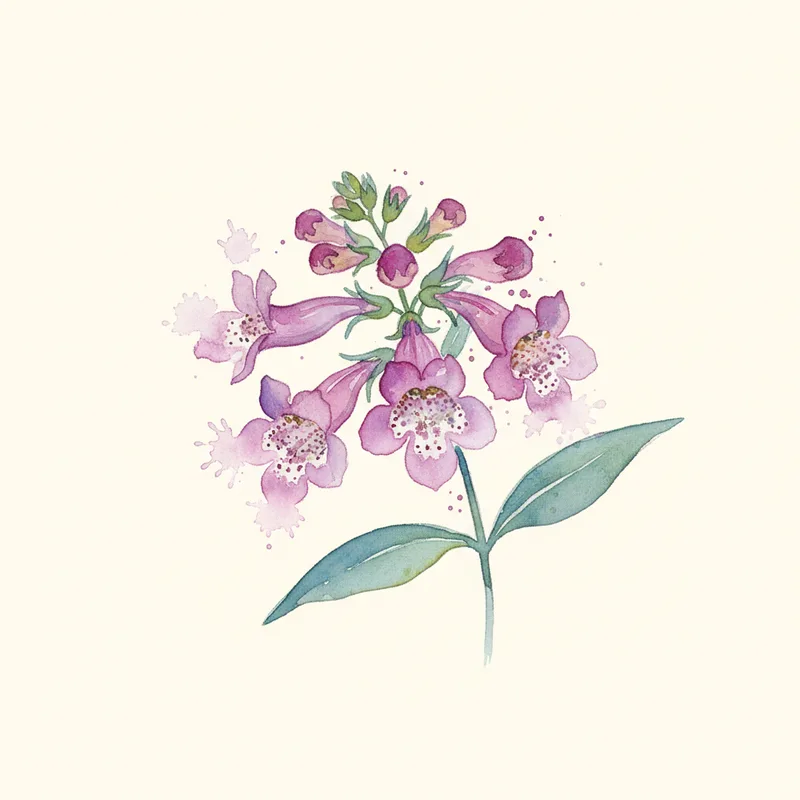
Tubular flowers on upright stems. Native hummingbird magnet for dry gardens.
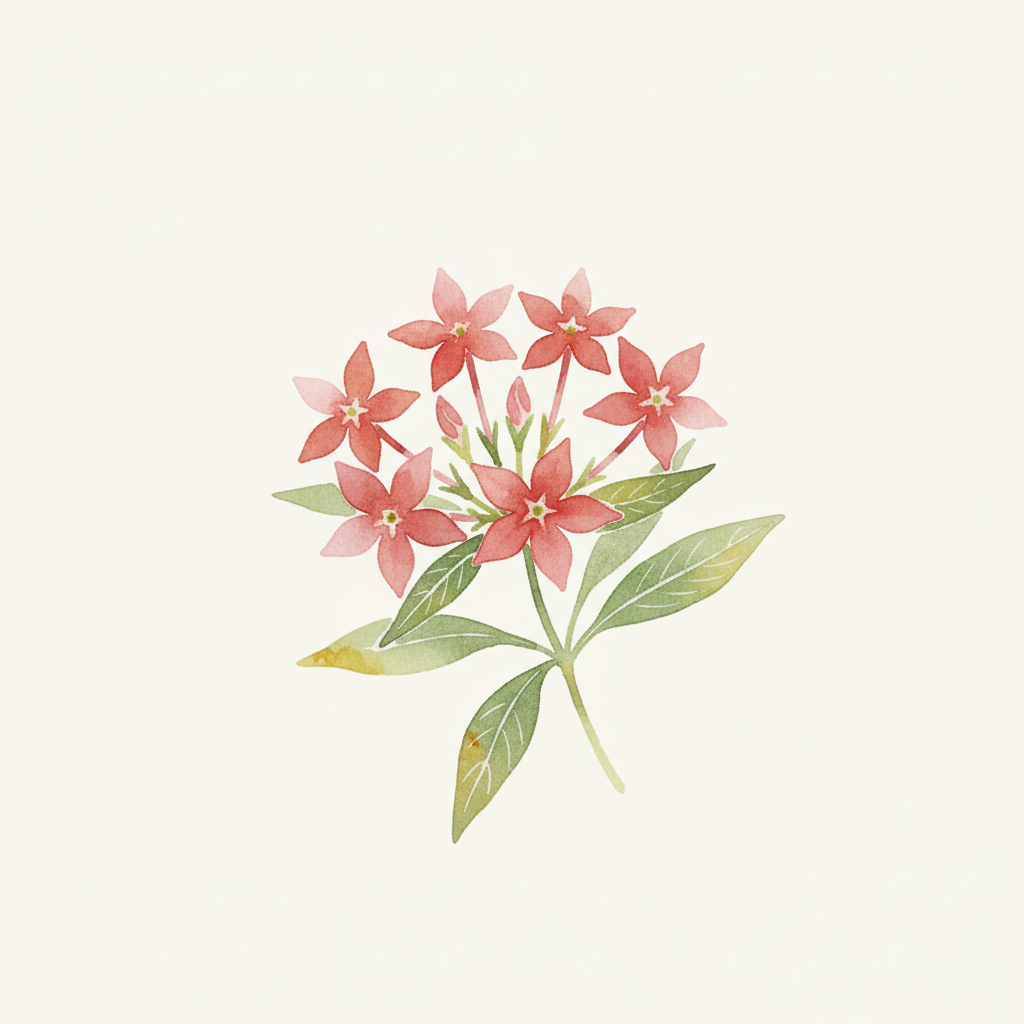
Star-shaped flower clusters that hummingbirds and butterflies hit on every pass. Blooms nonstop in heat that stops impatiens cold.
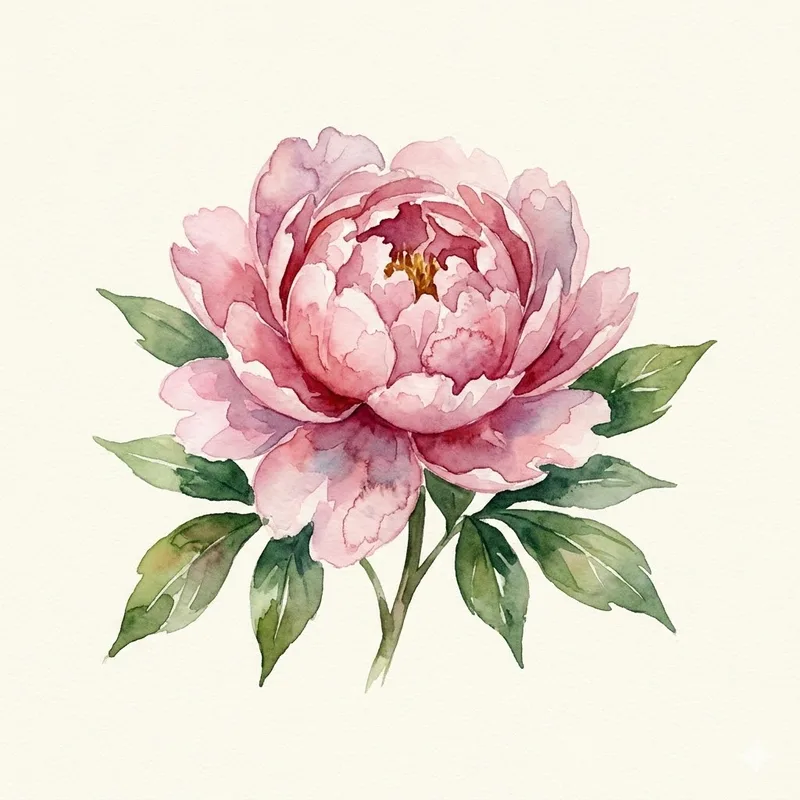
Lush, ruffled blooms with intoxicating fragrance. Lives for decades.
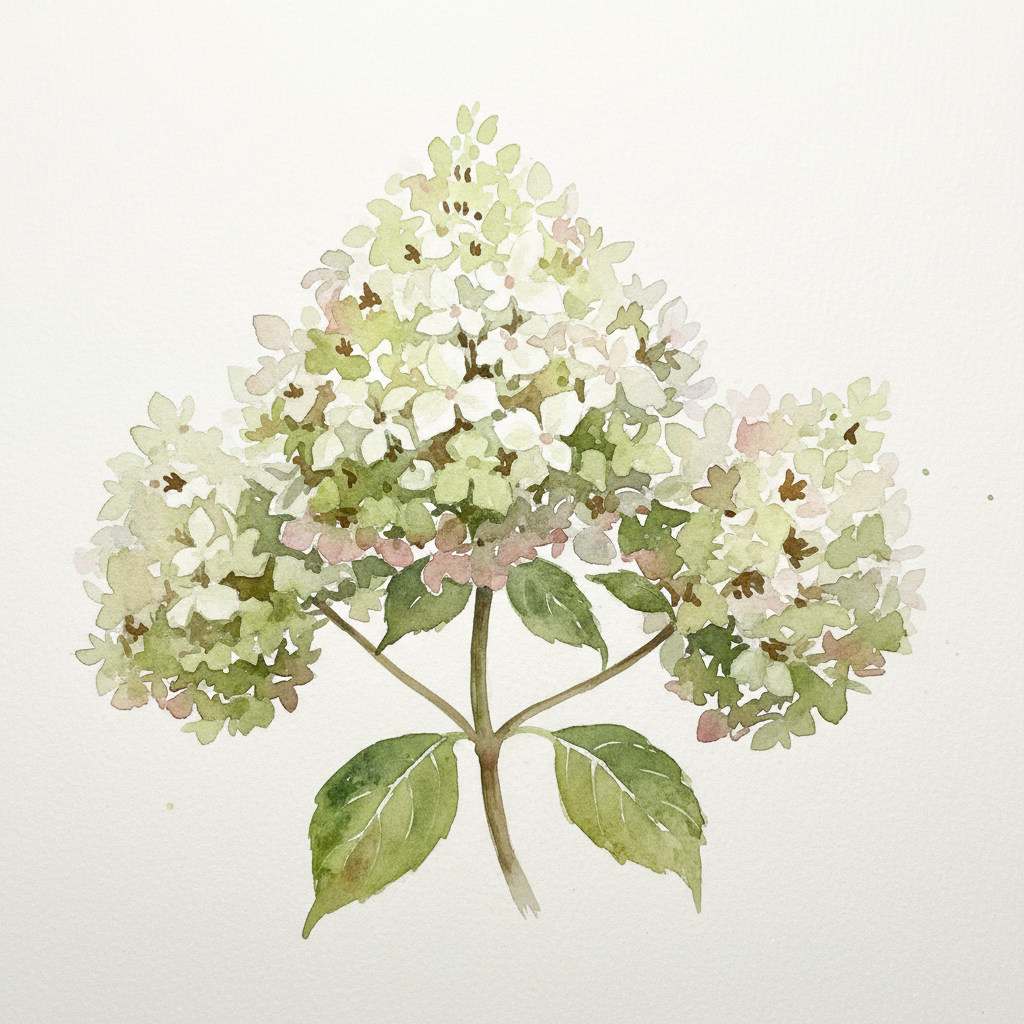
Huge cone blooms up to 15 inches long open white and age to dusty pink. One of the largest flowered paniculatas you can grow.
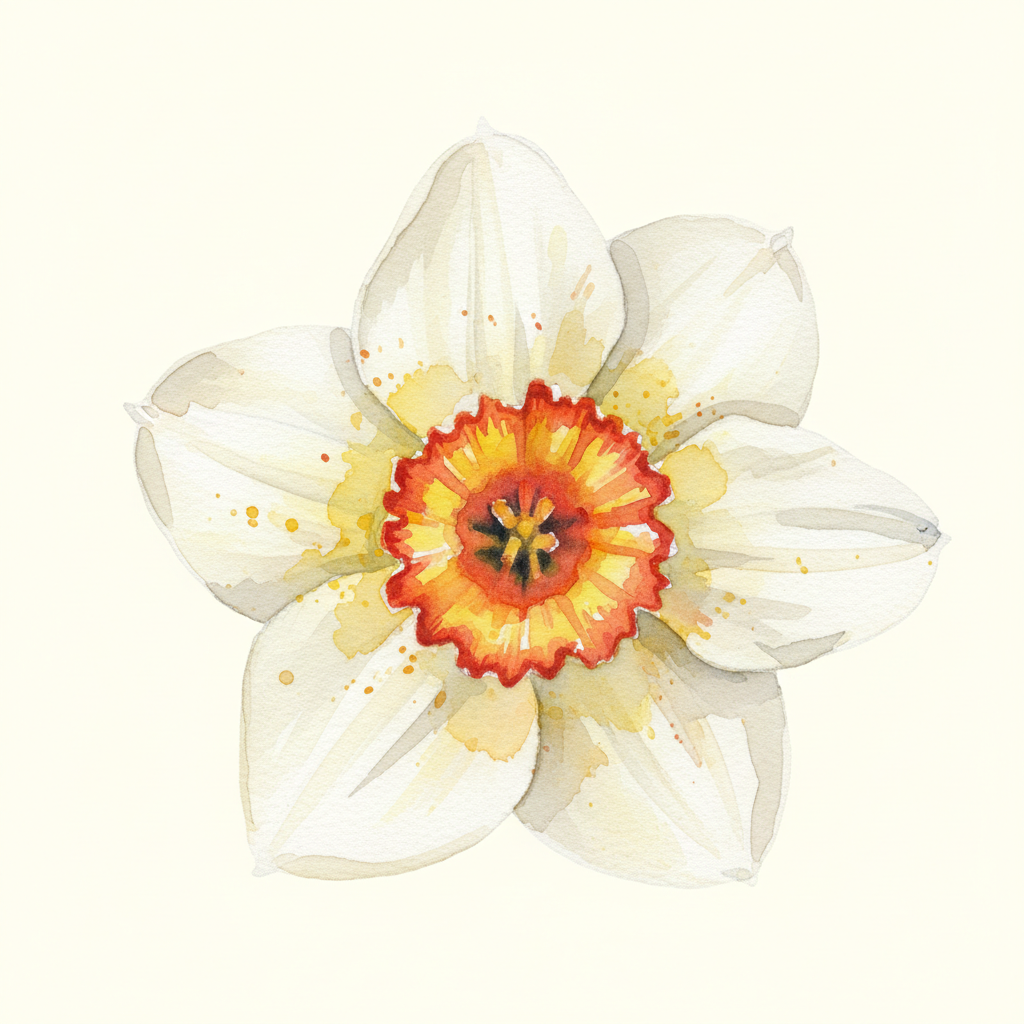
Reflexed white petals around a tiny eye of yellow rimmed with red. Intensely fragrant heirloom, the latest daffodil to bloom each spring.
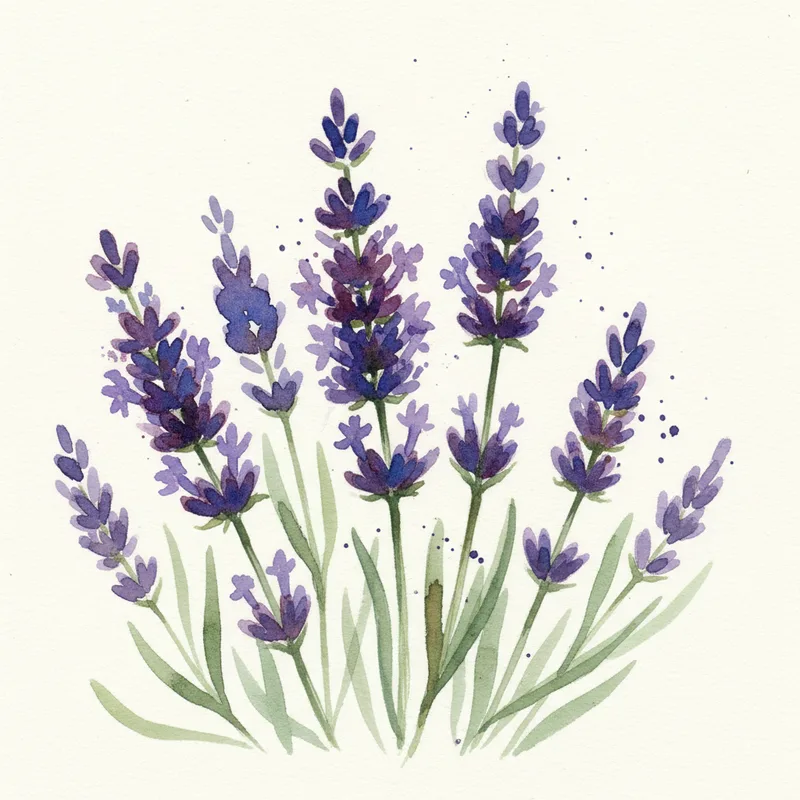
Survives humidity and cold that kills other lavenders. Silver foliage stays tight and full.
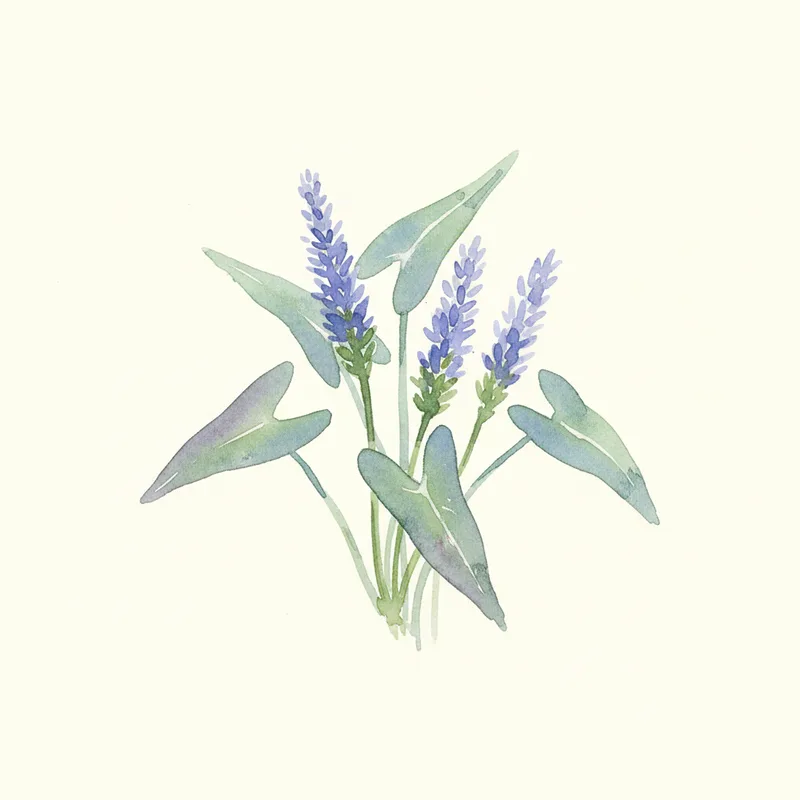
Spikes of violet-blue flowers above glossy arrow-shaped leaves. Native pond and stream bank staple.
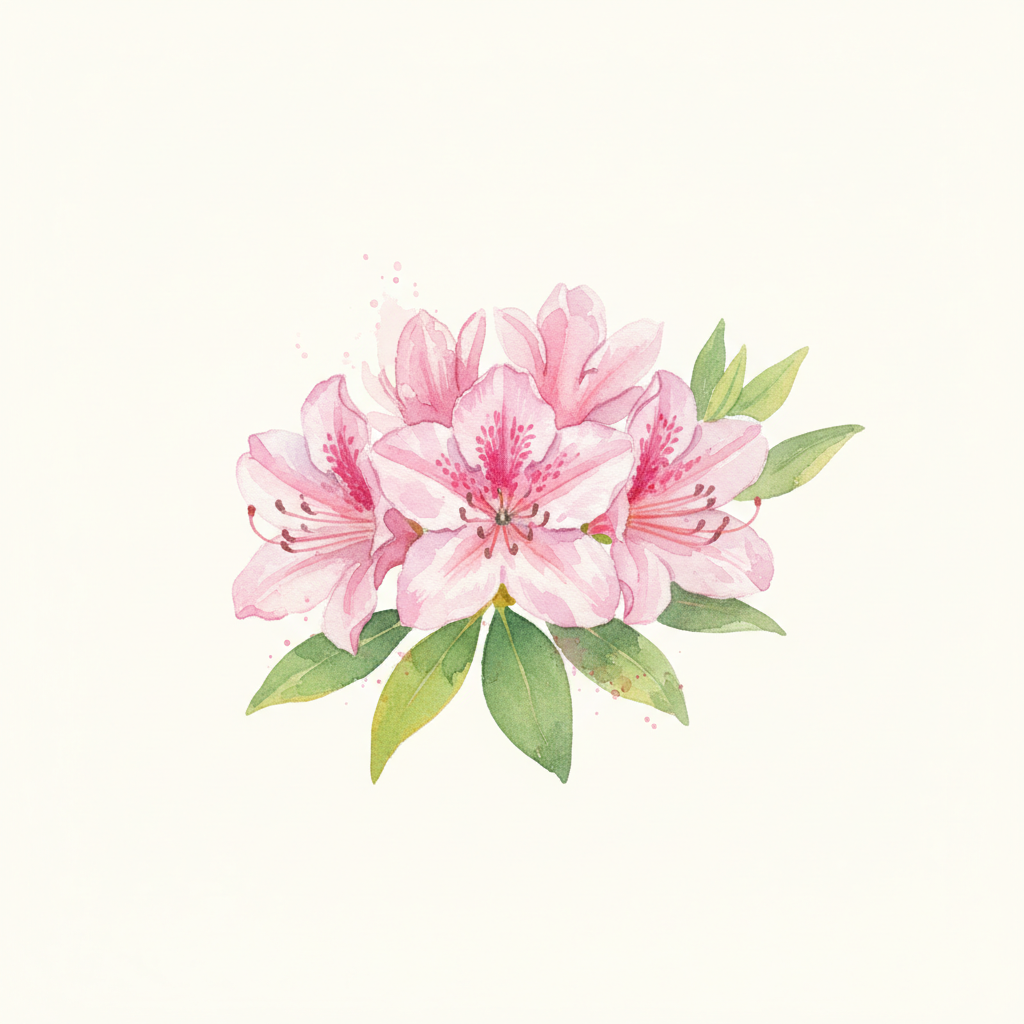
Fragrant pale pink to white flowers open before the leaves in early spring, filling lowland forests with sweetness.
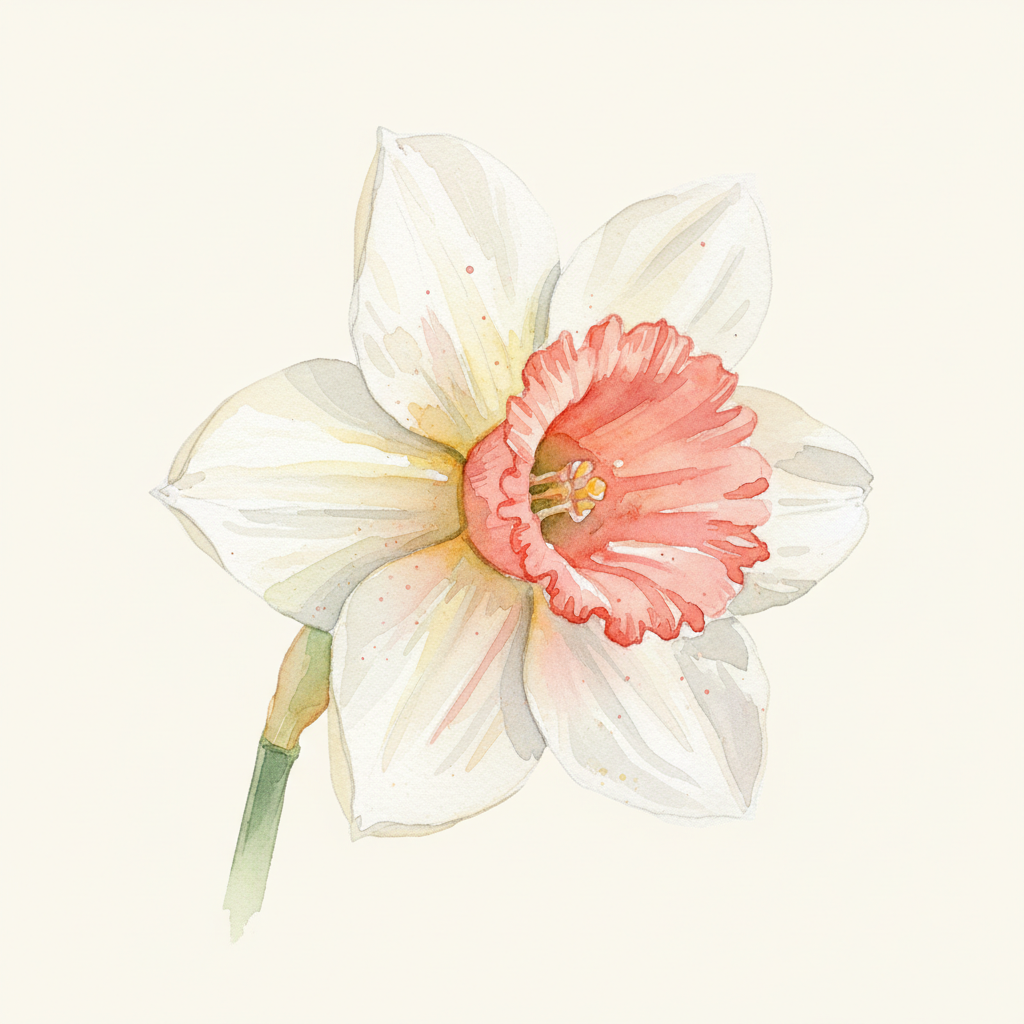
White petals around a creamy cup banded in coral pink. The most reliable pink daffodil for borders and naturalizing.
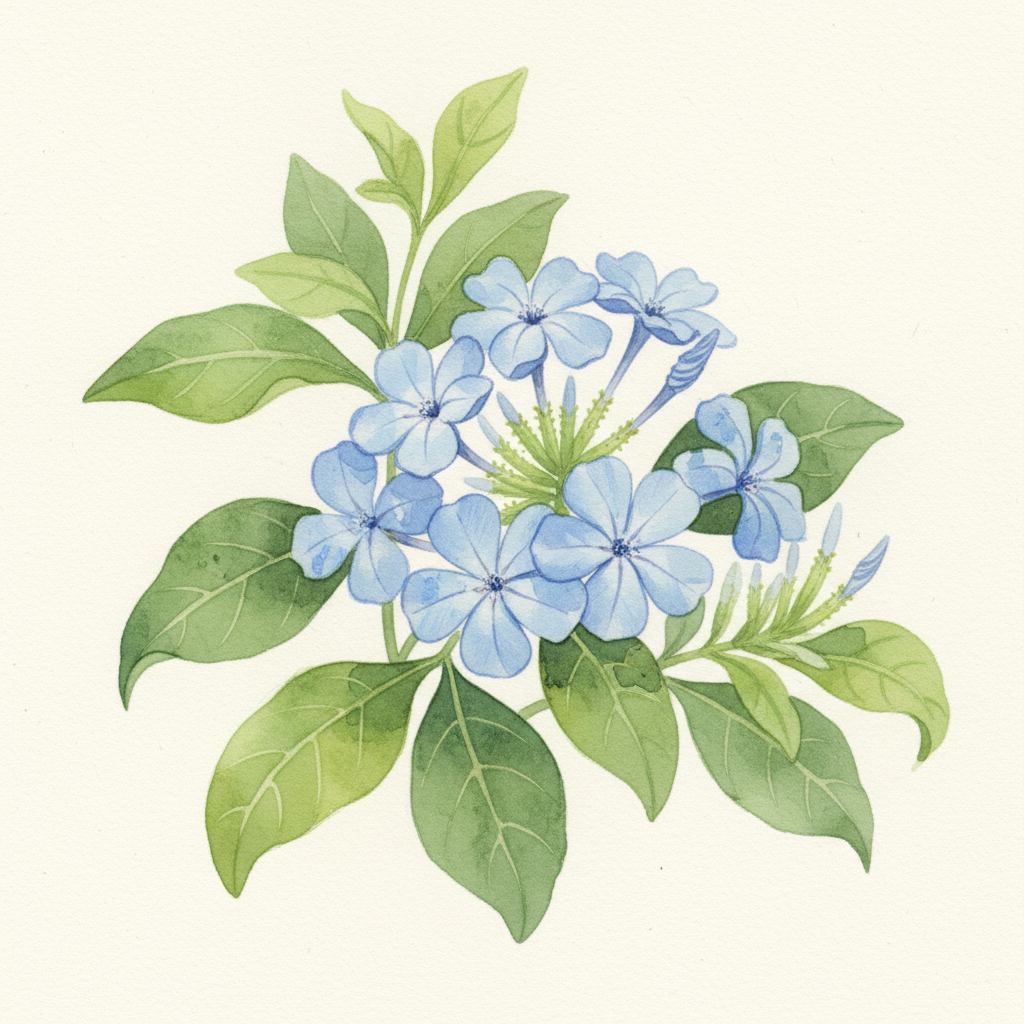
Sky-blue phlox-like clusters bloom nonstop in warm climates. The blue flower that thrives where most blues melt in summer heat.
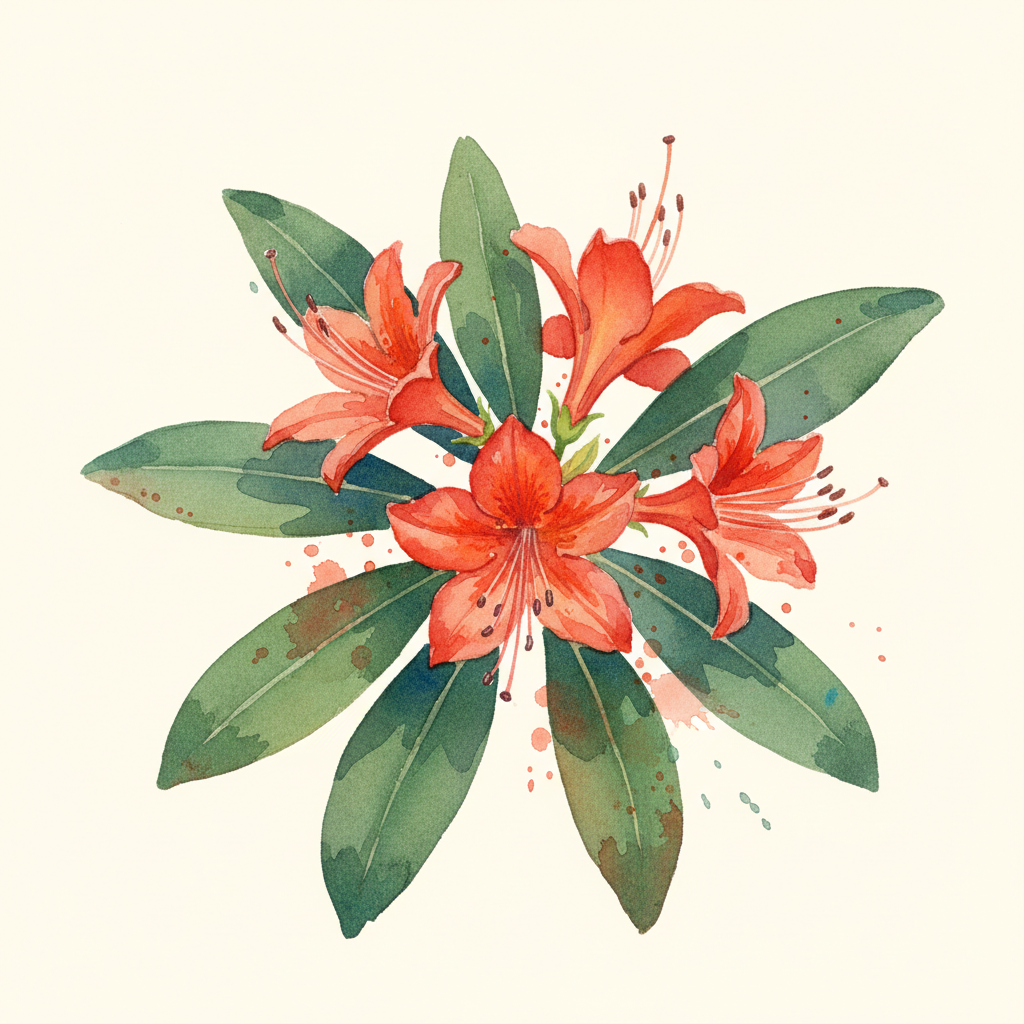
The only azalea that blooms in midsummer, with fiery orange-red flowers that light up the late-season shade garden.
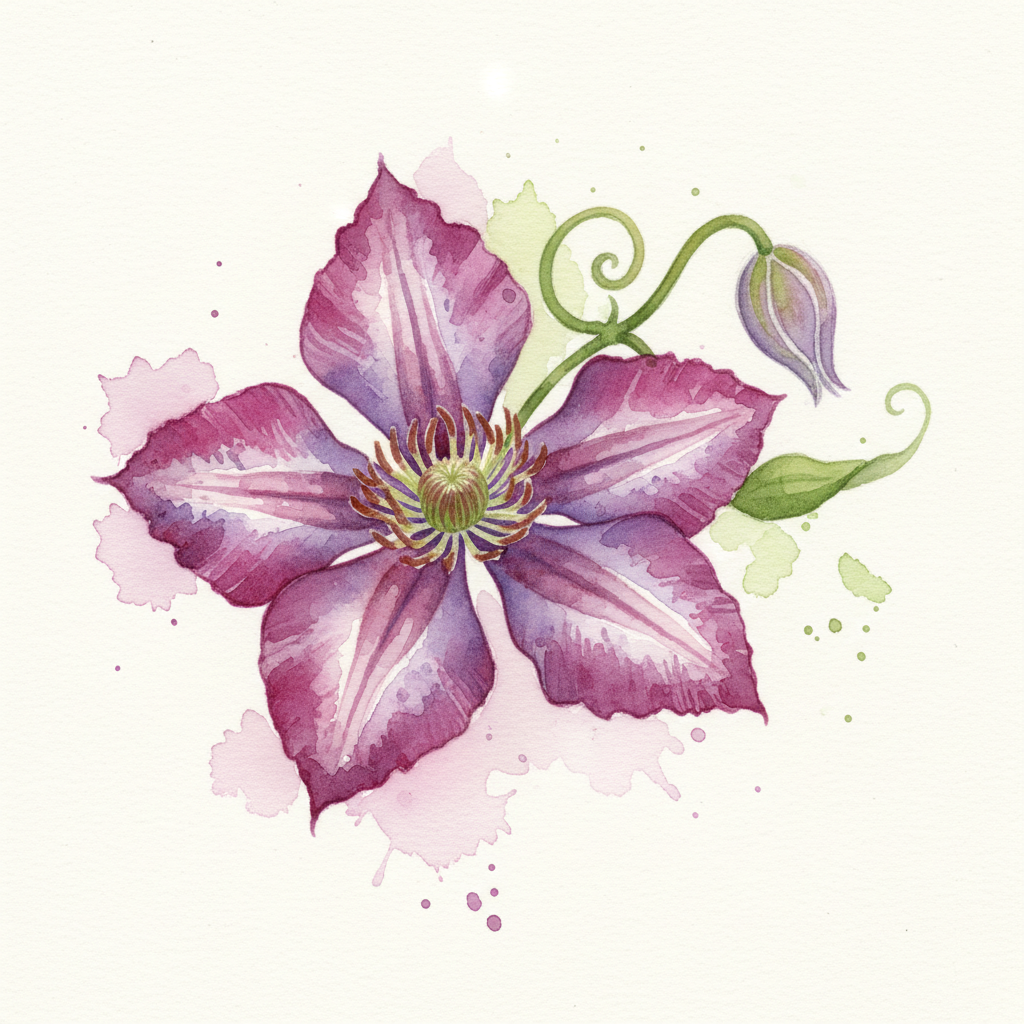
Deep violet-purple flowers cover a vigorous plant from midsummer to fall. Prune hard each spring and stand back.
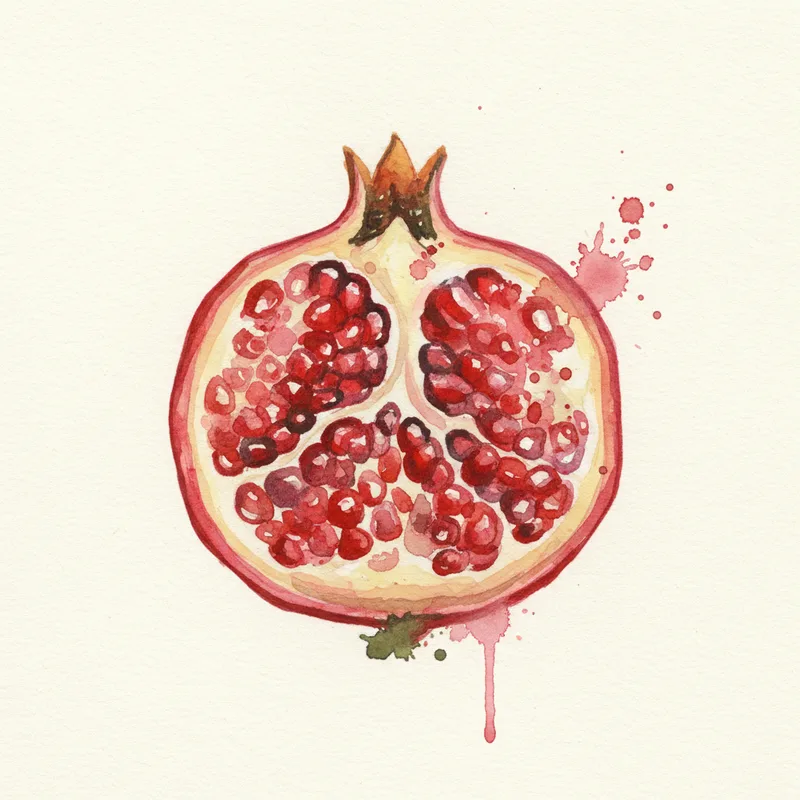
Brilliant orange-red blossoms in late spring and summer are followed by decorative, edible fruits.
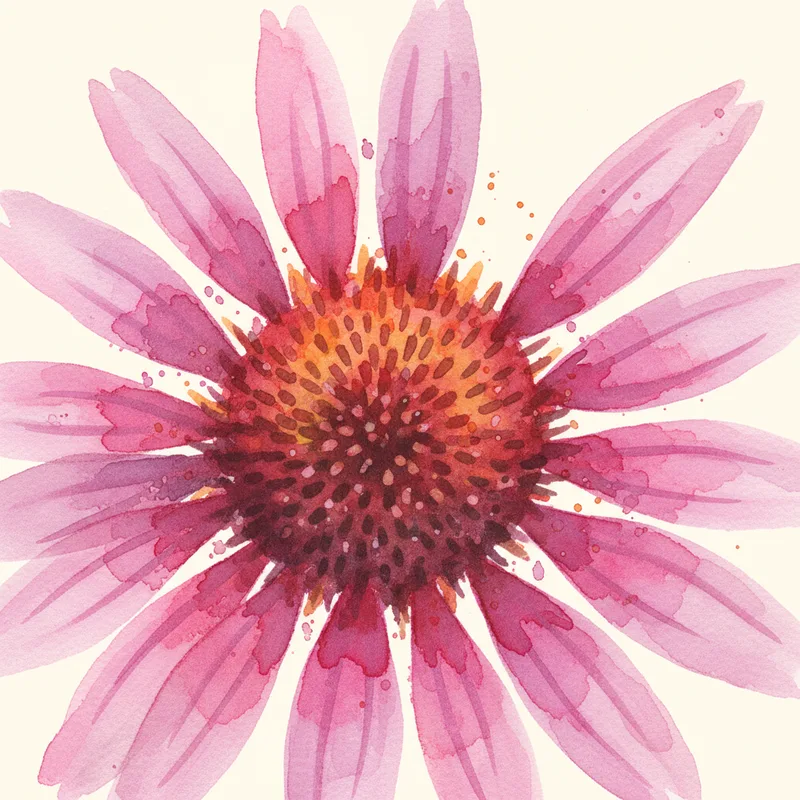
Deep rose-purple petals and a bronzy cone on a compact reblooming plant that won't sprawl.
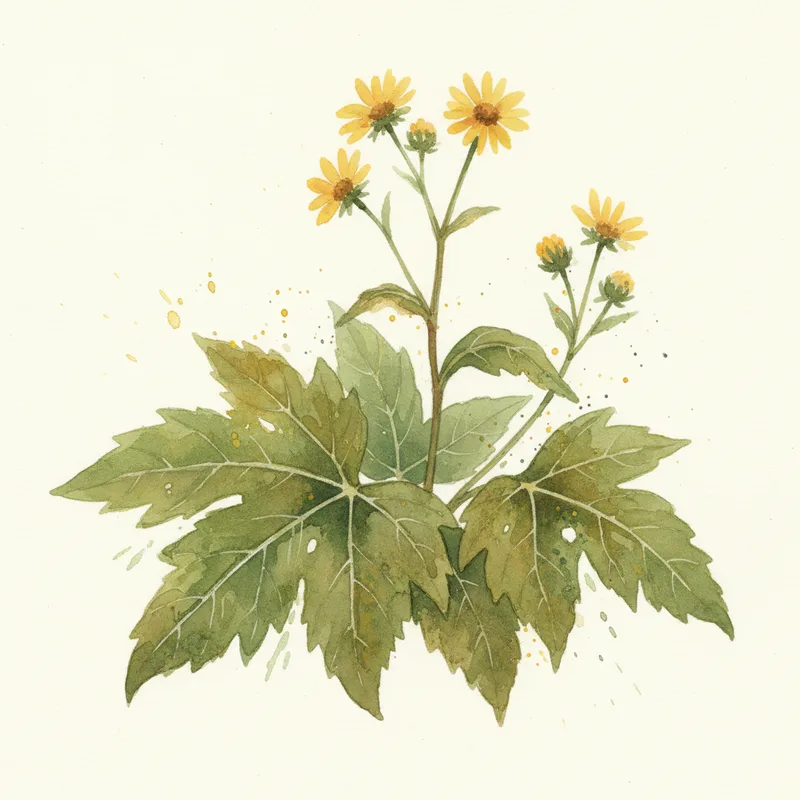
Huge basal leaves and tall stalks topped with yellow daisies give strong prairie structure.
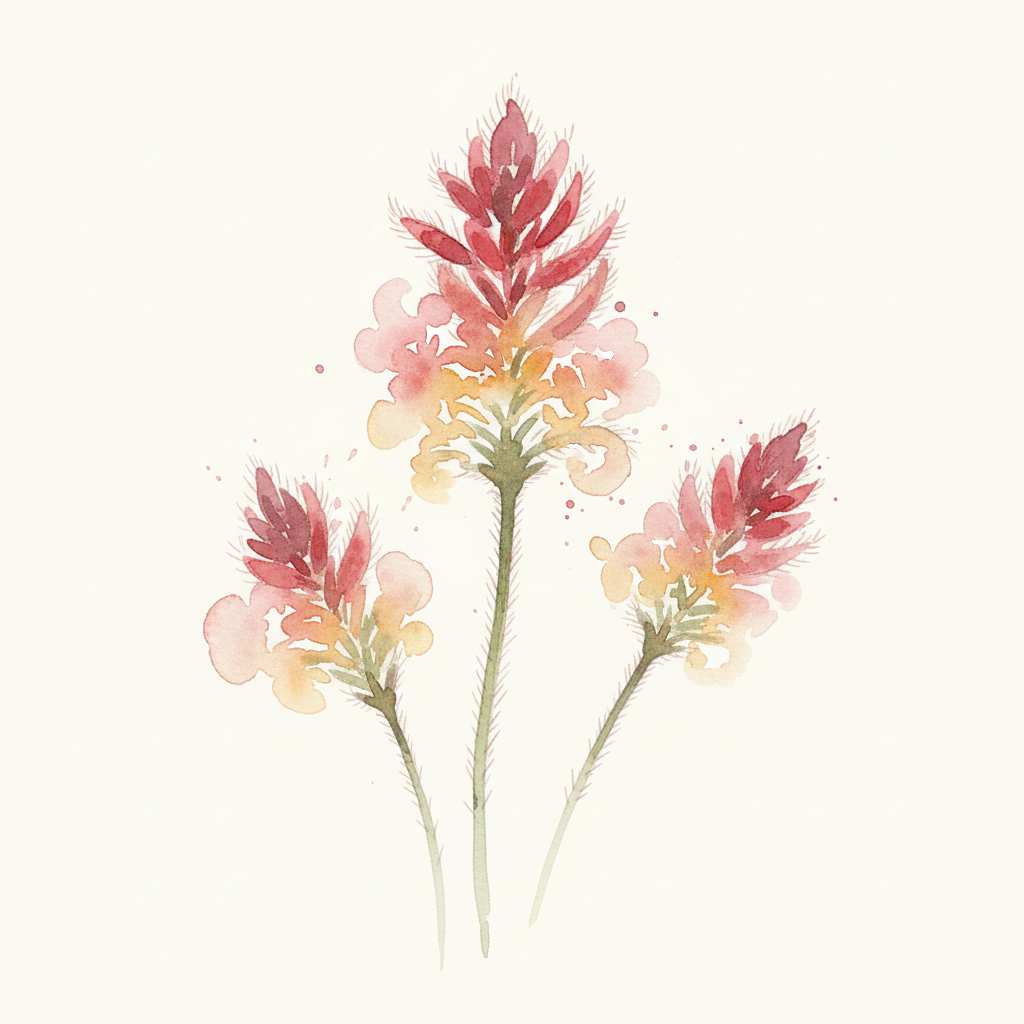
Nodding wine-red flowers transform into feathery pink seed plumes that persist into summer. Native prairie gem.
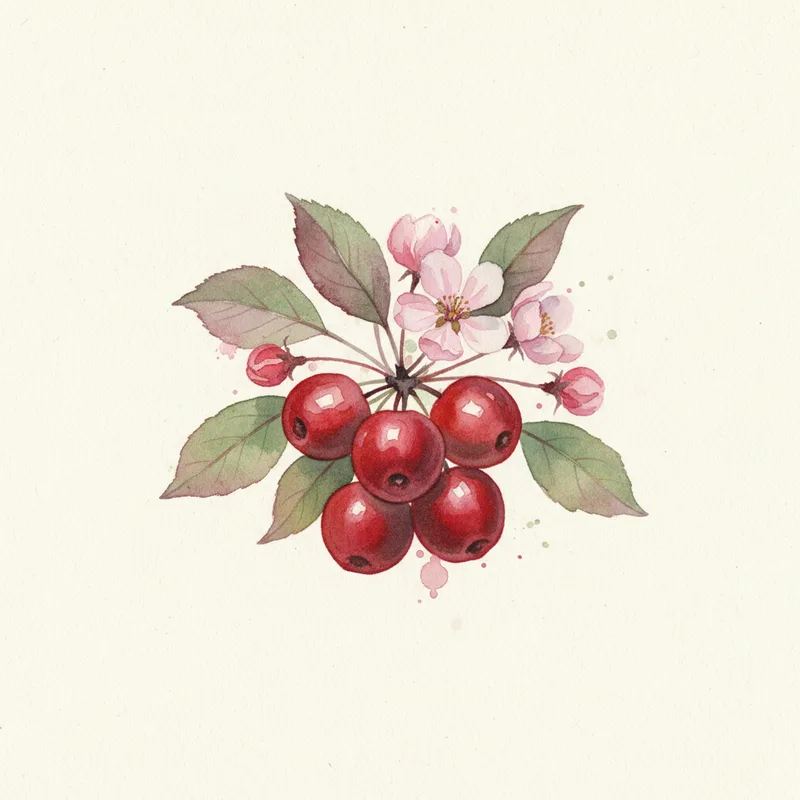
Deep pink-red flowers on a disease-resistant crabapple. Persistent small fruit feeds winter birds.
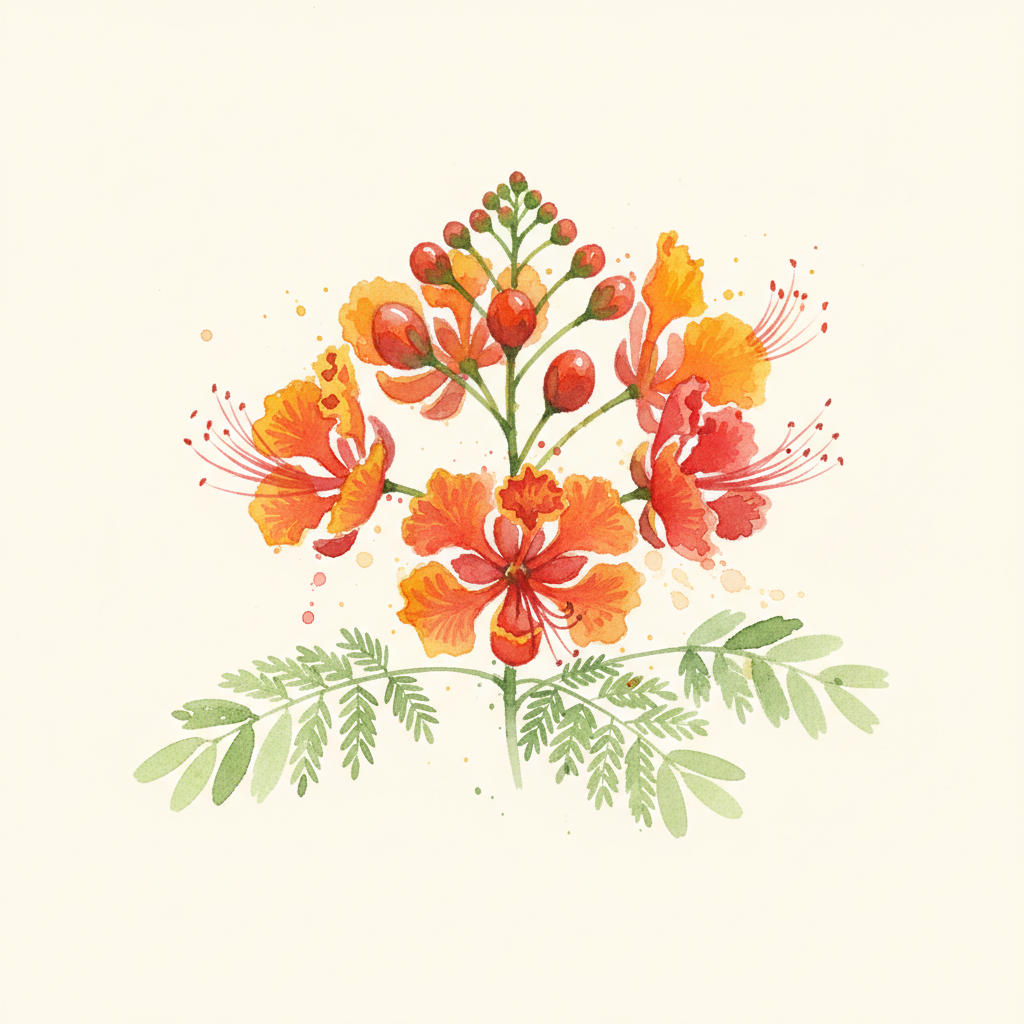
Flame-orange and yellow flower clusters that hummingbirds and swallowtails cannot resist. Thrives on heat, dies back at frost, returns every spring.
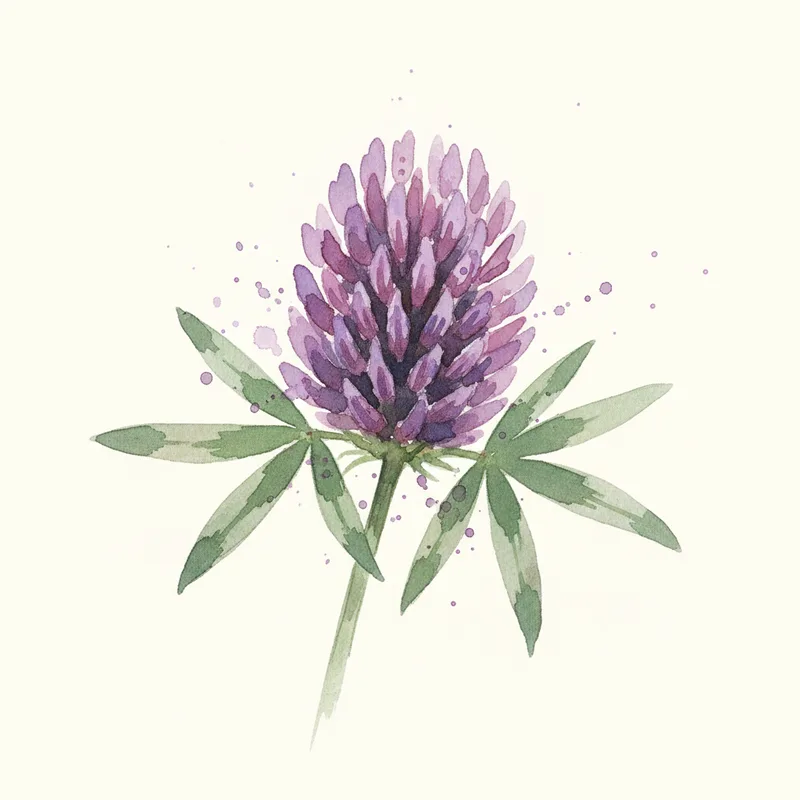
Brushy purple flower spikes rise over fine foliage and feed prairie pollinators.
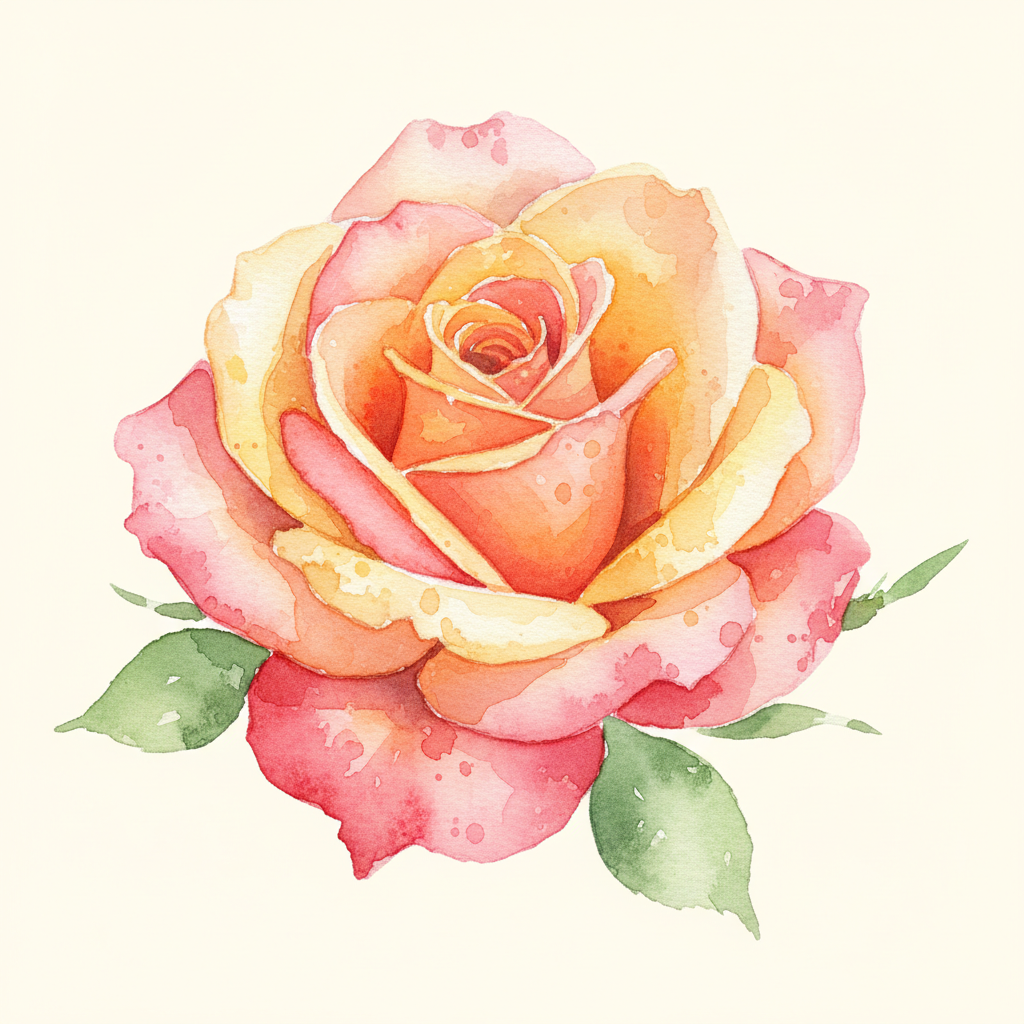
Coral-pink single blooms with a yellow eye on the same indestructible Knock Out frame. Self-cleaning and disease-resistant like the original.
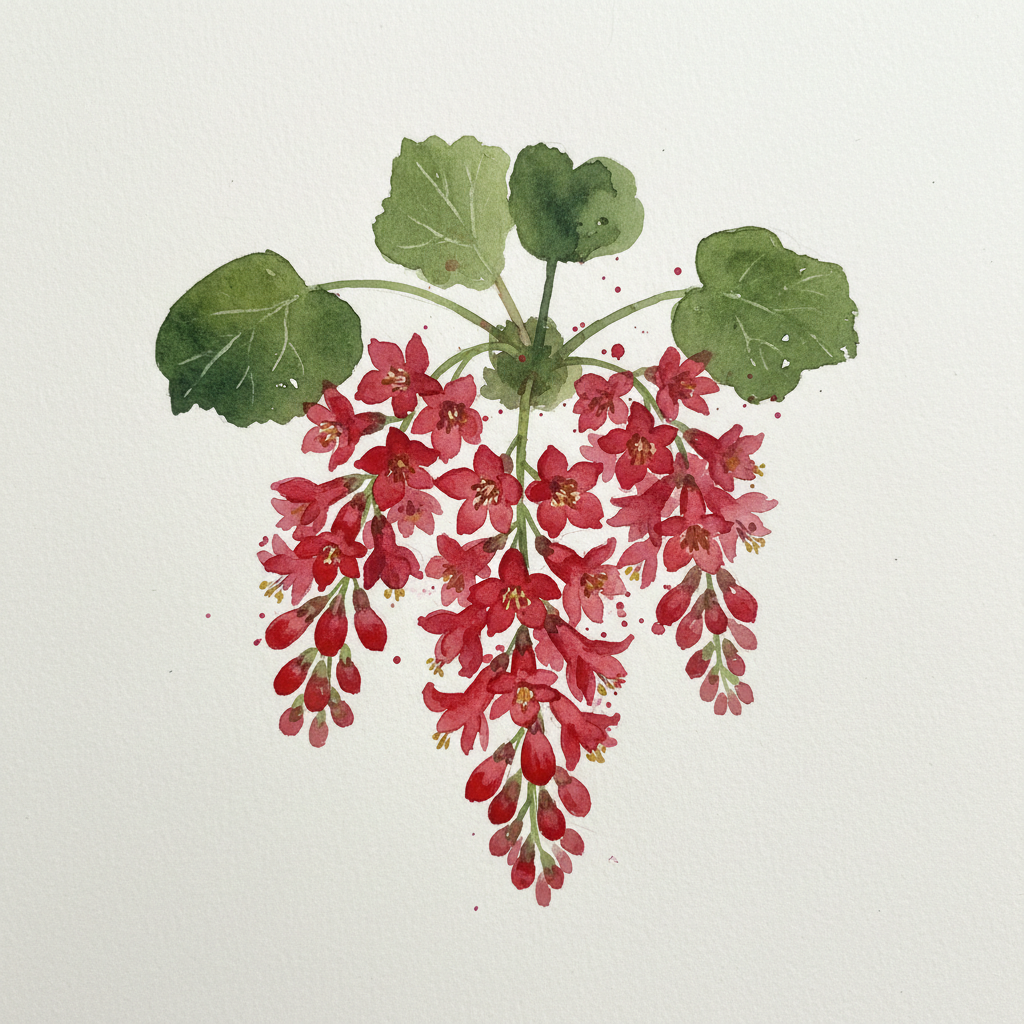
Among the first shrubs to bloom in Pacific Northwest gardens, dripping with rosy-pink racemes that hummingbirds arrive for before anything else has opened.
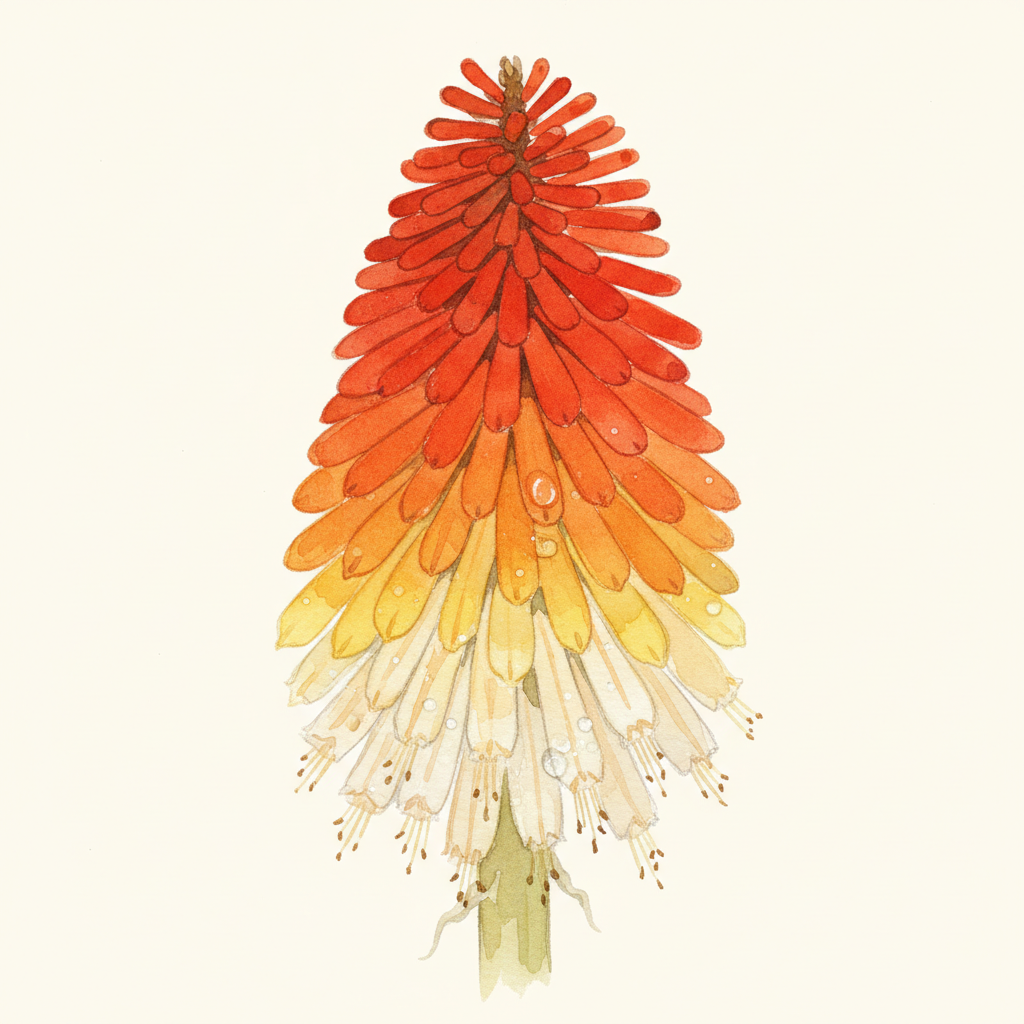
Torch-like spikes in fire-orange and yellow that hummingbirds zoom straight to. Bold and unforgettable.
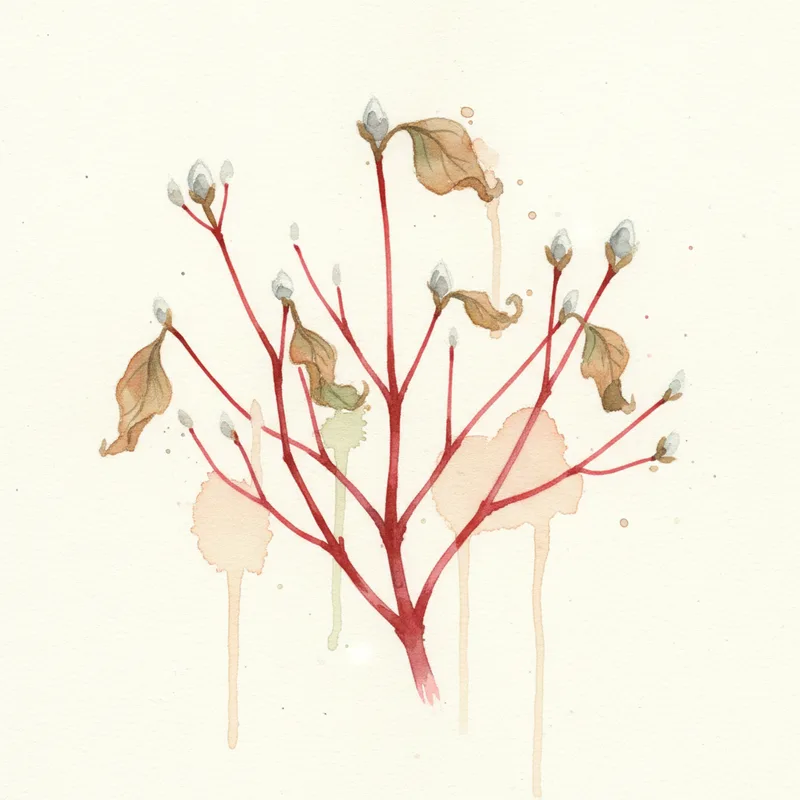
Flat clusters of white flowers and berries give way to vivid red stems that shine in winter.
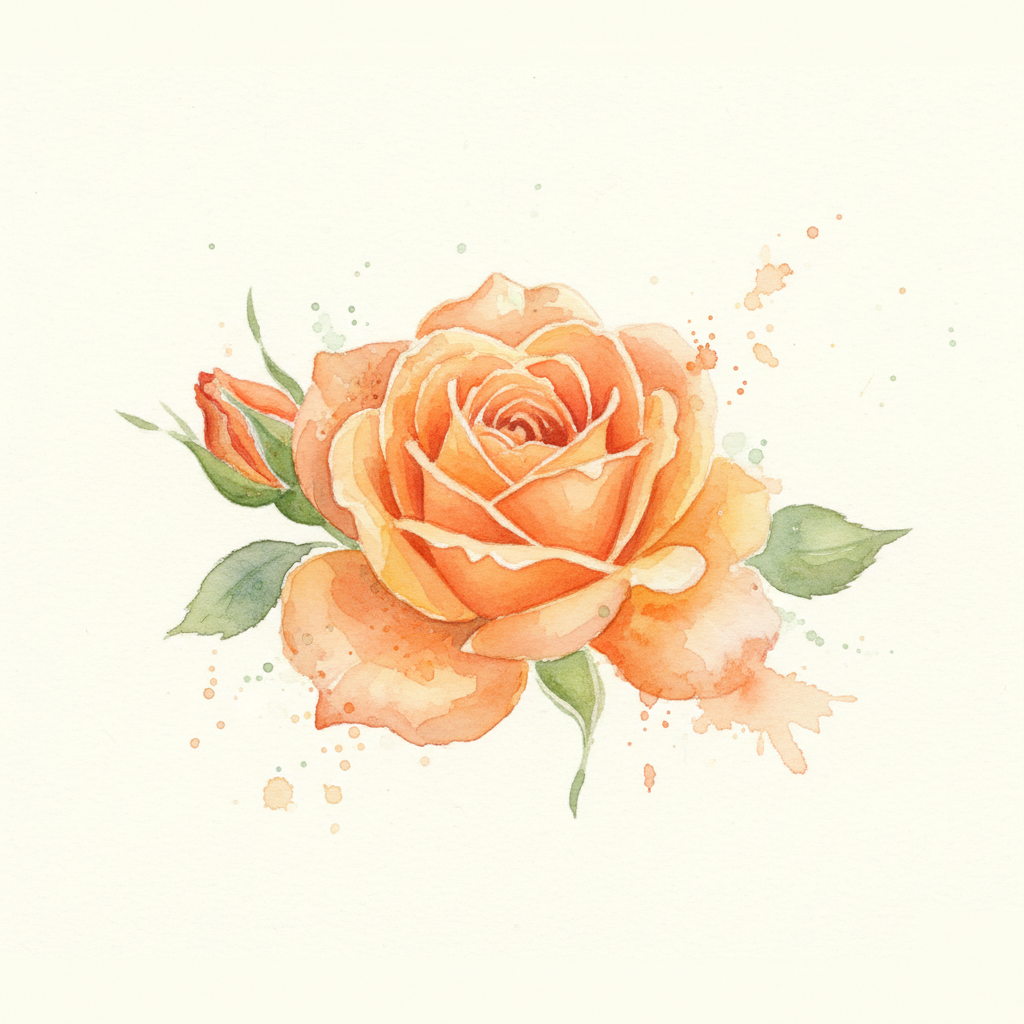
Peach-apricot cups in soft warm tones with a tea rose fragrance. Tireless rebloomer with excellent disease resistance.
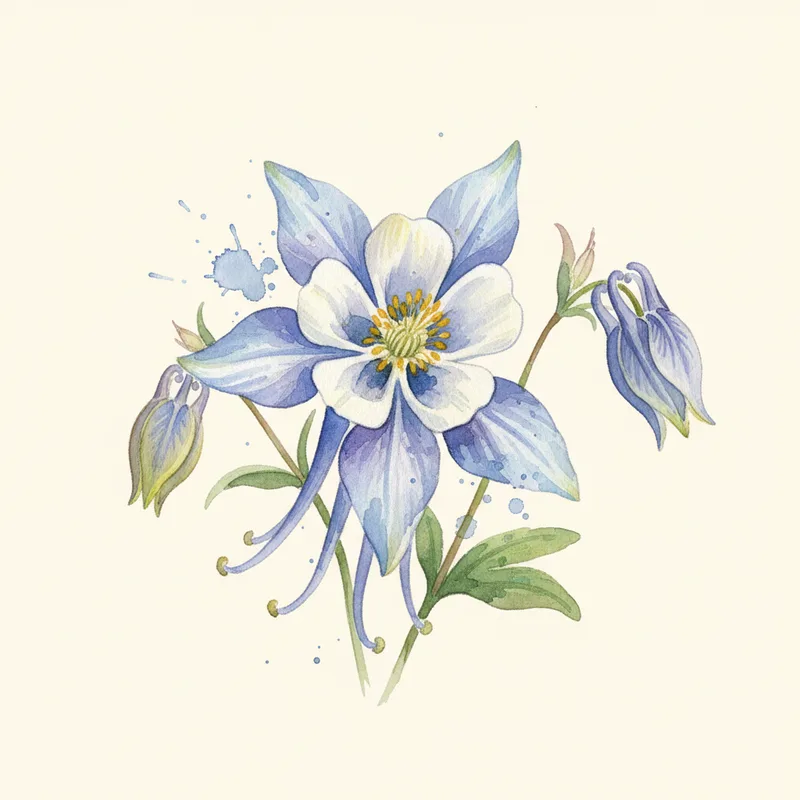
Large blue-and-white spurred flowers bloom in late spring above lacy foliage.
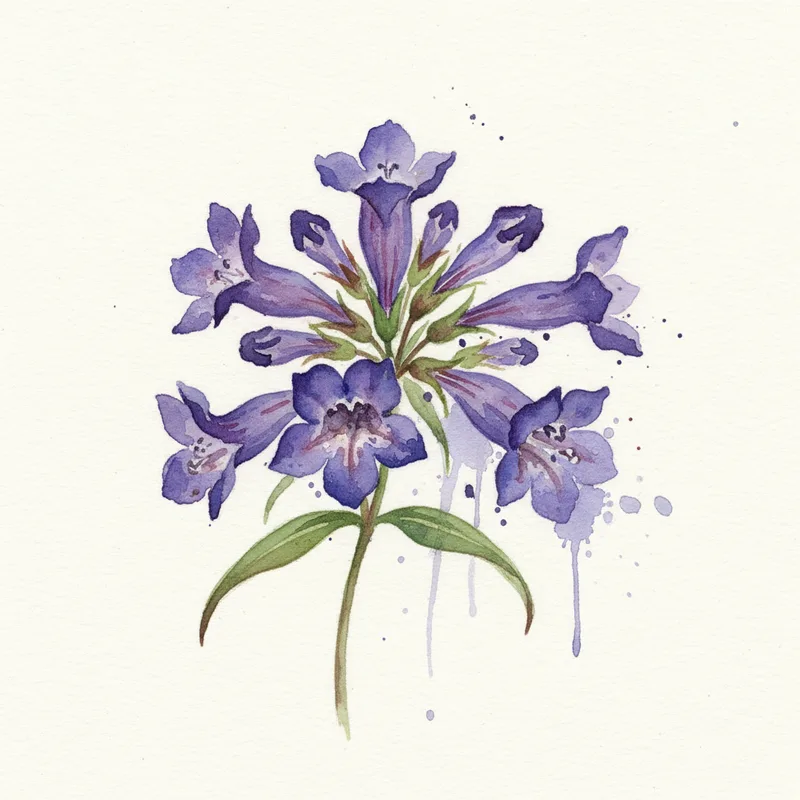
Spikes of deep blue tubular flowers rise above glossy evergreen foliage in early summer.
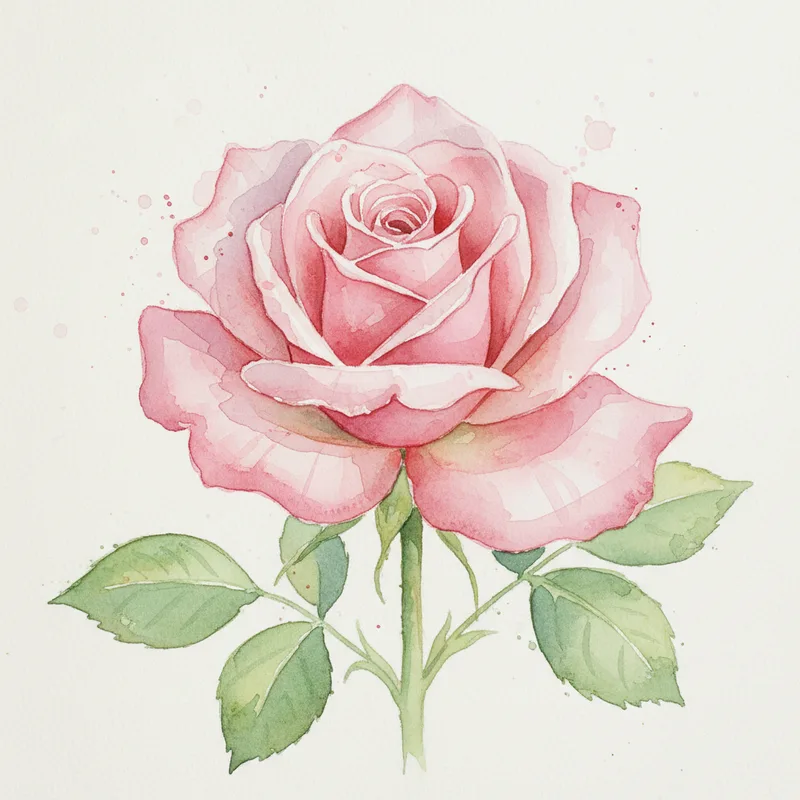
The queen of the garden. Modern varieties are surprisingly low-maintenance.
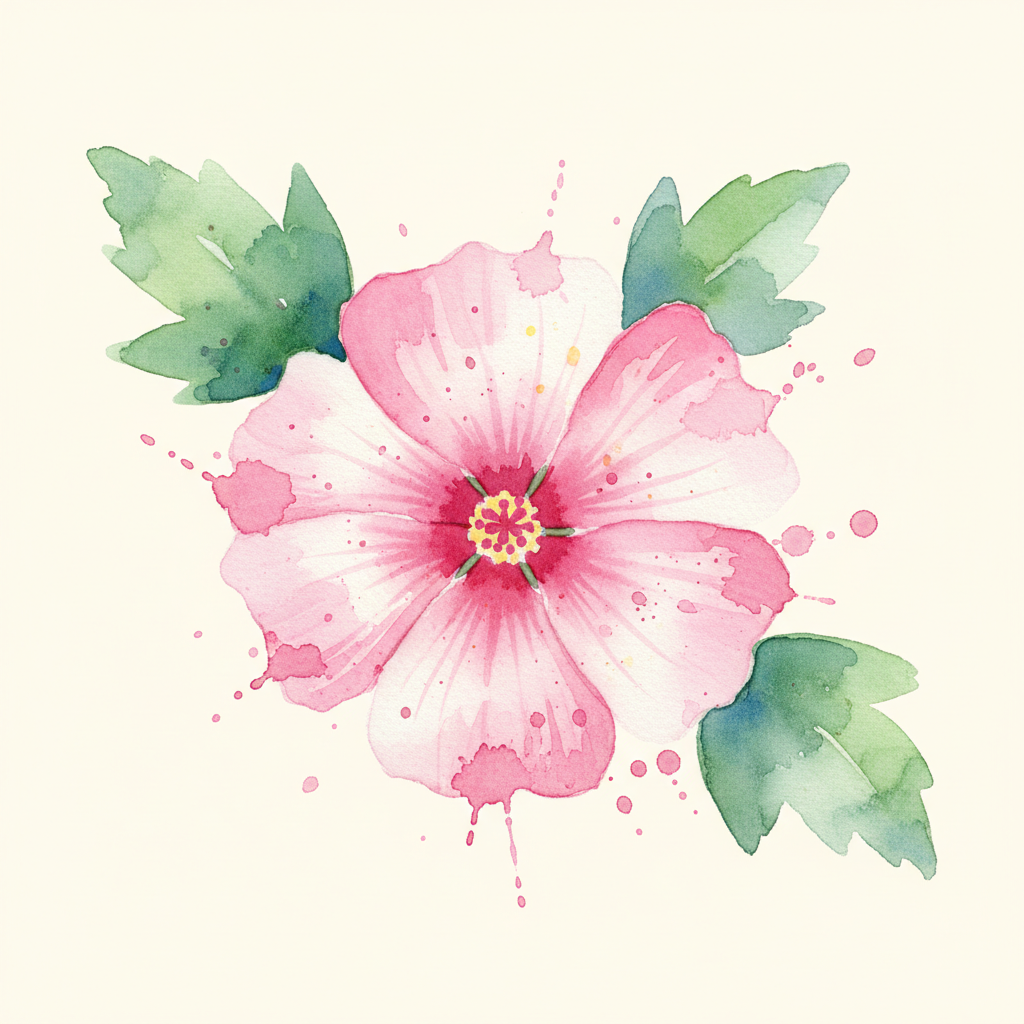
Enormous pale pink blooms up to 12 inches across on a wetland-loving native. Grow near a pond and you'll never look back.
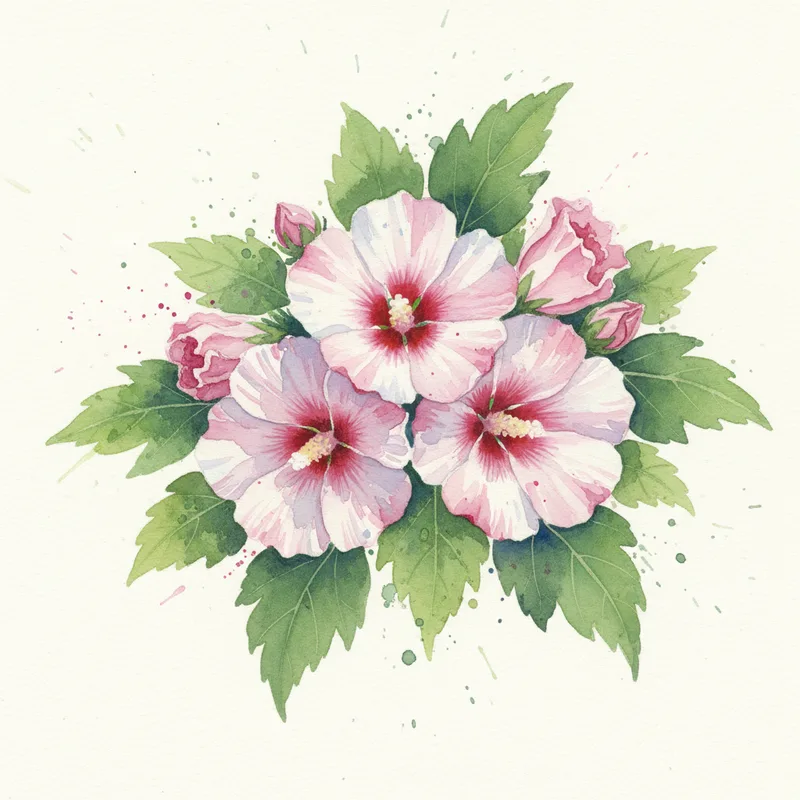
A cold-hardy hibiscus shrub (Hibiscus syriacus) with big tropical-looking blooms in lavender, pink, blue, white, or wine, opening late summer when most flowering shrubs are done.
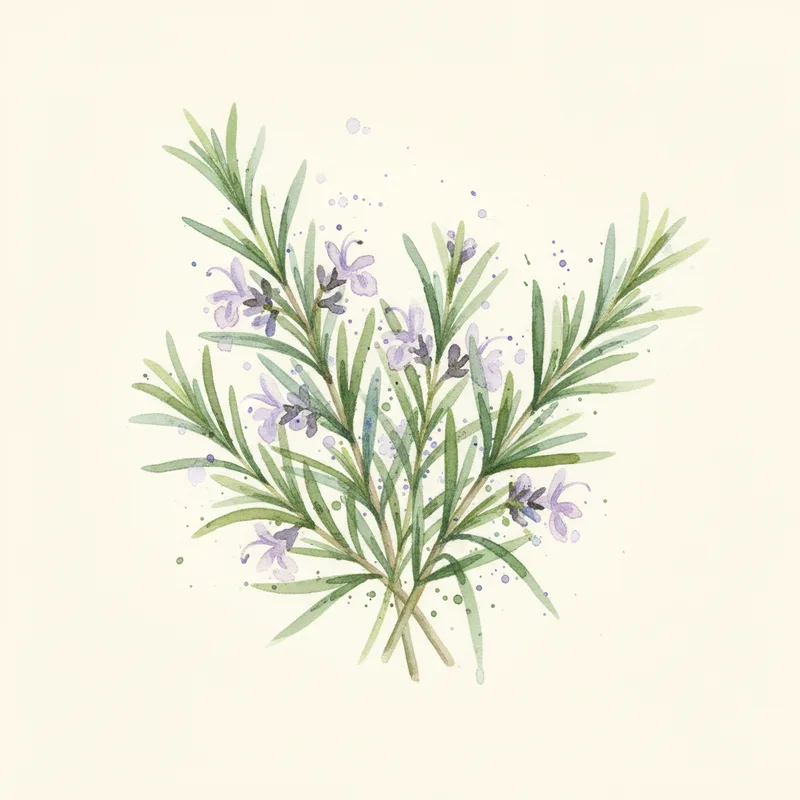
Aromatic evergreen herb with tiny blue flowers loved by early bees. Needs excellent drainage.
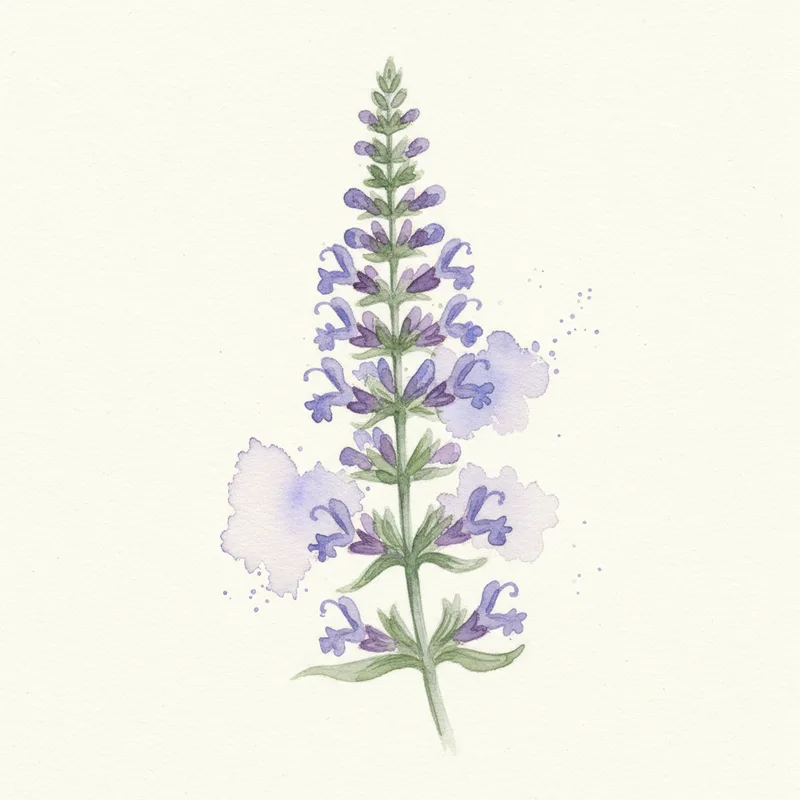
Airy lavender clouds on silver stems. Thrives in heat and poor soil.
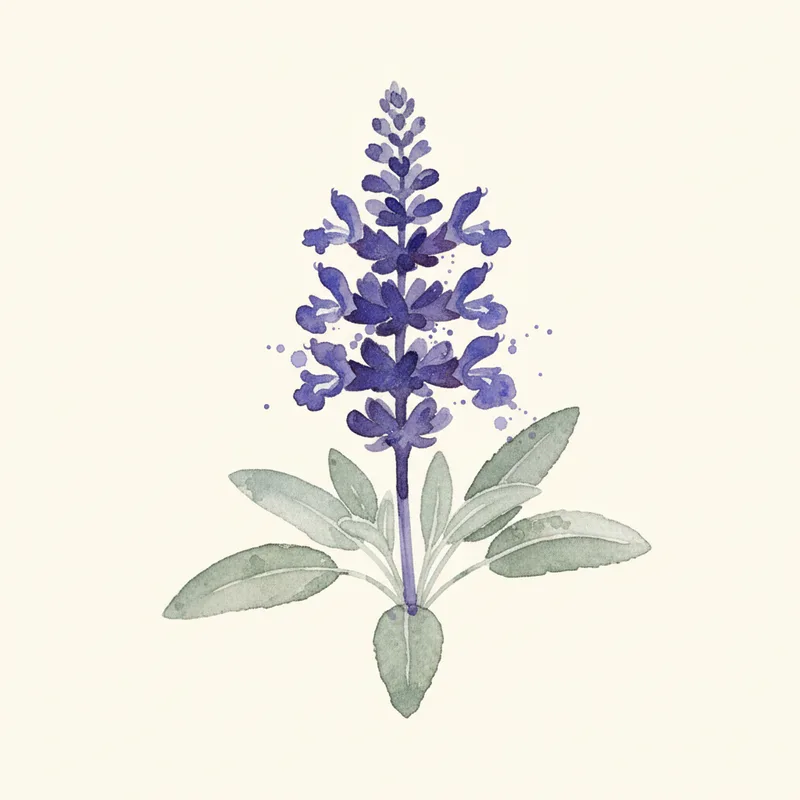
Vertical flower spikes that hummingbirds and bees cannot resist.
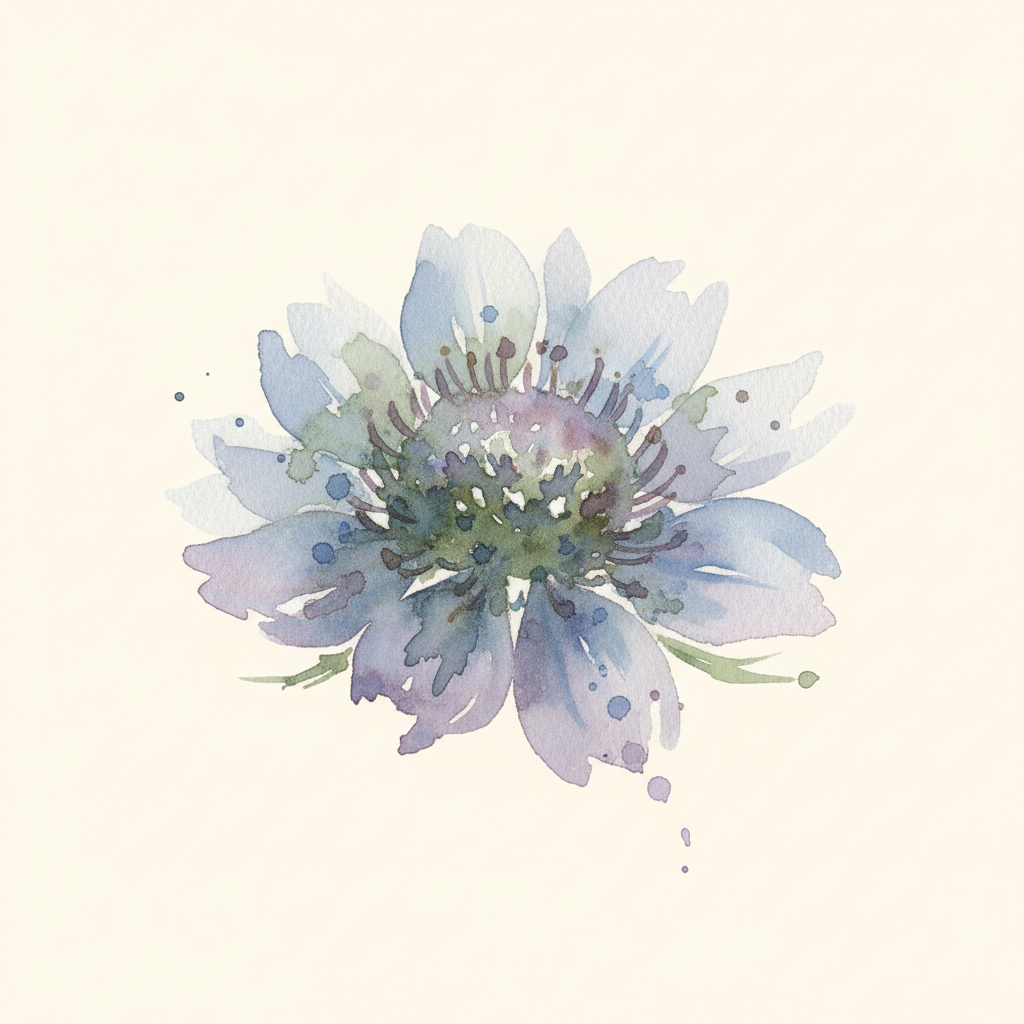
Pincushion blooms on long wiry stems dance over fine foliage. Pollinator magnet that keeps producing if you keep cutting.
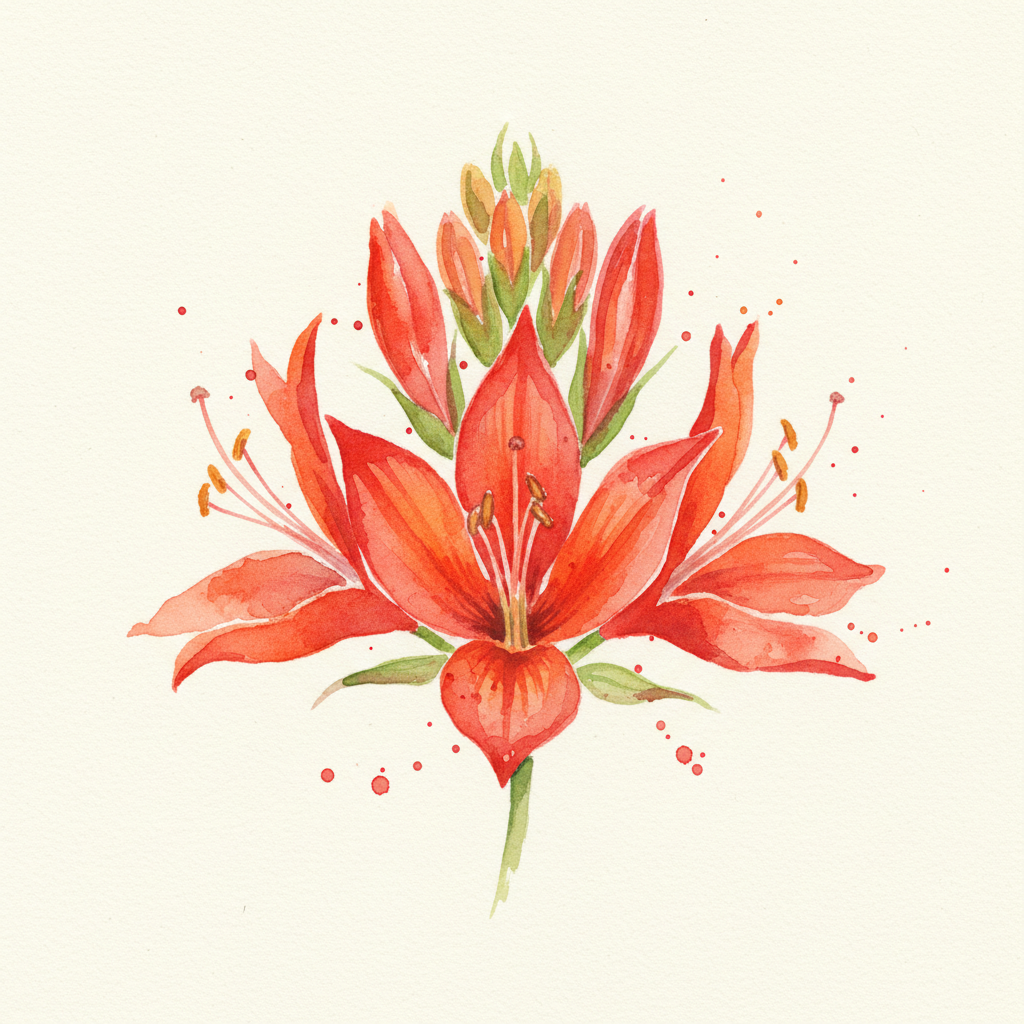
Tubular red trumpets on a wiry biennial that hummingbirds adore across the Mountain West. Blooms its second year, then self-sows.
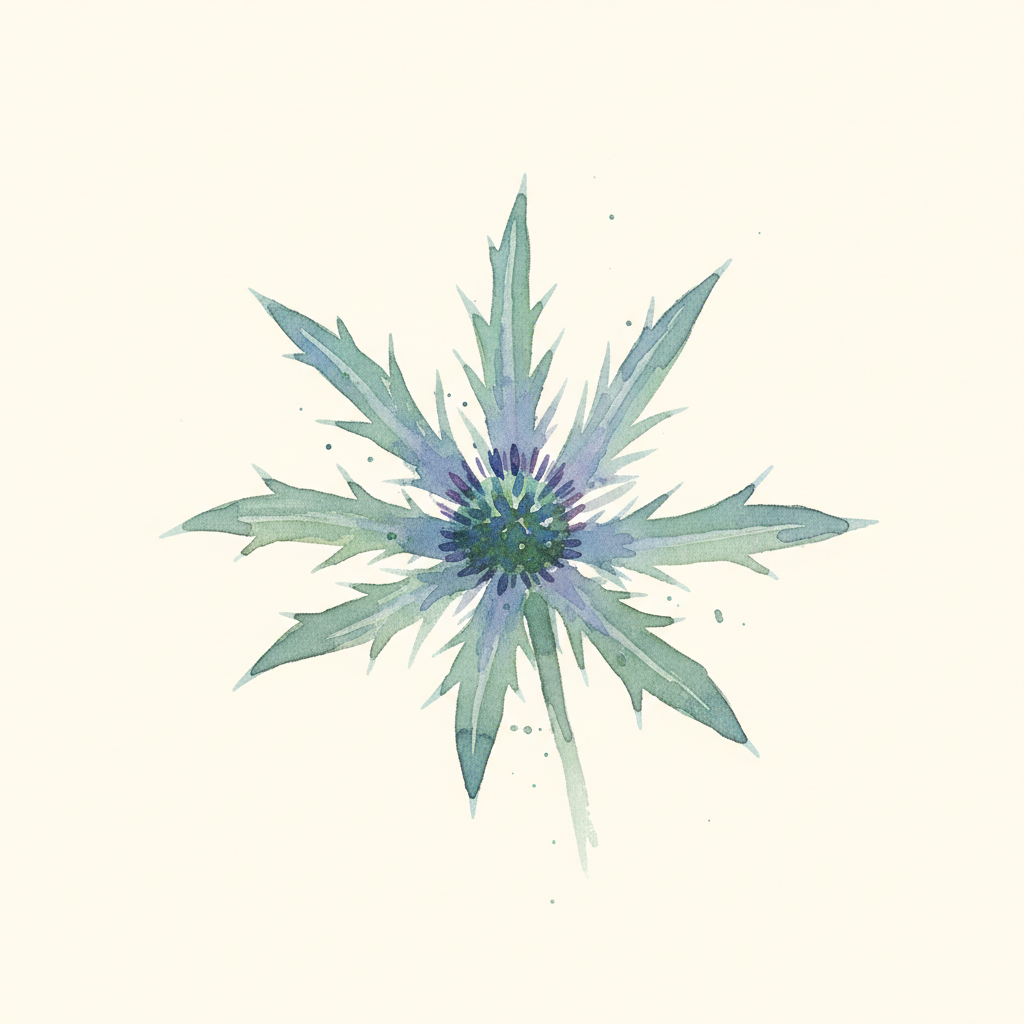
Metallic blue bracts and cones turn the whole plant a vivid silvery-blue. Otherworldly and completely drought-proof.
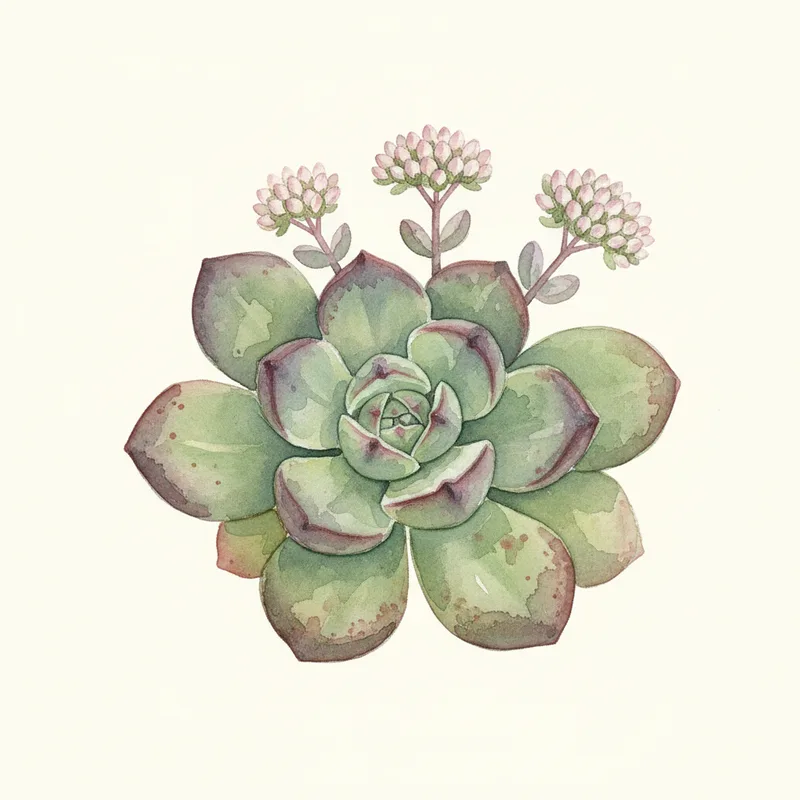
Succulent leaves, tough as nails. Ages to deep crimson in autumn.
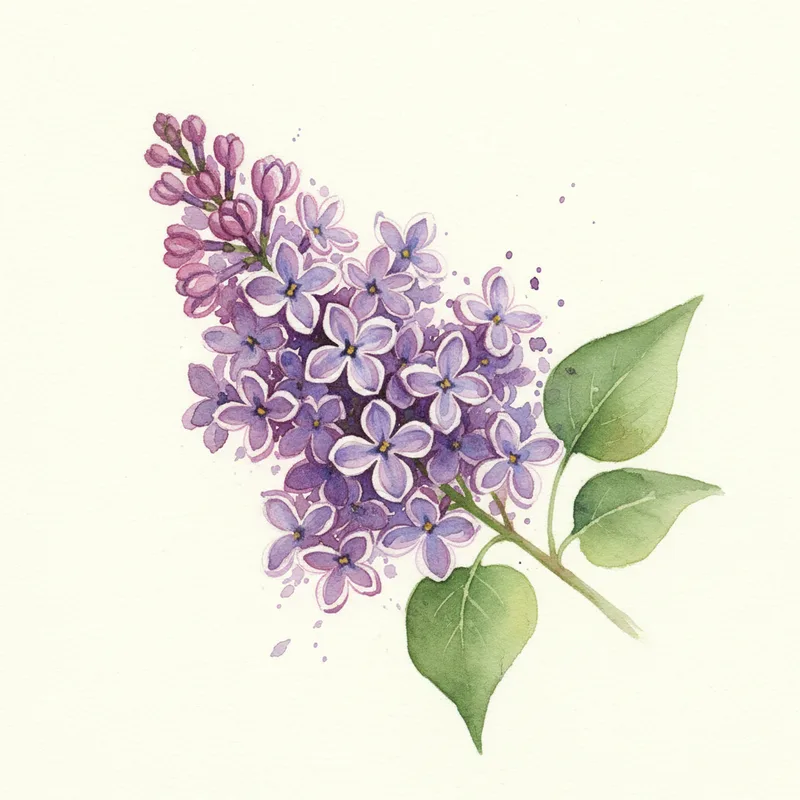
Unique bicolor blooms with purple petals edged in white. A head-turner in any spring garden.
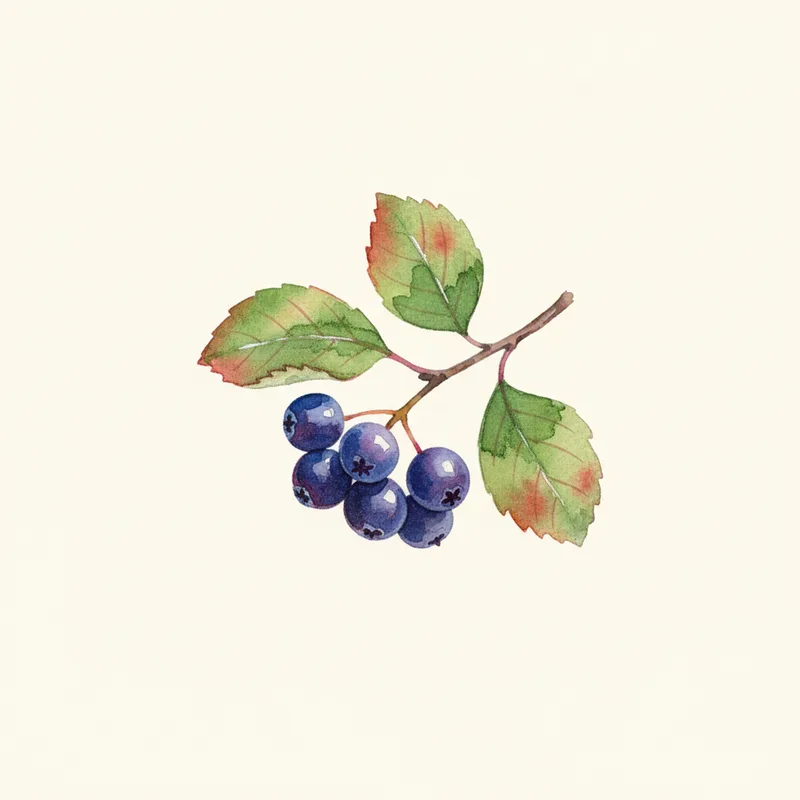
White spring clouds, edible berries, and blazing fall color. Four-season native tree that deserves more attention.
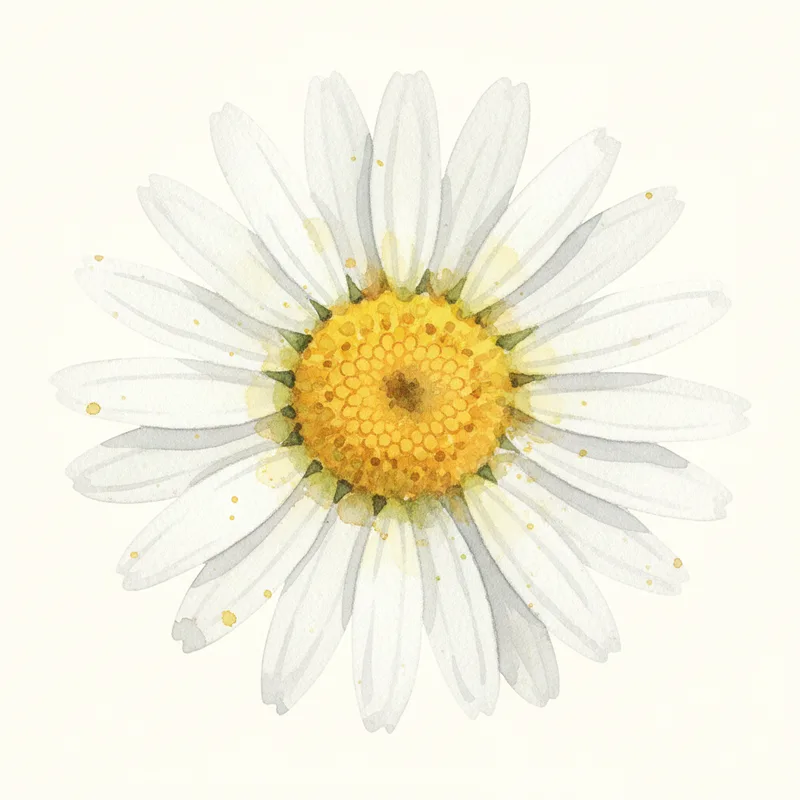
Classic white-and-gold daisies that look fresh from a meadow painting.
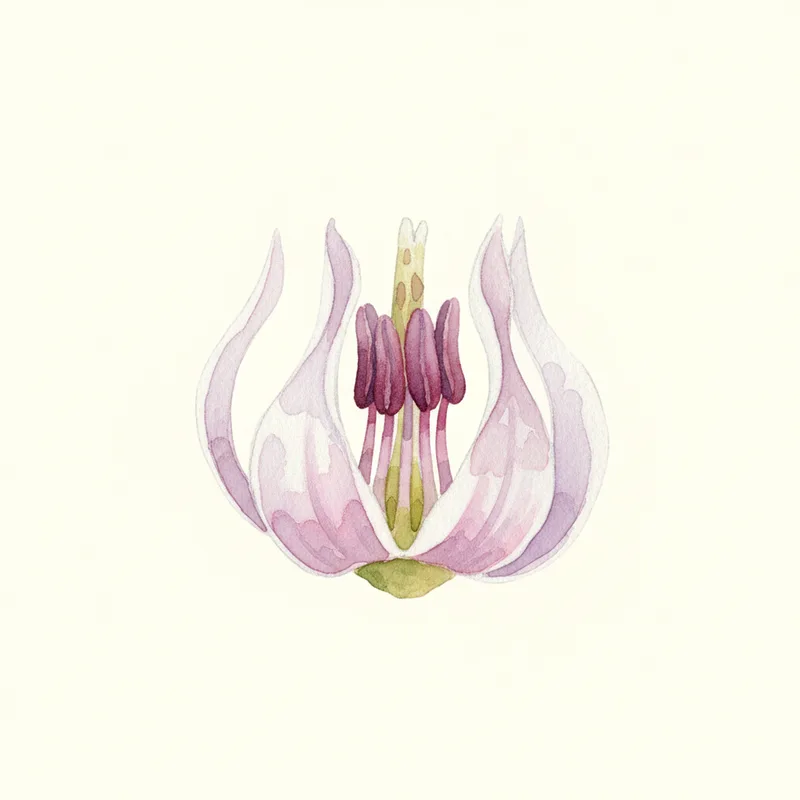
Nodding flowers with swept-back petals resemble tiny shooting stars in spring meadows.
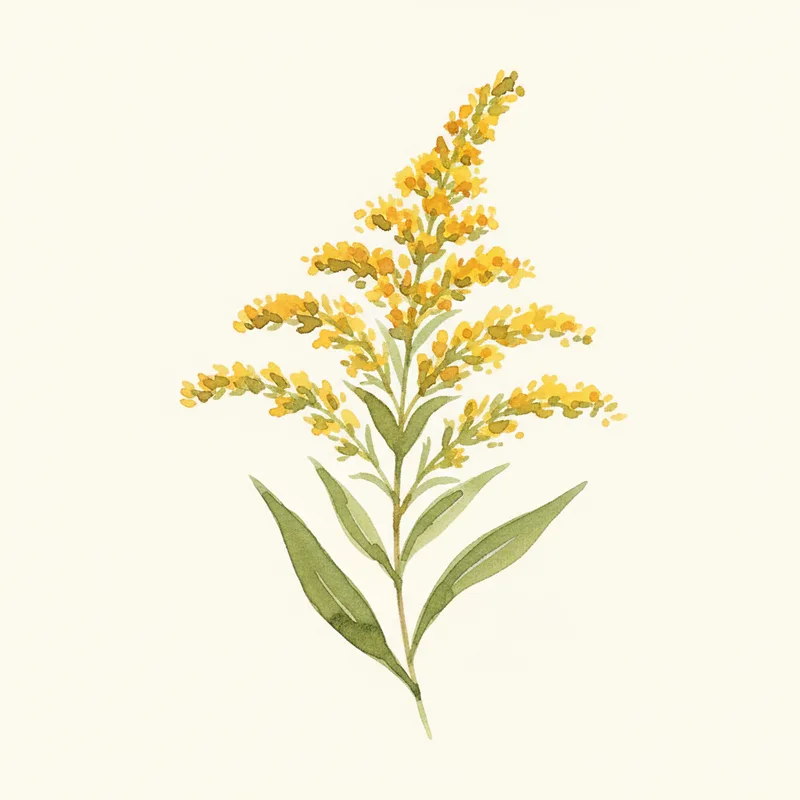
Upright spikes of bright yellow flowers feed late-season pollinators on dry prairies.
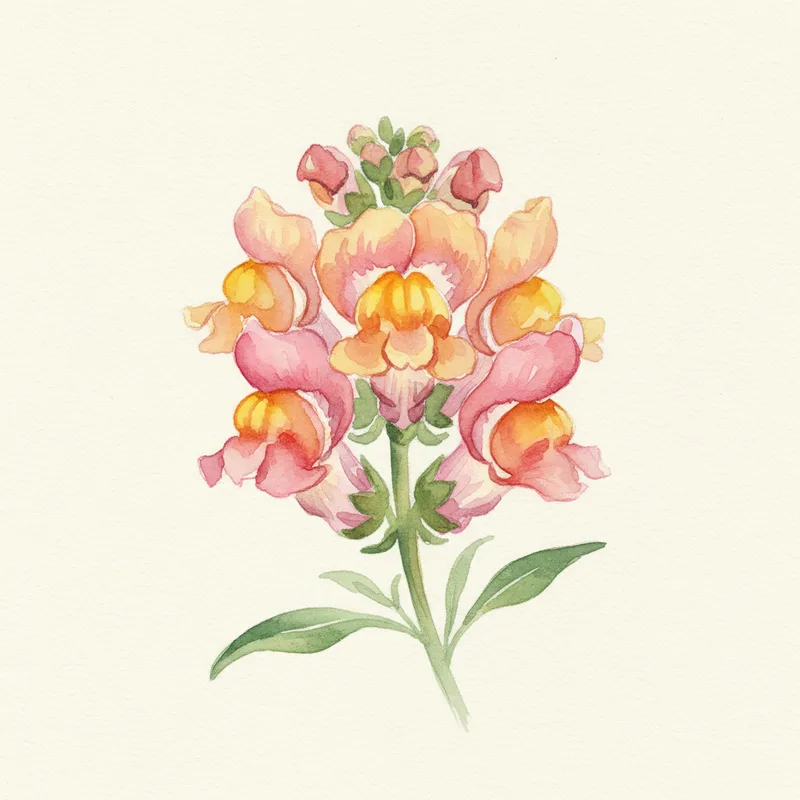
Vertical flower spikes with squeeze-open blooms. Kids love them.
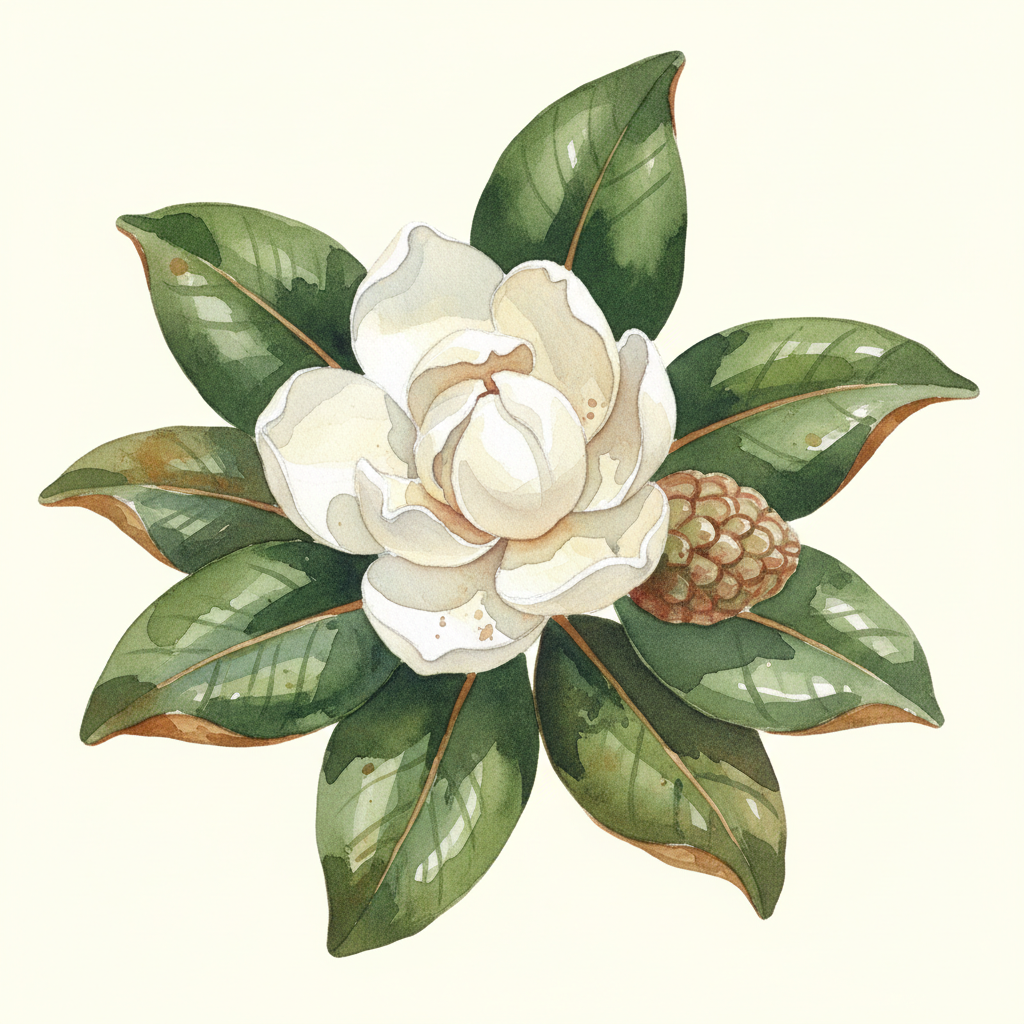
Huge glossy-leaved tree bearing enormous lemon-scented white flowers. The quintessential symbol of the Deep South's summer.
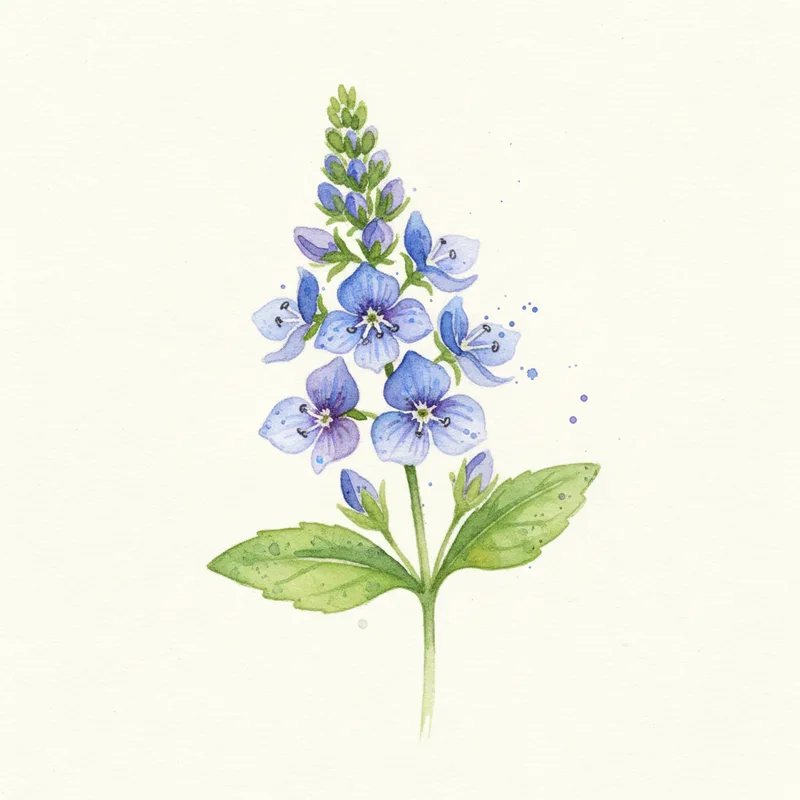
Tidy spikes of blue that add vertical punch to the front of the border.
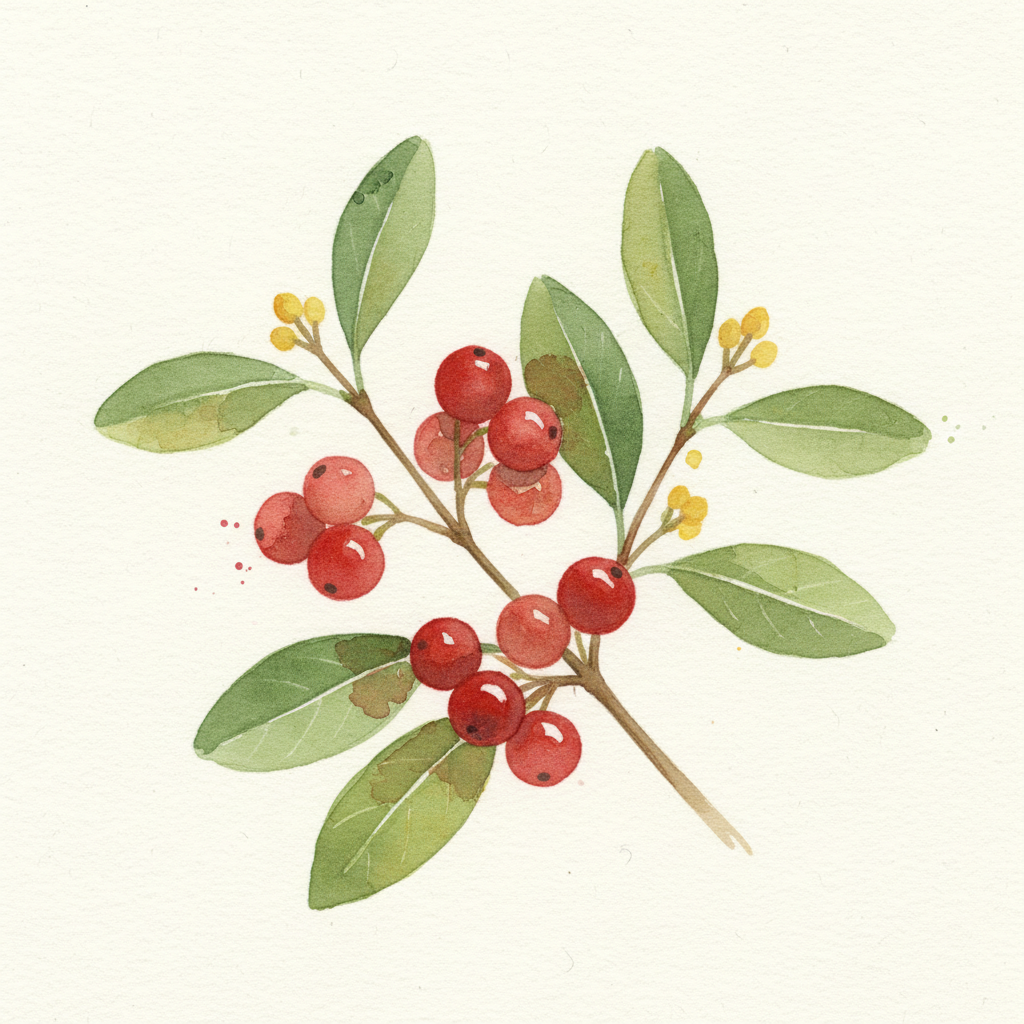
Clusters of tiny yellow flowers appear on bare branches in early spring on a fragrant native shrub with blazing yellow fall color.
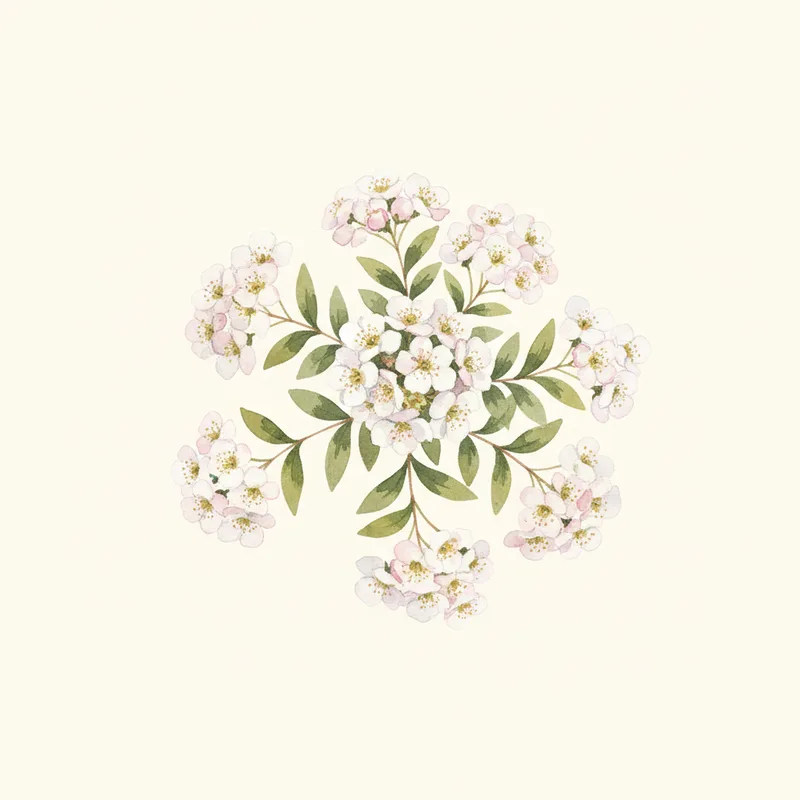
Flat-topped flower clusters on tidy mounds. The easiest flowering shrub.
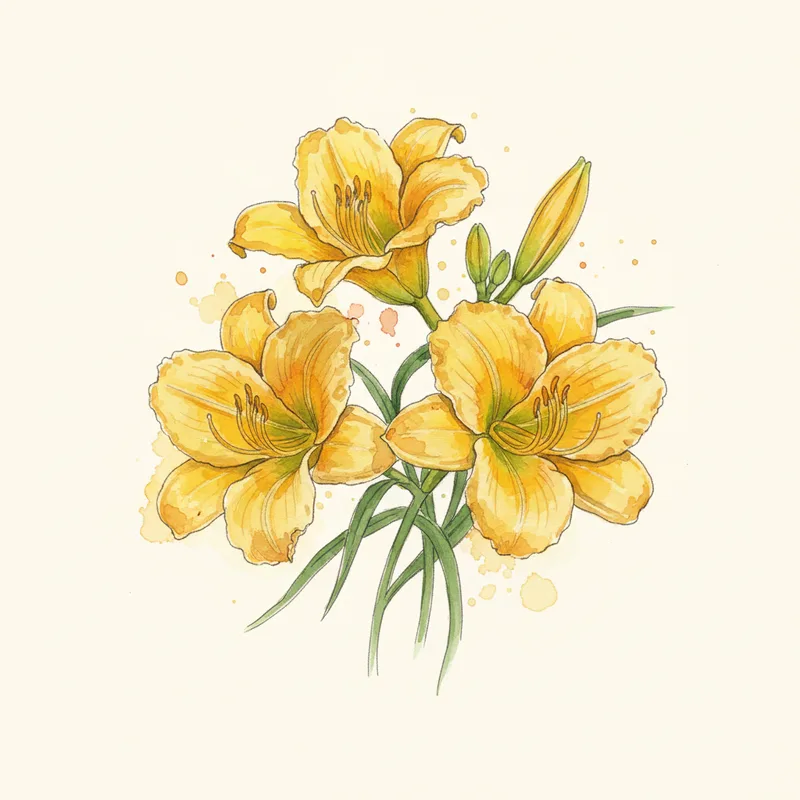
The most planted perennial in America. Compact, reblooming, and basically indestructible.
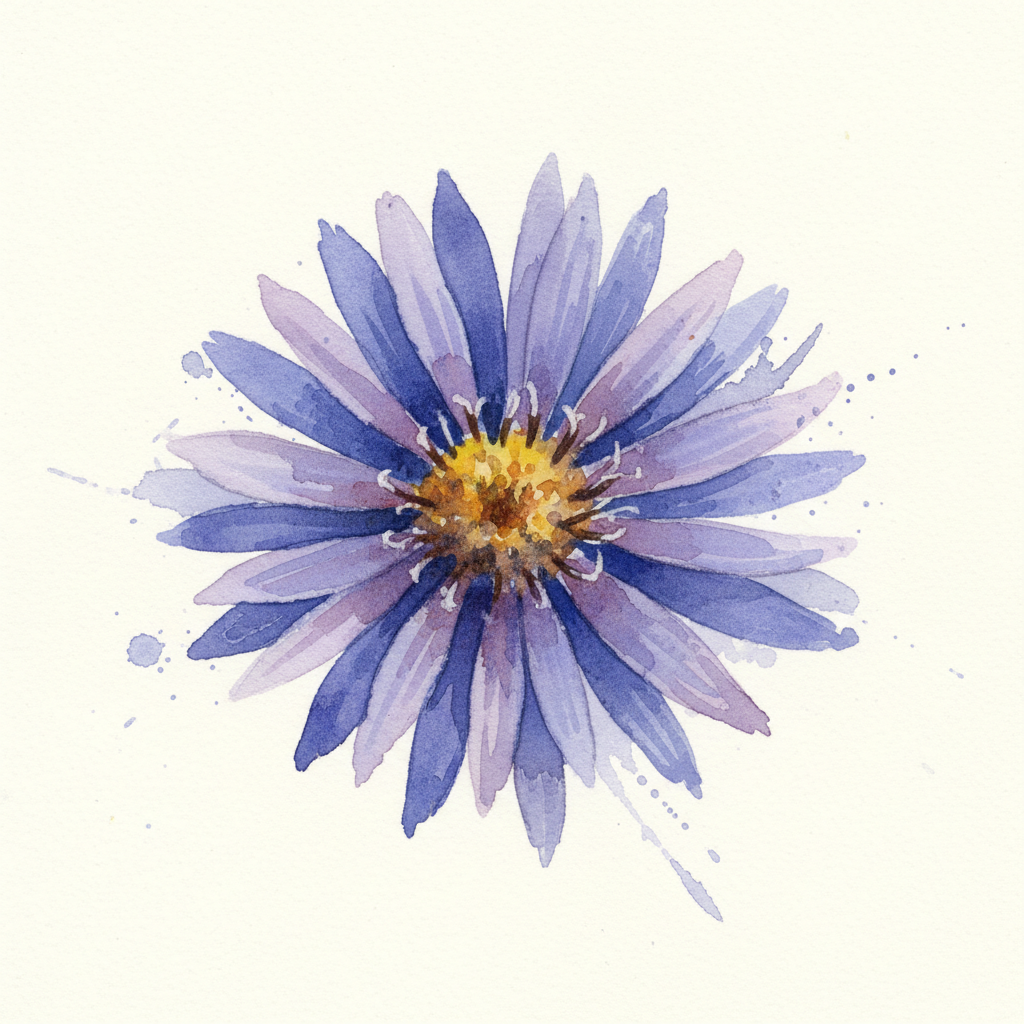
Fringed, shaggy-petaled flowers in shades of cornflower blue that bloom for weeks on a tough Southern native.
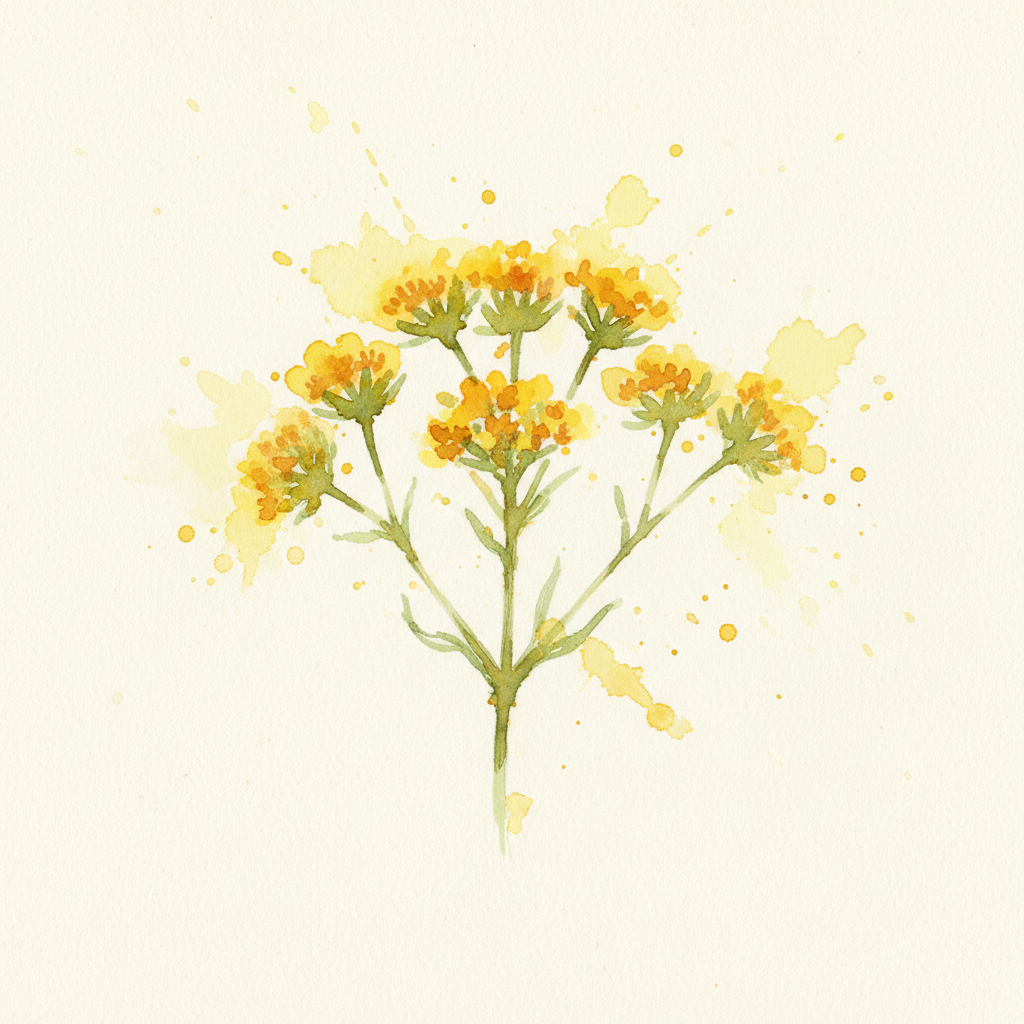
Sulfur-yellow flower clusters on a silvery-leaved cushion plant. One of the toughest and prettiest natives of the Mountain West.
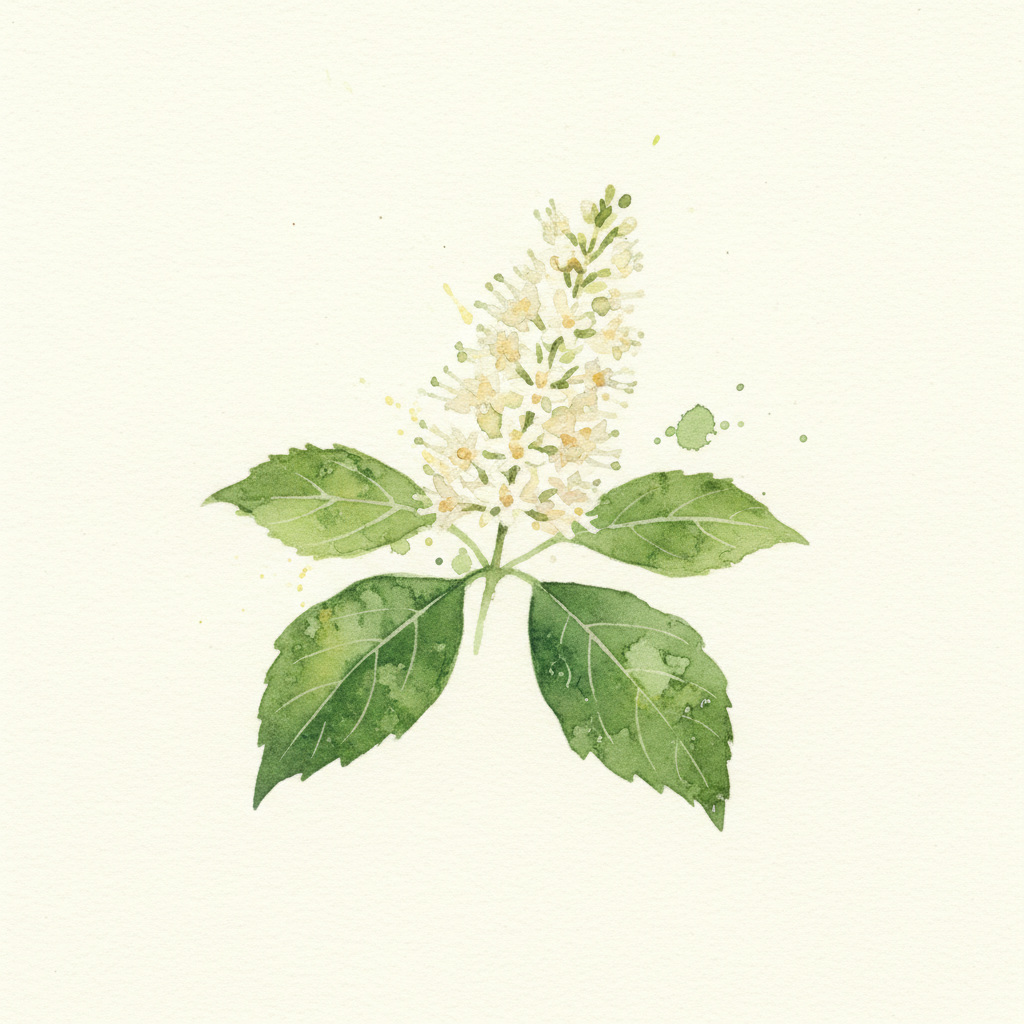
Spikes of intensely sweet-scented white flowers in midsummer, one of the best fragrant natives for shady spots.
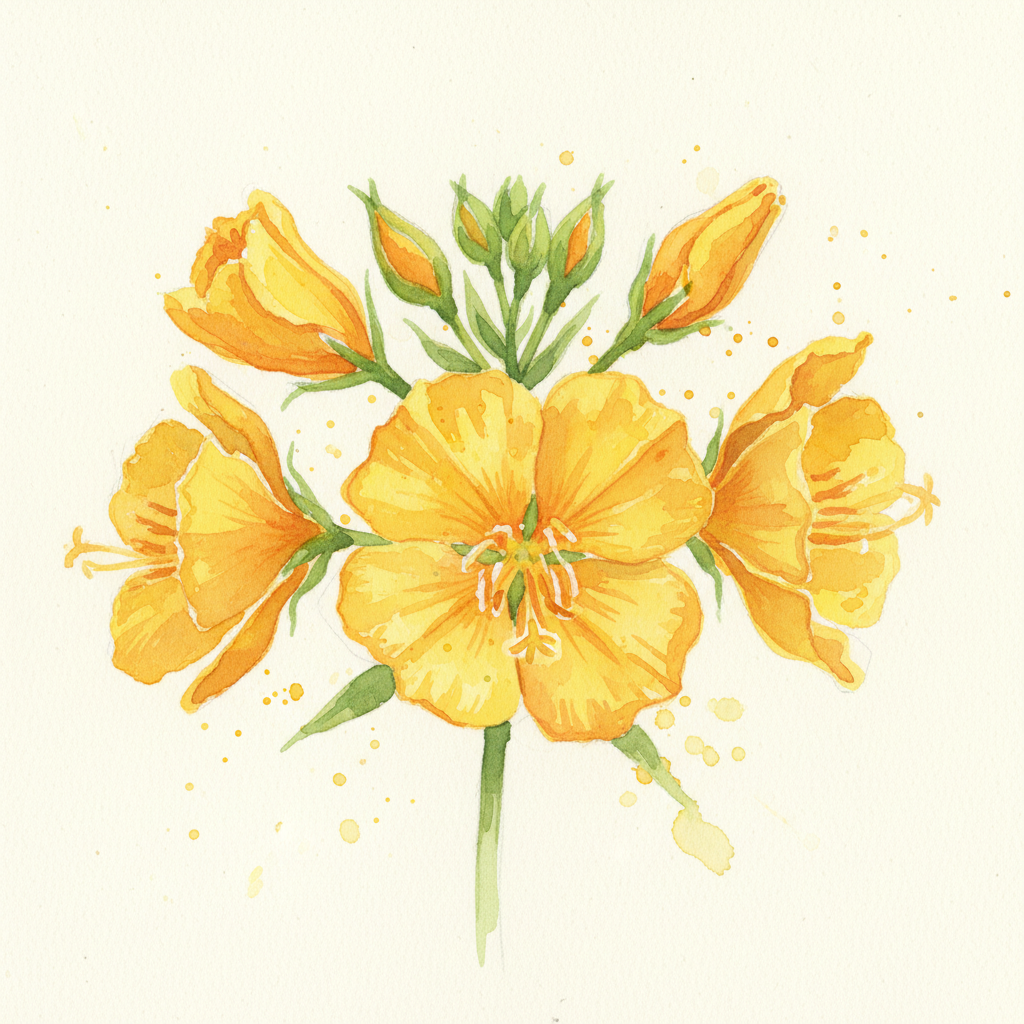
Bright yellow cups that open in daylight on a cheerful, drought-tolerant native that spreads into informal drifts.
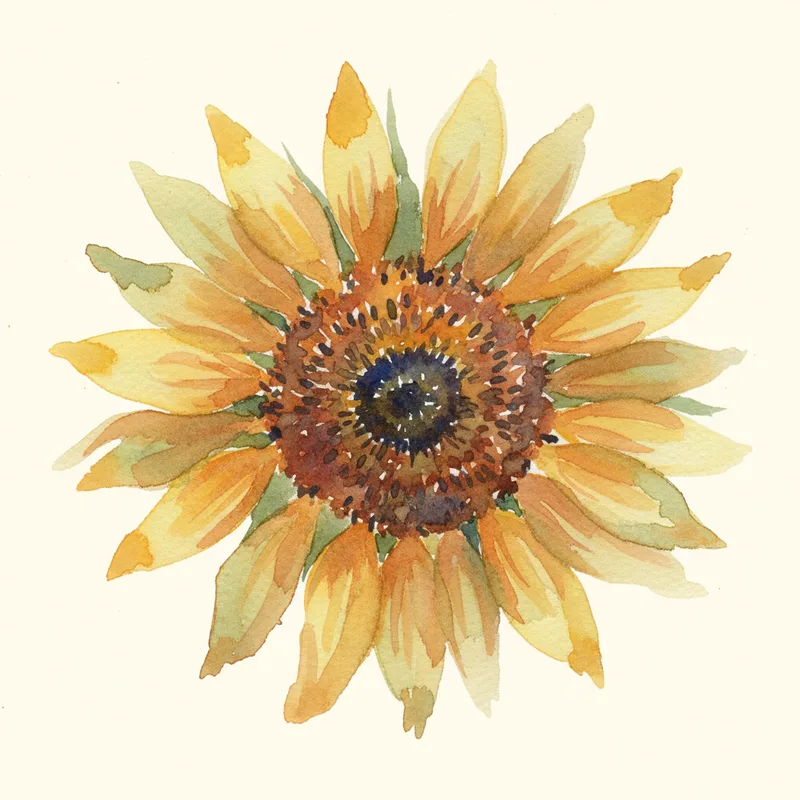
Pure joy on a stalk. Birds love the seeds, kids love the spectacle.
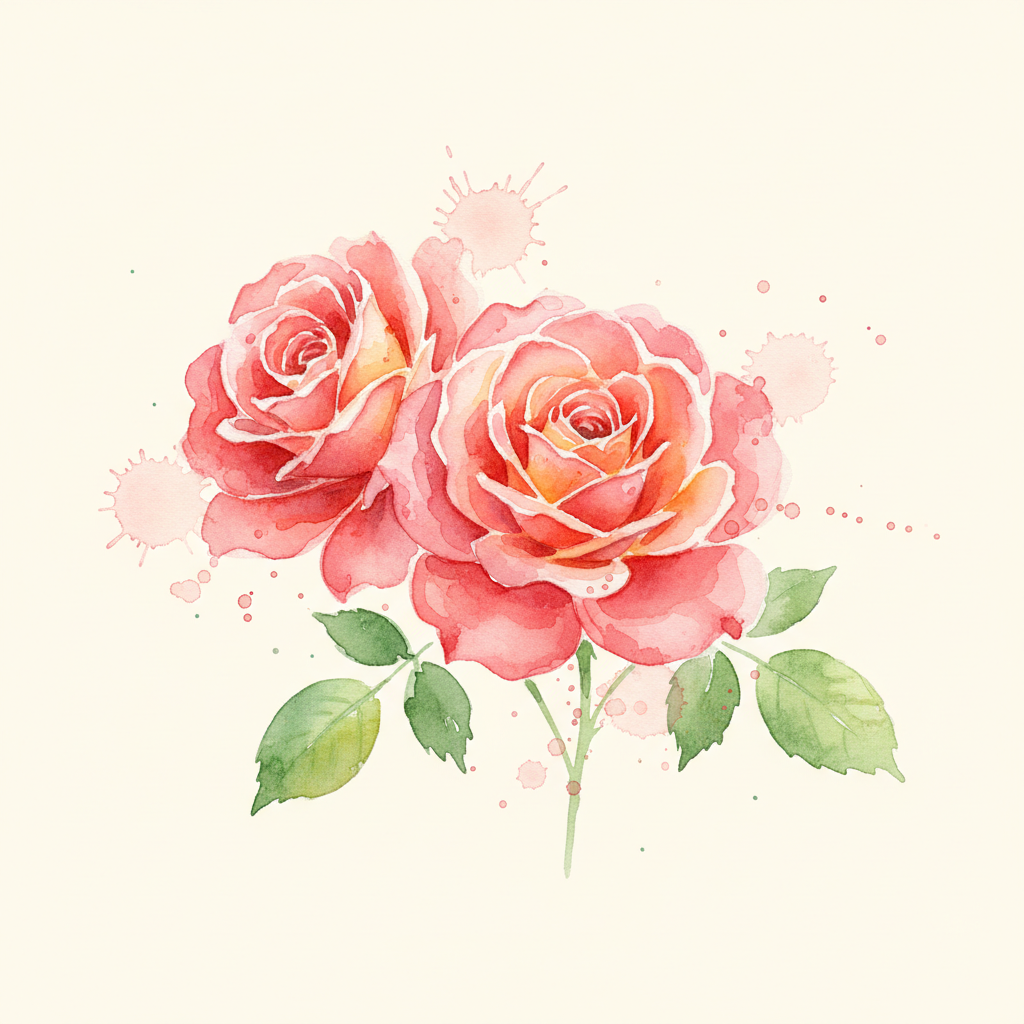
Bright lemon-yellow single blooms that fade to creamy white. The only Knock Out with real fragrance, and just as bulletproof as the rest.
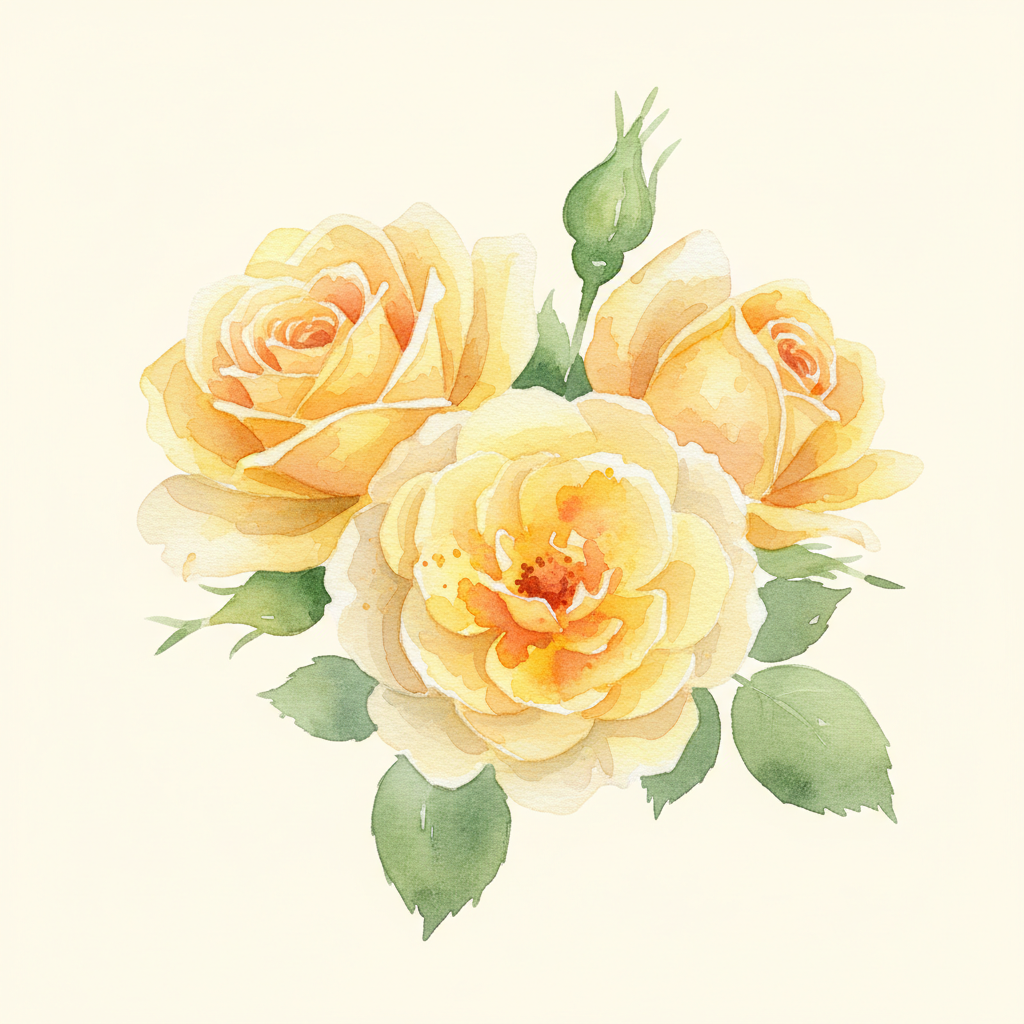
Brilliant deep yellow floribunda blooms that hold their color even in hot sun. Sweet fragrance and outstanding disease resistance.
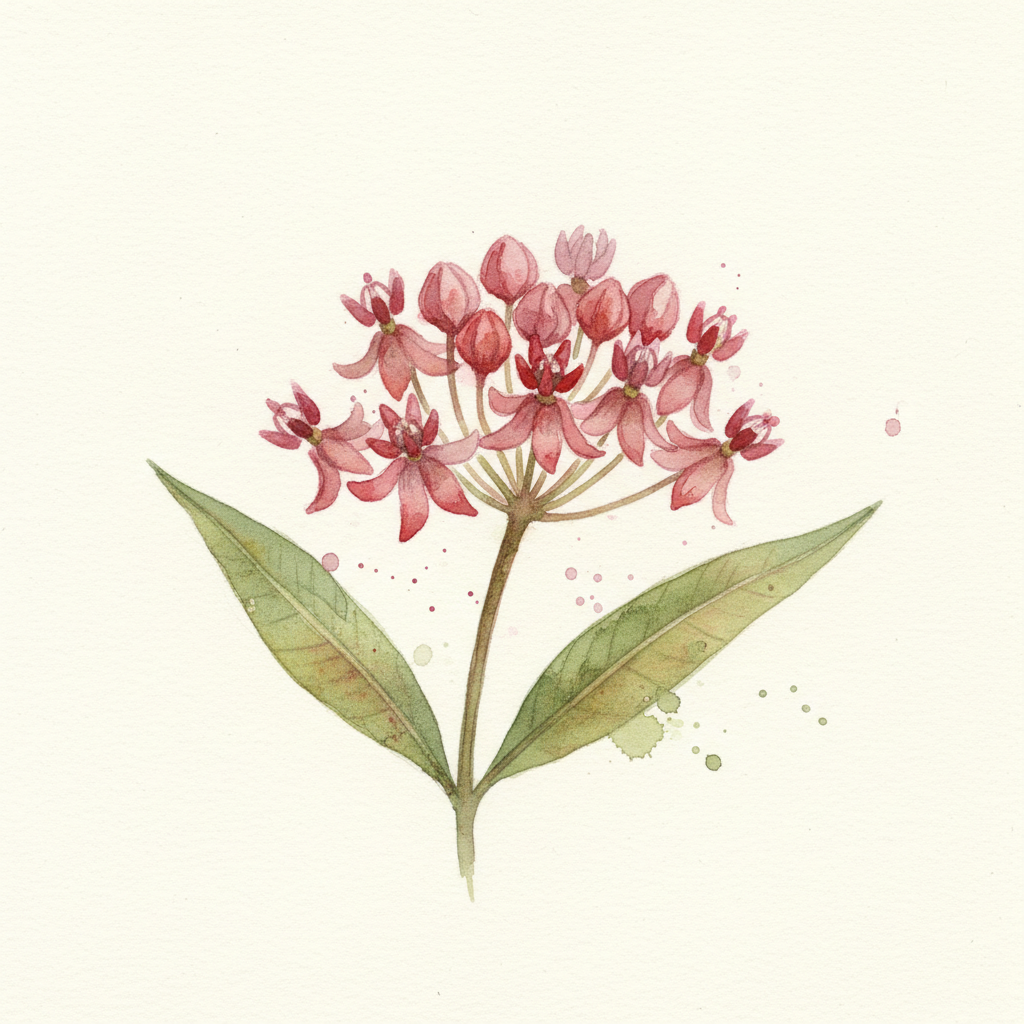
Soft mauve-pink clusters that monarch butterflies seek out for egg-laying. Thrives where it's consistently wet.
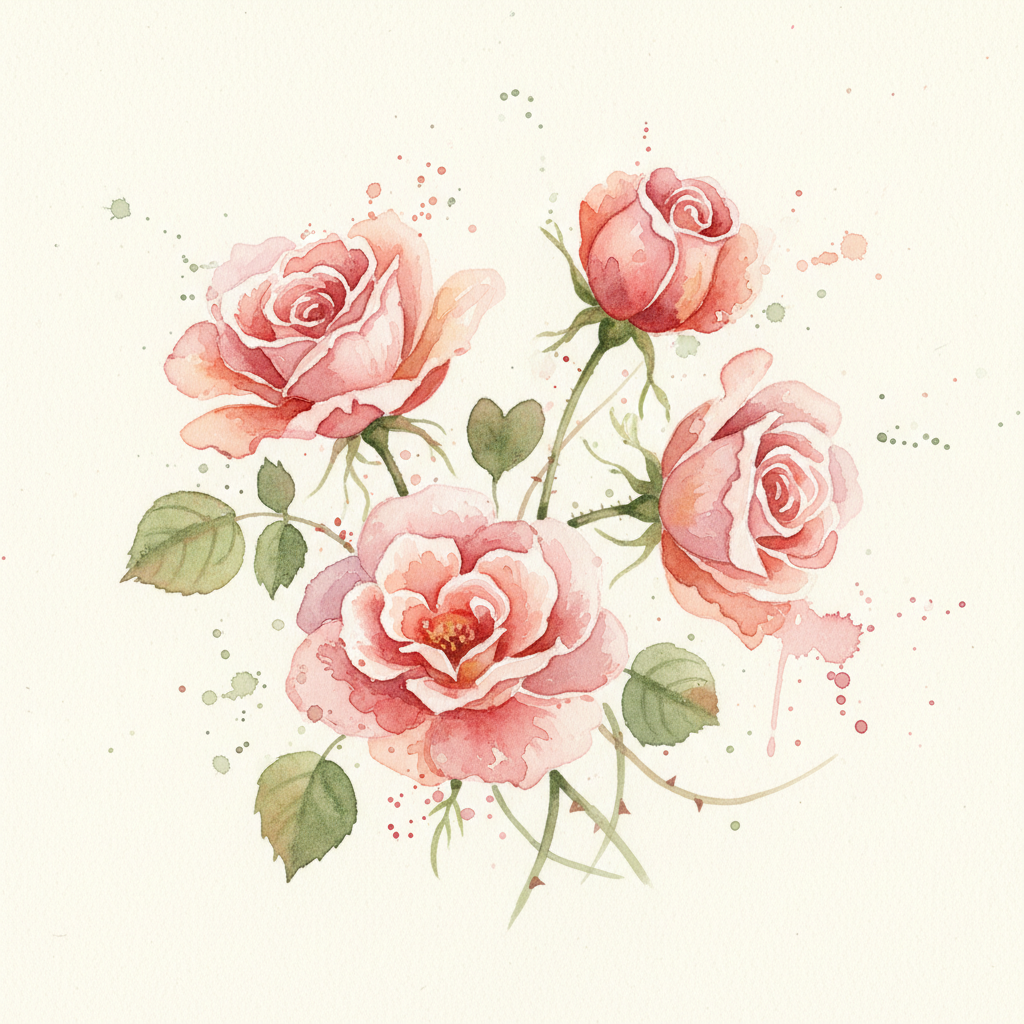
Clear pink single blooms on a native rose that thrives in wet spots, ditch edges, and rain gardens where other roses would drown.
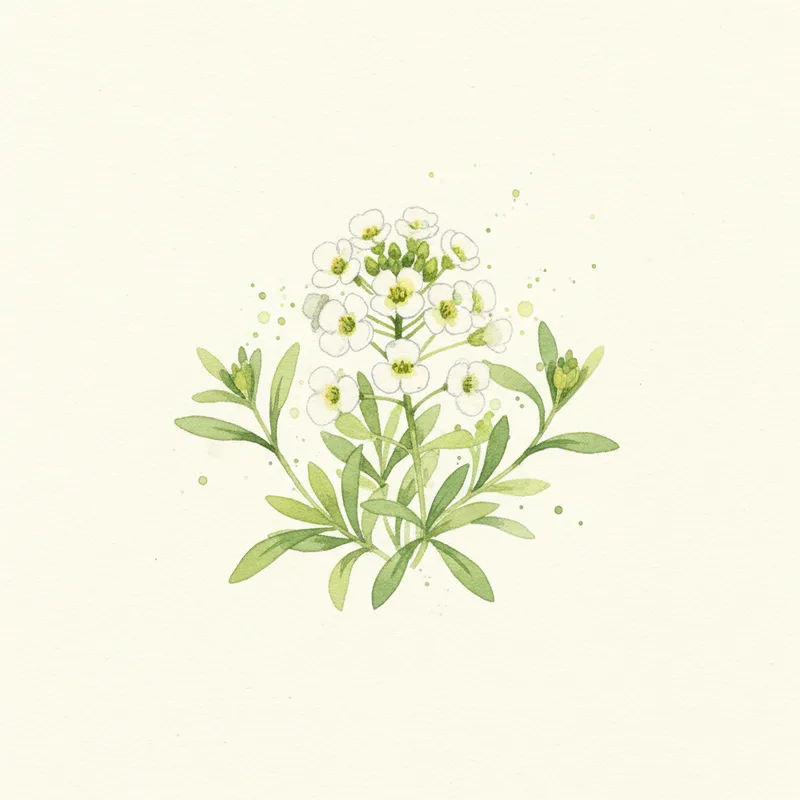
Honey-scented carpet of tiny flowers. The best living edging plant.
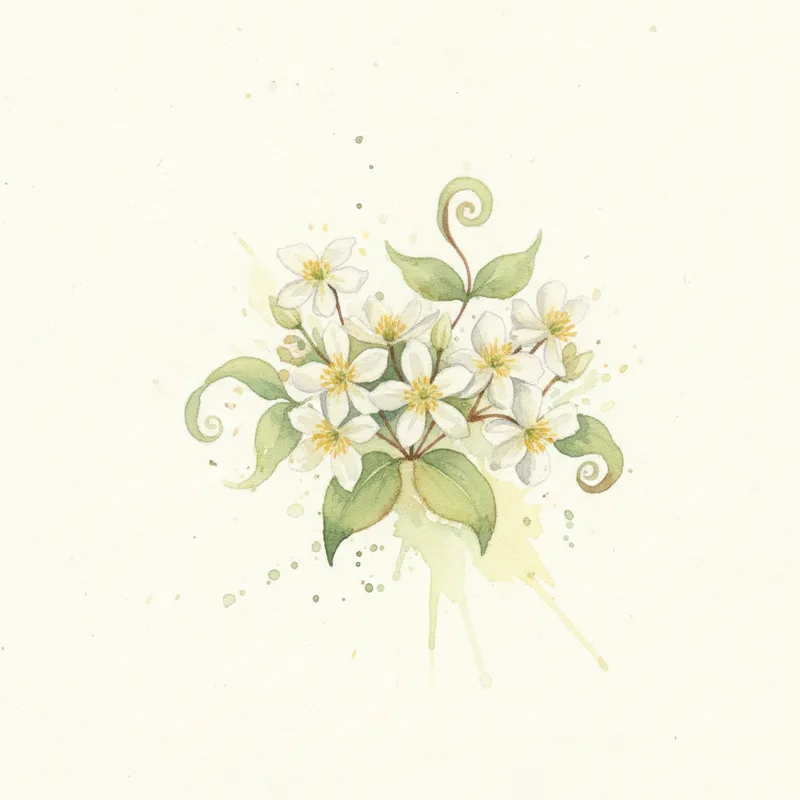
Explosive late-summer bloom of thousands of tiny fragrant white flowers. Vigorous to a fault.
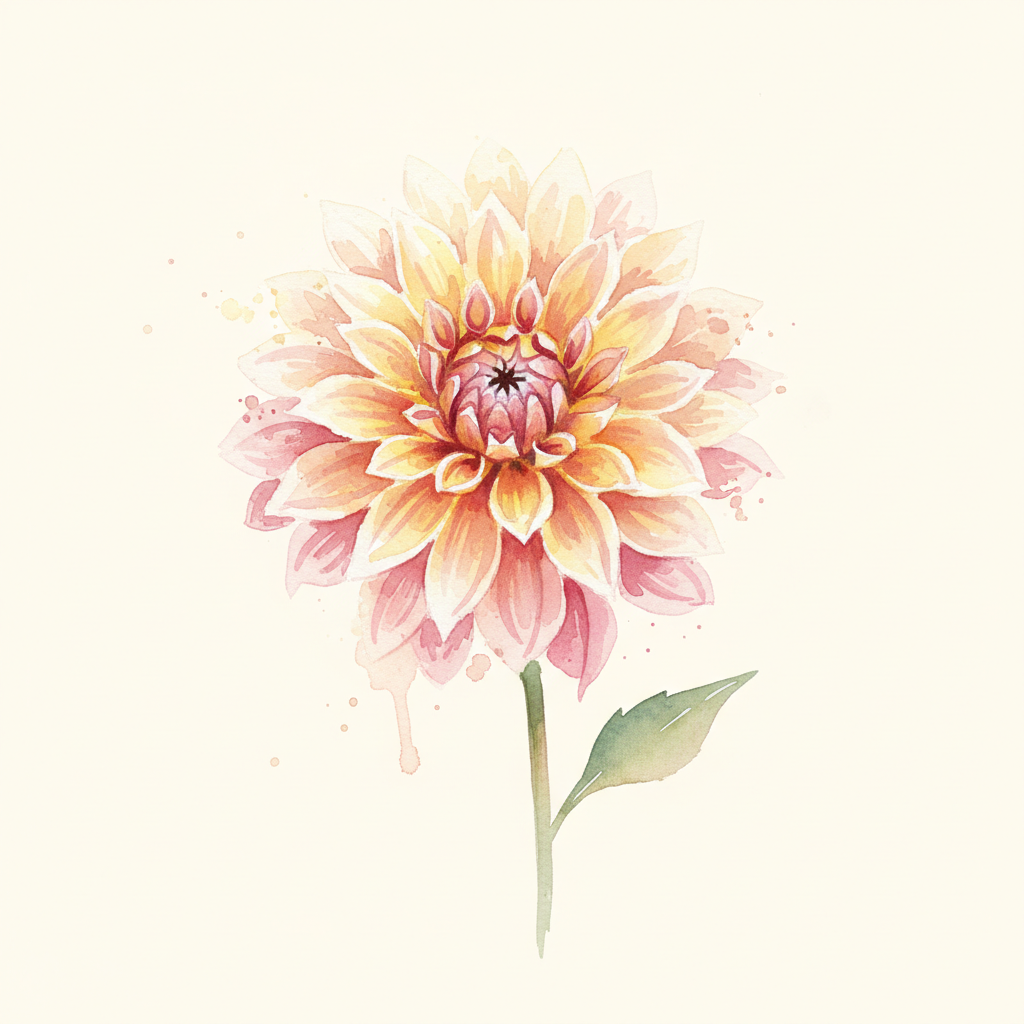
Soft peachy-pink ball dahlia with perfect rounded form. A cut-flower farmer favorite for the way it holds up in arrangements for days.
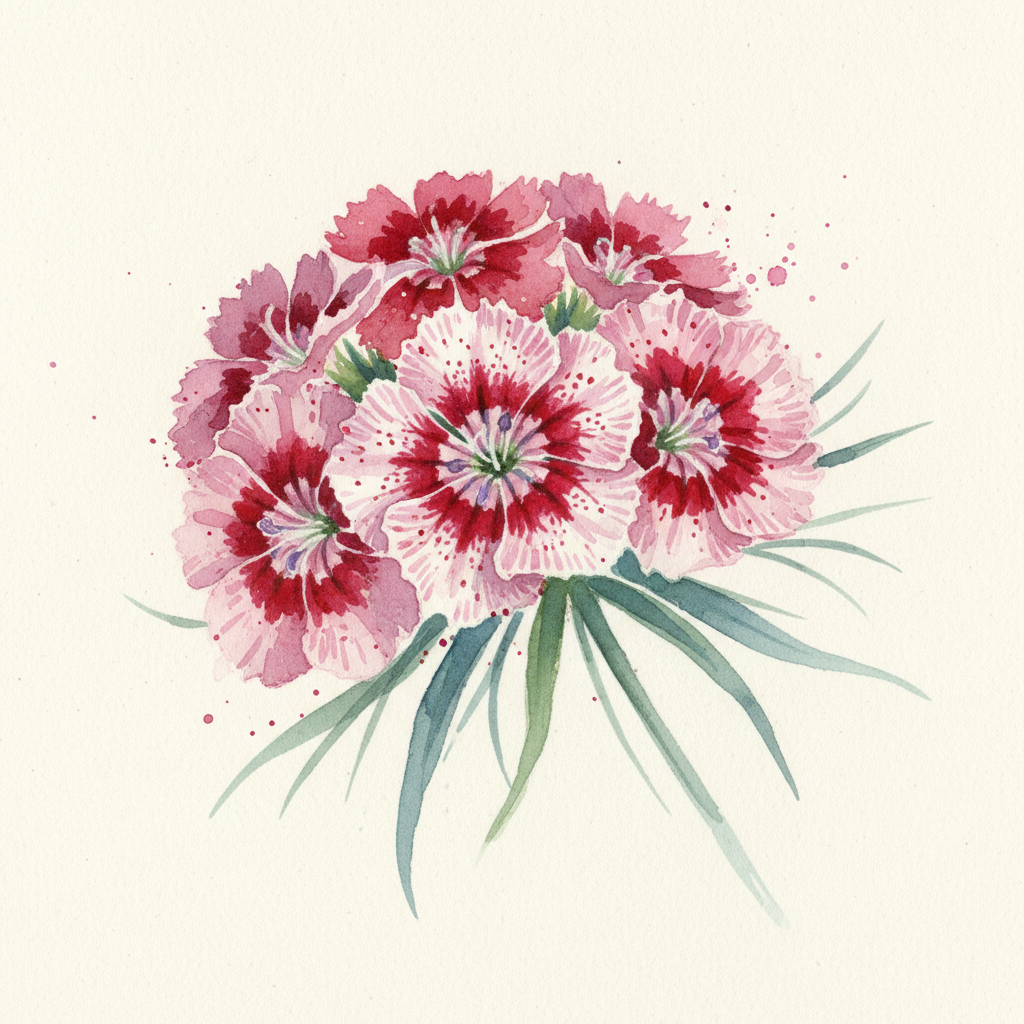
Dense flat clusters in zoned bicolors with a sweet clove fragrance. Old-fashioned cottage charm that returns reliably.
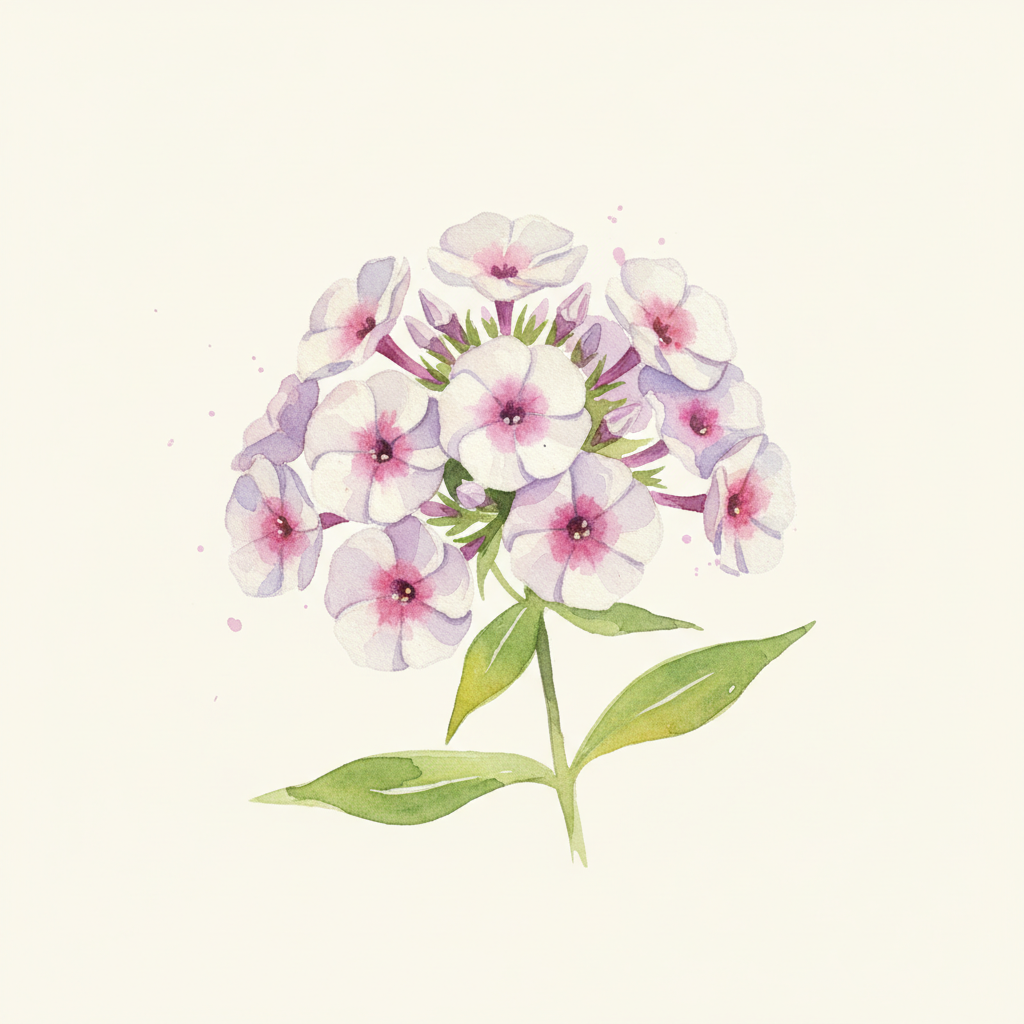
Pure white fragrant phlox with the best mildew resistance in the species. A reliable, clean performer for the late-summer garden.
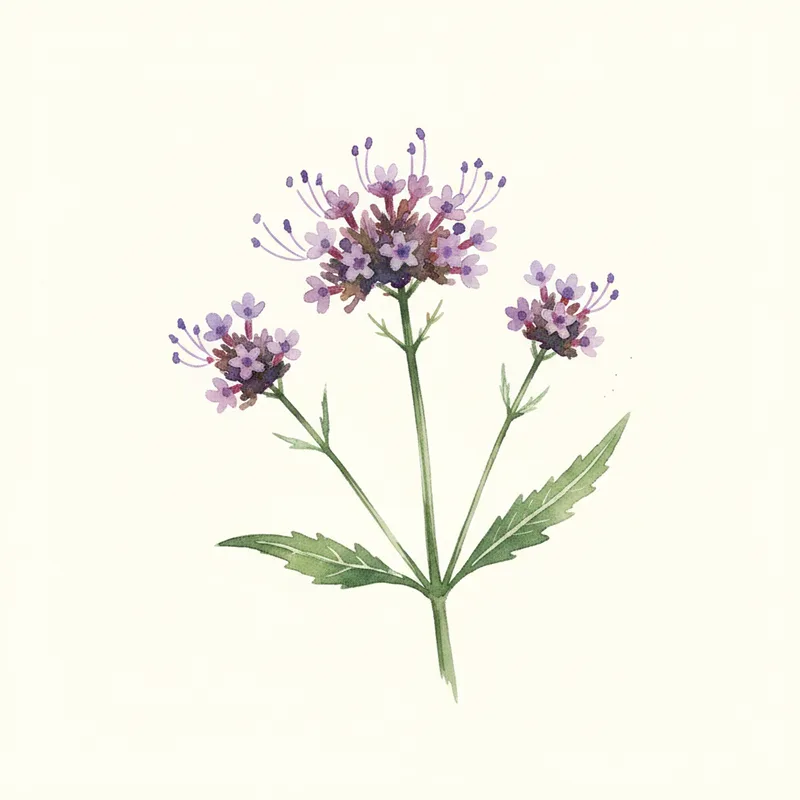
Wiry stems topped with purple clusters that butterflies can't resist. See-through plant for layering.
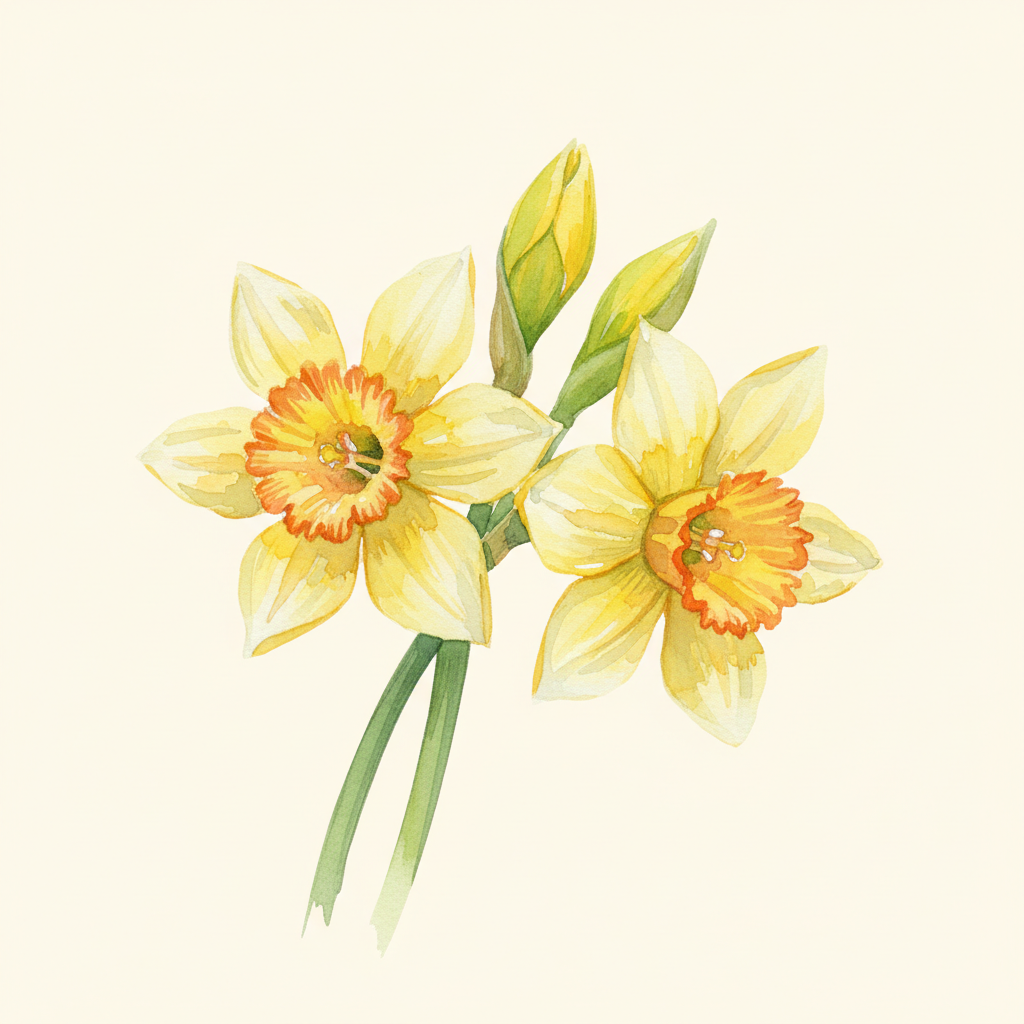
Miniature golden trumpets, two to three per stem, on a tiny plant. The earliest daffodil and the best one for containers and the front of the bed.
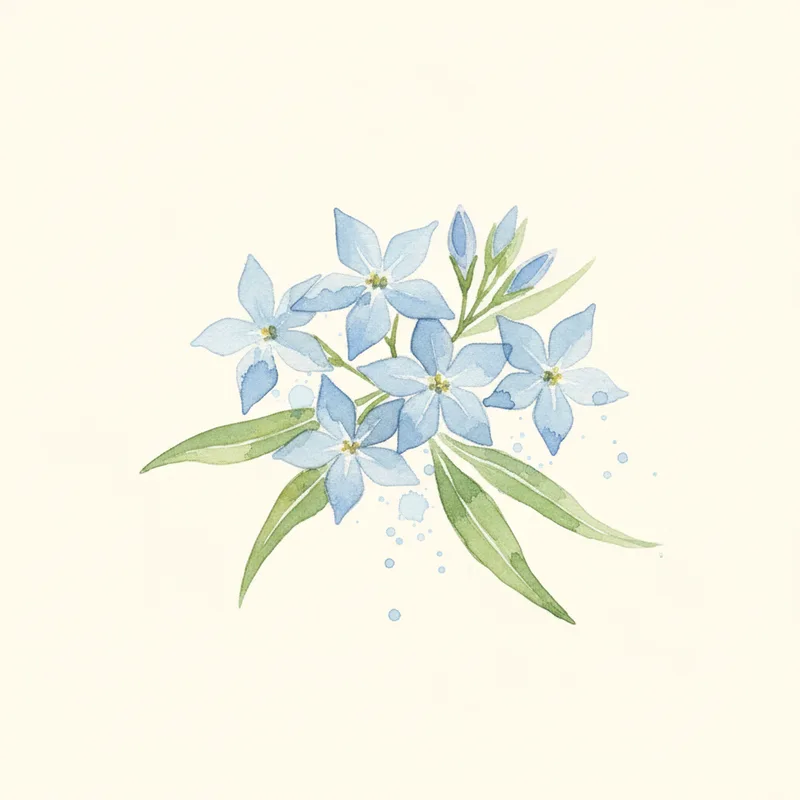
Fine foliage and pale blue starry flowers are followed by golden fall color.
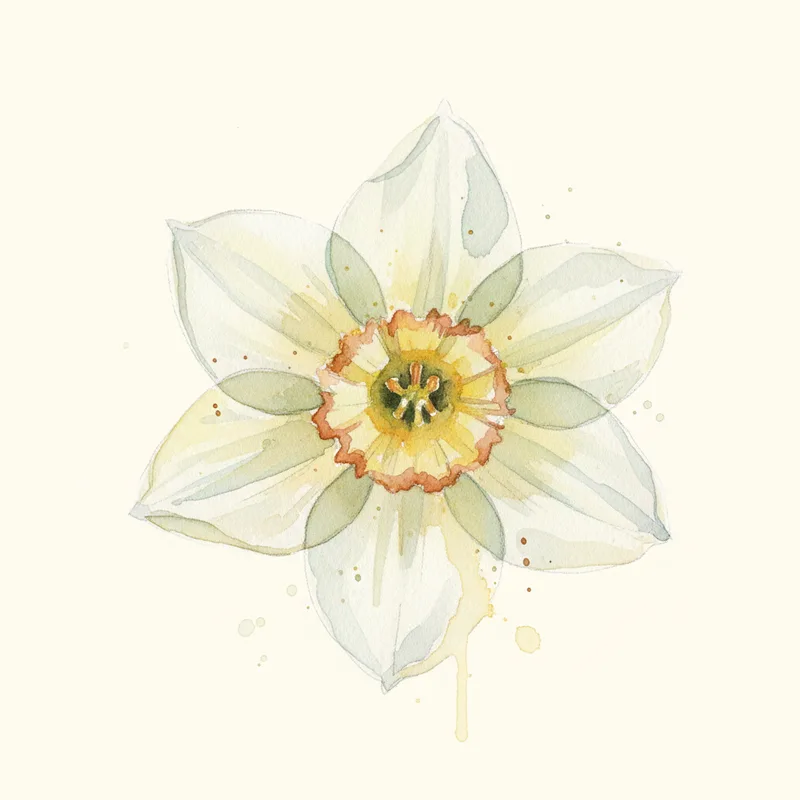
Pure white, swept-back petals with two to three blooms per stem. Orchid-like elegance.
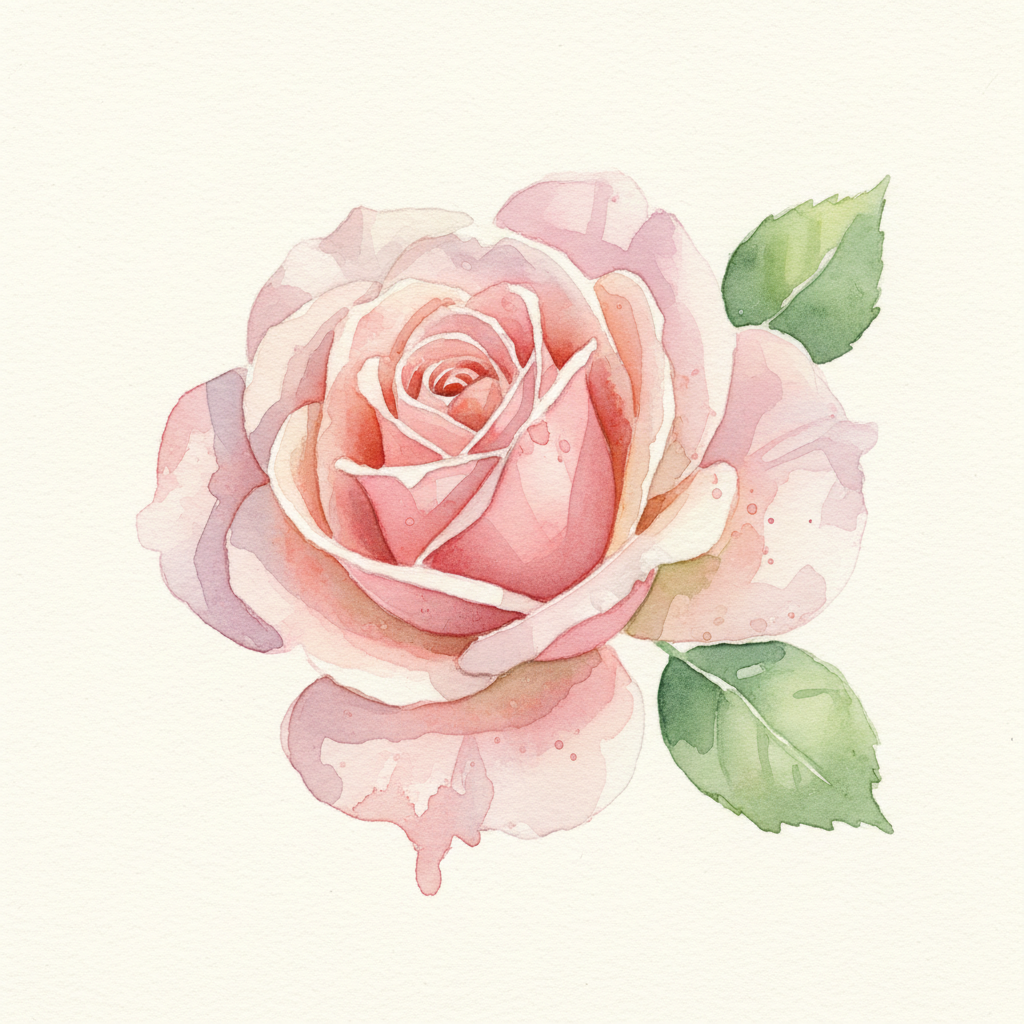
Soft blush pink cupped blooms with a classic old-rose fragrance on a graceful climber that flowers reliably even in partial shade.
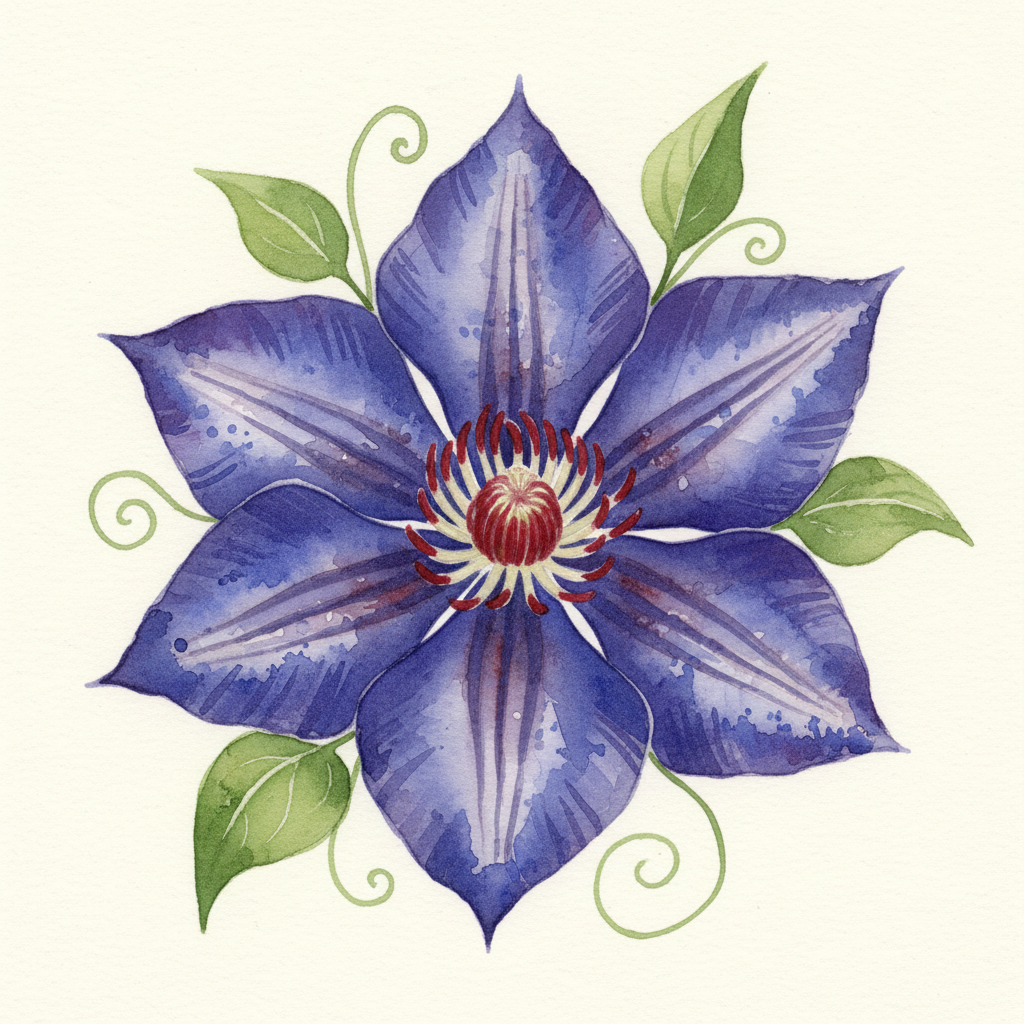
Big, rich violet-blue flowers with silvery reverse petals rebloom through the season on a vigorous, reliable plant.
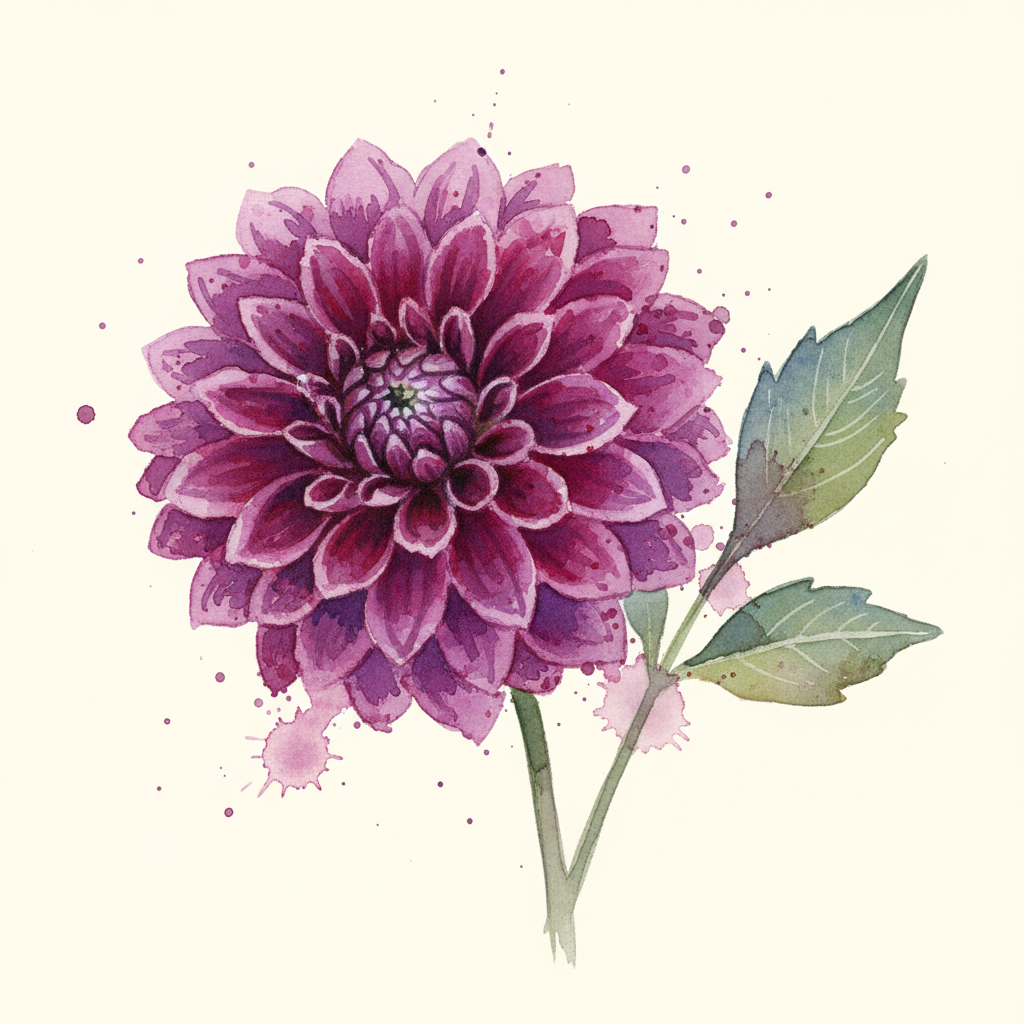
Rich royal purple dinner plate blooms with formal decorative form. One of the few true purples and a showstopper in late-summer beds.
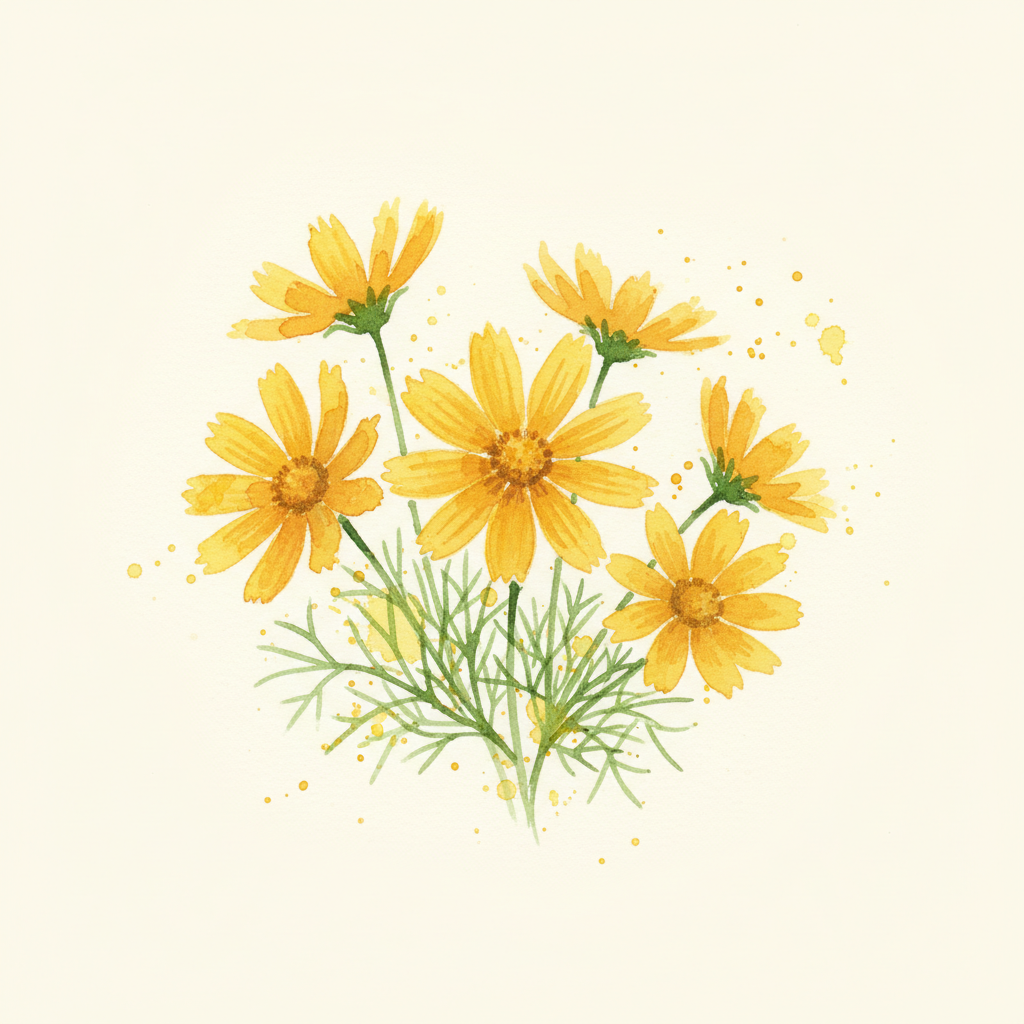
Thread-fine foliage and masses of tiny yellow stars bloom for months with zero effort. A perennial you can actually neglect.
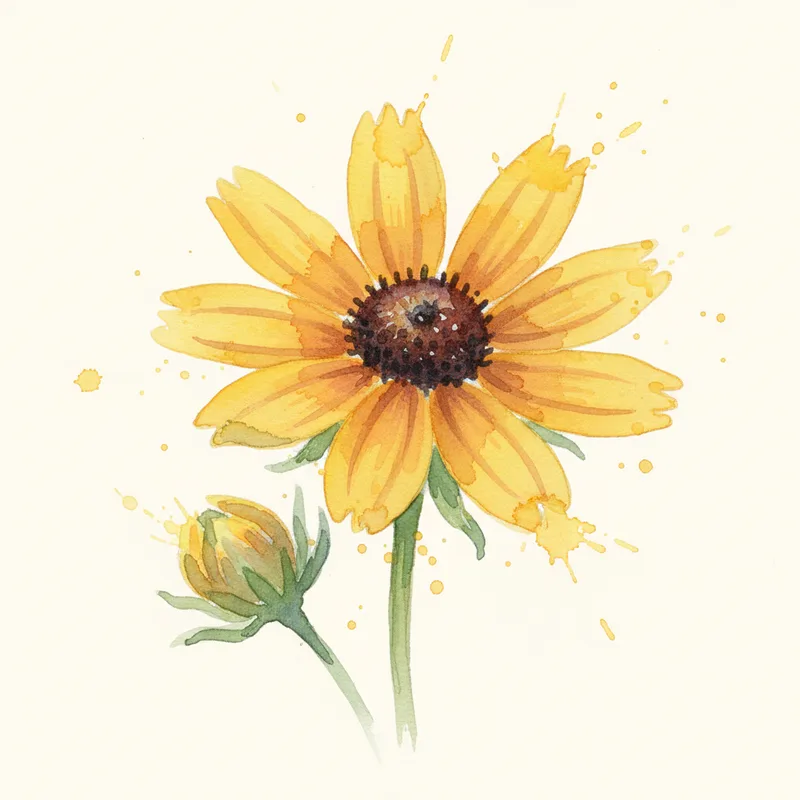
Cheerful native daisy that blooms for months with almost no care.
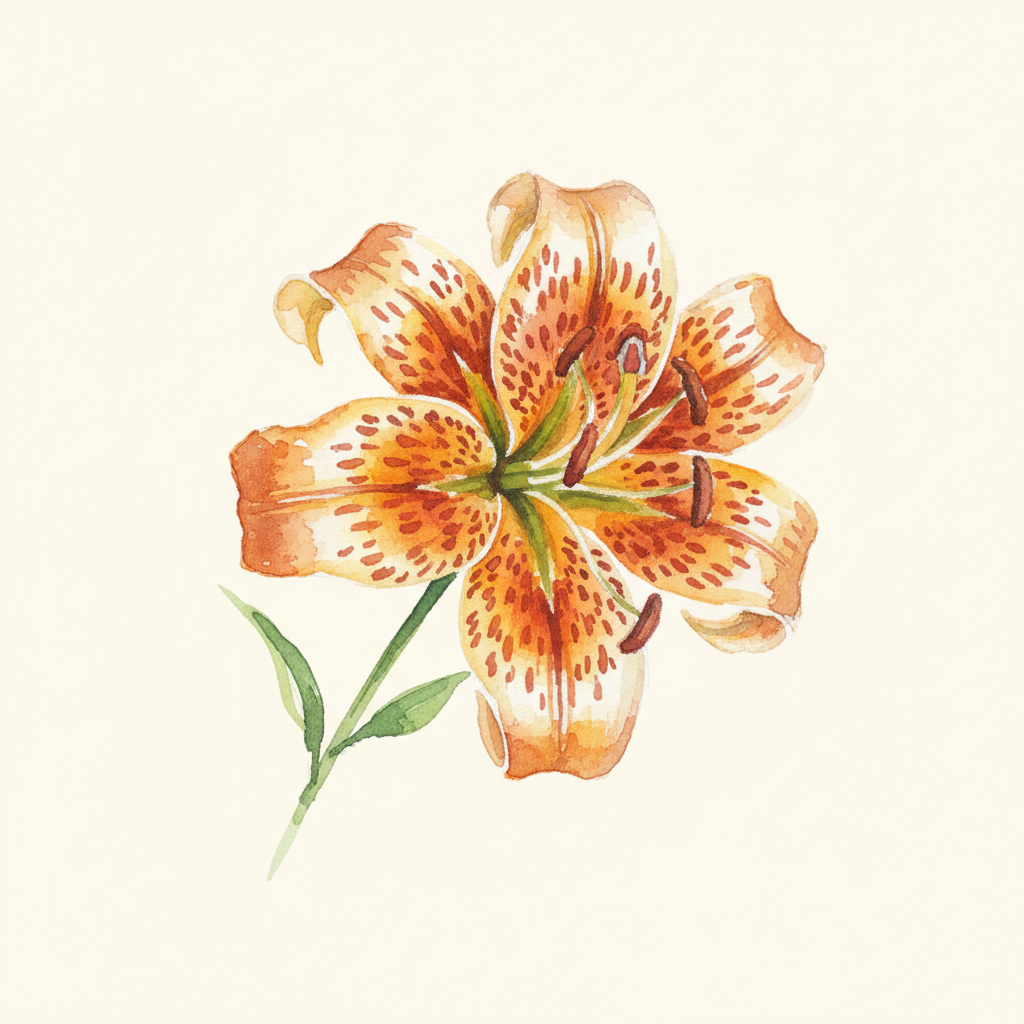
Spotted orange-yellow turk's cap blooms on tall stems. The fire-bright wildflower of Pacific Northwest meadows and open forests.
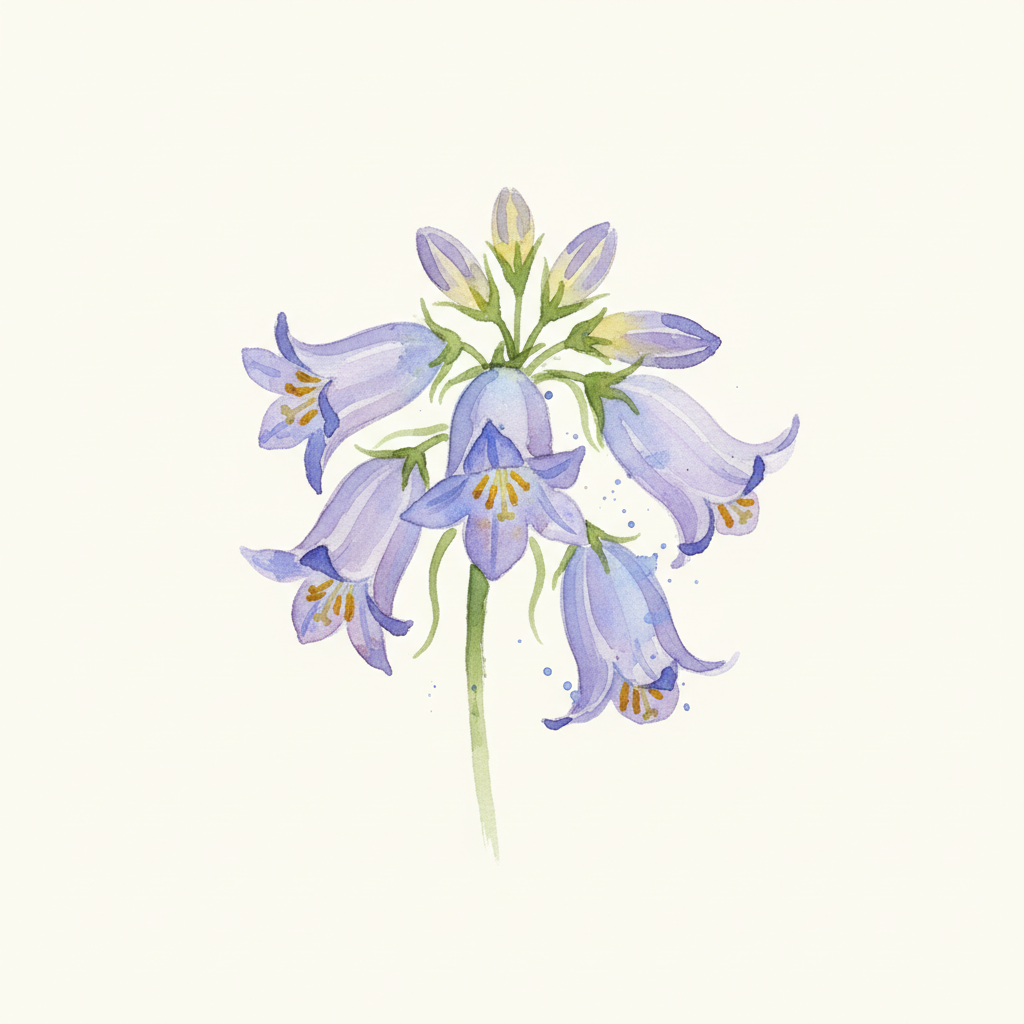
Loose umbels of starry blue trumpets on tall wiry stems. Western native bulb that thrives on summer drought.
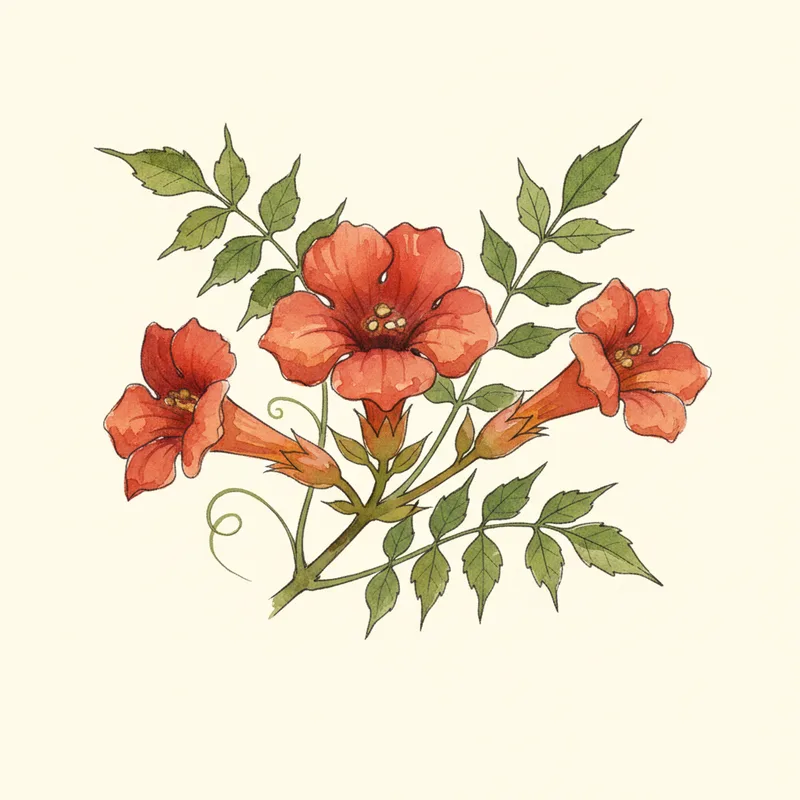
Aggressive native vine with fiery trumpets. Hummingbird highway.
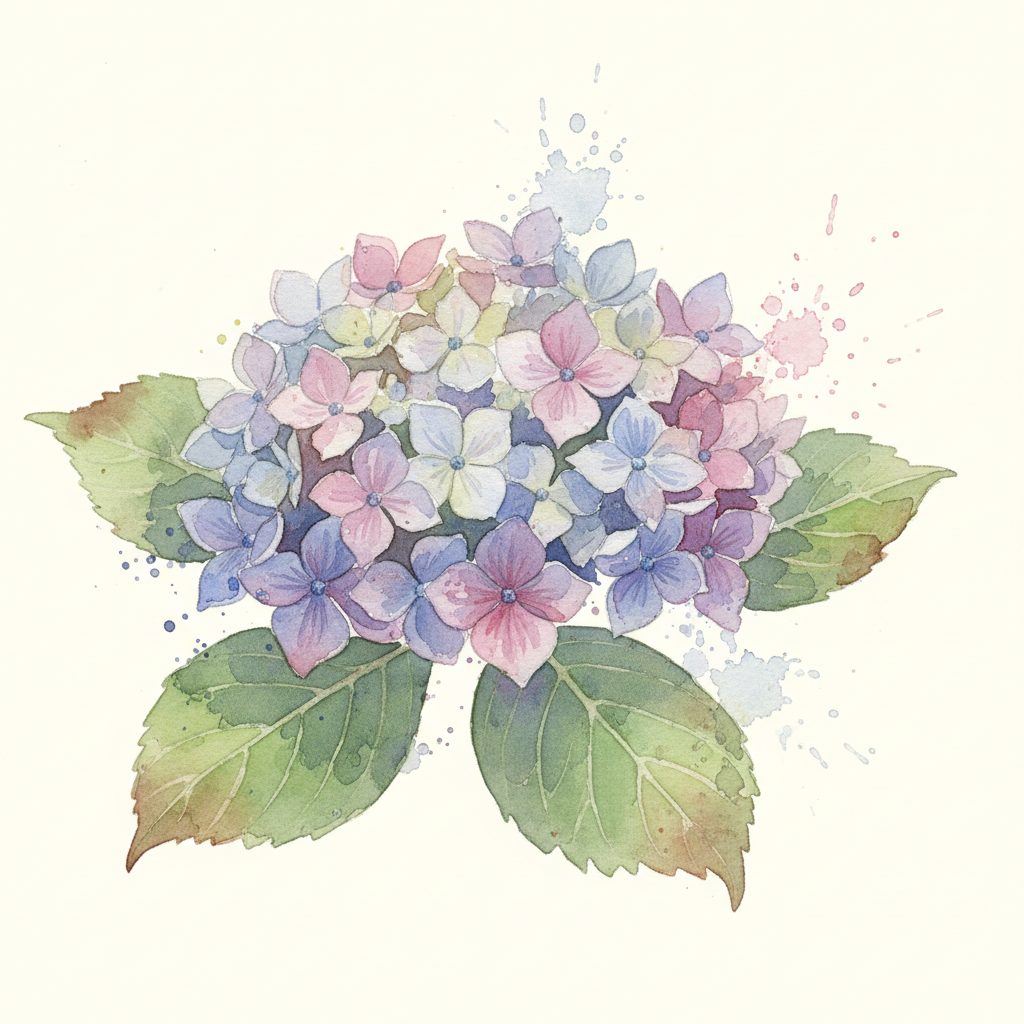
Reblooming mountain hydrangea with delicate lacecap blooms. Takes more cold than macrophyllas and keeps flowering after harsh winters.
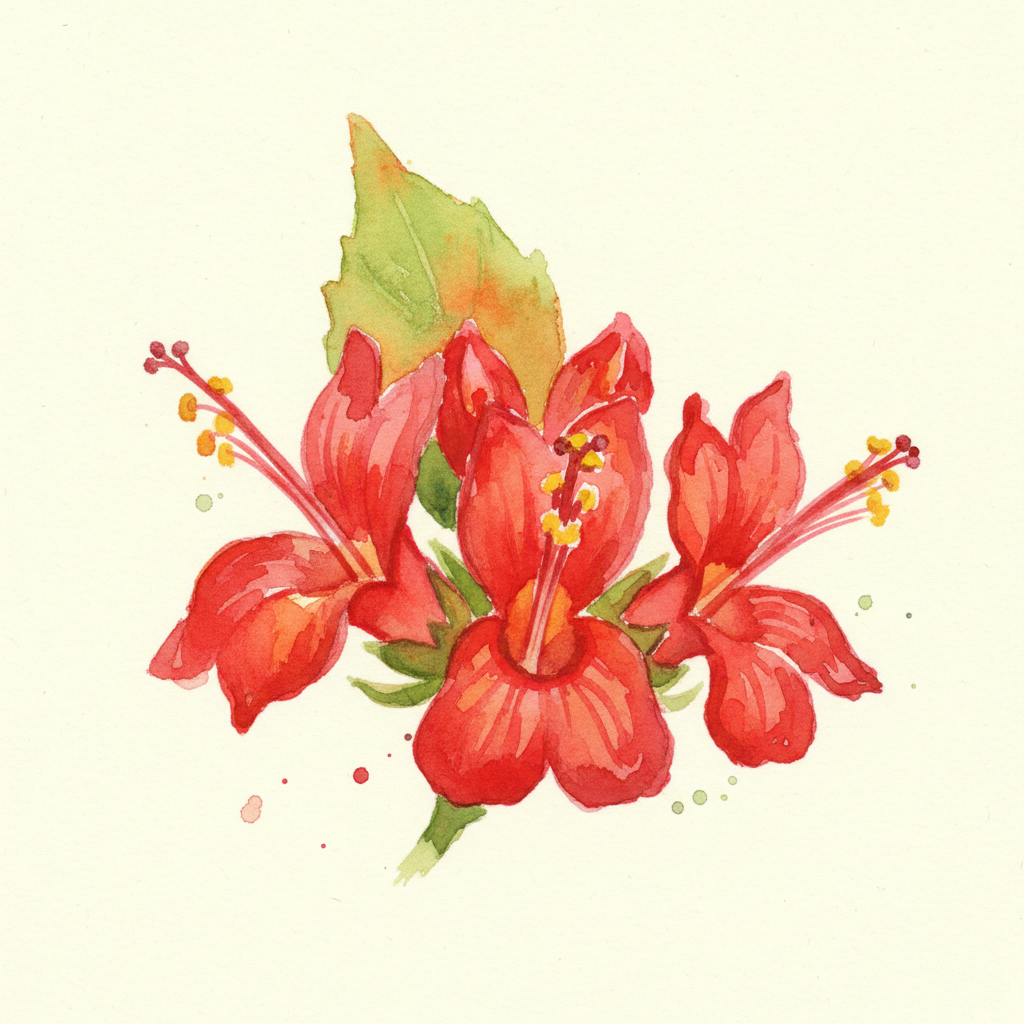
Nodding red hibiscus flowers that never fully open are pure hummingbird candy across the Gulf South.
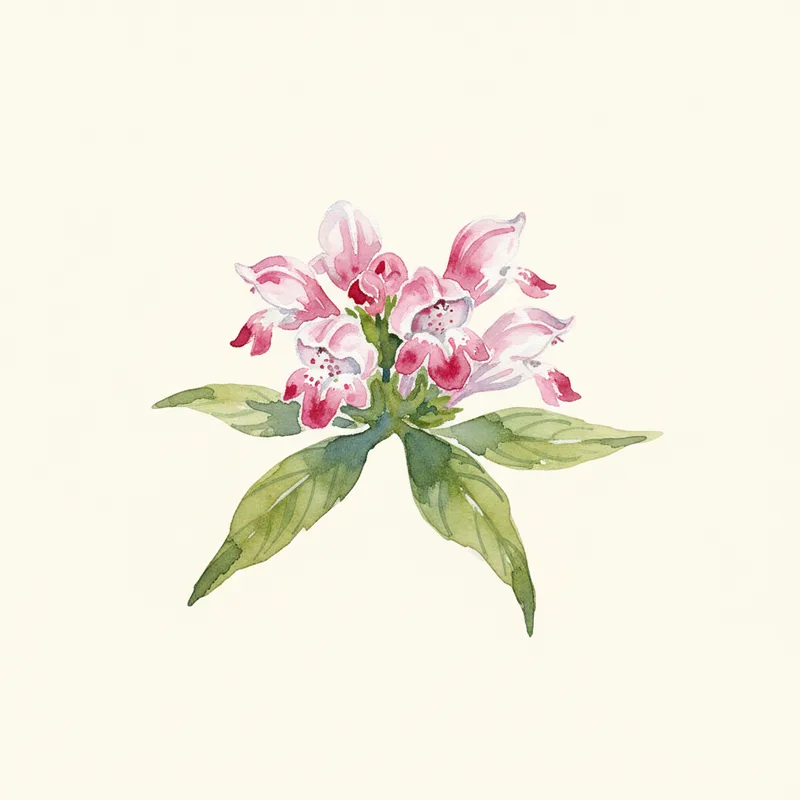
Snapdragon-like flowers shaped exactly like a turtle's head. Loves wet feet.
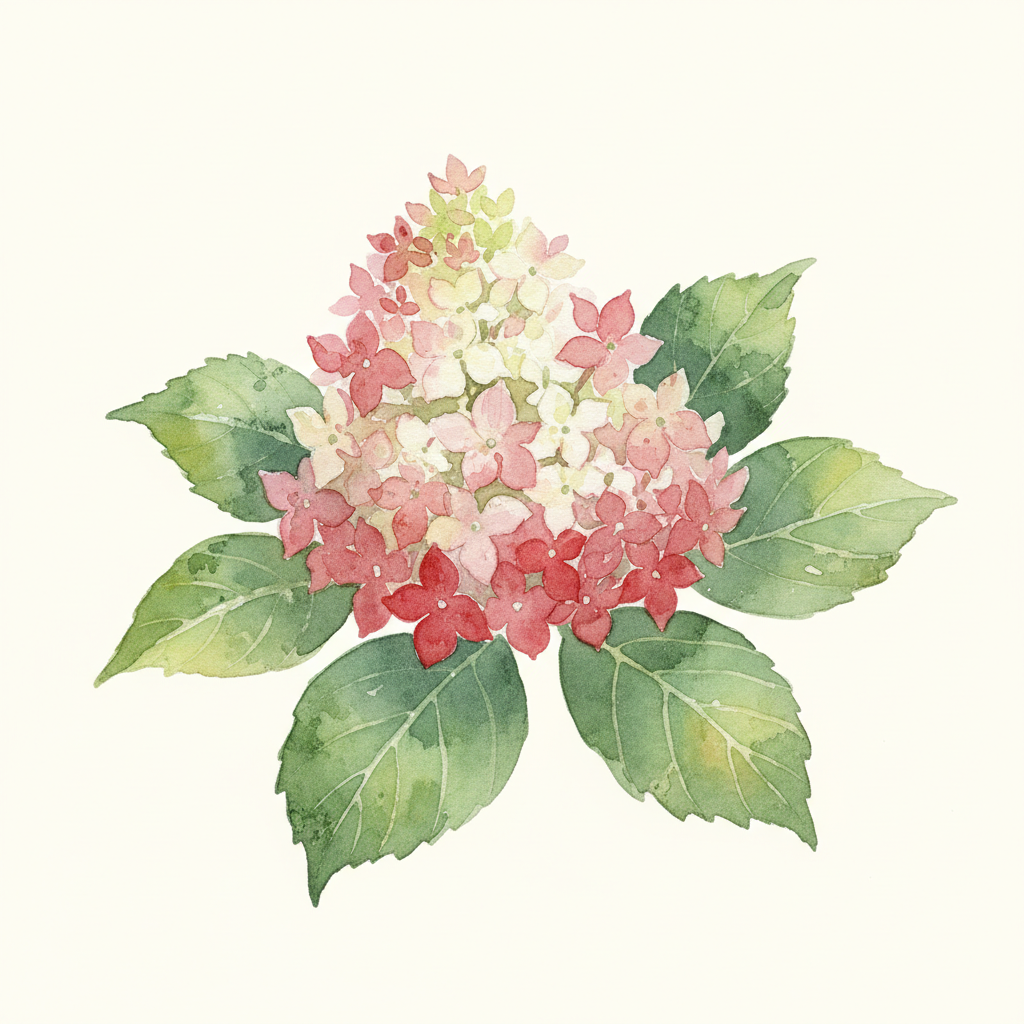
Cone blooms open creamy white, age to soft pink, then deepen to strawberry red while new white cones keep emerging above them.
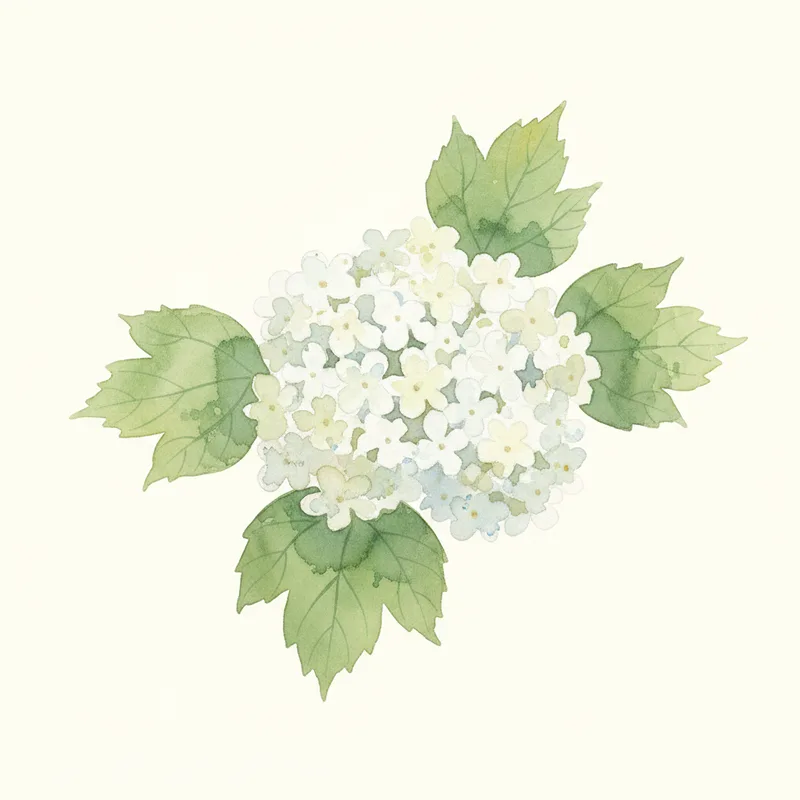
Fragrant snowball clusters in spring, then berries for birds in fall.
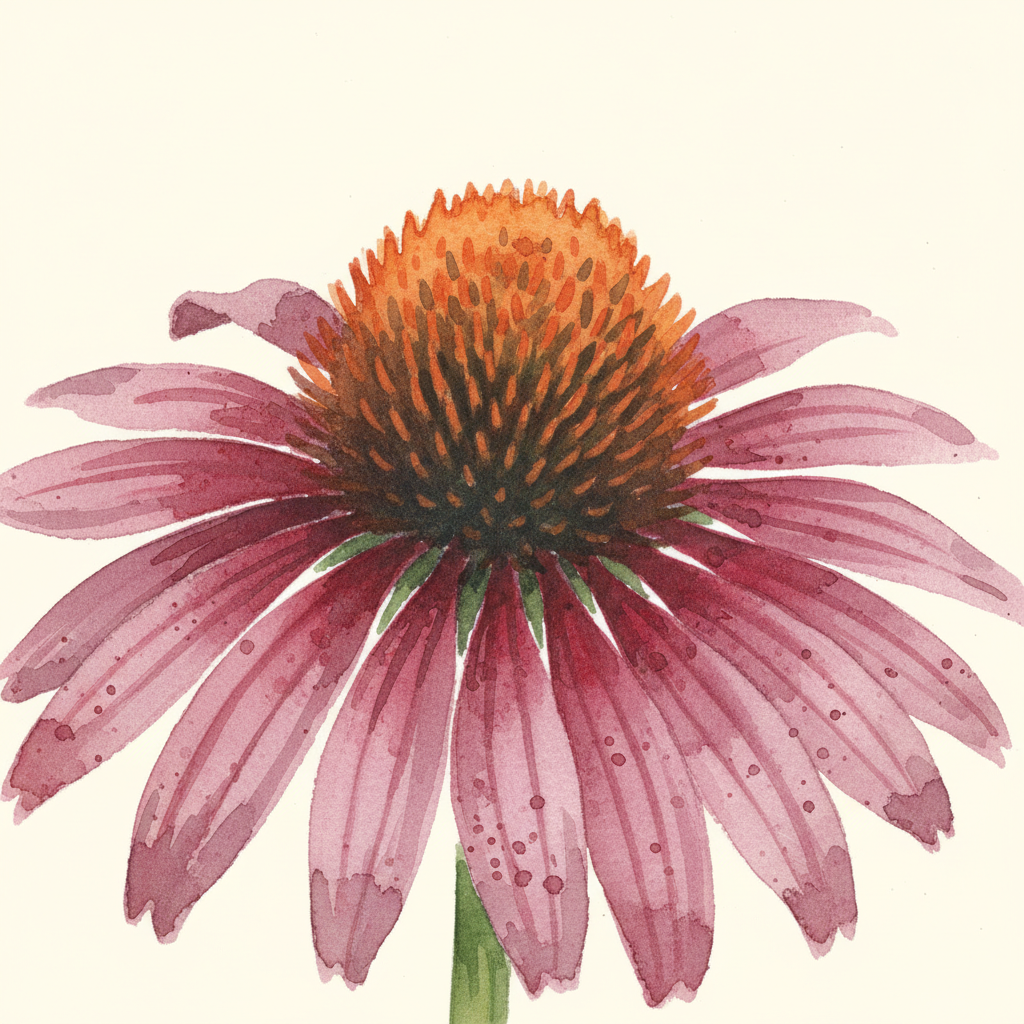
Wine-purple petals that age to rose on a robust, well-branched plant. One of the most floriferous echinacea you can grow.
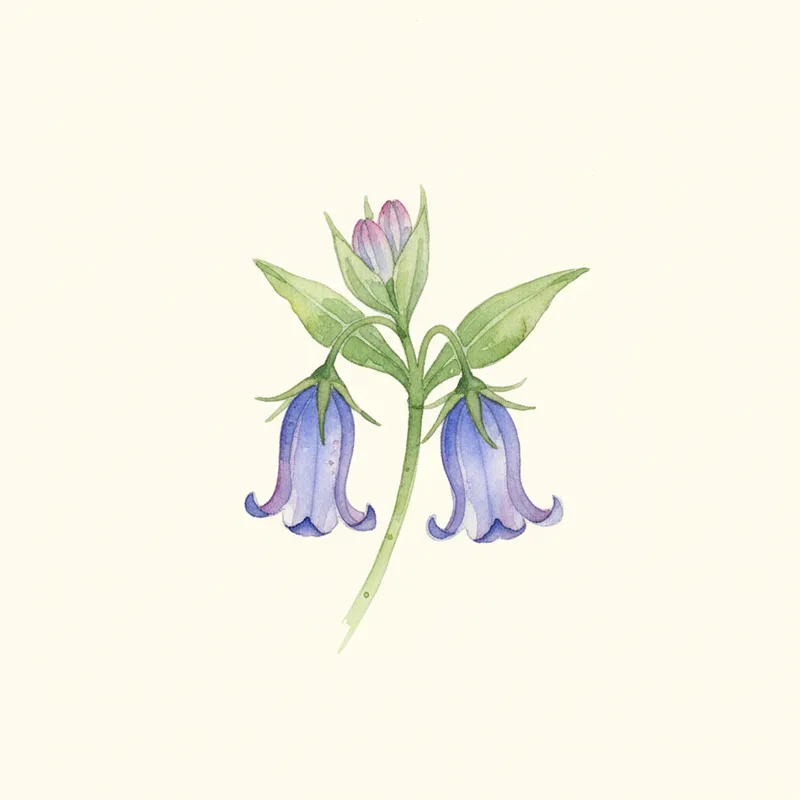
Woodland ephemeral with sky-blue bells. Disappears by summer, returns faithfully.
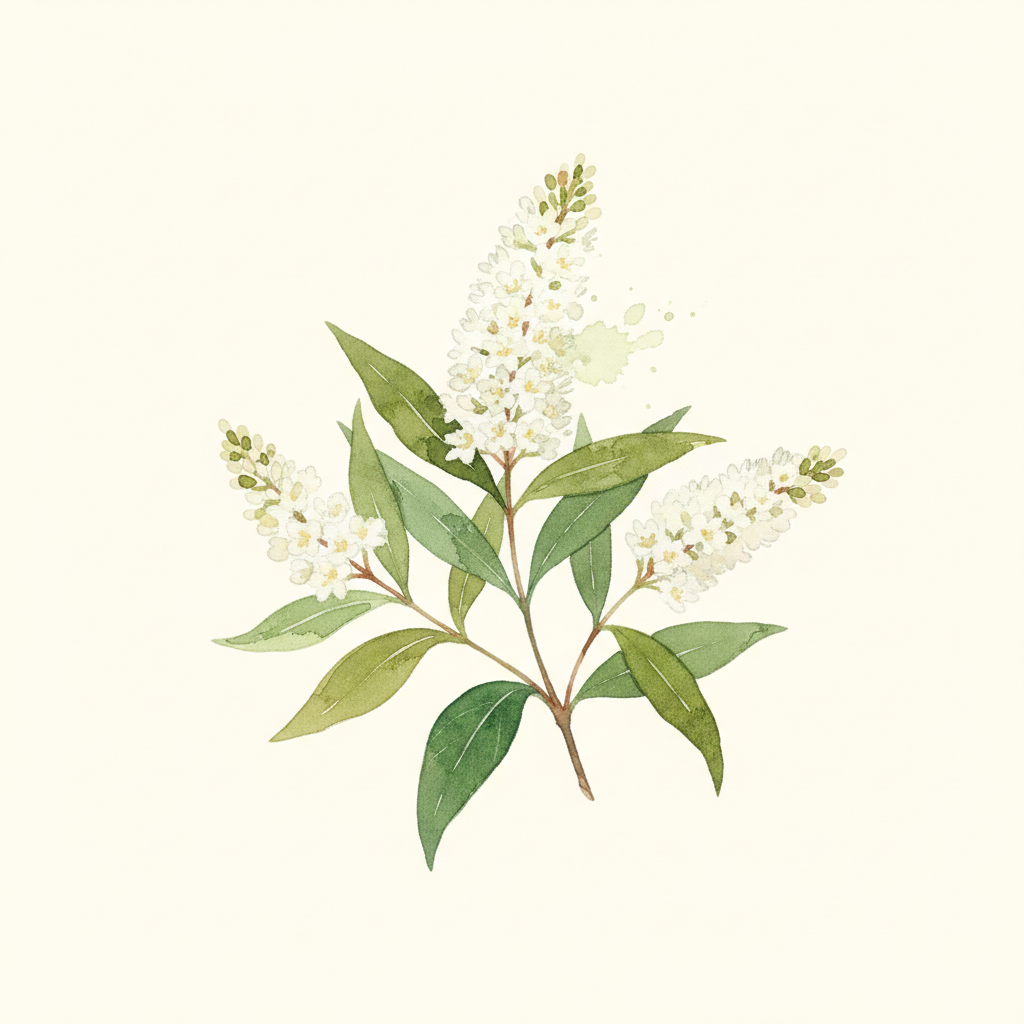
Fragrant white bottlebrush flowers followed by brilliant orange-red fall color on a shade-tolerant, deer-resistant native.
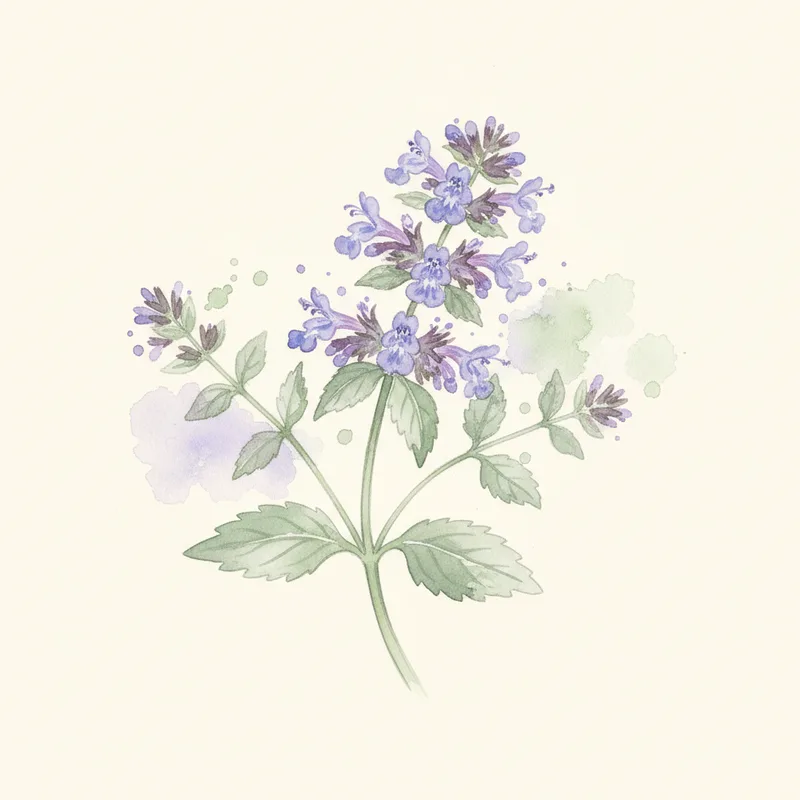
Perennial Plant of the Year. Billowy lavender-blue spikes that rebloom hard after a shear.
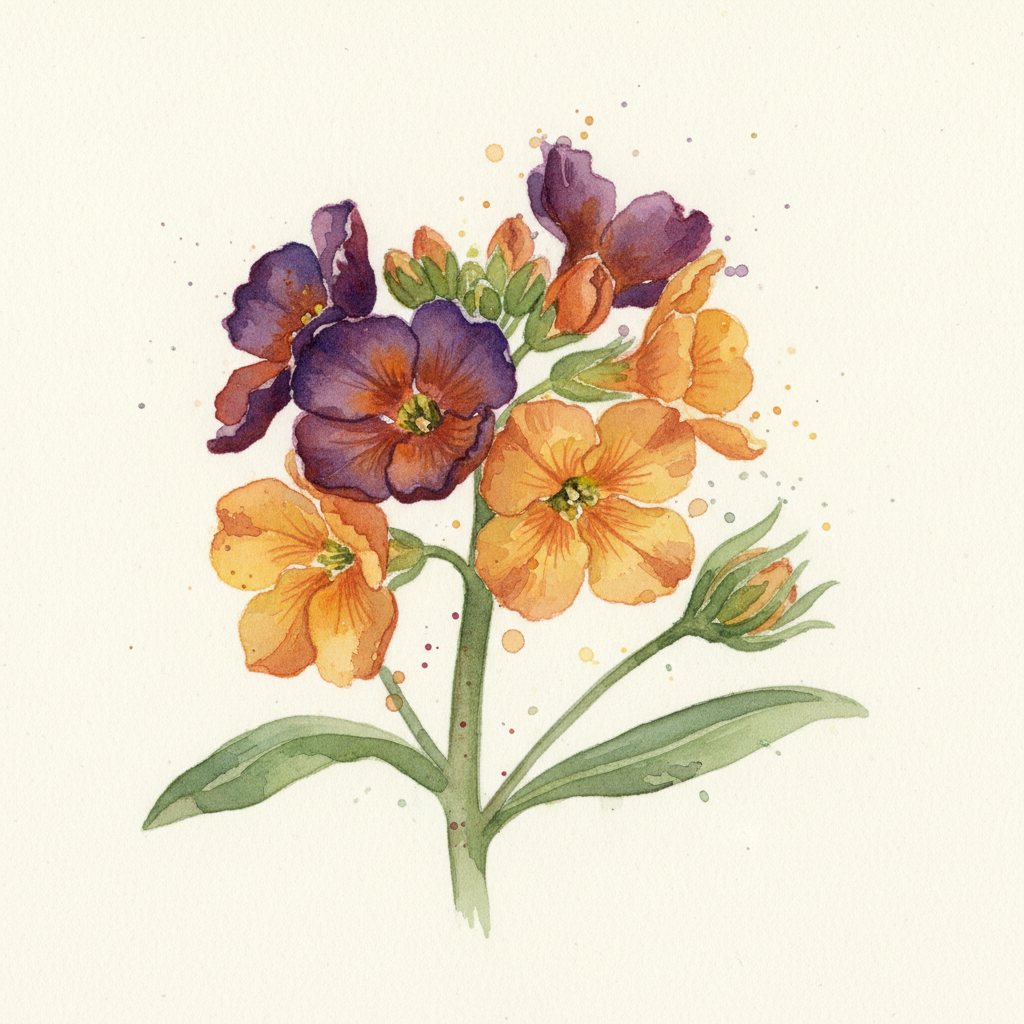
Velvety blooms in burnished sunset tones with a sweet violet fragrance. The forgotten cottage staple worth bringing back.
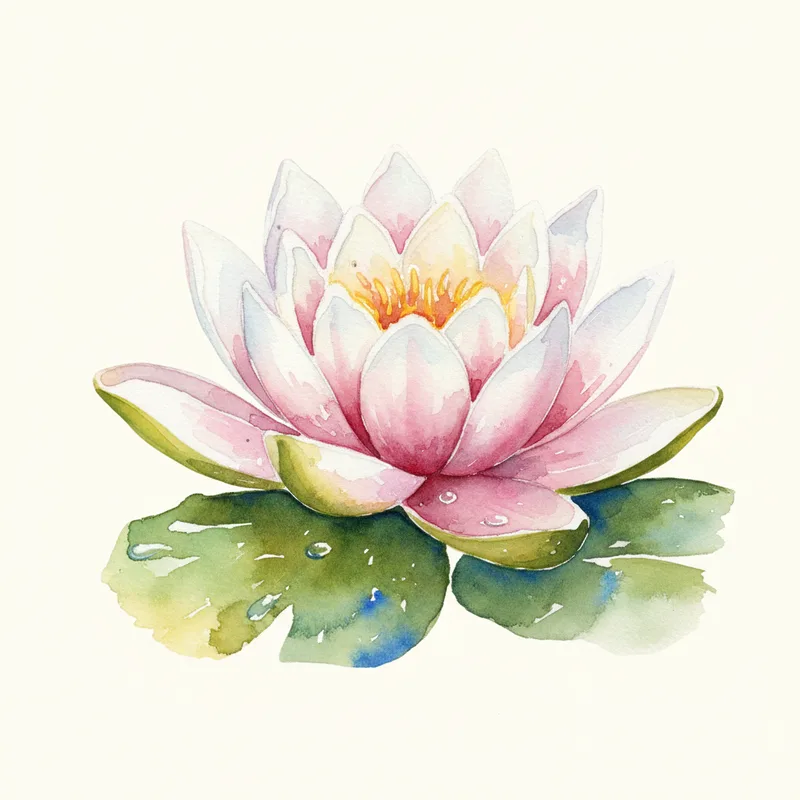
Floating jewels that transform any pond. Pads provide shade for fish while flowers dazzle above.
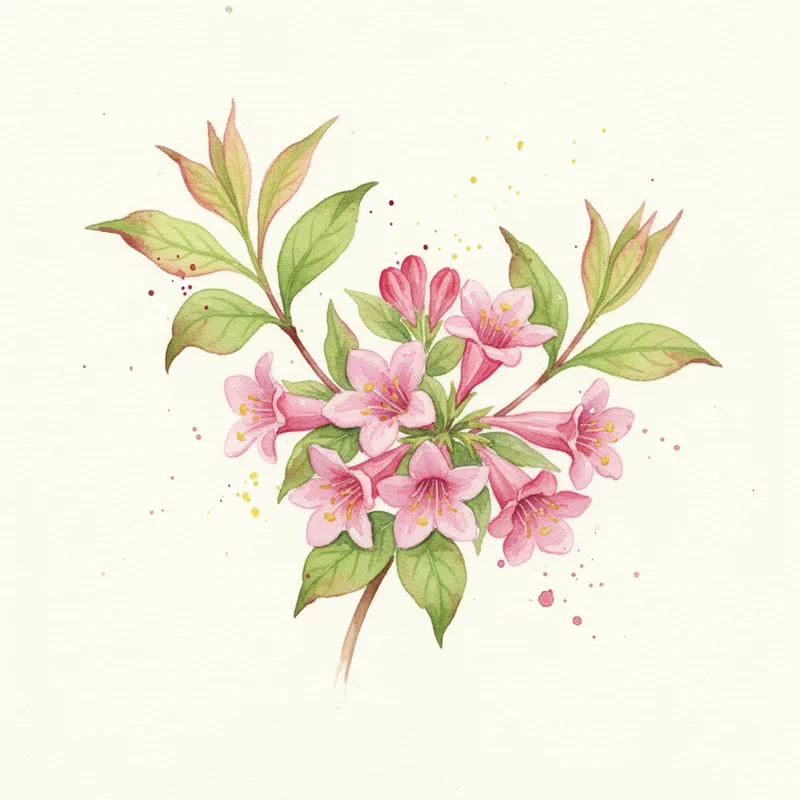
Tubular blooms smother arching branches in late spring. Hummingbird haven.
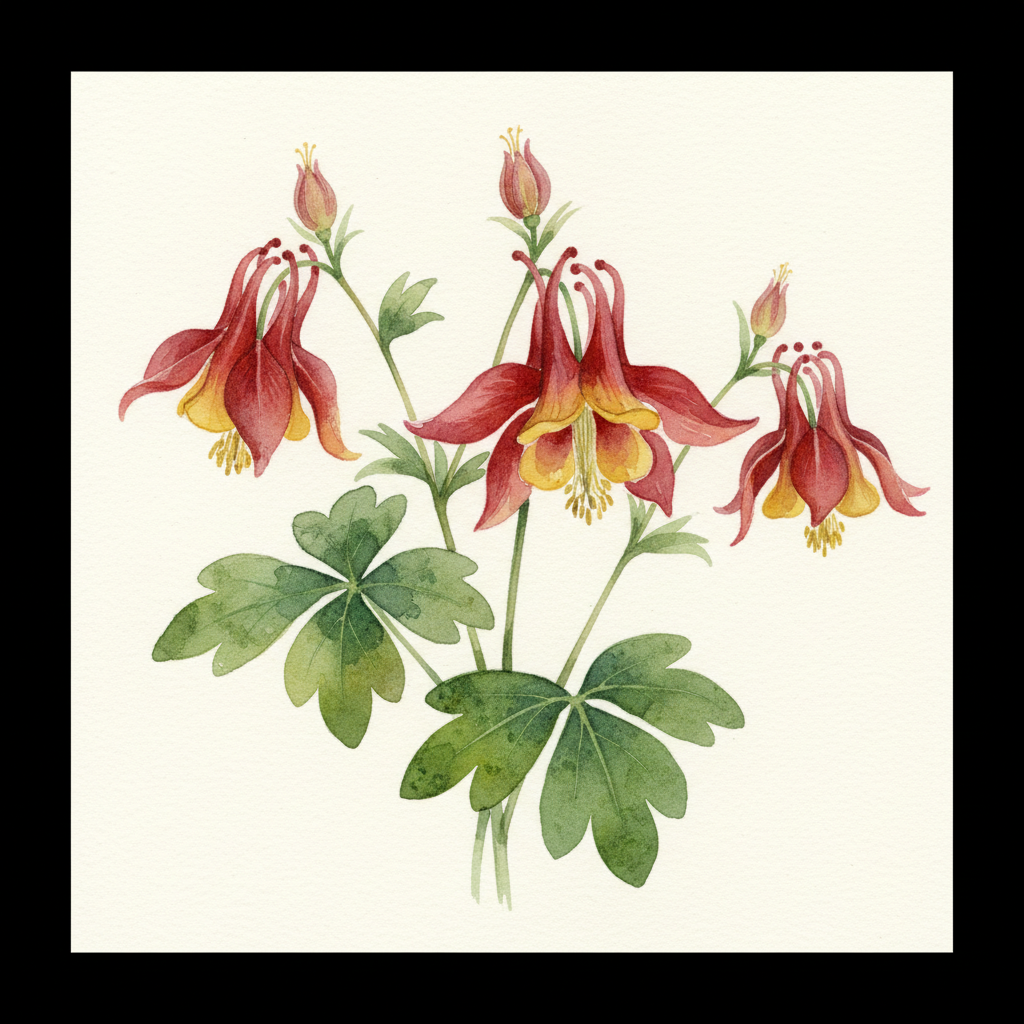
Scarlet and yellow spurred flowers that hummingbirds follow through the Pacific Northwest's mountain meadows.
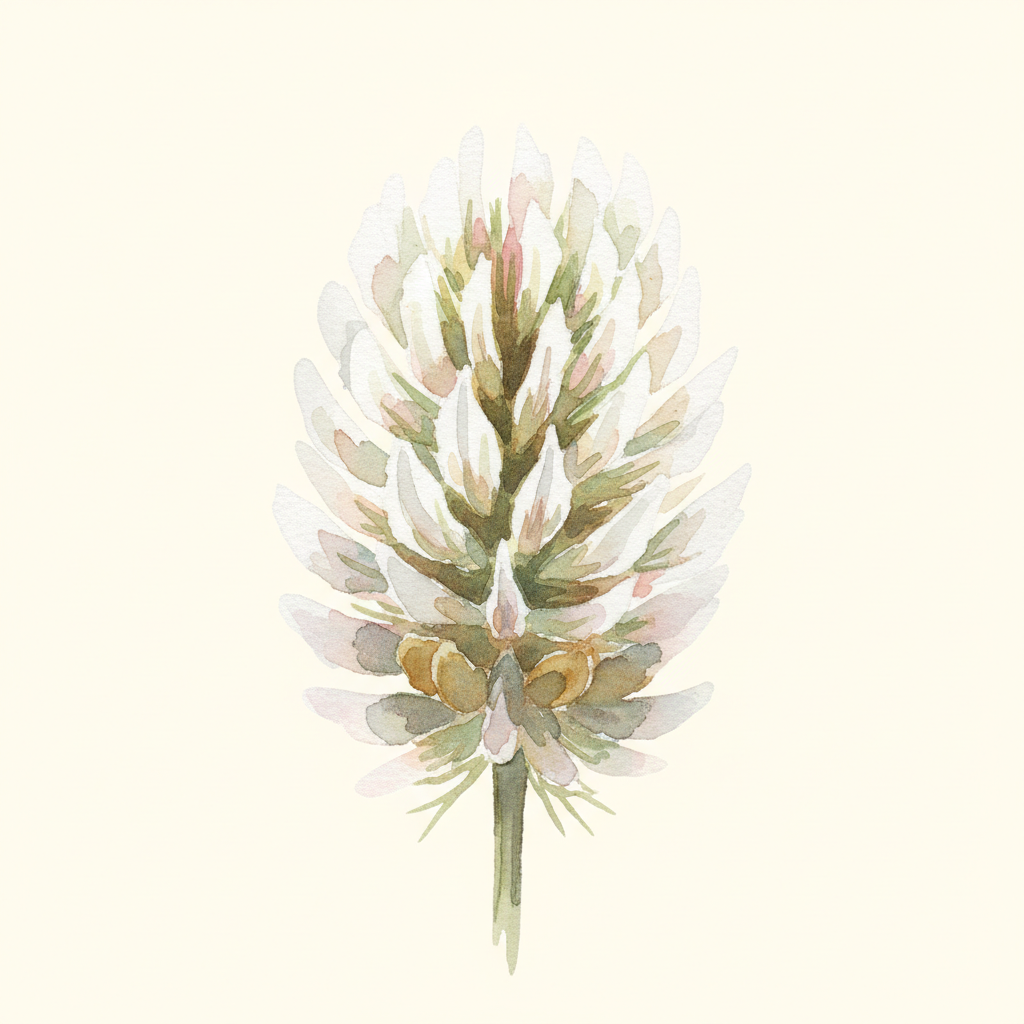
Cylindrical white flower spikes with orange anthers on a delicate, drought-proof prairie native that feeds bees all summer.
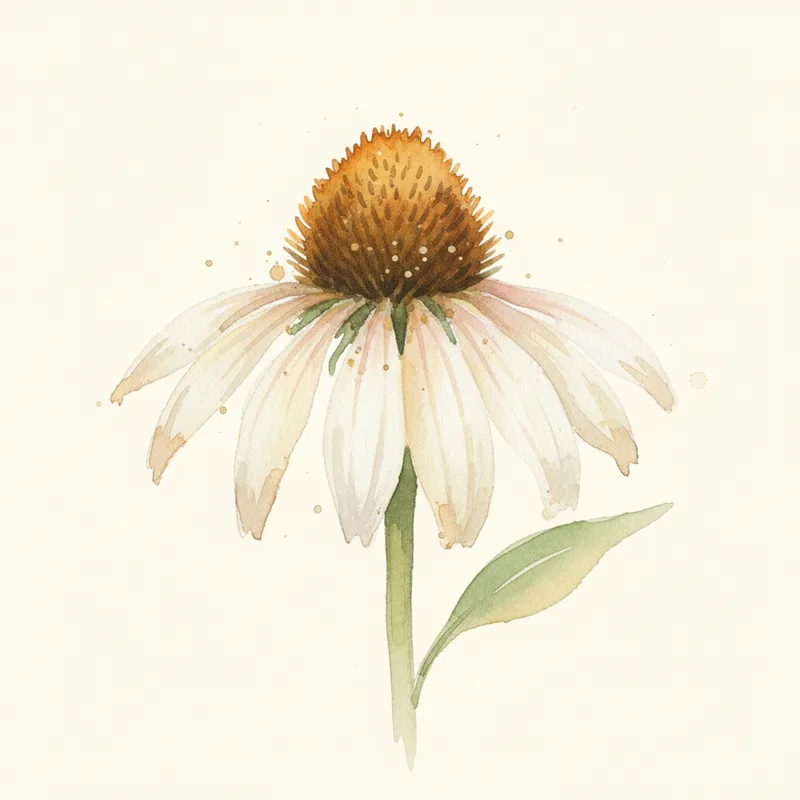
Pure white drooping petals around a bronze-orange cone. Elegant and underused.
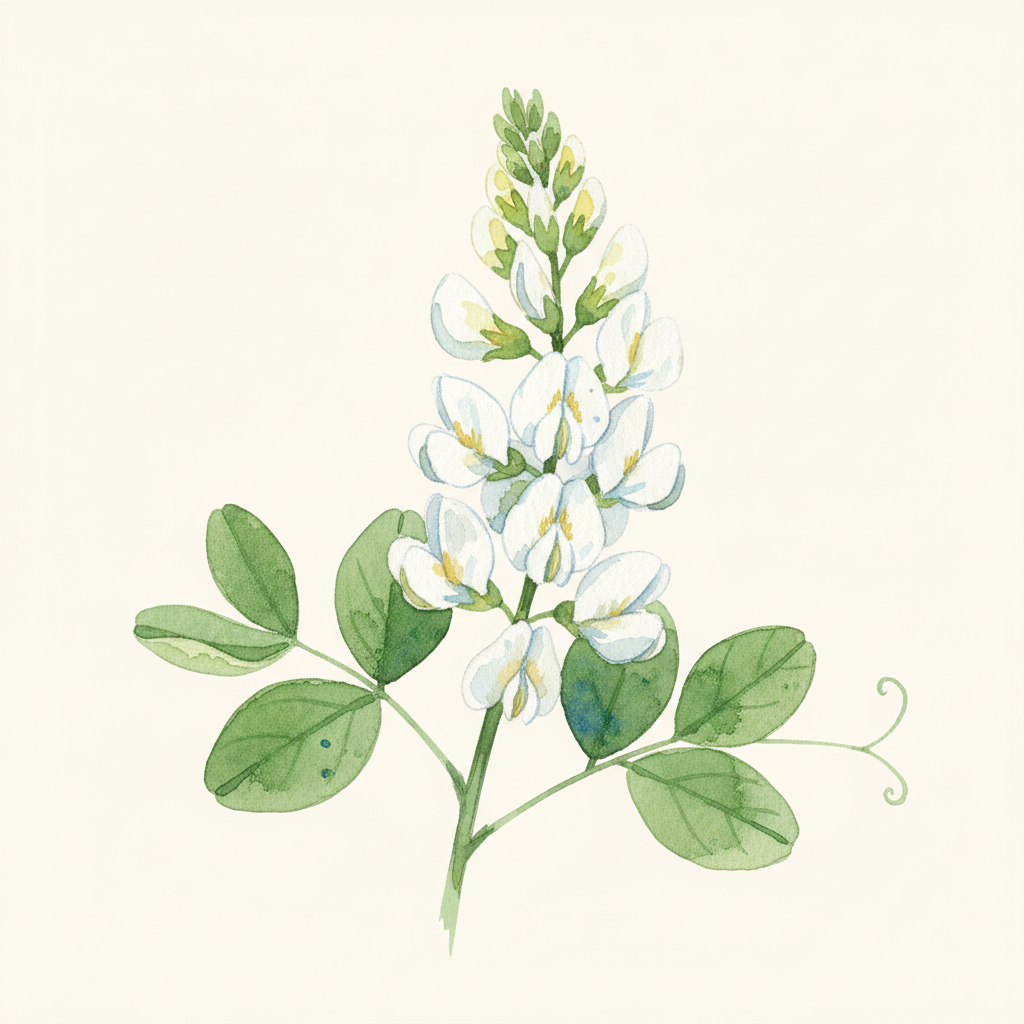
Luminous white lupin-like spikes on a structural native that's practically indestructible and improves with every year.
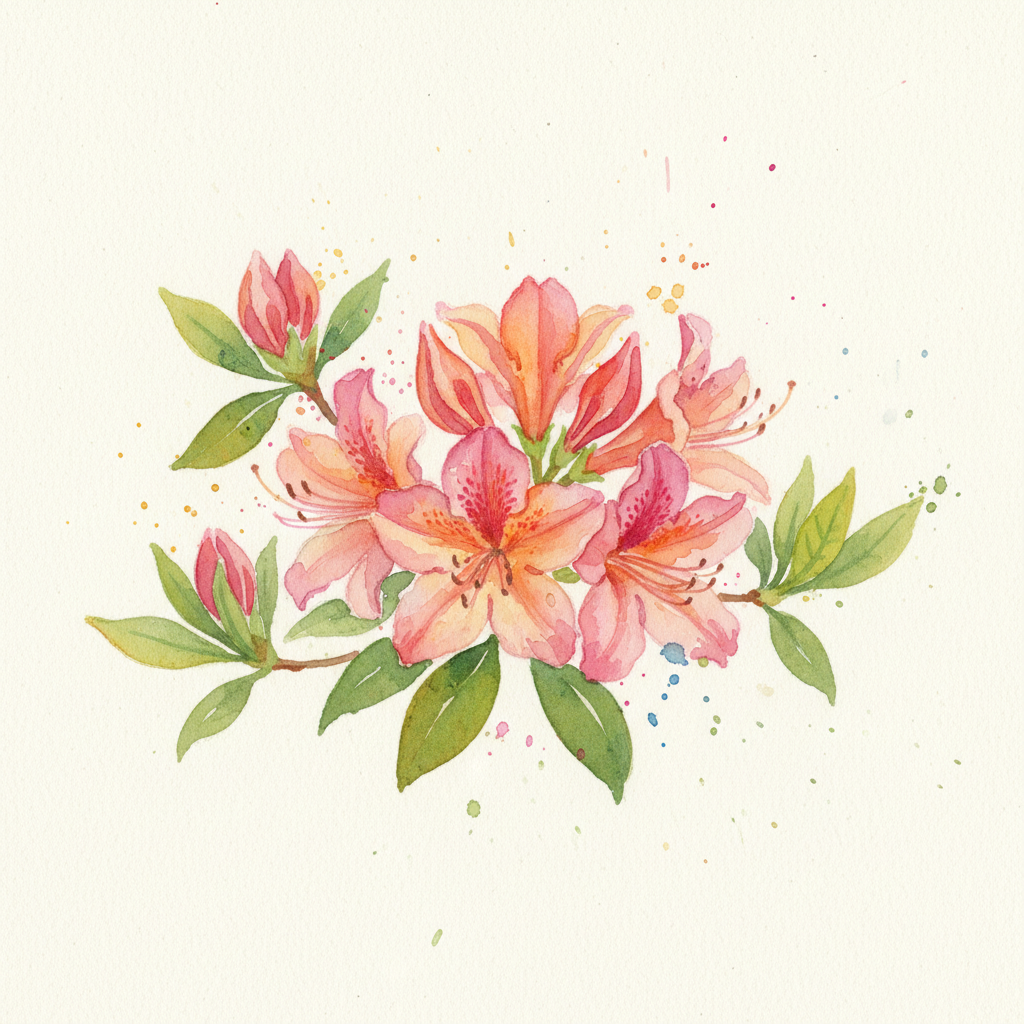
Sweetly fragrant pinwheel flowers on a deciduous native azalea that grows from New England to Georgia. Earlier and more cold-hardy than most.
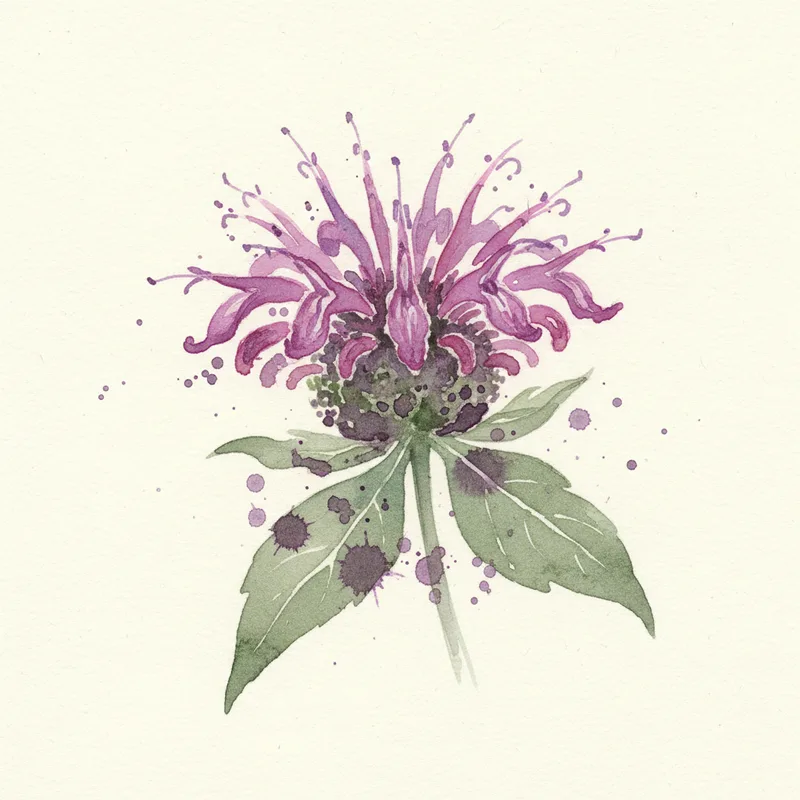
The wild cousin of bee balm. Lavender puffs alive with pollinators. Tougher and more mildew-resistant.
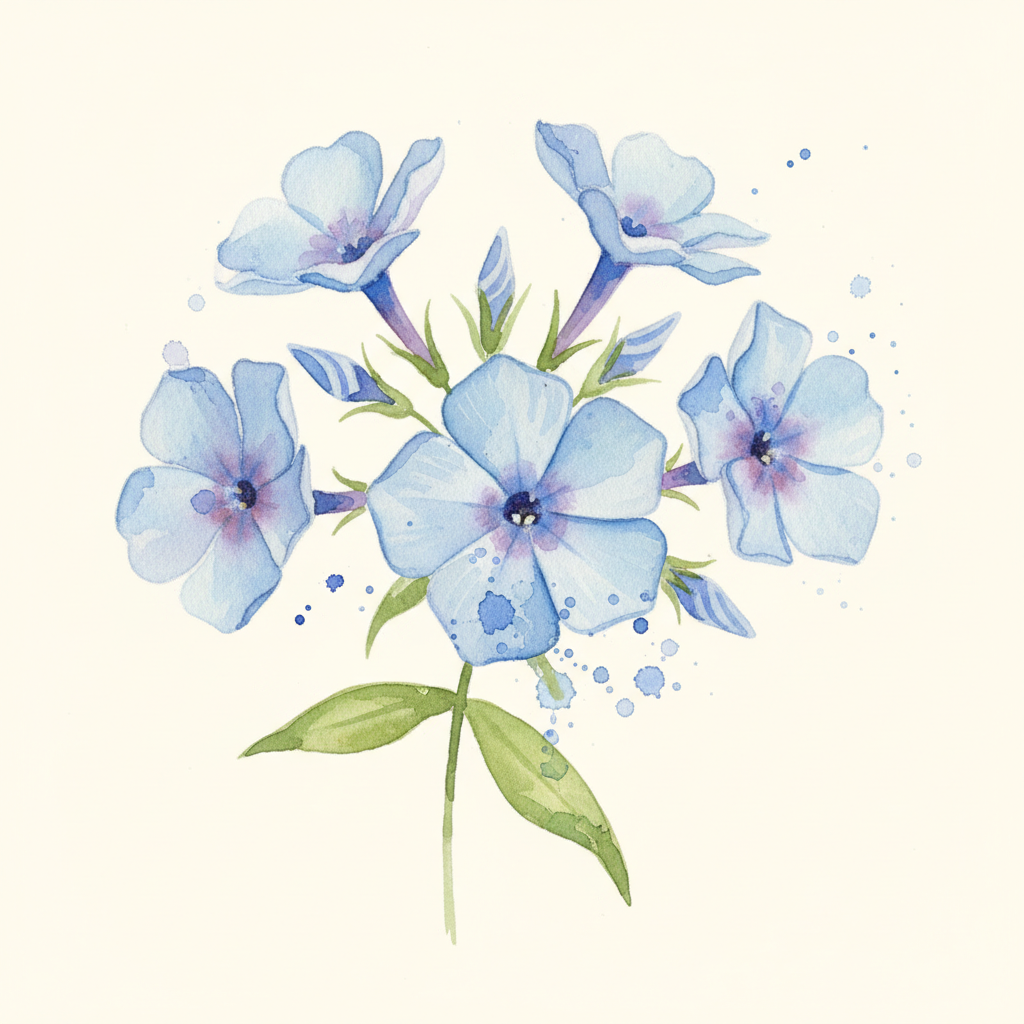
Loose clusters of sky-blue flowers float above woodland floors in spring on a fragrant, mat-forming native.
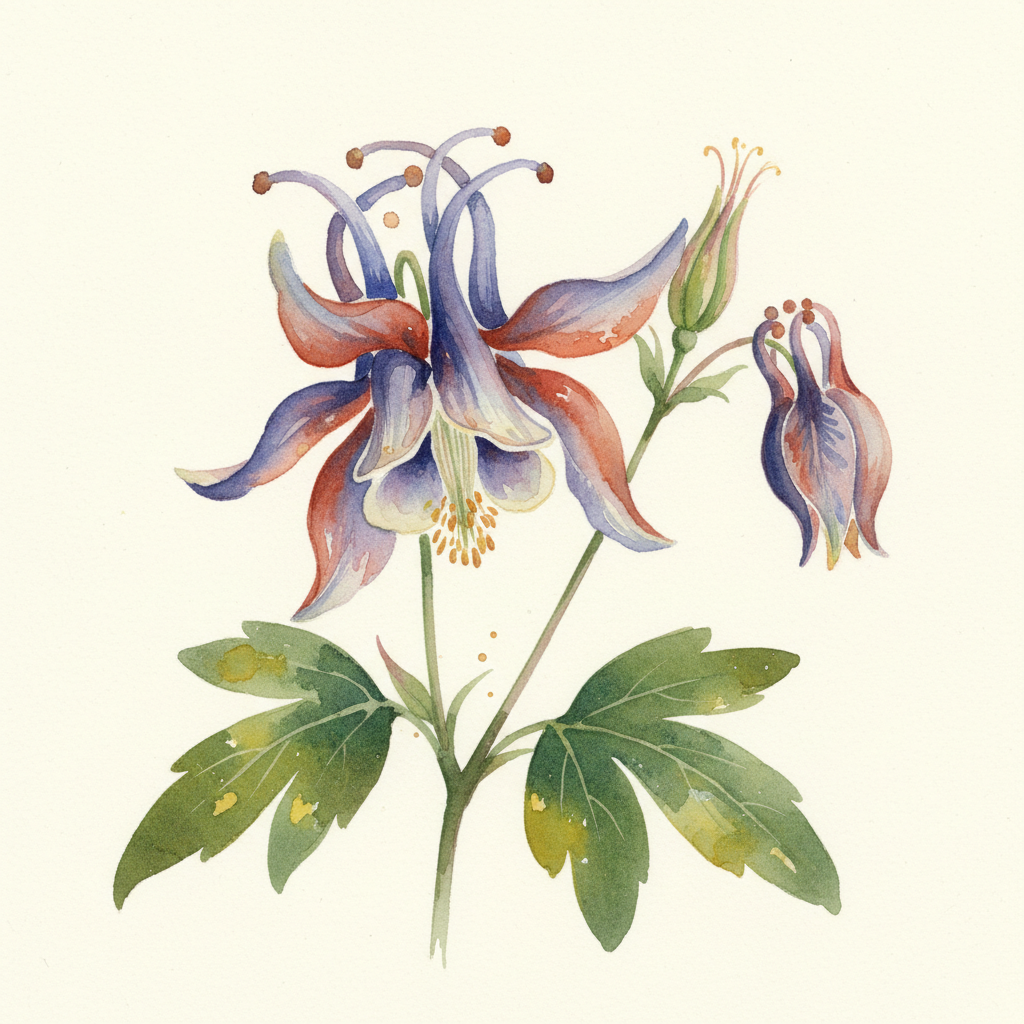
Nodding red-and-yellow spurred flowers that hummingbirds love on a self-sowing native that naturalizes along woodland edges.
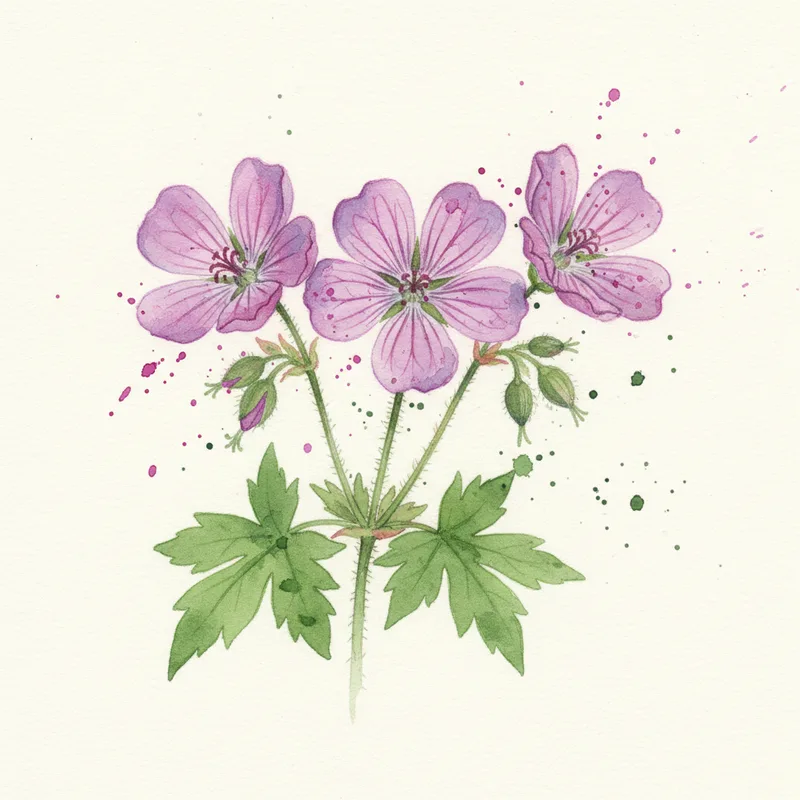
Soft pink blooms over deeply-cut foliage. A woodland edge staple.
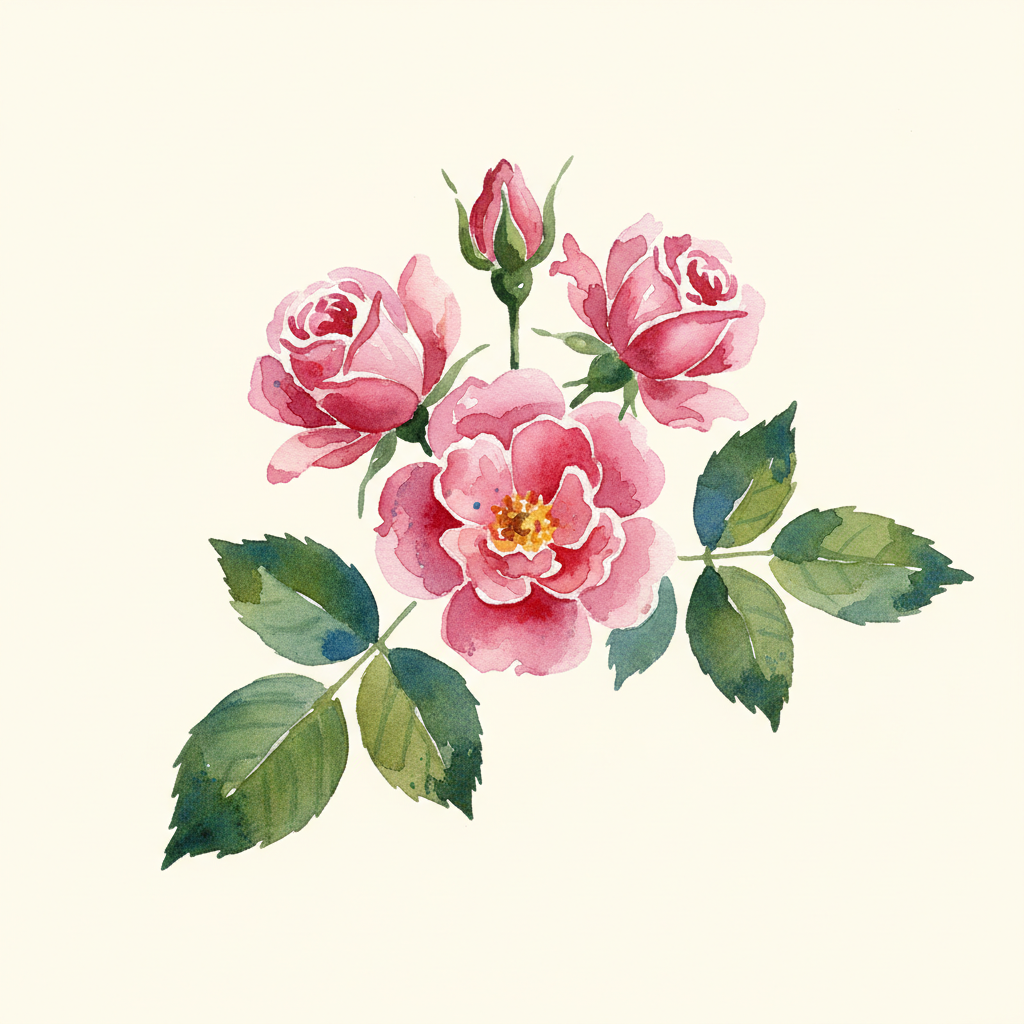
Bulletproof Canadian Explorer climber that survives zone 3 winters without protection. Strawberry-pink semi-double blooms in massive clusters.
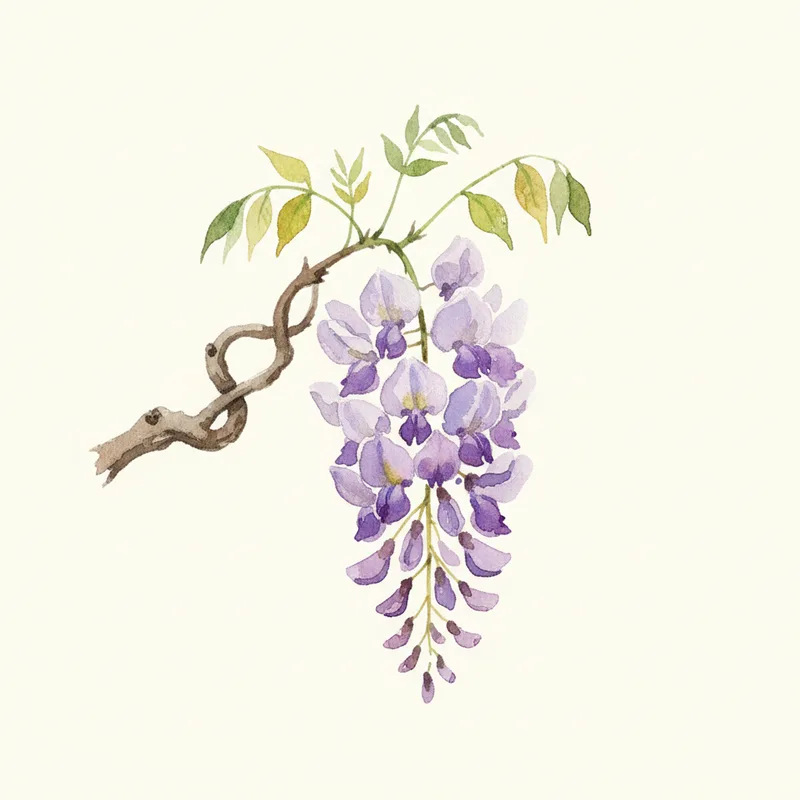
Cascading, fragrant racemes that create a dreamy canopy. Needs structure.
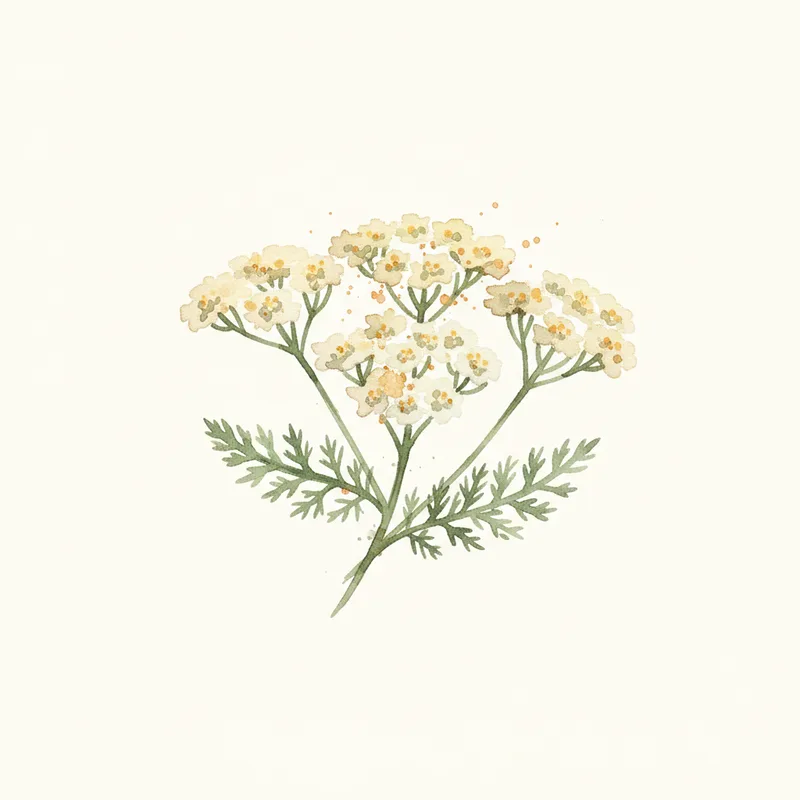
Flat-topped clusters on ferny foliage. Thrives on neglect in poor soil.
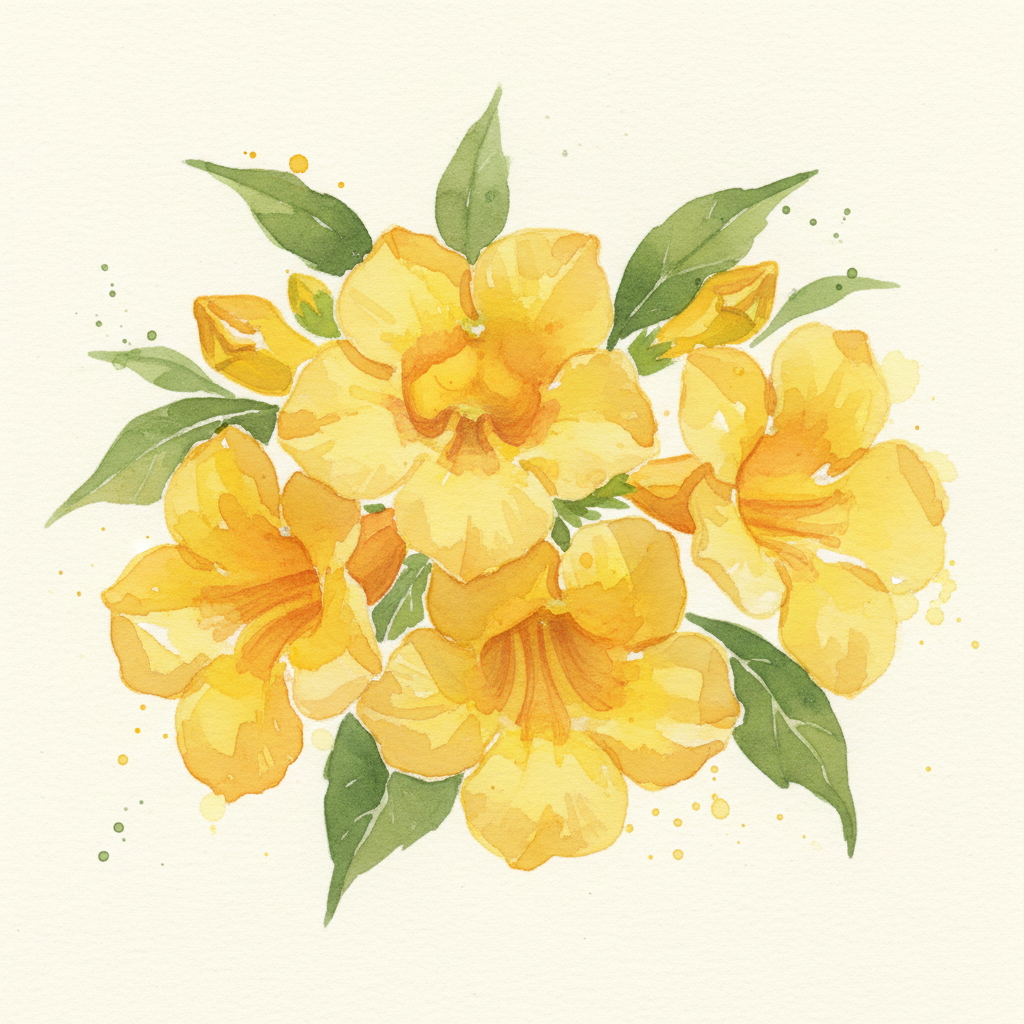
Clusters of bright yellow trumpet flowers bloom for months in the heat. Southwest staple that takes drought and reflected heat without flinching.
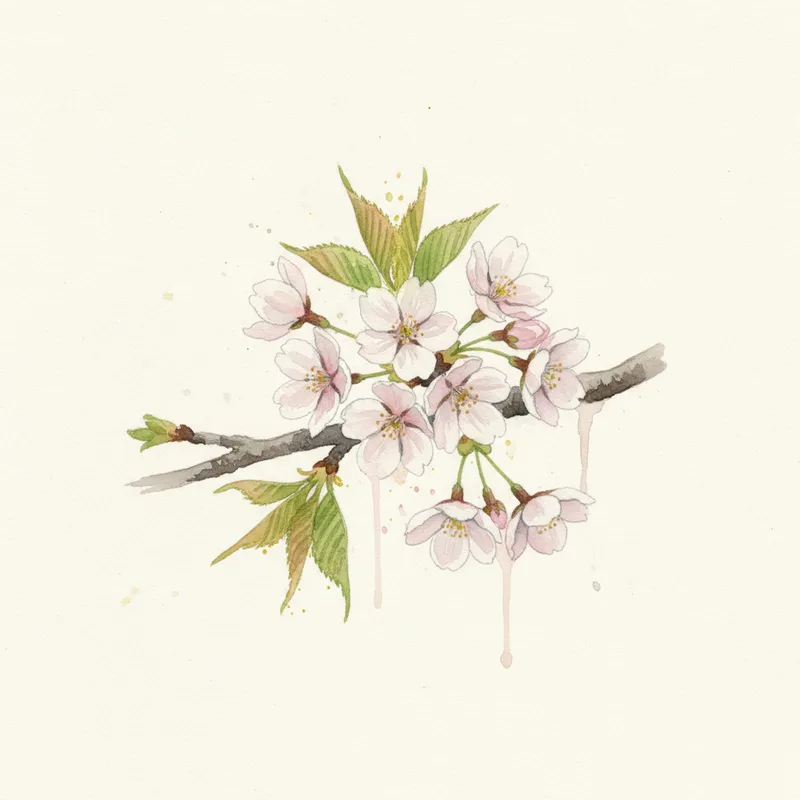
Clouds of pale blossoms cover the tree in early spring, later followed by small bird-edible cherries.
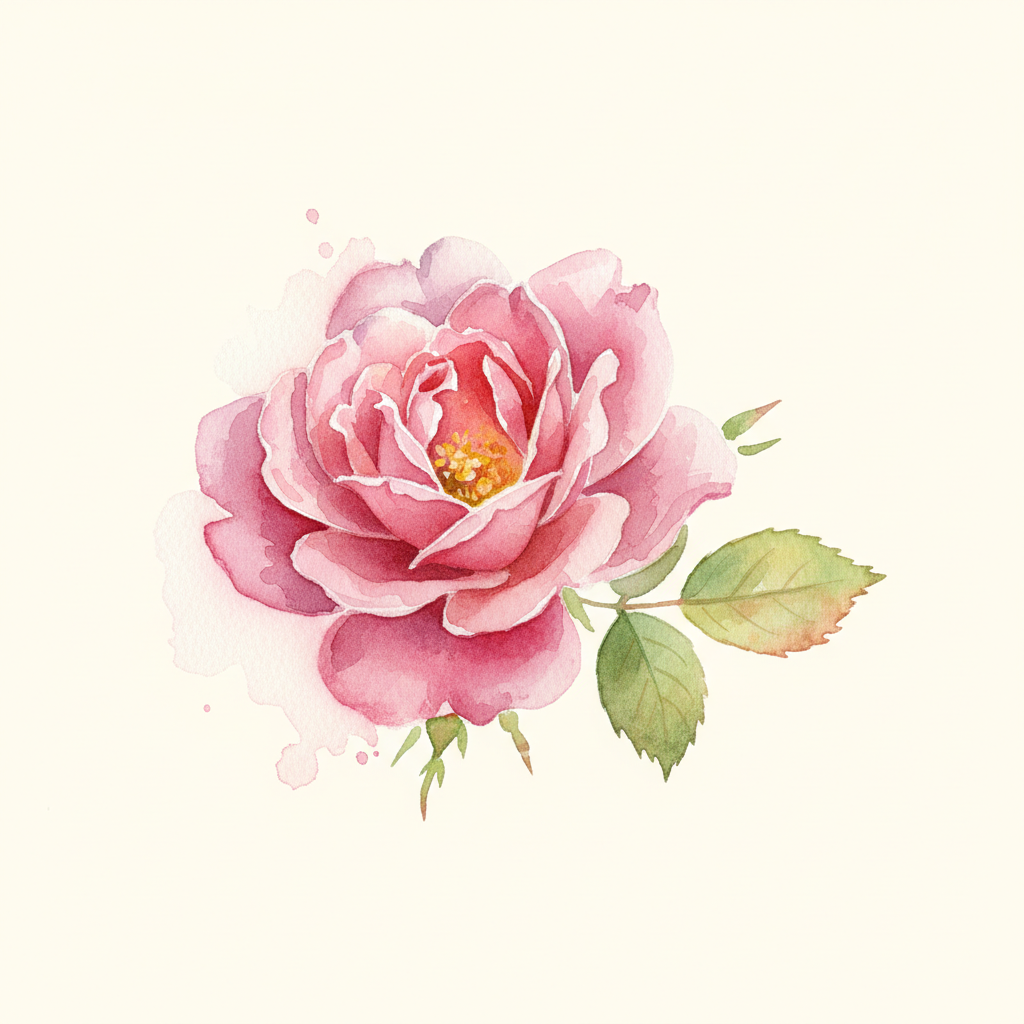
Thornless cerise-pink climber with intense raspberry fragrance. Tolerates partial shade better than any other climbing rose.
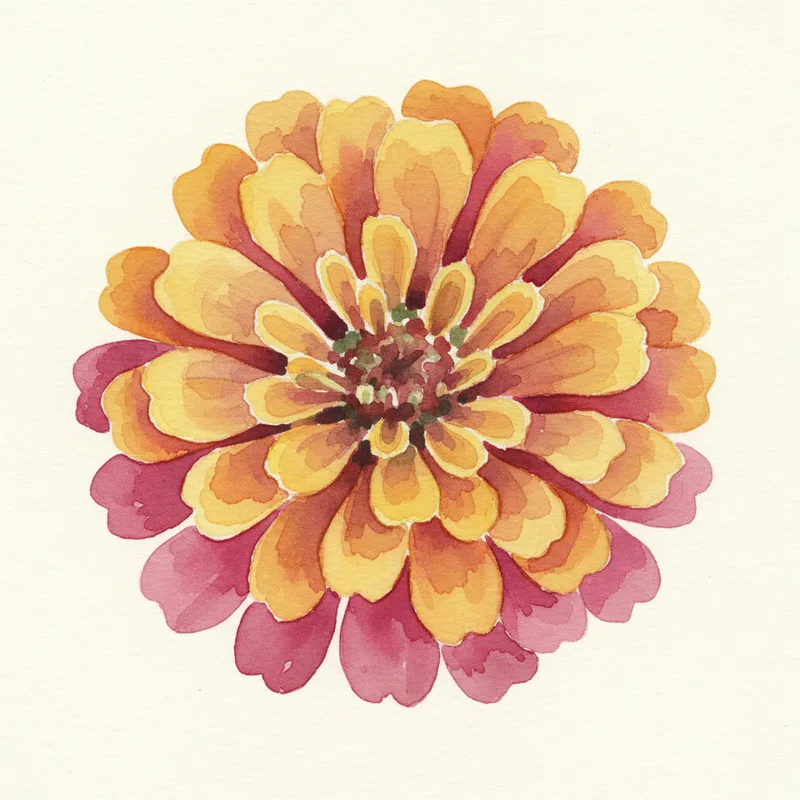
Easy-grow annual with electric colors. Cut-and-come-again champion.