What's Blooming in October: Zone-by-Zone Guide
October is the garden's grand finale. Chrysanthemums, ornamental grasses, and late asters carry the show while the first frost approaches. Here is what is blooming in your zone right now.
October is the last big act. After this, the garden turns to structure: bare branches, dried seedheads, ornamental bark. But right now, there is still real color to be had. The palette has shifted from summer's hot pinks and electric blues to something warmer and earthier. Gold, bronze, russet, deep purple. The light is lower, the shadows are longer, and every bloom feels like it matters more because you know the season is ending. If your September garden was strong, October should carry that momentum to the finish line.
Zones 3-5: The final weeks
October in cold zones is a sprint. First hard frost could arrive any night, and when it does, the tender plants are done. But the hardy ones keep going, and the garden has a stripped-down beauty that summer never achieves. If the border has gone quiet by now, asters are the usual reason it has not: they are still going when almost nothing else is.
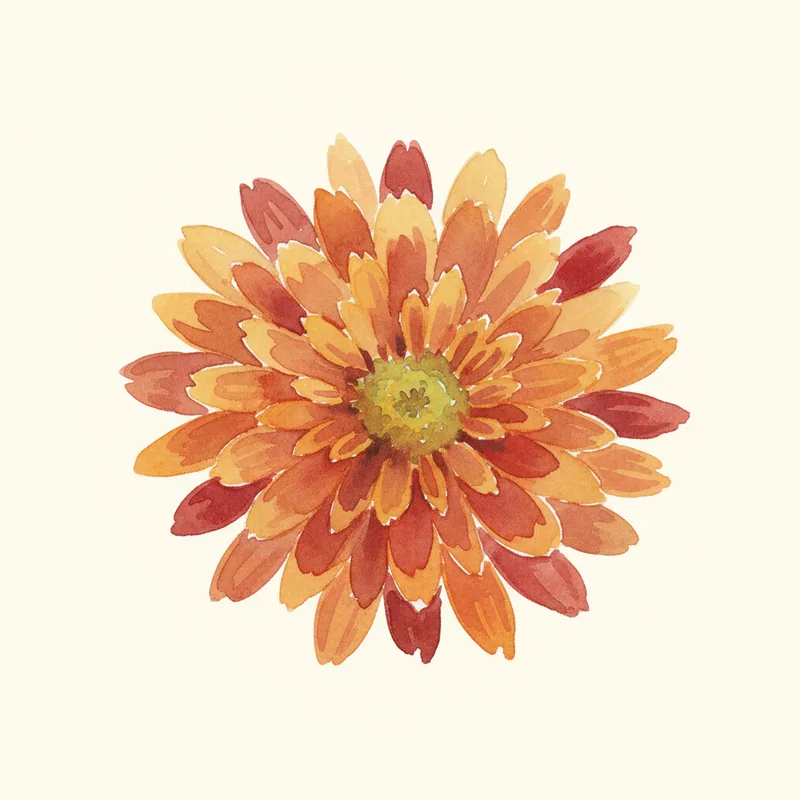
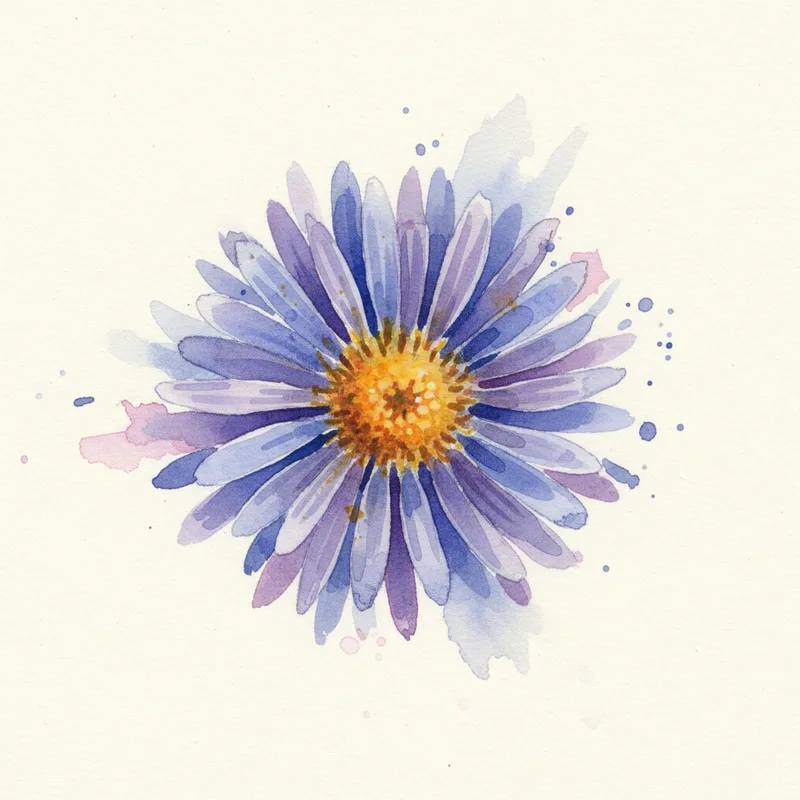
Chrysanthemums are the workhorses of October in cold zones. Hardy garden mums planted in spring will bloom in waves of gold, bronze, burgundy, and white. They handle light frost without flinching and keep producing flowers until the ground freezes. Asters are still going strong, especially the late-blooming varieties. New England aster keeps its purple and pink daisy flowers open even after the first frost knocks everything else flat.
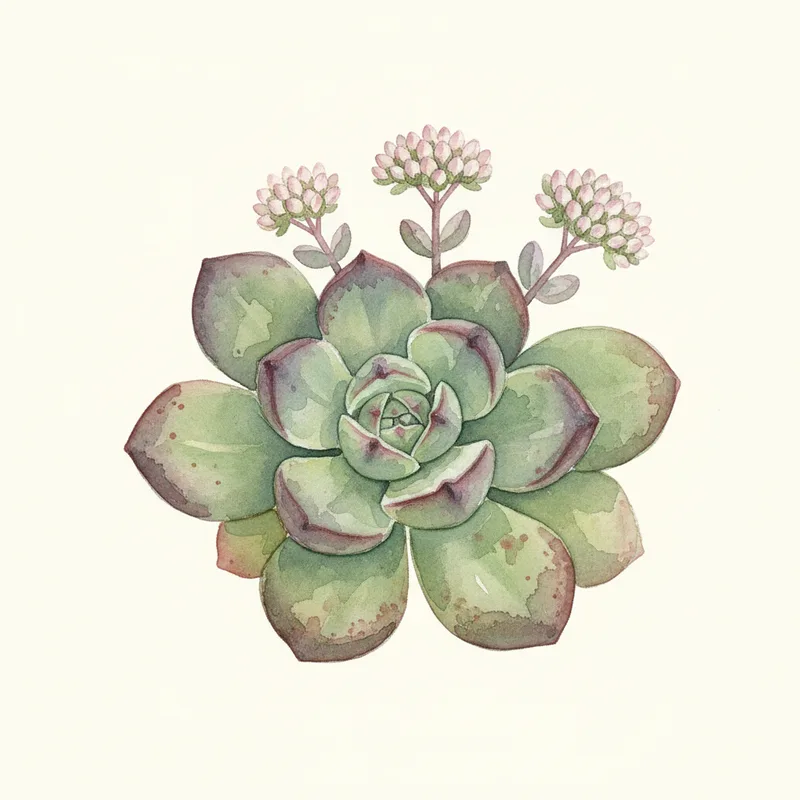
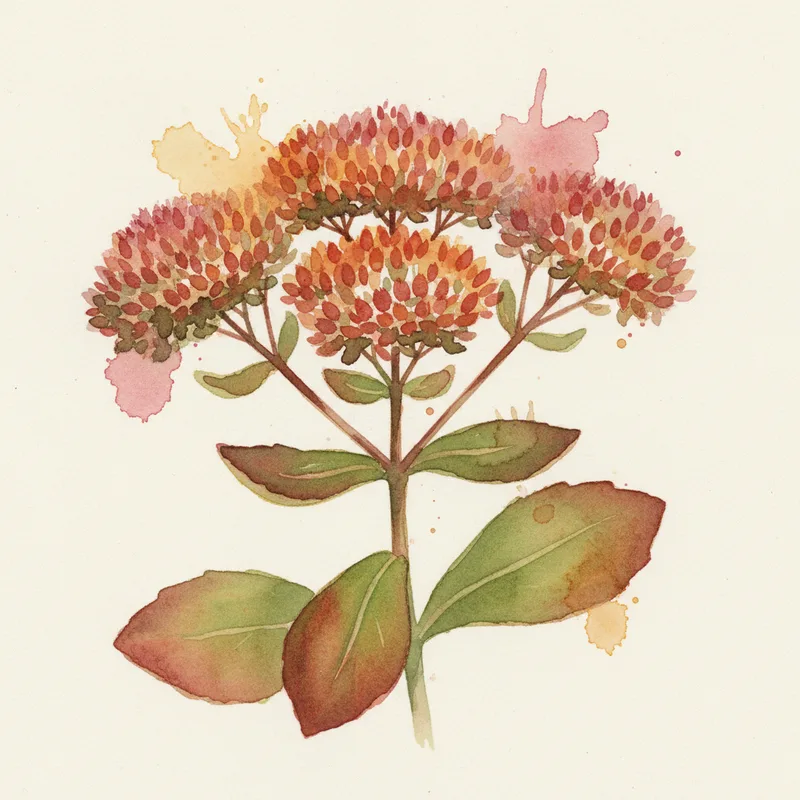
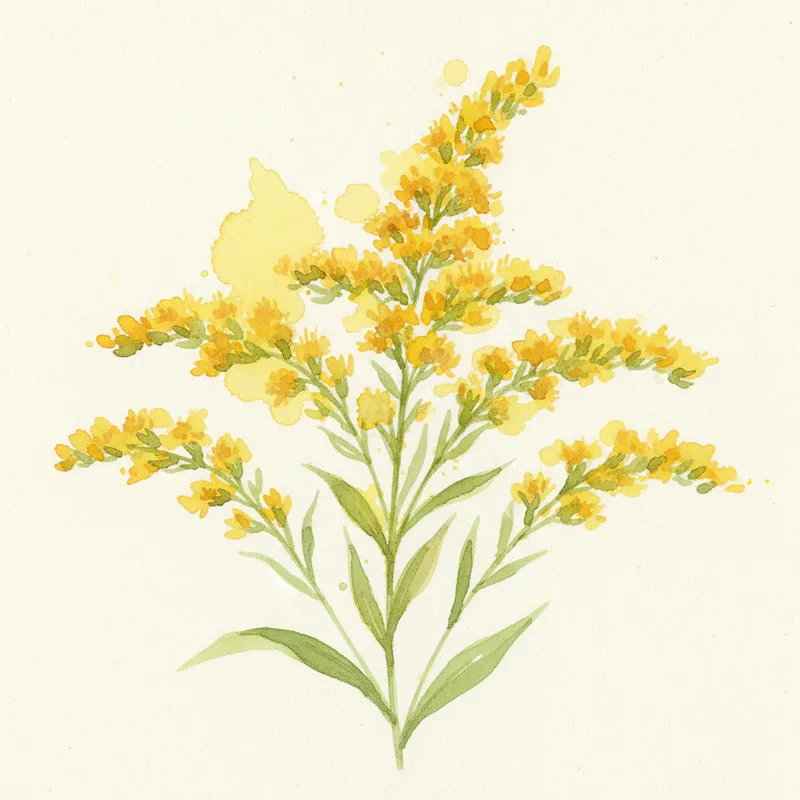
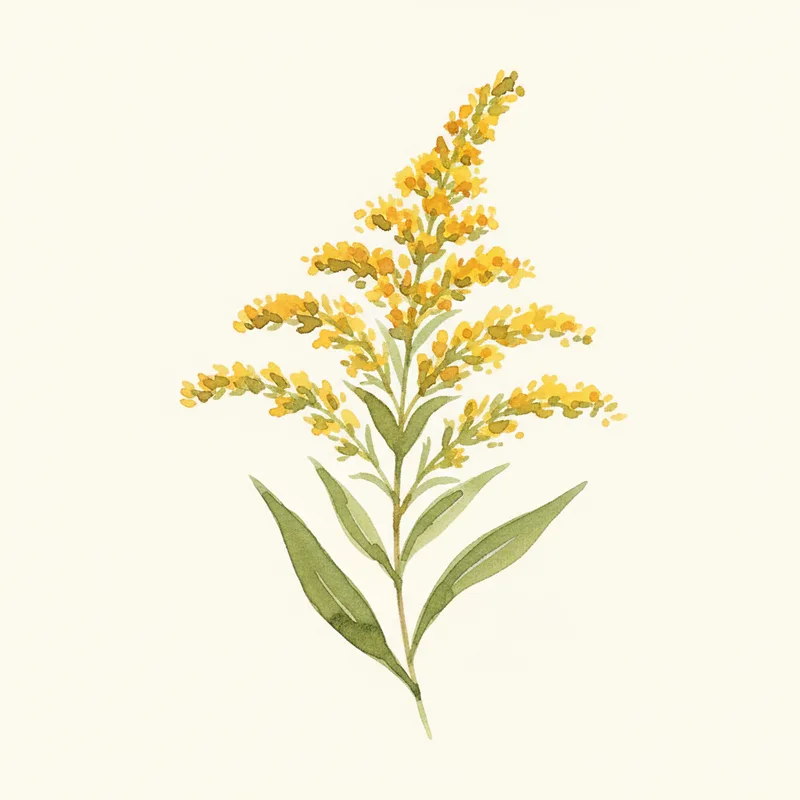
Autumn Joy sedum has deepened to rich copper-bronze. It looks better now than it did a month ago, and the dried flower heads will hold their structure straight through winter (see our Autumn Joy growing guide for whether to cut it back or leave it standing). Goldenrod is finishing but still adding gold to the border. Together, these four plants (mums, asters, sedum, goldenrod) are all you need for a cold-zone October garden that looks intentional.
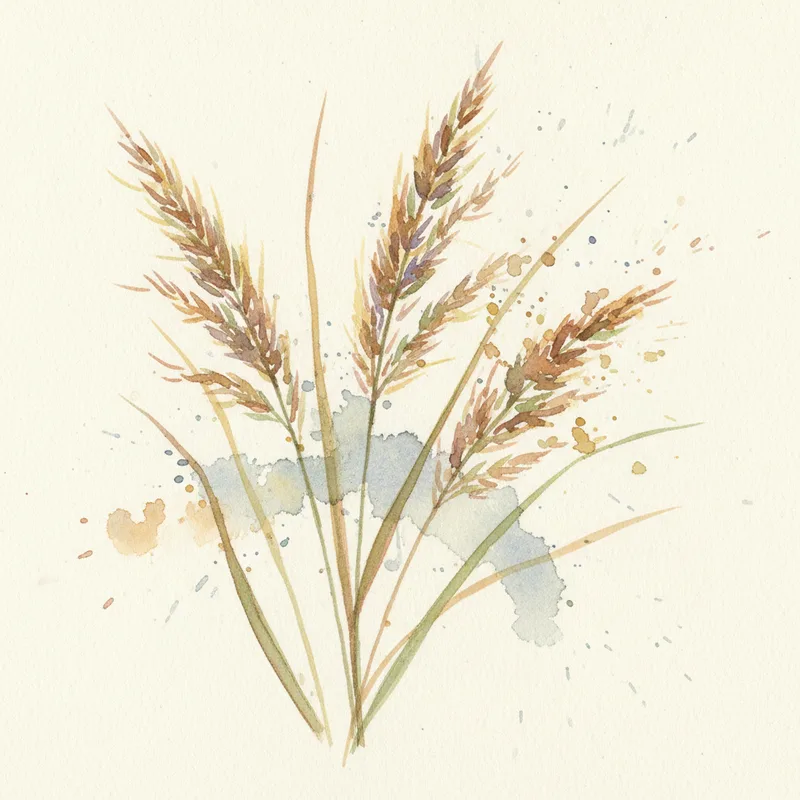
Ornamental grasses earn their keep this month. Switchgrass turns golden yellow and catches the October light. Fountain grass waves its bottlebrush plumes in the wind. These are not flowers, but they provide the movement and texture that keeps the garden alive when the perennials stop blooming.
Zones 6-7: Extended autumn
October in zones 6 and 7 is generous. Hard frost is still weeks away, and the fall bloomers that started in September are settling into their peak. This is the month that rewards gardeners who planned beyond summer.
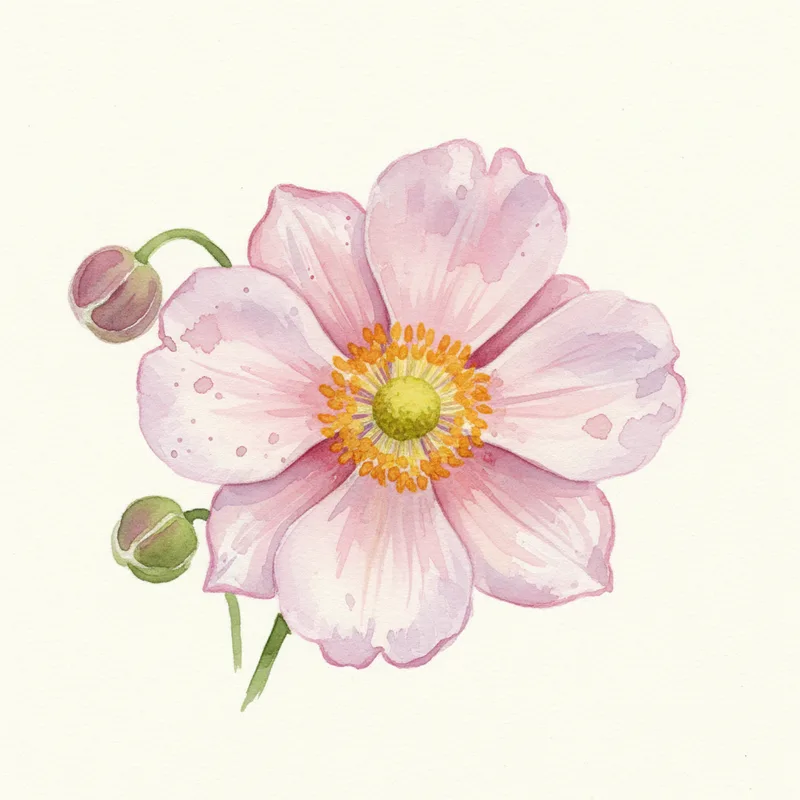
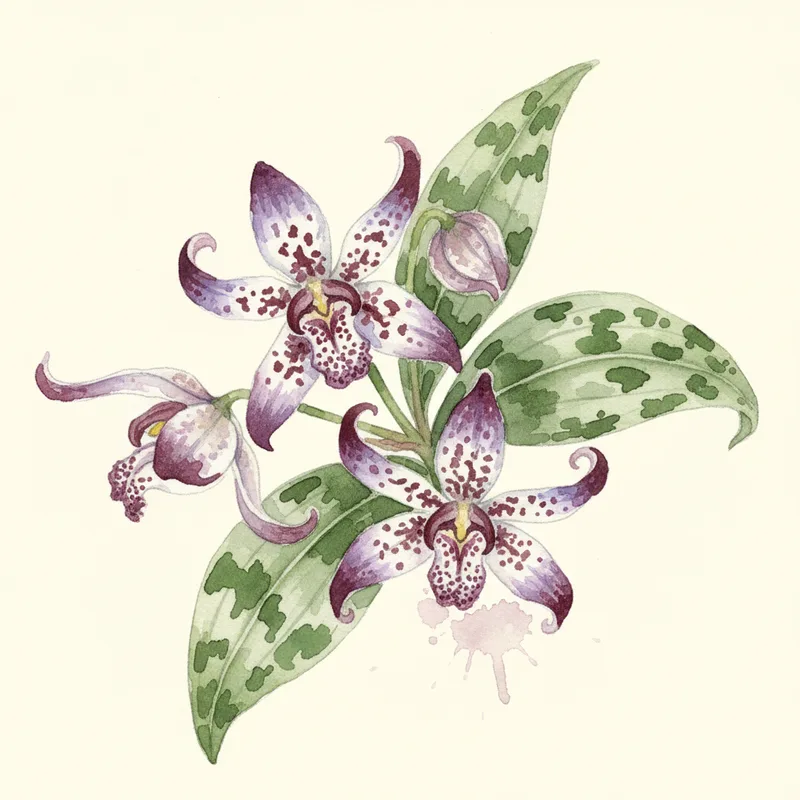
Japanese anemone is still blooming beautifully, its pink and white flowers swaying on those tall stems. It is one of the longest-blooming fall perennials, and in a mild October it will keep going into November. Toad lily is at its best right now, its spotted, orchid-like flowers tucked into shady corners where they surprise everyone who walks past.
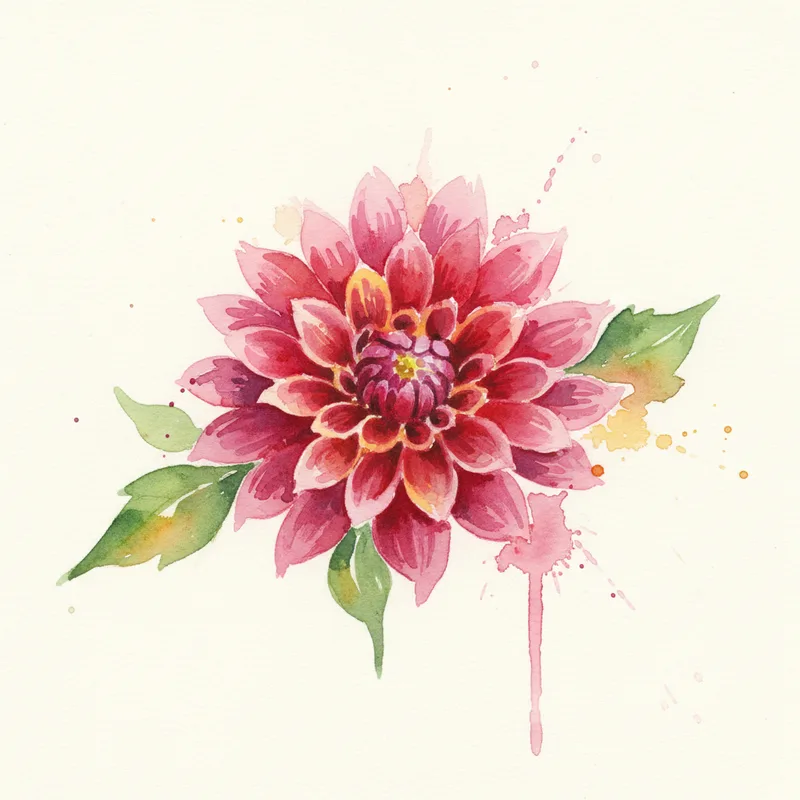
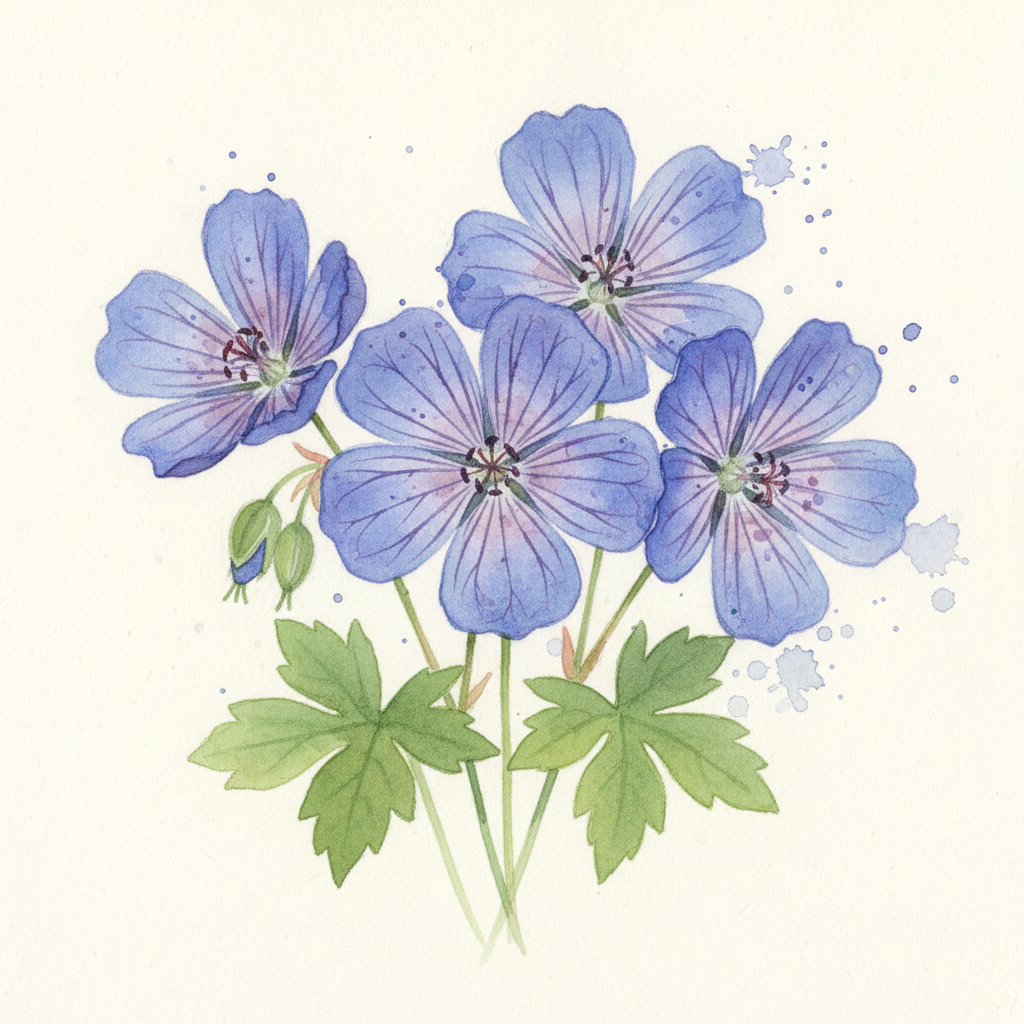
Dahlias are still spectacular in these zones, though you should be watching the forecast. One hard frost will end them. Pick every open bloom before a freeze is predicted. Knock Out roses are on their final flush and look surprisingly good in October. The cooler temperatures produce deeper colors than the summer blooms. Rozanne geranium keeps threading its violet-blue flowers through the border. It has been blooming since May and shows no signs of quitting.
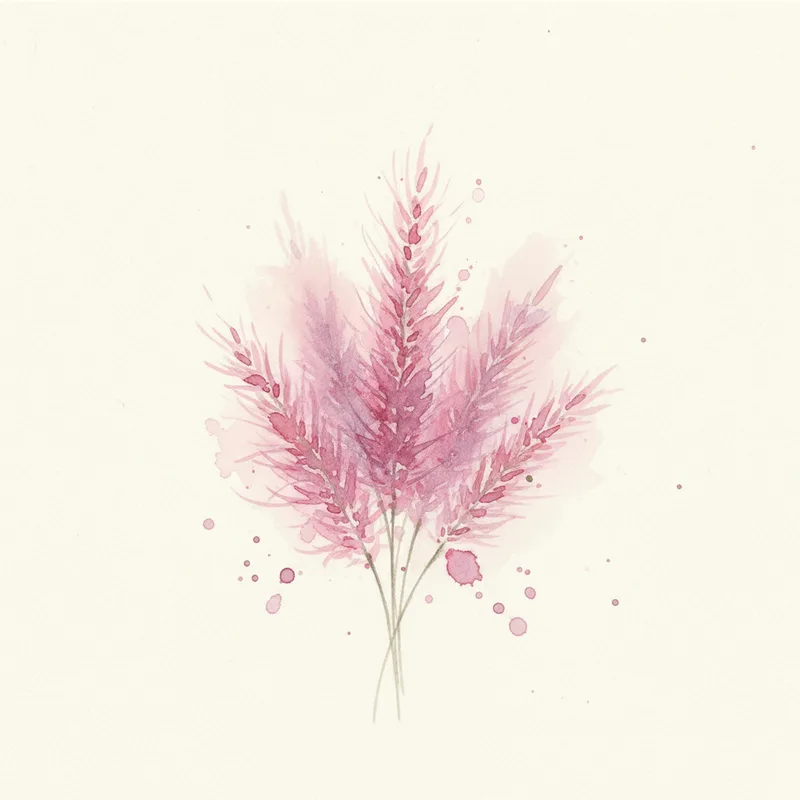
This is the month when ornamental grasses become the most important plants in the garden. Miscanthus and Morning Light miscanthus hold their silvery plumes high above the border. Pink muhly grass produces clouds of cotton-candy pink that photograph like nothing else in the garden. These grasses look stunning backlit by the low October sun, and they provide structure that lasts well into winter.
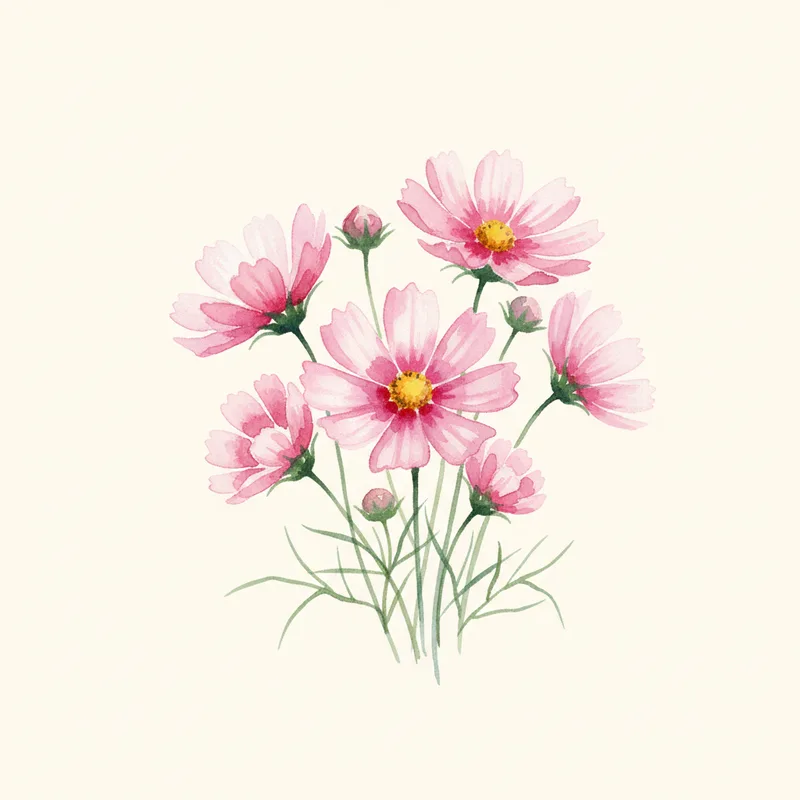
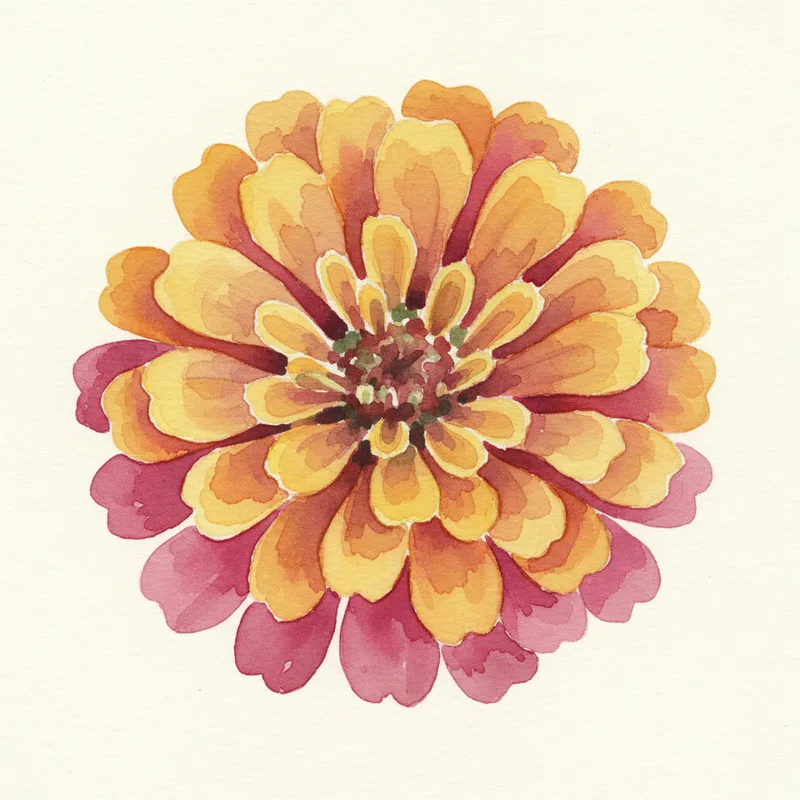
Cosmos and zinnias are still producing flowers until frost takes them. Let some go to seed. Cosmos self-sows freely, and next spring you will have volunteer seedlings in unexpected places.
Zones 8-10: The second spring
October in warm zones feels like a fresh start. Summer's brutal heat is truly gone, the rains return in some regions, and the garden responds with a burst of energy that mirrors spring. This is actually the best planting month of the year in these zones.
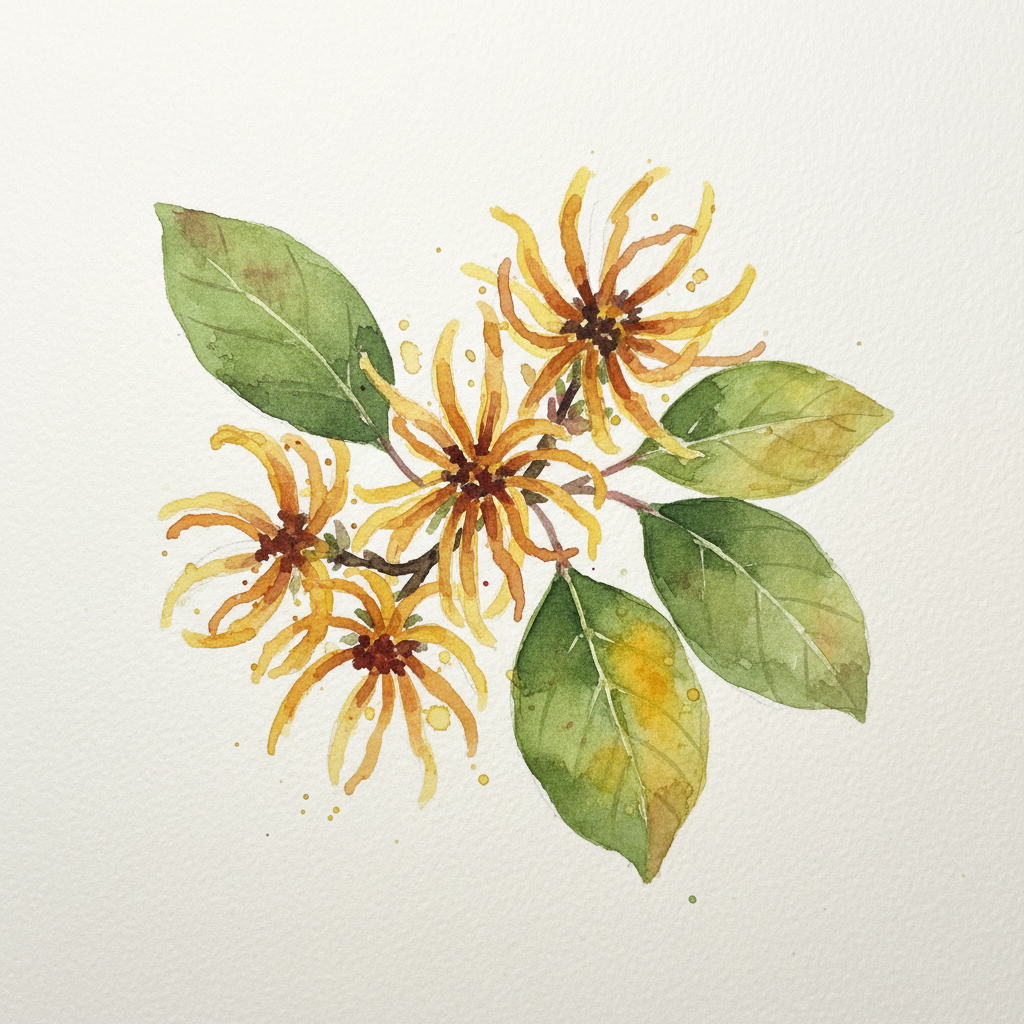
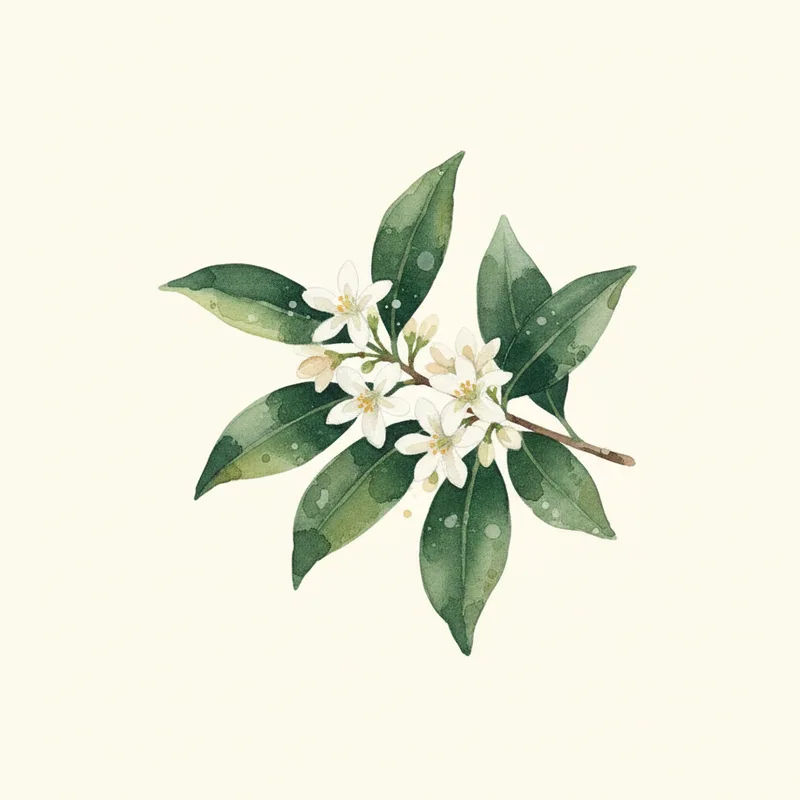
Sweet olive perfumes entire neighborhoods with its tiny, intensely fragrant flowers. You smell it before you see it, and the scent is one of the great pleasures of fall gardening in the South. Native witch hazel opens its spidery yellow flowers on bare or nearly bare branches, a preview of the winter bloom season to come.
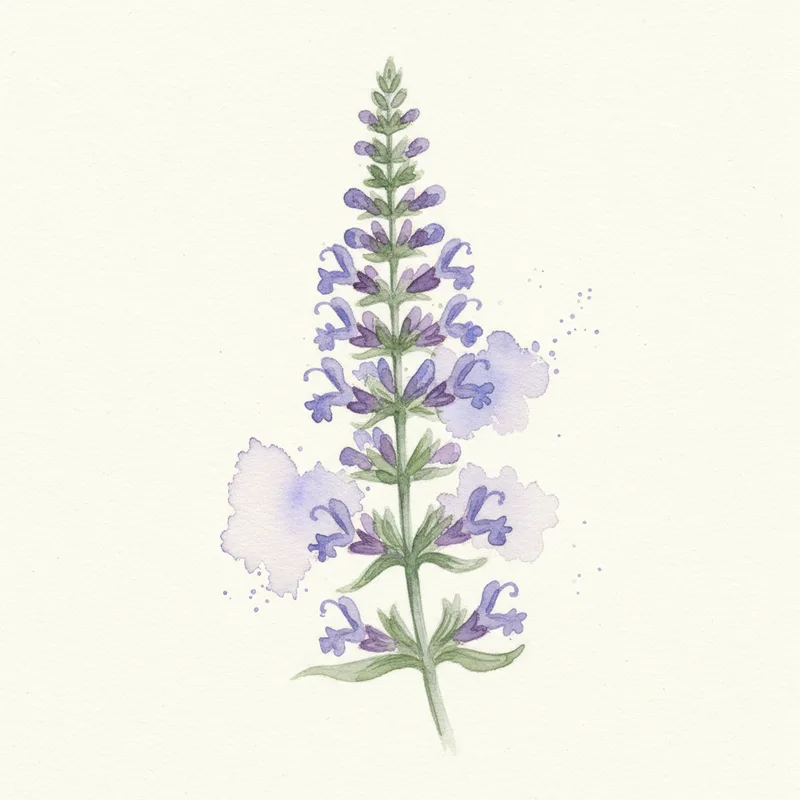
Knock Out roses are producing their best blooms of the year right now. Cooler temperatures, shorter days, and reliable rain create flower quality that summer never achieves. Salvia and Russian sage keep blooming. Chrysanthemums are peaking. Showy goldenrod adds native gold to the mix.
Pink muhly grass is breathtaking in warm-zone October. Those billowing pink clouds catch the low autumn light and glow. It is one of the most photographed plants of the month across the Southeast, and for good reason.
What to do in October
Plant bulbs. In zones 3-5, get them in the ground now while the soil is still workable. Tulips, daffodils, crocuses, and alliums all need to be planted six to eight weeks before the ground freezes. In zones 6-7, October is the ideal bulb planting month. In zones 8-10, wait until November or December when soil temperatures drop below 60 degrees.
Plant perennials, shrubs, and trees. October is one of the best months of the year to plant in zones 6 and warmer. The soil is still warm enough for root growth, but air temperatures are cool enough that transplant stress is minimal. Everything you plant now gets a head start on spring.
After the first hard frost in cold zones, cut back perennials to six inches. Leave ornamental grasses standing. Their winter structure is valuable and they protect their own crowns from freeze-thaw cycles. Dig up dahlia tubers after frost blackens the foliage, let them dry for a day, and store them in a cool, dark spot in peat moss or vermiculite.
Take one last walk through the garden and compare it to the photos you took in July and September. The season is ending, but your notes from this year become next year's planting plan. Browse our Nonstop Color and Zero-Effort Garden collections for plants that extend the show.
See what's blooming near you
Enter your zip code on the homepage to find what blooms in your zone: Zone 4 · Zone 5 · Zone 6 · Zone 7 · Zone 8 · Zone 9
For a month-by-month chore checklist tailored to your USDA zone, see our garden chores by zone guide.

What's growing, what's blooming, what's worth planting.
For gardeners who like to stay ahead.