What's Blooming in September: Zone-by-Zone Guide
September is the fall garden's opening act. Asters, goldenrod, and Japanese anemones take center stage while dahlias hit their peak. Here is what is blooming in your zone right now.
September is when the fall garden reveals itself. If you planned for it, this month is spectacular. August's holdovers are still going, but the real fall stars are stepping forward now. Asters, goldenrod, and Japanese anemones bring a completely different palette to the border. Cooler nights intensify colors. The light shifts to something warmer and lower. And the garden feels less like a performance and more like a long exhale.
Zones 3-5: Fall arrives fast
September in cold zones is urgent. First frost could arrive by month's end, and every bloom has weight. The garden is not winding down. It is doing something different, something richer and moodier than summer ever was. The other September mainstay is the asters, which opens as most perennials are finishing and carries the border into October.
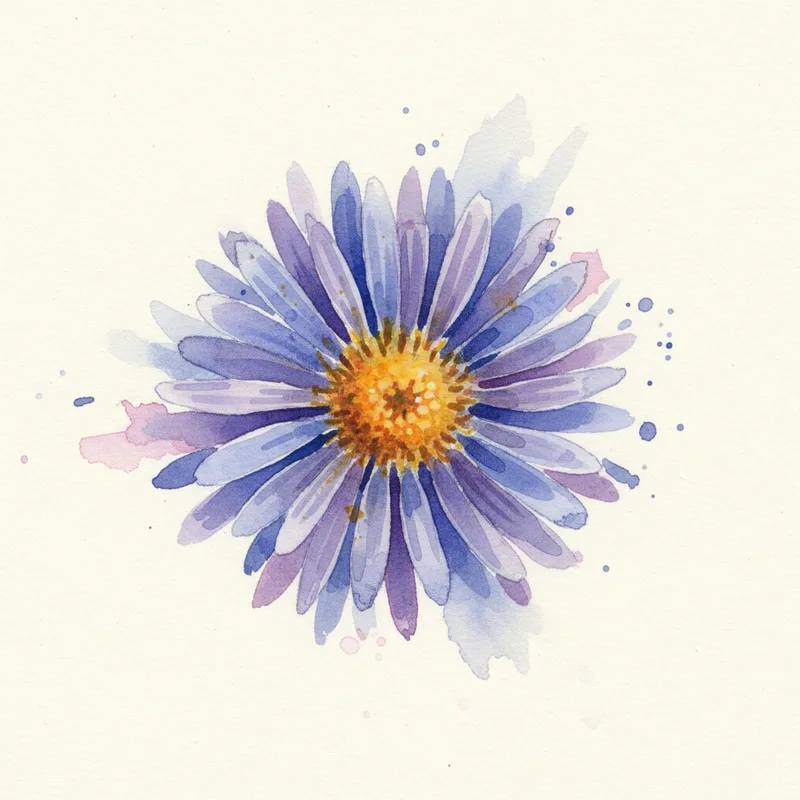
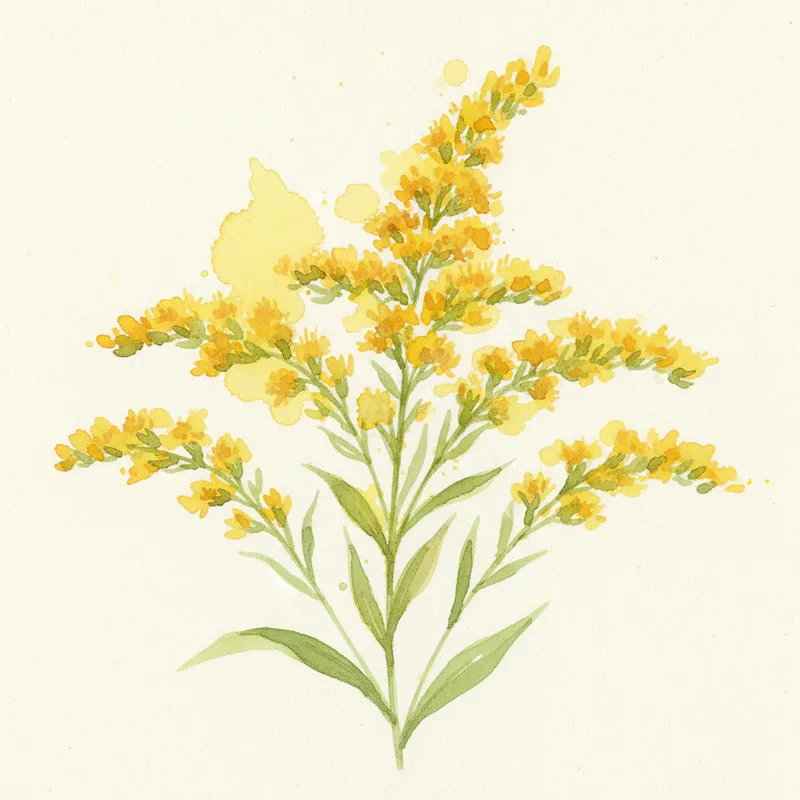
Asters are the undisputed stars. Their purple, blue, and pink daisy flowers cover themselves in butterflies making the most of the remaining warm days. New England aster is the classic, growing three to four feet tall and blooming in masses that stop people on the sidewalk. Goldenrod pairs perfectly with asters, its golden plumes creating the purple-and-gold combination that defines fall in the Northeast and Midwest.
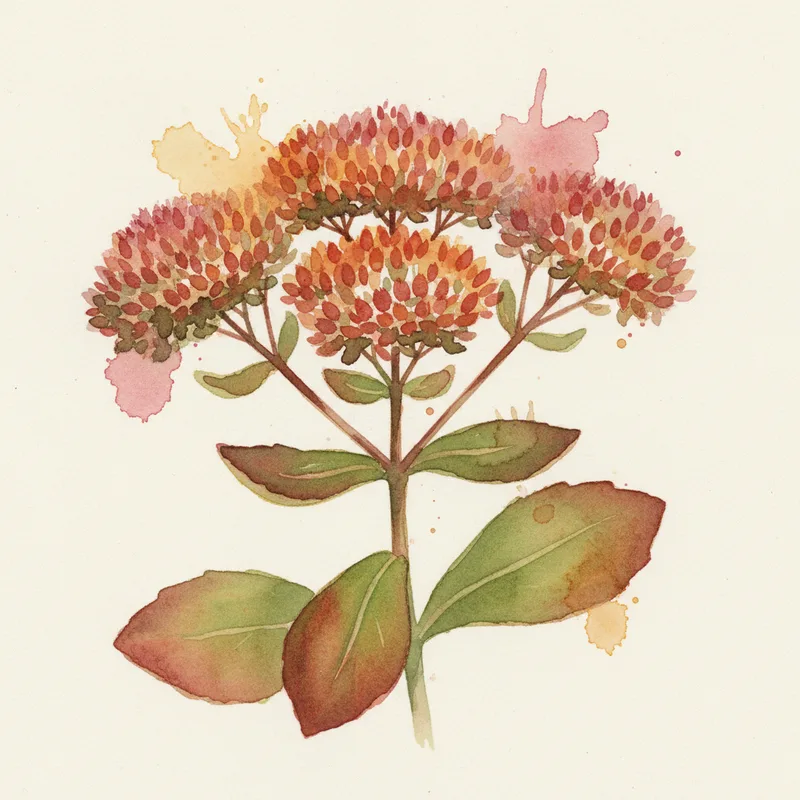
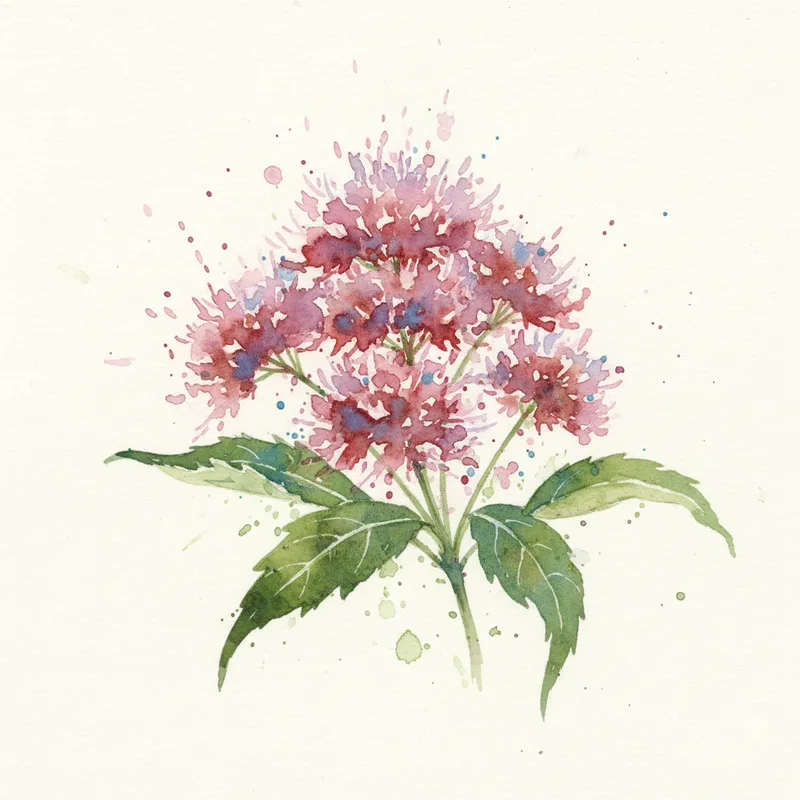
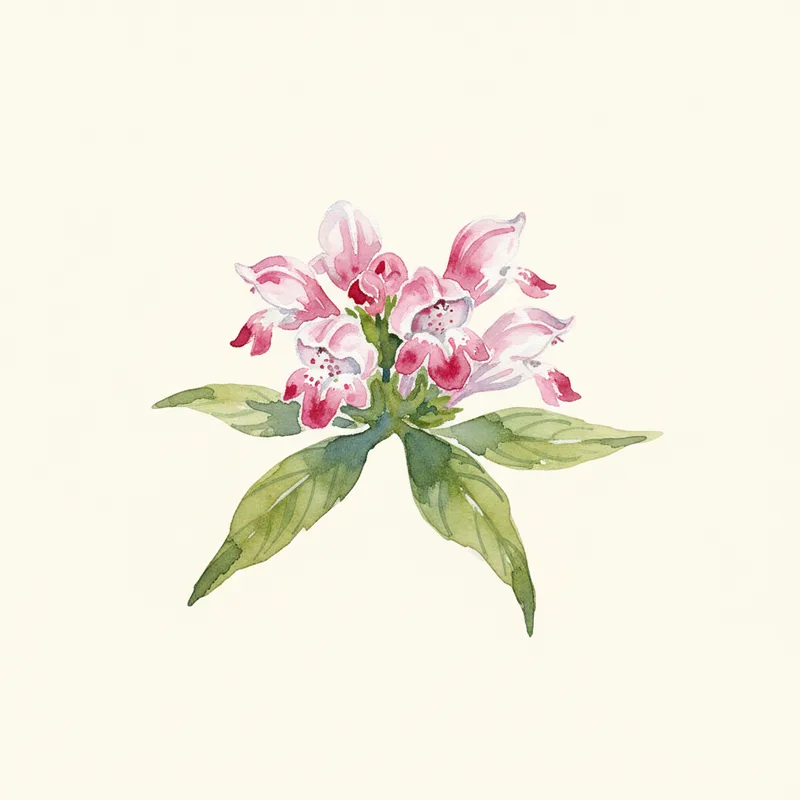
Sedum flower heads have turned from green to deep pink, and Autumn Joy sedum is at its best right now. Those flat-topped clusters darken to copper and bronze as the month goes on (our Autumn Joy growing guide covers why it flops in rich soil and stays upright in lean ground). Joe-Pye weed is finishing its run, but those massive mauve domes still command the back of the border. Turtlehead opens its distinctive snapdragon-like flowers in pink and white along moist woodland edges.
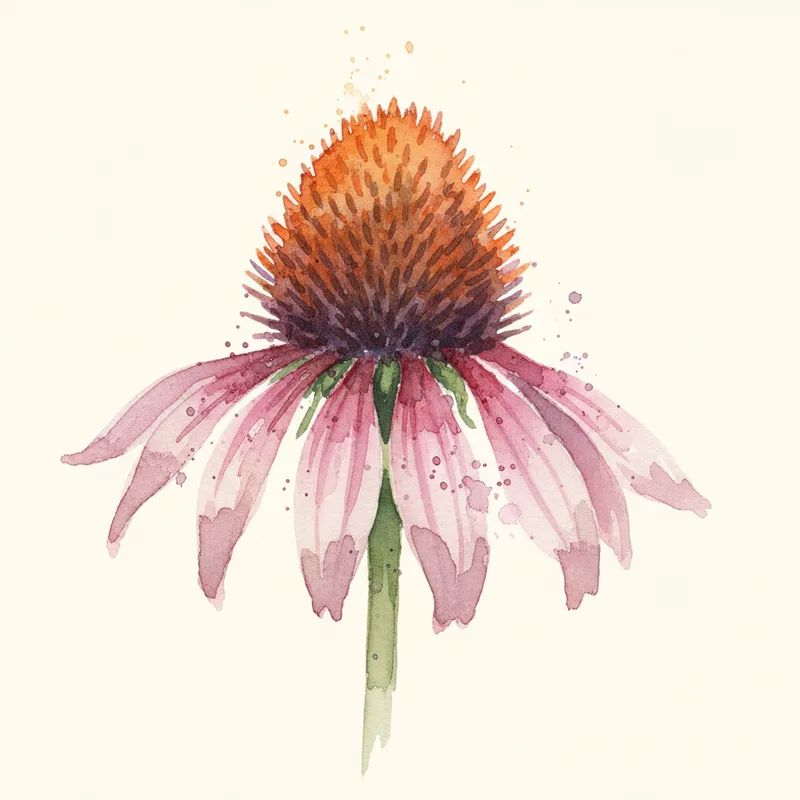
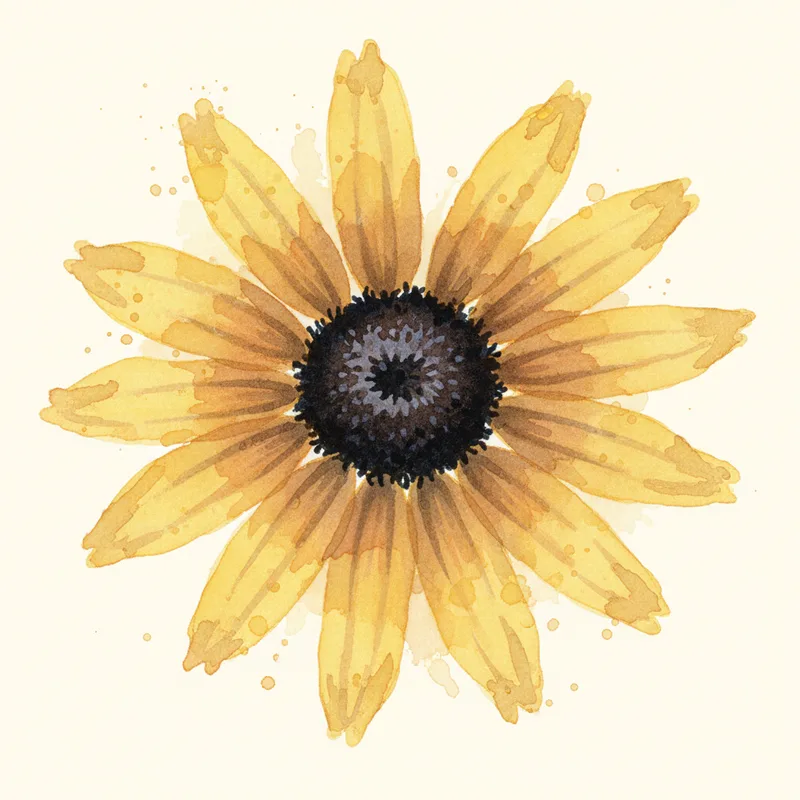
Coneflowers and black-eyed Susans are still going, though they are starting to look spent. Let some flower heads stand for the goldfinches. The seed heads are as valuable to birds as the flowers were to butterflies.
Zones 6-7: The second peak
September in zones 6 and 7 feels like a second spring. The oppressive heat breaks, afternoon thunderstorms ease off, and the garden gets a second wind. If your border looks tired right now, it is because you do not have enough fall bloomers. Fix that this year.
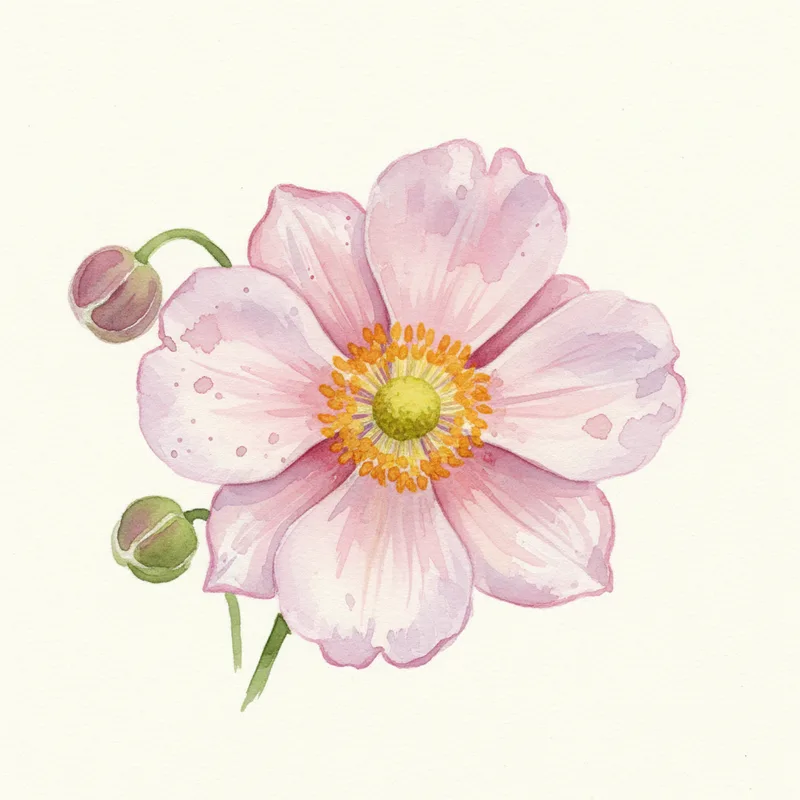
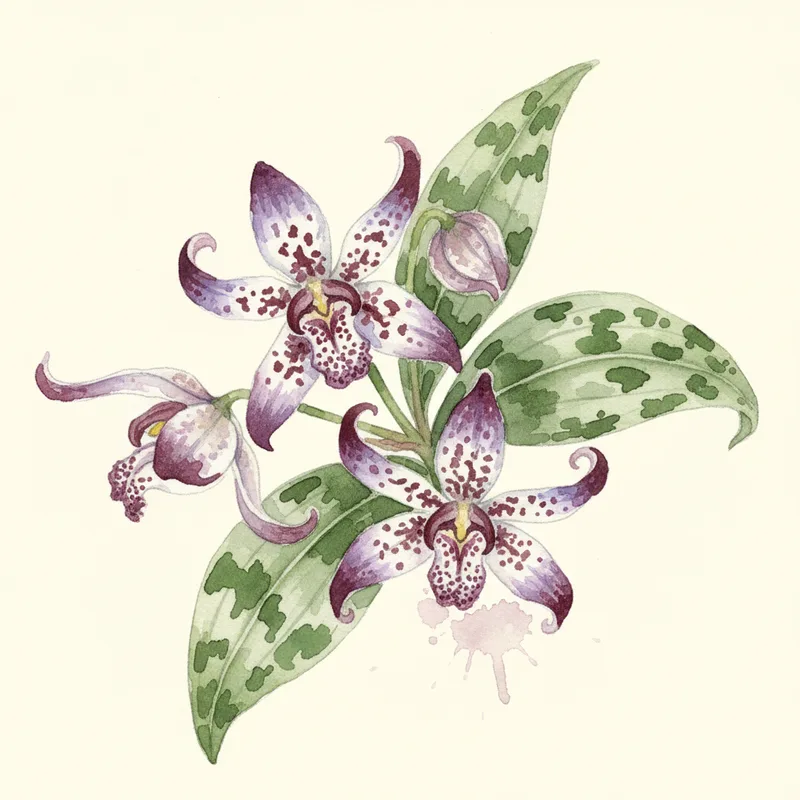
Japanese anemone is one of the most beautiful fall perennials. Simple pink or white flowers dance on tall, wiry stems in the slightest breeze. It fills the role that peonies play in spring: elegant, effortless, impossible to ignore. Toad lily opens its orchid-like spotted flowers in shady spots where nothing else blooms this late. These two plants alone can transform a September shade garden.
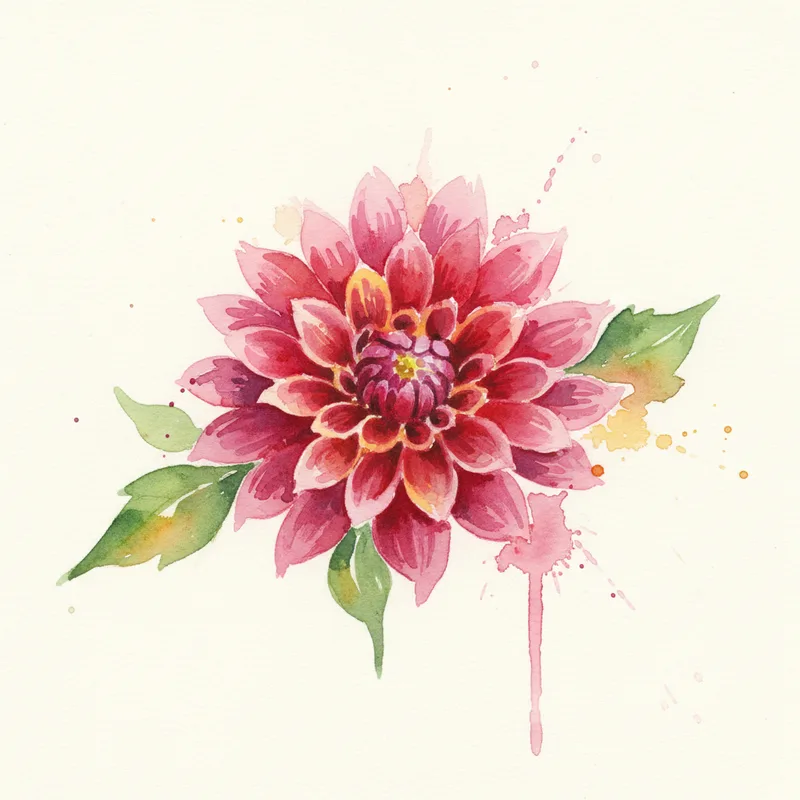
Dahlias hit their absolute peak in September. Cooler nights intensify their colors and the blooms get larger as the plants mature. From dinner-plate giants to tight pompons, this is the month that justifies every hour you spent staking and pinching. Cut them freely. They bloom harder the more you pick.
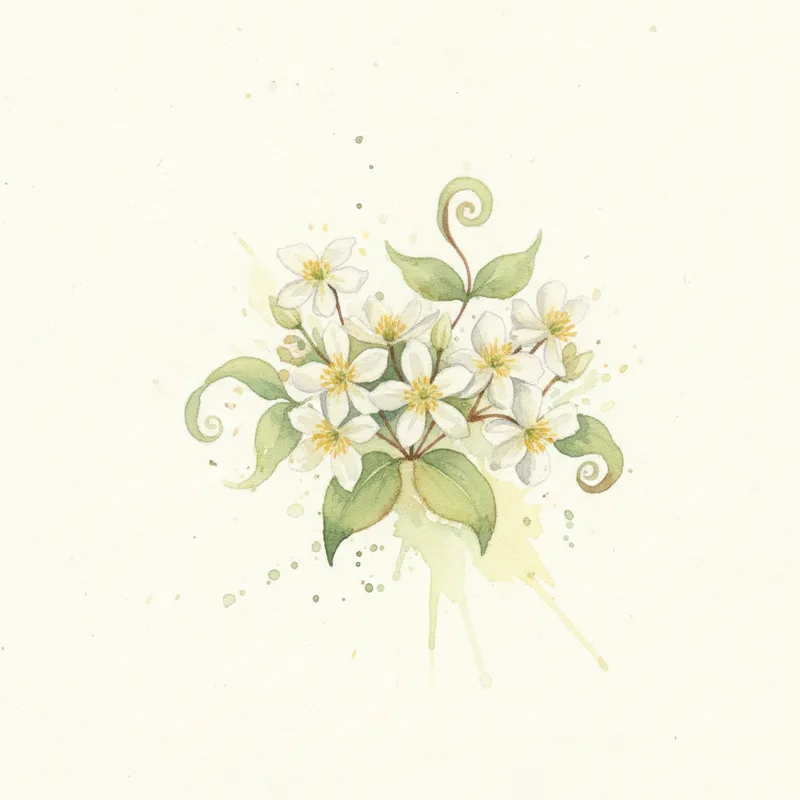
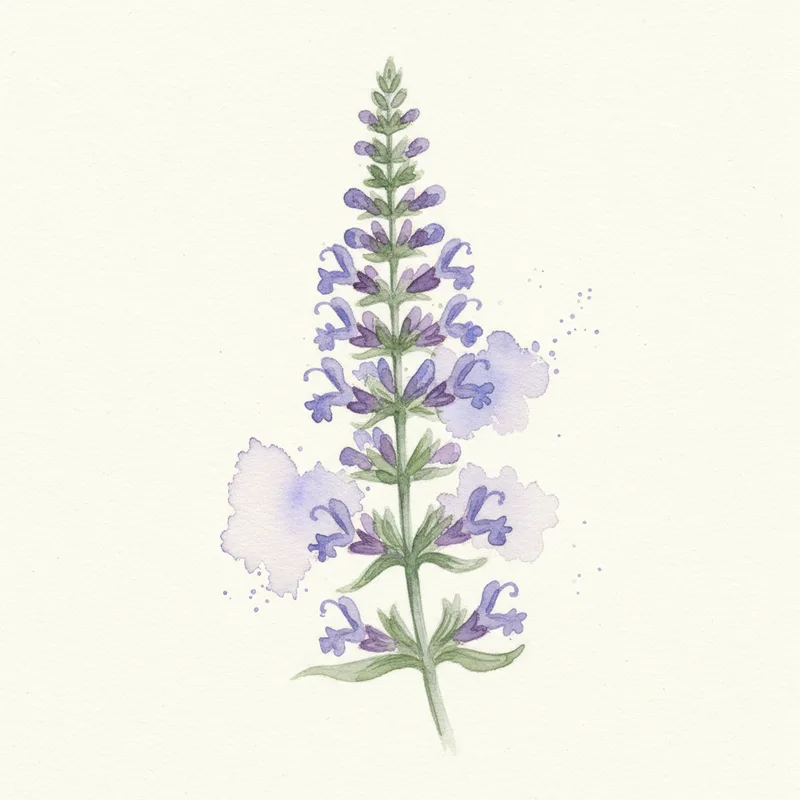
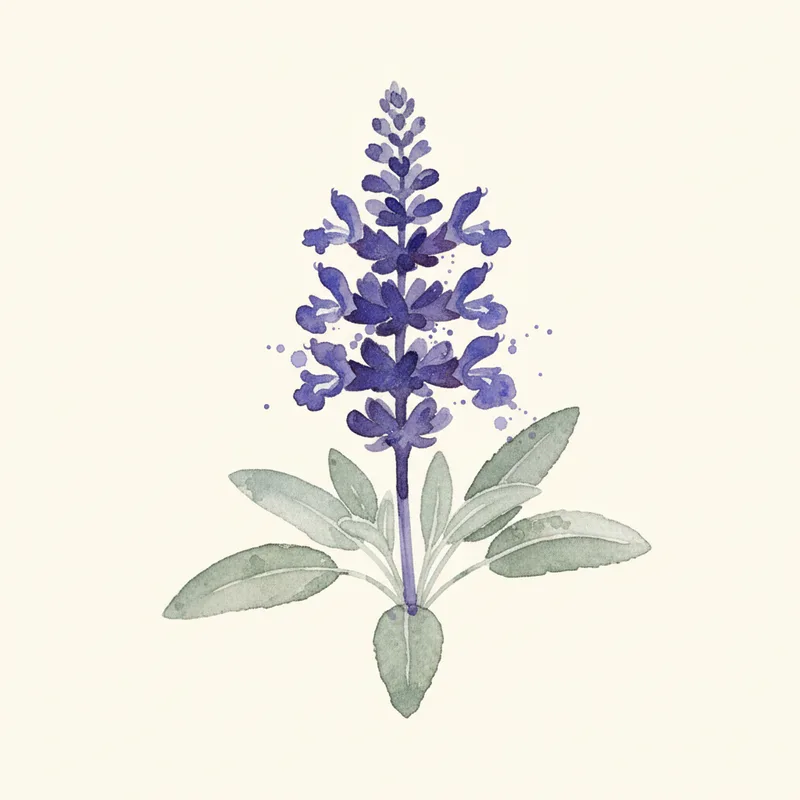
Sweet autumn clematis covers fences and arbors in clouds of tiny, fragrant white flowers. The scent carries across the garden on warm September evenings. Russian sage is still blooming, its silvery haze holding up beautifully next to asters and goldenrod. Salvia keeps pumping out blue spikes without missing a beat.
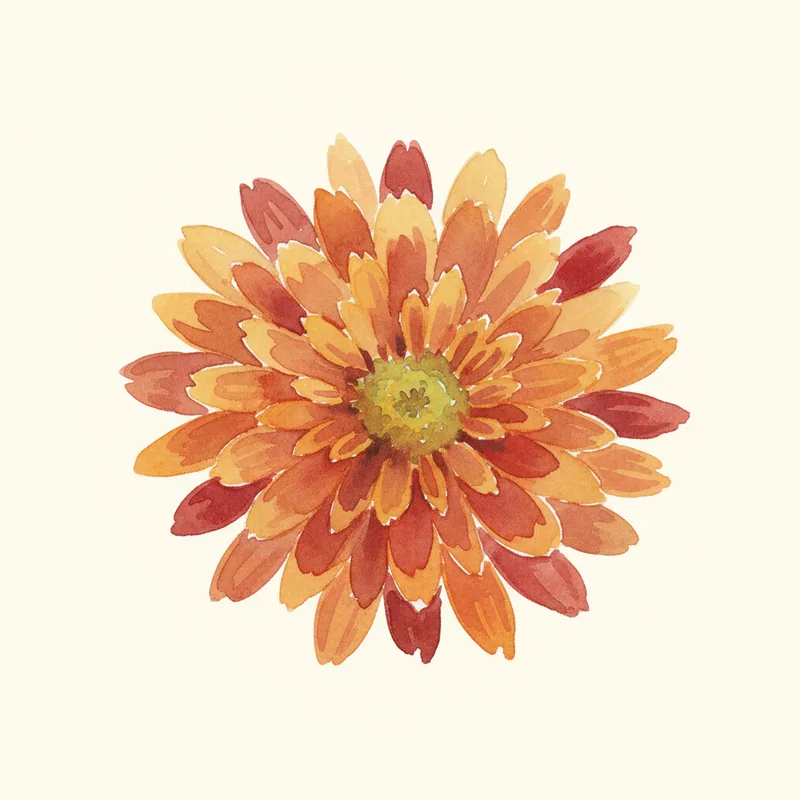
Chrysanthemums start their show in late September. Skip the grocery store mums and plant hardy garden varieties that come back year after year. They are tougher, bloom longer, and look better in the border than anything in a foil wrapper.
Zones 8-10: Relief and renewal
September in warm zones brings the first real relief from summer. Temperatures drop from punishing to merely hot, and the garden responds immediately. Plants that looked half-dead in August perk up and start blooming again.
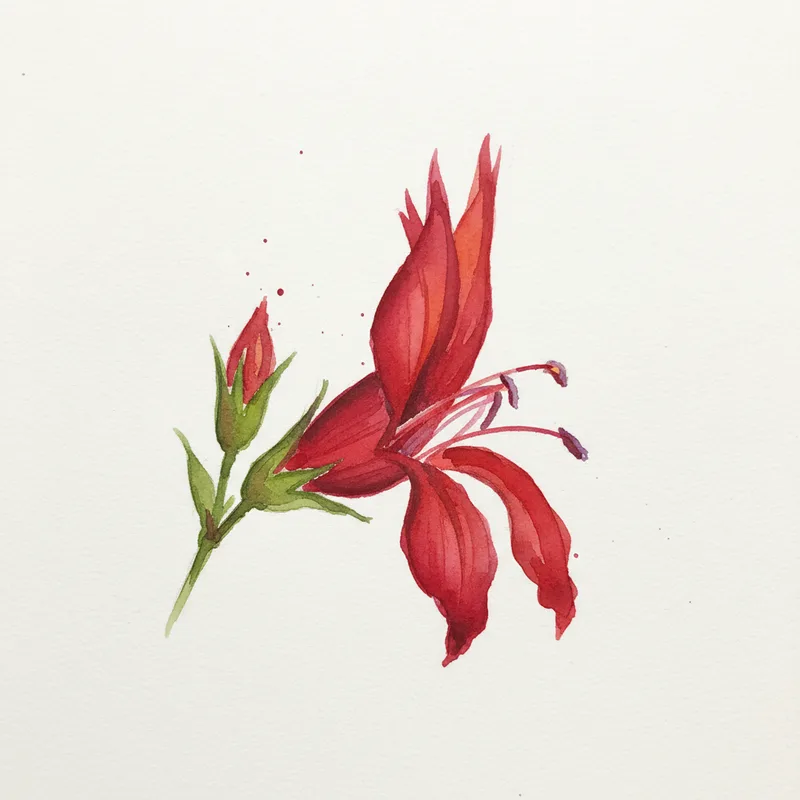
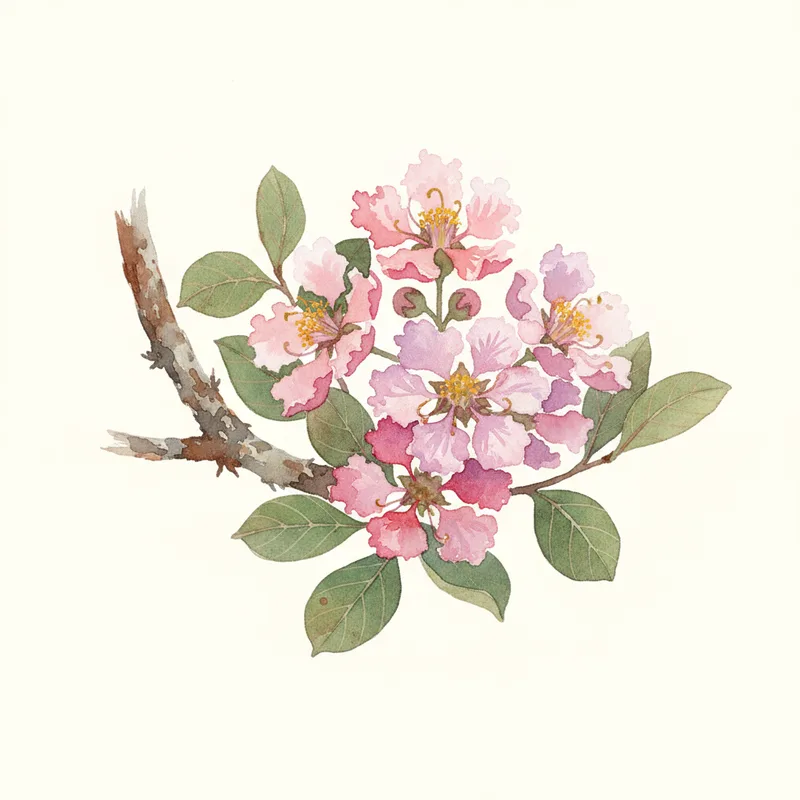
Crape myrtle is still going strong, and will keep blooming until the first cool snap. Knock Out roses push a strong fall flush now that the worst heat is past. Salvia rebounds with fresh spikes. Cardinal flower blazes scarlet in moist spots, drawing in the last hummingbirds of the season before they migrate south.
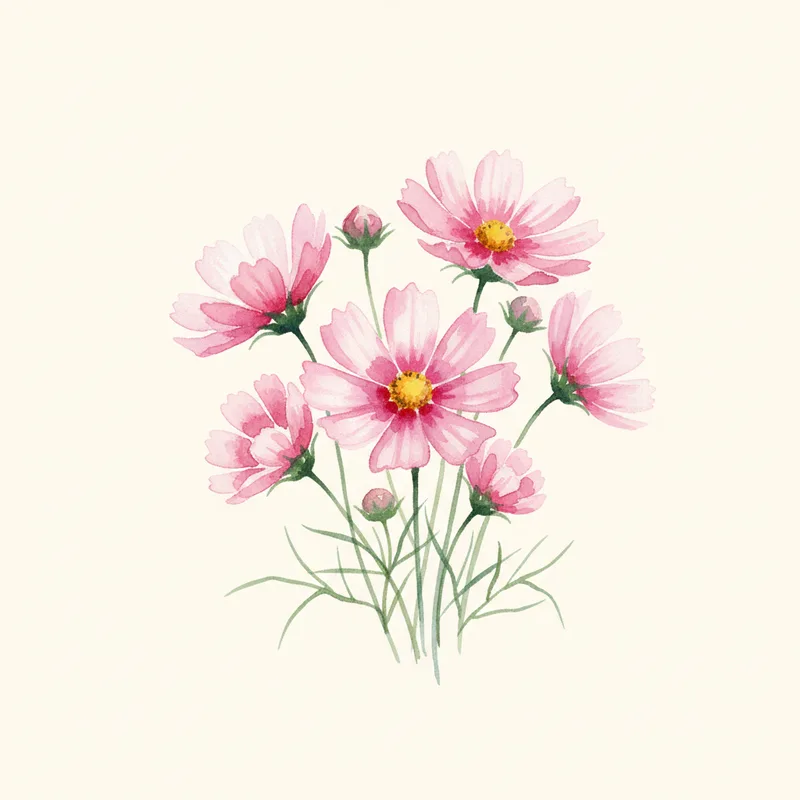
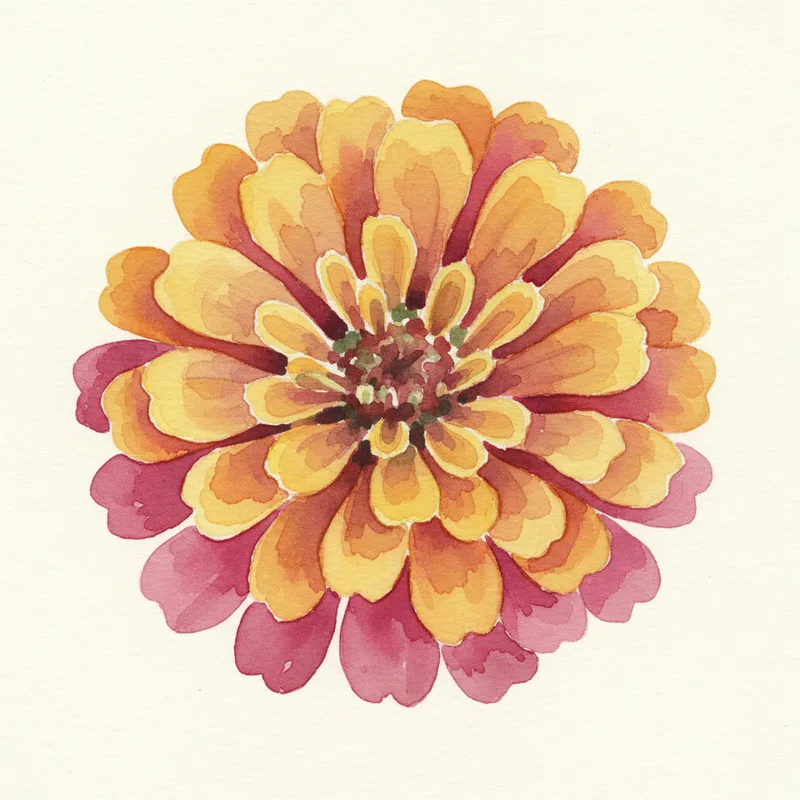
Cosmos and zinnias are having their best month. Late-sown successions hit their stride now, producing the most vivid cut flowers of the year. The light in September is warmer and more flattering than midsummer, and it makes every flower look better in photos and in the vase.
This is the beginning of fall planting season in warm zones. Start getting perennials, shrubs, and trees in the ground now. The mild winter ahead will give them months of root growth before next summer's heat.
What to do in September
Plant spring-blooming bulbs. Tulips, daffodils, crocuses, and alliums go in the ground from now through November, depending on your zone. In zones 3-5, plant in September. In zones 6-7, October is ideal. In zones 8-10, wait until November when the soil has cooled. Get the bulbs in the fridge now if you are in zones 8 or warmer, as they need six weeks of chilling.
Divide and move spring and early summer perennials. September is ideal for dividing peonies, irises, and daylilies. The soil is still warm enough for root growth, but the tops are slowing down. Cut the foliage back by half after dividing to reduce transplant stress.
Keep deadheading dahlias, zinnias, and cosmos. The more you cut, the more they produce. Stop fertilizing perennials and shrubs in cold zones. They need to start hardening off for winter. In warm zones, give roses a light feeding to push the fall flush.
Take notes on your garden right now. Photograph it. Compare to your July and August photos. Where did color drop off? Those gaps tell you exactly what to plant next. Browse our Nonstop Color collection for ideas, or see what is coming in October.
See what's blooming near you
Enter your zip code on the homepage to find what blooms in your zone: Zone 4 · Zone 5 · Zone 6 · Zone 7 · Zone 8 · Zone 9
For a month-by-month chore checklist tailored to your USDA zone, see our garden chores by zone guide.
What's growing, what's blooming, what's worth planting.
For gardeners who like to stay ahead.