What's Blooming in March: Zone-by-Zone Guide
March is when the garden wakes up. Snowdrops, crocuses, and witch hazels lead the way while daffodils and forsythia wait in the wings. Here is what is blooming in your zone right now.
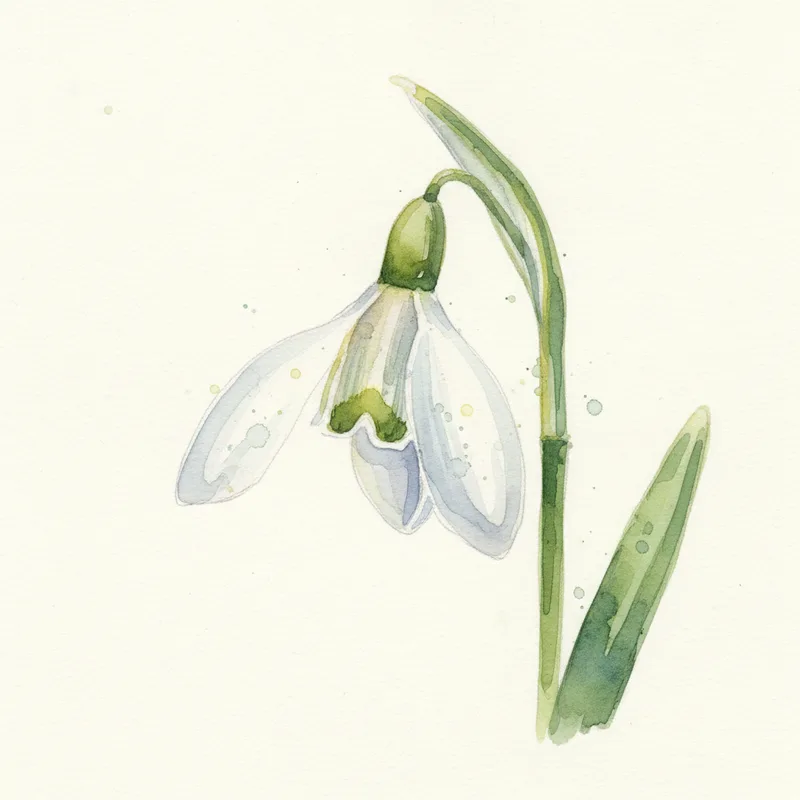
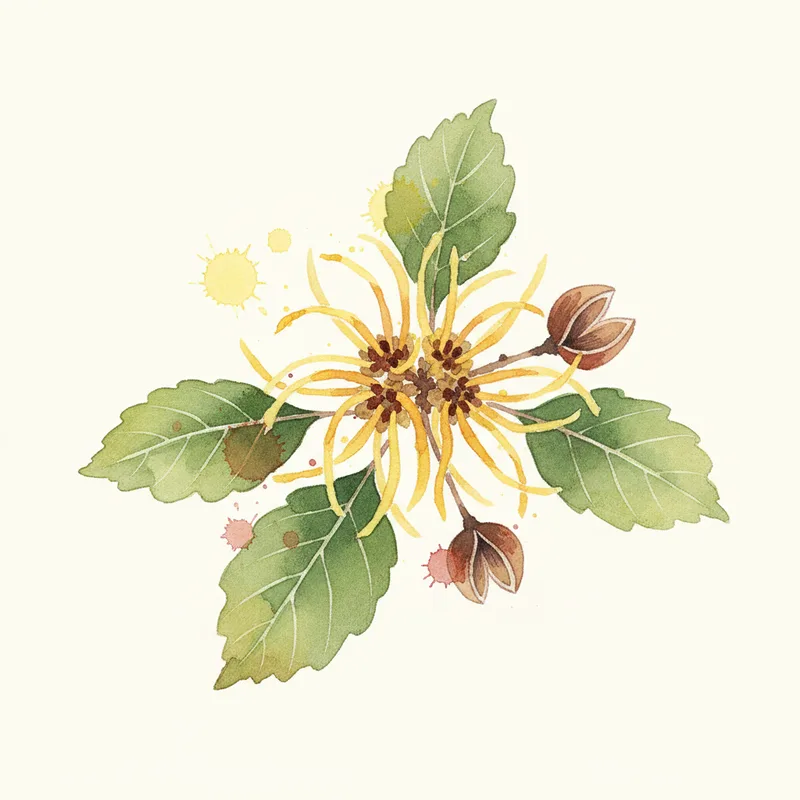
March is the month that separates gardeners from everyone else. Most people see bare branches and brown soil. Gardeners see snowdrops pushing through frozen ground, witch hazel unfurling its spidery petals on bare wood, and swelling buds on every branch. The garden is not sleeping anymore. It is stretching. And if you know where to look, March has more going on than most people realize.
Zones 3-5: The brave ones
March in cold zones is not lush. It is not showy. But it is honest, and the plants that bloom now earn every bit of attention they get. They are flowering against snow, frozen soil, and nights that still drop into the teens. Nothing else is competing for your eye, which means a single clump of snowdrops makes more visual impact right now than an entire rose garden does in June.
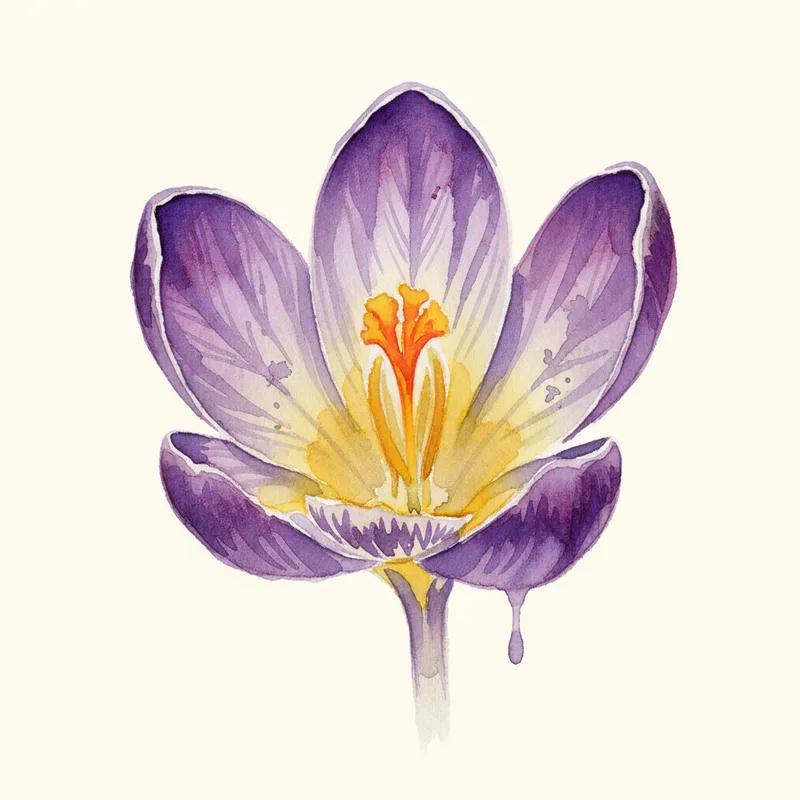
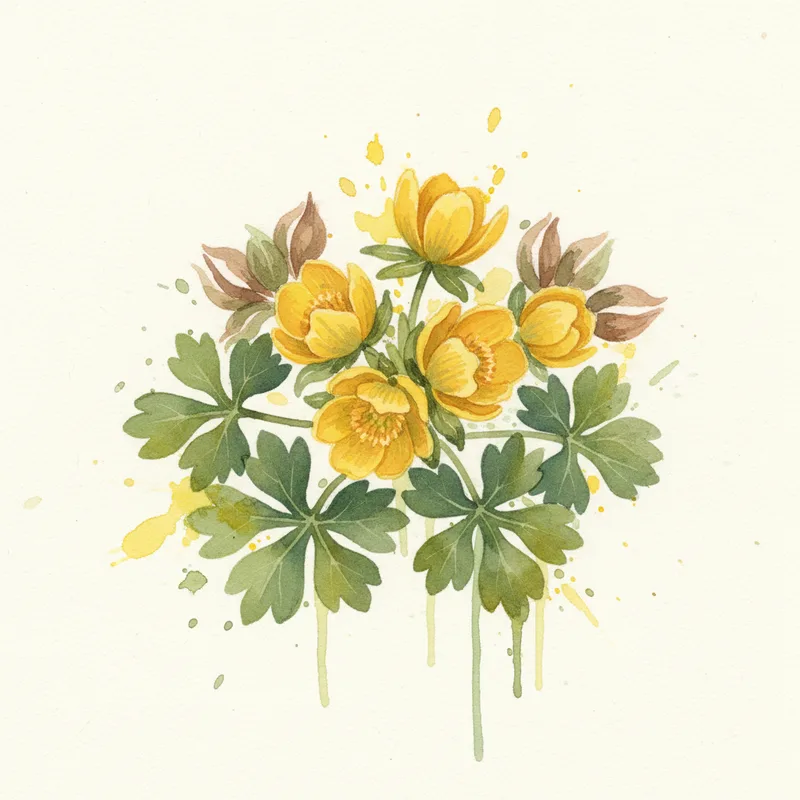
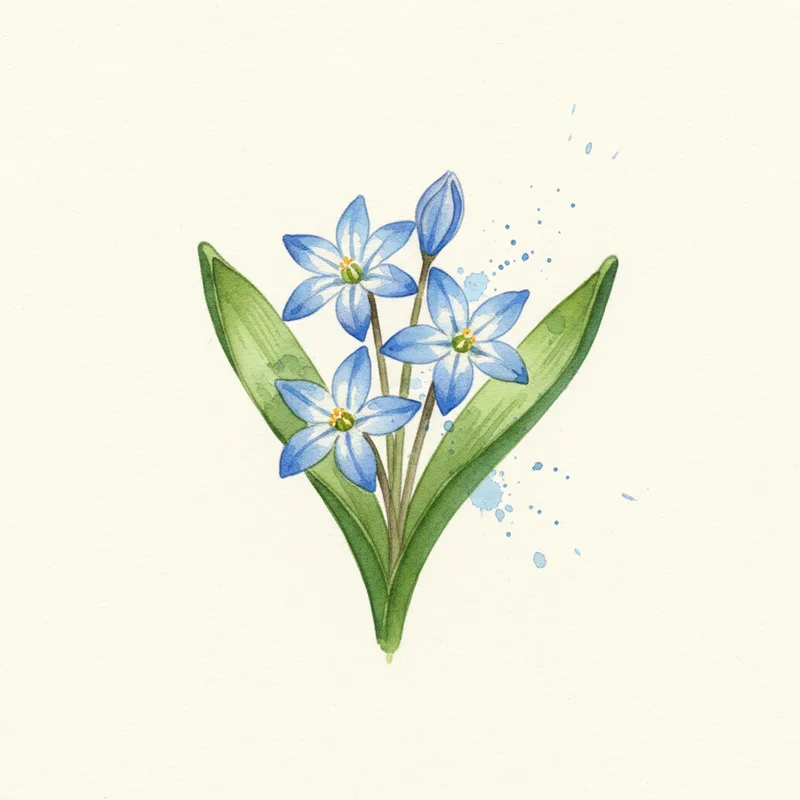
Winter aconite opens its bright yellow buttercup flowers at ground level, often surrounded by snow. Crocus pushes up in purple, yellow, and white. Plant them in drifts of 50 or more and they will naturalize into carpets over the years. Glory-of-the-snow and scilla add blue to the mix. These tiny bulbs spread aggressively and look best when you let them colonize a slope or lawn edge.
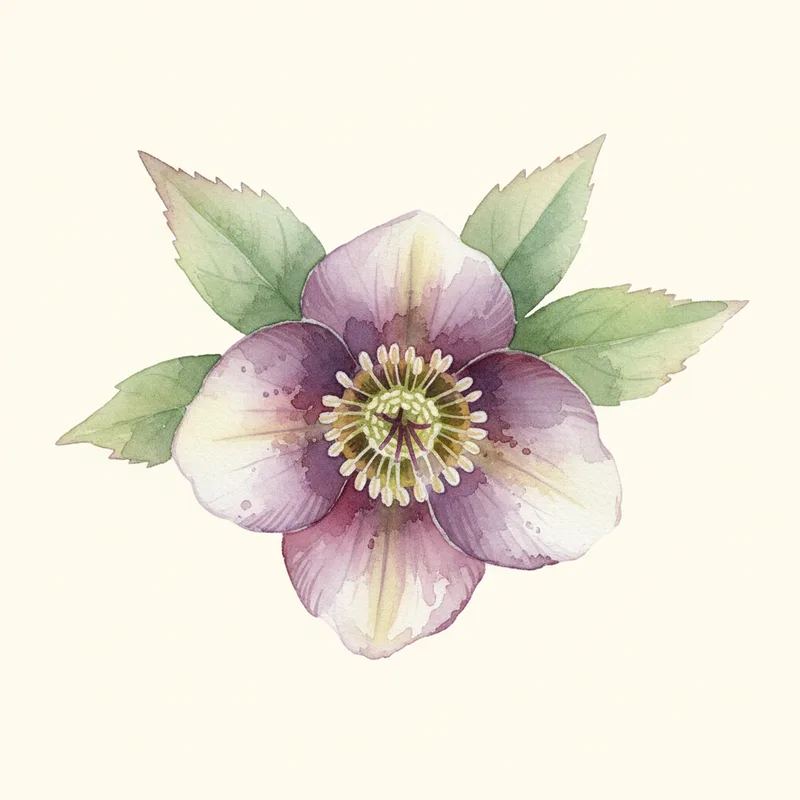
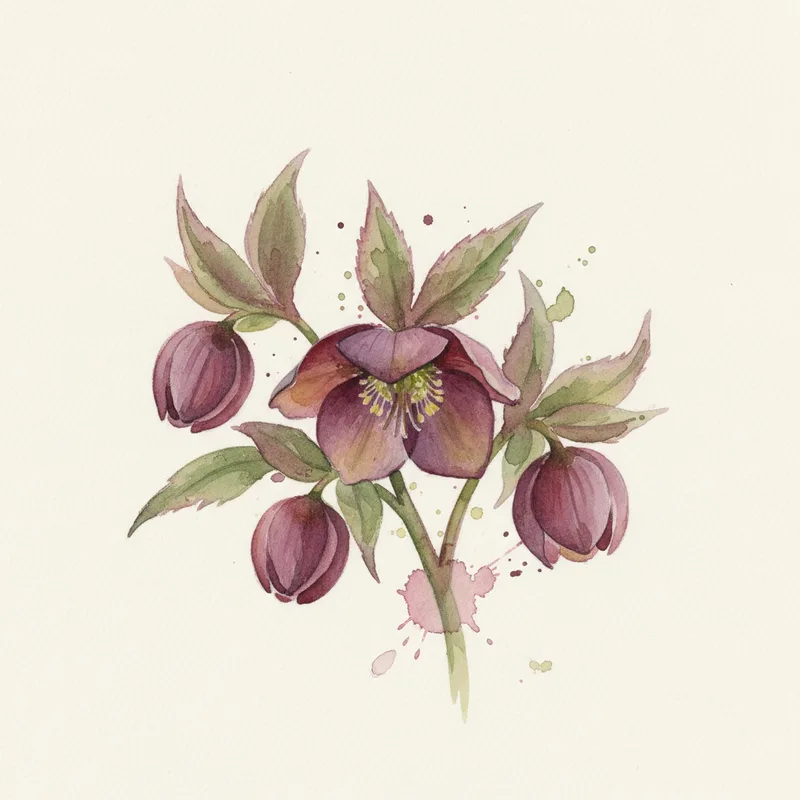
Hellebores are the most sophisticated March bloomer in cold zones. Their nodding cups in purple, pink, green, and white open even when snow is still on the ground. They are evergreen, deer-resistant, and shade-tolerant. If you do not have hellebores yet, fix that this spring. The Lenten rose is especially reliable, blooming for six weeks or more in shades that shift as the flowers age.
Zones 6-7: Spring arrives for real
March in zones 6 and 7 is a different experience entirely. This is not a few brave flowers poking through frost. This is spring arriving with intention. The show builds week by week, and by the end of the month, the garden is fully awake.
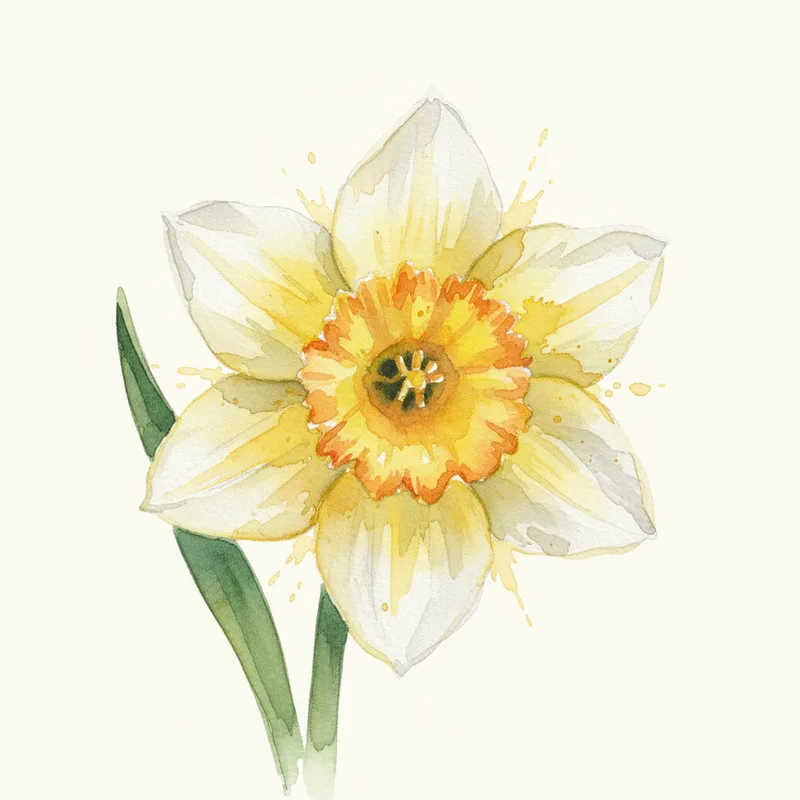
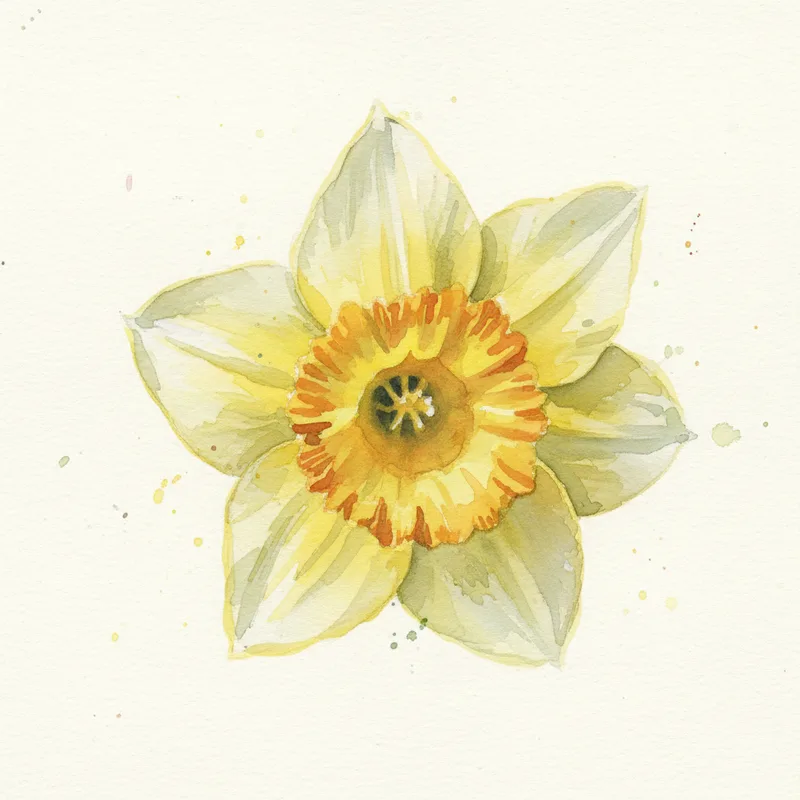
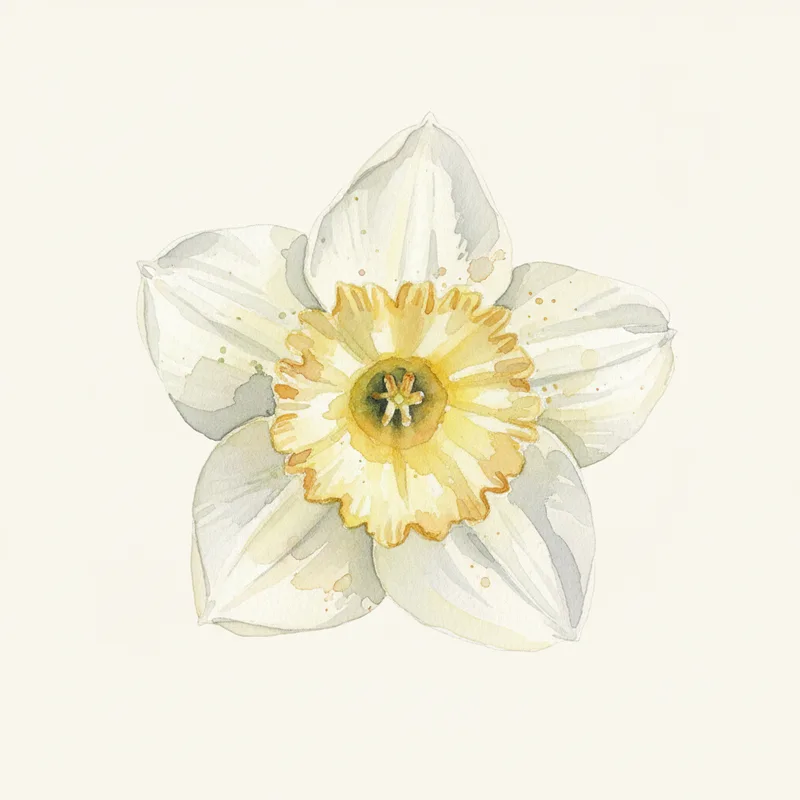
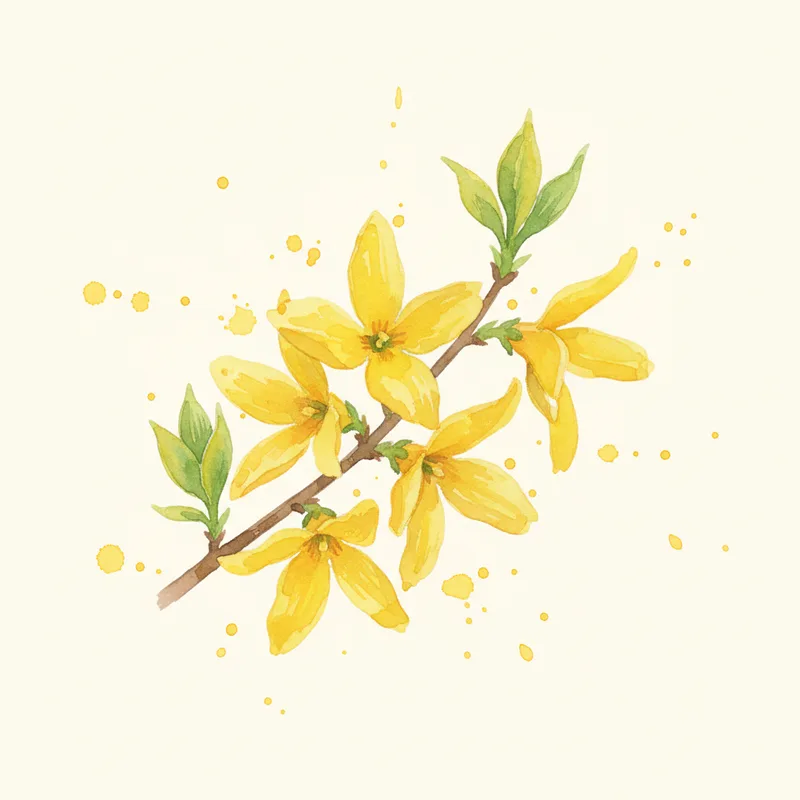
Daffodils are the backbone of March in these zones. King Alfred opens its classic golden trumpets, while Ice Follies brings a softer white-and-cream palette. They naturalize beautifully in lawns and under deciduous trees. Forsythia explodes in screaming yellow along every branch. It is not subtle, but it is the most reliable signal that winter is over.
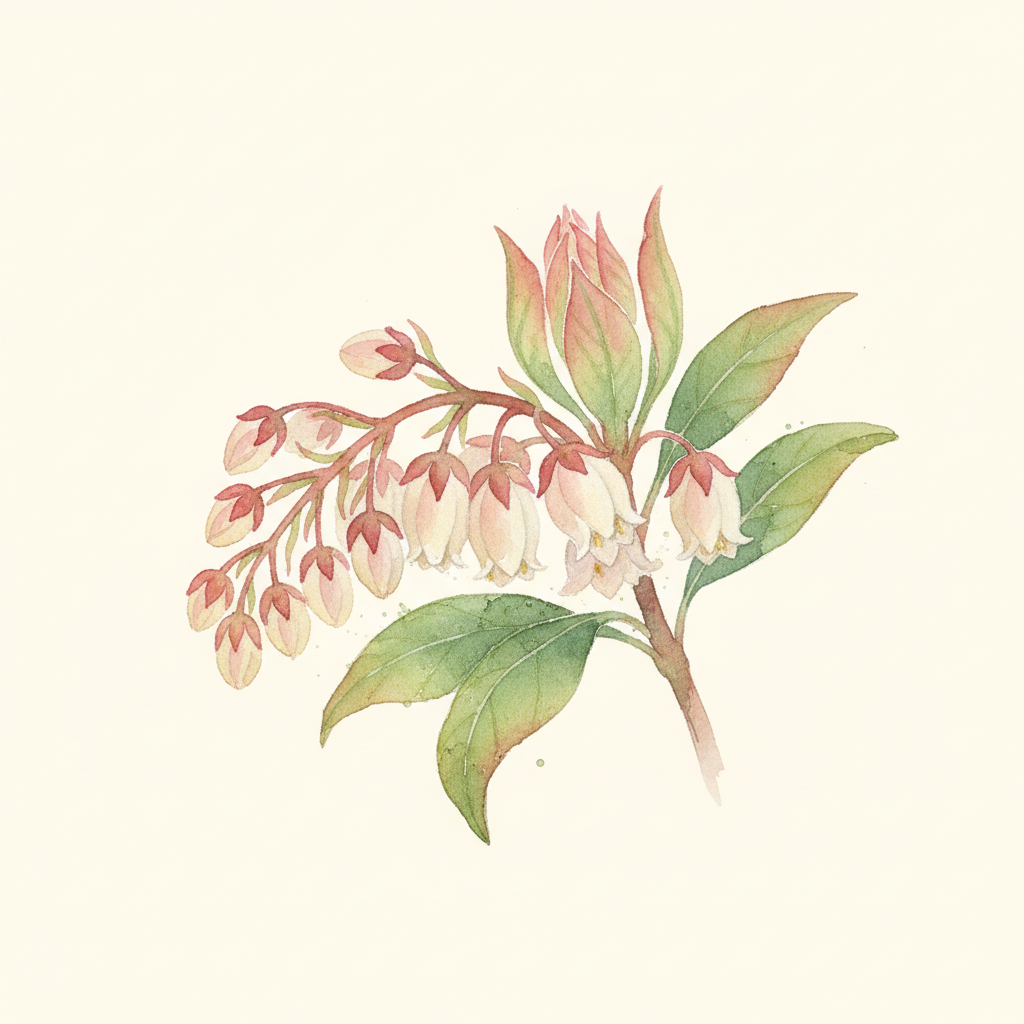
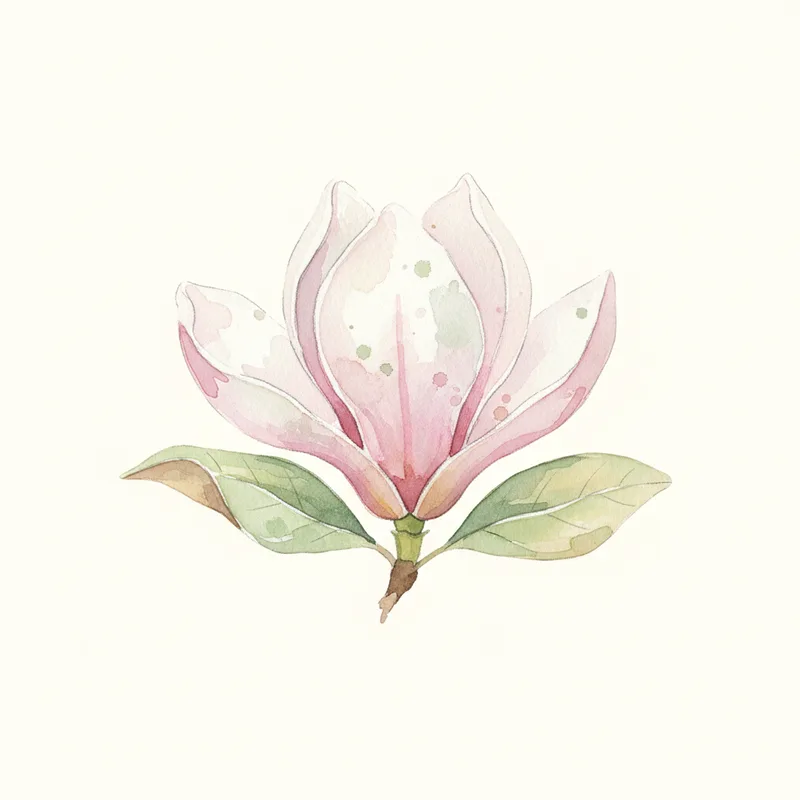
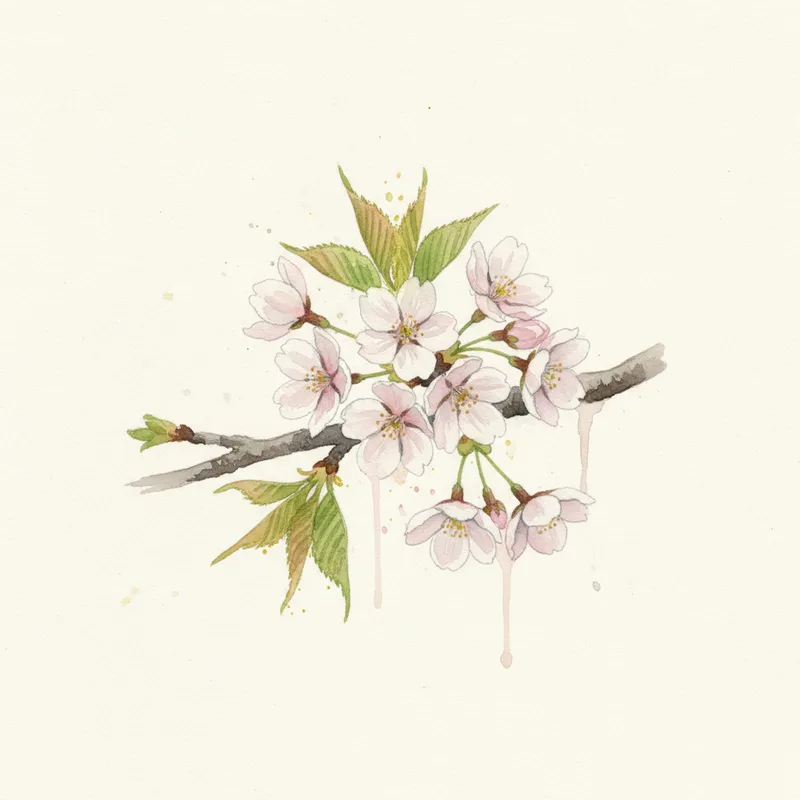
Magnolia opens its enormous goblets on bare branches, creating one of the most dramatic moments in the gardening year. Yoshino cherry clouds entire neighborhoods in pale pink. Pieris dangles chains of tiny bell-shaped flowers while its new growth flushes red. Serviceberry produces delicate white blooms that most people walk right past, but the birds notice.
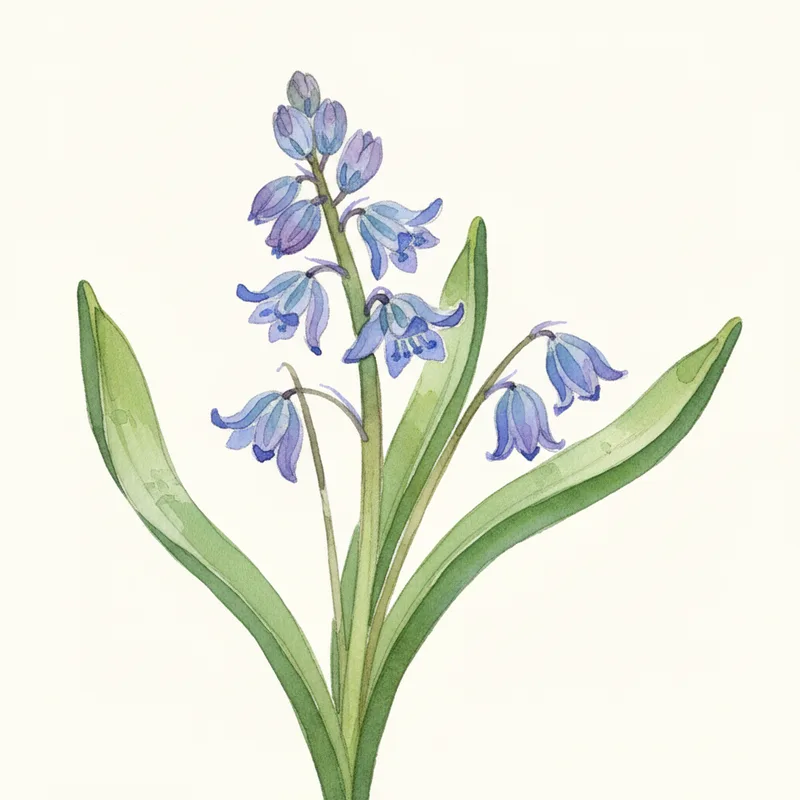
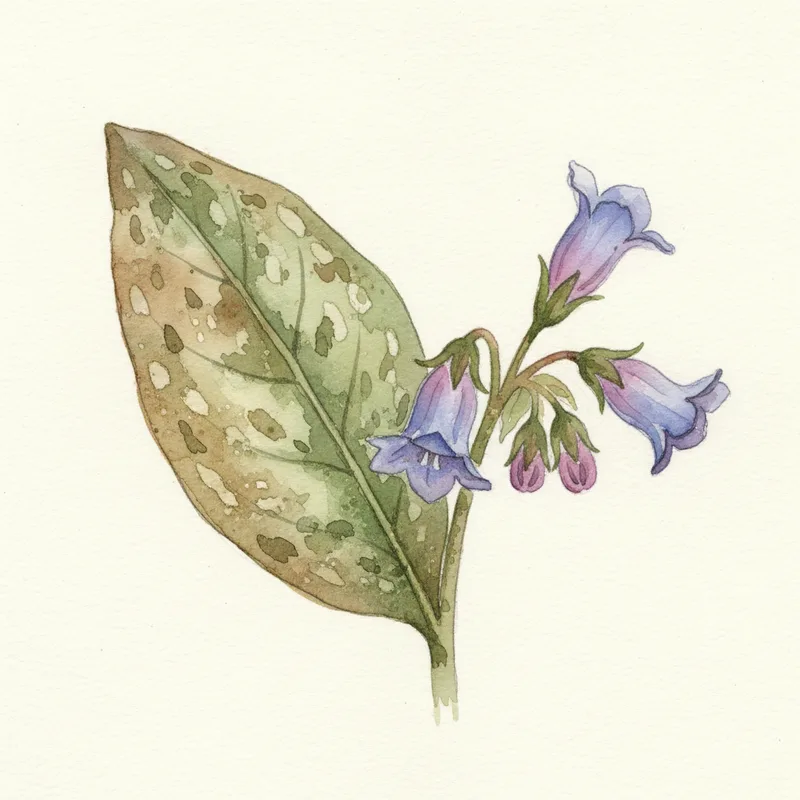
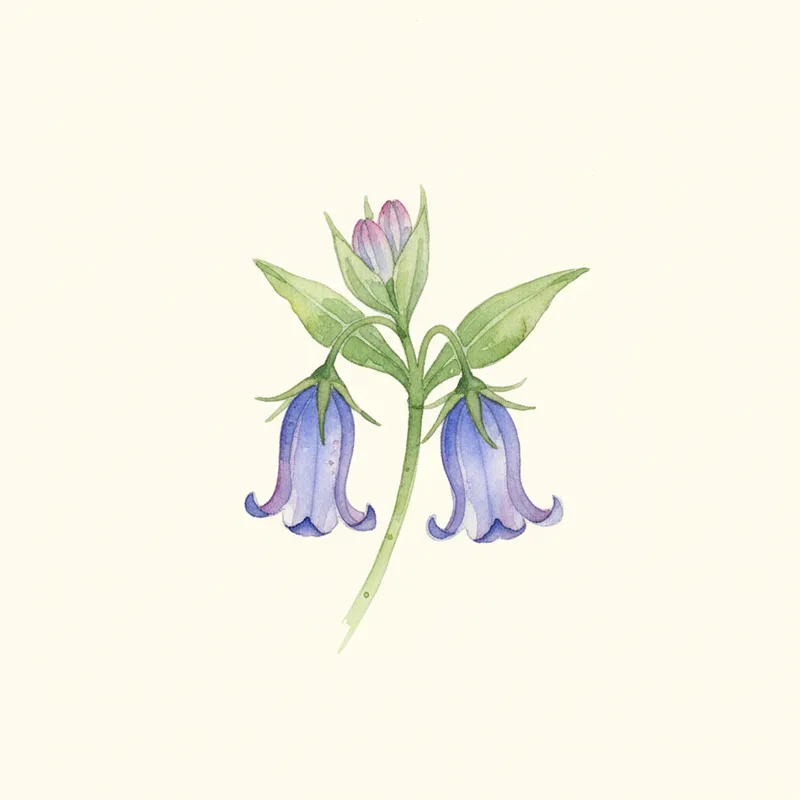
Lungwort does something magical: its flowers open pink and gradually turn blue on the same stem. The silver-spotted foliage stays attractive for months afterward. Virginia bluebells carpet woodland floors in soft blue, then disappear completely by summer. Plant them with hostas or ferns that will fill the gap after they go dormant.
Zones 8-10: Already in full swing
March in warm zones is not the beginning. It is the middle of the show. Winter bloomers are finishing, spring bloomers are peaking, and the garden has that fresh, everything-is-green look that lasts until the heat clamps down in June.
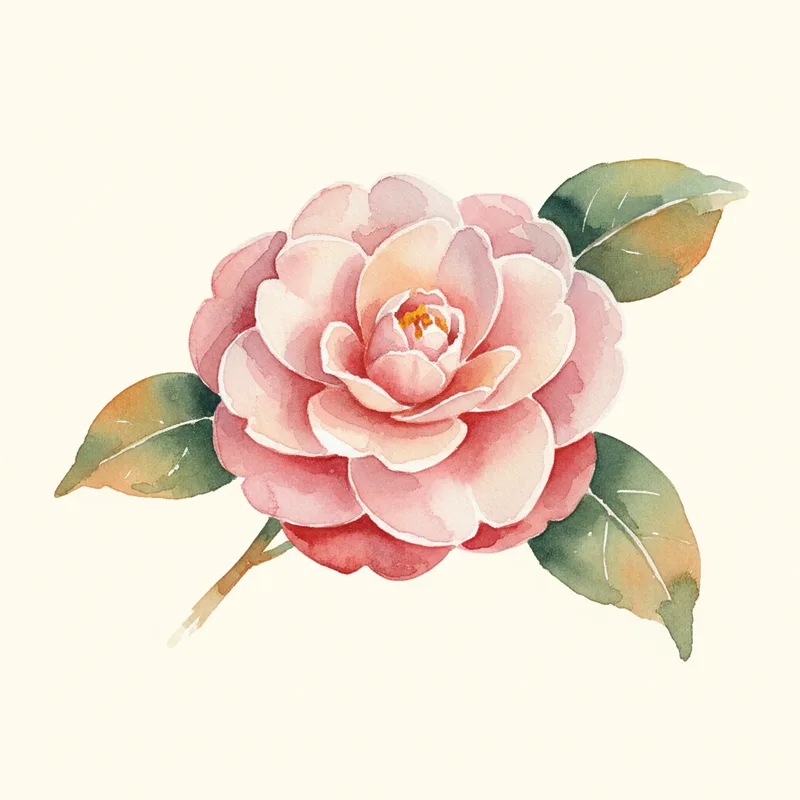
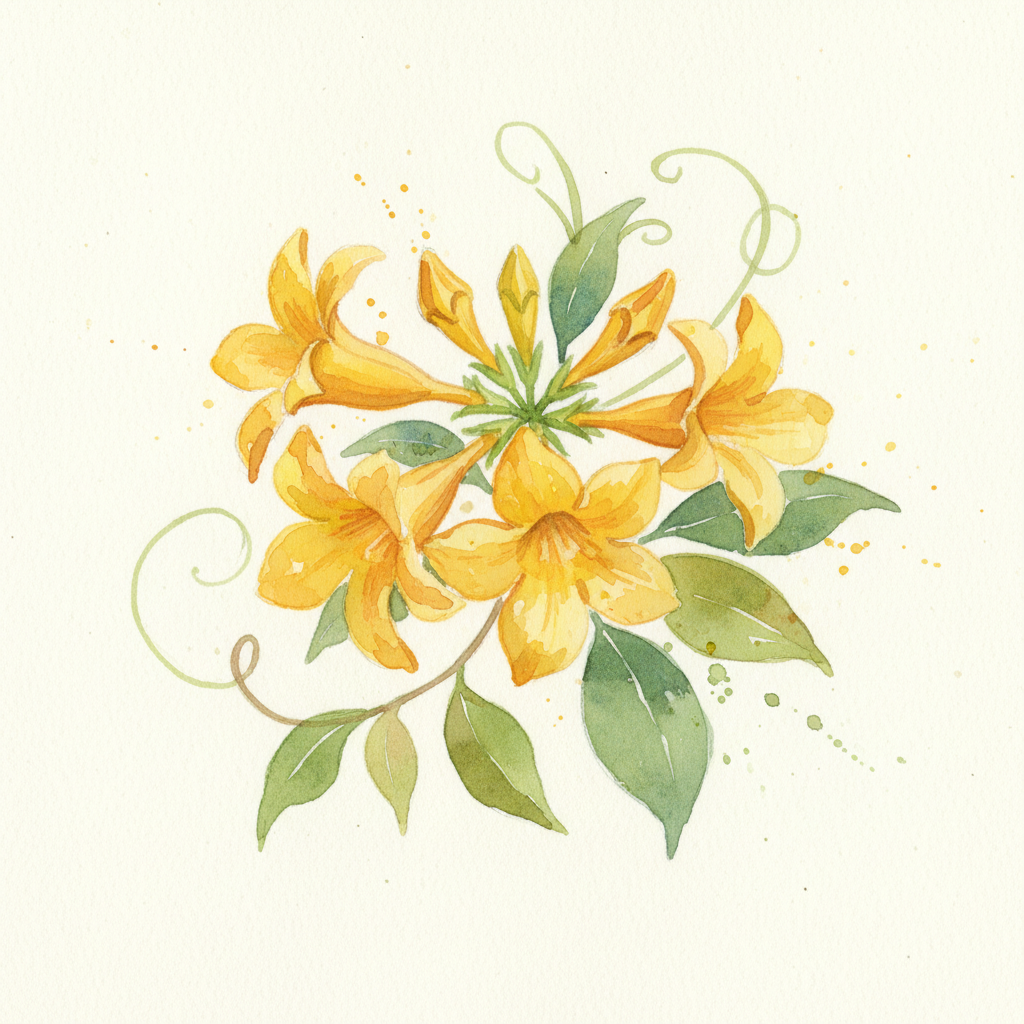
Camellias are wrapping up their long winter bloom season with the last flush of those glossy, rose-like flowers. Carolina jessamine drapes fences and arbors in bright yellow trumpet flowers. It is one of the first native vines to bloom in the Southeast, and its fragrance carries on warm afternoons.
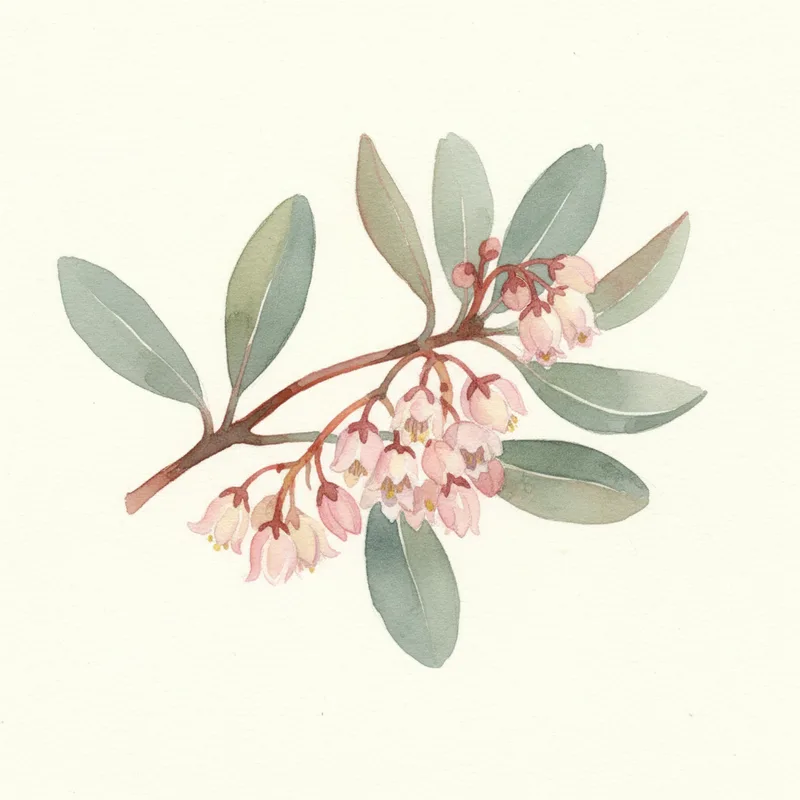
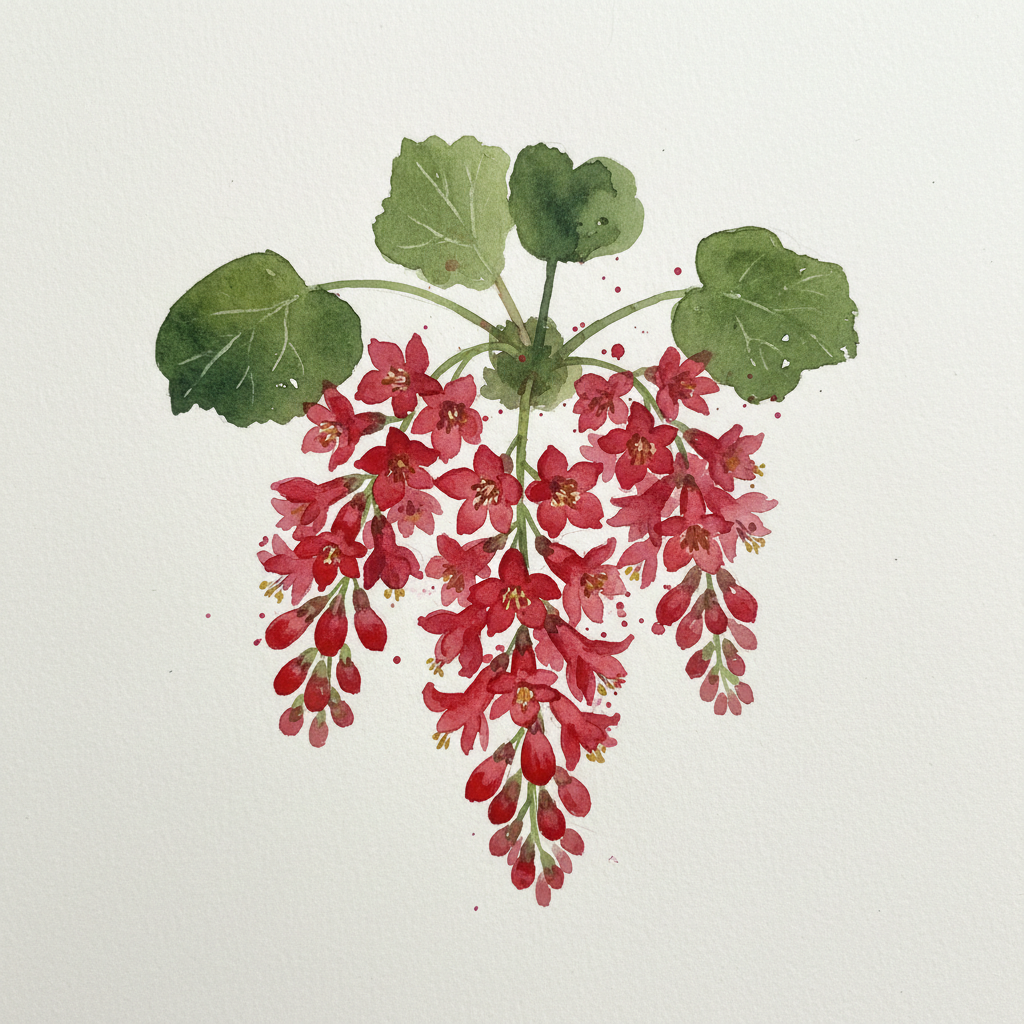
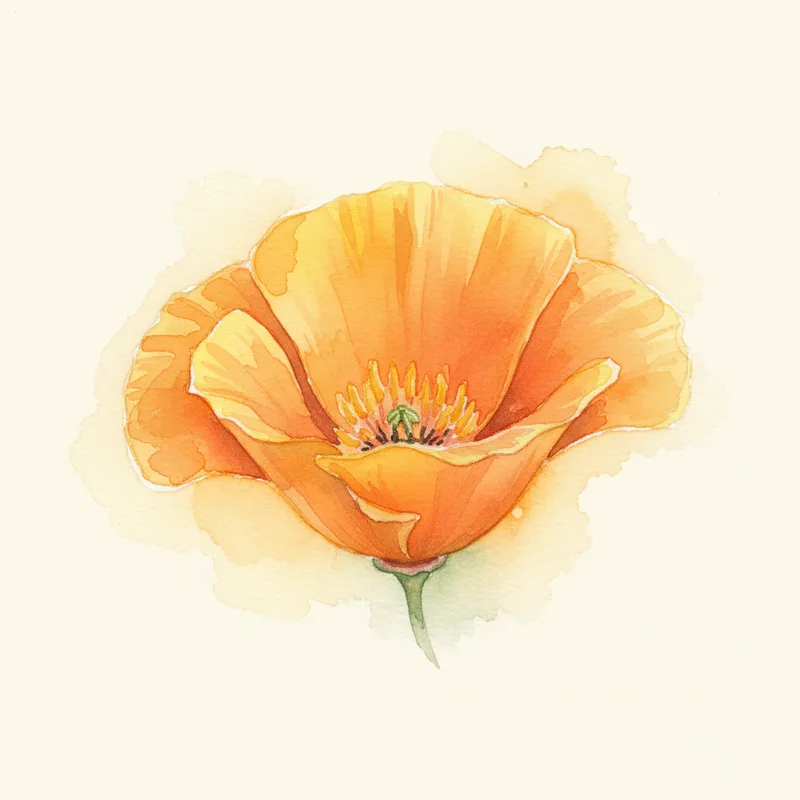
On the West Coast, manzanita blooms with clusters of tiny urn-shaped pink flowers that hummingbirds seek out. Red flowering currant opens its drooping pink clusters, a Pacific Northwest native that pairs beautifully with early bulbs. California poppies are already open on sunny hillsides, their silky orange cups catching the low spring light.
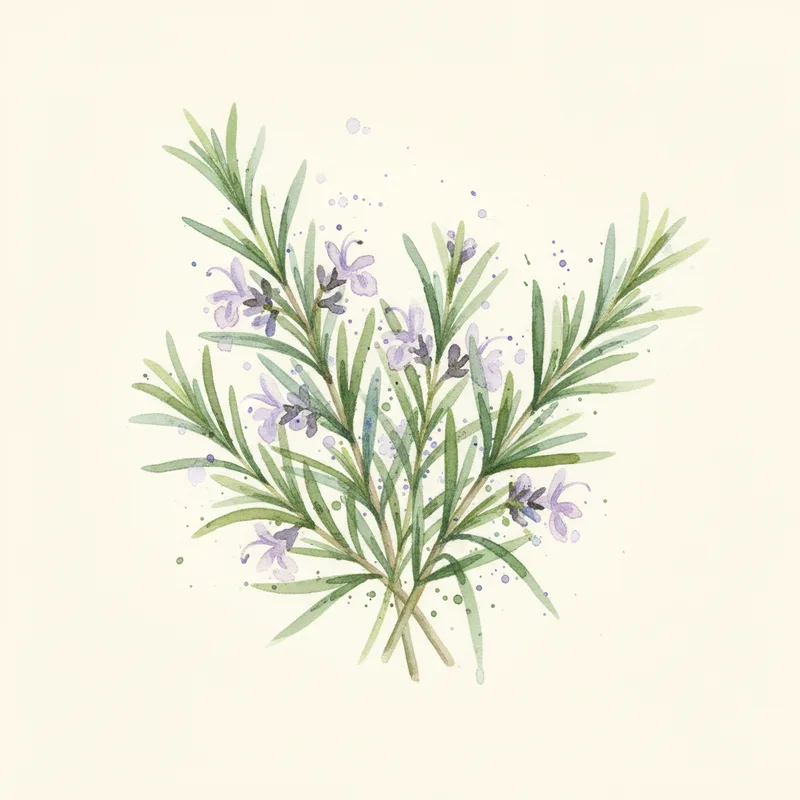
Rosemary blooms in soft blue along the entire coast, feeding early bees when few other plants are open. In the Deep South, azaleas are beginning their famous display, and March is the month to plant summer perennials before the heat arrives.
What to do in March
Cut back ornamental grasses before new growth starts. Leave no more than six inches of stubble. Clean up perennial foliage you left standing for winter interest, but do not rush. Leave leaf litter in place until temperatures are consistently above 50 degrees. Beneficial insects are still sheltering there.
This is the best month to divide summer and fall perennials. Dig and split overgrown clumps of daylilies, hostas, and asters while they are still dormant. Each division will be a full plant by summer. It is also the last chance to prune roses before new growth gets too far along. Remove dead and crossing canes, and shape the plant to an open vase form.
Order plants from online nurseries now if you want specific varieties. The best selections sell out by April. And start paying attention to your garden's gaps. What is blooming? What is bare? The empty spots are your planting opportunities. Use our bloom calendar to find the plants that fill them. See what to plant in April for the full zone-by-zone planting guide.
See what's blooming near you
Enter your zip code on the homepage to find what blooms in your zone: Zone 4 · Zone 5 · Zone 6 · Zone 7 · Zone 8 · Zone 9
For a month-by-month chore checklist tailored to your USDA zone, see our garden chores by zone guide.
What's growing, what's blooming, what's worth planting.
For gardeners who like to stay ahead.