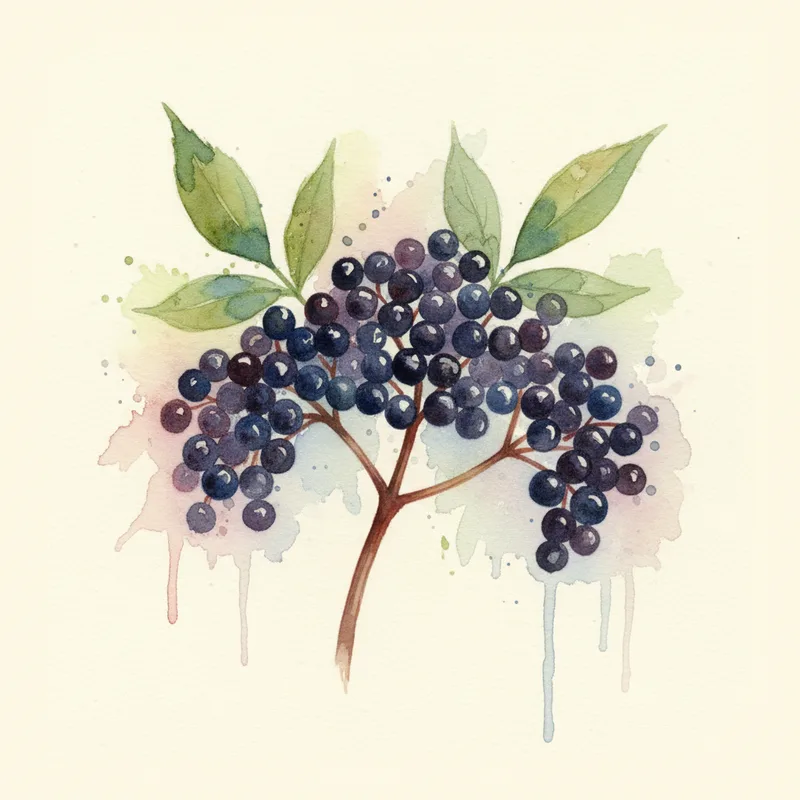
 ShrubJun-Jul
Cooked berries are the food here. Elderberry jam, syrup and wine all start with ripe fruit that has been heated, and heating is what makes it safe. Raw berries, and the leaves, stems and roots, carry a cyanide-forming compound, with unripe fruit holding much more of it than ripe. A handful eaten straight off the bush is how people give themselves a bad stomach.
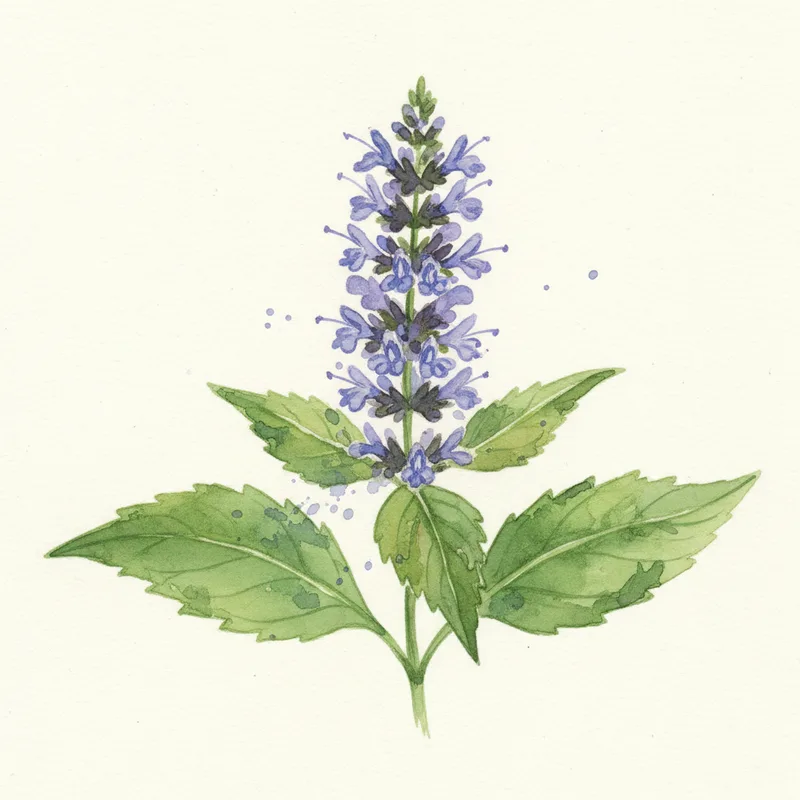 PerennialJul-Sep
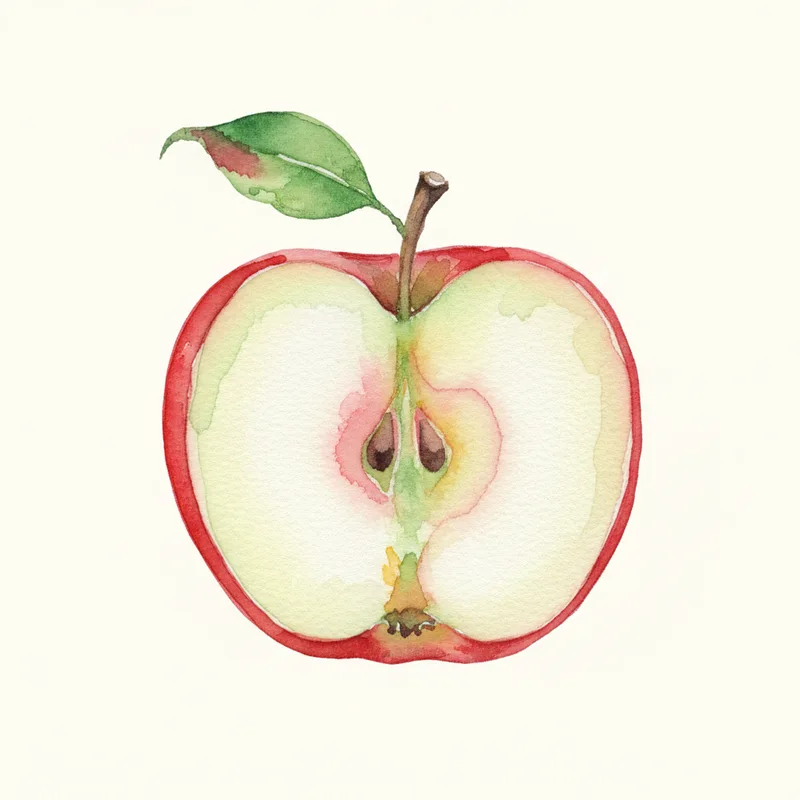 TreeApr-May
Toxic to cats and dogs, and to horses. The stems, leaves and seeds contain cyanide compounds, and the leaves are most toxic while they wilt. Signs are brick-red gums, dilated pupils, difficulty breathing, panting and shock. Keep wilted prunings and apple cores away from pets.
 AnnualMay-Aug
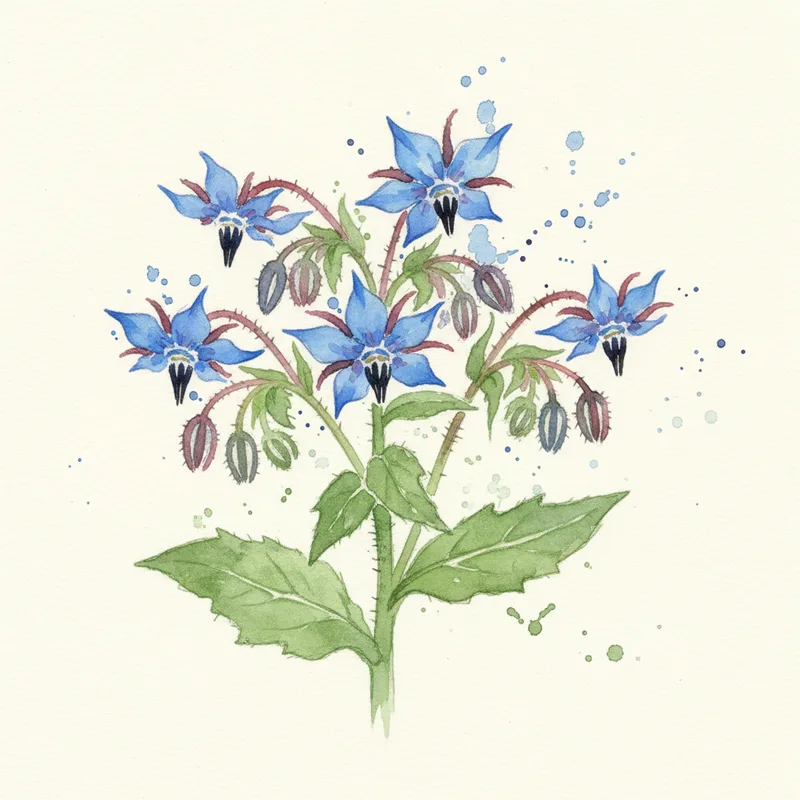 AnnualJun-Sep
Toxic to cats and dogs, and to horses. Eating it can cause vomiting and diarrhoea, and contact can irritate skin.
 AnnualMay-Oct
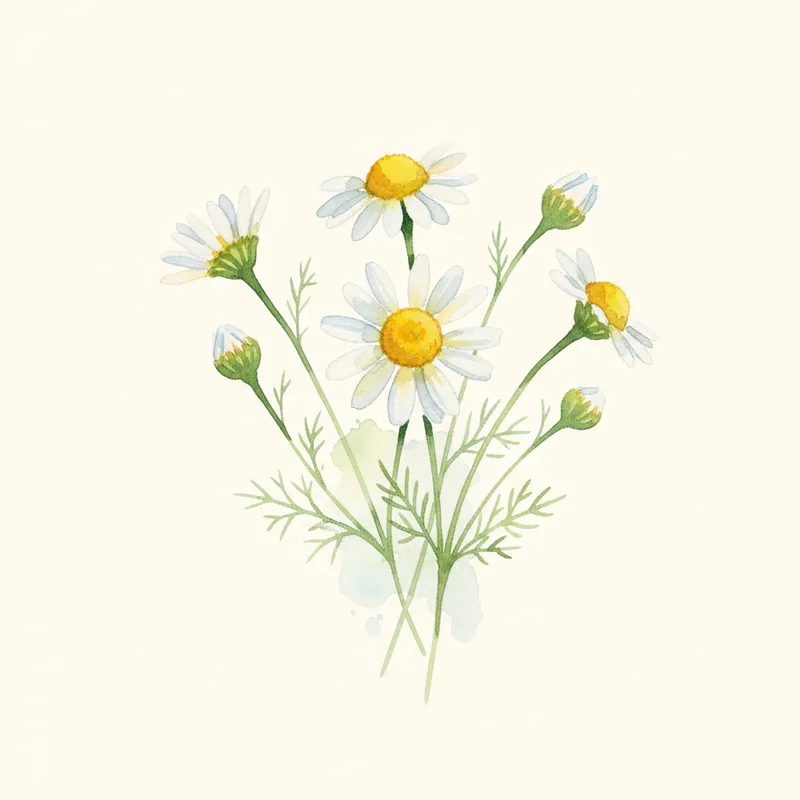 AnnualMay-Aug
The ASPCA lists chamomile (Anthemis nobilis, the Roman chamomile) as toxic to cats and dogs, and to horses: skin irritation, vomiting, diarrhoea and loss of appetite. The tea chamomile grown here is German chamomile (Matricaria), a different genus that the ASPCA does not list by name. It is a close daisy-family relative that shares some of the same oils, so give it the same caution.
Chamomile tea is fine for most people. Anyone sensitive to its allergens can react with a rash, hives or a swollen mouth, and in some cases shortness of breath, so stop and get medical help if breathing is affected.
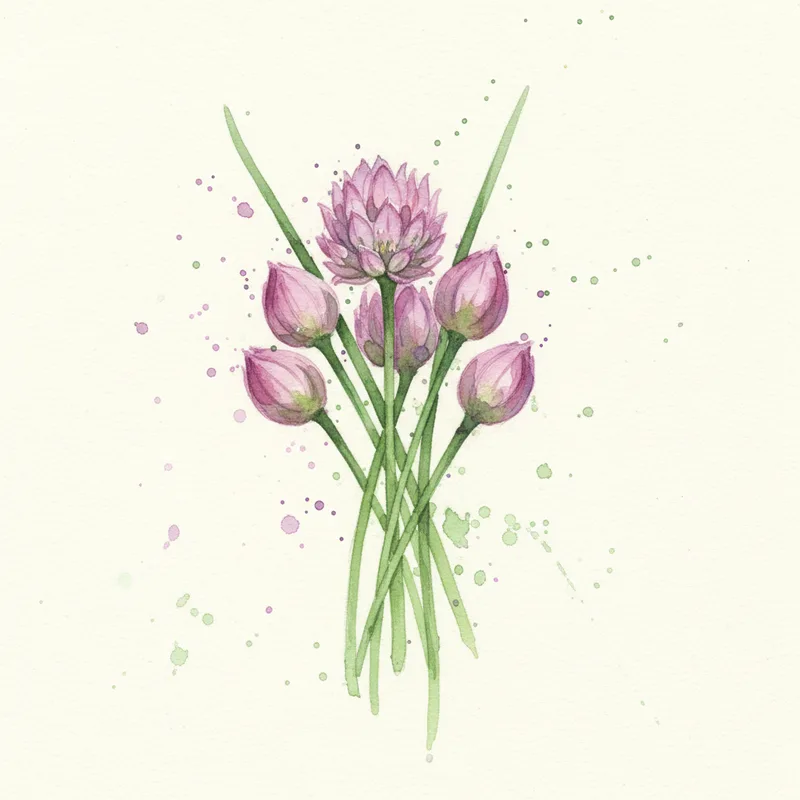 PerennialMay-Jun
Toxic to cats and dogs, which is worth knowing because the same plants are a kitchen staple for us. Onions, garlic and chives damage a pet's red blood cells, and the damage builds up over repeated small nibbles rather than needing one big meal. Keep the bulbs and any cut stems out of reach.
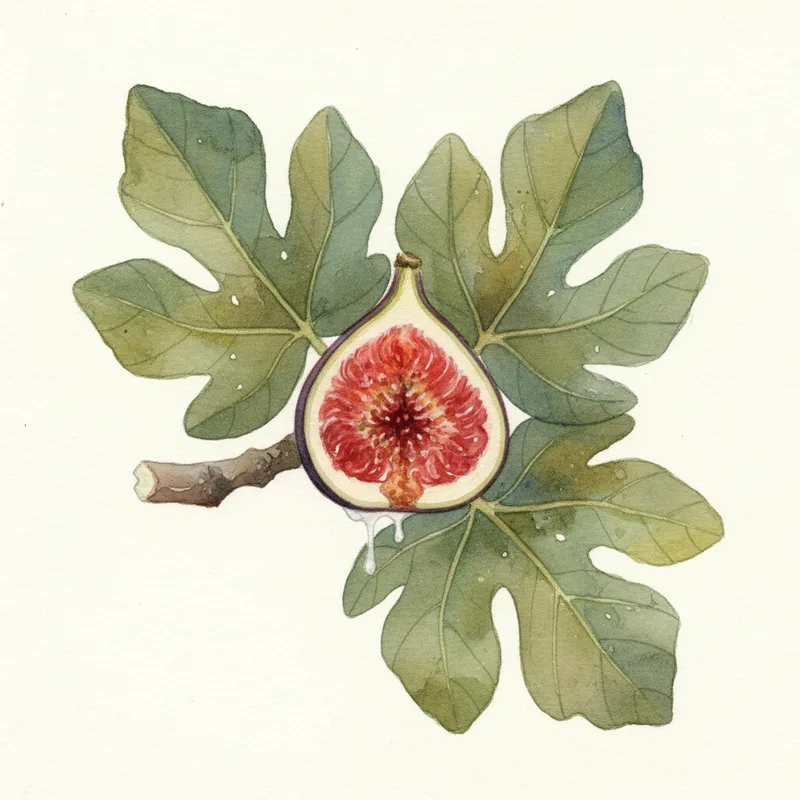 TreeApr-May
The ASPCA lists weeping fig (Ficus benjamina) as toxic to cats and dogs, and to horses, with stomach and skin irritation as the signs. The edible fig is not listed by name, but it is the same genus, so give it the same caution.
The fruit is the food here, and it is fine to eat. The milky sap is the catch: it can cause a skin reaction in sunlight (phytophotodermatitis), so wear gloves and cover bare skin to prune it, and wash off any sap before you go out in the sun.
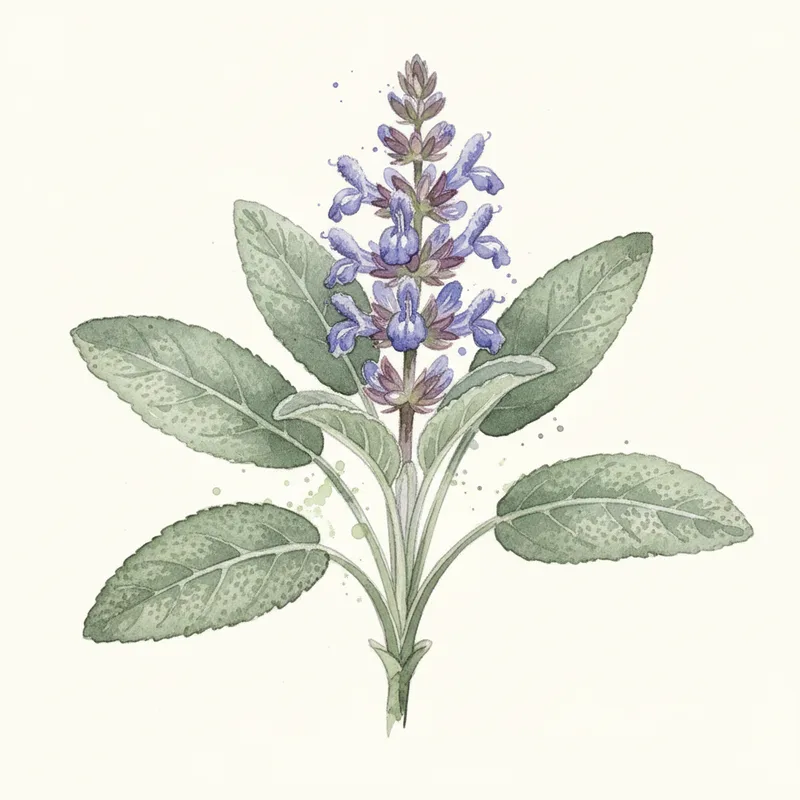 PerennialMay-Jun
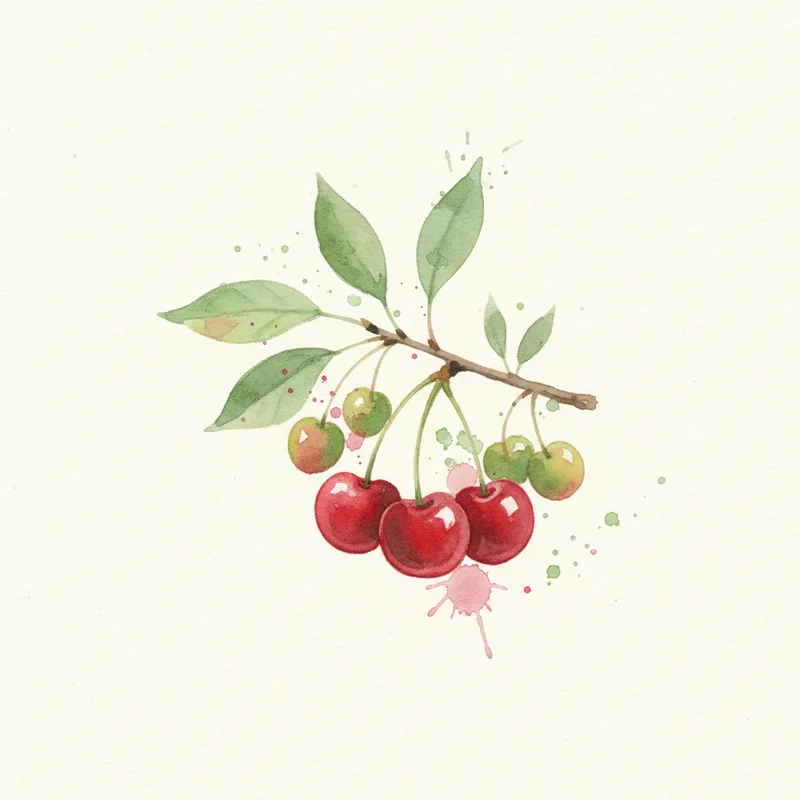 TreeApr-May
The fruit is fine to eat. The pits, leaves, and twigs contain cyanide compounds, so do not chew the pits, and keep wilted prunings away from grazing animals, which they poison readily.
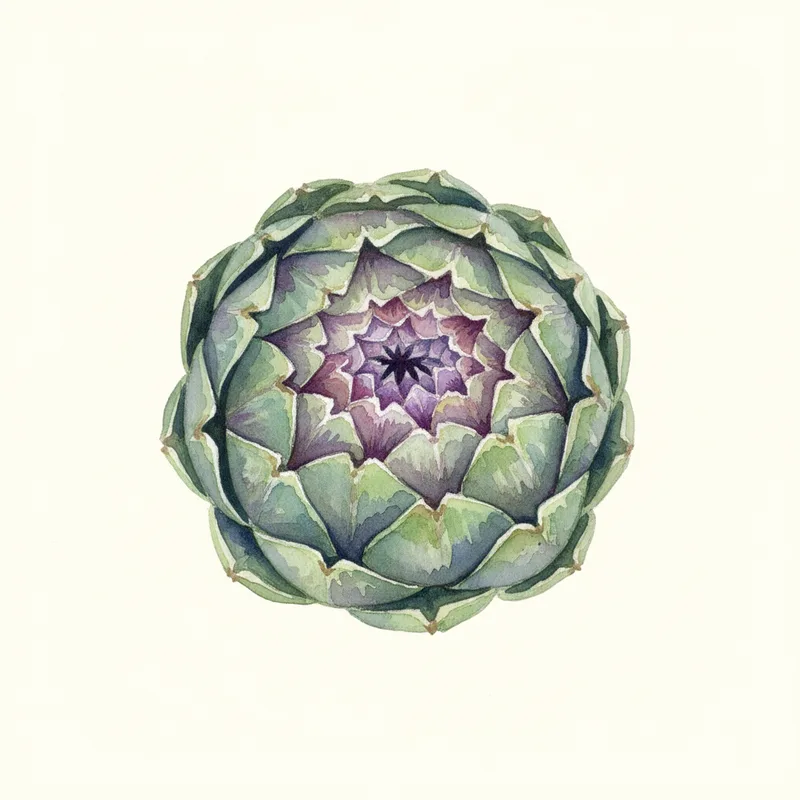 PerennialJun-Aug
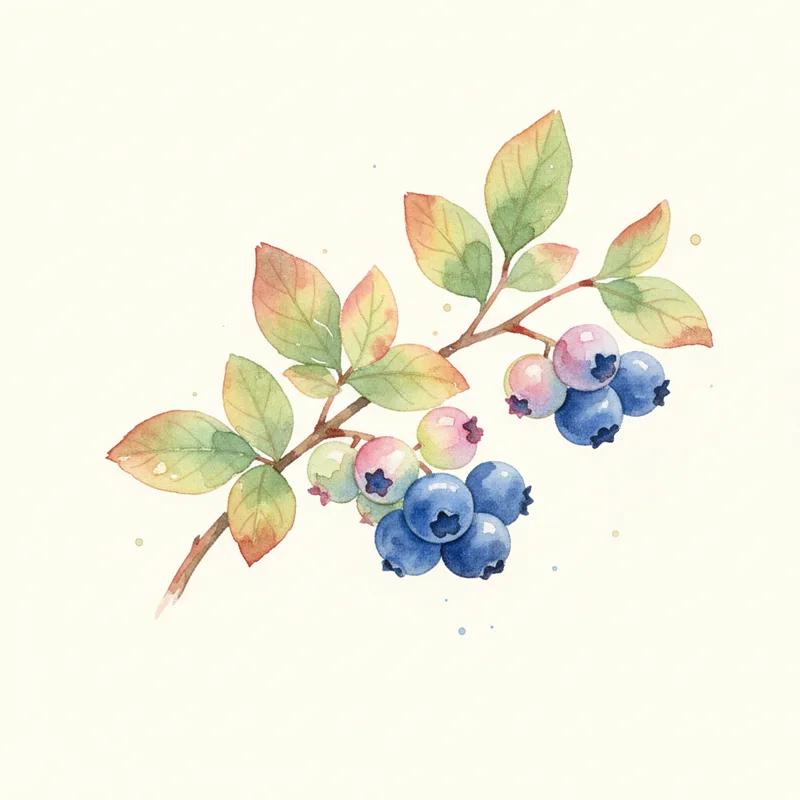 ShrubApr-May
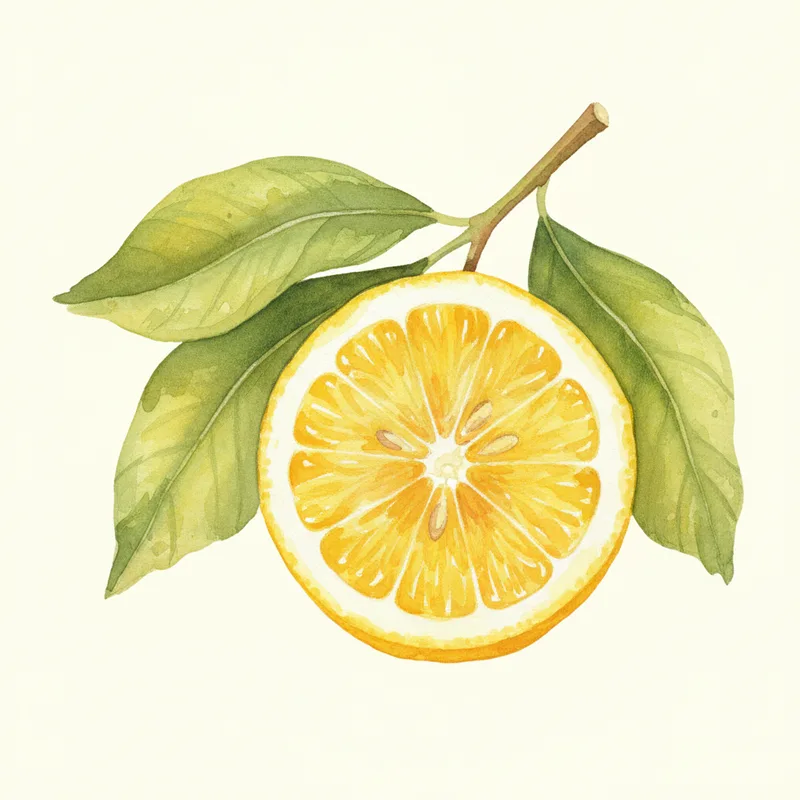 ShrubJan-Dec
The ASPCA lists lemon, lime, orange and grapefruit as toxic to cats and dogs, and to horses. The fruit itself is fine to eat; the trouble is the peel, leaves and stems, whose oils can cause vomiting, diarrhoea, listlessness and skin irritation. A Meyer lemon is not listed by name, but it is the same genus, so keep peel, prunings and fallen leaves away from pets.
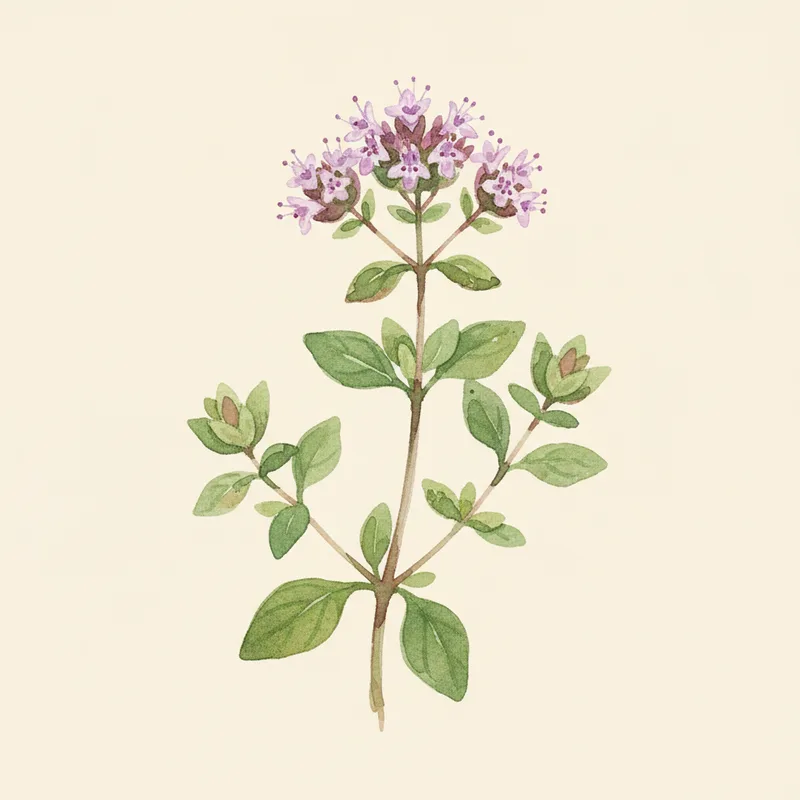 PerennialJun-Aug
Mildly toxic to cats and dogs. A pet that grazes the plant may get mild vomiting and diarrhoea.
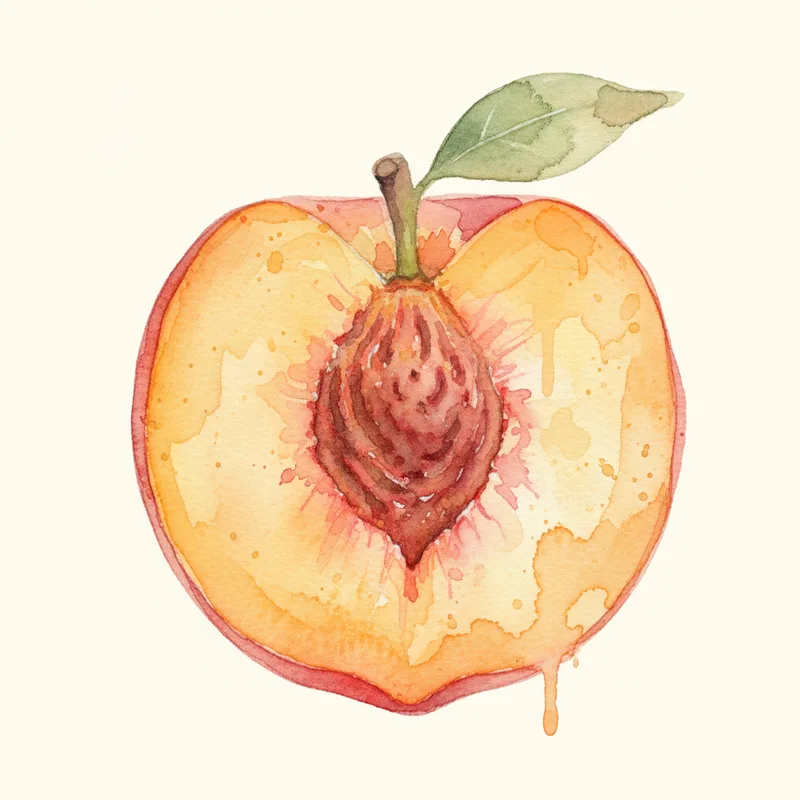 TreeMar-Apr
The fruit is fine to eat. The pits, leaves, and twigs contain cyanide compounds, so do not chew the pits, and keep wilted prunings away from grazing animals, which they poison readily.
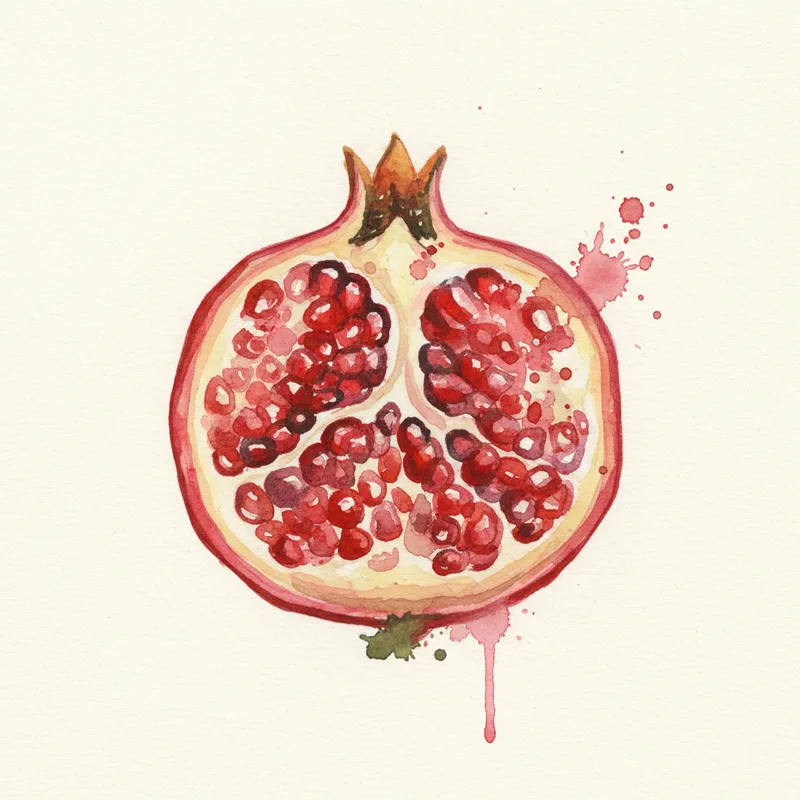 ShrubMay-Jul
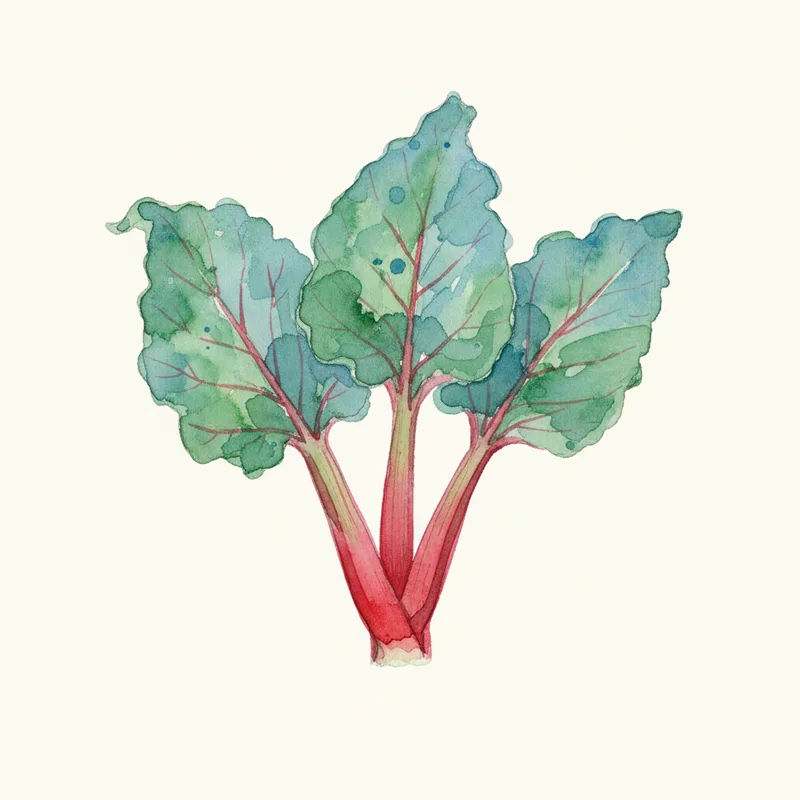 PerennialMay-Jun
The leaves are toxic to cats and dogs for the same reason they are toxic to us.
The STALKS are food and the LEAVES are not. Rhubarb leaves hold enough oxalic acid to make someone seriously ill, so cut them off and compost them rather than cooking anything green.
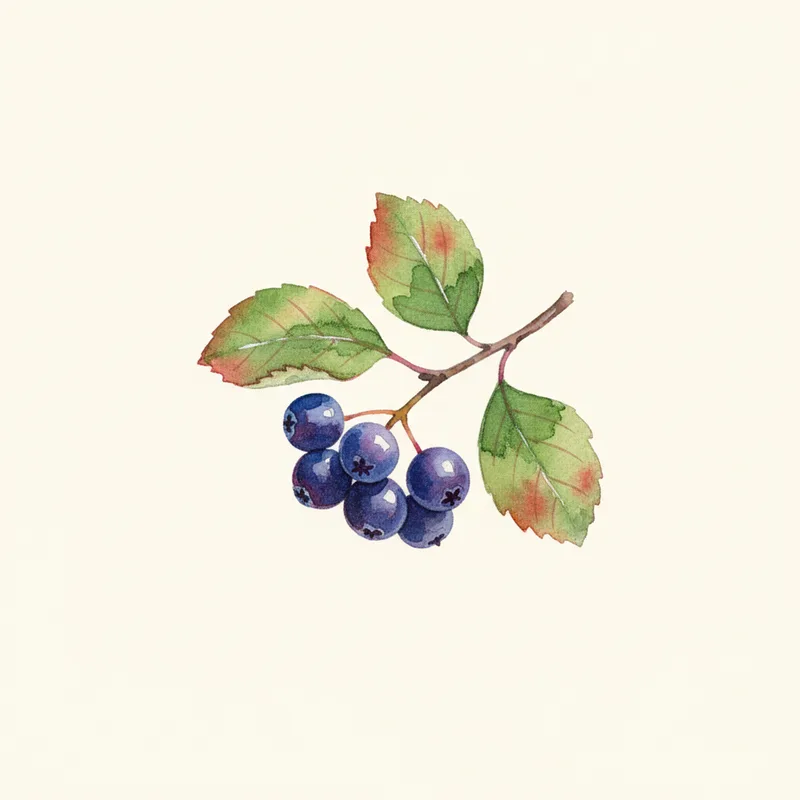 TreeMar-Apr
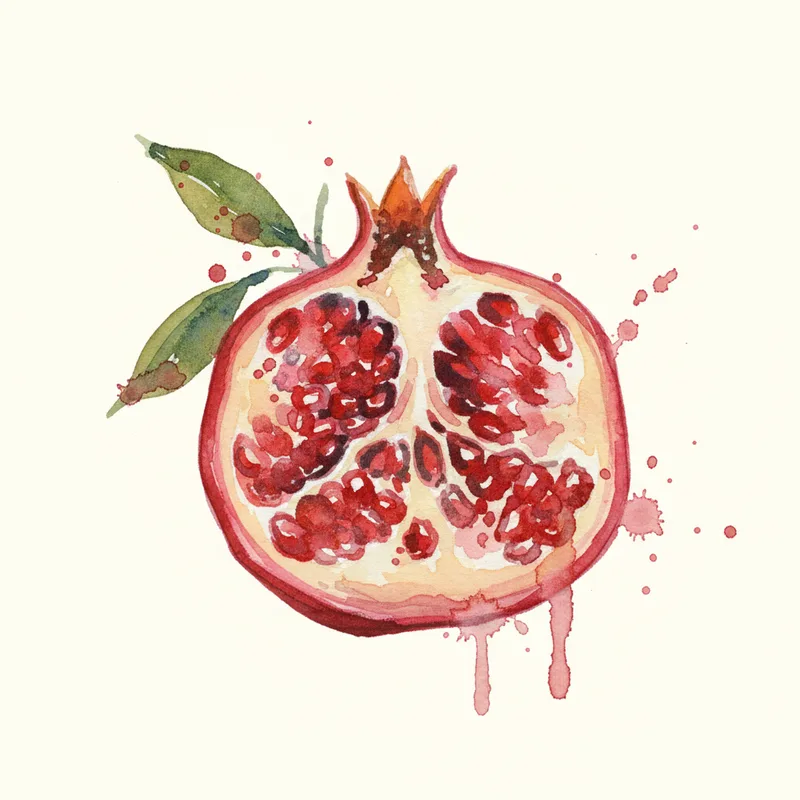 ShrubMay-Jul
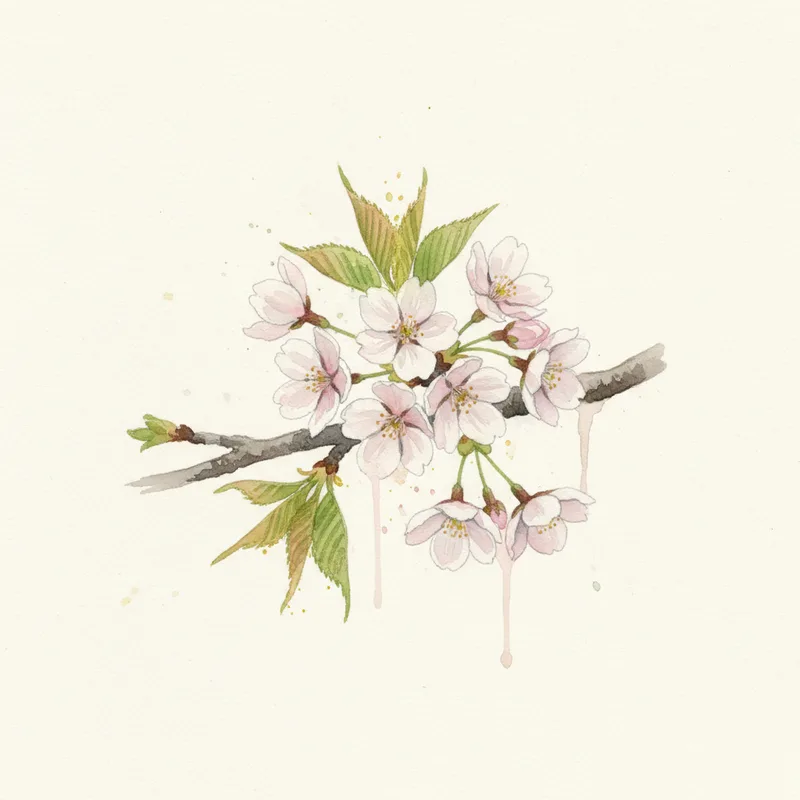 TreeMar-Apr
The fruit is fine to eat. The pits, leaves, and twigs contain cyanide compounds, so do not chew the pits, and keep wilted prunings away from grazing animals, which they poison readily.