Best Dahlia Varieties to Plant in May for Peak Summer Blooms
One dahlia tuber gives you thirty to sixty flowers in a single summer. Here are the varieties worth tracking down in May 2026, by form and use, with the planting rules that decide whether your tubers thrive or rot.
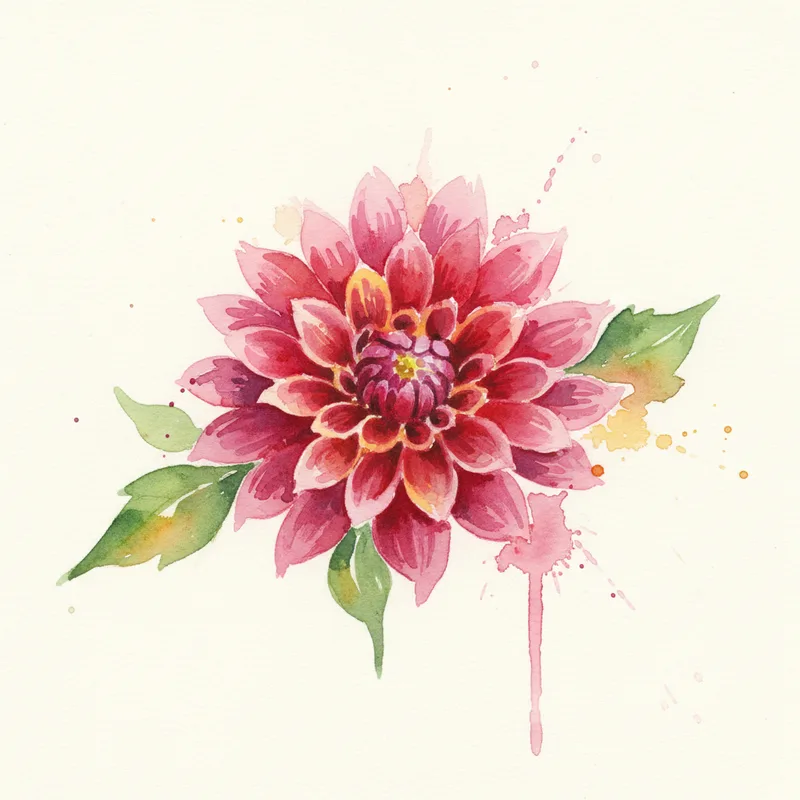
The dahlia tubers you plant the second weekend of May, soil at 60°F, all frost danger past, will be flowering by mid-July and will not stop until the first hard frost. One tuber produces thirty to sixty flowers in a single season. Cut them, and that number doubles. There is no other plant that gives you more bloom-per-dollar than a dahlia tuber, and there is no better month to plant one than May.
But "a dahlia" is not really a thing. Dahlias come in eight recognized flower forms, more than 57,000 named cultivars, and every color except true blue. The dahlia you pick up at a big-box rack is almost certainly going to be a generic decorative type in red, orange, or pink. The dahlias serious gardeners and flower farmers chase are entirely different plants. Named, distinct, and worth driving to a specialty grower for. If you are planning ahead for next season, see also our guide to dahlia varieties worth pre-ordering and the calendar that decides whether you get them.
Here are the varieties worth planting in May, organized by what you actually want them to do.
A quick form taxonomy
Knowing the form helps you order. The eight common types:
- Dinner plate: 8 to 12 inches across, single bloom per stem, statement size
- Decorative: Fully double, flat or slightly twisted petals, most common form
- Cactus: Spiky pointed petals that curve back; looks like a starburst
- Ball: Perfectly spherical, dense petal layers, smaller than dinner plates
- Pompon: Mini ball form, 2 inches or less, geometric and tight
- Waterlily: Wide flat outer petals, slightly cupped, looks like the name
- Anemone: Outer petal ring with a raised central cushion
- Single: Open-centered, daisy-like, the best form for pollinators
Catalog labels usually combine form with size: "small decorative" (4 to 6 inches), "medium informal decorative" (6 to 8 inches), and so on. The biggest practical distinction: dinner-plate dahlias make one stunning vase-stopping bloom; cutting types make dozens of smaller usable stems.
The Pinterest darlings (dinner plate and decorative)
Cafe au Lait
The most-photographed dahlia in the world. Dinner-plate size, soft champagne-coffee blush that shifts pink in cool weather and ivory in heat. Sets the wedding-flower standard. Tubers sell out in February. Order in advance or take what is left in May. Plant in full sun, stake early, expect blooms by late July.
Penhill Watermelon
Another dinner plate, but with twisted cactus-form petals in a watermelon gradient from pink to coral. The flowers look hand-painted. Vigorous grower, 4 to 5 feet tall.
Labyrinth
Massive coral-and-cream blooms with petals that seem to swirl outward in a spiral pattern. Each flower hits 10 inches across. Strong stems for cutting.
Sweet Nathalie
The "everyone's favorite" dahlia: soft pink to peachy cream double blooms, 4 to 6 inches, on long straight cutting stems. If you want one variety to plant in volume for bouquets, this is it.
The dark dramatic types
Bishop of Llandaff
A 1924 introduction that still beats most modern varieties for impact. Bright scarlet single flowers against nearly black foliage. Tall (4 feet), strong-stemmed, and gorgeous in mixed borders. Pollinator favorite because of the open center.
Karma Choc
Deep merlot-burgundy decorative blooms on long stems. Vase life: 7 to 10 days, which is exceptional for dahlias. Sits beautifully against bronze and chartreuse foliage.
Chat Noir
Cactus-form deep wine red, almost black at the center. The petals curl back and the whole flower looks like a starburst. 4 to 6 inches across.
Black Jack
One of the darkest dahlias available, near-black-red with a velvety surface. Compact plant (3 feet) but blooms heavily.
The cut flower workhorses
If you want bouquets, you want production, not statement size. These give you the highest stem count per tuber.
Linda's Baby
Pale pink ball form, 3 to 4 inches, dozens of stems per plant. Florists love it. Holds up 7+ days in the vase.
Cornel Bronze
Bronze-orange ball dahlia. Geometric perfection, prolific bloomer. Pairs with everything in a fall bouquet.
Wizard of Oz
Pink ball, soft and uniform. Another cutting-bed favorite, especially for wedding work.
Hollyhill Spiderwoman
White-tipped lavender cactus form. Spider-like blooms on tall stems. A flower farmer staple.
Pollinator-friendly singles
Most dahlias are too double to be useful for bees. The center disc is buried under layers of petals. These single-form varieties open their centers wide and feed every pollinator that visits.
Bishop's Children
A seed strain (not a single cultivar), descendants of Bishop of Llandaff. Single-form flowers in red, orange, yellow, and pink, with dark foliage. The most cost-effective dahlia for filling a garden: plant a packet of seeds in March for blooms in August.
Mystic Illusion
Single-flowered yellow against deep purple foliage. Compact (24 inches), great for containers.
Honka
Orchid-form single dahlia with star-shaped flowers in pink, yellow, or red. Striking and unusual.
Compact and container-friendly
Standard dahlias need 3-foot stakes and 18 inches of bed space. These compact varieties fit pots and small spaces.
Gallery series (Gallery Art Deco, Gallery Pablo, Gallery Renoir, and others)
Bred specifically for containers. 12 to 18 inches tall, double blooms on tidy plants. The Gallery series wins more "best of show" container categories than any other dahlia line.
Mystic series (Mystic Spirit, Mystic Dreamer)
Compact (24 to 30 inches), with dark foliage and single or semi-double flowers. Garden-worthy without staking.
Happy Single series (Happy Single Wink, Happy Single First Love)
True single-form on compact plants. Pollinators love them, gardeners love that they fit a 14-inch pot.
How to plant tubers in May
Three rules. Get these right and the rest is easy.
Soil temperature, not calendar date
Wait until your soil hits 60°F at 4 inches deep. A cheap soil thermometer pays for itself the first season. By zone, this typically means:
- Zones 3 to 5: Late May to early June
- Zones 6 to 7: Mid May
- Zones 8 to 9: Early to mid May (or late April in zone 9)
- Zones 10 to 11: Plant in February or March; summer heat is too brutal for blooms
Tubers planted in cold soil rot. Wait the extra week.
Plant tubers eye-up, 4 to 6 inches deep
The "eye" is the bud on the crown where new growth emerges. Tubers without a visible eye will not sprout. Lay each tuber flat in a 4 to 6 inch deep hole, eye facing up, and cover with soil. Do not water until you see green growth emerge. Watering before the sprout shows is the most common way new dahlia growers rot their tubers.
Stake before they need it
Dahlias get heavy. The big varieties topple in summer thunderstorms unless they are tied to a stake. Drive a 4 to 5 foot stake in at planting time, not when the plant is already 3 feet tall. Tying to a stake after the plant has grown often damages roots and stems.
Pinching and feeding
When plants reach 12 to 18 inches, pinch the central growing tip. This forces side branching, the same trick that doubles zinnia production. Pinched dahlias produce twice as many usable stems.
Feed monthly with a low-nitrogen, high-phosphorus fertilizer (something like 5-10-10). High-nitrogen fertilizers give you a giant leafy plant with few flowers. Resist the urge.
What to plant alongside dahlias
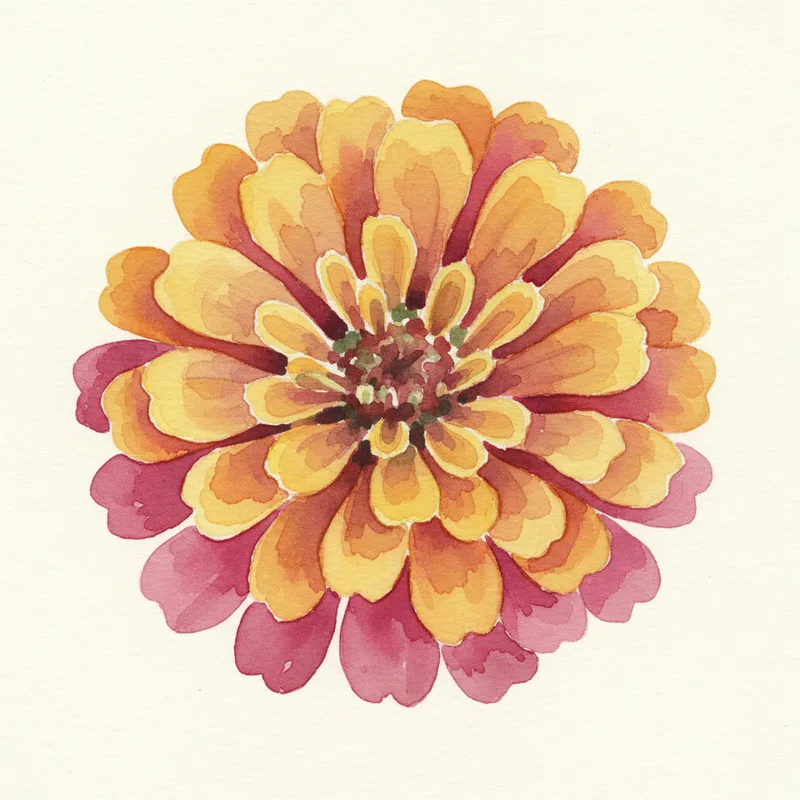
- Zinnias for matching cut-flower production and seasonal overlap
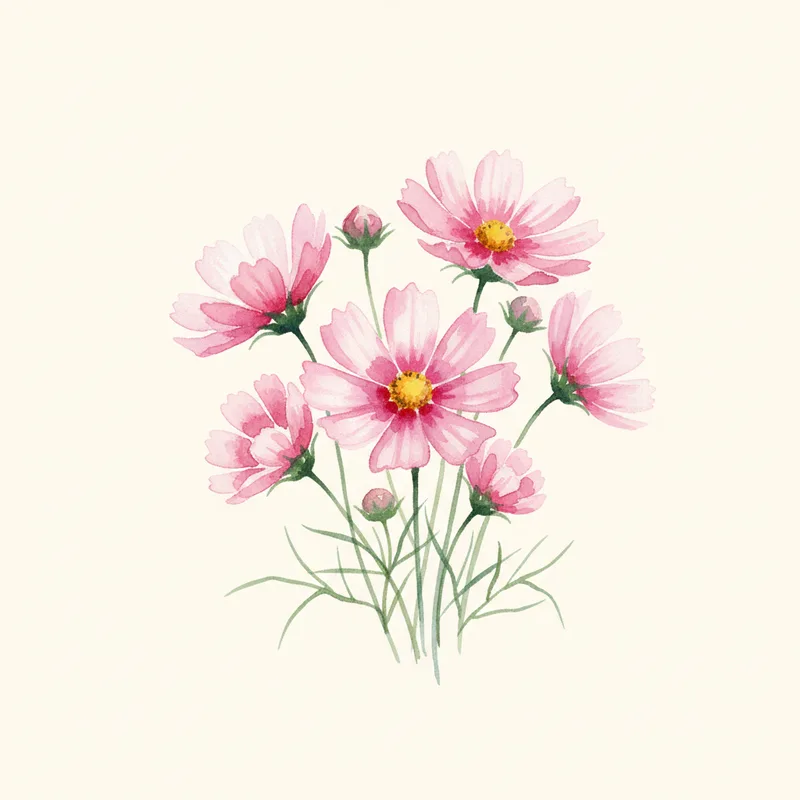
- Cosmos for airy filler that softens the dahlia silhouette
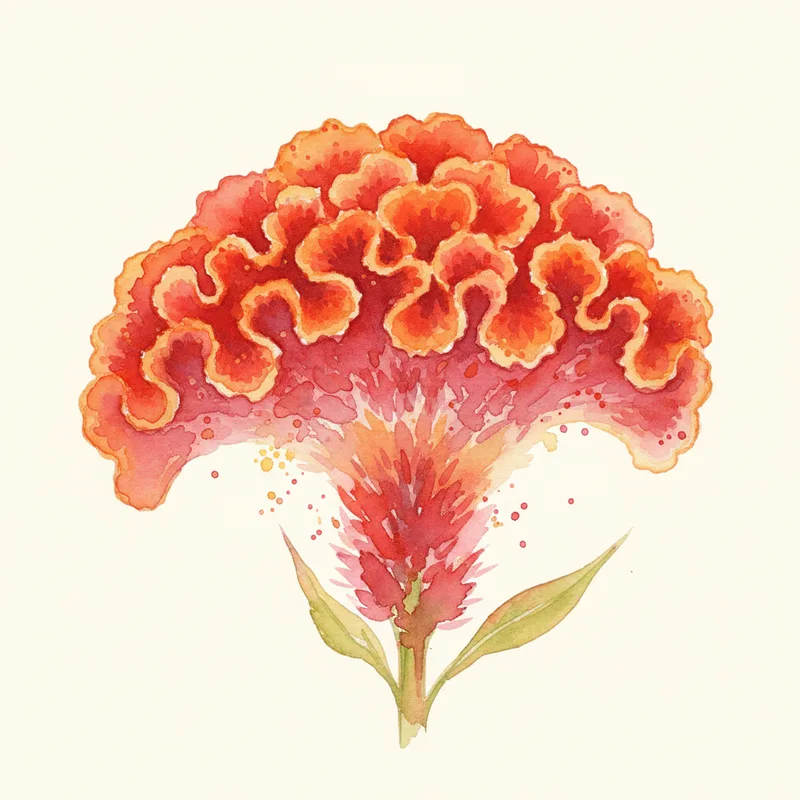
- Celosia for textural contrast
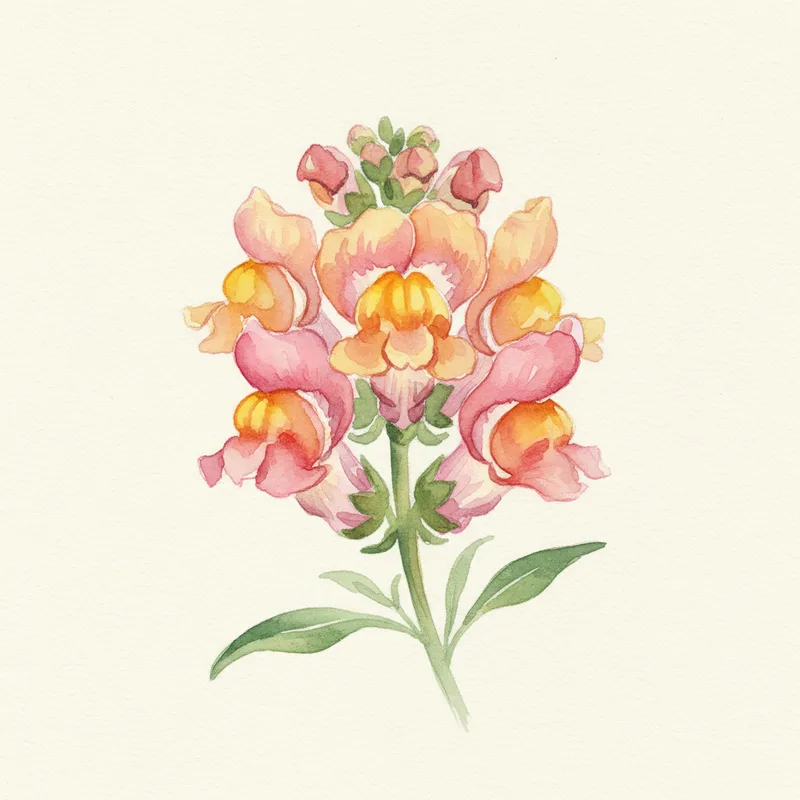
- Snapdragons for vertical lines and earlier season carryover
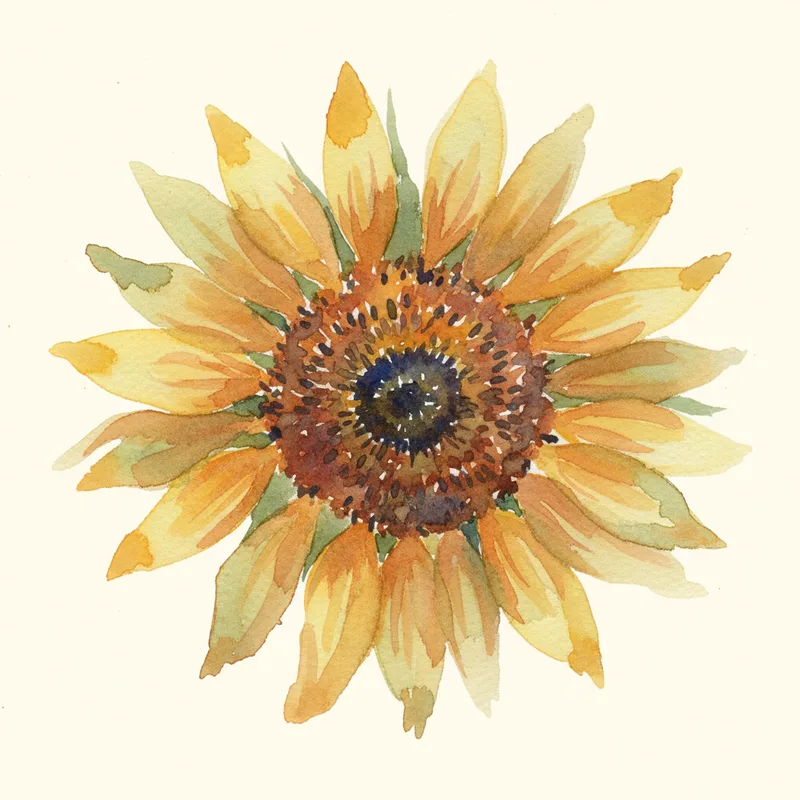
- Sunflowers at the back as living stakes for the tallest dahlias
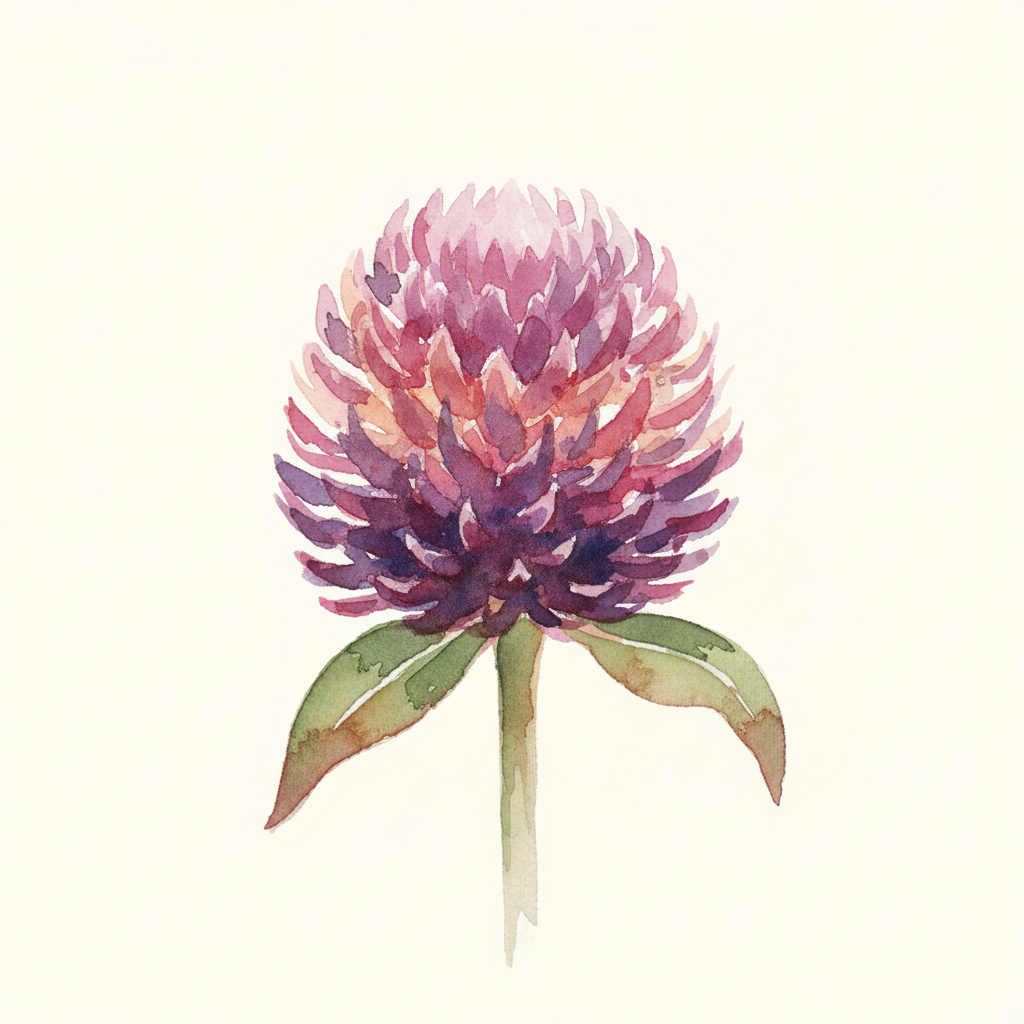
- Gomphrena as low front-edge filler
Overwintering by zone
- Zones 8 to 11: Leave tubers in the ground. Mulch heavily after the foliage dies back in fall.
- Zones 7 and colder: Dig tubers after the first frost blackens the foliage. Brush off soil (do not wash), let cure for a few days in a frost-free spot, then store in a paper bag, sawdust, or vermiculite in a cool basement or garage (40 to 50°F).
Where to order
By May, the big specialty growers have sold their best varieties. For best selection, order in January or February from Swan Island Dahlias, Floret Flower Farm, Old House Gardens, or Triple Wren Farms. Local nurseries in May will carry a smaller selection of generic decorative dahlias. Check what they have, but expect to mail-order anything specialty.
The bottom line
One tuber gives you a summer's worth of flowers. Five tubers give you a cutting garden. Twenty tubers give you a bouquet to bring inside every day from July until frost, plus enough to keep neighbors' kitchen tables full. Pick the right variety for the look you want, plant tubers in warm soil 4 to 6 inches deep, stake at planting, and the rest of the season is the easy part.
Related reading
- Summer-blooming bulbs to plant this spring
- How to grow a cut flower garden
- How to plan for continuous summer blooms
- What to plant in May
- Father's Day garden gifts for 2026
Find dahlia partners by zone
What's growing, what's blooming, what's worth planting.
For gardeners who like to stay ahead.