Jewel Tone Garden Design: How to Plan Bold Summer Color in 2026
Sapphire, ruby, amethyst, emerald, topaz, garnet. The jewel-tone palette is the antidote to a decade of dusty pastels. Here is the plant list and the four design rules that make it work.
The pastel cottage garden has had a long run. Soft pinks, dusty blues, cream and chartreuse and antique apricot ruled Pinterest for the better part of a decade. The pendulum is swinging. The biggest trend in residential garden design heading into the 2026 season is the jewel-tone palette: saturated sapphire, ruby, amethyst, emerald, topaz, and garnet, used confidently and in combination.
This is not a "more is more" cottage chaos. A real jewel-tone garden has discipline. You commit to deeply saturated colors, you let foliage carry as much weight as flowers, and you skip the pastels almost entirely. Done right, the result feels modern, photographic, and unmistakably intentional.
What "jewel tone" actually means in plants
The jewel palette borrows from gemstones. Each color has a specific saturation: high chroma, medium-to-deep value, no chalky pastels. In garden terms:
- Sapphire: True deep blue, no lavender or sky tints
- Ruby: Pure scarlet to crimson red, no salmon, no pink
- Amethyst: Saturated violet to deep purple, no mauve
- Emerald: Deep glossy green, especially in evergreen foliage
- Topaz / citrine: Warm saturated gold and amber, no buttery yellows
- Garnet: Wine red to deep burgundy, often appears in foliage
The trick is committing. A pastel placed in a jewel-tone bed reads as a mistake. Pull the soft pinks and dusty mauves and replace them with their saturated cousins, or use pure white sparingly as a reset.
Sapphire: the hardest color to get right
True blue is rare in flowers. Most plants labeled "blue" are actually lavender, sky blue, or purple. For real sapphire saturation, use:
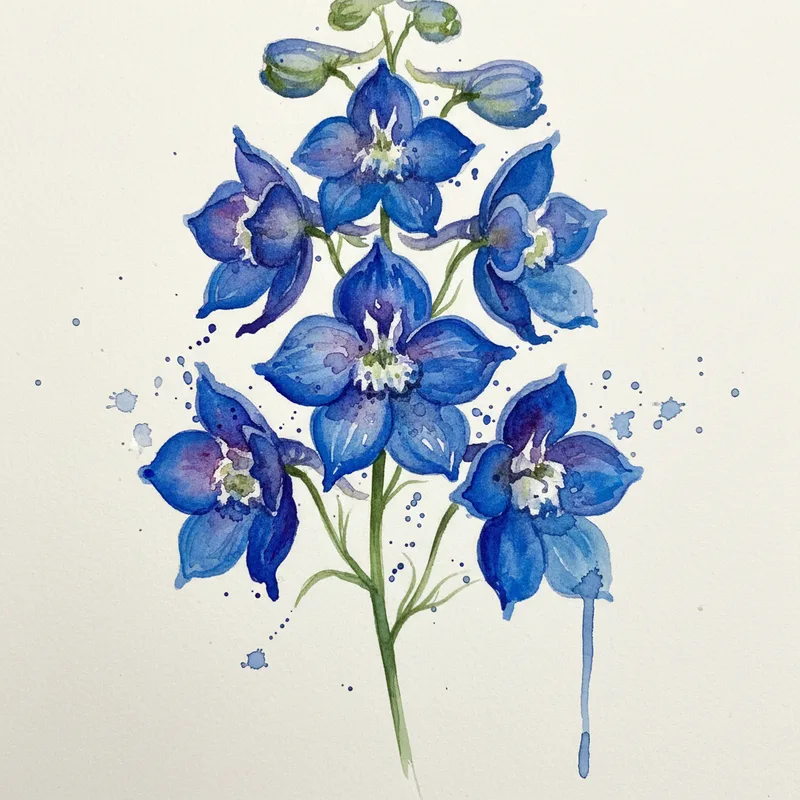
- Delphinium 'Black Knight' or the Pacific Giant series. Six-foot spires of true cobalt blue. Demand cool roots and full sun. Hardy in zones 3 to 7.
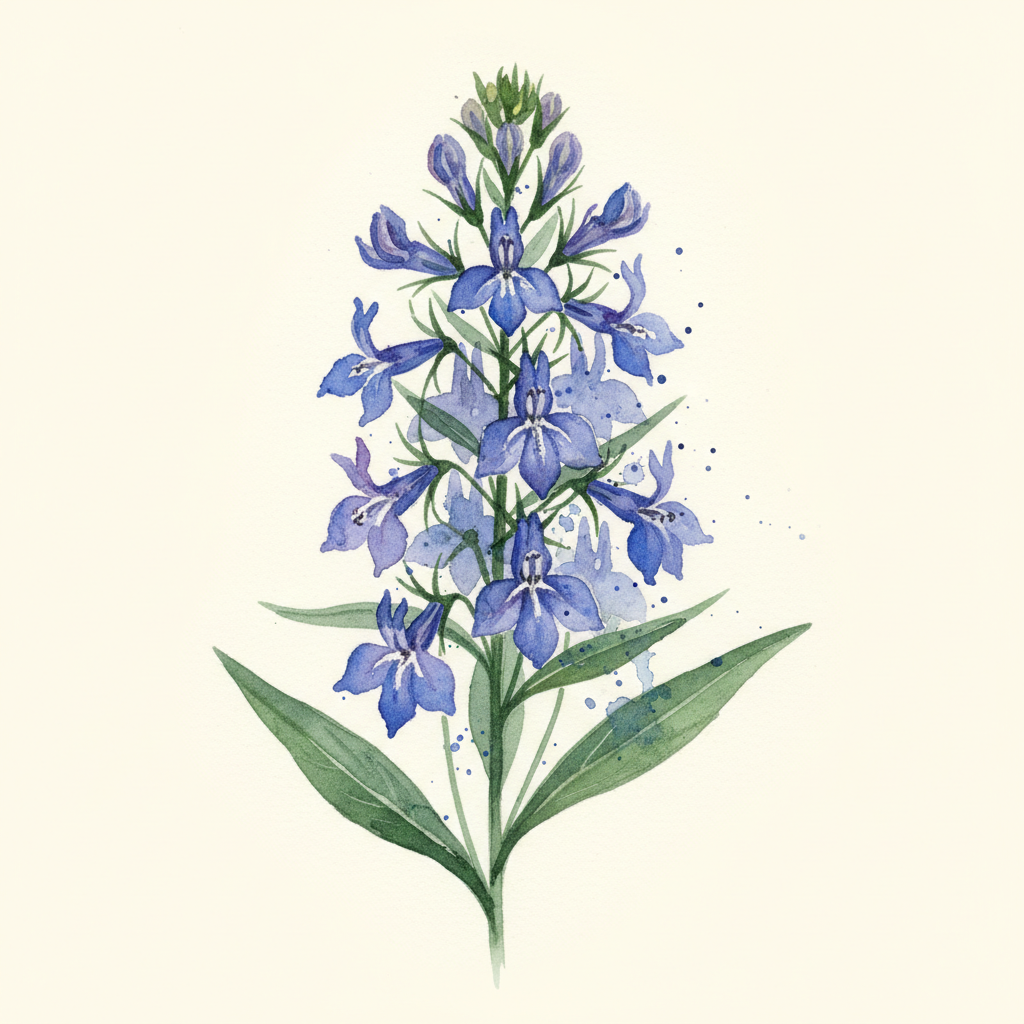
- Great Blue Lobelia (Lobelia siphilitica). Native, intense blue, blooms late summer. Zones 4 to 9.
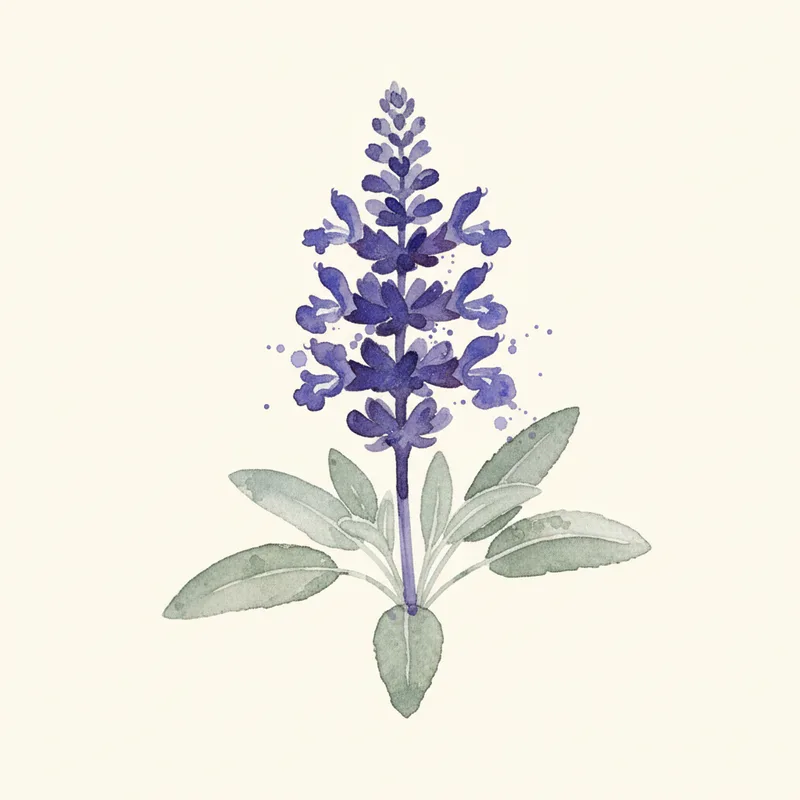
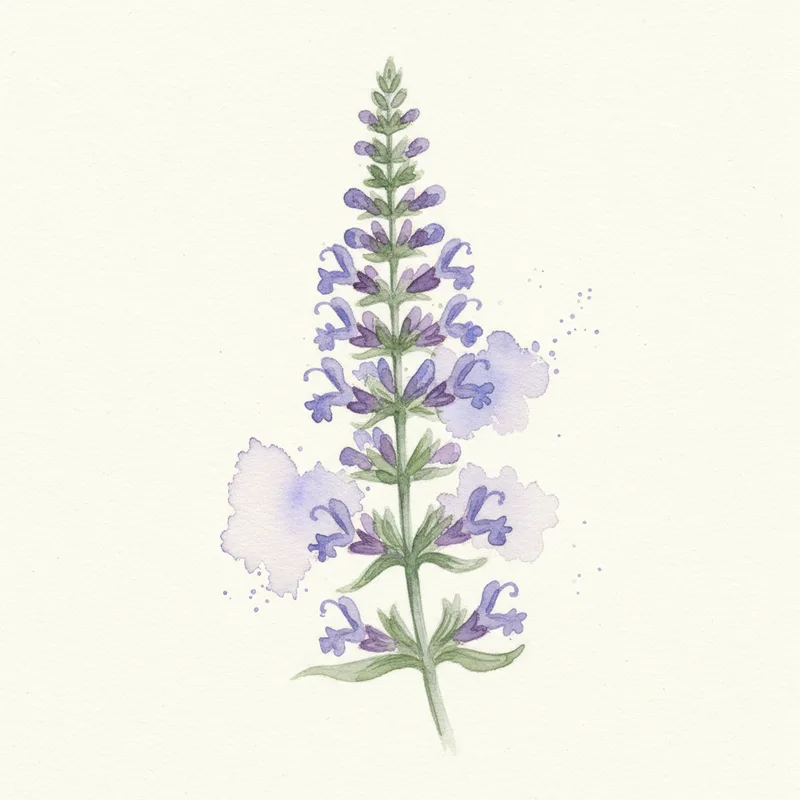
- Salvia 'May Night' (Salvia nemorosa). Deep purple-blue spikes, blooms for months. Zones 3 to 8.
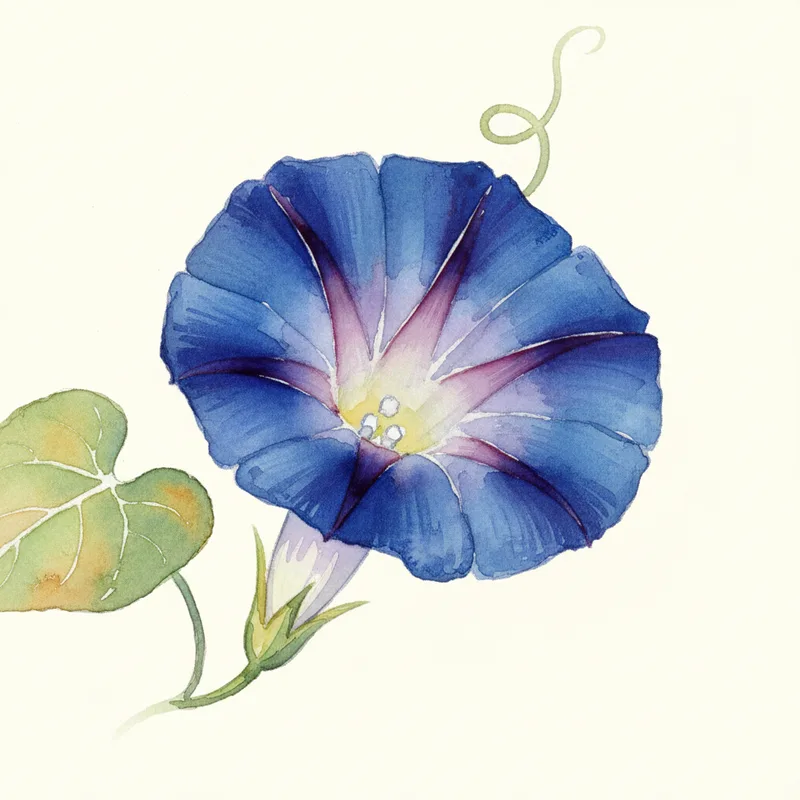
- Morning glory 'Heavenly Blue' on a trellis or fence. Annual in cold climates.
- Anchusa azurea 'Loddon Royalist'. The bluest perennial there is. Short-lived but worth the trouble. Zones 3 to 8.
For zones 8 and warmer, gentian sage (Salvia patens) is unmatched sapphire. North of zone 7, grow it as an annual.
Ruby: the foundation of a bold palette
True red is what makes jewel-tone gardens feel jewel-toned. It is the anchor color. Without ruby red, the rest of the palette drifts toward purple and gold without a focal point.
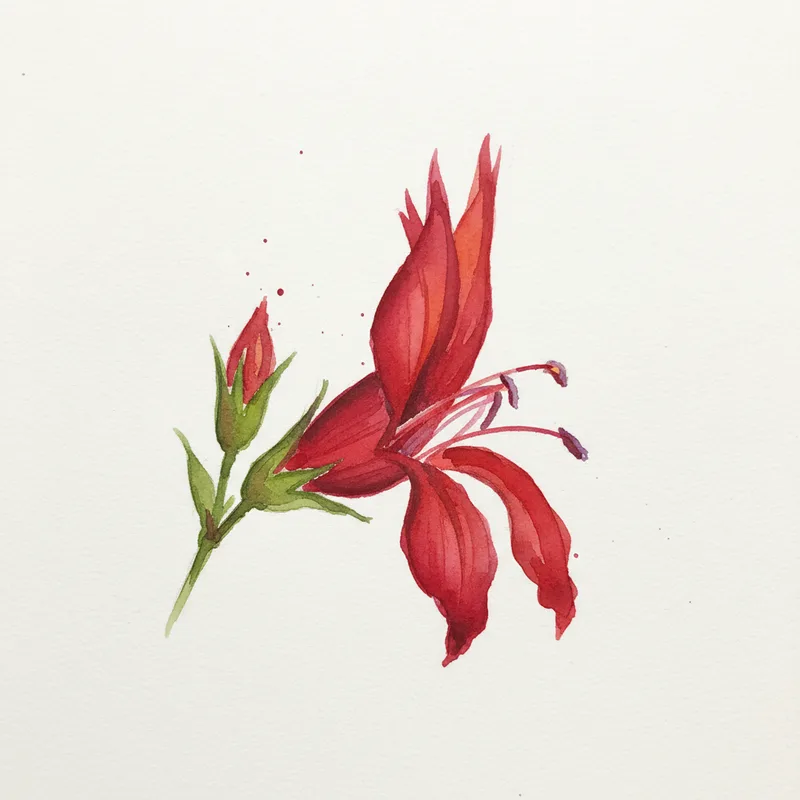
- Cardinal Flower (Lobelia cardinalis). The most vivid red in the native plant world. Zones 3 to 9.
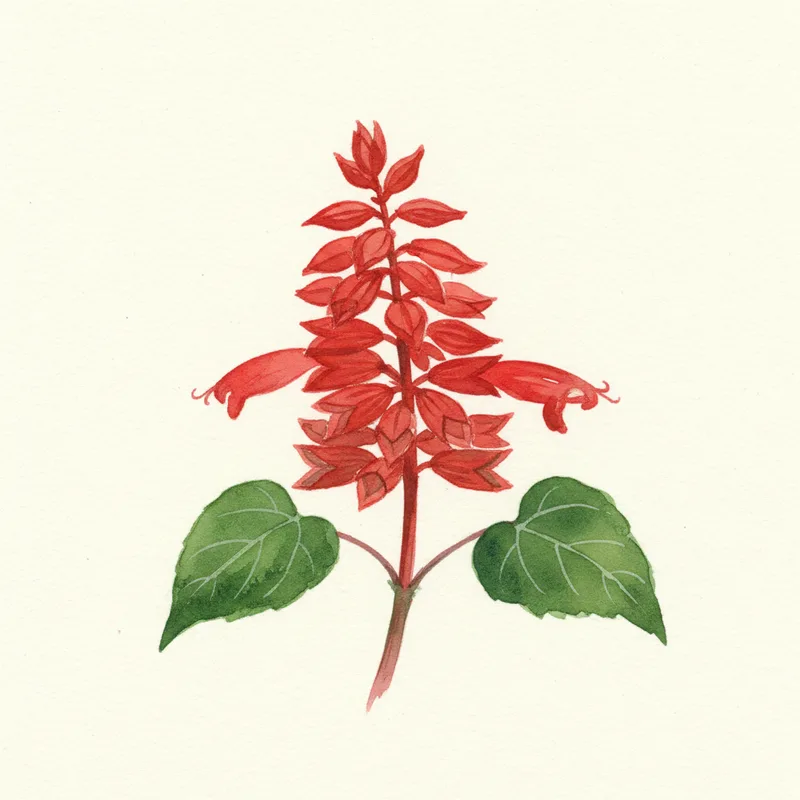
- Scarlet Sage (Salvia splendens). Electric red spikes, hummingbird magnet, blooms until frost. Annual in most zones, perennial in 10 to 11.
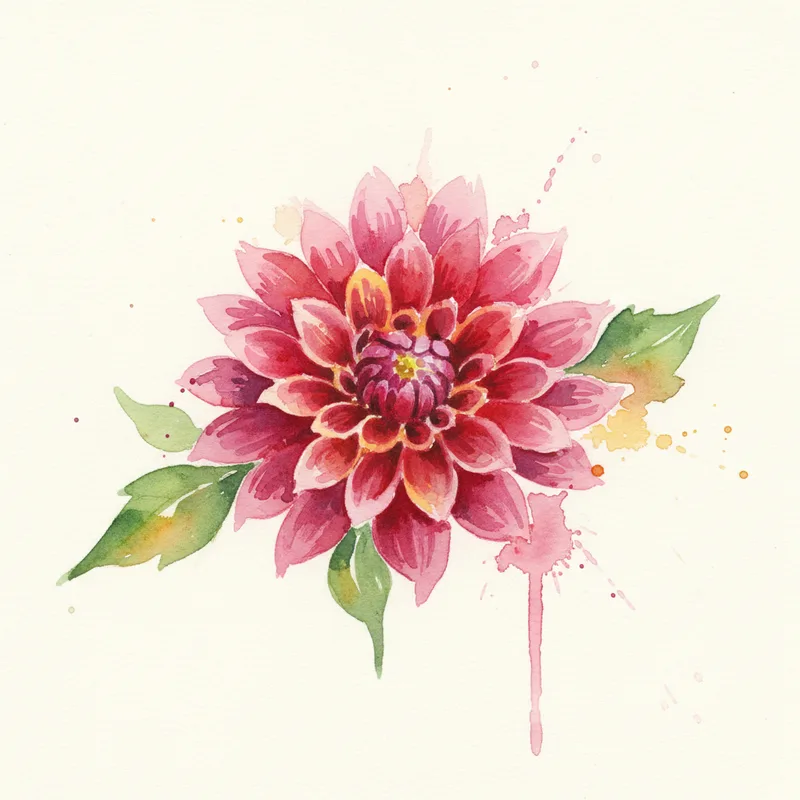
- Dahlia 'Bishop of Llandaff'. Scarlet single flowers over near-black foliage. The textbook jewel-tone dahlia.
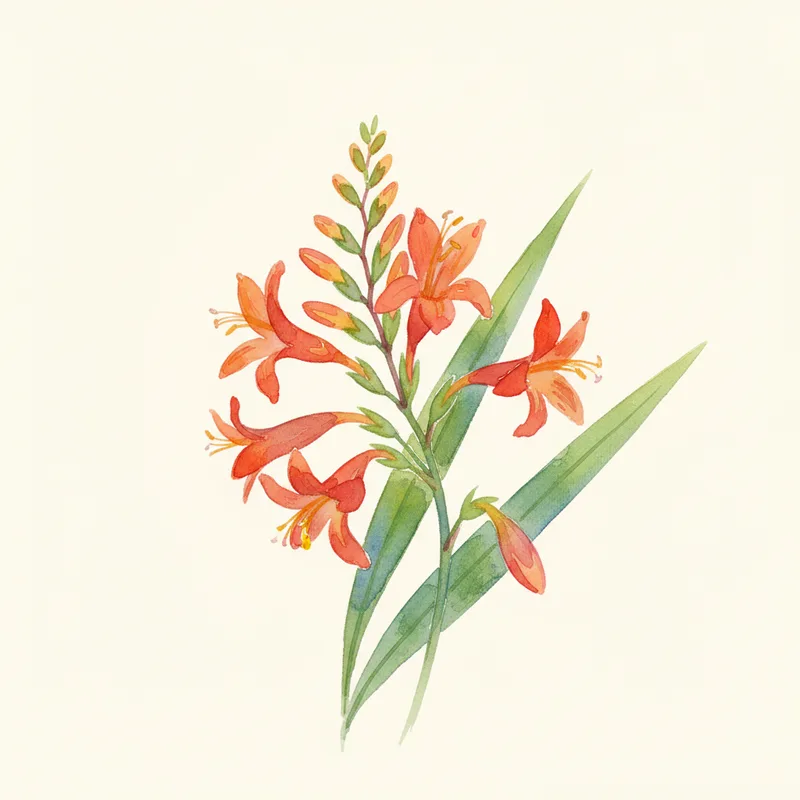
- Crocosmia 'Lucifer'. Arching sprays of fiery red-orange. Three feet tall, zones 5 to 9.
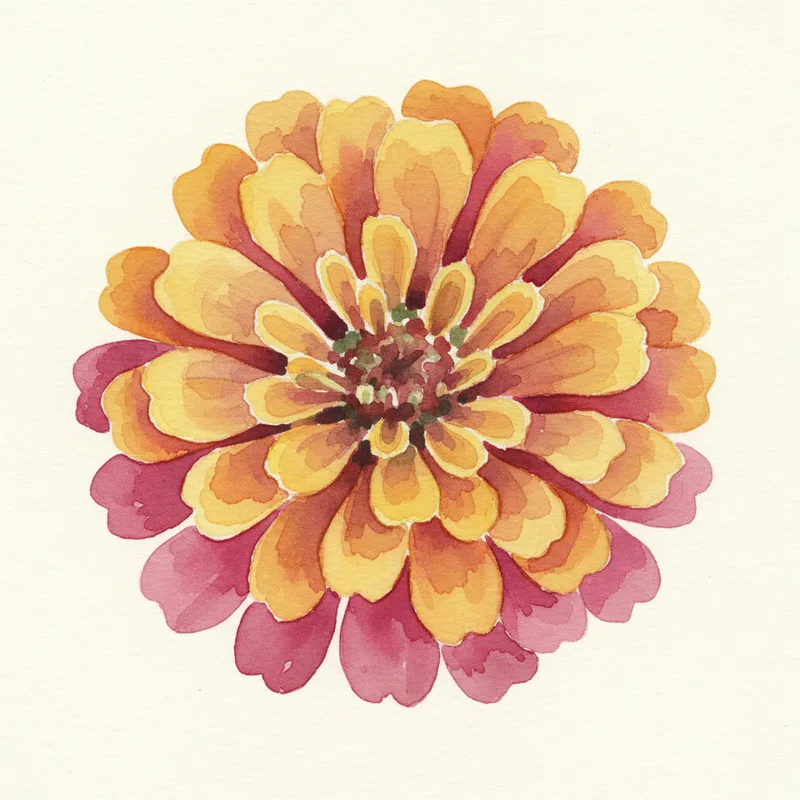
- Zinnia 'Benary's Giant Scarlet' or 'Will Rogers'. Saturated red for cut flowers.
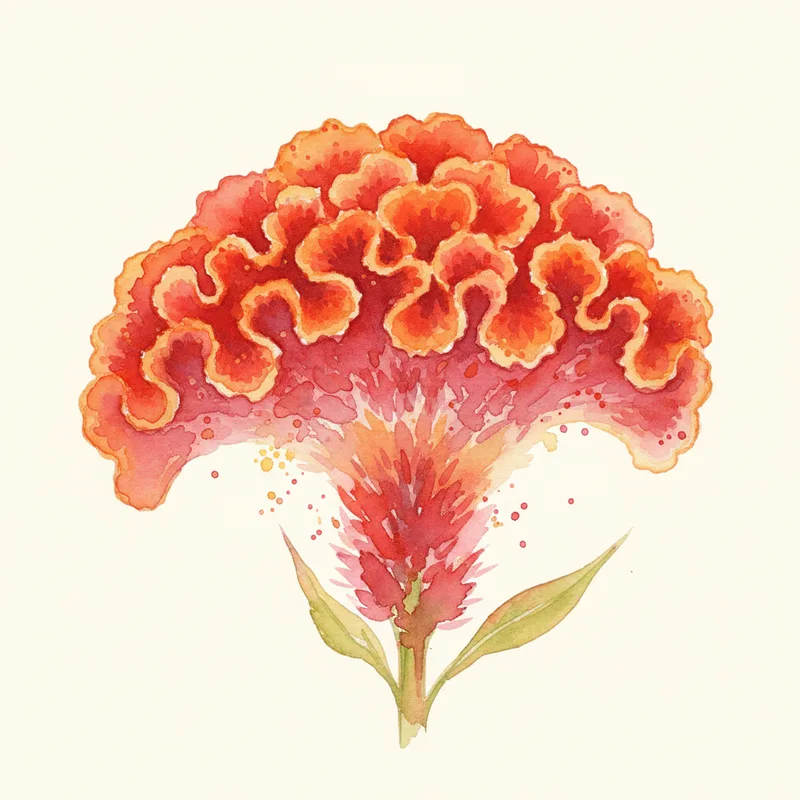
- Celosia 'Cramer's Burgundy' for textural ruby plumes.
Amethyst and deep purple
This is the easiest jewel tone to achieve because so many garden plants land in this register.
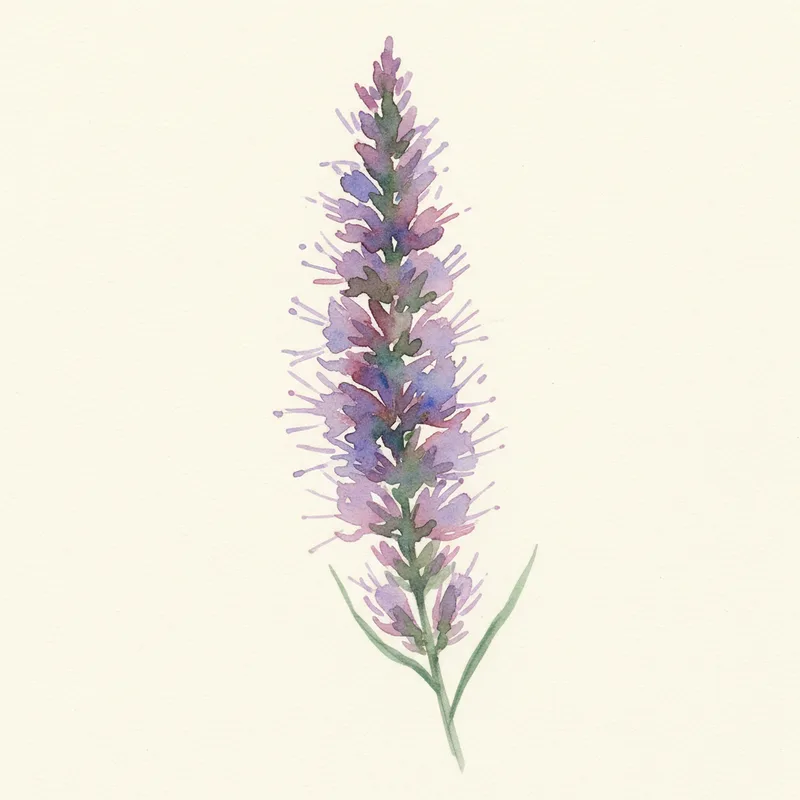
- Liatris spicata. Purple spikes, blooms top-down, butterfly favorite. Zones 3 to 9.
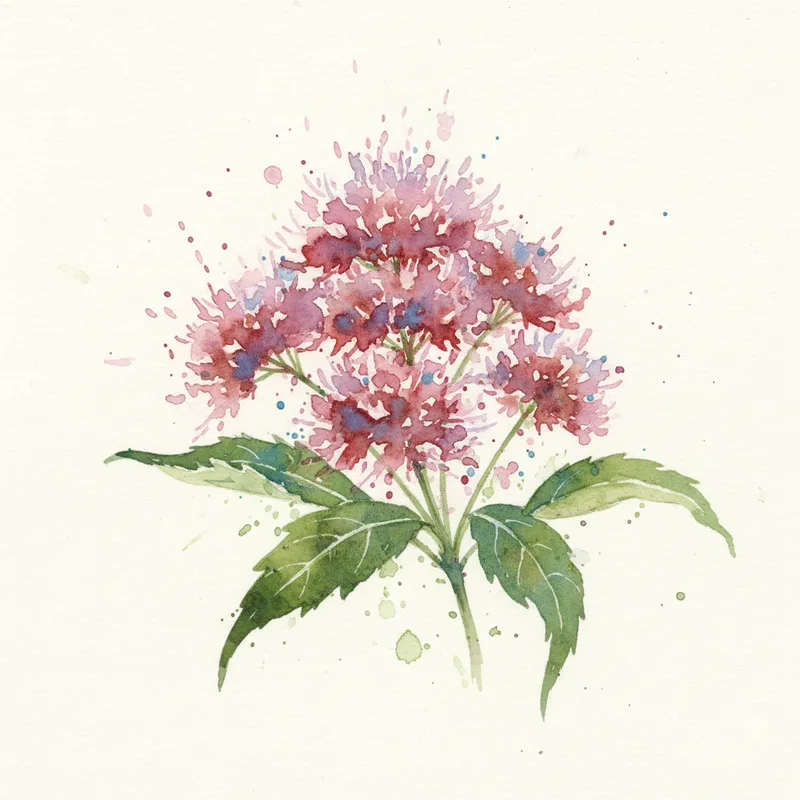
- Joe-Pye Weed. Towering native with mauve-purple domes in late summer. Zones 3 to 8.
- Russian Sage. Airy lavender clouds at the back of a border. Zones 4 to 9.
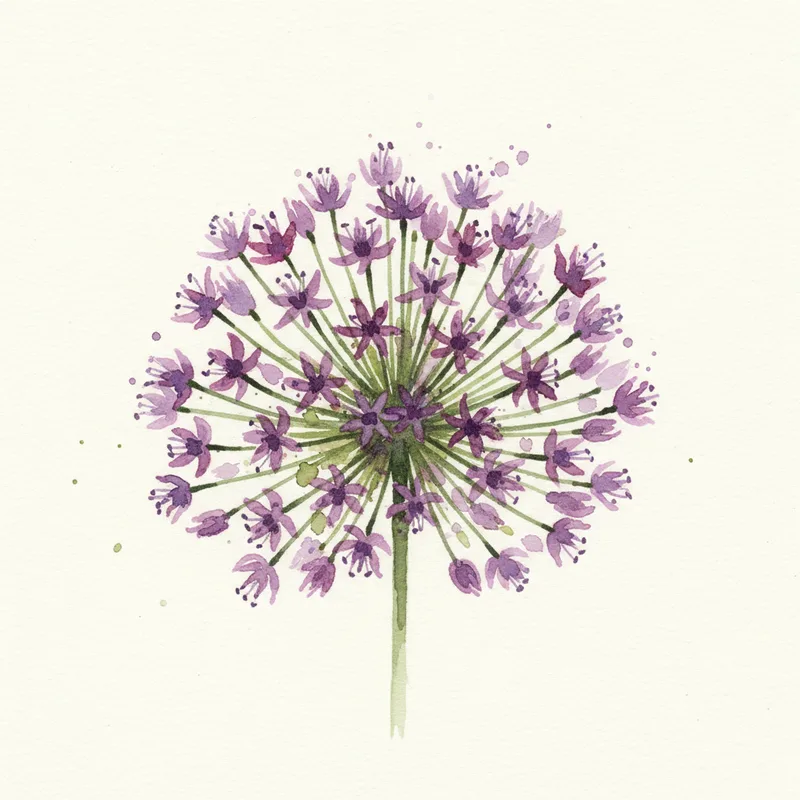
- Allium 'Globemaster' or 'Purple Sensation'. Sculptural purple orbs in late spring.
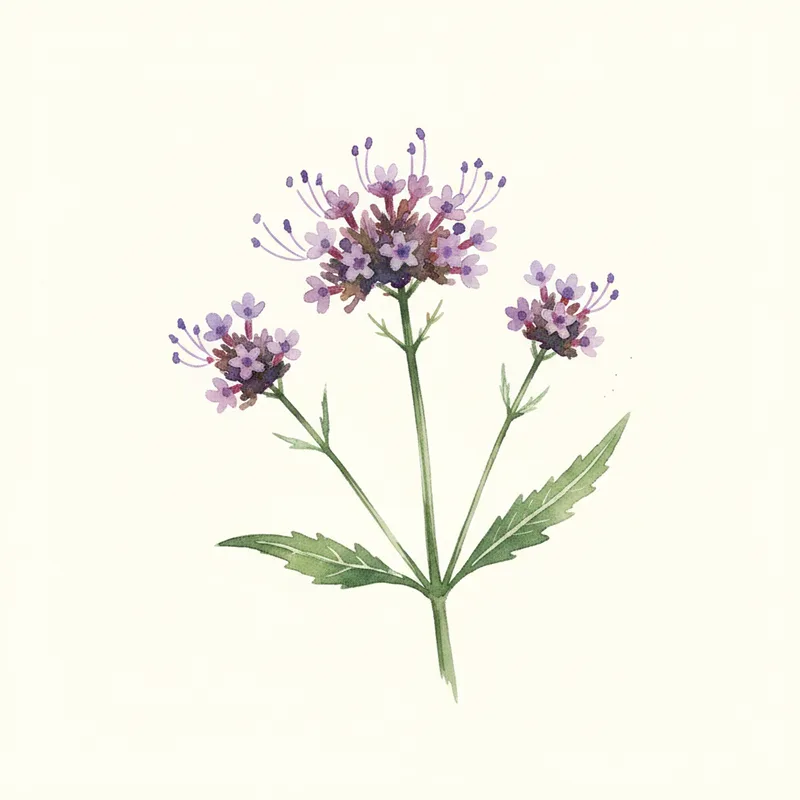
- Tall Verbena (Verbena bonariensis). Wiry stems with violet button clusters. Self-sows.
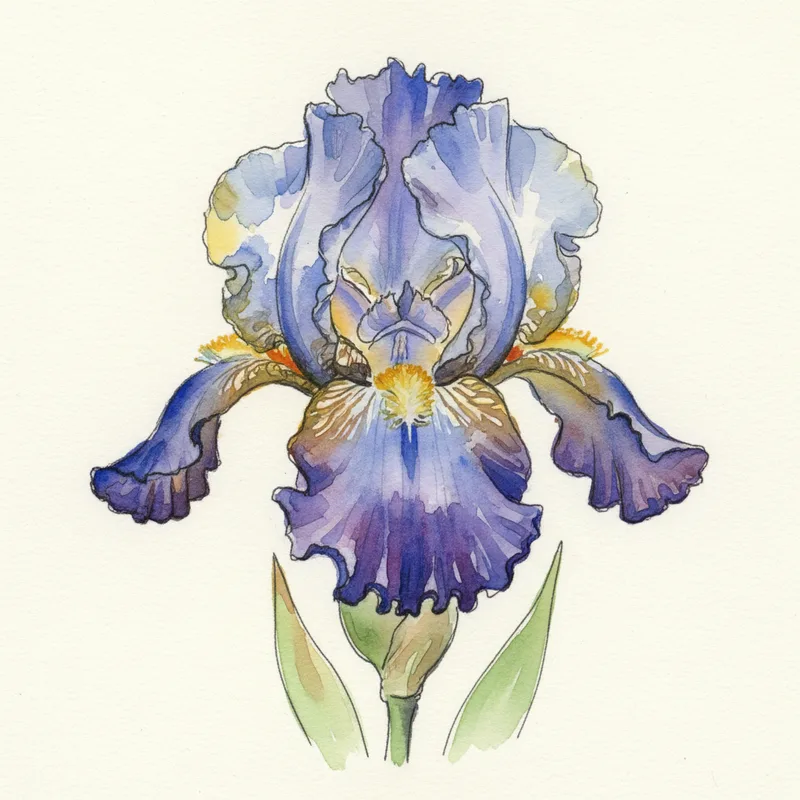
- Iris 'Best Bet' or 'Superstition'. Saturated purple bearded iris in late spring.
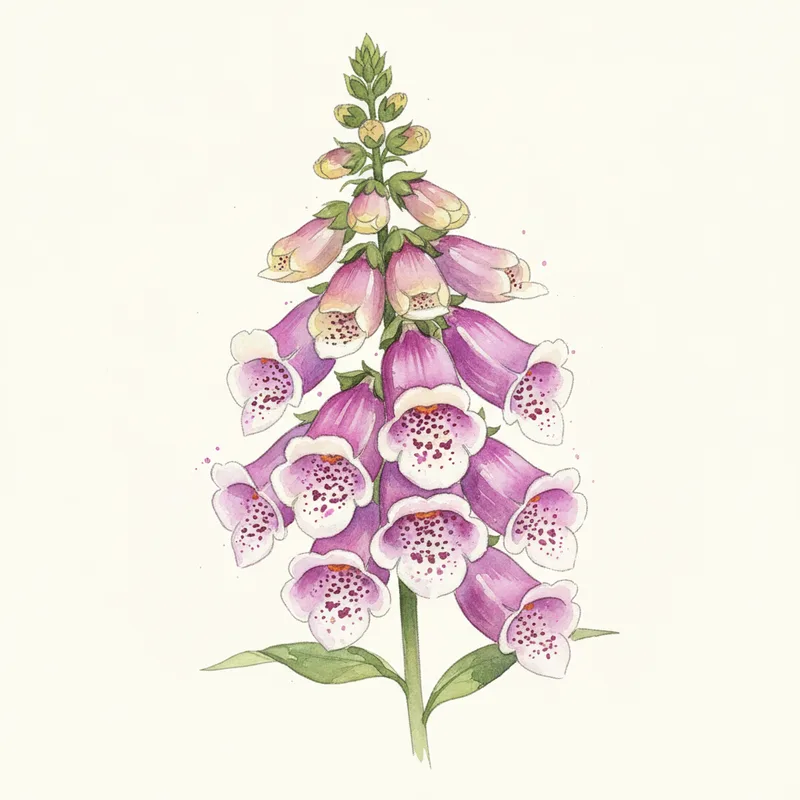
- Foxglove 'Camelot Lavender' or 'Pam's Choice'. Tall spires for the back of borders.
Topaz and citrine: the warm anchors
A jewel-tone garden without warm gold reads cold. Gold and amber are what balance the cool blues and purples.
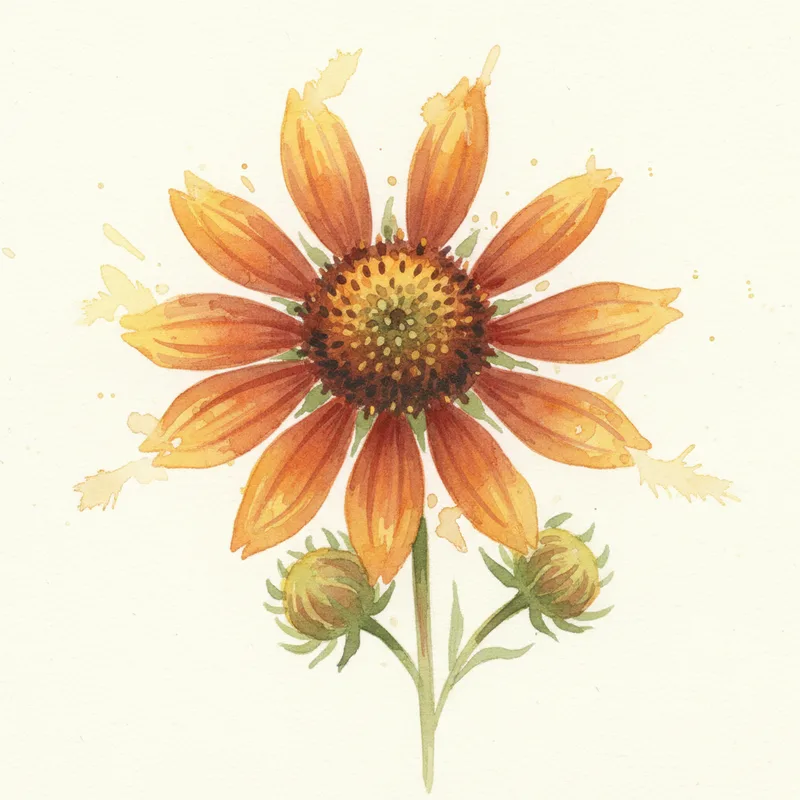
- Helenium 'Mardi Gras' or 'Sahin's Early Flowerer'. Red-and-gold daisies. Native pollinator gold.
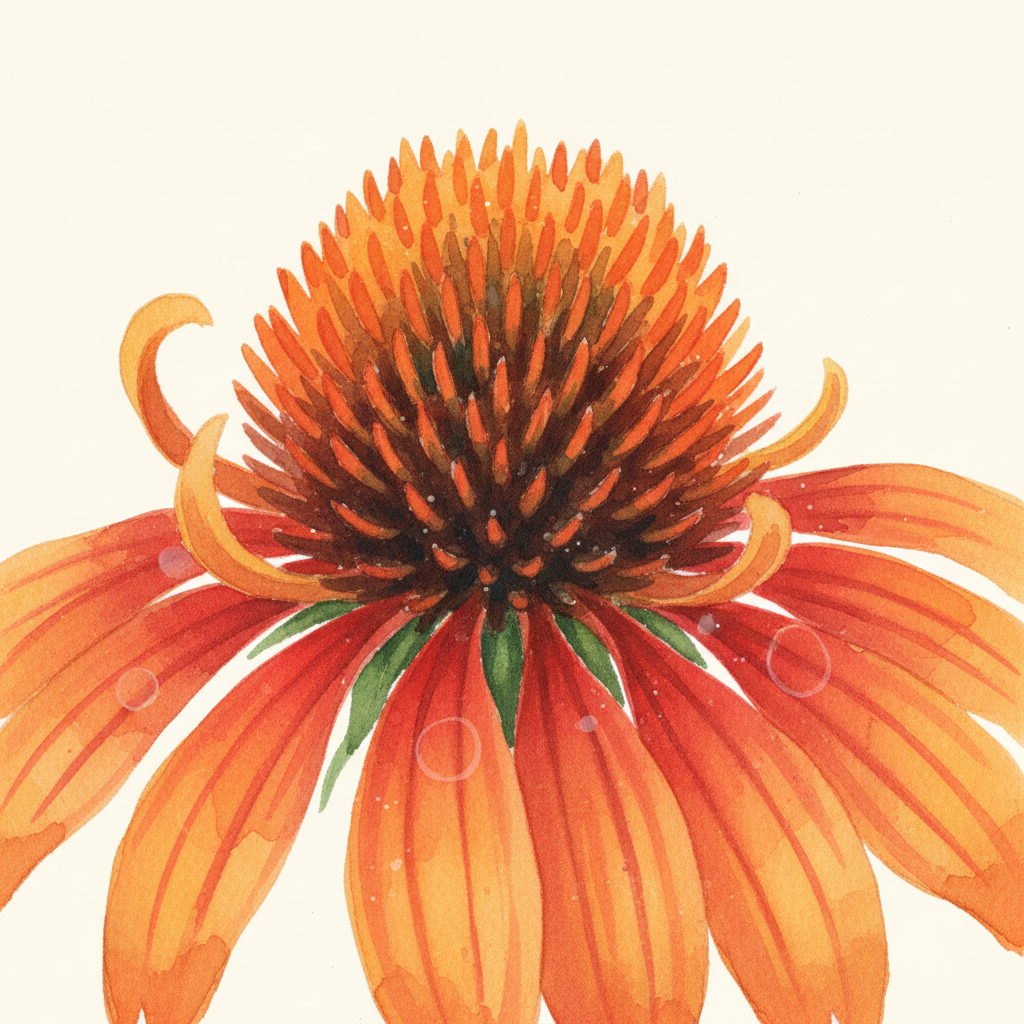
- Hot Papaya Coneflower. Orange-red double cones. Hot center of any jewel border.
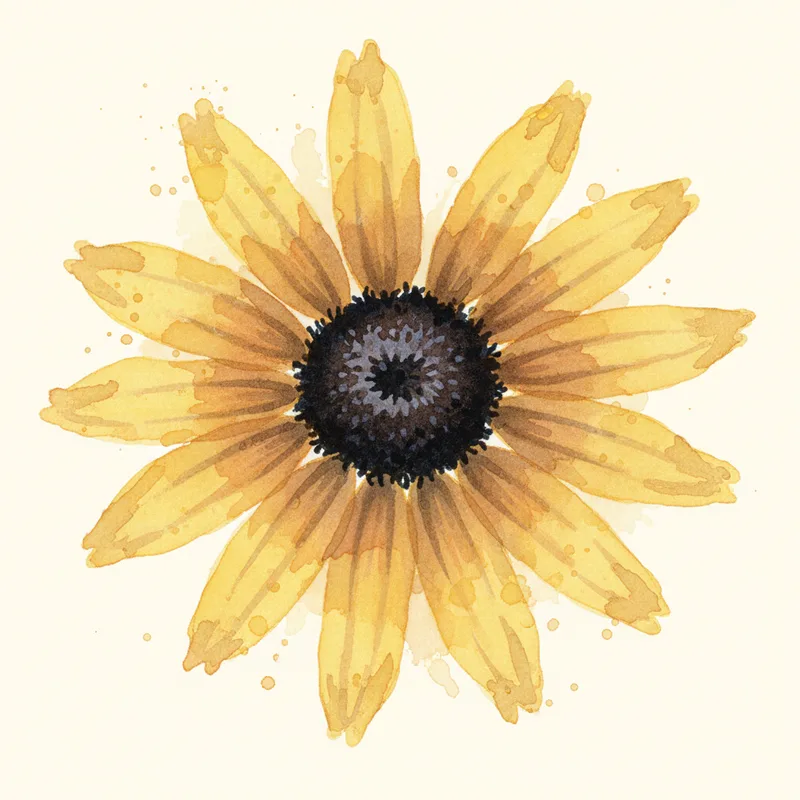
- Black-Eyed Susan 'Goldsturm'. The reliable golden anchor.
- False Sunflower (Heliopsis helianthoides). Months of golden daisies.
- Marigold 'Burning Embers' or 'Cinnabar'. Saturated rust and copper.
- Sunflower 'Velvet Queen' or 'Earth Walker'. Wine and bronze petals at jewel saturation.
Garnet and bronze: the foliage layer
Foliage matters more in a jewel-tone garden than in any other style. The dark plums and burgundies are what give the palette depth.
- Heuchera 'Caramel' or 'Obsidian'. Amber and near-black foliage all season.
- Berberis thunbergii 'Concorde' or 'Helmond Pillar'. Burgundy shrub structure.
- Sedum 'Matrona' or 'Purple Emperor'. Burgundy stems and rust-pink flowers.
- Ninebark 'Diabolo' or 'Summer Wine'. Shrub-scale dark foliage.
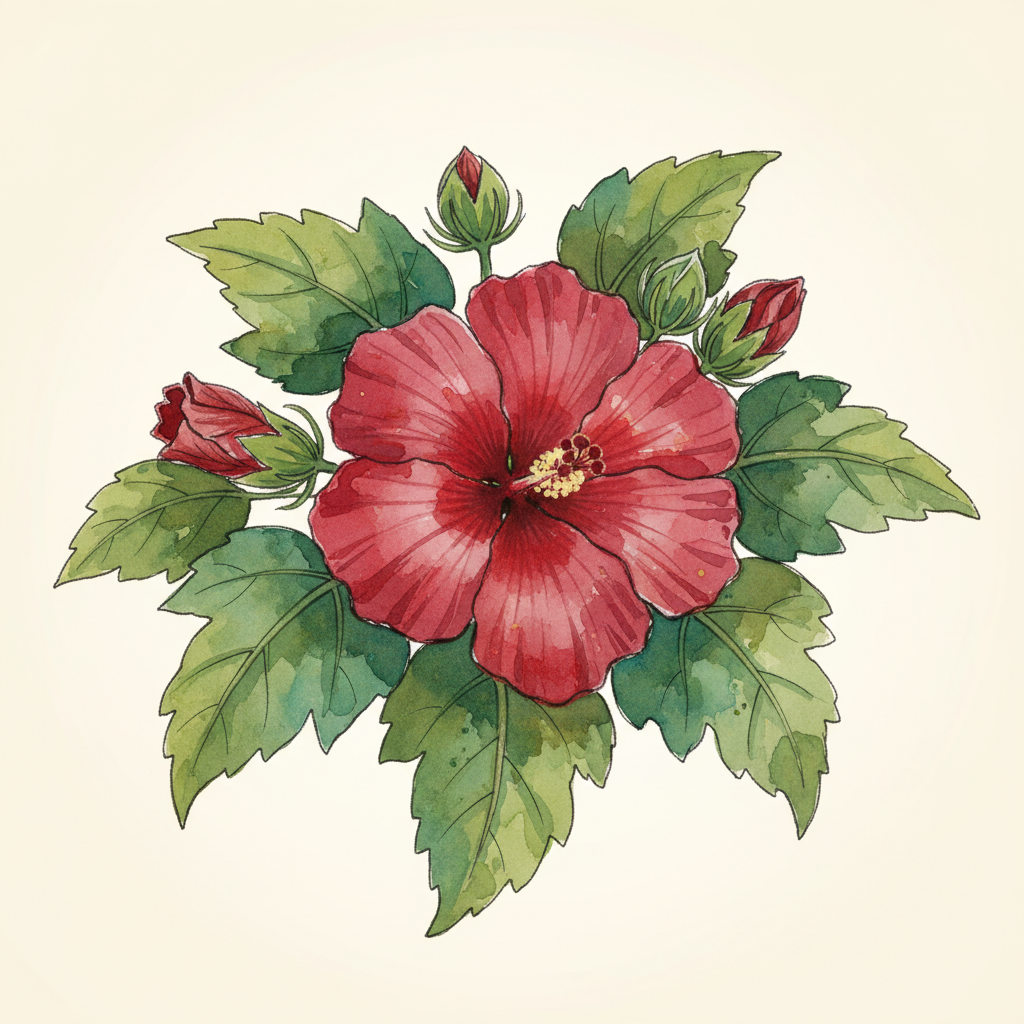
- Hardy Hibiscus 'Midnight Marvel'. Dinner-plate red blooms over deep burgundy leaves.
Emerald: foliage as backdrop
The richest jewel-tone gardens use deep glossy greens as a "velvet curtain" behind the color. Hostas, ferns, and broadleaf evergreens carry this load.
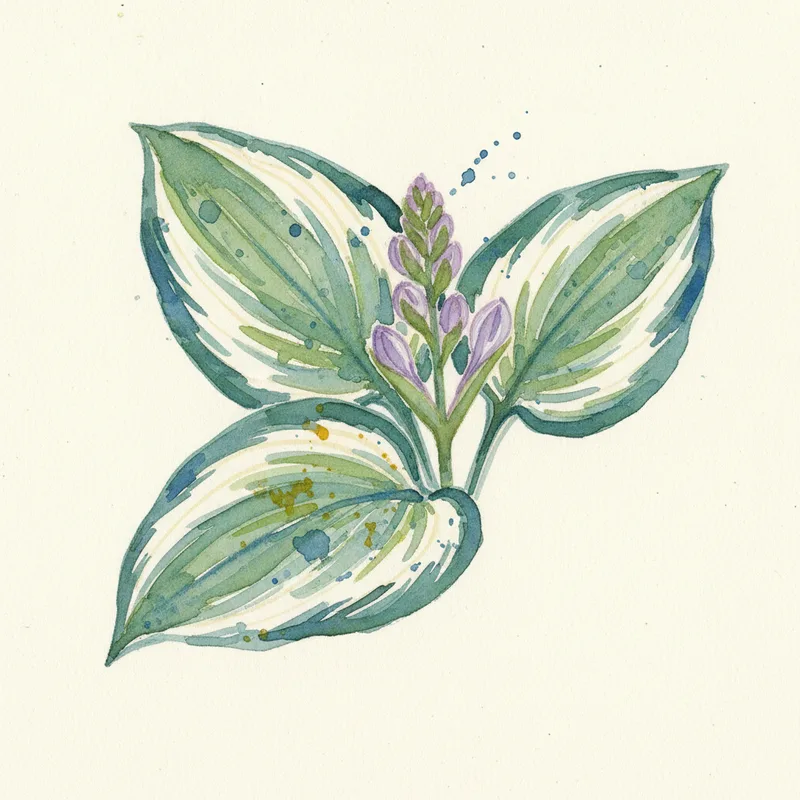
- Hosta 'Halcyon' or 'Blue Mouse Ears' for emerald-blue depth in shade.
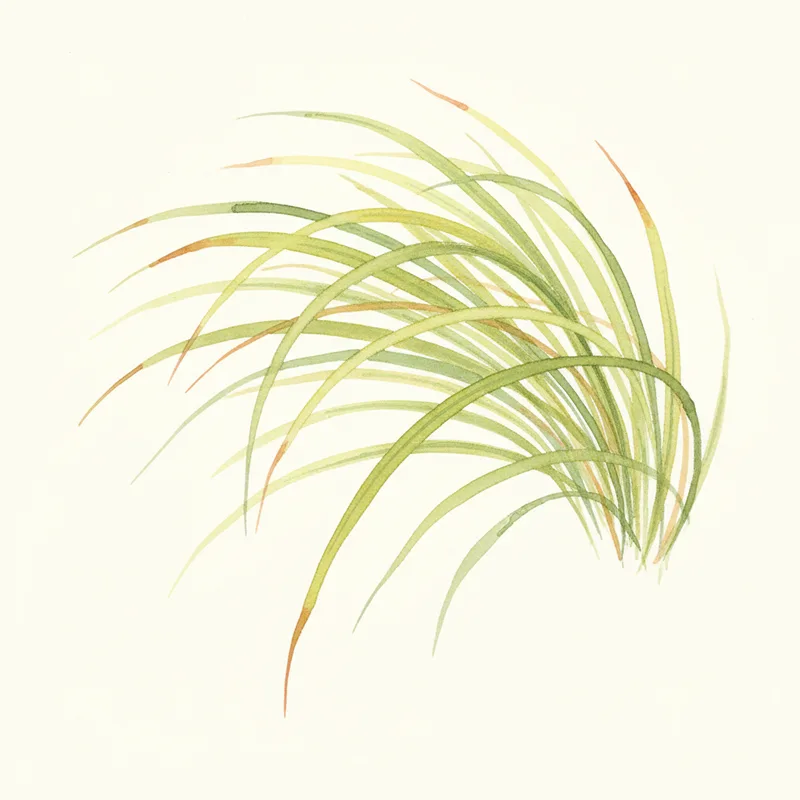
- Japanese Forest Grass (Hakonechloa). Glossy cascading green, especially in shade.
- Boxwood, holly, or Japanese yew as evergreen structure (yew is poisonous in every part except the red aril, so keep it away from children and grazing animals).
Four design rules for jewel-tone gardens
1. Commit to saturation. If a flower looks chalky in the catalog, skip it. Jewel tones depend on chroma.
2. Repeat three jewel colors throughout the bed. Pick a sapphire, a ruby, and a topaz, and use them in three to five places. Repetition reads as design rather than chaos.
3. Use dark foliage as a connector. Burgundy and near-black foliage links saturated colors that would otherwise clash. A 'Bishop of Llandaff' dahlia (scarlet over near-black foliage) next to a purple salvia works because the dark leaves bridge the colors. The same dahlia next to a chartreuse hosta would fight.
4. Use white sparingly, never pastel. Pure white can punctuate the palette like a diamond in a setting. Pastels muddy it.
Seasonal flow for a jewel-tone bed
Late spring: Bearded iris in saturated purples, allium 'Purple Sensation', foxglove 'Pam's Choice'.
Early summer: Delphinium 'Black Knight', deep red peonies (Karl Rosenfield is the standard, and we cover the rest in our peony roundup), Bishop of Llandaff dahlia, hardy geranium 'Rozanne' in purple.
Midsummer: Lucifer crocosmia, hot papaya coneflower, scarlet sage, liatris, salvia 'May Night', cardinal flower in moist spots.
Late summer: Joe-Pye weed, Russian sage, helenium, Mexican sunflower (Tithonia), dahlias hitting peak.
Fall: Aster in deep purple varieties, sedum 'Matrona' aging to ruby, mums in saturated burgundy, helenium late blooms.
Where this style works best
Jewel tones photograph best against a backdrop. They sing in front of a dark fence, a stone wall, or against dense evergreen shrubs. They feel washed out in bright open lawn settings. If you have a contained bed with a dark backdrop (hedge, fence, or wall), prioritize it as your jewel-tone bed and put pastels elsewhere.
The bottom line
Jewel-tone gardens are an antidote to dusty pastel exhaustion. The palette is committed, modern, and reads better in photographs than any other garden style on earth, which matters in a Pinterest-driven design era. The hardest part is letting go of the chalky pinks and mauves you have probably been planting for a decade. Replace them with saturated cousins, lean on burgundy foliage to connect the bolder flowers, and use one good gold or amber to balance the cool blues. Three saturated colors, dark foliage as connector, one white reset. That is the entire formula.
Related reading
- How to build a cottage garden (the pastel sibling)
- Best perennials for nonstop color
- How to plan for continuous summer blooms
- Pollinator garden planning
Browse jewel-tone plants by zone
What's growing, what's blooming, what's worth planting.
For gardeners who like to stay ahead.