Specialty Zinnia Varieties for Nonstop Summer Color (2026 Guide)
The zinnia your grandmother grew is not the zinnia flower farmers are growing now. Queen Lime, Oklahoma, Zinderella, Benary's Giant: the specialty varieties worth planting in 2026, with the technique that doubles your harvest.
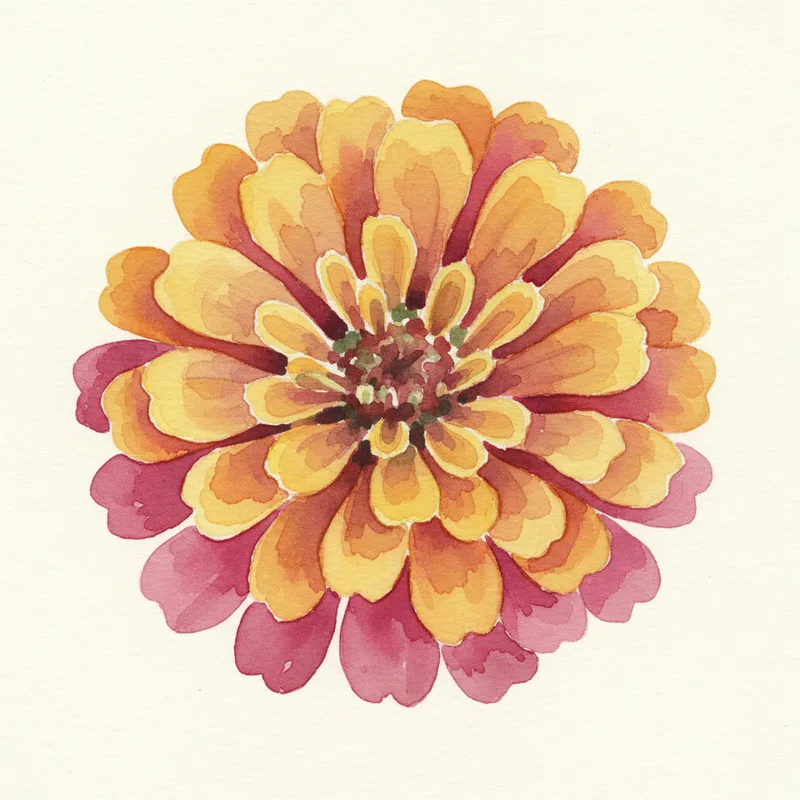
The zinnia your grandmother grew is not the zinnia flower farmers are growing now. Somewhere between the 1990s grocery store rack of red-and-orange "State Fair" mix and the Pinterest-saturated bouquet aesthetic of the last few years, plant breeders quietly turned this old-fashioned annual into one of the most expressive cut flowers on the planet. The colors got weirder. The petal counts climbed. Whole new flower forms appeared. And almost none of it has reached the average garden center.
If you have only ever grown zinnias from a $1.50 seed packet at the supermarket, this is your sign to look at what specialty seed companies are offering for the 2026 season. Plant the right varieties now and you will be cutting bouquets that look like they cost $40 at the farmers market, from a packet that cost $5. (For the full cutting-garden annual lineup beyond zinnias, see our guide to the best annuals to start from seed.)
Why specialty zinnias matter
Three things changed.
- Flower farmers happened. The small-farm flower movement that exploded after 2015 created demand for varieties that hold up in a vase, photograph well, and come in colors that no big-box seed rack carries. Breeders responded with cultivars aimed at growers rather than landscapers.
- The pastel palette took over. Soft peaches, dusty corals, antique creams, and chartreuse greens replaced the saturated reds and oranges that defined zinnias for fifty years. Pinterest and Instagram run on these tones, and so do wedding florists.
- Pollinator preference matters. Single and semi-double zinnias feed bees and butterflies far better than the tightly packed pompon types. The new generation of varieties leans into open-centered flowers that work for both bouquets and biodiversity.
Quick zinnia anatomy
If you are shopping seeds, you will see four species names. The short version:
- Zinnia elegans is the classic, the species that does almost all the cutting-garden work.
- Zinnia haageana (Mexican zinnia) is bushier, with smaller bicolored flowers; it tolerates more heat and drought.
- Zinnia angustifolia is narrow-leaved, more disease-resistant, and tends to be lower-growing.
- Zinnia marylandica hybrids like the Profusion and Zahara series combine angustifolia toughness with elegans color range. These are the bedding-plant workhorses.
For cutting, you want elegans. For landscape mass, you want marylandica or angustifolia. Mixing both gives you bouquets and a tidy bed.
The Queen series (Queen Lime, Queen Red Lime, Queen Lime Orange, Queen Lime Blotch)
If specialty zinnias have a flagship, this is it. The Queen series is the Floret Flower Farm favorite that put weird-colored zinnias on every flower farmer's seed list. Queen Lime opens chartreuse and fades to dusty rose. Queen Red Lime layers burgundy over green. Queen Lime Blotch shows dark blotches at petal bases. Queen Lime Orange shifts apricot to lime as it ages. Every flower opens slightly different colors, which is what makes them so photogenic.
- Height: 30 to 40 inches
- Vase life: 7 to 10 days
- Best for: Cutting, wedding work, mixed bouquets
- Zone notes: Performs in zones 3 to 10 as a warm-season annual; needs heat once nights warm to 60°F
Oklahoma series (Salmon, Pink, Carmine, White, Ivory, Scarlet)
Smaller, denser, more uniform than the Queens. Oklahoma flowers run 1.5 to 2.5 inches across with high petal counts and clean colors. They produce more stems per plant than the Queen series and hold up better in summer storms. If you want consistent bouquet-grade flowers in a known color, this is the series to plant in volume.
- Height: 30 to 40 inches
- Best for: Designer florists who need predictable color
- Zone notes: Same as Queen, zones 3 to 10 warm-season
Benary's Giant (the dahlia-flowered classic)
If you cut zinnias for sale, this is still the workhorse. Benary's Giant flowers measure 4 to 6 inches across on strong 40-inch stems in clean saturated colors. They are not subtle. They are the zinnia of state fair purple, parade-float orange, classic deep red. Plant Benary's when you want maximum impact and minimum delicacy.
- Height: 36 to 48 inches
- Best for: Volume cutting, market bouquets, the back of borders
- Zone notes: Zones 3 to 10
Zinderella series (the scabiosa-flowered ones)
Zinderella zinnias have a raised, button-like center crown of petals surrounded by a single skirt of outer petals. They look like scabiosa or anemone flowers, which is why florists love them. Color range: Peach, Lilac, Purple, Yellow, White, and Orange. Not every flower comes out crested ("scabiosa-form"), but the ones that do are spectacular.
- Height: 24 to 30 inches
- Best for: Mixed bouquets where you want unusual texture
- Note: About 60 to 70% of flowers will be true crested form; the rest will be doubles
Persian Carpet and Old Mexico (the small bicolors)
These Zinnia haageana selections are smaller, bushier, and more drought-tolerant than the elegans giants. Flowers are 1.5 to 2 inches, double or semi-double, in warm bicolored patterns of mahogany, gold, and red. They look like vintage hand-painted tin flowers. Perfect for the front of a cutting bed or threaded through a cottage border.
- Height: 16 to 24 inches
- Best for: Edges, containers, drought-tolerant beds, mixing with cosmos
- Zone notes: Tougher than elegans in low-humidity heat; zones 3 to 10
Profusion and Zahara (the bedding workhorses)
If you are not cutting but want a bulletproof bedding zinnia for borders, containers, and mass plantings, the Profusion and Zahara series are unbeatable. Compact, disease-resistant, self-cleaning (no deadheading needed), and they bloom from May until frost. The newer colors like Profusion Red Yellow Bicolor and Zahara Double Cherry are nursery favorites.
- Height: 12 to 18 inches
- Best for: Container plantings, bedding mass, walkway edges
- Zone notes: Warm-season annual across zones 3 to 11
Cresto Brush, Mazurkia, and the collector specialties
For something genuinely unusual, the Polish-bred Cresto Brush has paintbrush-tipped petals that look like a kid had a moment with watercolors. Mazurkia is a striped bicolor that no other zinnia matches. These are not the easiest seeds to find in North America, but specialty seed houses (Floret, Johnny's, Renee's Garden, Select Seeds) carry them in limited quantities each year. Order in January for the best selection.
How to actually grow specialty zinnias
The seeds are easy. The technique decides whether you end up with twenty stems or two hundred.
Plant timing by zone
Zinnias need warm soil. Cold ground kills the seedling or sets it back for the season. Plant when soil temperatures are consistently above 70°F.
- Zones 3 to 5: Direct sow late May to mid-June, or start indoors 4 weeks before last frost
- Zones 6 to 7: Direct sow mid to late May
- Zones 8 to 9: Direct sow late April through May; succession sow every 3 weeks through July
- Zones 10 to 11: Plant October through April; summer is too hot for elegans varieties
The pinch that doubles your harvest
When seedlings have three sets of true leaves and stand 8 to 12 inches tall, snap or snip the top inch off the central stem. This single pinch forces side branching from every leaf node below the cut. One pinched plant produces 3 to 5 times more flower stems than an unpinched one. Do it once per plant. Do it to all of them.
Spacing for airflow
Powdery mildew is the zinnia enemy. Crowded plants get it by August. Space the tall cutting varieties (Queen, Benary's, Oklahoma) 12 inches apart in rows 18 inches apart. The Profusion and Zahara types can go 8 inches apart because of disease resistance.
Succession sow for nonstop bloom
Most cutting zinnias bloom heavily for 6 to 8 weeks before output drops. Sow a second crop 4 weeks after the first to extend the season into October. Sow a third 4 weeks after that for a true frost-date finale.
Water at the base, not overhead
Watering the leaves invites mildew. Soak the soil instead. A drip line or soaker hose is ideal. If overhead watering is the only option, water in the morning so foliage dries before evening.
What to plant alongside
Specialty zinnias play well with other warm-season cutting annuals. Top pairings:
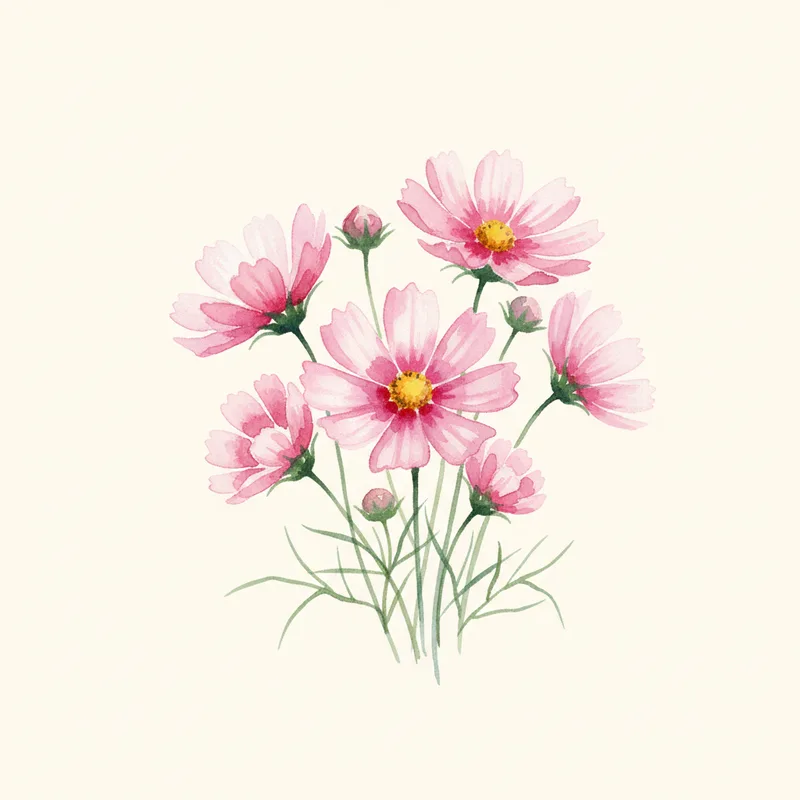
- Cosmos for airy filler
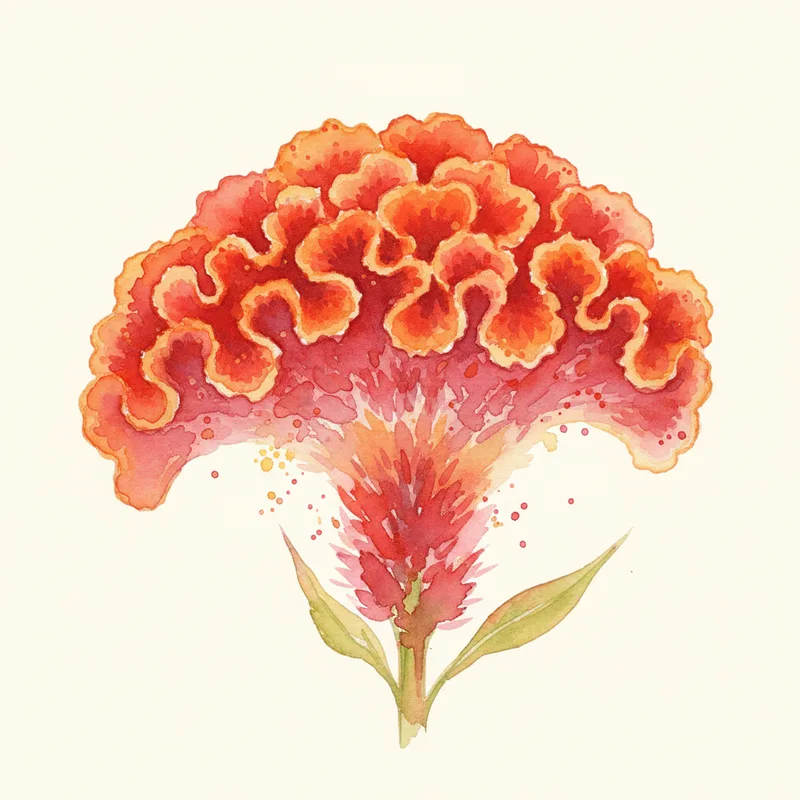
- Celosia for texture and electric color contrast
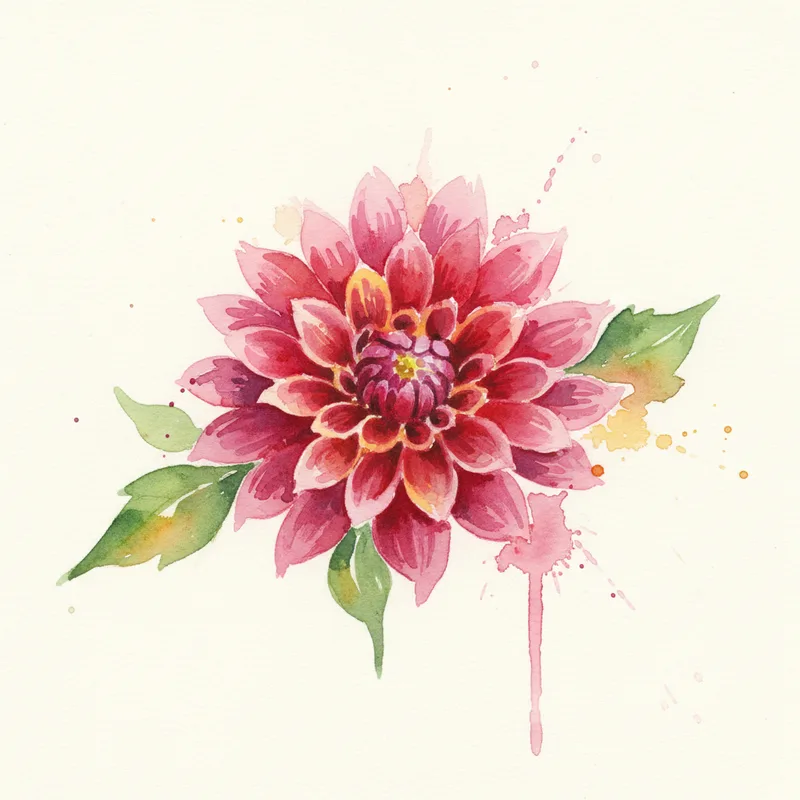
- Dahlias as the showstopper focal flower
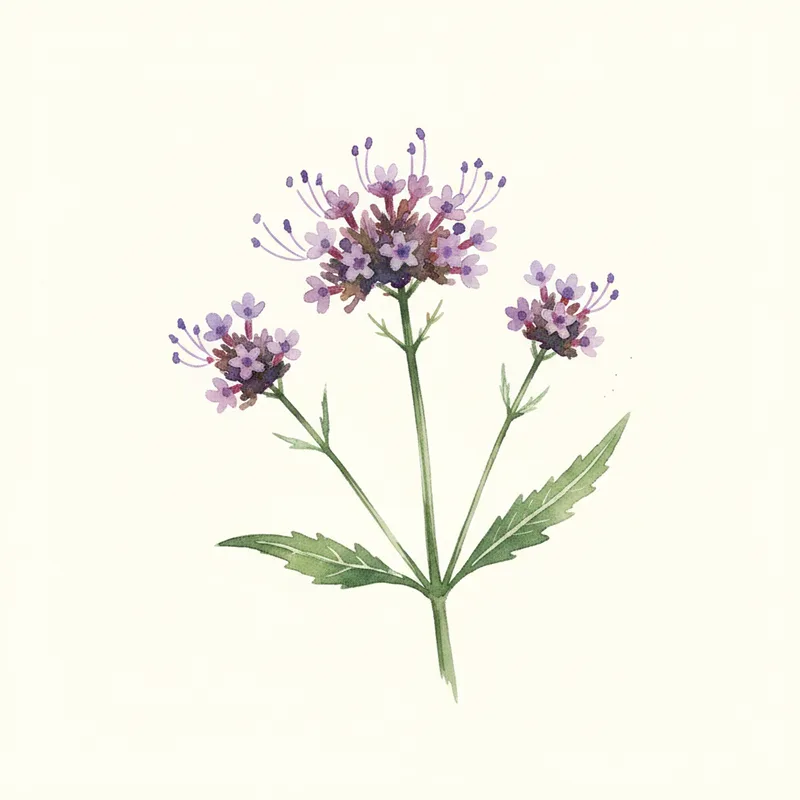
- Tall verbena (Verbena bonariensis) for height and butterfly traffic
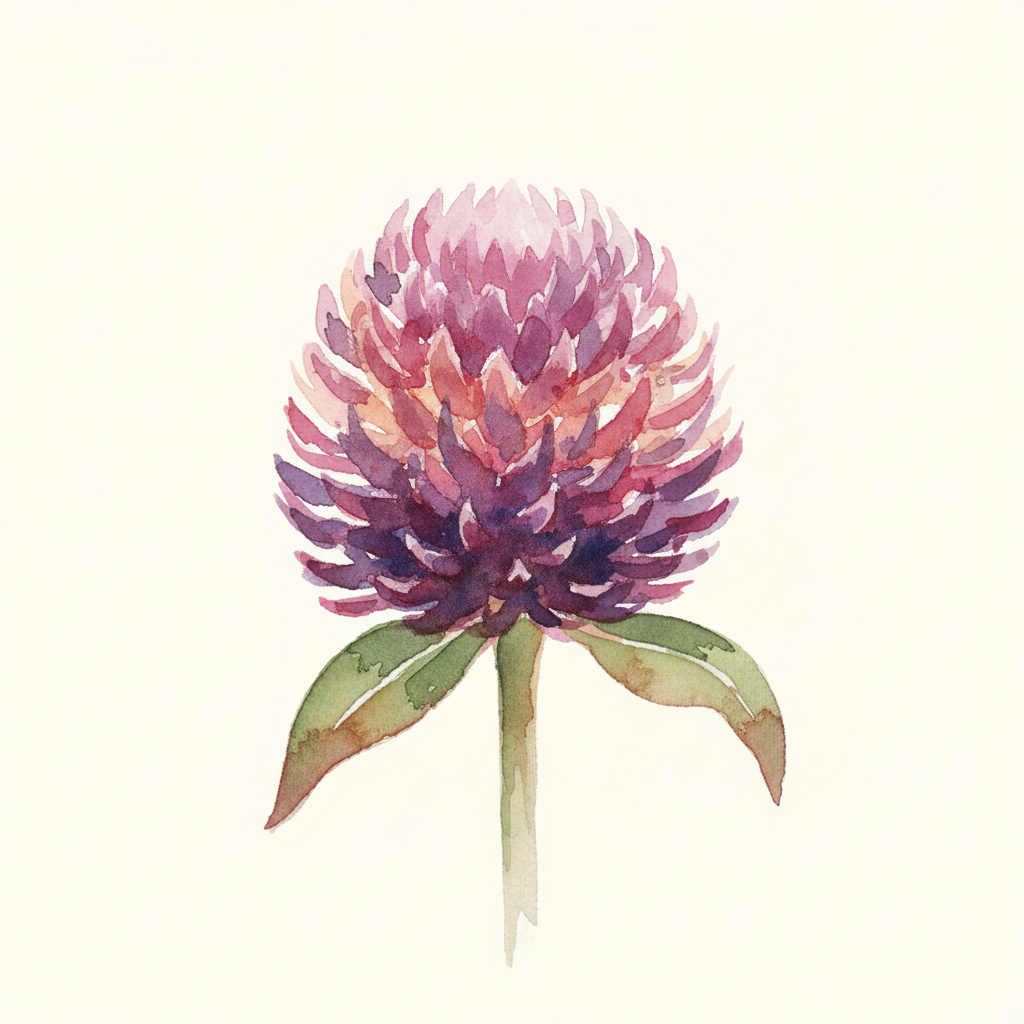
- Gomphrena for papery globes that read as buttons
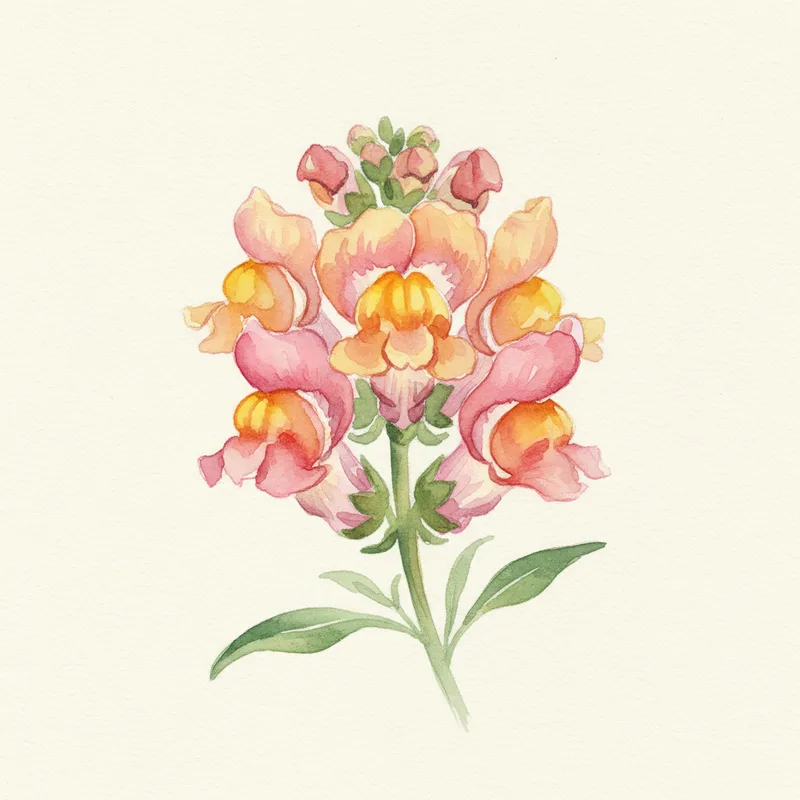
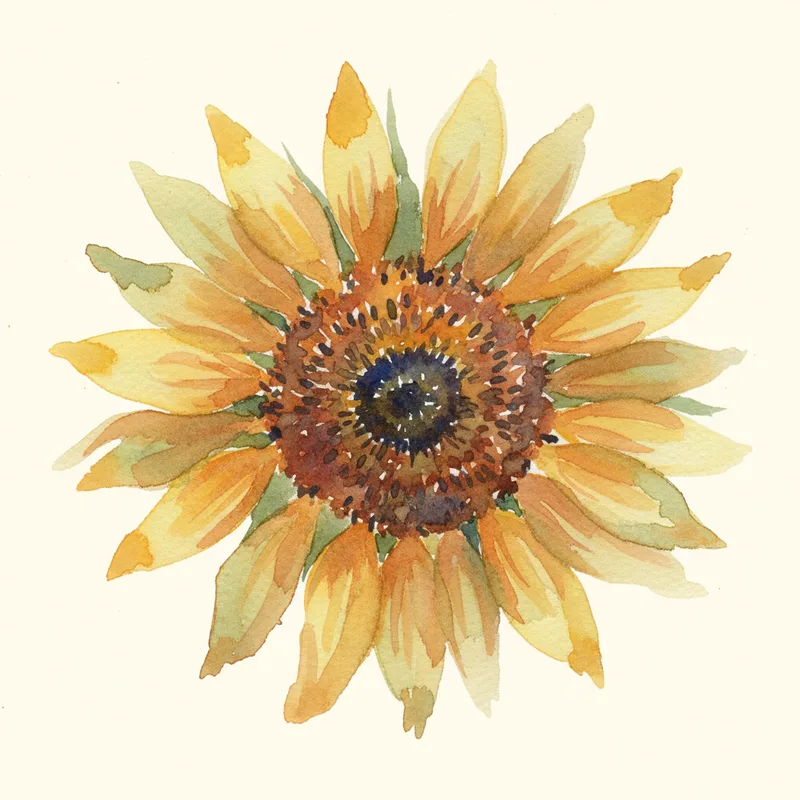
- Snapdragons (early season) and sunflowers (mid to late) for vertical structure
Cutting and conditioning
Cut zinnias in early morning when stems are fully hydrated. The "wiggle test" tells you if they are ready: hold the stem 6 inches below the flower and wiggle. If the flower wags loose, it is not ready. If it stays firm, the bloom is mature and will hold up in the vase. Strip lower leaves, recut stems at a 45-degree angle, and place in clean water with a drop of bleach to prevent stem rot. Vase life: 7 to 10 days for elegans, slightly less for the smaller-flowered species.
The bottom line
Specialty zinnias are the highest-return cutting flower you can grow. A $5 packet of Queen Lime seeds produces hundreds of stems from July through frost. Pinch the centers, sow in succession, water at the base, and the rest of the season is essentially free. By August your kitchen, your neighbors' kitchens, and the local diner's front counter will all have zinnia bouquets, and the bed will keep producing until the first hard frost shuts it down.
Related reading
- How to grow a cut flower garden that keeps your vases full
- Heat-tolerant flowers that actually survive summer
- How to plan for continuous summer blooms
- Annuals to plant before Memorial Day
- What to direct sow in late June for fall color - zinnias are the first and most reliable choice for the late-June window.
Browse zinnia companions by zone
What's growing, what's blooming, what's worth planting.
For gardeners who like to stay ahead.